Leaderboard



Popular Content
Showing content with the highest reputation on 01/26/2018 in all areas
-
I installed one in my Ollie too. There's more to the benefit than the sound though. Without it, the pressure builds up when you fire up the water heater from cold and the pressure will go to 100 PSI ad pop the pressure relief valve. This puts unnecessary strain on the entire plumbing system. It's good to keep the hose from the pump to the tank as short as is practical to keep the pump from stuttering as it tries to shut off. Best when the pump runs smoothly for a longer period and then stays off for a longer period, several seconds or so. I experimented with different pressures and settled at about 20 PSI.2 points
-
As far as rotation goes, there is no good reason to rotate the tires on an Oliver. This statement assumes the tires will time out before they wear out. Unless you put very high mileage on your trailer and do actually wear the tires out within 5 or 6 years, don't bother to rotate them. It gains you nothing. Rotation is not the same on a trailer as on a truck. Trucks carry a heavy and constant load on the front tires that also must force the truck around curves. The rear of trucks apply all the driving force to the ground and have variable loads from cargo. The fronts do wear different than the rears. But not on trailers. And usually, trailer tires will time out before they wear out. If they are all wearing the same, forget rotating them. 60 PSI is a good operating pressure for an Elite 2. It allows for a very hot summer driving without going beyond the rated pressure, it rides well and lower pressures make the tires run hotter. Hotter is not a good plan as it stresses the tires more and means there is more drag. I'm sure they can carry the weight at 45 PSI, but they will definitely be running hotter on the highway. I've measured the temps on mine and seen the difference. Off road, they can be run much lower, but for extended highway service, 60 PSI is a good number to start with when cold. Oliver used to run a smaller spare. I don't think this had anything to do with using up old stock or some kind of conspiracy to trick anybody. The lower body shell and the spare tire cover fiberglass molds were designed for the smaller tire. They would not accommodate the larger size. I know this because I went to a full sized spare on my hull number 92 and I had to not use the fiberglass cover. The molds were changed sometime before hull 200 and all five tires and wheels have been the same size since. Running a slightly smaller tire on a tandem axles trailer works fine, but I wanted the full size in case I got a flat when off road and needed the best I could get in the sand or rocks. Either way, the wheels were identical. LT tires are not just adequate, Oliver is not cutting any corners here, they are superior to trailer tires in a number of ways. LTs are also considerably more expensive, so there would be no reason for Oliver to use them unless they offered better performance, and they do. This has been discussed at length and is one of the reasons I chose my Oliver.2 points
-
This week I added the much needed (by me) water accumulator tank to the outlet of of the water pump. The following may be helpful to you if you want to add to your trailer. FYI, the factory has added this to all the 2018 trailers as I understand. I decided to not only add the accumulator tank, but also utilize the silence kit which adds 2 ea. 30" hoses. The reason was to make the mounting more flexible. With the hoses, I would not be limited where I mounted the tank. (You may be able to find suitable hoses locally, but having everything arrive at my doorstep has it's benefits.) Parts I used: 1. ea SHURflo 182-200 Accumulator tank. $42.11 on Amazon today 1. ea SHURflo 94-591-01 Silencing kit. $25.94 on Amazon 1. Remove the 4 mounting screws in the pump base. 2. Turn off water pump, open the sink valve to relieve the water pressure, and remove the short white hose between the output port of the pump and the valves to the right of the pump. Have towels available because the faucet is higher than the pump so some water will drain out when you break the connections. 3. Before I remounted the pump, I tested several locations for the tank. I chose to move the pump as far to the left, allowing the tank to be mounted to the right. I dressed the hoses around trying to minimize any sharp turns and minimize the hoses hitting other objects. 4. After you have all the connections secure, test the setup, and if you're satisfied, mount the pump and tank. This modification made my trailer much more pleasant to be in. At times the pump vibrations would make the plumbing lines vibrate against the back of the cabinets and sounded like a jack hammer. The tank is pre-charged to about 30 psi. As you can see from my picture, I placed the tank so I could access the air connection should I need to adjust the pressure.
 1 point
 -
Andersen Hitch Inc. has designed a new ball, cone and triangle plate for the weight distribution hitch. This new design was to create a ball that would not lock up inside the collar and/or cause noise when turning. For more information or data on results and testing you would need to speak directly with Andersen. Any customer who has an older Andersen Hitch setup can upgrade to the new design for $100 by contacting Andersen directly and asking about part# 3332 and explaining the issue that you are having with the current ball. The $100 upgrade is a discounted price but it will not last forever. Andersen Hitch Inc. 208-523-6460 800-635-61061 point
-
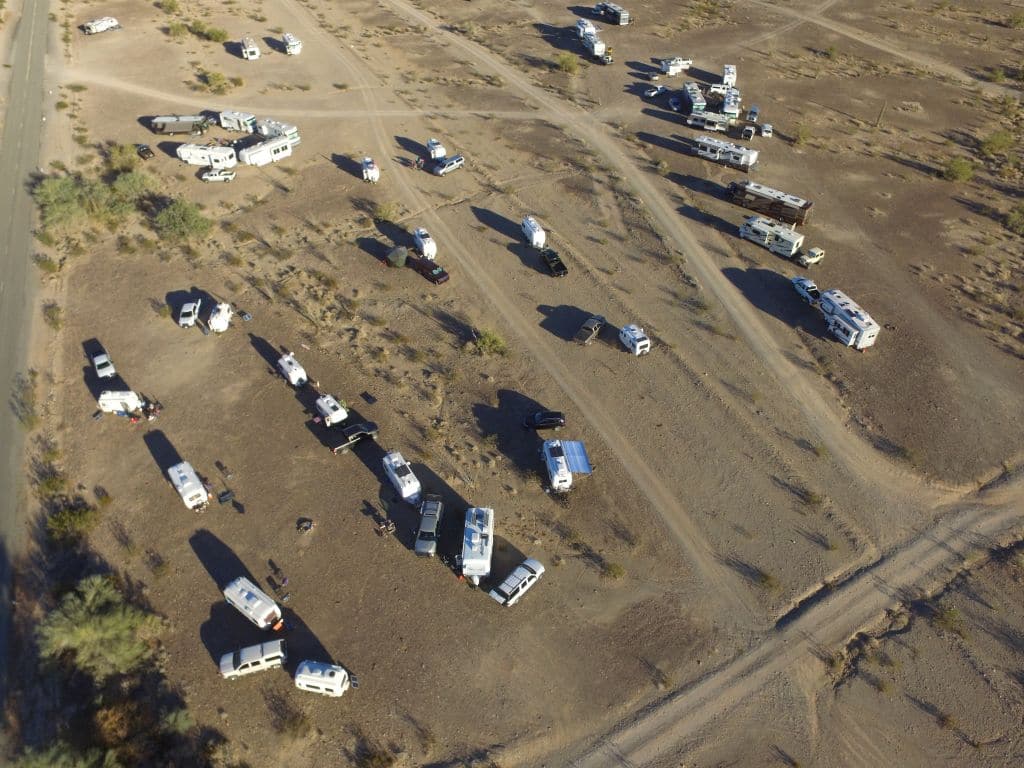
They're everywhere! They're everywhere! Attaching a photo showing 6 Olivers camping in our little area near Dome Rock taken yesterday afternoon (Jan. 24). Mixed in are a few Escapes and Casitas, but the Olivers rule. There a few more west of us, and I saw at least two more come in today. I think Mountainborn was towing a demo unit. We'll get out and try to meet everyone tomorrow.
1 point
-
In some ways, Oliver seems to be overloaded with all the accumulating details of designing, building and following up with endless questions. They have made some mistakes and are slow to deal with them. Examples such as wiring and water tank issues reveal this. Tires are a consumable item on trailers. Tire warrantees are handled by the manufacturer. Brands and sizes change over time. The same model trailer can weigh 5000 lbs to over 7000 lbs and can be towed once a year in cold weather or constantly towed in 100 degree weather. Traction on different surfaces can be significantly affected by pressure. Some might want the lowest towing drag and others might want the best possible traction, while others might want the smoothest ride. Tire pressure is never a definite number, so manufacturers give "maximum" and "recommended" values. When you say you want Oliver to give "written guidance" it implies that they should be held responsible for wildly varying circumstances. They do, as I understand it, recommend 60 PSI, which is a good all around starting point that will work well in most situations. If a tire leaks and a problems occurs, it's not Oliver's fault, as the pressure at that point would be outside their recommendations and they cannot warrant against road hazards. There have been so many trailer tire (ST) failures that many now opt to run them at full rated pressure, just as a way to keep them from blowing out from heat. This is not the case with light truck (LT) tires that are MUCH more tolerant of varying pressures and can be tuned to the situation. It would be nice if they offered a TPMS system as an option, I suppose, but then they would have to have the interface with the tow vehicle, show people how to use it and guarantee it, etc. Remember, they just went through a flap about solar controllers and defaulted to the one that was easy to use, but less efficient, in order to, probably, reduce their hassle factor. They are also not known for their wiring prowess. Better to let them build an excellent frame and body structure, as they know how to do very well, concentrate on the internal systems they must have and leave the minor options to owners. For instance, I don't really feel the need for TPMS on mine. I check the tire temps and appearance at every point of interest stop or fuel stop and if one blows out I will instantly be aware of it.1 point
-
I've been thinking about this since the last tire pressure thread (http://olivertraveltrailers.com/topic/tire-pressure/). True that according to the Michelin load tables (http://www.michelintruck.com/reference-materials/manuals-bulletins-and-warranties/load-and-inflation-tables/#/) 45 psi would give enough capacity for 7000 lbs. And I agree that using maximum carried weight in conjunction with a load table is the best way to go, otherwise you're just pulling numbers out of...a hat. With that being said, I looked at the Tire and Loading Information placard on both of my current cars. It specifies what PSI should be in the tires. Then I looked up those figures (tire size and PSI) on appropriate load tables. The combined load capacity was higher than the vehicles' GVWR by 22 and 28%. I'm not sure if this is due to running P-metric tires or what, but should a similar padding be used with LT tires on a trailer as well? Doing so would bring us back to 60 PSI.1 point
-
We can all have opinions, but in the end Michelin's is the one that counts. They determine their recommended inflation pressures according to what pressures give the tire it's correct shape for a given load. If you're over inflating their tires by 15 - 25 psi, you're significantly reducing their contact patches and lowering their grip. And you're also making the ride significantly rougher for your trailer. You may think it rides fine, but then you aren't in there feeling the bumps. Try over inflating your truck tires by 15 psi and see how it feels and handles. Mine will hop and skip all over the place with just 10 psi over - I know because the dealer forgot to lower the pressures from their shipping specs when I picked it up. Anyway, point being that you guys wouldn't purposefully over inflate your vehicle's tires by 15+ psi, so why would you think it's O.K. to do it with your trailer's tires? As far as Oliver's recommendation goes (assuming their delivery pressure is their 'recommendation'), saying that the tire's maximum inflation pressure is it's recommended one is like Ford saying my truck's maximum speed is 117mph, therefore that's the speed I should always drive. For me, the debate is settled by Michelin's chart. Oliver's recommended pressures shouldn't be far off that, if any at all, since the suspension setup means the trailer's weight will always be equally distributed among all four tires. In fact, if their recommendation is any different whatsoever, I'd like to know why, since it's not like Oliver is out there track testing these things, measuring tire deformation, dynamic loading, temperature, wear, etc. They'd need to have a really good reason for exceeding the manufacturer's specs as much as they do.1 point
-
Our tires are the Michelins that were put on at the factory and I’ve always set them at 75 psi summer and winter and never had a problem. I would also recommend the TPMS sensors. I haven’t had any problems with drawers opening or seeing doors popping open or any other damage etc. Also, our tires don’t seem to be showing any wear. I believe that I’ll have to replace them due to age not wear. I've just had our trailer serviced at a local RV dealer that is highly respected and questioned them about psi and they set them to 75 psi. I've tried lower psi pressure and I believe it decreases fuel mileage and causes a sluggish feeling while towing. All of us have our opinion about psi, but after two OTTs, thousands of miles and weather temps from 15 to 100 degrees that's the psi that I use. Each to his own. Hap1 point
-
Thought we were never to support the Ollie with its jacks?1 point
-
You win! LOL!1 point
-
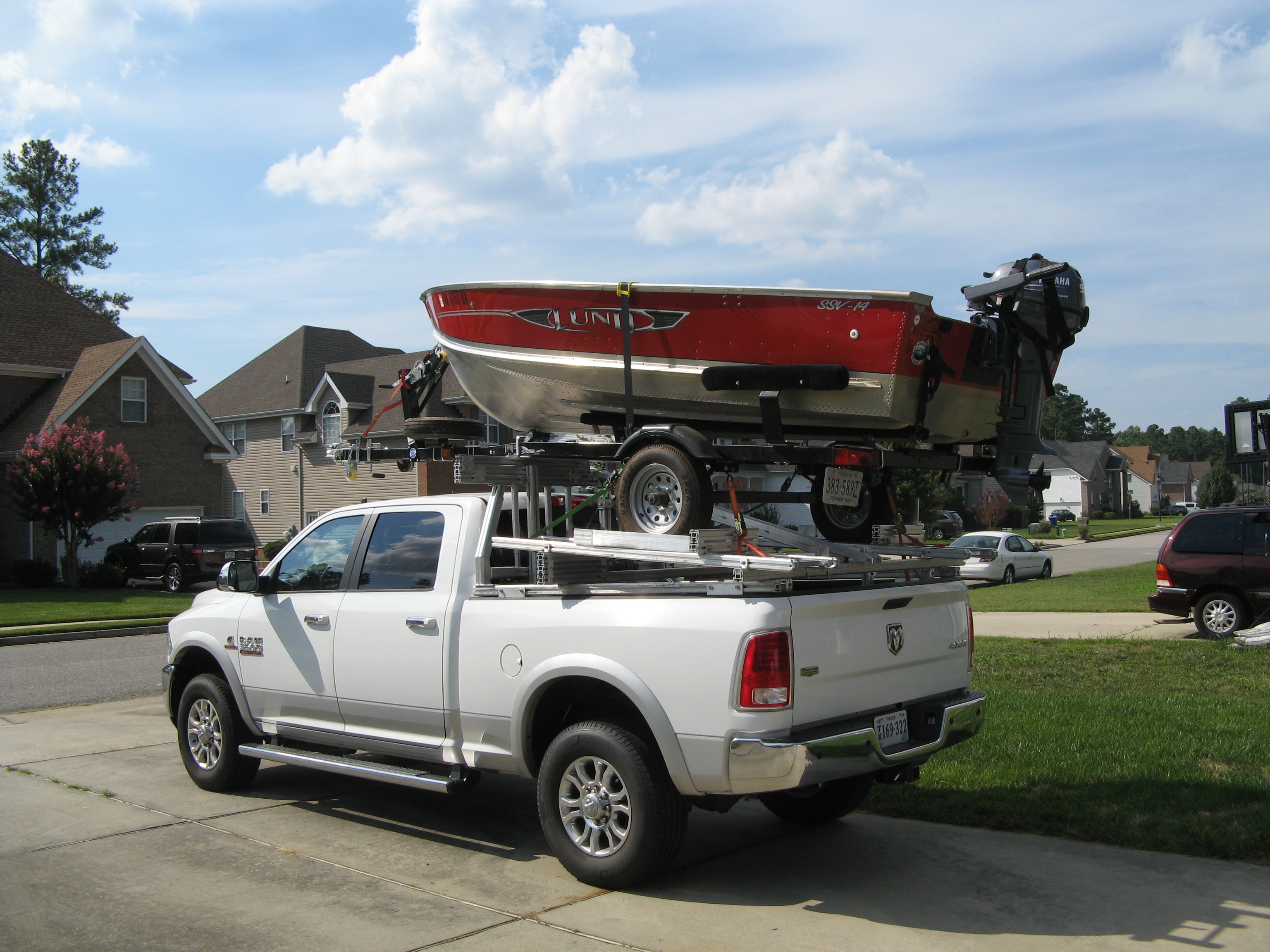
I guess this qualify s as a bed toy?
1 point
-
Good Morning from Oliver Travel Trailers. Just wanted to put any concerns to rest about our wheels and tires. They are in fact weighted and balanced. The spare tire and wheel is the same size and style as the 4 main tires and wheels. I hope this puts all worries at ease. We strive to be better than other manufacturers in every way and your input and ideas on this forum are always welcome. As most of you know we have always listened to our customers and in a lot of cases, actually implemented things on the production line as a result. Thank you all for choosing Oliver Travel Trailers! - Phil Andrews1 point
-
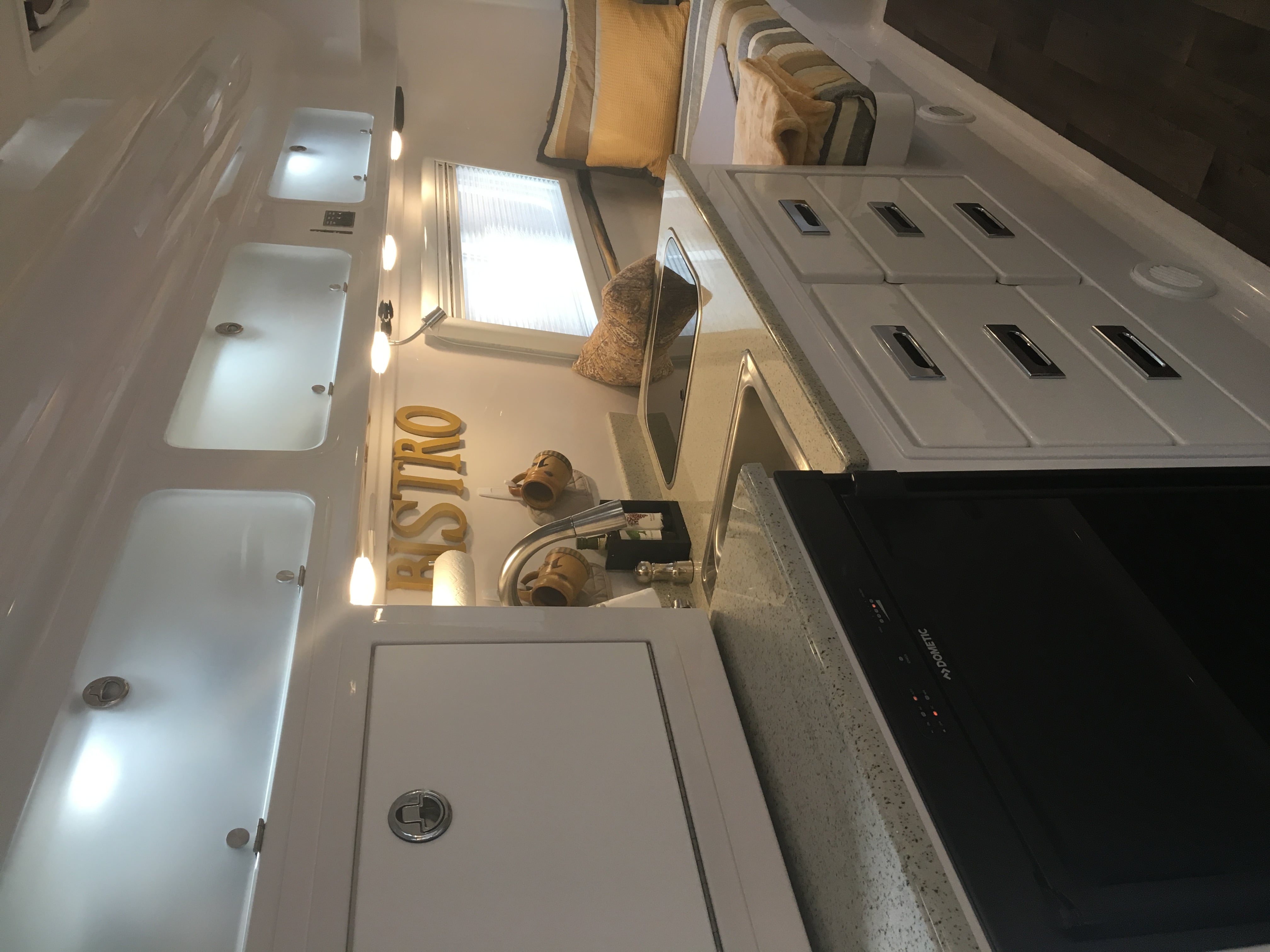
We picked our trailer up on 12/19. We opted for the storage cabinet rather than microwave. The plan was for a toaster oven but none that I wanted would fit so we made a bar out of it. I love it! Here is a picture.
1 point









-
Recent Achievements
-