All Activity
- Past hour
-

Anybody having to deal with Social Security?
Shawna and Scott replied to Galileo's topic in General Discussion
I had to contact my US Congressman's office to get OPM to finally respond. Their recording just said go to website and hung up and website did not cover my needs. I emailed my Congressman and they next morning I had two emails from OPM wanting to know if they could help me. During my 35 years with the Treasury Dept we took Inquiries from Congressman very seriously. - Today
-

Anybody having to deal with Social Security?
Gliddenwoods replied to Galileo's topic in General Discussion
again ??????? - Yesterday
-
Actually there is a way to easily remove and re-install those black tracks. Read my post above that describes I think well enough how to do this. Is it a PITA that any of us shouldn't have to do, yes, but once you do this a time or two it becomes fairly easy. Good that you figured out your leak. Your windows seem to be different than ours given your description of that stop bumper screw. Our windows have yet another type of rubber seal installed on the track that acts as a bumper when sliding the window open. I've said it before but it's worth repeating, imagine buying a new truck or auto and having to put up with this terrible flawed design of a window. And yet these are installed by the hundreds of thousands on US made RV's of all brands. All that out of the way the paracord is on an order of magnitude better at wicking water out of those weep holes compared to anything else I have tried other than the wet vacuum.
-

Seeking New Air Conditioner for Hull # 145
jd1923 replied to ScottyGS's topic in Ollie Modifications
Yeah, thanks for the reminder. Or the condensate being blown through the condenser could help keep it clean. There are always two sides of an argument! 🤣 I stopped worrying about that when we left the East. I remember coming out of the shower during summer months in IL, VA and/or FL. I would towel-off, a never-ending process with water being replaced with sweat. Here I barely towel-off, start getting dressed and by the time you're done dressing you're dry! 😎 I put tools, or scrub brushes or anything away wet. We don't worry about coasters under drinks on wood tables. Moisture vanishes and not much grows out here. On this point, when making choices for mods to our Olivers, personal camping style and climate where we camp truly matters. What works for one might not work as well for another. -
I think I mentioned that the actual channel on the back side of the shade is cracked and doesn’t give the clip much to hold onto. Moving the clip to an untracked area helps - but once an area of the channel is cracked, it’s easy for the crack to spread to adjoining areas. So the clip needs to be moved more than one screw away on the window frame. I actually did try to bend the clip. Unfortunately, it’s pretty stout spring steel - so that didn’t work. One of ours was actually broken and half missing upon delivery - probably from either attempts to re-form it, or just whacking the window shade too hard when it was initially installed. Not surprisingly, that’s the shade with the cracked channel that likes to fall off.
-
I believe there are 4 clips holding each blind. Bend them very slightly to tighten the hold on the shade! 😎
-
Amen to that! We have one that likes to fall off - but it gives my wife and I something to bet on at the end of each trip before we set up the trailer. “Do you think the window shade fell off?!” I find that the one prone to falling off has cracks in the channel in the back where it “snaps” over the U shaped metal clips. You may want to try moving the clips up different locations if you find yours are cracked as well. They are more than a bit clunky - so if/when they start to fall apart, I’ll certainly look for other options. Perhaps “old fashioned” curtains have some merits after all. As for the windows themselves - I’ve just resigned myself to the fact that they’re about useless if it rains - at all. I haven’t delved into awnings or other devices to keep water from hitting the screens if the window is open. I also never leave the Girard awning extended when we’re gone, at night, if it’s windy, or in heavy rain. As @TimD discovered - the black, plastic inner “track” or guide the windows slide on isn’t (easily) removable from the frame. I’m sure there’s a way, but I haven’t gotten that ambitious yet. It turns out our leak wasn’t really due to fuel or clogged weep holes or drains. It was the screw that hold the window stop in place. The little plastic “foot” that keeps the window from sliding too far open-forward. The knucklehead who decided it would be a good idea to drill a hole in the bottom of the window frame is OFF my Christmas list. Happily, some sealant on that screw seems to have remedied the leak.
-
Bought skein of paracord today and confirm @DavePhelps suggestion this stuff works, way better than the pipe cleaners. Immediately it was obvious the cord was wicking water out of the weep holes. Very Effective solution. Thanks
-

Seeking New Air Conditioner for Hull # 145
Galileo replied to ScottyGS's topic in Ollie Modifications
I think that was Morton’s YouTube (the electrical engineer with the super in-depth testing of ducted and ductless models?) But yes, he mentioned because the condensate gets flung onto the evaporator coils to assist in the cooling that it might be more susceptible to collecting, dirt, dust, etc. That makes sense as a wet surface is a lot more likely to hold onto airborne stuff - pollen, etc. The added moisture would also allow stuff to grow. The height might make it easier, but the water there would work against that. I suppose as with most things, YMMV as to how often you need to clean the condenser coils, what method to use, and if you’d need something like a commercial coil cleaner. I had a home window unit that did something similar with a ring around the condenser coil fan that sat in a pool of condensate water. It was in humid Texas, so the water didn’t evaporate that well, but did make sure that dust and pollen collected into a mud that required pretty aggressive cleaning. Once a season I’d pull the whole unit out of the sleeve, put aluminum foil over the electronics, and take a pressure washer to the thing. I don’t know how well that brushless DC motor that turns the condenser fan is sealed, or if any of those “many” sensors will appreciate being sprayed with a stream of water. -
 KenW joined the community
 -
Furrion Chill Cube – Product Review and Installation
jd1923 replied to jd1923's topic in Ollie Modifications
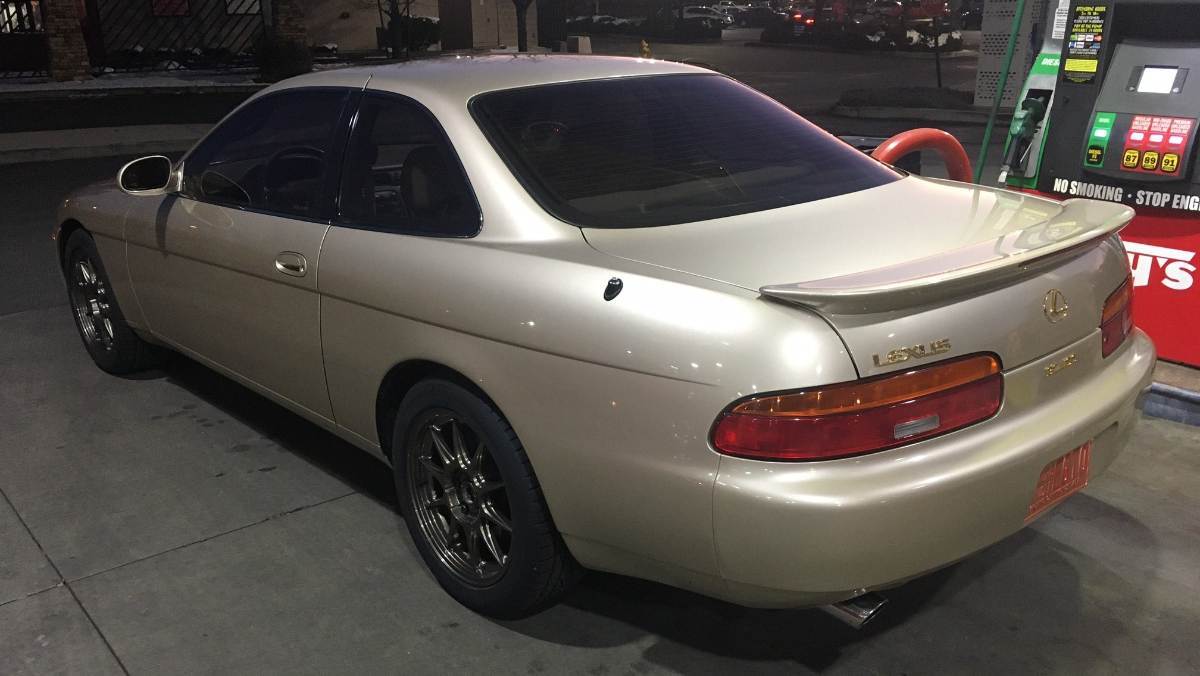
Yep, louder than the 2nd Gen Cummins on my Ram! 🤣 So thankful it's gone! Chill Cube now has a heat pump version. One Forum member has showed it installed. Heat strips are like lead acid batteries; no manufacturer uses them anymore. That's everybody's first thought! I love a sleek 2-door hardtop sportscar, low profile like my '92 SC400! Low profile ON the roof means the air handler is protruding a few inches below the ceiling. Low profile means lower efficiency and more noise inside.
-
Seeking New Air Conditioner for Hull # 145
jd1923 replied to ScottyGS's topic in Ollie Modifications
Why does this come up as an issue? Was something mentioned in the Morton's YouTube? @Geronimo John made a comment about this 6 months ago. I've had 5 different RV A/C models. To clean the condenser coils you always remove the cover and hose it clean. This one should be the same or easier because it's taller. -
Anybody having to deal with Social Security?
Galileo replied to Galileo's topic in General Discussion
My father was covered by RRB and never had an issue with them. Though they are still a bit of a “monopoly” as far as who administers benefits (much like TRS and others) they seem a lot more responsive to member needs than SSA. Certainly more competent and they don’t (apparently) “lose” your paperwork with the impunity that SSA does. It’s pretty hard not to picture some resentful civil service employee just dumping his or her inbox into the trash on a Friday afternoon out of spite. Anybody can screw up once - but not being able to find a record of a request -twice- when sent with tracking? That takes effort. -
Anybody having to deal with Social Security?
Galileo replied to Galileo's topic in General Discussion
General Discussion Talk about anything and everything Oliver-related — and beyond! (this would be the “and beyond!”) -
Furrion Chill Cube – Product Review and Installation
Galileo replied to jd1923's topic in Ollie Modifications
I guess I’ll have to look into the lower-profile/heat pump variants that have been mentioned. We’re still suffering with the original Dometic P2 jet engine sitting on the roof - which means we either endure noise or heat/humidity. A version with heat pump would be nice - but I’d opt for the heat strips if that were the only option. Id prefer low-profile - but I don’t know if 3” higher is gonna affect mileage that much - and pretty sure our storage unit has 12 or 14 foot high roll-up, so likely not a factor. Thanks for all the data and tips @jd1923 and others! I have a few months to sift through the data. I watched the (whole) video - so just what’s changed since then is the big question. And yes - it seems that waiting a bit opens up more and better options! -
Seeking New Air Conditioner for Hull # 145
Galileo replied to ScottyGS's topic in Ollie Modifications
That’s a pretty compelling video and testing. and…. You can get it through Walmart?! I think the concerns about the condenser coils collecting dirt are a bit of a concern. Otherwise - it sounds great. -
A lot of truth..
-

Custom Mud Flaps for the Tow Vehicle and Oliver
taylor.coyote replied to jd1923's topic in Ollie Modifications
JD, thank you for the thoughtful reply. I do like your design. In 7 years of owning our trailer getting caught in the out-back Owyhee country in far south eastern Oregon has been a one-time event. In fact the mud/clay wrapped the tires and the truck tires were standing on an inch or two of mud/clay above the tred. The truck hardly would respond to turning the front wheel and would genneraly plow straight forward, eventually moving the direct they were turned. Fortunately we were traveling on a slight down slope most of the way to gravel topped roads. Even in 4 wheel drive, I don't think we would have enough traction to climb more than a modest grade. All this said, I think I will likely move forward with your design because the we avoid this kind these type of roads if rain is in the forecast. Regardless of the rig you are driving, these roads become virtually impassable when saturated. Side slopes are the killer. -
I would personally stay away from the pipe cleaners. My main worry is the wire core might rust and streak your trailer. Paracord for the win! Its kernmantle construction wicks water very well. Google it! It also has tons of uses around camp. I think most every hardware store carries some form of it. Get the 1/8" version. Paracord Planet is a good online resource, I think they have an Amazon store.... Dave
- Last week
-
Custom Mud Flaps for the Tow Vehicle and Oliver
jd1923 replied to jd1923's topic in Ollie Modifications
Taylor, I just measured it to answer your question. At the closest point, bottom of the L-bracket, the clearance measures 1 1/2". When you see 3-4" of caked mud, how much is actually above the tread? Most of it is in the treads and caked around the side. I've had my truck wheels caked up but not so much on the trailer. This doesn't worry me. And below the rubber/plastic flap material bends outwards while towing and no big deal if it got damaged. It's so easy and cheap to replace if need be. John E. Davies did an amazing amount of work to his "Mouse!" I studied most of his work 3 years ago when I first joined The Forum! In the case of mud flaps, I believe my design is superior for a couple reasons. The mud flap in his design is a full 6" further back. The 6" of open fiberglass will be hit extra hard since dirt and stones will hit the mud flap and bounce upwards due to the rotation of the tire. The open area will get chipped and be doubly hard to clean. And next mud episode; do you want your stabilizer jacks packed with mud or protected behind the mud flaps? We've had 49 overnights since this upgrade, on a bunch of short trips this year. They still look like new. I wouldn't change anything. Anybody who wants to copy my installation, send me a PM with your mailing address and I'll mail you a paper template to make cutting the mud flap material easy. Everything else you need is explained above in this thread! -
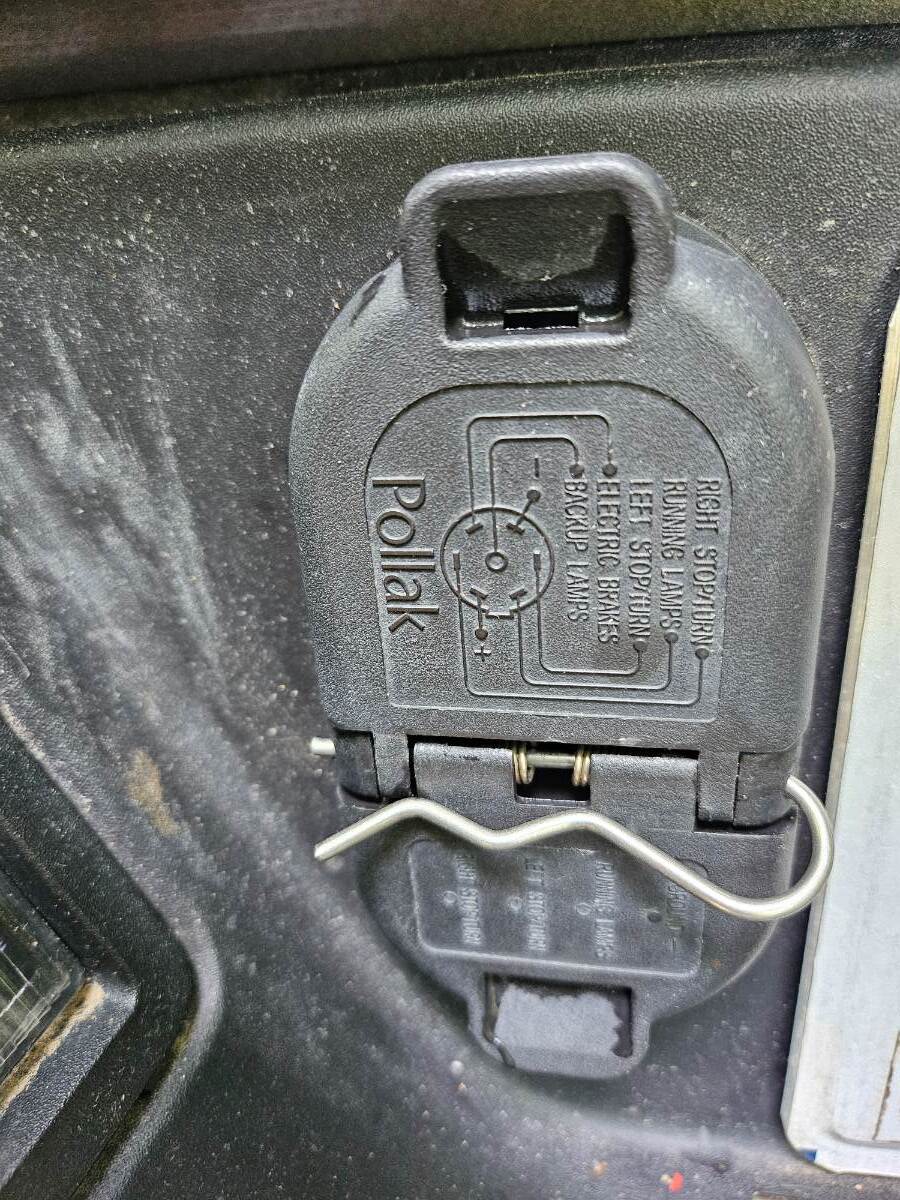
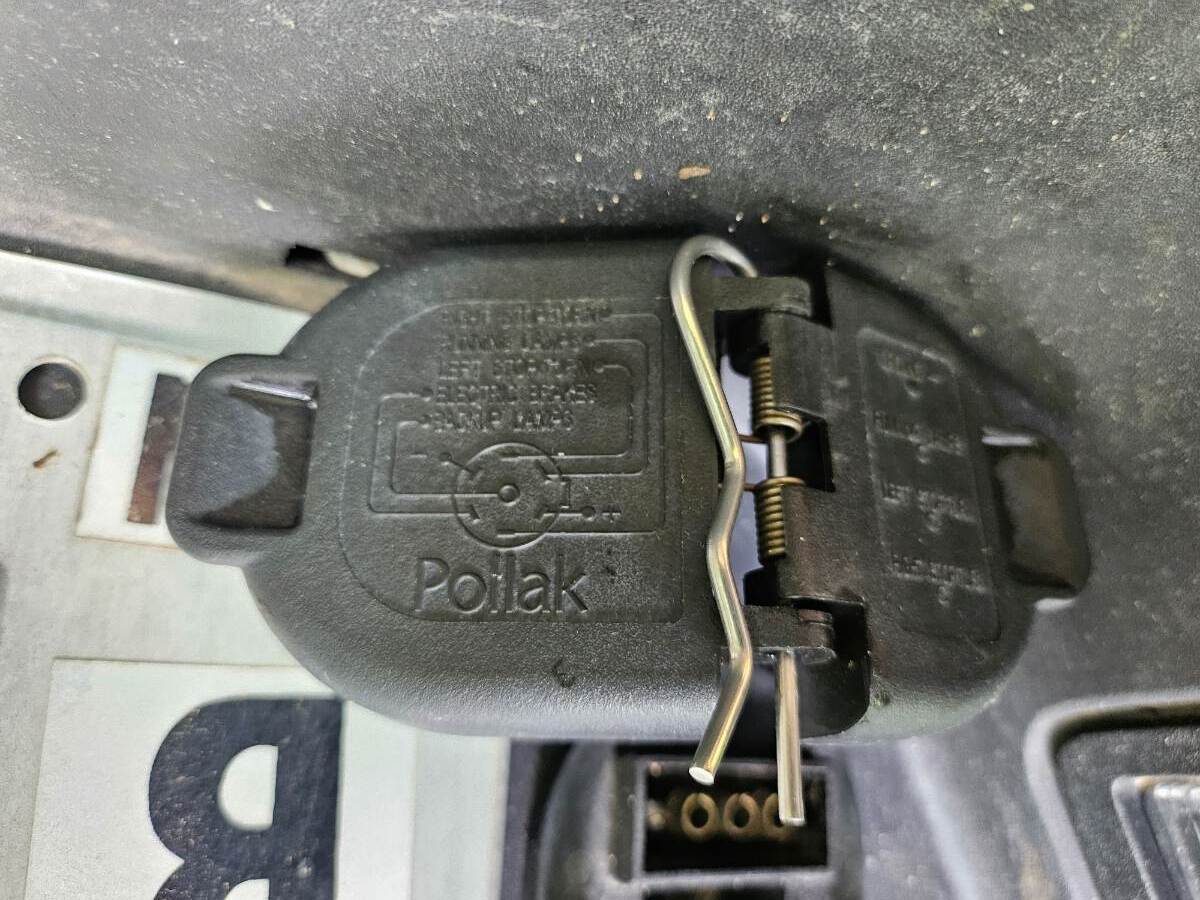
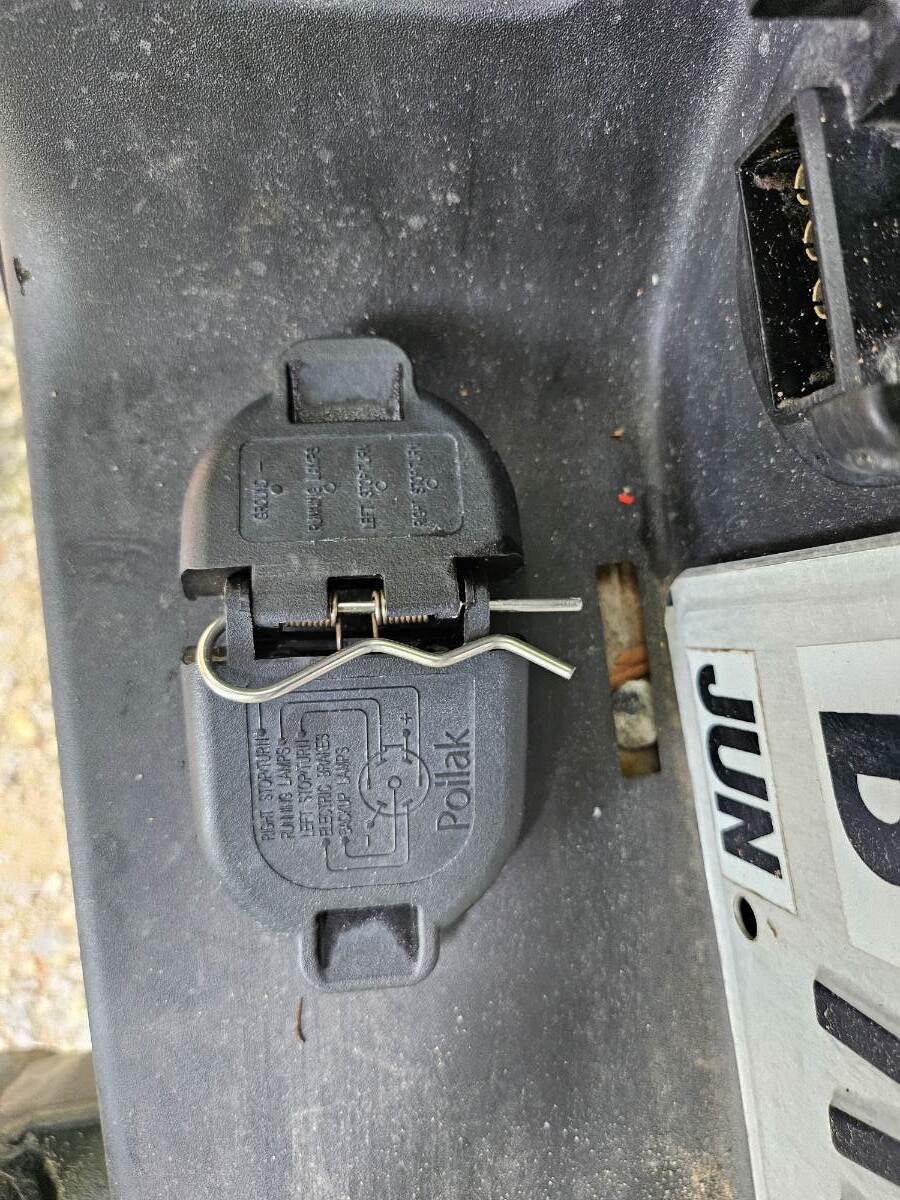
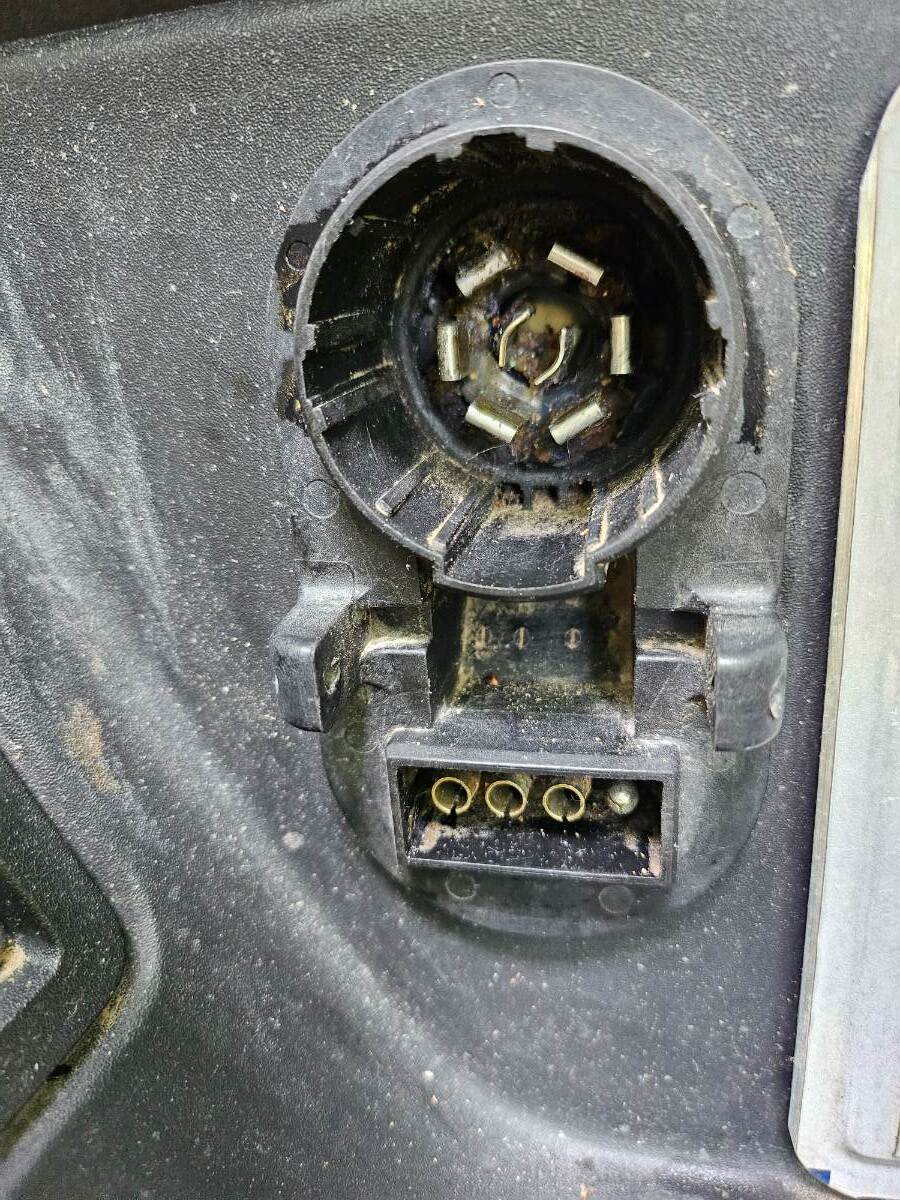
One of my trucks has the double door 4 and 7 pin receptacles shown in the pic. When using the 7 pin, the door blocks the 4 pin access. A solution is to add another flat 4 pin connector behind the 7 pin (plug and play and doesnt affect existing 4 or 7 pin connector use). I have used one of these before and they are a 5 minute install
-
Anybody having to deal with Social Security?
Gliddenwoods replied to Galileo's topic in General Discussion
?????? -
This is an excellent idea! If the truck has both 4-pin and 7-blade connections, as shown in your picture, all you need is a 30 ft 4-wire harness, male plug on one end, female on the other, zip-tie it under along the length of the trailer. The only downside is having to connect one more thing each time you hitch the trailer but a much easier installation vs connecting to the Oliver wiring as I had previously suggested. But another plus is your wiring can be deleted easily, if in the future you stop using a bike rack.
-
-
@Katy McAnarney welcome to the dysfunctional Oliver window club but sorry you are having this issue like so many of us. This is how I have re-installed the sliding window with either new or cleaned and refurbished gutter track. First put the siding window into its channel without the rubber track. Coat the rubber track with silicone and wipe off excess. Position the sliding window approximately half open/closed and gently start feeding the rubber track into the bottom of the channel and below the sliding window first. You will only get so far, then start to close the window part way, hold the rubber track against the sliding window then start to push open again as far as it will go. Repeat this back and forth process for a few efforts until the rubber track appears on the far side of the sliding window at which point you should be able to grab the rubber track and pull the it through as far as it needs to go. Open the window all the way and feed the rubber track into the remaining channel along the bottom then up the vertical side and into the top leaving several inches of dangling rubber track. At this point you will need to slide the window forward into a partially closed portion so that you can repeat what was done on the bottom channel. This will also take a few passes to complete. It will be virtually impossible to do this without the use of silicone. The rubber alone just has too much friction. Once you get the hang of it the process will go much easier in the future. I don't think it is possible to do this with the rubber track already installed. The silicone allows for very easy back and forth maneuvering of the rubber track and window. It's far easier to start on the bottom rail first before the top. Hope this helps
-
Seeking New Air Conditioner for Hull # 145
jd1923 replied to ScottyGS's topic in Ollie Modifications
I listed my take of Pros & Cons on page 1 of the link I posted above. Most of it came from Tom Morton's YouTube review of the Chill Cube: Testing the Furrion Chill Cube 18k Variable-Speed AC: The Future of RV Air Conditioning?