All Activity
- Today
-

Lithionics Battery Firmware Update
Snackchaser replied to Snackchaser's topic in Mechanical & Technical Tips
Well said! The battery drops below 12 volts at about 0-5% SOC, and the never die is 10% SOC (greater than 12 volts) as calculated by individual cell voltage. The inverter dropout is around 10 volts. However as @Tom and Doreen stated, it would see less voltage, particularly with a load. The inverter will always have some load from voltage drop and just being on. So it seems like all is working well! -
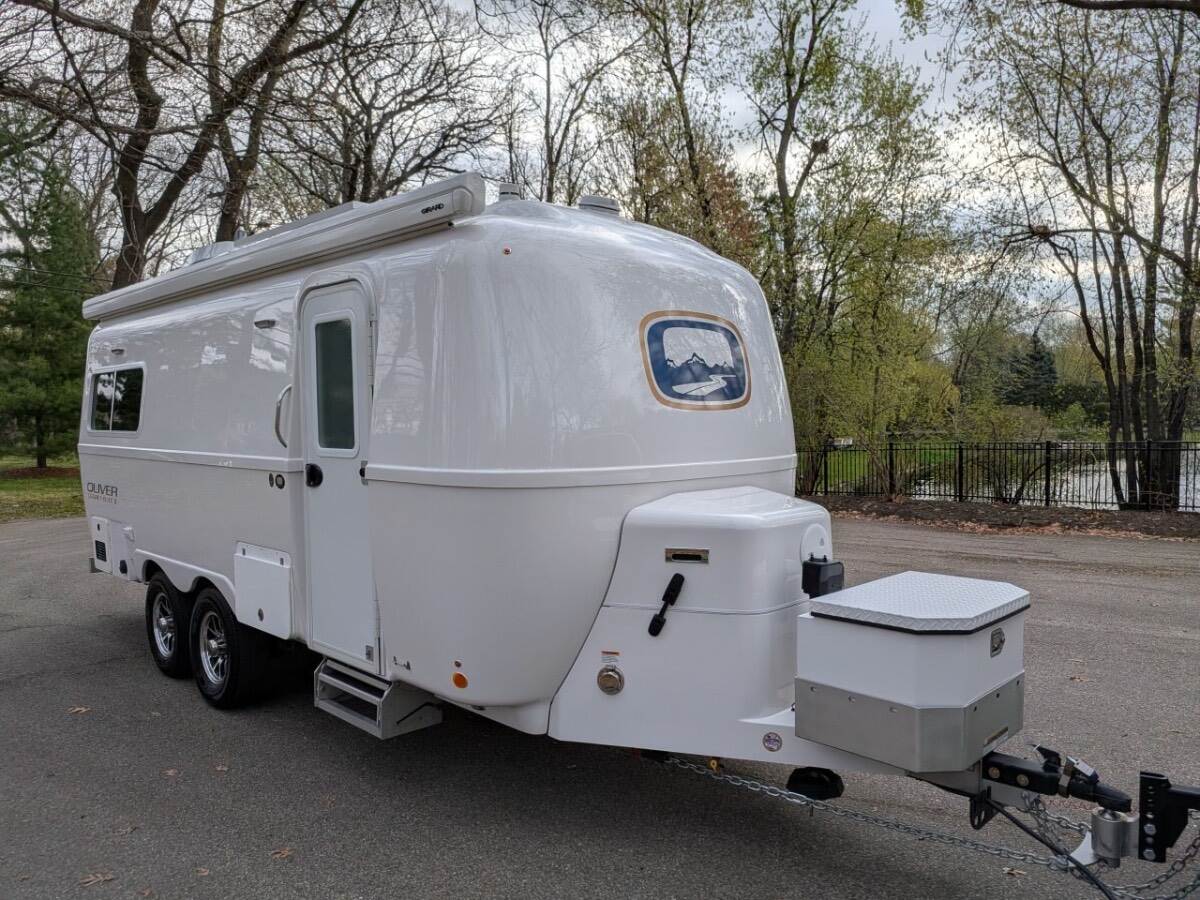
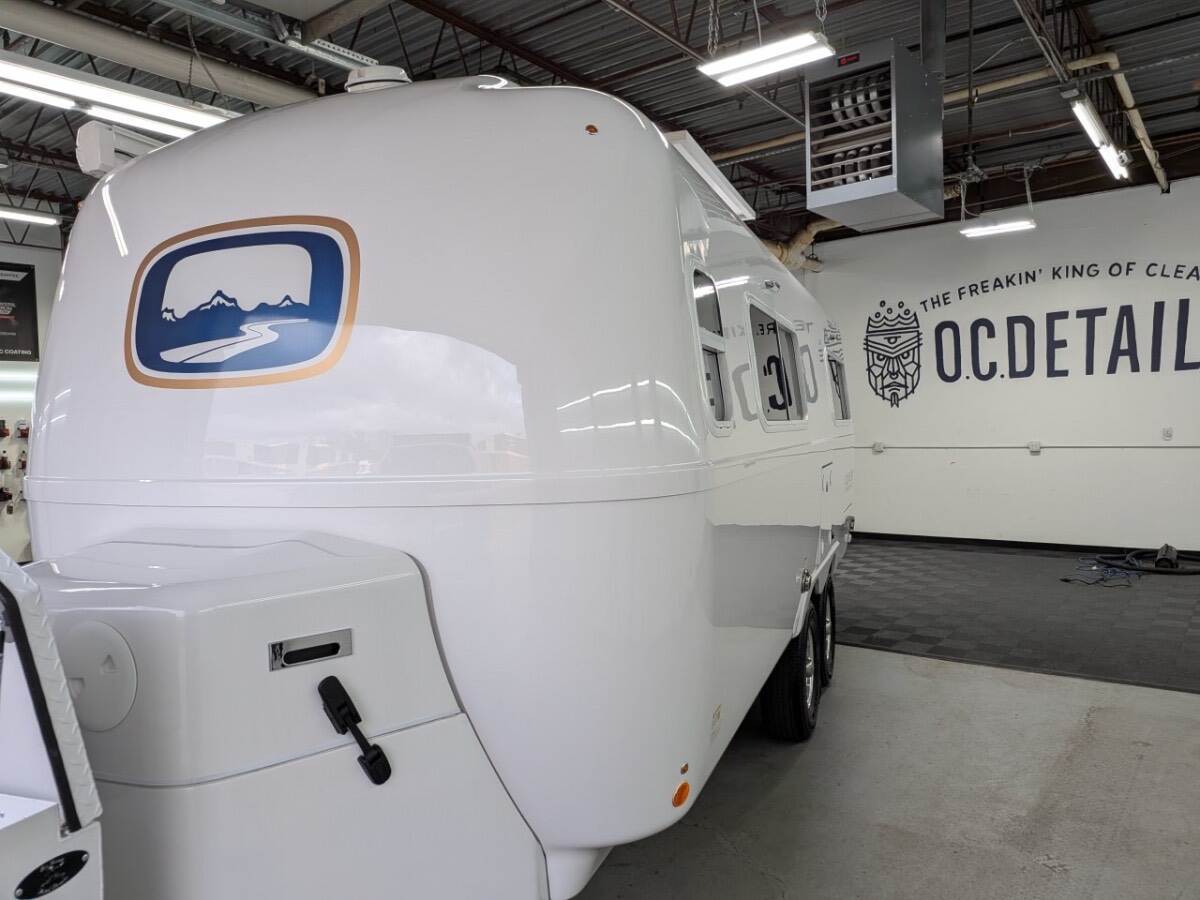
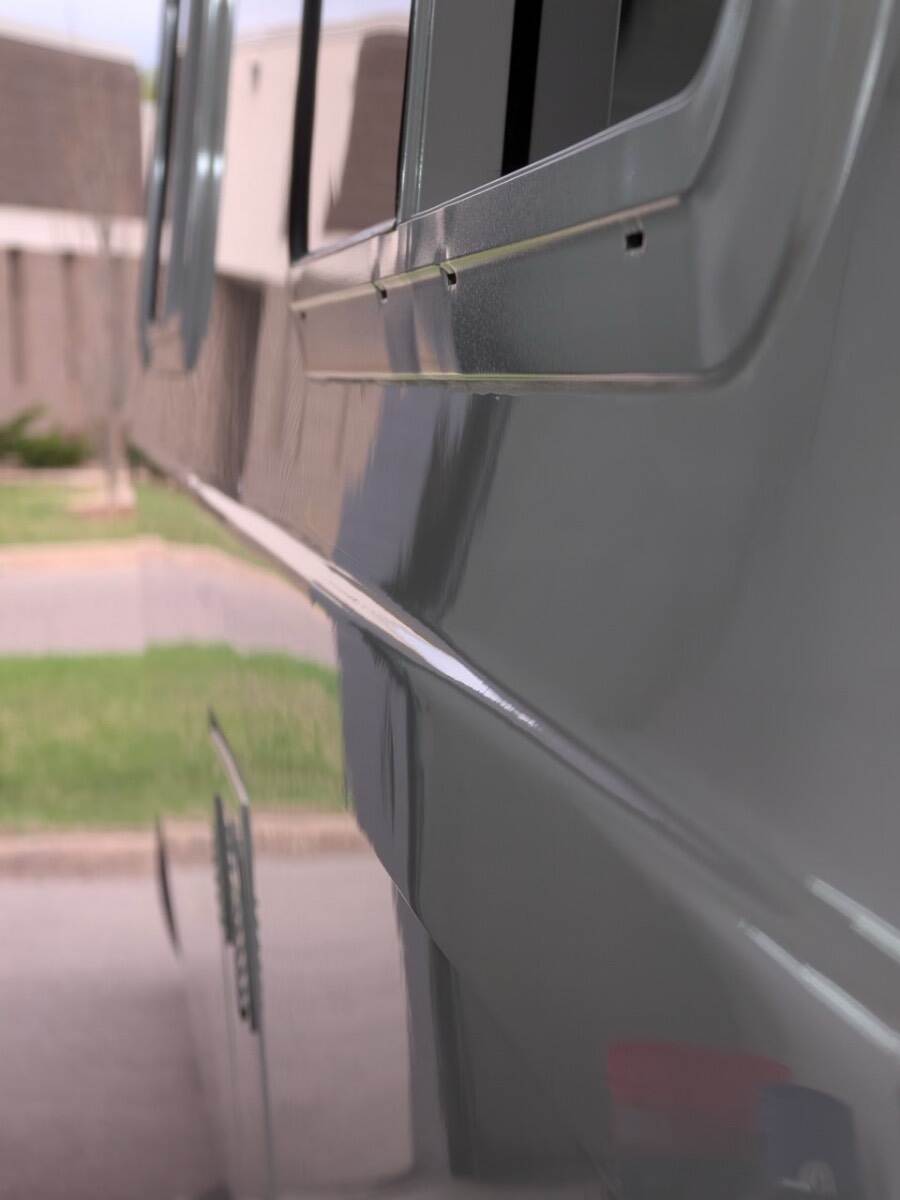
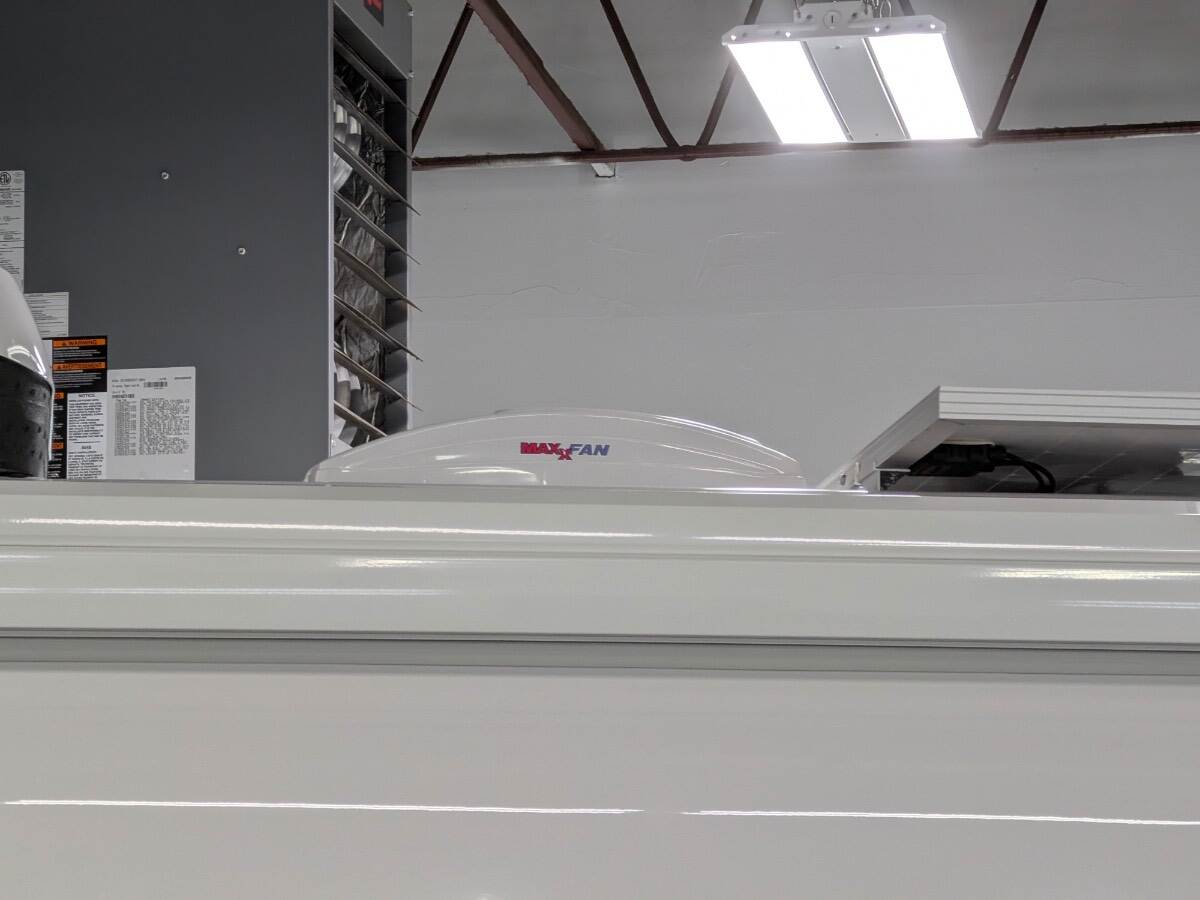
I’ve seen what happy reviews everyone’s had with CGI, but I’m simply too far away, and cannot schedule to be in the area of the rally easily. As a result I looked locally, because, I’ve had a couple cars coated and they get parked outside…, with great results (11+ years). If you are looking in the Minneapolis, Minnesota area for a detailed/coater I used O.C.Detail and they used Roar AG (the coating Roar does for trucks and agricultural equipment) given the use case. I brought it home today, and think the results look pretty good. https://ocdetailmn.com. Attention to detail seems to have been great (even the fan is sparkling). and Yes a 2025 LE II fits (barely) into their space.

-
- 2
-

-
First, I very much enjoy reading your posts. Please do keep questioning and pushing the envelope in an effort for you, me, and others to truely understand the "WHY" question. Glad to hear you are ditching the 1750's. Doing so is half the quest. The other half is deciding "What spring best suites our use of our OE2's"? For what I believe is about 10% of owners, clearly the answer is the super strong and reliable Alcan 5-Leaf springs. For the rest of us it is prudent not to "Over-Spring" our suspensions. The obvious choices are either the Dexter 2400 four leaf or the Alcan four leaf. If you are a 10%er that often puts their OE2 into structural gymnastics, great get the 3,000 pound Alcons. If you don't live off-road then the four leaf is your best choice. If you are budget inclined, as I and others are, then the Dexter 2400's is the answer. But if you have the spare cash then why not go to is the Alcan 4-leaf springs. I have to admit that I have never heard someone use the words "Wussie" and "Oliver" in the same sentence. For sure got a LOL out of me on that one. I get your thought line though. Bottom line is that EVERY design has a life span. Air Stream's do in fact pop rivets and have upper cabinet issues when stressed over time. Their owners tend to not be out boondocking on regular basis. Likewise, stress an Ollie suspension enough and one will see the impacts as well. I think Bill summarized the situtation well: So sure we all at times put undue stress on our hulls with no worries. And I think that our hulls are "NEAR" bullet proof. So we can do so for a long time. But it still is smart to go more gentle when we can. Especially for the electronic's, refergerator, glassware, the ton of stuff in our wire shelves in the pantry, not to mention the frame, battery box, ............. etc. Again thanks for your posts! John
-
Glad our older hull has switched (not touch) lights with solid glass covers, never a one has failed or gone dead in 10 years (knock on wood)! The shades I installed are great for our lights. The touch lights are of larger diameter. @Fritz who started this post used 4" ABS. I like the simple ON/OFF switches OTT installed on switch panels in two locations. Didn't want to change that or mess with settings. We are going to like these shades! (KISS) 😎
-

Lithionics Battery Firmware Update
jd1923 replied to Snackchaser's topic in Mechanical & Technical Tips
Most 12VDC appliances, lights etc., will run at voltages lower than 12V. Your inverter cut-off worked as it should. 10% SOC means you're lower than 12VDC! We have Victron and Epoch vs. Xantrex and Lithionics, but it's all the same. I have alarms set at 20% SOC on our Epoch and Victrons apps, where we would stop using any major AC appliances on battery (fridge, oven, electric kettle, etc.), at this point using LP instead. At 20% SOC on 900 Ah, our inverter will still be used to stream TV and run our A/V systems, charge electronics and the DeWalt batteries we use for tools and the Starlink Mini. Never been near 10% SOC! When we get much below 20%, it's time to setup our suitcase solar, or break camp and start towing, where the Victron Orion 50A DC-2-DC charger will on average add 40 Ah every hour on the road! 😎 -
OK, and a one more time... @rideandfly runs their trailer at 40 PSI because they tow at 5100 LB GTW. I run 46-48 PSI because our trailer always leaves with full FWT, pantry and fridge FULL, closet floor full of drinking water/beverages, solar panels (they have none), the heavy Victron MP2 and aftermarket accessories, and more. Our GTW is considerably heavier at 6400+ LBS. 😎 The 60 PSI number was ONLY cited as the spec limit on a Sendel trailer wheel. He purchased one for the spare tire, thinking of buying 4 more to replace the OEM wheels vs. restoring them. I believe the Oliver OEM wheels must be rated for 80 PSI (had a pic of the wheel label, can't find it today), also since OTT installed Load Range tires on them and wrote 80 PSI on the Oliver DOT label. IMHO, towing on 80 PSI is crazy, almost as crazy as owning the ugly Airstream. Most of them are a longer than an Oliver, and at 8 FT wide with their over-laden gaudy interiors, most of them are considerably HEAVIER (not the Bambi of course)! I would not want to tow one, but if I had to it would only be with a new 3500 series truck. Yes, tire pressure required is load dependent! 🤣 Mike runs on 55 PSI. Going HIGHER than this pressure is too high unless you plan to carry MORE than the 7,000 GTWR of the Oliver Elite II.
-

Lithionics Battery Firmware Update
Tom and Doreen replied to Snackchaser's topic in Mechanical & Technical Tips
Likely due to the low battery cutoff parameter / selection on the Xantrex inverter. The inverter will shut off a bit before the batteries go into safe mode which is not a bad thing. The point at which this happens becomes more significant depending upon how much load the Xantrex is supplying due to the voltage drop in the wiring between the batteries and the Xantrex which varies with load. The Xantrex sees a slightly lower voltage than what actually exists at the battery terminals ( and what the internal battery management system sees). For example if you are running your microwave the voltage indicated, (battery voltage ), on the Xantrex display will be lower than what you would read directly across your battery terminals with a voltmeter. The result being that the Xantrex will hit its low battery cutoff and shut off before the battery will go into safe mode. -
Misunderstanding, I know why we're upgrading the springs and I'm doing it too. I just meant 'why do we all invest in a high end suspension if we don't believe it'll cushion the ride sufficiently?' Basically, we invested in a high end robust trailer - one of the most if not the most robust and well build. Additionally we beef up our suspension. I don't get then why we pamper that trailer like it's a wussie Some Other Trailer - especially when I see tons of Airstreamers running 65 PSI with these tires no problems. Of course it does. During a factory tour it was discussed how they have to add honeycomb panels into the glass to reinforce because the panel cutouts lowers the rigidity. And generally you don't want a perfectly rigid structure; the vibration has to damp somehow. And no doubt 'there have been issues', but its anecdotal without details. OTOH when I was there a tech told me about a recent trailer they got back in. The guy fell asleep at the wheel, the trailer flipped over on it's side and got dragged down the road a long distance. With a pretty good rug burn you can imagine 😅(more later). But the tow company just put it back on its feet and ... guess what ... just towed it back normally! The hitch was mangled I think but they chained it up just fine. So the insurance wanted an assessment, and you know they could have actually repaired it just fine. The engineers issue was liability. It has burned through the belly band on that side pretty well, sure they could repair but then they have to support it. Wasn't worth messing with and they called it a total loss, except it wasn't really. Anyhow you speak to common sense but I don't think that is a good guide here because it's too hard to judge. My common sense says underinflating - with a trailer this robust, is adding risk for no benefit. We need numbers. From the spring thread I suggested taking measurements. I recommend a vibration app for you phone, tape that to the floor and test how much vibration the trailer is getting. Test and different PSI's. I'll bet it's small, and dropping significantly (e.g. recommended 65 to 35) doesn't greatly help, while lowering efficiency, increasing heat and overall risk. I'm taking a trip next month and will measure how I'm beating my trailer to hell at the factory recommended 65 PSI and post the results. Another member said he's upgrading his springs soon and will also measure, which will tell us the spring performance, and how much vibration we're getting.
-
Addressing brightness and color temperature: I've had issues with the original touch lights flickering and in one case completely failing so last week I replaced all of the touch lights with these, which a few people on this forum had recommended; (as always, thanks folks!). I haven't used them for very long so I can't speak to their longevity but so far I like them for the following reasons: You can select their color temperature when you purchase them They have a mechanical power switch They are dimmable via the switch They have a blue nightlight feature Most importantly: They remember their last mode / state / brightness selected even when the trailer master switch had been turned off for travel. The one feature of the original touch lights that I didn't like was that when I powered the trailer master switch on all the touch lights would come on and I'd have to turn them off individually as desired The hole pattern is close enough to the original lights to make installation easy. I did use screws rather than rivets though In terms of the build quality they leave a bit to be desired, they're similar to the originals although they have a plastic base, probably not so great in terms of heat dissipation so time will tell. I bought a 4-pack and a 2-pack so I have one spare.
-
Our LE2 originally came with Dexter 5200lb axles & 5 leaf springs. Right now our ready to camp weight with empty water tanks is 5100lbs. No one has reported the original 5 leaf Dexter springs failing, yet. With the 10,400lb total axle/spring capacity combined with a 5100lb LE2 weight, I always tried to reduce the overall accumulated fiberglass/frame/component stress from the impact of higher capacity springs by running lower air pressure in the LT load range E tires and by towing slower on rough pavement. We purchased our Ollie used in 2016 and ran 50PSI like the previous owner without issues until seeing the LT tire pressure/load charts in different threads here like the ones posted earlier when I reduced the pressure to 40PSI for the last one or two years without issues.
-
Short Version: Springs because dozens of us have had them FAIL. Axles because a boat load of us have tons of miles on the 3500 Dexters, and the cost of replacement of the brake assemblies is insane, and besides we want the braking power of the 5200's. None of which involve tire pressure. That topic was started by John D, and I got the facts presented to OTT and they have since reduced their recommendations accordingly. GJ
-
I can assure you that the fiberglass does flex. As do the frames. Granted it is the best on the market bar none. We have seen evidence here in this forum of frames being damaged, as well as structural supported components as well. No one can say for sure that the PSI number or some springs being oversprung CAUSED anything. But our trailers are not totally bullet proof. They can, and have, failed when stressed beyond their design limitations or due to improper actions or choices by owners, or OTT during manufacture. Either way, having some good common sense about how much punishment we want OUR trailer to experience in it's life is just a smart concept to be open to. To that idea, tire pressures and diameters, spring rates and axle weights ALL impact the G-loads our fiberglass hulls endure. Frequency of stressors is also a not yet discussed element of the puzzle. GJ
-
So you are saying that one does not need or should use 60 PSI. But you use 40. Which is what I recommend as well. Just saying your quote above could lead more than a few of us astray. To be clear you and I both recommend 40 PSI. Right? GJ
-
When my tire pressure is too high and the ride a bit harsh, my mother-in-law starts complaining about the bumpy ride back there making her drop stitches on her knitting, which then upsets my wife, and when momma ain't happy, ain't nobody happy. Happy wife, Happy Life! Just set yer tire pressure so your MIL may knit in peace.
-
Tire pressure has been a well discussed topic. My trailer came aired at 80psi, max pressure on the side of the tire. I did that for a few years. Then, I went to 55psi. I think it was because that’s what the tire manufacturer recommended for the weight of my trailer. It’s been 6 or 7 years, so it could have been something else. Anyway, 55 has worked well. It does seem that there is less discombobulation of interior items, fewer times the window shades have come down and other small annoyances found at the end of a trip on bumpier roads. If max pressure feels right, then go with it! Mike
-
OK, but these OEM’s do vibrational test. At my day job where it’s a measurement device (not for RV’s) we do vibrational test and specification, there are stringent procedures for this, and often companies pay dedicated test houses. Let’s look at the Xantrex specifically as the most expensive and sensitive, according to search it conforms to UL 458. UL standards are very stringent, on the Lithionics batteries, to get UL they had to have two BMS’s in case one failed - that’s nuts No need to dig into the standard but there’s simply no way that a Oliver, with our upgraded suspension, with the build quality we all extoll, will destroy this thing at 50+ psi. I mean why are we all upgrading leaf springs and Dexter EZ-Flex if we have to air down. Make it make sense …
- Yesterday
-
@DanielBoondock to me it’s not about the trailer itself. It’s about all the components inside, especially the electronics.
-
Well I think we have exhausted talk of tire pressures. Just put 45 to 55 psi in each tire and go camping and stop reading forums about tire pressures. HEHE Dropping mic now. LOL
-
I’m curious why people are worried about ‘beating’ their trailer? For these tires I’m reading Airstream forums where they’re running at least up in the 50’s-60’s with no issue, and those things can and will grind rivets out. The Ollie is a brick, the fiberglass is rock solid and non flexing, there’s no moving parts or dissimilar glued/screwed/riveted panels or parts like in conventional or Airstream. Also in those what can happen is the cabinets can loosen because they’re screwed in, but ours are part of the structure, and actually providing structure. This is all without talking about the frame, who has a two part steel/thick aluminum frame? Nobody I can think of. I guess I just don’t see the motivation to provide further cushioning, for the one trailer on the market that doesn’t need it, in exchange for greater wear and risk. Not trying to convince anybody but I’m just not seeing any reason for it.
-

Lithionics Battery Firmware Update
DanielBoondock replied to Snackchaser's topic in Mechanical & Technical Tips
Wow that’s a changelog! Technical Confusing user information, Neverdie cuts off at 10% so have remaining discharge time match, even though it still has reserve After a week of rain and some vampires I left on I found my inverter off and the battery at 10%, but the lights and 12V still work. That’s NeverDie in action I believe saving the last 10% for emergency. If I’d check the remaining discharge it would have said 10% when due to this it’s zero (except the 12V appliances still work, so not sure the thinking here Algorithm calibration improvement Automatically recalibrate the usable power based on a calibration of actual performance - nice! Edge case if battery is powered off for a long time how some things are calculated previous releases are here https://lithionics.freshdesk.com/support/solutions/folders/154000237109 This one is from 2024 so looks like now they’re not updating too often -
 BigOil joined the community
 -
Yep, I have been running 40PSI for a year or two. Believe my original wheels rated for a maximum of 60PSI are rare.
-
 Jeffrey Irwin joined the community
 -
Please read again. This is the MAX PSI rating of the wheel. Margin being that he runs 40 PSI in the Oliver!
-
Spot on! I suspect most of us have the AFE concern as well. You sure made me smile on that one! GJ
-
60 PSI? Sure if they like to un-necessarily pound your trailer frame and contents. Oh and more recent, the not so good pounding to the battery box. I had to tell Cray Horse to mind his own business when he wanted me to mention what the spring selection can do in addition to the above. Oh my when will he learn....
-
Thank you for the visual presentation of tire pressures by the major tiret companies. We all should know our trailer tire loads and the tongue weights. Only the trailer tire weights should be used with your charts. For our OE2, with a total weight of 6,000 pounds and a tongue weight of say 600 pounds my four tires are carrying just 5400 pounds. That's 1350 pounds each. Of note in your charts not one of the mfg's have a weight/pressure anywhere close to what most of us are loading. Common practice therefore is to use the MFG minimum recommend tire pressure, either 35 or 40 PSI depending. I know we are all tire experts. Or are we? I run michelin's and the listed minimum for their chart is 40. Why is anybody running 50+ any more? I guess they are special and have more experience than the tire manufacturers. Or not. GJ