Leaderboard



Popular Content
Showing content with the highest reputation on 05/03/2017 in Posts
-
George, While on battery power just use the 120 volts from the inverter sparingly and watch the battery voltage to keep an eye on it. You'll probably just run the microwave a for a minute or two to warm something up now and then. When you are done with the inverter, like after breakfast for instance, shut it off. It doesn't make any difference wether you are "on solar" or not as to what you run on the inverter, or at least not enough to worry about. Consider the solar to be a battery charger. The batteries carry the heavy demand of the inverter and do it regardless of the sun. You might hold off on running the microwave until the solar has had all day to catch up, but what if you want the microwave for breakfast duty? Like in your car, you fill the tank at one time and you drive it at another time. The batteries are the gas tank. Just monitor the charge level of the batteries and consider all the ways to keep them charged. It would be nice if you could live within the power from the solar, but don't count on it with all of the variables of power usage, weather and shading. We have a small, cigarette lighter style inverter that we use to charge phones and computers. These are cheap and easily available at auto parts stores or camping supply stores. They work really well in the tow vehicle too, while underway. To check Ollie's batteries, let them rest for a while after a load and then check their voltage. You probably should not run them down below 12.3 when rested. Checking them while using them does not give an accurate reading. You can preserve a lot of power by heating water on the stove instead of in the microwave, for instance. Run the fridge on propane unless you are plugged in. Don't try to run the heat strip, electric heater, electric coffee maker or other 120 volt appliances from the inverter. Just short term loads like a minute or two in the microwave, or run a power tool. We have the T105 batteries and I'm pretty careless with my 12 volt consumption. LED lights in the Ollie are very efficient, so we leave the courtesy lights on all night. We watch movies in the evening and we charge the computers/phones whenever we want with the small cigarette lighter inverter. Then if we get low after a couple of days, I run the 2000 watt generator for an hour or so. It's a perfect match for the on-board charger. So, try not to let the rested voltage go below 12.3. You will see 12.3 while the batteries are under load, and that is OK. Charge with the generator plugged in until you see 14.2. Rested full charge is about 12.65. That means they were brought up to 14.2 and then removed from the charger and rested. When plugged in, the batteries will come up to 14.2 and then go to a "float" charge that will carry loads and protect the batteries from overcharging. That will be 13.2 or 13.5. With a glance at the battery monitor you can tell just what is going on. If you have solar and are parked in the sun, you will see the voltage climb during the day if you are not taking more out than the sun is putting in. A rough guide is to look at the batteries you got in your Ollie and figure out how many amp/hours they are. For example, if they are 300 amp hours total, you could draw 1 amp for 300 hours, or 10 amps for 30 hours. But since you don't want to draw them down below 50%, cut those numbers in half. And the faster yo draw it out the less you get overall. If you wanted 1200 watts at 120 volts from the inverter, an approximate microwave load, you would be pulling about 11 times the amperage from the batteries as you are delivering at 120 volts to an appliance. 1200 watts at 120 volts is 10 amps at 120 volts. Eleven times that, at the battery, would be 110 amps. So you can see that if you could only draw 50% of 300 total amp hours from your batteries you only have 150 available. One hour on the microwave would be all they could do. Especially since you get less total amps, the faster you draw them. You probably won't run the microwave for an hour, but think about an electric heater that you might want on all night. No way it will work. Or you might run the microwave for 15 minutes, an electric coffee maker for 15 minutes, a hair dryer for 15 minutes and an electric heater for 15 minutes and the batteries are at the 50% mark or lower. Done, until you re-charge. So use the inverter sparingly until you get the feel of it. Some typical 120 volt loads might be: Microwave 1000-1400 watts. I think Ollie's have 1400 watt units Electric heater 750 watts on low and 1500 on high Hair dryer approx. 1200-1500 watts electric coffee maker approx. 1200 watts Computer and phone chargers are very small loads of about 50 watts or so. Not sure just what mine are, but we can charge a phone and the computer for less than 100 watts. All of those 120 volt loads pull 11 times the amps on 12 volts from the batteries. A 10 amp 120 volt load (1200 watts) takes about 11 times as many amps from the battery at 12 volts, or 110 amps. If your batteries were 220 amp hour rated, they would be at or below 50% in one hour. But since that is a heavy load, they would probably be done in about 45 minutes. You can look up battery load charts and see the relationship of load and time. So, the bottom line is: just be careful until you get the hang of it. leave the inverter off until you want to use it. Use propane for the fridge and heat. Watch your battery monitor and think about what it is telling you. Don't run the batteries down below 50% or so which is about 12.3 volts rested. Since the solar won't work at night and you probably don't want to run the genny at night, head into the evening with enough charge to run the lights, watch a movie and charge your computer or phone, until morning. You might even settle into a routine where you run the genny, if the solar was poor that day, in the evening to pop the voltage up to 14.2 while making dinner and using the microwave a bit. Then you will have plenty for the night to run the heating fan with propane heat, run the lights, etc. If you are at 12.4 and all you want to do is a bit of reading, that would be fine to run an LED reading light all night.5 points
-
Yes, set your refrigerator to gas, and thermostat to lowest comfortable temp. At least, that's what we do when camping without service. If your refrigerator is set up to run on 12v if you run out of gas, auto is an enemy. Set it to gas. Our refrigerator will suck enormous battery power running only on 12 v. You are tent campers, so adapting to battery life powered by solar should be easy for you. We minimize battery consumption when living on solar, by limiting draw. The biggest draw for us, most of the time, is the furnace fan. Better blankets, less draw. In cloudy weather, we minimize interior lights, as well. Bear in mind, we have a much older system. I will add that our trailer runs on two agm batteries. So, I love led light, and flashlights. We charge phones and computers during the midday sun. Sherry Have fun, and enjoy.3 points
-
Camping world sells a 30 amp locking connector to 15 amp plug that attaches directly to the camper, just plug in your extension cord. $332 points
-
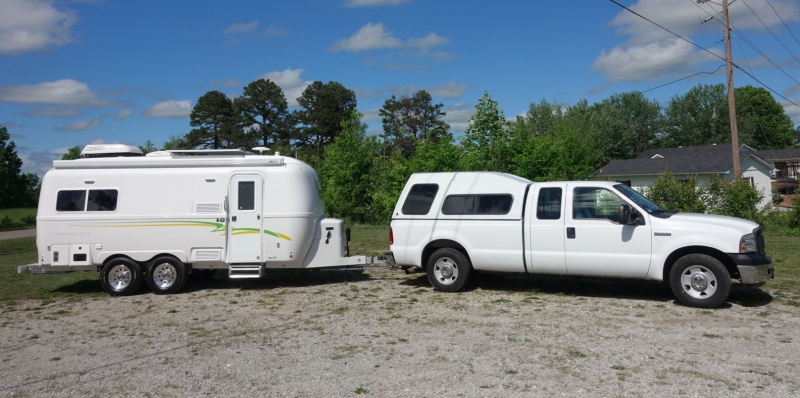
My wife and I took delivery of our new Oliver. Pick up went very smoothly and Jason did a great job going over all the features and answering questions we had. We are looking forward to many great adventures and can't wait to meet other Oliver owners and learn as much as possible during the upcoming rally.
 2 points
 -
If you mean a 12 volt USB _converter_, then yes, they are handy and efficient. If you mean an actual 12 volt inverter, that converts 12 volts DC to 110 VAC, then it is NOT efficient to plug your device pronged wall charger into it. Dropping DC voltage is fine, converting it to AC and then back to DC again is very inefficient and wasteful. Most of the little cigarette lighter USB units are converters, not inverters. There are inverters: https://www.amazon.com/Power-Inverters-Cigarette-Lighter/s?ie=UTF8&page=1&rh=n%3A583328%2Cp_n_feature_keywords_browse-bin%3A4889846011 Don't use them unless you need to charge a unit that does not have USB charging capabilities, for example, a rechargeable battery pack for a handheld comm radio or portable drill. Most of them produce very dirty, spiky current and will likely harm motors and sensitive electronics, like a laptop, and maybe a TV! OTH they are great for batteries and such. Google "modified sine wave" for info. John Davies Spokane WA2 points
-
Thanks folks for the kind words. Looking forward to pushing out tomorrow and taking the back roads and overnighting somewhere along our route. On our drive home it sure was cool pulling into a rest area and my wife making a sandwich and listening to some music.2 points
-
Krista, You are correct - there is NO gravity water feed on the Oliver. However, this is not a bad thing. No more lifting the pail, jug, bottle, etc. at eight pounds per gallon. No more splashing the water all over your shoes and down the side of your camper. No more trying to hit that little hole in the side of the camper. With the Oliver you simply place the water at the back of the camper, put a short length of hose in it, attach the other end to the camper, turn the water pump to on and watch the water disappear into your fresh water tank. In addition, if you are really out in the boonies and have a creek or lake near enough, you an simply draw the water directly into your tank without even filling the bucket. I originally thought that not having the gravity feed would be a bad thing. But, once you do it the Oliver way and watch people come over asking how you did that, I'm guessing that you will become a fan like I did. Bill2 points
-
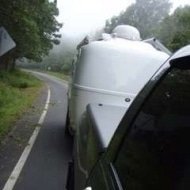
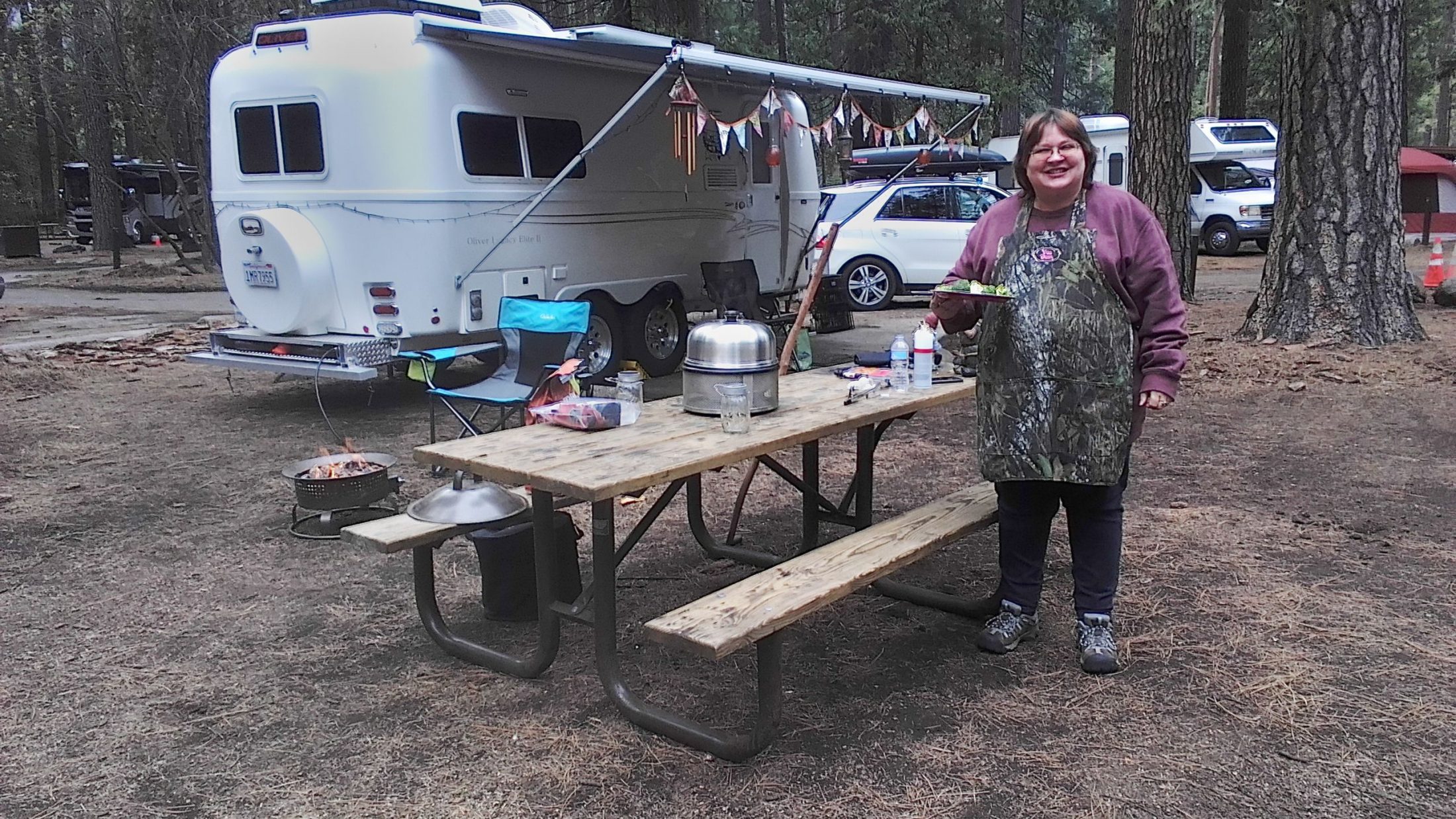
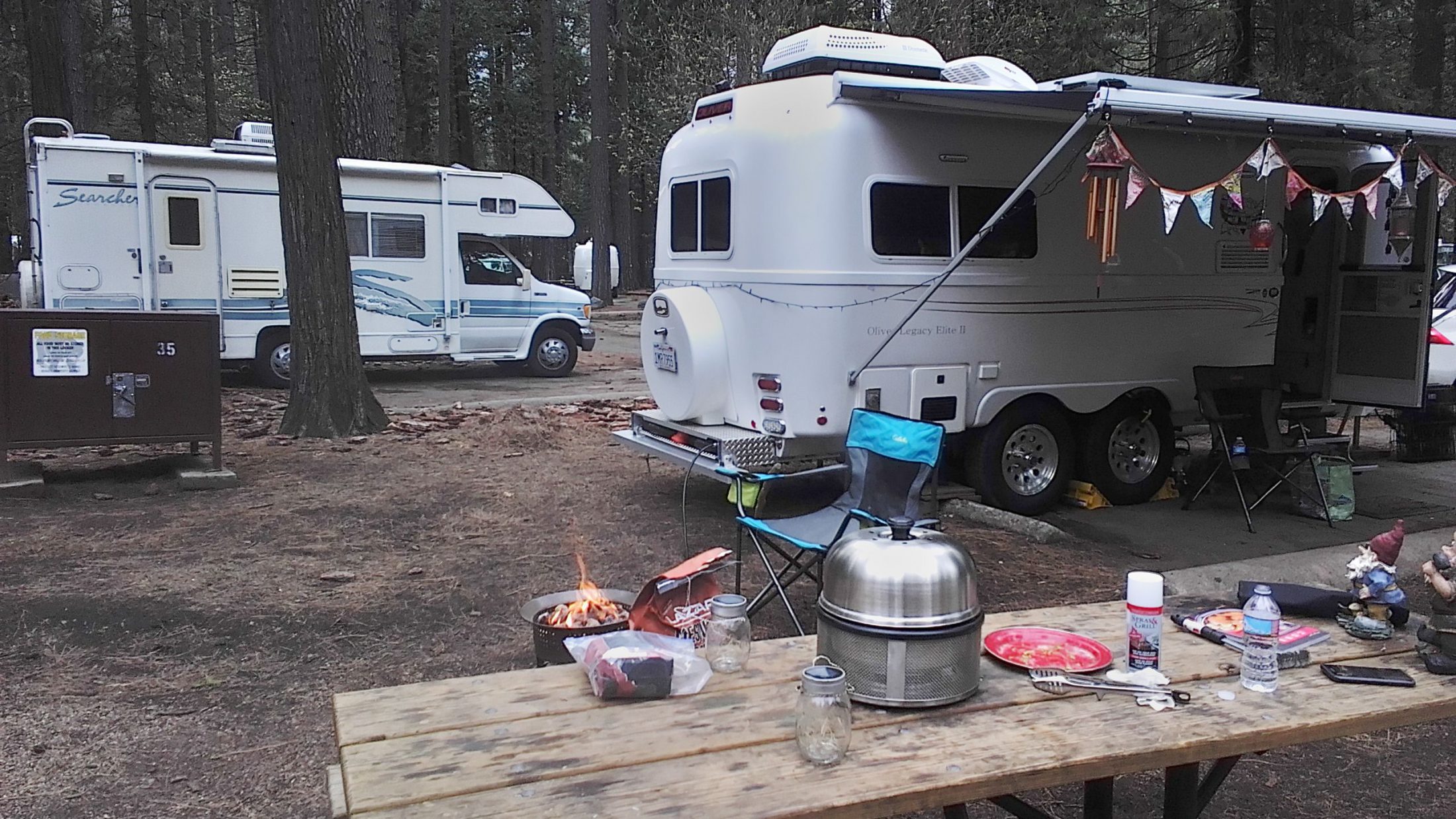
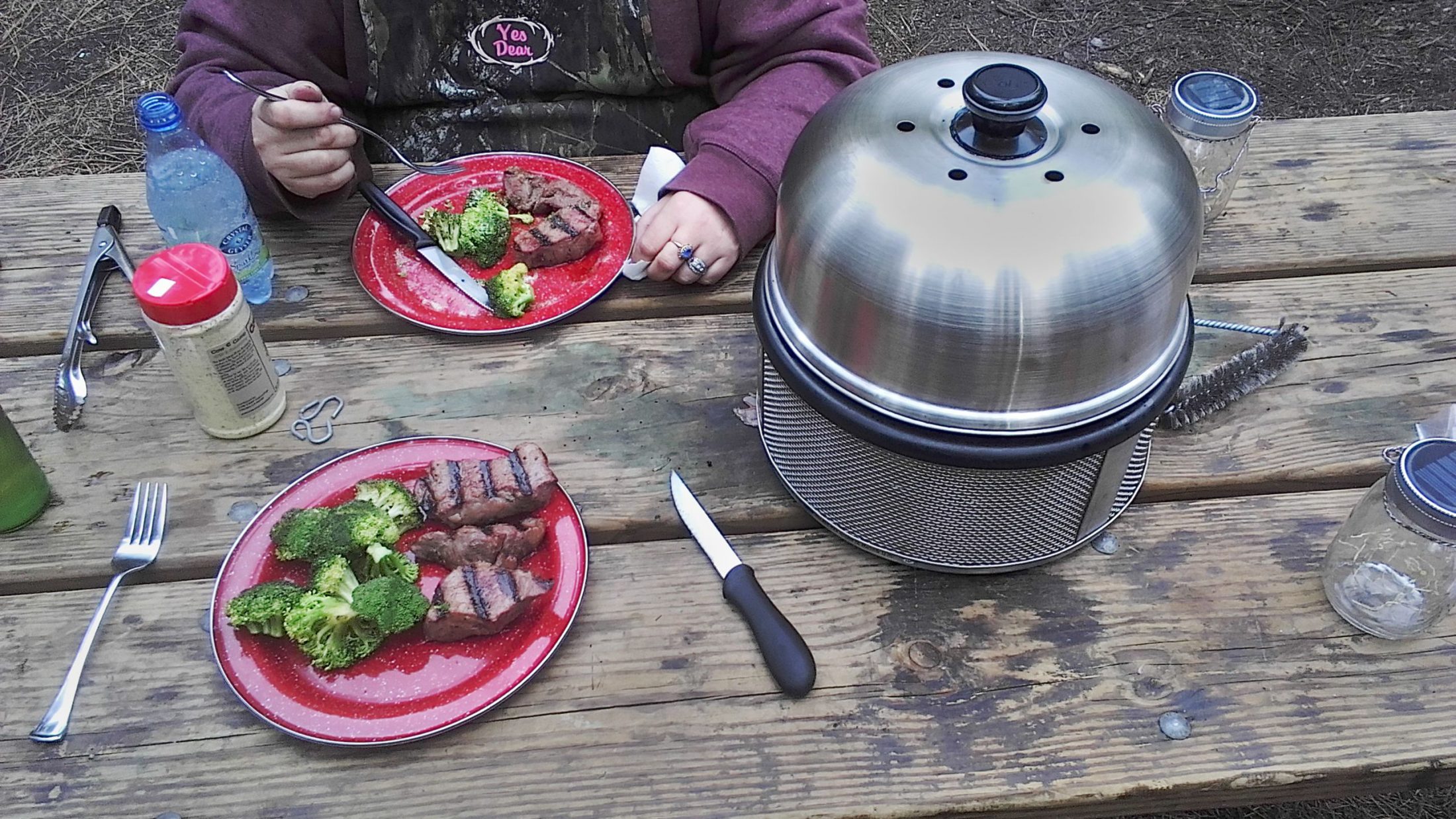
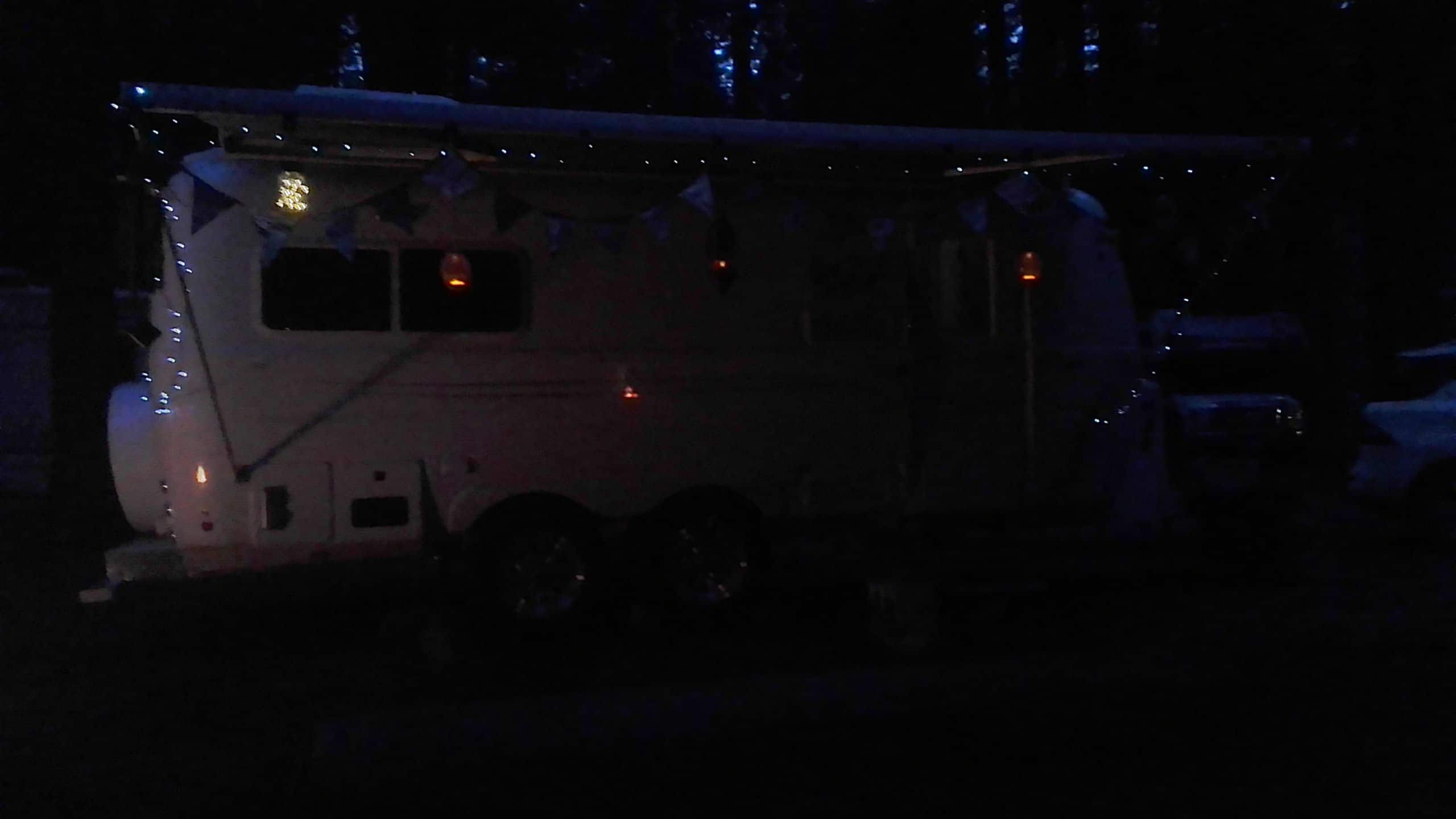
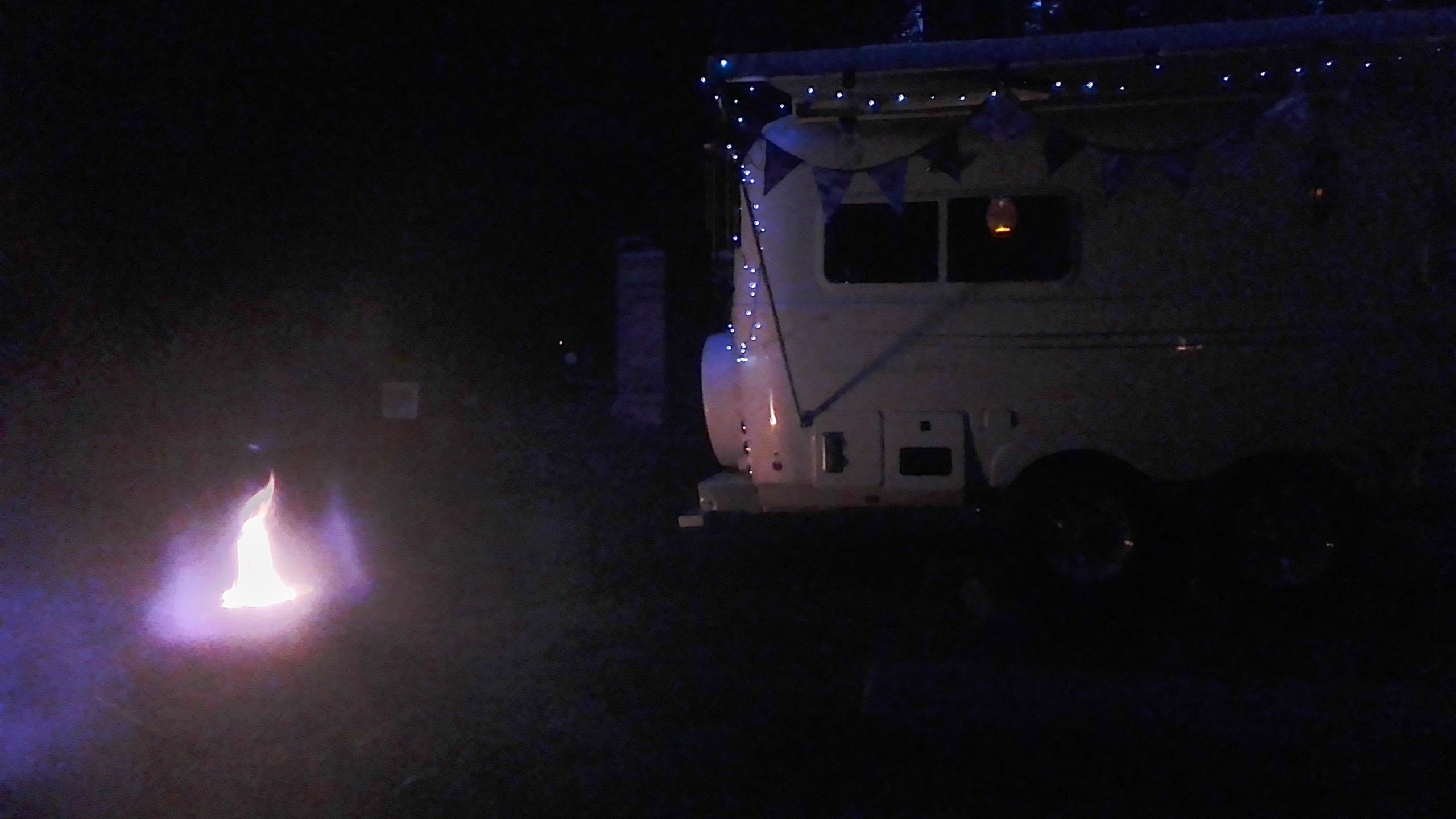
Since the night of February 13th, 2017 we have been living and traveling in our new Oliver Legacy Ellite II and we named her,"The Lil' Nugget". Everything from then until today can be found here - http://olivertraveltrailers.com/topic/hull-200-in-service/ And here - http://olivertraveltrailers.com/topic/hull-200-in-service-pt2/ The above links were in the "Delivery Day photos" section and went above and beyond our delivery day by far. So it's time for a fresh start... __________________________________________________________________________________________________________________________________ 4/24/17 - An Oliver in the mist... Yesterday we arrived in Yosemite just before dark, then quickly set up the basics because this week we are Boondocking below Half Dome. After that we went over to our friends site across the meadow to see them before bed time. When boondocking we try to not use much water and between yesterday and today, we used up a whopping 5%, which leaves us at 75% today... 75%? But... That doesn't add up? We had filled up with water before leaving Sacramento, but between there and here in Yosemite, the roads are so steep, and winding and rough that 20% had bounced out by the time we got here. We are staying in Upper Pines Campground with 3 other couples and this is the first year that we haven't been able to get our camping spots next to each other like so many times past. This is our yearly Spring gathering here together and this time there's an Oliver in the list :) It was a rainy day today and we finished setting up everything and working around camp. Also more friends came in today and one had never been here before :) 2017 has been one of the greatest flood years ever here in California and just last week the campgrounds were still flooded. So the Falls this year are huge... "How huge?" you ask, well those pics will come soon :) We counted 40 different waterfalls here in Yosemite last night as we drove in. And that was just from the Highway 140 enterance. We even have a small one living right out our back window. Here's a few pics from dinner and around the fire tonight Tonight we broke out our new Cobb Grill for the first time and barbequed Tri-tip along with some broccoli. And I switched out one of our propane hoses and hooked our propane fireplace up to the rear port on Lil and had some great fun, good times, and great food. <span style="font-size: 16px; line-height: 1.5;">Our first night using the Cobb Grill was a very satisfying success :)</span> Did you see the mist...
1 point
-
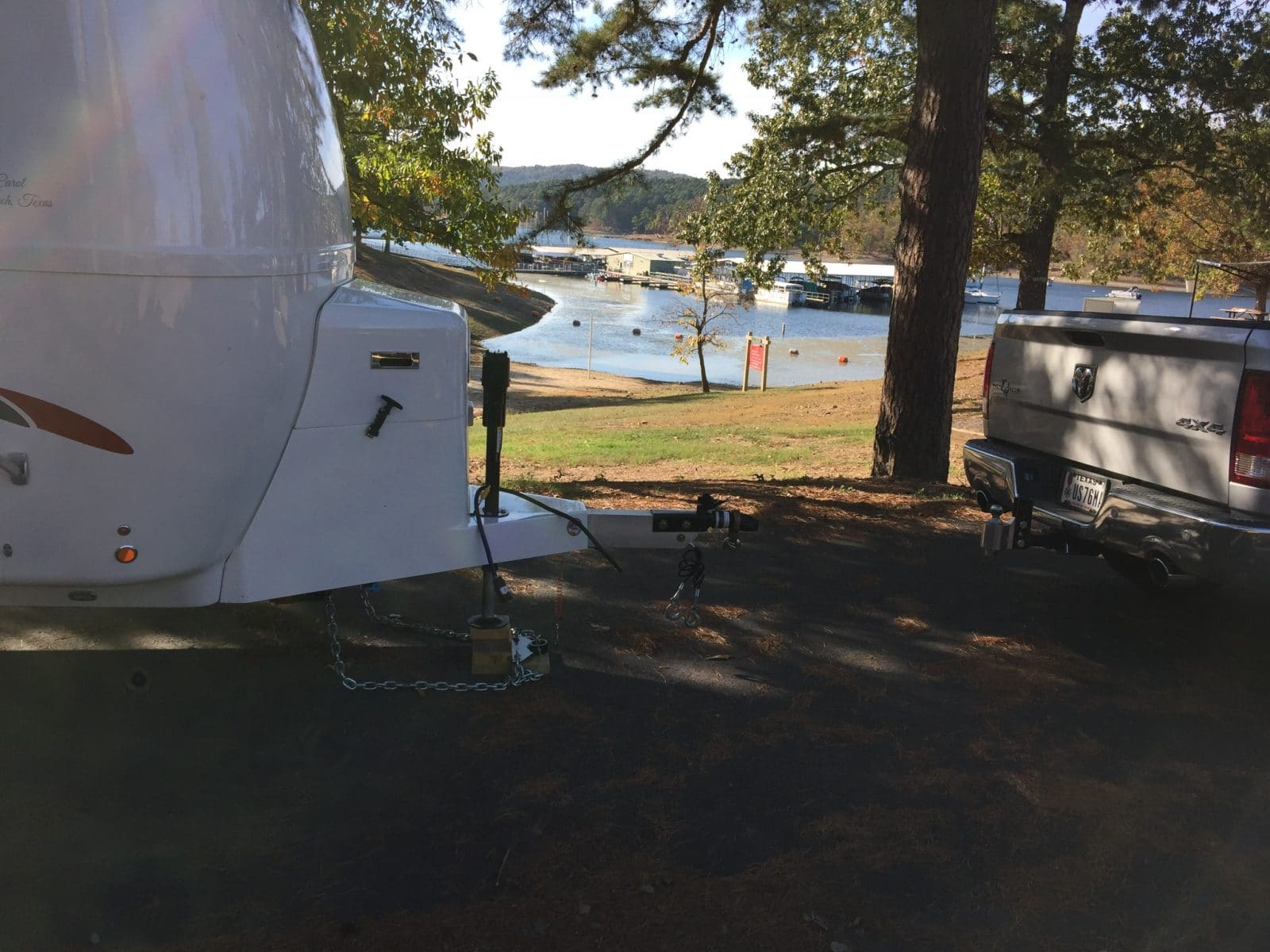
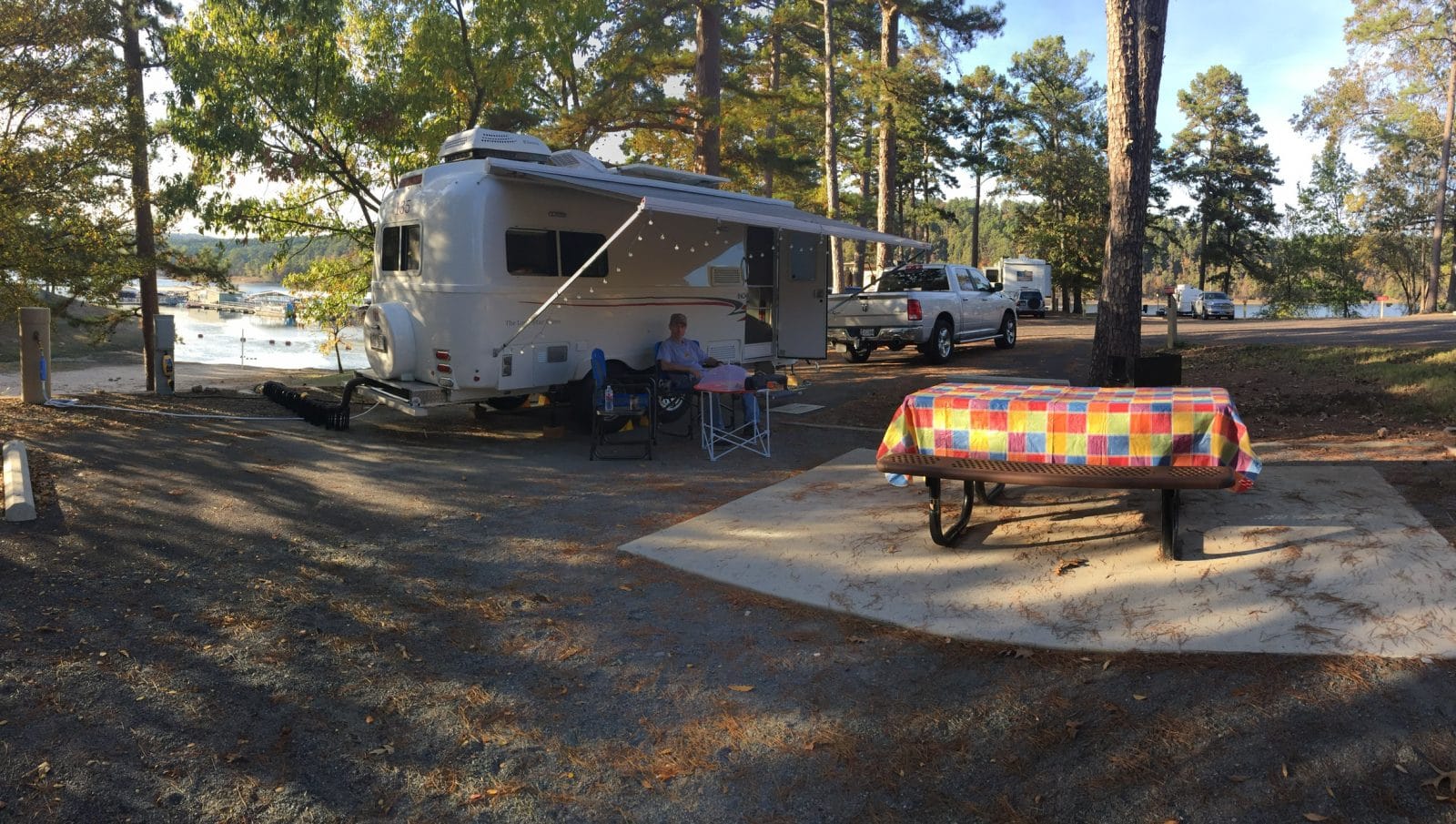
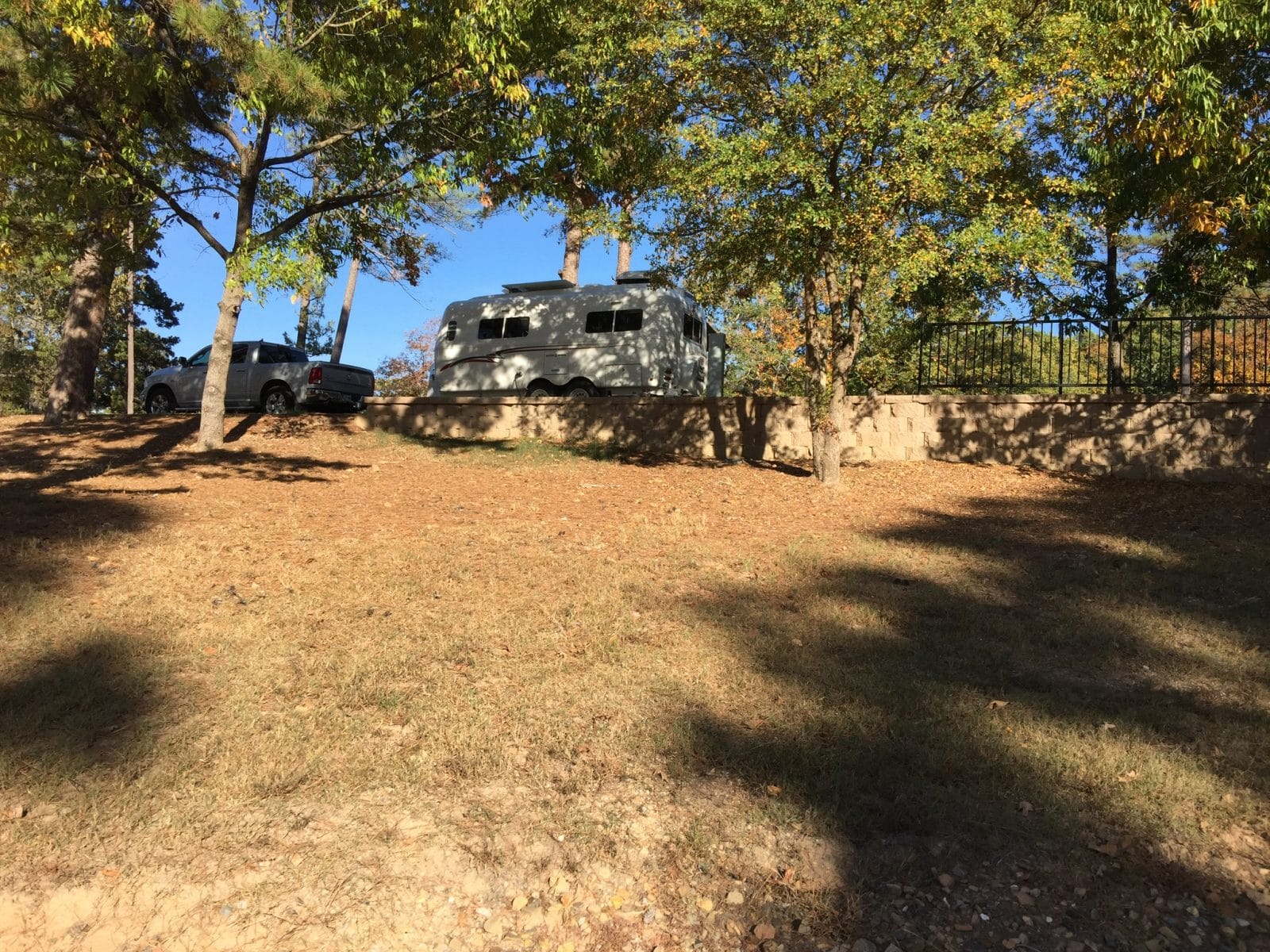
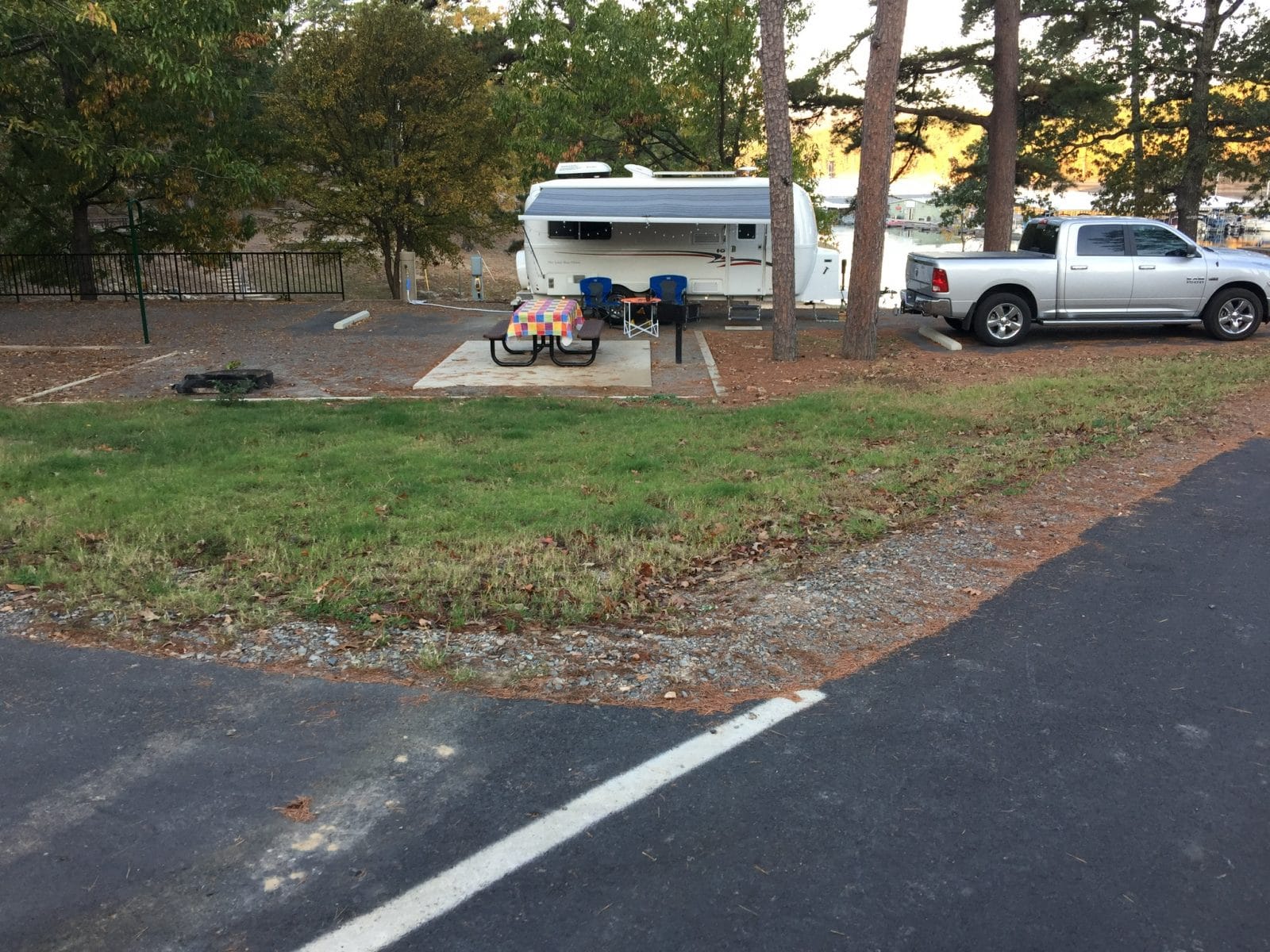
On the way back from our trip to the east coast we stayed a few days at Lake Ouachita SP just outside of Hot Springs, Arkansas. This is one of the nicest state parks we've stayed at. Most sites in our section had great lake views. Sites had large, level concrete pads and full hook ups (water pedestal was marked "frost resistant"). There was a large picnic table area and another area behind the trailer pad. Good separation between sites. Lots of big mature trees with good shade. We were there the last week in October and the weather was great, 40s to 70s. There was no cell coverage, which could be good or bad depending on how connected you need to be. A 5 minute drive up the hill and our phones got a few bars. $26/night.
1 point
-
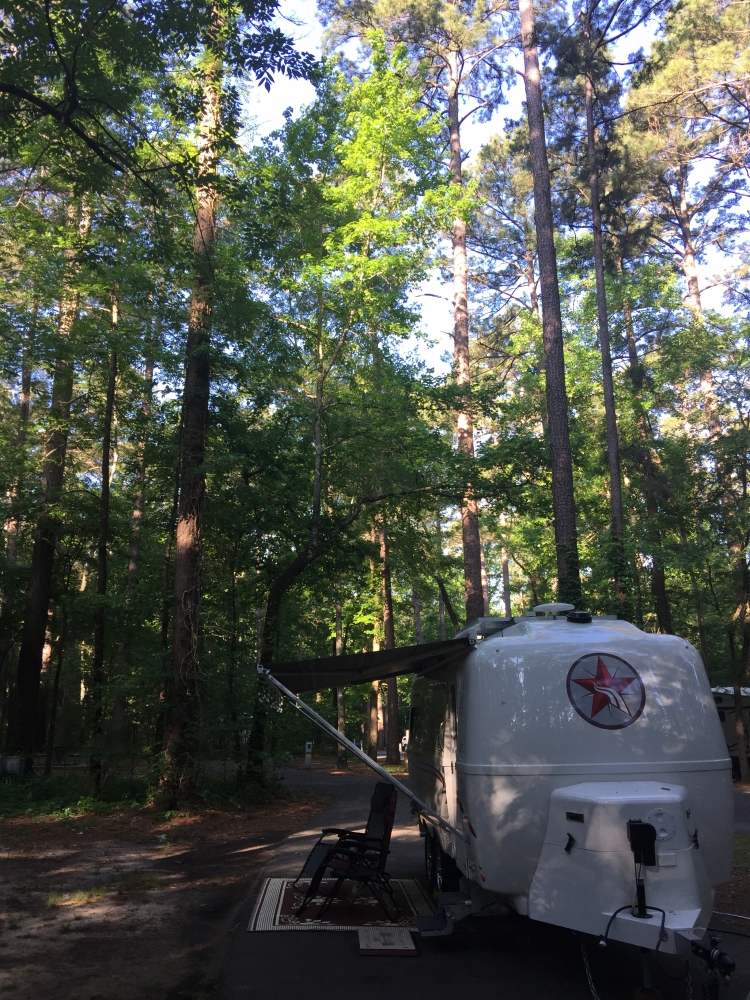
This is Caddo Lake State Park on the TX/LA border. We're on our way to the rally, stopping at state parks and COE campgrounds along the way. Trivia: Caddo Lake is the only naturally formed lake in Texas! Mike
1 point
-
Geo, your description is correct, when boondocking mode on furnace fan on auto or low furnace cycles on and off. I think Reed was referring to the mode switch set to auto, at which point the heat pump( if you have one installed) will try to engage, but it can't without ac power.1 point
-
Actually, John has the older style of thermostat. Leave it on auto because if you set it on low, it will use both the AC and the heater... Strange... But true :) one of my next projects is to change this...1 point
-
Yes. I set my fan on low to keep the noise down. Your choice on that. Make sure the propane is on and set the temp on the thermostat to about 68. After an hour or so you can adjust it up or down to suit your comfort. It will come on and blow warmed air out of the lower vents and in the bath. Make sure the vents are open. This works just like a forced air heater in a house. The control is the same and the heat is the same. You'll find that after the initial run, it will settle down and not run very much during the night. After a while you'll find the setting that suits you best. I've also found that our Ollie is so air tight that I like to leave a window cracked just to get a bit of fresh air. You can also leave the bathroom upper vent pushed up and open.1 point
-
John, We don't have a built in inverter. So we plug in a small 100 watt inverter into the cigarette lighter. It's an inverter. I've been using these little ones and large inverters on my boat for many years and am very familiar with them. You are right, it's not the most efficient way to charge something, but all we have for our Apple computers are the 120 volt chargers. And since they are already plugged into the small inverter, I also plug my tiny 120 to USB converter too. And then plug my phone into that. If nothing else is being charged, I plug my USB into the on-board stereo USB port or my Ram's USB port. Overall, the little inverter has less standby losses than a 3000 watt inverter, and it's what we have, so it works more efficiently than starting the generator, for instance, or plugging into the Ram's 110 volt outlet and leaving the computer out there until it's charged. Not trying to say there is no more efficient way to make power, just looking at the practicality of it and the scale of it and yes it is a good way to do it.1 point
-
Nice color scheme. Is that the turquoise? (sp)1 point
-
We hope to be doing the same late next month. We ordered our Legacy Elite II just last week. We currently own a Casita but, now that we will soon owing an Oliver, we are thinking we may be going out more often and for longer times. Enjoy!1 point
-
We had a great time in Yosemite and thank you Reed for helping us get set up! Excellent tour and good times around the campfire. I would never have guessed that we could just show up and get a prime camping site! Thanks again. Yosemite was memorable with the big waterfalls raging and small ones trickling down everywhere. Mirror Lake actually a lake again. Liye had never been and it's been a long time for me. See you guys in Bandon, John and Liye1 point
-
If someone wanted to be able to syphon water in, you could replace the factory check valve on the fill line with a ball valve. Then you'd open the ball valve to syphon and close it to pressurize the system. Or you could open it to use the onboard pump to suck the water in and then close it.1 point
-
Reed & Karen, Nice digs! And it looks like a great day. Doesn't get much better than that. Thanks for sharing. Bill1 point
-
geO, I think that I'm in site 21 - stop on by (Twist could use the company). I like your color choice - kind of beachy or making me think of Margaritaville. Look forward to meeting you at the Rally! Bill1 point
-
Ahhh, there she is!! Your Oliver looks great and I know you all will have wonderful fun times traveling in her. Enjoy!!1 point
-
geO, All the inverter does is convert 12 volts to 110 volts. Depending on the size of the inverter one can operate virtually any electric appliance up to the inverter's capacity. Assuming that you have the standard 2000 watt inverter that Oliver typically sells with its campers, you could theoretically operate any 110 volt electric appliance up to 2000 watts. However, there is some loss in the conversion from the 12 volts to the 110 volts (and a couple other technical things), thus it is best to not try operating anything above about 1500 watts. This 1500 watts includes most hair dryers, toaster ovens, coffee pots, TV's, radios, computers, microwaves, etc. Simply look on the appliance you want to use to see how many watts are listed - if it is below 1500 you are good to go. If it is above 1500 watts or if you can not find the watts on the appliance then it would be better to not use it. Also, don't forget to add up those watts if you are trying to operate more than one appliance at a time - you still should not go over the total of 1500 watts. Mind you that this is a simple explanation and not all inverters are as good as the one in the Oliver. So, do not use this as a blanket statement for all inverters. Hope this helps! Bill1 point
-
:) Congratulations :) It looks like you have the perfect setup now :)1 point
-
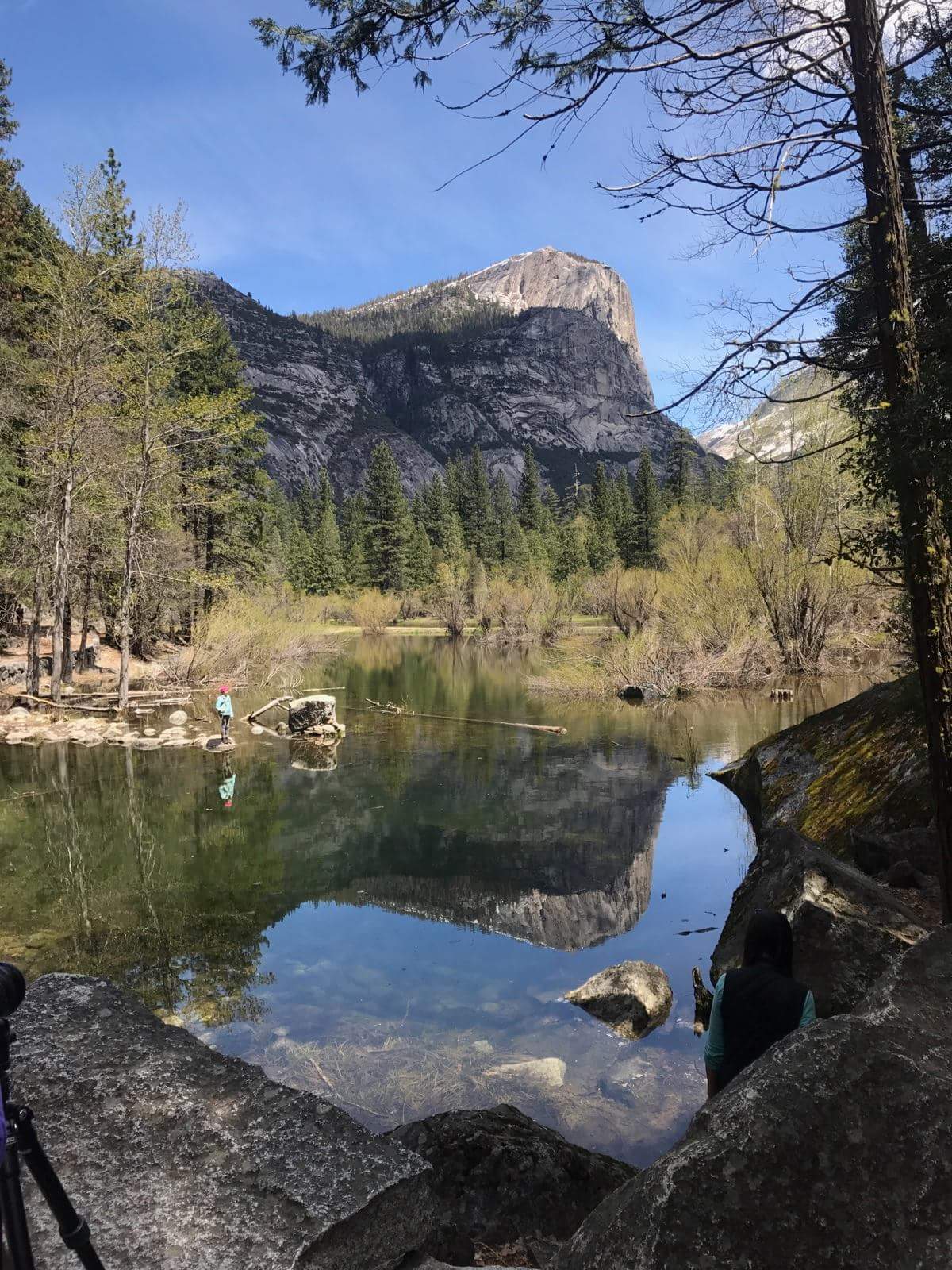
Mirror Lake's reflection of Half Dome in Yosemite on April 29th, 2017
1 point
-
LOL, You are right John! Make that 4????1 point
-
I sent a link to a friend who will be camping near Hot Springs tonight. If you are in the area, Gravan Gardens are beautiful, and Anthony chapel is modern, rustic, and amazing all at once. If you are in the area, do spend a few hours there. Your well behaved pup is welcome, too, for a small fee. Sherry
1 point
-
Not withstanding the above, a seldom mentioned argument FOR a tandem axle trailer is the additional safety it provides. In the event of a problem with one axle there is always the other axle there to serve as support. Yes, I know, there is also twice the chance of something going wrong. But, if one is mindful of maintenance issues I think that this is greatly reduced to the point of only exposing ones-self to unusual or chance occurrences. Perhaps it is still the "old" Boy scout in me that wants to "Be Prepared". Bill1 point
-
I camped as a kid, with my parents, in a tent and then a tent trailer. Later I just took my pickup or Blazer and went to the desert. I finally figured out that sleeping on the ground, in 20 degree weather, wasn't very much fun. One night, near Death Valley, my daughter and I arrived during a cold relentless wind. Snow on the ground had come down days before and never melted. It blew like dust as we drove. It became clear that this was going to be an interesting night. And we were only at two axles. But a friend at the campsite asked us if we'd like to spend the night in a his friends trailer to get out of the wind. Yes! He let us in. It was just a little 50's or 60's sticky about 15 feet long. Perfect. As the wind whistled and the trailer gently rocked, I decided that this was the thing to have. So, three axles was on the horizon for me. But I still didn't want to tow. I tried the camper shell and the pop-up route for a while. Stuck at two axles for the ability to get farther back in. I've always liked the way tandem axles pull. Stable and less likely to drag their frames on rough roads. Plus they are prepared to carry more weight, if needed, like lots of firewood, a dirt bike, gas cans, water. All the extra things that make a casual trip fun. I'm not a back packer and I don't try to travel as light as possible. And I like the remote desert environment where it takes hours on dirt roads to get there. Spend a week and enjoy the ambiance. Bring some fun things along. Find comical comfort in a harsh environment. Now, I've settled on an Elite ll as the best compromise for my wife and I. The quad can go in the pickup, if I decide to bring it at all. The Ollie has excellent towing manners. Reasonably back road capable. Extremely convenient in so many ways. Comfortable without being big. We can leave it behind and explore in the truck. I think I've reached my axle limit. Four. Three would do it, but all the things that come with four are worth it to me. The fun we have over the years with our camping hobby, the interaction with family, new sights and experiences, matures or changes with time. I've had lots of fun with minimal gear in the past, as a kid, or on spur of the moment trips. The change in equipment to a more luxurious and convenient arrangement over the years doesn't make the trips more fun than they used to be long ago, but it makes them more suit what I want now. For instance, I've always been amazed at the desert views and mysteries. The extreme difference in how time works there, the solitude, the timeless and unchanging nature of the place. Even though it is all formed by violent storms, earthquakes, volcanos and plate tectonics. I've marveled at it on hikes and while blasting along at speed on dirt bikes. Power sliding around a big sweeper, on the pipe, steering with the throttle, there is still time to notice the terrain, the vegetation and the vastness of it all. Now, as that era fades into the past, I'm thrilled to have more conveniences as I explore it in a quieter way and ponder it's magnitude. Yep. Four axles will be fine thank you. That is, unless you count the quad's two axles riding in the back of the truck!1 point
-
Yea, there's a ton of snow up there this year. June will be a good time and they should have everything cleaned up after the winter we had :) If you come in during the week and walk into the office they can find open spots for you in the valley also usually. That's what Raspy has done all week and he's in a killer spot right now. With the senior pass its $13.00 a night. In Upper Pines CG from 206 and up are prime spots. Basically, the higher the number the better the spots on that section. We had a great camp fire at his camp last night :) Good Times :)1 point





-
Recent Achievements
-