Leaderboard



Popular Content
Showing content with the highest reputation on 01/14/2020 in all areas
-
Shortly after delivery of #381 it was discovered to have a defective window. Oliver service replaced it and removed and reinstalled all the other windows using butyl tape. Since they were seeing such good results with the butyl tape he also made sure that production removed the foam tape that came with the windows and installed butyl tape instead2 points
-
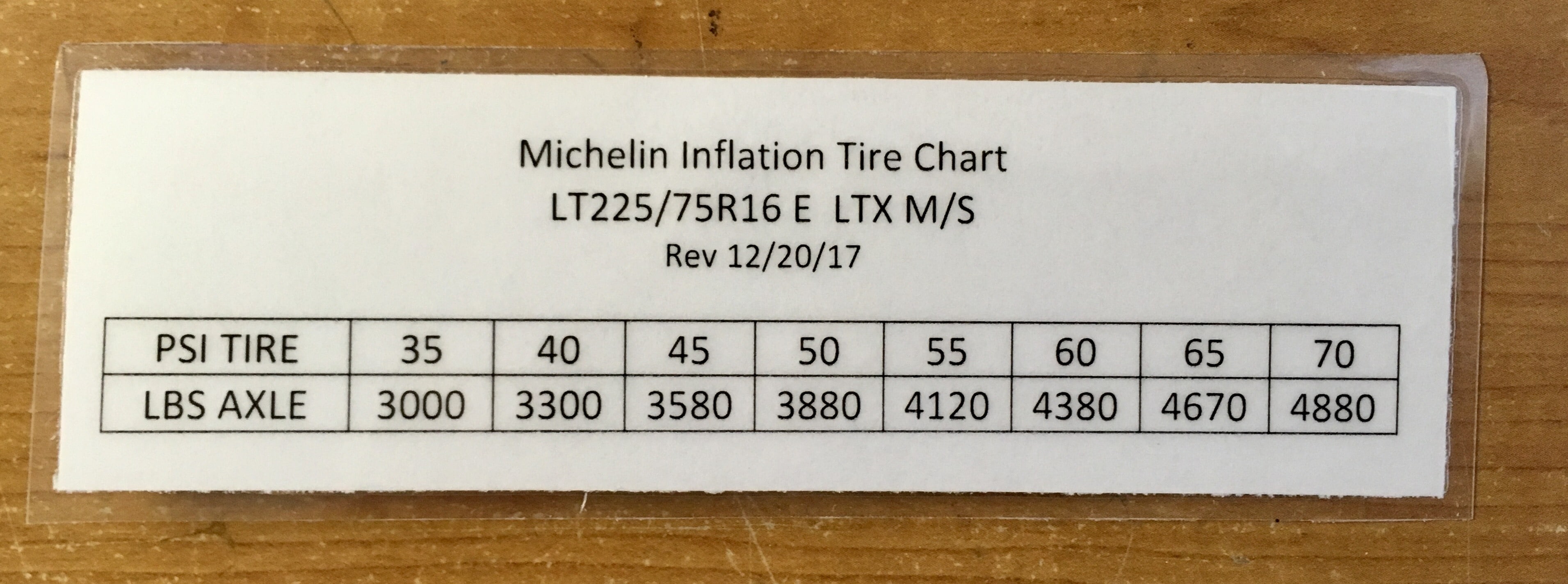
Here is a load/ pressure chart I made using Michelin data. I plan to tape it to the inside of the closet door next to my Towing Checklist. Their info is published as a Flash page and it does not run well (or at all!) on some computers. Attached is a Word Doc that you can print and laminate if you like, or just insert the whole page into your Owners Manual. printed at 100% it gives a 5 inch long placard. Oliver-Michelin-Inflation-Tire-Chart-122017.docx BTW I have suggested to Matt Duncan that this should become a new Tech Bulletin. John Davies Spokane WA
 1 point
 -
I made my first fuel stop today to try my new TSD/EFS fuel card. Using this card in the truck lanes at Truck Stops, it is suppose to save you money on diesel fuel NOT gasoline. Diesel fuel was listed for $2.82 per gallon. My bill for diesel listed on the pump after fueling was $47.00 for 16.613 gallons. I also purchased DEF at $2.79 per gallon ($9.71). After fueling, my cost per gallon was $2.48 per gallon saving .34 cents per gallon. My account was debited $41.30 saving $5.30 on diesel. No discount on DEF. It was easier than I thought. If your tow vehicle is a diesel, you may want to give a try. Sure, there are some pro/cons of using the card. However, paying $2.48 per diesel gallon was better then $2.82. Here is a link to the application https://www.tsdlogistics.com/fuel-card-application-rv/. If you want to place my name as a referral, I receive $25. If not, leave it blank and start saving money on diesel fuel.1 point
-
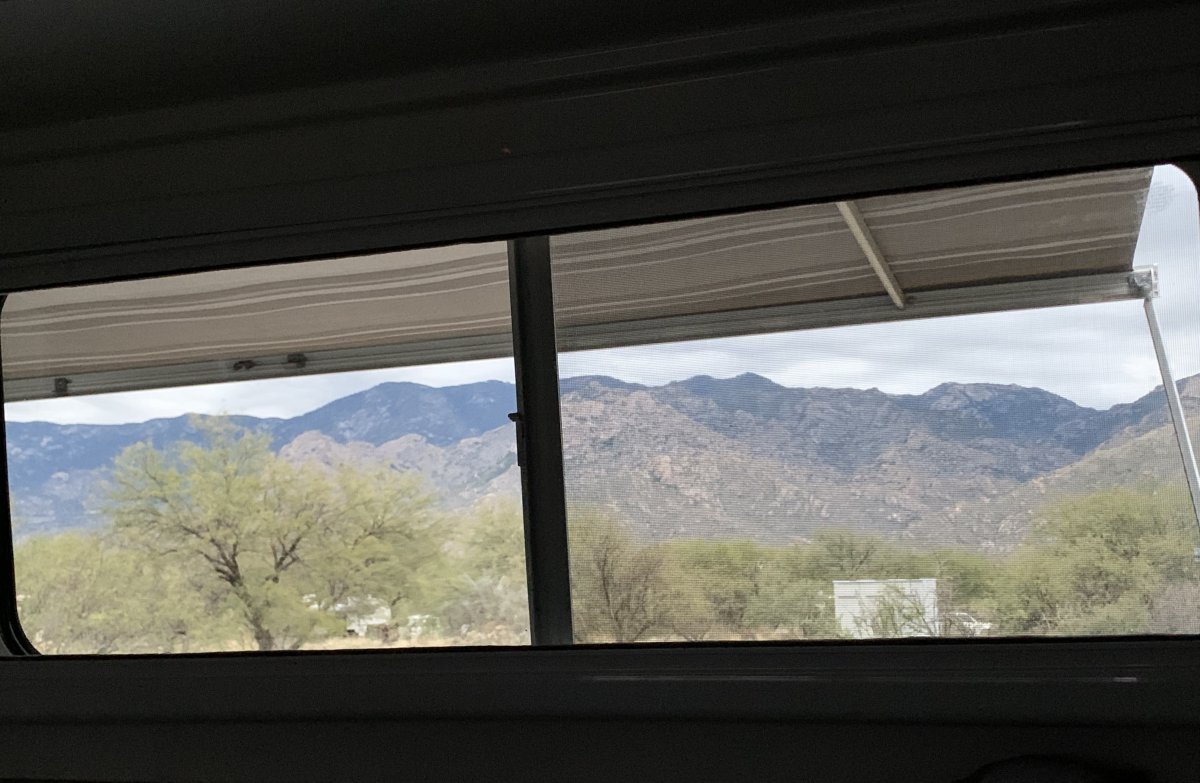
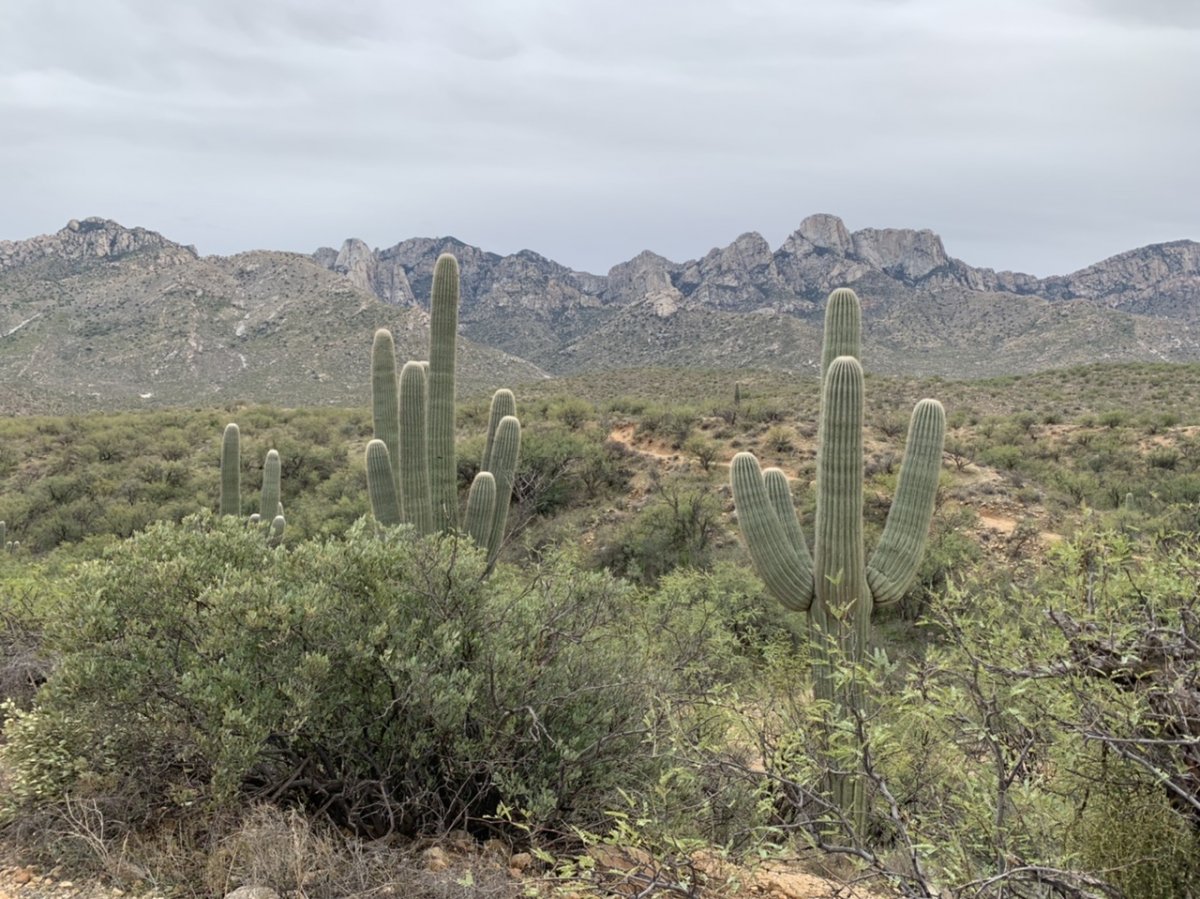
We stayed at Catalina State Park in early December and enjoyed it. Beautiful views of the Catalinas, numerous nice hiking trails. In spite of the entrance to the park being directly across from a shopping center it’s quiet. Bathrooms were clean. If WiFi is needed the antenna is located near the restroom in loop B (we stayed in Loop A near the restroom and the signal was zero to unusable). Pics from our stay in Catalina below. While Picacho Peak State Park is close to the highway and therefore has some noise, it is a very clean park and if you like hiking it has some beautiful (and challenging) hiking trails. I haven’t stayed at Lost Dutchman, but I can vouch for the views. I live 10 minutes from the park!
1 point
-
The filter came preinstalled on the fan harness. I am not sure it is needed on a travel trailer, but for a marine installation near a com radio it would be needed, I think. Because it has a DC motor with brushes, it does send out a little radio noise, but the filter kills that. The fan has worked out well, it doesn’t move a ton of air but it is adequate, even on Low. It’s a DANDY unit. Highly recommended. John Davies Spokane WA1 point
-
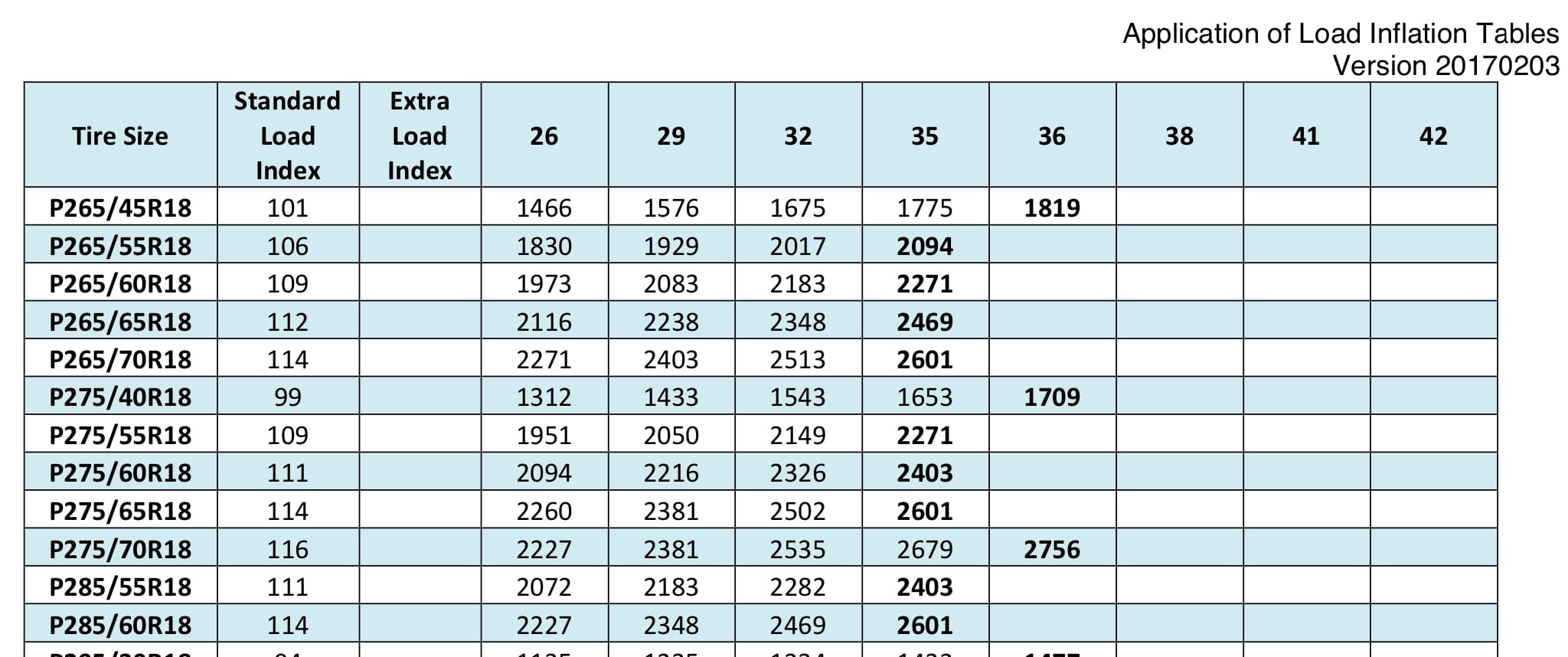
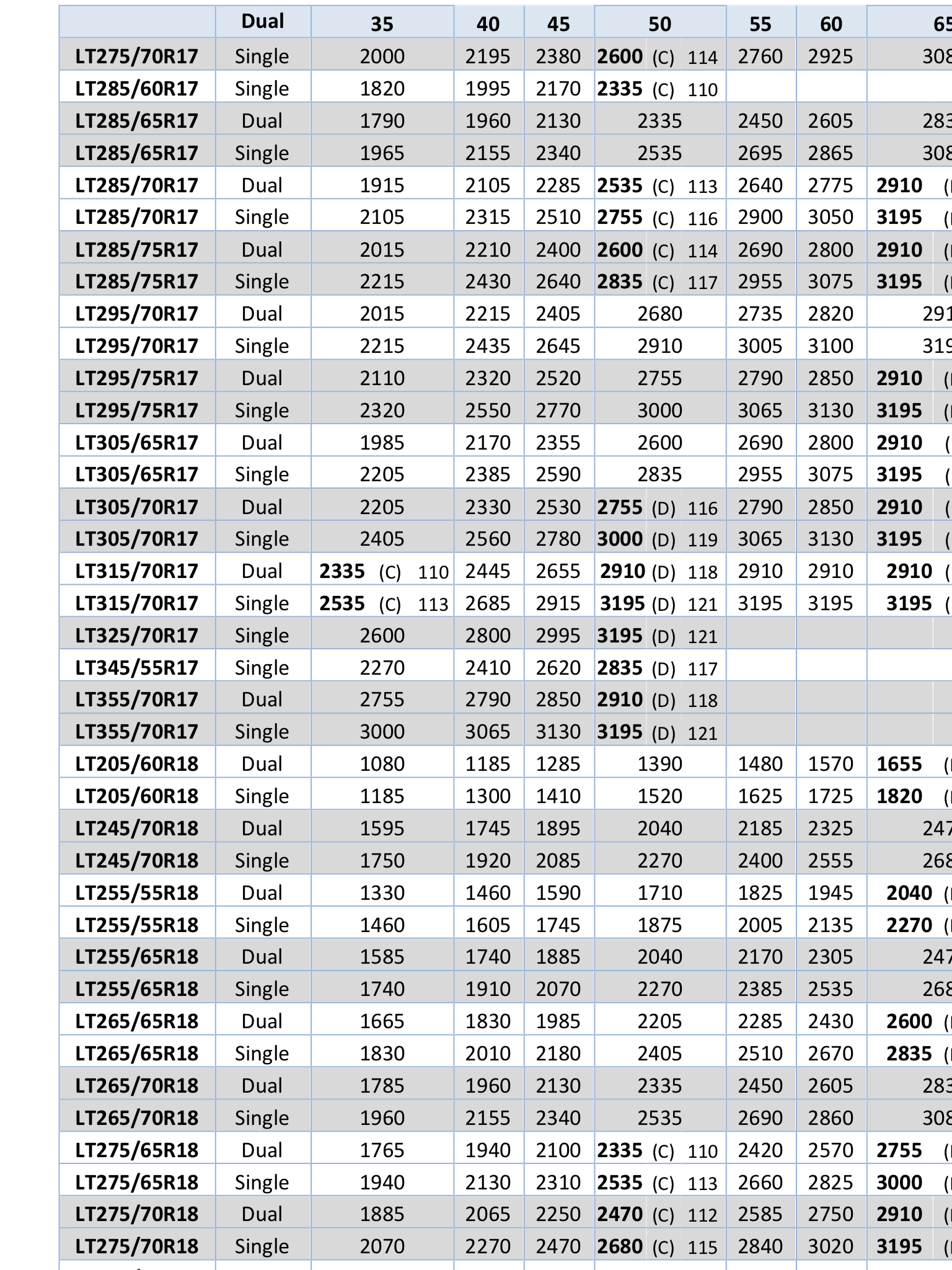
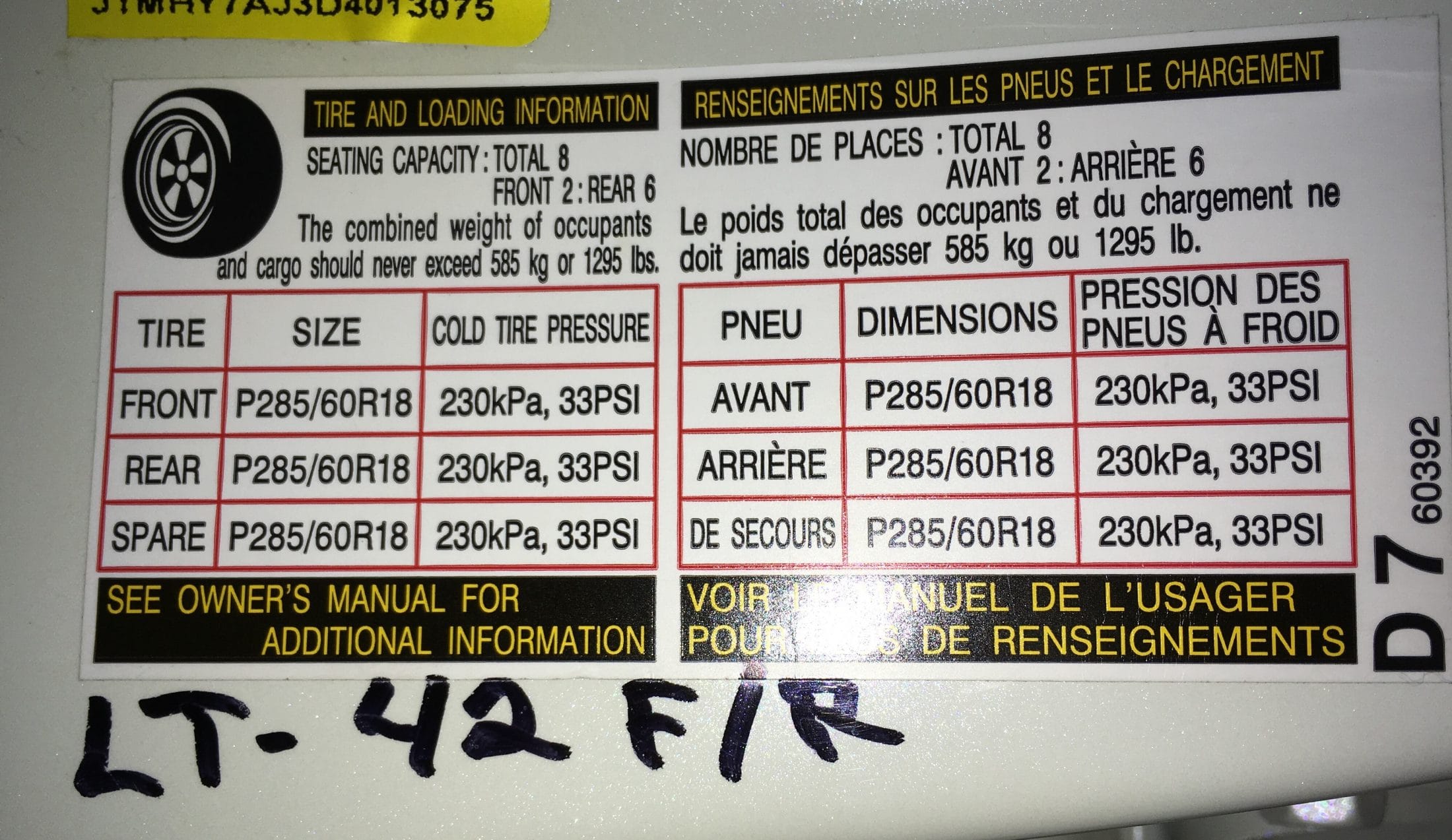
These are from Toyo but the specs are very similar between tire manufacturers. A Nitto owner on a forum called Nitto customer service to ask about charts and was told to use the Toyo ones. If you run the OEM tire type and size, use the chart glued inside your driver door opening or the info inside your Owners Manual. If you have switched to a different size, or from a P rated (passenger car) tire to a LT rated (truck) tire, you need to study the charts to figure out the pressure you should use. LT tires require more pressure to carry the same load as a P rated tire. It doesn’t seem to make sense, but it’s true. https://www.toyotires.com/media/2125/application_of_load_inflation_tables_20170203.pdf You do not need to know your actual axle scale weights, though that would be useful information for loading your rig and figuring tongue weight. You can calculate, using the charts, the different load capabilities and figure out a good target pressure to run. Example: My 2013 Land Cruiser came with P285/60R18 car tires (31” diameter) at 33 psi front and rear. The truck has a nearly 50/50 front to rear weight balance, unloaded. The Gross Vehicle Weight Rating is 7385 pounds. The P- Metric chart from Toyo shows a max load of 2513 pounds per tire (5026 per axle) for this size at Toyota’s recommended 33 psi. So that is the “target load” that they thought was appropriate. These tires were lightweight for better fuel economy and very squooshy for passenger comfort. They were also fragile and the towing experience was not good - the handling was vague and unsettling. I switched to bigger and stiffer LT275/70R18 mud tires (33” diameter). By studying the LT-Metric chart, to match that same target load capability they need to be at 46 psi. These tires are tough and offroad capable, and the extra ride stiffness really settled the truck while towing. Remember that these are MAXIMUM tire loads for that air pressure. The tire and truck engineers understand that many owners run them too low on air and they supply a good safety margin to allow for idiots. You don’t need to run them quite so high if your load is below that weight. If you have a HD truck and you are really loaded down with cargo, you can calculate a good “in between “ value rather than just pumping the rears up to 80 psi as indicated on the door sticker. Also, a warm tire is a happy tire. If yours is hot, it’s a big danger signal and you need to increase the pressure for that axle. I have been running 42 psi in my LT tires for a couple of years now. They seem happy but the front ones are wearing faster than the rears and I may bump my pressures front and rear up to 44 psi to see how the truck drives. Lots of people who switched tire types are running lower than recommended pressure because of the door sticker. Not good.. Finally, write down the new pressure on your door sticker, so service techs have a small chance of filling them correctly. See picture. More tire tech from Kimberley Caravans .... https://cdn2.hubspot.net/hub/210453/file-20229690-pdf/docs/importance_of_optimum_tyre_pressure_and_temperature.pdf I hope this stuff is helpful. A truck or offroad forum for your particular vehicle is a good resource, to ask what pressure to run for a particular size. There is also a trick you can do with new tires involving chalk on the tread.... I won’t go into that one. Here is info and a placard you can print for your Ollie tires. .... https://olivertraveltrailers.com/topic/how-to-tire-pressure-placard/ John Davies Spokane WA
1 point
-
Recent Achievements
-