
Buying a camper is one of those purchases where the difference between getting it right and getting burned comes down to a few decisions you make in the first 30 days. This guide covers how to approach the search, what to actually inspect, how the financing usually works, and what the Oliver buying process looks like if you’re considering a travel trailer from Oliver.
Pick the type that fits how you’ll use it
Before looking at listings, get clear on what you’re actually going to do with it. The same buyer who needs a small four-season trailer for weekend trips in the mountains needs something completely different than the buyer who plans to live in it full-time for two years.
Three honest questions to start with:
- How many nights a year will you sleep in it? If it’s under 20, used or rented makes more financial sense than new.
- What’s your tow vehicle? A half-ton truck handles a 3,700-pound trailer easily. A 9,000-pound trailer needs heavy-duty.
- Do you camp in cold weather or only in mild seasons? Four-season construction (insulation between walls, heated tanks, double-pane windows) costs more upfront and saves you from a frozen trailer in February.
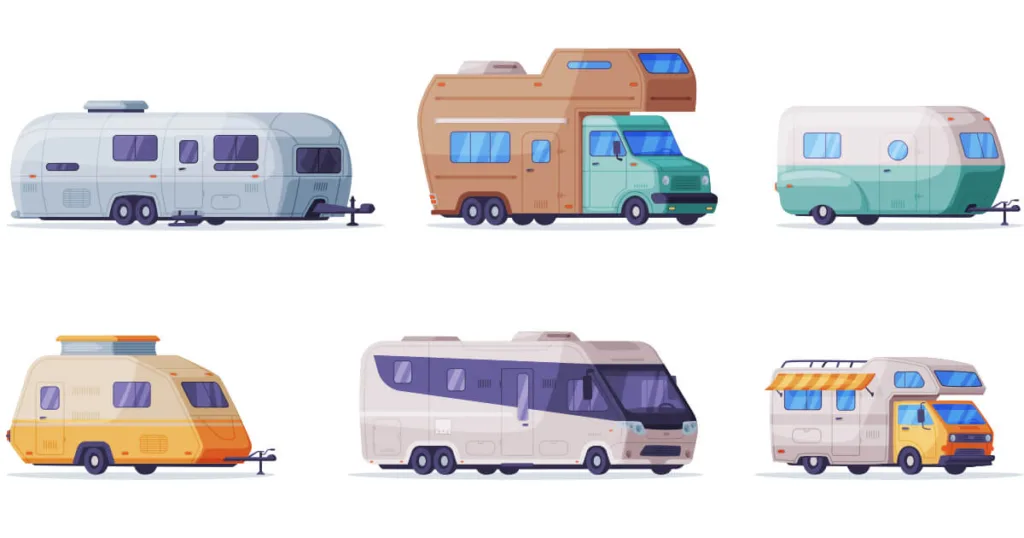
Small fiberglass travel trailers (like the Oliver Legacy Elite at 18’5″) tow with a half-ton, work for two adults, and last decades. Larger trailers and fifth wheels sleep more people but limit where you can park, and most use wood-framed construction that doesn’t hold up like fiberglass over a 15+ year window.
Where to actually find campers
Three real options:
- Direct from the manufacturer. New, built to spec, with a factory warranty. Build times can be long (Oliver is currently booked through 2026), but you get a trailer made for you instead of pulled from a dealer lot.
- Used from a private seller. Lower price, no warranty, no recourse if something’s wrong. Worth it if you know what to inspect or hire someone who does.
- Used from a dealer. Middle ground. Inventory varies. You pay a markup but usually get some form of limited warranty or service.
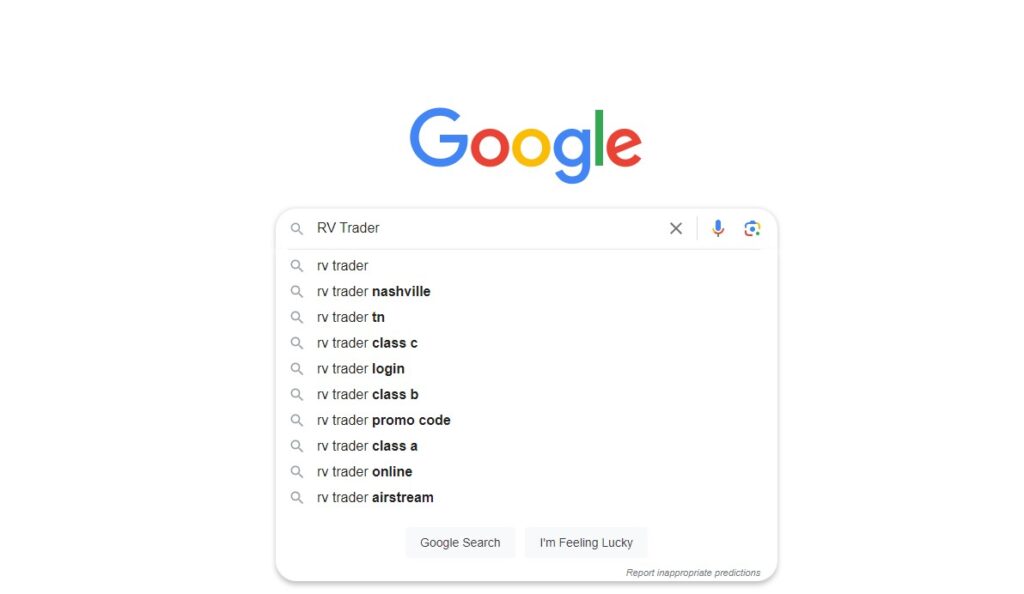
Online listings (RV Trader is the biggest) are useful for browsing the used market and seeing what specific models actually sell for. Skip Facebook Marketplace and Craigslist for higher-value trailers unless you’re prepared to vet the seller hard.
Buying new from the manufacturer
If you’re buying new, the manufacturer matters more than the floor plan. Wood-framed trailers from mass-market brands cost less but show their construction within 10 years. Fiberglass trailers from small-batch builders cost more upfront and hold resale value much longer.
The Oliver buying process is built around the fact that every trailer is made to order in Hohenwald, Tennessee. There’s no inventory to walk through. You pick the model (Legacy Elite or Legacy Elite II), pick your options, place the order, and the trailer is built for you. Production is currently booked through 2026, so the order is also a hold for your spot in the build queue.
For a full breakdown of what’s available and what to expect, see Oliver travel trailers for sale.

Inspecting a used camper
If you’re buying used, the inspection is the most important hour of the entire purchase. What to look for:
- Roof and seams. Water damage is the #1 killer of used trailers. Check around vents, AC units, and skylight seams for soft spots, discoloration, or visible re-sealing.
- Floor. Walk every inch. Soft spots near the bathroom, under the fridge, and at the entry door point to subfloor rot.
- Walls. Press around windows and slide-outs. Delamination feels like a hollow or rippled surface.
- Appliances. Run the AC, the furnace, the water heater, the fridge on all three power sources, and every burner on the stove. Confirm each one actually works.
- Tanks and plumbing. Fill the fresh water tank. Check for leaks. Drain it. Repeat for grey and black.
- Electrical. Plug into shore power, run the converter, test every outlet, every interior and exterior light, and the battery cutoff.
- Tires and suspension. Check the DOT date code on every tire (RV tires age out before they wear out). Look at brake wear and suspension condition.
If you’re not confident inspecting it yourself, NRVIA-certified inspectors charge $300 to $600 and will catch things you’d miss. On a used trailer over $30,000, it’s the cheapest insurance you’ll buy.
Financing
Most new RV buyers finance. Loan terms typically run 10 to 20 years depending on the loan amount and your credit. Oliver works with Epic Finance, which submits the application to a network of banks and credit unions and returns the best offer. See the Oliver financing page for the payment calculator and the online application.
Three things worth doing before you finance:
- Compare the dealer offer to at least one outside lender (credit union or marine lender like Trident).
- Check your credit report so there are no surprises.
- Get pre-approved before talking price. It clarifies what you can actually afford and gives you a counter when the dealer offer comes in.
What to ask before signing
- What’s the total out-the-door price including taxes, fees, and dealer add-ons?
- Are there any prepayment penalties on the loan?
- What’s the warranty, and what’s specifically excluded?
- Is delivery included or extra?
- What’s the trade-in offer if you have one, and is the price negotiable separately from the trade-in?
After the purchase
The first year of owning a camper is when most of the unexpected costs show up. Budget for:
- A cover and storage location
- Tow gear if you don’t already have it (weight-distribution hitch, sway control, brake controller)
- Annual maintenance: roof reseal check, tire pressure, water system flush, propane system check
- Winterizing if you’re in a cold climate
Owner reviews and forums are useful here. The Oliver owner reviews and the active Oliver owner community on the forums are a good place to ask questions before you have to learn the answer the hard way.
Talk to Oliver
If you want to walk through whether an Oliver fits how you’ll use a trailer, the team in Hohenwald can answer questions, walk you through the floor plans, and help you understand what the order process looks like. Call 1-888-526-3978 (Mon to Fri, 8AM to 5PM CST) or send a message.
A: New travel trailers range from about $15,000 for entry-level wood-framed models to $100,000+ for premium fiberglass builds. The Oliver Legacy Elite II starts at $85,000 for the Standard build, and the off-grid Apex X23 starts at $107,000. The 2026 Legacy Elite is fully booked. Used prices vary widely based on age, condition, and brand.
A: Most half-ton trucks (F-150, Silverado 1500, Ram 1500) can safely tow trailers up to about 5,000 to 7,000 pounds gross, depending on the truck’s exact configuration. The Oliver Legacy Elite at 3,700 pounds dry tows easily with a half-ton. Always check your tow vehicle’s manufacturer rating.
A: New gives you a warranty and zero unknowns. Used costs less but requires a careful inspection. The break-even depends on how many years you plan to keep it and how much you’re willing to spend on potential repairs.
A: For any used trailer over about $30,000, yes. NRVIA-certified inspectors charge $300 to $600 and will catch water damage, structural issues, and appliance problems that aren’t obvious during a walkthrough.
A: Oliver is currently booked through 2026. The full build time after you place an order varies, but production is small batch (about 100 trailers per year) so the order doubles as a place in the build queue. Contact the Hohenwald office for current build timelines.