All Activity
- Past hour
-
Both Jason and Matt have been sent PM's in this regard. Bill
-

True Induction Stove Top will not turn on
jd1923 replied to Lamar's topic in Mechanical & Technical Tips
How many watts is the cooktop rated? The rating should assume full ON. -
Main battery switching, a different approach
jd1923 replied to Snackchaser's topic in Ollie Modifications
If only half of degreed EEs had your practical knowledge… Excellent work Geoff! Appreciate your design philosophy too! 😎 -
 Mitch Nielsen joined the community
 - Today
-
Yah. I figured as much. Figured it doesn't hurt to offer. Back to #1, if folks are interested I can approach my local guy about working out a vector graphics from pictures. There's design time involved with that. However, if he knew that there were a number of people queued up on that then maybe he would waive or just roll it into price of orders etc. Y'all can let me know. Thx.
-
Nathan - I will mention this to Matt Duncan and to Jason Walmsley (who handles most if not all things tech related for Oliver and used to work directly for Matt). However, I can tell you that Matt is very well versed in computer tech. He and I did discuss this very possibility when we initially sat down in his old office and were looking for the specific computers and memory stick backups. An additional "problem" at this point will be to identify which computers and which memory sticks might have been involved with these graphics. I'll let you know what Matt and/or Jason have to say on the subject. Bill p.s. Yes, I am a moderator. All of the Moderators of the Forum are NOT employees of Oliver Travel Trailers, and are not compensated in any way by Oliver for the work we do here on the Forum (i.e. we are volunteers). Yes, since most of the moderators have been around Oliver (for more years than we might like to admit), we tend to know a bit of history and the former and current employees that were/are involved with both the travel trailers and other parts of the overall Oliver businesses. Perhaps this is good news and bad news. Good news is that we tend to know "stuff". Bad news is that we also know that Oliver is a family owned business that does not have very much (if any) "fat". That is - they have a very lean staff with most of the staff holding down multiple jobs. Therefore, I'm guessing that it may take a fair amount of time to even get a start on the project you'd like to do.
-
1. If there are people out there still interested in resolving this, please tag this comment with some sort of emoji as a confirmation. More on that later. And not necessarily related to #2 below. 2.@topgun2, I don't know how the forums work around here but I assume if you are a mod you are either an Ollie employee or at least know them somewhat ... In a previous life I did digital forensics work. That means recovering deleted/over-written files. It's not always possible but sometimes ... Can you let them know I might be able to help? I can walk them through the process of duplicating the drive on that machine in such a way that a copy could be sent to me either electronically or physically to see if I can recover anything. thx
-

Main battery switching, a different approach
Snackchaser replied to Snackchaser's topic in Ollie Modifications
I heard that😁 But I'm no EE… just an uneducated and curious mind. The first priority in all my modifications — and frankly the cleverest aspect — was minimizing impact on the Oliver's stock functions and appearance. Most modifications can be removed without trace: no fiberglass damage, original functions intact. Everything is fully documented in a binder with detailed drawings any competent technician could follow. This should be a standard practice for every DIYer — and frankly, it's not something Oliver itself can boast based on all the speculation we see in this forum. Cheers! -
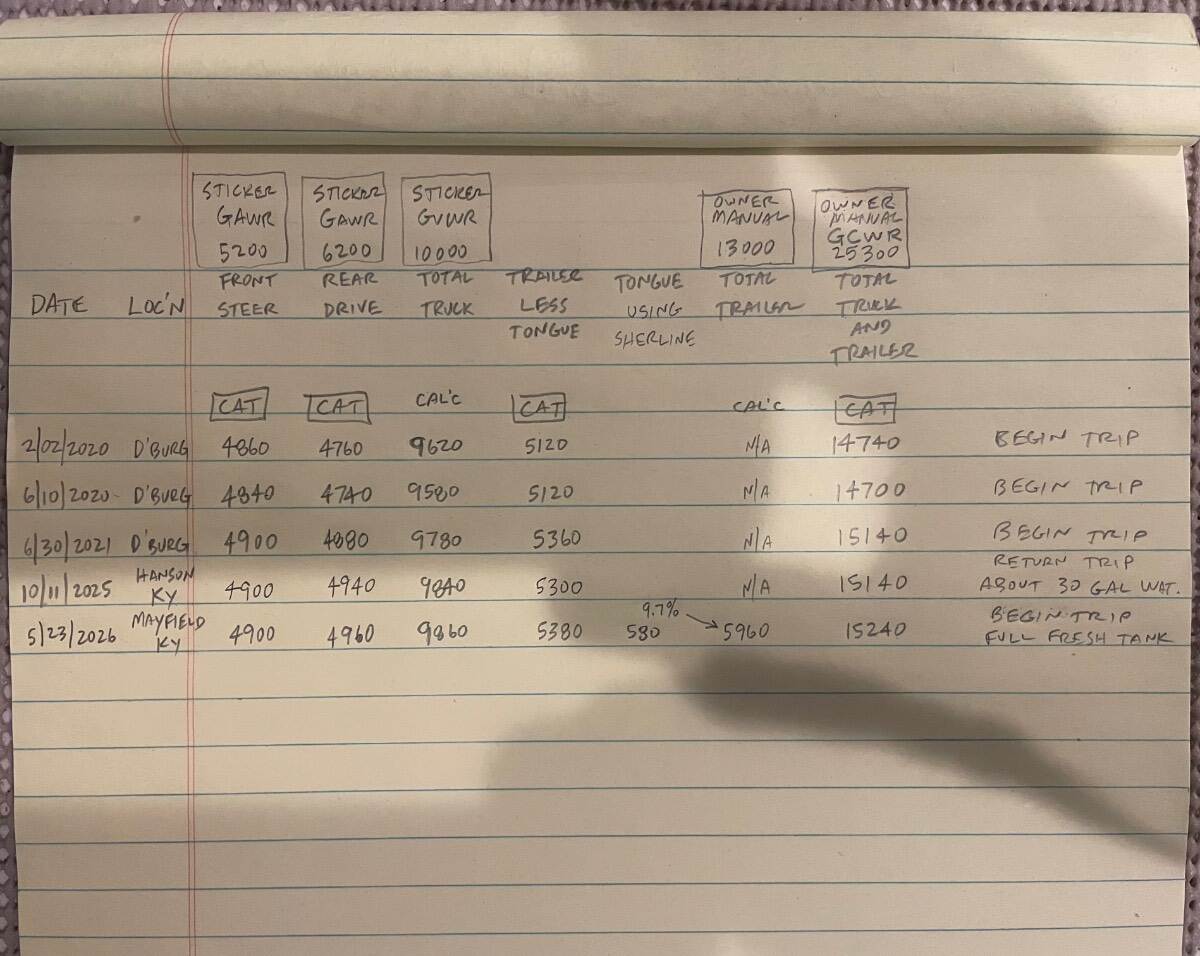
Thanks Bill, I'm sure many of us are interested! 😎 No CAT Scales in our county (50 miles to the nearest Interstate), so I take advantage of the simple scale at our Prescott Solid Waste Division (the city dump). I did not get separate TV axle weights. I go one day with TV plus TT and weigh the truck wheels on the scale, then all, then Oliver only. The next day I go back, Oliver detached and I add 220 LBS for Chris and her front seat stuff and our 65 LB Springer! I also used a Sherline tongue scale and measured the same 580 LBS. Your TV is a bit heavier than ours. The Duramax and Allison are certainly heavier than our 5.9 Cummins and Dodge 47RE trans, but the real difference comes from the weight of your truck bed cap that we do not have. You can see how our weights have increased in a couple years, getting closer on TV GVWR. We always have 35+ gallons fresh water in the truck bed and have accumulated more tools and camping gear, even spare hubs for TT and TV! The increased weight comes some from more gear but mainly the many mods and additions I've made in the last 2 years. D52 Axles and Alcan Springs is a good portion of the net increase. I'm getting closer on TV GVWR and not concerned re Oliver GVWR since we now have a 10K suspension on Hull #113! Love your old-school spreadsheet! I cannot write a simple to-do list without my favorite app Excel! 🤣

-
This is kind of a petty question, but Im going to ask it anyways. We started to have the touch light flickering situation that others have had. I ordered some replacement lights to replace the 4 inch touch light from Amazon. I ordered some 12V 4" Obeaming 3000k lights from amazon. The lights fit just fine but were very yellow and dimmer than the lights that are in the trailer now. So we sent them back and I ordered the 5000K and they were very white , too white, and they ruined the ambiance that the original lights produced. So we decided to order another box of the 4000k lights, unfortunately to the eye they are just as white as the 5000k. So my question is has any one found a replacement light that is closer to the originals. I would imagine Oliver must have a replacement light that will match the other lights in color, but I haven't reached out to them yet. Thanks Bill
-
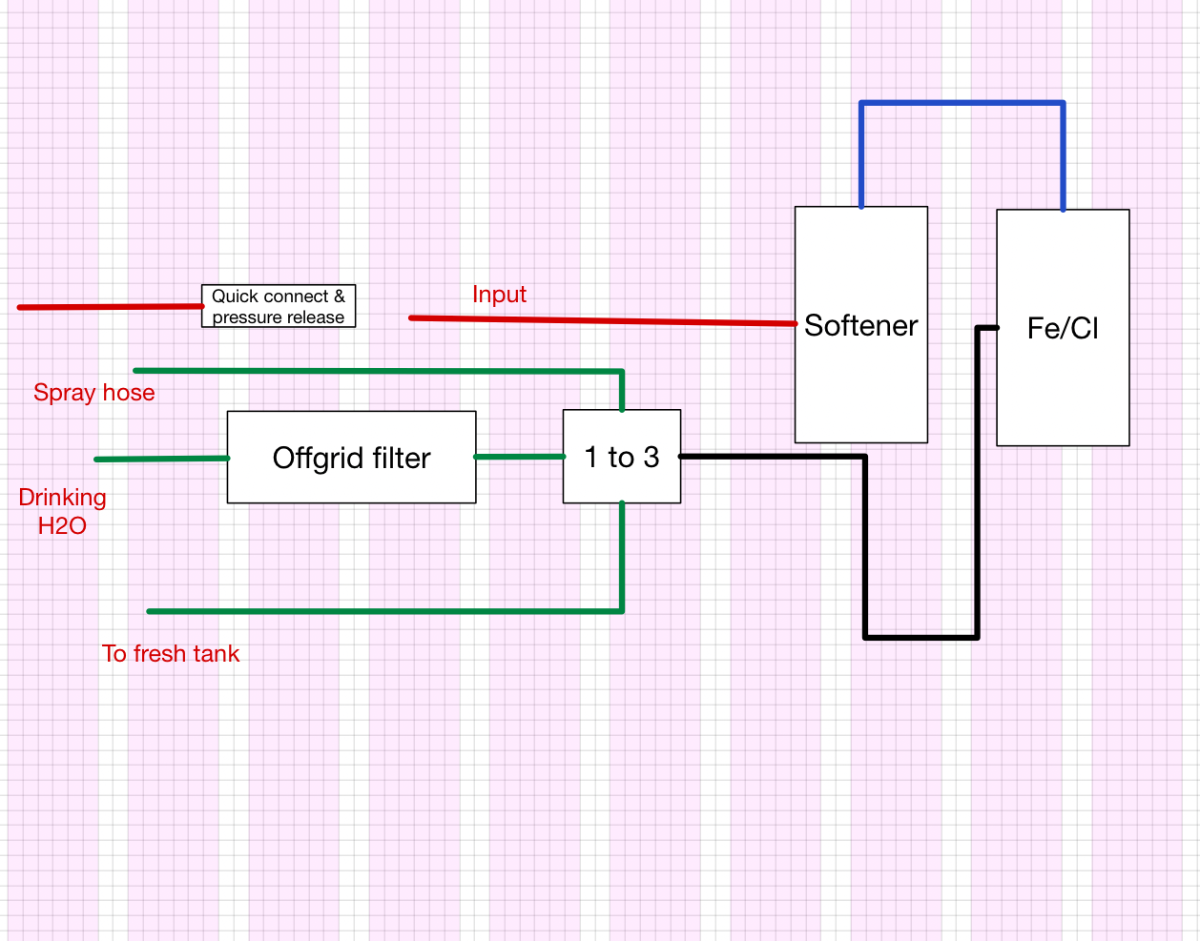
OK the filterification of the Oliver is done and tested. Just need a little padding/bracing, I think a foam pad between the tanks is all I need. It’s so tight in there they’re already pretty secure. Here’s a block diagram of what I ended up with The reasoning is that all this filtering greatly reduces water pressure and slows the fill basically. I don’t need the Offgrid Filter (down to .5 u paper filters + UV sterilize) for the fresh water tank, just the softening is sufficient. So I have a loose “To fresh tank” quick connect line when filling, just three easy connections for waterpoint and to tank, just using the softener/Fe I open the offgrid line and snake the hose into a 5 gallon drinking water tank to fill that up. Plus power - I need to get a 12V cig output into the basement The third is for spraying off the truck + trailer. Softened so that ideally it leaves no water spots I don’t know how this worked out but somehow, with the water tanks taking up that back space (leaving room to toss dirty clothes around them) I seem to have more storage overall. I’ll take it though
-

True Induction Stove Top will not turn on
DanielBoondock replied to Lamar's topic in Mechanical & Technical Tips
Thanks that’s clear now. They use a different stove for the 2k LEI. The LEII has a two burner with different capacities. Yours is definitely wired to the inverter and is broken if it won’t turn on. More information on the LEII stove for the interested … I think part of the confusion comes from thinking of this as propane which is just a passive line from the tank. So you get whatever the tank can supply, basically full capacity. The induction, as a 120V electrical appliance has all the same caveats as the rest of the 120V system which is really easy to overload. For example, with my 3k system the stove itself does not allow me to use both burners on full simultaneously. You can set power level (1-10) or temperture, I think in terms of PL. The left bigger one goes to 10, the right to 8. But if I set the 10 to max, then start ramping up the smaller 8 burner, at some point around 4 it’ll start to drop the level of the other burner. You get load balancing between the two. With yours though clearly it’s just a broken unit. -
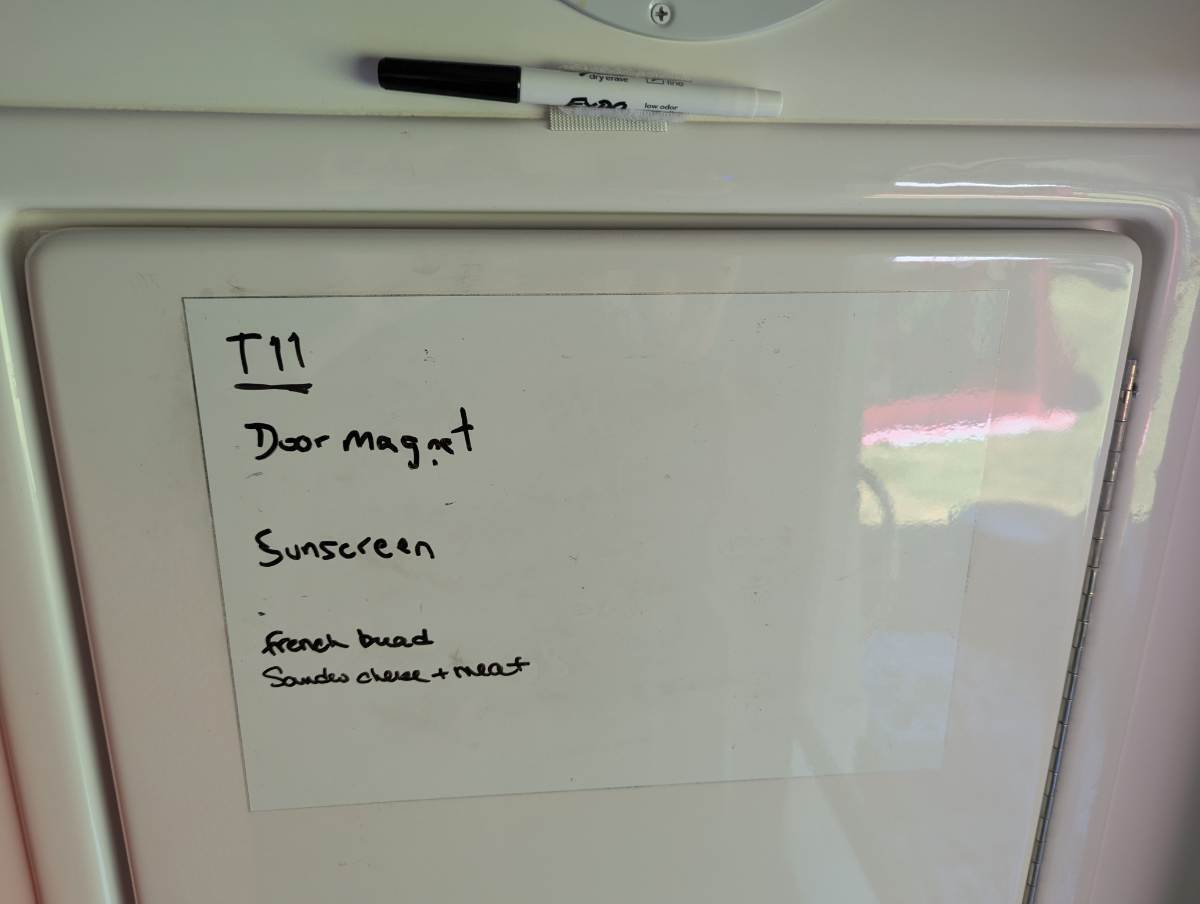
This simple mod makes our camping life easier to organize. It's just a piece of removable whiteboard decal on the closet door for shopping and to-do lists. We also put our campground address and site number there in case we have to call 911. The final touch was a whiteboard marker Velcroed above it. Amazon: https://a.co/d/08ma1cjD
-
- 6
-

-
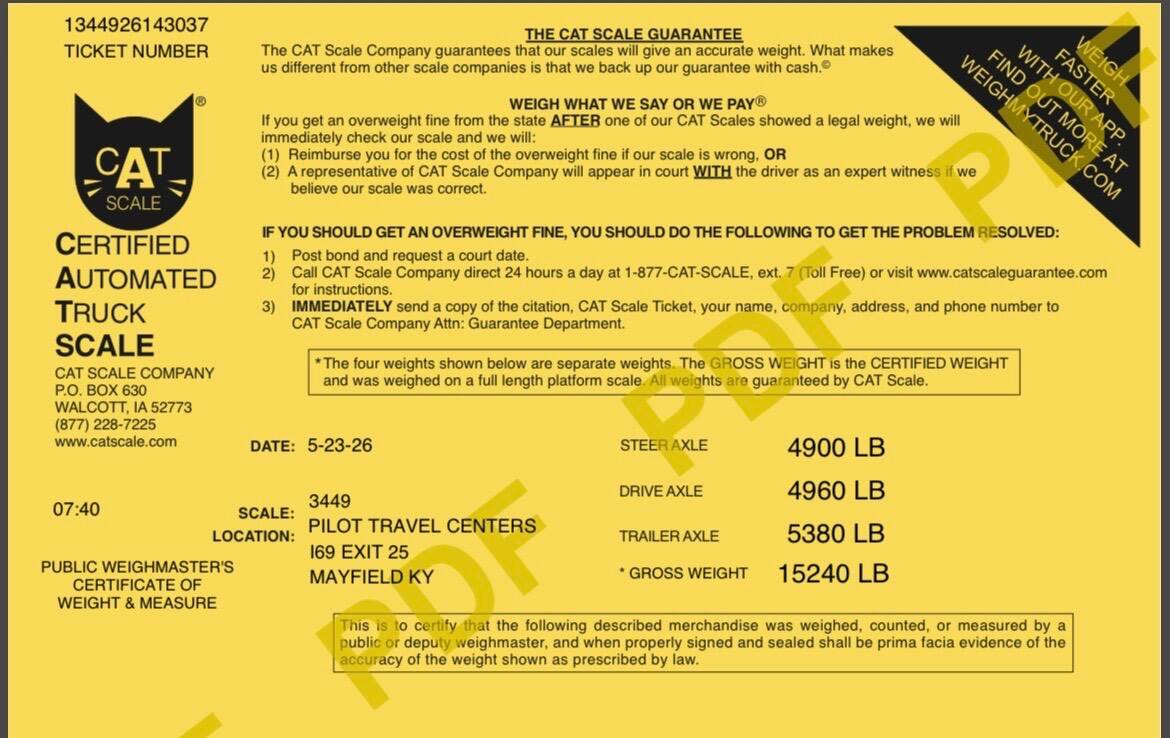
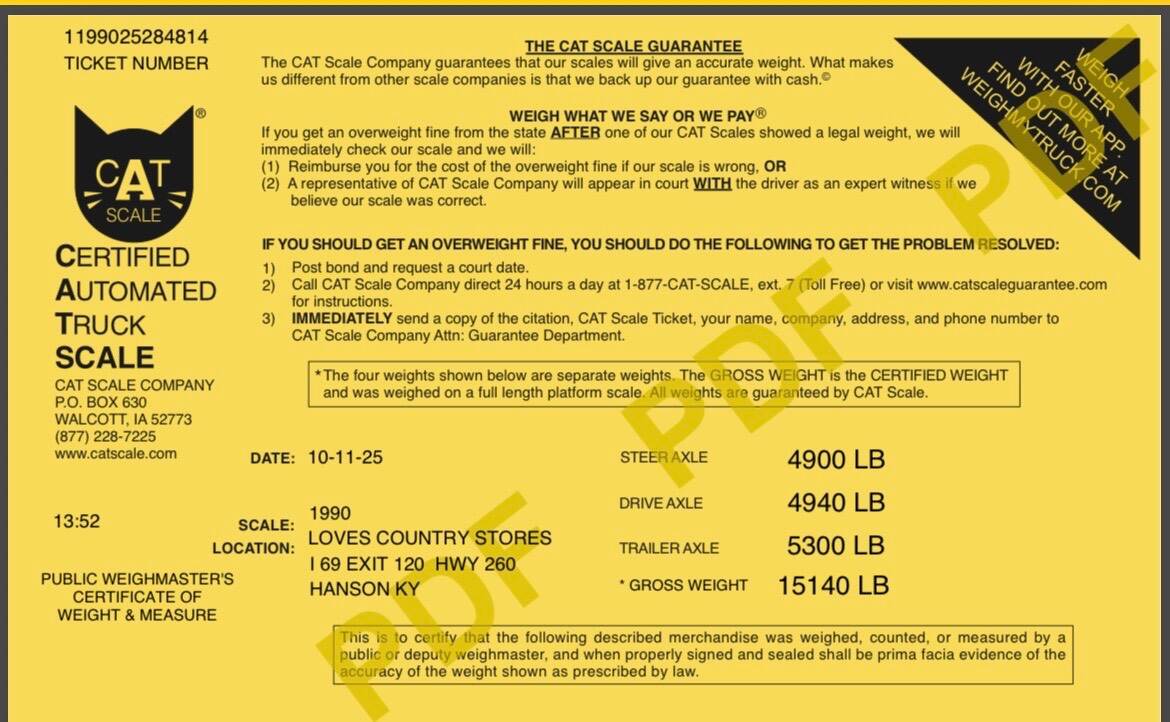
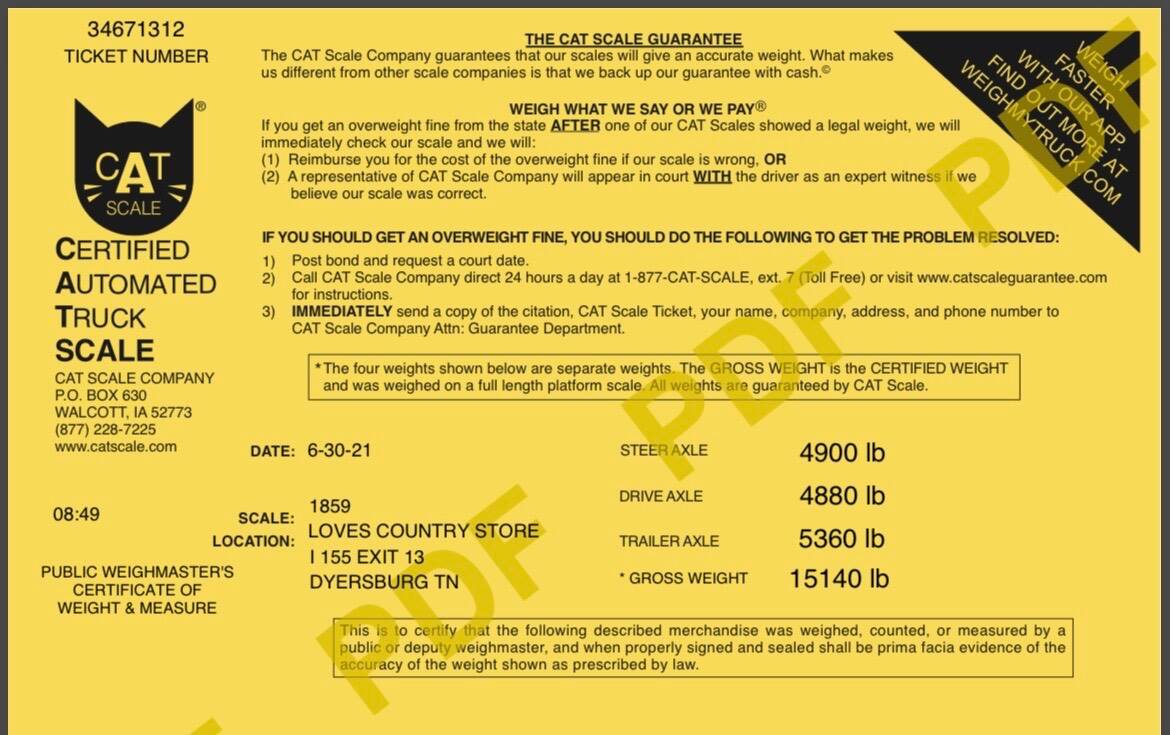
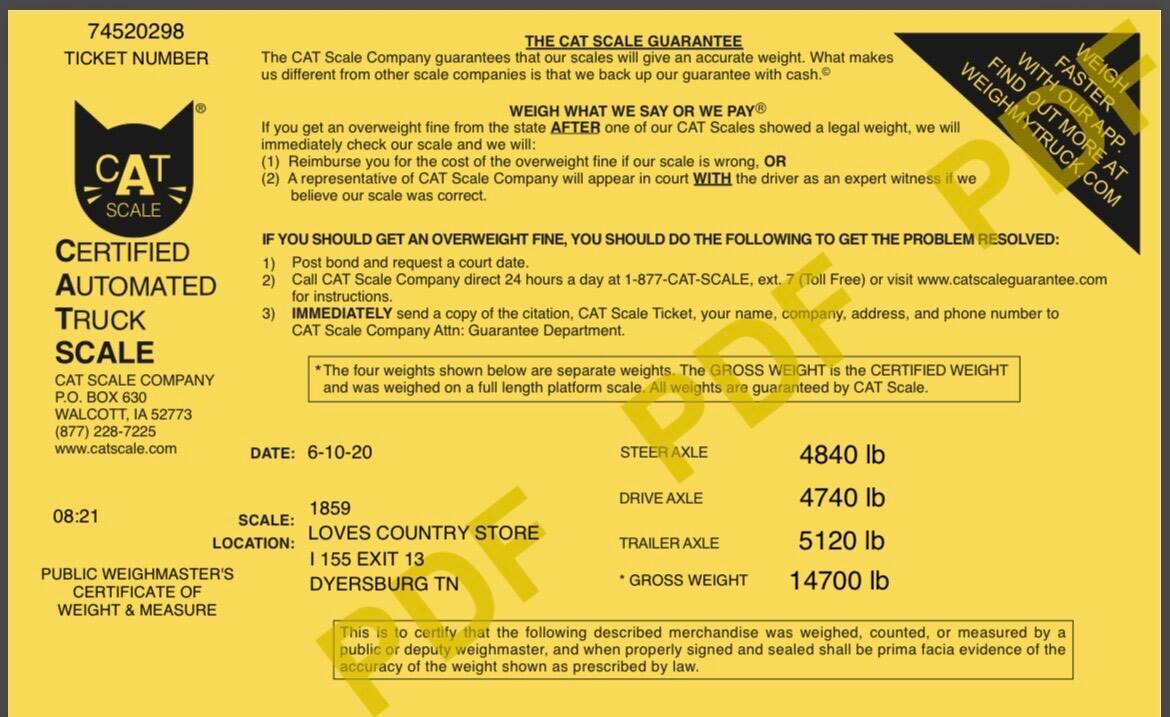
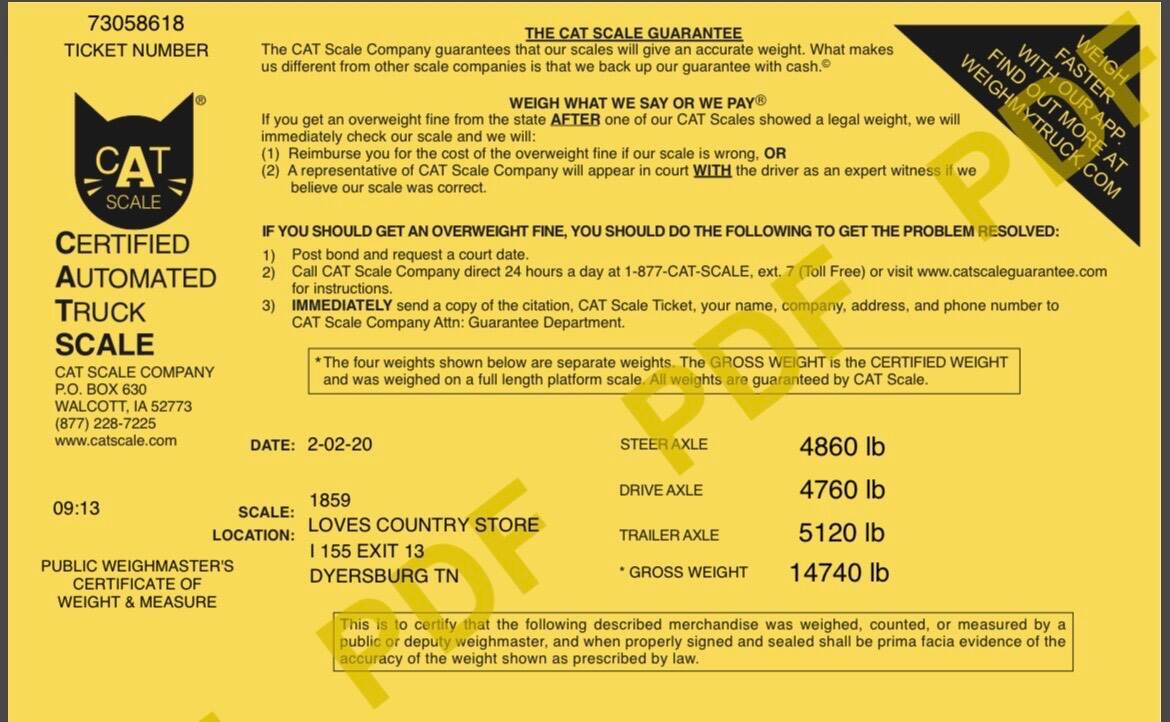
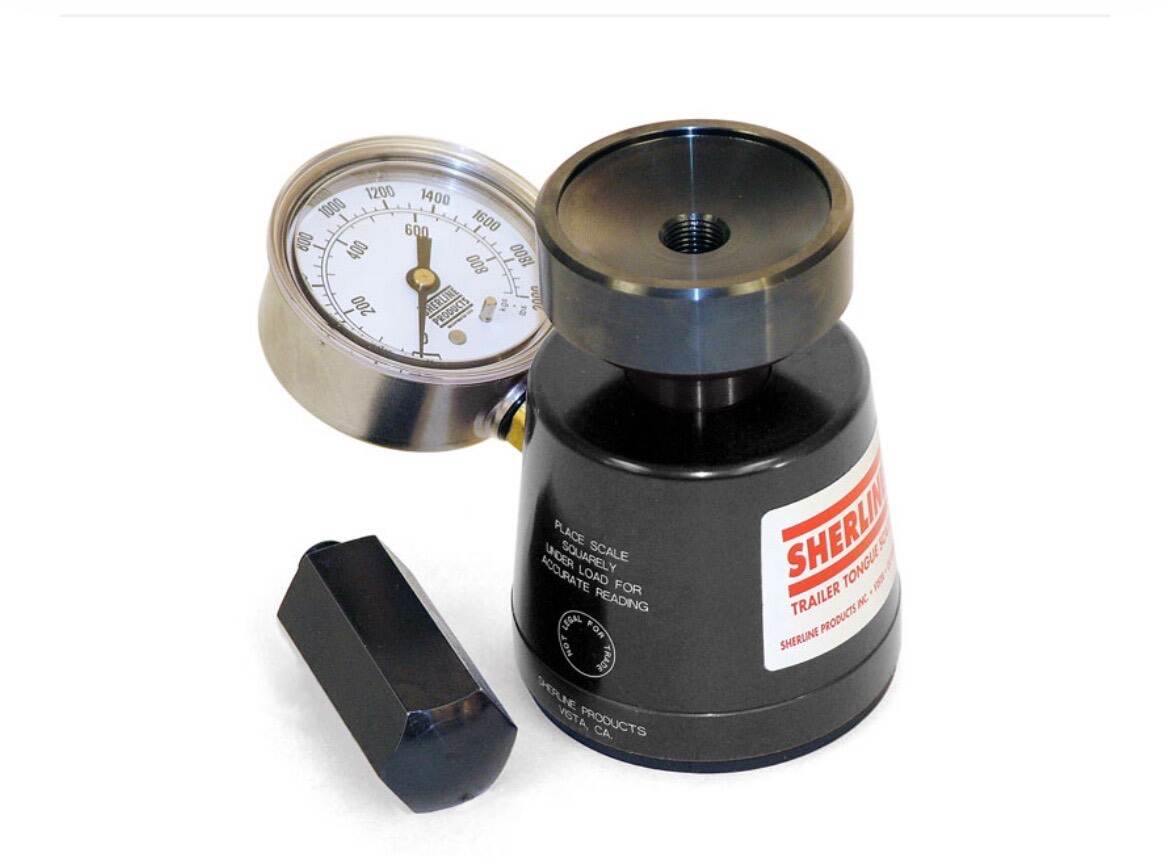
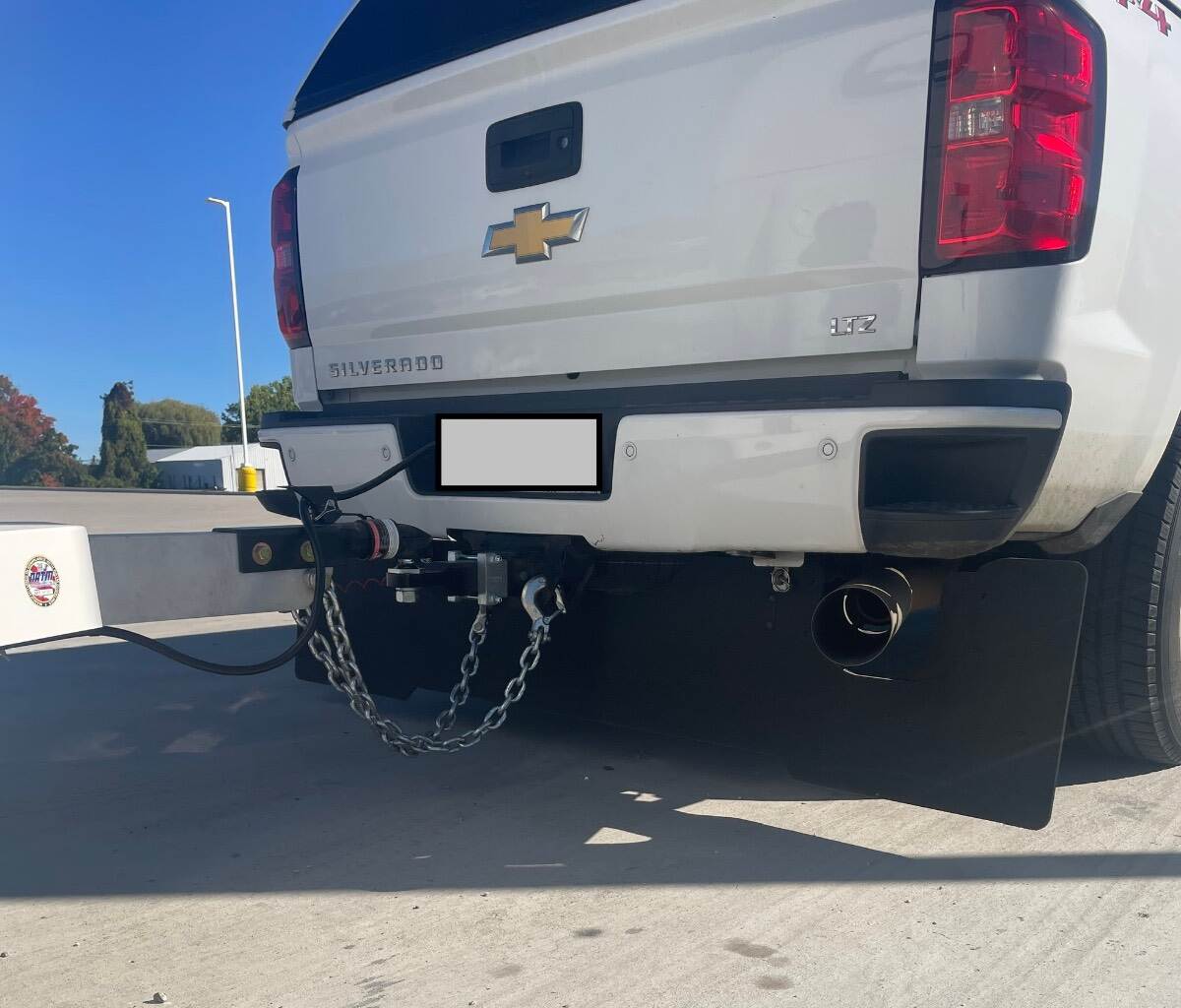
Here are my scale tickets since I have started using CAT scales. I tow with a 2019 Chevrolet Silverado LTX 2500HD with 6.6L Duramax and 6 Speed Allison automatic transmission. ARE bed topper with full bed. Both front seats occupied. Full width RockStar Commercial Tow Flap. Full diesel tank 36 gallons. Sticker FRT GAWR 5200 Sticker RR GAWR 6200 Sticker GVWR 10,000 Owners Manual Max trailer 13,000 Owners Manual GCWR 25,300 Just started using a Sherline Tongue Weight Scale Loaded tongue weight at the beginning of the current trip is 580 lbs. Full fresh water tank (30 gallons of water weigh 250 lbs). Empty black and gray tanks. Full 30 lb propane tanks (About 110 lbs). Full refrigerator. No tongue basket. No bumper attachments. Four AGM batteries. No solar. Here’s a spreadsheet that I scratched out this morning “CAT” is a weight off the CAT scale ticket. “CAL’C” is a calculated weight “Sticker” is a weight off of the vehicle placard. “Owners Manual” is a weight out of the owners manual for my truck. I tow without a weight distribution hitch. Trailer brake usually set on 4, bump up to 5 or 6 if raining and/or hilly. Front 60, rear 75, trailer 50 cold tire pressures. Tow/haul and exhaust braking on. Original brakes, I’ve installed new US or Japanese bearings at 12k and 24k, will install new bearings after this trip. Just over 30,000 miles total. Trailer stays in heated and air conditioned shop when at home. I am very pleased with how the truck and trailer operate together at these weights. I’ve posted this information for those who are interested in how other folks tow. Bill
- 1 reply
-
- 1
-
-
Thanks for bringing this subject back up! From everything that I've been able to find out - The original graphics for virtually all Oliver's have been lost. When Matt Duncan left Oliver (he still does some work for Oliver from time to time on a consulting basis) and what one might call the Marketing Department was depleted of personnel, the computers and file backups were basically left unattended in the offices above the Sales floor. It appears as though the backup files were written over by "new" files and the "original graphic files" were also written over in much the same manner. More than likely all of this was done by personnel who were simply looking for access to a spare computer and had no idea of what these files represented. There still exits a small possibility that additional file copies exist but currently there is not the staff that is available to go look for them. Sorry! Bill
-
Made in USA leaf springs
DanielBoondock replied to Mountainman198's topic in Mechanical & Technical Tips
He seemed unsure about it when I pushed on the point. I think he was thinking about the difference between a true D35 and D52. It would be very unusual for Dexter to gimp the brakes specially I think as it would complicate inventory. Easier/cheaper to take a stock D52, ship it with the stock 1750’s and just print a new label. OK so with this new 2026 axels I’ve got, I’m having them just upgrade the springs, and I’m bringing Bulldogs with me to replace the stock shocks. They mentioned D rings, those will get replaced it sounds like, but the EZ flex and the rest of it will get reused as-is -
 Martin White joined the community
 -
Uh oh.
-
Well, I had a feeling this was coming... I hope it backfires on them in the worst possible way. Will Prowse Sued by Dragonfly Energy Over Alleged False and Misleading Claims About Battle Born Batteries
- 1 reply
-
- 3
-

-

-
Main battery switching, a different approach
jd1923 replied to Snackchaser's topic in Ollie Modifications
If Geoff ever sells their Oliver, the buyer will have to be another EE! 😎 -

Main battery switching, a different approach
rideandfly replied to Snackchaser's topic in Ollie Modifications
Wow, well thought out and excellent quality work, too! -
Awesome, now 37 pages in a dead heat with “Where’s Ollie!” 🤣
-
Not, something miscommunicated! Your D52 axles are labeled 3500 only due to the OEM installation of 1750 LB springs. They are the same D52 axles. With an Alcan upgrade you’ll have a 10K LB suspension, but 3500 axle labels and 7,000 GVWR legally per the DOT sticker on the body.
-
Made in USA leaf springs
DanielBoondock replied to Mountainman198's topic in Mechanical & Technical Tips
I have D52s rated 3500, the guy at Alcan claimed these were somewhat different than D52s rated 5200 - the brakes when I questioned him. Not sure I believe it. -

True Induction Stove Top will not turn on
Lamar replied to Lamar's topic in Mechanical & Technical Tips
You have all provided a lot of very interesting information. To be clear, some of it may be a bit beyond me. So a couple of info points. We have a 1 burner induction stove. It does have a separate breaker. When trying to turn the stove on, there is not any response. Possibly not wired through inverter. I have been working with a great OTT customer support person who has engaged the tech dept. Because were are in the middle of travels with the Oliver and are mostly boondocking, the customer support person is working on his end and we will reconnect when we return to home base. Staying in contact when WiFi and cell coverage is very spotty, makes it difficult to work on this issue. I’m also confident OTT will come through based on support so far and all of your responses. I’m not going to touch rewiring anything because 1) I’m limited to basic wiring 2) this unit came off the line in March (3 months ago) and is under warranty. Learning a lot. We really love this camper and what it brings to the table. But, we have to figure this out. For now, generator if we want to cook inside. Set up gas grill for outside (I don’t like to do this while we are in bear country). Eat out (had amazing Mexican meal in Cortez, CO yesterday). Eat out of the fridge (which works amazingly well). Coffee on the little propane burner. All doable. I’ll let you know when we get this resolved. Lamar -
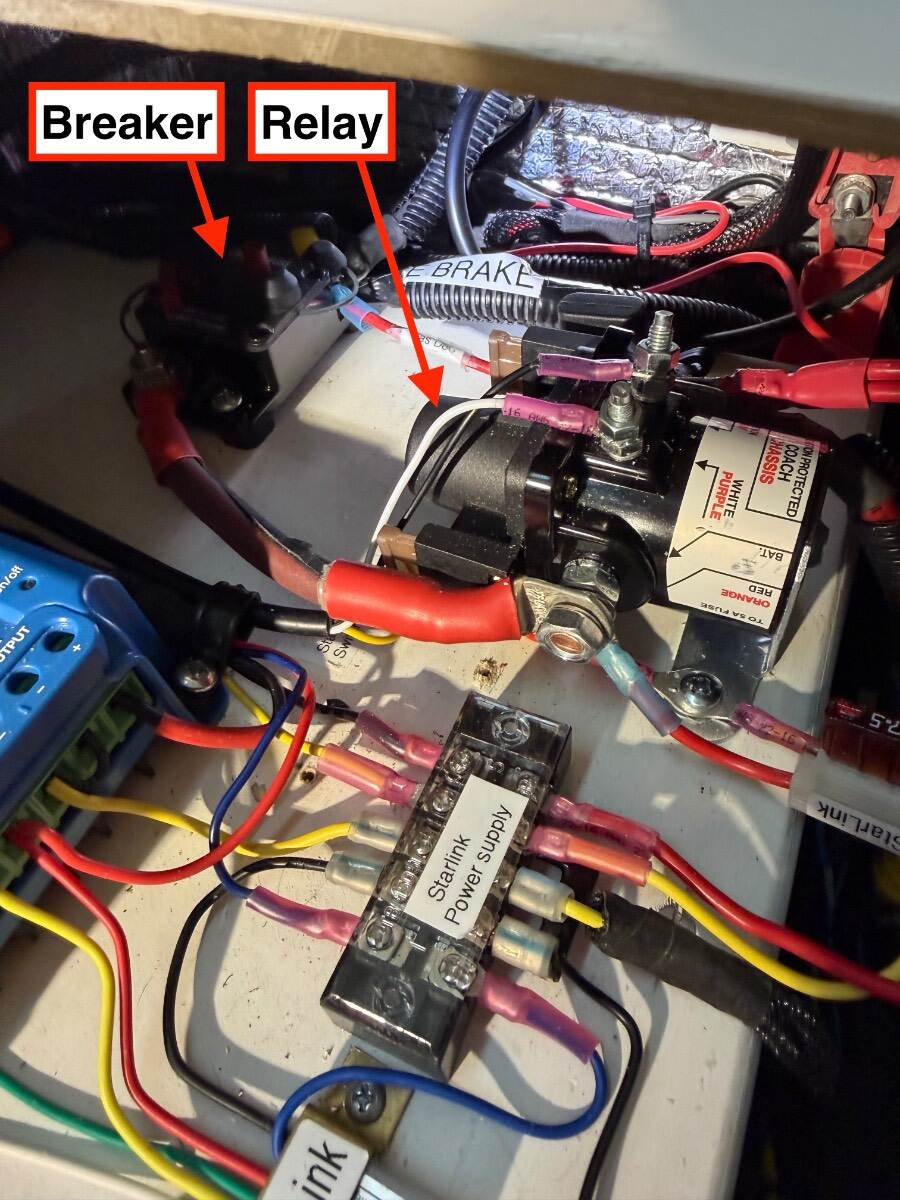
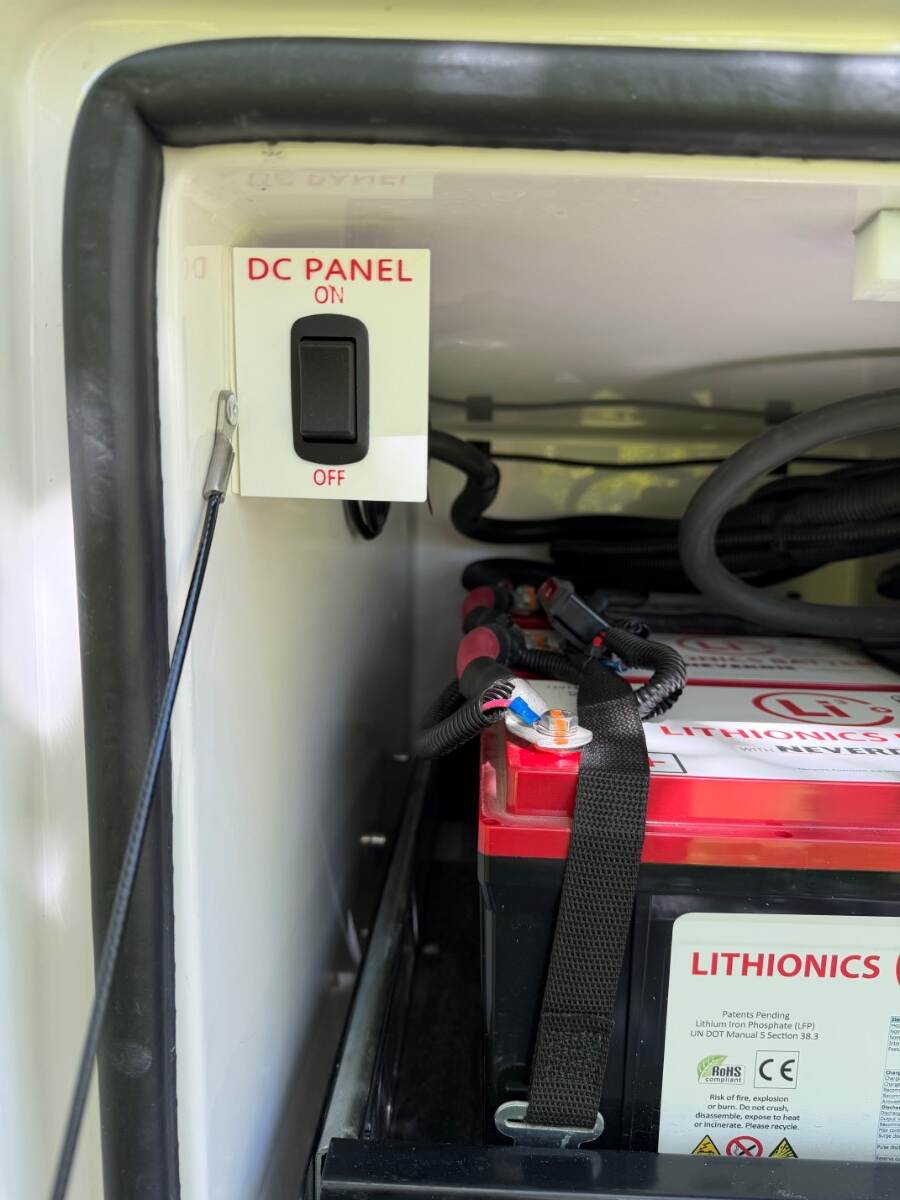
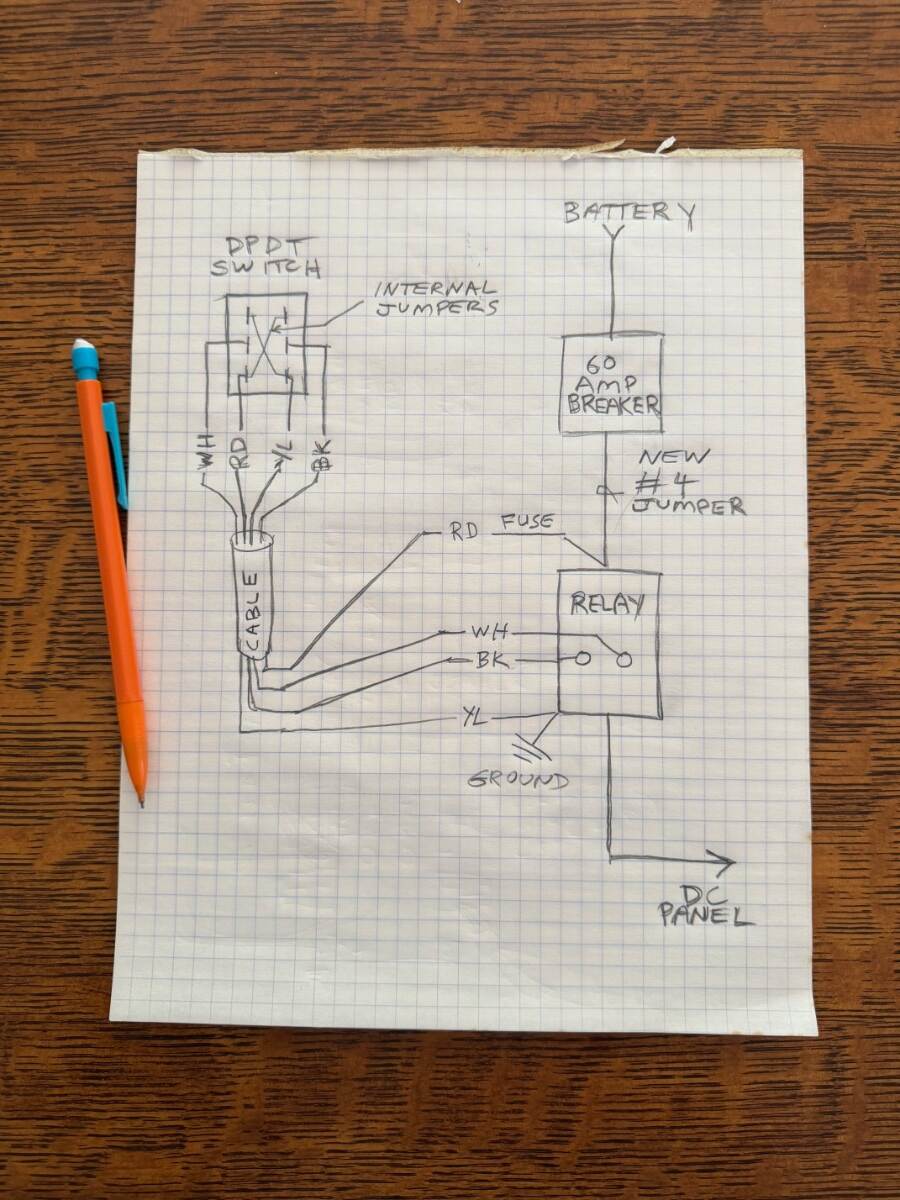
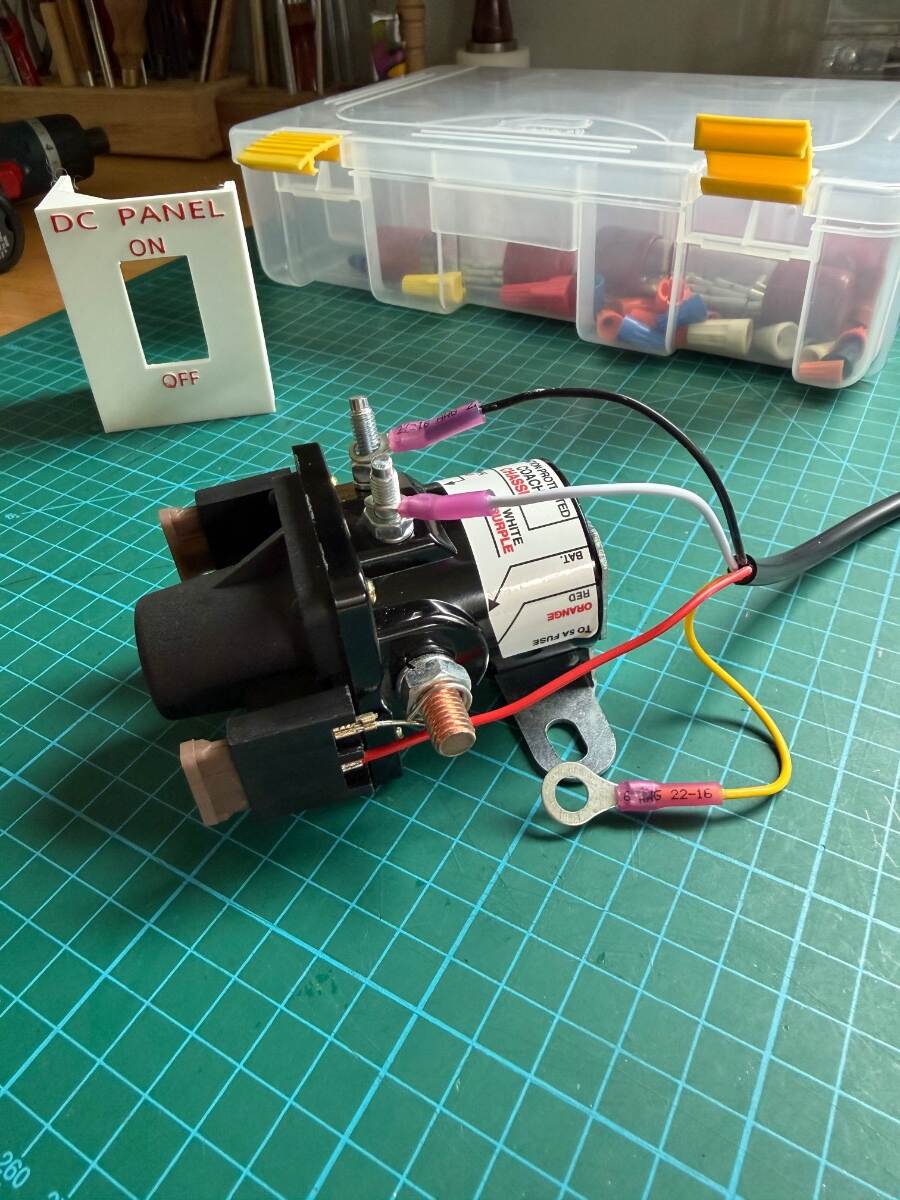
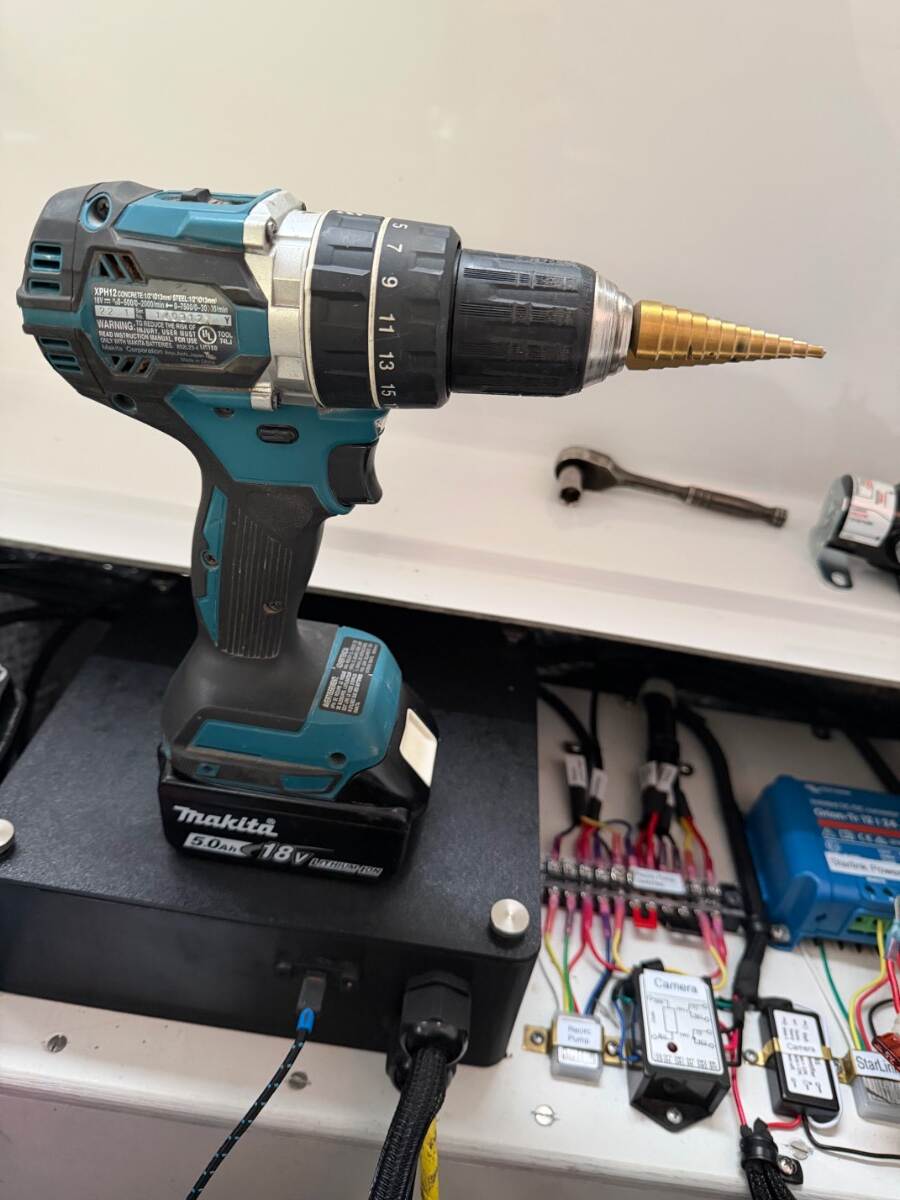
There are many great postings for installing a main battery switch. Folks like them for safety reasons, to kill parasite loads during storage, or for when working on the system. But I’m not a big fan because the safety benefits are more mythical than real, and 96% of parasite loads can be killed by shutting off the 60 amp DC panel breaker. I just don’t like introducing unnecessary resistance in the high current battery circuit. In rare cases when the main battery circuit needs to worked on, the battery can be disconnected, or the 300 amp breaker can be opened. Even with liability exposure, Oliver’s decision not to have a main battery switch was a deliberate and sound engineering choice in my opinion There may be some merit-worthy arguments for one, or perhaps a lingering perception that one is needed because it’s a requirement in the marine industry for different risks. In reality, the need to cut power in 12-volt RV systems during emergencies is rare and not normal practice. Besides, most firefighters are trained to cut battery cables before looking for a switch, or trusting it. There is no shock hazard from the battery, and breakers and fuses are more reliable protection against fire hazards, than relying on the right person being in the right place at the right time to find a switch. I've seen a number of battery switch installations that completely disconnect the battery. This can actually create more credible safety hazards than it prevents. A towed trailer with its battery switched off has no emergency breakaway brakes and no gas or CO detection, both of which should never be switched off. The solar and AC chargers are also disabled in that configuration. However, switching off parasite loads is definitely a good idea for storage, but it doesn’t require switching off the entire battery. In the example shown below, the DC panel carries 96% of the parasite load. The remaining 4% of parasitic load comes from the inverter/charger, solar charger, and LP/CO alarm which are all connected directly to the battery. I don't believe it's necessary or advisable to disconnect these circuits for normal off-season storage because those parasite loads are non-consequential. For unusually long storage periods, some additional battery maintenance would be needed regardless. The parasite load percentages below are based on precise measurements of my Oliver trailer with a 390 amp battery, your setup and amperage may vary. They include electronic standby currents from various LEDs, memories, displays, power supplies, and such. There is no singular large load, but they collectively add up: Circuit Draw DC Panel load 0.48 A 96% Inverter, Solar Charger, Gas/CO detector 0.02 A 4% Total measured from battery 0.50 A 100% DC panel breakdown: Fuse Circuit Draw 2 Various electronics 0.117 A 4 Furnace 0.012 A 5 Main lighting 0.003 A 6 Fans 0.016 A 7 Truma water heater 0.113 A 8 *Furrion Radio 0.204 A 9 USB outlets 0.007 A 10 USB outlets 0.009 A Total 0.481 A *My new IRV stereo is only 0.083 A Under ideal conditions, a 0.481-amp load from the DC panel would deplete a 390 amp-hour battery in roughly 34 days. Real-world depletion will be faster due to BMS overhead and temperature effects. The remaining 0.02-amp load from the non-DC Panel circuits would take approximately 2.2 years to deplete the battery. A lead acid battery system without inverter would have less parasite draw with the DC panel shut off. It would still last a 7 month storage season before depleting the batteries to a safe 50% discharge. I used to turn off the DC panel with its 60 amp breaker under the street-side bed. Although effective, it’s inconvenient to reach. This modification provides a more convenient way to turn it off with a latching solenoid relay controlled by a small switch. Latching means it holds position without any power draw, it only consumes current for the instant it switches, adding nothing to the parasite load. These relays are designed for exactly this purpose and are commonly used in boats and RVs. I used an Intellitech style RV latching relay rated for 100 amps. The relay mounts next to the 60-amp breaker. The existing DC panel feed wire is moved from the breaker output — to the relay output. A new #4 AWG jumper goes from the vacated breaker output — to the latching relay input. Premade made jumpers with ring terminals are readily available in 6” & 12” lengths. Note: The 60 amp breaker may also have other loads such as the electric jacks. The jacks do not have parasite loads, but turning them off is a form of anti-theft protection to prevent the trailer from being towed away with jacks deployed. If you choose to move these loads to the relay, then the ring terminals need to be enlarged from 1/4” to 5/16” stud size to fit the relay. Use a sheet metal step drill to enlarge the terminal ring lugs while holding them with pliers, otherwise a twist drill will grab and destroy it. Step drills are great for drilling chip free holes in fiberglass tool. The relay is controlled with a Double Pole Double Throw (DPDT) momentary switch with a spring return to center. This is the same type of polarity-swapping switch used for the electric jacks. The switch can be located in any accessible and convenient location. I put mine in the battery compartment and wired it with a jacketed 4-conductor 18-gauge cable. The cable fits snugly through a 5/16” hole drilled next to where the DC panel wire penetrates the battery compartment. I linked one option for a switch mounting bracket. However, I made my own 3-D printed bracket with a red label to identify it as the DC panel shutoff. The print STL file is available, or I have a few extras if anyone needs one. I mounted the switch bracket with high strength double-stick foam tape and stick-on zip-tie mounts for the wire. The DC panel can now be turned on/off with the switch, without disturbing the inverter/charger, solar charger, or safety circuits. Newer Olivers have a solar disconnect switch and it’s possible to use the latching relay to disconnect the solar too. However, there is limited space on the relay’s stud for circuits so a terminal block would be needed for that purpose. I couldn’t find decent wiring instructions for the relay, so I provided a sketch. The relay comes with two fuses, use the one connected to the V+ input to power the switch. The other fuse is for an optional switch indicator LED. The switch’s V+ wire connects directly to the fuse spade with a female spade terminal. BTW: As seen in the picture, my installation is way more congested than normal due to other modifications. I have a large piece of plywood for mounting all my gadgets, you may need to glue a small wood mounting block for the relay. Just trim the insulation and use a good construction glue or epoxy. Here are some Amazon links for parts: Latching 100 amp Relay https://a.co/d/09MjQYjx DPDT momentary return to center switch https://a.co/d/0hNXSZkO Switch bracket https://a.co/d/08qc1lvY 4-18 AWG cable https://a.co/d/05Zn0CF6 6” x #4 AWG Jumper https://a.co/d/049xhKq6 Zip tie mounts https://a.co/d/0iRWzLD2 3-piece step drill kit https://a.co/d/01TaDQmg Hope you find this useful. Cheers! Geoff
-
Hey, y'all. It's been a minute since I've been around here as I was working on other projects. The latest project is to finally (seriously this time!) get my '19 E2 ready for sale. Part of that is getting at least the front logo refreshed. I see that that is a common issue around here. Before I call parts, what's the latest on digital / vector graphics version of the logo, side swooshes, etc? I was just thinking to do the front logo but I have a local guy who does solid work and the price he is quoting me for just the logo I'm now considering refreshing them all. But one of his main things was to try to get him a vector graphics (ex: .svg or .ai) version to work with. From what I'm reading in this and other threads, that's probably not going to happen. But...







.thumb.jpg.e34bf01ef7f7d5e99ad31856d45afbeb.jpg)