
Ronbrink
-
Posts
1,152 -
Joined
-
Last visited
-
Days Won
35
Everything posted by Ronbrink
-
I would be more concerned when turning sharp corners or turnarounds with your setup; even backing up into a campsite pad could be challenging, which is usually not a straight shot! Aside from that, you’ve made good use of this valuable real estate; really like the gas can mounts. Many owners have added weight to the tongue and seem pleased, rear additions or not. Good luck with your endeavor!
-
Yes!
-
Good advise, precautions are taken.
-
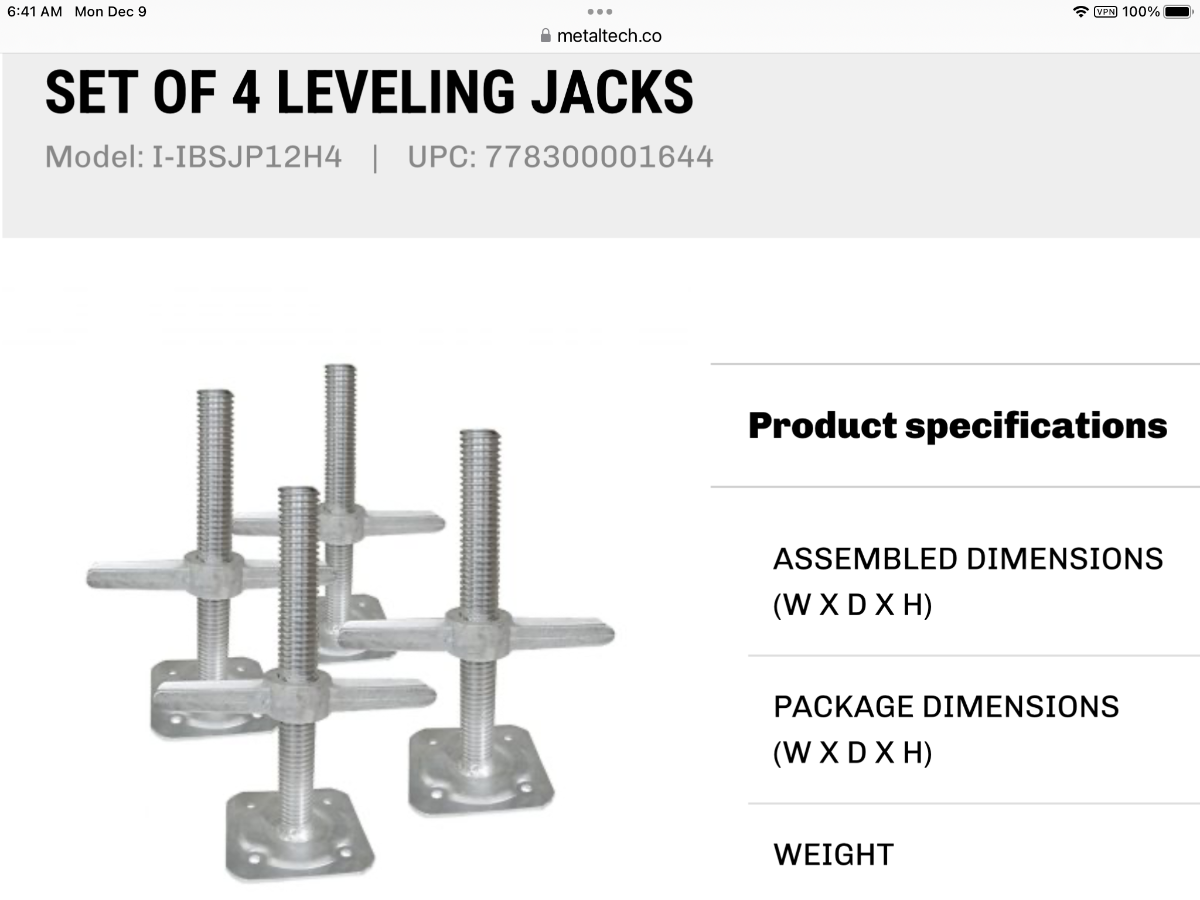
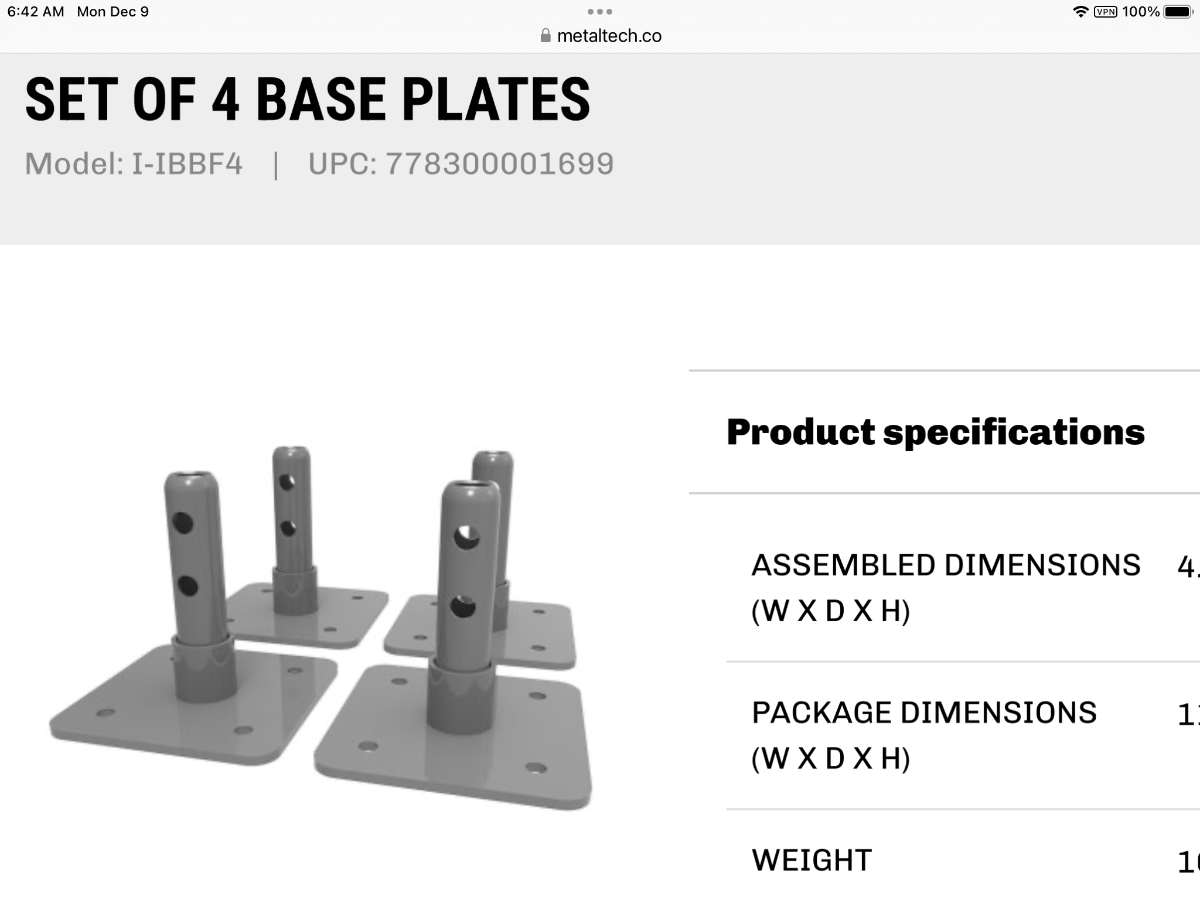
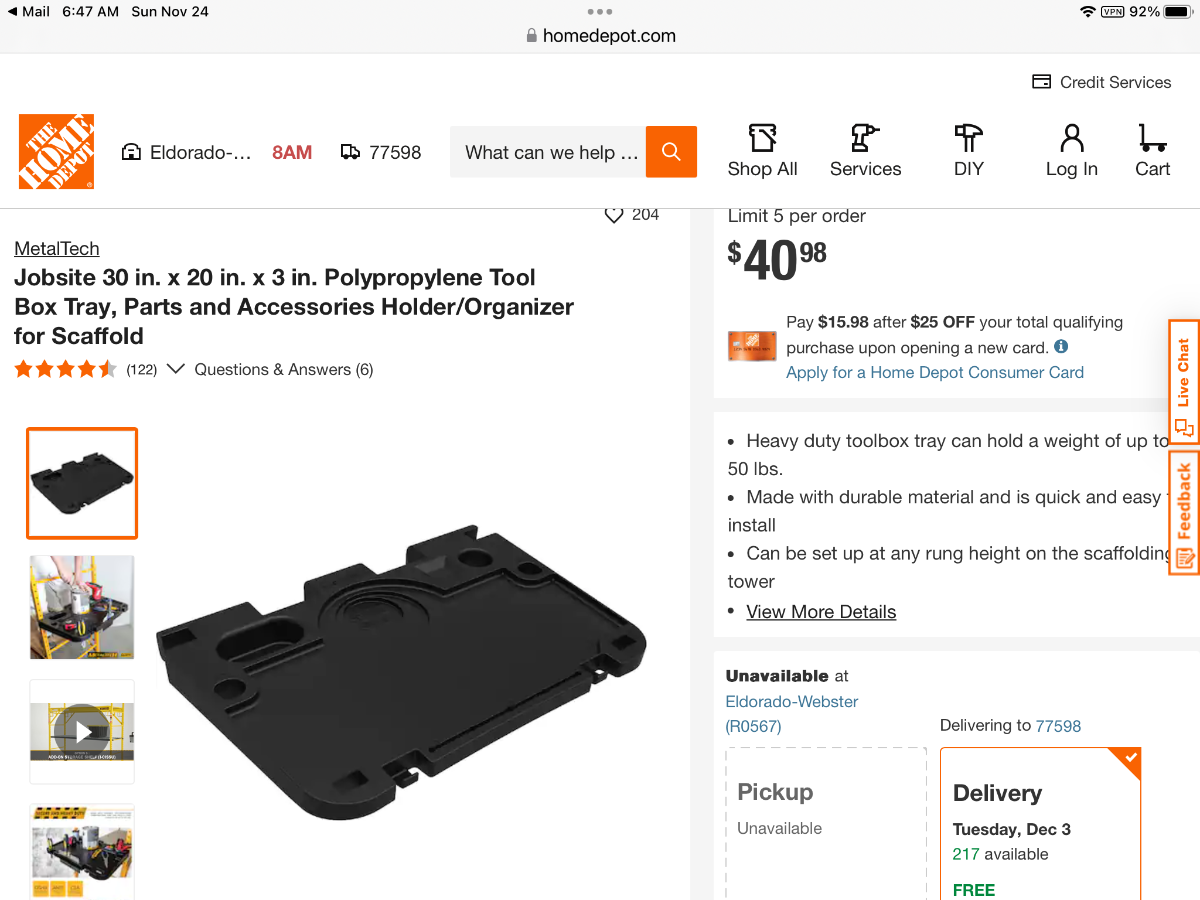
 MetalTech offers leveling jacks and base plates for their products if anyone is interested, sold in sets of four.
-
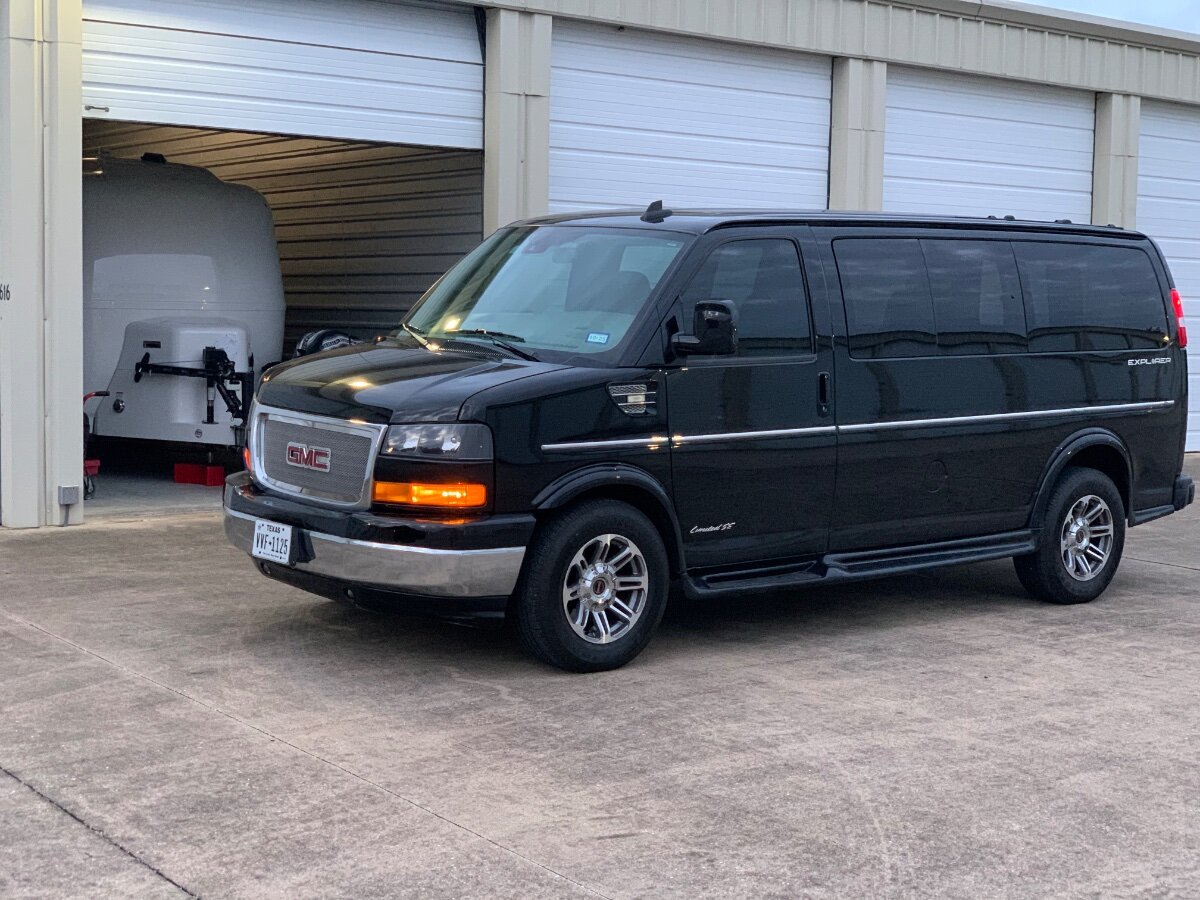
I answered my own question! Seems the best choice is either a Chevy Express or GMC Savana cargo work van; highest tow and cargo capacity ratings for 2500 and 3500 van models. Yesterday’s visit to the COW Barn to check on the Oliver.
-
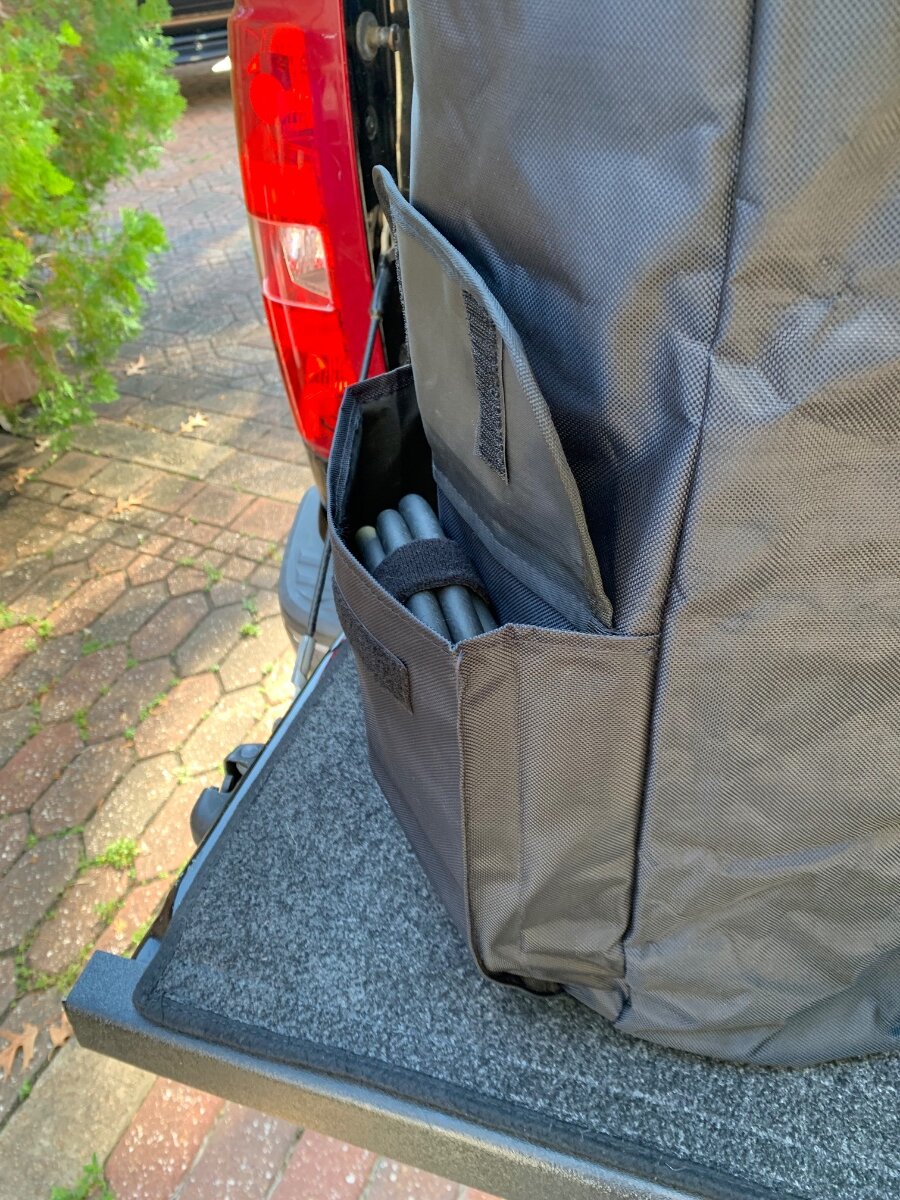
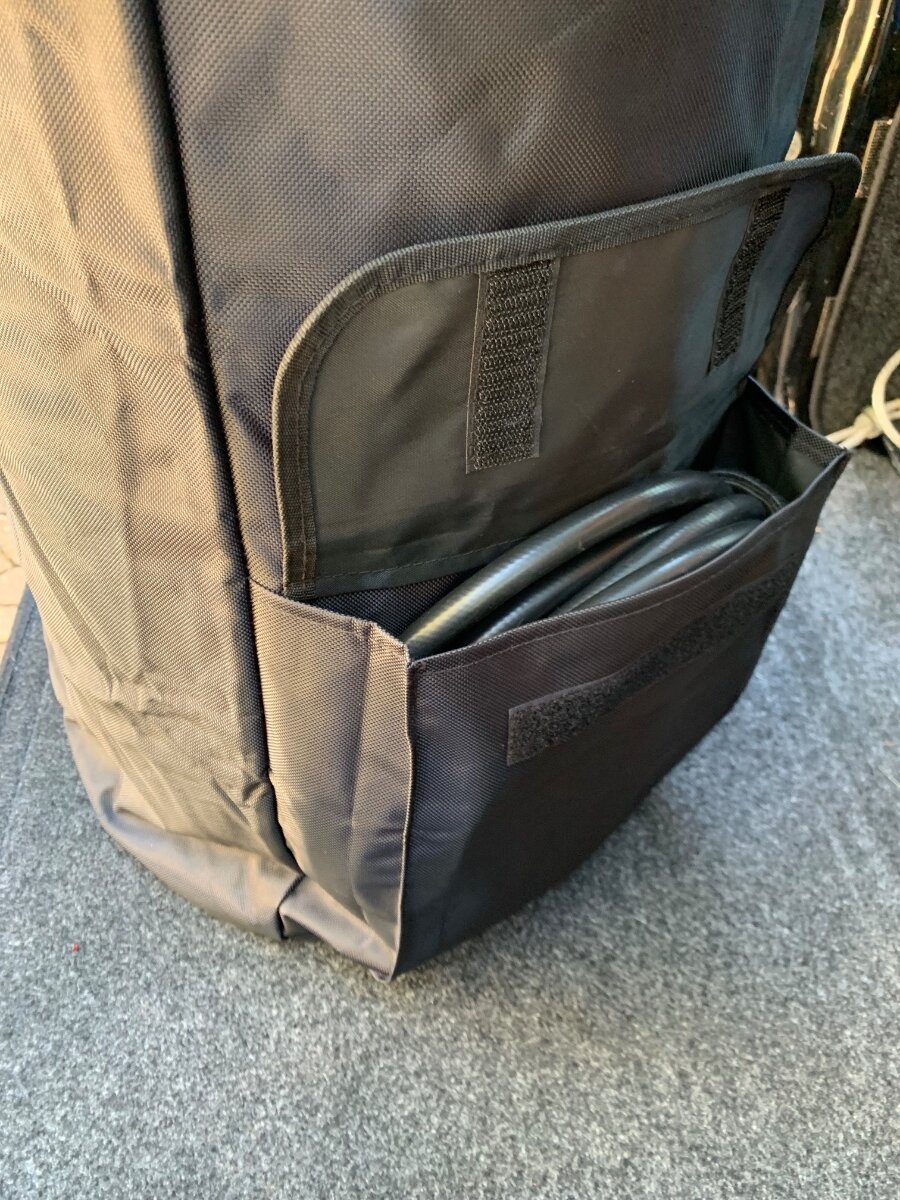
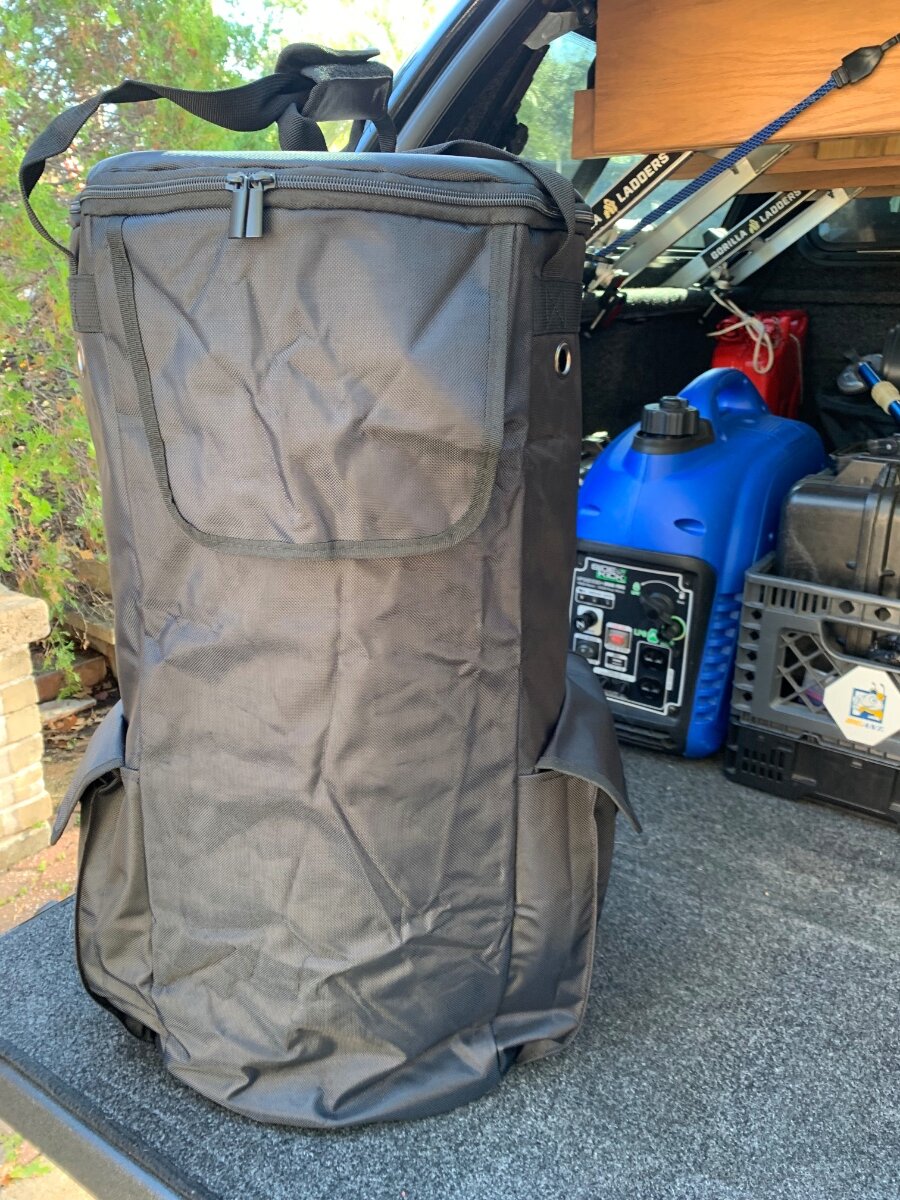
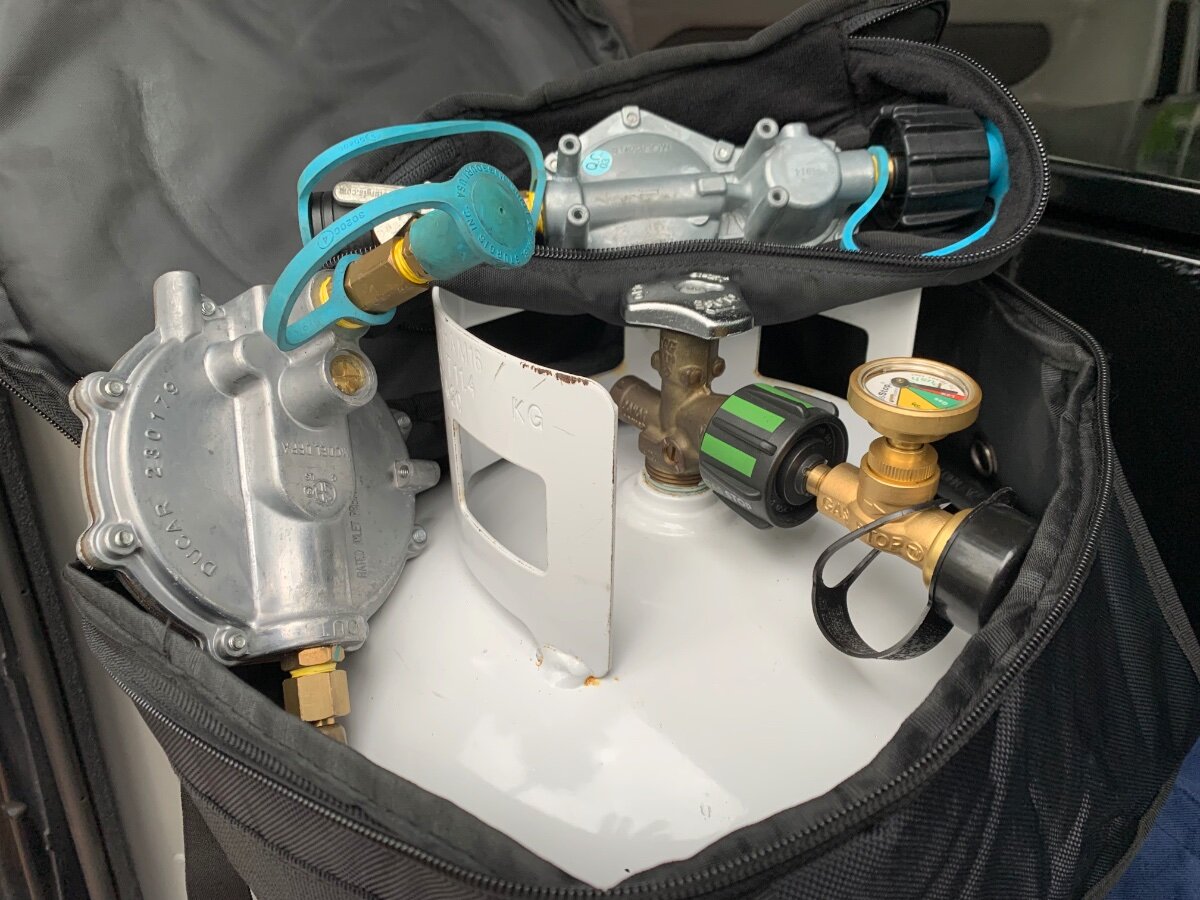
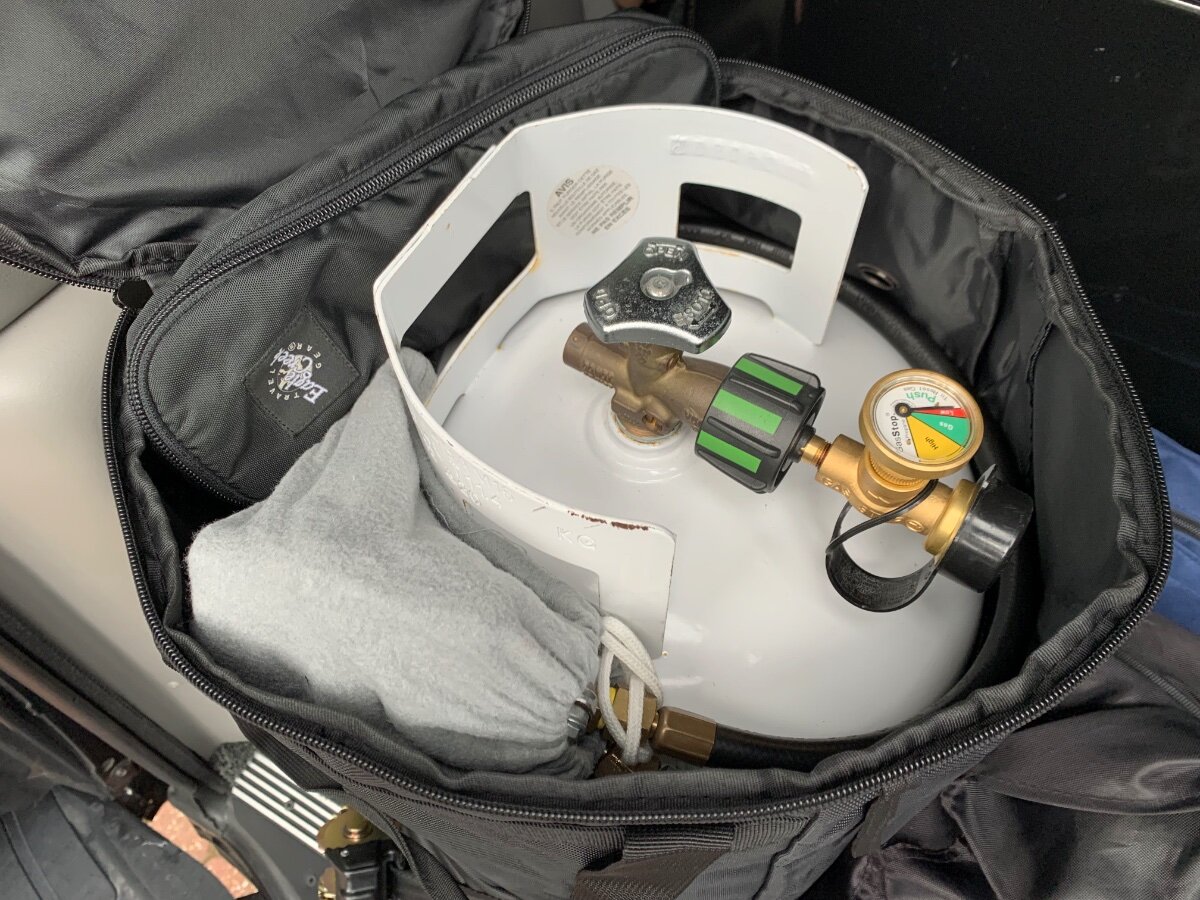
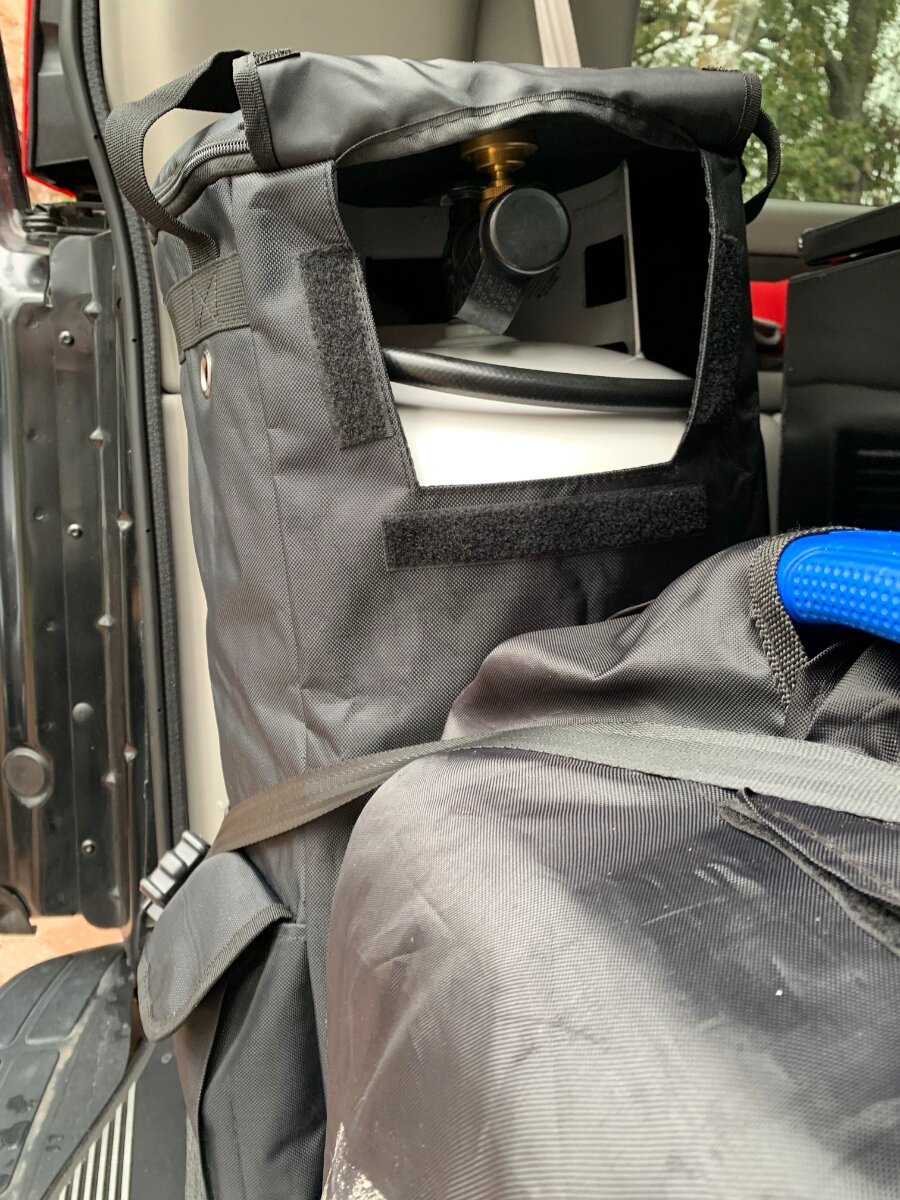
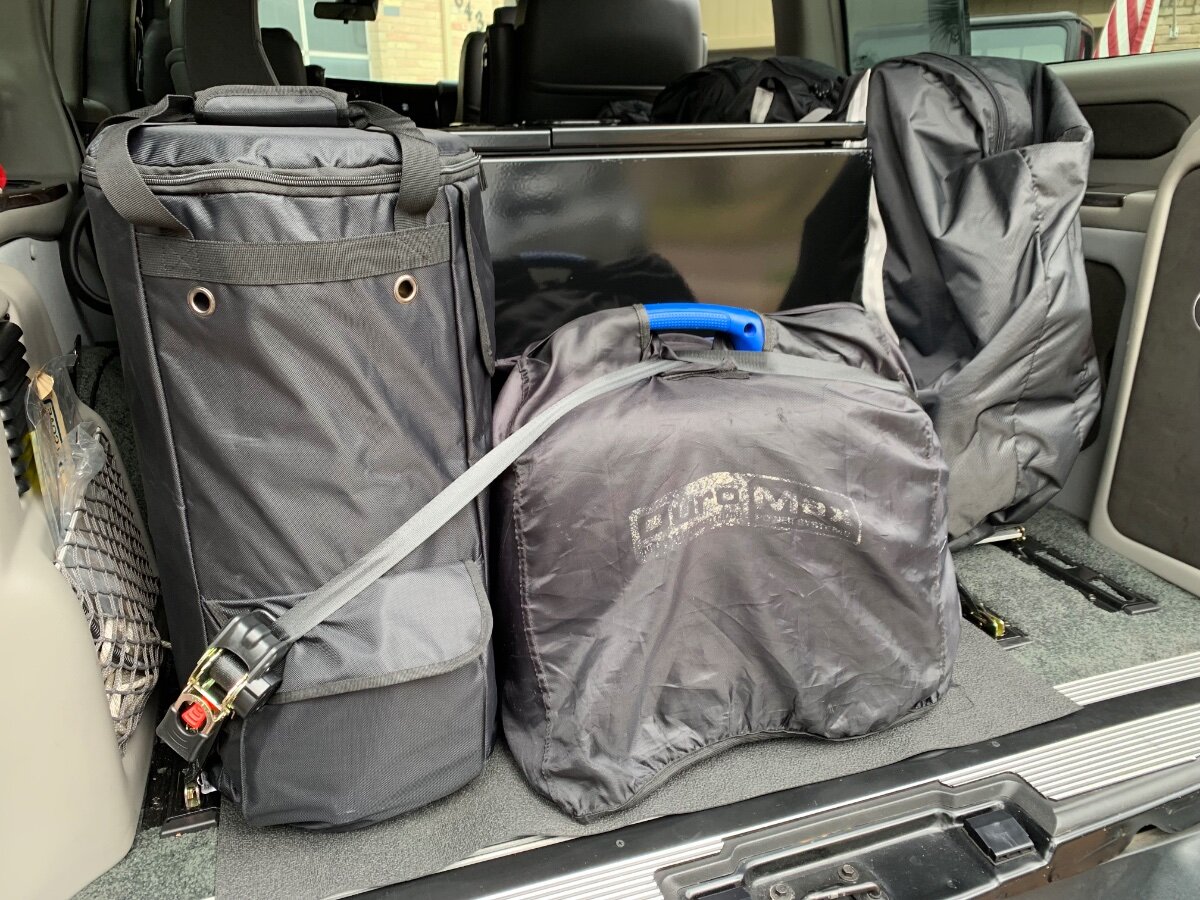
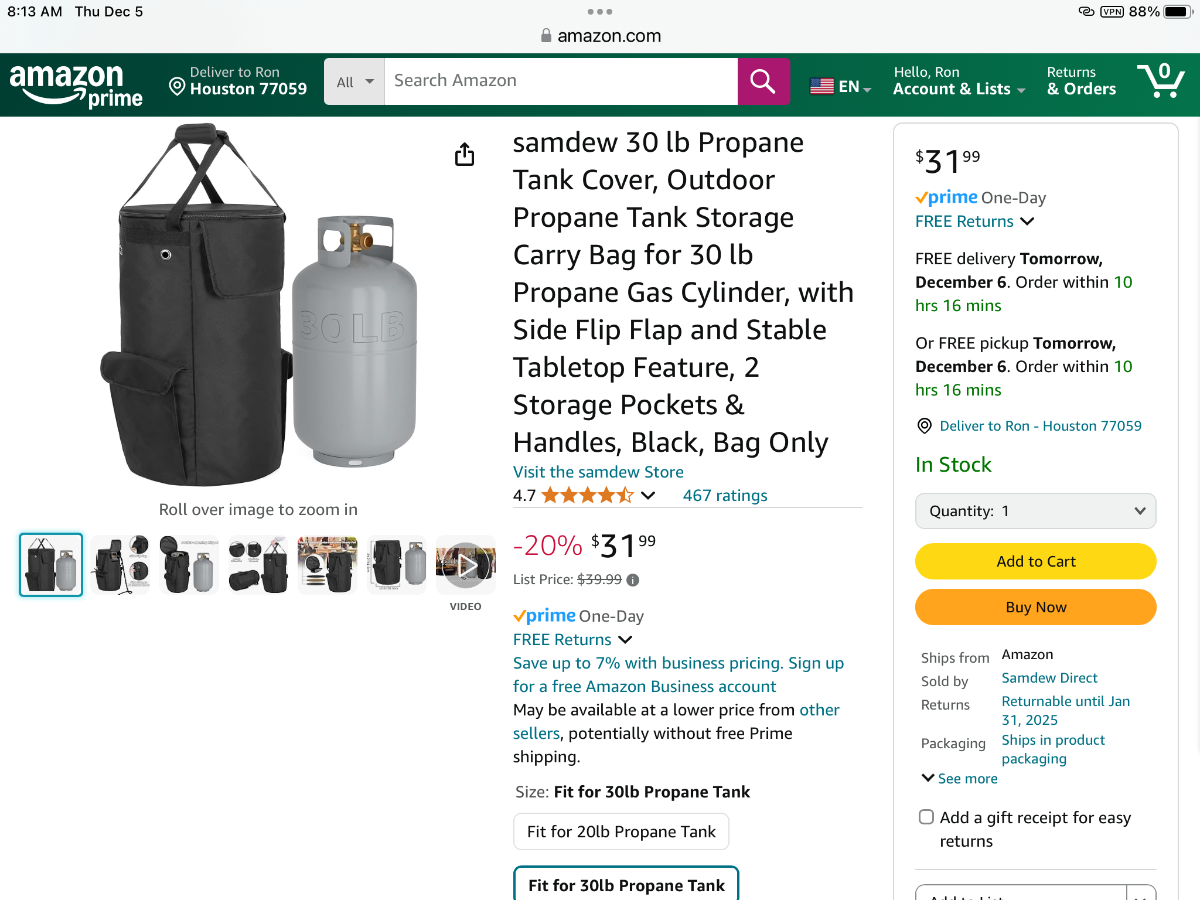
I’ve always made it a practice to carry a spare propane tank; reasons being two-fold, mainly as a dedicated tank to run a dual fuel generator for air conditioning when needed, but also as a convenient swap when one of the trailer-mounted tanks becomes empty. I upgraded to 30 lb. tanks on the Oliver early in ownership along with a spare of equivalent size, and soon learned the benefit of having the tank in need of refilling in the TV when running around rather than at the Oliver when setup at camp. In the beginning I used a Camco Cylinder Stabilizing Base, but after a couple years of use the plastic failed and it went to the recycle bin. I made do without for a while, but when setting up my ‘new to me’ tow vehicle I decided a cover, rather than just a base, would best suit my needs. Here’s what I ended up with: Tank cover with carry straps, rigid top and bottom panels, Velcro side access flap, two large pockets, anti-slip footings and durable fabric construction. Primary and secondary regulators for generator, fire pit and Blackstone stowed at tank top in protective bags. Flip-up flap to access tank valve, and GasStop device with pressure indicator and purging feature. Strap securement for propane tank and generator. Amazon purchase, also available in 20lb. tank size.
-
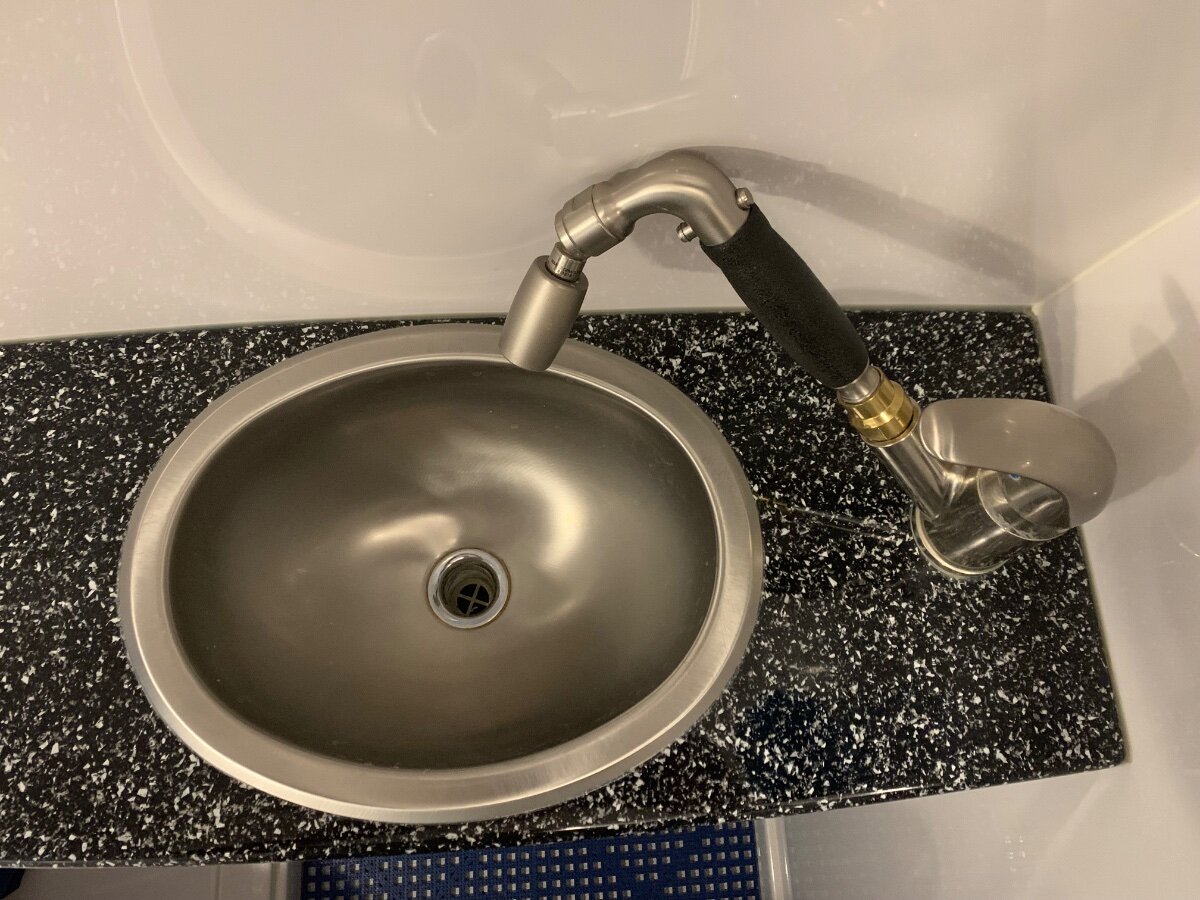
You can adjust the water flow with the trickle feature button. I leave mine set for a low flow (low pressure stream) when being used as a sink faucet as a water saving measure, thereby reducing amount going to gray tank, as well. Also, the handle is positioned against the wall and spout angled toward the drain for optimum use.
-
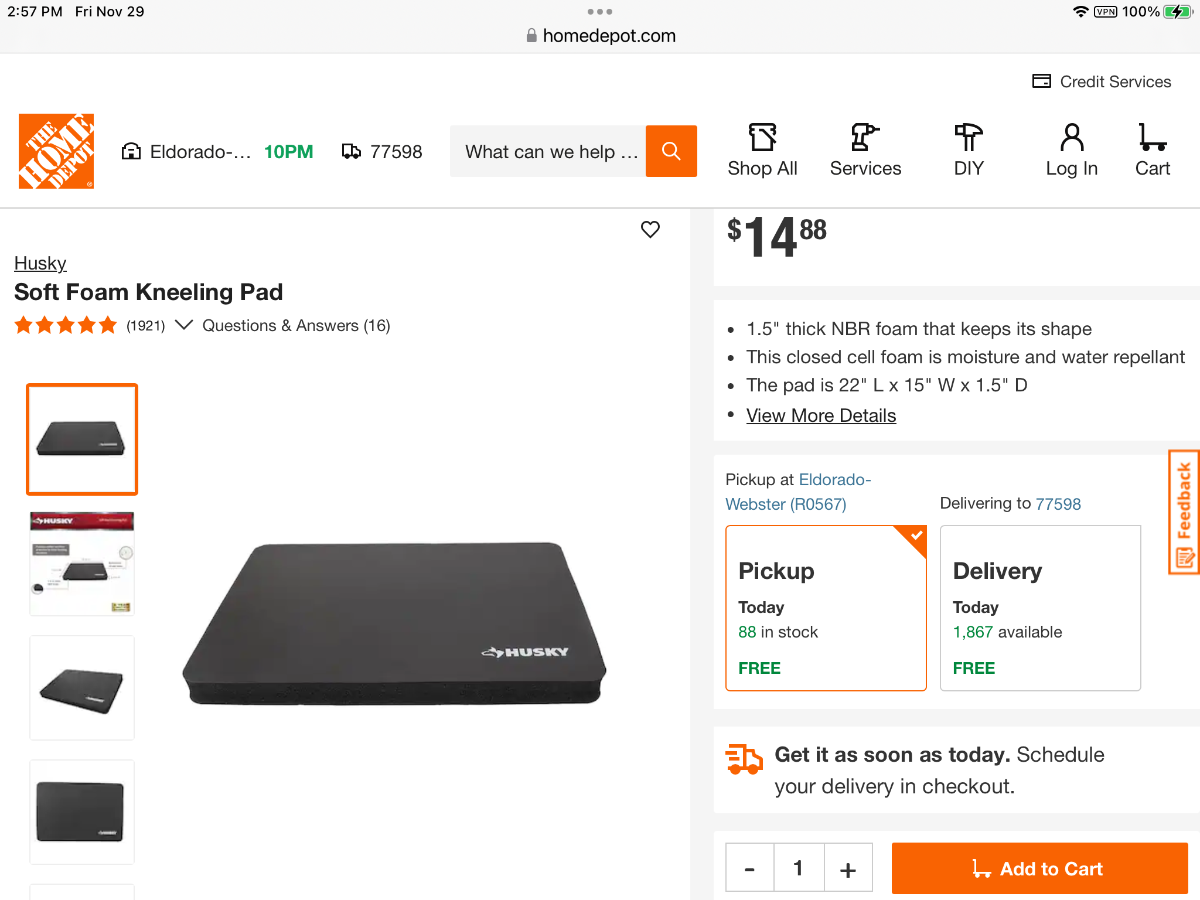
In comparison, the featured Harbour Freight kneeling pad measures 11” x 18” whereas the more expensive Home Depot pad measures 15” x 22”; both equal in thickness. I like having more upper body and hip real estate when laying down inside or crawling under the Oliver, eases the shoulder, back, hip and knee pains a’commin’!
-
I carry a pad in the Oliver for any kneeling or laying on my side or back; stows against the nightstand between the twin bed rails and floor perfectly. Mostly for inside use, but outside on occasion, as necessary.
-
Really sharp looking seat cushions, great design and color selection! Iv’e often thought about having a wider back cushion, since we both need some extra backing when dining, but now think a thicker bottom cushion or maybe just better quality foam may be good, as well. With Chris being much shorter than you, does the 6” bottom cushion pair well with her frame?
-
I was simply expressing what works for me, I’m understanding of your views and rationale! I really like the rung steps on your scaffold, the added width for better footing is an improvement over the round tubes on mine.
-
Great for washing, as well!
-
I have no problem climbing the rungs of the scaffold; ditched the ladder because they are unstable, even when supposedly adequately secured! Transitioning from a ladder to scaffold seems a risky maneuver and more cumbersome, especially when changing positions. Definitely not getting any younger, just wiser in my old age! AND, the wife won’t let me climb ladders anymore, she has no concern with using the scaffold. Think ‘living in harmony’! TIP: Make use of a patio umbrella to shade work surfaces, also a fan staged on the scaffold platform to help ‘keep your cool’ while performing rigorous tasks!
-
Unfortunately, the newer 17” BSs I’ve seen have a rear grease trap. Bummer! TIP: I fold a couple of paper towels and place them in the grease tray, makes cleanup much easier.
-
I ordered a 580$ equipment stand from WebstaurantStore for the BP that was delivered with some dents. They sent me a replacement and told me to just keep the damaged one. I have since ordered another table and griddle utensils delivered without incident. Other than large family cooks, I oftentimes only utilize one zone for the two of us.
-
Most travel days we eat really well along the way, so cooking upon arrival is never the case, nor setting up camp unless early enough to unload a couple of chairs and a side table. A beer in hand is a given, as well as a late evening drive looking for wildlife! To your point, always ‘meal ready’ food usually in the form of smoked brisket, chicken and ribs vacuum seal from the home freezer!
-
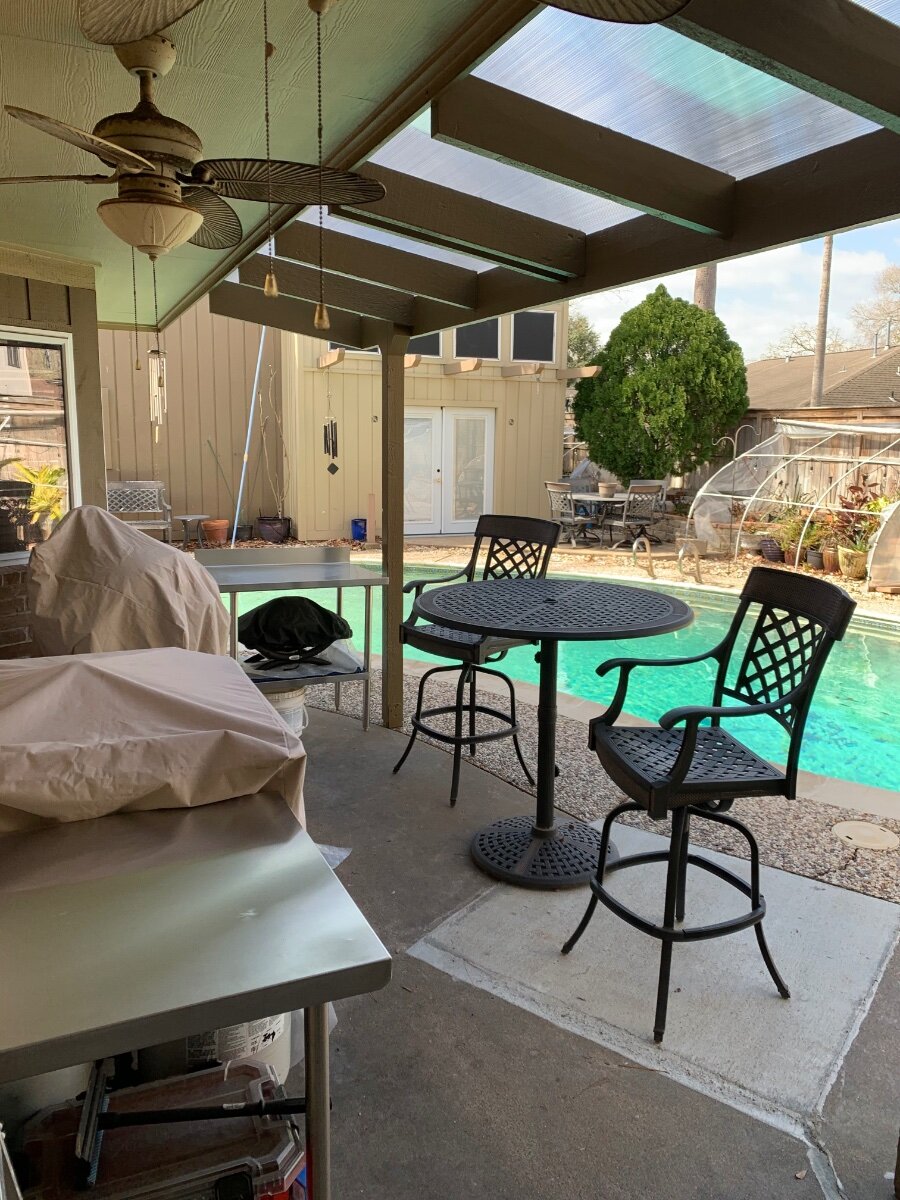
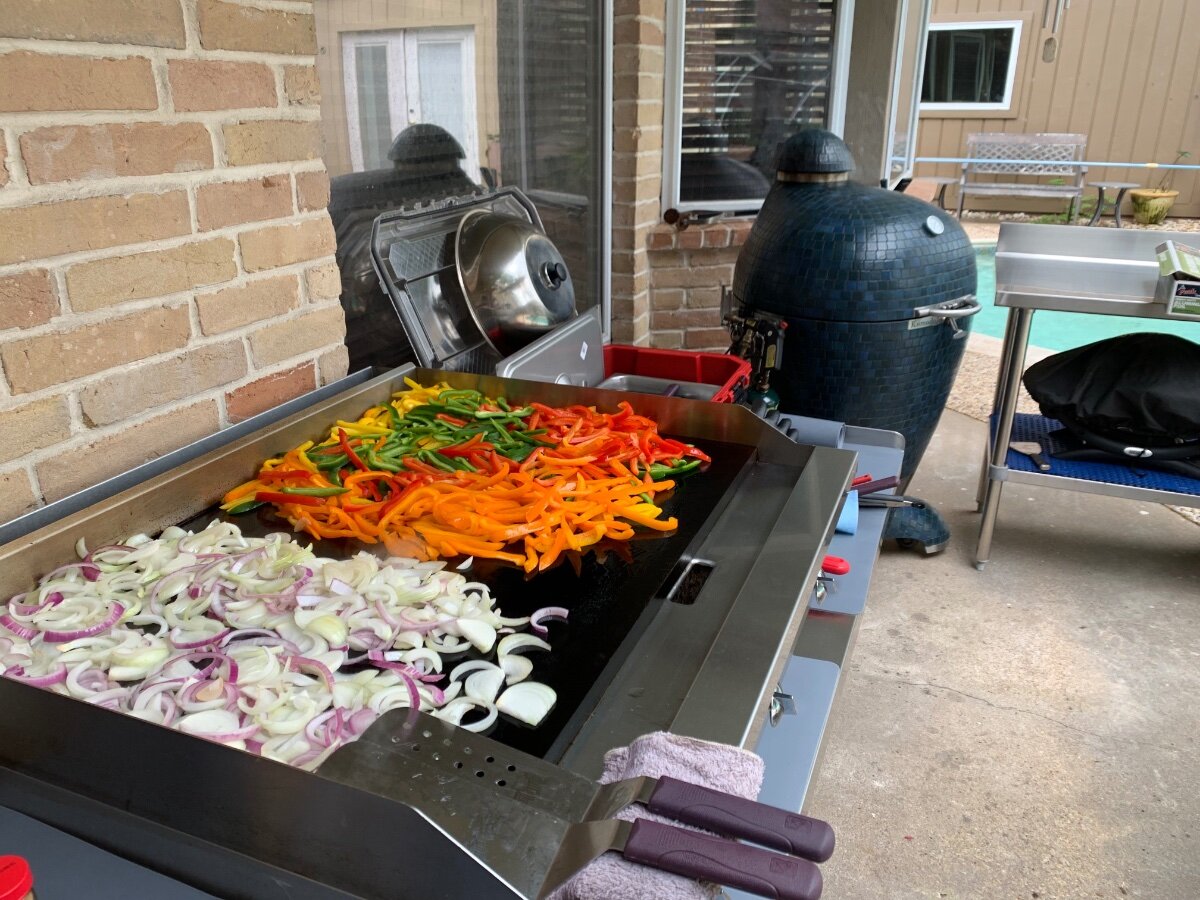
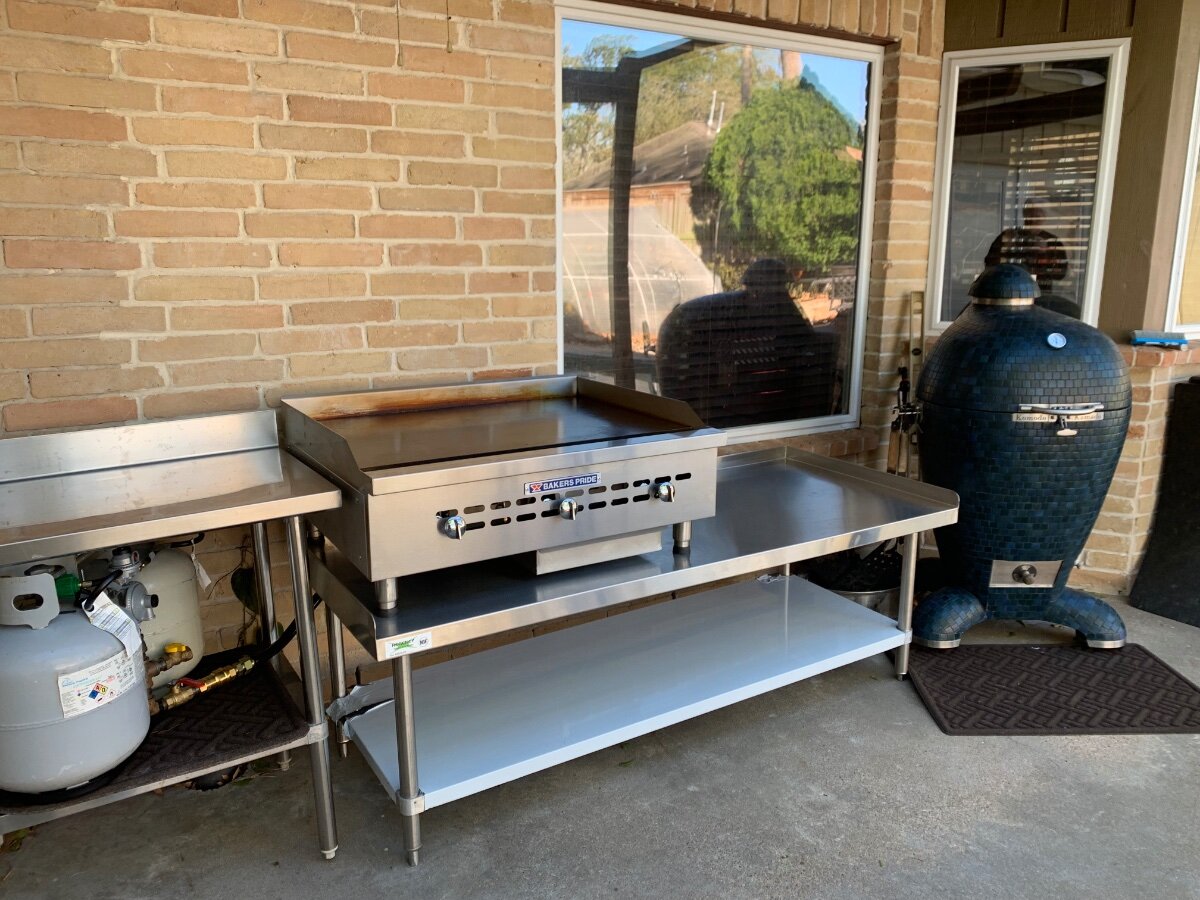
I hear ya, easy to get spoiled with the good stuff! Although the 17” BS is a great choice for preparing quality camp food, I too am not impressed with their larger models for home use, which are not long lasting for such a costly investment. My 36” BAKERS PRIDE griddle has a 1” thick steel plate and weighs 465 lbs., it flanks my KOMODO KAMADO smoker out back under canopy.
-
I’ll cook under canopy with light rain and/or wind, but when unable we resort to something simple; we do not cook inside other than instant oatmeal and microwave preparations, and Keurig coffee of course!
-
My detector in mounted under the forward dinette seat hatch, but the 1A inline fuse holder is located under the forward street side bed hatch, as you mentioned. That said, I also recall seeing a similar fuse holder under the forward dinette seat hatch, which I need to further investigate.
-
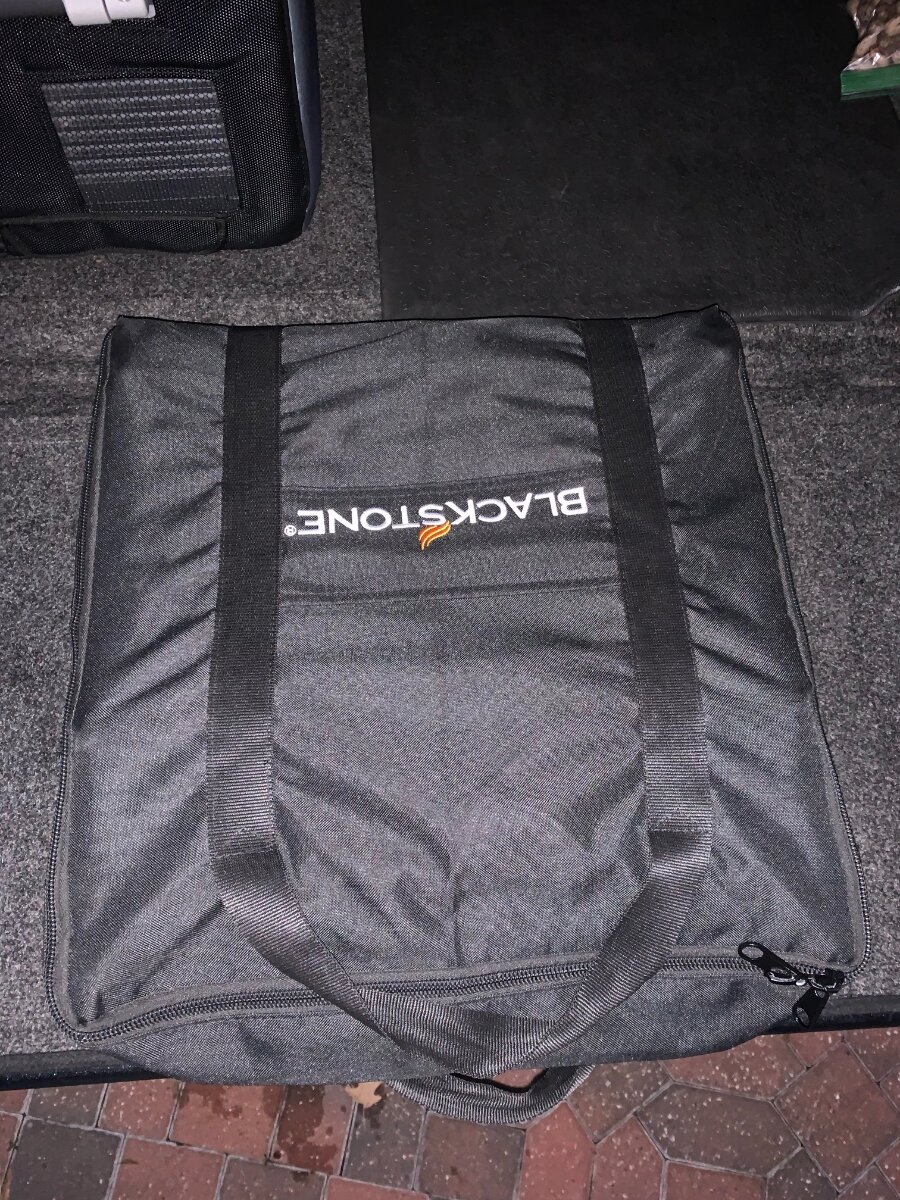
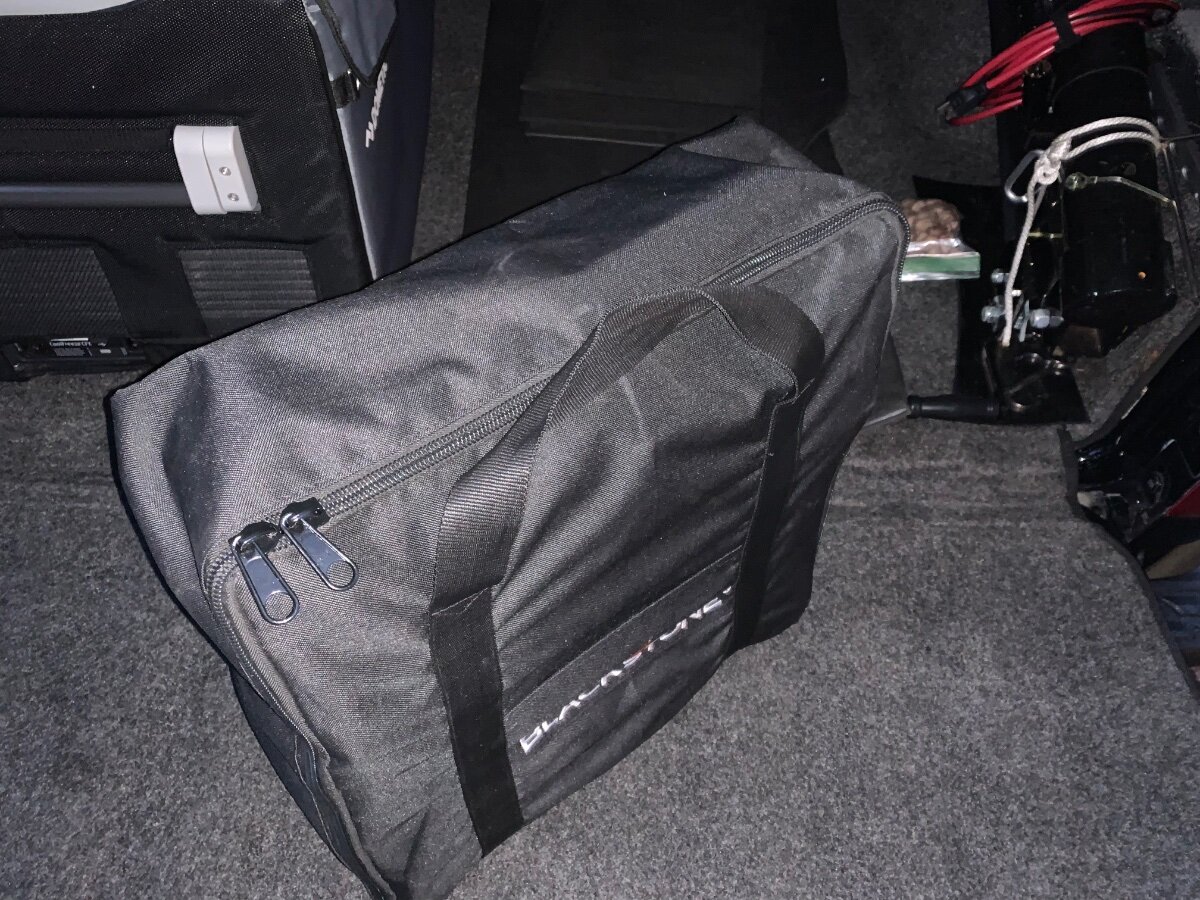
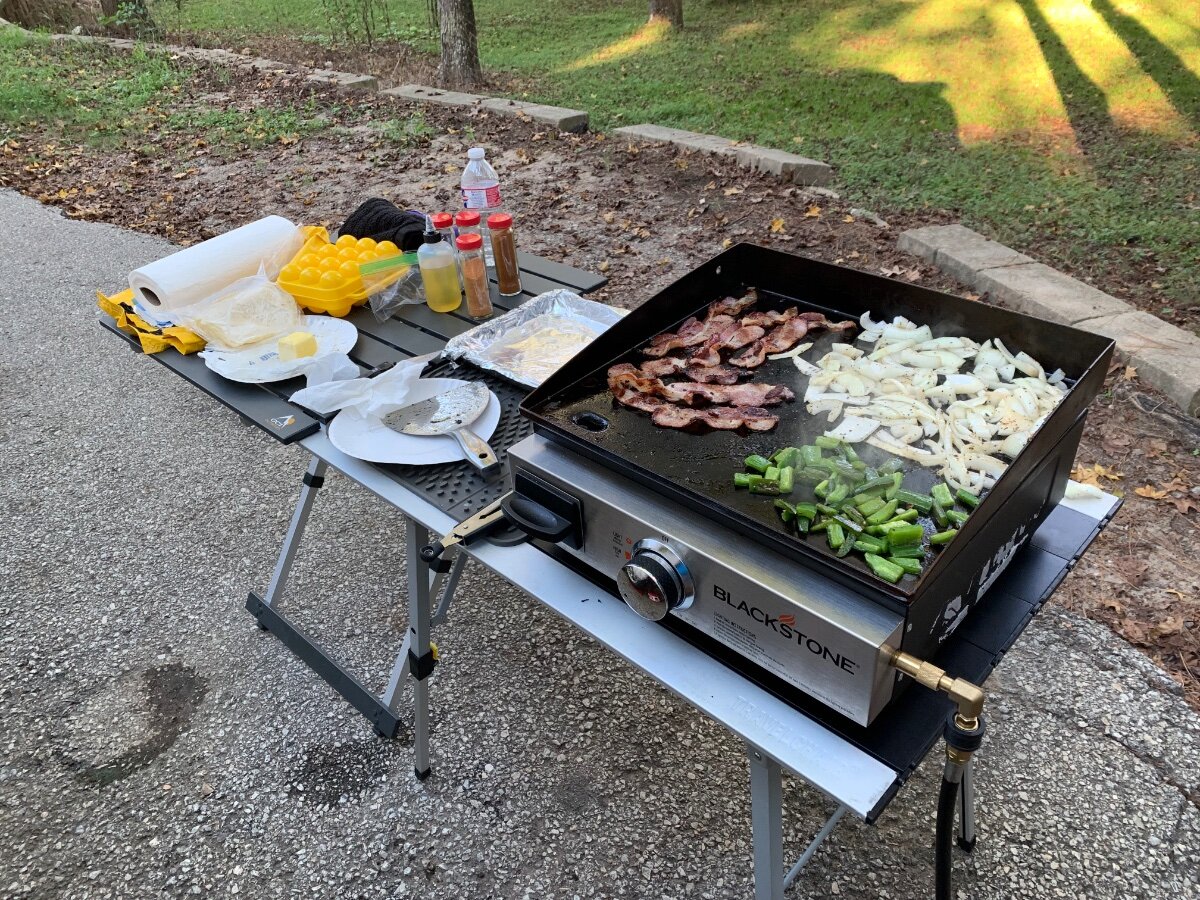
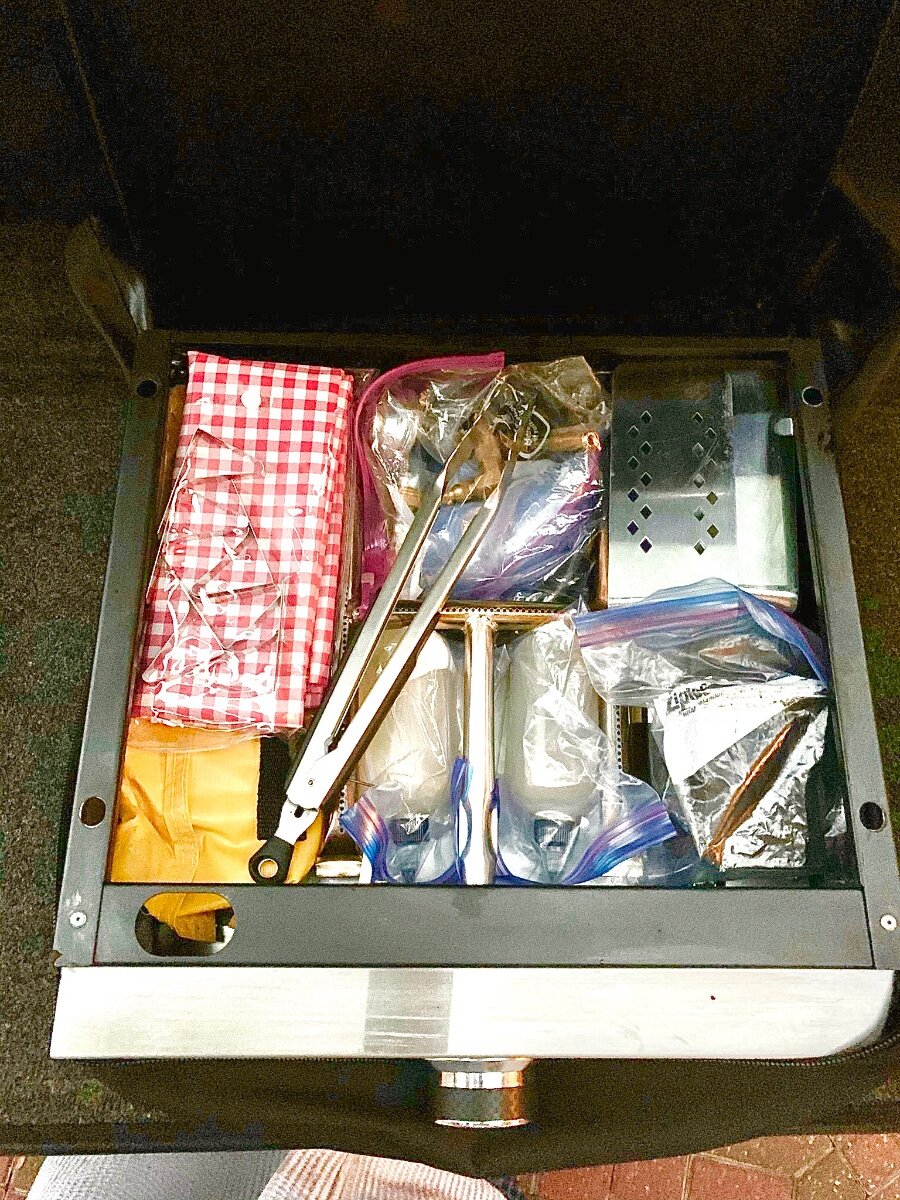
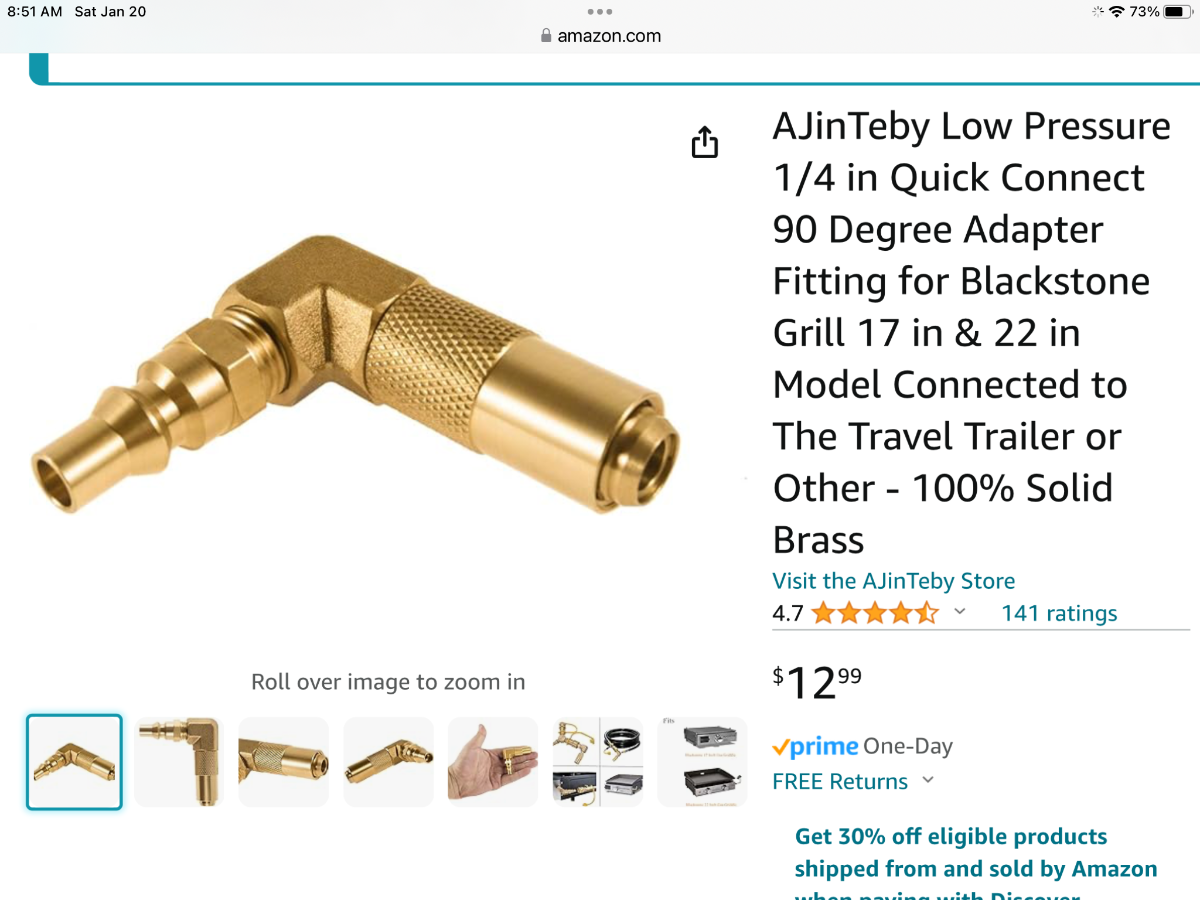
The BS 17” griddle has served us well and can be used with the Oliver QC ports with a simple adapter. I have a 36” commercial grade flat top at home and there is nothing cooked on it that can’t be cooked on this smaller griddle when camping. Perfect for 2-3 person food preparations, compact, carry bag/griddle cover, easy to clean, fun to cook on, ‘nough said!
-
Working on a scaffold platform will be much safer than on a ladder, reaching from atop a ladder is an accident waiting to happen. You have made a wise decision!
-
I now understand your approach, you can definitely dial in a suitable working height with incremental adjustments. My platform is 58” and the back guardrail is 92” measured from the ground up. I’m 5’10” and can easily reach the entire ‘high rise’ section on the roof with buffer in hand, but cloth wipe-down is a bit of a stretch. Agree, down with the Dish!
-
You’re gonna be very pleased with the shelf, won’t have to bend over as far to reach supplies and worry about kicking things off the deck. I considered the outriggers, but working on my paver driveway has proved very stable thus far without them. However, in your situation where the scaffolds may be stacked for home maintenance, indeed a necessity. Regarding washing, I use a foam cannon in tandem with an electric water pressure sprayer and extendible brush. The pump motor only runs when actually spraying and I bought a FOB device to operate the pump from atop the scaffold. Good luck with the new equipment and be careful up there! At minimum, consider a rope or chain at top of scaffold, Chris may yell ‘dinner’s ready’ and you forget where you’re at!
-
That is an excellent savings, thanks for bringing this to everyone’s attention! Mine is the 1,100 lb. load capacity model with a solid deck, typically less expensive, but the ‘Special Buy’ on this 1250 lb. model is a real deal! The MetalTech guardrail system for fall safety is pricey, so I fabricated one using fence railing and gate components. I found this accessory very useful, as well!
-
Had a similar incident last trip on our way out of Houston, but a slow rolling tire was the ‘target’! Out of nowhere, said tire came rolling into my lane with little time to react and lane change not an option given the heavy traffic. Following some ‘flagrant language’, I immediately started to slow my speed to time for an impact at vehicle dead center. As I worked my way over to the first available exit, my thoughts were on potential damage to the Oliver, most likely to the fiberglass. Thankfully all was found good, but had the tire been on a rim this would have certainly been a dire situation.