All Activity
- Past hour
-
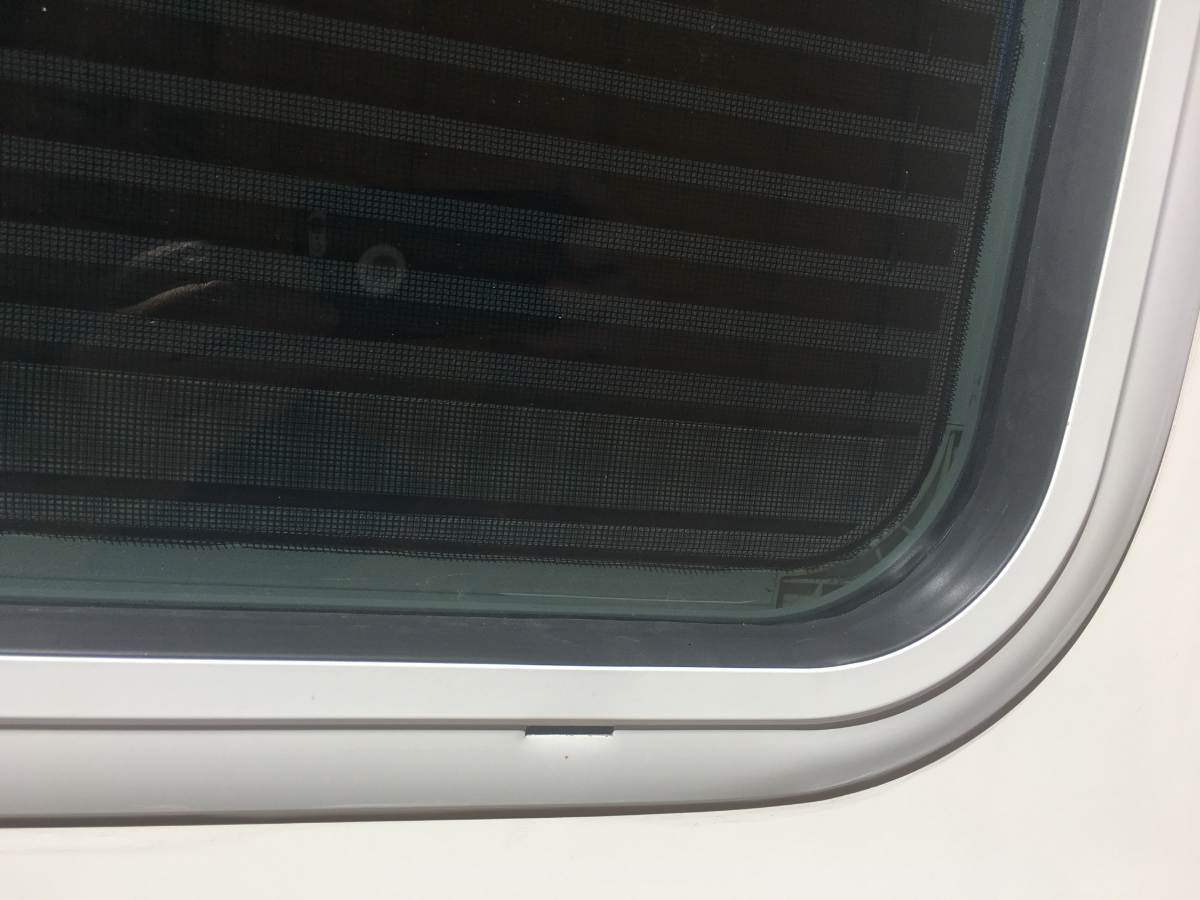
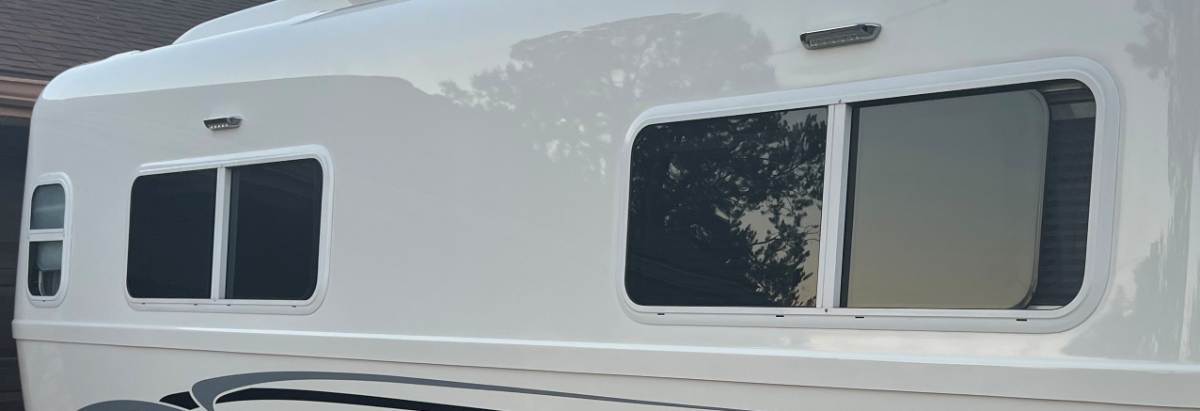
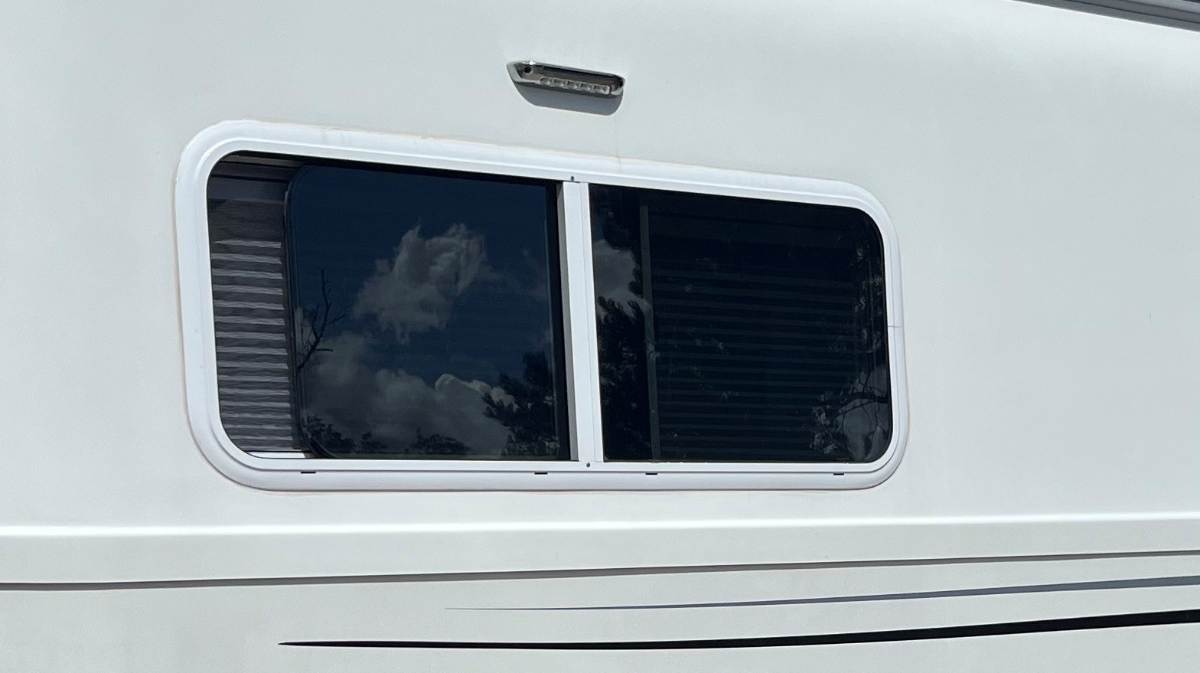
Wondering did Lippert 8800 windows change through the years? The windows installed on hulls #70, #75 vs. our hull #113 and much newer hulls? I posted a couple pictures of ours for reference. I do see top vents on Rob's and Bill's windows that are not on mine! Rob has leakage issues. Others do as well, but we do not. I'm thankful ours do not need repair, but just wondering what's different? Is it the top vents allowing water into the interior channels? I replaced the outer rubber (only). Replaced the white surround with black, sourced from Pelland, if I remember correctly. There was a 1" gap on the old rubber, but I cut the replacement rubber to fill the gap and almost 1" longer, cramming the rubber into place on a warm day, knowing it will shrink again in time. This rubber seal protects the moving half of the window from rainwater. I don't have time to handwash the Oliver except to pressure-wash when we return a dirty mess from boondocking. I'll hit the glass straight-on with 3000 PSI water and our pressure-washer is not a toy! Some dirt followed by a fast stream of water will pour out of the window lower weep holes. No water inside the hull ever doing this a half dozen times. The first couple of times, I asked Chris to be inside, towel in hand, just in case. After twice taking this precaution, I don't need to anymore. If ours were leaking, I would replace the entire window assembly if available. I took a look here and our sizes are not listed. Wonder if they make the 8800 windows to size. Nominal measurements on our hull are 48x18" on the three cabin windows, 36x20" on the rear and I did not measure the bathroom window. I understand it would be over $1000 to replace them all vs. the cost of seals but you'd have a new window with warranty. Or time to get an awning window if you prefer that style! Lippert 8800 Series RV Window - Horizontal Slider | Lippert

-
Good grief, after washing and cleaning up the Fiamma this morning, now I can't get the thing to retract properly at all. Both ends are stuck partially open. Can't get in touch with customer support at the company either, messages do not go through.
-
and a pit toilet at Horse Creek cg.
- Today
-
We really like that campground! Mossey
-

**UPDATE** Save the Date: 2026 Oliver Rally at Lake Guntersville!
topgun2 replied to Jason Essary's topic in Events & Rallies
Scroll to the top of this page. In the "blue" banner at the top look for "home" and left click on it. At the top of the next page look for "RV Education" and "hover" your mouse over it until a "drop down menu" appears. In that menu look for "Annual Owner Rally" and left click on it. A new page will open. Scroll down until you see "Register for the 2026 Oliver Rally" and left click on it. A new page will open - full it out with the requested information, pay your money, see you there! Bill -
 Twinrivers69 joined the community
 -
Thanks Bill, good fix and repair tutorial. Your tabletop is quite secure now. This will get me to take a peek under ours. We've just left our table in place, knowing we wouldn't use the dinette as a bed. Maybe it hasn't been moved for 10 years, and I've never felt it move. But as I get older, I'm often leaning on things to get up! 🤣 And it's not safe if it can move. Tom, this sounds like a painful routine! Certainly, time to execute Bill's simple fix if you don't find a latch that will work.
-
Update on Lippert 8800 series repairs due to leaking. The new glazing beads from Steele Rubber products arrived late on Tuesday and I went to work on the first one right away. It became obvious right off the bat the application of silicone spray or equivalent lubricant would be needed due to the new rubber having lots of friction. Once siliconed the seals went in easily yet provided actual connection to the sliding window. The window does not slide as easily indicating good connection thus less water intrusion. Thats the good news. The not so good news is the windows channels still take on water but this is due to the weep holes facing 8º tilt upwards toward the sky due to the Oliver body shape. While installing the new weather stripping seals I also took the time to plug the channel where the fixed window is screwed into that channel preventing water from infiltrating this area. Using rope caulk I jammed both the top and bottom area of this potential place for water intrusion. I also discovered the small black plugs installed into the weep holes at the top of the frames DO NOT prevent water from entering into the top of the window and then flowing down through the vertical channels carrying dirt debris mud etc. The top part of those channels on all of our windows were very dirty and stained. Removed all four from one window and found them to be completely encrusted with dirt and debris. Rather than re-install I decided to caulk those 4 slits and will also do this to the remaining other two windows. I had hoped to completely eliminate any water intrusion but early efforts at re-designing weather stripping were an abysmal failure. Effectively the new glazing bead weather stripping will help but certainly not fix the issue entirely. With this in mind what I will do going forward is carry and smallish portable wet/dry vacuum along and clean out the weep holes using wet vacuum mode. I have tried this numerous times now and it works quite well. Just this morning after washing our awning which allowed some water to flow down the Oliver side and window and into the weeps holes I was able to vacuum some 2-3 oz of water from the curb side window. Struck me as quite a bit of water given that the window only got wet indirectly. But for now its a fix for a flawed design.
-
 We have our campsite, but how do we register for the rally through Oliver?
 -
AND - there are fish in Horse Creek - most are 10 to 12 inches but a very good friend of mine can attest to a 17 inch brown that was a bank feeder is there to be enjoyed. On the "interesting" side - be careful to watch for bears. This same friend came back from there one year and said to his wife, "I'm going to need a bigger gun!". In my opinion - sites 2 and 3 are the best sites. No electricity or dump here but there is water available via a hand pump. Bill
-
Well crap wouldn't you know my earlier unit does not have those adjustments to make. However I did discover two wasp nest buried in the awning compartment and one loose bolt on the mechanism. In fact it was almost all the way out. Doubt this has anything to do with adjustment fore and aft for retrieving the awning into its compartment.
-
So they are roughly $5 each, and my shipping was $18. Thanks for the confirmation. Shipping is outrageous.
-
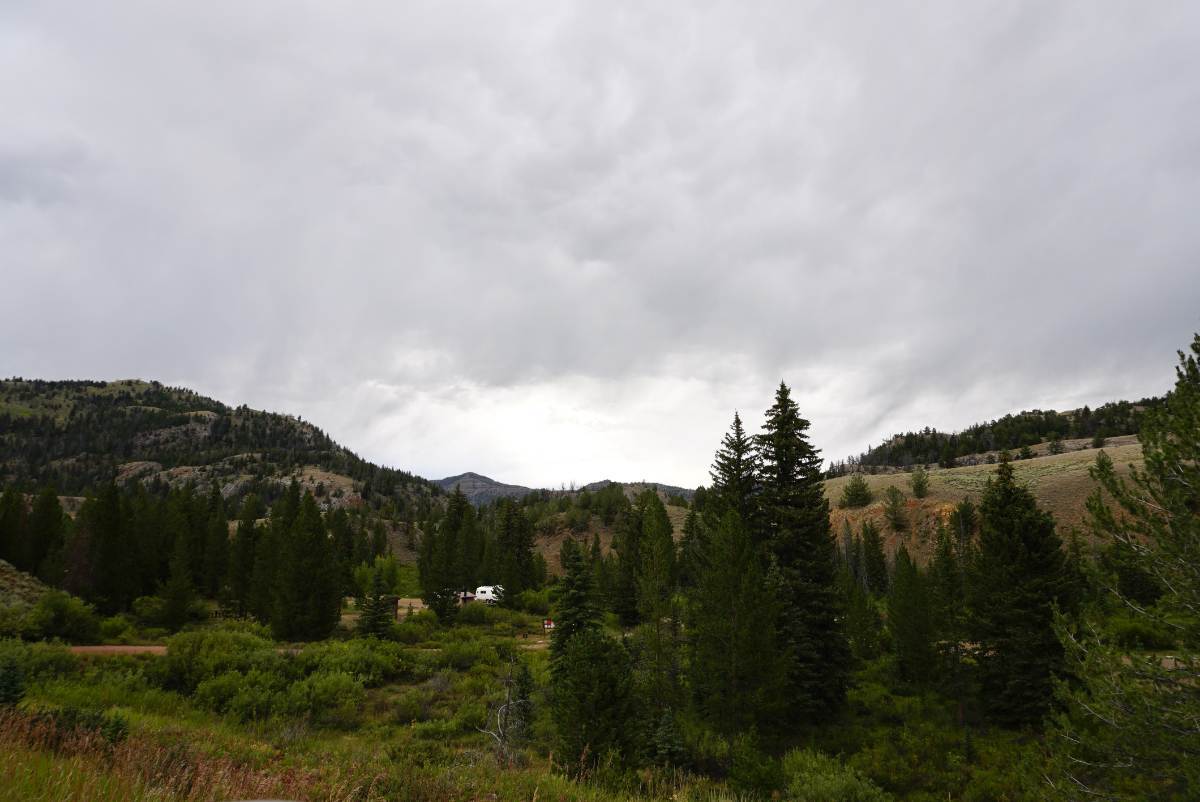
Last year I visited Horse Creek Campground in Wyoming. If you are really adventurous you can continue north all the way to Double Cabin Campground. It's beautiful there, but I didn't tow my Oliver that far; it's a long rough road.
-
Three that we picked up at Oliver in February of this year were $19.04 including tax.
-
After seeing this post, I requested these in May. I was charged $38.12 for 4 of them. They shipped in a small 6x8 inch padded envelope, UPS Ground (UPS estimates $15 if shipped next day deliver) so maybe the price has really inflated.
-
Good idea! We've been taking our table down whenever we move the trailer because the thumbscrews always loosen themselves up with movement. Maybe this might help. I have this notion of a plan (not yet executed) to find some kind of spring loaded latch mechanism that could be used to keep downward pressure on the table top while moving (or even all the time). Haven't looked too hard yet, but also haven't stumbled into any good candidate latches...
-
You can get an idea of the water quality at a campground by looking for places where their lawn or landscaping sprinklers have been spraying and at the faucet, pipe, post, and ground under the water hook ups. If these areas are stained there’s a good chance that the water might not be the quality that you are accustomed to. Bill
-
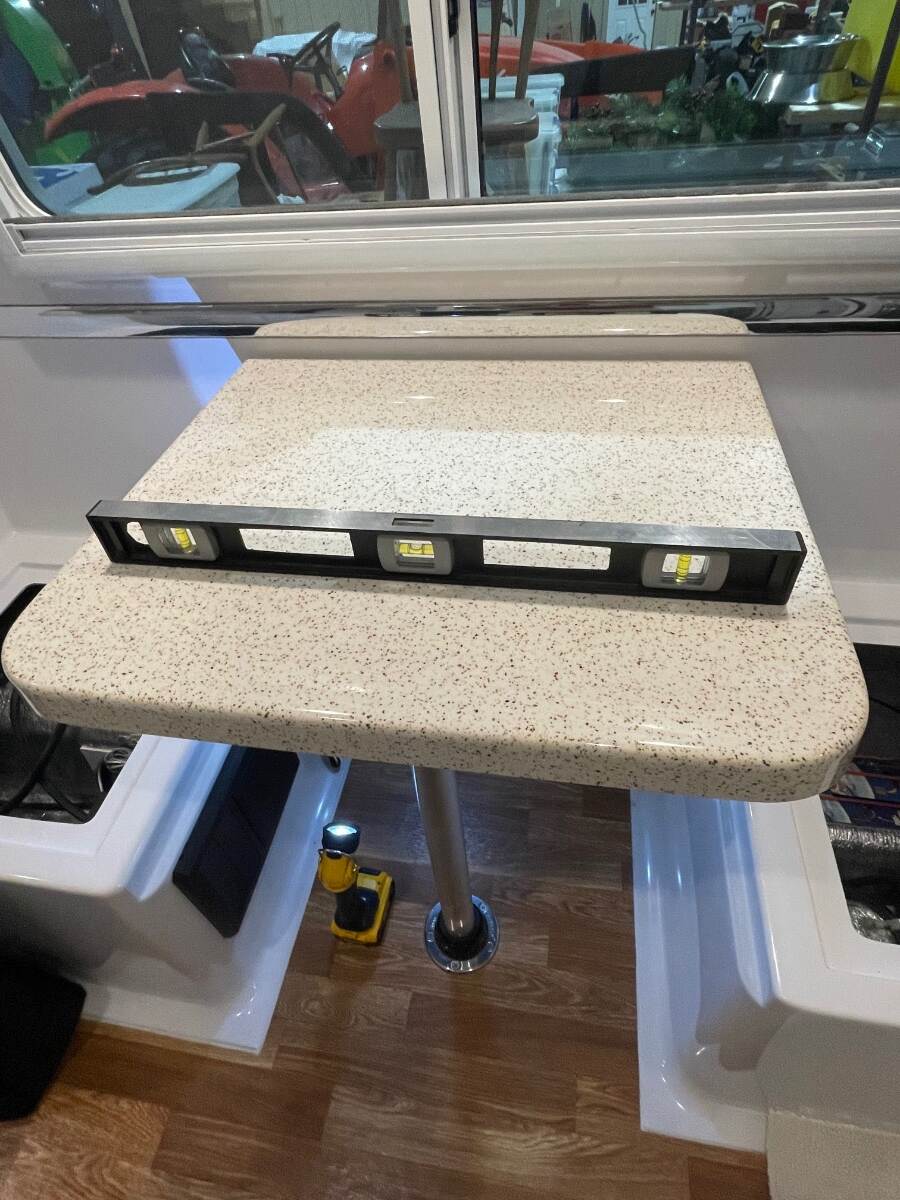
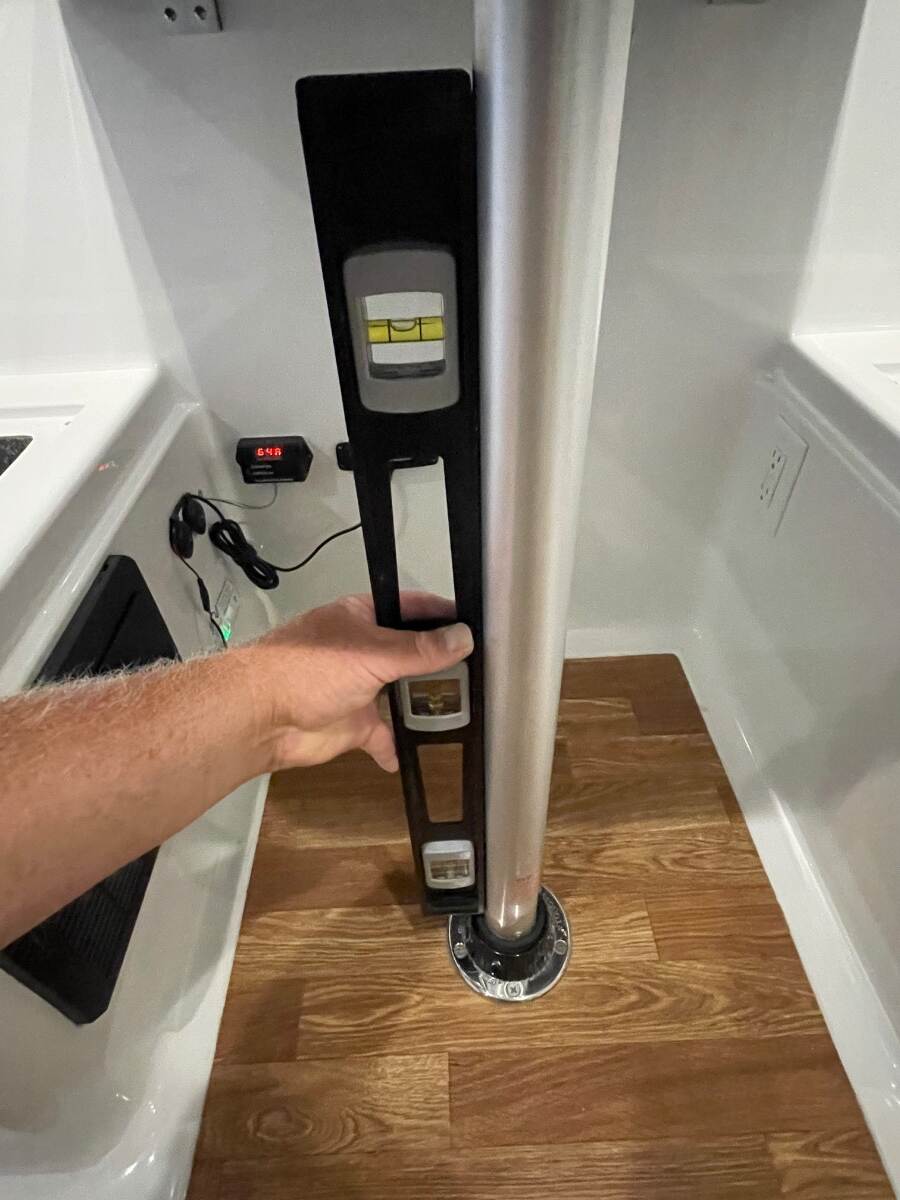
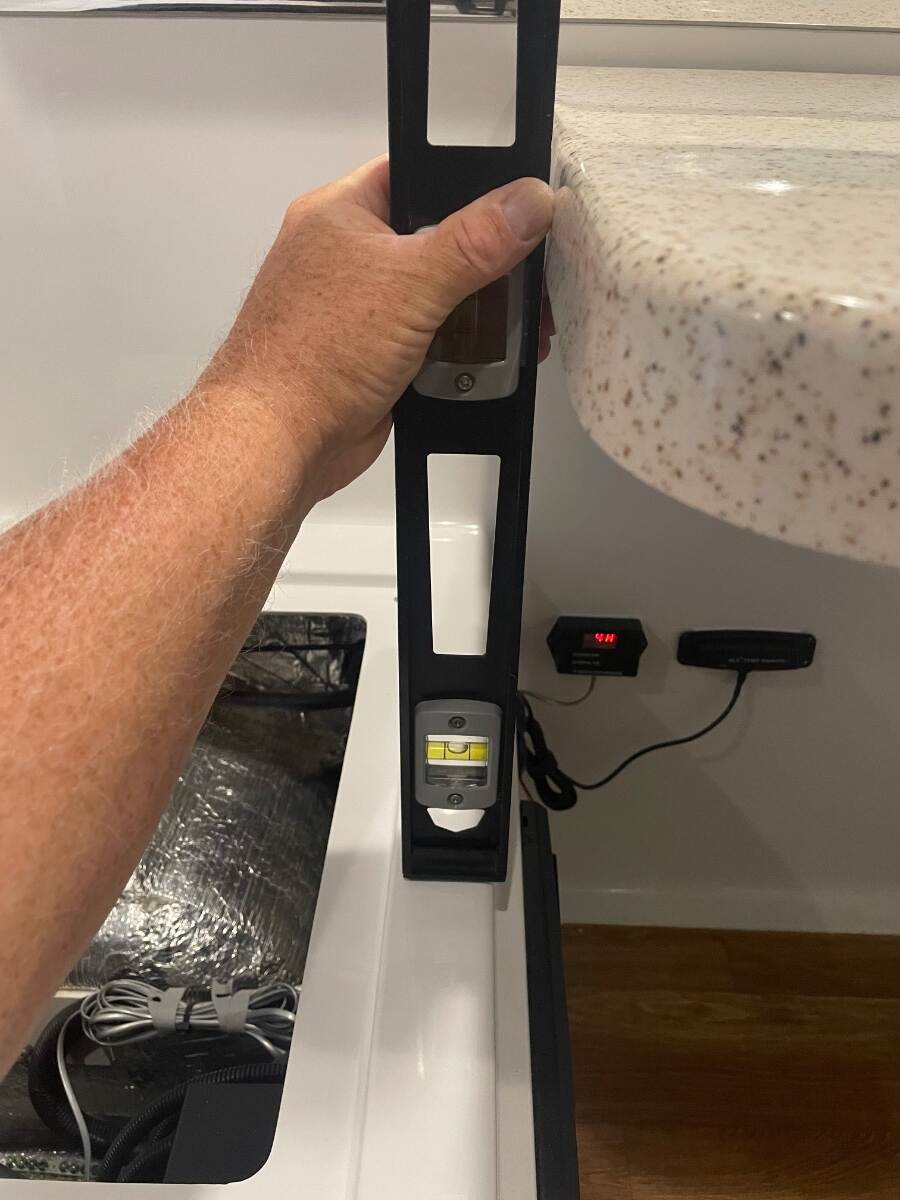
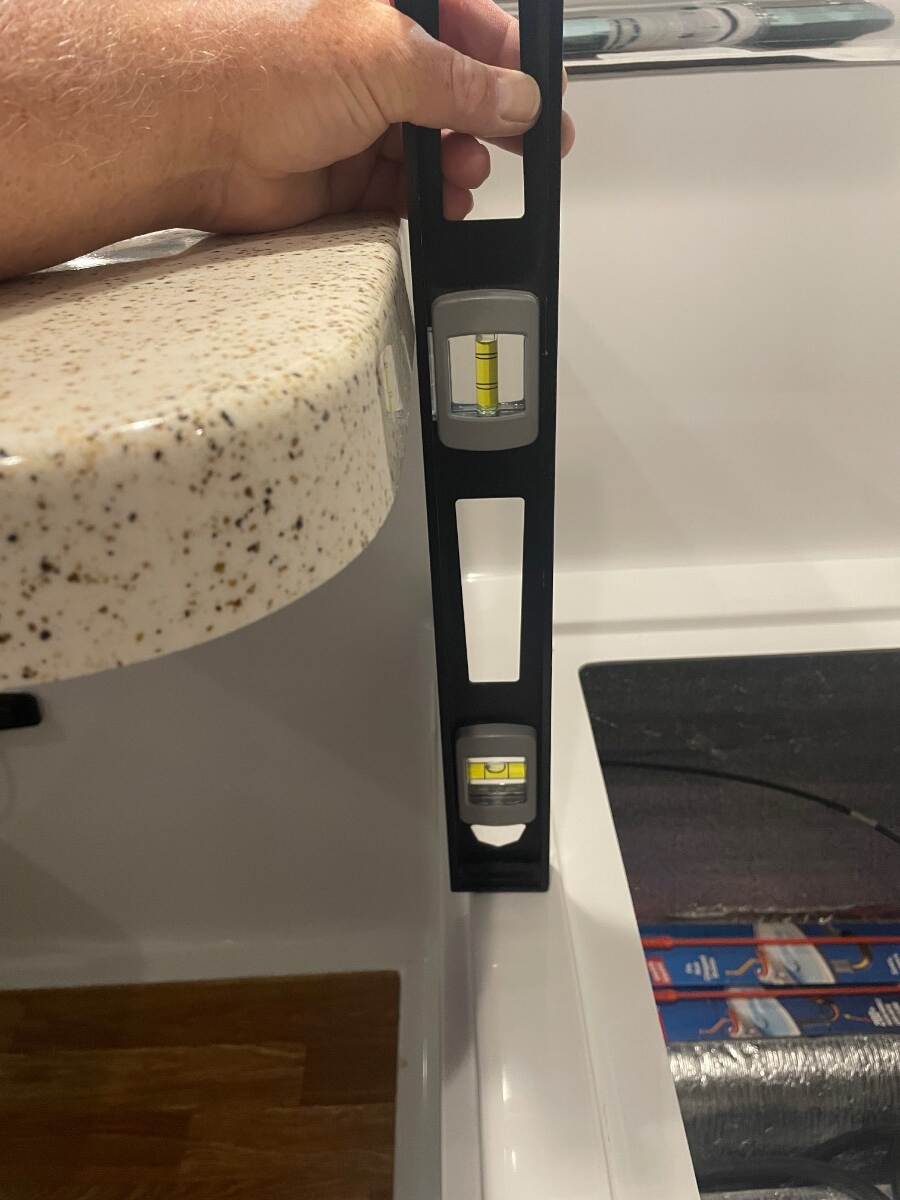
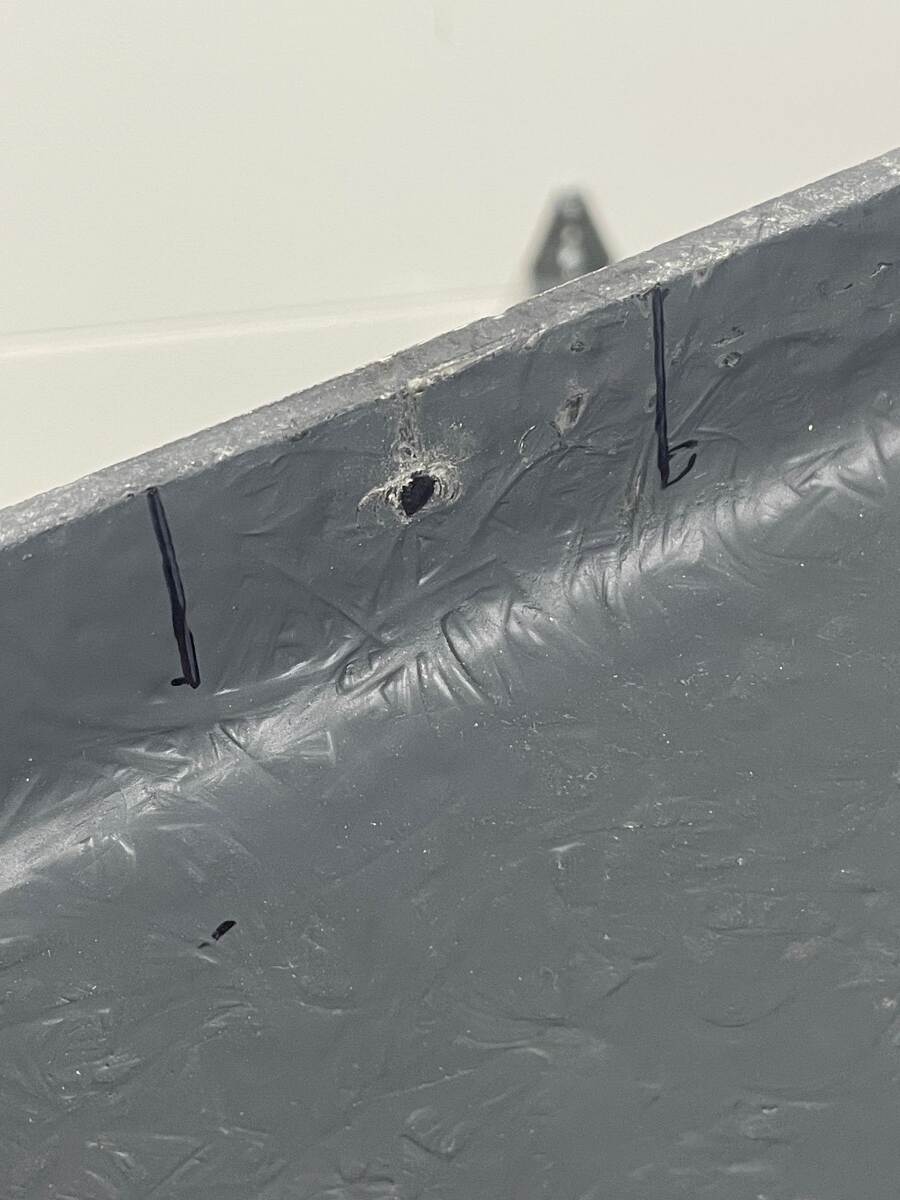
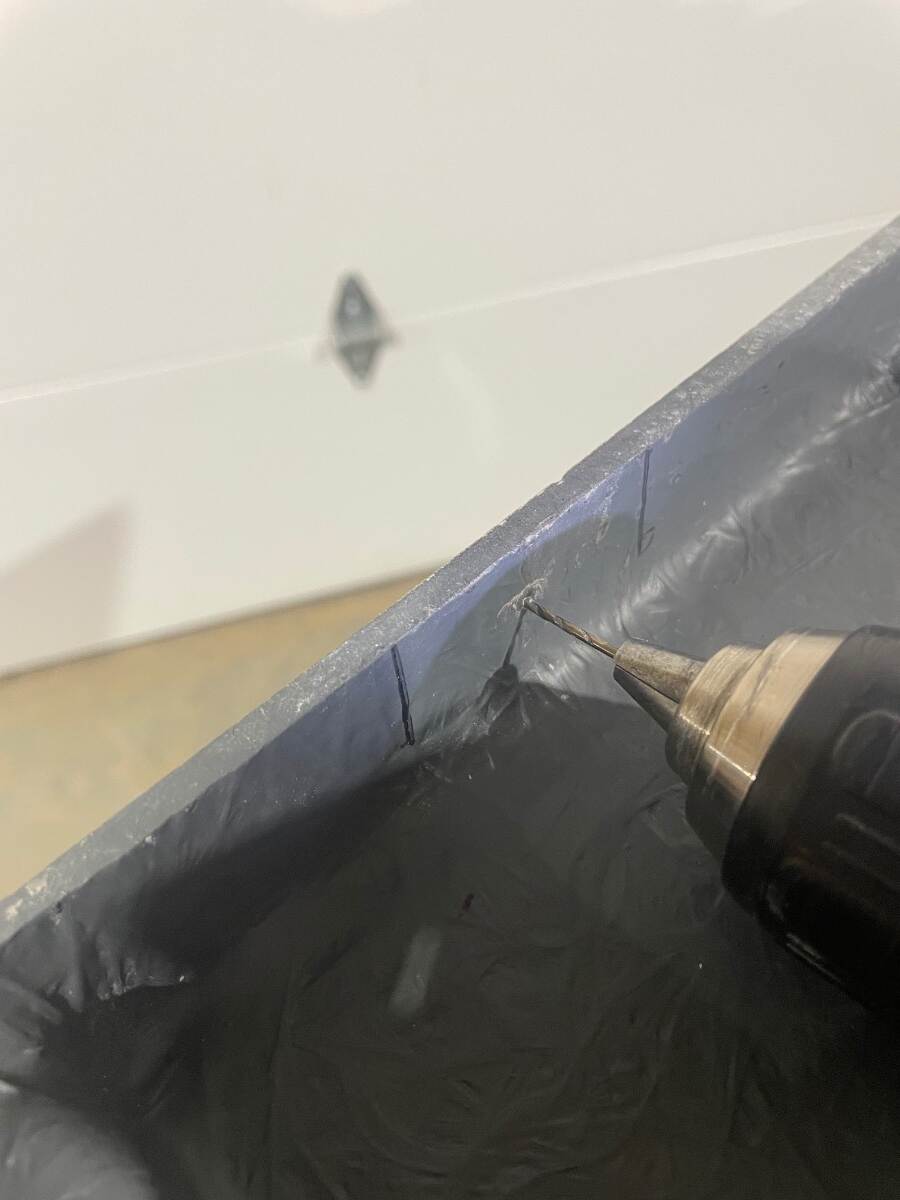
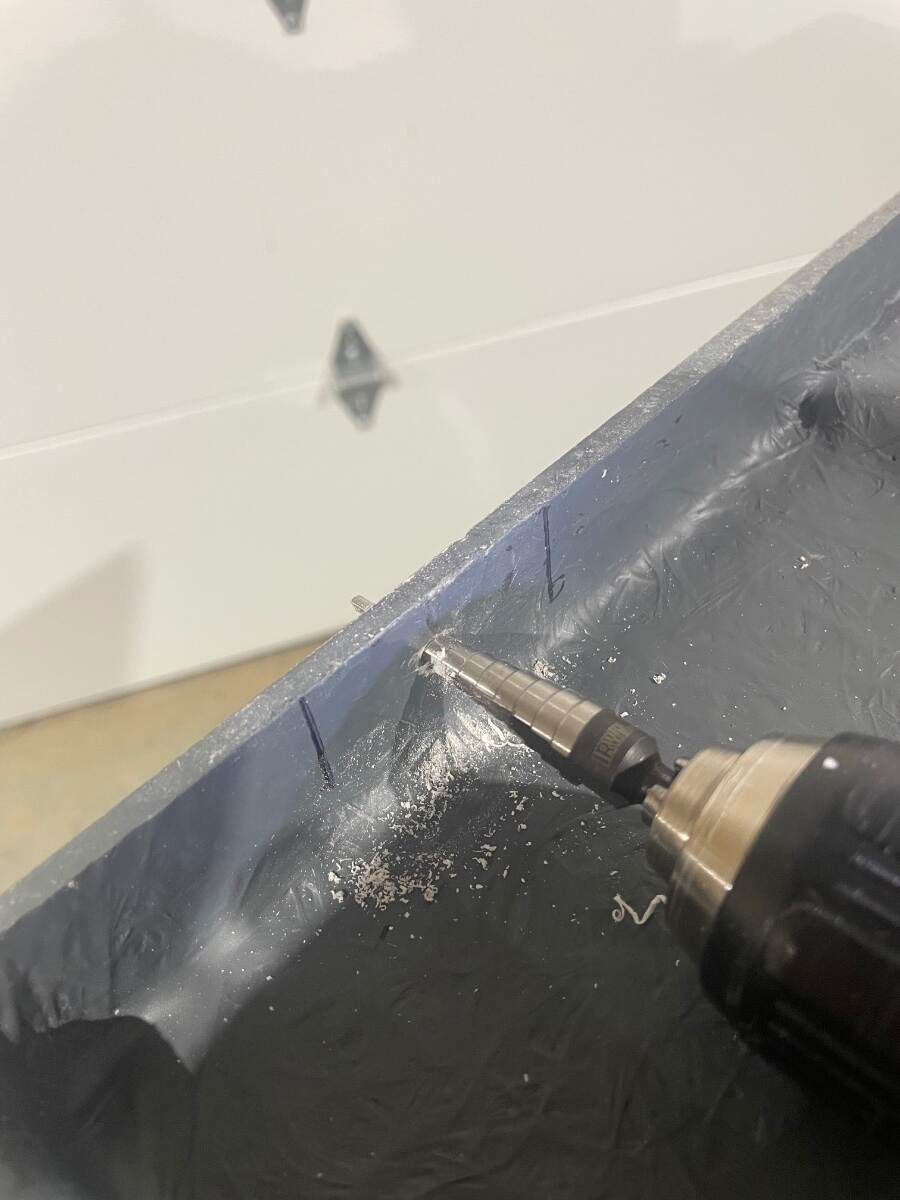
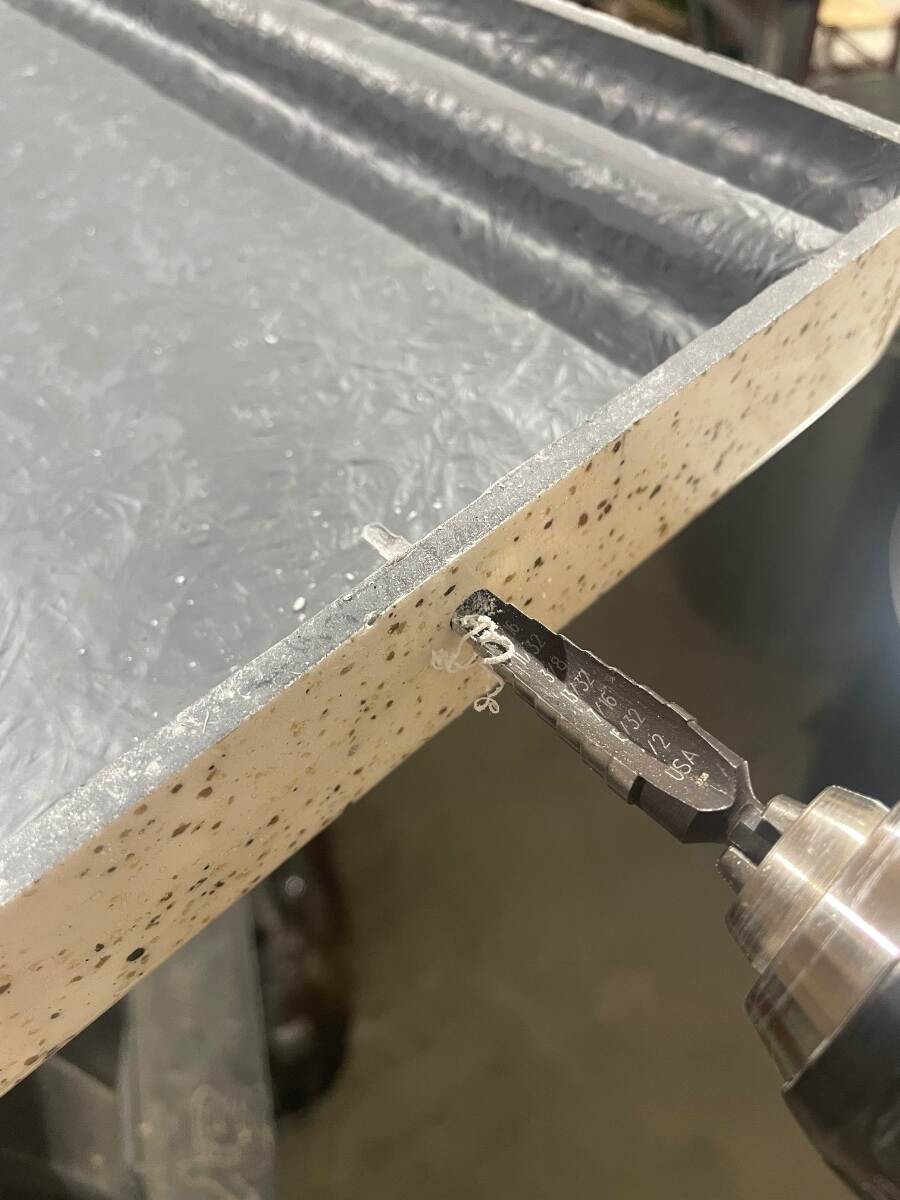
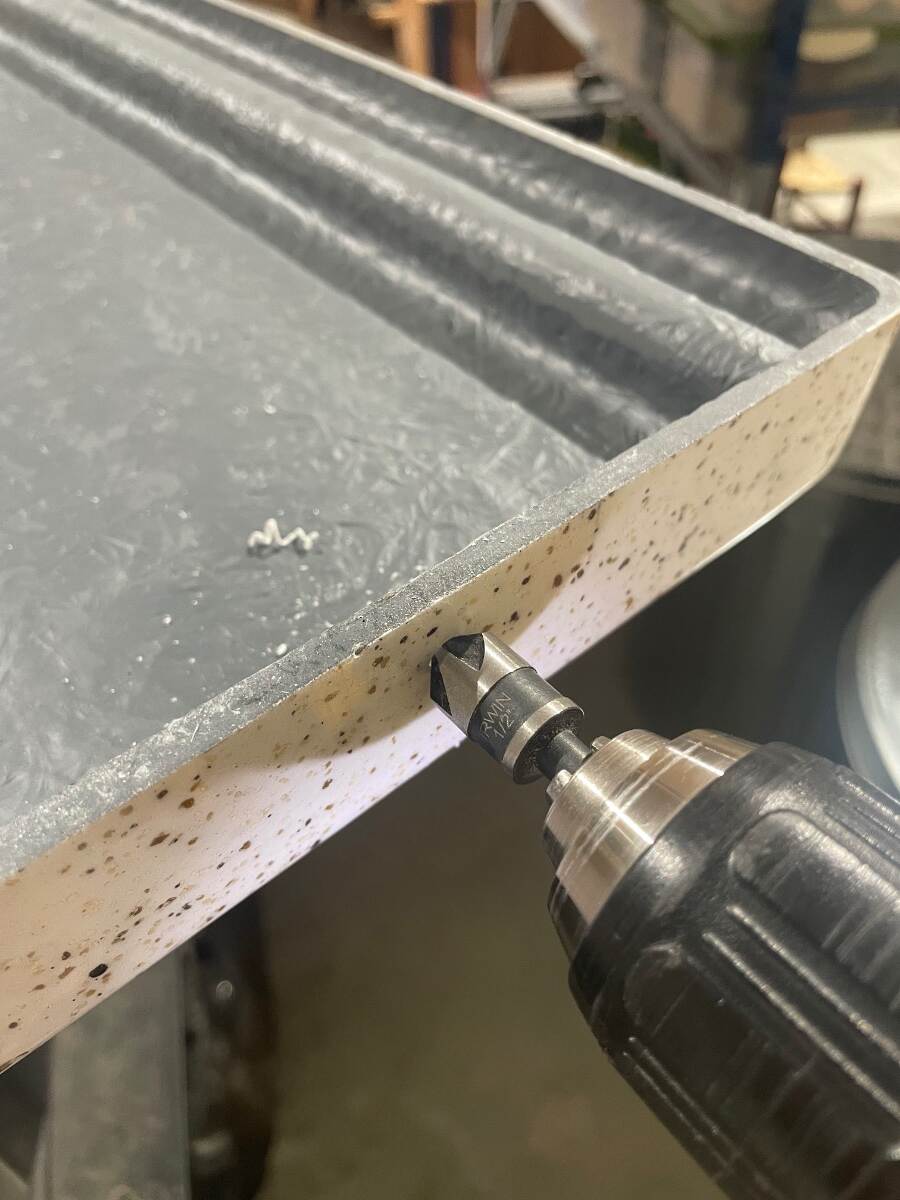
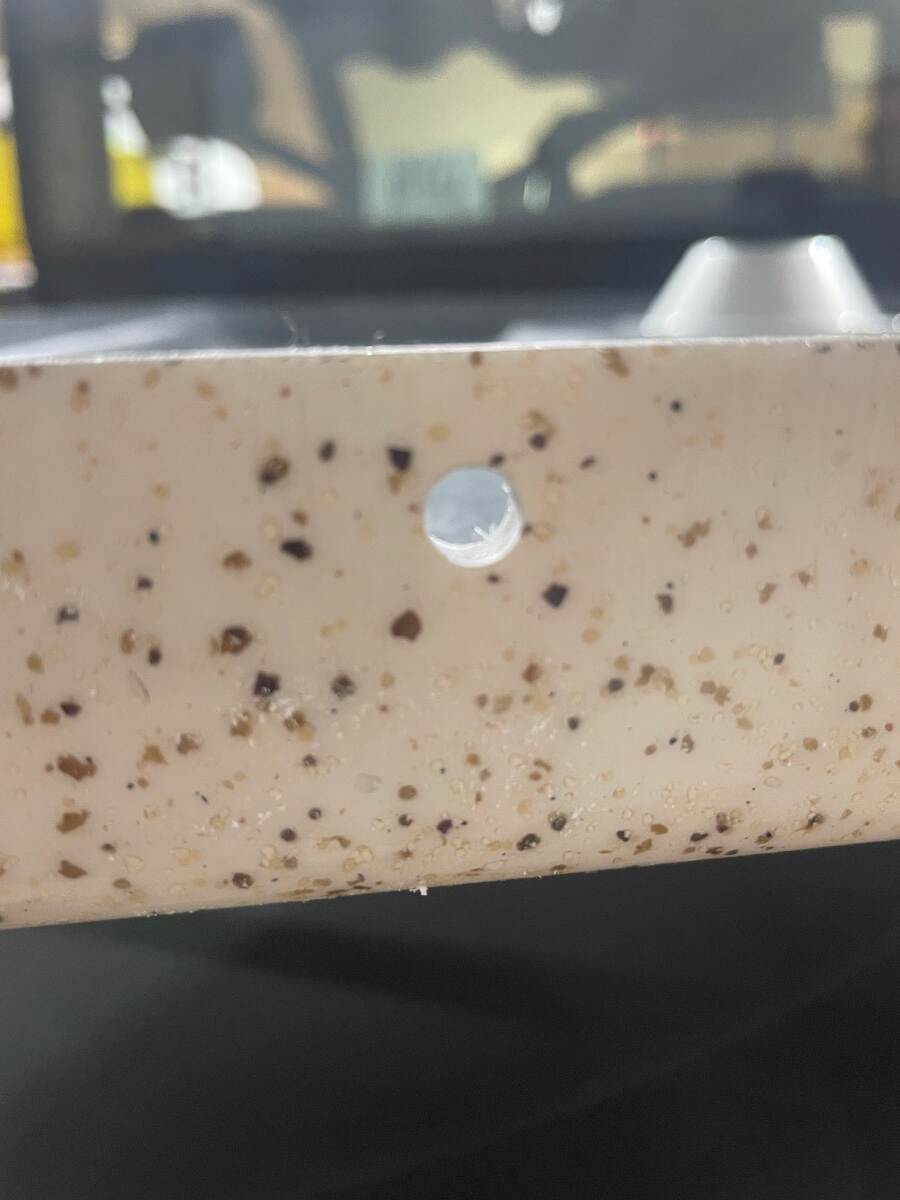
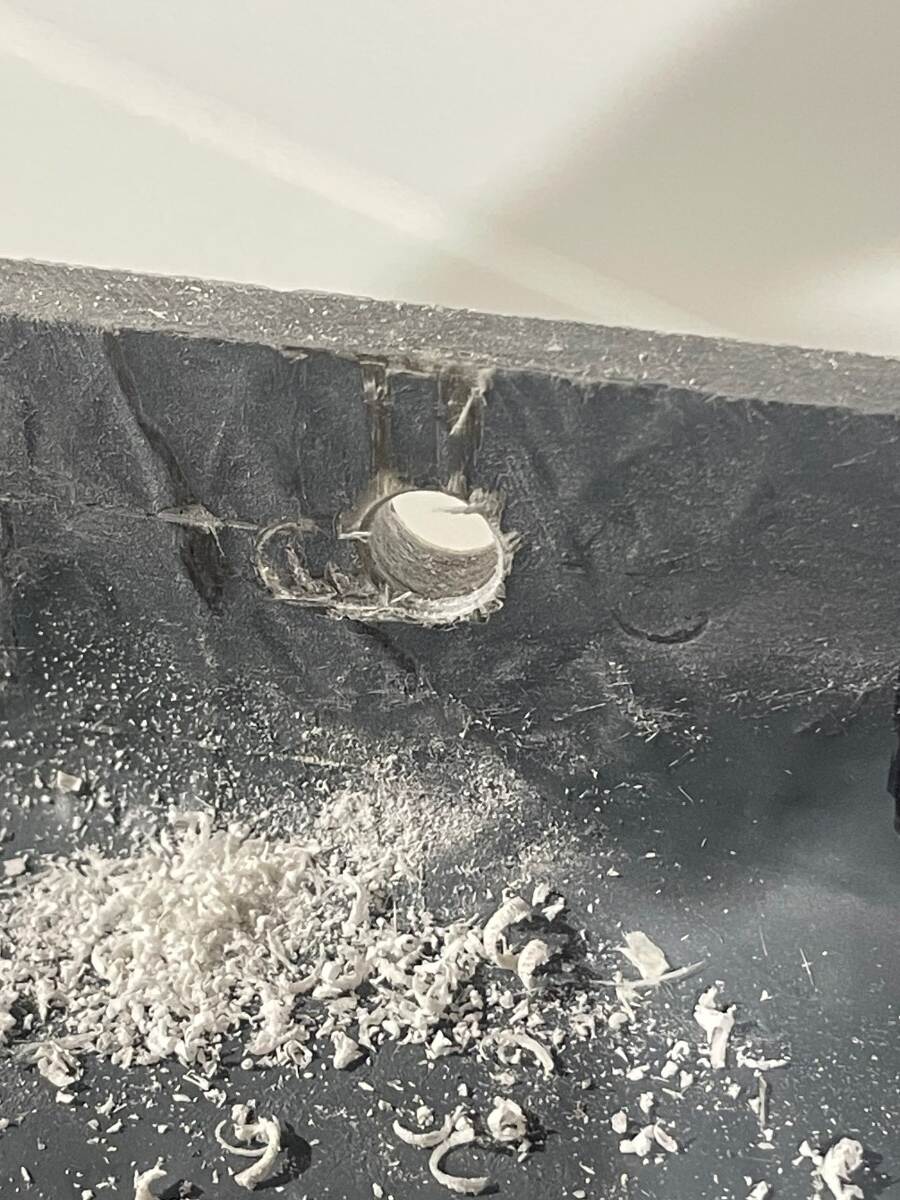
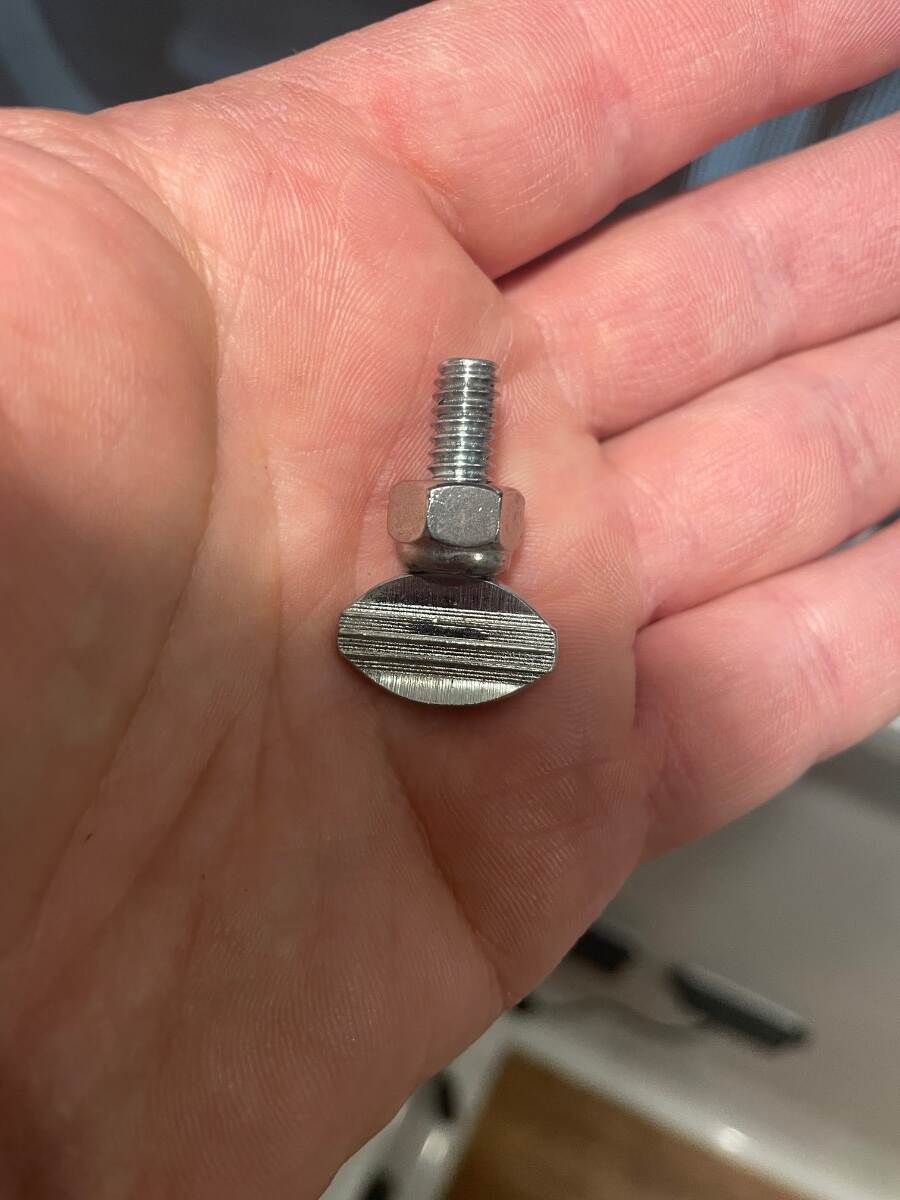
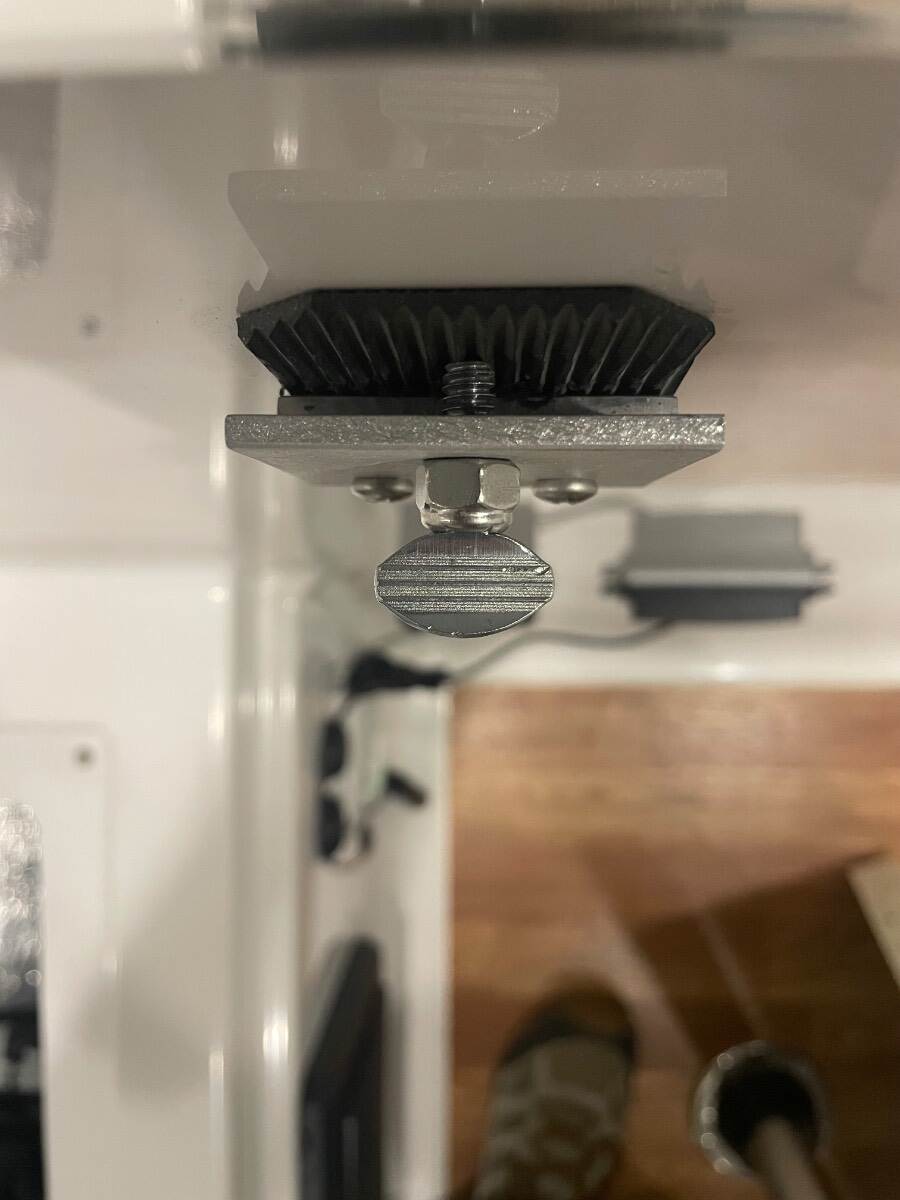
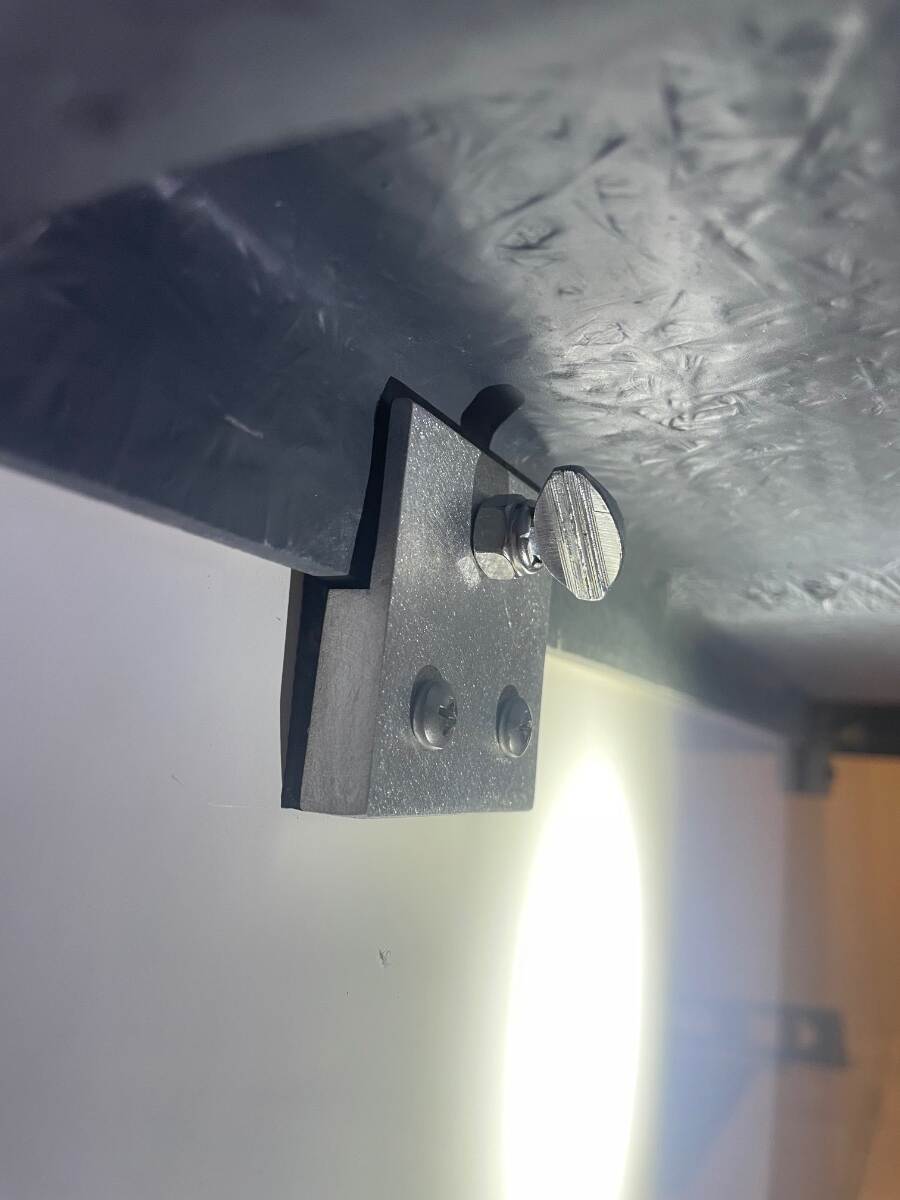
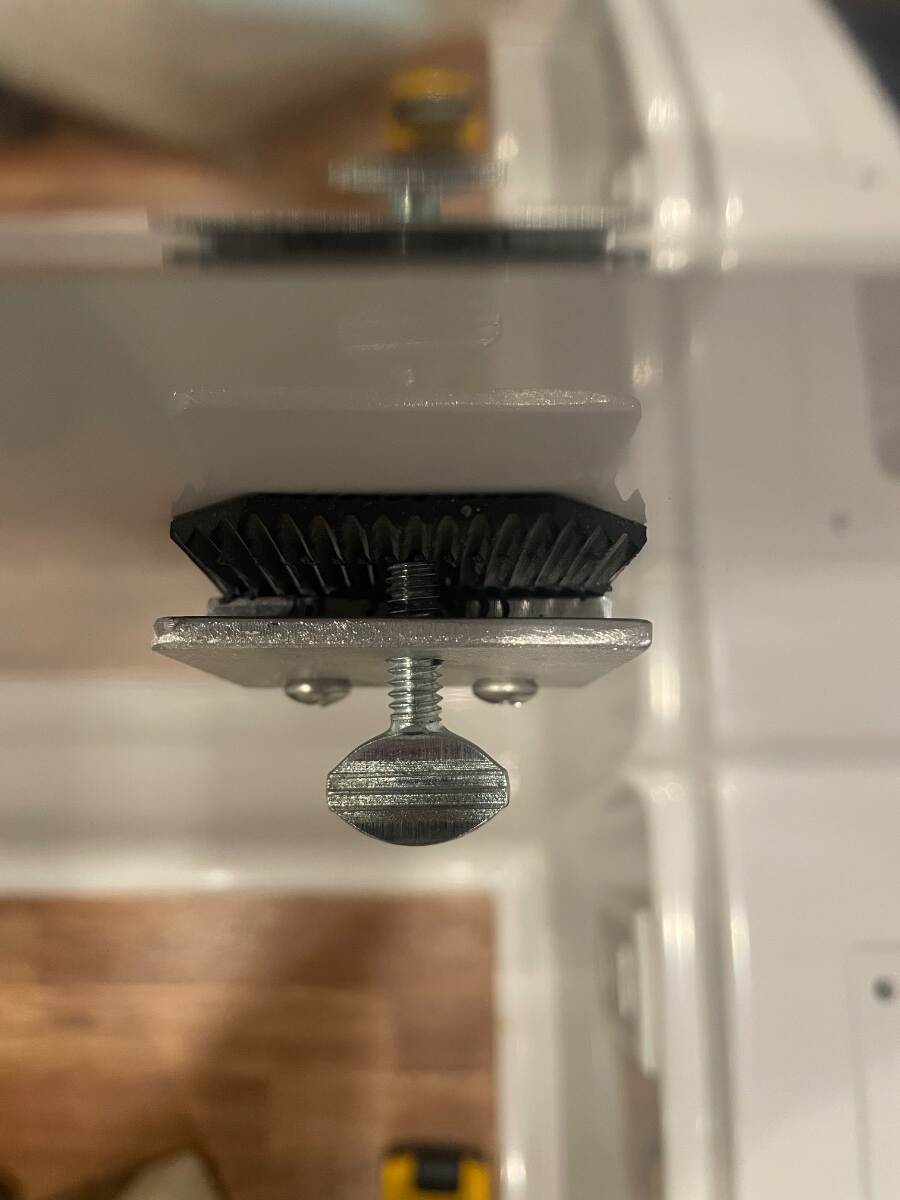
Occasionally I will place my hand on one of the front corners of our dinette table and it will cause the opposite back corner to lift up out of its bracket. I don’t tighten those two thumb screws down too tight because I don’t want to bend the aluminum bracket or break the screws that secure it to the wall. I drilled two holes in the back edge of the table so that the thumb screws would pass through them to prevent the table from slipping up out of the brackets. If you want to do this, start off by leveling your trailer then check to see if your table top is level. Make sure your table leg is plumb. Place a level against one side of the table, plumb it, and see how far the edge of the table falls away from the edge of the seat. Repeat the previous step on the opposite side of the table. I did this to make sure the table was centered between the two dinette seats before I drilled any holes. After verifying that the table is in the middle of the dinette mark the edges of each bracket and the location of the holes. Drill pilot holes using a small bit at very low speed. Enlarge the pilot holes with a step bit at slow speed. I stepped the hole size up to 1/4 inch. Use the step bit again to enlarge the holes on the back side of the table top so that you have a 1/4 inch hole all the way through the table edge. The step bit will chamfer the hole but I used a countersink bit to widen the chamfer. The thumb screws should be screwed in until they just touch the rubber bumper behind the bracket. I found that a 1/4 Nylock nut threaded on the thumb screw backwards made a good stop nut. I used a stainless steel nut because that’s what I had. The Nylock nut was the right height to stop the thumb screw at the proper depth. Finished product. If you find that the second thumb screw doesn’t quite line up with the second hole you can elongate one or both holes with a rat tail (round) file. I did this on hull 313. I don’t know if Oliver continued to mount the table this way so this might not work on tables in newer Olivers. Bill
-
 Jillyjill joined the community
 -
 Yep, it does. I believe we're in sync now. Thanks, JD
 - Yesterday
-
 I have WiFi! But I am taking the evening off from the internet. I’m going to curl up with a good book and watch the Purple Martins and Scissor-tailed Flycatchers do their magic.
 -
 Jd, thanks for the complimentary words as always! I mentioned the Auto Electric Specialist option because many folks may not know it’s a thing. It’s an ASE recognized field and most areas have them. We actually have three exclusive Auto Electric businesses here in small town Eureka. I also remember at least a couple of them when I lived in the Phoenix area near you. I don’t rule out that the truck has a problem, but I believe it’s the trailer because the dealer cleared the truck, and there were no other trouble codes. Wiring issues were found in the trailer and the repairs made the issue go away temporarily, so odds are that’s the source. Electrical problems can be very elusive, and often beyond DYI electric testing skills. My mention of a possible brake controller problem, or PWM digital interfaces, was merely meant to show that the problem could be almost anywhere, and one must consider that in their repair decisions. After several mechanics failed to find the problem, it’s reasonable to assume it’s not a simple problem to find. That’s why it would be “lucky” to find it with simple tests. My suggested test might find a ground problem, which would explain both the brakes and the flickering lights. However, intermittent problems, high resistance connections and shorts, degraded brake controllers, etc., could all cause similar symptoms, and they can be very hard to find. You'r right about the black wire, I must of had a brain embolism on that one. And I should clarify that the junction box is a likely place for problems to occur, but I’d probably start testing from the main ground bus under the dinette, and work backwards to the truck — only if there was high resistance or an open… keeping in mind that the brake circuit probably branches out separately from the junction box which further complicates testing. Also I didn’t mean to shut-down your emergency brake breakaway switch amperage test idea. However, it’s fed directly from the battery and a completely separate circuit from the TV. In fact, your low amperage readings didn’t compute with expected amperage for 4 brakes, so perhaps the switch only controls the brakes for one axle. Regardless, it’s doubtful that a problem in that circuit would show-up as a TV brake issue. Also, the hot side of the TV brake wire could create similar symptoms if there was a short to ground. That could be even more tricky to find. Some might use a Megger to test the wire insulation… which is over kill for 12v circuits. A jiggle test with a multimeter is the way to go, but it’s hit and miss. Anyway, see how quickly it gets complicated. I don’t like to throw out too much detailed information to confuse people, but I re-iterate that there’s more to it than folks might realize, and that’s why there are so many auto electric specialist’s. Hope that clarifies things! Cheers! Geoff
 -
Wow, I have gone 70-80 days on our filters. I have never seen the my filters like that. You did get some bad water. We use two standard 10" x 2.5" cartridges. One is a 5 micron filter like yours, the 2nd filter is a 5 micron carbon. I usually change them out yearly. If we are going to be at home for more than a month. I empty the canister and set out the filters to dry. I did try a 0.5 micron filter but it dropped the pressure at the faucet. taking a shower was tough. The restriction is not as bad with the 5 micron filters.
-
True Induction Stove Top will not turn on
jd1923 replied to Lamar's topic in Mechanical & Technical Tips
This should be @Lamar’s goal in negotiating. And for OTT it’s the right thing to do! -
Geoff, from what I've observed over the last couple years, you know more about electronics than most of us who posts on our Forum. There is electronics in brake controllers but NONE at all on the Oliver side brake wiring. I do not mean to offend either, but is there such a beast as an "Auto Electric Specialist?" Some believe in Bigfoot! 🤣 We don't have this kind of service in our area, so are you offering a solution? So, how does this point to a trailer wiring issue? Why not a bad ground or faulty controller on the truck side? Aren't you just guessing without at least touching the Oliver, running the most basic tests with multimeter or clamp ammeter in hand? The U-Haul rental idea was a simple binary test to see if the error would occur towing another trailer. If the error could be reproduced it would eliminate the Oliver wiring as cause. Of course, the rental trailer must have brakes and 7-blade connection. Only one U-Haul counter person thought the 7-to-4-pin adapter would fit the need! 🤣 Also, in trailer wiring the white wire is ground, the black is 12V+ which is why in the picture the black is fused in the junction box. Am I wrong on this? If there is a ground issue on the Oliver side and there very well could be but we just don't know that. If it was my issue, I certainly wouldn't spend more money on specialists, just replace the ground. Attach a new ground wire at the junction box, test for continuity to the ground on the 7-blade plug, then run the new wire directly to the main ground bus under the rear dinette seat. This would eliminate trailer ground as cause in an hour with 10 ft of new wire, a simple solution. There are only 3 places where a connections, positive or ground, could be bad on the Oliver: 1) the 7-blade plug and wire harness back to the junction box, 2) the connections in the junction box and Oliver brake (blue+) and ground (white-) wiring from the junction box back, and 3) the wiring to the streetside brakes and through the axles to the curbside brakes. I would do some current and ground testing in these 3 areas and replace the most likely culprit. The entire trailer brake wiring, on the Oliver side, could be replaced in a day with $200 in parts. However, simple current and ground testing would determine one of these 3 areas to be at fault. It could be determined the factory brake controller is defective or has wiring issues. Four (4) GM dealers already struck out in finding a solution here, too much money spent. If true, I would bypass the factory system and install a reliable Tekonsha P3. There are only 4 wires in this controller harness, install new wire with +/- connected directly to the battery. Yeah, it's "piece-meal" but simple. But I can hardwire all of this at home (or any trailer shop) with hand tools and when done count on its reliability for many miles to come! 😎 I don't expect we'll agree on this one and that's cool. When I do yardwork, the weed-whacker is my tool of choice. I'm not planting a new flower bed. It's just not me. I know you like electronic switching systems, and you have demonstrated some great ones! Very cool, but some are a bit too complex for my liking. When I restore a used vehicle, like our Oliver, with factory or prior-owner aftermarket additions, once again I reach for the weed-whacker! Love your work, Geoff. 🤗
-
 Kevin A joined the community
 -
True Induction Stove Top will not turn on
Snackchaser replied to Lamar's topic in Mechanical & Technical Tips
Although you certainly could run the stove from the 2000w inverter, you would have to accept some compromises and operational limits on how you manage your power: You obviously can’t run the stove and microwave at the same time, but just running the stove at full power is pushing the 2000w inverter close to its limits. Adding another small plug-in appliance, hair dryer, coffee pot, toaster, would likely trip the inverter. Inverter trips are a design function, but it creates wear and tear, and manufactures strive to avoid this kind of customer inconveniences and distress. A 2000w inverter charges 50% less than a 3000w (100a/150a). This it to make up for the higher power consumption of high wattage appliances. These are reasons enough why Oliver didn’t connect the induction stove to the 2000w inverter. The 3000w inverter has 50% more capacity and you wouldn’t have the same restrictions. Oliver’s real mistake was overlooking the boondocking aspect. Bottom line; I would never accept a solution to connect the induction stove to the 2000w inverter, I doubt a new trailer would ever leave the factory that way. In my opinion, they should upgrade the inverter and wiring to 3000w to give you what you contracted for. A propane stove would be second choice because why should you settle for less than originally promised? I wish you the best in your negotiations, and I hope that Oliver will try to make it right. Cheers, Geoff -
True Induction Stove Top will not turn on
jd1923 replied to Lamar's topic in Mechanical & Technical Tips
Yep, by design a cooktop is basically for quick meals on a skillet. Of course, the more Ahs available the longer you can cook. But as you well understand, all campers should know the limitations of their rigs. You're welcome, Lamar! My goal was to provide you with correct information for your decision making. I'm always very happy to help and this forum is the best! 😎 Steve, I agree with the points you made, but you may be giving OTT too much credit in your first statement. It was stated as more of a "1750 watts with a 2000-watt inverter" simple comparison without full understanding of the dynamics I presented. I would love the be the fly on the wall as @Lamar explains induction cooking usage to OTT Service! 🤣 OTT and all RV manufactures wire microwaves to 2KW inverters all the time along with the 110V wall outlets. My wife uses a blow-dryer after washing her hair. The 1800W blow dryer pulls a hard 1800W which is the same load as the Dometic P2, or FreshJet 5 for that matter. You can't keep the dumb from being dumber, but those of us who are experienced would simply know, don't use the microwave when blow drying! 🤣 Of course, that's with a 2KW inverter. Perhaps Lamar could parlay this poor customer service situation into getting OTT to remove the 2KW Xantrex for a 3KW model. Then pull out the oversized Lithionics and the unnecessary sliding tray and the EI battery bay could house 600 Ah in two 300 Ah Epoch Essentials. Then you're ready to wire your A/C into the inverter circuit as well, and you could do induction cooking with the A/C running. But if you need to run your A/C for more than 3-4 hours, you'd have to scrap the inefficient FreshJet (spec 15A on 115VAC) for an efficient inverter or variable-speed compressor A/C model. Add a 3rd battery and you'd have the system I installed for hull #113, but two 300 Ah batteries is all that would fit in an EI. Now I'm having way too much fun, but it's food for thought! 😎