Leaderboard


Popular Content
Showing content with the highest reputation on 03/30/2018 in Posts
-
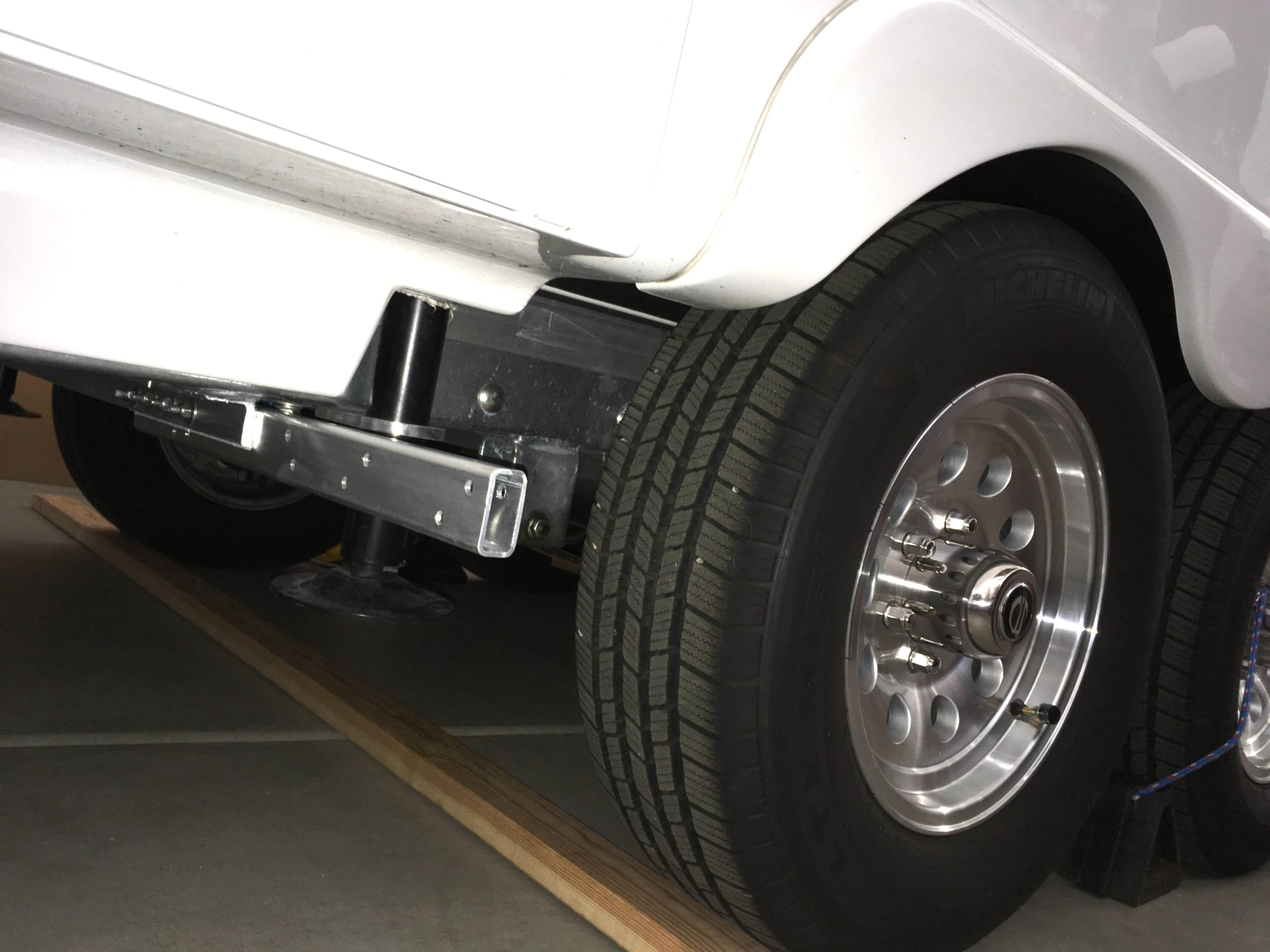
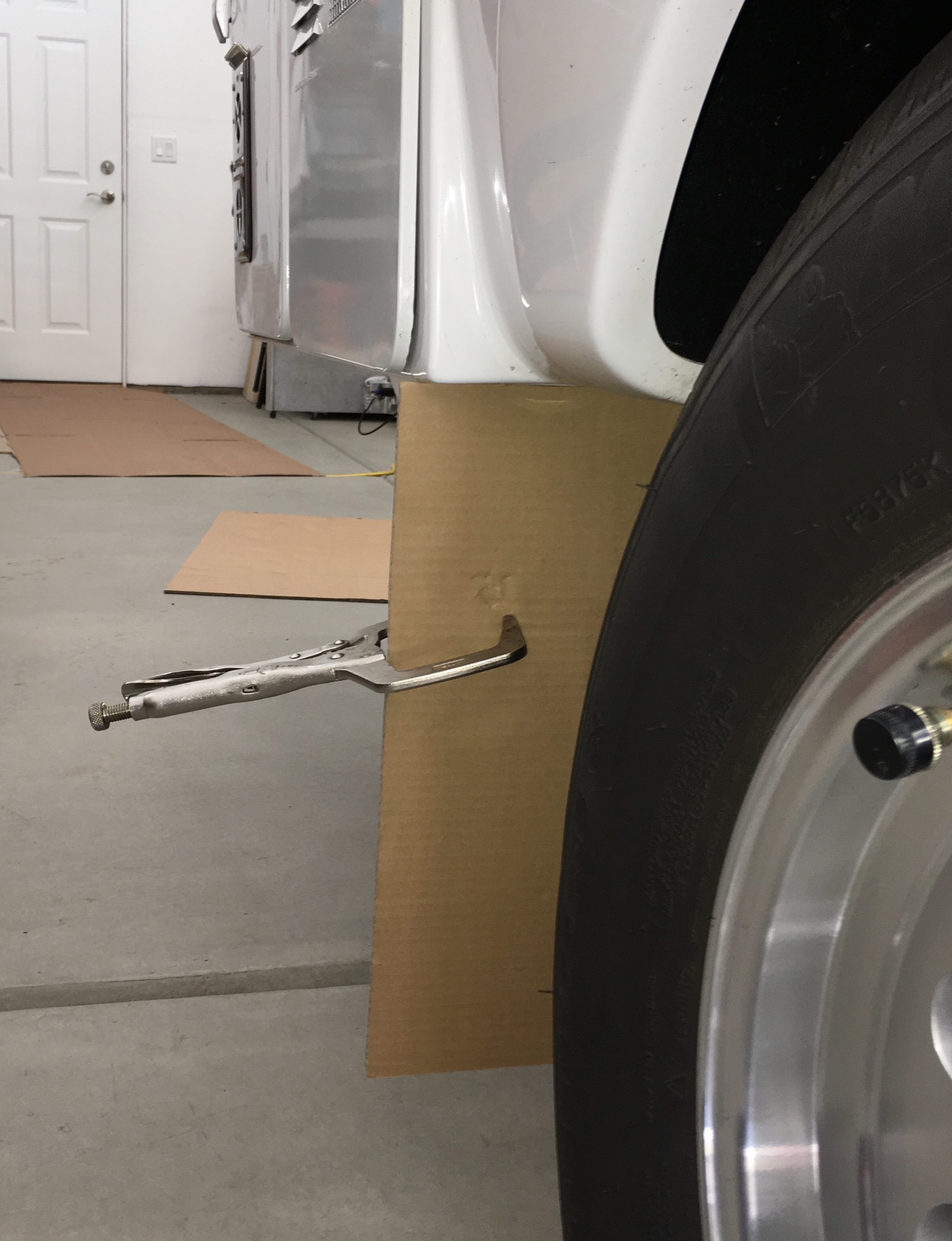
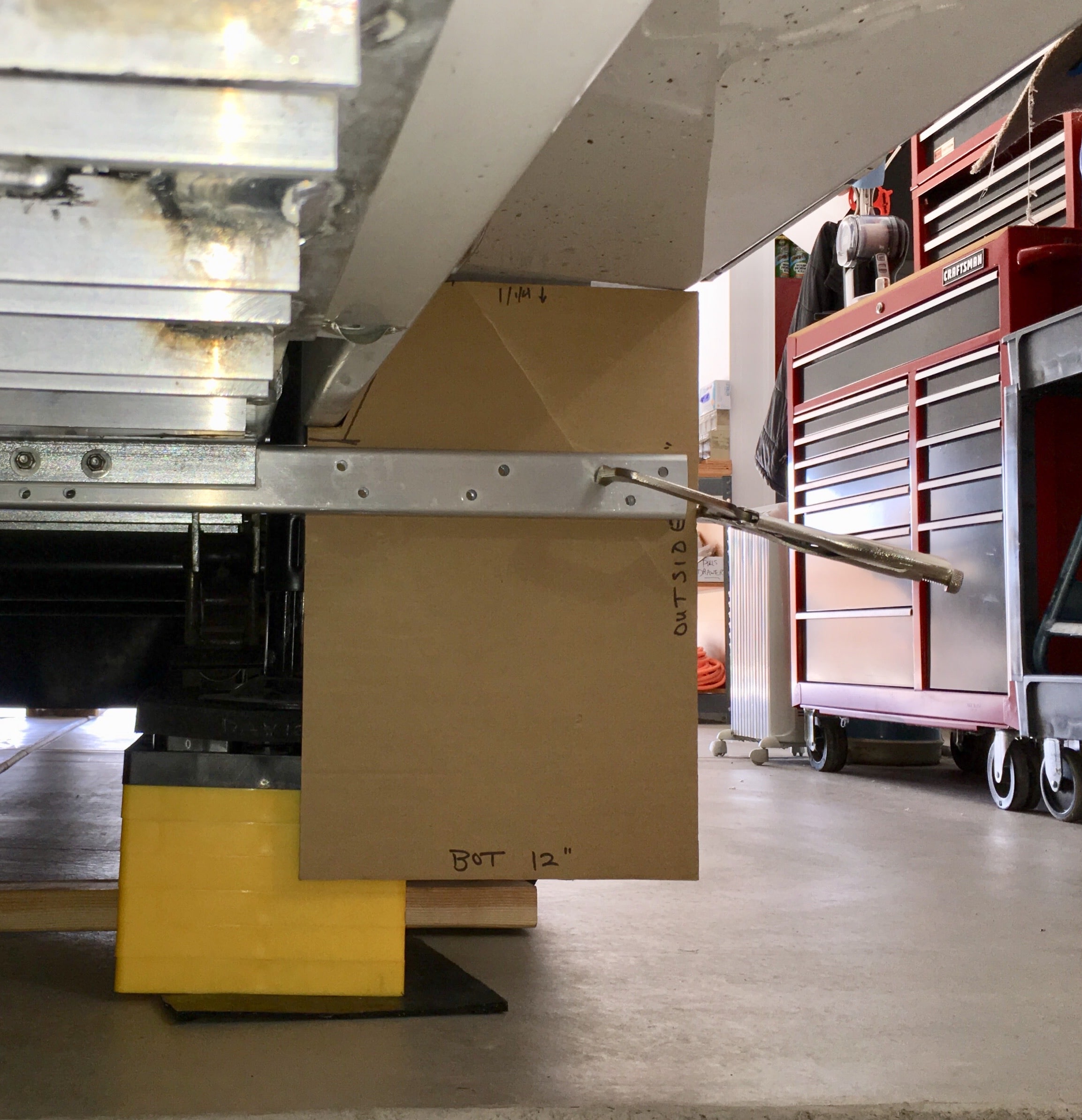
This thread won't have much How To info, mostly pictures. The two aluminum arms were installed using the same methods described in this thread - refer to that if you have questions. ... http://olivertraveltrailers.com/topic/how-to-stone-stomper-gravel-guard/ Note: The steel subframe should be electrically isolated from the aluminum arms as much as practical. I used stainless hardware and bedded the two parts in a thick layer of 3M 4000 Adhesive Sealant. The flaps are universal ones, 12 inch by 18 inch, that I found at a local ranch supply for $18. The size was perfect, all I had to do was notch the inside to clear the hull. They are this same brand but the embossed pattern is a little different: ... https://smile.amazon.com/dp/B0002MA68M/?coliid=I1N0SYMJAAHKPN&colid=1X5H11EH41351&psc=0&ref_=lv_ov_lig_dp_it I mocked up a flap using cardboard to mark the cutout.
 2 points
 -
Yes and no..... If you have a TPMS system, the hot hub will show up on your display and a warning will sound, and it may give you some time to get to a shop. If you don't have any way of monitoring the hub, then the first sign something is wrong might be be nasty noises and smoke coming out of the hub. I have had several bearing failures over 40 years, luckily all but one I caught in time. The one I missed was on a little motorcycle trailer with 8 inch wheels. It did not like cruising at 75 mph for three days straight and one bearing set disintegrated catastrophically. Everyone really should have a TPMS, it just makes sense for peace of mind and safety. It's also smart to physically check all the bearings routinely, say every thousand miles, by raising the tires off the ground and moving the wheels by hand. Rotate and listen for "dry bearing" rumbles, and shake the top of the tire inwards and outwards to watch for play. This latter check can be done in five seconds per tire when stopped with the tires on the ground and the trailer brakes off (a normal parked scenario). Put your foot on top of the tire sidewall and push violently inward as hard as you can, repeatedly, using all your weight. If there is play in the bearings you will see the hub move and it will make clunking noises. That second method only detects bearings that are REALLY loose, moving them by hand is a far better way to do it, I have caught bad bearings on rental trailers by kicking with my foot. It really does work. John Davies Spokane WA1 point
-
A grease gun, yup, the big one. And a tube of the proper grease (or two). The Easy Flex axle and 8 fittings per side are recommended to be greased every 3000 miles. The first time I did it, it took a full 14oz tube, plus a little more. The whole thing fits in a couple of plastic grocery bags, which then fits in a cloth bag like they give you at trade shows to carry your brochures in...1 point
-
Thanks again John. Your explanation and pictures should make this a straight forward project for anyone interested.1 point
-
AB Lifestyles made memory foam mattresses for our twin Ollie probably during the summer of 2016. They should have mattress dimensions with proper radius. If they can't find order information, please PM, I will get the order number and may also have a top view drawing of the mattresses in Ollie.1 point


-
Recent Achievements
-