John E Davies
-
Posts
5,759 -
Joined
-
Last visited
-
Days Won
243
Everything posted by John E Davies
-

Upgrade to lithium batteries blows circuit boards....?
John E Davies replied to John E Davies's topic in Ollie Modifications
I would be interested to see a wiring diagram, did you just dig around in the big wire bundle below the fuses to find the fan positive wire, and splice into it there? or did you go directly into the fuse panel somehow? Use a fuse tap? Got a link to that regulator or must I start searching?😬 If my furnace board is fried, I think it would make sense to protect the replacement from spikes and over voltage. Is the DC output of this device pretty stable? Thanks. John Davies Spokane WA -
Cold days in winter with minus degrees of Celsius
John E Davies replied to HenryM's topic in General Discussion
I think you could install a diesel forced air heater without too much trouble if you are skilled at fabrication, electrical wiring, and plumbing, or know a shop that could do it for you. However it would be VERY expensive if you had to pay a shop for their hourly labor. Installing a complicated hydronic system would be really tricky, since you would have to cut a lot of holes and run plumbing lines everywhere under the floor and cabinets. Alde does not sell parts individually, an Espar or Webasto marine system would be possible. When the big propane appliances and tanks are removed, it will open up a whole lot of space to mount the new parts and a diesel fuel tank. This would not be very hard to install..... https://www.webasto.com/fileadmin/webasto_files/documents/international/rv/data-sheet/rv-dual-top-evo.pdf If you decide to do this, please post a thread with pictures, I am sure many of us would be interested. I certainly would be. But I do not want to be the first to do it! John Davies Spokane WA -
AGM Battery Mount Problem
John E Davies replied to Mike and Carol's topic in Mechanical & Technical Tips
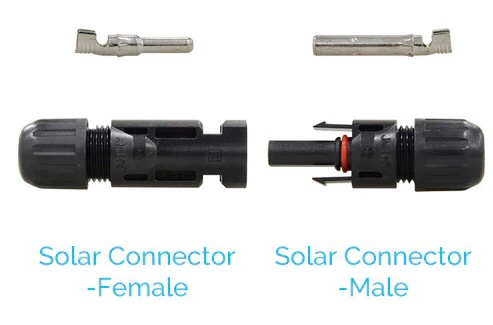
So you are using regular solar MC4 connectors? Do they hold up to repeated connecting and disconnecting? I would worry about possibly getting dirt and debris inside when disconnected. The Anderson Powerpoles are commonly used in dirty environments since they are open and “self cleaning”. .... https://powerwerx.com/anderson-power-powerpole-sb-connectors. But they are not waterproof in any way. John Davies Spokane WA
-
I agree with Overland, there are appropriate places to set this up, but understand that if you are boondocking in the West you would probably have it ripped off and blown into the next county within a few days. Those pictures look pretty, just imagine them with 30 mph wind gusts. You certainly would not be able to sleep in those conditions, with it rocking the trailer. Where do you live, but most importantly, where do you plan to camp? If there will potentially be wind, at least consider a free standing canopy, over a picnic table, for example. Anchored with four 40 pound sandbags. That way it won’t rock and roll the trailer. John Davies Spokane WA
-
Cold days in winter with minus degrees of Celsius
John E Davies replied to HenryM's topic in General Discussion
Henry, you need to send an email to Oliver Sales department with your questions. I think delivery to Europe would be out of the question, but starting a purchase from there would not be too difficult. You would probably need to pick up the trailer here in the USA, though I do believe they have exported a few to Canada. There are no other heating options beside the standard propane RV furnace. Too bad, many of us would love a diesel option similar to an Espar or Alde hydronic system. When you talk to them, mention your desire for better heating, maybe we will be able to buy that sometime. Welcome to the forum John Davies Spokane WA -
Upgrade to lithium batteries blows circuit boards....?
John E Davies replied to John E Davies's topic in Ollie Modifications
I was going to use Victrons, I ended up with Battle Borns. John Davies Spokane WA -
AGM Battery Mount Problem
John E Davies replied to Mike and Carol's topic in Mechanical & Technical Tips
That is great info, I plan to remote mount my controller, but I am not going to actualy bolt it down hard inside the trailer. I hope to figure out a way to keep it free, resting on top of a tire under the wheel well, so I can use it with the panels far away, like yours, or else attached underneath them in the factory location, if I wanted to use it for charging my truck battery when away from the trailer.... I was thinking about using high quality Anderson connectors. Thoughts? Sorry for the thread hijack. John Davies Spokane WA -
Upgrade to lithium batteries blows circuit boards....?
John E Davies replied to John E Davies's topic in Ollie Modifications
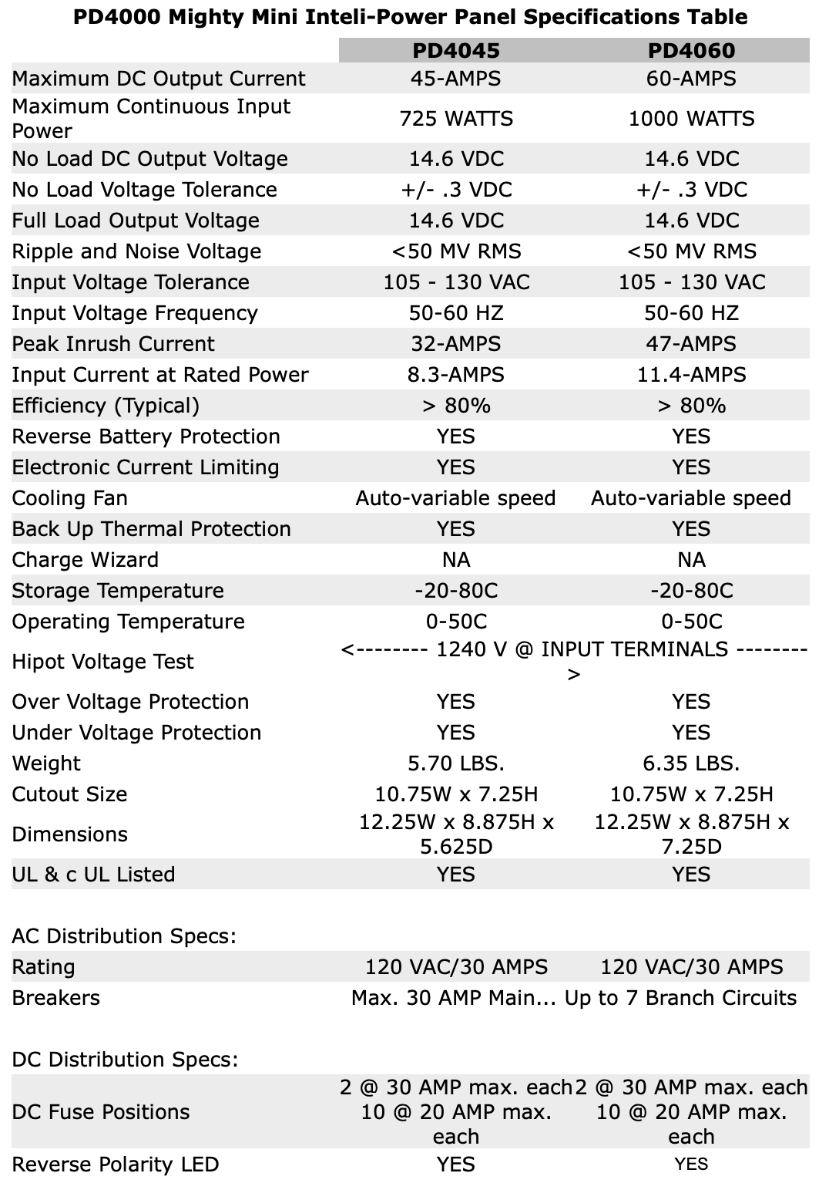
Overland, the output voltage of my PD4045 lithium section is not user adjustable, I found this statement: "Output voltage can be FACTORY ADJUSTED to meet OEM requirements for various lithium ion battery chemistries and Voltages. Standard “L” Series voltages are set for 14.6- Volts to meet requirements for lithium iron phosphate batteries. Other chemistries may require different voltages." I suppose I could ask if the factory can "turn it down", but I think that is probably a band aid fix for weak appliance boards that might fail anyway... I can't see one or two tenths of a volt making a lot of difference, the bigger spikes seem to be the issue. When my board (maybe?) went, the batteries were at less than 13.5 volts, no charging was taking place. Thanks, John Davies Spokane WA
-
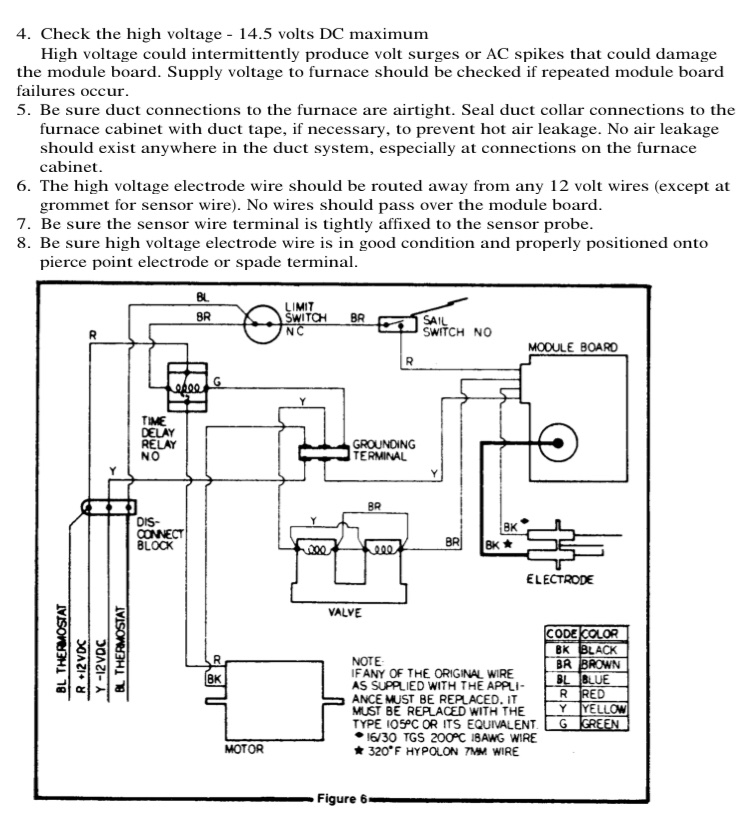
I have both a water heater and a furnace made by Suburban, and they warn in the manuals about over-voltage damaging the control board. The Progressive Dynamics lithium charger setting is 14.6 volts. I have been finishing my lithium battery upgrade and wiring changes including a battery cutoff switch. Yesterday I turned on power using the switch and my furnace fan started running, no ignition sparking, the thermostat was on OFF I had to pull the furnace fuse to shut it down. The converter was turned off and the solar was not supplying any power, but I guess the spike from the switch killed the board...? More testing to follow. Can anyone comment on better replacement boards? Dinosaur makes ones that are claimed to be more robust and to also have onboard voltage regulators, which would help with controlling spikes. https://www.amazon.com/Dinosaur-Electronics-FAN50PLUS-Universal-Igniter/dp/B009XU7H8Q/ref=sr_1_3?dchild=1&keywords=suburban+NT-12S+control+board+dinosaur&qid=1611762865&sr=8-3 “The FAN 50 Plus Pins is designed to replace the new Suburban® and Atwood® / HydroFlame® Fan Control boards as well as maintain backward compatibility with the Fan 50 Plus, and UIB Fan Control boards which have been available since 1994. This board can also be used to upgrade older furnaces to add the Fan Control feature.” My water heater board already failed once, I am thinking about replacing it and the furnace board to reduce the chance of future melt downs. Comments on the Dinosaur or other manufacturers? Does anyone know if Oliver has made changes to their appliance choices to reduce the possibility of board failure with the new Lithium Package? Thanks, John Davies Spokane WA
-
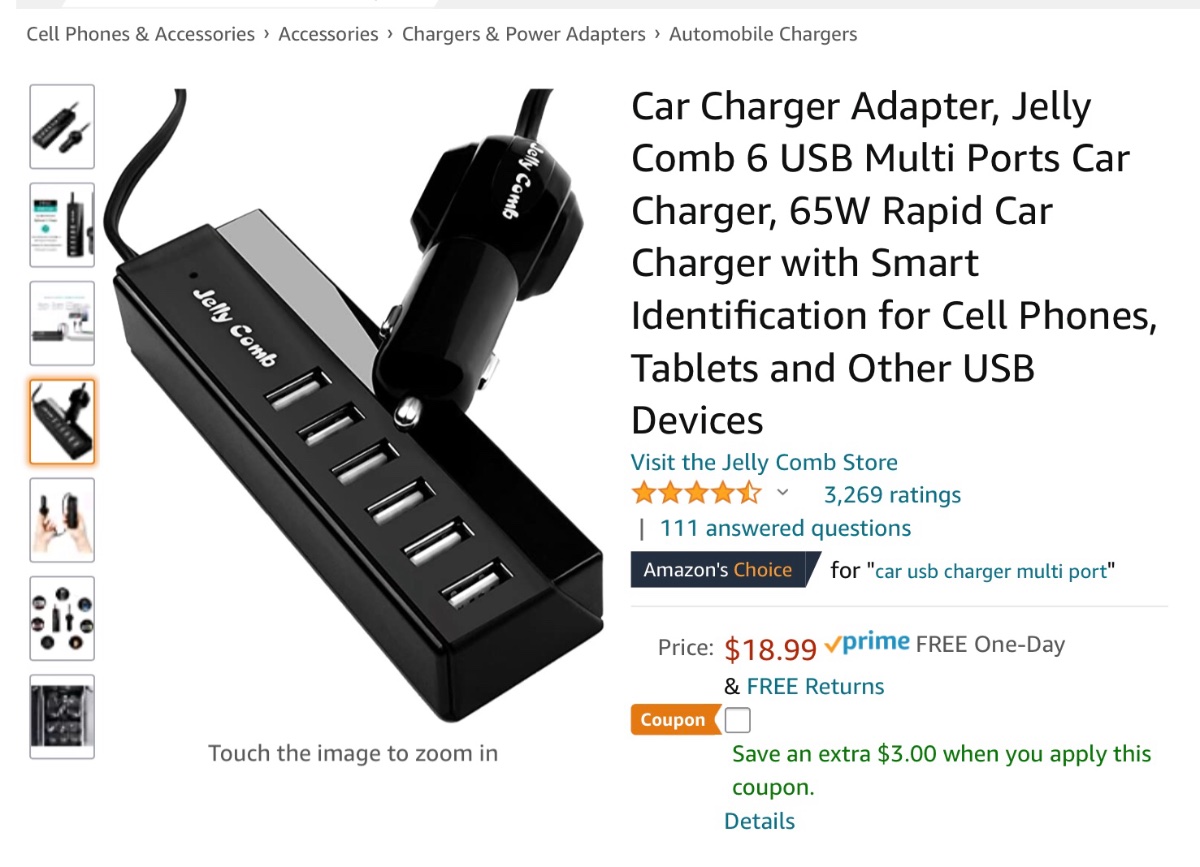
For me that (often) includes any manufacturer that uses fractured English in their product description, and any manufacturer that has a name that makes me laugh, or that I cannot pronounce: Wishinkle, AINOPE, Cluvox, AUKEY, Mongoora, TIKALONG, Jelly Comb (seriously???).... These are taken from a single page of Amazon USB chargers. Nope, no way for me, unless I cannot find a suitable mainstream brand like Anker. Sometimes you just have to buy cheap junk and hope you did not make a big mistake.... John Davies Spokane WA
-
AGM Battery Mount Problem
John E Davies replied to Mike and Carol's topic in Mechanical & Technical Tips
I find that very interesting, do they reach a full charge? I expect the reason the Renogy panels will work that far away is due to your lead acid batteries. Is the controller still mounted directly on the panel frame, or did you move it to the trailer end of the circuit? I have a new one just like yours that I haven’t even tested yet, I doubt it will function well at that distance without relocating the controller, since I now have lithiums which have a much higher charge voltage. BTW Renogy recommends no more than a 10 foot extension cable, and they also say if you remove the controller it voids the warranty....☹️ So if it is new, you might want to wait a year before doing that. Thanks, John Davies Spokane WA -
Yep, I agree, but I did find this one with a fuse from an unverified source. But only this one.... John Davies Spokane WA
-
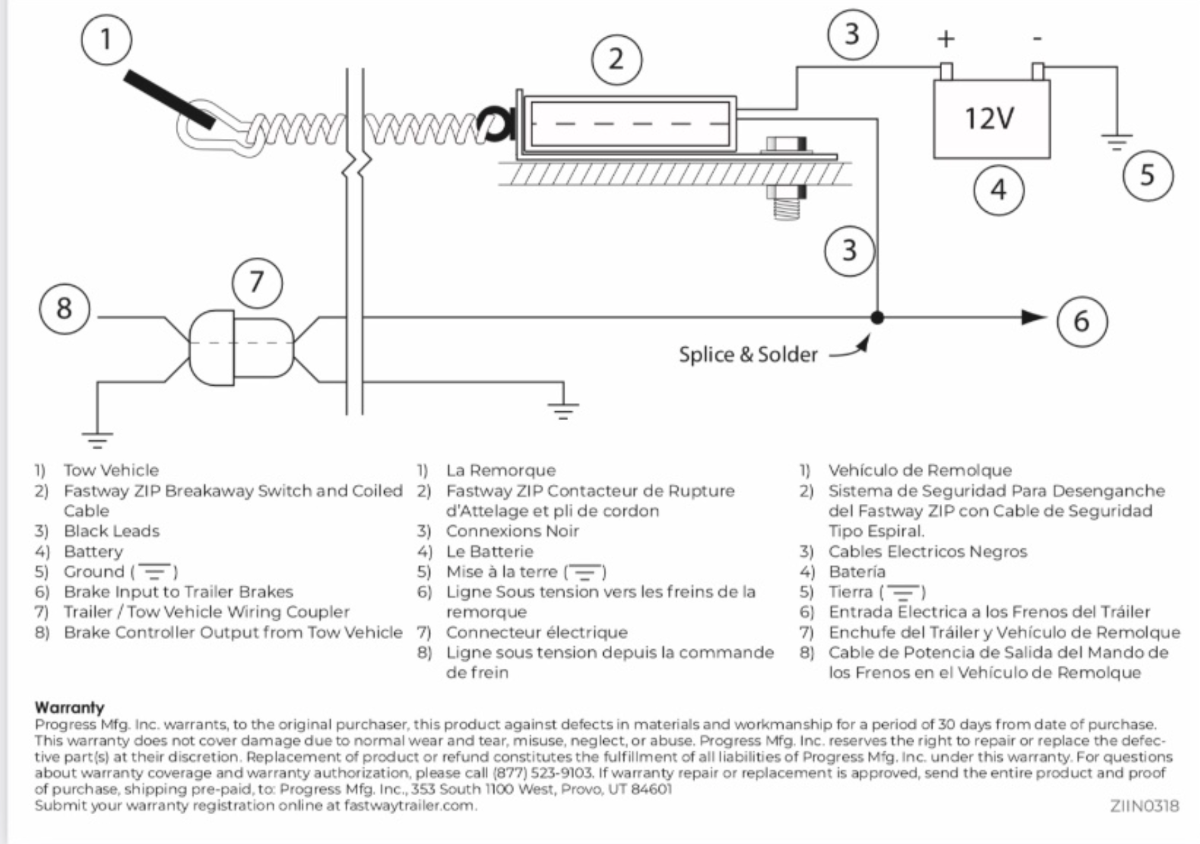
Thanks for all the comments. I did hear back from a Bryson Elliot, customer service rep at Equalizer Hitch, the manufacturer of the Zip BAW switch used on our Ollies. While he VERY expertly danced around the "Why" part of my message, he did say two important things: "There is not once in our company history since we have released the zip cable that we have had a problem with the zip shorting and burning the trailer at all." He did not mention internal (inside the hull) wire failure. "There isn't a need to use a fuse with the zip breakaway cable. However we haven't ever had any issues with people using a fuse with the cable. So you can do whichever you'd prefer." He did not say why their wiring diagram shows no fuse, or even a recommended wire gauge, for that matter.... I did look all over the Web for diagrams, I found ONE that showed a fuse in this circuit. No others. So, take his comments for what they is worth, they are still vague. Do as you feel, understanding the possible (remote, but maybe serious) legal implications of modifying this wire. I will open a Service request to see what Oliver says about this. Thanks for your time and participation. John Davies Spokane WA
-
Well, this has been very interesting, there are strong feelings on both sides. I am waiting to see if the BAS manufacturer replies with any useful info. If so, I will post their response here. As an ex aircraft tech, my personal view of the Oliver electrical systems is that they make mistakes or weird choices through lack of care in the production line, or from marginal design engineering. Like the inverter recall a couple years ago because they left off the mandated extra chassis ground (they never caught that very serious error until it was pointed out here in the forum and they were notified as a service request). Burying important wire splices in inaccessible places. Not using minimal cable lengths, and instead leaving the many extra feet of it in an unsecured tangle, AKA “rats nest”. Using grossly oversized inverter cables, which are costly and awkward to deal with. I am making those statements based on Hull 218, they have definitely improved, but I won’t blindly accept something like the lack of fuse protection here, unless there is a documented reason for it, one that actually makes sense to me. 😬 John Davies Spokane WA
-
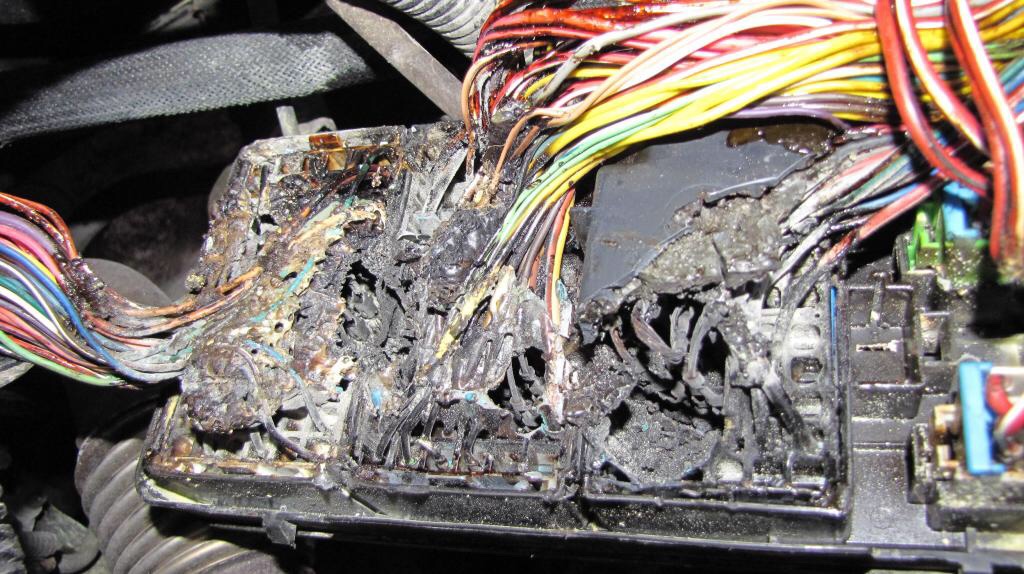
A fuse will not blow when the breakaway switch is activated when everything is working correctly, because the normal current flow is less than the fuse rating. The fuse is there to protect the wire if it should short out to ground, such as if a mouse chews through the insulation and the conductor touches the aluminum frame, and the wire suffers a severe current overload. The fuse pops, the wire is saved. If the same thing happens without a fuse, the wire overheats and literally melts somewhere. And your emergency brakes don’t work in either case. You still have to find and fix the problem, you just don’t have other burned stuff also, or, the worst case ever, have your beautiful Ollie burn to the pavement... Most people do not understand, a fuse protects the wire, not the device at the end of it. Your stereo shorts out, the fuse blows, the wire is safe, you replace the stereo and replace the fuse... no worries. Electrical fires are not to be taken lightly, use Google to look at some pics of “automotive electrical fire images”. Like this one: John Davies Spokane WA
-
Refinishing Foy Sperring Bath Mat
John E Davies replied to jordanv's topic in Mechanical & Technical Tips
Might I suggest that after fine sanding and prior to oiling, blast it with compressed air to get all the sawdust out of the pores. I prefer tung oil personally, it is pretty versatile and super easy to use. However, for my cutting board I just use the recommended (very oily) mineral oil, and I pour a little down each sink too, to lube the dump valve seals. Buy a big container, don’t get a small expen$ive bottle.... https://www.amazon.com/gp/product/B00VNI1JI0/ref=ppx_yo_dt_b_search_asin_title?ie=UTF8&psc=1 John Davies Spokane WA -
LOL, here is WA, same as Federal. https://app.leg.wa.gov/RCW/default.aspx?cite=46.37.340. Will we have to check all of the other 48 states, just in case one says "no fuse please"? If there is one, it makes no sense for everybody to have to blindly follow along. 😉 John Davies Spokane WA
-
Well, I emailed Fastway asking how they decided to draw their diagram with no fuse. Maybe they can shed light on this. I hate the idea of the "wire being the fuse" because it could literally fail anywhere along is entire length, so it might damage other wires, and replacement could be problematic and labor intensive. You can easily string a new BAS wire, but fixing other burned ones, not so easy, especially if it takes out a bigger high-amperage wire with potentially a lot more current flow, like one of those ginormous inverter cables... John Davies Spokane WA
-
That is a pretty darned basic diagram, and they don't show or even mention a fuse. An omission or a DOT rule? I rotated it so it is easier to read. John Davies Spokane WA
-
That was very useful. It does NOT have anything about fuses or no fuses. (d) Breakaway braking requirements for trailers. Every trailer required to be equipped with brakes shall have brakes which apply automatically and immediately upon breakaway from the towing vehicle. With the exception of trailers having three or more axles, all brakes with which the trailer is required to be equipped must be applied upon breakaway from the towing vehicle. The brakes must remain in the applied position for at least 15 minutes. So, I still think fusing that wire is a prudent idea. Unless there is some other section that discusses fuses? John Davies Spokane WA
-
It is pretty rare for a fuse in a good quality holder to just pop on its own, and if you check the BAW switch before each trip as you are supposed to, the system will be 100% fine. I think the code requirement is due to utility trailers with the battery and wires out in the open, where a cheap fuse would corrode due to water exposure (and neglect) and block the current flow. It wouldn’t pop. If Oliver wants to skip a fuse they should instead install a fusible link, inside at the breaker, which have been used forever in cars for applications where a fuse might not be ideal. BTW, the big problem with the Ollie’s Progressive Dynamics fuse panel is not the fuses, but the way they are poorly held in place by junky , unsupported pot metal ears. With a good panel design like in your car they would be very trouble free. John Davies Spokane WA
-
What was the date of those reviews? Gasoline or propane? Some older Hondas did not have a separate fuel shut off switch, so while it was running you just killed it with the combination ignition/ fuel shutoff switch. The problem with that is the engine is still spinning for a couple of seconds and it sucks unburned gas into the cylinder. That fouls the plug, washes oil from the cylinder walls, and leaves a lot of gas in the carb. None of that is good. My old EU1000i was like this, and it was always hard to start after sitting, at took at least half a dozen pulls. My Yamaha 2400 has separate fuel and ignition switches, so I can turn off the gas and let it run until it dies, THEN turn off the ignition. That empties the carb, most of the way. It always starts with one pull. It is a good idea to manually drain the carb after a camping trip, so the small amount left in there does not evaporate and form varnish, which can block the jets. And ALWAYS use a fuel stabilizer, unless you run propane. 😬 So be sure the unit you buy has this design feature. John Davies Spokane WA
-
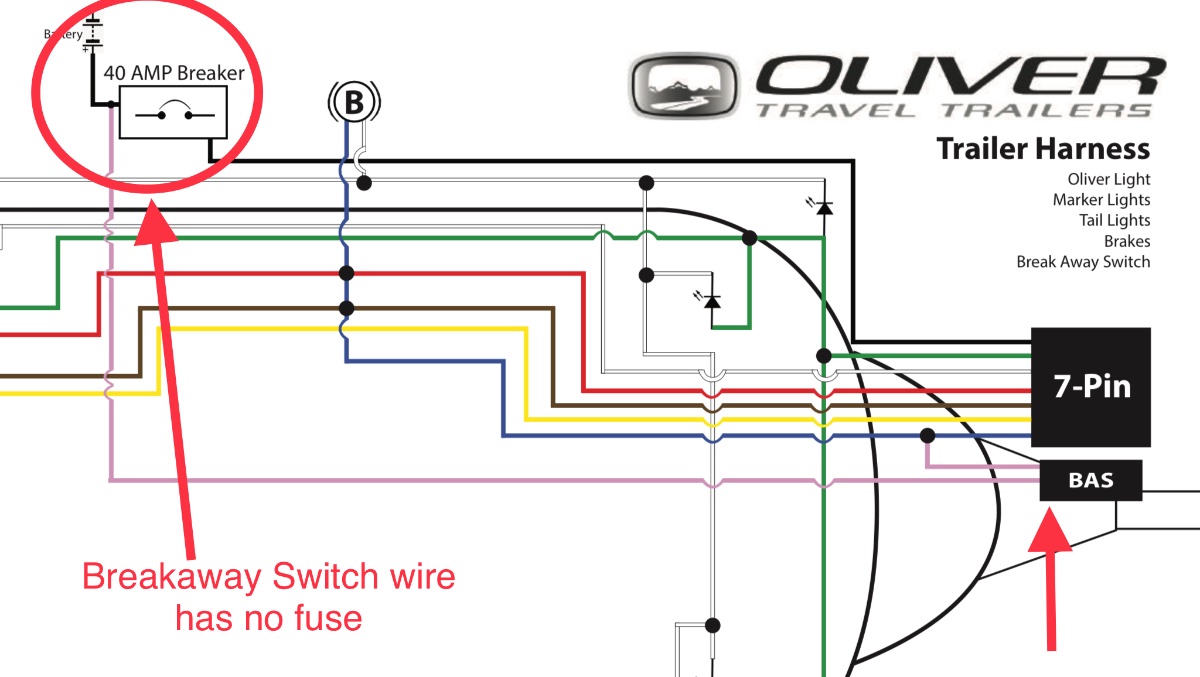
I have long been puzzled by this light purple colored wire that comes directly off the battery (hot) side of the 40 amp circuit breaker under the rear street side bed. It goes to the emergency BAW switch under the tongue, when that is pulled the batteries give full power to all four brakes by way of the blue wires, about 16 amps max for four brakes, (8 amps max for the Elite) depending on battery voltage.... according to The Internet. I added an inline fuse holder there and installed a 20 amp fuse. Does anyone know why this wire was left unprotected? A factory mistake or some weird code reason? Should I file a service request to alert them? It is dangerous to have an unprotected wire, it could cause a fire. BTW I have measured the brake current and with AGM batteries I have never seen over 3.0 amps per magnet, I was going to install a 15 amp fuse but that might be too small, however with my new lithium batteries’s higher voltage, the current will be a little less. Thanks. John Davies Spokane WA
-
When picking a generator you must also consider altitude - about 3% loss per 1000 feet - not insignificant if you are really high up. And propane generators can get flaky in cold weather if the gas supply gets low, below about half the capacity. So if you are relying on it in winter for shore power you would be better off with a gasoline version. My preference is to have a completely independent gasoline powered source of electricity, not one that sucks propane out of the trailer system (especially if you have the smaller 20 pound bottles). https://www.generatorjoe.net/html/genfuel.html Picking a more powerful generator is always a smart choice, but only if the extra weight or size is not a problem. That way you can use more electrical stuff at the same time and you are not running it flat out all the time, which is stressful for the engine. Choose a generator with an “eco-throttle”; under lighter load it will idle down a little (more quiet), but if it is running at full output that feature won’t be useable. Be sure to consider the continuous rating, not just the peak (surge) number, which is not very meaningful. I personally feel that 2200 watts is a little small.... a whole lot of the decision depends on how often you think you will need it. And if you ever want to use it for home emergency power - bigger is much better, in that case. John Davies Spokane WA
-
1- The trailer is really well insulated, for an RV, so if it is closed up, the inside takes a loooong time to heat up, several hours or more. The other side of the coin is that as the sun sets it retains all that heat and is very slow to cool down inside, even with windows and the door open. You notice that especially when you open up a storage area under a cushion, it stays HOT under there. Same with the closet and pantry. If it is going to be hot enough for you to want AC it is best to start running it early to get ahead of the heat buildup. 4 - You are not supposed to run the generator while it is on the tongue. This is the lawyers speaking, they do not want you to gas everybody, and then have your heirs sue the company. You are supposed to put the generator at least 50 feet away. I don’t think ANYbody does that, but you must remain very aware of wind direction, and not keep any windows or vents open where exhaust gas could enter. Plus a running unit on the tongue will be felt inside, that isn’t so good if you want to nap. I think you will quickly learn that finding shade to park under in blistering weather is a big priority. if you have shade, you don’t need the AC for a brief stop, especially before the full heat of the day. At 4:00 pm, it’s going to be pretty darned uncomfortable inside. Hopefully you stopped and hooked up to external power long before that. You will also learn to look for a site with a tree on the southwest side, to provide shade as the sun gets past its zenith and the temperature soars. A site that is shaded in the afternoon is precious! If you will routinely be in 100 degree temps, do not buy the lithium batteries, that kills them. Go with cheap flooded batteries and plan to change them often as they die. John Davies Spokane WA