
Townesw
-
Posts
573 -
Joined
-
Last visited
-
Days Won
24
Everything posted by Townesw
-

Do Not Overfill Your Fresh Water Tank!
Townesw replied to Rivernerd's topic in Mechanical & Technical Tips
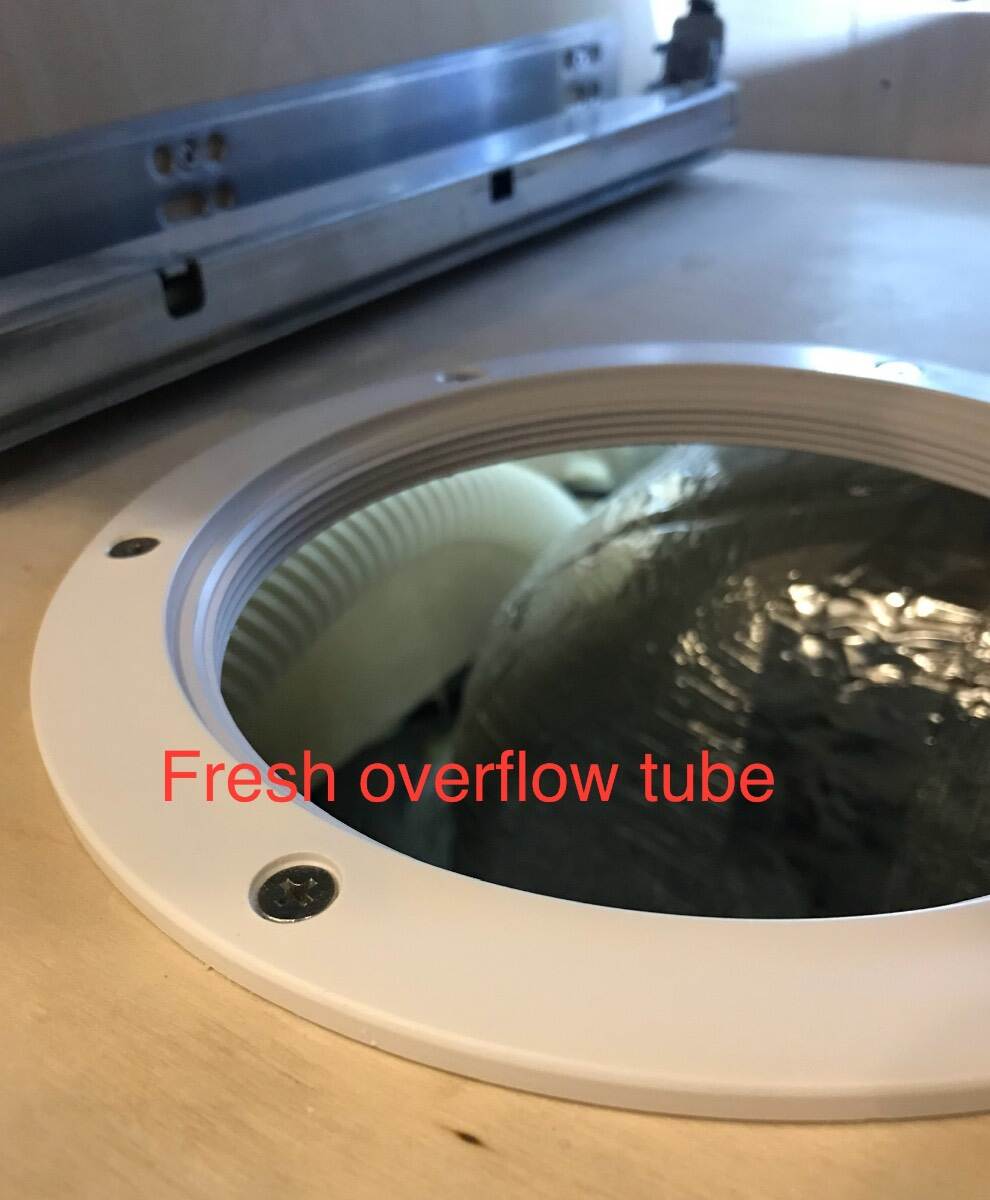
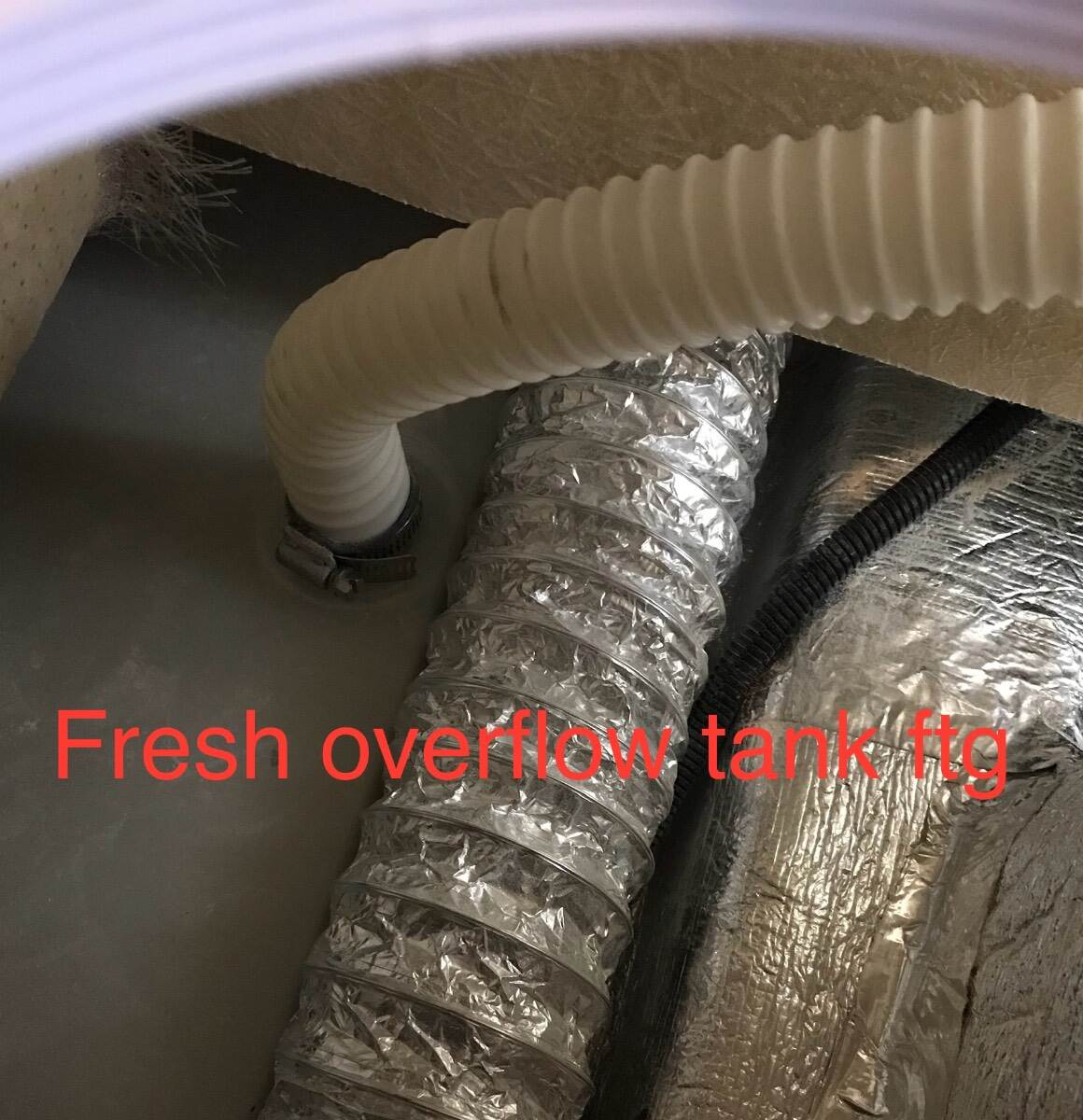
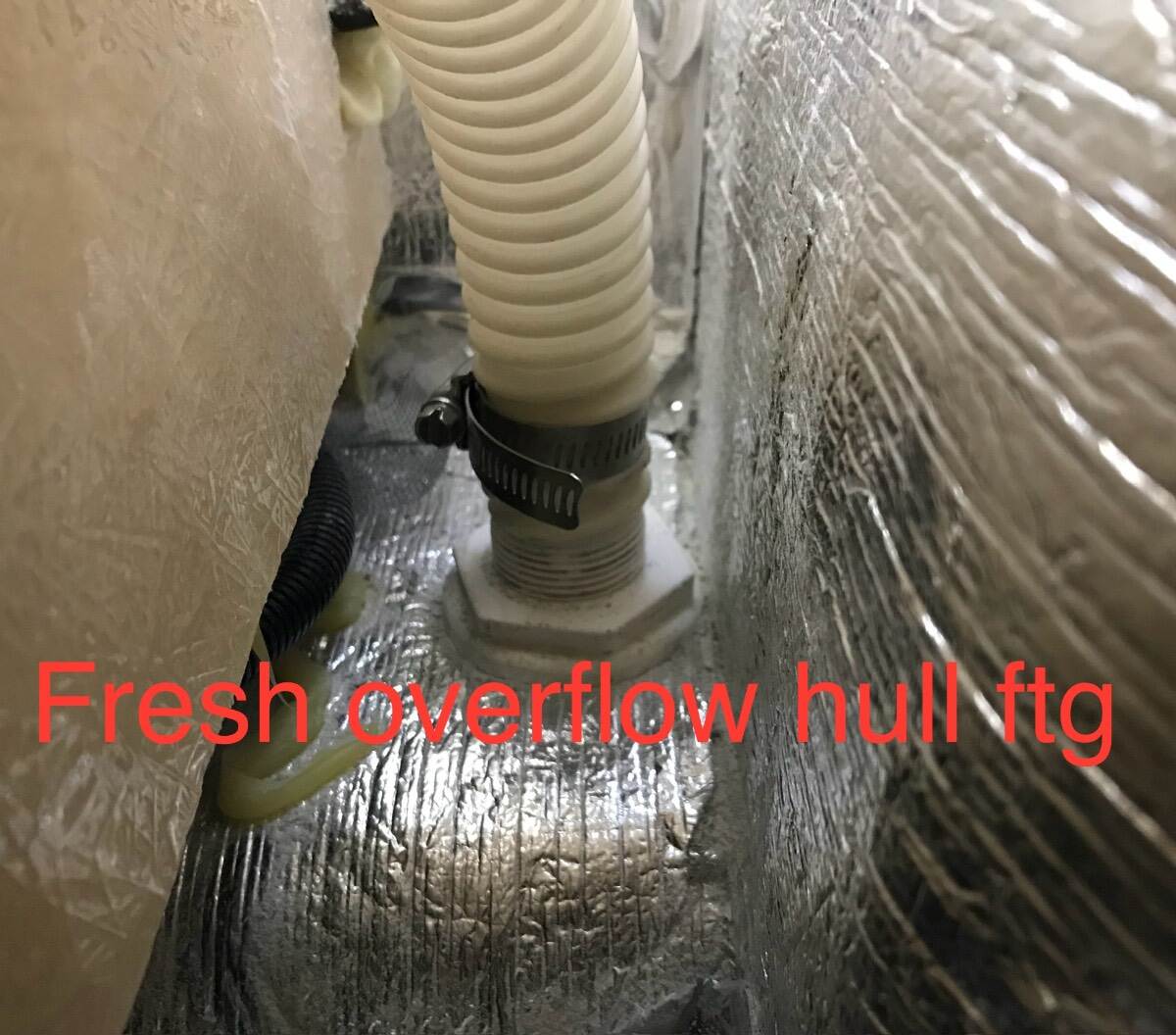
@Rivernerd Remove the drawers on the left side of the drawer stack under the kitchen sink. Look for a hatch plate in the bottom of the cavity. If you have one you should be able to remove the overflow tube to check for and remove any obstructions. The service dept cut that hole and installed the hatch in May 2018 when I suspected that the hose clamp on the through-hull fitting was loose. I have on my to-do list (still) to enlarge that opening to allow easier access to that area between the hulls. I think the factory started placing that access hatch in trailers built after that. Bill 2018 Hull 313
-
@Steve Morris First question: If I correctly understand you in your posts following the post that included this picture, you say that your hot and cold lines are reversed in this picture. Is this correct? The plumbing would make better sense if your lines were reversed in that picture. @Steve Morris or @mossemi Second question: When running off the pump you are pulling water from the fresh tank and sending that water through the water heater to a diverter and back to the fresh tank until it is hot. In this (running off pump) scenario you are conserving fresh water and grey tank capacity. When running off city water you are still sending that water through the water heater to a diverter and back to the fresh tank until it is hot. If your fresh tank is already full the excess returned water will just go out the overflow? Third question: In the city water scenario you are only conserving grey tank capacity. Is this correct? Bill - 2018 Hull 313
-
I need to replace the complete bathroom faucet assembly in our 2018 OEII Hull 313. I have entered a service ticket asking what is used in current production models but has anyone found an assembly that works better than either the faucet used in current production models or the old original Dura/Ramco model F-N-MK853-SN? Bill 2018 Hull 313
-
A day late posting but HELLO to the Oliver LEII parked at Ewen Pines Roadside Park on the UP on 9/17/2026. We were the Oliver blowing the horn. Saw you wave back! If you’re headed up the Keweenaw Peninsula check out Four Suns Fish & Chips across from the Quincy Mine. https://www.facebook.com/share/1D4iw9PFR9/?mibextid=wwXIfr Bill 313
-
- 3
-

-
@topgun2 Interesting museum in Dubois WY https://nmmv.org/ Bill 313
-
The Pines of Kabetogama, Kabetogama MN. We were surprised to see another Oliver here when we pulled in. Bill 313
-
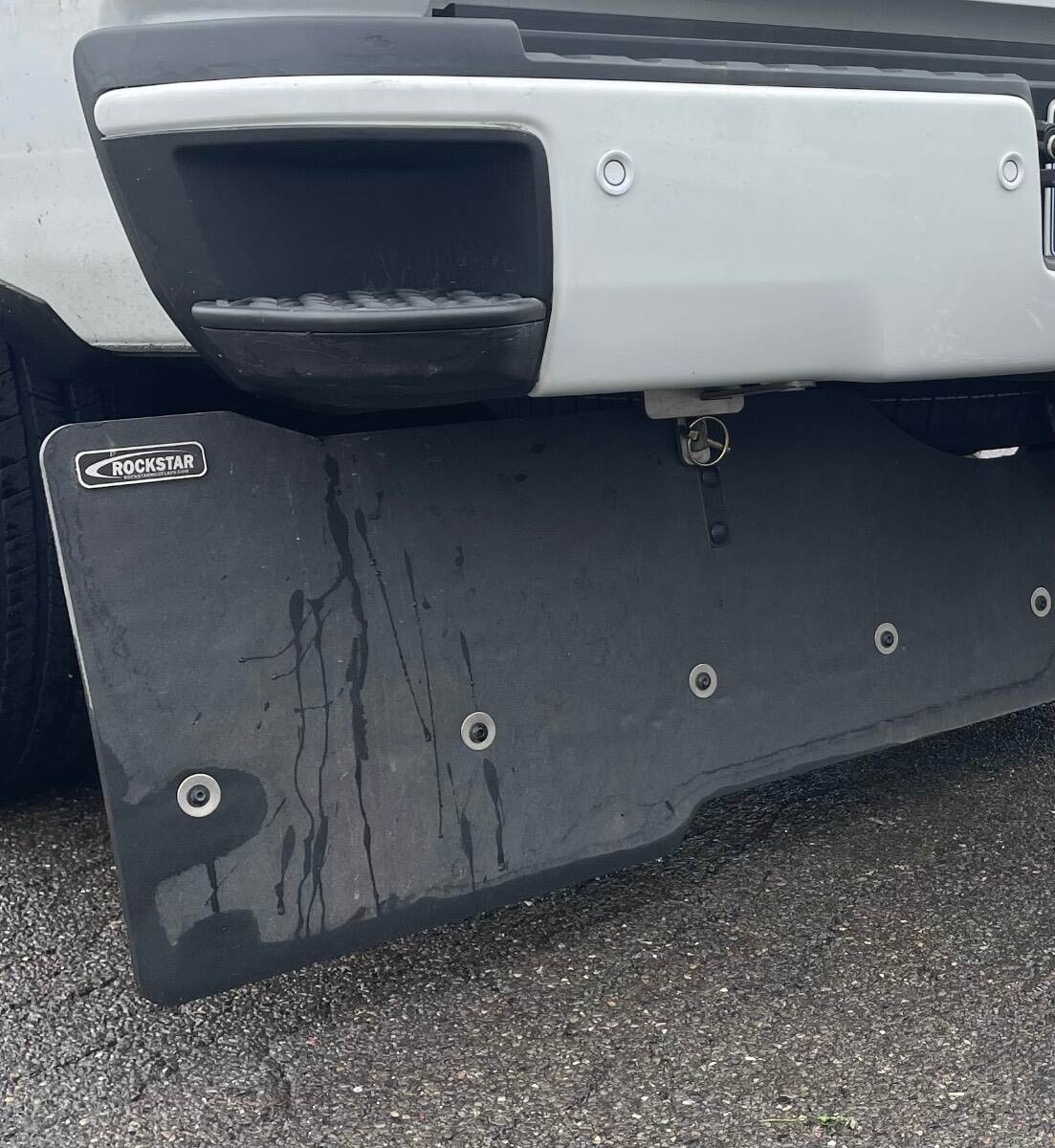
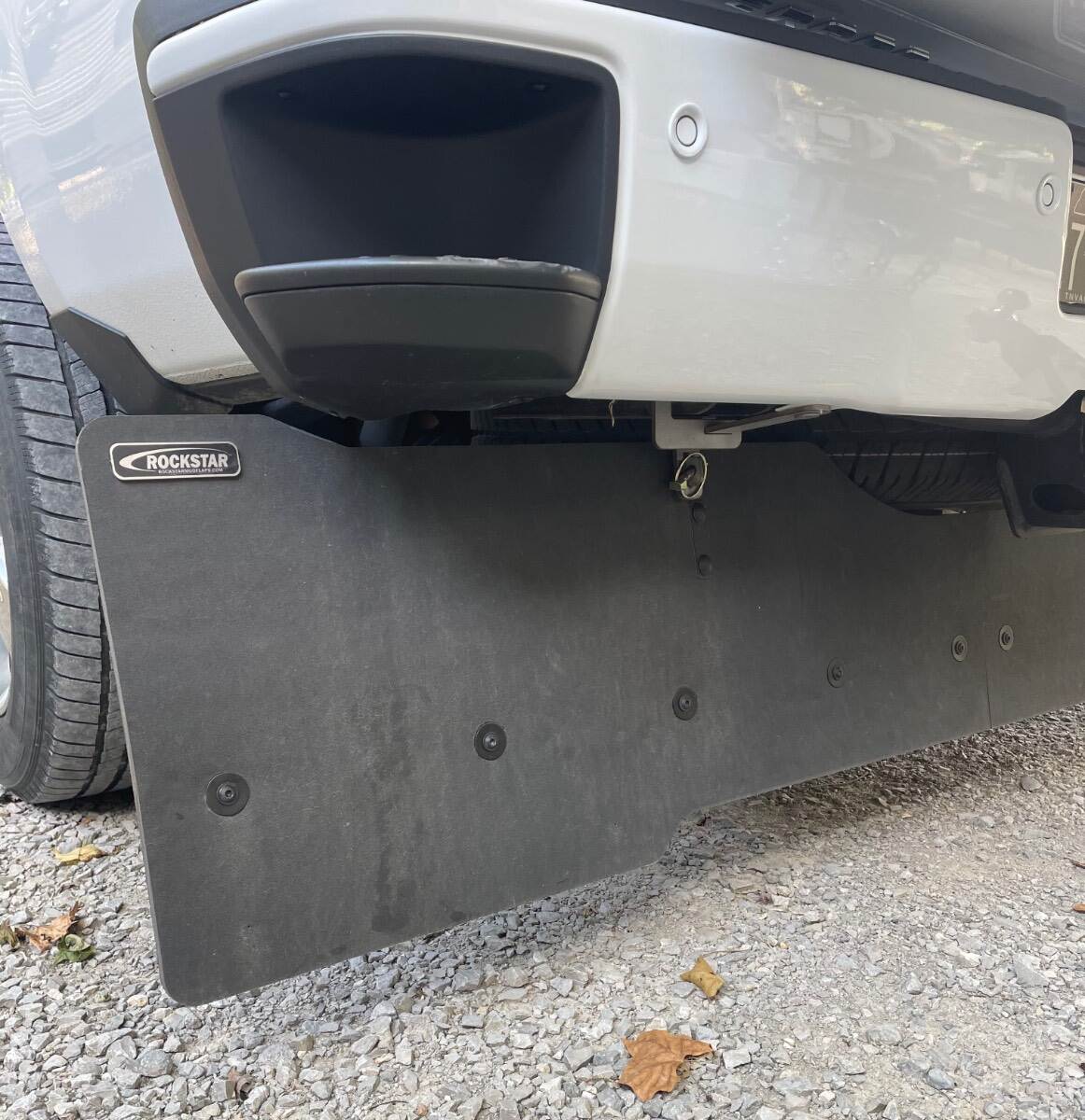
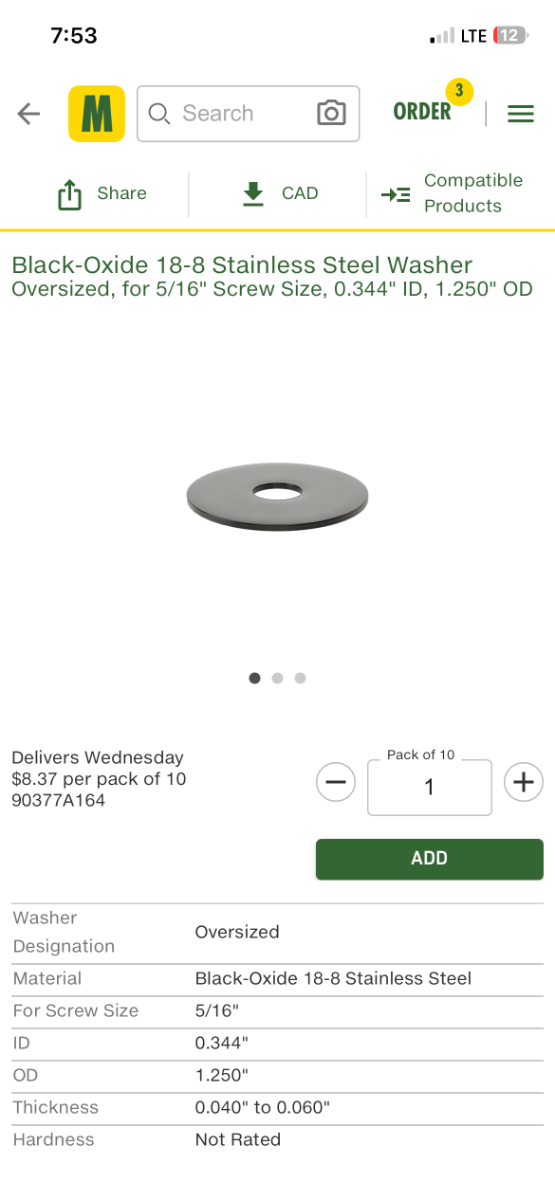
I added the SS fender washers like @DavePhelpsdid. I later changed them out to black SS fender washers from McMaster Carr. Bill Hull 313
-
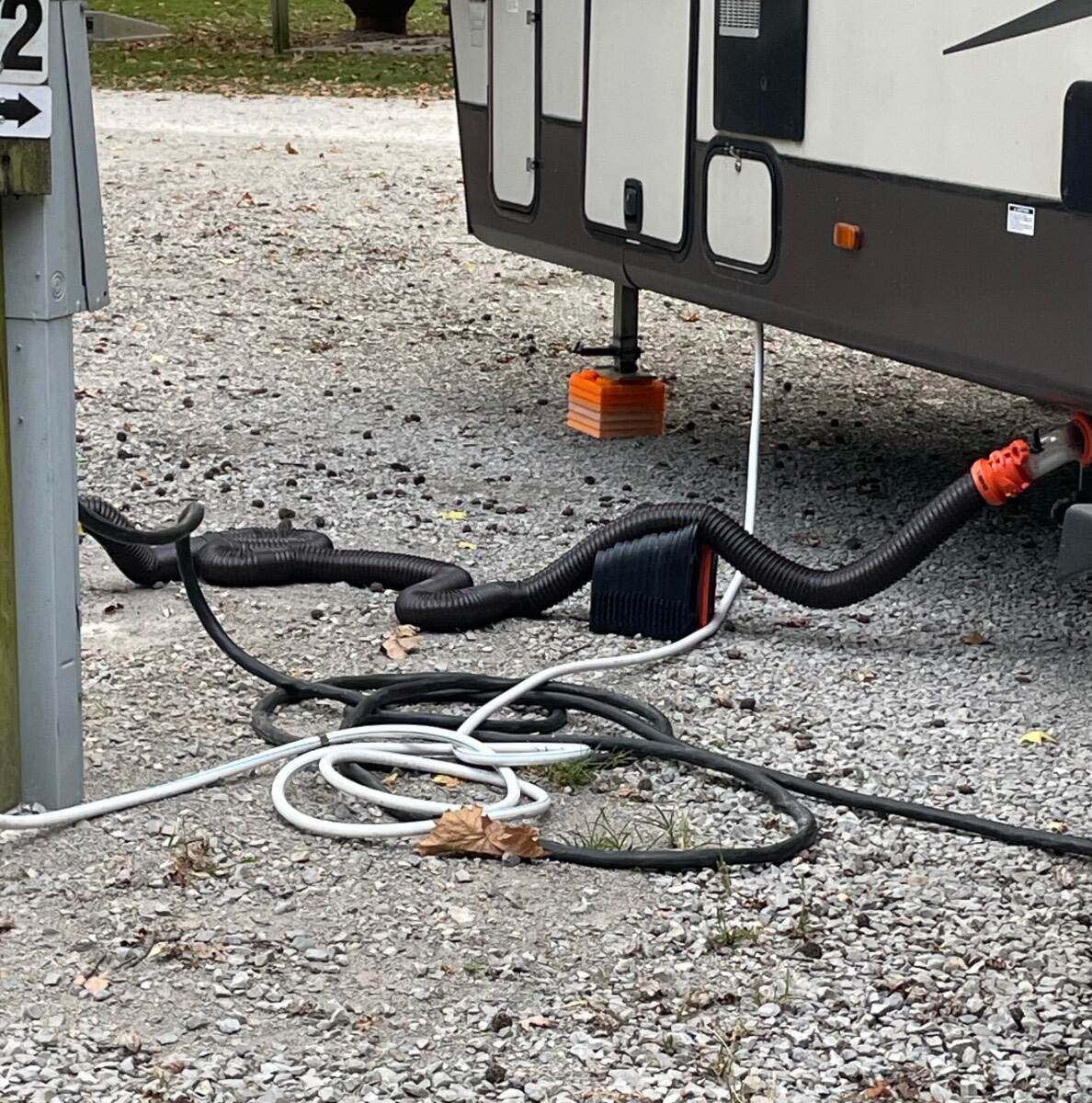
I’ve been using my sewer hose support wrong
Townesw replied to Townesw's topic in Mechanical & Technical Tips
There are only (3) rules of plumbing: 1. **** flows downhill 2. Payday is on Friday 3. Don’t bite your fingernails Bill 313 -
Apparently this is how you’re supposed to set up a sewer hose support EDITED 2 weeks later: I now understand that the owner has intentionally created a P trap in his sewer hose to hold water in the dip to seal off sewer gases because he keeps the grey drain open all of the time. @topgun2 alluded to this in his post but I didn’t catch on until 2 weeks later. Bill 313
-
Fresh Water Tank Overflow Condition
Townesw replied to Wayfinder's topic in Mechanical & Technical Tips
Reminds me of the pictures you get after a colonoscopy. Bill- 17 replies
-
- 10
-

-

-
@2008RN what are the dimensions of your shackles and what material did you use? Bill
-
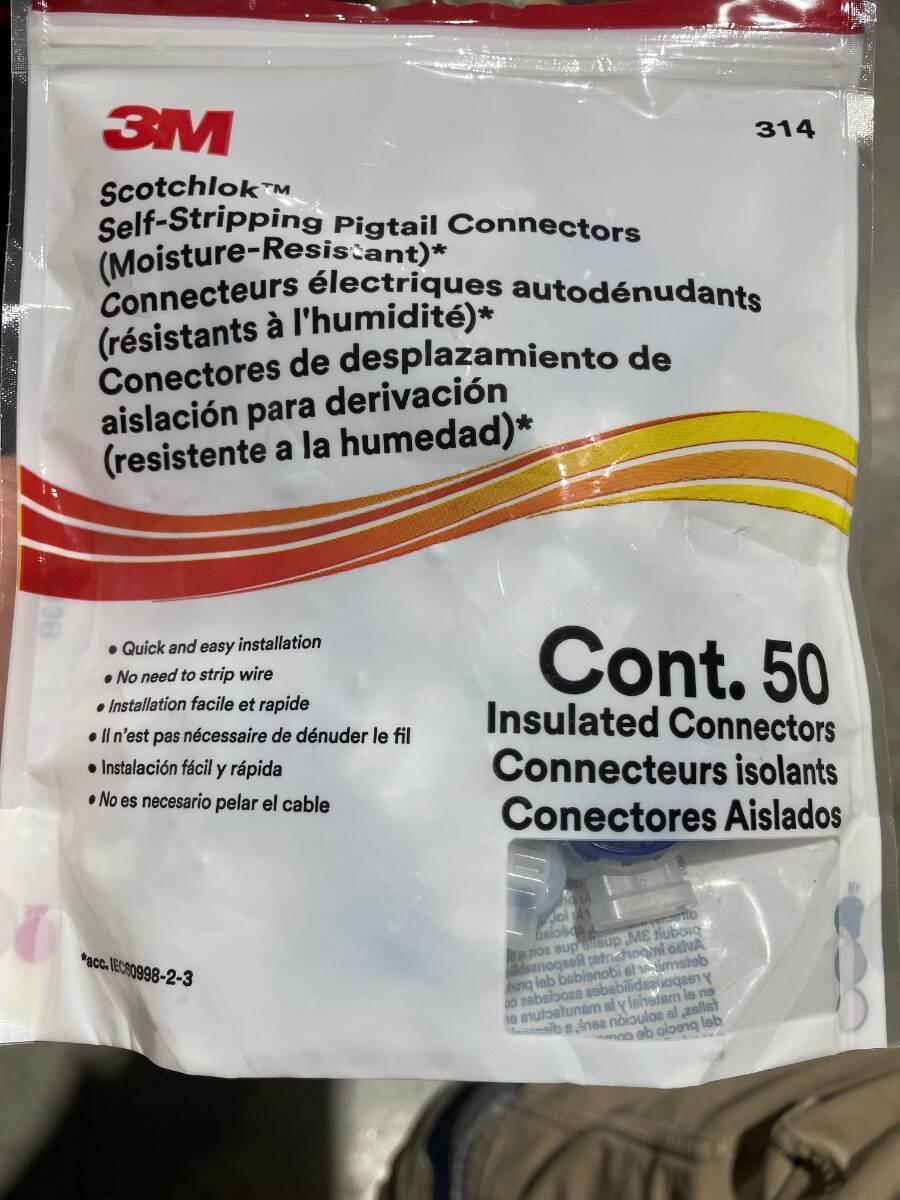
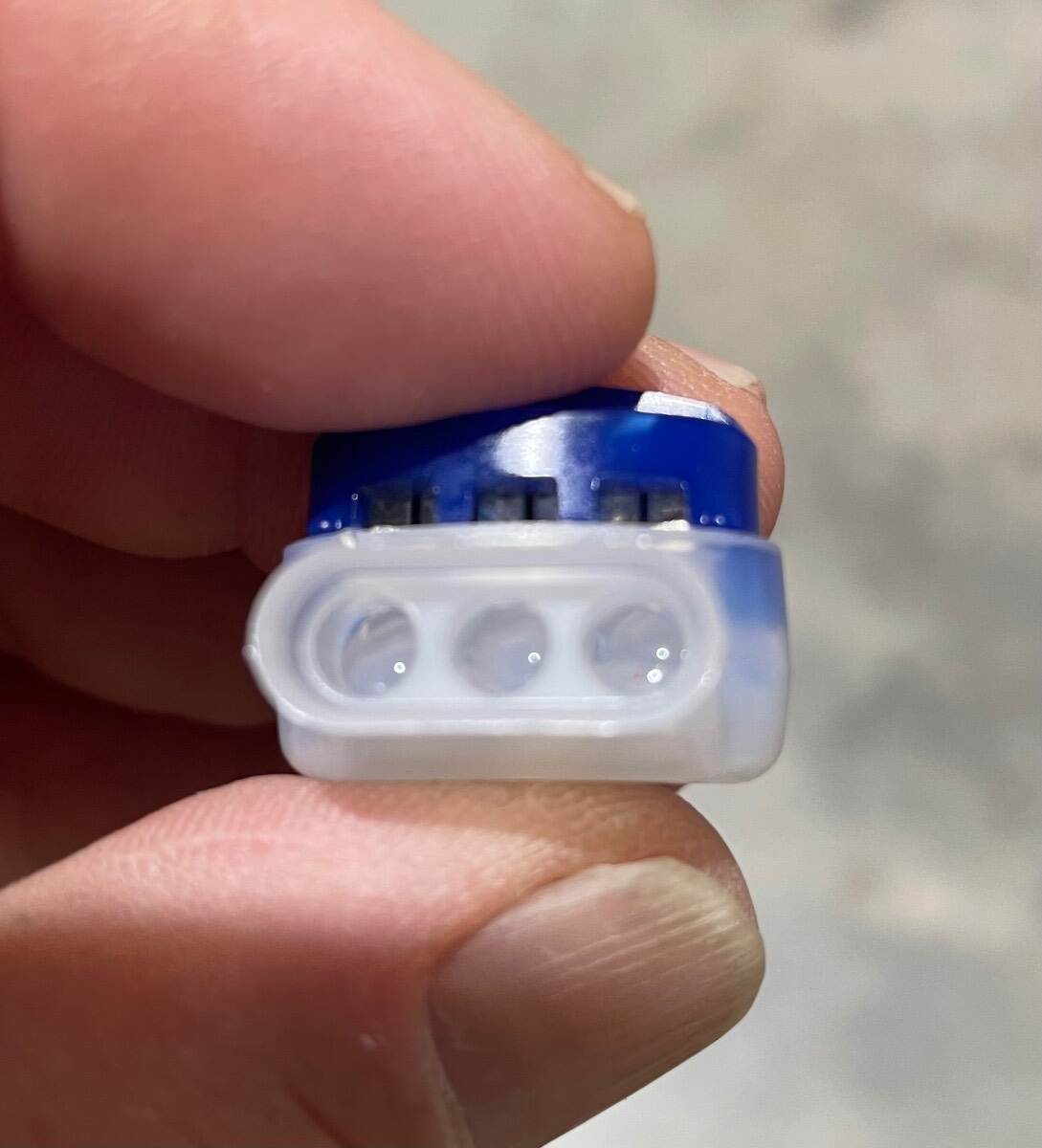
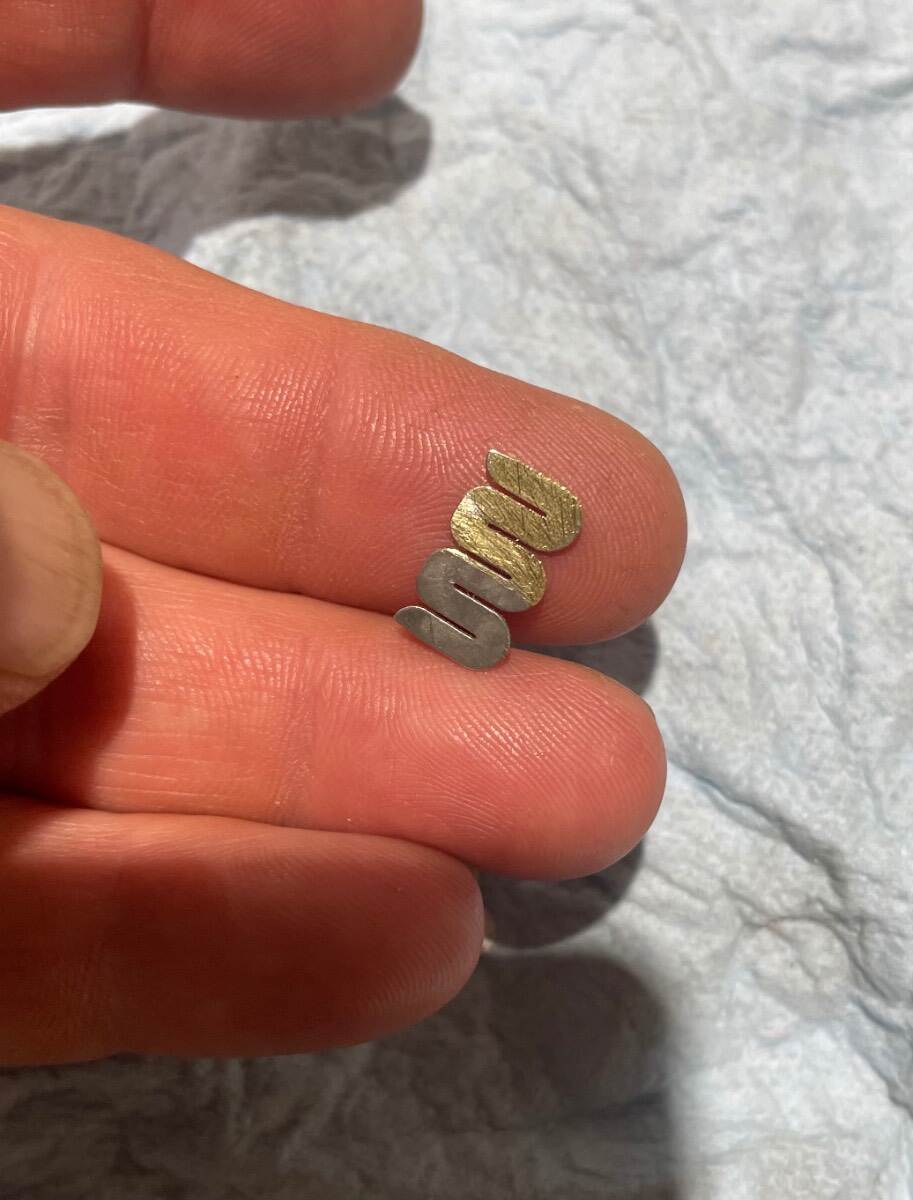
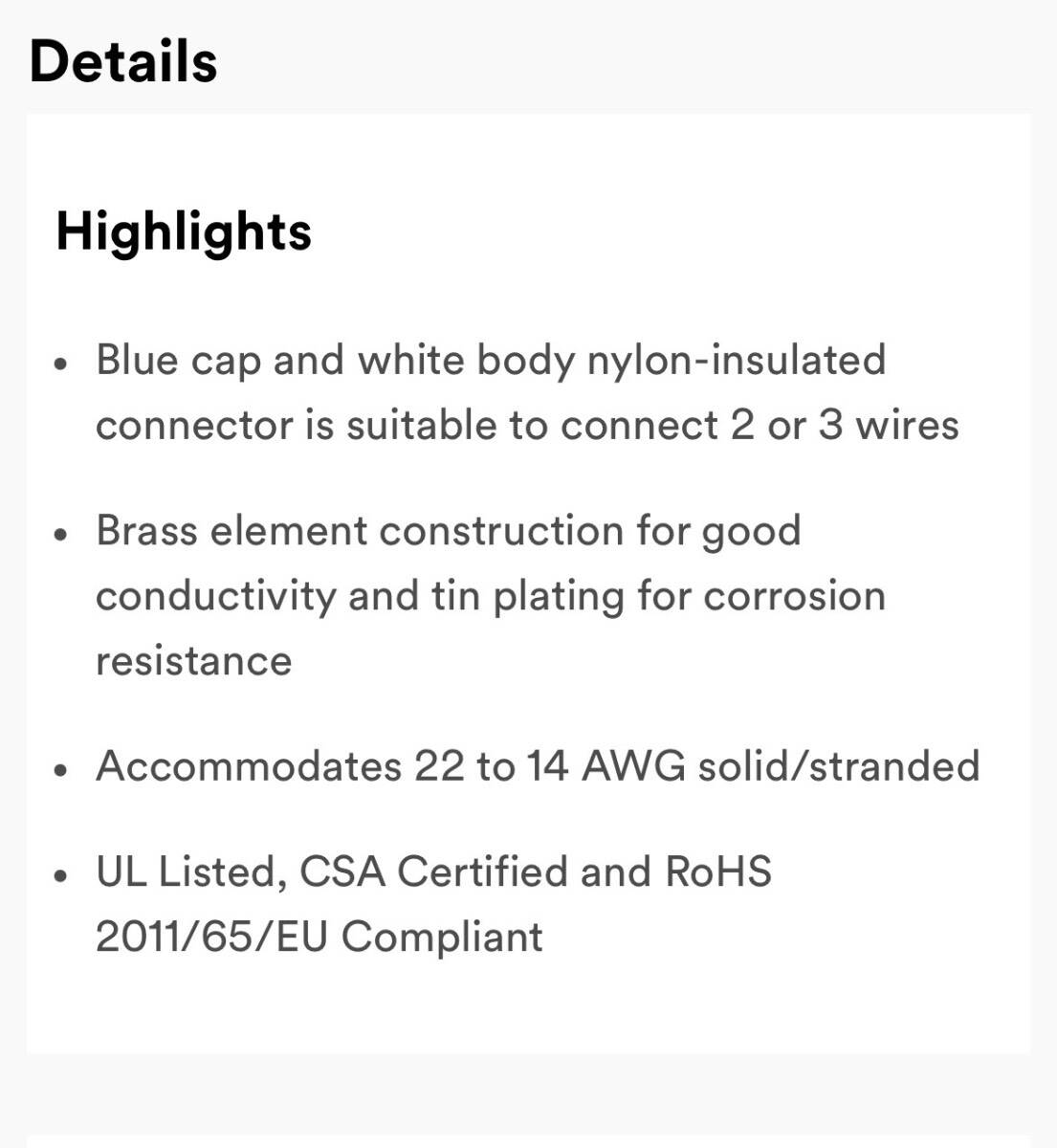
I used these to wire lights on a utility trailer. https://www.3m.com/3M/en_US/p/d/b10128463/ What would be wrong with using these instead of heat shrink butt splice connectors to make brake wire connections under the trailer? Notice that they are IDC (Insulation Displacing Connectors) and that they are water resistant (they contain what I think is dielectric grease). Notice also that they connect up to 3 wires, as in the situation encountered on the street side connections. I don’t care for the typical IDC connector (usually blue) with the fold over and snap down piece, but these are much better and they are made in the USA by 3M. EDITTED TO ADD: According to the 3M website the conductor is tinned brass. I took one apart and used a file to remove the tin. The blade is brass, or at least some kind of yellow metal. Bill
-
Looking for a part of a 2019 wiring diagram
Townesw replied to rferg800's topic in Ollie Modifications
Heck I just realized that mine is a 2018 trailer. I apologize for my mistake. Anyway, does this help any? Bill
-
Looking for a part of a 2019 wiring diagram
Townesw replied to rferg800's topic in Ollie Modifications
I have 2019 (correction 2018🤪) hull 313. What drawing do you want? None of the electrical schematics in my manual show either of the shore power outlets. -
Late February 2022 until Mid October 2025 - 3 years 8 months no trips. Bill
-
Please don’t respond with long winded dissertations, conjectures, theories, thoughts, wishes, guesses, etc., etc., etc. As Detective Joe Friday said "All we want are the facts, ma’am” Simply stated : What axles, springs, shocks, EZ Flex Equalizers, shackles and bolts are being installed on Current Production Legacy Elite II trailers being built right now? Also the same for the Apex model? Include part numbers and pictures if you have them. Bill
-
Look at using King StarBoard for a better waterproof mounting board. It can be cut and shaped using regular woodworking tools. I get mine from McMaster Carr but there are less expensive places to get it. A shipment from McMaster Carr usually arrives the next day depending on where you are. I think I have ordered some from TAP Plastics https://www.tapplastics.com/product/plastics/cut_to_size_plastic/king_starboard/526?gad_source=1&gad_campaignid=21137328659&gbraid=0AAAAAD_hg_I8XrL-S3Ima0ZSWbIsffsZk&gclid=CjwKCAjwmdLSBhANEiwAkREMN3hswfK8uVUE38-cgCmjAoCwEzeXRTPZLhht1xFJJ1A8-NIIMHzIkhoC2_gQAvD_BwE I don’t know why that link has to have so much gibberish in it. Bill
-
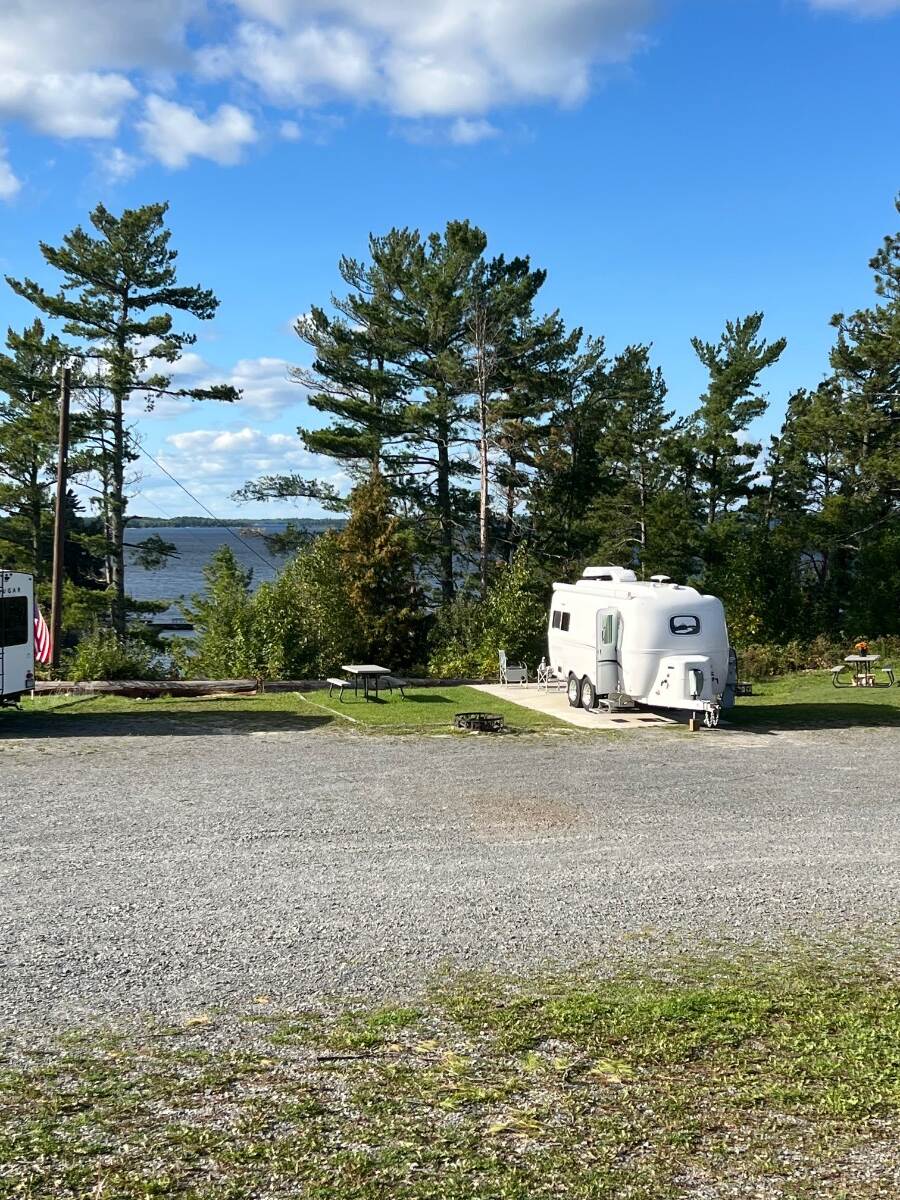
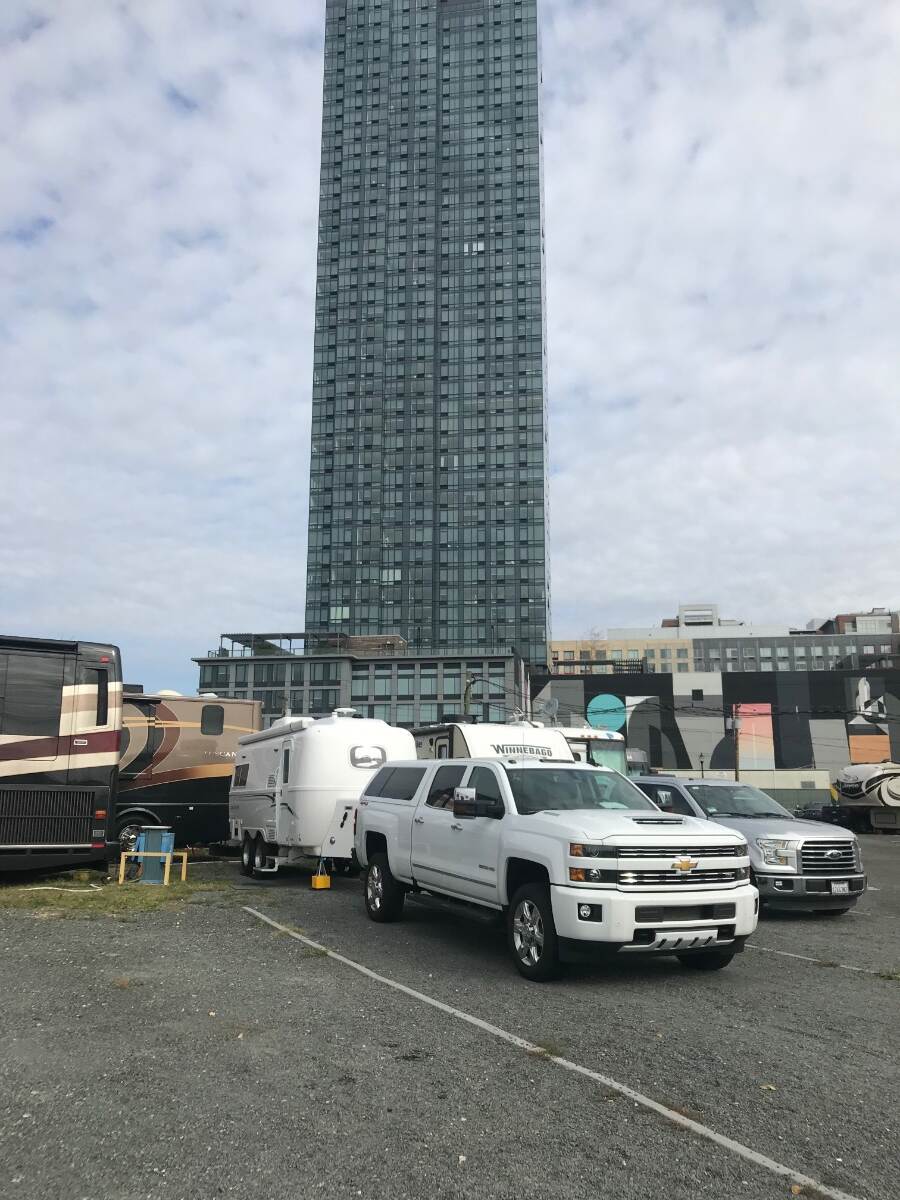
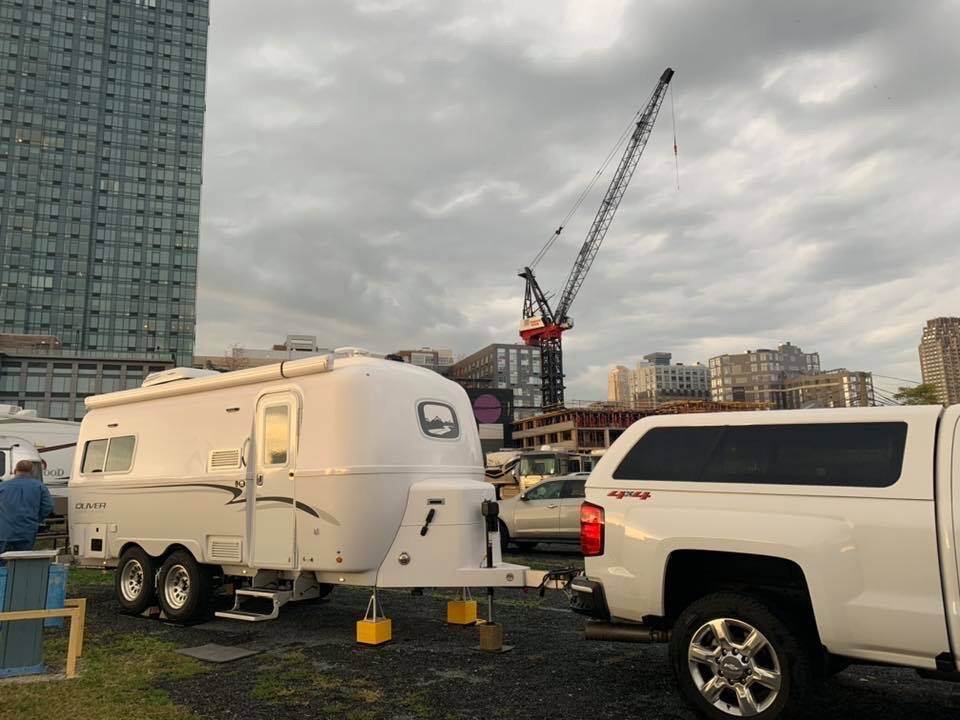
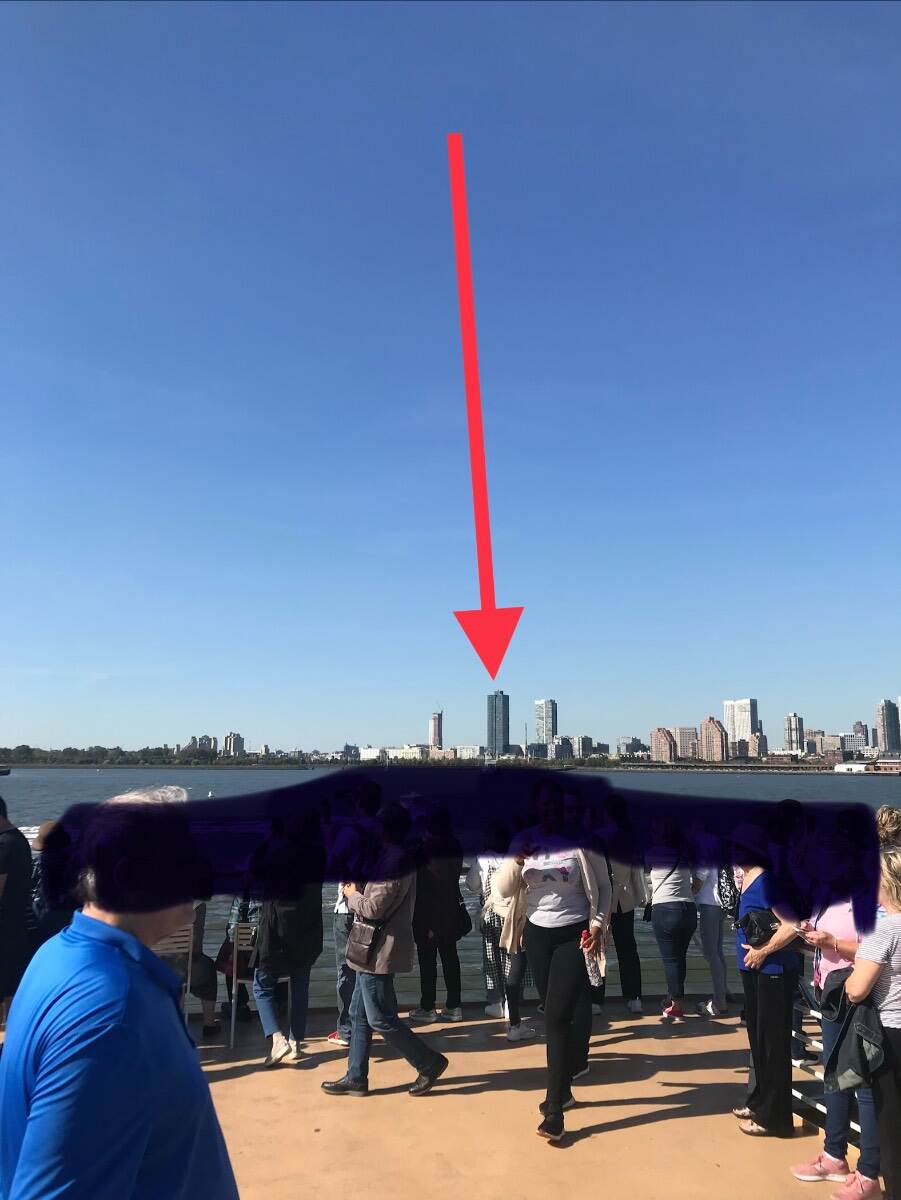
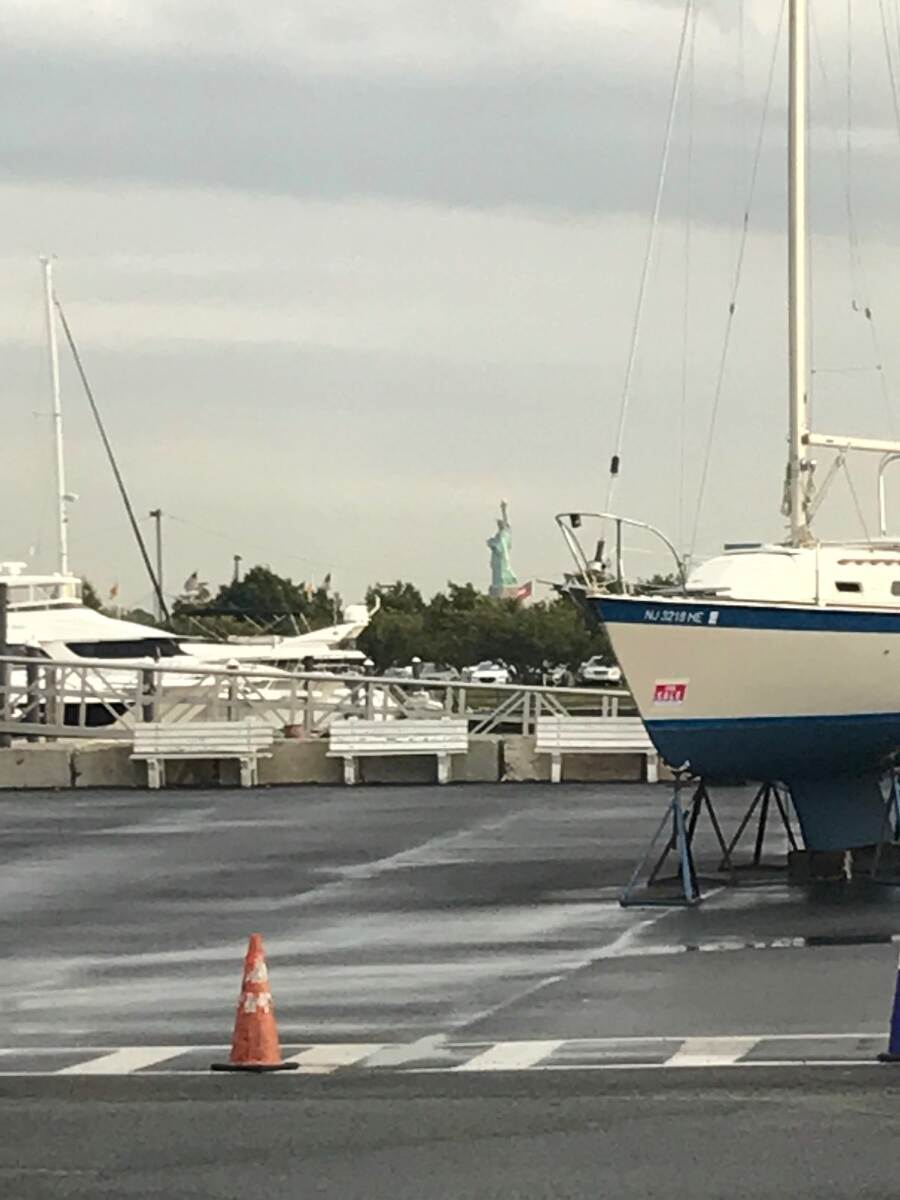
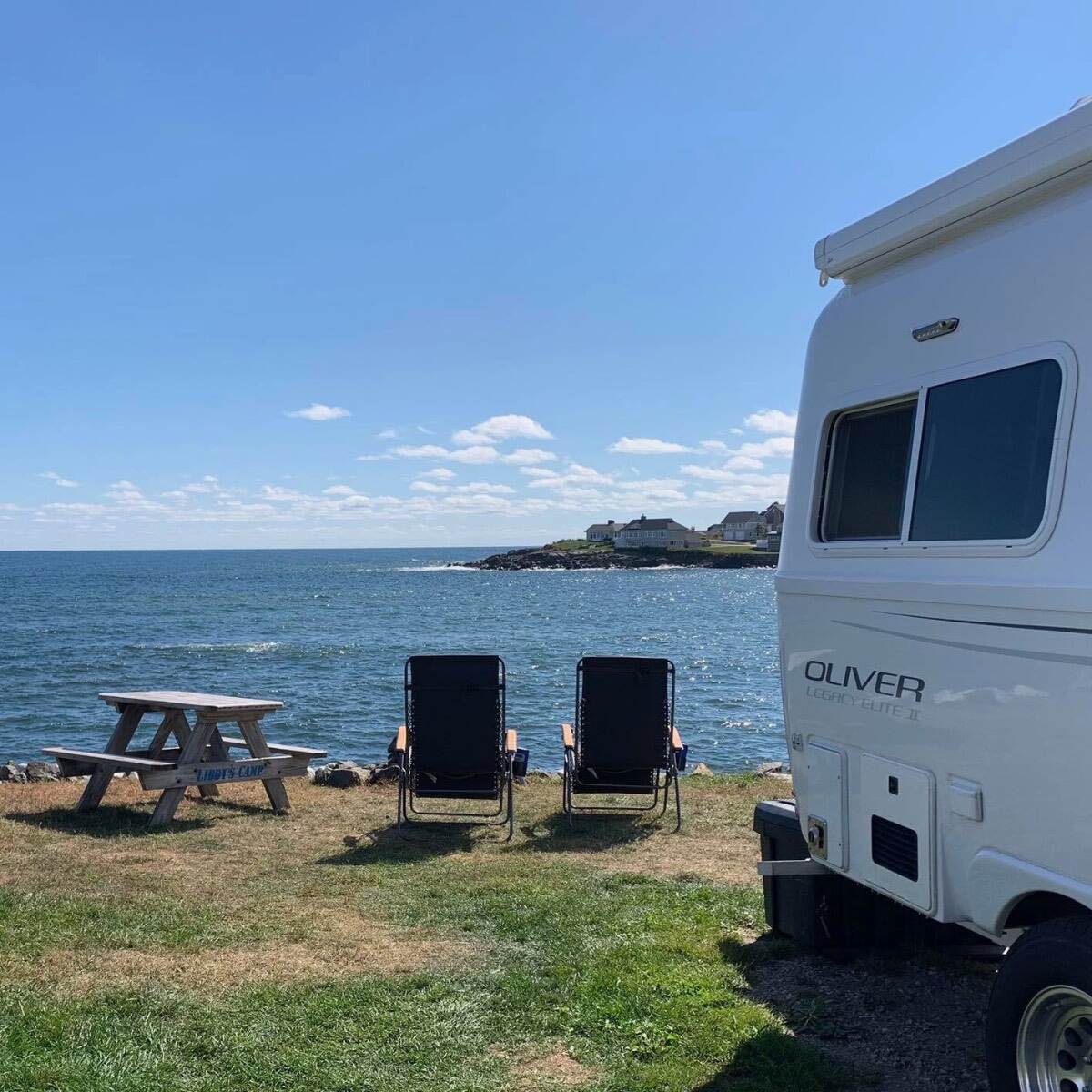
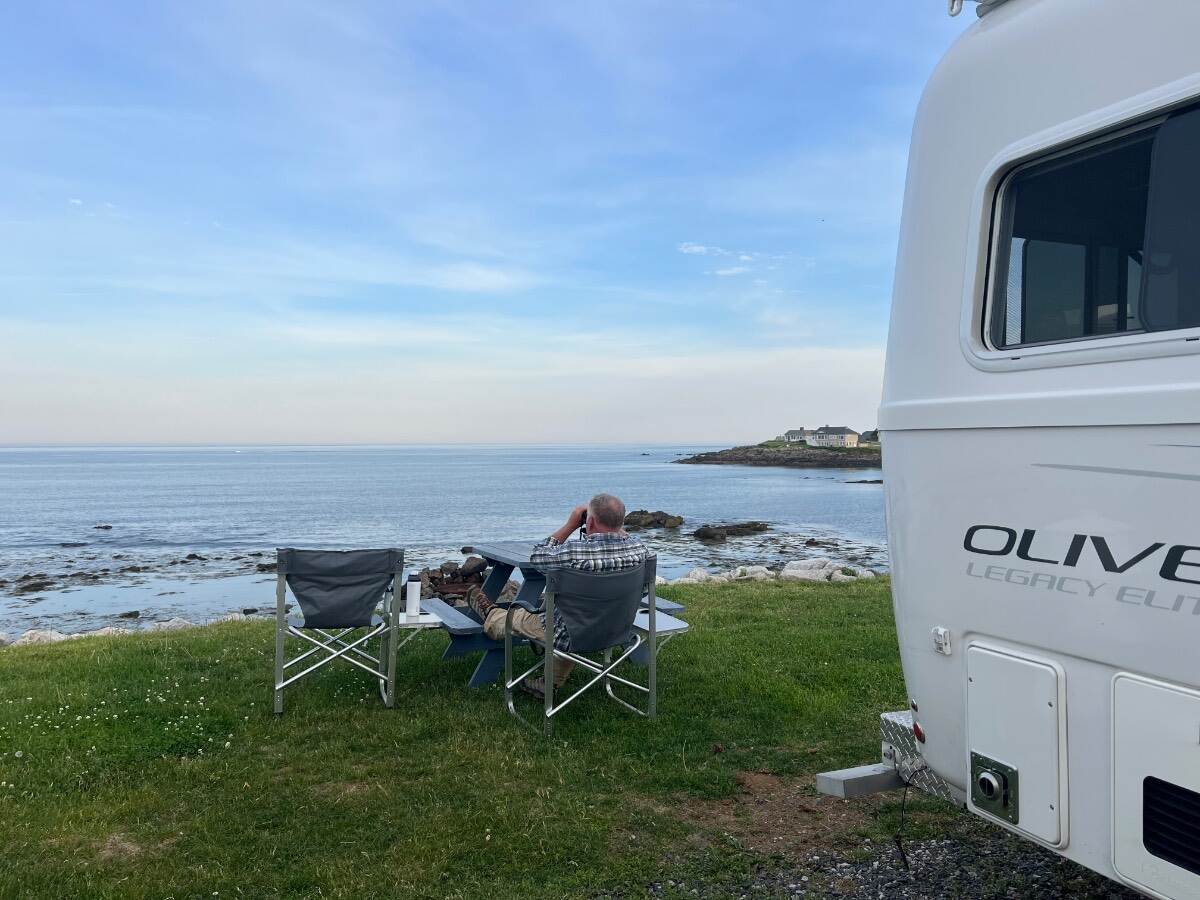
Over the past few days I’ve looked through all 39 pages of this thread. Very pretty pictures of “Where Is Ollie”. I have pictures of a not-so-pretty location. During late September, 2019 our Oliver was here for a few days We were parked near the base of this building A hint as to the location A screenshot from the campground’s website At the next campground after my one-and-only venture into NYC our Oliver was parked here. A much better looking location. September 30, 2019. And then again in June of 2026. Libby’s Oceanside Camp, York, ME. One of our favorite campgrounds. Bill
-
Be sure to unplug the 7 pin connector from the tow vehicle when testing the breakaway switch. When the pin in the breakaway switch is pulled 12v power from the trailer’s batteries can back feed into and cause damage to the trailer brake controller on the tow vehicle. Bill
-
I would like to see pictures of the bathroom door being installed in current production models. Can someone with the newer style door please post a few pictures? If you can find a manufacturer label please post a picture of that also. Bill
- 1 reply
-
- 1
-
-
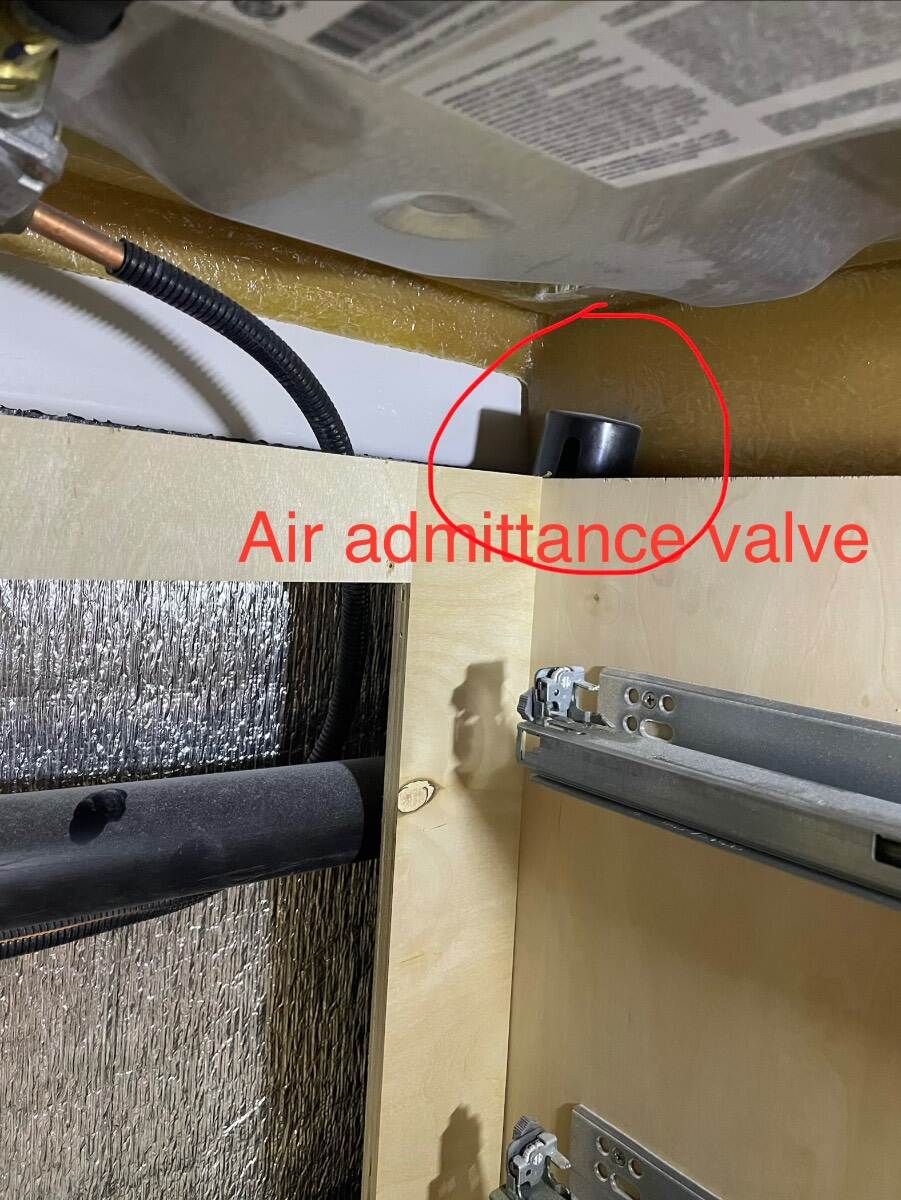
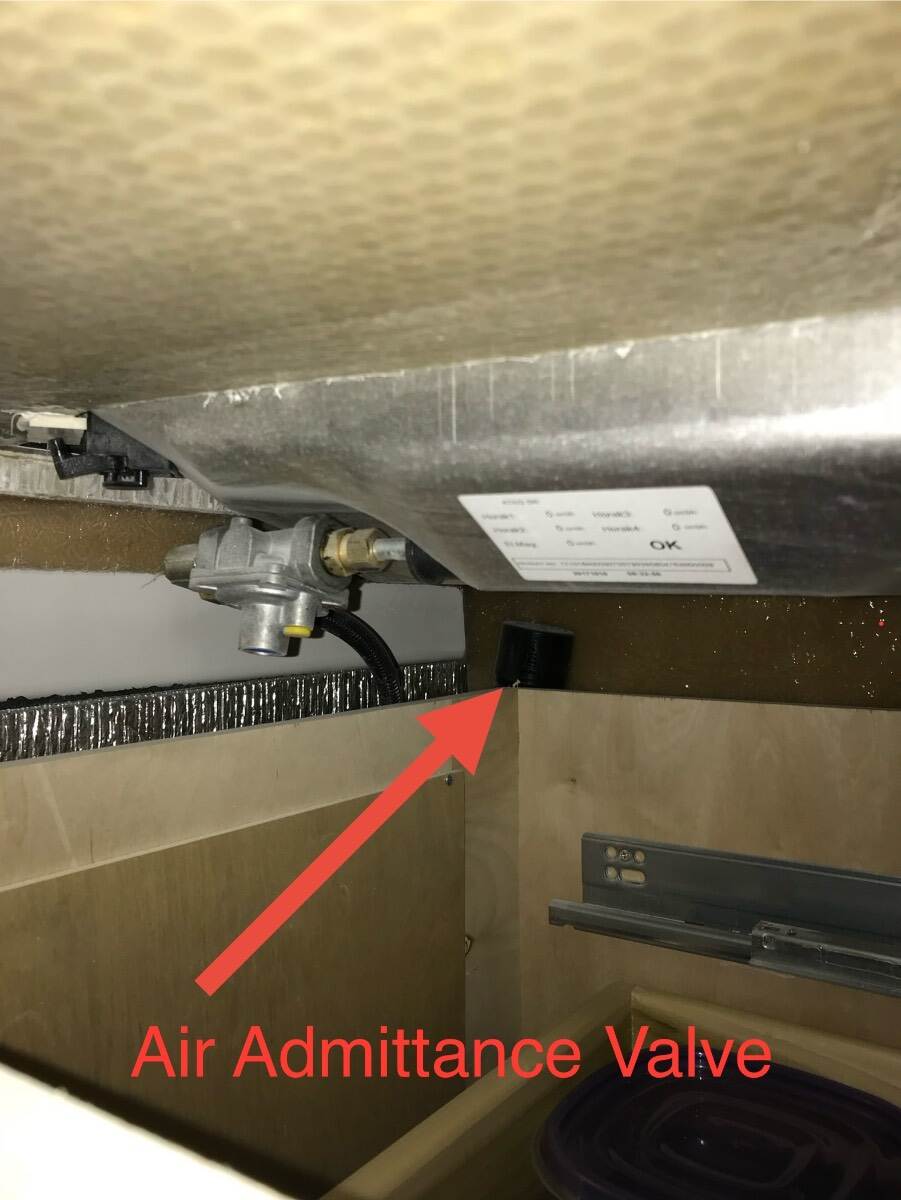
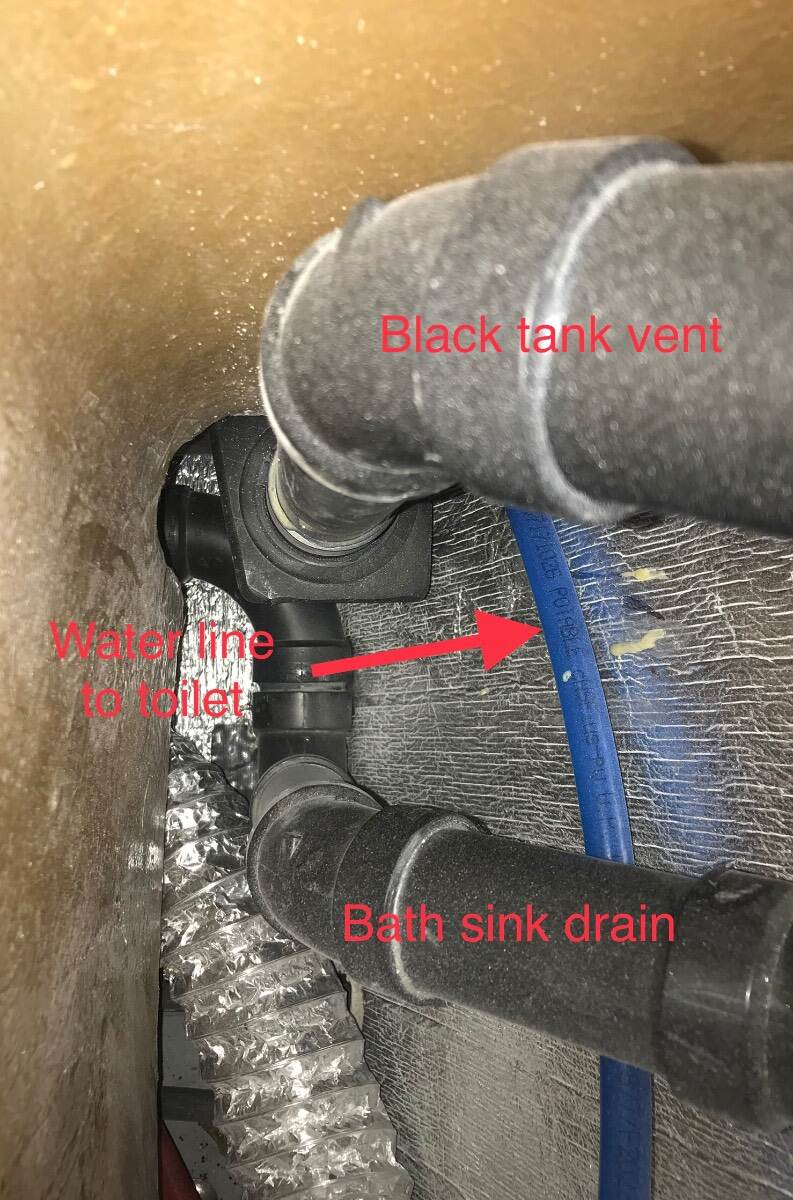
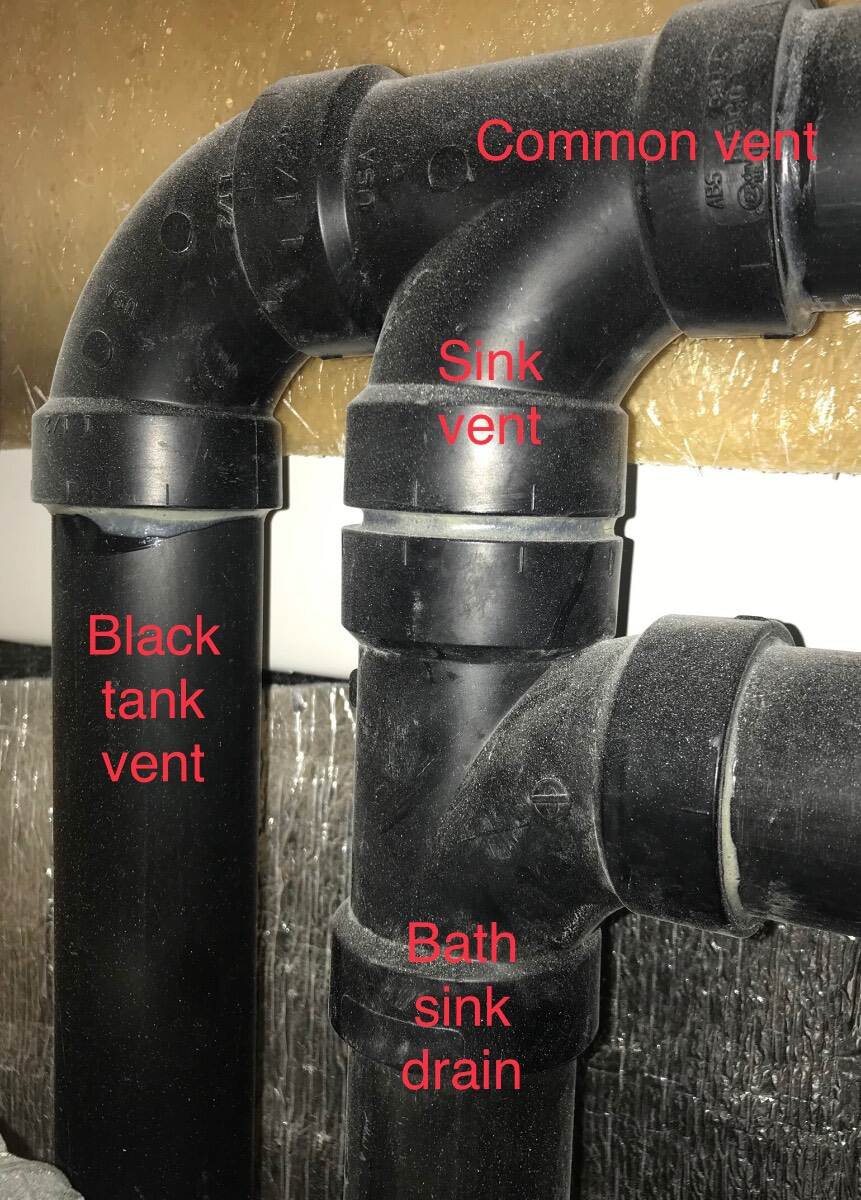
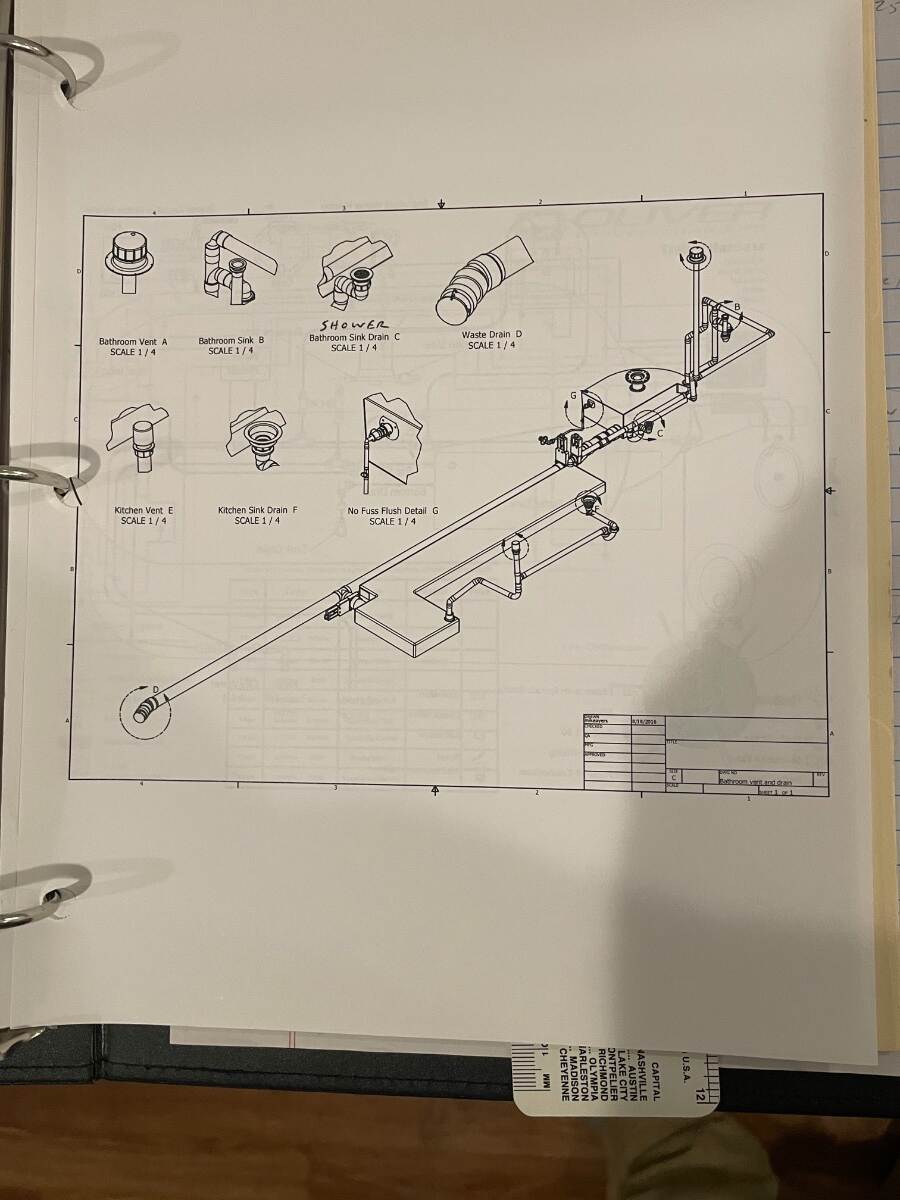
That roof vent vents the black tank all the time and the gray tank only when the shower valve is open. There is an AAV - air admittance valve - under the kitchen counter in the back right corner of the kitchen drawers that should allow air into the gray tank when draining even if the shower valve is closed once the water level drops below the place where the kitchen sink drain enters the gray tank. The bath sink drain and shower drain flow through the open shower valve to the gray tank. Bill
-
Upgrading from a Bulldog 2” coupler to 2 5/16 BD coupler
Townesw replied to Patriot's topic in Ollie Modifications
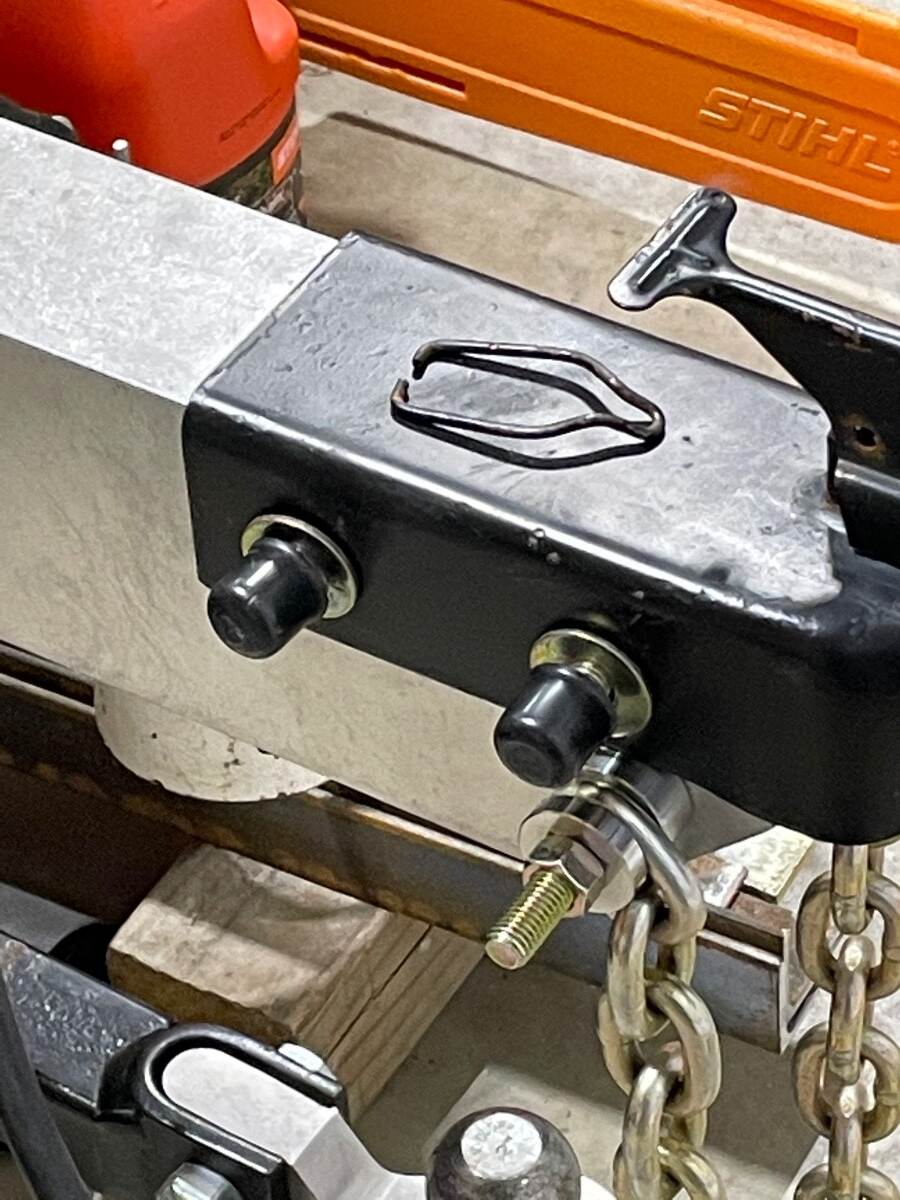
Those of you who use a lock in the lever as a method of securing your hitch should consider the Collar Lock. The wire bail between the lever and the sliding collar that secures the clam shell is easily removed without tools and the sliding collar can be pulled back by hand. Bill
-
Look under street side bunk. Make sure valve is open all of the way when handle is pulled. Also if you’re going to fill it lay a water hose in the shower pan (but watch it REAL close) and really raise the nose so you are washing the bottom of the tank. Fill tank until water stops draining in shower pan. Be sure to quickly turn water off. Open the valve and let it rush out. Do it a few times. Watch what comes out if you can. You know that white snot that grows in HVAC condensate pans and lines? I think similar stuff grows in gray tanks. I think #1455 has sat unused and you have a build up in your tank. I think people set these trailers up level, hook up to the sewer and open the drain and let the water out as it is filled. This lets solids settle on the tank floors. We were told to keep the drains closed and only dump when the tanks were filled so that solids could be flushed out. We always dump black first. Then we use the flush inlet and fill and drain the black tank 3,4,5 times until I don’t see anymore floaters (we don’t put paper in our black tank) in the clear elbow at the sewer connection. Then I open the gray tank and let it drain while I do something else. After a few minutes the gray tank level is 0. Since I got that gunk out of my gray tank I haven’t had any problems. It will still drain slow but I eventually get to 0%.
-
My gray tank was draining really slow one time. I filled it then drove around and went home and backed it down a slope and dumped. The water came out with force and brought out a nasty looking slime. Since then we have added dawn dish washing soap and traveled with some water in the gray tank. I try to dump the gray soon after getting home while backed down a slope so as to get really good flow. It still drains slow due to the size and layout of the tank but it was much better after I got the algae (?) out of it.
-
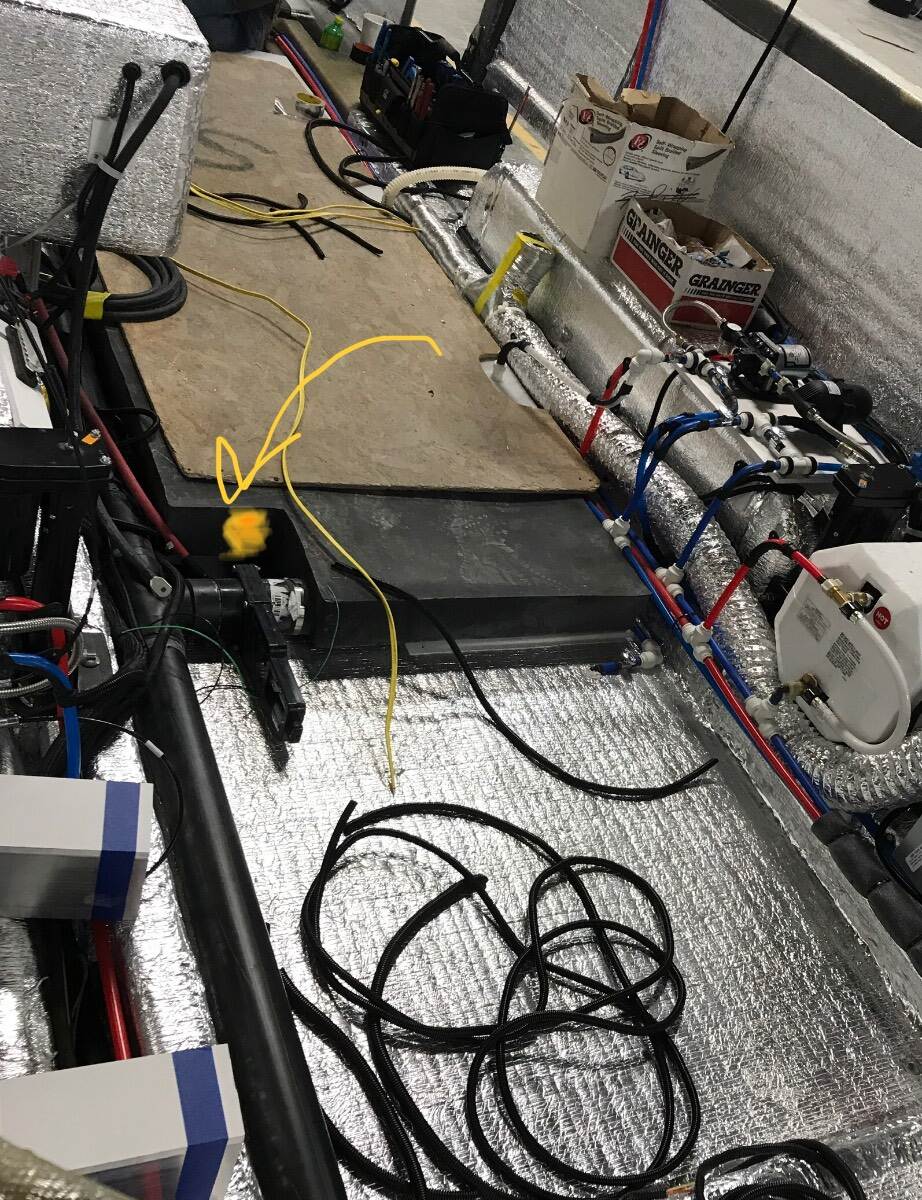
Hello Aidan. The gray tank will drain quicker if the front of the trailer is raised a little. Raising the curb side a little near the end of the process also helps. The gray tank is long, narrow, and thin and the drain valve is on the left side rear corner of the tank. The gray tank level sensor on hull 313 is located where the yellow blotch is shown on the picture below. My tank level could show 0% and still have water in the rear of the tank if the nose is too high. Bill