
taylor.coyote
-
Posts
286 -
Joined
-
Last visited
-
Days Won
11
Everything posted by taylor.coyote
-
I'm interested in what you learn and your process/cost setting up DC to DC charging. I have spoken with AM Solar located in Springfield, Or about DC to DC charging for my 2019 f250/Oliver. They seem to be experts in RV solar applications and DC to DC charging. You might want to speak with them. They were very open to share information but required setting up a phone meeting a week or more in advance. They quoted in the range of $4,000 to pull 2AWG wire through my truck / trailer to support DC to DC charging. The cost slowed me down and I put DC to DC charging on the back burner for now. I would appreciate if you would share your set up and installation process.
-
 f250 comes in various sizes from The 2023 Ford Super Duty F-250 length ranges from 231.8 inches , 246 and 266.2 inches or 19.25 ft, 20.5 and 22.18 ft. with the height 78-82" . Payload will meet or exceed your needes...Fit will be very close but some configurations may meet your needs..
 -
We spend most of our time off the grid boondocking. In addition to a full freshwater tank in the trailer, We have a custom 30 gal tank in the back of our truck. The spare tank in the truck has an open/close value with standard a standard hose fitting, fitted with quick release hardware. The truck tank also has a "breather vent" that allows water to flow out without creating a vacuum. We run a standard 25' water hose from the back of the truck water tank to the Boondock trailer port / passenger side rear port (use quick release hardware without check valves on both ends of hose (trailer and truck tank) for quick/easy setup. We open the truck tank valve and set the trailer water pump valves inside the trailer to draw water from the boondock intake port. Next, we turn on the trailer pump and it fills the trailer fresh water tank in a few minutes. When full, we turn off the trailer pump, close the valve on the truck tank, discount the quick release connectors, put the Q/R travel cap on the trailer and truck tank Q/R valves. Next we drain any water left in the hose (able to this because the Q/R ends do not have check valves). Then we wind the hose and snap the two hose end Q/R together sealing the hose from contaminates. This method of transferring water to the trailer fresh water tank is simple and does not require having your extra tank above the trailer to gravity feed. We can have the truck in any position with the trailer while still hooked up to the truck. Another tip: We generally take outdoor showers from the outside water port to keep from overfilling the gray-water tank.
-
Love your trip to AK. Please tell me about the nose protection on the front of your trailer for the Alaska trip.
what is the material? how is it attached? was it effective? We do a lot of gravel road driving and it's hard on the trailer. Your feedback will be appreciated
-

The material I chose was Amazon grey yoga mats. Qty 3
BalanceFrom All Purpose 1/4-Inch High Density Anti-Tear Exercise Yoga Mat
i laid them flat on a work table to let them uncurl.
Next I added a layer of sticky back construction carpet protector to each roll befor any cutting. (Comes on a roll from Home Depot) This makes them water resistant as they are porous mats.
ZIP-UP Products Carpet Protection Film - 24" x 50' Floor and carpet.
I cut out templates using a roll of brown wrapping paper.
put templates on Mats and cut to fit
used 3m no residue duct tape (from Amazon) to stick to trailer (3 rolls needed)
3M 2420-A Residue Duct Tape, 20 Yards, Gray
others have used non porous material like very thin linoleum as a cover.
not a single chip on those surfaces.
I also have installed rear mud flaps on the trailer.
items are listed in my Oliver outfitters Guide:
https://amzn.to/41M0OwC
happy travelsCraig
-
-
Out and about boondocking remote parts of NW Nevada, SE Oregon, NE Cal.. Bog hotsprings Nevada, Alvord Desert Oregon, Medicine Lake Ca, Malheur Refuge Oregon, Sheldon Refuge Navada

-
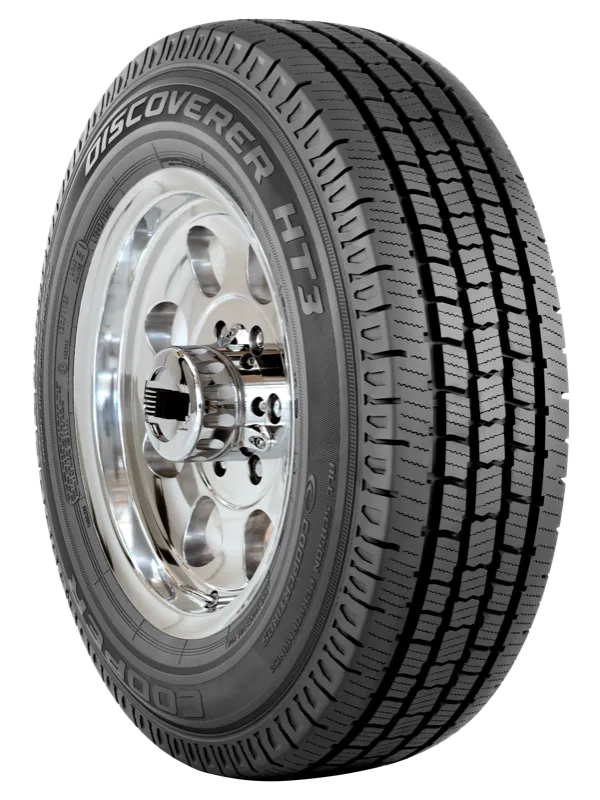
Thanks for the help. Ollie got new boots. Put on new Cooper HT3's and still have a substandard spare. Don't want to mount License plate and plate light on the back of the trailer to mount an uncovered full size tire.
-
Thanks for sharing what you know on this subject. In my case, my spare that came from the factory is a 16" tire but more narrow and slightly lower profile ratio. As I stated before, my tire guy say the 215 70 16 size tire is not really running On an LEII. A few companies make a C rated tire (max load rating of 1,875 LBS). I will follow up on your recommendation regarding John Davies mounting a full size tire without the tire cover. This will require a way to mouth the license plate and the plate light.
-
I have hull number 124 produced in 2016. The spare tire size is 215 70 16. Apparently this tire size only comes as a 4 ply with a max weight limit of 750 lbs. This tire is pretty much is maxed out with a loaded LE II. The question: Will a full sized 225 75 16 trailer tire fit inside the fiberglass spare tire cover?
-
https://trailerlegs.com/
-
Does anyone clean the trailer with clay after washing and before applying wax?
-
The factory replied. They said the closet has a frame cross beam under the closet and putting 165-lbs in the bottom of the closet is ok. They did caution to be mindful of the additional tongue weight.
-
John, good suggestion to ask the factory and a plywood base. I'm now thinking of making a milk crate like base with low sides for the water jugs
-
I’m considering transporting 20 gallons of water or 160 lbs (four 5-gallon containers) on the closet floor. Does anyone know if concentrating this much weight (160 LBS) on the closet floor would be too much weight or create other concerns?
-
Does anyone have experience running Cooper ten ply HT3 tires? Seems to be Cooper Tire's version of the original Michelin that came on the Oliver. https://coopertire.com/en-us/find-tires/all-tires/discoverer-ht3
-
Using a generator solely for charging the Ollie batteries
taylor.coyote replied to HDRider's topic in Ollie Boondocking
A camp next to us was running a Predator 3500 made by Harbor Freight/Chinese production. I have never trusted anything with a motor from Harbor Freight but was impressed with how incredibly quiet it ran. This combined with a $900 price tag may make the Predator worth investigating. To date, I have a hard time getting past my lack of confidence in the Harbor Freight brands. In the back of my mind I wonder if I'm being an equipment snob and the Predator could be a great value. I don't have any real experience with the Predator, but I have read some reviews and they seem liked by the reviewers and users. No doubt Honda has done a great job creating a brand that a lot of people trust and are willing to pay the extra $$... Can you trust a $900 Predator or do you need to spend $2,600 for peace of mind for the Honda 3200? -
Using a generator solely for charging the Ollie batteries
taylor.coyote replied to HDRider's topic in Ollie Boondocking
We installed a soft start circuit and able to run our 1300 BTU air conditioner with propane converted Honda 2200 with no problem (hutches propane conversion) or on 15 amp shore power. The Honda has always been dependable running air conditioner, but you do loose some of the generator's capacity running propane vs gas. It's possible on a hot day at high altitude running on propane our generator may not have the capacity to operate the air conditioner. So far that day has not come. I'm assuming your new Oliver will come with the new 1100 BTU air conditioner. An 1100 BTU air conditioner w/ soft start should run great using a propane converted Honda 2200 in all conditions. We do not run the microwave and air at the same time. I have never done the calculation or attempted to run both at the same time. Also, we run the heat on propane when not on shore power. Another consideration to charge your batteries is to look into dc to dc charging. Your tow vehicle is limited to charging your batteries to about 7amps per hour due to small gauge wiring. You can install 2-gauge cable through a second trailer / truck pigtail plus an alternator charging unit. This combination can give you 30amps per hour of battery charging per unit installed. It's a cool solution but can be spendy. https://amsolar.com/rv-solar-panel-kit/alternator-charging -
Rough Ride Tolerance? New Ranger?
taylor.coyote replied to Wandering Sagebrush's topic in Towing an Oliver
When our F250 6.7 is fully loaded and hitched, we weigh between 8,700-9,300 lbs. We have found running our tires (Copper TA3 XLT 275 70 18) at 65LBS gives us good tire wear/ handling with a pleasant ride on paved roads. We "air down" when running long distances off road. We love towing with a big truck and would hard for us to go back to a 1/2 ton. Our truck is not used as a daily driver because it has a turning radius of a bus and beats our brains out without a load. Lots written about choices of tow vehicles throughout this forum. Mostly you will find two camps. One that love a high payload 1/2 ton using a weight distribution hitch and the other are running 3/4 ton+ trucks. It's my option the biggest issue when choosing your TV is to truly understand your payload needs. Unless you travel as a minimalist, many 1/2 trucks will limit your ability to bring all the gear you like to have for your adventures. -
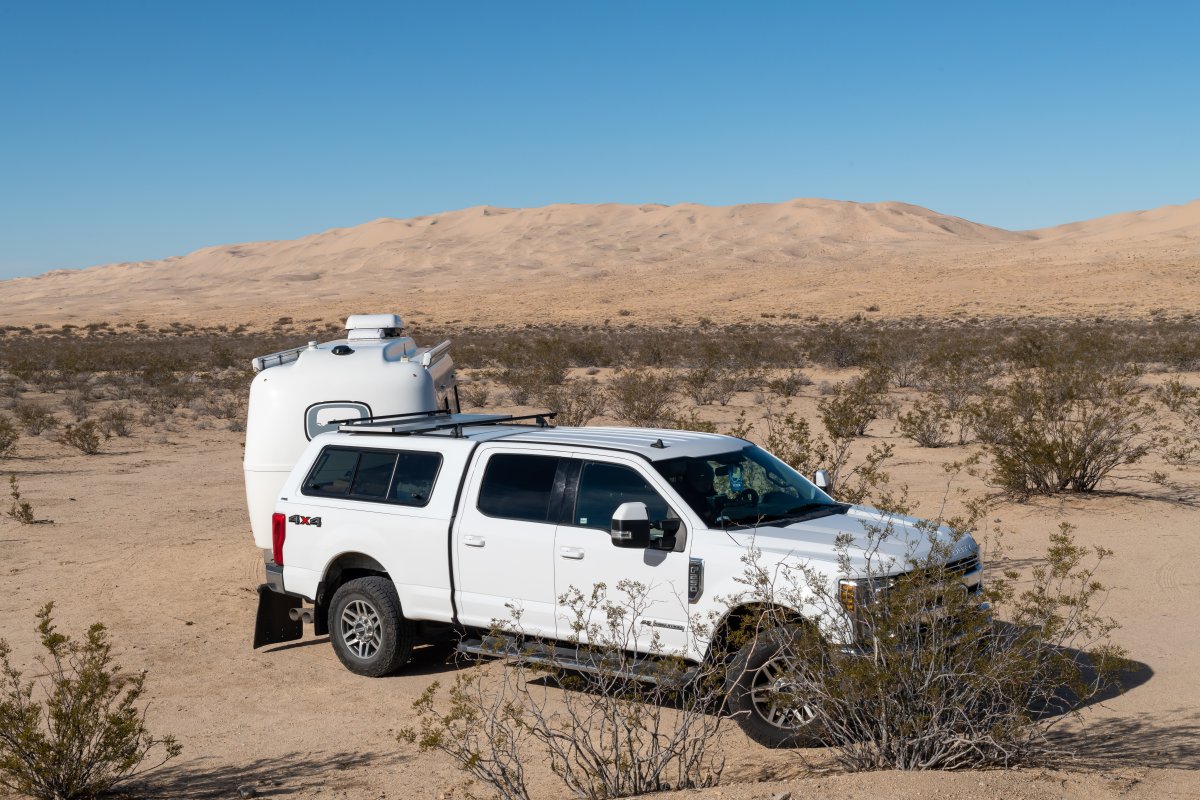
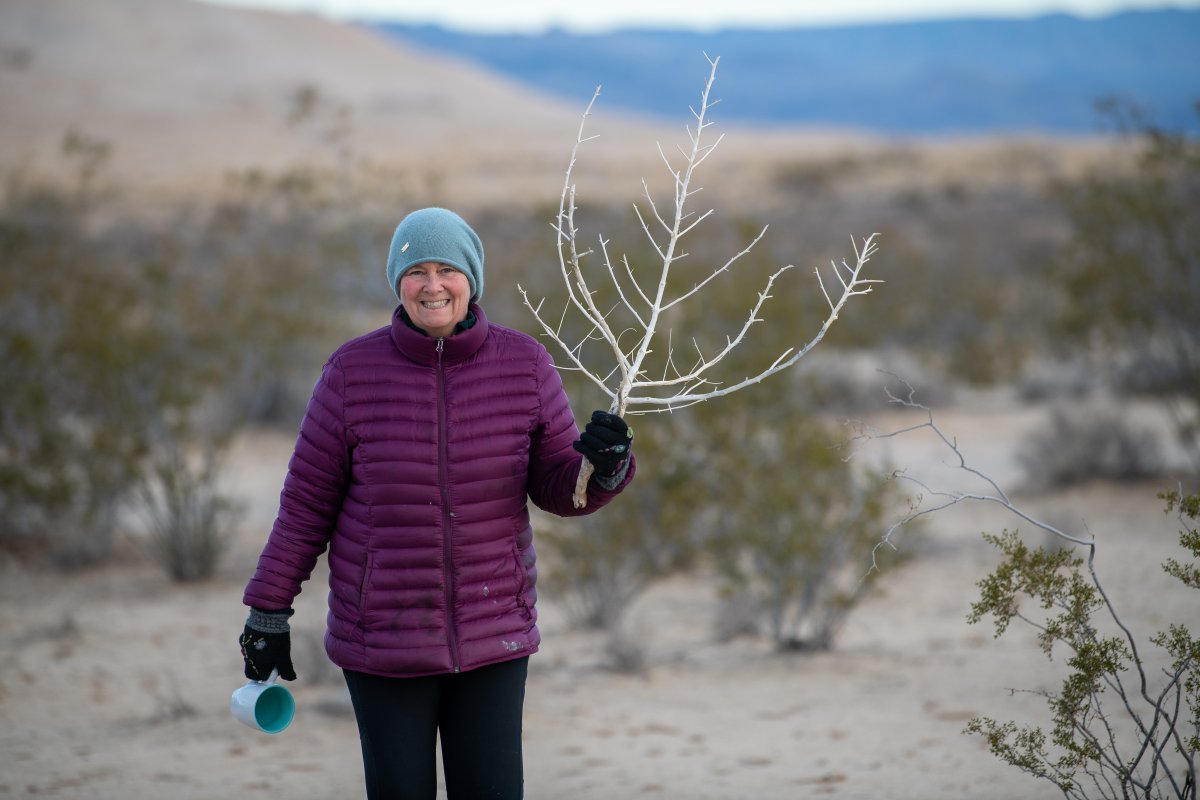
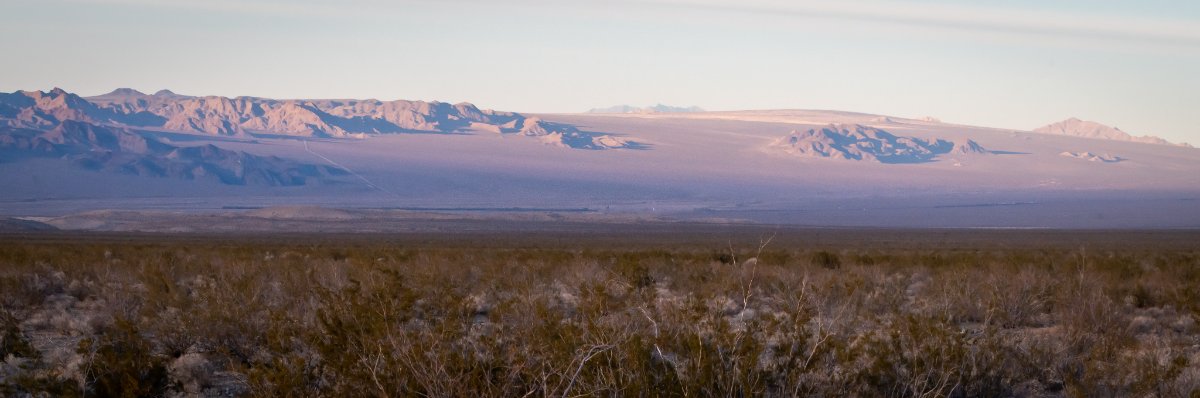
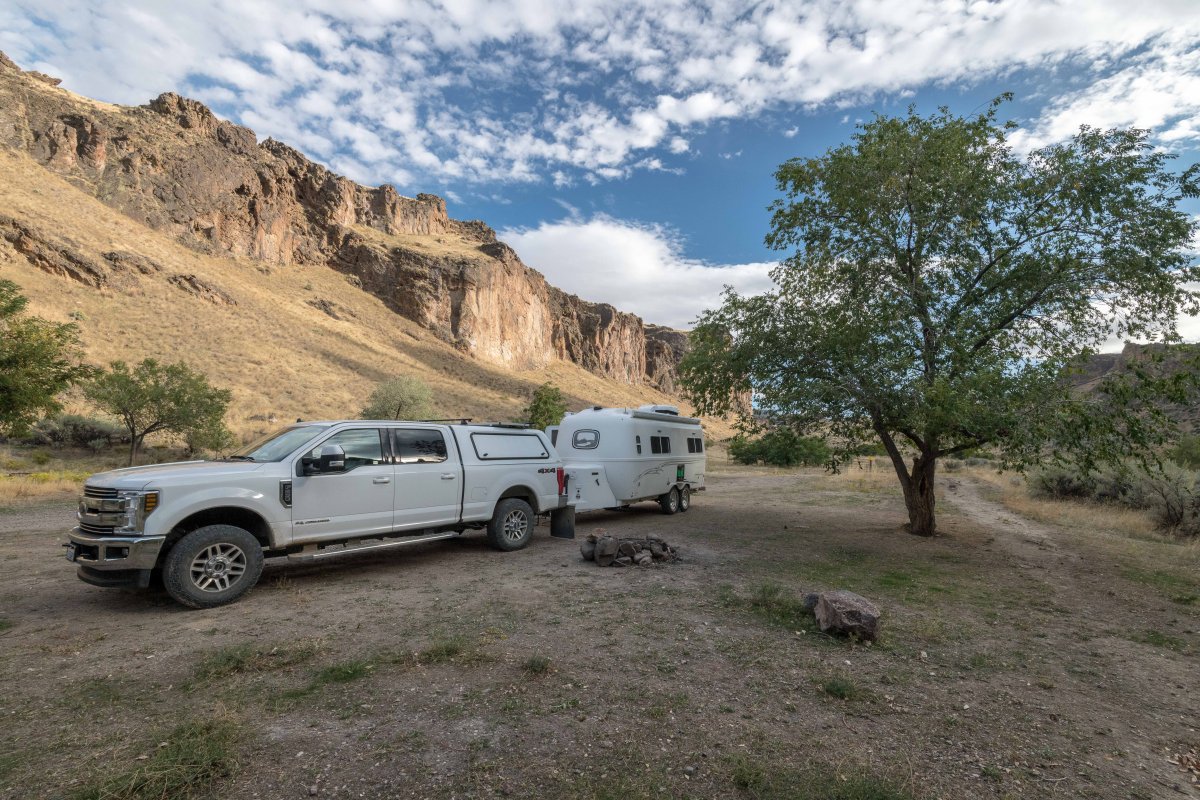
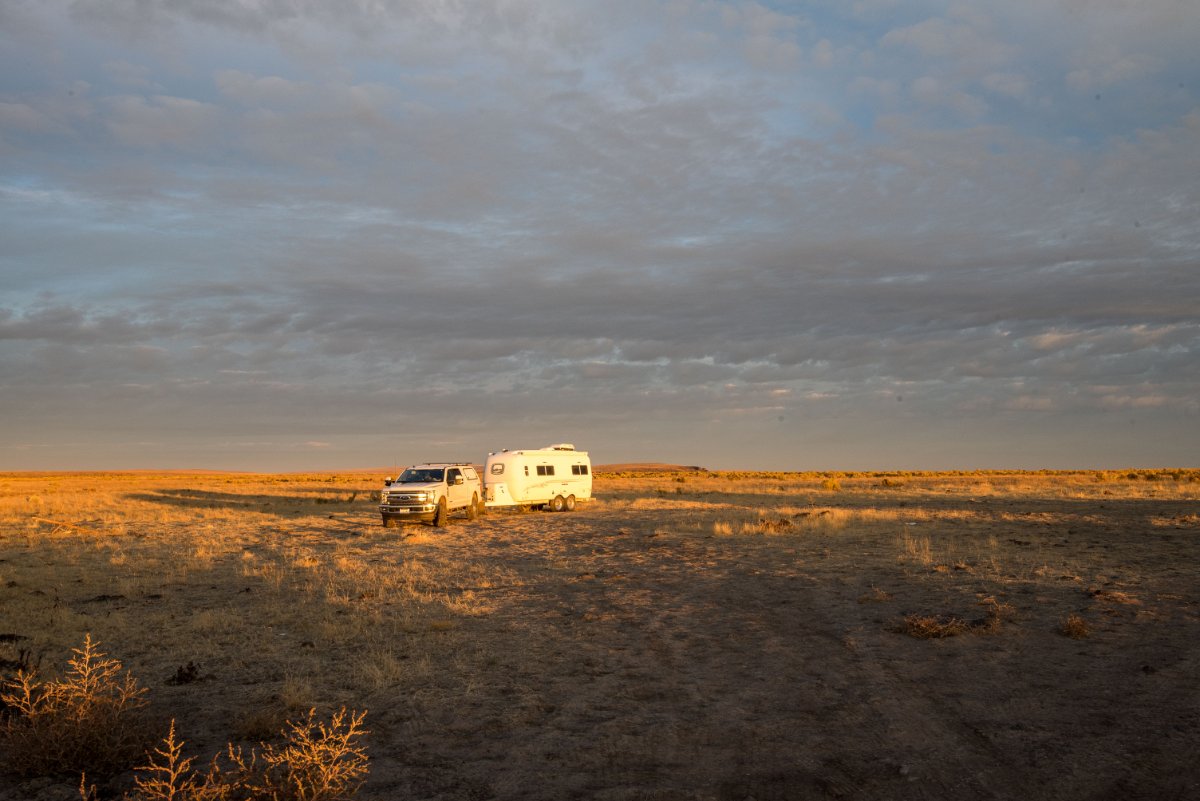
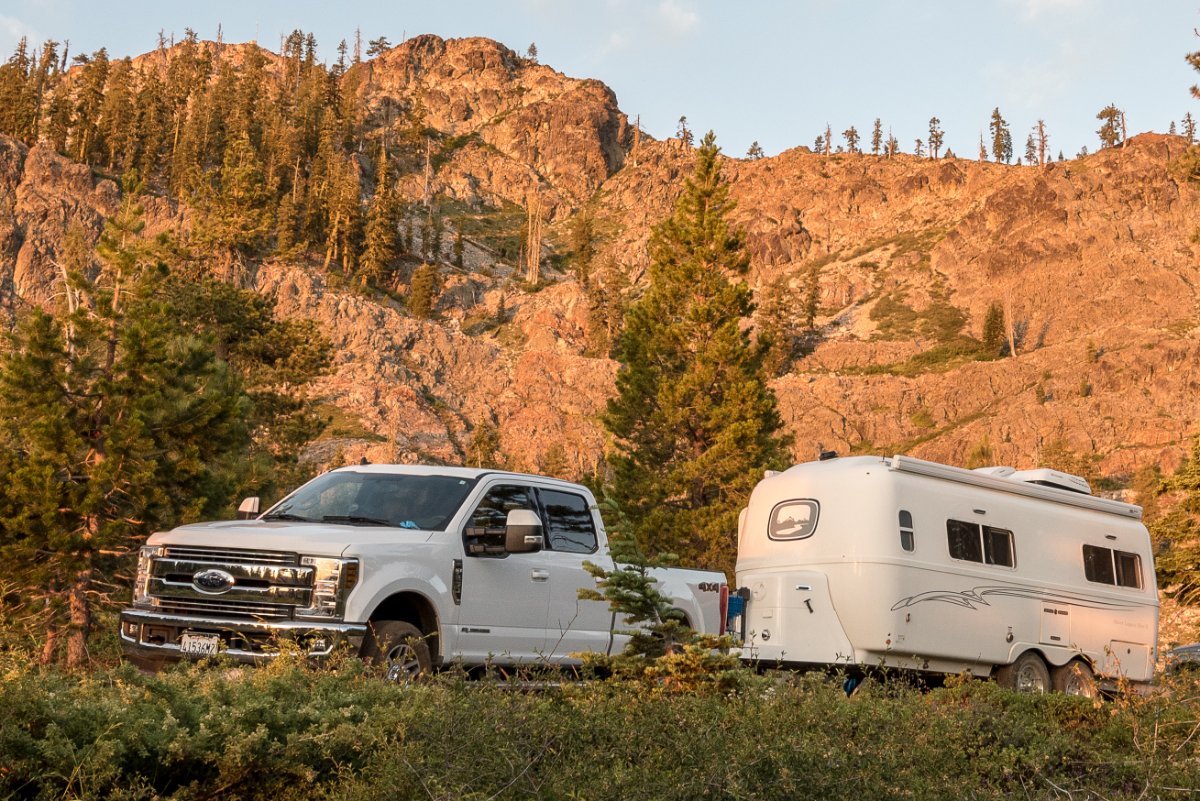
Mojave Desert/Kelso Dunes Dec 2022 our Christmast tree dec 2022 Owyhee / SE Ore Succor Creek / Owyhee Canyon Lands, Ore Plateau above Three Forks / Owyhee Canyon Lands Taylor Lake/ Plumas county California ... up Beardsley Grade.. should have believed unimproved road sign.. a couple of hours in 4 wheel drive low at 2-3 mph.. very challenging getting turned around.. fantastic location, great alpine lake / fly fishing but not recommended for towing
-
Show us your furry traveling companions..............
taylor.coyote replied to Ollie-Haus's topic in General Discussion
My wife wanted pup to be able to travel up front with us. Built a platform between the truck's front seats that wraps behind the driver's seat (L shaped). Covered the platform with a custom shaped dog bed. This makes my wife happy, pup would be fine hanging in the back.
-
The Pine creek off highway 86 near Idaho/ore border/ oxbow dam?? Great fishing up Eagle Creek near Richland. If so, can't find more a beautiful place. Travel safe
-
Water Heater Anode Rod difficult to screw back in
taylor.coyote replied to Imelda's topic in Mechanical & Technical Tips
i pulled this of the internet.. Can't always trust what on the net but this is good advice.. How tight do you tighten an anode rod? Once you get the anode rod inside, tighten it by hand until you cannot anymore. Then, use the socket wrench to tighten it a bit more, about 1/2 turn, 180 degrees. Do not tighten so hard that the water heater begins to move or twist.Jun 5, 2018 -
Water Heater Anode Rod difficult to screw back in
taylor.coyote replied to Imelda's topic in Mechanical & Technical Tips
All good advice but it's all about getting the planets to line-up and your jaw and tongue in the right place when doing this task. -
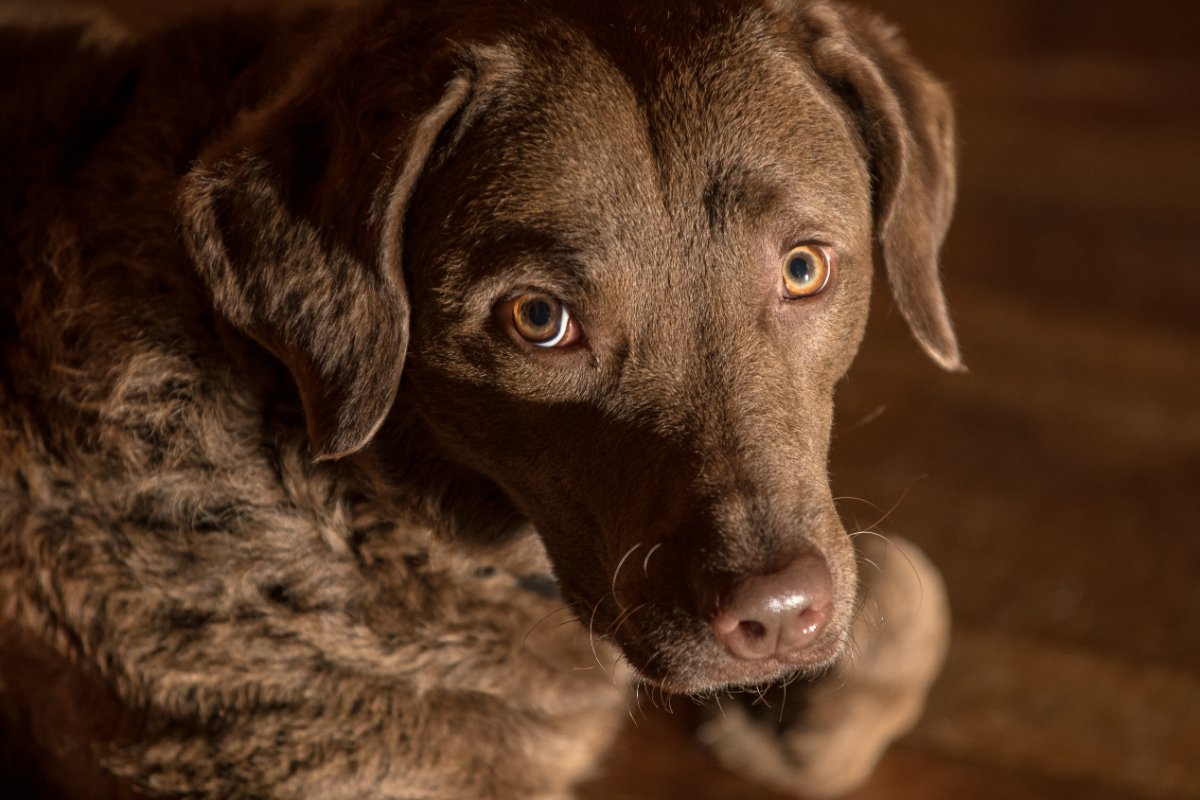
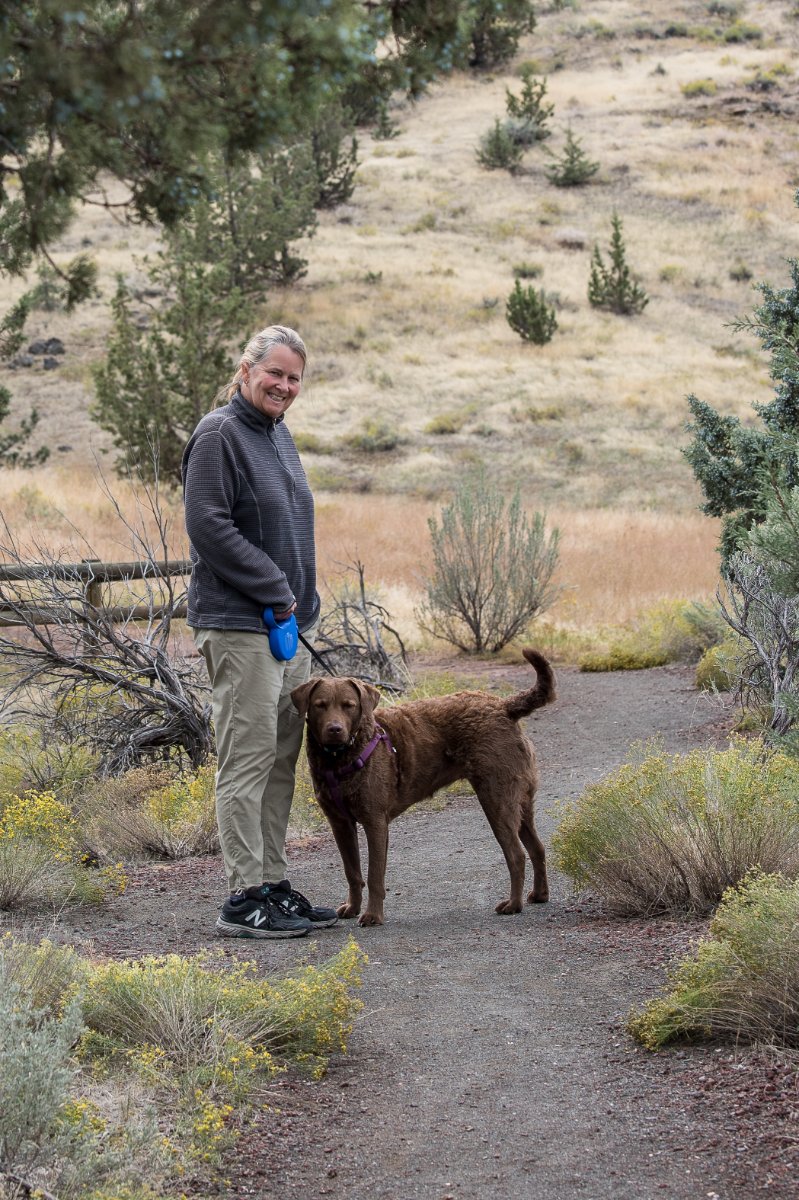
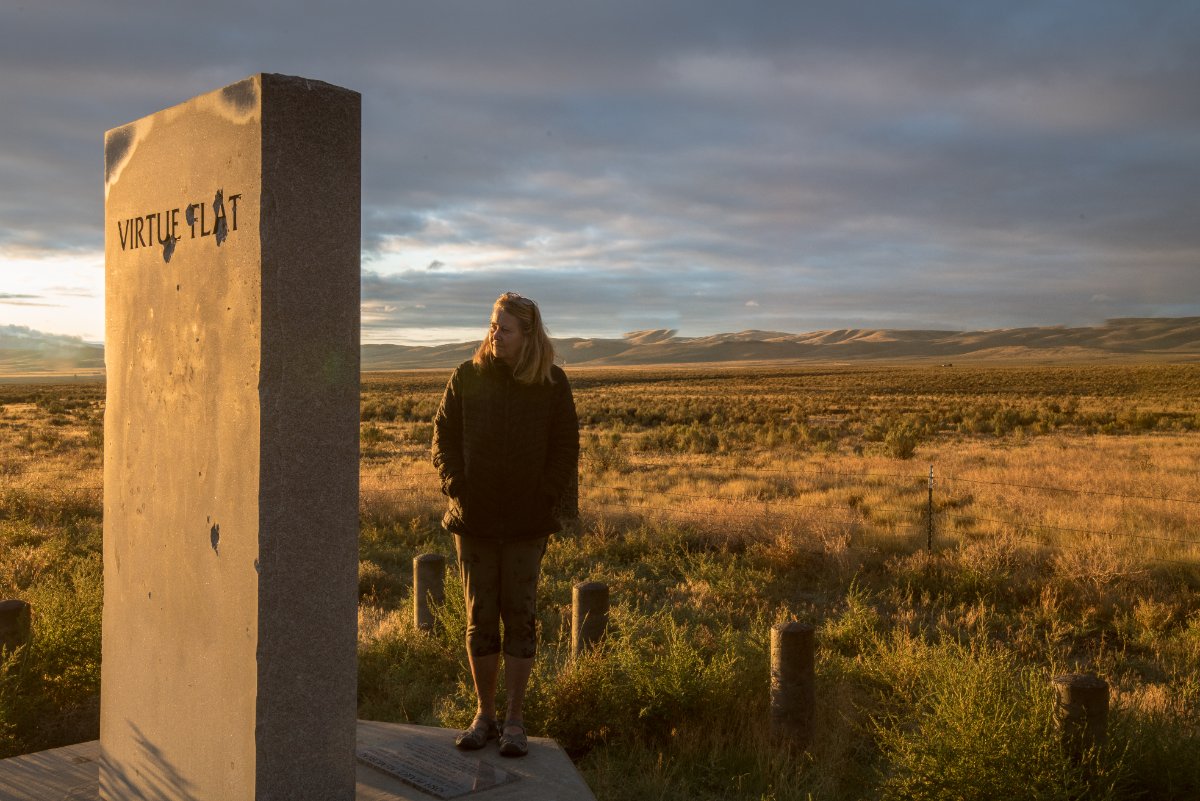
Hey Wandering Sagebrush Love your pups. We are on our third Chessie (one at a time spanning almost 30 years). I think we would miss our sweet and very hard headed Chessie's if we had a different bread. What would the meaning of life be with a dog that actually listened all the time? I grew up in Baker Ore until my mid-teens. Could not have loved it more growing up with the outdoors in my backyard. I feel lucky to have this unbelievable experience before moving but enabled me to gain a broader lens on the world. Came back to go to school at EOSC - now called EOU. We still spend a lot of time in far Eastern Ore from the Wallowa's to the Alorvd desert. Below are a few images at virtue flats (near the Oregon Trail Interpretive center/Baker), Three Forks Plateau in the Owhee and pup. What part of Eastern Oregon is your home? Best of luck and hope you love your Oliver.
-
lots already posted in this forum about this topic. try this link. In my case the alarm function had expired after 7 years. the date of production is on the back. you may need to use your camera to take pic to see these details inside the dinner seating
-
For my education, where is this fastener located on the city water that needs the long 1/2" hex head wrench?