All Activity
- Past hour
-

RM 2454 Problem Heading into SE Colorado Boondocking
Townesw replied to Geronimo John's topic in Mechanical & Technical Tips
@Geronimo Johnsee if you can find any answers in this service manual https://fourwheelcampers.com/NewDometicRefrigeratorManual.pdf -
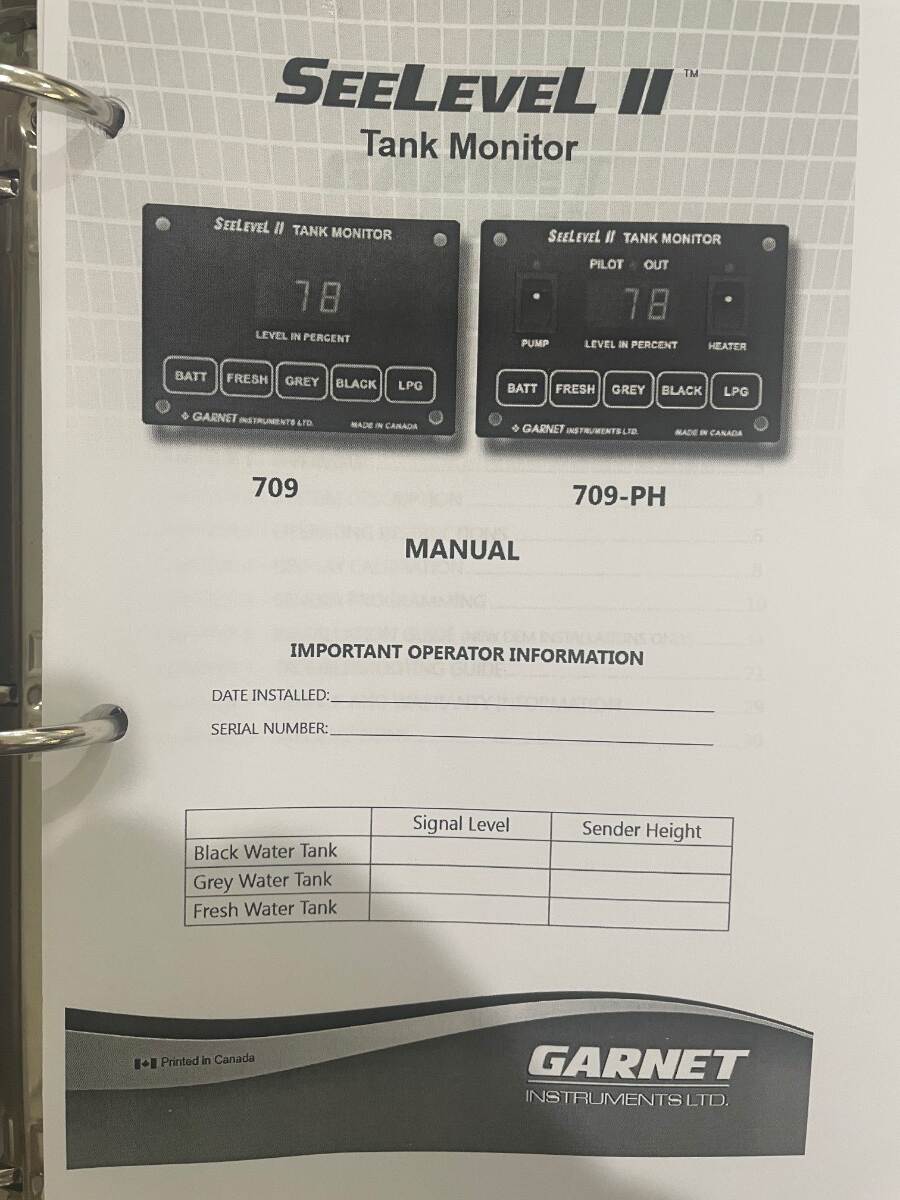
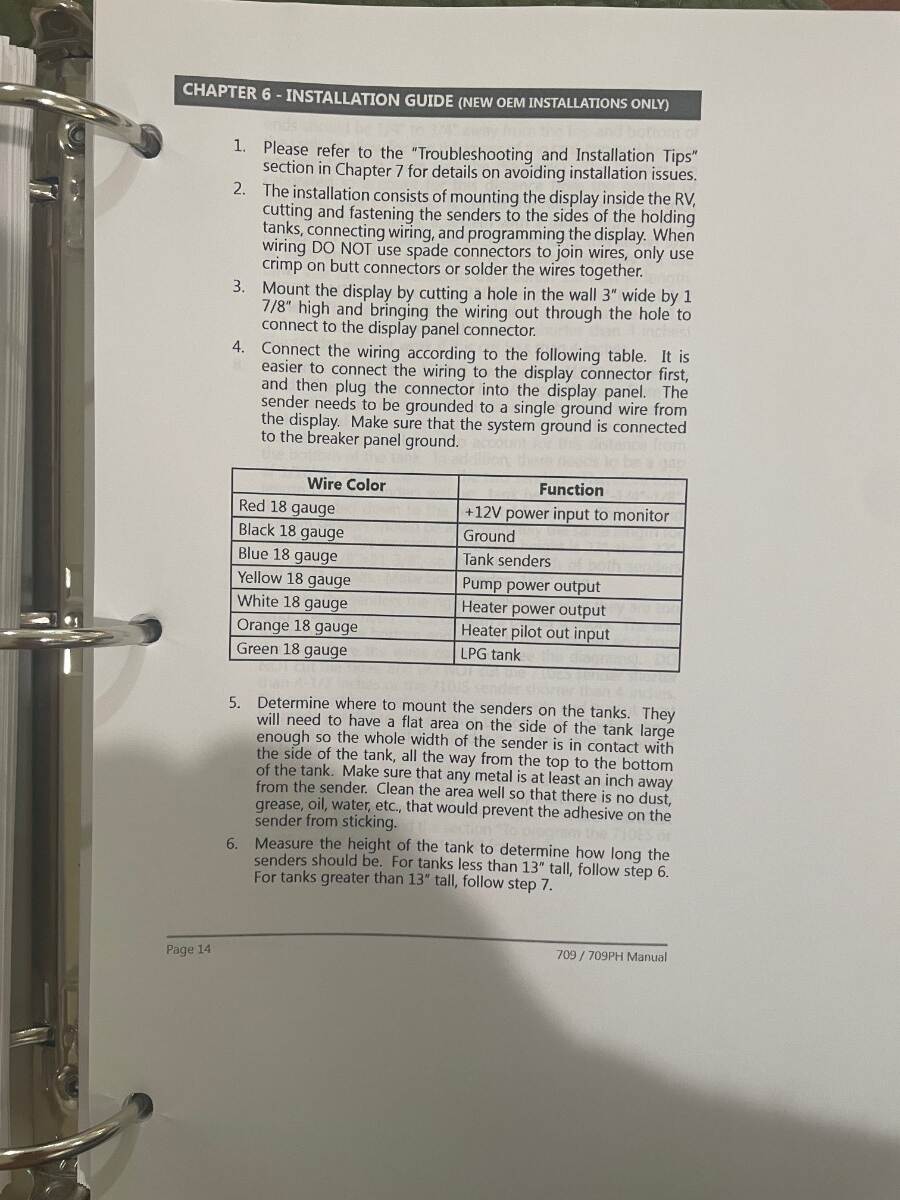
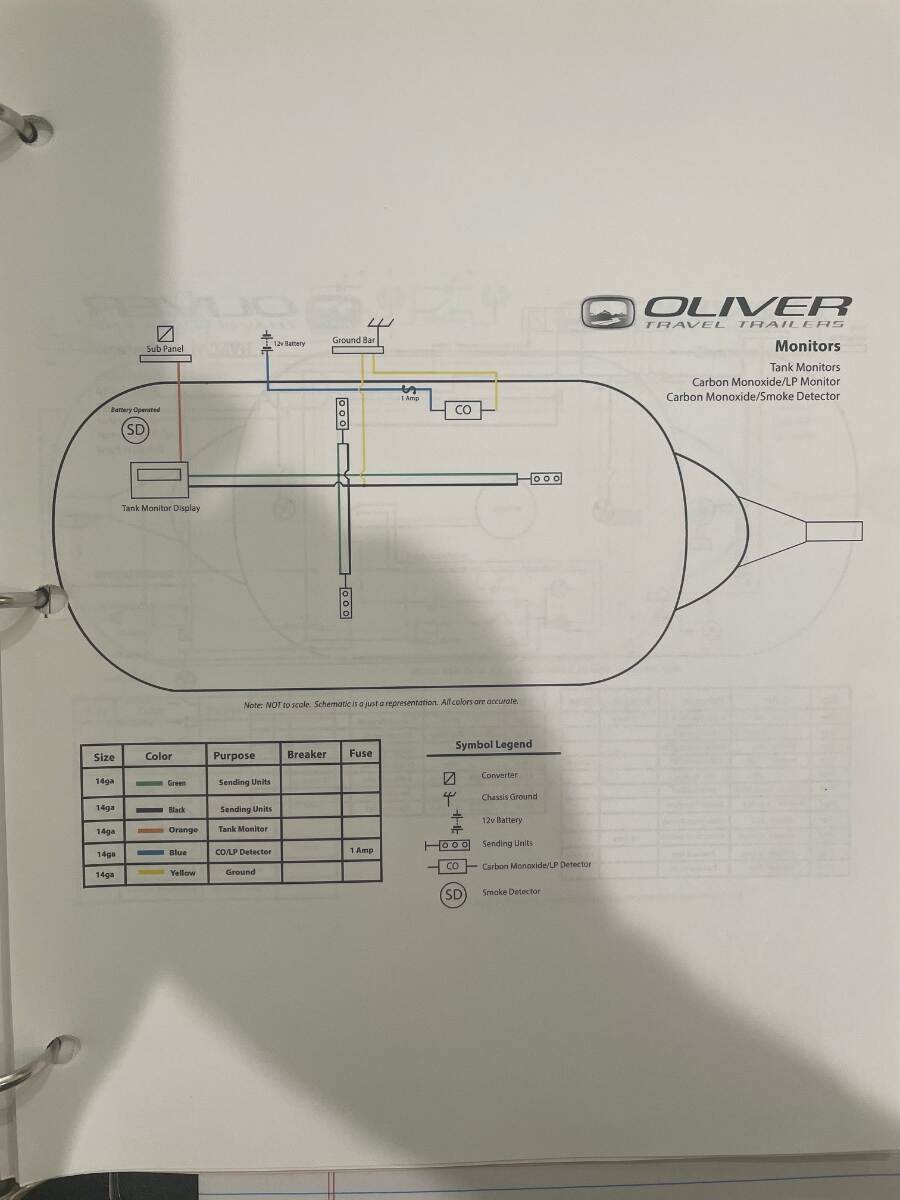
I have a manual for model 709 and 709-PH. The battery level displayed is determined by the voltage supplying the SeeLevel panel. As others have said see if it’s getting power. You said the tech plugged a new panel in and it was dead also. I can’t believe that the tech didn’t also check the fuses as that would have taken a few minutes. I would check the voltage going into the panel and work back from there This schematic is for 2018 LEII hull 313 so it might not be the same for your hull Bill

-
 JD: Correct on both. Still in Denver and it always works perfectly for months up at King Mountain where we basecamp at 5,300. I think that well over that elevation we would need the other smaller orifice to reduce gas flow due to lack of O2 higher up. Not the case with ours in Denver now. Currently, we don't get anywhere near the gas flow to even heat the ammonia hot enough to flash to cool. Hopefully one of the owners can respond with info about the gas valve voltage and possible test procedure for it. It's a long shot, but worth a try. I have heard others have had mother board issues, but never heard of the refer gas valve going south. Along the gas thread: I'm also wondering if there is a screen that keeps trash from tank insides or junk from bad propane that could clog or plug the oriface? If so, where would it be located? GJ
 -

Cleaning the gap around the linoleum floor
Galileo replied to Ken Root's topic in Mechanical & Technical Tips
Spray cleaner of your choice (Fantastik, 409, etc) and an old toothbrush - then a few paper towels. We keep a “Dustbuster” in the trailer for routine cleanups. Keeps the grit buildup to a minimum. A long-term fix -might- be to fill that awkward gap with some kind of caulk. That way there’d be no gap to collect crud. I’d be very careful with acetone or any petroleum or solvent based liquids. I think you’d risk eating away at the flooring adhesive or even the flooring itself. -

RM 2454 Problem Heading into SE Colorado Boondocking
jd1923 replied to Geronimo John's topic in Mechanical & Technical Tips
I believe we have the same model Dometic fridge. Ours has worked fine several times camping in CO outside of Telluride and on the White Mountains in AZ, both above 9K ft. Also, it reads like GJ is still in Denver just over 5K ft. GJ, you're getting the 3 clicks, so all electrical controls are fine. You certainly have a gas issue. I have no experience there but believe your "analysis and investigate" lists are right on. Best wishes, JD -
 Sounds like altitude to me. Gas appliances often need a different orifice to work at higher altitudes. You might be able to get a high altitude one at a local RV repair shop.
 - Today
-
Winter heating with a small electric heater
Galileo replied to Carl Hansen's topic in General Discussion
I’d like to hear more about what kind (brand, model) was installed - as our floor is typically ice-cold. Though I assume it’s due to the cold air infiltration, it could be just from the frigid air blowing in from the furnace ducts and return grille. A radiant floor heat would be a first-class upgrade to the Ollie. -
June and I are wrapping up a family wedding week in Denver. Next we will be heading out to the high country for some boondocking. Will for sure need our Dometic RM 2454 refrigerator for a couple of weeks. Could use some guidance: WHAT I THINK I KNOW o Refrigerator works normally on 12 Volt power supply. o Refrigerator works normally on 120 Volt . o Refrigerator does not work on propane regardless of outside temperature. It seems to hover a bit above 60 degrees in the main area of the unit when using gas mode. Likely about what ambient has been inside our Ollie due to nighttime cooling temps. WHAT I HAVE OBSERVED o The thermistor that activates cooling is operating normally only when using 120 and 12 Volt power. o Control board appears to be operating normally for all power sources though. o When switched to gas, the Control Board is trying to strike. Sends three strikes and then seems happy. o The striker appears to be igniting a dribble of gas at the propane orifice, however, it is less than 5% of what is necessary for heating the absorption unit. ANALYSIS: Leads me to believe that I have a gas problem. Ok, I set myself up for that one...... Thinking it is likely either: o A 95% plugged gas orifice. o A defective gas control valve. o A safety thermistor that would shut off gas flow if no flame is sensed. INVESTIGATE: Thinking I should: o Pull the gas orifice and see if clear. If contaminated, clean in a non-destructive manner. o Pull the gas tube after the orifice to see if any issues there. o Test the gas control valve and mother board: . Is it possible to spoof the main control valve with voltage to determine if it’s operational? If yes, what voltage should I see from the mother board? Can I spoof it to see if it is functional or if the mother board is weak? o Remove gas tube downstream of orifice and look for mud daubers or other such inclusions. o Does the igniter/striker also act as a safety to shut off gas flow if the strike process is not successful? If not how is that safety feature accomplised? Any thoughts, suggestions, recommendations or part numbers would be greatly appreciated. Thanks, Geronimo John
-
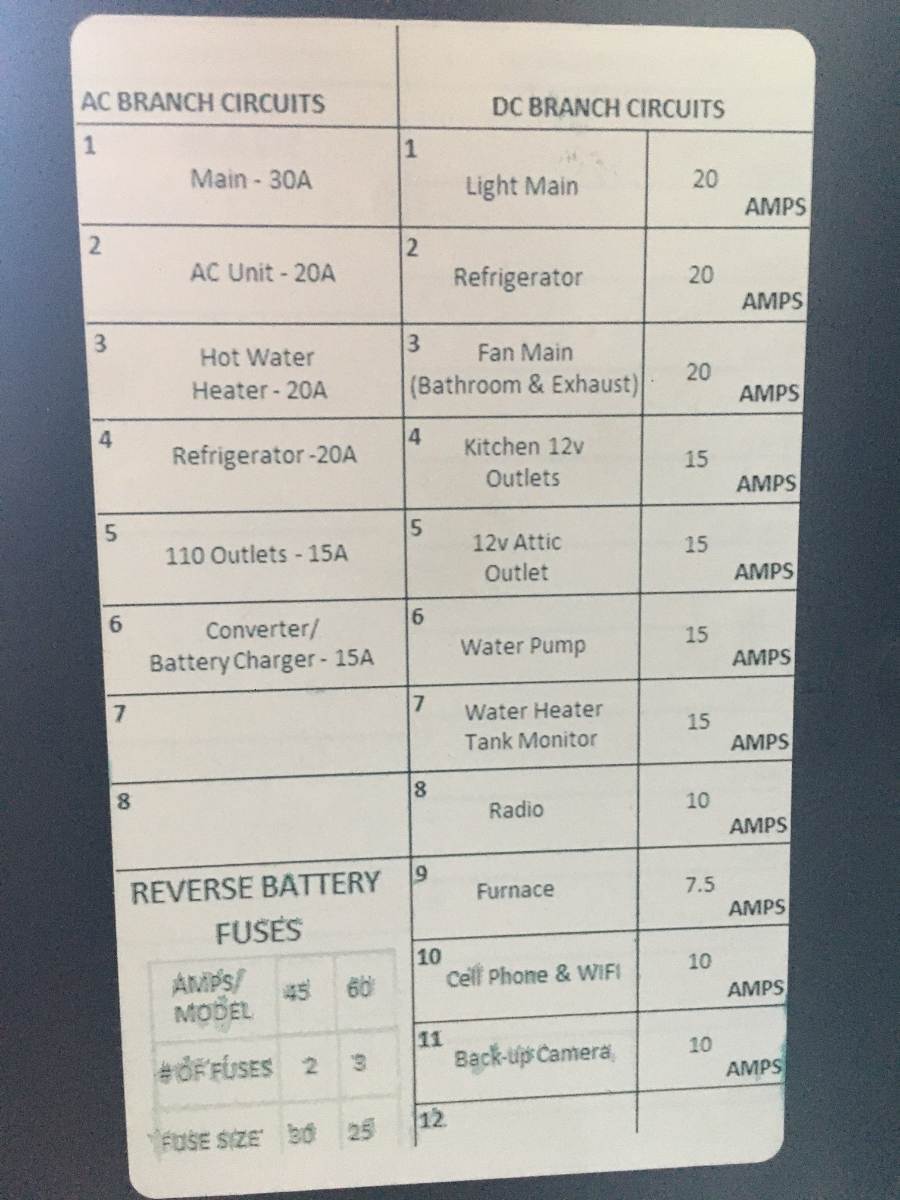
I believe you hit on it here! New issue often comes from last service. I can't believe you were there and OTT Service would not fix an issue they likely created in your scheduled service one business day before! They tried a "new monitor panel." Did they first check the fuse? You have a hull a little older than ours but maybe this circuit is wired the same. Our DC panel has a fuse titled "Water Heater Tank Monitor" (see pic DC fuse #7). Perhaps we're getting closer now! 😎 This 15A fuse might be blown. If so, your HWH would not have 12V to fire up on LP. If you have hot water, I'll bet they pick up 12V from the HWH wiring and if so, there would be an inline fuse between there and the SeeLevel system. It's really bad electrical practice to wire inline fuses at random locations in the basement! RV manufacturers do this often and when I find fuses around the Oliver basement, I move them to a new +bus I wired under the rear dinette seat, so I know where they are, have easy access and never have to reach down under again! Look around for an inline fuse, starting at the HWH then going towards the tank readers or the SeeLevel panel. Hope you find it quickly!
-
Winter heating with a small electric heater
Galileo replied to Carl Hansen's topic in General Discussion
Hey Steve, I’d read here about a couple of owners adding a recirculating system to have hot water available quickly upon opening the tap. I’m not sure that would be “simple” compared to installing a small in-line point of use water heater. Of course, in the bathroom, I’d have to run 110vac there - but less work and hardware than a recirculation system. As for the cold air “leak” (more like an open window…) mine occurs with the MaxxFan closed - and the air coming in the furnace vents and return grill is a breeze. I Mentioned in a previous post that the whole aft starboard corner of the trailer are ice cold with associated condensation problems. I didn’t think burning more propane was a practical or efficient solution to an obvious air infiltration problem. I haven’t sleuthed it out yet - but the door hinge area is a prime suspect - as the door weatherstrip goes -under- the screen door hinges. I’m also wondering if the (Domentic) A/C has a fresh air exchange that can’t be switched on or off like some units have. -

Winter heating with a small electric heater
Steve Morris replied to Carl Hansen's topic in General Discussion
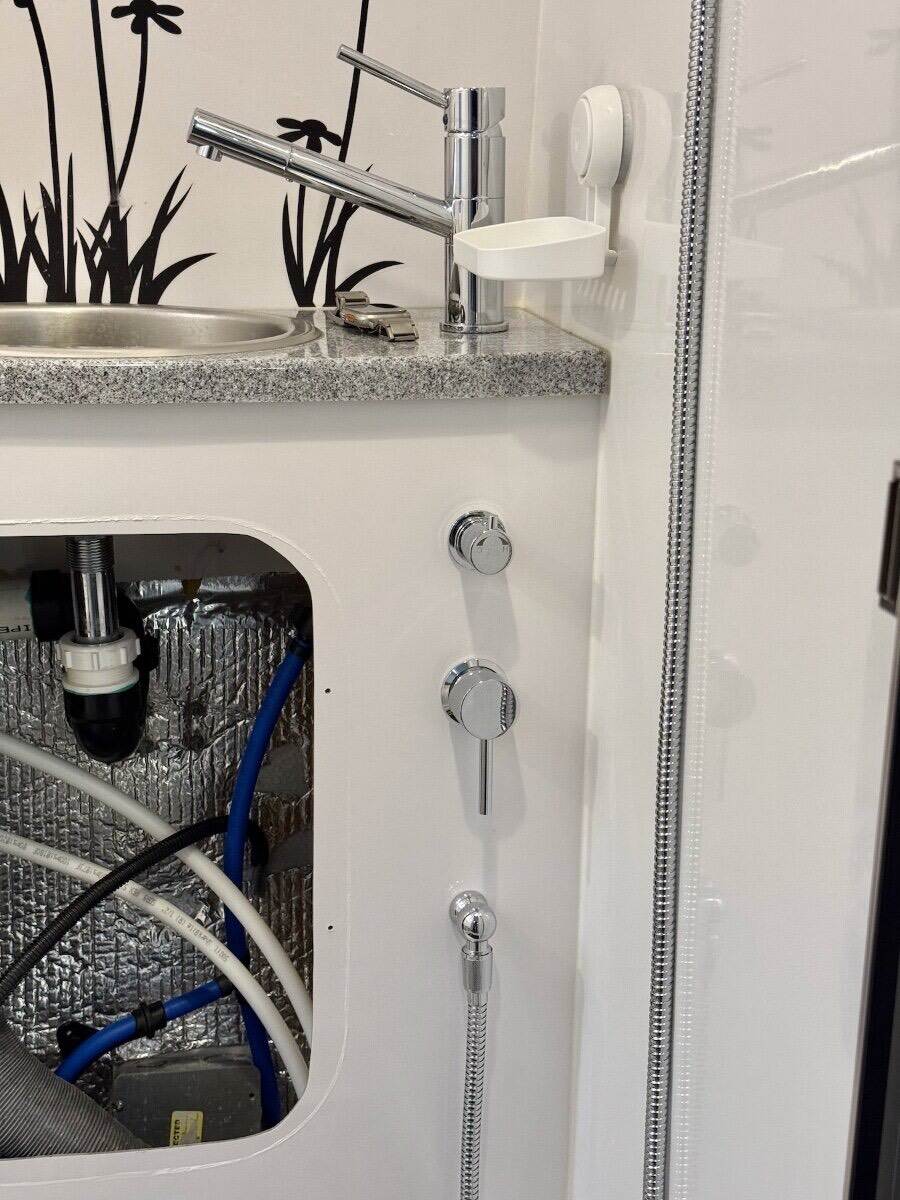
Several of us have added a simple recirculating valve to the bathroom hot water. Add a diverter in the hot water feed line under the bathroom vanity, with the return line going to a T in the tank fill line. Some of us have also added a separate shower mixer while under there. I too have a crazy amount of cold air coming in through the hot air return under the curb side bed when not using the furnace. I attribute it to having the roof vent open to keep moisture down, hot air rising, and drawing in cold air somewhere. Hank White removed most of the basement partitions, added a fixed 110V heater under the nightstand, and then a circulating fan under each bed, one facing aft and the other forward. He says an added benefit is that this also heats the floor a bit.
-
Winter heating with a small electric heater
Galileo replied to Carl Hansen's topic in General Discussion
We’re wrapping up a 7 month camping trip that included some higher elevations and temps down to high teens in NM, Utah, Nevada. We used a plain old “milk house heater” that Ace or pretty much any hardware store carries. It says it’s 1500 watts. I haven’t tracked down the major air leak at the rear curbside of our LE2 - that’s a project for December. But suffice it to say that with the amount of cold air that blows in the furnace outlets - the “leak” is serious. In cold weather and trying to keep the thermostat at 68 - we’ve gone through a 20# tank of propane in just two or three days - so electric heat is a huge savings as we rarely boondock. Im actually going to be looking for an electric furnace or duct heater to have a more elegant option than the space heater. I’m also looking into adding one or more electric point if use water heaters - as the having the propane water heater located 15 feet from the bathroom sink is an epic engineering fail. -
We do pretty much the same as you JD - except we always dump before departure - unless the campground has no dump station or sewer connections. I’ve found as you have that without a good degree of rearward tilt on the Ollie, that tanks drain slowly if at all. I generally can get away with just using the front jack and a jack block to lift the nose a bit. I can usually spot a bit if an incline at the dump station and take advantage of it. Often having to pull in “the wrong way” to capitalize on the grade of the dump station. I haven’t found a huge need to elevate the curb side to get the grey tank to empty. Unless the dump station pavement is really terribly pitched.
-
I would get a hammer and beat that extension cord FLAT..... then I would cut it up in little pieces, braid it into a noose and hang it in full view of the other extension cords as an example of what will happen if they pull the same sh%t.
-
Our original manual black tank dump valve was angled outward as noted above. Seems like the others who reworked their cables got some improvement, but still not optimal. Probably why OTT service said the “fix” was going electric. We’re about 6 weeks short of wrapping up our 2026 camping season (from January to beginning of August) - so that’s 2 seasons of using the electric valve. Has been performing without a hitch being operated every 3 to 7 days. So I’m quite happy with the upgrade. Just to clarify - out issue with the original 12 foot cable with two 90 degree bends was that the force required to open the valve was high and getting worse with every use. The force to close the valve was always very low. So simple “binding” or lack of lubrication was never the likely cause. I’m still convinced that wear of the steel core against the plastic sheath at the inner radius of one or both 90 degree bends was the culprit. Having had to replace throttle and transmission shift cables on a ‘92 Catalina 30 yacht with a similar L-O-N-G cable run with tight bends convinced me of this kind of wear and the resulting forces required.
-
Everything else is working as it should. We’ll have to wait until we get home to check further. Fortunately for us after 11 years of ownership we know how long we can go between dumps and fills. Battery monitoring can be done manually until we get this figured out.
-
"Track "IT" down! Yesterday I towed Twist home to prepare it for an upcoming trip. As per usual - I plugged the 30 amp shore power cord into a 15 amp extension cord which (in turn) was plugged into a GFI outlet on the side of the house. All was working as it should until about 4 hours later it was time to plug in a vacuum cleaner in order to start cleaning the floor of the camper - yep, the vacuum didn't work! All other things were still working (or so I thought) but plugging and unplugging and checking the GFI - both inside and outside the camper yielded no joy. OK - time to check fuses - OK time to take apart the circuit breaker panel - OK, time to check the house circuit breaker panel - OK, time to take a break and actually think about what is going on. Finally (I can be a bit slow sometimes but this was really starting to p... me off), it was time to start getting serious. So, starting have already noted that 12 volt things still worked AND with the inverter on the 110 volt interior items worked, I felt that the "problem" was isolated to the 110 volt shore power. But, in my mind I had already checked that and there was no problem with fuses, circuit breakers or connections. BUT - lets actually TEST these things to make sure that they are actually live at each connection point. Sure enough, the extension cord was bad. No sign of melting, burning, corrosion, loose connection, or anything. Also, no one had tripped over it nor disturbed it in any way since I had first had things working. Eventually (probably during some dark cool rainy winter day I'll get that extension cord back out and see what the problem is. But, for now, the problem was fixed by simply getting another cord and getting back to work. Bill
-
This. We had this problem with multiple control panel switches. Solved it by blowing canned air into the switch while exercising it and placing a shop vac hose directly over the switch after exercising it. Also vacuumed out the back side of the control panel. Had to do this a couple of times during the first year of ownership. Been fine ever since.
-
All windows leaking except exit window when washing.
Galileo replied to 2008RN's topic in General Discussion
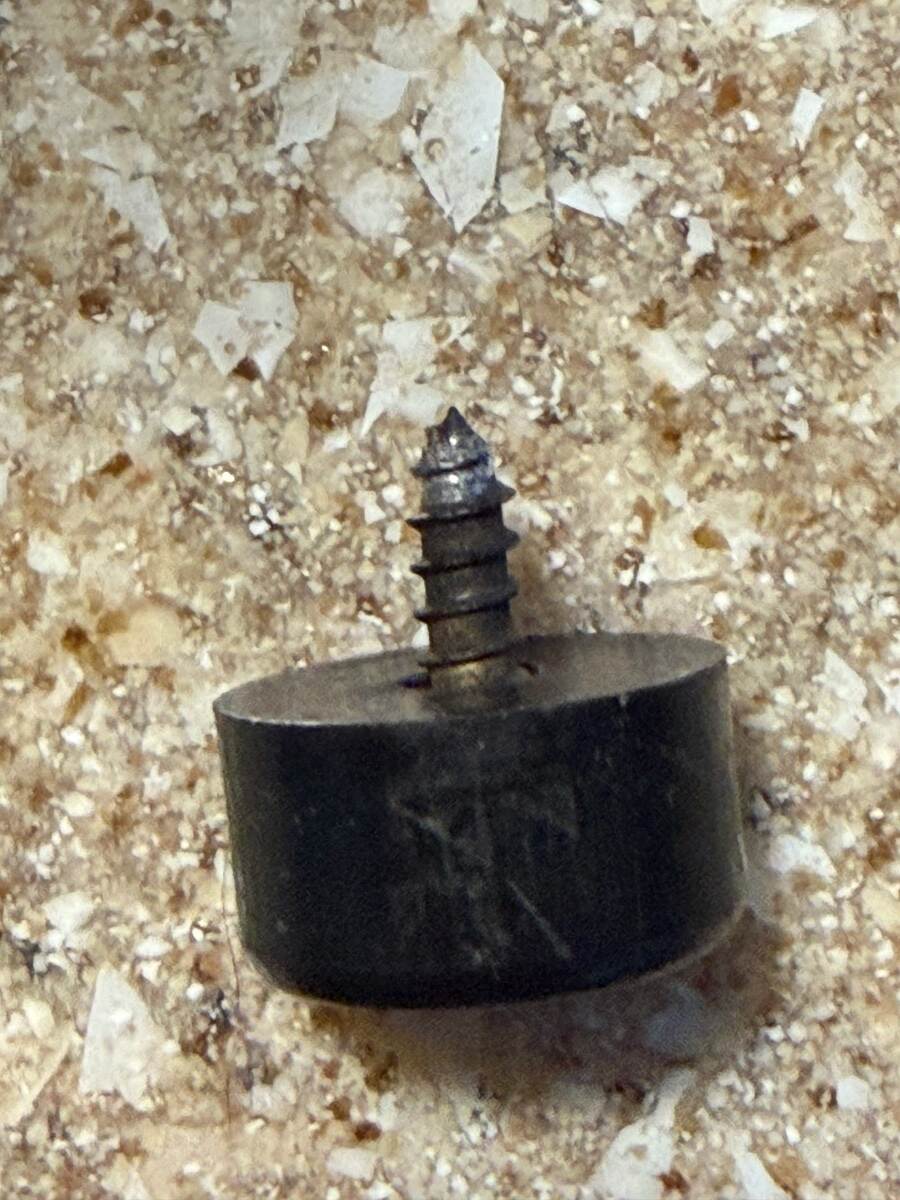
I don’t know if this is a revelation or if somebody else has figured this out - or if I’m completely wrong - but - Unless the drain holes - inner and outer - are blocked so badly that the window tracks overflow entirely - there’s no reason why water would leak inside the trailer. From what I could see there was only a tiny bit of water in the bottom of the tracks that was visible through the holes in the plastic track guide. However - there’s IS a stop/bumper at the forward travel of the lower window track. It’s a rubber “foot” like you might see on the bottom of an appliance to keep it from scratching a countertop. On my leaky window - this screw was quite loose. I noticed when I removed it to try to clean out the track. The stop (hole in the frame) does happen to be right above where the water is leaking into the trailer. The leak is between the window frame and the inner wall of the trailer. As I say - I might be smoking something, but I’m thinking this is the only(?) place where there is a hole low enough in the track to leak water inside the trailer unless the track is filled with water. I plan to dry out the track, make sure that hole is clean, then reinstall the number and screw with some sealant in the threads. Update to follow. added: Looking at the frame and inner plastic track/guide - I can’t tell if the hole for the screw actually goes through the frame. I figured that for the stop/bumper to have any strength, it would have to. And the screw looks long enough. There’s also a coloration difference at the tip of the screw that indicates it was into the aluminum frame. Either way, drilling a hole through the bottom of the frame is a pretty dumb way to add a window stop.
-

SeeLevel Tank Monitor Issue
Tom and Doreen replied to marsharini's topic in Mechanical & Technical Tips
Is there power to the unit? Does your water pump switch / indicator work? I would check everywhere a service person may have worked to see if there are any pinched, broken, or unplugged wires. Are any other devices not working, check fuses, etc.. -

12Volt issue inside trailer
marsharini replied to Buddhabelly's topic in Mechanical & Technical Tips
This thread was very helpful to us. We’re in a National Forest campground and powered up the inverter and there was no power to all the outlets except the microwave so that’s where I had to plug in my cpap. Did a search on the forum this morning and voila - problem solved. It was the gfi. Thanks to all who contribute to the Oliver knowledge base. -
Our tank monitor is not giving any readings, including battery level. Just wondering if this has happened to anyone else. Some background info, we were in for service at the end of April and the tanks read prior to the service. One service issue was a replacement water heater and I’m wondering if something got knocked loose somewhere between hulls. Unfortunately for us our pickup from Service was on a Friday close to closing time and they couldn’t get out fast enough so we didn’t find the problem until later in the day. We were able to stop in on Monday afternoon and one of the service techs took a look at it and even tried a new monitor panel, but no success. The tech did mention a possible pulled wire somewhere but they didn’t have the time in their schedule that day to find a fix. If there’s an easy fix/solution we’d like to try that before we haul it down to Hohenwald.
-

All windows leaking except exit window when washing.
2008RN replied to 2008RN's topic in General Discussion
I don't know if it is going to help but I use a Dremel bit and increase the Drain slot height from about 3/32 to a little over 1/8' on both the inside and outside drain slots. I also put gutter "J" tracks over the windows, mostly to help the street side windows. We did have a couple days of rain in Yosemite in April, and no leaks. They weren't flooding rains though. There are other threads about window leaking, I also cleaned all tracks throughly inside and out. Good luck. -
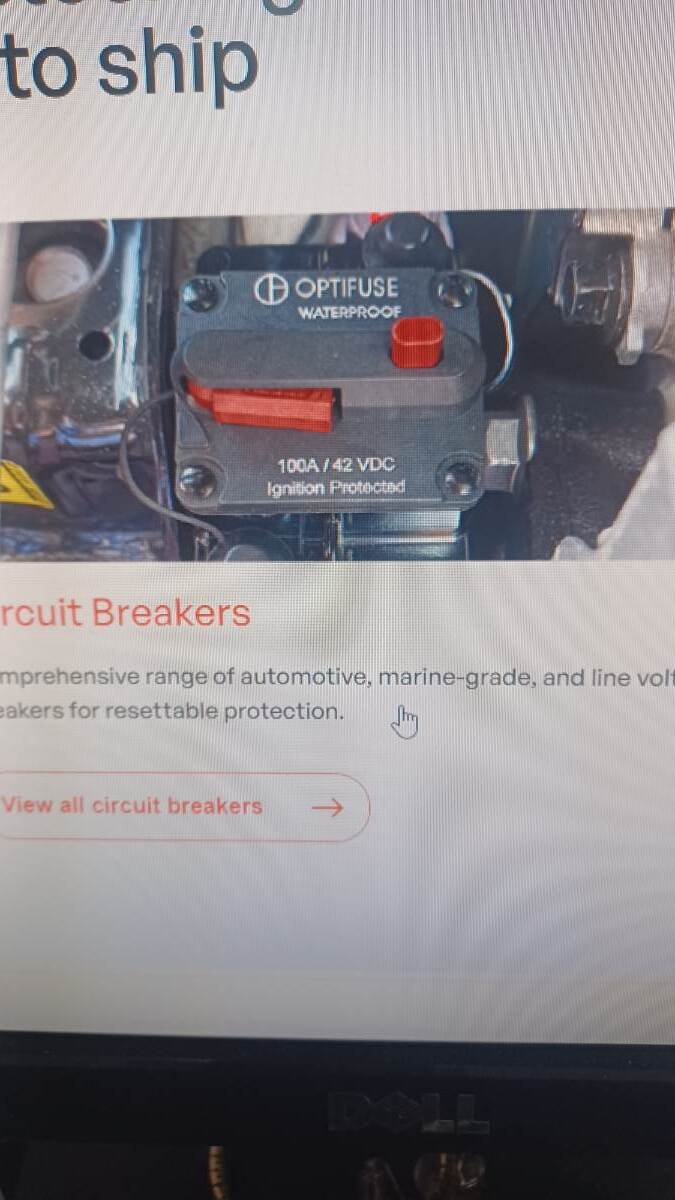
Wow, that's a 100A breaker! It must power the entire 12VDC panel and your jacks. You have to think, how did it blow? Unless a major appliance fried or you did something notable, like arc a heavy gauge hot wire to ground, something you'd remember, the 100A OPTIFUSE just tripped for no reason. There have been several defective OPTIFUSE breakers noted on our forum. I also read OTT has stopped using them. I suggest you replace this breaker with a 100A ANL fuse. 😎
-

12Volt issue inside trailer
Buddhabelly replied to Buddhabelly's topic in Mechanical & Technical Tips
Found a better picture of that switch and that swing arm I'm talking about.