Leaderboard




Popular Content
Showing content with the highest reputation on 06/06/2026 in Posts
-
Yeah cutoff switches, the solar pokes into the cabinet but the inverter is on the main layout panel under the bed. Stuff under the beds makes sense - I was wondering with the double hull how you’d access everything but it works great, except when you need to get to them! I’m fine with the electrical, that’s a rare interaction, but the water valves are super annoying. Why didn’t they put a Nautilus panel or the like just under the curb bed? Your motorized valve solution is cool.2 points
-
Before I purchased my Oliver I owned a NuCamp TAB 400 (great trailer) which had similar windows. Your comment reminds me of our second camping outing with our Nu Camp. I am over six foot tall and I broke the window near the door with my head!! However still prefer those windows over my current Oliver slide windows.2 points
-
Based on various conversations I believe that the new windows are Lippert 3000 FV, 48"x18". I have not been able to confirm that the dimensions of the hull rough opening have not changed. Tim2 points
-
UPDATE: As you can see from my first post, we experienced the issue captured in the video late on Saturday the 30th. After reading the information provided above, and doing a little more research, I called and opened a ticket using the forum link to the ticketing system, called Oliver customer support and left a voicemail, and lastly I sent the video in an email to support@olivertraveltrailers.com with a copy to one of the leadership team. Sunday AM: I received an email from Oliver asking for the model and serial number of the Truma, which I promptly sent. Monday AM (8:30ish) : I called customer support at Oliver and I barely got out my name when the tech said, "oh yes, you were the first topic at our team meeting this morning. You should expect a call from someone on the leadership team to help resolve this." An hour or so later, sure enough, I received a call, and the ball was rolling. A full explanation of the plan to get us back up and running with hot water was laid out. (Note: My Aquago was not in the range of serial numbers that were part of the recall, but the plan we were executing assumed that it was. More on that later.) I was in Pennsylvania the day the issue occurred. I was in Buffalo NY headed to Rochester, when I received the first call on Monday. Oliver gave me several options for where I could have the burner swapped out, and we chose an RV facility in Rochester since we planned to be there for 3 days. Oliver next day aired the part, worked with the RV store to schedule the repair, and the work was completed Wednesday, and we were on our way - WITH hot water. 🙂 For the record, my AquaGo is under warranty. Whether or not the issue is the same one addressed with the recall, I don't know. I will let Oliver and Truma work that out, but it appears to be a different issue. Bottom line, Oliver went above and beyond on this one. There was one individual who was in the driver's seat at Oliver, and she will have a thank-you card and a small gift on the way as soon as we get to a stop where we can make that happen. We are grateful for the response and count ourselves lucky to be part of the Oliver family. Bob P.S. It probably helped to provide a video of a fireball on the side of the trailer. 🙂 Nevertheless, good job, Oliver.2 points
-
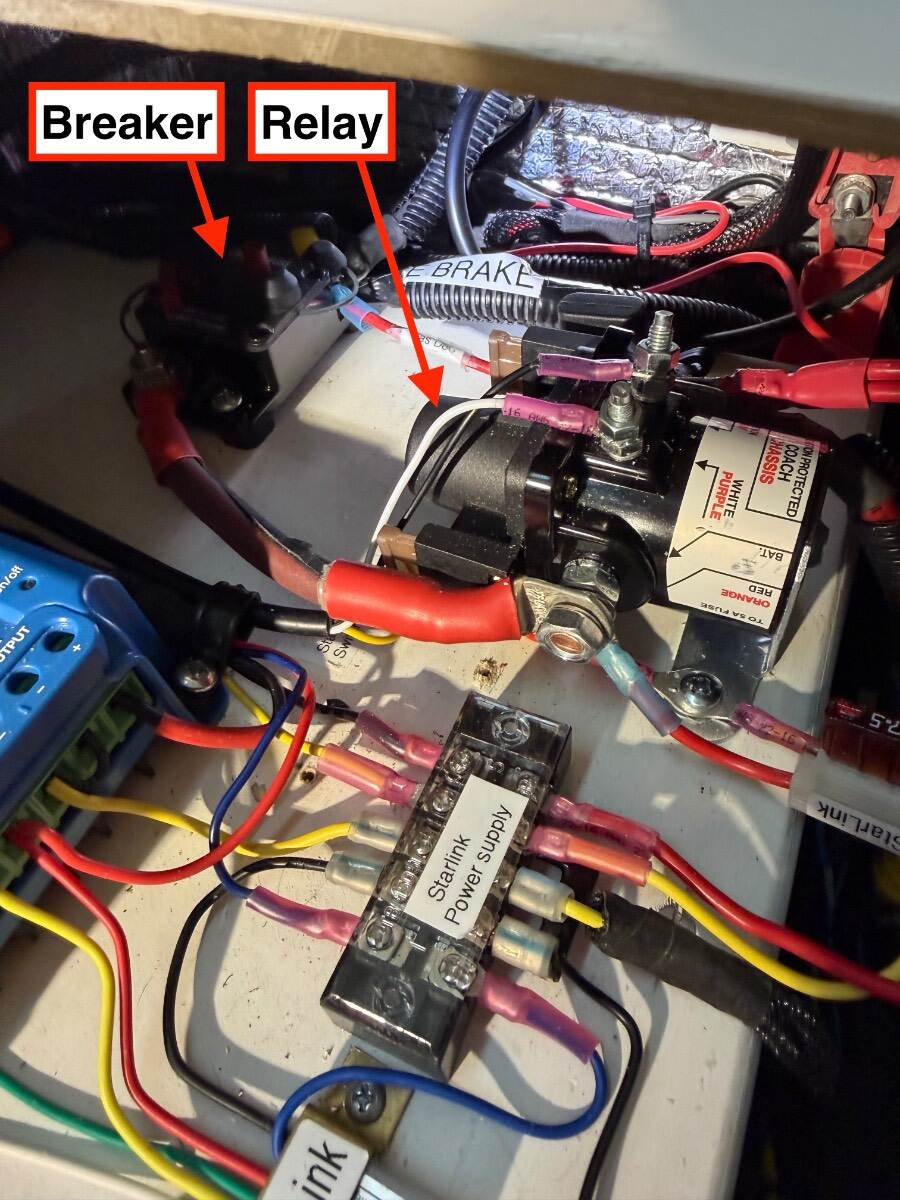
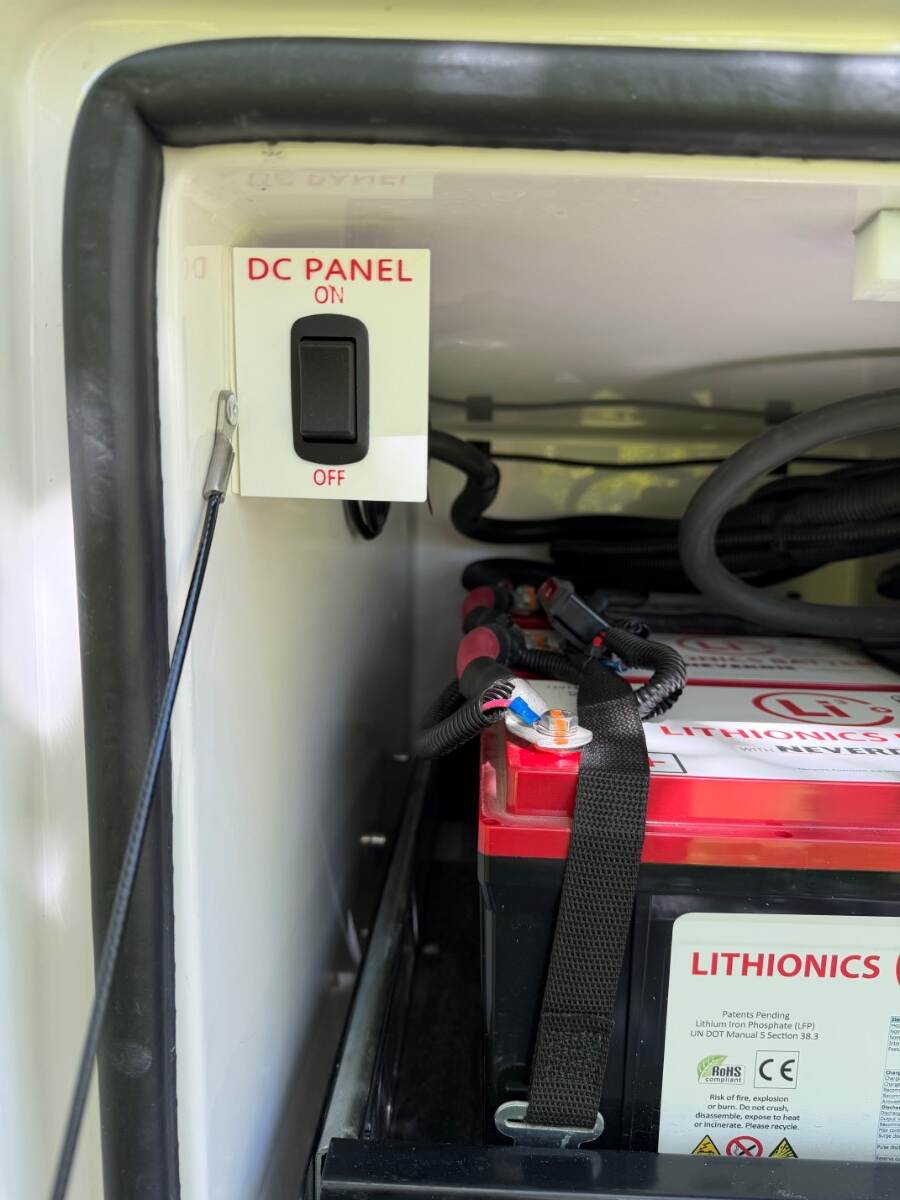
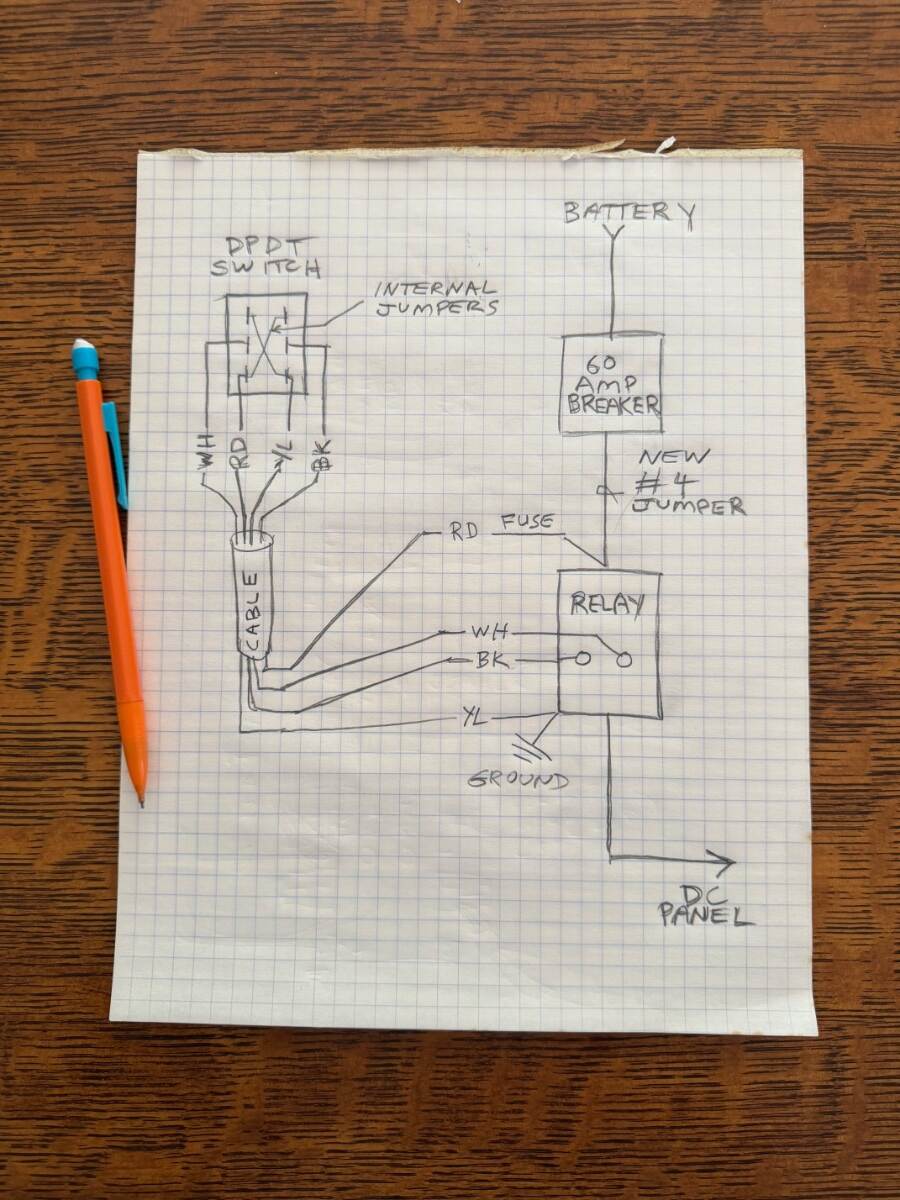
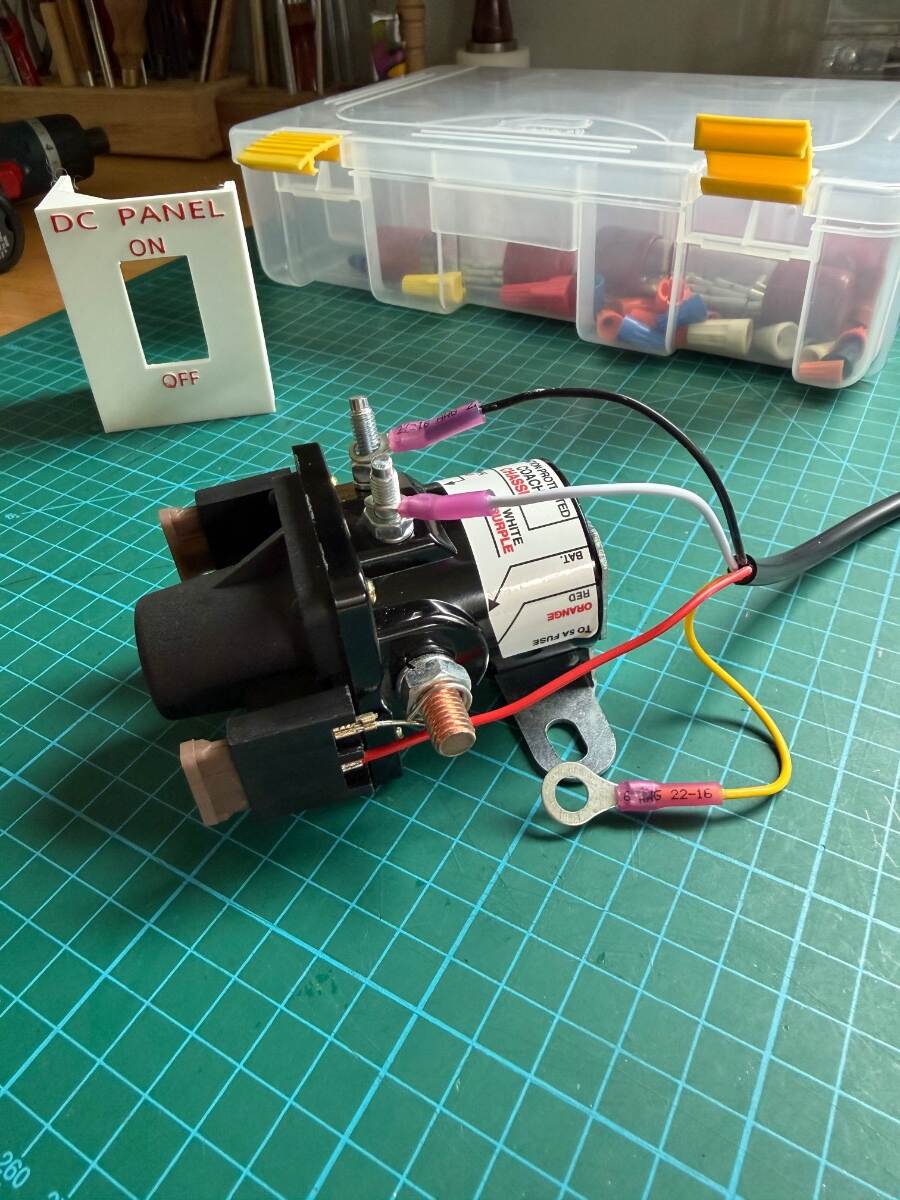
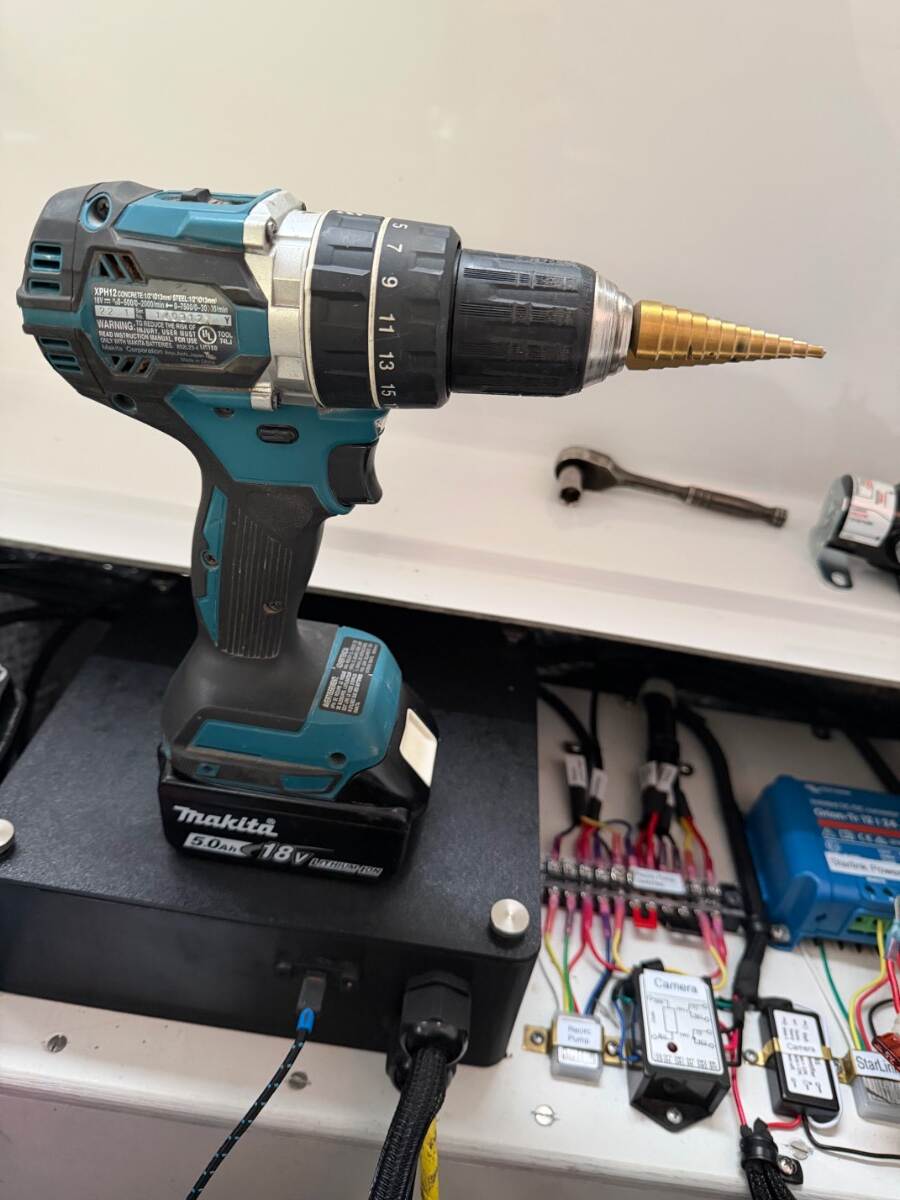
There are many great postings for installing a main battery switch. Folks like them for safety reasons, to kill parasite loads during storage, or for when working on the system. But I’m not a big fan because the safety benefits are more mythical than real, and 96% of parasite loads can be killed by shutting off the 60 amp DC panel breaker. I just don’t like introducing unnecessary resistance in the high current battery circuit. In rare cases when the main battery circuit needs to worked on, the battery can be disconnected, or the 300 amp breaker can be opened. Even with liability exposure, Oliver’s decision not to have a main battery switch was a deliberate and sound engineering choice in my opinion There may be some merit-worthy arguments for one, or perhaps a lingering perception that one is needed because it’s a requirement in the marine industry for different risks. In reality, the need to cut power in 12-volt RV systems during emergencies is rare and not normal practice. Besides, most firefighters are trained to cut battery cables before looking for a switch, or trusting it. There is no shock hazard from the battery, and breakers and fuses are more reliable protection against fire hazards, than relying on the right person being in the right place at the right time to find a switch. I've seen a number of battery switch installations that completely disconnect the battery. This can actually create more credible safety hazards than it prevents. A towed trailer with its battery switched off has no emergency breakaway brakes and no gas or CO detection, both of which should never be switched off. The solar and AC chargers are also disabled in that configuration. However, switching off parasite loads is definitely a good idea for storage, but it doesn’t require switching off the entire battery. In the example shown below, the DC panel carries 96% of the parasite load. The remaining 4% of parasitic load comes from the inverter/charger, solar charger, and LP/CO alarm which are all connected directly to the battery. I don't believe it's necessary or advisable to disconnect these circuits for normal off-season storage because those parasite loads are non-consequential. For unusually long storage periods, some additional battery maintenance would be needed regardless. The parasite load percentages below are based on precise measurements of my Oliver trailer with a 390 amp battery, your setup and amperage may vary. They include electronic standby currents from various LEDs, memories, displays, power supplies, and such. There is no singular large load, but they collectively add up: Circuit Draw DC Panel load 0.48 A 96% Inverter, Solar Charger, Gas/CO detector 0.02 A 4% Total measured from battery 0.50 A 100% DC panel breakdown: Fuse Circuit Draw 2 Various electronics 0.117 A 4 Furnace 0.012 A 5 Main lighting 0.003 A 6 Fans 0.016 A 7 Truma water heater 0.113 A 8 *Furrion Radio 0.204 A 9 USB outlets 0.007 A 10 USB outlets 0.009 A Total 0.481 A *My new IRV stereo is only 0.083 A Under ideal conditions, a 0.481-amp load from the DC panel would deplete a 390 amp-hour battery in roughly 34 days. Real-world depletion will be faster due to BMS overhead and temperature effects. The remaining 0.02-amp load from the non-DC Panel circuits would take approximately 2.2 years to deplete the battery. A lead acid battery system without inverter would have less parasite draw with the DC panel shut off. It would still last a 7 month storage season before depleting the batteries to a safe 50% discharge. I used to turn off the DC panel with its 60 amp breaker under the street-side bed. Although effective, it’s inconvenient to reach. This modification provides a more convenient way to turn it off with a latching solenoid relay controlled by a small switch. Latching means it holds position without any power draw, it only consumes current for the instant it switches, adding nothing to the parasite load. These relays are designed for exactly this purpose and are commonly used in boats and RVs. I used an Intellitech style RV latching relay rated for 100 amps. The relay mounts next to the 60-amp breaker. The existing DC panel feed wire is moved from the breaker output — to the relay output. A new #4 AWG jumper goes from the vacated breaker output — to the latching relay input. Premade made jumpers with ring terminals are readily available in 6” & 12” lengths. Note: The 60 amp breaker may also have other loads such as the electric jacks. The jacks do not have parasite loads, but turning them off is a form of anti-theft protection to prevent the trailer from being towed away with jacks deployed. If you choose to move these loads to the relay, then the ring terminals need to be enlarged from 1/4” to 5/16” stud size to fit the relay. Use a sheet metal step drill to enlarge the terminal ring lugs while holding them with pliers, otherwise a twist drill will grab and destroy it. Step drills are great for drilling chip free holes in fiberglass tool. The relay is controlled with a Double Pole Double Throw (DPDT) momentary switch with a spring return to center. This is the same type of polarity-swapping switch used for the electric jacks. The switch can be located in any accessible and convenient location. I put mine in the battery compartment and wired it with a jacketed 4-conductor 18-gauge cable. The cable fits snugly through a 5/16” hole drilled next to where the DC panel wire penetrates the battery compartment. I linked one option for a switch mounting bracket. However, I made my own 3-D printed bracket with a red label to identify it as the DC panel shutoff. The print STL file is available, or I have a few extras if anyone needs one. I mounted the switch bracket with high strength double-stick foam tape and stick-on zip-tie mounts for the wire. The DC panel can now be turned on/off with the switch, without disturbing the inverter/charger, solar charger, or safety circuits. Newer Olivers have a solar disconnect switch and it’s possible to use the latching relay to disconnect the solar too. However, there is limited space on the relay’s stud for circuits so a terminal block would be needed for that purpose. I couldn’t find decent wiring instructions for the relay, so I provided a sketch. The relay comes with two fuses, use the one connected to the V+ input to power the switch. The other fuse is for an optional switch indicator LED. The switch’s V+ wire connects directly to the fuse spade with a female spade terminal. BTW: As seen in the picture, my installation is way more congested than normal due to other modifications. I have a large piece of plywood for mounting all my gadgets, you may need to glue a small wood mounting block for the relay. Just trim the insulation and use a good construction glue or epoxy. Here are some Amazon links for parts: Latching 100 amp Relay https://a.co/d/09MjQYjx DPDT momentary return to center switch https://a.co/d/0hNXSZkO Switch bracket https://a.co/d/08qc1lvY 4-18 AWG cable https://a.co/d/05Zn0CF6 6” x #4 AWG Jumper https://a.co/d/049xhKq6 Zip tie mounts https://a.co/d/0iRWzLD2 3-piece step drill kit https://a.co/d/01TaDQmg Hope you find this useful. Cheers! Geoff
 1 point
 -
If you like that you gotta try regenerative braking at 0.5 trailer gain! I’ll pull 130 kW silently on the regen and bring you to a full stop, it’s nuts. I have to lower the regen to the moderate level as the high level is too much. Big batter == more regen capability basically. Anyhow yeah the first gen trucks like Lightning, CT and Rivian aren’t for towing, but these second gen Sierra + Silverado are pretty hard to beat as a camping companion. Power is the one thing I don’t worry about boondocking. I’ve talked about it before but I haven’t mapped a trip yet that doesn’t have charging close enough for these trucks. The only vampire I notice is the WIFI (TP-Link travel router), slowly but surely it’ll eat at the battery and heat up the attic, even on Eco. Not a problem with all these kWh really but its’ annoying, I turn it off at night. I wifi hotspot mooching and tether my unlimited plan phone for the family otherwise.1 point
-
I'm assuming you mean the cutoff switches. That's cool and quite an improvement. I had to move everything out from under the beds!1 point
-
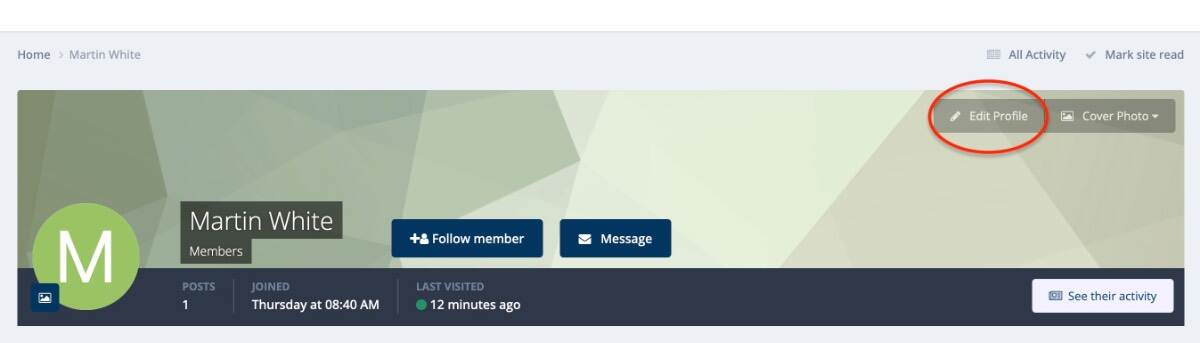
Welcome to the forum! Mossey First picture Right click your 'M' and it will open your profile page. Second picture Click on the Red circled area marked 'Edit Profile'
1 point
-
We ordered our Oliver #70 back kn 2014 without the MW. It came with a built in cavity of sorts which I guess one could call it a cabinet. The cavity was wood line probably 1/4 inch Luan plywood. Oliver installed a rather unappealing door during the build but did use the standard SS latches seen on the rest of the overhead doors. Once home I built a new door to replace the original one that appealed to us.1 point
-
Our previous camper had Dometic/Seitz awning style windows that could be opened during light rain, really liked those windows, but they were plexiglass. Talked to Oliver about retrofitting an Oliver, but they are not ready to release information about retrofits, yet. Just looking and learning for now. 🙂1 point
-
I thought that when I reviewed the catalog link Rob provided. I'm the oddball here re taste in windows (and certainly other things 🤣). I'm happy we have the sliders and very happy after 10 years that ours are in excellent condition after replacing the white rubber seals with new black rubber. I like the one-hand operation whether standing, sitting, or laying in bed. I open/close the one by my bed every night and morning. Sliders may be better for security too, when left open while away for the day. Every time I pressure wash the Oliver, I hit the windows dead on and a little dirt and a lot of water comes out of every weep hole while staying dry inside. No similar tracks or weep holes in the awning windows, so likely a benefit of being low maintenance. I know some of you have leaks in your original windows and many of you want awning windows for better air flow and other reasons. I hope for you that these windows fit into the roughout openings of your hull with an easy installation! I'm looking forward to reading the first window mod thread on our great Forum! 😂1 point
-
😁 not a problem for us.1 point
-
Windows in our LE2 have this ID tag inside of the window frame. Believe our rear window in our 2015 LE2 is different size compared to current LE2 rear windows. Please let me know if I have this wrong. In the following video at the 3:05 mark he shows how to identify the existing window to be replaced using the above ID tag when contacting Lippert, Oliver told me my windows were Lippert 8800 windows. Really like the Awning style glass windows that open 90 degrees.1 point
-
You know, I've been worried about RV battery SOC ever since our first in 2018. But the Class A and then the Class C both had generators. I was adamant from day 1 with the Oliver that we would not run a generator. Battery and inverter/charger technology is here! You even got me thinking in a new way that an EV truck can be a proper TV! 😎 (Though no way we could afford one, and the old Dodge now with upgrades including exhaust brake is a joy!) I pulled out lead acid and a 2KW Xantrex, 2 years ago, and upgraded to the 3KW inverter/charger and 600 Ah LiFePO4. It took me a while to know what I can run and how long the SOC will last. Then last Black Friday we up'd to 900 Ah. In all our winter travels, I finally stopped worrying and I learned to use 3KW and 900 Ah to the fullest. Chris still worries some. After a week of travel, I remembered seeing 67% SOC and Chris asked could she use the Emeril (replaced the microwave with an air fryer). My reply was 67% of 900 Ah is equal to 100% of 600 Ah! Sure bake all afternoon of you need to! Love it. Our Chill Cube runs on ridiculous low power, consuming <30% of what the old Dometic pulled, and I estimate <50% of the power requirements of the Truma, Tosot, or any ON/OFF compressor model! This is amazing and sure helps the worry factor. We had 450 Ah in LA and that means 225 usable which would be our current battery bank at 25% SOC. I don't worry anymore! 😎 (When under 20% SOC, Victron and Epoch apps will warn us.) I believe that many of you with 600 - 640 Ah and 3KW inverter should think to worry less. Run your A/C and that Induction cooker, at least one burner! 🤣1 point
-
This mod is awesome but I’d go KISS with a simple switch too. It’s very useful for troubleshooting, in fact on my maiden voyage I ran into trouble with my Xantrex and Oliver support wanted me to isolate the battery by taking the leads off. I wasn’t too happy about that - they’re torqued and I didn’t have the proper wrench with me, and maybe not the right sized sockets anyhow. Pretty crude just pulling those leads … fortunately I quickly realized that these Lithionics I got have the built in power switches. So easy, but not everybody has a built in cutoff. The ‘26’s already have two master rotary cutoffs, one for solar and the other for the inverter. Odd they didn’t do one for the battery1 point
-
I know - I’m an EV guy so my brain thinks in kWh. I do continue it here since the truck is the main power source off park, so for example “if I’m at 79 SOC (State of Charge) of 220 kWh, then taking 8kWh for the trailer leaves me 169 kWh or 75% of the battery, which is at 1.3 mi/kWh 219 miles which is fine to get back to civilization … Yeah your right it’s 640 Ah I was misremembering, 7ish or 9ish kWh or something …1 point
-
What I mean is as follows... We run our appliances on battery/inverter just as we would on shore power. I don't even like to hookup when hookups are available, not pulling out cables and hoses unless truly needed. I'll charge batteries, fill fresh water and dump tanks when leaving a campsite, given we are boondocking next. Often, I do not charge at all since as we drive away we average +40 Ah per hour towing with the Victron Orion 50A DC-DC charger! 😎 Our system can handle running our Chill Cube A/C, plus the induction cooktop at the #10 setting, while watching TV with soundbar, and if I wanted to push the system I could boil water with our 1100W tea kettle! Although running ALL of these appliances does add up to 3,000W! The Victron Multiplus II can handle it at default settings. It's rated at 3KVA and can run that in continuous mode. One time, I had our hot water heater running on AC, TV and normal stuff running and forgetting the HWH was heating I turned on the old dog Dometic P2 A/C (TG that beast is gone)! In a few minutes after the Easy Start got done with it's lame on-n-off routine, full power to the compressor, the Victron sounded an alarm! When I checked the app it was providing over 280A (3400W). But it didn't shut down, it just warned us, and it ran at that level for a few minutes. Looking at the amperage numbers, I remembered I had the HWH on electric (vs. propane). I hit the breaker to turn off the HWH and the Victron alarm stopped sounding. We did not lose our TV streaming, not even a hiccup in Internet connection of any other electrical need. Sorry, the Xantrex product will not do this. You can search for keyword 'Xantrex' on this forum to find dozens of posts re Xantrex inverters failing, or at least shutting down, error codes present. Yes, perhaps the default low voltage cutoff is set too high, but that's not all of it. The Victron MP2 also has the PowerAssist mode where if connected to 15A source, it will use that and add inverted battery power to carry higher loads like an inefficient A/C unit. So consider this. When connected to 30A shore power (3600W) the Victron can pass through that power and add another 3000W for 6600W total. Of course nobody would need that or do that, but you could run 3 of the worse A/C systems, like the Dometic P2 on that power. We run our Victron inverter 24x7x360! We run 5 Victron devices in the Oliver (MPPT SC, DC-DC, Shunts, etc.) and two more in the truck which can read from the VictronConnect app. BTW, most of us state battery capacity in Ah units vs KWH. Your batteries are 9KWH (750 Ah)? I thought the max OTT Lithionics installation is 640 Ah. It is standard to use Watts for appliance specs, like the 1800W (150A DC) induction cooktop. I'm always translating into 12VDC Amps since the Victron and Epoch apps show +/- Amps.1 point
-
@mossemi And thank you Sir for your help. Bill1 point
-
I heard that😁 But I'm no EE… just an uneducated and curious mind. The first priority in all my modifications — and frankly the cleverest aspect — was minimizing impact on the Oliver's stock functions and appearance. Most modifications can be removed without trace: no fiberglass damage, original functions intact. Everything is fully documented in a binder with detailed drawings any competent technician could follow. This should be a standard practice for every DIYer — and frankly, it's not something Oliver itself can boast based on all the speculation we see in this forum. Cheers!1 point
-
If Geoff ever sells their Oliver, the buyer will have to be another EE! 😎1 point
-
Wow, well thought out and excellent quality work, too!1 point
-
Tim, Oliver has gone to a newer Awning style window which opens at 90 degrees. It’s insulated and glass. I don’t have any additional info right now. I feel sure Oliver Service could provide you with more details. Cheers, Patriot1 point
-
https://res.cloudinary.com/lci-cloudinary/image/upload/v1734451736/Design Team/Sell Sheets/Lippert_-_Sell_Sheet_-_3000_Series_Windows_OEM_-_2023002334-WEB.pdf https://corporate.lippert.com/products/rv/windows For all the people interested in these other windows, link above. Not easy to fine.1 point
-
Perhaps a company like this one can help. https://www.steelerubber.com/camper-rv/window-sliding1 point










-
Recent Achievements
-