rideadeuce
-
Posts
390 -
Joined
-
Last visited
-
Days Won
19
5 Followers


Recent Profile Visitors
4,646 profile views





rideadeuce's Achievements






-
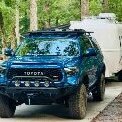
First, every tow vehicle and load is different and everyone should be conservative and safe. Personally, I have been towing an 2018 Oliver Elite II without a WD system from day one (February 2018) with an 2016 Tundra and it has performed flawlessly. I did upgrade the TV brakes and rear leaf springs when I lifted the vehicle for even better performance. Alcan leaf springs for the OEII. I post just to say every truck is different and I am sure every lawyer will look at it differently. I enjoy towing with my 2016 5.7L Tundra keeping it simple, robust and safe. My only snafu was the undersized OEM coupler breaking coming up I-75 (upgraded to 12k). Whatever you are using; check the hitch, coupler, tires, wheels, load, WDS, etc. every time you head out onto the road. If you notice porpoising or tail wagging, etc. something is wrong i.e. Overloaded in the rear, tire pressure issue. DO you have trouble getting the TV and TT to sit level? If your vehicle manufacturer calls for it or if you experience towing issues as previously mentioned, maybe you need a WDS or to redistribute the load or a sway bar or upgraded suspension components, brakes, etc. I love this forum and all the information and smarter, more experienced people than I, but I don’t think it is necessary to be told you cannot do something. Cheers to everyone out there and be safe. Hopefully this adds to and does not confuse the conversation. Best, M Key 2016 Tundra Towing Details: Max Tongue Weight (Weight Distribution): Typically 1,200 lbs. Max Tongue Weight (Dead Weight): Typically limited to 600 lbs. Max Towing Capacity: Up to ~10,000+ lbs (5.7L V8), depending on configuration. Class IV Hitch: The standard integrated hitch receiver on the Tundra is rated to handle the high capacity.
-
On Ollie Elite II. D35 bad. D52 good, with Alcan springs even better. 🙂
-
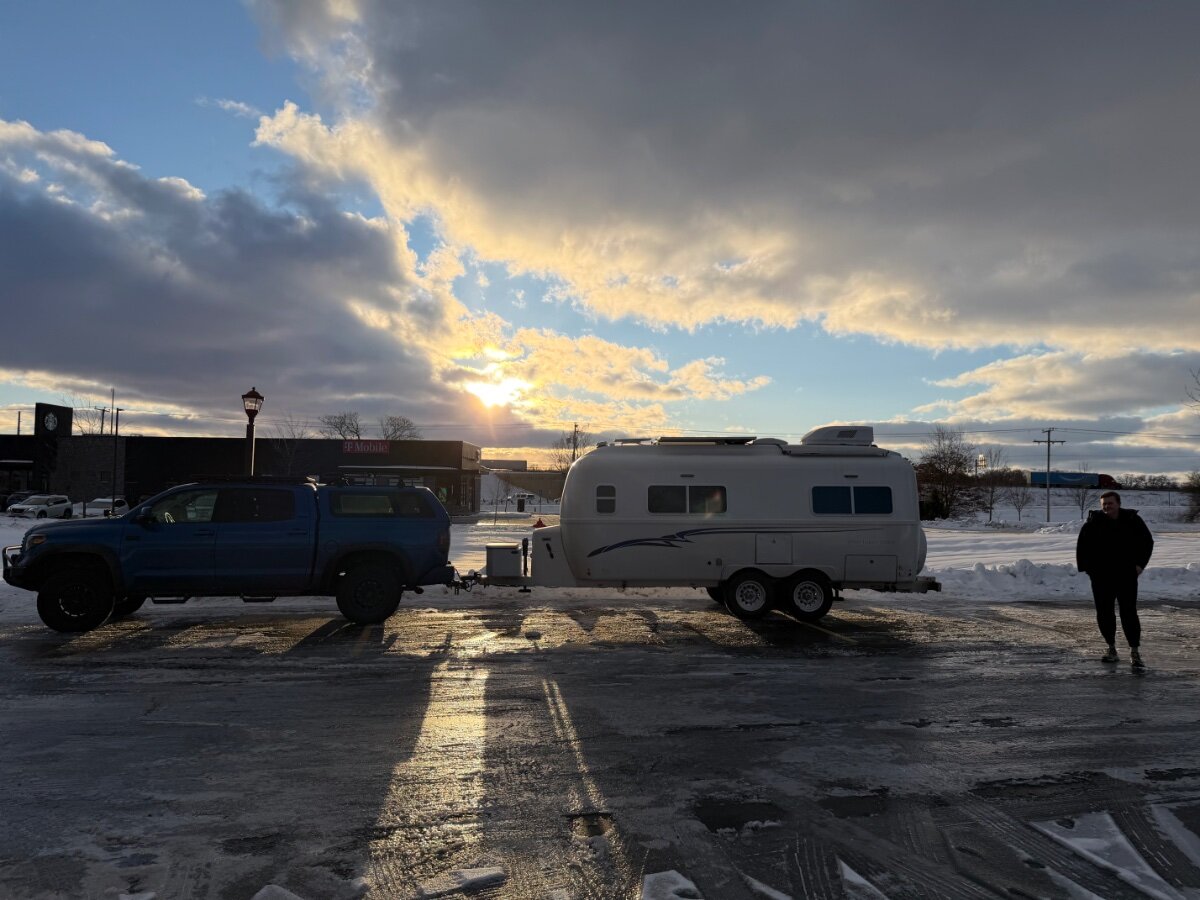
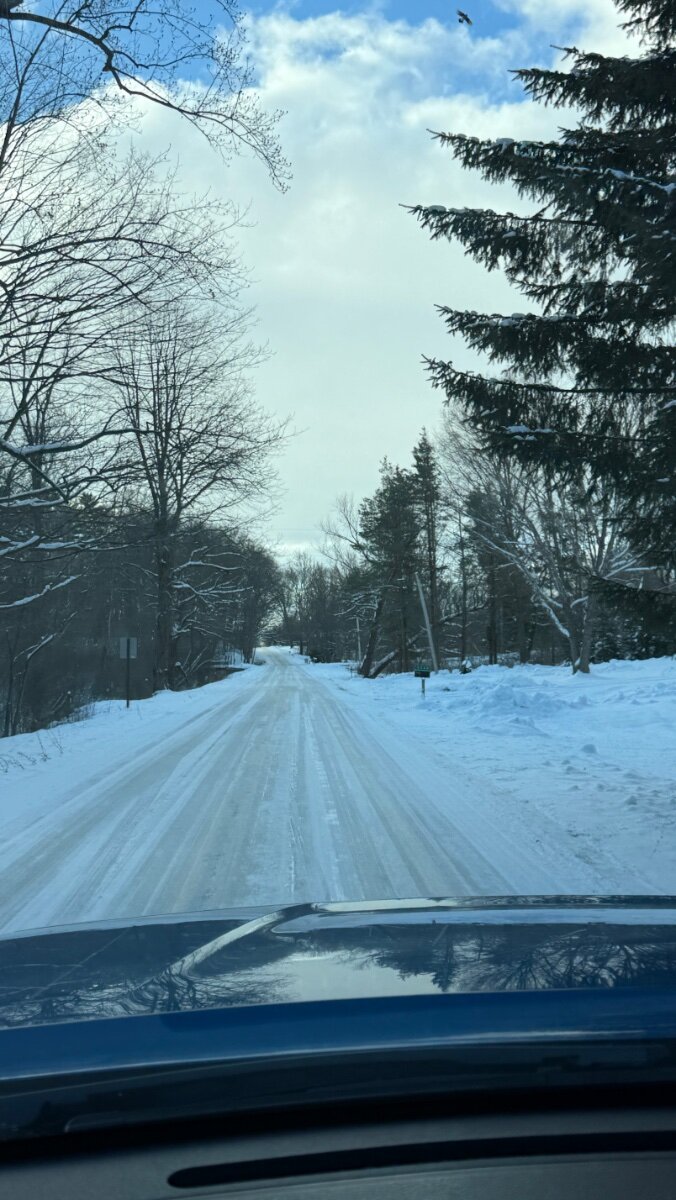
 You camp and learn. We were at my dad’s in southern MI this past week with temps dropping down in the single digits. Atmos 4.4 heat pump quit working immediately and the plug in electric heater was taken out during the last cleaning and forgot to put it back. Propane tank gauges were showing zero and the Truma water heater started blinking yellow. After turning off the water heater and Atmos several times and verifying propane level by weight we turned on the Suburban propane and stayed warm and cozy for the next 2 days without further problems. It is a learning experience every time you forget something or encounter something challenging out in the wild blue yonder. Part of the adventure! Glad you were able to find some AC for heat, redundancy is key .
 -
Trip to Michigan in subfreezing temps put the Atmos 4.4 heat pump to the test. 2nd night starting blowing cold air only and then shut off. After multiple restart attempts, turned it off and started up Suburban propane heater. Also, Truma water heater was not happy with the low propane pressure related to single digit temps. Not a win for cold weather camping. Waiting till we get back South and warmer weather to investigate the heat pump issue, etc. Thank goodness I decided to keep Suburban propane heater!

-
-
So about the same as a Dometic 13.5k AC on high powered by 12V DC.
-
Driving with AC on for a short period
rideadeuce replied to Wayne and Karen's topic in General Discussion
Very easily done. The Cielo Home app and others work great with the Atmos AC unit. Just have to have a compatible unit. You can monitor, change temp or mode, and turn on/off from the tow vehicle cab. I regularly make the journey from Nashville to the beach with the AC set to 72 degrees. Our two Welsh terriers have the best seat/bed for the drive down. We do have a 900 aH battery bank and usually have 20-40% left over sometimes more since the DC/DC charger and high output alternator install. -
rideadeuce changed their profile photo
-
Not sure how applicable smart glass would be for an Oliver trailer but the function is awesome. In the camper below, all the windows and bathroom glass are smart glass which can change from clear to opaque with a push of a button providing instant privacy. No tracks to clean or window treatments to manage. https://www.smartglasstech.us/city/usa-smart-glass-technologies-landing/ Changed the video to one without music. It shows the smart glass function but the longer videos show it’s use better. Also, linked made in USA manufacturer site that explains more about the technology. Best, M
-
Curious if you have the vent installed to allow air in when extending the hose with the terminal end closed. I would prefer not to use it if not really needed but my hope with the new system is to keep it always connected. Figured with the electronic black valve closed, I could always just crack the distal end open enough to extend, etc. What has your experience been.
-
The problem starts every time it starts back up! 😆 I know this is a very individualized thing but I actually like the unit and/or fan only running continuously, especially if it is quiet. It was the loud start and stops of the DP2 that woke me up during the night, etc. I am very hot natured and live in the humid SE. What Ron has figured out is better than the other options of timing out, manually shutting off the unit, or using the AUTO mode with no ability to refine temp settings. Hope everyone has a great weekend!
-
I didn’t think I needed this since already having the remote and other app control but I believe I am going to try it. Being able to more clearly refine the control is what we all want. Thx for sharing the product and evaluation. … now, where to place it? USB power makes things interesting.
-
For me, the Pebble Flow made in the USA is the most interesting and beautiful smart EV friendly TT. It has a ton of cool’s features and would be an awesome addition for an ICE or EV setup. My favorite features are the beautiful aerodynamic looks combined with all the new technology like smart glass, app controlled parking, auto camp set-up, magic hitch as well awesome design elements like room flip, huge fold out windows. Also great are Solar and EV importance shown in design like flat roof, integrated solar panels, power assist while driving with brake regeneration. A lot more of very innovative, forward thinking design implementations like off roof silent AC, No TV mounts, etc. Great use of space with room flip and dry bath. Kitchen with open window is amazing, ability to use water from kitchen outside and use of 2 burner induction stove outside as well. Great stuff for the person that loves the outdoors. Integrated rear hitch. Lots more! Video is worth a watch! And No I am not selling my beloved Oliver. Just appreciate innovation Best, M
-
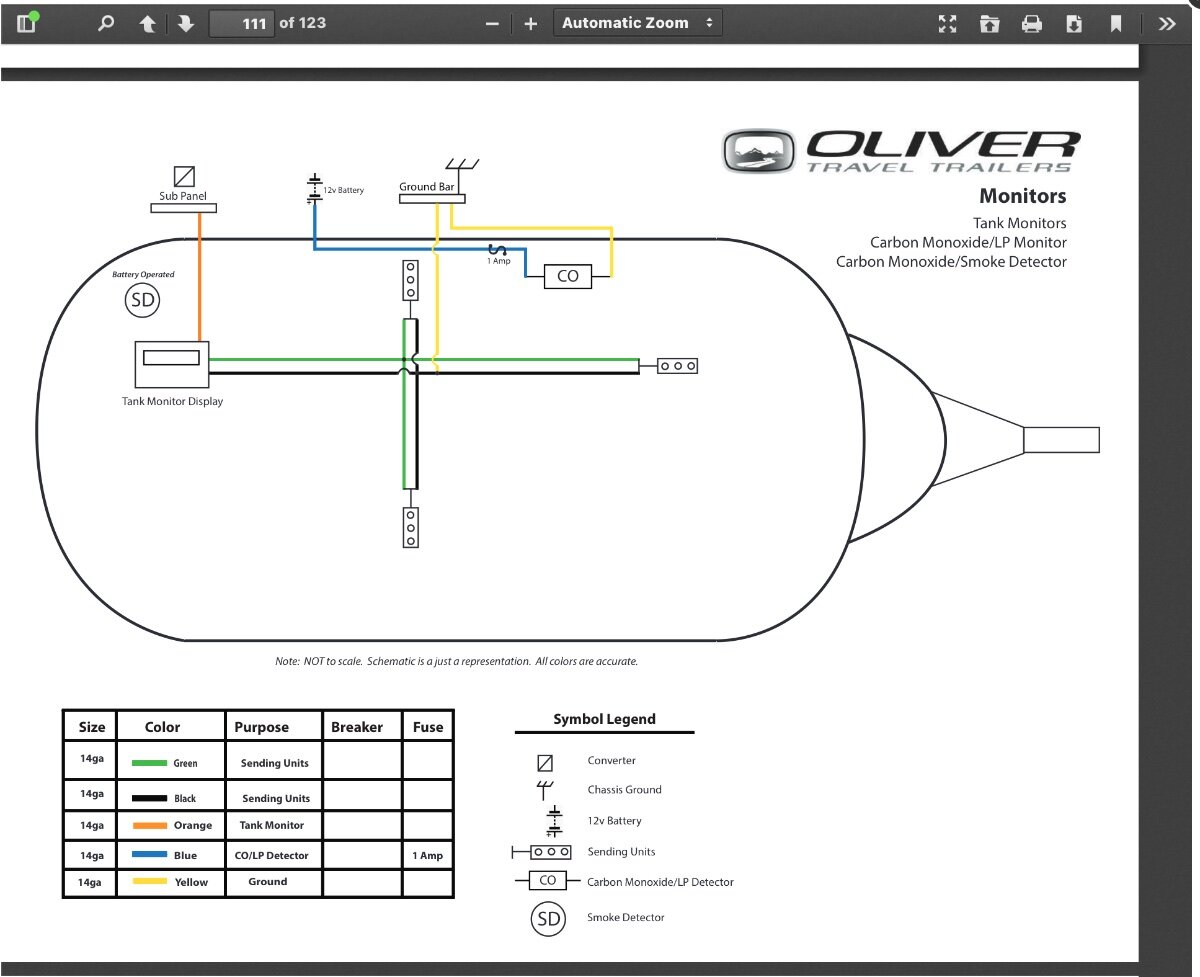
SeeLevel sensors integrated with Victron system
rideadeuce replied to rideadeuce's topic in Ollie Modifications
The red wire from the 4 pin connector, I believe. I am not an expert on this, always have to call myself. Where did you buy the new Seelevel panel? Vanlifeoutfitters was very helpful for me. I had actually got one of the 4 pin connectors loose stuffing it in the hole and finally after taking out and putting it back a couple of times got it back working. Also, the settings for the Ekrano were different than what is needed for the Carbo. Again, I would call Vanlife if that is where you bought the panel, very knowledgeable and helpful folks.
-
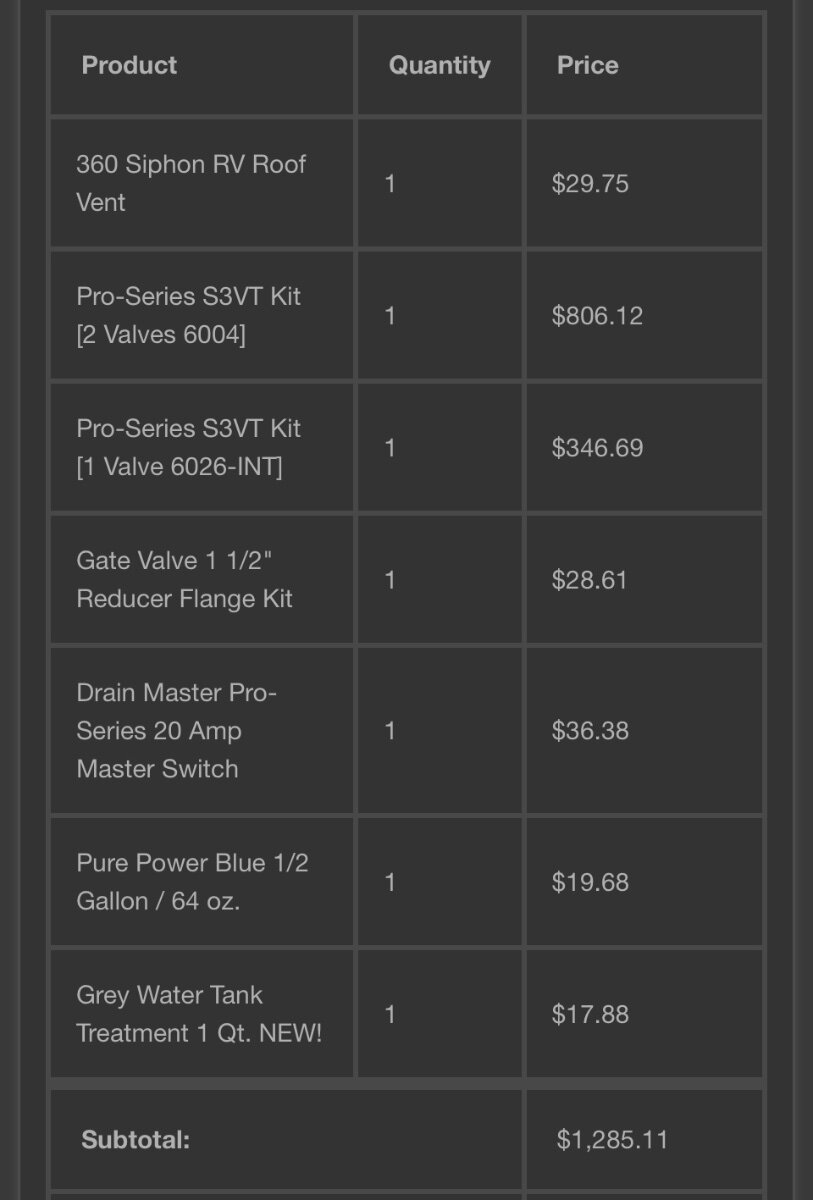
I believe the bundle is 6008 but what they told me to do was if you want the ability to control inside and outside order the double S3VT kit with interior and exterior panels. Ext is waterproof. Then order a single kit with just an interior switch for the grey cutoff plus the added reducer they sell. Hope that helps. Give me a min and I will upload the parts list on my invoice. Here it is: I added a few extra things that I wanted to try. M
-
Just talked with both Sharyl’s at Drainmaster.com, very helpful and knowledgeable. Sent them some pics/links and they think all 3 valves will fit. So I just ordered the bundle plus a 1-1/2 in reducer for the grey cutoff and a main cutoff switch. I won’t be back in town for a few weeks but sure look forward to the installation. Best, Mike
-
That’s awesome. I don’t know how I miss these things! Happy to know it will work easily. Now if the electronic valves work, it will be even better. Thx!


.thumb.jpg.e34bf01ef7f7d5e99ad31856d45afbeb.jpg)