Leaderboard



Popular Content
Showing content with the highest reputation on 04/05/2019 in Posts
-
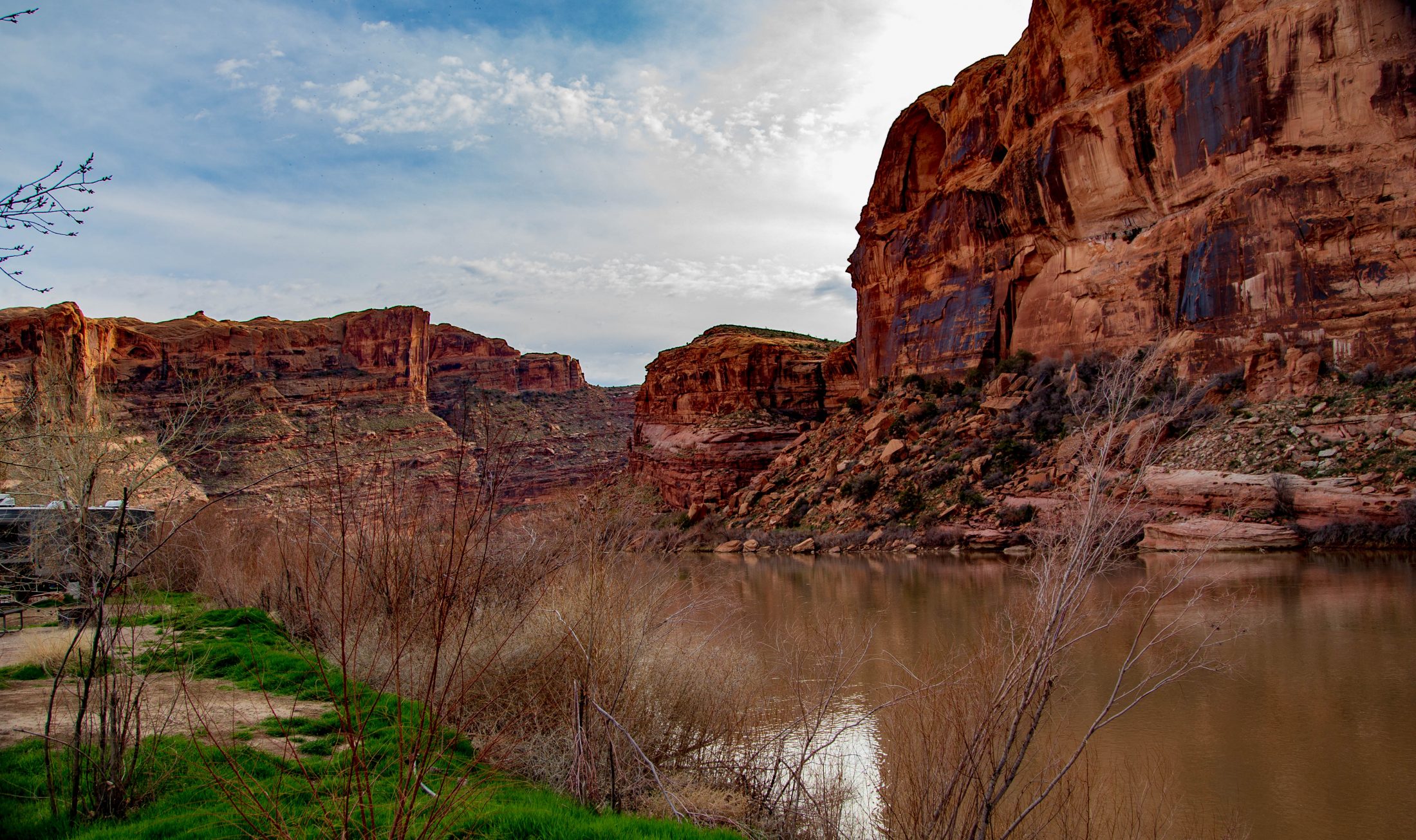
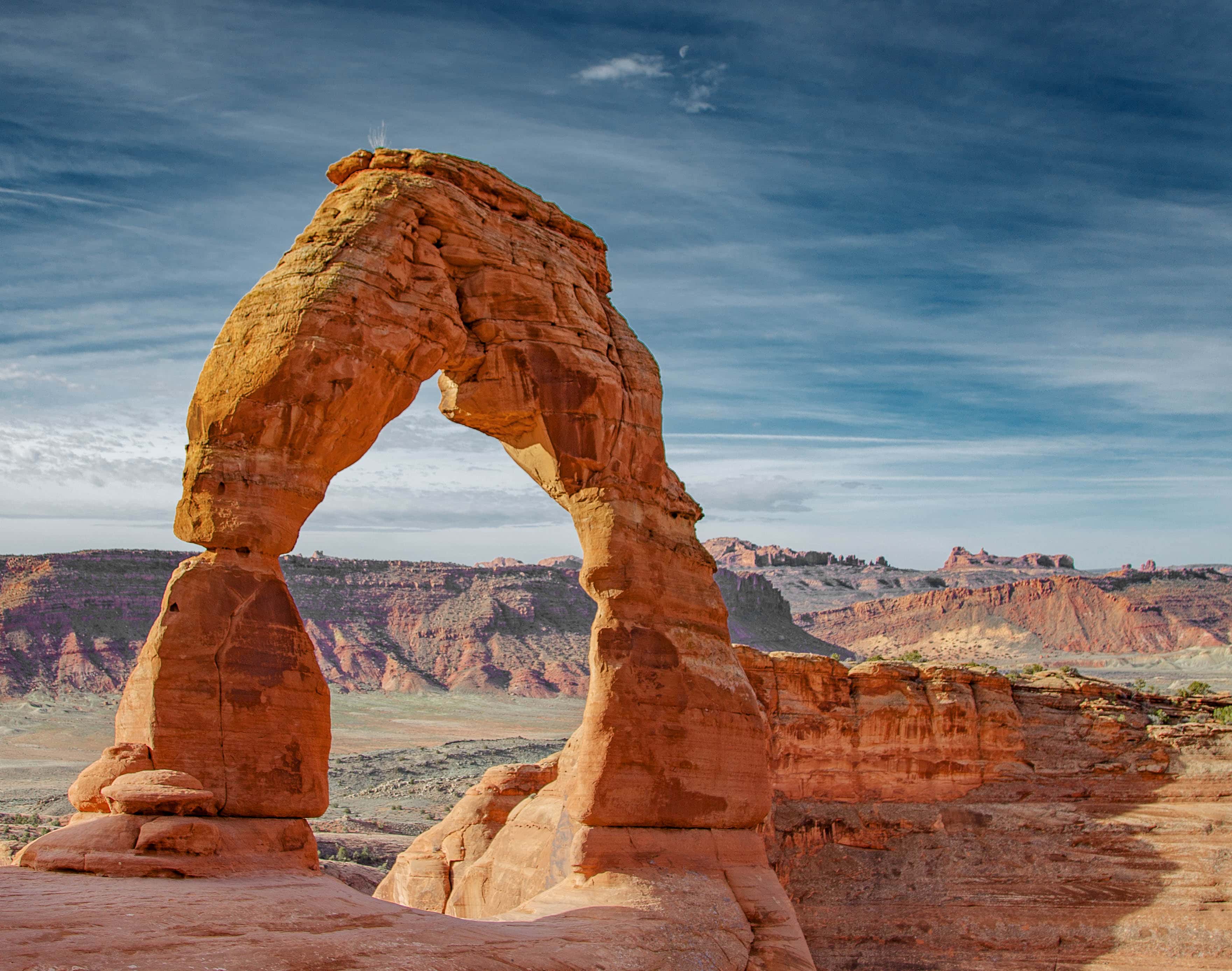
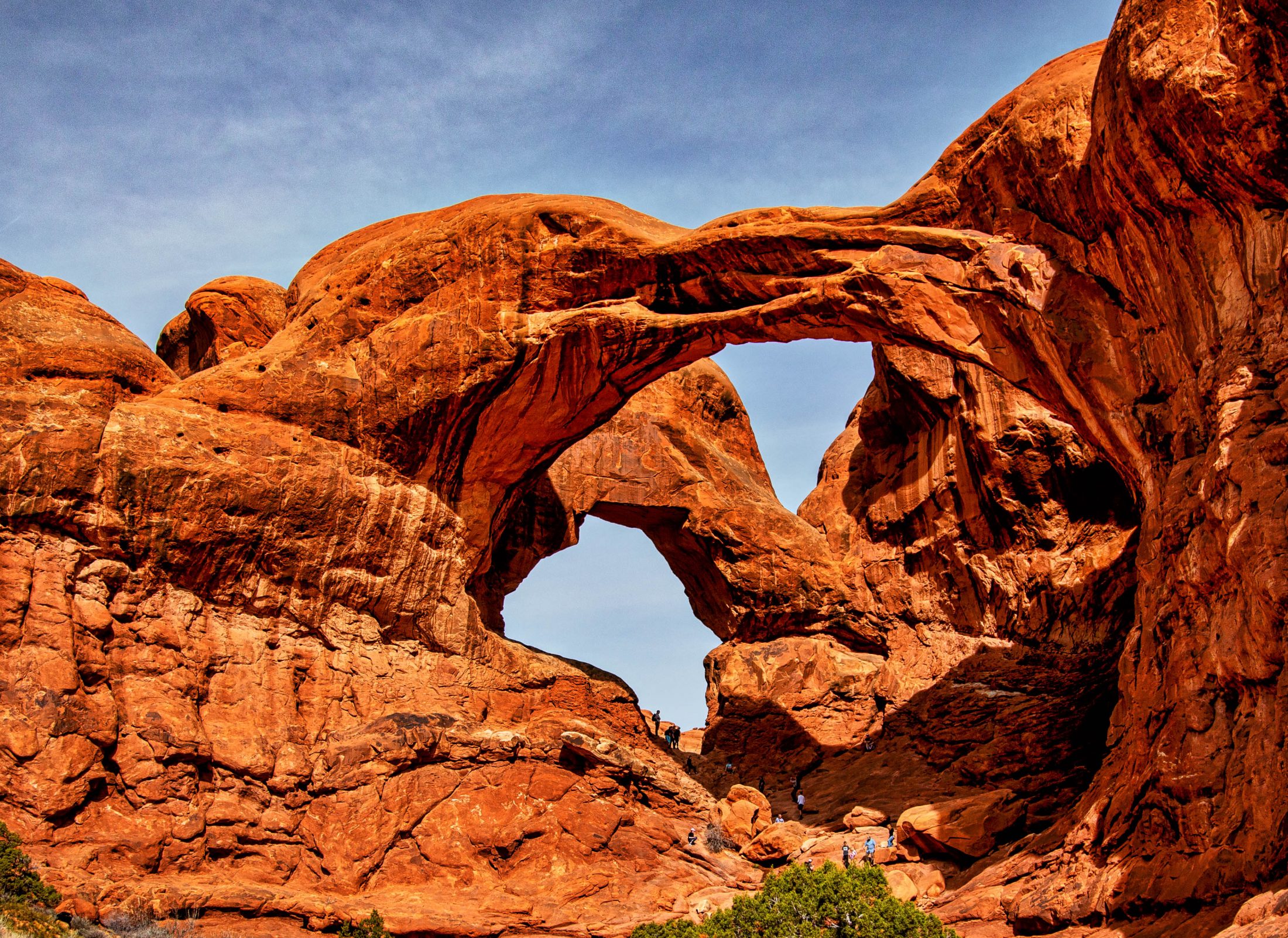
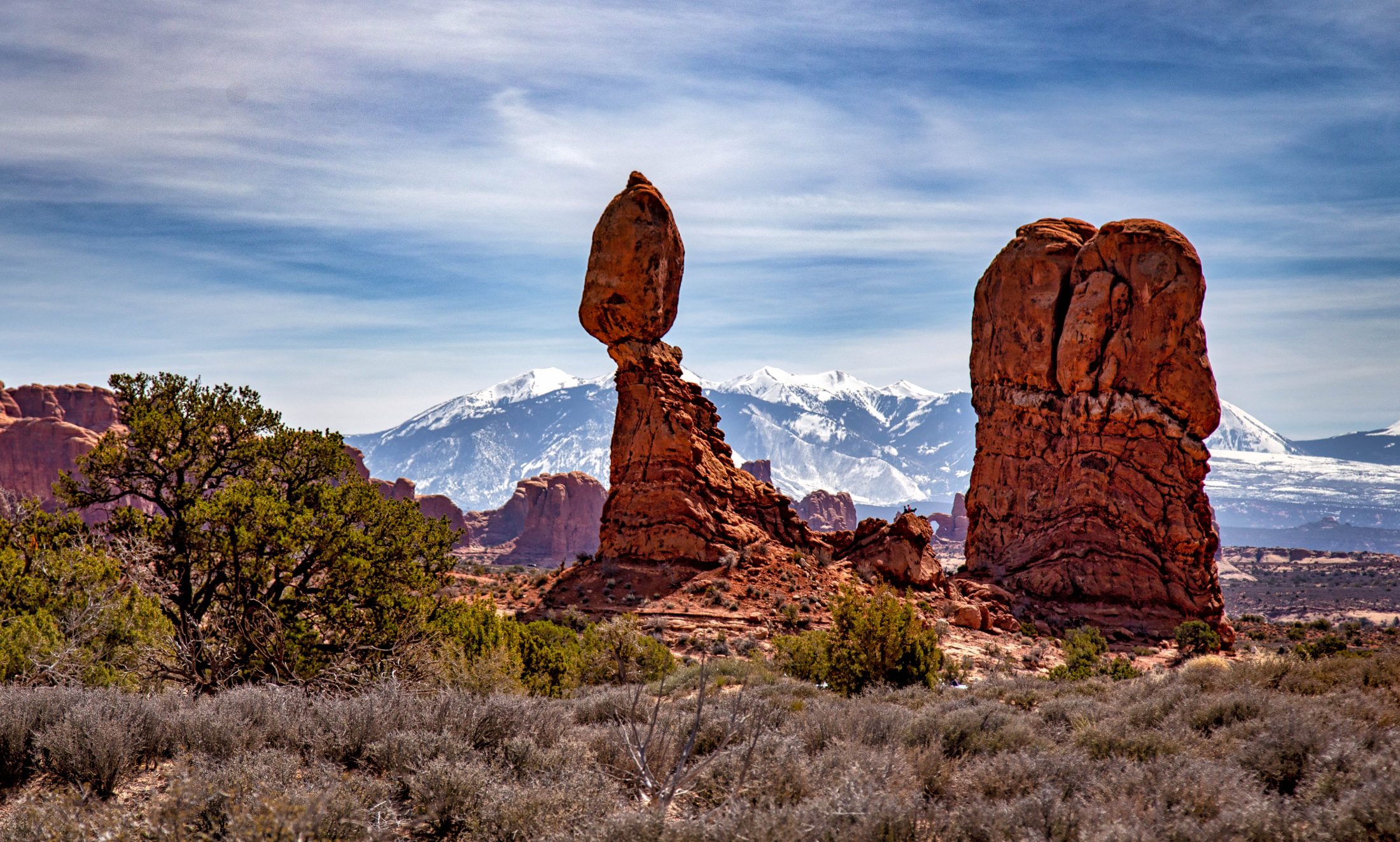
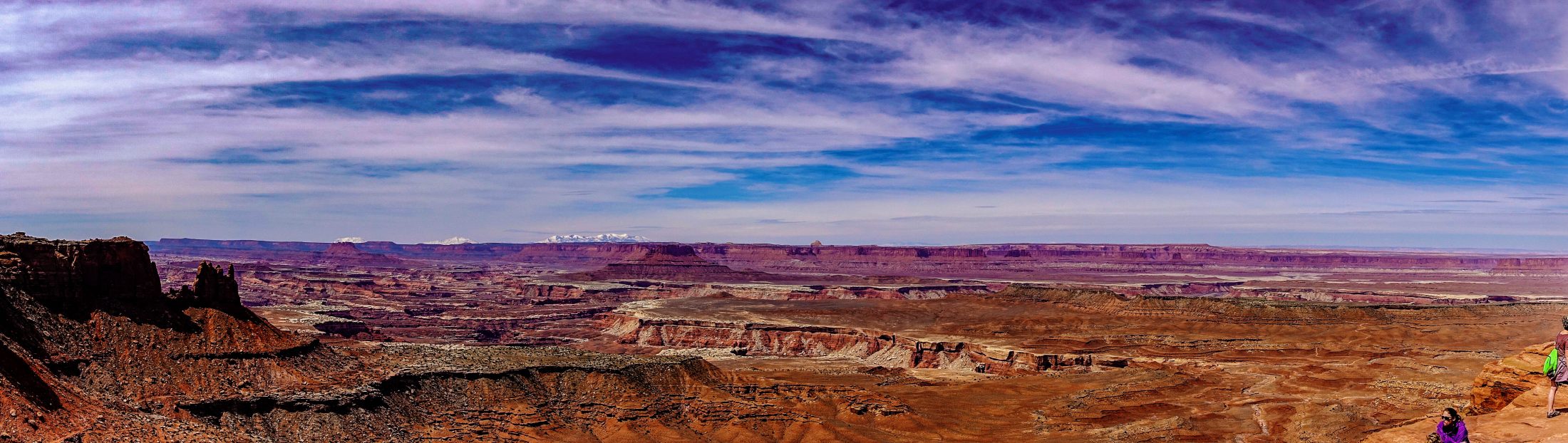
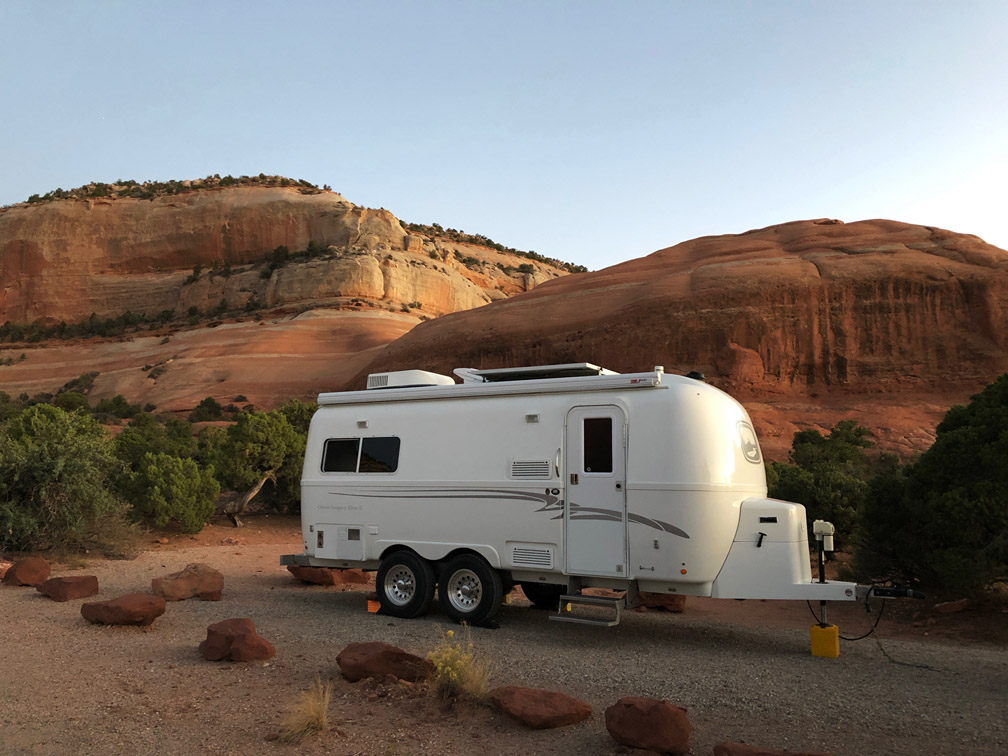
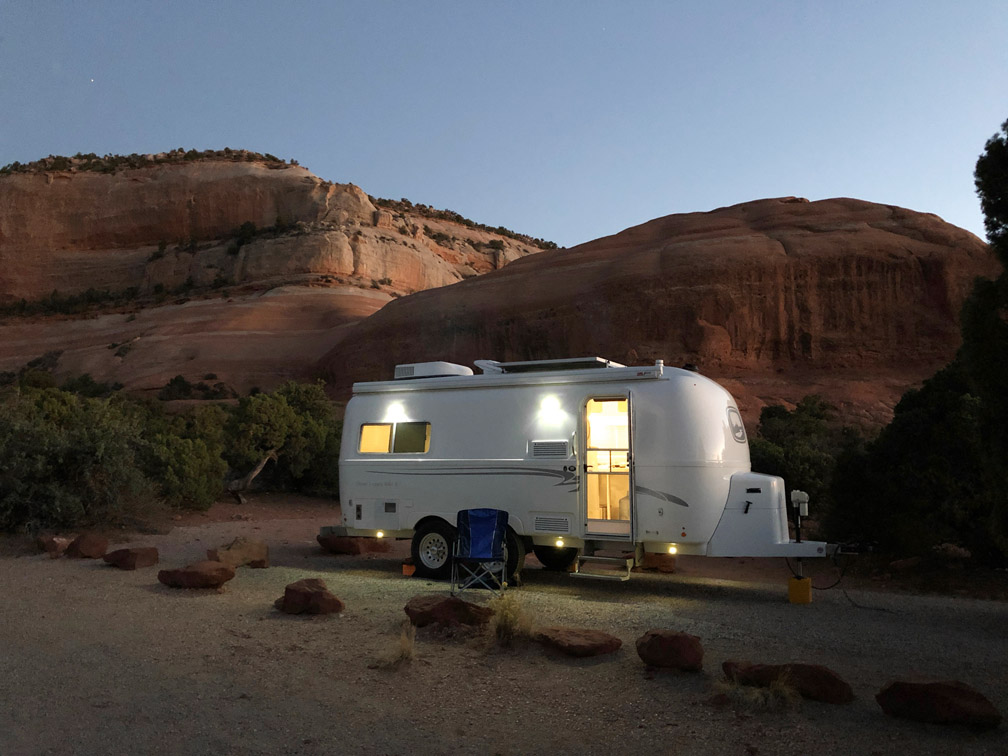
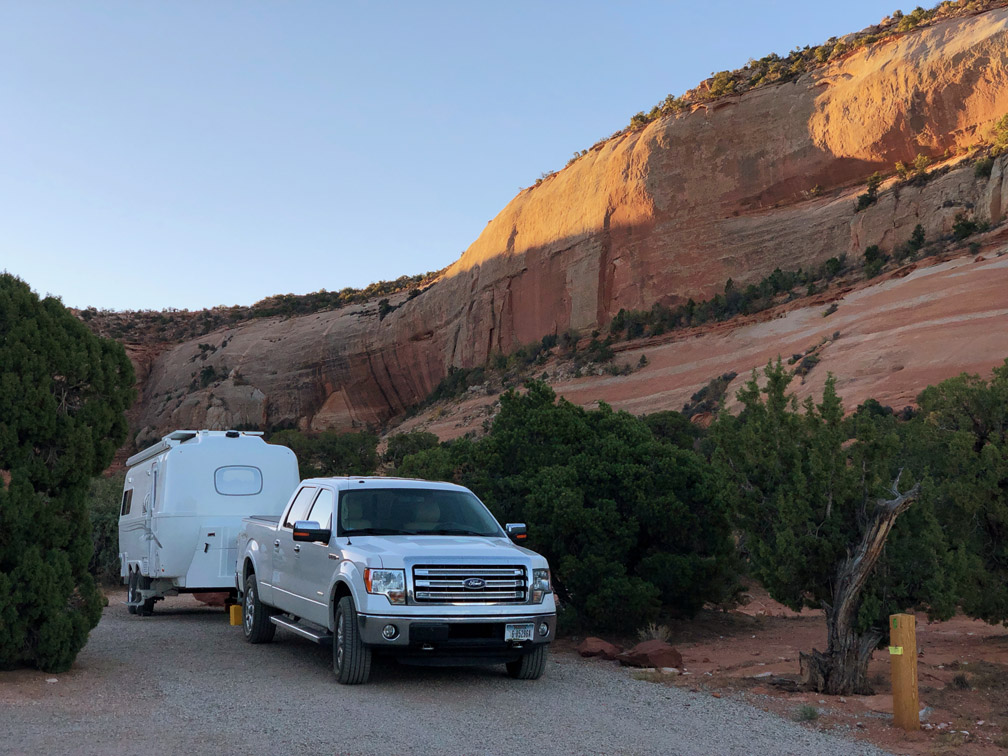
We camped in in Goose Island Campground near Moab last week, and it was fabulous. This is a BLM campground, which means no hookups and no water; they provide a firepit, a picnic table, and pit toilets. They are also first come / first served, but we were fortunate to score a beautiful campsite right on the river. One of the nice things about the Goose Island Campground that is right on the paved bike path along the river. I posted about this bike path two years ago, when we camped at another BLM campground seven miles further down the road. This is boondock camping, and I learned more about power management on this trip. Before we bought Ollie, I verified that the batteries would power the 900W microwave and our 900W toaster. These are important to my wife, and therefore important to me. There have been posts on this forum describing the microwave as a battery killer, and I was concerned. We have the Blue Sky Solar system, and on previous trips I monitored battery use via the Battery reading on the See Level Monitor or the BATTERY VOLT/AMP screen on the Blue Sky remote. On this trip I cycled the controller the screens on the Blue Sky remote until I got to the BATTERY CAPACITY screen, and left it there. Now, I touch the button and I can see the battery capacity as percent remaining, i.e. 70% or 100% if full. (It sounds like you can get similar functionality with the Zamp Solar system by installing a Victron battery monitor.) When we used the microwave the battery capacity moved from 98% to 96%, which was okay by me. On future trips I will continue to monitor the batteries when we use the microwave. The sun was out for three of the four days on this trip, so solar charging was good. I did have a generator along as my “magical insurance policy,” but we did not need it on this trip. Here are some picture of Goose Island Campground, as well as Arches and Canyonlands.
 3 points
 -
Great photos, David. We're headed to Moab, Arches, etc. in two weeks. John, we've reserved a couple of nights along the white rim trail. Not taking the Ollie ;)1 point
-
No, we have been to Moab many times but we have never had a vehicle suitable to drive into the canyon. We decided on our next trip to Moab to either rent a jeep or to go into the canyons with a tour company. I have a colleague here who has ridden the White Rim Road on a mountain bike. He described it as an awesome experience. I think it took five days. I think it was Robert Pirsig who said in Zen and the Art of Motorcycle Maintenance that it is always better to see the countryside from a bicycle than from a vehicle. You are closer, and moving more slowly. Walking is better than a bicycle, but maybe too slow for some things.1 point
-
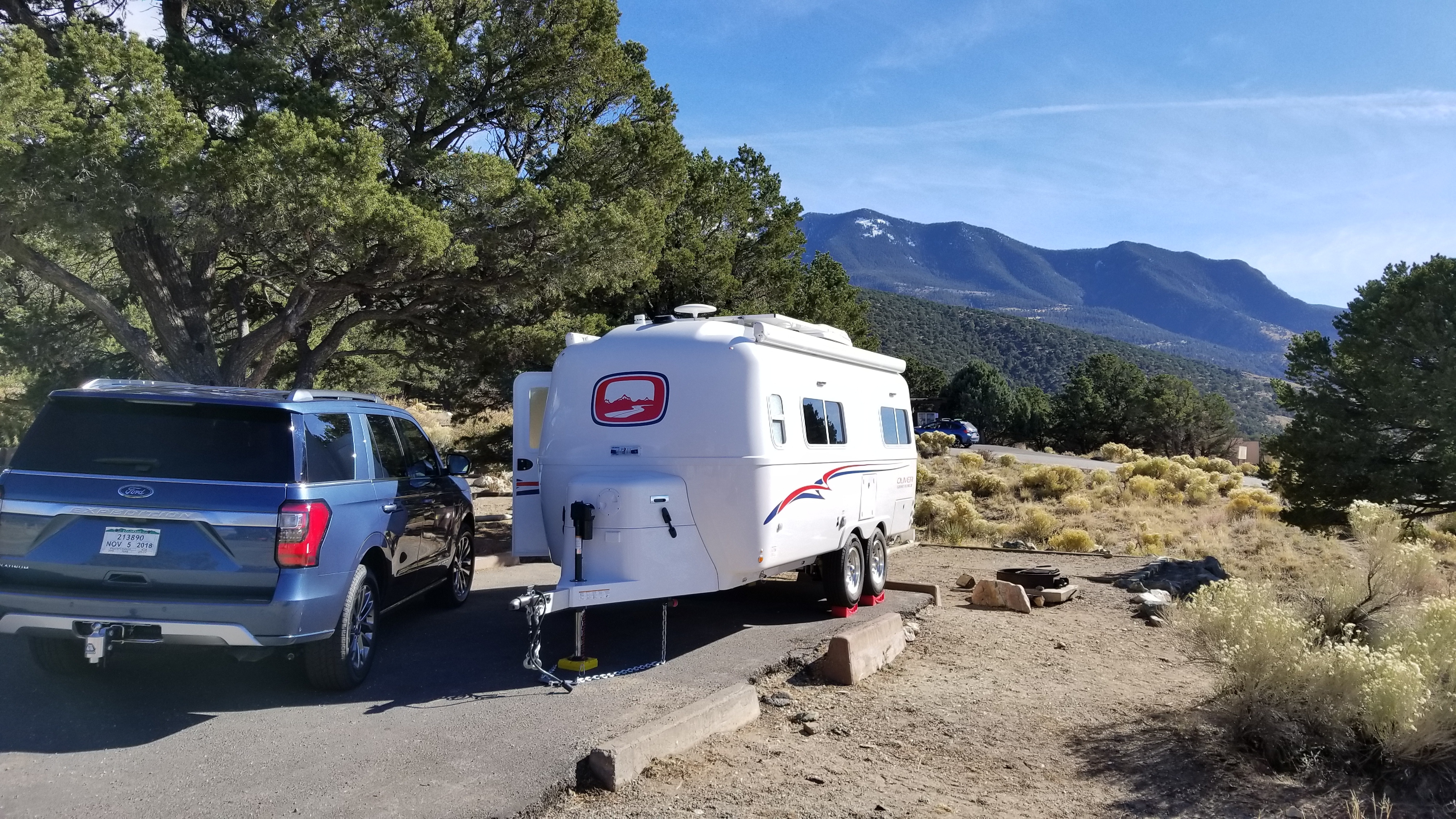
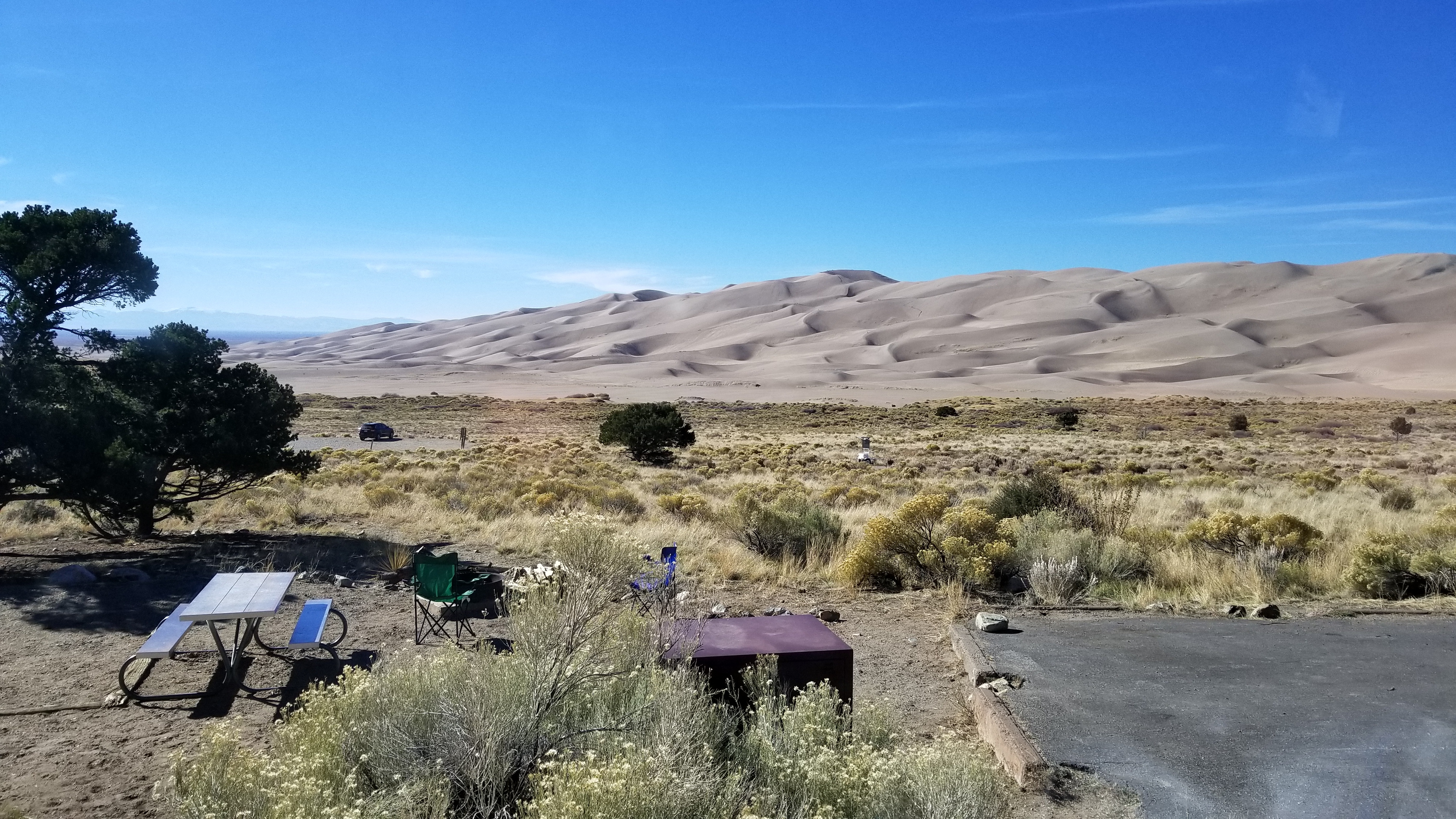
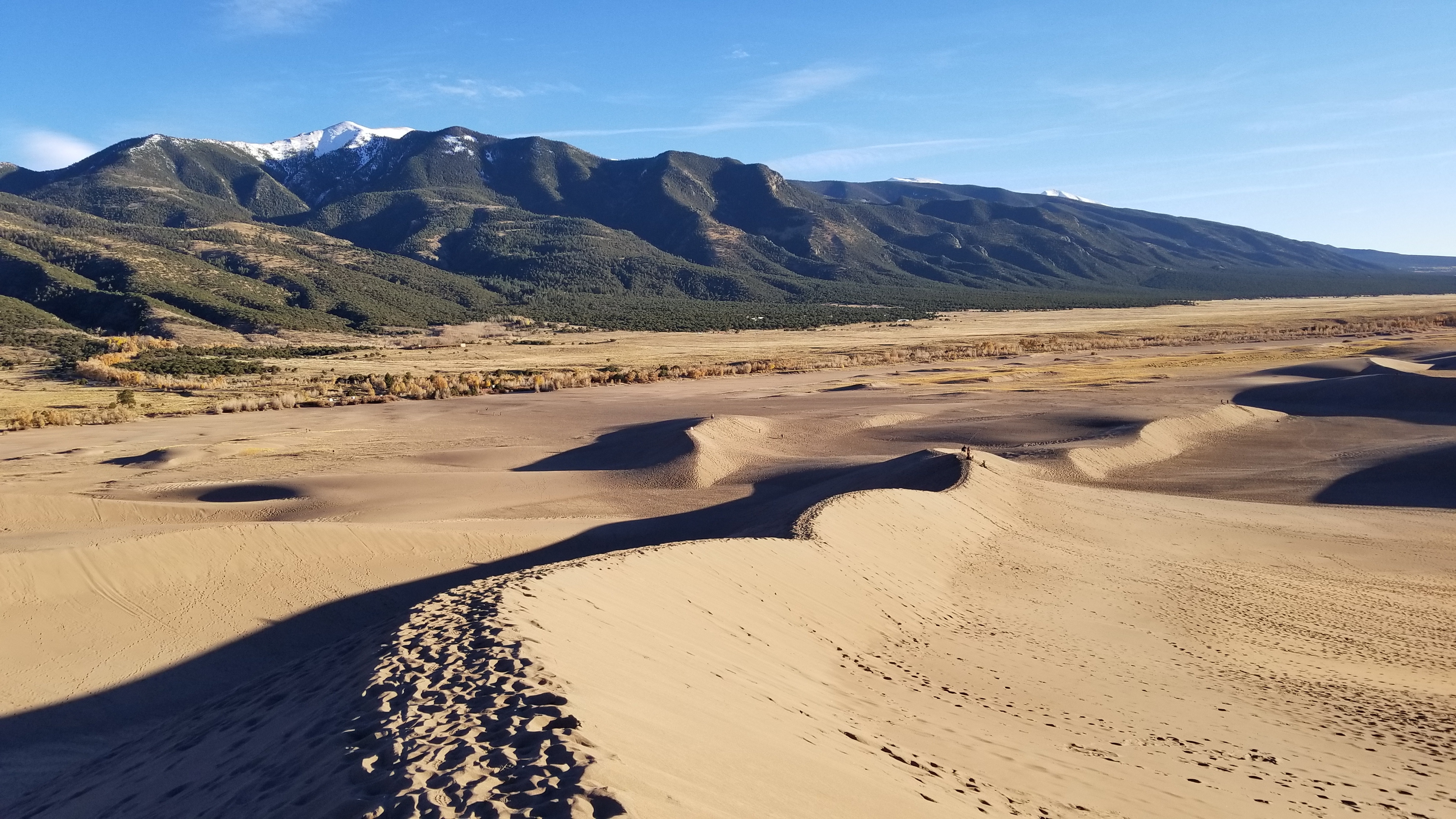
Last October we went to Great Sand Dunes National Park and stayed at their campground. That late in the season we had no trouble getting a spot, and as a bonus it wasn't 100 degrees out either! This was the view out our dinette window: Good exercise!
1 point
-
I can understand no one noticing the lack of a license plate. When someone spots a UFO, they don't look for tail numbers.1 point
-
@wolfdds Sorry I've had some busy weeks lately and have not spent any time on any forums including this one. But to answer your question this campground is south of Moab on BLM land, called Windwhistle. It is small allowing for only about 15 sites ± and not all will fit RV's. This has to be one of the best well kept secrets in the area. Its just an awesome campground with host that have always been exceptional. Its reasonably close to many points of adventure, well as much as anything is in the deserts of Utah. Happy Camping!1 point
-
Have you tried unhooking the chassis ground from the inverter? If that stops the GFI from popping then it might confirm an internal ground/neutral issue like Steve suggested.1 point
-
This may help. I used these dimensions for my hitch adapter and the holes aligned perfectly. [attachment file=OTT_05092017_EliteII holeplacement.pdf] OTT_05092017_EliteII-holeplacement.pdf1 point
-
I had the same issue that Ken describes. The connections in the junction box were loose and I had a couple of fried connectors in the fuse box. I’d also check all those connections. Mike1 point
-
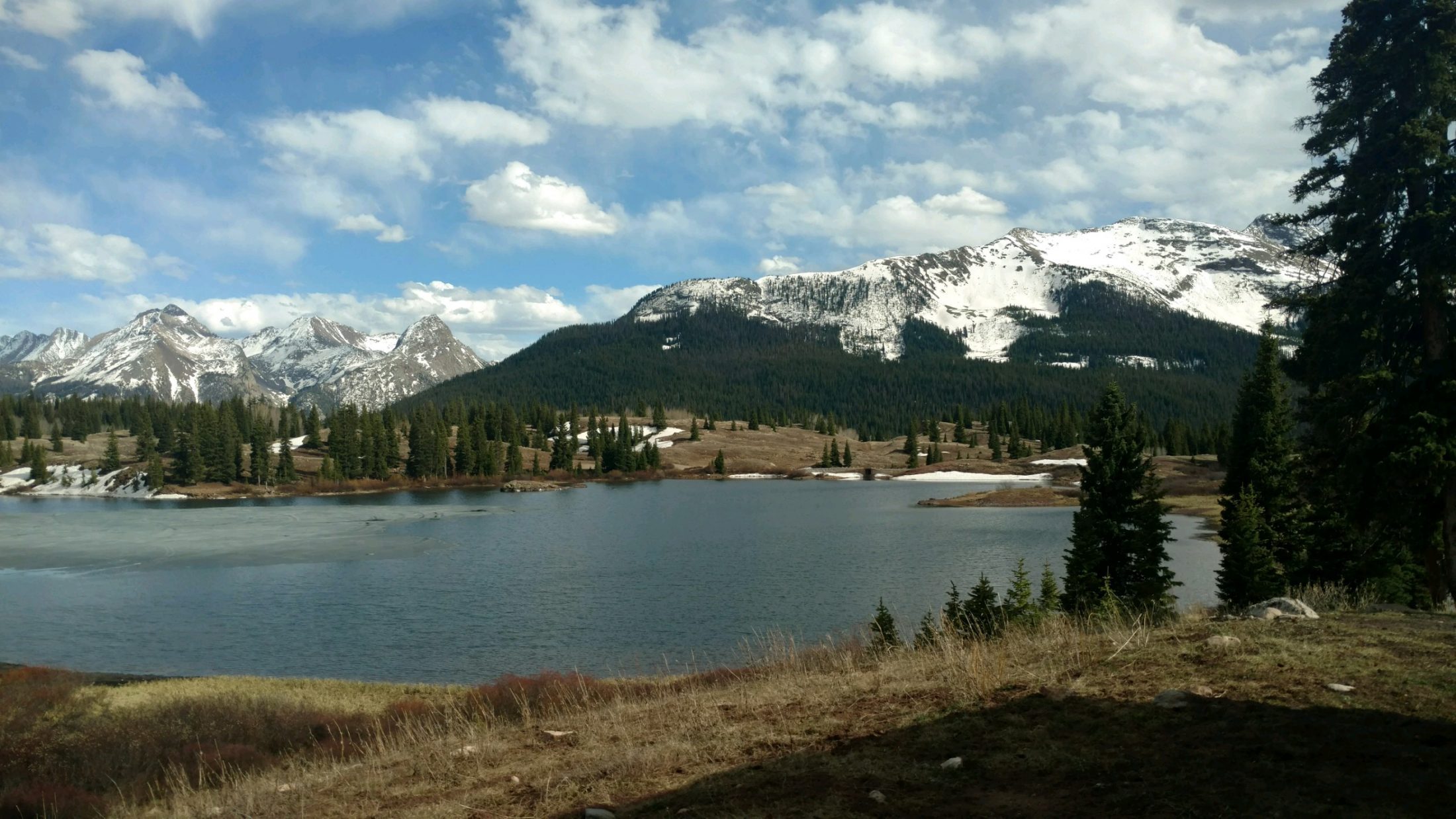
Lake Molas Campground, just a few miles south of Silverton. Some of the sites, and day use areas have amazing views. Others are back in the woods, a short walk to viewpoints.
1 point
-
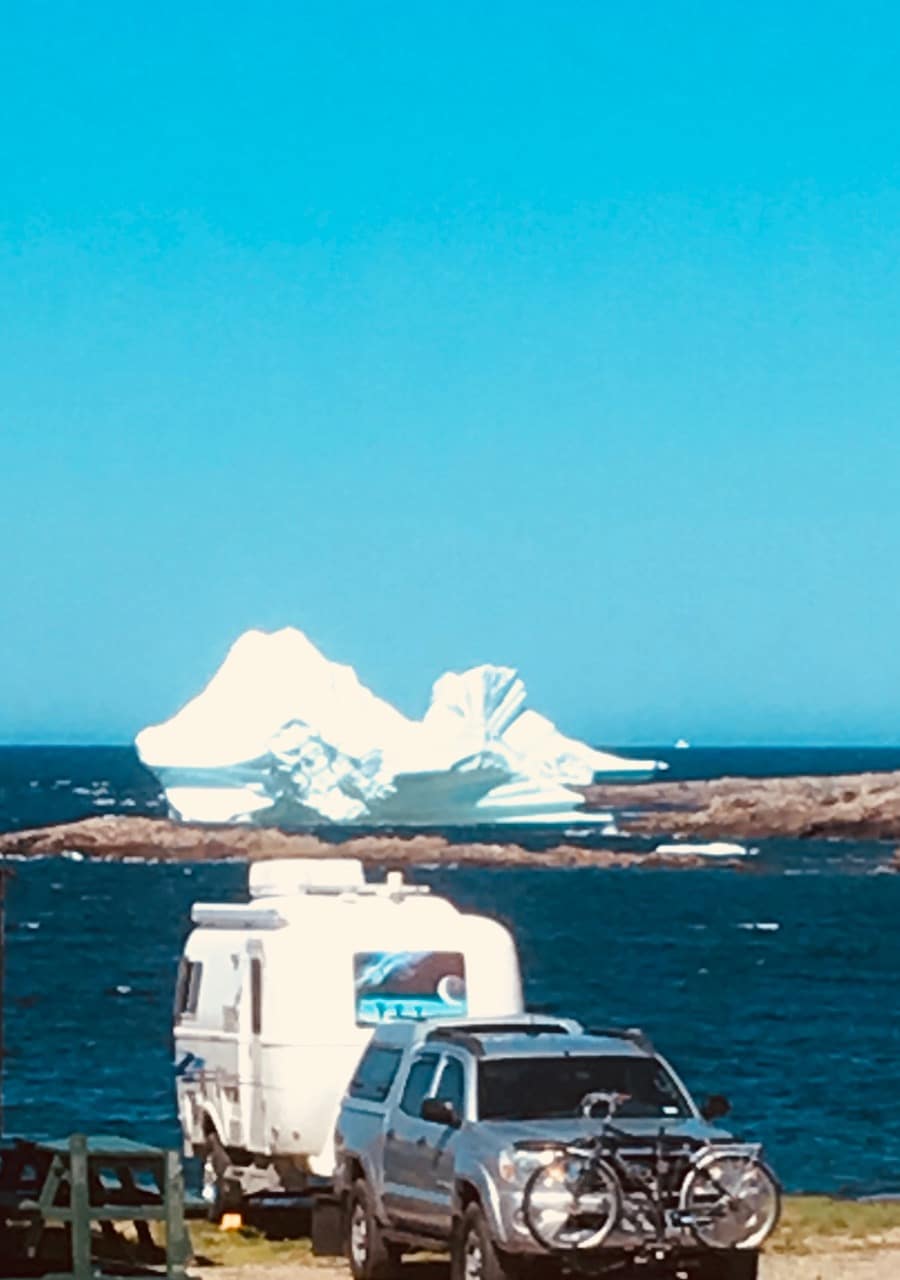
Fogo Island, Newfoundland - July, 2017 - with my own personal iceberg.
1 point
-
Mississippi River Arkansas Valley of Fire Nevada1 point
-
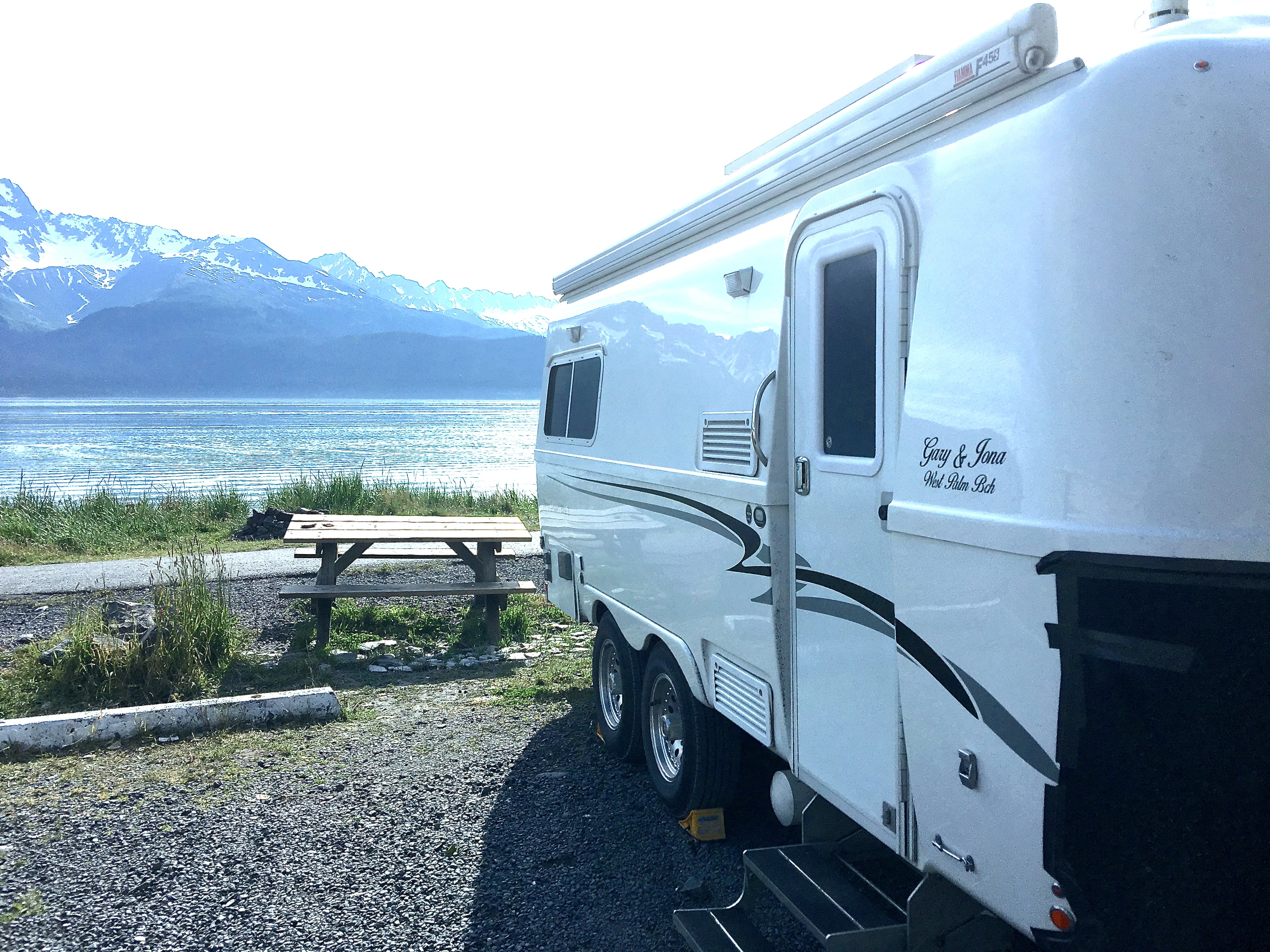
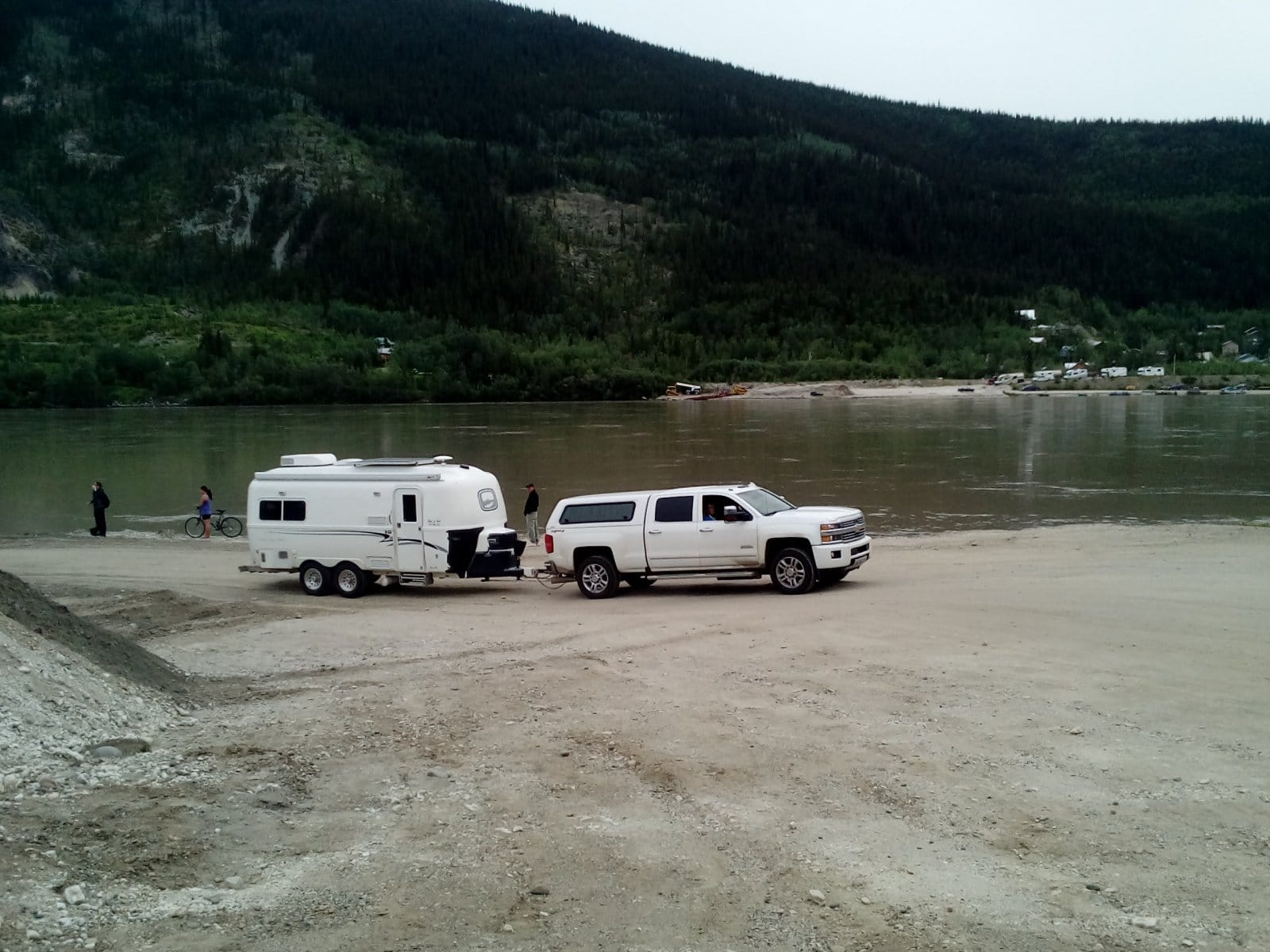
Sunset in Lake Havasu Arizona BLM sunset , crossing the Yukon River in the Canada near Dawson City & Chicken Alaska on the Top of the World Highway and sitting on the bay in Seward Alaska. Keep those Tires rolling we say. [attachment file=Oliver Dawson City Yukon.jpg]
1 point
-
Just returned from a two week trip down in the southwest, thought I might show a couple of campground pics. Thanks for looking.
1 point
-
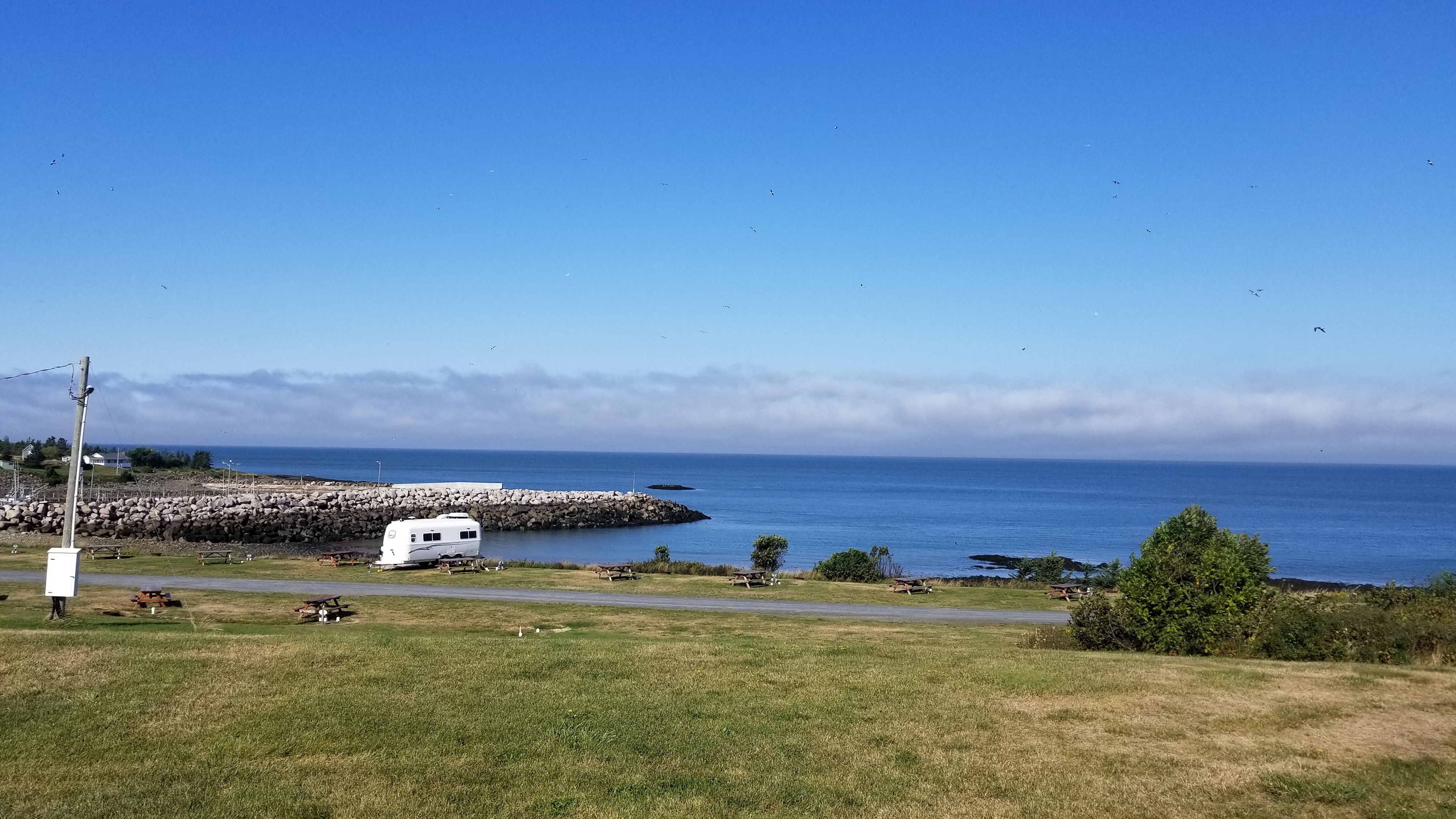
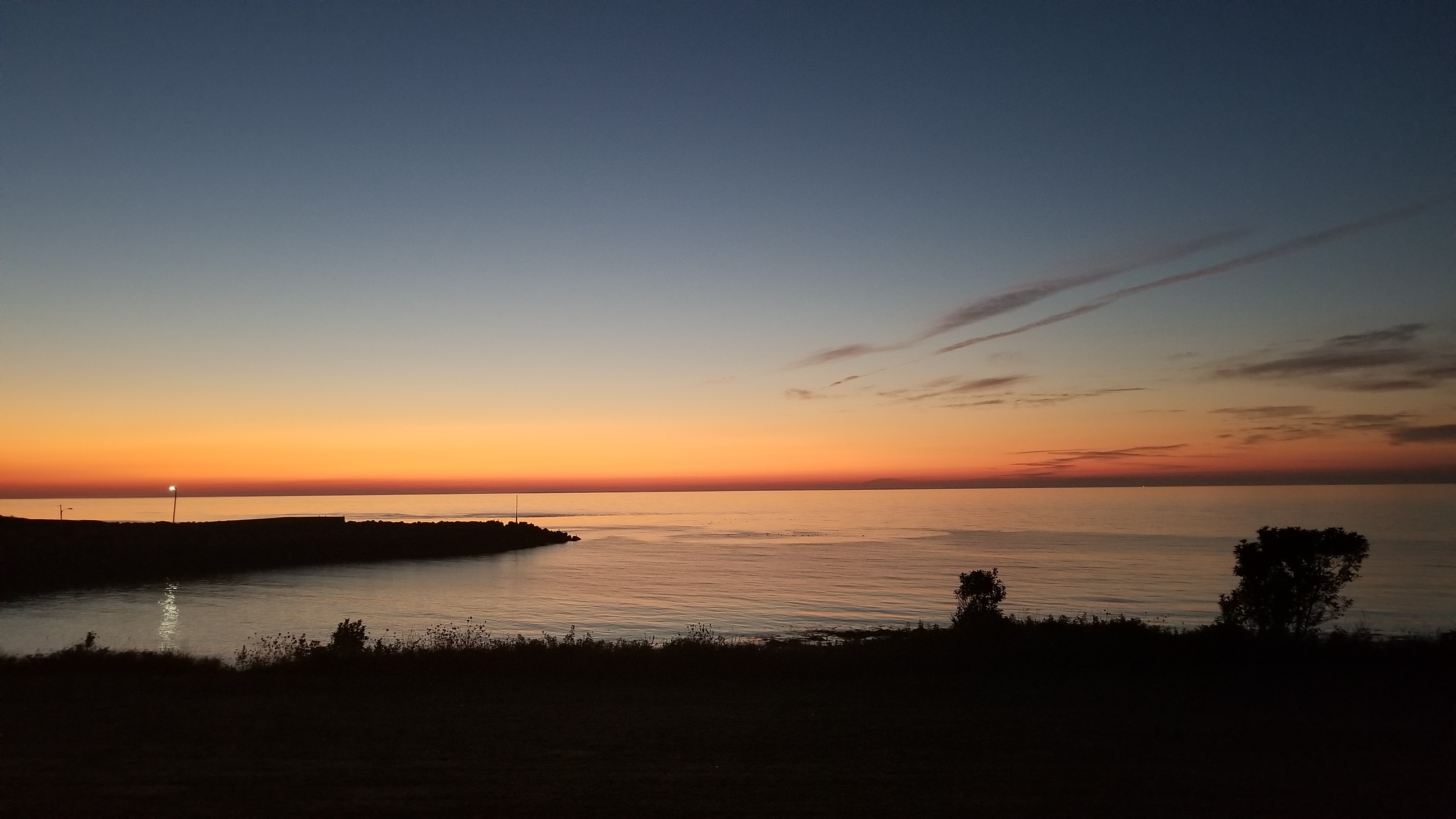
Parkers Cove, Nova Scotia
1 point
-
West Texas sunset.
1 point
-
As the cold season closes in on most of us, it is time once again to discuss proper winterization to protect all the plumbing and water systems inside the camper. First let's discuss what components are susceptible to freeze damage which would result in water leaks and potential costly service repairs. 1. Brass Check Valves – These valves are in-line valves that keep water from spilling back out of the water fill ports. These valves will be located on the Fresh Water Line, City Connection Line and the Black Tank Flush Line. 2. Plastic Check Valve – The Dometic Standard toilet has a plastic check valve located at the rear of the toilet. 3. Water Valves – These valves are used to control the flow of water. You may have 2 or 4 valves located next to the water pump, 1 located on the lower shell floor to drain the fresh tank, and 1 located on the black tank flush port line. 4. P-Traps – These are used in the sink and shower drain plumbing lines. It retains water and traps debris that has drained from the sink and prevents it from forming a clog deep within the plumbing system, and stops sewer gases from passing into the camper. 5. Water Pump & Filter – The water pump filter is used to trap debris and keep it from entering the pump and water line system that is delivered to the faucets. 6. PEX Push Fittings – These fittings are used to connect different runs of pex pipe through out the camper. Pex itself is freeze tolerant but these plastic and/or brass fittings are not. 7. Faucets – The kitchen, bathroom and external shower faucets all maintain water at the faucet when in use and thus present a potential freeze issue if not properly winterized. 8. Water Heaters – All water heaters should be fully drained of all water and the bypass valve must be set to winterization/bypass mode. This allows for RV antifreeze to be utilized in the plumbing system without filling the water heater itself. *Even when using the camper in cold weather it may be necessary to fully drain the water heater when traveling between campsites, especially the on-demand water heaters as they only hold a small amount of water that can freeze in a short period of time. *Proper winterization method to ensure that all components are protected. You can visit the following link for a walkthrough with John Oliver on how to winterize your Oliver Travel Trailer: Step by Step Methods provided below 1. Drain all water from the system (All tanks, water heaters) 2. Set bypass valve at water heater for winterization mode. 3. Change valve configuration at water pump for winterization mode. 4. Use water pump to draw RV Antifreeze (potable Safe) into the camper. 5. Turn on the kitchen faucet (Cold Line) and run until antifreeze comes out. 6. Change to the Hot line and run until antifreeze comes out. 7. Perform steps 5-6 for the bath faucet. 8. Ensure plenty of antifreeze drains into the P-Traps for the kitchen, bath and shower drains. 9. Flush the toilet until antifreeze starts to fill the bowl. Leave antifreeze in bowl to lubricate seal. 10. Turn off water pump. 11. Connect hand pump with antifreeze to the fresh tank fill connection. Pump at least 3- 4 times. Antifreeze is potable safe and will not hurt if it goes into the fresh tank. 12. Connect hand pump with antifreeze to city connection line, turn external shower cold line on and pump until antifreeze comes through shower faucet. *TIP: It will be hard to pump in the city line if the faucets are closed. 13. Turn cold line off and hot line on, pump until antifreeze comes through shower faucet. 14. Connect hand pump and antifreeze to black tank flush port. (You may have to go inside and turn the in-line valve open to allow the antifreeze to freely pump into the tank. One pump should be sufficient as we are only protecting the check valve.) For proper battery storage please visit: TIPS • The camper can be used in cold weather applications as long as the furnace is utilized to keep the components warm and above freezing temperatures. • If traveling between campsites during cold weather season it may be necessary to winterize depending on outside temperatures. • If water is left in the water heater during freezing temperatures even for short periods of time, it can cause damage. • RV Antifreeze is designed to replace water and should NEVER be mixed with water as diluting it will defeat its purpose. Oliver Travel Trailers Service: 866-205-26211 point
-
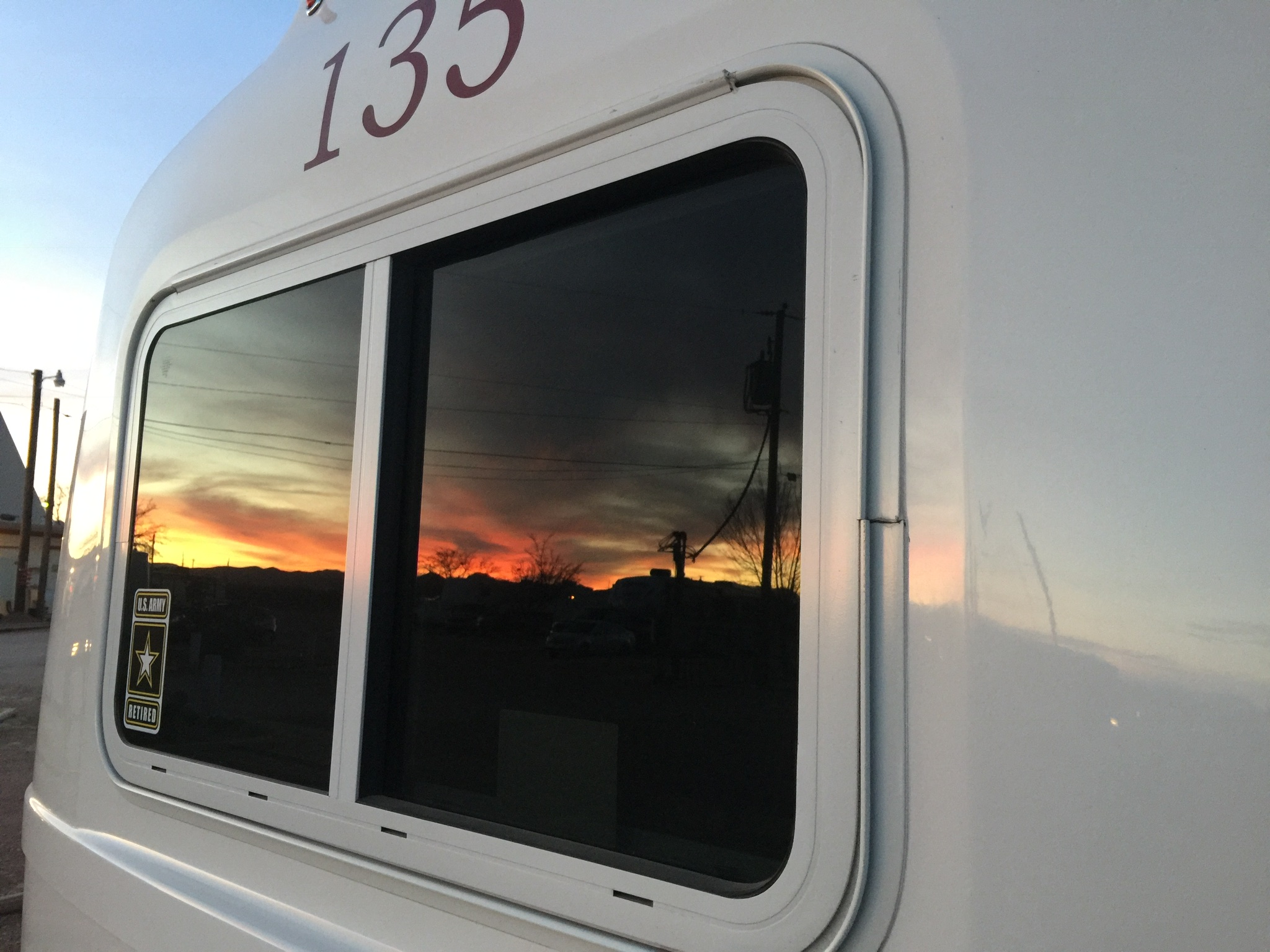
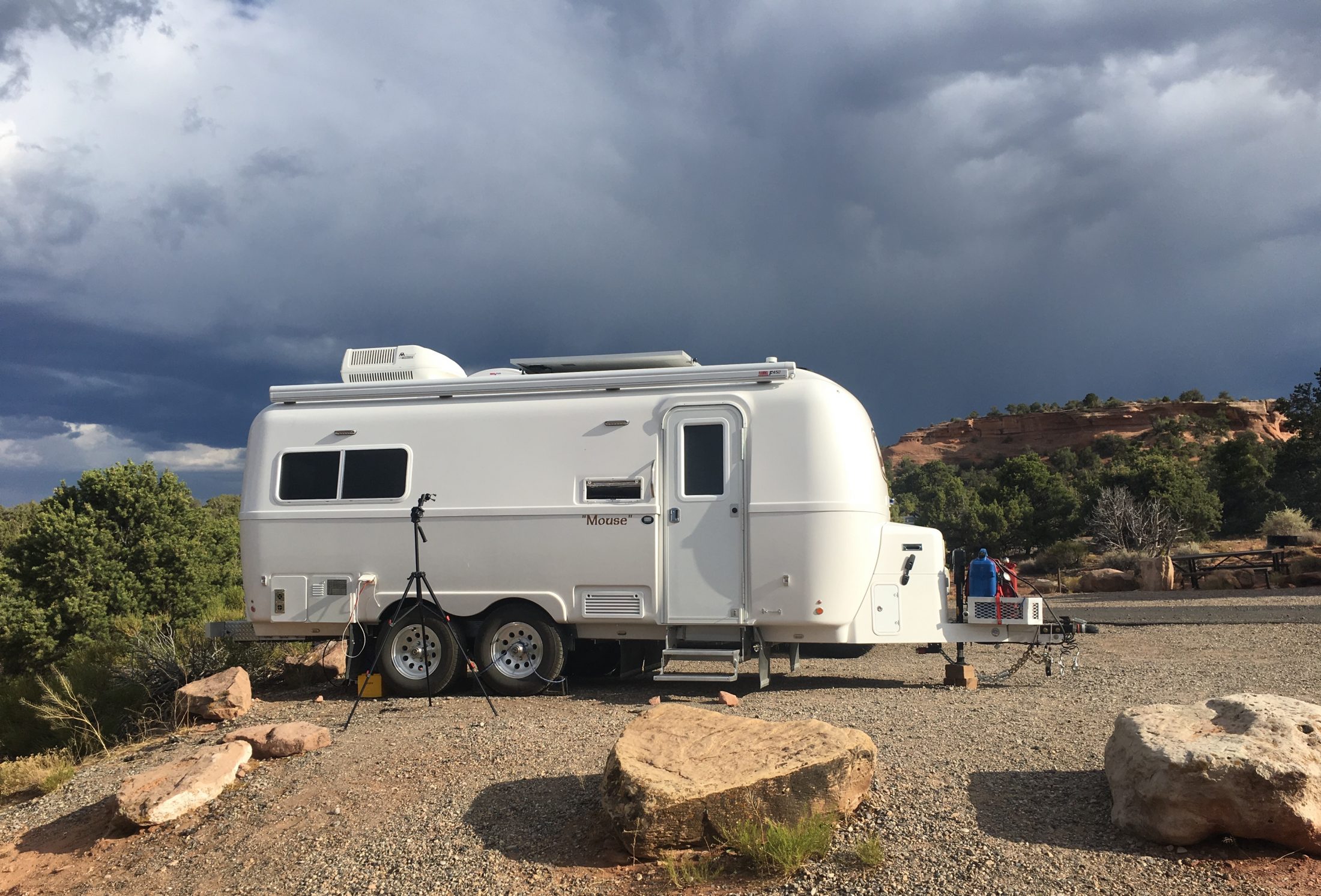
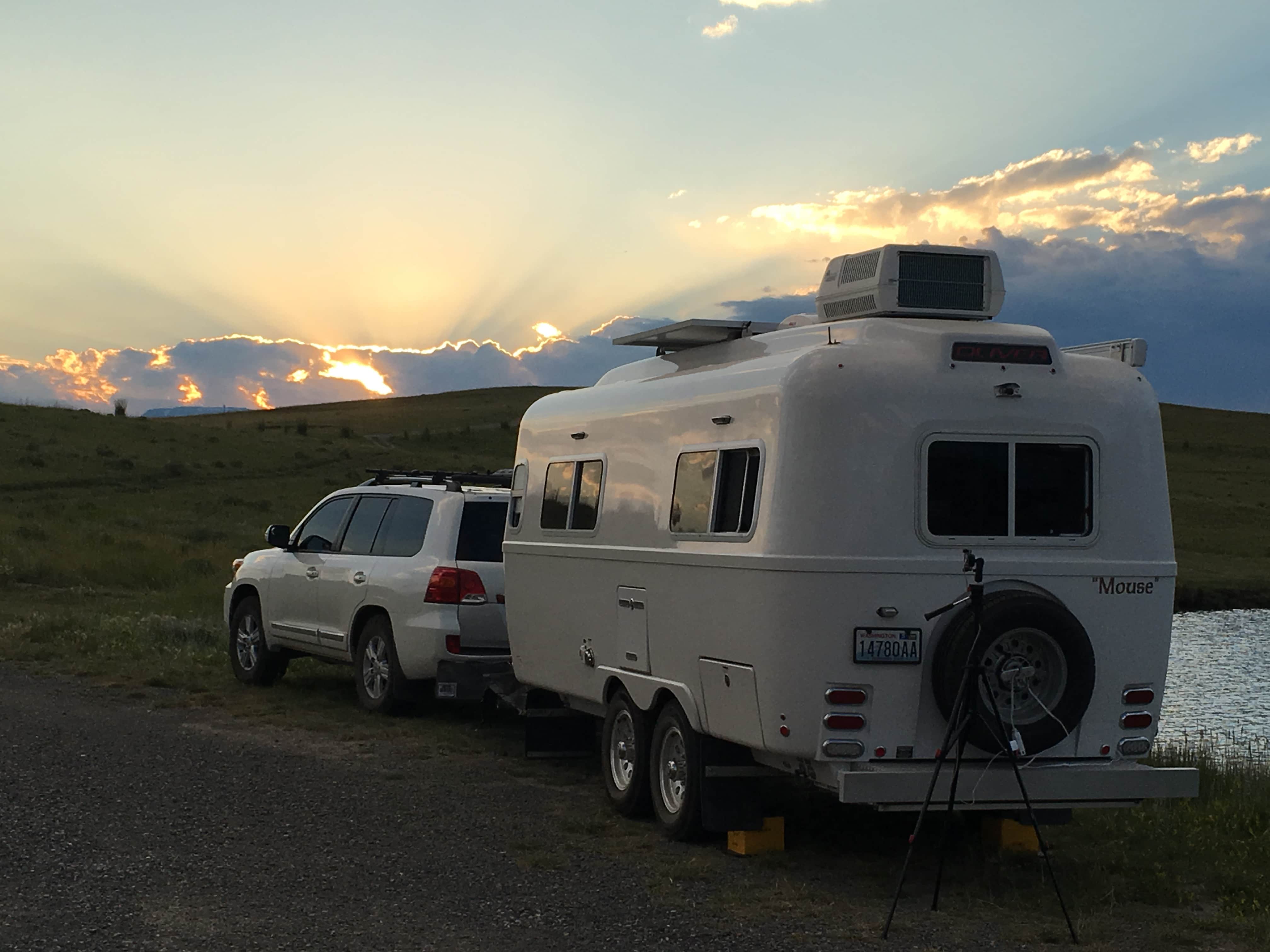
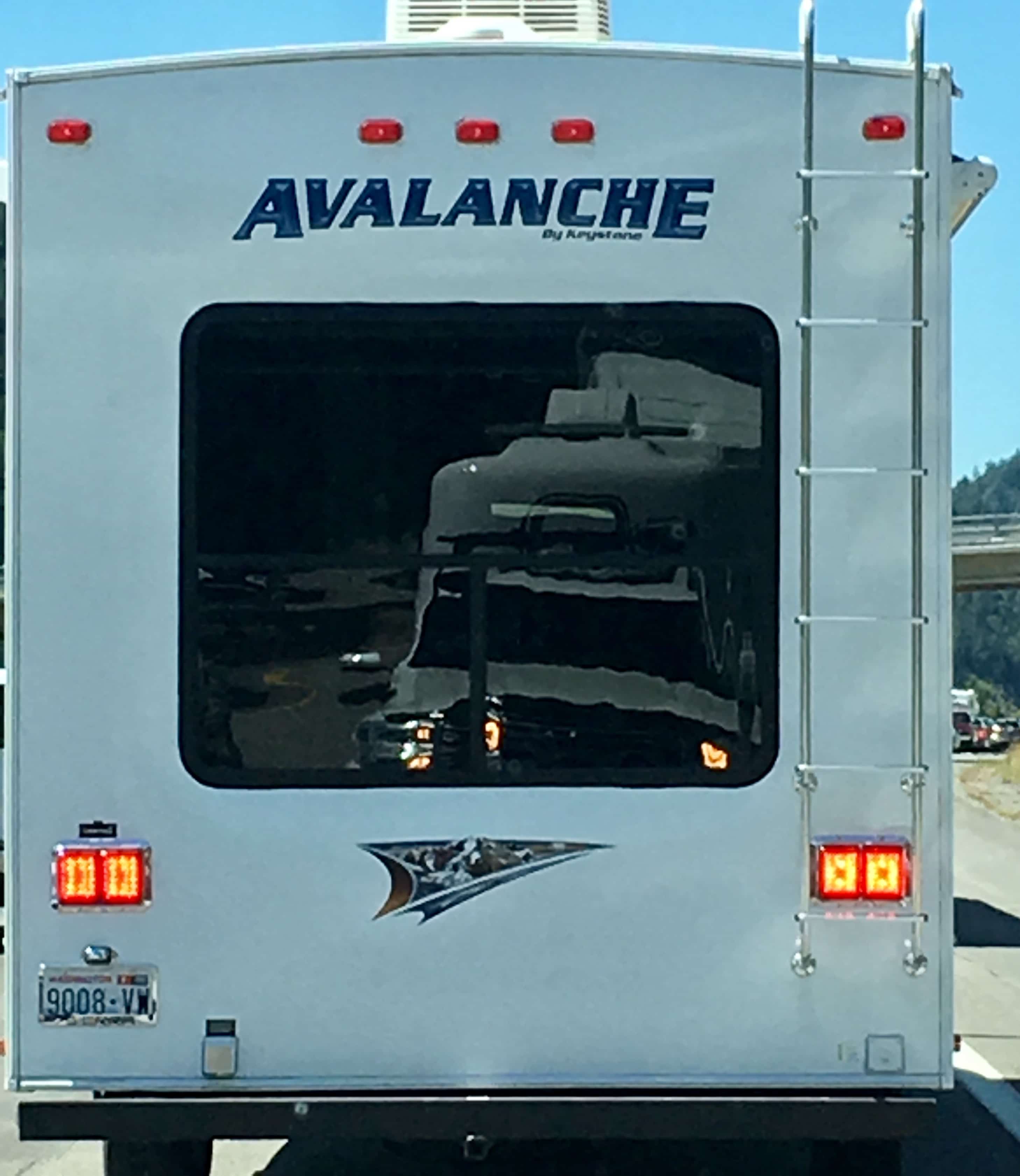
Colorado National Monument, near Fruita CO, summer thunderstorm brewing: Upper Sunshine Reservoir, near Meeteetse WY, boondocking sunset: Reflection in a Stick and Staple RV’s back window while stuck in a traffic jam: All these were done with our iPhones. Pretty amazing quality IMHO. I no longer bother to bring our DSLR. John Davies Spokane WA
1 point








-
Recent Achievements
-