Leaderboard




Popular Content
Showing content with the highest reputation on 09/26/2026 in all areas
-
DBL-R, I also have an early model LE I (2008 - #14) with the same plumbing configuration up front and for years, I dealt with the potential back flow of grey water into the shower pan if the handle for the valve on the back wall of the shower was not adequately closed before travel and the spring actuated foot valve was open. Then, many years ago, a good friend, Larry Gamble, of Little House Customs, fixed the issue by installing a HEPvO valve and magically solved the back slosh issue. The HepvO valve is a one way valve which closes like a duck bill and prevents the grey water from backing up into the shower during nose down or deceleration while braking. Now that handle on the shower wall is always in the out position, allowing water to drain from the pan into the tank and the HEPvO precludes it from making the return trip. I've removed the foot actuated drain plug and replaced it with a small sink screen to catch any small items and prevent them from gumming up the HEPvO valve. Larry said the clearance to install the HEPvO was very tight, but with his skill he managed to get it done anyway. He's retired now making music instead of bending wrenches, but there should be some skilled RV mechanic you can find to make the same modification on your trailer. Good Luck, Pete3 points
-
Roche Rouge Campground, Killarney ON
 2 points
 -
You'll probably get a lot of different opinions on this but here is my current take having used F150's for all the years I have towed an Oliver. I used to jack up the back tires about 5 psi more, then did the front tires also at the same psi. Over time it became obvious the center tread was wearing faster than the outside so I just went back to the what the door label stated. Unless you are really maxing out your load this is what I would recommend too. However this can change depending upon the tires you have installed. For instance if you were to install a set of LT Tires rather than the passenger tires that came on the vehicle PSI goes up substantially and ride quality plummets substantially too as well as fuel economy. I can attest to this having done it on my previous F150, big regret on that one. Stock half ton trucks/SUV's simply do not have the frame nor suspension to properly accommodate a set of LT tires IMHO. Aside from gas mileage you also need to take into account whether or not the full tread is planted equally on the payment not only for handling but also breaking. An over inflated tire might NOT be properly planted on the road. You could also use the chalk method of to determine the correct PSI, but would be willing to be dollars to donuts the result would be just about identical to the door label. Hope this helps2 points
-
Headed back to our campsite at Wilderness State Park, MI, near Mackinac City, MI and passed an Oliver headed out of the park. No front decal and black AC cover. Waved, just couldn't get the window down to make a fool of my self🤣1 point
-
By the way some automotive history if you’re not familiar and are interested; none of this is new. EV’s were actually the second type of drivetrain after steam, invented in the 1830’s. They were very popular in New York City in the early 20th century where fashionable (and rich) ladies would take them shopping. Internal combustion came later and the problem was that crank. It was difficult and possibly dangerous to crank the engine. When the electric starter was invented they took off and dominated. And getting gasoline back then was difficult, you had to buy it by the pint at the drug store - the ones that had it 😅 Hybrids too have been around a long time, Leno has a 1916 Owens Magnetic which was quite innovative with an EM drivetrain. He’s got all the historical stuff including steam cars1 point
-
The above posts are all good advice. For us, it's all about payload. We are not minimalist and love to bring our toys such as kayaks, propane grill and don't like using a weight distribution hitch. We tow with an F250 short box ( pay load of about 2000lbs) . We love the truck but run at the top of the trucks capacity. If given a choice today, we would go with an F350 for more payload. We only use our truck for towing because 3/4 ton+ truck are lousy daily drives (stiff and poor turning radius). Everything to love about diesel except the current fuel prices here in crazy California. Might want to consider a gas engine for lower fuel and purchase prices. After towing with 3/4 ton, we would never consider going back to a 1/2 ton truck1 point
-
I agree with Bill. We’ve towed our E2 with two different Ram 1500s. We spend a lot of time in Colorado since our son and family live there. Both 1500s did a respectable job towing, with the typical high revs going up the mountain and lots of braking assisted by the engine going down the other side. Payload was below max but we don’t travel with a lot of stuff. We’ve been towing with a Ram 2500 diesel for the last 6 years and towing is night and day, especially in the mountains. Engine brake going down the mountain means very little braking needed. Payload never a concern. A 1500 will do the job, a bigger truck makes it less tense. Welcome to the group! Mike1 point
-
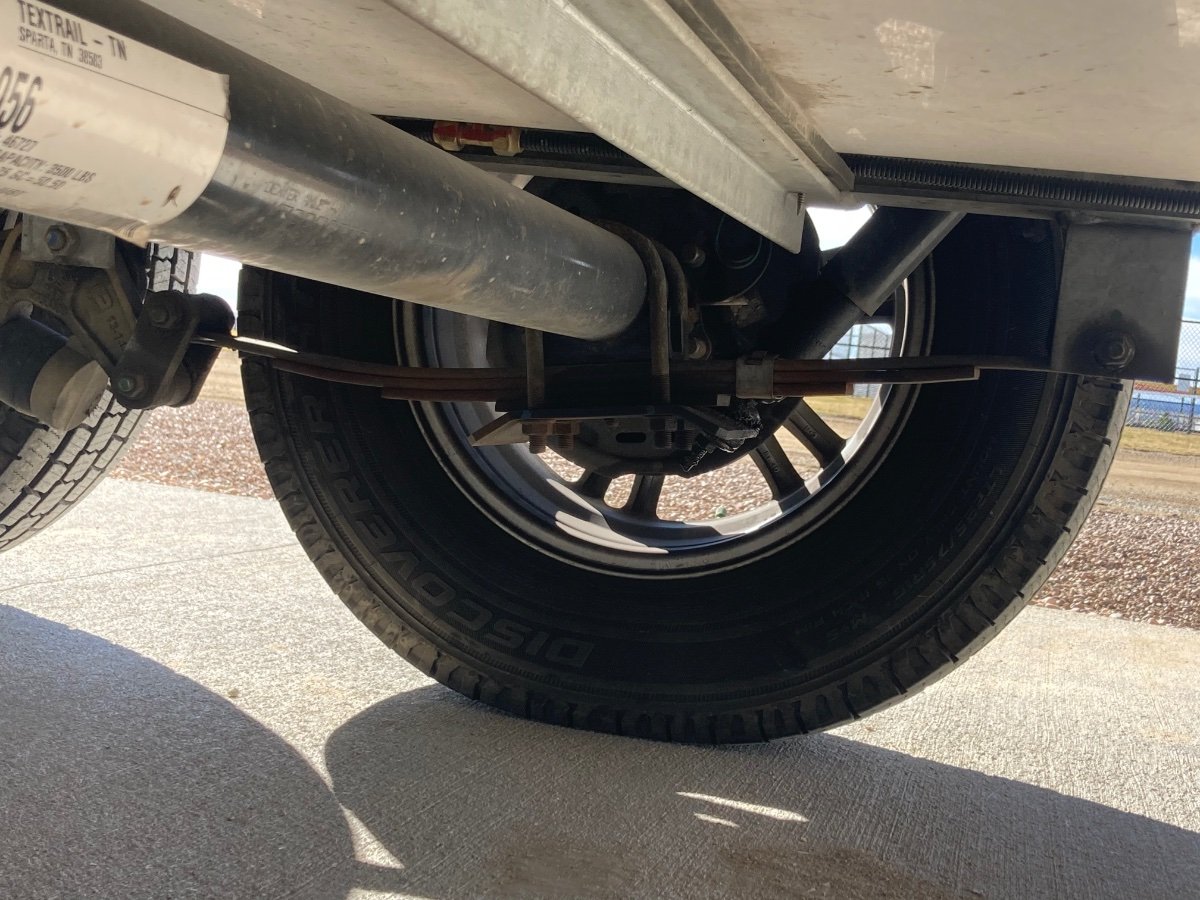
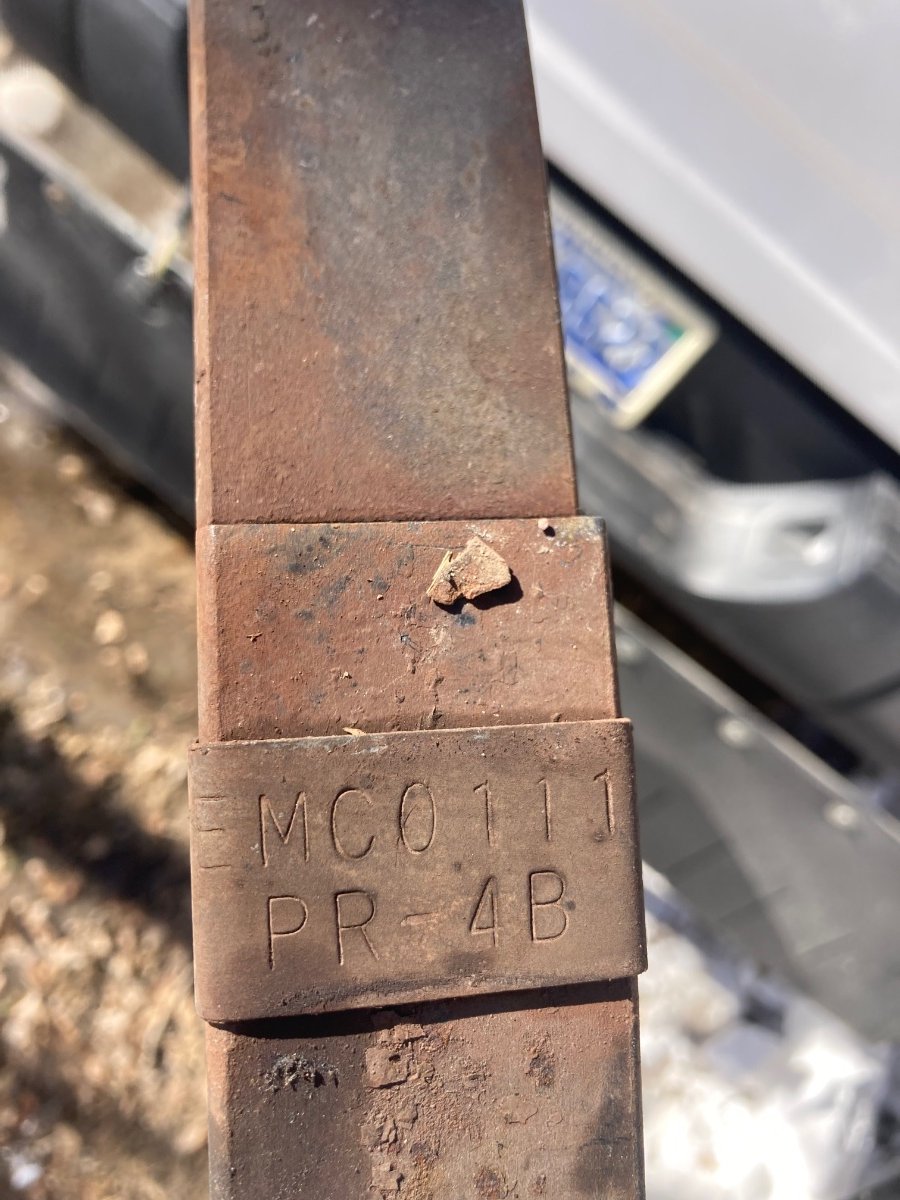
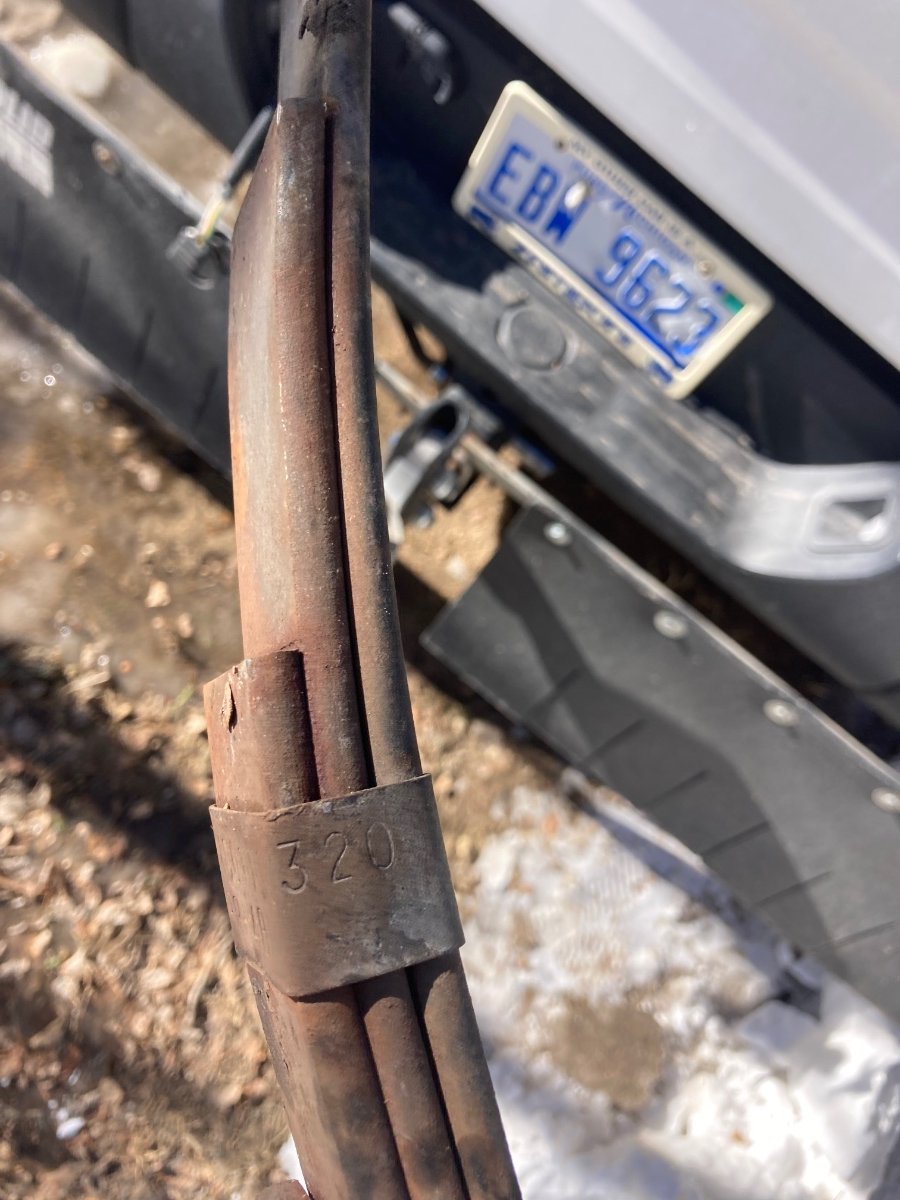
The curb side rear spring was in the process of failing as well. Starting to flatten with the rearward end starting to invert. I have attached the tag from the springs on my trailer. According to Oliver, they are made by Emco
1 point




-
Recent Achievements
-