
jd1923
-
Posts
3,785 -
Joined
-
Last visited
-
Days Won
305
Everything posted by jd1923
-
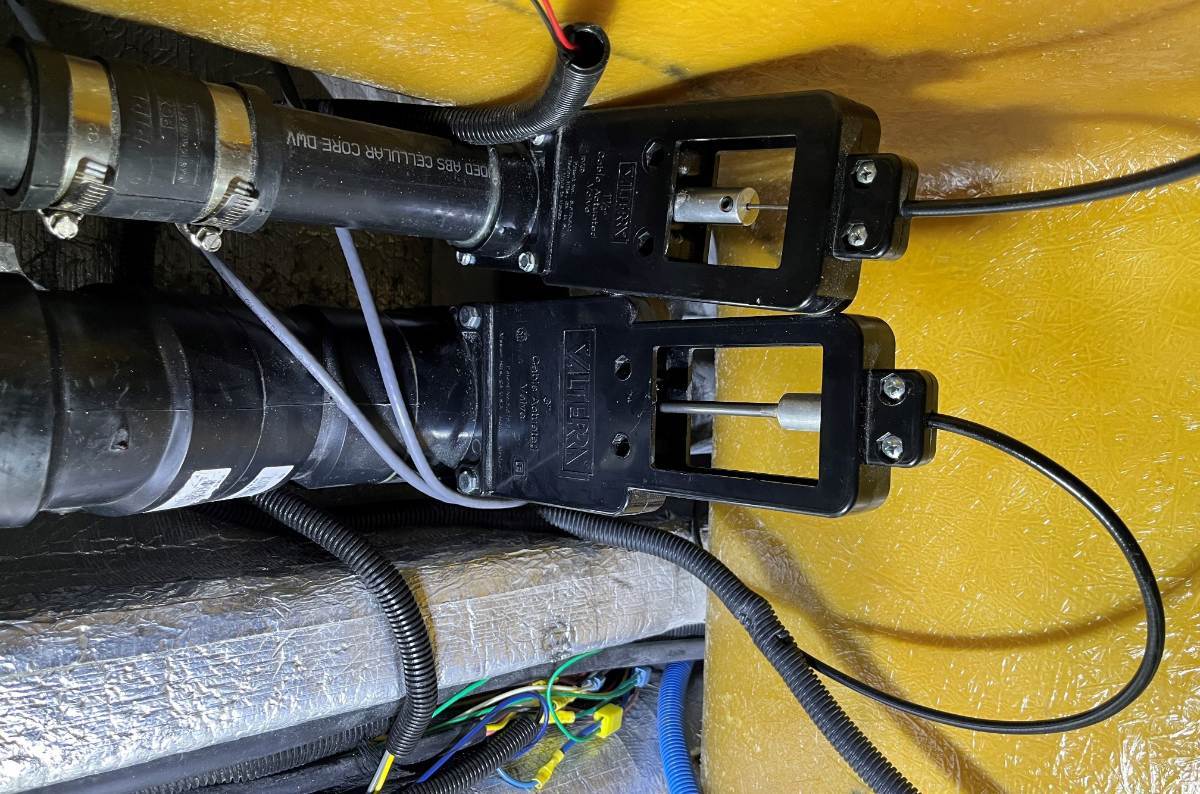
Hello Ron, with the 2015 hull #99, very nice! 😎 There's not a plumbing diagram that would help. My understanding is if the waste valve is closed the pop-up shower floor valve really doesn't matter. If you want to replace it anyway, maybe somebody here knows the make and part number or inquire with OTT. You know, if you close the "back flow" valve when the Oliver nose is down, there would be grey water in the plumbing that would then come out when towing. Make sure your front jack is lifted when you're closing. We use the LevelMatePRO and always have our front up 1/2" or more when camped. We close the bathroom valve before releasing the jacks to tow. During travel, I use the kitchen sink to wash my hands to leave that valve alone. If you open the valve with the nose down with Grey Tank on the full side, water can back up to the plumbing under the shower that you may see later. Given all this, if it's still leaking on the shower floor, your waste valve could be jammed up, not closing fully. With the tanks empty, remove the valve and give it a good cleaning and lube. Under the front dinette seat, it's the 2" line at the top of the picture. The 4" is the black water drain and you might want to service that at the same time. The main Grey waste valve is under streetside bed, jammed against the floor where the two lower screws are VERY difficult to remove. I serviced ours last year since the pull handles were getting very hard to pull. This thread may be of interest. Best wishes, JD https://olivertraveltrailers.com/forums/topic/10711-waste-valves-restoration-and-upgrade/

-
Yeah, I must admit our Glacier NP trip was in June and during the Montana Centennial celebration, two good reasons to bring crowds of visitors. But it was 40 years ago! And it was our first experience visiting a western NP. Our Forum friend who just visited Glacier went at a much better time of year, when the kids are "back to school." 😎 Thinking of a Montana-Idaho trip next spring. We will want to see Grand Teton NP and Yellowstone on the way. If it's too crowded, we'll make it quick and then find great campsites to the north. Beautiful places that nobody has ever heard of! 🤣
-
I replaced the entire Oliver suspension: https://olivertraveltrailers.com/forums/topic/11055-full-suspension-replacement-alcan-spring-and-dexter-d52-axles/ The original D35 axles and the new D52 axles both were 3" dia. Also the OEM D35 axles had 9/16" U-bolts and wet bolts. So, no leaf plate modification was necessary. To be certain, I just measured. The old U-bolts measured .55" at the threads and .52" at the top of the U. If they were 1/2" bolts these numbers would be closer to .49". Here's what I mean. Given your leaf plates have 1/2" holes with a 3" spacing between the holes, when you drill out the 1/2" holes to be 9/16" the spacing between will then be 2 7/8". You have to create a 9/16" hole keeping the 3" spacing between. A simple hand drill cannot do this. Also CAUTION! In your picture, I see light between the leaf stack and your U-bolts. When you replace these with the 9/16" bolts, make sure the U-bolts are positioned straight up at 90 degrees and they must be touching the leaf springs when torqued.
-

StarLink mini with StarLink router mini.
jd1923 replied to 2008RN's topic in Mechanical & Technical Tips
Just realized this statement! That's a good idea which should protect the batteries. Please post a link if you believe you found a quality product. We haven't made the trip, so no real experience. I remember reading something on our Forum regarding pets. Our Springer "Charley" is 12 years old and his health records are not exactly up-to-date! Perhaps something to look into if you travel with pets.. -
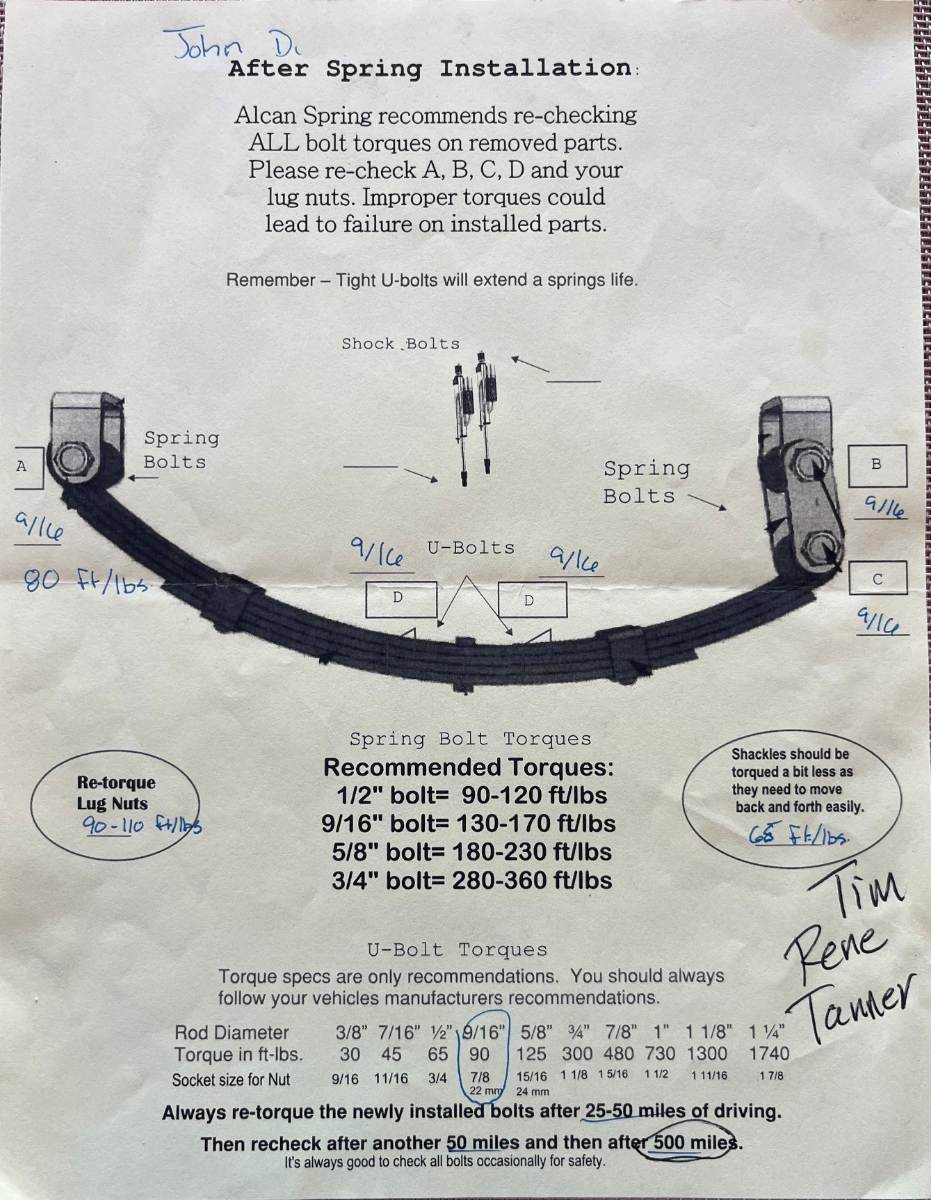
Hey Dan, wow 1/2" U-bolts, really? I don't remember modifying the leaf plates! If this is true, you cannot merely drill 9/16" over the 1/2" hole because the space between the holes needs to be equal to the axle diameter. You'd have to have a decent drill press, clamp the plate down and drill the new holes off-center to the original holes. You could drill 5/8" holes instead, but that would be sloppy and I don't know about you but I have a couple 9/16" bits on hand but not 5/8" which would be an expensive bit to purchase these days. When I'm out at my shed this afternoon, I'm going to see what was on our hull OEM. I kept all the old parts to sell the suspension used if possible (figure there's got to be some guy in the neighborhood building a homemade ATV trailer). Cheap Dexter 1750 leafs and 3500 LB axles are not enough to carry the Oliver, but would be great for an ATV trailer (upgraded with Timken bearings)! 🤣 Here's the spec sheet Alcan gave me when I purchased my package in person. 90 ft-lbs for the 9/16" U-bolts, 80 for the end wet bolts and 65 for the shackle wet bolts.
-
StarLink mini with StarLink router mini.
jd1923 replied to 2008RN's topic in Mechanical & Technical Tips
Yeah, so far so good for us, but we also have the Dewalt leaf blower and it can empty a 5 Ah battery in 4-5 minutes big amps/blowing hard! Starlink requires a small load over a long period of time, so it should be easier on batteries. 😎 The 6 Ah Dewalts I bought 5 years ago were HD! The case could survive a shoulder height drop to a concrete floor, np but not anymore. Shop as wisely as you can. Hate to say it but the aftermarket batteries are half-decent at half price today. -
I’m on the Cummins forum, several Toyo forums for our Lexus vehicles, was in the Bigfoot Forum before OTT, the “Steve Saunders” Goldwing forum for many years (40 years with my classic 1984 GL1200 Standard), a forum for everything I’m working on or have worked on for years! (90% on the OTT Forum the last 3 years)! All the bragging guys write, “did it in 2 hours!” My answer is “BS!” If it went so quickly, you didn’t do it right!
-
U-bolts or wet bolts? The U-bolts MUST be 90 ft-lbs MIN, 100 would be good, but not more. IMHO, the Alcan torque numbers for wet bolts are more than high enough, I went about 10 ft-lbs less on these. The original wet bolts were shoulder bolts where regardless of torque, the shoulder allows play on the leafs so the suspension can move nicely up and down. Certainly do not over torque these or the leafs may bind on the bolts which could cause the tires to skip and bounce. Before I did our major suspension install, I had no idea! Our OEM suspension was barely hanging on! Like it was never torqued in so many years! 🤣
-
I spent a lot of time making sure the leafs were in line, square / plumb front to back, before mounting the wet bolts. Actually, I did this on my garage floor prior to mounting new axles, but you’re doing springs only. If you feel they’re not square, what I would do after you’re finished is get somewhere on a big flat level parking lot, loosen all U-bolts (somewhat) and the wet bolts with no torque at all, drive 100 ft or more steering wheel straight ahead! Then re-tighten the U-bolts first, then torque the wet bolts. Ya think the “Professional”installers would worry about this? I love Alcan and everybody I met who works there. But when you get this job done in 2-3 hours, you get what you got! 🤣 I spent 3-4 days fussing over our new axle and leaf spring installation. Was watching the tires over speed bumps the other day. This suspension is a moving work of art! Back home, time to torque again! 🤣
-
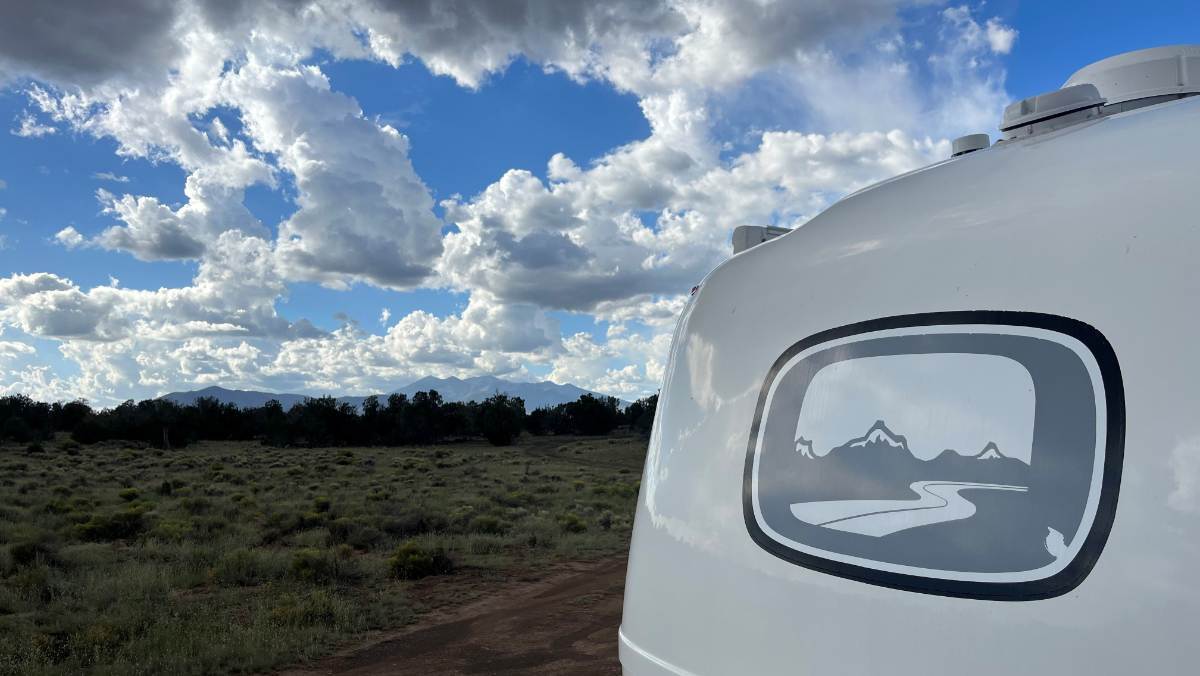
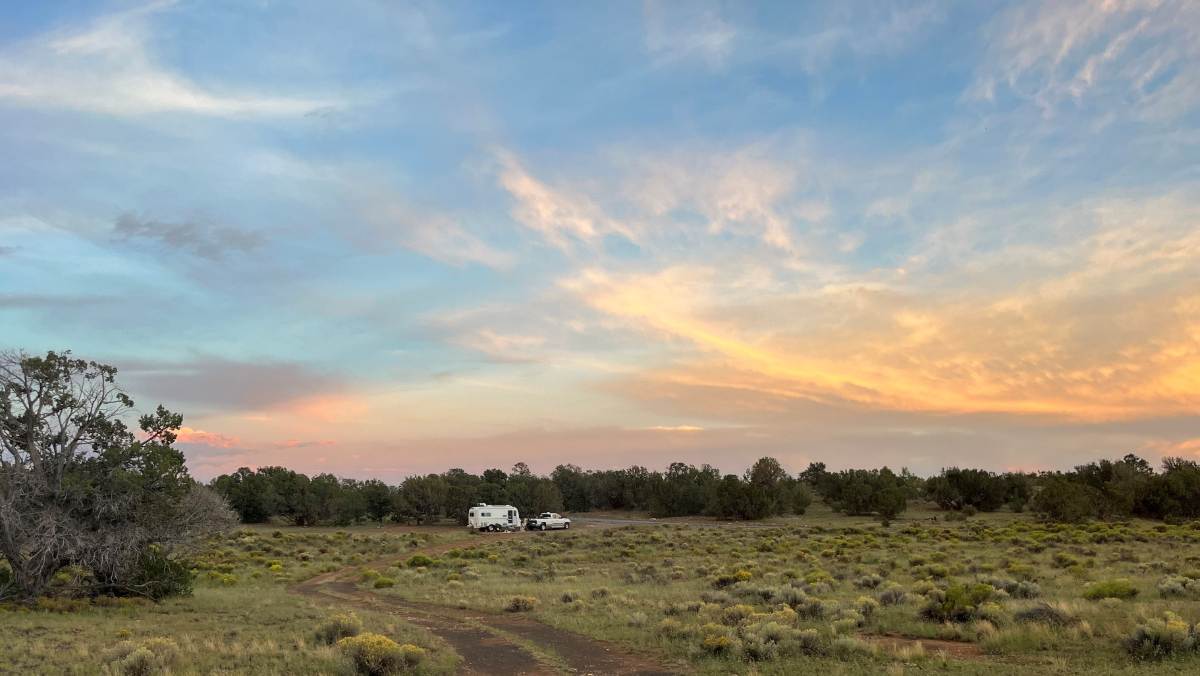
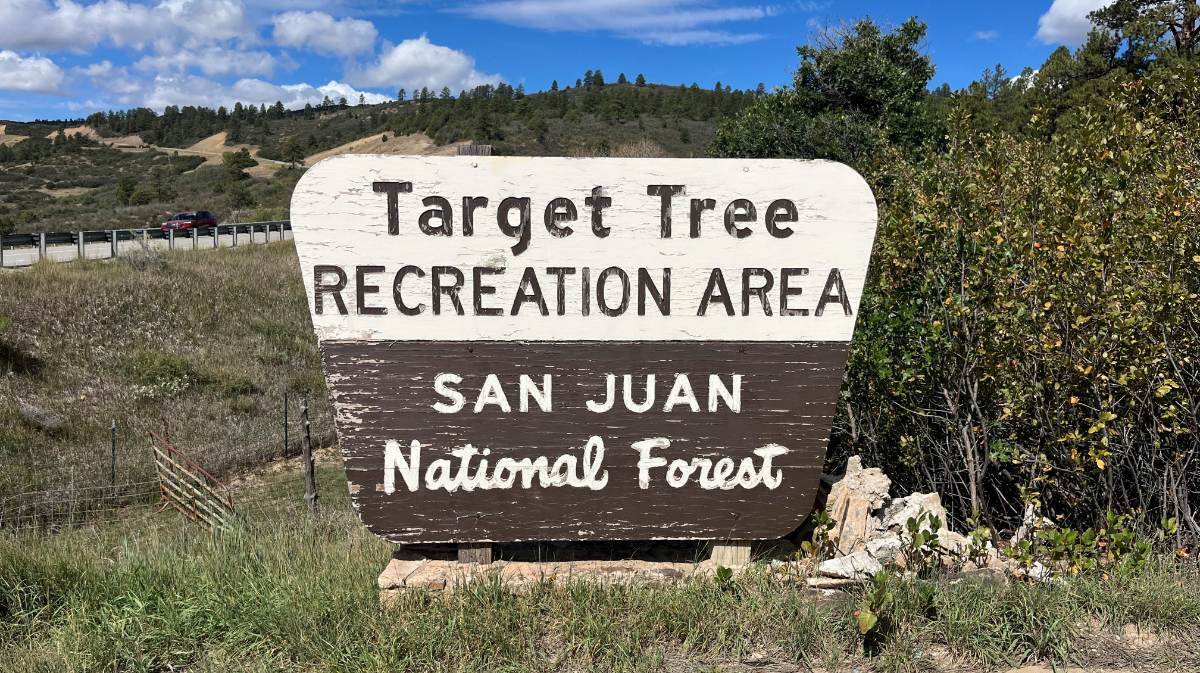
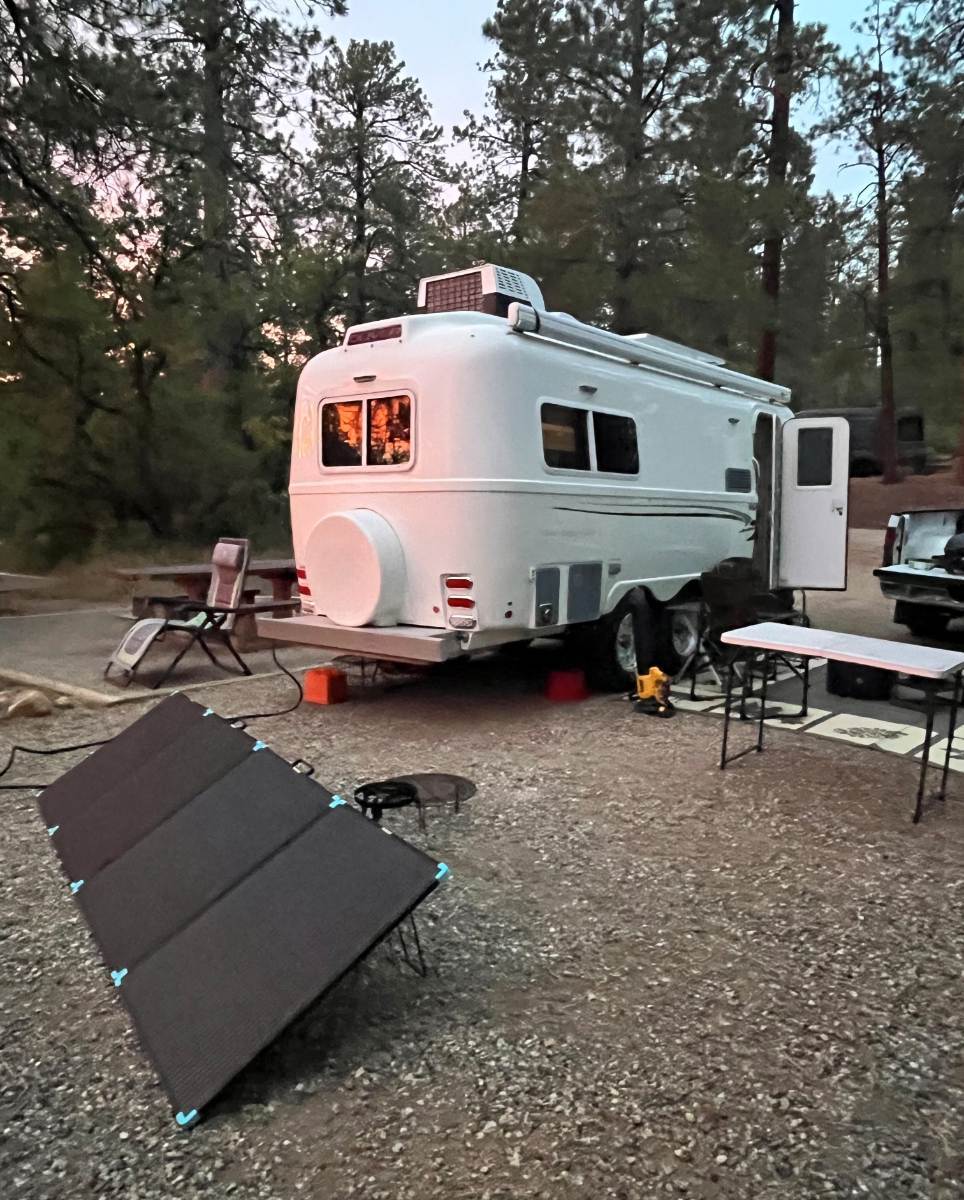
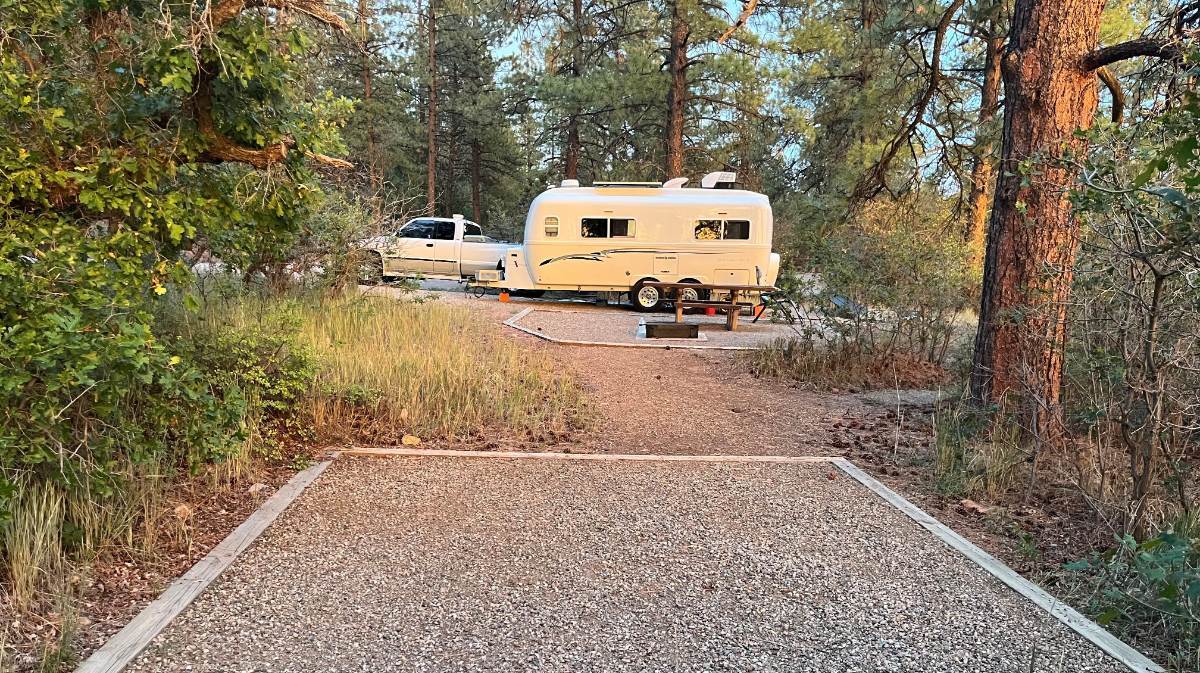
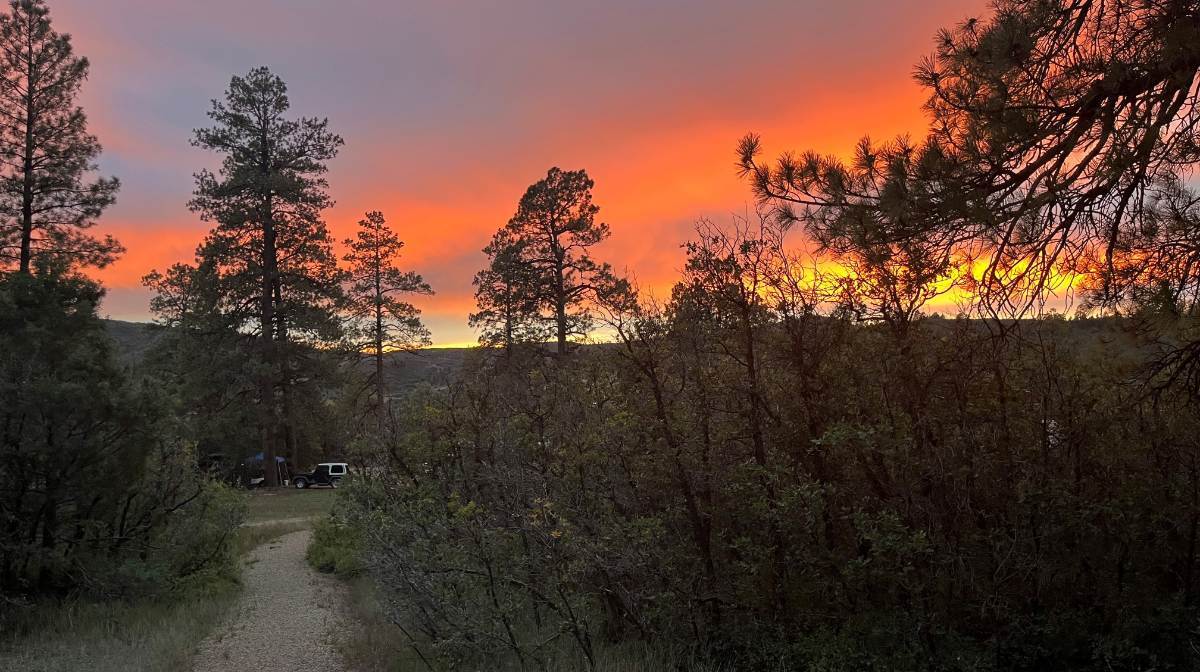
First thing I would do is call up the new owners of hull #359 and get her back! A quick search on RV trader shows 7 Olivers for sale from $46.5K to $74K. Buy at the low range if you are the DIY type to have money left over for your upgrades. This was my plan and with a whole lot of work hull #113 is more capable than most of them out there. If you’re not the DIY type or not wanting to do the work to upgrade, RV labor cost a lot, and “professional installations” are rarely what they’re cracked up to be! 😉 If so, then get one at the high range in EC with options you could live with. Or just dive in and buy new! Yes, they’re now $100K min plus new vehicle sales taxes. I've fought to avoid crowds most of my life, being raised in Chicagoland when my heart was always in the mountains. I don't wait in lines, period. You won't find me at a theme park, my last stadium concert was back in the 80s, gave up on airports, I could go on and on! Prescott is the Yavapai County AZ seat. It’s the size of New Jersey in area with only 250K people. Why did we move here? Think about that (though people are moving here in droves). There was recently a Where's Ollie post on Glacier. Yes, it’s truly a one-of-a-kind beautiful place! It's so unique that almost everybody wants to go there, like Yellowstone, the Tetons and Yosemite to name just one of the great NPs in CA. I went to Glacier in 1986, the 100th anniversary of the state of Montana. There were so many tour buses, Chinese tourists many and others, after a quick chase up a trail to try to catch up to a mountain goat, we left asap and tent-camped after hiking into the Bob Marshall Wilderness. There we didn’t observe another human all week. The NF and Lake Flathead were great! I lived East most of my life, besides IL 10 years in VA (both Tidewater and NoVa). Eastern Tennessee is beautiful but the entire east coast is so highly populated. It's certainly more difficult to boondock somewhere East vs. West. BLM land is only in western states and I believe there are about 8 National Forests in Arizona alone. Then we have Utah and SW CO within a days drive. Just finishing a 10 day trip to SW Colorado. Last night we arrived at a boondocking site off I-40 in Winona AZ, two hours from home. I found it using the Motor Vehicle Use Map (MVUM) for the Coconino NF and then I use OnX Offroad to navigate the FS roads. We are on a ranch road, so there’s ranch traffic which I mind less than tourist traffic. You can tell when at 5 PM 6-8 work trucks were heading out and this morning at 4:45 AM they all returned to work. I got back to sleep. Take a look at our campsite, not bad with views of the San Francisco Peaks! Last night I walked down the short dirt road next to us. There was a Casita pull by a Honda SUV. They are 200 yards behind us but we haven’t talked, each keeping to ourselves (behind where I took the second picture). After a few nights boondocking in another great spot north of Dolores CO, we tried some locations east of Mancos, west of Durango. We found too many modern homeless types. Those who camp in their vans, trucks or cars. It was Labor Day weekend making campsites busier. Not feeling good about camping there, we stayed at Target Tree a US FS campgrounds. Check in on Labor Day and the grounds were about 2/3 full. The next morning everybody left except us, the very nice host and one other. Yeah, a view of the Grand Tetons would be great, but don’t go in season unless you want the traffic and the lines. This place is not bad to have to ourselves. What a site the Casita guy has, far enough off the road. We’ll come back here again. There is a huge network of roads with literally 100s of boondocking sites. If you want this kind of experience don’t cheap out on batteries/inverter/solar and install a new efficient A/C (yay Chill Cube)! We just finished 10 days without hookups. Our 900 Ah batteries are now down to 30% SOC. We ran the A/C for 2 full days plus lunches on the road and a couple days just late afternoon. We ran the fridge and hot water heater on LP when camped. Our DC-DC charger is always attached when towing. By the time we get home, SOC should be up to 45%. Keep in mind that these numbers are % of 900 and if they are to get done to 25% our reserve would be equal to 4 large AGMs. Yeah, for us having an Oliver is worth it. It’s what you make it to be. We love ours!
-
I went with suggesting the diesel and exhaust brake, knowing full well Dan would chime in with the EV truck. 🤣 I imagine he’s right about power and downhill braking. Still not sure I’d want to be looking for charge stations while camping though. The main issue may come down to cost. You can’t buy an older EV and they are quite costly compared to the 1500 series gas truck.
-
StarLink mini with StarLink router mini.
jd1923 replied to 2008RN's topic in Mechanical & Technical Tips
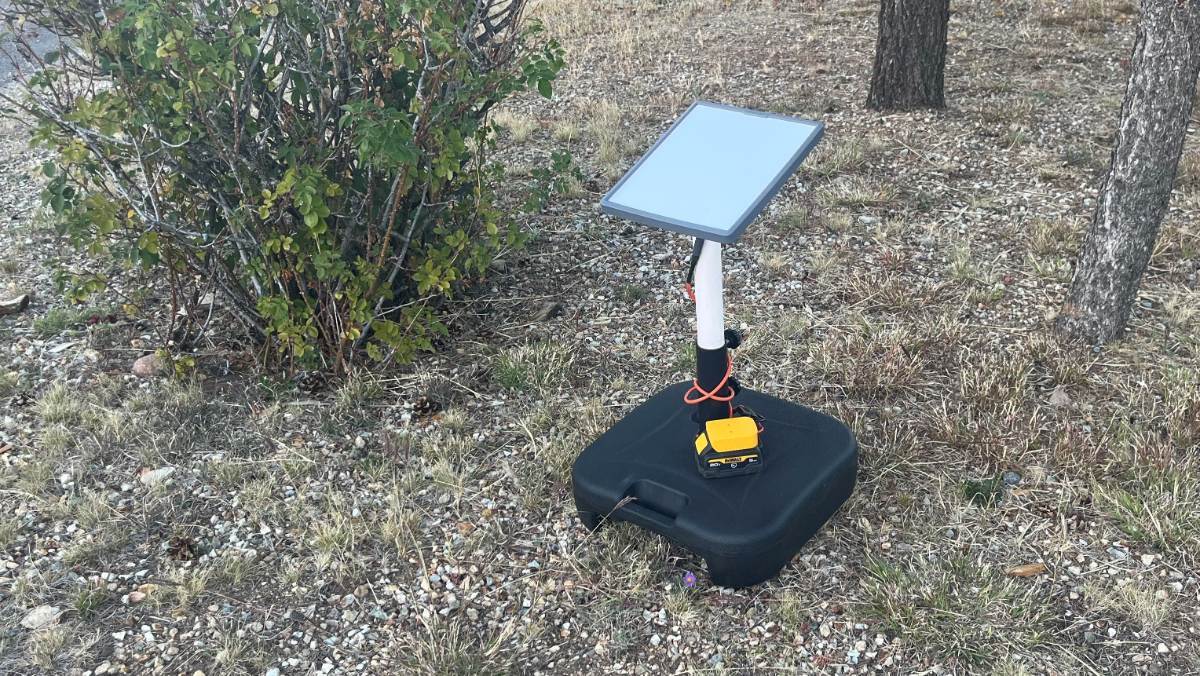
If you already have several 5Ah Dewalt batteries, bring 2-3 with you. I had two 6s that were 3 years old. Burnt one leaving it attached to Starlink overnight. While sleeping it went to zero, no lights, wouldn’t recharge. Gave the other 6 to my son after I bought two 10 Ah which stay in the Oliver. Mounted one of my chargers in the Attic. The two 10s will last a full 24 hr cycle, each will run the Mini for about 8 hours. Figure the 5 Ah Dewalts to last 3-4 hours each. You’ll need something like this: https://a.co/d/0boBnuD4 I like the cost and simplicity of the 1 1/2” PVC but the umbrella stand is really too big. Wish I had a good place to store it but lately I stopped bringing it and one campsite this trip we were back to laying it on a milk crate 10 ft behind the Oliver. 90% of the time, I can use my truck mount, move the truck a few feet over to clear trees when needed. Love our complete setup of truck-based 5G Cell/Starlink/Wi-Fi! Pull the Mini and PVC section out of my truck toolbox and we’re ready in one minute, all devices already Wi-Fi connected to our “Home” network. 😎 I’m also big about using what you have. Perhaps you can adapt one of your tripods to work effectively. I do suggest eventually to get something truck mounted. The TV can often be moved some. When parking the Oliver, the level spot, sun/wind orientation, the direction of your view, are all more important than clear sky to the north. -
Yeah Toni, likely not ALL. Of course seasonal sites will be closed off-season. If they allow campers to show up and pay the host or at a kiosk (we paid the host $36 cash for 3 nights), then I believe the 4-day rule applies. This rule allows for drive-up pay cash locations. If the campground ONLY allows for online reservations then all available dates should be available to book online. It seems we've run into not being able to reserve tonight or next day at many locations we've stayed.
-
StarLink mini with StarLink router mini.
jd1923 replied to 2008RN's topic in Mechanical & Technical Tips
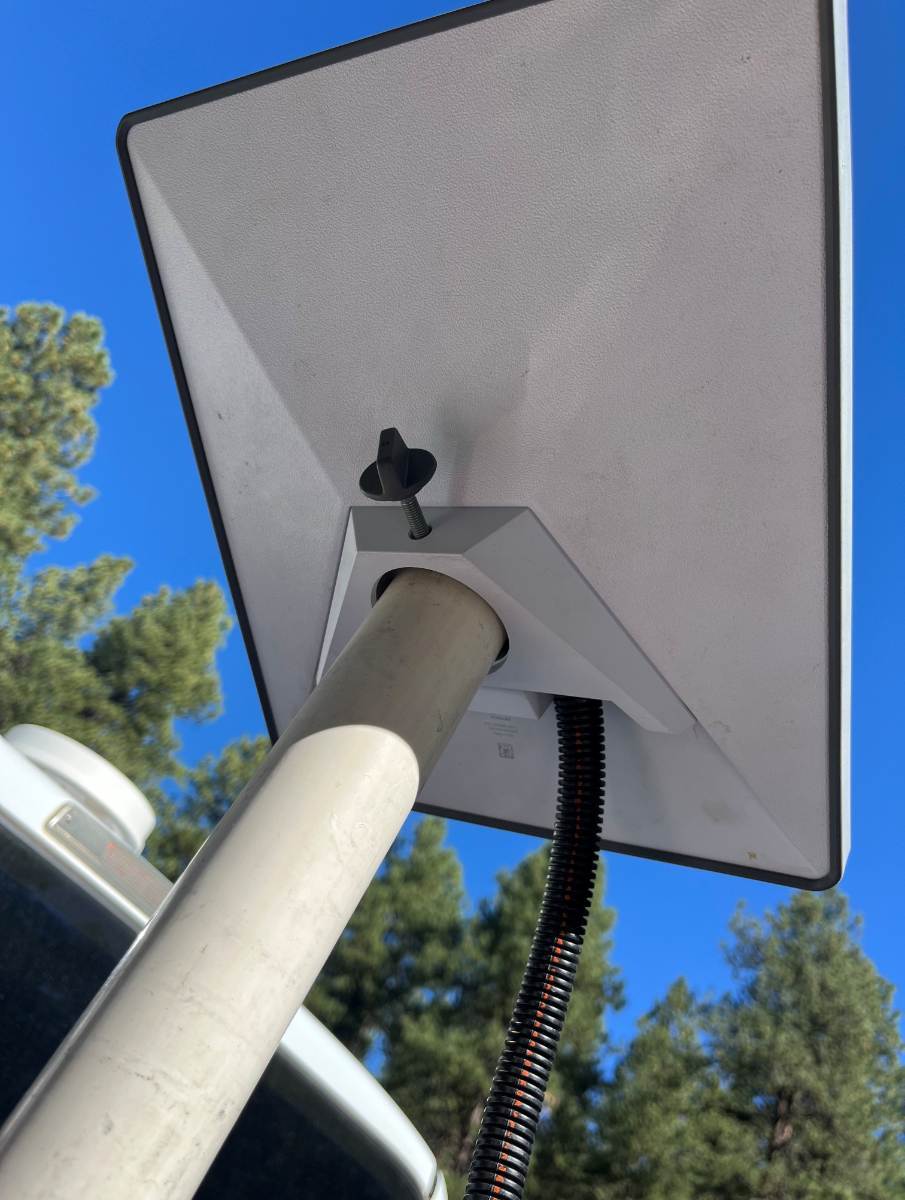
Hello again Bob, and thanks! I merely purchased a 4 ft piece of 1 1/2" PVC (2" OD) and a coupler from Lowes. Sawed the PVC in two 2 ft sections and the coupler will join the two only in the truck installation (pic1). The lower 2 ft section is permanently mounted to our extra fresh water tank. This works in an open bed but the lower section could be bumper mounted or to the side of a truck cap or the Oliver front basket. For the "umbrella stand" option the set screws from the stand fit into the drill holes. There is also a 3rd drill hole up top (cannot be seen in pic) to hold the Starlink set screw. Half fill the umbrella stand with water and it's not going anywhere! Good sale price on this today at $27! https://www.lowes.com/pd/Patio-Premier-Patio-Premier-Square-Blow-Mold-Umbrella-Base-Black/1002629278 Starlink includes two mounts. Mike mentioned he would merely lay the Mini on a flat surface. He's using the simple base mount that has a kickstand to produce the correct angle. I started the same way but found often in the woods finding a flat spot to support the dish is difficult. Starlink includes a second mounting plate (pic2) which comes with the 2" mounting hole with set screw. Notice the two drill holes in the upper post. If I'm using the umbrella stand, these line up with those set screws. I love the 1 1/2" PVC mount and would not stray from this. If I was to buy a stand again, instead of the umbrella stand which is large to store, a folding tripod would be OK, if I could find one that would hold the 2" pipe. I wouldn't want to get into camera stands, 1/4-20 screw mounts with adapters. IMHO, a soft 1/4" screw should not be the only thing holding the dish, not in heavy weather. No skinny stands, no long poles, no suction cups, nothing fancy for me. Just open your compass phone app, mount the dish pointed north, check alignment on the Starlink app, just a one minute installation required with this setup! 😎 Sorry, acronym from eBay sales, means "New in Box."
-
I’m 100% with @Todd B on his post above. I have the name brand Andersen version and wouldn’t camp without them. After two years though the red ones sure are beat. This Amazon item has a 4.7 rating with 3K reviews which is huge! Camping in the mountains I wish they were taller than 4” but taller might not fit between the tires! The Apex has AT tires but is the diameter actually larger? I don’t think OTT would design a suspension that would not accept these levelers. You should ask them or know the tire brand and size and can find the dia in the tire specs.
-
Bummer just a few days before your trip, and sorry but most things Truma take long. Check into what Craig wrote. Then if you need further troubleshooting, re-open the bypass, remove any access plates/covers inside and out so you can see inside as much as possible. Start the water pump again and recreate the leak. Keep it running until you can eyeball what part or connection is actually leaking. Don’t worry, if water gets in the basement it will drain out of the weep holes along the hull bottom.
-
StarLink mini with StarLink router mini.
jd1923 replied to 2008RN's topic in Mechanical & Technical Tips
Hey Bob, there is much experience here. Mine is just one input for you... I purchased the extra router when Geoff posted this (impulse purchase because of the $40 sale): https://olivertraveltrailers.com/forums/topic/10918-the-new-starlink-mini-router-for-what-ails-you/ Turns out a year later, I've never used it (still have it NIB somewhere)! I just last week integrated our Mini to the Pepwave router which is pretty cool, but our installation is far beyond what you expressed you want. https://olivertraveltrailers.com/forums/topic/9933-pepwave-cellular-router-and-not-the-common-install/#findComment-126971 You really don't need anything but a simple way to mount the Mini. At first, I just sit it on an upside-down milk crate. I was using battery packs so not to string wire, but the Mini comes with a 120VAC power supply (inverter ON required) with produces 30VDC with a 50' cord. We're always 50 ft within view of the northern sky and I would not want the hardware sitting much further out of sight. The simple stand pictured, better than my old milk crate, is what we use when our truck cannot be parked in the right spot. I have a camping rule to minimize setup which in turn reduces all the work to setup and tear down and we move a lot (as you will going all the way to Alaska)! No poles and suction cups for me. As far as service, there is the monthly $10 cost for stand-by service which includes enough bandwidth to setup, download updates, configure and test the installation. You can also slowly load a web page or send an email, again very slowly but the connection is there. When you upgrade service (Starlink must be positioned and phone setup must first be connected to Starlink W-Fi when there's no cell service), they prorate the first month. Our billing date is the 4th of the month, so for example, if I start service on the 20th of the month, given my billing date I will be charged about half the plan cost. I can immediately change the next month plan to return to Stand-by $10/month, so I don't forget. On such a trip to Alaska, you may just need it ON for 2-3 months. This is good to know, but more so for us where we have the cellular antenna and router and T-Mobile 5G SIM card which costs $30/month on my business plan. If we're getting cell which is about 80% of the days we travel then I'm paying for Starlink only when necessary. But when you activate, you're charged on that date through your billing date.
-
And nothing like the diesel engine with exhaust brake! 😎 I use it always, even around town, towing or not. Somebody cuts in front of you and you're slowing down as soon as you let your foot off the gas. Drove recently Prescott to Phoenix to pickup Chris at the airport. It's a 4300 ft drop in elevation and I made it down the mountain without pressing the truck brake pedal once. Without it, I'd be on the brakes most of the way down. Towing the Oliver down I-17 does require braking a few times where the drop is 6-8%. For sure! Note a couple Forum members recently posted they prefer when the TV weighs more than the TT. It provides balance which boosts confidence when towing in less than ideal conditions. Our truck loaded and hitched (with tongue weight) is 8K LBS with 8,800 GVWR, and the Oliver loaded is 6,400 LBS. Never will the tail wag our dog. Given you're buying new, it's the right time to make it your last and best TV purchase. We're not getting any younger! 🤣
-
I didn’t comment earlier, since I don’t follow new tech and models. But I’m with @FloraFauna 100%. I used to buy used Cadillacs (one Lincoln Mark VII LSC) for my drivers back in the 90s, like the Seville STS, nice car to commute Chicago traffic! They’d come off a 2-year lease, with under 30K miles, and always with a dealer add-on 70K powertrain warranty! I’d keep them another 2 years and trade for another beauty for very little money. I’d spend 28K OTD, for what new would be 60K plus dealer fees and taxes! In AZ if I buy from a private owner, there are NO sales taxes. From a dealer, the plus 8.6%! Think about total cost of ownership. For what you’d be spending for new, you could get the same model but the HD 2500 series, low mileage 2-3 years old, for same or less $$$! Our TV is 26 years old and pulls the Oliver NP! I’ve purchased about 60 vehicles in my life. Only 4 of them were new. I have a little brother who won’t buy anything used to save his life! Maybe because when young he got all the used hand-me-down clothes I grew out of. He’s paid through the teeth and I’ve always had far better rides, way too many to park in our 3-car garage! 🤣
-
Not bad for $12/night! I think going forward, besides boondocking we'll focus on National Forest Service or Army Corps of Engineers sites that give half off with the senior pass. But kind of a bummer that now on recreation.gov the next 4 nights cannot be reserved online. But you can go online to see what is reserved or FF (first come-first serve). Our campsite #7 is shown, all sites no hookups, some pit toilets, water spigots in 5 spots around the campgrounds but without hose connections. All the campsites inside of the loop are setup in the wrong direction (curbside away from picnic table). A little road noise being right off US Hwy-160 but always quiet in an Oliver! Just east of Mancos CO, Target Tree is within a half hour of Cortez to the west and Durango to the east, with Dolores nearby and Mesa Verde NP. Beautiful roads with beautiful mountain views, forest service access trails everywhere! 🤠
-
When concerned, replace your DC circuit breakers with ANL or MRBF fuses. You simply know when a fuse burns and there is always a reason behind it. Fuses protect overloads in both directions on the circuit. Simple DC breakers are directional, will protect power to ground faults on one side of the breaker. An issue on the other side of a DC breaker is not covered. I've kept two DC breakers that OTT installed (30A rooftop solar and 40A for jacks, etc.) When I rework something or add a new accessory, I prefer to add a fuse holder over a breaker (only in 12VDC systems). Just keep those breakers/fuses and switches out from under your spouse's bed! 🤣
-
Yeah but... Given the pics above, we see 11.2V, then 11.1V, then 11.2V which average with great precision in the range of a dead lead acid battery. The OP posted both 11.7V and 12.7V numbers without supporting pics, no mention of the voltage numbers displayed in the pictures. Lead Acid batteries will go to zero, more load-more quickly. In my understanding, given 3 independent readings from 3 independent hardware vendors, Zamp, Xantrex, and SeeLevel; they're all displaying the exact same voltage reading? (within 0.1V deviation on one device). Not likely at all. The batteries are reading near dead but not too low to recharge. Check the multimeter again as wired and check it again with battery cables all detached. It cannot correctly read 12.7V when 3 simple BMS systems are agreeing to 11.2V. Likelihood is the11.2V is correct. Connect to shore power and charge your batteries for 24-48 hours asap. And perhaps it's a blessing, time to scrap the AGMs! In another OTT Forum thread there is a link to well-featured 300 Ah LiFePO4 sale priced at $600. It's a good time to buy lithium. Just one of these batteries will provide 50% more Ah capacity than 4 brand new AGMs. They will last 3x as long and at deliver full capacity in their lifetime. Most who install the LiFePO4 upgrade today go with 600 Ah which will deliver 3x the power!
-
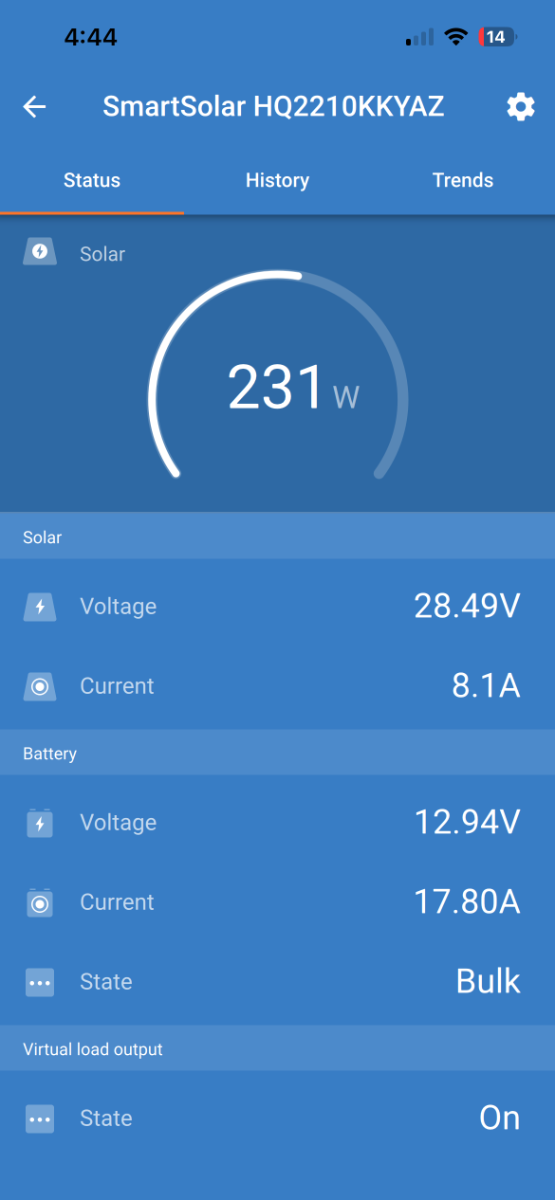
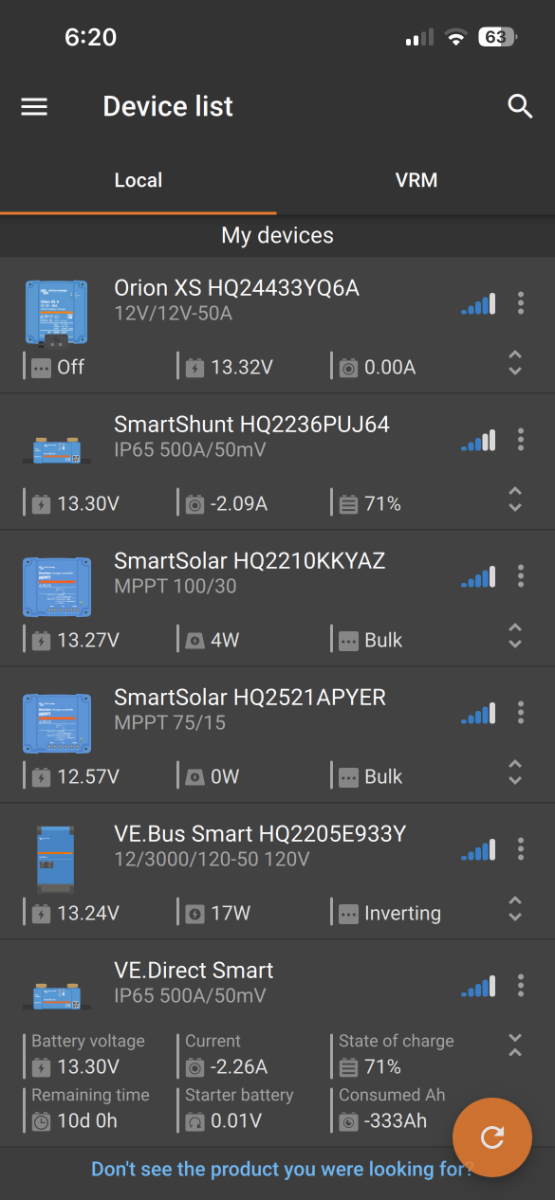
We have an older hull and have 320W total in two OEM rooftop panels with an old SC not Bluetooth connected. You may have 400W rooftop. Regardless, these numbers are rated capacity, perfect world numbers. We have our Renogy 400W suitcase solar running right now. I took this screenshot for you! We’re near Mancos CO at 7760 ft, with pure blue skies. Suitcase panels setup, picture taken at 4:44 PM with a good angle to the sun, input wattage is now 231W. The highest number I’ve ever seen is 367W midday for merely a few seconds then down closer to 330W midday. Light clouds will cut these numbers in half. Heavy humidity less 20%! On average our 320W rooftop solar nets only half what the 400W suitcase pushes since the rooftop is flat/stationery. Of course the NE and SW are polar opposites, given altitude and humidity, so getting 200 of 400 watts with rooftop stationery panels seems the right number, likely your high number. If you travel more than you sit for weeks at campsites, the Victron Orion 50A DC-DC charger will charge 2x more per hour than 400W solar in the best of conditions. Numbers I count on are 40 Ah/hour towing with the Orion DC-DC Charger, 20 Ah/hour on the 400W suitcase for about 8 hours per day, a little more if your anal about moving the panels, and about 12Ah for the rooftop solar. +100 Ah all day is the best we get from rooftop solar. With 400W you could add 25% but given your NE climate +100 Ah may be your best. Sorry to be the engineer! 🤣
-
IMHO, when in storage pumping tire pressure up to the max limit will help to eliminate flat spots but your PSI numbers are correct for towing. On classic cars I had, I’d put them up on jack stands. For the Oliver, just use your leveler jacks to take most the weight off the tires. If you visit your storage monthly, get your tires off the ground with the leveler jacks and give the tires 1/4 turn.
-
Complete Victron, yeah! 😎