Leaderboard




Popular Content
Showing content with the highest reputation on 11/10/2026 in Posts
-
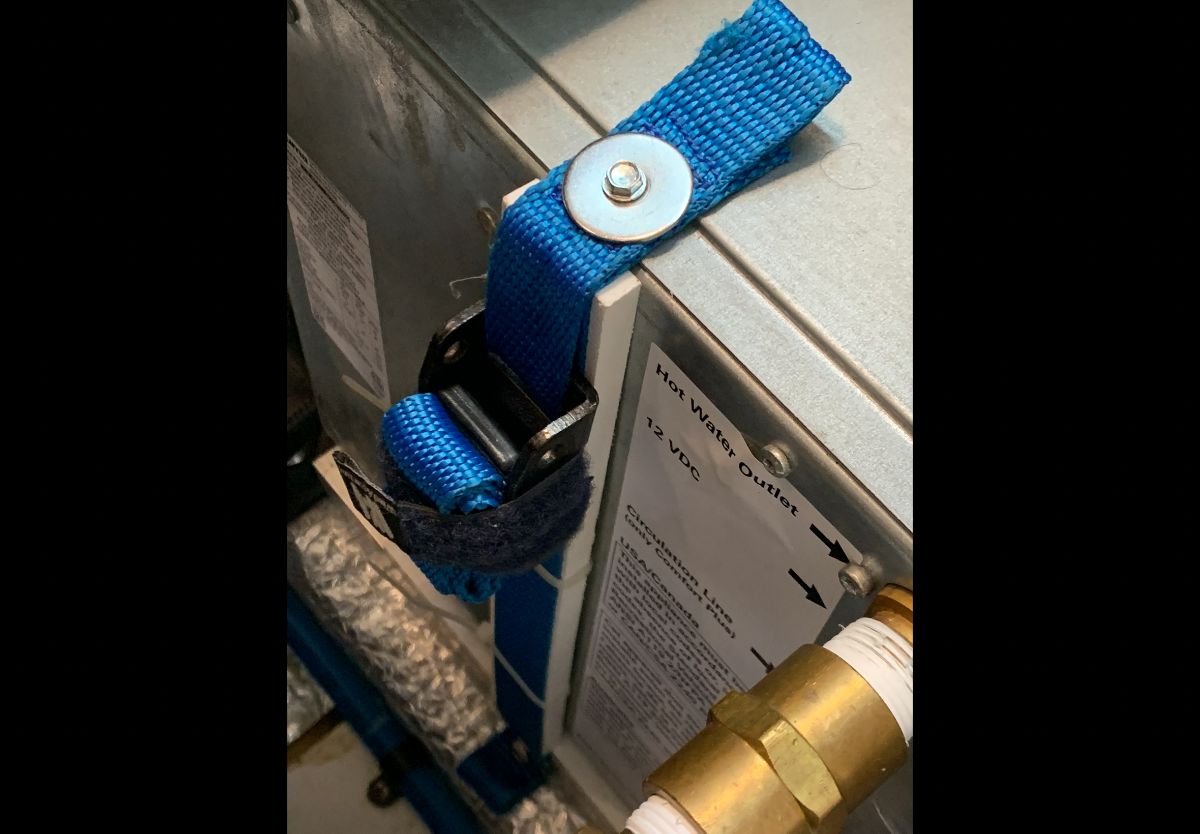
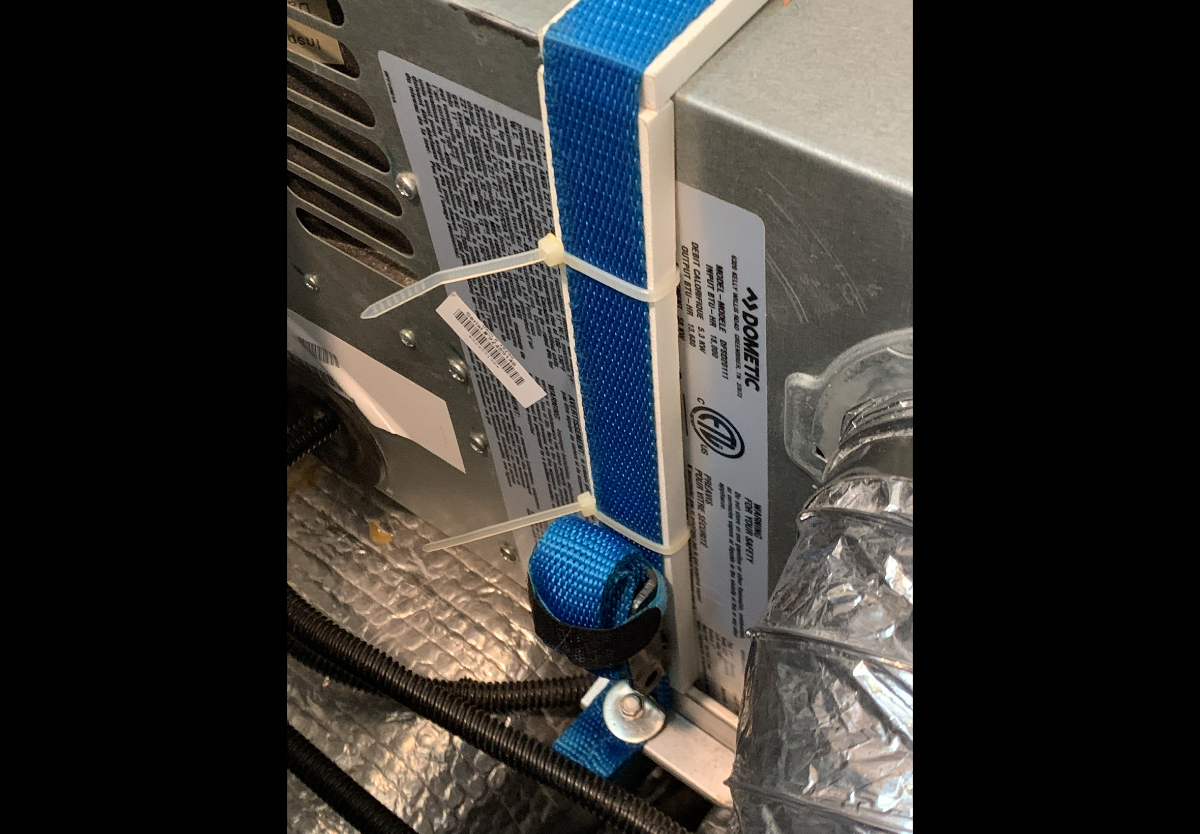
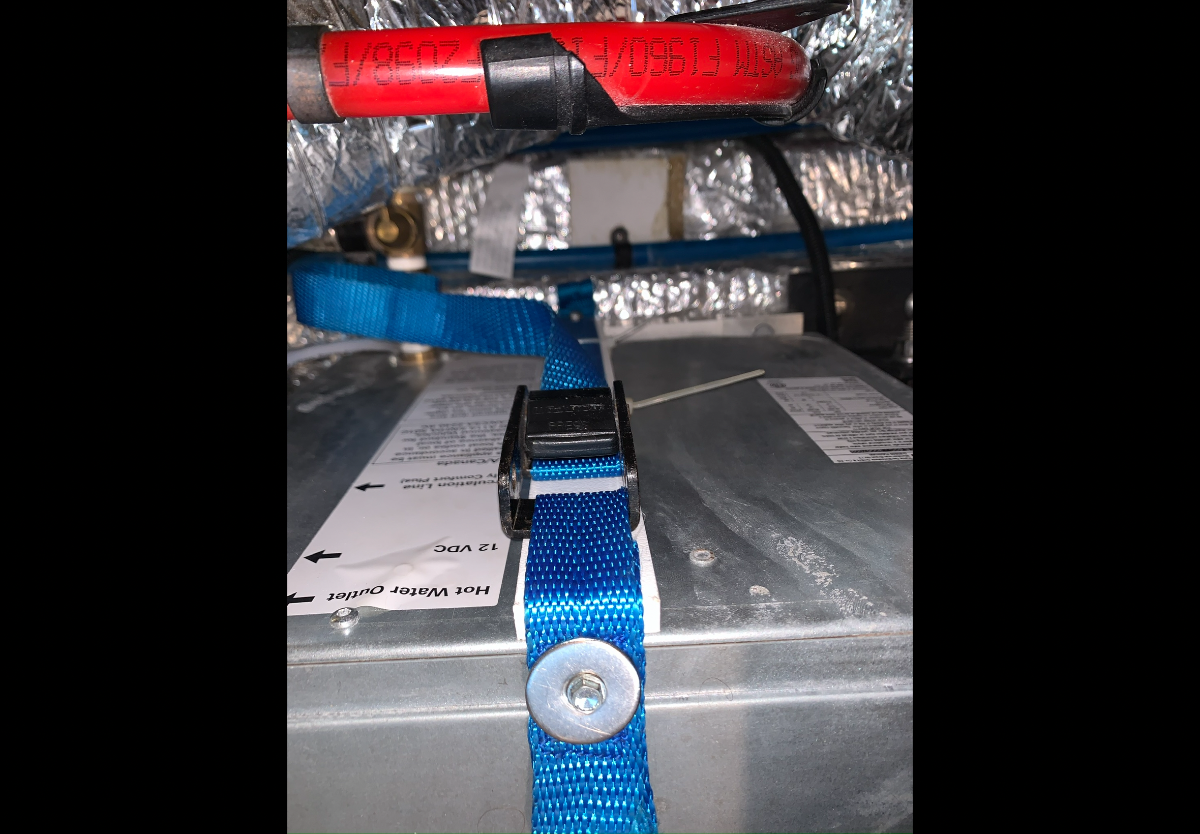
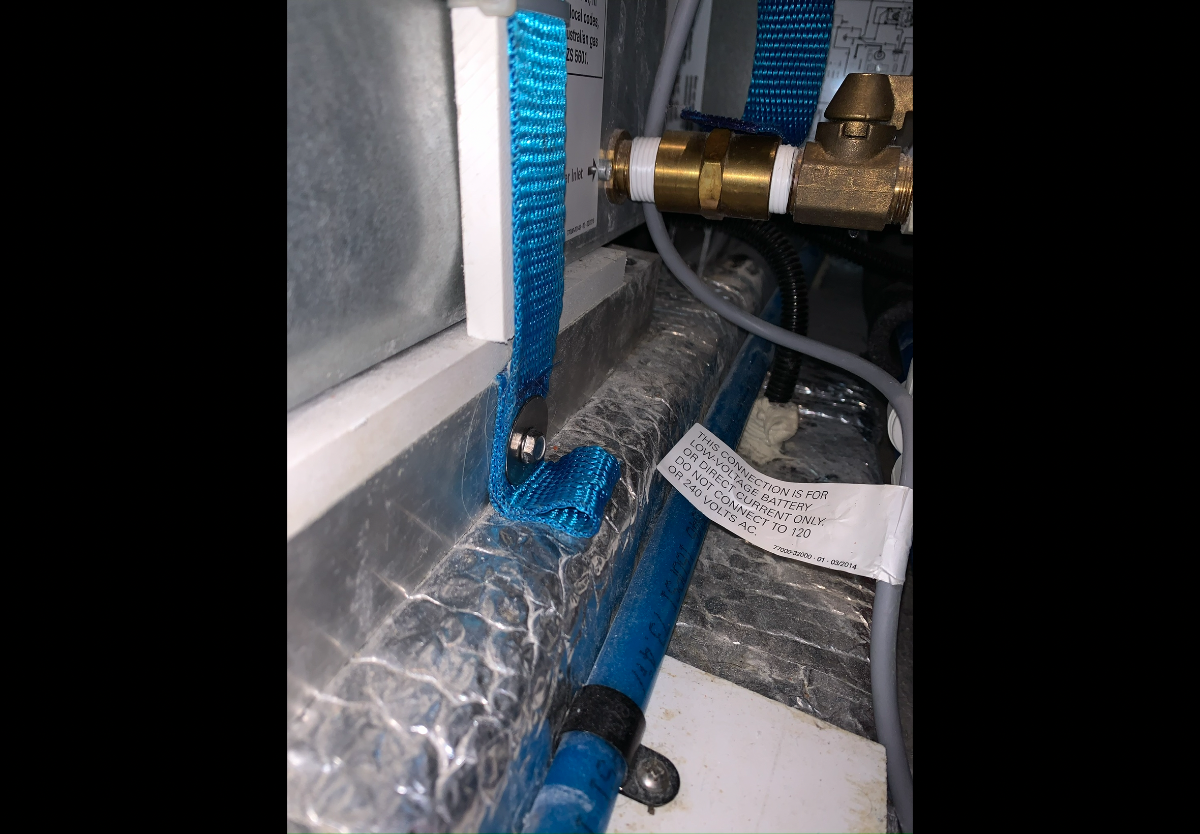
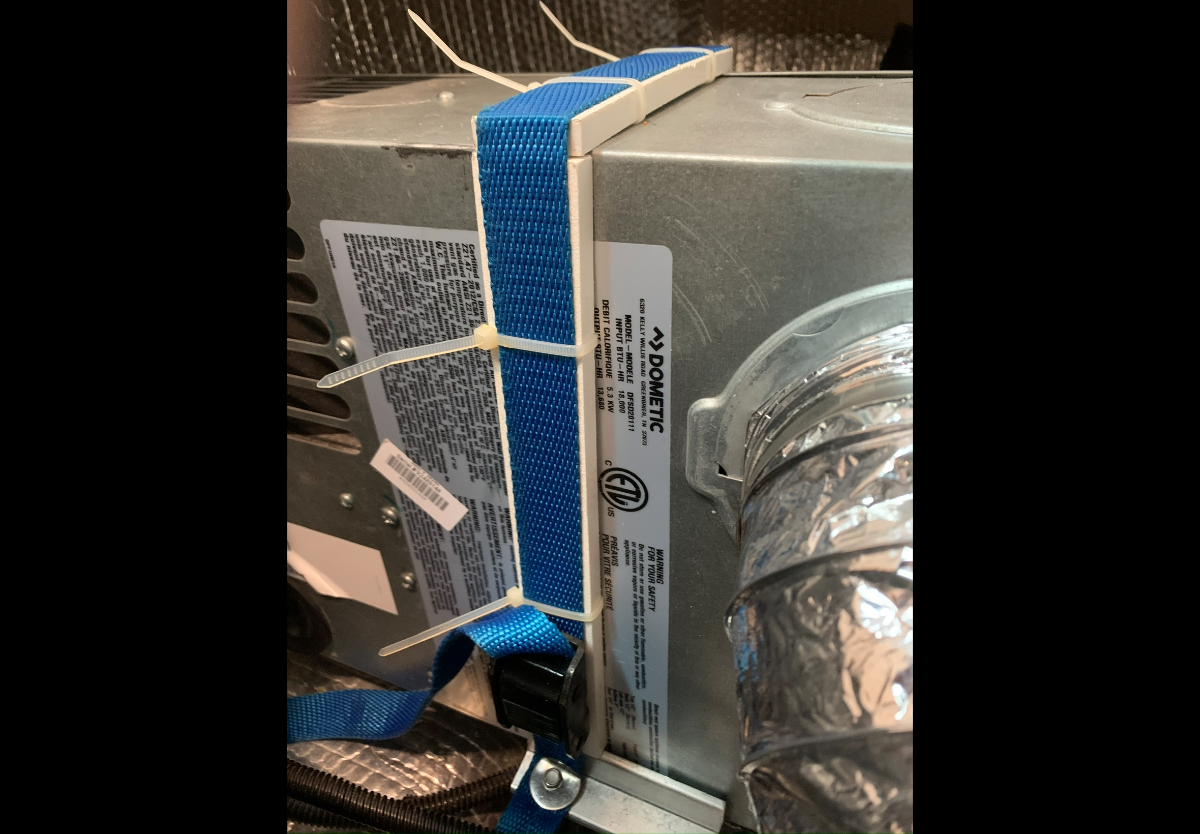
Checked ours today and found only one strap and it was located in the center of the back of the Truma, top to bottom. It was still in tact.3 points
-
The only small item should be a flat rubber washer. BTW from your picture, that fitting appears to be cross threaded onto the faucet nipple. Could be the reason for the leak.3 points
-
Through this thread, and thanks to the mention by @topgun2 of the suggestion made to him by @mossemi -- I started reading C.J. Box's Joe Pickett series. Now 14 months later, I am working my way through book #26 in the series -- it's the latest one, but I hope it won't be the LAST. I've read them all, in order, and they have been immensely enjoyable! I especially love Box's attention to detail, such that I recognize back roads, forests, mountains and scrub that he uses as the backdrop for this fictional series.2 points
-
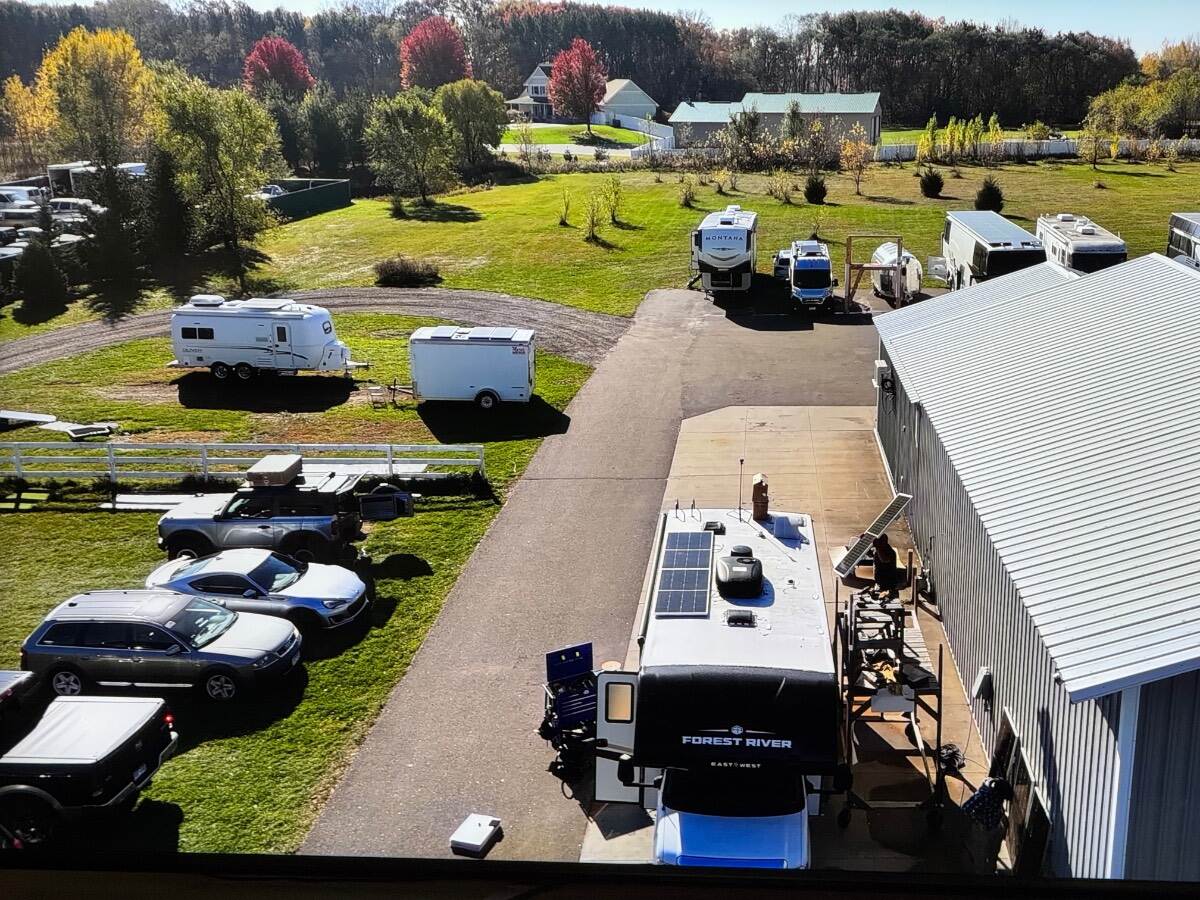
We were watching an electrical upgrade on an RV, and in one of the drone shots, Deb spotted an Oliver in the background. Check out IreneIronTravels YouTube channel to see it 27:30 into the video.
 2 points
-
This looks like a far better anti-vibration solution than the metal straps.2 points
-
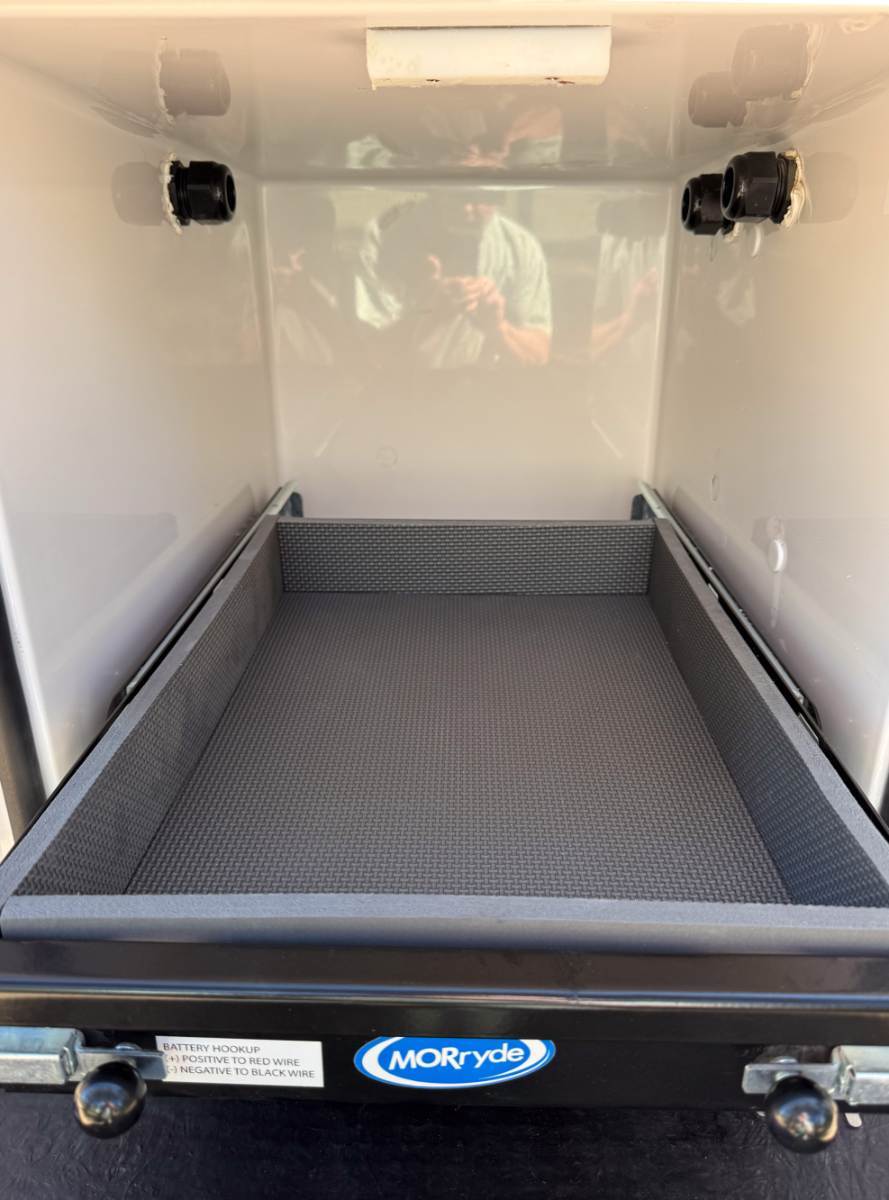
Ron, I think the nylon straps make a lot of sense, and that's the approach I plan to use for securing my Victron MultiPlus II after mounting it to a homemade platform. I also plan to place a section of lightweight interlocking foam floor mat beneath it to provide some cushioning and vibration isolation. It's the same material I used in my battery compartment, and it has worked well while also providing a bit of insulation. The mat may not have the heat protection that is needed for the hot water heater. One can purchase the mats at Home Depot or Lowes or ...
2 points
-
Who would think that 26 novels could be written involving a Wyoming Game Warden and his family. Even if you haven't had the chance to spend much time in Wyoming, these books are easy to read and are reasonably enjoyable without being overly complicated, trashy or trite. All of these books are available as audio books too. Bill Also, there are a couple of similar series to include a Maine Game Warden and the Walt Longmire series1 point
-
May I assume that the term Older Hulls means older than your 2010 Hull? (As in Hulls 1 - 44)1 point
-
On older hulls they used Scandvik faucets that had "BSP" (British Standard Pipe) threads which are harder to source but they can be found on the Scandvik website. Bought one from them a couple of years ago for a little over $40.1 point
-
Two things... Be certain as to where it is leaking. Is the water coming out from the threads to the hose? If so, what @Ollie-Haus wrote is likely the simple reason. And given the threads are crossed could be a reason why it's on so tight. Many of us have had a similar leak but not from the hose threads. Instead it leaked in the plastic molding to which the hose connects. Run more water while looking to be sure of the specific location of the leak. If it is cracked above the hose connection you will need a new assembly: https://itcshopnow.com/products/exterior-shower Either way you can pull the shower assembly out from the hull. When standing outside disconnecting these hose(s) a simple task vs. hunched over the basement with one hand in there. This link should take you to where I installed a new shower assembly. Notice there is ample slack to work these connections from the outside. Remove the 4 screws and some caulk.1 point
-
Two and a half years in and found a broken metal strap securing the Dometic furnace. Replaced it and others at the Truma hot water component with cam lock straps. Strips of Marine Starboard were placed as heat protection. Great fix, here’s some pics:
1 point
-
The idea could work if you want additional assurance that the charger powers down. But use the H pin (remote on/off), not the L pin, and remove the L–H jumper, because a signal on L overrides the voltage detection and forces the Orion on, the opposite of what you want. Remote on/off on H acts as a permission where the Orion only charges if H is high (12 V) and the normal voltage conditions allow it. However, Victron’s manual says to turn the voltage detection off when using remote H signals. . . so it may not work as you intend. Test it to assure that both conditions (voltage detection and H pin) will work together. Verify that with the engine running and the 7-pin unplugged, the Orion powers down. Hope it works for you! Geoff I added an edit because this is hard to wrap one’s head around it, and when better explained you might change your mind. You can’t use the L pin for a redundant shutdown because L is only a trigger for “on”. When the L signal goes dead, the Orion just falls back to its voltage detection to turn off. The H pin is needed for shutdown. If the Orion fails to see that the engine is off because of incorrect settings, it could stay on. With the 7-pin wire on H, and the L–H jumper removed, the 7-pin goes dead when the engine is off, and that turns the Orion off . Victron suggests turning off voltage detection when using H. Either way, a dead H pin shuts the Orion off. What’s uncertain is whether the voltage detection also stays active as a backup if you leave it on, so test it. Having said that, I’d reconsider the idea altogether because I don’t believe there is a credible failure mechanism that necessitates using pin H. We forget that Orion has an “Input voltage Lockout” feature with default setting of 12.5 volts which would shut it down probably leaving enough TV battery for a start. We seemed to have digressed from the real benefit of using Pin L to turn on the Orion when quirky smart alternators fail to do so.1 point
-
After some on-the-road use, you'll find that all that matters in a DC-DC charger is that it turns on to BULK charge and gives you 40 to 50Ah for every hour towing. Absorption and float are final charging modes used to bring SOC up to 100%. BTW, this was a lot more important for LA batteries vs. LiFePO4. Our solar charger will bring SOC up to 100% when parked at home. When traveling we are most often between 50% to 80% SOC, so the Orion is almost always in bulk charging mode when towing. My goal is tow a half day and add 200 Ah to battery SOC for when we get to our next campsite! 😎1 point
-
One hopefully final point regarding wire gauge. If the installed wiring produces a 1.2 volt loss when the charger is in absorption mode and drawing 50 amps, that voltage drop decreases to less than 0.10 volts when the charger is in float mode and drawing just a few amps. This wide variation in voltage drop can make programming the Orion more difficult because the charger sees different voltages depending on the charging current. Most voltage drop calculations focus on maximum current, but the Orion's charging current changes significantly as it transitions between bulk, absorption, and float stages. As a result, the voltage drop is constantly changing as well. Larger wire not only improves charging efficiency, it reduces the variation in voltage seen by the Orion across the different charging stages. That makes voltage-based engine detection and charging parameter adjustments much more predictable and easier to dial in.1 point
-
John, what a detailed and accurate summary. Thank you for taking the time to lay it all out so clearly. The recent introduction of the 70-amp Orion XS adds another layer of complexity for installers. It provides even more charging capability, but it also raises additional questions regarding wire sizing, voltage drop, fuse selection, alternator capacity, heat management, and overall system design. What was already a somewhat confusing topic for many owners with the 30-amp version has become even more complicated with another high-output option now available. Fortunately, I believe 50 amps of charging while driving is all I will ever need, and I'd prefer not to be pushed into upgrading the alternator. Depending on how things perform in real-world use, I may end up using the Orion's settings to limit the current draw on my 50 amp to a lower value.1 point
-
Email sent. Mike wrote on Where's Ollie something like, this one is "good enough to frame!"
1 point
-
This will be a good rainy day project! After 10+ years and 100K+ miles I have a few pictures….😳1 point










-
Recent Achievements
-