Geronimo John
-
Posts
2,398 -
Joined
-
Last visited
-
Days Won
68
Everything posted by Geronimo John
-
It sure would be grand if Ford had a software upgrade for our "slightly used" F-150's to allow the onboard TPMS to be extended to our four OE2 tires.
-
When you run into that bad weather and have some time on your hands, it would really cool (SIC) for you to document your extreme cold problems and remedies. Frankly I bet OTT would be chomping at the bit to create a "Cold Winter Package" based upon your excellent research and development efforts. Well done!
-
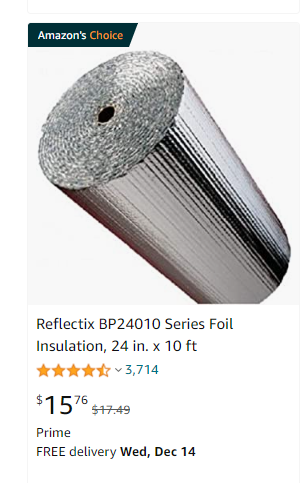
Back to my M.E. background: Winterize well before you hit freezing conditions (as stated above) would likely save you some grief. For anything below 20 degrees, I would also have some thick Reflectix (R6 or R8) and figure out how to cover the windows and door on the inside. When not in use, storage under your bed mattress would be an idea. PS: The below is not thick Reflectix.

-
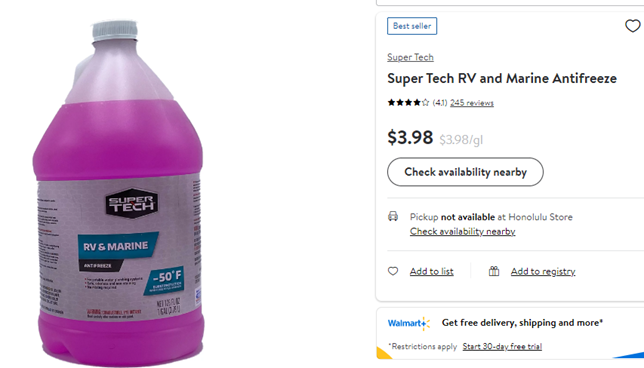
Hey from a Hawaii/Texas resident you can take this with a grain of salt. However as a Mechanical Engineer there is one salient thought I can provide: Suggest you VERIFY that the food grade antifreeze you use to winterize your OE2 is rated for at least -50 degrees F. Some are, some are not. Buyer beware. PS: Amazingly the Super Tech is rated for -50F. Surprised me.
-
Bulldog coupler destroys Anderson ball
Geronimo John replied to John E Davies's topic in Towing an Oliver
Your method would sure leave less grease on my leg or pants! Hope it works well. Please do keep us updated. -
Bulldog coupler destroys Anderson ball
Geronimo John replied to John E Davies's topic in Towing an Oliver
Jim: What air bags did your use? Looking at doing the same on our TV.... for the same reasons. GJ -
Prospective new owners of the legacy ll from Ohio
Geronimo John replied to Mark willett's topic in Introduce Yourself
I fully concur with Bill, Mike and Jim. Mountains out West: Get the 3.5 EB or equivalent. Driving Canada to Alaska: 3.5 EB. Back East: Your call. Due to porposing, I replaced our 3 year old stock rear shocks with Bilstein 5100's. I had hoped that they would be enough to cut down on porposing. They did help. However, during our trans Canada (especially) and Alaska (somewhat) I many times wished I had also installed a set of air bags as my Brother had recommended. -
Towing with a Ford F-150, 3.55 axle ratio
Geronimo John replied to GBBest's topic in Towing an Oliver
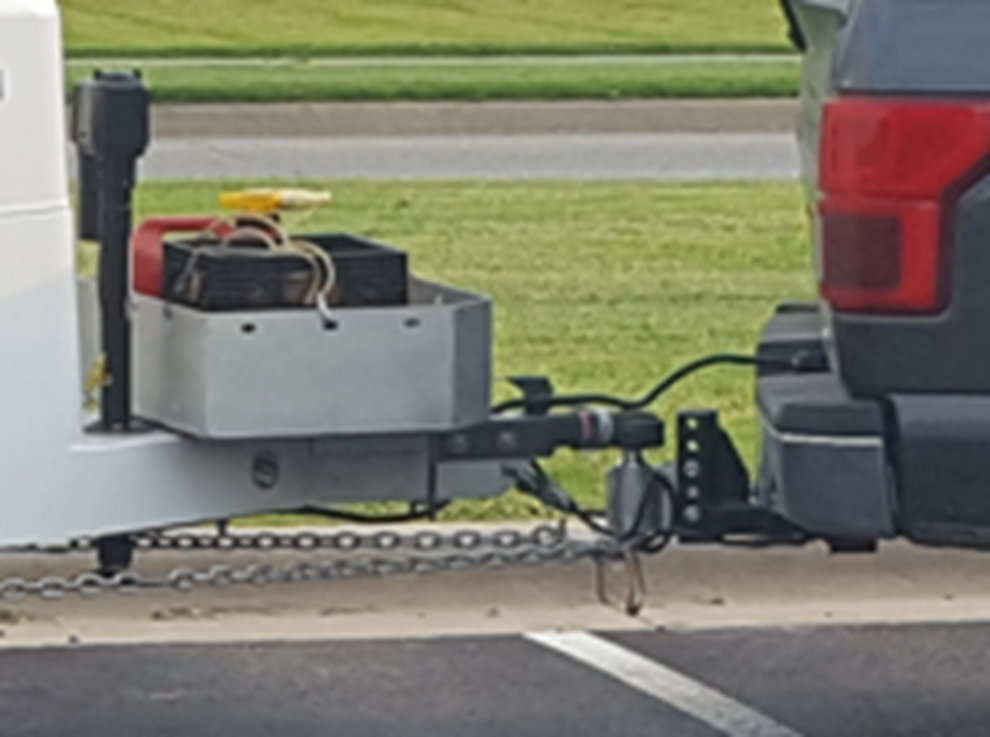
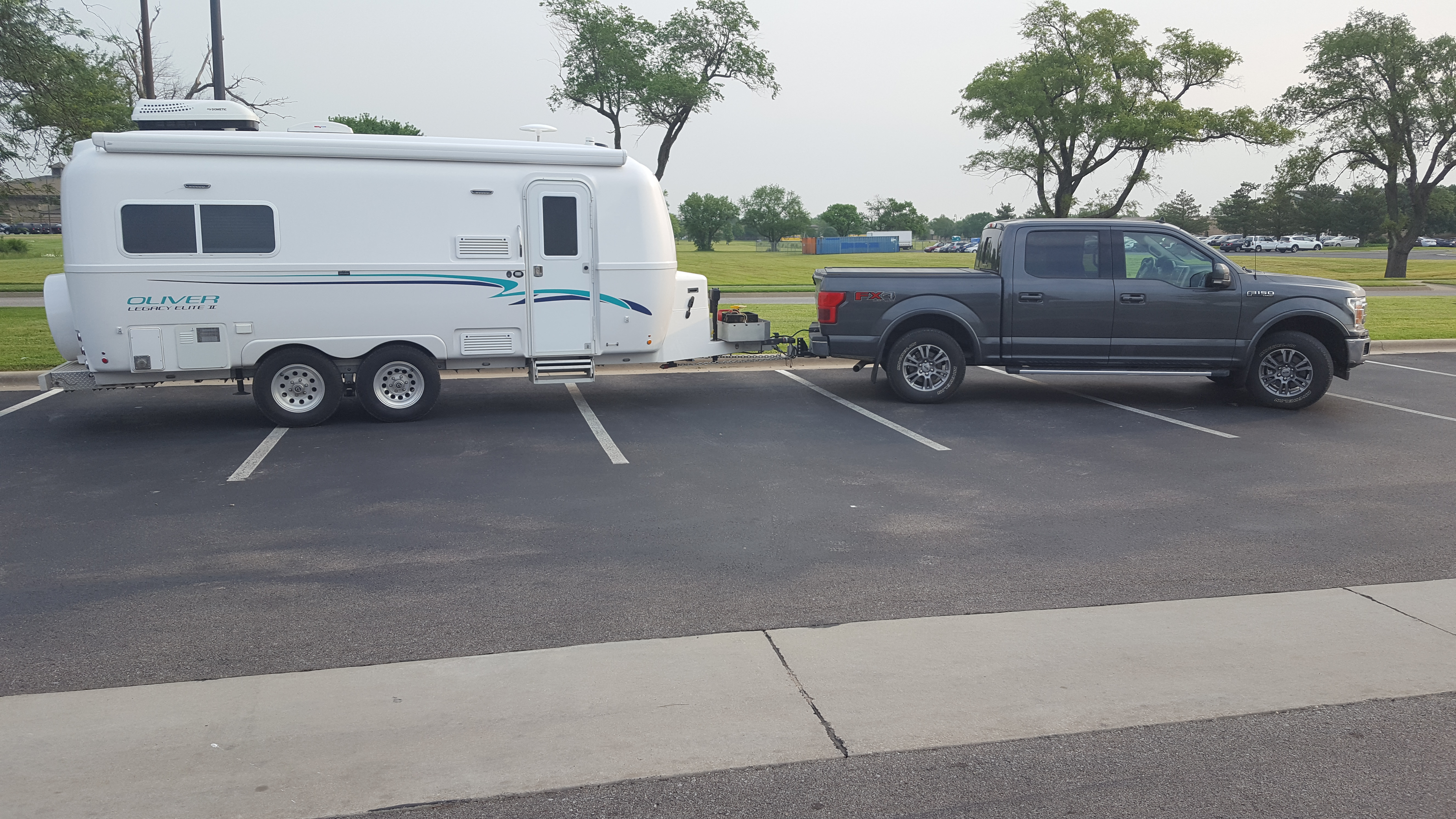
I refer to our TV as "The Beast". It is a 2019 F-150 Super Crew, 3.5 EcoBoost, 5' bed, 4X4, FX-4, Max Tow Package. Before our Alaska trip, I replaced the rear shocks with Bilstein 5100's. They definitely improved the rear end performance. Felt much more "planted". Other than that the truck is stock. As indicated in the below picture, our Anderson Receiver is flipped up, and I am using the lowest bolt positions. With this set-up, the trailer rides just a bit too nose high for my preference. Here are our pertinent data points: UPDATED ANDERSON BALL HEIGHT RANGE: 23.5” to 25” Below from F-150 during the Summer 2021 Truck mostly loaded Ball Height: 24 ¾” Ollie hitched without Anderson: 22 ¼” The truck squat was 2 ½” Ollie hitched WITH Anderson Set 23 ½” Truck squat reduced to 1 ¼” AGRICULTURAL SCALE: Summer 2021 Fuel Full, Truck Fully Loaded, Ollie Tanks 50% (This is Highway Preferred Load) All entries are under their rated maximum capacity. The BEAST AXLES OLLIE AND THE BEAST Front 3,000 OE2 Axles 5,350 Actual GCW 12,000 Rear 3,550 Truck Axles 6,650 Max GCW 16,200 Truck 6,650 ACTUAL GCW 12,000 Under GCW 4,200 POUNDS UNDER With the older design Anderson, the height of the Bulldog release hitched with 3 to 4 threads showing was just below the tail gate rear view camera when I carefully lowered the tailgate. As the new Anderson design is higher, it now it is about 1/2" higher, and creates an interference fit between the Bulldog release handle and the tail gate camera assembly. This is a problem waiting to be rather expensive..... As a result of our 15,000 mile Alaska tour this past summer, i have to admit that my Brother was correct in that our rig would benefit from a set of air bags. My goal is not to increase tow capacities, but to reduce proposing, bottoming out on less than perfect loads, and provide some clearance between the Bulldog lever and the F-150 tailgate camera. (NOTE: Any airbags I have installed will each have it's own air fill point as suggested by JD.) Questions: A. Just looking at our current unloaded Anderson receiver unit, if I flip the receiver to the down position, and use the highest bolt positions, how much would that lower the ball height? My gut says too much, and I need to get the one that allows a more central bolt position. Just hoping not the case..... B. What MFG air bags do your recommend? Any suggestions or thoughts would be appreciated. GJ
-
I carry a Honda EU 2200. Used to use it quite a bit. Now with Lithiums, Victron DC to DC Charger, and a 200 Watt Solar Suit Case, much less so.
-
At $19.99 a gallon I'm sure glad that we don't have sensitive smell. I use three gallons of this one at $3.99 (Walmart). Never noticed any smell from it after a normal rinse out.
-
No worries with LiFePO4 batteries and the furnace. The furnace only draws a few amp hours to run the fan when using Propane. However, if using the heat pump capability on some units, it would not last very many days. Recommend traveling with a 95% SOC before leaving.
-
#1290 is back in Beaverton, Oregon
Geronimo John replied to John and Debbie's topic in General Discussion
Your comment sparked an idea. I carry a bunch of microfiber towels. Wonder if I could stuff several of them them along the bottom edge of the twin bed blinds? Sort of give the moisture there a place to go (instead onto the bedding) during the really cold nights. Then in the morning pull them out to dry outside as suggested. -
Chain Binders for Anderson hitch hookup
Geronimo John replied to Yukon's topic in Welcome to the Oliver Forums
OMG. Way too many point for failure on a chain binder vs. the Anderson chain and super bolt/nut. Sorry, but a Mechanical Engineer I would not recommend. GJ -
Ran across this one. A bit in the gray zone... so to speak, but really funny. GJ VIDEO-2022-09-09-13-50-14.mp4
-
OH: Thanks for the reference to the Camera Source system. I noted the 64' of cable run. Would work nicely. Except for the "only in reverse" issue. So, for grins I called the Camera Source and asked about the "In Reverse Only". Their Technician, who installed this unit in his Ford 150, indicated that because of Ford programming, it has to be controlled by the Ford computer. This requirement came about as a result of the Ford Programmers. I asked about picking up another power source, such as I use on my Furrion (see above). He indicated "Sadly, that will not work due to the Ford Programmers". So basically, nice try... but no go.
-
#1290 is back in Beaverton, Oregon
Geronimo John replied to John and Debbie's topic in General Discussion
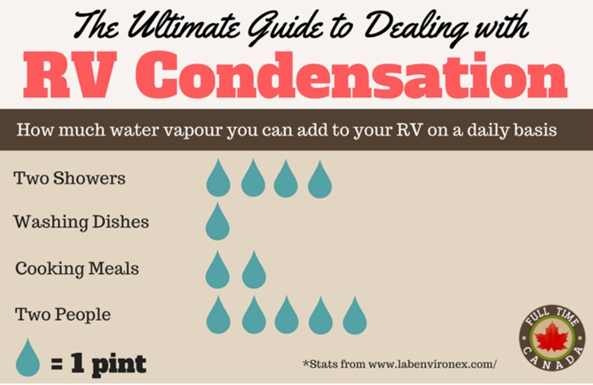
Frank: Thanks for sharing the graphic. One and a half gallons of RV Condensation for two while cold camping. That is huge. Sure explains the wet beds we at first experienced. To keep beds dry and CINC-HOUSE happy, I had to make a hard decision. Either: I had to shower & do dishes outside, and also sleep under the awning. OR Or open up the trailer. I think CINC-HOUSE was thinking hard about the first option. We found it best to open the Bathroom window. The reason for this choice is to draw cooler air in low and as far from the sleeping area as possible. As suggested above we also crack open the MaxFan just a little. Being high it will exhaust humid warm air quite well. An important benefit of this approach is that the make-up air has a chance to mix and warm up before it reaches our sleeping area. To facilitate this pre-warming benefit, I close the heater vents at the rear of the trailer, and keep the kitchen and bath vents wide open. GJ
-
I mounted my Furrion TrailerCam high and tied it into the running lights circuit in the Attic. I often cover 500 miles solo, but after a long day, I really try to avoid trailering at night. As such, I don't generally put many excess miles on the TrailerCam. When backing, or if I want to see what's going on back there, I simply turn on the running lights. Works well for our situation. More germane to this thread though is that I contacted Furrion an Ford to see if there was any way their camera could display on our F-150 center 8" screen. Nope.
-
Amen to that! I pray that all our Oliver Families are able to enjoy this special day of thanks. John and June
-
Black Friday/Holiday Sale Thread - Where'd it go?
Geronimo John replied to Steve Morris's topic in General Discussion
Just got my morning e-mail and the RecPro black friday sale is on. 13% discount on their sale price = $826. That's a really good price. GJ -
Black Friday/Holiday Sale Thread - Where'd it go?
Geronimo John replied to Steve Morris's topic in General Discussion
In the mean time, if anybody sees a Black Friday (or any day) super sale for the Houghton's, please let me (us) know. GJ -
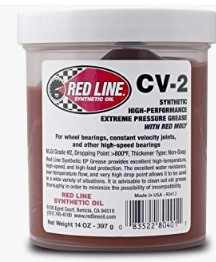
Mike: Would RED LINE CV-2 work well for this? GJ
-
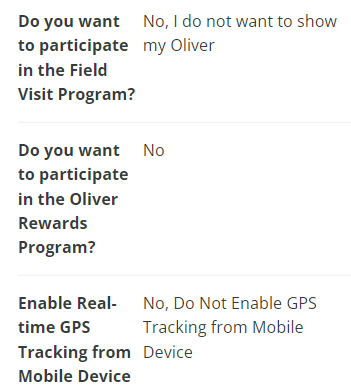
Aloha Oliver: Please note that I have changed my profile thereby declining participation in the OTT Field Visit Program. Nor do I desire to be a participant of the Oliver Rewards Program or Real Time GPS tracking initiative. When OTT "does the right thing" and provides defense and indemnification for owners participating in these programs, I will revoke my decline to participate. Mahalo, Geronimo John (Owner Hull 342)
-
Is OTT going to take down the University? That's the only reason I can think of for the recent posting of hundreds of the by year products used in our trailers. Did I miss the memo? At least one inquiring mind would like to know. GJ
-
Pstar post thread 20 APR 2020 came to the same conclusion. Thanks for the reminder to all of us! GJ
-
Very common for floor drains to go dry. Try adding a table spoon of cooking oil in the P-trap (After winterizing of course with antifreeze). The cooking oil will greatly reduce evaporation and when frozen totally eliminate it until spring!