Leaderboard




Popular Content
Showing content with the highest reputation on 11/26/2017 in all areas
-
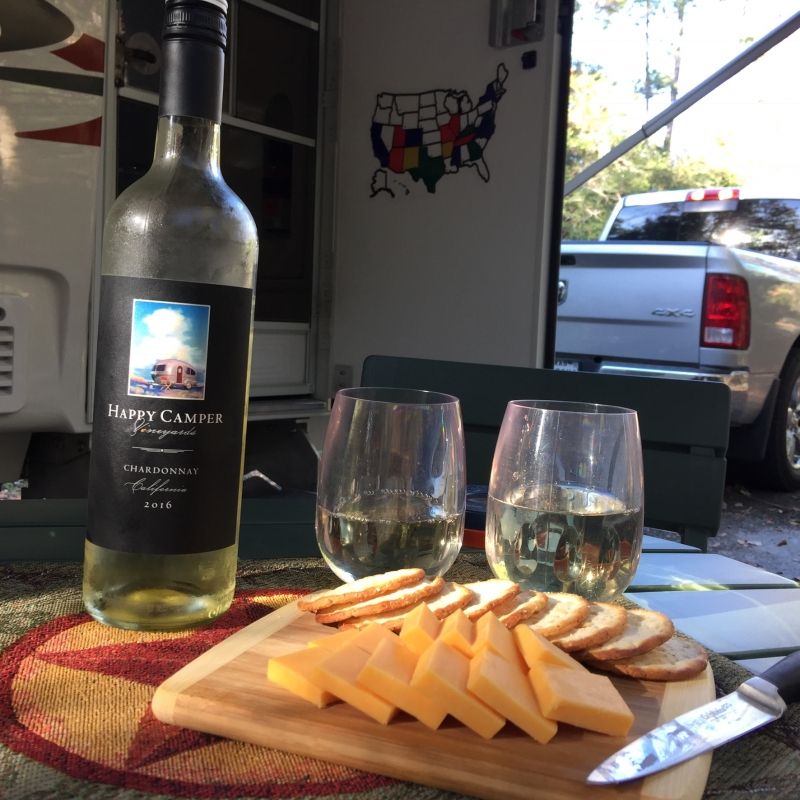
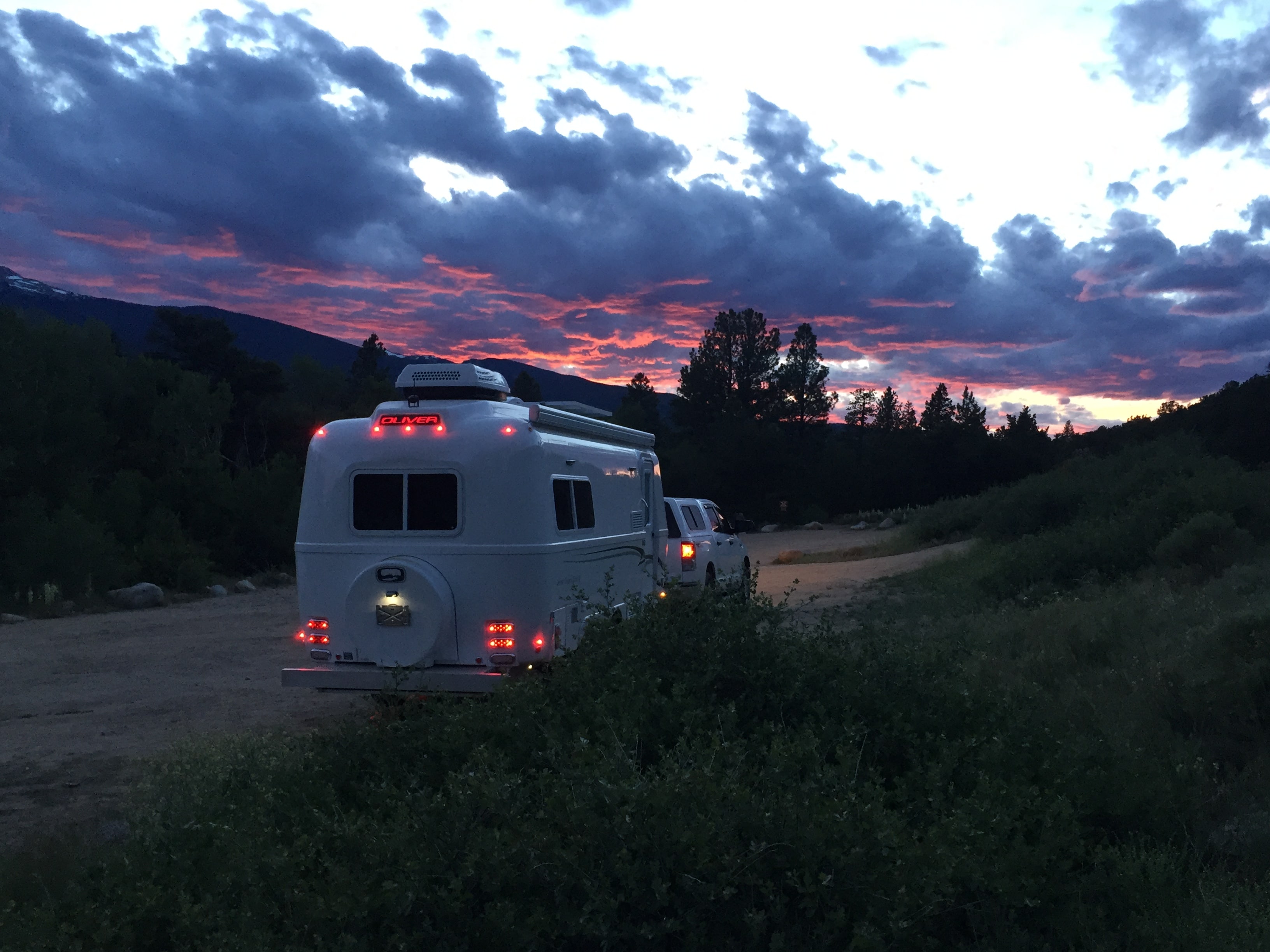
Happy campers should probably drink a wine with a name like Happy Camper! Enjoying a glass this afternoon at a state park outside of Beaumont, TX. Mid 70s, quiet. Oliver camping at its best.... Mike
 3 points
 -
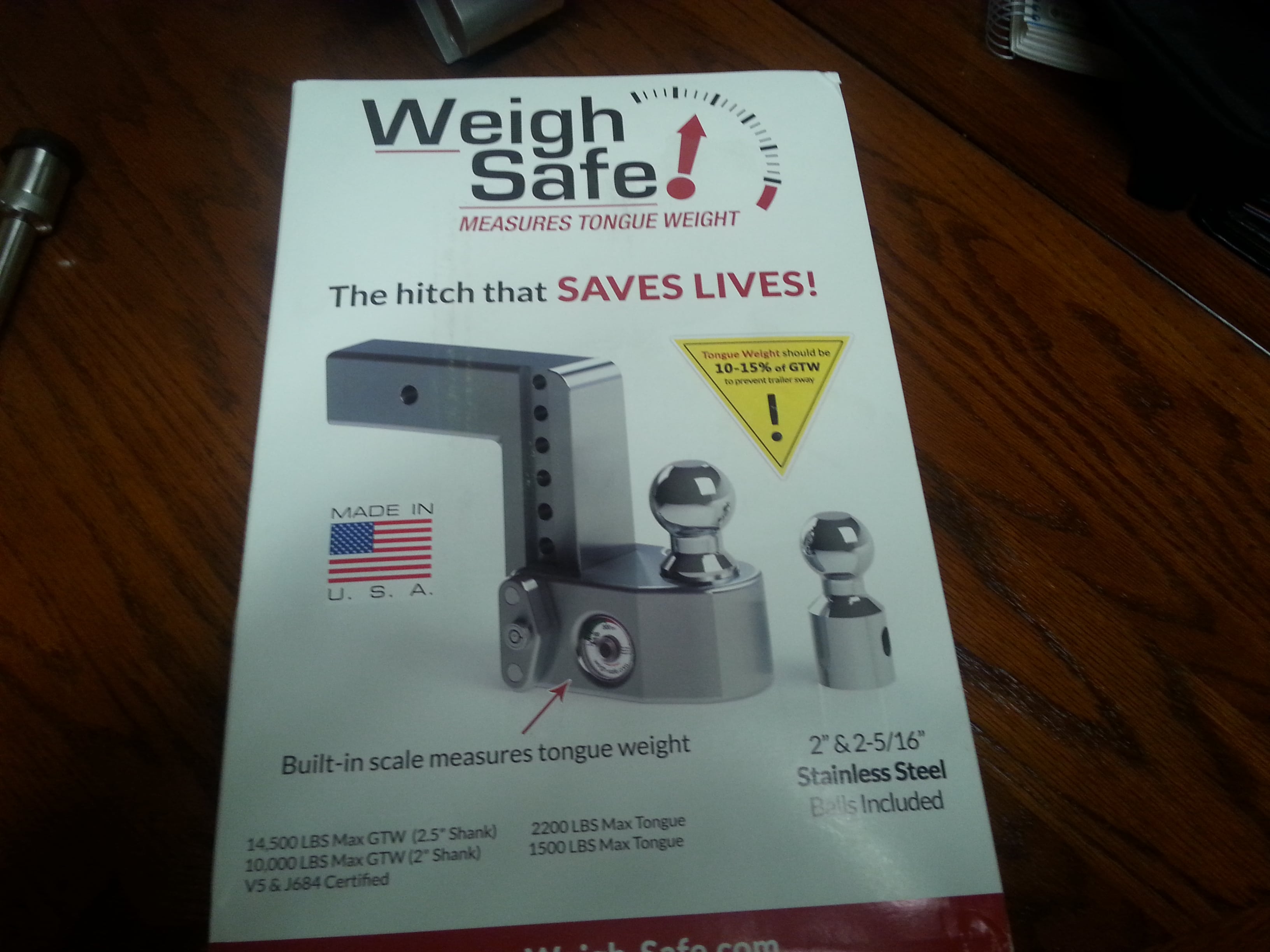
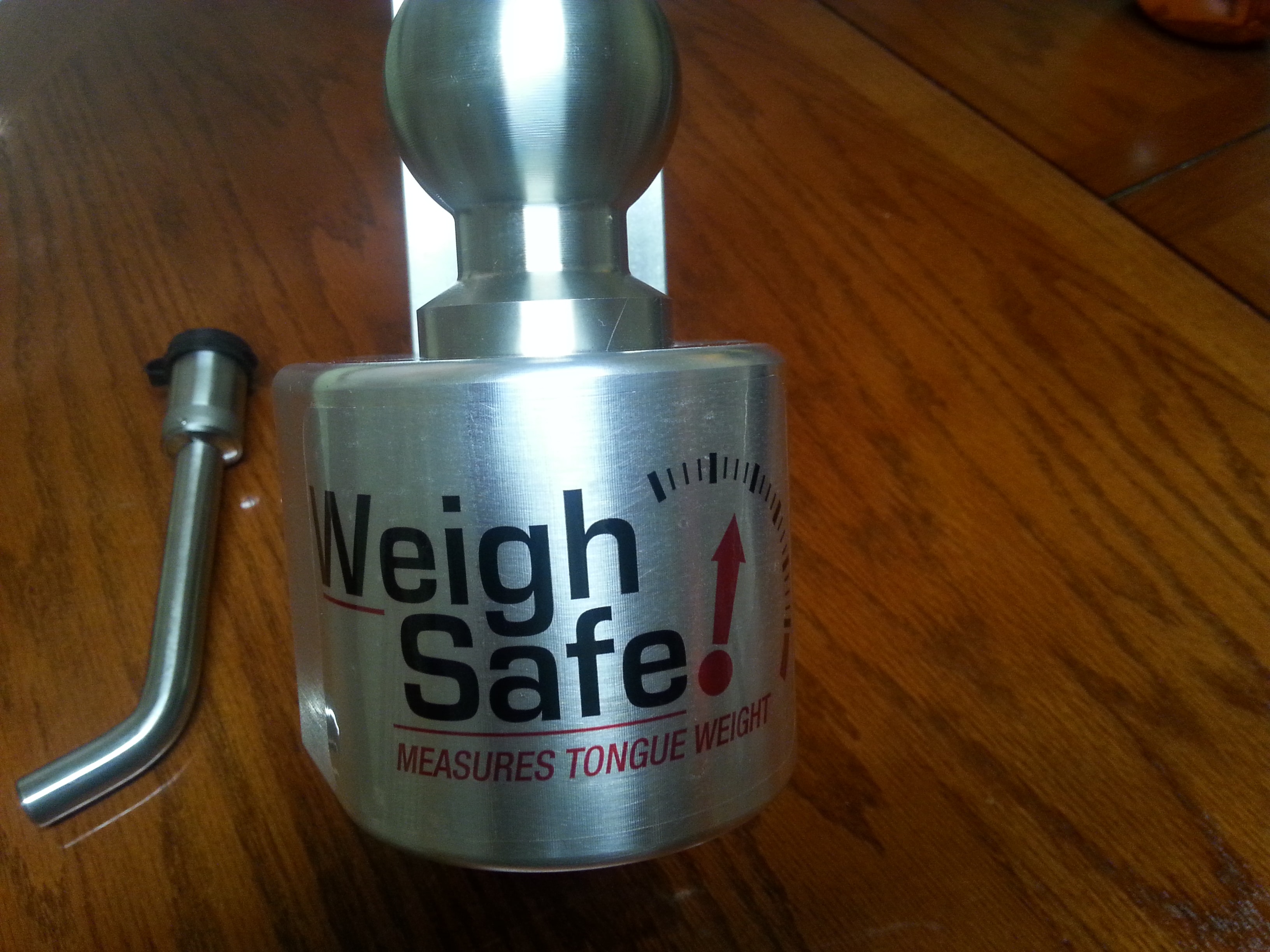
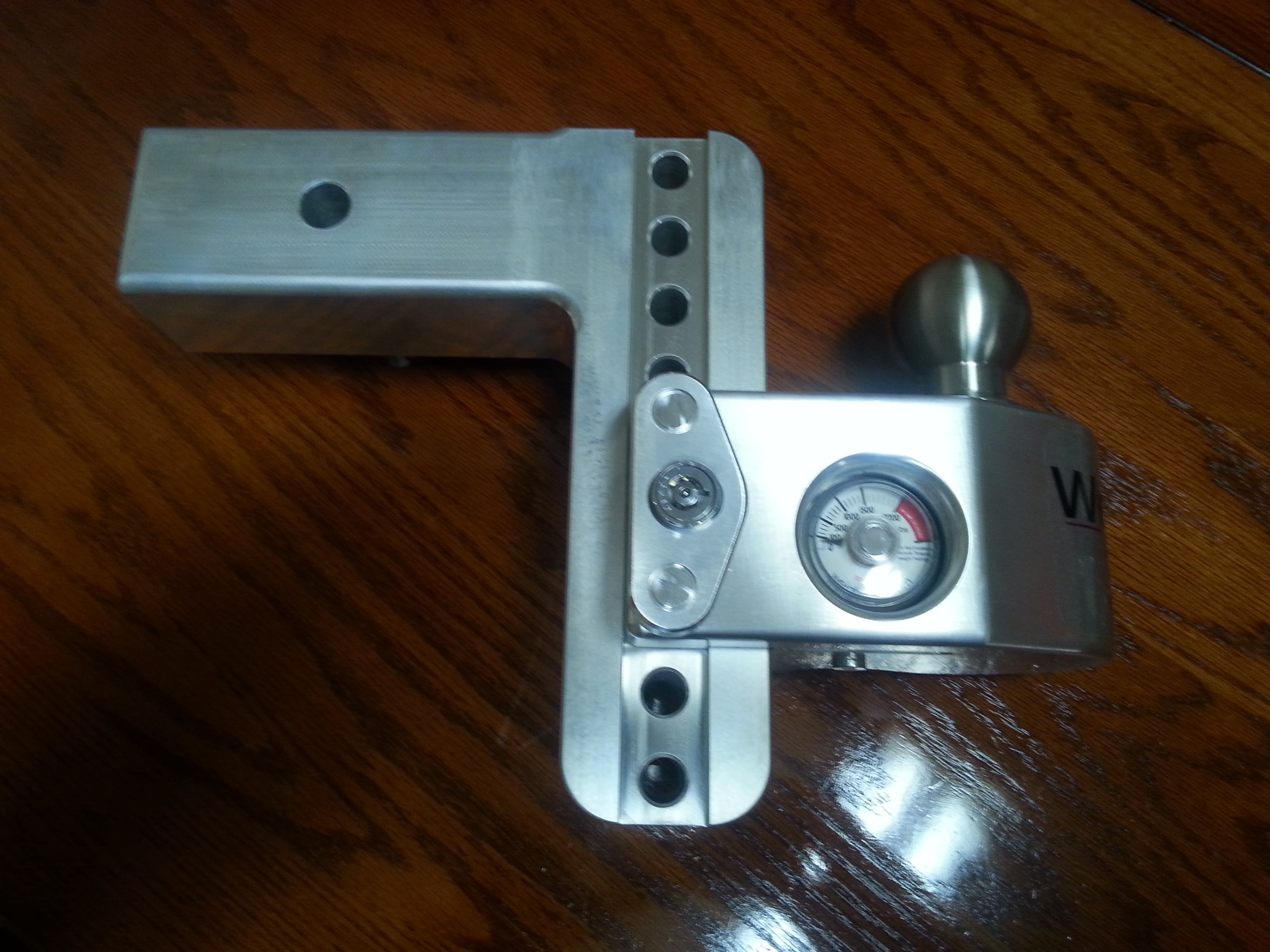
I've been searching the internet looking for a hitch to tow my soon to be Oliver. I wanted something tough, adjustable and I only wanted to buy one. My TV has a 2 1/2" hitch receiver so I also wanted one that size. My thinking on that was, I had really never seen a 2 1/2" hitch system so I figured that may keep down theft, I don't know. I've read about and experienced the hassles of properly weighing my rig and determining tongue weight of a RV. Well I stumbled across a unit made by a company called Weigh-Safe and was intrigued. It turns out that they sell a heavy-duty hitch with a built in hitch scale. I bought my unit from e-trailer it arrived in just a few days and I am very pleased with its construction. I'll post a few pictures cause I think its cool. I also bought the keyed alike hitch positioner and lock.
1 point
-
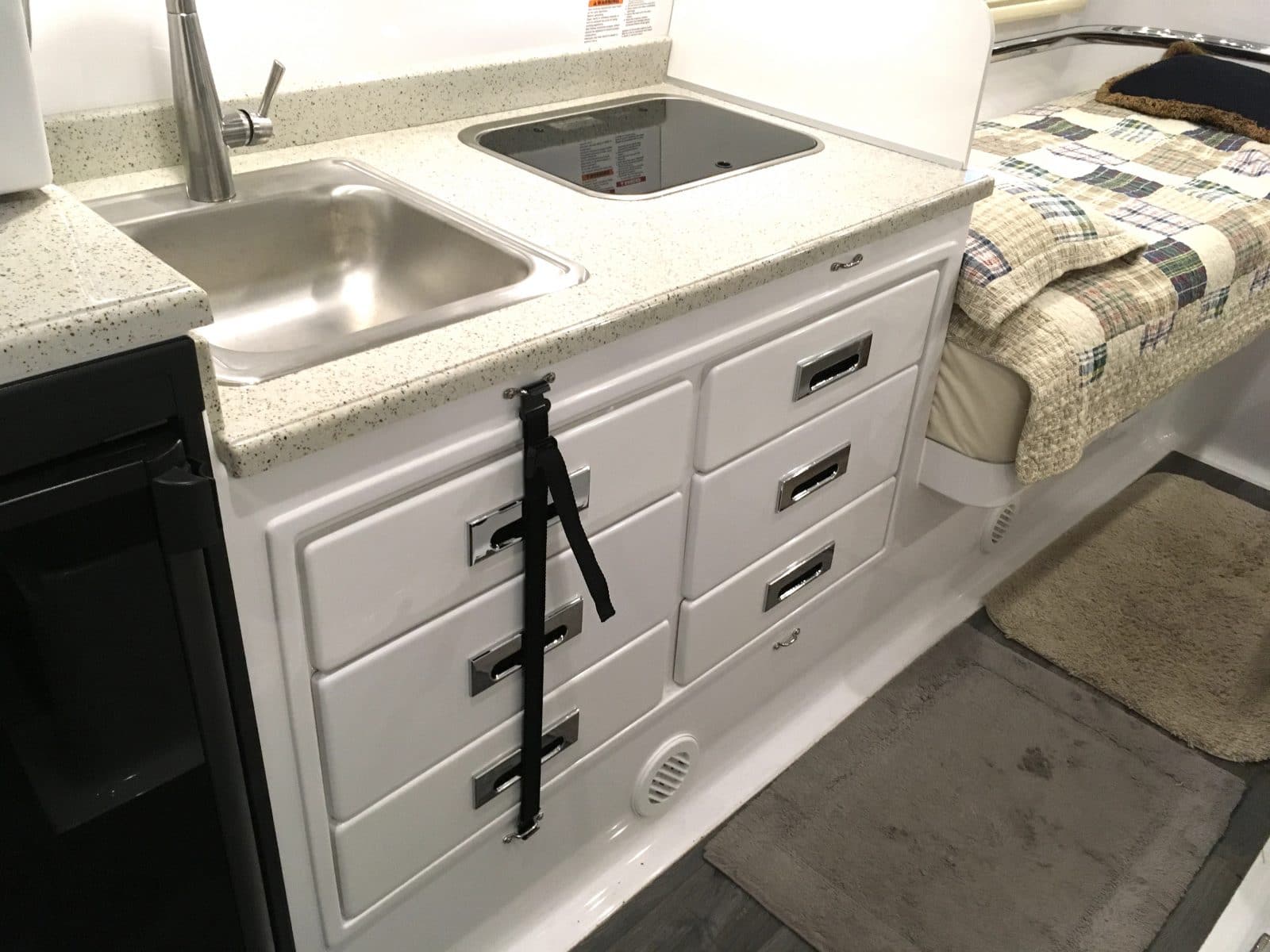
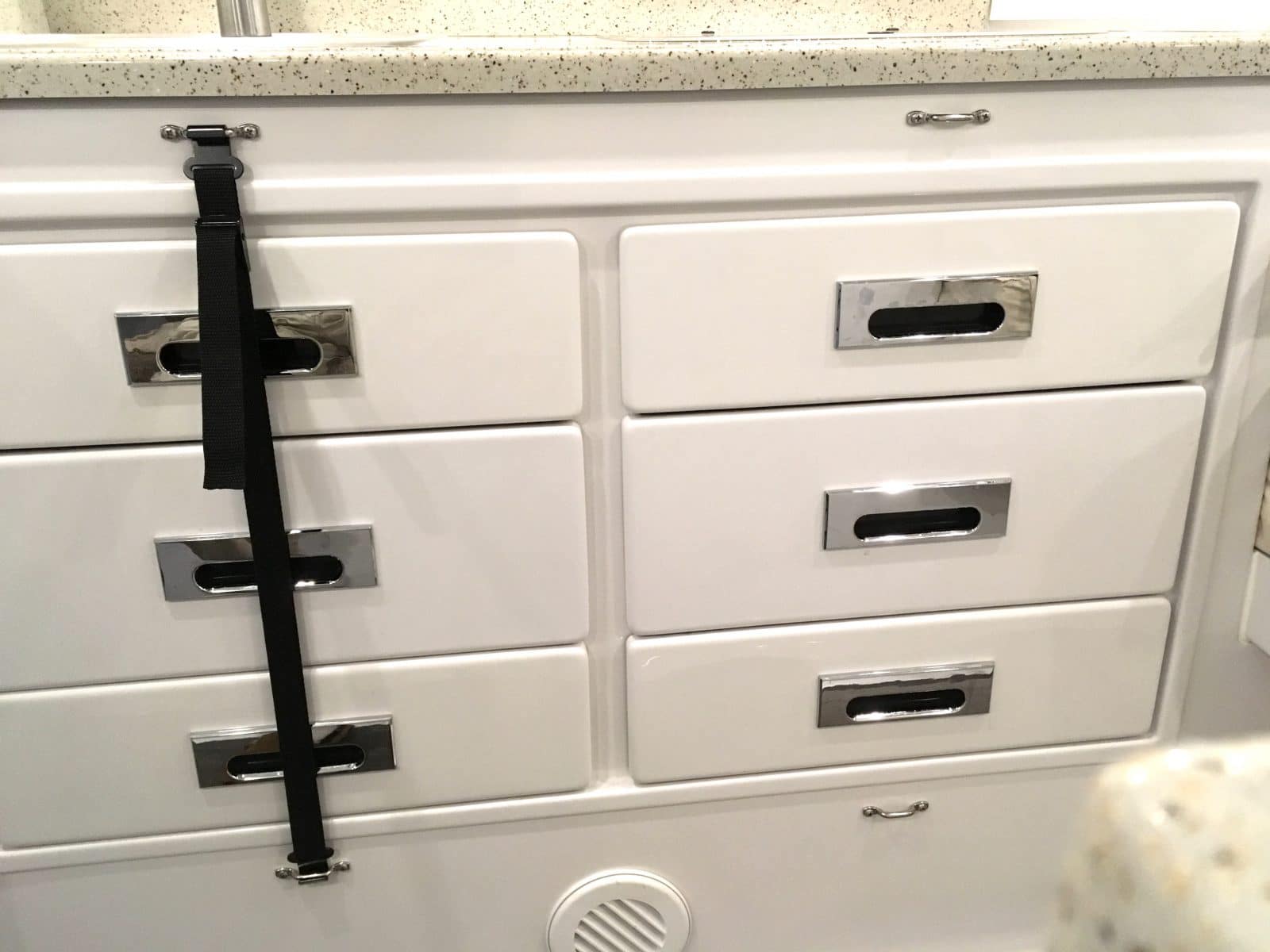
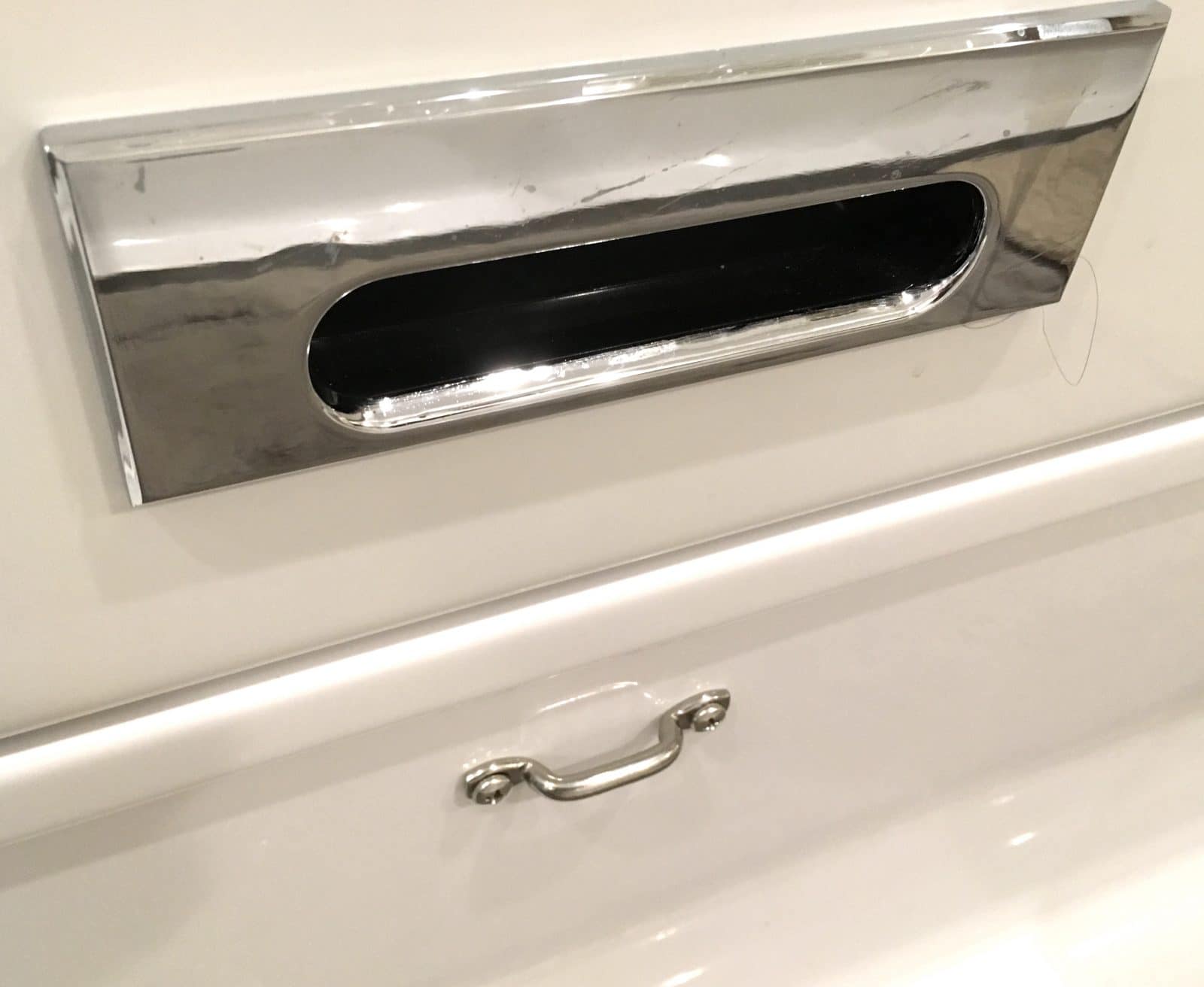
AKA, how to keep your kitchen gadgets inside the drawers when traveling, where they belong. And to keep from busting the latches away from the wood. The standard Soft Close system is cool but totally hopeless in terms of keeping the drawers closed if there is any weight at all in them. Especially on twisty roads where there are repetitive G loads to the left.... Oliver offers some additional latches that mount behind the drawers but they are flimsy plastic, problematic to install and you lose that lovely Soft Close feature. I chose to install 1 inch nylon webbing and stainless footman loops. I chose black since I knew they would be hard to keep clean, and I preferred high contrast so I could see at a quick glance that they were installed and tight... You may prefer white webbing. All the parts are very high quality and came from Raingler Nets. Qty 2: Footman loop 1 inch PAIR. https://raingler.com/products/footman-mount-set Qty 2: Tie down strap 1 inch x 72 inch, with pvc coated flat hook. https://raingler.com/products/tie-down-strap-with-hook Qty 1: Steel flat hook PAIR, pvc coated. https://raingler.com/collections/hardware-accessories/products/flat-hook-set?variant=23658618433 I did swap the plated screws for stainless, and I waited until I was finished to trim the excess webbing. I ended up removing 20 inches from each. That leaves a short length for grabbing and lets you loosen it up enough to unhook and remove each strap, without having to completely unthread the webbing from the buckle. This also keeps the loose hooks from getting lost. When not towing, I store the two straps in the bottom left drawer, which is my electrical/ junk drawer. They work great, and provide good peace of mind when the roads get interesting. John Davies Spokane WA
1 point
-
Here is a video to help show you how to winterize your Oliver Travel Trailer. Note there are two valve configurations depending on the year model that can be seen at the 27 sec and 35 sec time frames in the video. Hope this helps!1 point
-
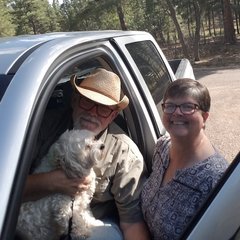
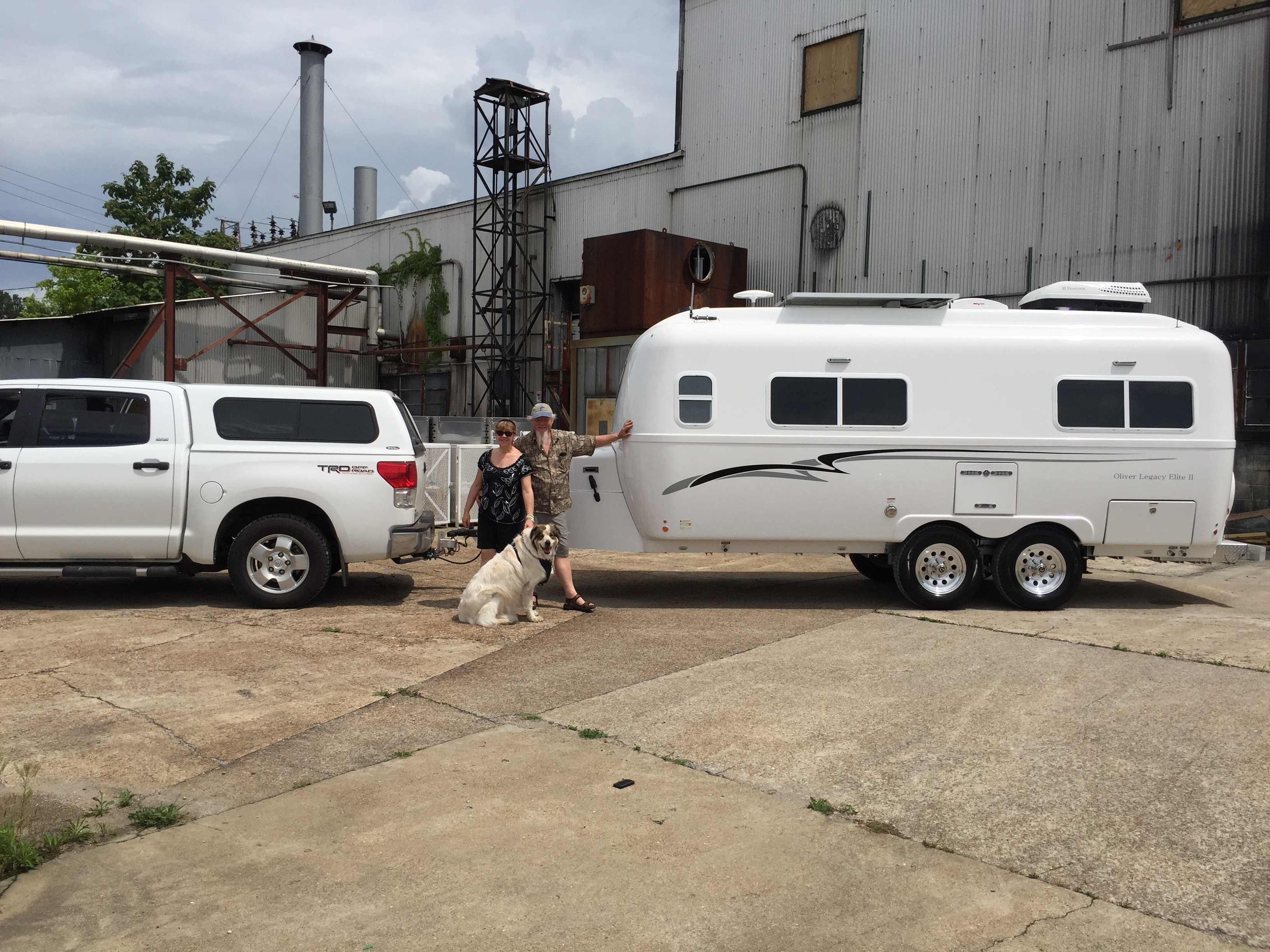
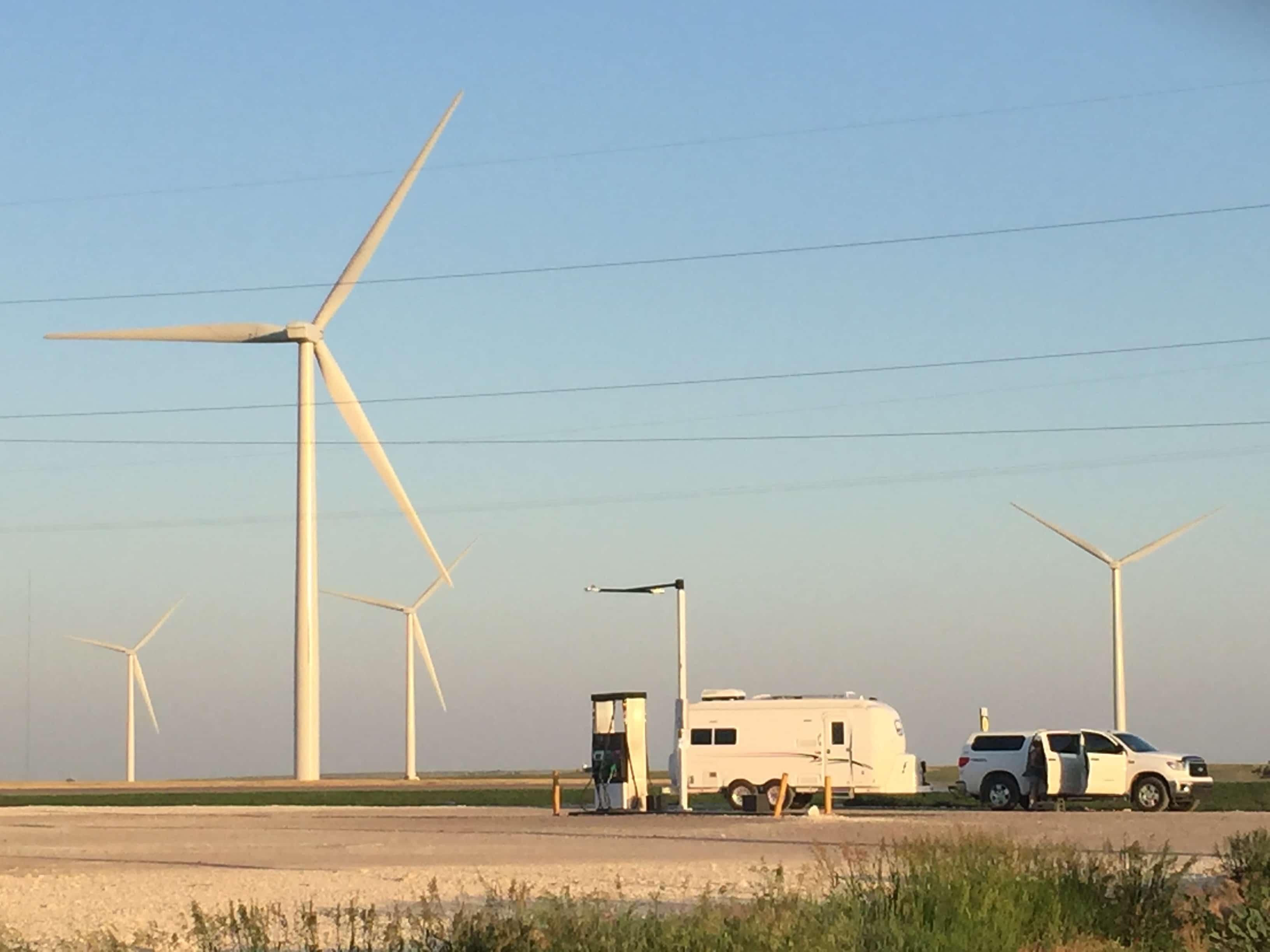
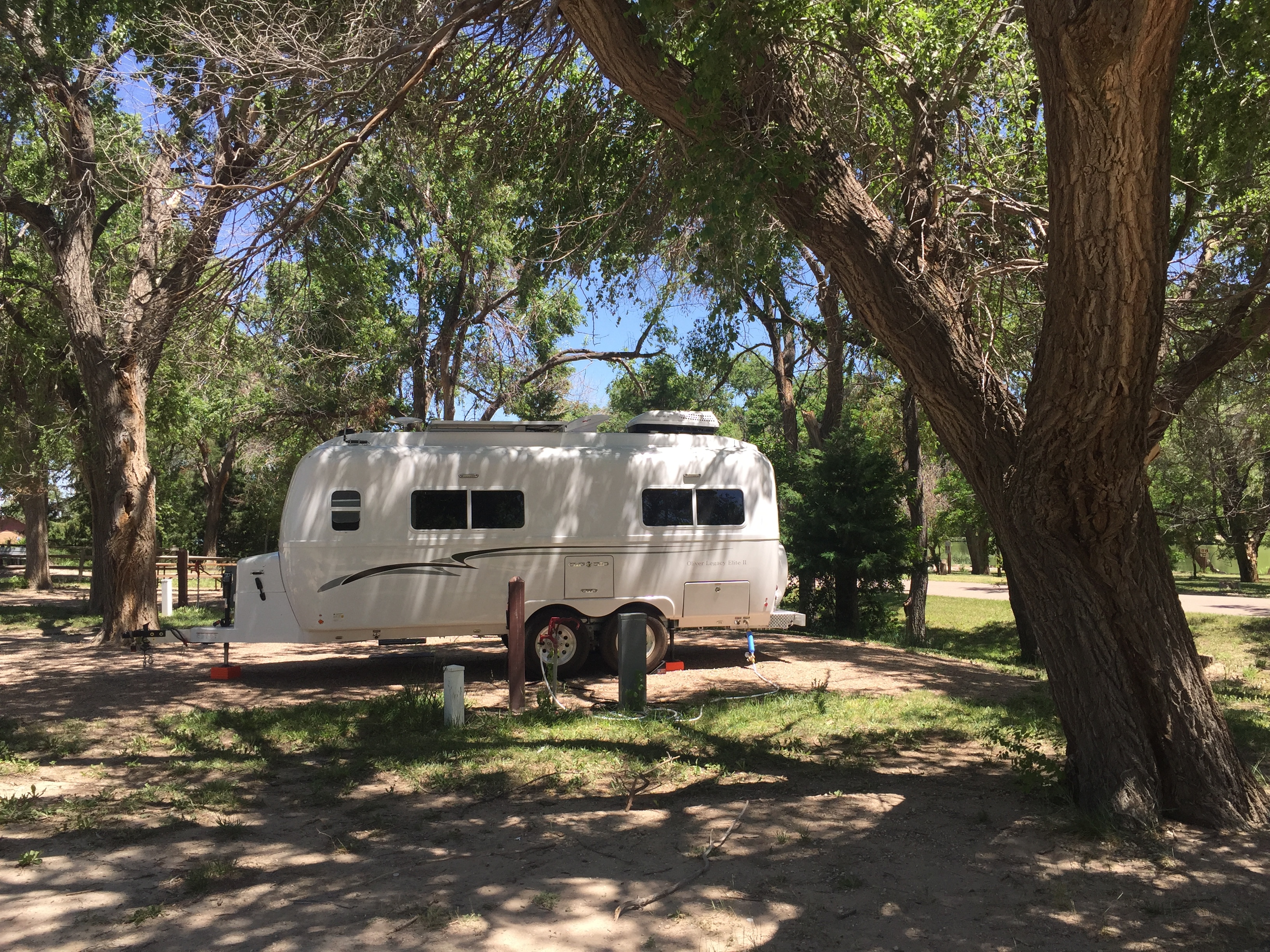
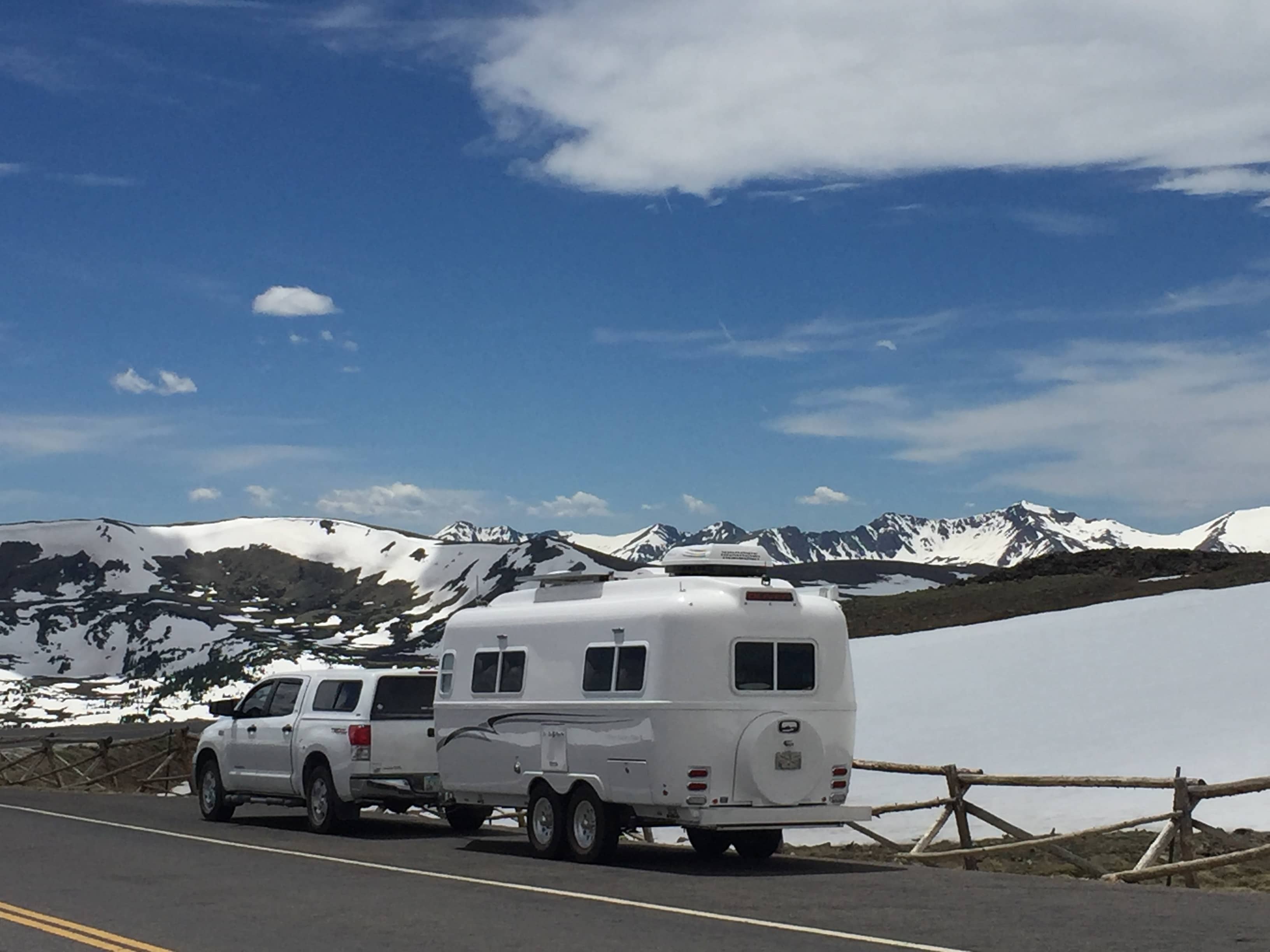
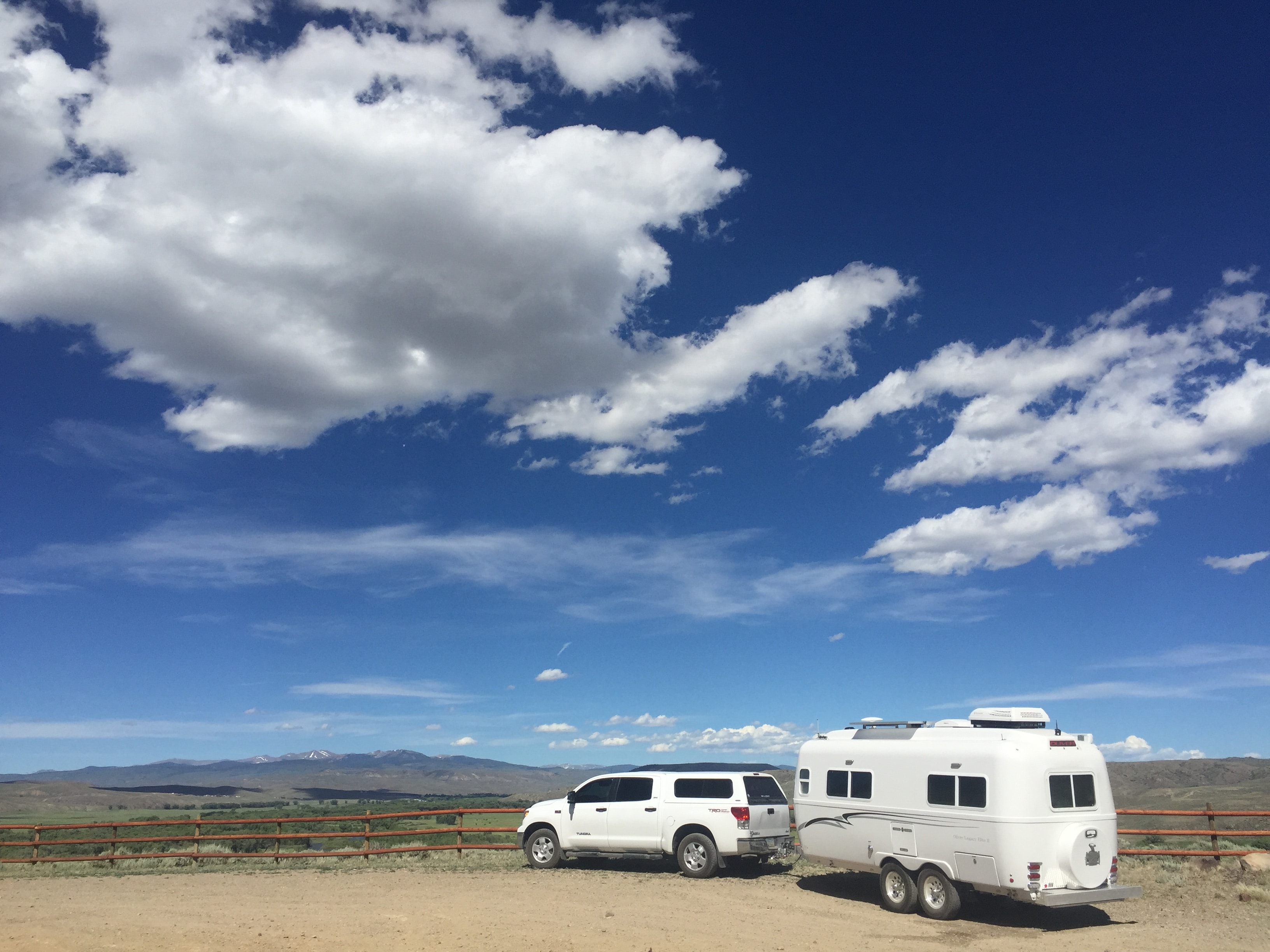
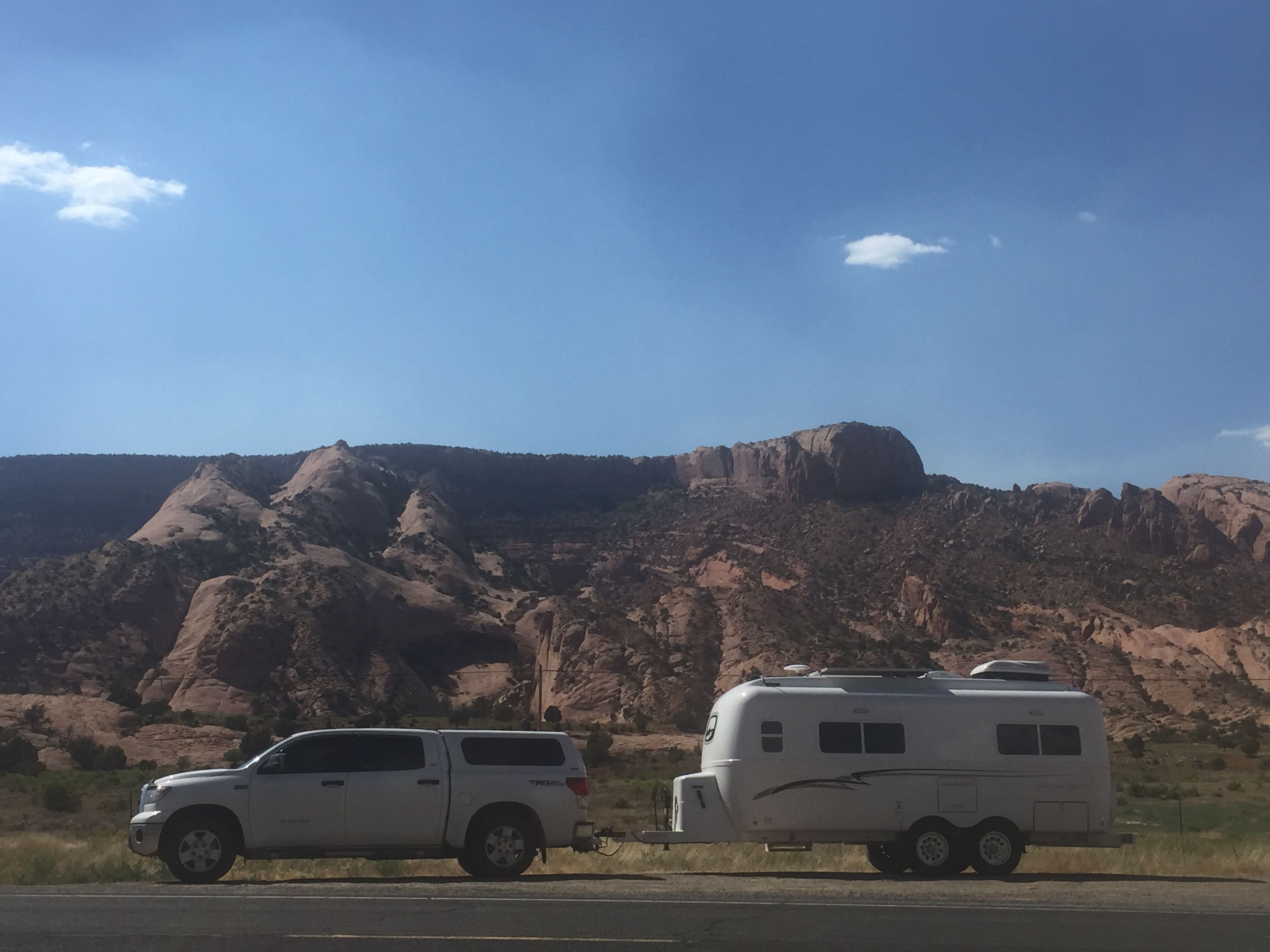
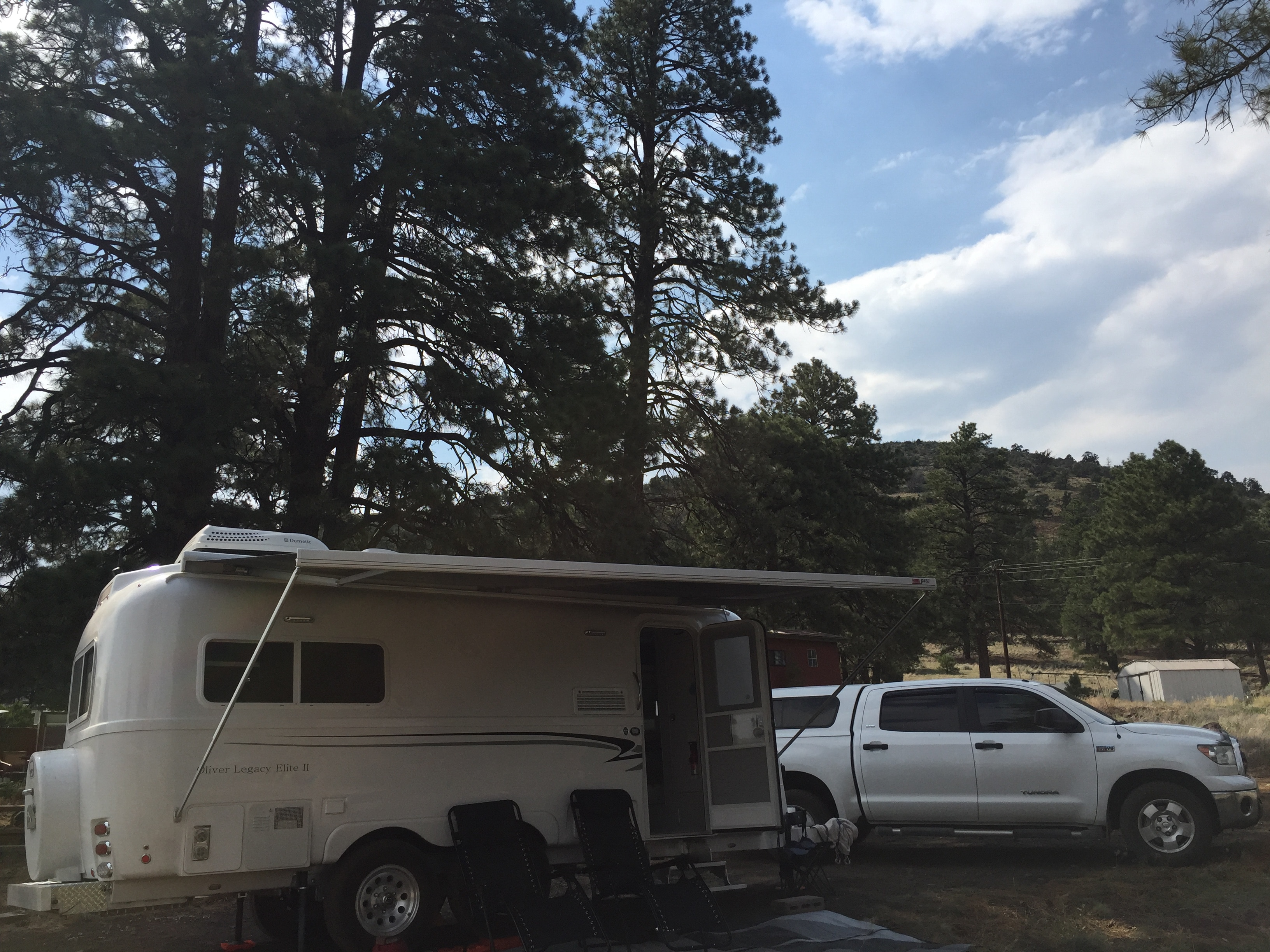
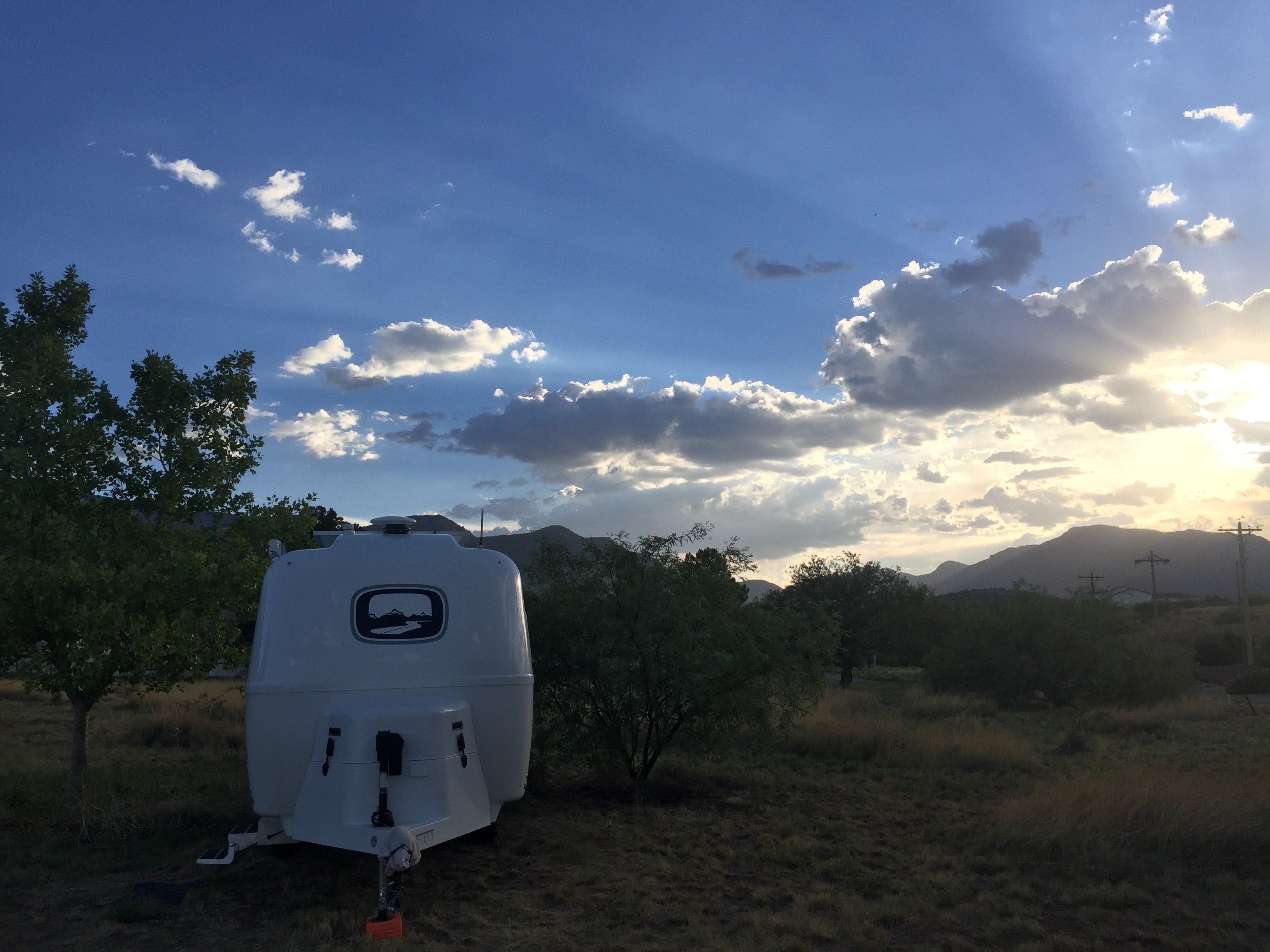
Here are some photos of our trip back to Arizona after Stan (our Tundra) finally got hitched with Ollie. As RV newbies, we had much to learn along our way back home. We picked up our Ollie (Hull #222) over a month ago and have finally been able to post these pics. Looking forward to many more adventures.
1 point
-
Mostly cons, as it turns out. If you're a cooking nerd like me - i.e., your counter space is taken up with sous vide circulators, chamber vacuums, etc. and dinner is rarely cooked without a blow torch being involved - then you've probably lusted after an induction range, or already have one. So when you see that induction cooktops are the new thing for RVs and trailers, you probably, like me, are ready to hop on board. Our plan was/is? to eliminate the gas cooktop all together and just use a couple of portable induction units instead. So I've been doing my due diligence and I hate to say that I'm a bit disappointed in what I'm learning. It's not that induction itself doesn't work well, or work well for a trailer, but rather that the affordable options available all seem to be poorly made rebadged junk from the same few factories. The models that are offered are completely confusing, and the pricing is all over the place. Is a $100 Duxtop 9600 better than a $60 Duxtop 8100? Who knows? They look different, but the specs are identical. Why is a True cooktop worth three times a Max Burton? No one can say. The only thing that I can say for sure is that a $400 Vollrath is definitely an order of magnitude better than any of the the sub-$200 models, and is probably worth every penny - if you can afford it. And it's probably the only unit that actually works well. Well, I'm sure you could pay more. The biggest problem I see with the portable units is that all of them but the Vollrath have a lower limit of 500 watts or so. That means that they essentially can't produce a low heat, and instead turn on and off at different frequencies to achieve lower temperatures. This can be a real problem because if you look at some of the videos on youtube, what you're cooking will literally go from boiling to off every few seconds, which can surely burn or otherwise ruin what's in the pan. The other problem is that the portable units have relatively small induction coils, and can create some raging hot spots even in heavy pans like cast iron. There are some videos you can find where they try to fry an egg and the center gets completely cooked while the outside edges are still cold. Then there is the practical issue of current draw. Two induction cooktops at maximum is 3600 watts of power, which will outpace our inverter by a wide margin. The double burner units, like the True or Furrion, use a power balancing trick where they will only draw a maximum 1800 watts for the whole unit. The problem with that is that if you're cooking something on one burner, then start something on the other, it will automatically lower the heat on the first one. Then you raise that, and it lowers the heat on the second. So you play this little dance with the temperatures whenever you change the heat settings. Then there are issues with poor heat sinks and cheap fans that are noisy and often break after only a few uses. Poor temperature sensing. Whistling or screeching from the coils. Melting or unresponsive controls. Etc. It just seems like a minefield of hurt for a marginal gain. So...if you can't tell, we think we're going to pass for now and stick with Oliver's standard gas cooktop. I am asking them, however, to give us a couple of high amperage outlets, one inside and one out - just in case we want to add a portable induction in the future, or go crazy and buy the Vollrath. At least, that's my take on the situation so far. I think a few of you do have and use a portable induction unit in your trailer so I'm really interested to hear if I'm totally off the mark with my conclusions. I'd hoped to limit our dependency on LP, but in truth, cooking is a small portion of the total usage, compared to the furnace and water heater - and we'd have an outdoor grill regardless. The one use I can still really see a portable induction working well for is when cooking outside. Trying to maintain a low flame on a portable LP or butane cooktop when there's any breeze to speak of is pretty difficult, and an induction in that situation would be ideal. And there are things like bacon that I'd rather not cook inside, just to avoid the splatters and the lingering smells. Particularly when camping in bear country. That $400 would seem like a small price to have paid when we're woken in the middle of the night by a bacon-crazed bear scratching at the door.1 point
-
Yes. We use both. Chocks on one side (used to get the trailer set up); then, X-Chocks on the opposing side to aid in stabilization as well as movement forward or backward.1 point
-
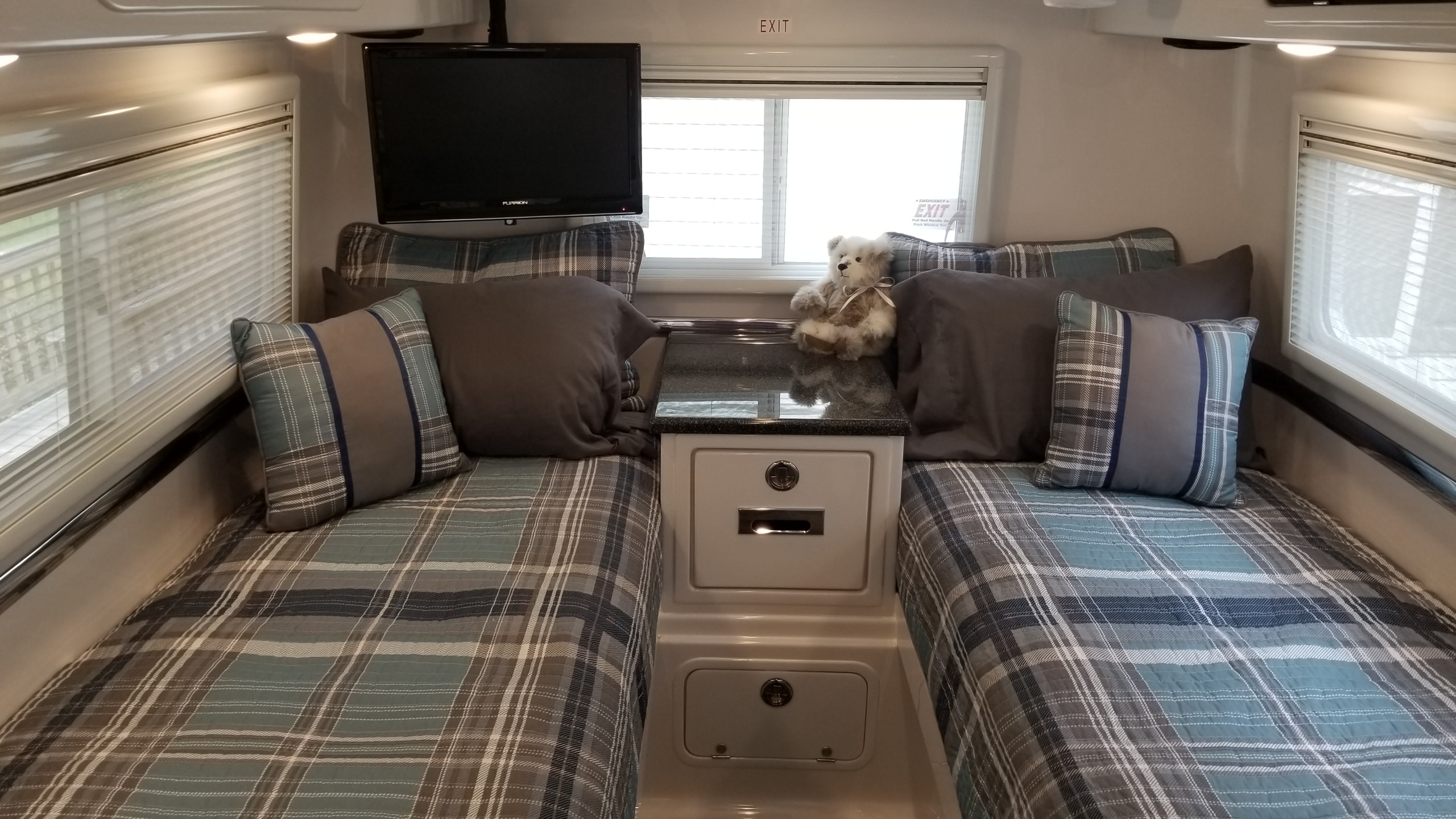
Are there any Oliver owners out there with Sleep Apnea? I use a BiPAP machine on a nightly basis to address issues associated with Sleep Apnea. It looks like the electrical, solar, and battery systems will all allow me to plug-in and use my BiPAP in the Oliver. However, based on the online pictures of the interior, it also looks like we might be leaning toward the twin-bed configuration with nightstand out of necessity for placement of the BiPAP each night. We envision the BiPAP machine sitting on the nightstand while not underway, but I am wondering about plug placement and access ports in this area of the Oliver. Are there any openings on the nightstand that would allow the BiPAP to sit on top and run the electrical connections through an opening into the nightstand? Trying to plan for a good configuration or option for plugging-in the BiPAP... placement... storage... etc. Any comments or observations would be appreciated. Thanks, Peter1 point
-
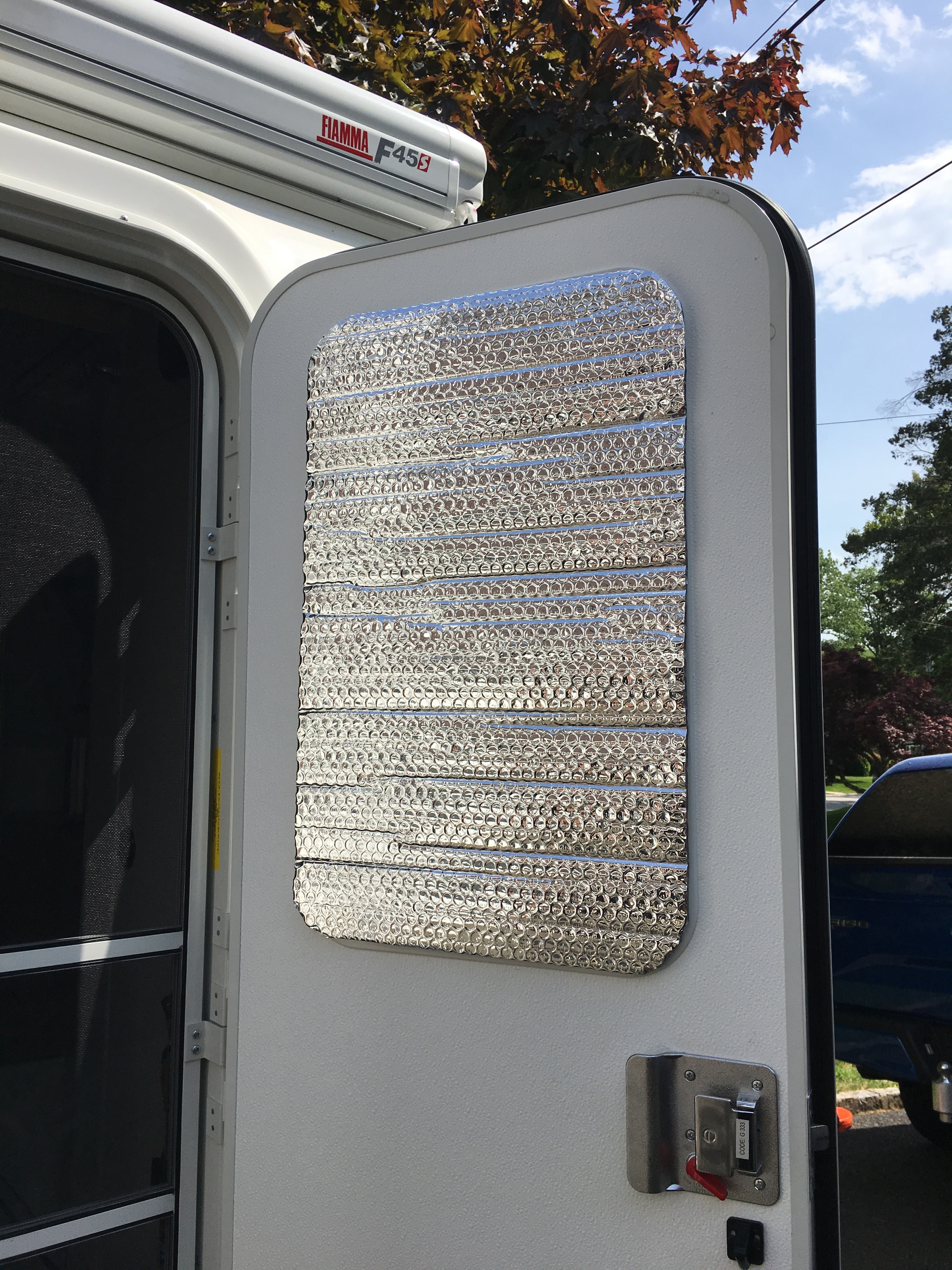
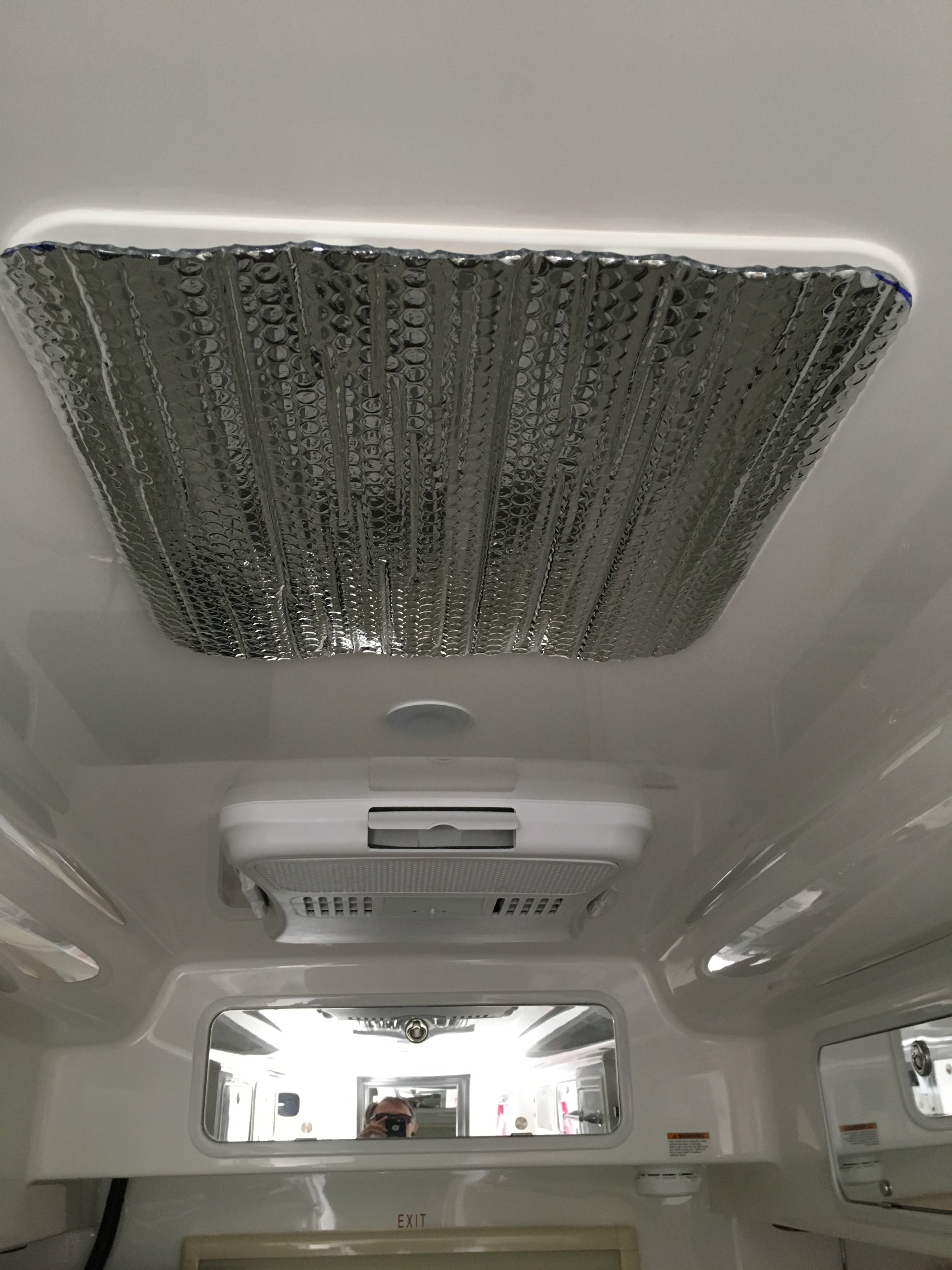
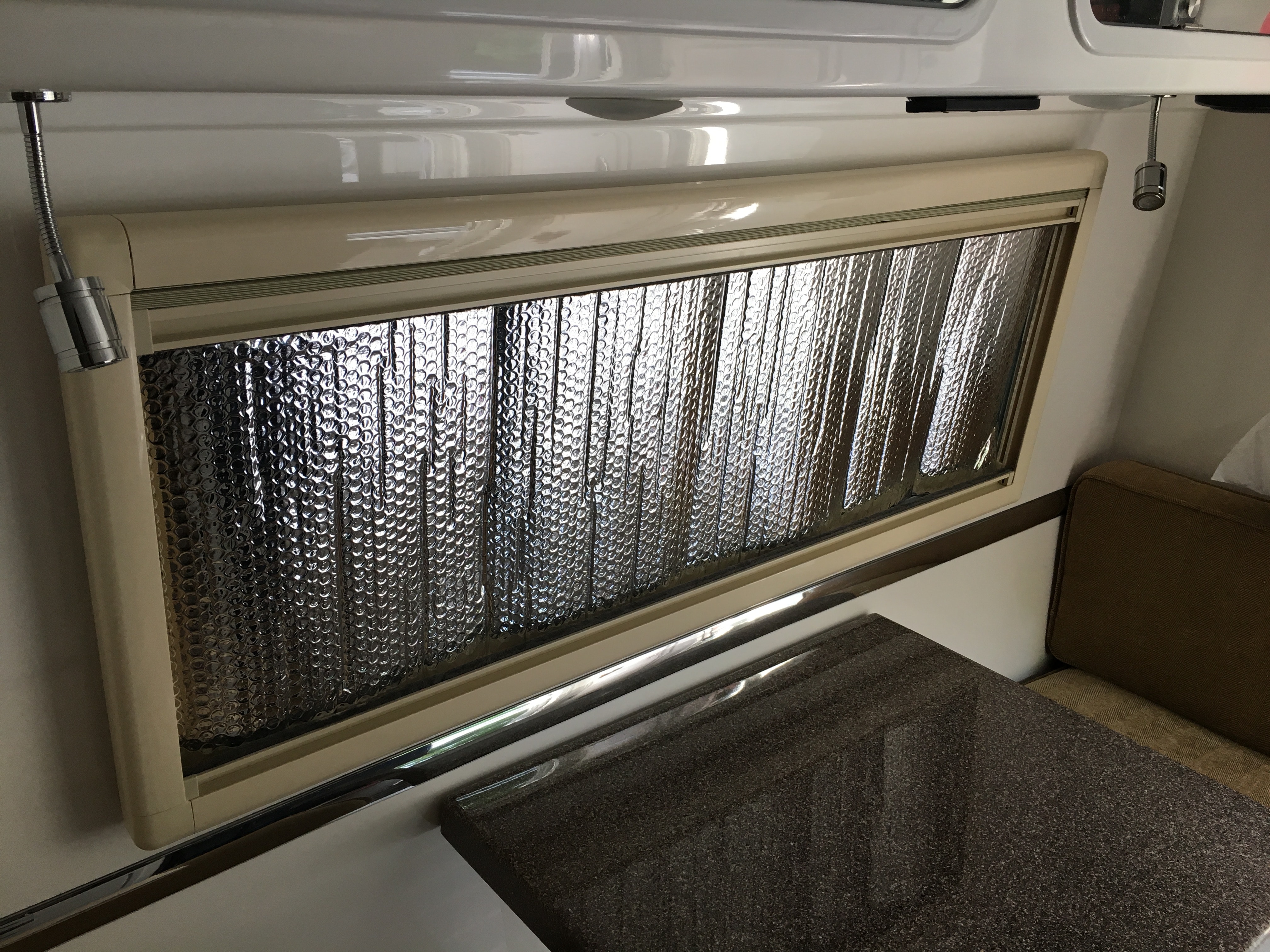
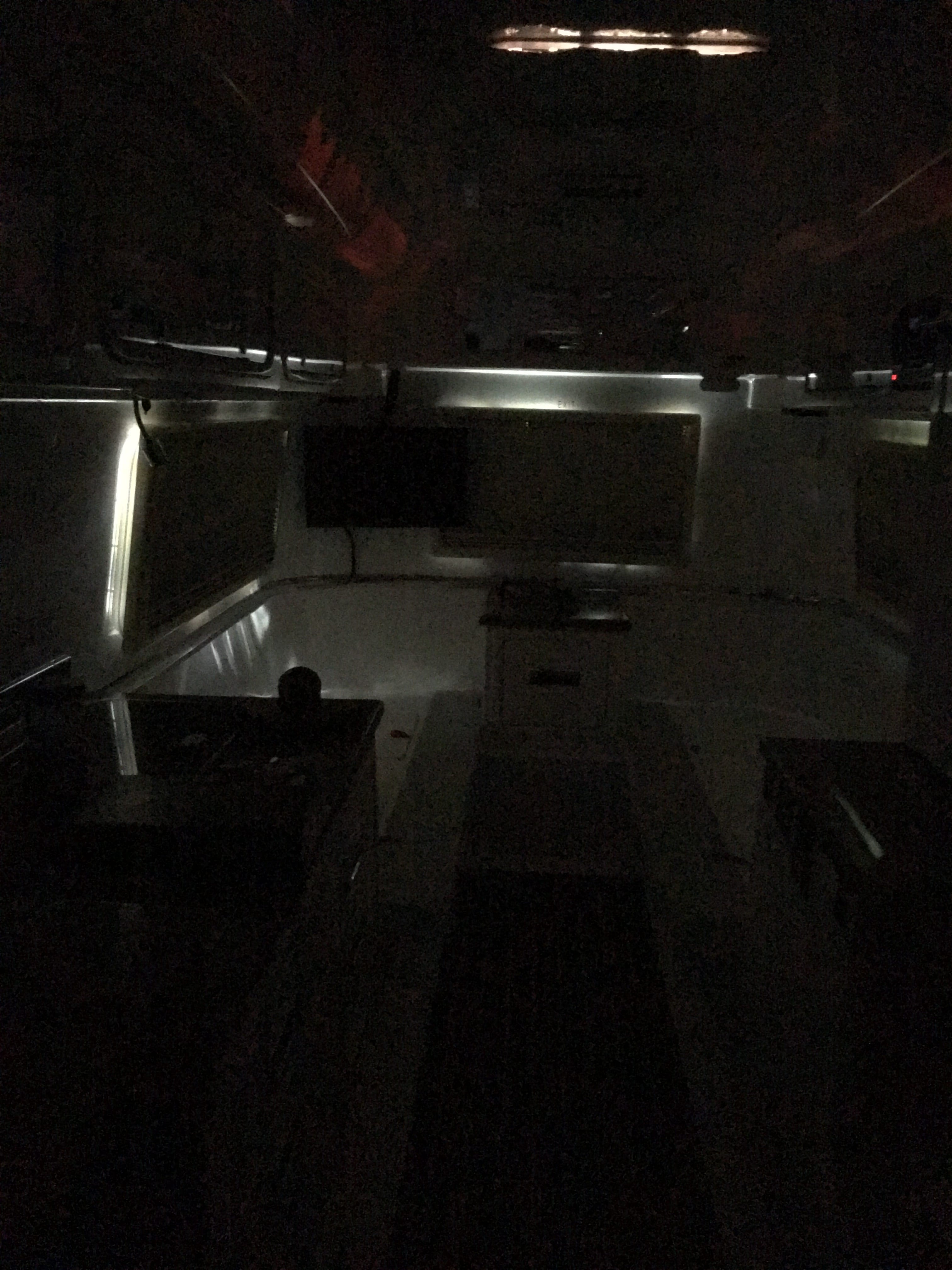
Had this idea last year but did not get around to executing until this week. I was thinking that keeping light out of the trailer when it is in storage would keep the heat level down. As an added benefit, if you need to overnight at a Wal-Mart or other parking lot with all night lighting, this might let you get some sleep. All I did was remove the window shades and cut the reflectix to size. Then it is easy to install / remove and roll up and store. The roof vent for the MaxxAir Fan and the Door Window took some velcro and duct tape to make work but it was pretty easy to size and put up. Easily removable with the velcro. The last picture of the interior was taken on a bright sunny day around noon. When you first enter and close the door it is pitch black inside. When your eyes adjust you can see the interior enough to move around. Some light still gets in but not enough to keep you awake. Hope you enjoyed this. Best, Scotty
1 point
-
Well, I finally pulled the trigger on the weather alert radio - Kaito KA600L . Much more radio and money than originally planned or truly needed, but, I added Short Wave, digital tuning, bigger speaker, and bigger battery to the mix. https://www.amazon.com/gp/product/B01I4W8EHQ/ref=oh_aui_detailpage_o01_s00?ie=UTF8&psc=1 Thanks to John Davies for the short wave idea and to Rideandfly (Bill) for the brand. Also thanks to everyone else who helped stir the pot. Once I actually receive this radio (it is a Christmas present) I'll do a review here. Bill1 point
-
Reed, Did you guys get the hatch on your king model? We have ordered the king model and I’m wondering if we should get the hatch (obviously harder to use with the king layout!) - Alison1 point
-
The new Oliver owners that post You Tube videos under G&J Roaming & Rolling did a great video of the inside of their new Ollie and they got the Laguna table. You can see on their video that it swivels around in a broad arc. The video gives a good sense of the table’s size, motion, etc.1 point
-
We went with the hatch after seeing it in Clair and Kathy Reeds trailer. We could not see a use for the table next to the night stand. Here are a couple photos, in the one looking into the basement you can see the hatch door. Looked like a good laundry shoot to us.
1 point
-
I think that what Bill is referring to as a table is what most refer to as the nightstand. And , it comes standard with the twin bed model. Yes, there have been at least a couple of people that have put an "access door" to the basement storage area in the bottom of this nightstand below the drawer. Without this additional access door it is difficult to reach anything that is located in the basement on the curb side of the camper. In the 2 1/2 years that I've owned my Oliver I've only used the regular standard interior access door (located under the cushion on the street side) once. The addition (or not) of the Lagun table is another matter in that it would either be on a pedestal attached to the floor or attached to the area below the nightstand drawer with the nightstand left in place. At least that's how I understand it. Bill1 point
-
Angus, part of the equation is occupant comfort, both while towing and while unladen. While a big gas motor can perform acceptably well up high, it will never feel effortless. You will spend a lot of time with the engine wound out in the lower gears, ocassionally smacking the steering wheel with your hand in frustration. At 10,000 feet your little V8 is only supplying 60% of its factory (sea level) power. It can be very frustrating for the people inside to be in a vehicle that is simply underpowered for the task. A modern turbo diesel will lope along at low rpm in a supremely relaxed manner. My Cummins 5.9 could climb steep grades while towing 6000 pounds at 4000 feet in overdrive at 1600-1800 rpm, no problem. The only way you would know it was working hard was to watch the boost gage. At 13,000 feet on a 12% climb, it was foot close to the floor in second gear, but it would still accelerate. The turbo supplies the extra air that is needed up high, so power loss is not dramatic. My new TV is a Land Cruiser 5.7 with 400 ft lbs of torque and a six speed auto. It pulls the Ollie without a problem, but it is in no way effortless, and as a result it is not as relaxing an experience. I have to use the gears and rev it to 4000 rpm or more. It is rated at 8500 pounds so it isn’t close to its limit. When empty an older HD truck will beat you up on rough pavement. That is the main reason I sold the old Ram, it was hopeless and painful on rough back roads and choppy freeway. Forget about forest roads! The newer HD trucks, a Ram 2500 in particular with independent airbag rear end, is actually comfy. I am very fond of the Power Wagon 2500 with the 6.4 gas engine. You will need to decide which factors matter most to you. A big truck optimized for towing works great but you may not want to drive it at other times. The sweet spot for an Ollie appears to be a long wheelbase “heavy half ton” with a turbo gas motor, like the F150 Ecoboost, or perhaps the Ram 1500 Ecodiesel. Either would pull your trailer up the steep high grades, yet be easy to live with hauling groceries. You can certainly try your van, but I would caution you not waste much money trying to improve it. It is not the best starting point for this purpose. A set of rear air bags and HD shocks wouldn’t cost much and might make it OK for a years trial. After you have some experience pulling your Ollie you will know a lot more about what will suit you best. John Davies Spokane WA1 point
-
Oliver has dealt with CPAP many times. They can add 12v and 120v outlets in the overheads with a hole to run the hose through the bottom of the cabinet. You will need to determine where your head will be. We always slept with our pillows to the forward end. when boondocking it is more efficient to run your machine on 12v because the inverter will consume a lot of battery just running itself. If your CPAP does not have 12v buy a 150 watt plug in inverter from CPAP.com. It will come with a cigarette lighter plug. Way more efficient than the inverter. I have several of these small inverters for use in my Airstream. CPAP, fans, TV, all run fine without cranking up my 3000 watt Magnum.1 point
-
Beverly and I sleep in our twin bed version of the E2 with our heads toward the kitchen. I sleep on the street side, and place my CPAP on the shelf under the pantry. When on shore power, there’s an AC outlet right under my bed, and when on battery, I use a small 300 watt plug in inverter plugged into a 12 volt outlet under the dinette. The 2000 watt sine wave inverter is great, but it’s not made for small loads. (I use my CPAP without the water vapor generator.) On small loads, the big sine wave inverters probably (and I say this without facts at my finger tips) draw I’m guessing about 3 amps for internal loss, and another 3 amps to run the CPAP without water evaporator. So, about twice what the CPAP would draw on a small inverter. So, our 2000 watt unit is mainly used for microwave or other high current demands.1 point
-
We have the King bed and Karen's CPAP sits in her back corner on top of a small set of drawers. We had outlet sets put in on both sides by the rear speakers in the back corners a/c - d/c - USB along with reading lights but... We have found that the Zamp Solar doesn't have enough power to recharge the batteries each day, so we end up using the generator every 3 days at least to keep enough charge in them to run the CPAP. You should check the low voltage cut out on your bi-pap and see where it's cut off is because we have found that low cut off, along with power consumption, varies greatly between different brands. Then if you camp where you get more clouds then full sun, plan accordingly and get an aftermarket 500watt MPPT Solar System installed elsewhere or just take a generator. We run an induction cook top now also since the solar can't do its job anyway and just run the generator every day or 2 to charge up. Most of the time we are on the coast or in the mountains under the clouds and these days we don't plan on ever counting on the solar to help much with boondocking. The gas for the generator is cheap and it is a needed accessory unless you are somewhere in the south, stuck in the desert where the solar has a chance. Reed1 point
-
Angus I keep my Cpap in the overhead storage cabinet. Inside the cabinet, I have both a 110 outlet when we have shore power and a 12 volt (cigarette adapter) when boon docking off the grid. I had a hole cut in the bottom of the cabinet to run the hose through. Oliver can customize the power outlets and hole for you. All that is exposed is the hose, so easy storage and no clutter on the cabinet top. You can buy a 110/12v converter made specifically for your machine. mine cost about $80.00. Recommend you get one from your manufacturer made for your model. Sleep well !! Hardrock1 point
-
$17 Amazon Prime. Use the Camco RV Hand Pump Kit to antifreeze directly into your RV waterlines and supply tanks. Kit includes flexible connecting line with city water connection https://www.amazon.com/Camco-36003-Hand-Pump-Kit/dp/B0006IX7YW That is probably about the same cost as fabricating one from parts. And certainly less painless, if you can wait two days for one.... I just ordered mine. John Davies Spokane WA1 point












-
Recent Achievements
-