Leaderboard



Popular Content
Showing content with the highest reputation on 04/19/2019 in all areas
-
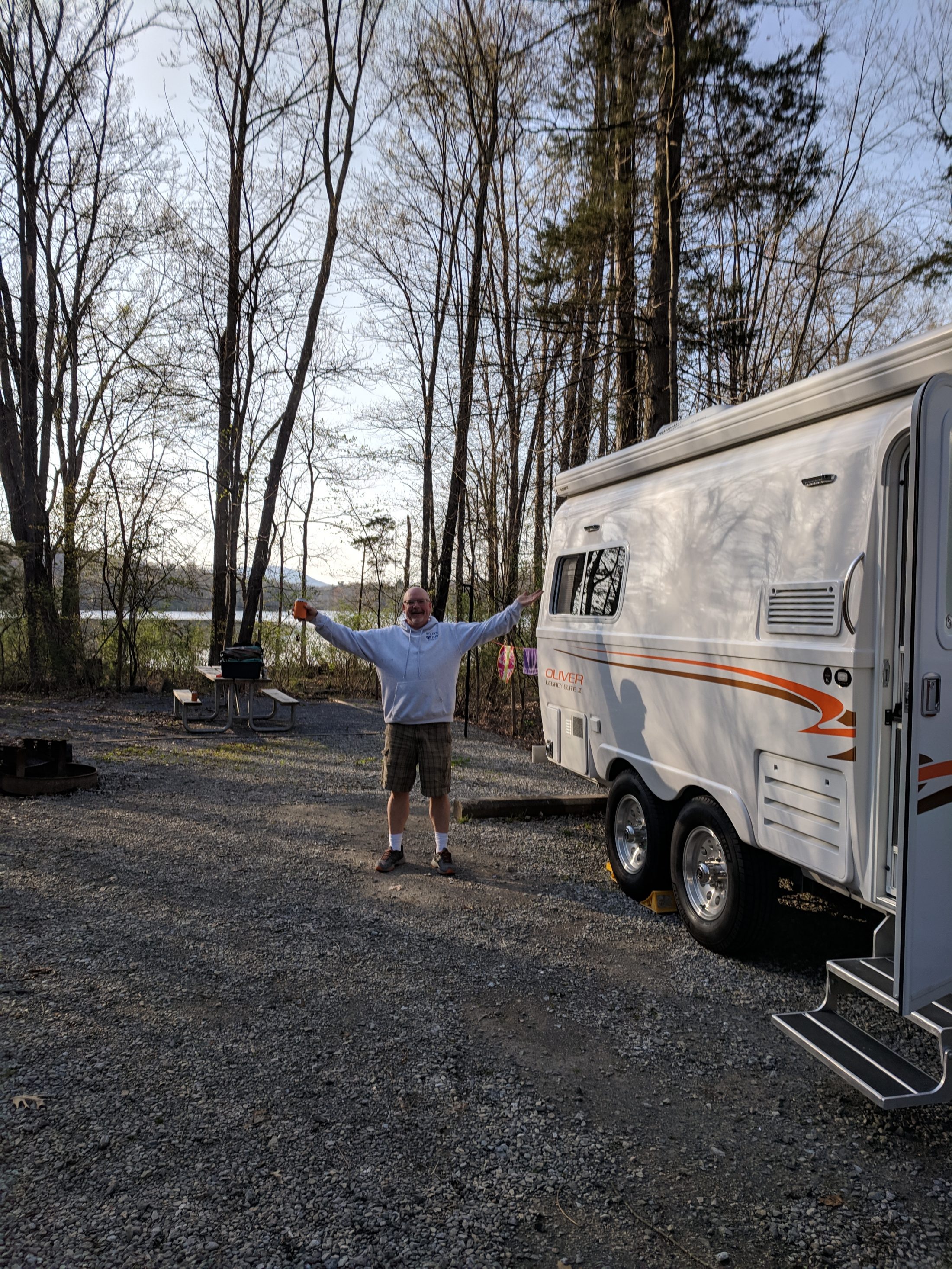
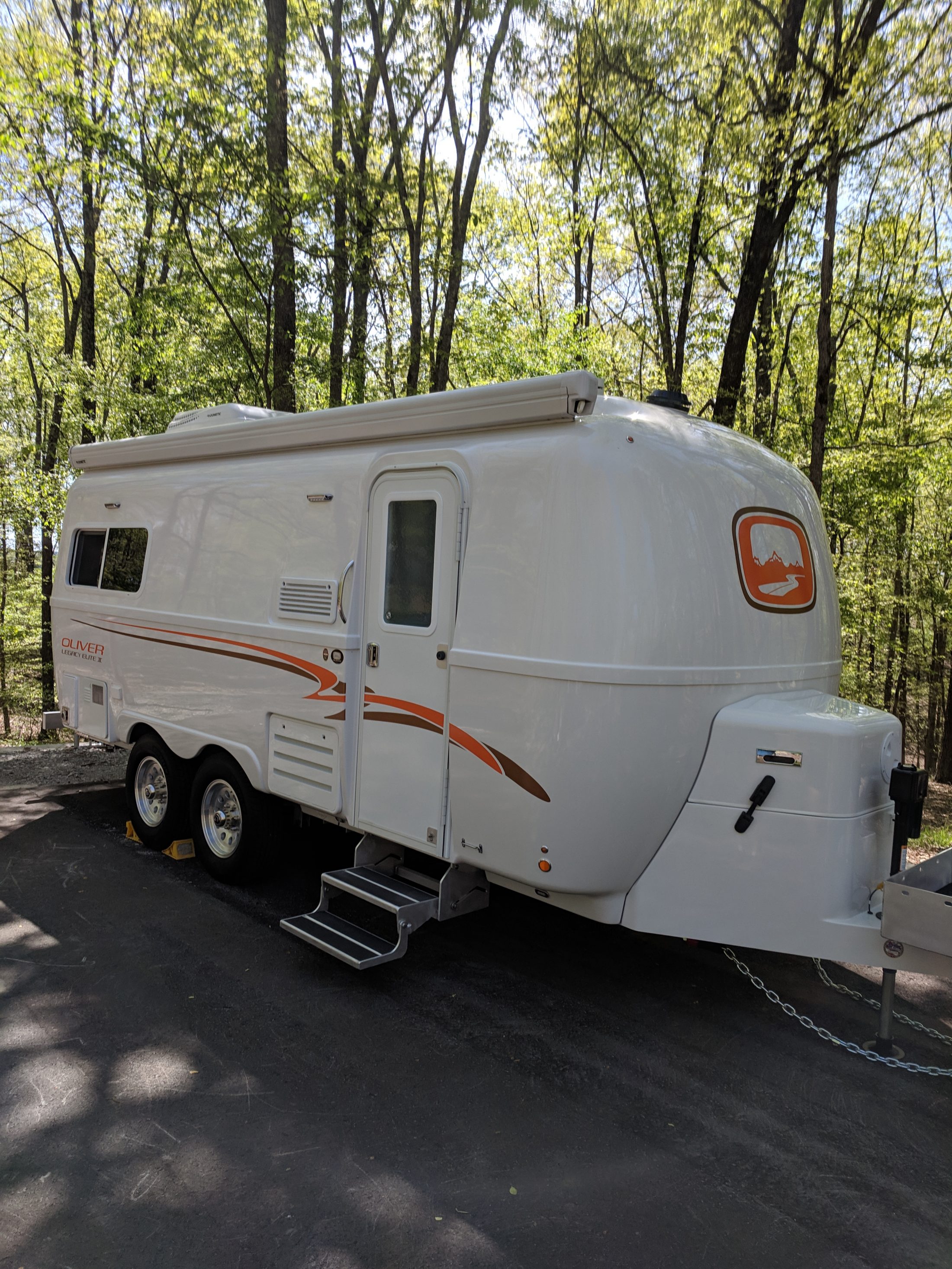
We love our new Ollie II. Will make it back to MA tomorrow. We already met new Ollie friends (Kevin and Kathy) at David Crockett State Park.
 2 points
 -
The Oliver forum continues to be a valuable resource to me on a vast array of topics. As I was reviewing the number of applications, web sites, and such that I have bookmarked to help find "camping" and other RV related topics, I wondered if I was missing some = I'm sure I am. I queried the forum and found a good deal of suggestions scattered around in many posts, but not any centrally located spot. The wise folks out there know that you use one reservation system for federal parks, another for some state parks, and many other sites for - well almost anything. My question, would it make sense to have a topic page - or whatever is correct- that would put all these resources in one location. (Perhaps it's already there, and I haven't found it). I am sure the new Oliver owners would benefit, as would I. Thanks in advance for your input, RB2 points
-
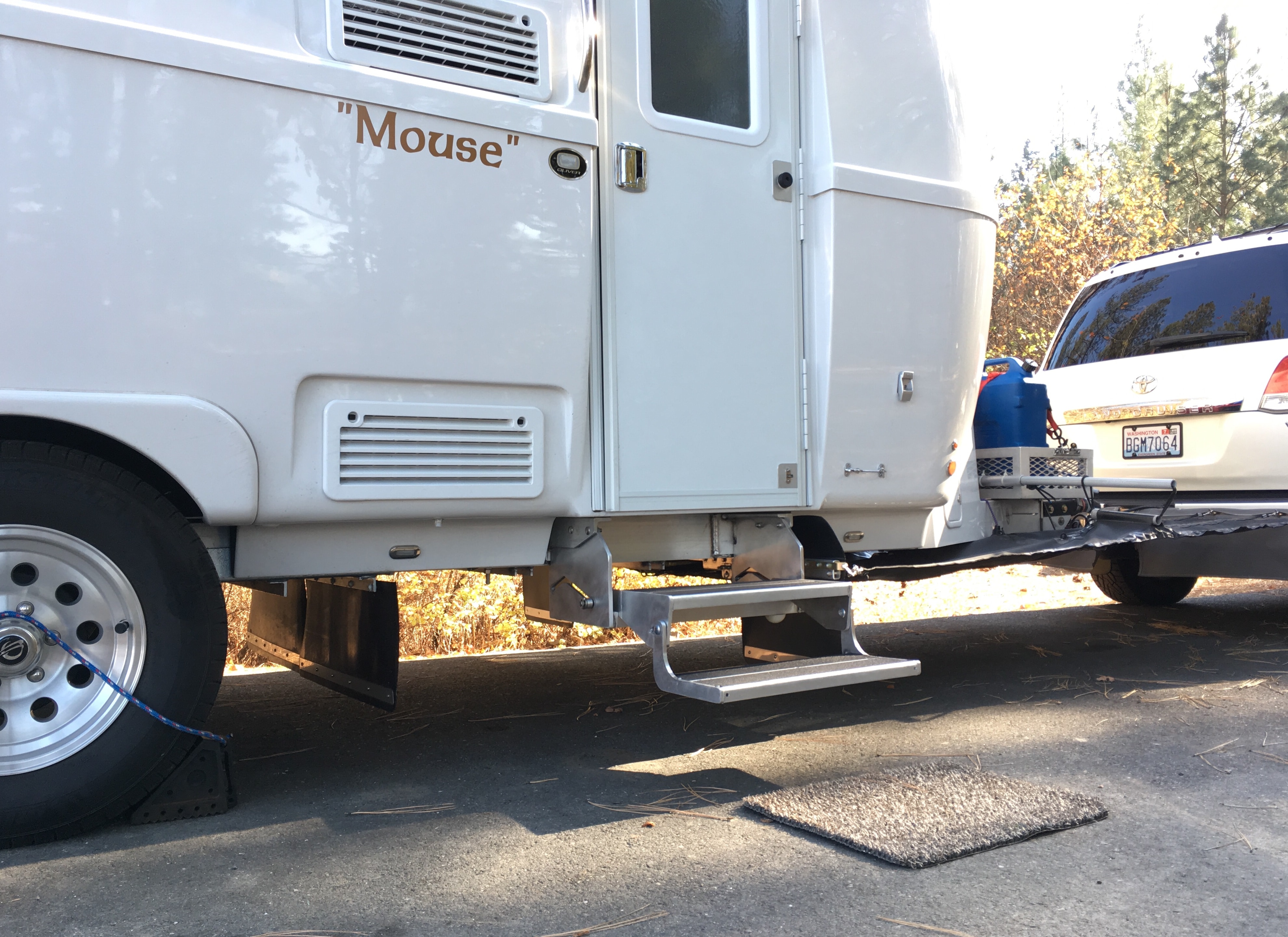
John D: I have enjoyed your "How To" on the efforts to protect the Mouse. Craftsmanship is supreme, and it certainly keeps a ton of potential damage away from your hull. Again, thank you for posting the additional pictures. After last summer's trans USA tour with our Ollie, I saw the light when I found road spray/grime on the front left and right side of the trailer. I know I need better protection than what I had. As a result, for some time I have wanted to ask you about your systems: A I was wondering what aerodynamic impact you have felt as a result of the installation of your system? B. It would be really fun to see pictures of it from the side at highway speed! Hopefully to assess the turbulent airflow impacts on the mud flaps. This would be helpful so as to: Gauge the probable angle of deflection of debris as it travels down the underside of the trailer. Optimize location of the flaps at speed. Assess the effectiveness of the as weighted flaps at speed. Possibly to optimize the hang angle by increasing/decreasing the lower edge weighting. Over time, I will emulate some, if not all of the systems you have so painstakingly designed, fabricated and installed. Thank you for doing so and for sharing the details in the "How To" section of our forum! Unfortunately, it is very likely that my efforts will be over several years. Would it be possible for you to rank order the systems installed or purchased (Stone Stomper)? By doing so, I can emulate your efforts in the order of most effective first. Stone Stomper Gravel Guard under the tongue of the Mouse. Truck rear tire mud guards Stone Guard in front of the Mouse step. Transverse stone guard behind the steps and in front of the twin axles Trailer rear mud guards Other? John I again thank you for your efforts here on the Oliver Forum. You consistently offer from the heart advice and many good ideas. Geronimo John2 points
-
As an example below are a sample. Not sure about the best ones, these are what I've found and used. www.ultimatecampgrounds.com/index.php/products/full-map Camping spot locator https://www.campendium.com/ camping spot locator https://www.recreation.gov/ camping reservations https://www.reserveamerica.com/checkAccountStatus.do camping reservations https://rvdumpsites.net/ waste water disposal locator RB1 point
-
JD, After my last trip through BC, Yukon, and around Alaska, I mostly agree with you. The amount of damage gravel roads, roads under construction, and the like do to a TV and tow behind RV is amazing. A few hundred or thousand miles of dirt and gravel can be enormously destructive to the undersides of a vehicle. I had similar questions as Geronimo John, thanks for the reply. I still believe protecting the "frontal" hull is also something I need to figure out. I have a few ideas - and as I try them out, I'll post results. From a suction cup mounted "bra" to an aluminum deflection shield, mounted to the front basket, I have ideas. The energy - questionable. RB1 point
-
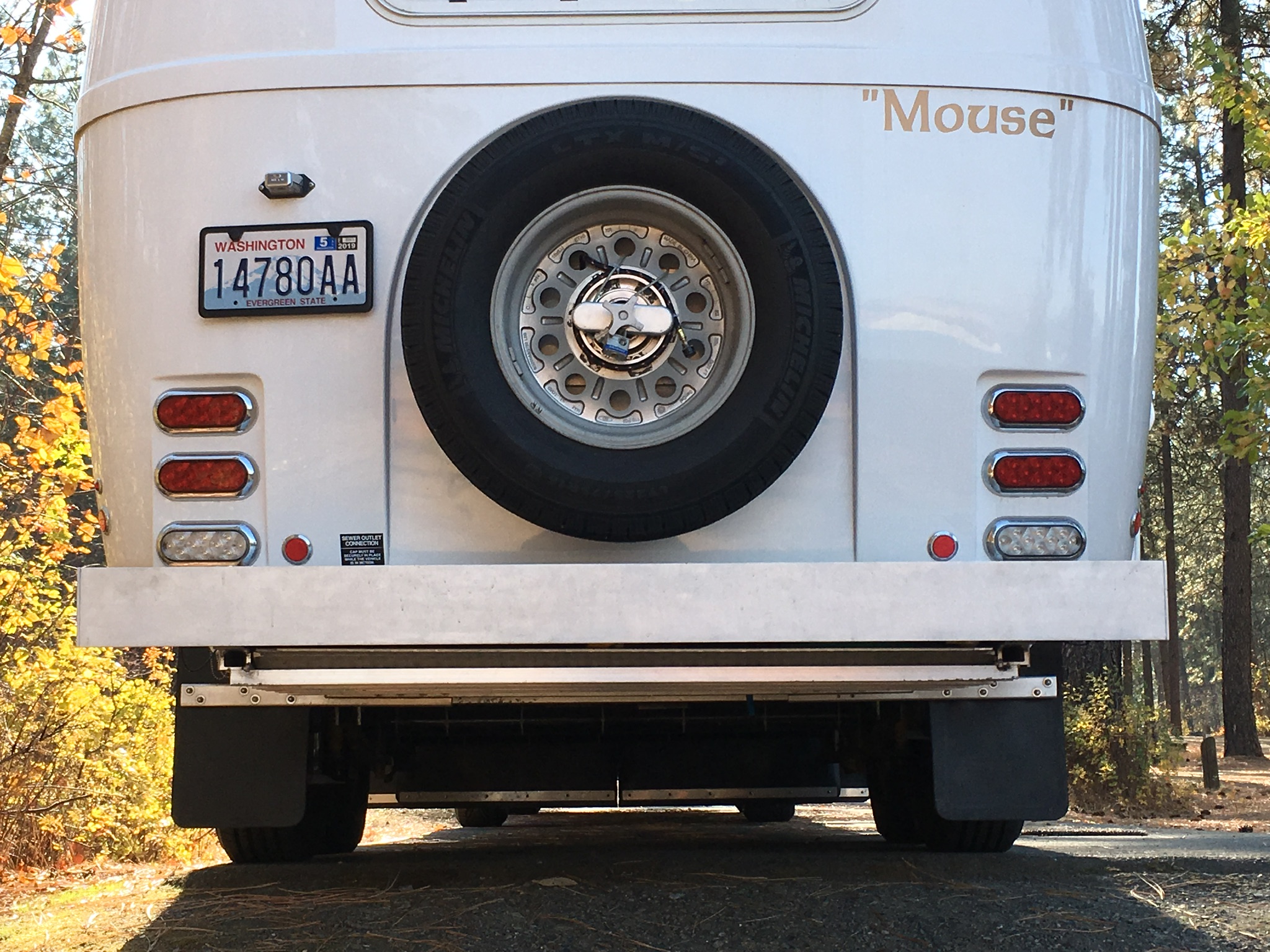
Geronimo John, thanks for the very kind words. I do appreciate them. I see my underneath guards as a system, much like a football players protective gear, he would not be safe if he left one piece off. I don't know the overall aerodynamic impact, that would be very hard to measure. All the stuff hanging down surely blocks a lot of air moving between the hull and the ground, but it is designed to fly back closer to horizontal at higher speeds. And the Stone Stomper almost completely eliminates the pesky low pressure zone between TV and trailer. I haven't noticed any impact in mpgs, but I really don't care. I want the protection, I will accept any drawbacks. It's like adding big off-road mud tires to your truck, you know they will kill your fuel economy, but you need them for the remote places into which you venture. The Stone Stomper is the primary and most important mod. It knocks down all the junk being thrown up by the TV. In fact it is so effective that in a heavy downpour at 60 mph the back window of the TV stays almost completely dry. On dusty roads there is no dust accumulation on the front of the Ollie or the back of the TV. There are NO chips whatsoever on the front of the hull or abrasion on the A-frame. All that muck is channelled underneath the tongue and frame of the trailer. It truly is amazing and I wonder why they don't have a USA distributor for them. There are usually down sides, and they are that the stuff going under the trailer hits the frame and hull. So you need those skirts. Plus the massive dust cloud exits out from under the tarp right at the lower fridge grill, so the inside of that opening and the coils gets very dirty. I will eventually install a 12V compressor fridge and seal off that outside area completely. The two front skirt aluminum mounts are also the rear mounts for the Stone Stomper (since you shouldn't just bolt the support brackets to the hull gelcoat). The skirts are 18" wide and protect the bottom of the hull, the black water rinse connection and the front of steps, which otherwise are very exposed. The center skirts are the full frame wide and protect the axles, springs and suspension. These and the front two are 1/8" thick cloth-reinforced neoprene similar to conveyor belt material. They are weighted and reinforced at the bottom with twin strips of heavy gauge stainless steel. They are intended to fly back at highway speeds and hang down more vertically at lower speeds. I have never tried to take a video, that would be educational, for sure. The rear mud flaps protect the underside of the hull and the rear bumper from stones and dirt thrown up by those big trailer tires. These rocks normally will erode the water connections on the left side and back - do you really want your drinking water connections to be covered with road tar and muck? - and will badly pockmark the front of the bumper. Ricochets will go up onto the rear platform and also strike the rear hull and lights. Mine are commercially made flaps 12" wide x 18" tall, and much stiffer and not intended to fly back. They are very effective at stopping this damage. TV mudflaps. They are not really needed at all with a Stone Stomper. It has a wide flap that catches a lot of those rocks. Having longer or wider mudflaps on the TV might help, but you run the risk of dragging them on a gravel road if they are too long. That is bad because it sends up a really heavy rooster-tail of rocks. Here is the order I would do this, keeping in mind that I did ALL the work myself - paying a shop to do all this would be very expensive. With this approach you can assess each step and decide if you want to keep going with more protection. 1 - Rock Tamers on the TV. Relatively cheap, they are reasonably effective except on gravel roads where they just don't have enough coverage. Be sure to rig them so that they will fly at a 45 degree angle at high speed. This means having a static position that is maybe 20 or 30 degrees back. That way they knock the rocks downwards onto the road, not back toward your TV. This is how the Aussies do it. 2 - Rear mudflaps on the Ollie. Very easy and inexpensive way to protect the plumbing and back end of the Ollie. 3 - Stone Stomper. Replaces the Rock Tamers entirely. Way more effective at protecting the front of the Ollie and the back of the TV. Disadvantages are cost, fabrication of rear mounts and center support (to hold up the fabric during turns) and day to day PITA. It isn't hard to hook up to the TV but it always is in the way, one way or the other. If you are driving at high speeds on the Interstate for days at a time it probably makes the most sense to remove it for that part off the journey. I don't bother. Sometimes you encounter road construction or chip sealing even on fine highways and the SS stops rocks and tar in their tracks. 4 - Front and center skirts. Do them together, it is the same materials and technique. That will greatly reduce the chaos underneath the trailer frame. If you don't drive on a LOT of gravel, you probably should never worry about these items. Keep in mind that the tires you choose for your TV will also greatly affect how much stuff they throw up. I run open tread mud tires and they don't throw up stones on the typical fine gravel of graded county roads. A tighter tread like my snow tires throws up way WAY more crud. The narrow gaps grab and release the rocks. You can hear a constant barrage of stones hitting the wheel wells, that just doesn't happen (as much) with the mud tires. My approach is 180 degrees from armoring the front of the Ollie. That stops the rock chips but it doesn't do a thing for damage at other locations. OTH it is certainly fast and easy to have a shop spray your hull. But cost is very high. Read and watch here: ... https://www.outbacktravelaustralia.com.au/driving-towing-towing/stone-stomper-trailer-protection-january-2016?A=SearchResult&SearchID=152319746&ObjectID=6762797&ObjectType=35 and here: ... After watching the video on the first link you are probably thinking, "that is really time consuming to hook up." It is a little, initially, but when you need to access your rear hatch you simply disconnect a couple of bungee snaps on one side and drop down the fabric. Just remember to reconnect before travel. I prefer to not unhitch at all, and to leave the SS attached everywhere. If I have to unhitch, I pull the fabric back and underneath the frame and clip the front outside snaps to the rear mounts. That way the fabric doesn't blow around and it looks neat and tidy. I hope this helps. John Davies Spokane WA1 point
-
Well, I find this to be VERY disturbing, you have you wonder how many other places are affected on your trailer, and on other trailers. If the hull has to be raised up off the frame for a proper repair that could take a while. It's not a job I would want anybody but the factory attempting.... Oliver is in the molded fiberglass business, if this is truly a mixing error they need to look closely at the quality control for all their products. This is a useful page discussing what to look for on a boat hull. Osmotic blisters look very similar to yours, but those are caused by water absorption from sitting in the lake long term. .. https://www.boatingmag.com/boats/inspecting-your-boats-finish I need to grease my suspension, I guess I will look at everything under there a lot more closely now. Good luck. Please keep us advised. I am sure that the factory will treat you right and fix this correctly. OTH I would not make any critical appointments for that week since they may need to keep the trailer for a while.... John Davies Spokane WA1 point
-
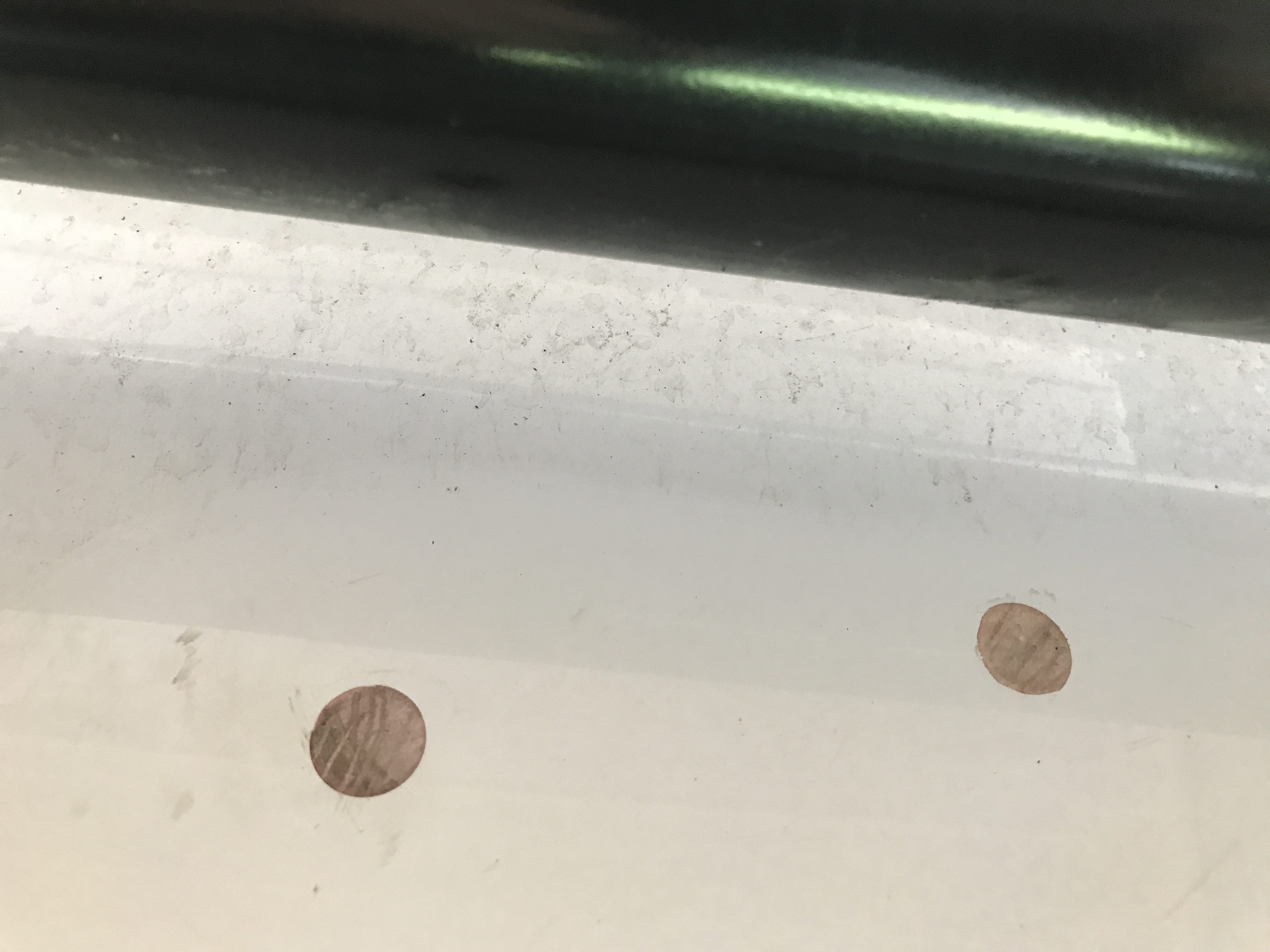
Interesting, my trailer is a 2017 hull number 208 and has two unusual patched holes between the two axles as well. I believe that one of my holding tanks had to be replaced due to one or both of these holes going through it. Interesting.
1 point
-
Looks like a strike to me, there’s a lot of things on the road that could kick up more so than rocks, anything and everything. There are a lot of careless drivers out there that don’t secure items while driving down the road. I feel for you, that sucks hopefully it wont be to hard to repair, good luck1 point
-
Well, John, I opted to drill drain holes through the bracket webs as you suggested. See attached pic (sorry, but the Forum software always seems to turn my pics 90 degrees). I went with a 5/16 diameter drill bit. I'm sure that debris will clog the holes from time to time, but I'll just have to keep after them (along with the other 1,000 items that I'm keeping after). I'll let everyone know how/if it works.
1 point
-
Yikes, I agree, that looks very much like a cavity behind the gelcoat which should not be there. Start a service request with the Mother Ship and get a local fiberglass repair specialist, such as a marine yard NOT a kludgy RV dealer, to evaluate at it. Hopefully “cross fingers” it is very localized and not indicative of a bigger problem. I definitely would not ignore it. Gelcoat by itself has very little strength. You need to make sure that water and debris does not start to collect in there. BTW rock strikes can occur in the strangest places due to ricocheting off axles, frame or bumpers. They can even shatter rear hatch glass on the TV. And they occur on fine paved highways as well as on gravel roads. On a road around construction areas (new home building and road repair in particular) it is often a bit of metal like a bolt or a small tool which can really poke a hole... in a tire or in the trailer. I pulled a 3/8” allen wrench out of a tire one time! The key is to slow the rocks down by absorbing energy, and directing them back toward the ground. This is real overkill for most Ollie owners but it is extremely effective. I call it Chaos Management. Good luck. John Davies Spokane WA
1 point
-
Yukon, I would refer that damage back to Oliver, while it may well be a stone or other projectile strike, it looks more like a bonding issue to me. For whatever reason the fiber glass didn’t bond with the gel coat and formed a blister and it popped, it could have been an air pocket in between the glass and the gelcoat ( most likely) or the gelcoat got contaminated somehow. That should be a pretty straightforward fix, they just need to sand that out and re gelcoat that area, goodluck Steve1 point
-
Wow - that certainly is a strange location for that kind of scar. I'm a bit hard pressed to think of how that would be possible via a stone hit given that the axle would actually tend to protect that area at least a bit. But, depending on the types of road and the size of stones - anything is possible. THAT was one heck of a hit! Bill1 point






-
Recent Achievements
-