Leaderboard

.thumb.jpg.e34bf01ef7f7d5e99ad31856d45afbeb.jpg)


Popular Content
Showing content with the highest reputation on 08/06/2025 in all areas
-
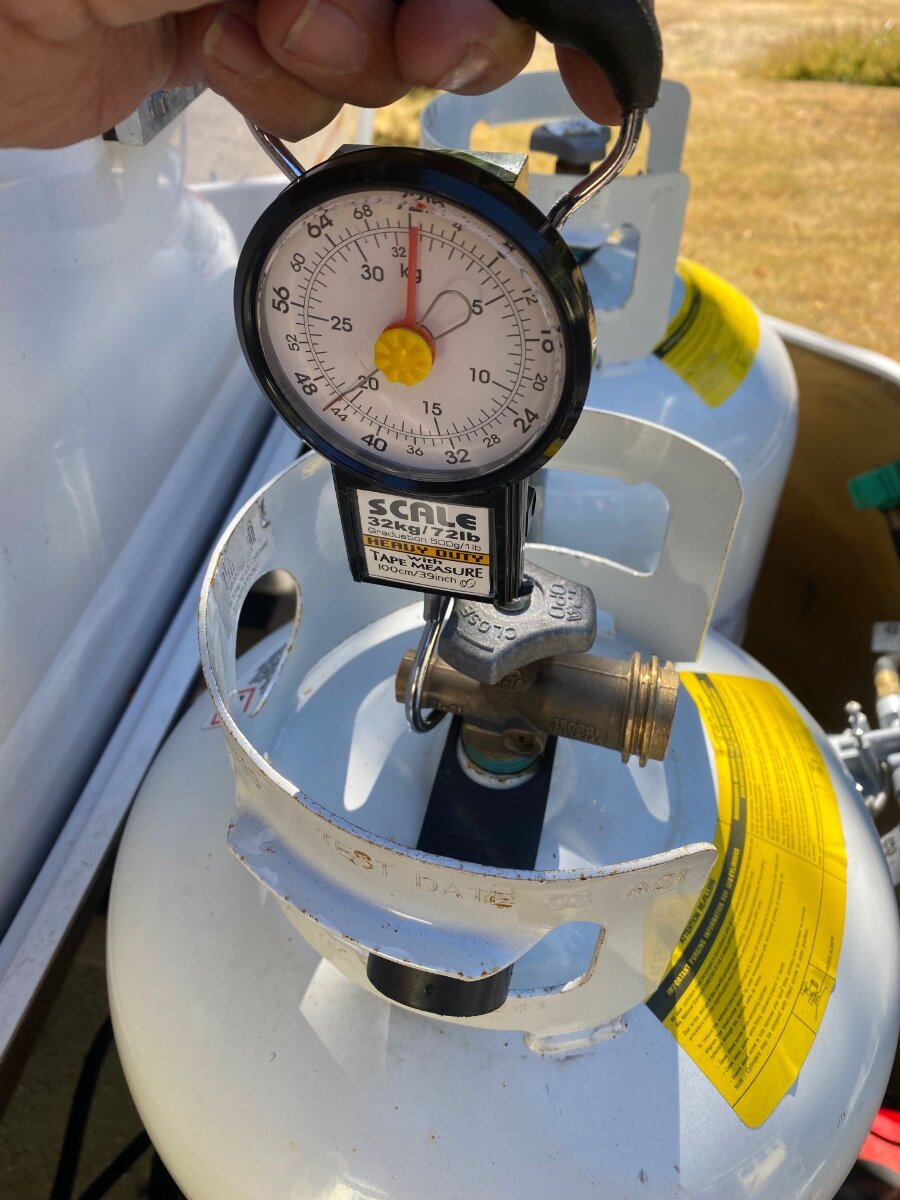
Although there are several ways to check propane tank levels, I’ve found the easiest way for me is a luggage scale. They have large hooks that balance nicely when hooked on to the fill valve, and they remember the weight so you don’t have to contort yourself to see the scale. Mine has an analog dial with a memory needle, and thankfully no batteries. I’d recommend these over ones with batteries that always seem to be dead when you need them. Flame King sells a more expensive scale made for this purpose. It conveniently reads in percentage, but it’s battery operated too. A 30 pound tank weighs around 55 lbs when full, and about 25 lbs when empty. A 20 pound tank is around 37 lbs full and 17 lbs. empty. I’ve labeled my tanks with their weights and I can determine exactly how many pounds are left with the scale. The tanks can be weighed in place with the spin-off clamp loosened, and it helps to put a stick or bar through the scale handle to lift with both hands. I know some people swear by the Mopeka ultrasonic level detectors, and I heard the newer ones work pretty good. But I’m still not over the problems and uncertainty of my old ones, so I’ll stick with my trusty scale for now. Cheers! Geoff
 4 points
 -
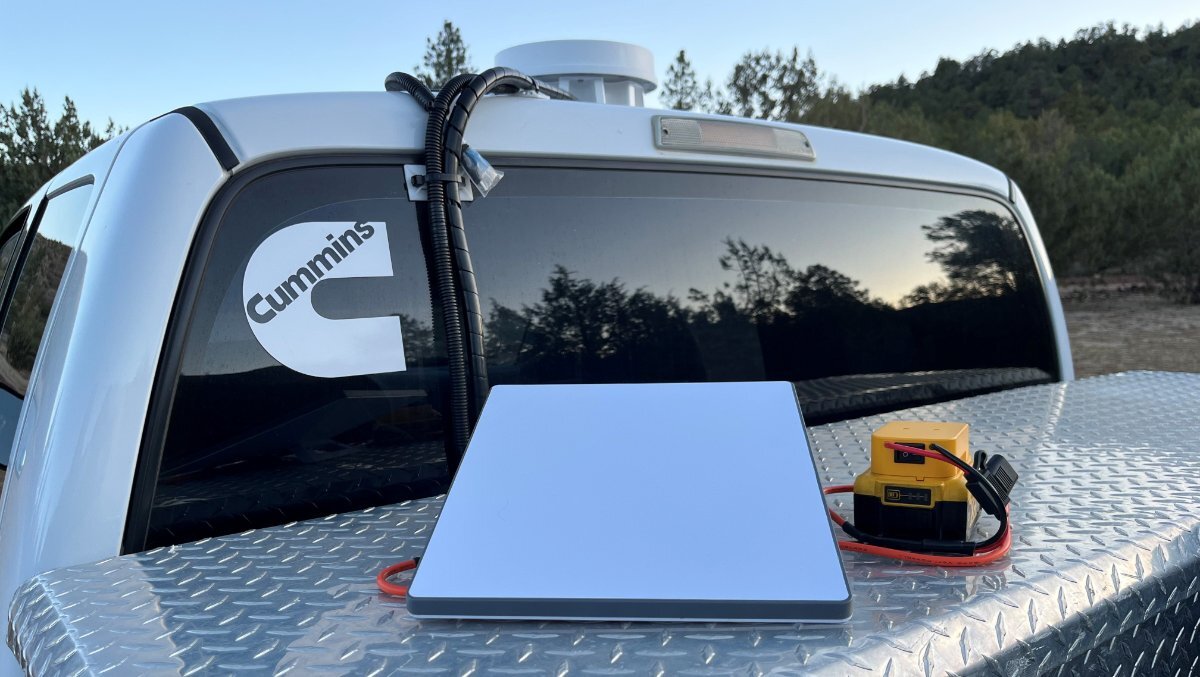
@johnwen if you go with the Mini, I strongly suggest forget about all the wiring schemes and just get a battery for it! You can use the power adapter included 50 ft cord, 30V output plugged into a your 110V outlet with your inverter running. You can do what Geoff did adding a DC converter to up 12V to 24-30V so you can run the longer cable. OR you can just wiring it to any DC battery from 12V to 30V. For us it made perfect sense to go with the DeWalt batteries we already have several Dewalt power tools and batteries we bring with us. They run at 20V which is a good voltage for the Mini. It seems that we get close to 1 hour of runtime for each Ah of battery. I purchased two 10Ah batteries and each runs the mini for 8+ hours. Connect one in the morning. Swap the other before dinner and its will run way past when we fall asleep. We move the Mini anywhere required without untangling and tripping over wiring. I mounted a Dewalt battery charger in the Oliver Attic! This part will connect to any battery terminal: https://www.amazon.com/CERRXIAN-DC5521-Power-Pigtails-Cable/dp/B0F8Q4V9FC/ This part works for DeWalt and there are so many other battery choices: https://www.amazon.com/Adapter-Battery-Converter-Terminals-Robotics/dp/B0CDGR4Y8K/?th=1 BTW, Starlink is offering factory refurbished Minis for $299 now. Sure wish they offered this earlier this year when we made our purchase at 10% off $499.2 points
-
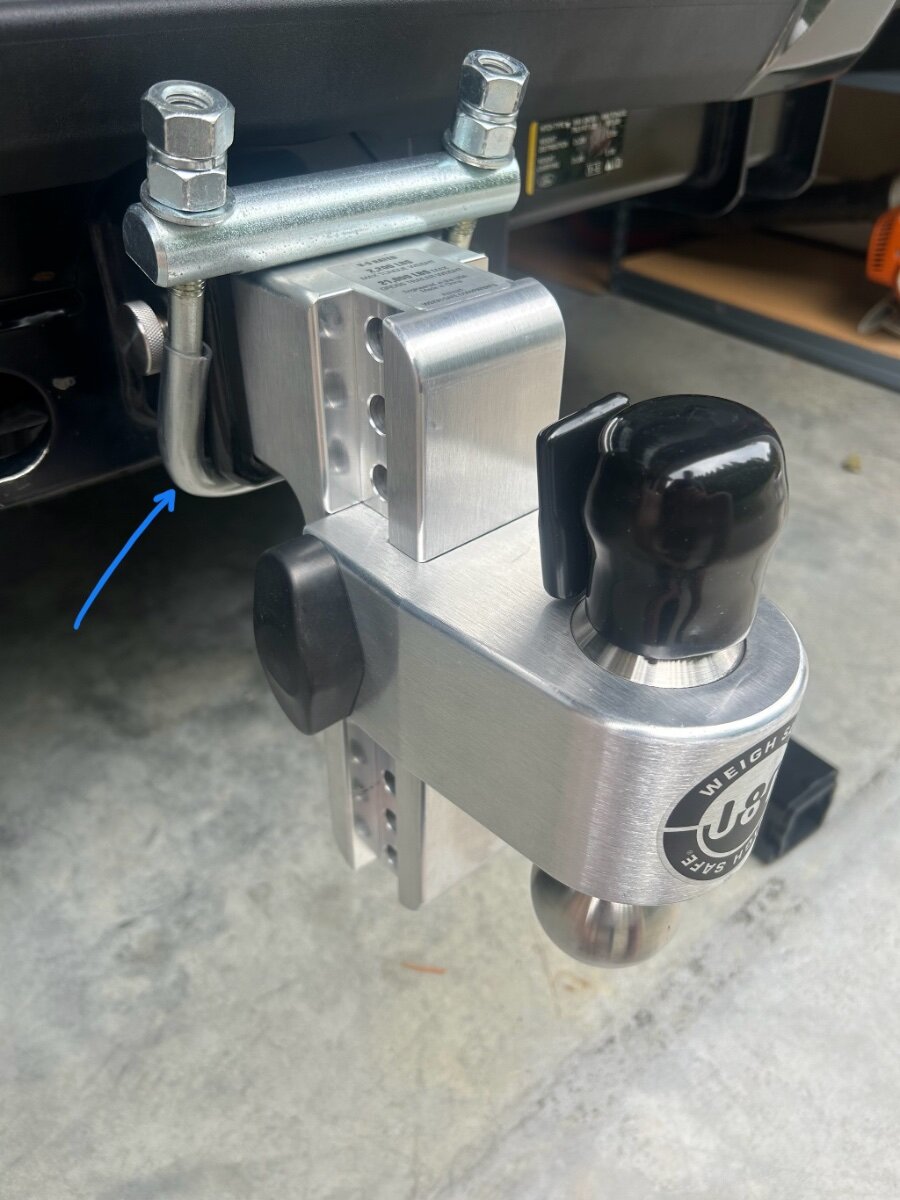
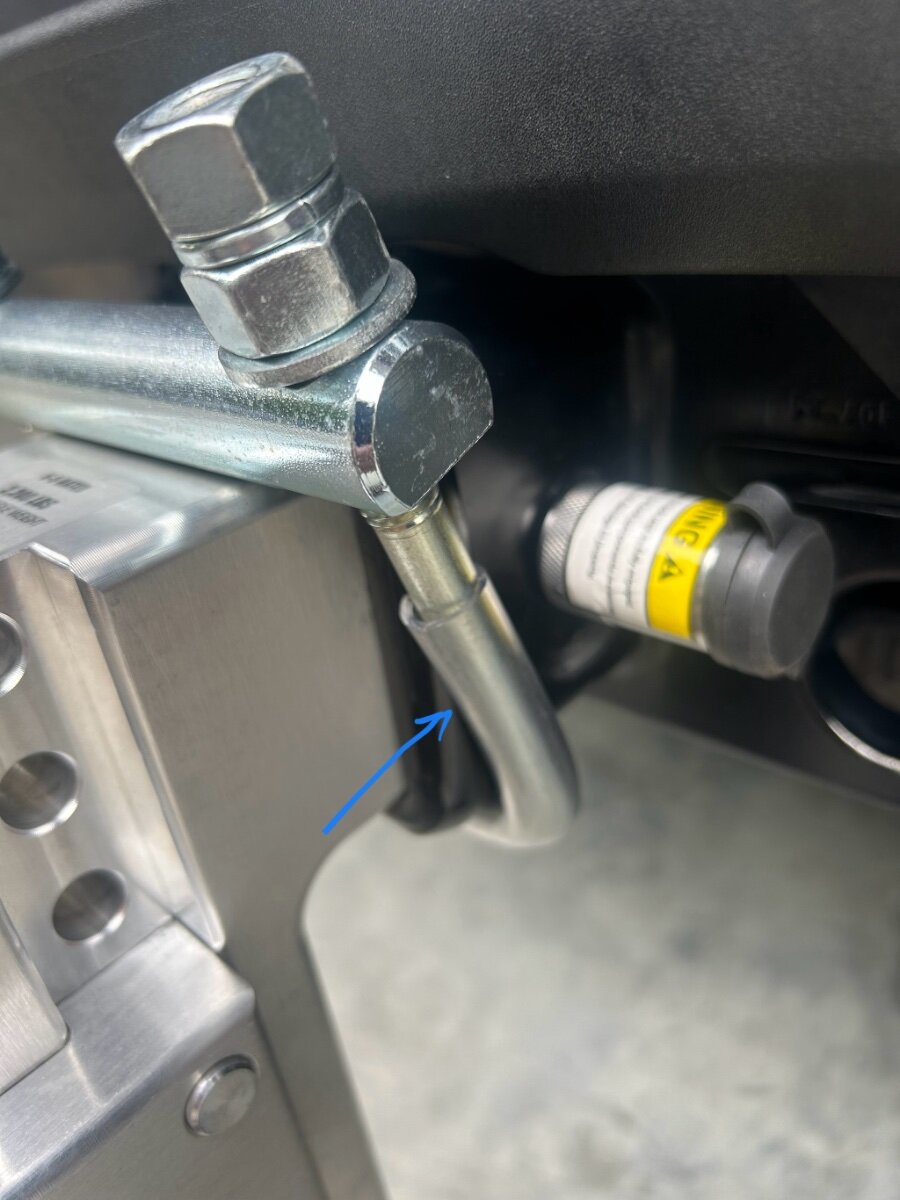
Field use follow up. After towing our OLE2 I can report that the hitch 3” hitch clamp worked exactly as designed. The 3” shank while inserted into the 3” receiver is completely silent while under way. Win! It’s recommended to periodically check the clamp fasteners which I did. They stayed tight the entire trip. I opted to add a short piece of plastic tubing to insulate the bottom of the clamp from metal on metal chaffing the bottom of my receiver. (Pic) It took a little while to get this tubing to cooperate while sliding it on to the clamp. I warmed the tubing up in hot water which made it a little easier. I am satisfied with the outcome.
2 points
-
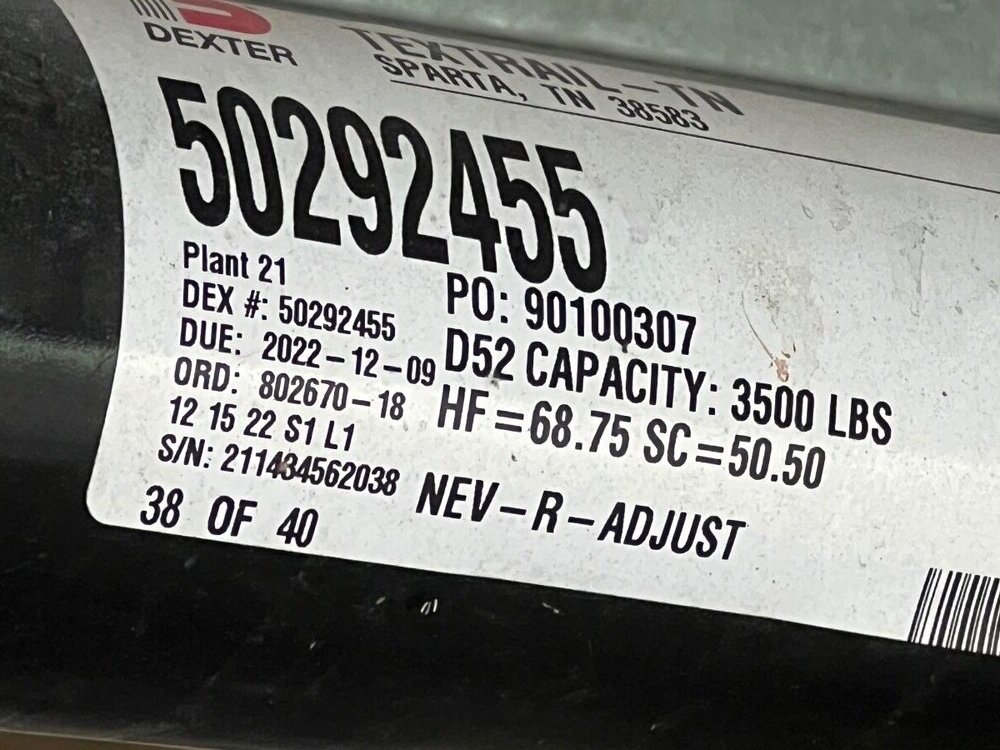
Ours does have D52 so we have the 5200 pound axles on our 2022 hull #12902 points
-
The convertor converts your onboard 12v DC to 57v DC so no AC power needed at all.2 points
-
The inverter has a standby power consumption constantly while it is turned on. This is true whether you are using 110vac or not. Personally, we keep the inverter off unless we are using something like a hair dryer or the microwave. Our camping style is 90% boondocking but we use the inverter very sparingly. This is even more important since you have the AGM's and have to watch them carefully to prevent them from getting to 50% SOC.2 points
-
FWIW, Costco sells 20 lb tanks with a built in gauge. I have only one but it seems to work well enough. Like most things they have had a price increase recently but locally they are running around $42.1 point
-
Hey John, Chat GPT is often wrong because it relies on opinions like mine🫢 My opinion is that Gen-3 has slightly better reception because of the larger surface area and its motor driven alignment. However, I don't think it is a significant difference, certainly not enough to offset the benefits of the Mini. When there are too many obstructions, neither one is going to work well. But I agree that the Gen-3 is faster, I think probably because of a better Wifi signal, hence I recommend using the Mini Mesh Node Router with the Mini Dishy. See my post: "The new Starlink Mini router, for what ails you." We used to turn-off the power hungry Gen-3 at night to save our battery, the Mini stays on 24/7, a big benefit. Also, the dishy spends most of its time on a mast, and the heavier Gen-3 on the same mast used to rock the trailer in breeze. The mini is small and light as a feather in comparison. See my post "Tacky Starlink mast." BTW, I see folks buying padded cases and protectors for the Mini, but they're pretty rugged and mine just lives in the hidden drawer below the pantry when traveling. It's more challenging to route the Gen-3 cable into the trailer, I've posted some designs on this too, see: "Great news! Starlink Gen-3 is here and it has Rj45 connectors." Other folks have posted ways to power it from DC, but I've never looked into that. The Mini is easy to power, and there are portable power supplies available that can be taken on hiking trips. I make a 3d printed version with built in battery charger, hit me up if interested. I also have a post on powering the Mini from 12 volts with a 12-48 volt Victron converter, this was for one of the early Mini's and before any commercial solutions were available. See my post: "Starlink Mini installation, cracking the 12 volt barrier... or not." That post also includes a clean method to get the power cord into the trailer. I still use that power supply today, but there are cheaper power supplies now available. Albeit, not as good or energy efficient😆 Hope that helps with your decision process! Cheers, Geoff1 point
-
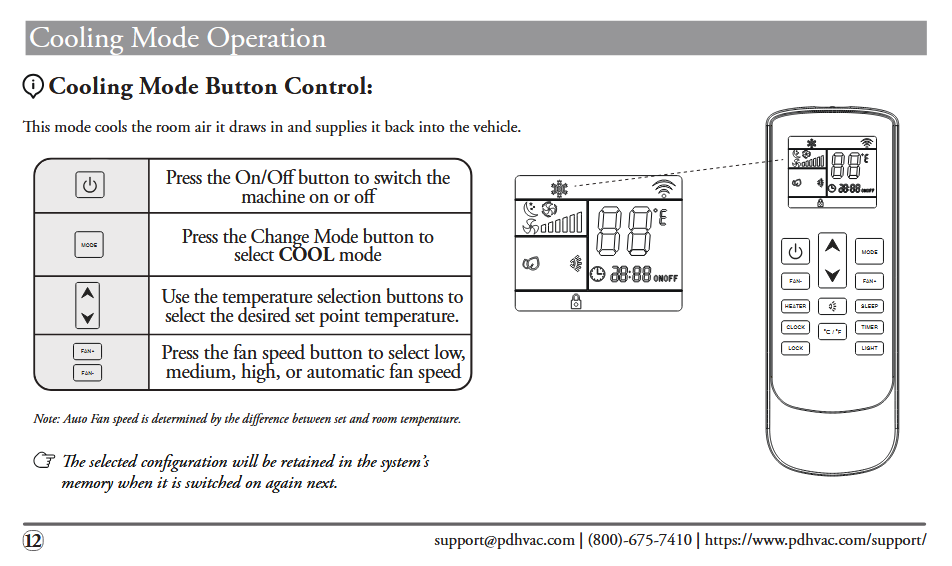
Owners manual says it has low, med, hi, and auto.
1 point
-
I see the Starlink Gen 3 Step Up Converter on line and it seems a pretty easy install!1 point
-
Cut the cord! 🤣 (I also purchased the Mini Router per @Snackchaser post proving its use, but have not had the time to pull it out of its packaging.)
1 point
-
Hi John, We cut the cable years ago, and I’ve used the larger units, Gen-1 and Gen-3 for the Oliver. Now I use the Mini exclusively with no complaints and we still keep the Gen-3 active at home for security devices and guests while we're away. The Mini, with it’s built in Routrer, looses speed the farther away it is. This is due to the WiFi signal dropping off. So if you go with the Mini Dishy, then I recommend getting a Mini Mesh Node Router for $40 because there are times when you will need to move it farther away to find clear sky. See my post: The new Starlink Mini Router, for what ails you. Starlink Beam Switching keeps improving and there are increasing numbers satellites so reception keeps improving and the Mini seems to work as well as the Gen-3 in that regard. My Mini isn’t quite as fast as the Gen-3, but it’s still blistering fast, and way faster than most cable connections. There are a number of options to run the Mini from the trailers 12 volt system. You just can’t use the included 50’ cable because of voltage drop without boosting the voltage. You can do that with a voltage converter to increase voltage, or one of the available power supplies, or use a shorter cable. Hope that answers your questions! Cheers! Geoff1 point
-
Our installed wires from solar were 6awg zip line. The original terminals were 6awg so I left them in place.1 point
-
We went with the Gen3 for a couple of reasons- you can switch between residential and roaming plans with it, and the residential plan is less expensive with higher bandwidth. As of now you can't do that with the mini. The Gen3 is supposed to have better performance though I can't give an opinion on that since I've never had a mini to compare it to. Also, you can run the Gen3 off of 12v DC with a convertor though it will still use about 20-30 watts more than the mini does. When it comes to the residential vs roaming, *so far* we've been lucky and haven't had to switch to a roaming plan when we hit the road. We just change the service address from our home address to the campsite and it works within minutes. You can do this an unlimited amount of times but must be prepared to be denied access if the area you are in is not allowing any new residential connections. If this ever happens we would just change to a roaming plan until we got back home.1 point
-
I WAS going to break down and get a standard unit this week, but....in light of David's post on beam switching I may have to do a little more research. I had gravitated to the larger Gen3 because I would prefer the stronger reception and upgraded router. But the mini has the advantage in size and weight savings. And the DC power ability. And less equipment re the built in router. Does the larger unit actually receive any better with partial tree obstruction? We are not power users but we do stream a good movie occasionally. This beam switching seems like it could bring me back into the "mini" market. I finally talked Wendy into the Starlink technology so I want to make the smartest choice. We've boondocked 4 out of 7 months this year and have had really spotty connections with our Verizon unlimited plans. They work very well if within reach of their towers. How long of a cable can be used to move the mini dish to an unobstructed site? Is there anyone who switched from the larger unit to the mini who wishes they had stayed with the larger? Thanks for any help, John1 point
-
I don't think the numbers will change one bit. It cools the Ollie so effortlessly there's not much load in cooling an insulated cooler! ;*))1 point
-
Tech moving fast with beam switching. 👍🏻🇺🇸 https://www.dishytech.com/starlink-beam-switching-upgrade-improves-reliability-for-obstructed-dishes/1 point
-
I think the highest watts draw the engineer in the Youtube video was able to see at max power was around 1100. Still far less than any of the single speed compressor units of comparable size. In our small insulated spaces I'm guessing we would be consuming around 500-700 most of the time once setpoint is met.1 point
-
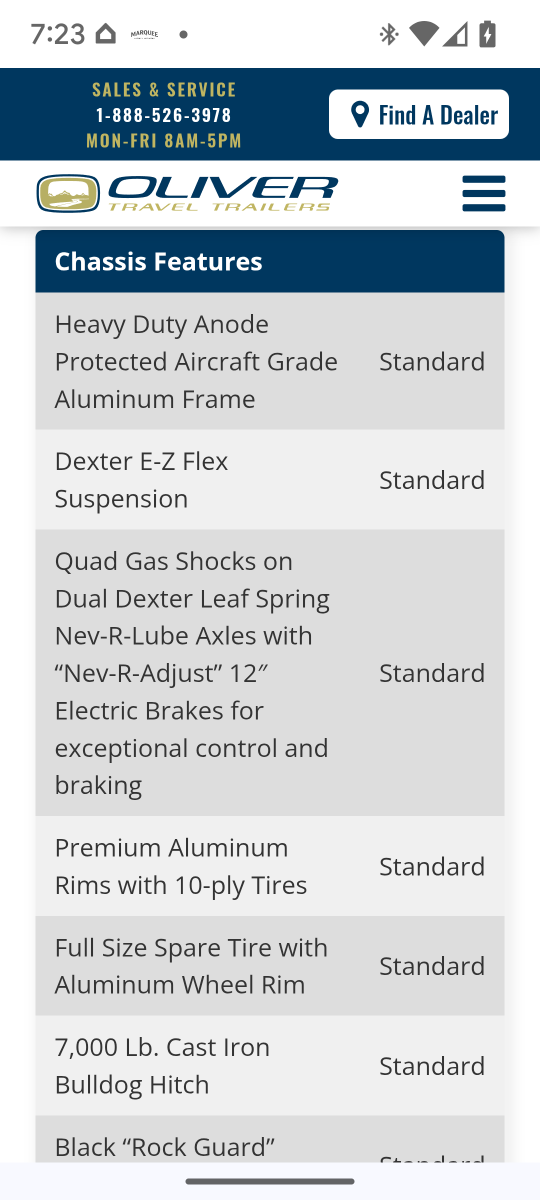
I have shared with you numerous times that 2022 LE2 's have: 1. 5200 lb. Axles 2. Nev-R-Lube axles/Hubs 3. Nev-Adjust brakes This was confirmed by Oliver. Your Hull # is 200+ after ours. Since I'm responding to this again, why are you replacing springs? The problems were with old Oliver's with the 3500 axles. You have the beefer axles and shouldn't need to replace them at this time. Unless you are planning to drive to Alaska, or drive wash board roads, and/or chemically treated roads, you shouldn't need to replace them.1 point
-
According to Oliver all 2022 LE2 's received 5200 lb. axles, with Nev-R-Lube axles/hubs, Nev-Adjust brakes. His trailer is 200+ Hull #'s after ours😊1 point
-
The axle label includes "nev-r-adjust"......does that mean this axle does not include "nev-r-lube"? Confusing. Does the 2022 have both
1 point
-
I know that Oliver terminated it's agreements with all the dealers in the southeast. I believe there was at least one dealership who had not paid for the trailers that were sitting on their sales lot. I'm sure there were other reasons as well, but it was just easier for them to handle all the sales for southeastern customers through Hohenwald.1 point
-
Sparse cell coverage was my primary reason for buying Starlink last year. I wanted to be able to contact someone if I needed help, and I found a lot of areas without any cell coverage, even within 5 miles of nice sized towns in Utah. It was great for security, but expensive considering I don't watch television or stream videos or anything; I used it for checking email, making phone calls and communications via Winlink (digital ham radio software). At the time, the 'standard' size was the only option. I developed my own method of 'stowing' the unit when under way -- securing the router and loosely coiled cables in a med sized plastic case with a lid, and tucking the dishy under the comforter on my bed. Never had an issue with it moving around under towing. I never left it outdoors if I wasn't there. I used the 'cord out the window' method to deploy it, choosing the best window location for access to open northern skyline. Once you use it a few times, you will know what clearances you need from trees and other potential blockage that could interrupt your signal (and it doesn't like any blockage in the signal). Since I want it for security, I never paused (you pause for a month at a time). I'm looking forward to the better price point of the mini for my camping, and probably leaving the standard with my brother -- he can use it for internet if systems are taken out by a hurricane or other issues. EDIT: Here is the link to the Starlink Resellers -- a lot more than I expected. https://www.starlink.com/support/article/9b7746f8-e2ee-0fd4-7ffb-3bbe0ab35cbc1 point
-
After reading all of the positive comments about using the SL Mini, Bosker insisted we up our game. We now have one, with a waterproof case, the Anker Prime Power Bank, an extra 50' power cord for the mini for when the Bison chomps the old one, and a USBC to DC5521 adapter cord. Bosker and I are ready to rock-n-roll, with continual connectivity this summer, on our trip from Texas to Yellowknife, NWT, Canada!! (according to SL, Yellowknife has connectivity all way up there at 62.4N) Thanks, everyone, for blazing this trail and informing the Ollie family about this great accessory.1 point
-
You have chosen wisely to go with the Weigh Safe Hitch sans dial. I went through three of these (with the dial) and they all failed. I finally bought a Curt 45902 for our Silverado HD trucks. I moved the Weigh Safe Hitch to Tali's Canyon Diesel. All of our other trailers are pulled with that truck anyway and I don't have to swap from the Oliver's 2-5/16" ball to the 2" ball for the smaller trailers. In my opinion, the use of a Weigh Safe Hitch with the dial in towing an Oliver is a WOT after the first use. Unless you are constantly loading the Oliver in different configurations, it's going to register approximately the same weight every time.1 point
-
The bathroom sink, black tank and grey tank all share the same vent pipe, part of which is actually used as the drain pipe for the sink and shower drain. Your odor could be due to grey tank fumes coming up thru the shower or sink drains if the back flow preventer slide valve is open. Also check the tightness of the steel bands on the fernco connectors in that area.1 point
-
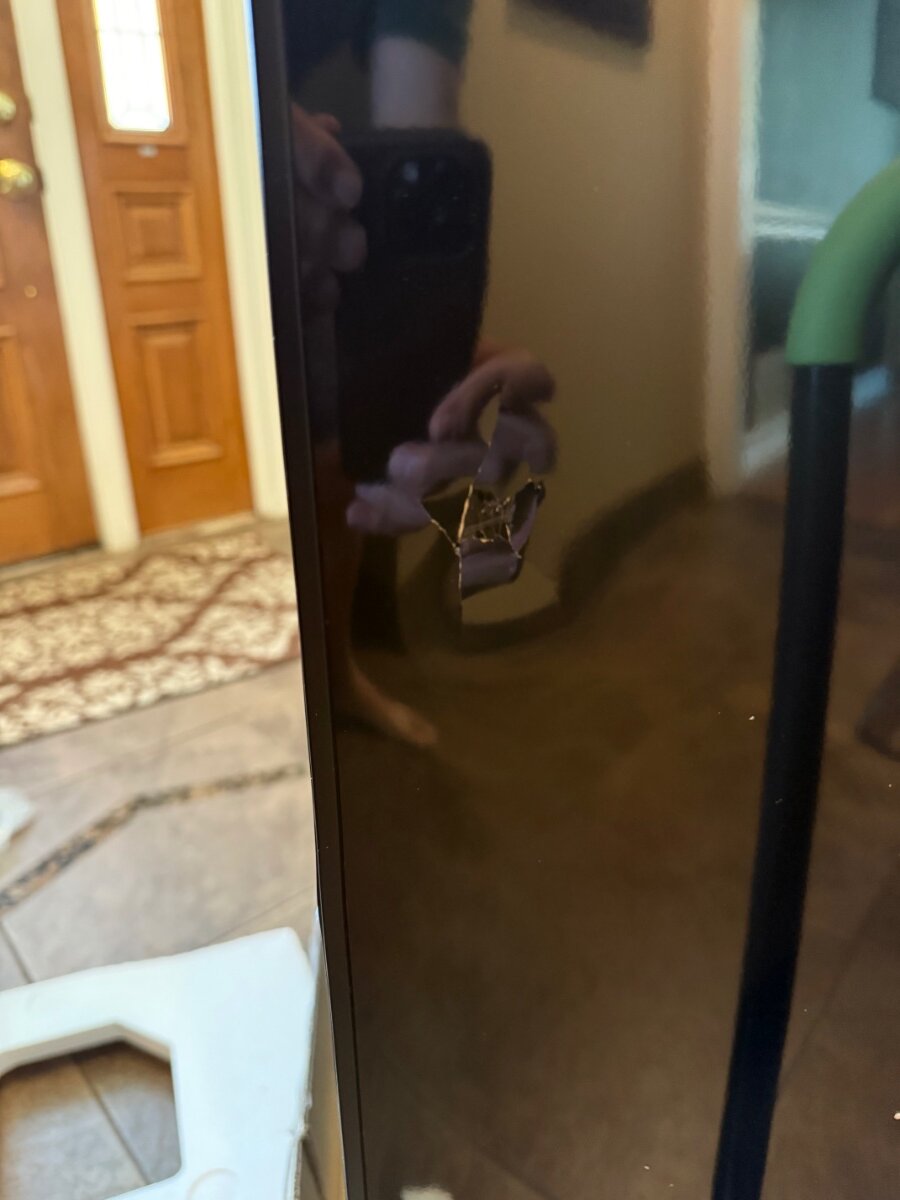
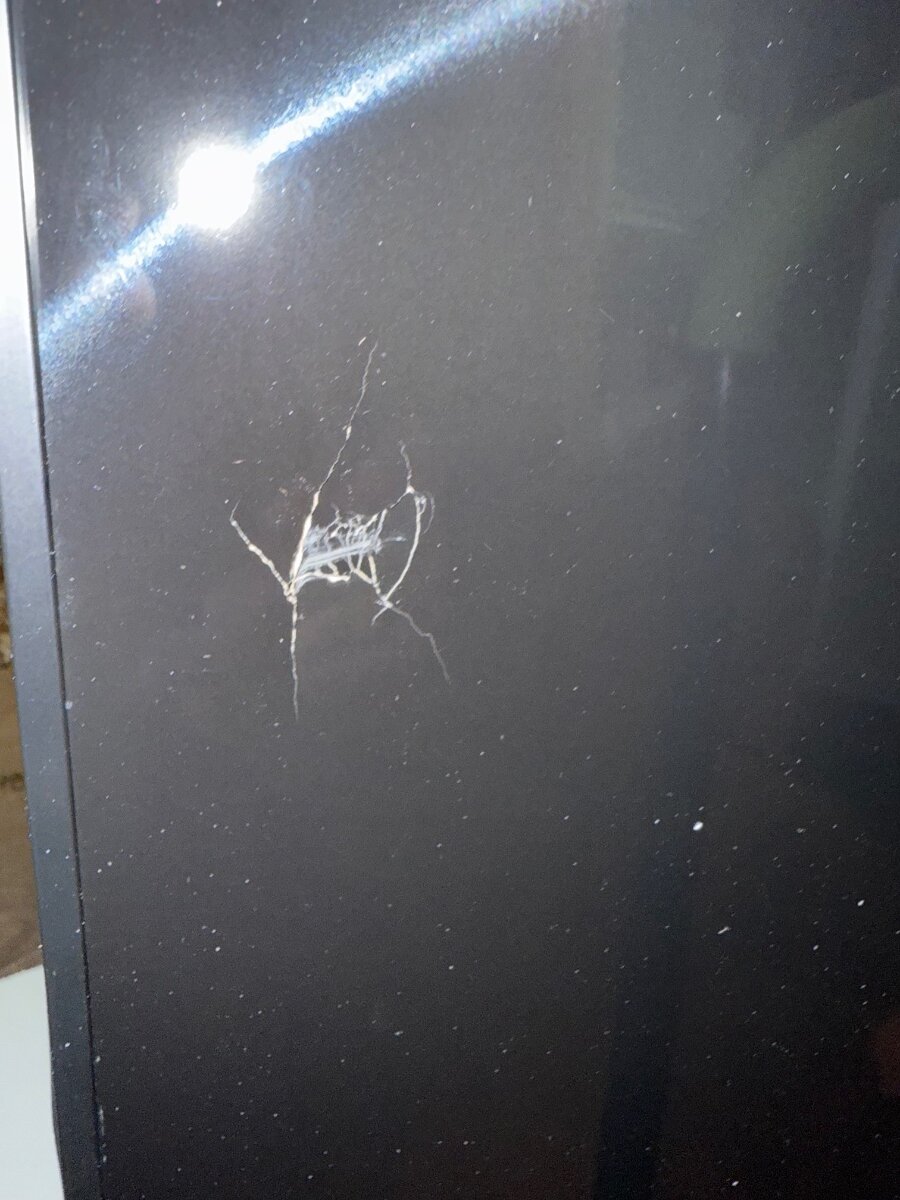
Not going to be one of those people who never closes out the thread… My adult supervision found out that the Dometic was not going to be available any time soon. (She really wants a working fridge.) She also had concerns about a situation where I was going to be in proximity to Hull 1364 wielding a jigsaw or an oscillating tool. (And I don’t even have an oscillating tool, so now I’ve lost my (current) excuse to get one.) So - after all my pledging to never own another Isotherm, I am now the proud owner of a new isotherm with a damaged in shipping door. At least they are going to replace that. Hopefully the information in this thread will be helpful to others. Watch for a new thread asking the smarter than me people on this forum questions about how to make my new Isotherm (which because of supply chain issues is 12v only) operate on shore power. 🙂
0 points











-
Recent Achievements
-