Leaderboard




Popular Content
Showing content with the highest reputation on 01/07/2026 in all areas
-
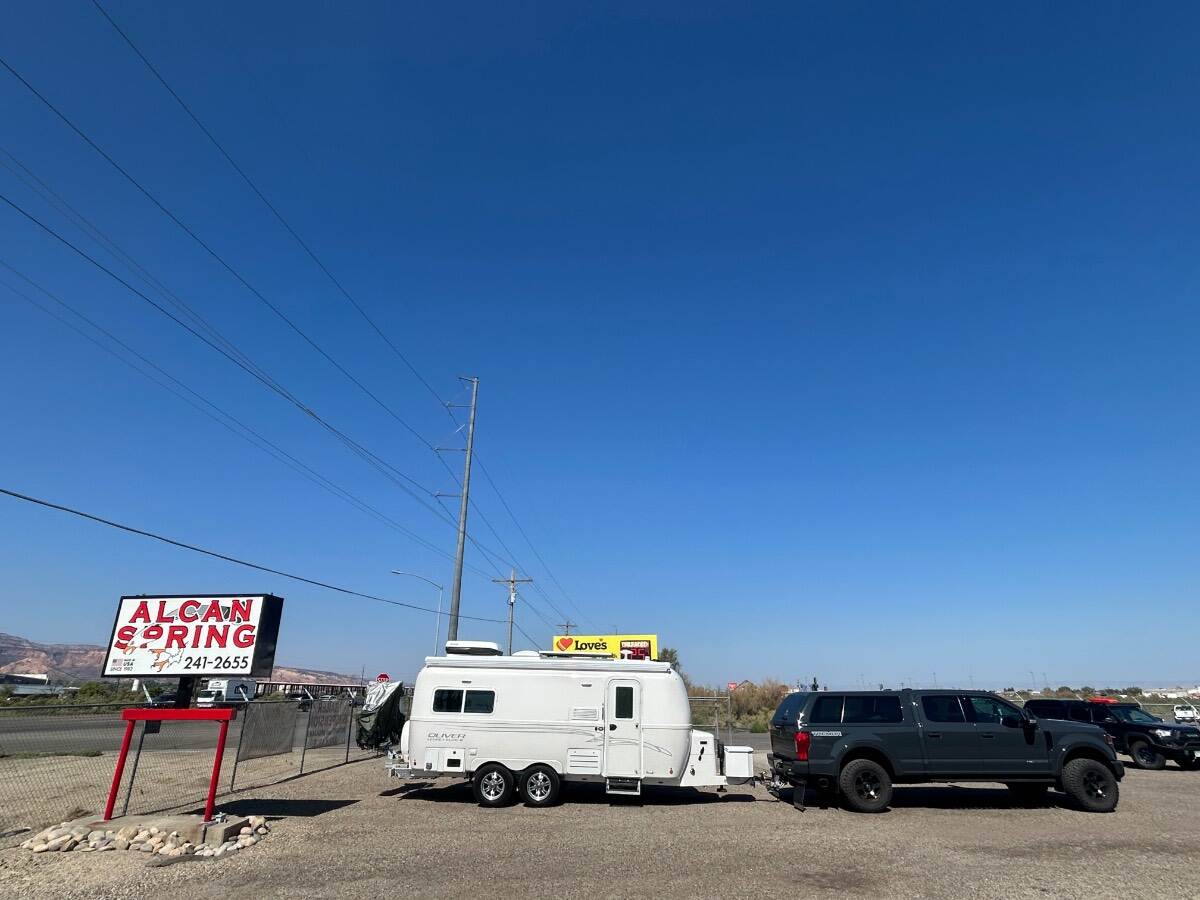
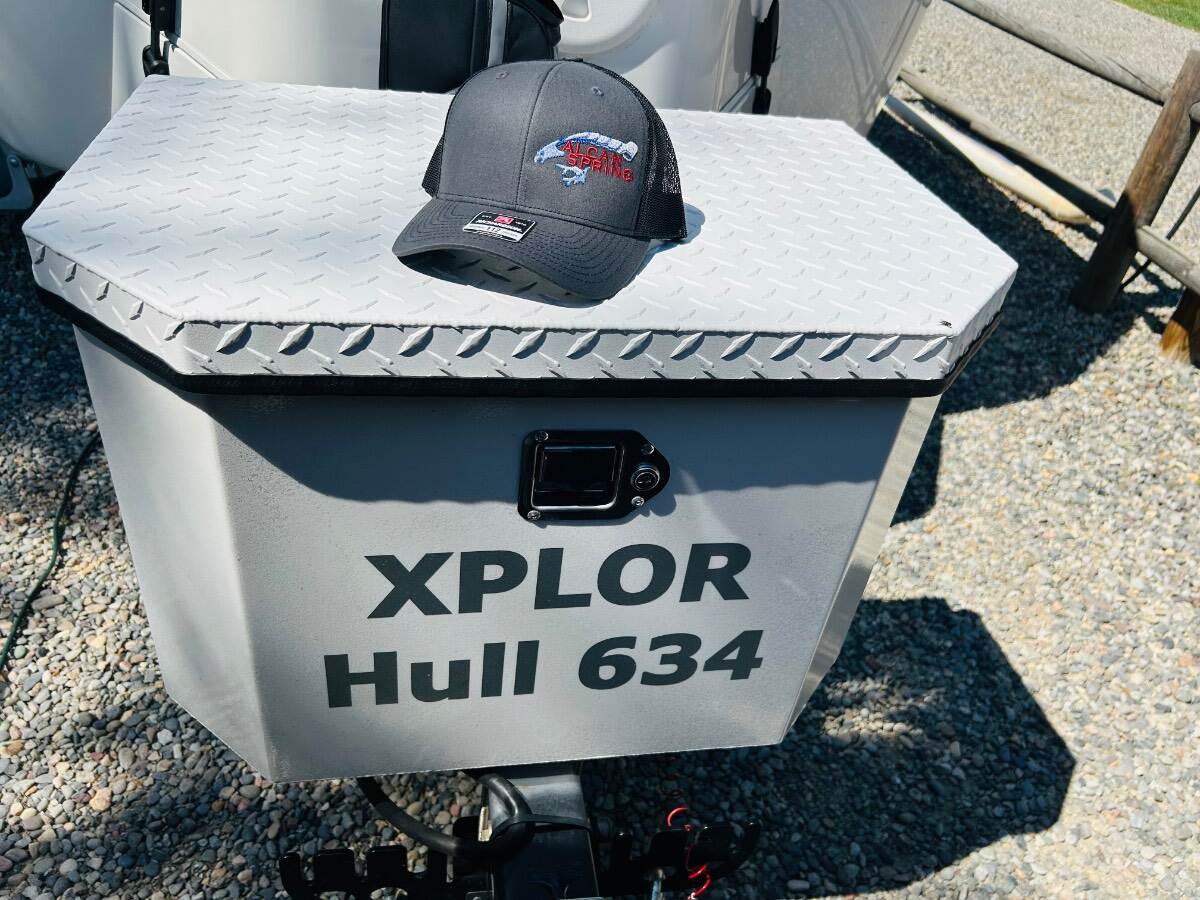
Alcan Spring visit and 5 leaf pack install went smooth and quick. I don’t recall the exact labor charge but it was reasonable. The install only took Lew’s team 2.5 hrs and was worth every penny, I never broke a sweat. 😄 A first class install. Still have my Alcan hat!
 4 points
 -
I can pump 35 gallons of diesel and go pee inside the trailer while Tali walks the dog, goes inside the station for a snack and uses the bathroom and be back up to speed on the interstate in under 15 minutes. I’m then good for at least another 400 miles or until one of the three onboard bladders gets full again. I have no idea how long this would take with an EV and no desire to find out.4 points
-
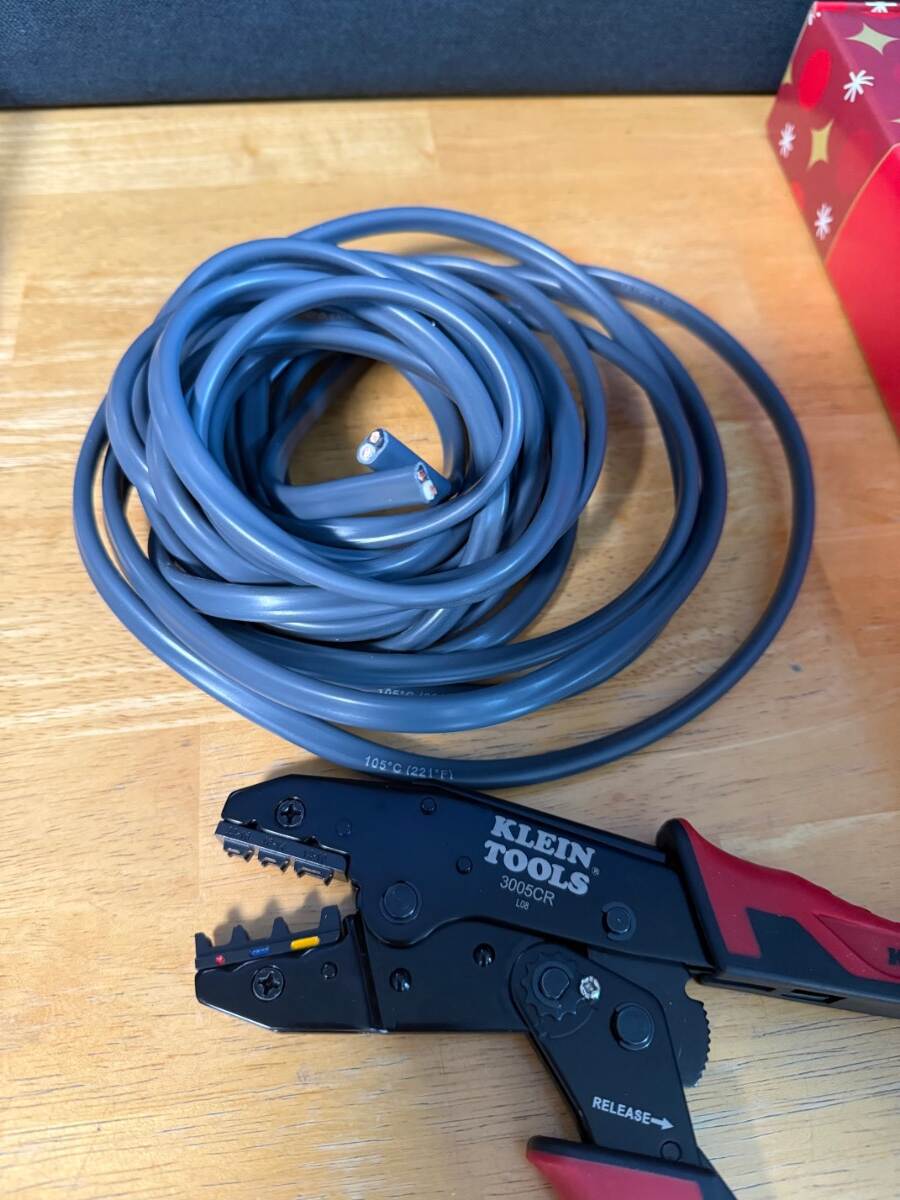
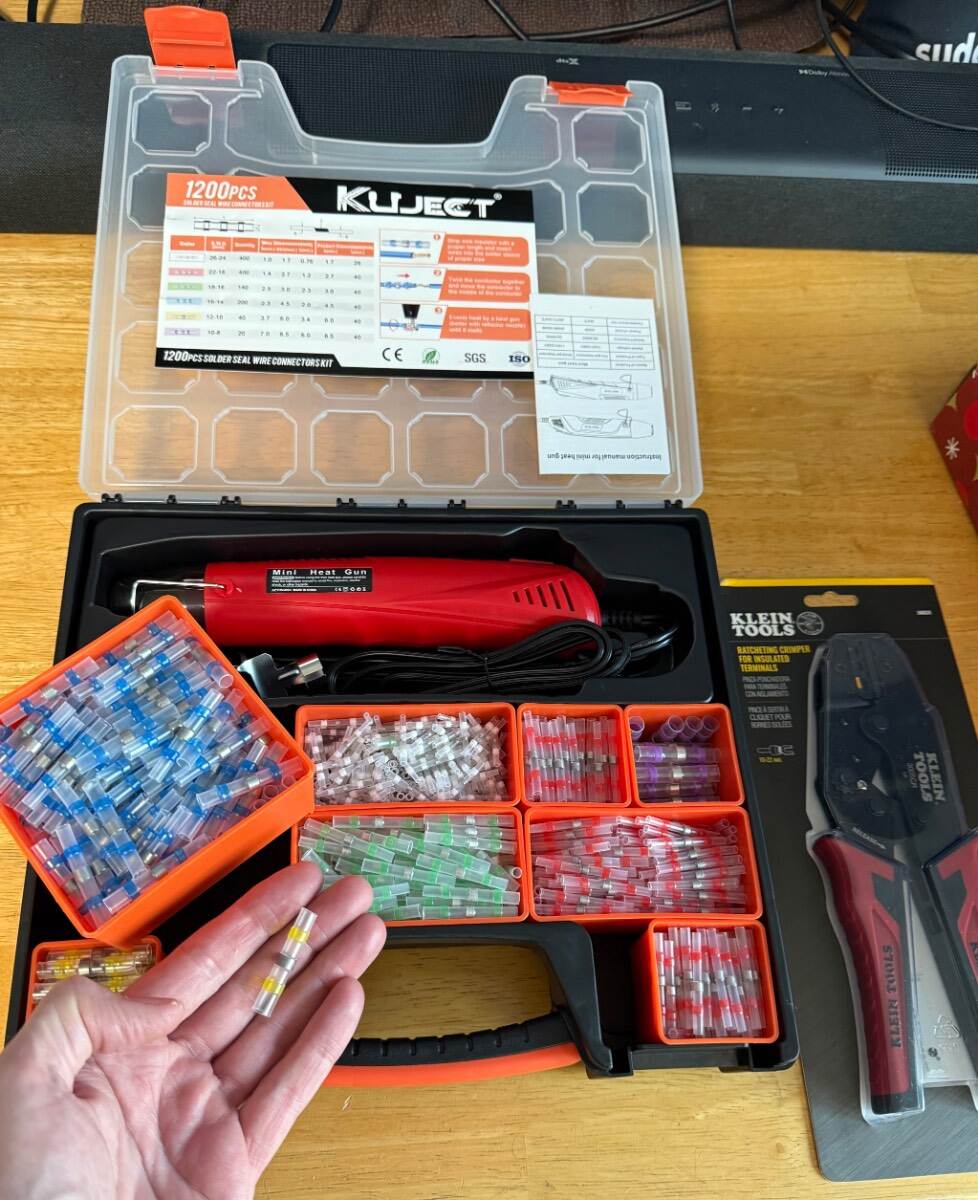
Darn it. As others have had before, finding the intermittent voltage issue with trailer brakes and newer trucks can be frustrating. I still have a bit of an issue. So, the only thing I have not checked or changed are the brake assemblies and the brake wires inside the axle tubes. I’m pulling them out this week before my Egg rally in live oak, FL. I just received my new 12 AWG wire from eTrailer and new higher end crimpers, for non-solder connectors. Adding to my tool supply. Also got some new toys. Solder seal wire connectors, just a few, (1100 count). With a mini heat gun with deflector. I will find the voltage issue. I did check, clean, and improve any and all grounds in the trailer this weekend. The test drive didn’t reveal any brake voltage issues, but I’m removing the axle wires anyways.
3 points
-
Then fill your freshwater tank with clean water and either pump it into the gray tank and then dump or just drain it out onto the ground. That will wash out what small amount of AF that ended up in the fresh water tank. If you want to kill two birds with one stone, add some bleach to the first flush, let it sit for a few hours and then empty the fresh tank. That will sanitize it as well. I’d then flush it again.3 points
-
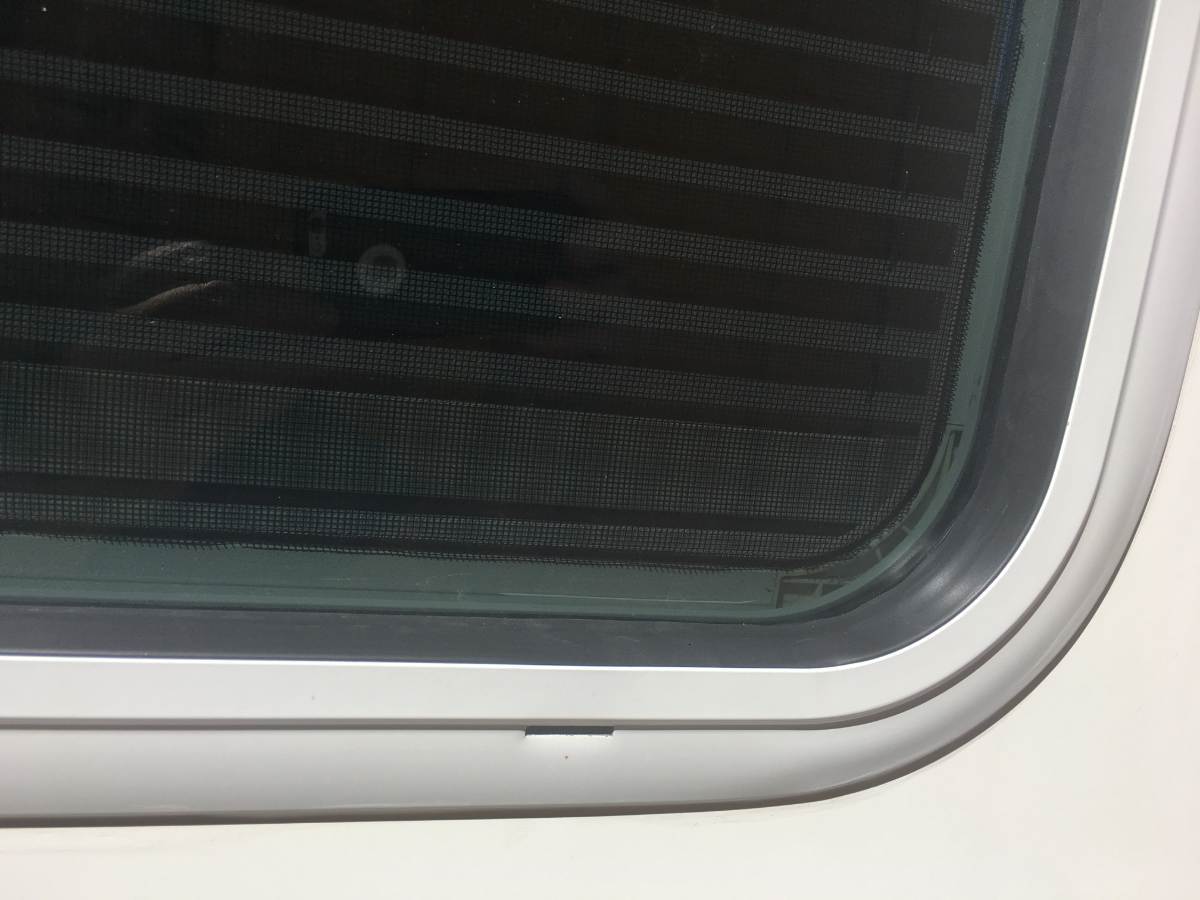
The consensus is go BLACK! IT does not show stains and the window is black anyway.
2 points
-
Sam - WELCOME! It appears that you have already done a bunch more than many owners in researching, thinking, weighing, etc. and adjusting your hitch setup. As with a number of things regarding towing and RV there tend to be a number of different opinions and/or approaches to the subject. And, virtually no matter how you setup the rig, many of the factors that went into the setup depend on what the "current situation" just might be. But, as a starting point, leveling the tow vehicle and the trailer (as close as possible) is a good thing. Then as you load, unload, have different levels of fluid in your tanks, different amounts of food and drink, different amounts of cloths and related items, different selections of tools, etc. both the amount of weight and the distribution of that weight is likely to change. Also, the type of terrain that you will tow over will likely change - possibly even during one trip. Within reason, your initial setup would appear to cover the vast majority of circumstances. But, be prepared to make adjustments if you encounter off-road situations, very uneven and/or rough roads , or your weights in either the tow vehicle or the trailer change (i.e. you carry another couple of passengers with you, buy that really sweet big (and heavy) grill/fire pit, etc. Yes, I believe that the work you have put into your setup does matter and will make your towing experience safer and more pleasant. But, if you encounter the rough terrain I mention above and feel uncertain about it then it don't hesitate to temporarily loosen those Andersen chains in order to take some of the strain off the frame (but, if you do this, be sure to put them back to your "normal" setup after you have resumed your "normal" towing). Bill2 points
-
As @topgun2 and @John Dorrer mentioned the compressed air and regular cleaning has always worked well for me. I also apply a little coating of spray silicone or WD40 on a rag and wipe down the exterior black rubber seal before reinstalling. This helps to keep it supple and clean looking.2 points
-
I pull mine up everytime I clean the window tracks. I can only pull up what isn’t underneath the window when open and they go back down pretty easy.2 points
-
We're new Oliver owners, 2025 E2 Hull #1590. We purchased MeriWether in Florida before Christmas and towed it home to Texas, about a 1,200 mile run. TV is a 2025 F-150 PowerBoost with the 5' bed, 4WD and tow package. I've read so many helpful, and sometimes confusing posts on this forum, but I want to reach out for some additional information and yes opinions. I installed an Andersen WDH before the journey, in the configuration I thought was correct. I did use CAT scales for independent weights/distributions as well as with/without the WDH connected. Weights were well within all published weight limits for trailer, TV, TV receiver, etc. My initial observations during the trip were, TV almost level, bow high on the trailer and the rear axle tires ran 5° F warmer than the front axle tires after a couple of hours on the road. The overall towing performance for this trip was acceptable, but I wanted to fine tune the hitch setup.....level the trailer while being towed, optimize the steer axle weight transfer with the WDH, and allow the tailgate to fully open without hitting the top of the Bulldog hitch. Based on the premise the trailer undercarriage should be reasonably level for even loads to the springs, bearings and tires, I began my journey of what does "level" mean to an Oliver E2 and where do you measure it? First stop, the Mothership, tech support indicated - if the bubble on the front jack is level, the Oliver is level (I did try to understand what datums that was tied to, but was unsuccessful). I found a level portion of my driveway, centered the front jack bubble, fore and aft (which I know is adjustable) and measured using various levels, the interior floor, steel undercarriage, exterior seam of the top and bottom halves of the shell, aluminum tongue and frame. All were reasonably consistent and "level". I also measured the distance from the front and back sections of the frame to the driveway and the measurements were within 1/16"....frame parallel to the ground. With a 8' framing level beside the tires, the driveway also indicated level. The Bulldog coupler dimension, where the top of the ball seats, is 19-1/2". I understand as the trailer gets loaded and the TV gets loaded that dimension will change but the other "level datum" locations should help me adjust the WDH, air bags (don't have any yet), as well as redistributing any loads in the TV or trailer to achieve a level trailer towing condition. I have made several adjustments to the hitch height and preload of the weight distribution hitch urethane 2" puck (translated to threads exposed). An interesting point in discussing setup parameters with the Andersen techs, they indicated the towing dimension of the puck should be compressed by 1/8" to 1/4" from the relaxed its state. So here's my question to other owners, does a level trailer (in the towed condition) this really matter?1 point
-
Yes it does! And it is good you are taking the time to figure it all out. Traditional towing wisdom is that it is always best to have your trailer "level" (parallel to the ground) while towing. One can err a little having the front slightly low, but front higher than level is to be avoided for stability reasons. If you have a long flat surface to hitch up your TV and trailer, "level" just means that they are in plane with each other and the ground. You can measure the Oliver seam joint fore and aft to the ground (as you did) to see if they are equal (or check by measuring the frame to ground). Then check your TV to be sure it's not squatting in the rear. It should be sitting parallel to the ground as well. Trailer adjustments are made at the hitch, TV adjustments can be made by adding airbags or adjusting your WDH. Best to start getting your TV level. Just standing back and looking at the TV/trailer hooked up will tell you a lot. Just a caution that adding airbags to your TV does not increase your rated payload capacity! Make your trailer and TV so they are on parallel planes, that is the goal, with a slight nose down being acceptable if that is all you can tune into the system. It is never perfect, but getting it as close as you can goes a long ways to increasing your safety, and others around you on the road. Check out the Robert Pepper video. He has many videos on rigging and trailer setups that are extremely valuable. https://www.youtube.com/watch?v=JeEEC5eVNCk Good luck, Dave1 point
-
I use an air compressor similar to the method JD posted. I’ve never used antifreeze. We do get below freezing a few times each winter and have had several days in single digits since we’ve been Oliver owners. When a serious freeze is forecasted I bring the trailer home and use a couple of electric heaters inside with the inner hulls open. No problems to date. I’d be a little more vigilant if we were in colder areas. We’ve been in the upper 70s since Christmas, but will probably get one or two freezes before spring.1 point
-
We still have the original black molding that was installed on our trailer when new. After long trips when I am cleaning the window tracks I pull those rubber moldings out and put them in a bucket of soapy water. After I’ve cleaned the tracks and the screens I clean the rubber moldings with a sponge and dry them well. I apply some 303 protectant before I put them back in. They show very little wear after 10 years. No mold or discoloration. I think black looks much better than the white, not sure why Oliver switched.1 point
-
I think Oliver recommends the distance from ground to top of ball at the Bulldog coupler to be 23.5”.1 point
-
John & Debbie - Below is a pic of the black window molding. Please disregard the black "louver" in the pic since it was/is a mod done by another owner and is not available for sale (that I know of). Note that one pic is from the outside while the other is from inside the trailer. Bill
1 point
-
I blow ALL the lines, but many here are concerned with this practice since it is not OTT recommend (they used to and then legal got in the way of practicality)! To me it takes me 10 min (half the time) when we get home from a trip and not draining or fussing to get ready again. I use compressed air in my garage every day, so it's right there and ready. To clear the Fresh Tank inlet is a straight run from hull to tank, so there should not be (false) concerns of damage to the water pump or anything else. See this procedure which I wrote up a couple years ago. BTW, step #13 was suggested and I added it but I don't believe it's necessary and have never done this step. I've never used RV antifreeze in three RVs we're owned.1 point
-
https://www.pellandent.com/Half-Inch-Glass-Vinyl-Seal1 point
-
Good idea. That does look better than the Nev-R Lube caps. Time to go shopping….1 point
-
Yep, you got options! Love it. GJ1 point
-
Mike, we did the same thing with just the five leaf spring upgrade. We had breakfast, but walked around town. Lots of street art. Lew's team is great. John1 point
-
I had ALCAN upgrade my axles a few months after I had their springs installed. I dropped off around 8:00 and they were done at 10:00. Enough time for breakfast and a stroll around Bass Pro Shop! Mike1 point
-
Yes, Site 72, unless they change it again. LOL1 point
-
Thanks for providing your view on towing with an EV. I have three questions: (1) what, if any, hardware is needed to "fill up" (recharge) your F150 EV from a 50A RV pedestal; (2) how long does it take and (3) how long does a "fill up" (recharge) take from a dedicated EV charging station?1 point
-
The shocks are bulldog shocks. Bulldog HD Shock Absorber Replaces 555001 For Trailer Leaf Spring Retro Kit They were ordered on-line for around $145 from 4 state trucks. 19-050000007: Bulldog HD Shock Absorber Replaces 555001 For Trailer Leaf Spring Retro Kit1 point
-
Yes - I'd try all of the other possible solutions before going down this road. But, it you have mold under there you might try spraying a bit of diluted bleach in order to kill it. Bill1 point
-
Small cans of compressed air can be used for multiple purposes in and around the Oliver. I always have a can with me like THIS. Bill1 point
-
Raise or lower the front end so that the track flows down hill to a weep. 18" Heavy Duty Pipe Cleaners A hose end valve to control water flow to a small fan shaped nozzel to push against the weep to sort of force water into the track and flow water downhill in a controlled manner. Beyond cleaning annually, and checking for junk in the tracks, having window gutters was a HUGE improvement on the older trailers. gj1 point
-
Have you tried THESE things? To get things really clean I still have to use a "Q Tip" for deep in the corners and where the two windows meet. But a light spray of Simple Green or 409 or .... and a couple of swipes of one of these really does get things clean. Bill1 point
-
The key is keeping it clean when camping We us our small vacuum or compressed air. We inspect before closing a window so we don't grind up debris. We call it daily preventative maintenance, and it pays off as our tracks have never had an issue.1 point
-
Are you absolutely sure that your rig didn't come with a charger?1 point
-
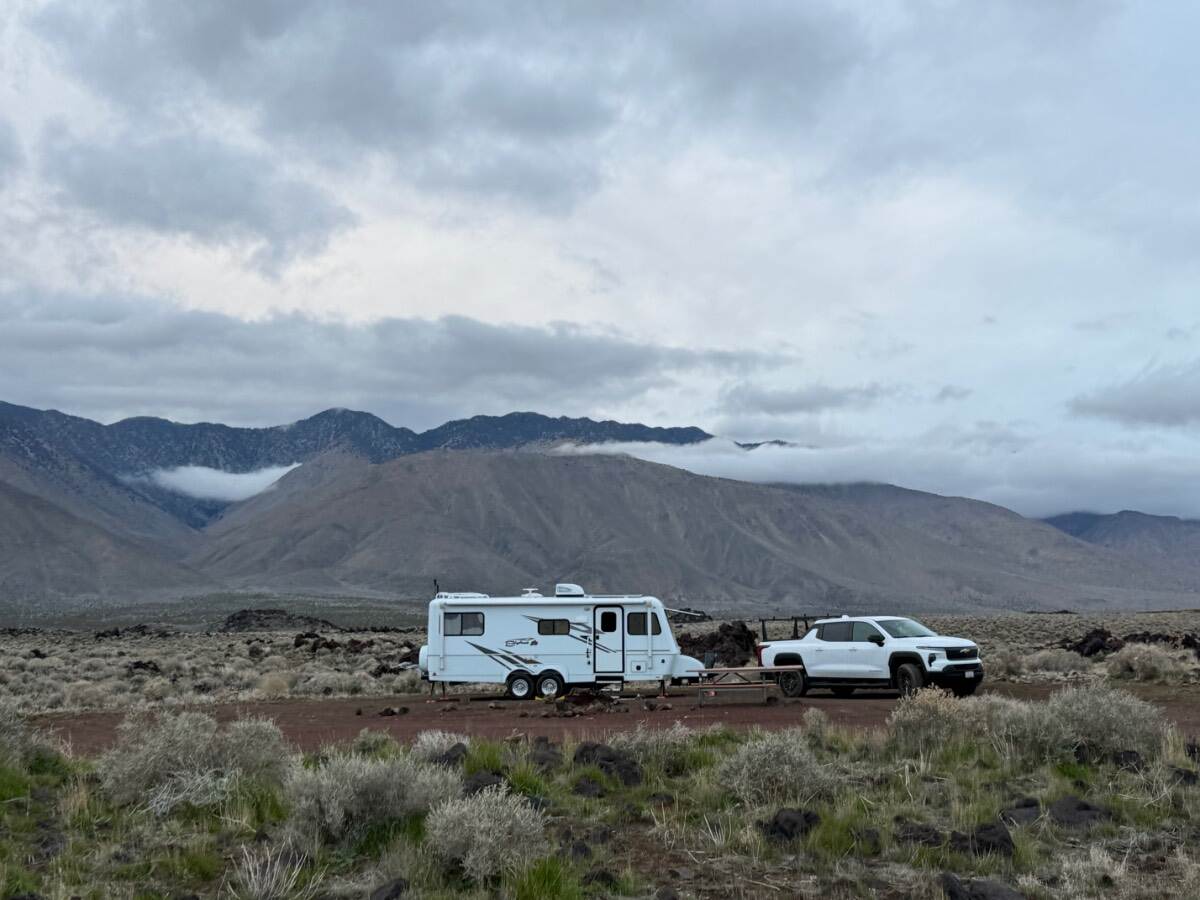
I saw this combo going north on 5 yesterday! Searching google for it led me here. We have a Silverado EV with 450 miles of EV range / 225 miles towing our 7500lb Bigfoot 25’. We’re currently on BLM land near Death Valley. Coming from Ram 1500 Hemi you’d be surprised, the range differences to gas aren’t that big. In a pinch you can even “fill up” via a 50A RV park, sometimes for free! And the torque / braking power are unreal! We fly up hills and down them again, barely touching the brakes. You gotta try it to understand.
1 point





.jpg.7b63b3730455cad12a49e3188c772c3f.jpg)
.jpg.e396c96b5483550d2ab92916d8a1c049.jpg)






-
Recent Achievements
-