Leaderboard




Popular Content
Showing content with the highest reputation on 05/11/2019 in all areas
-
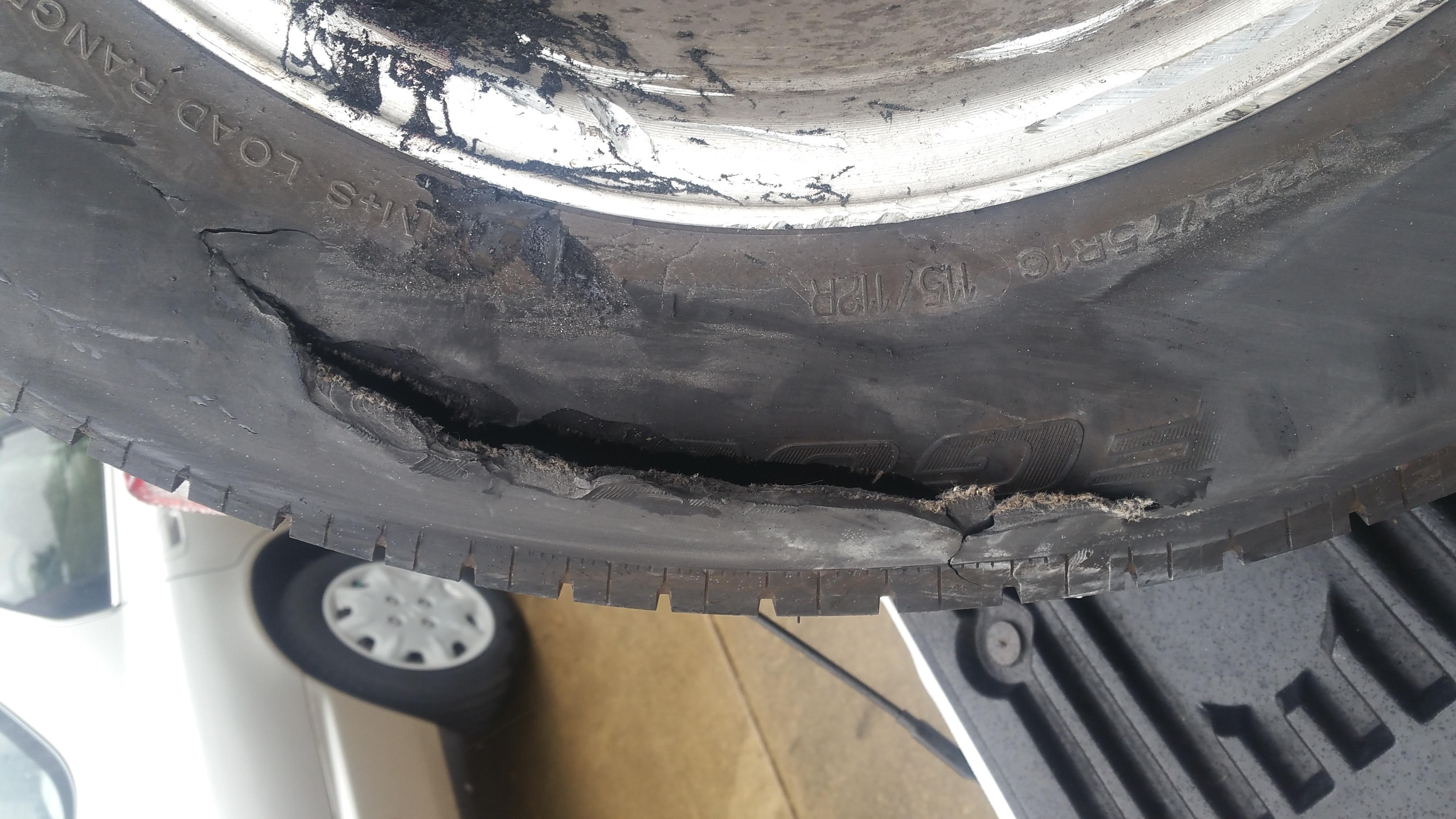
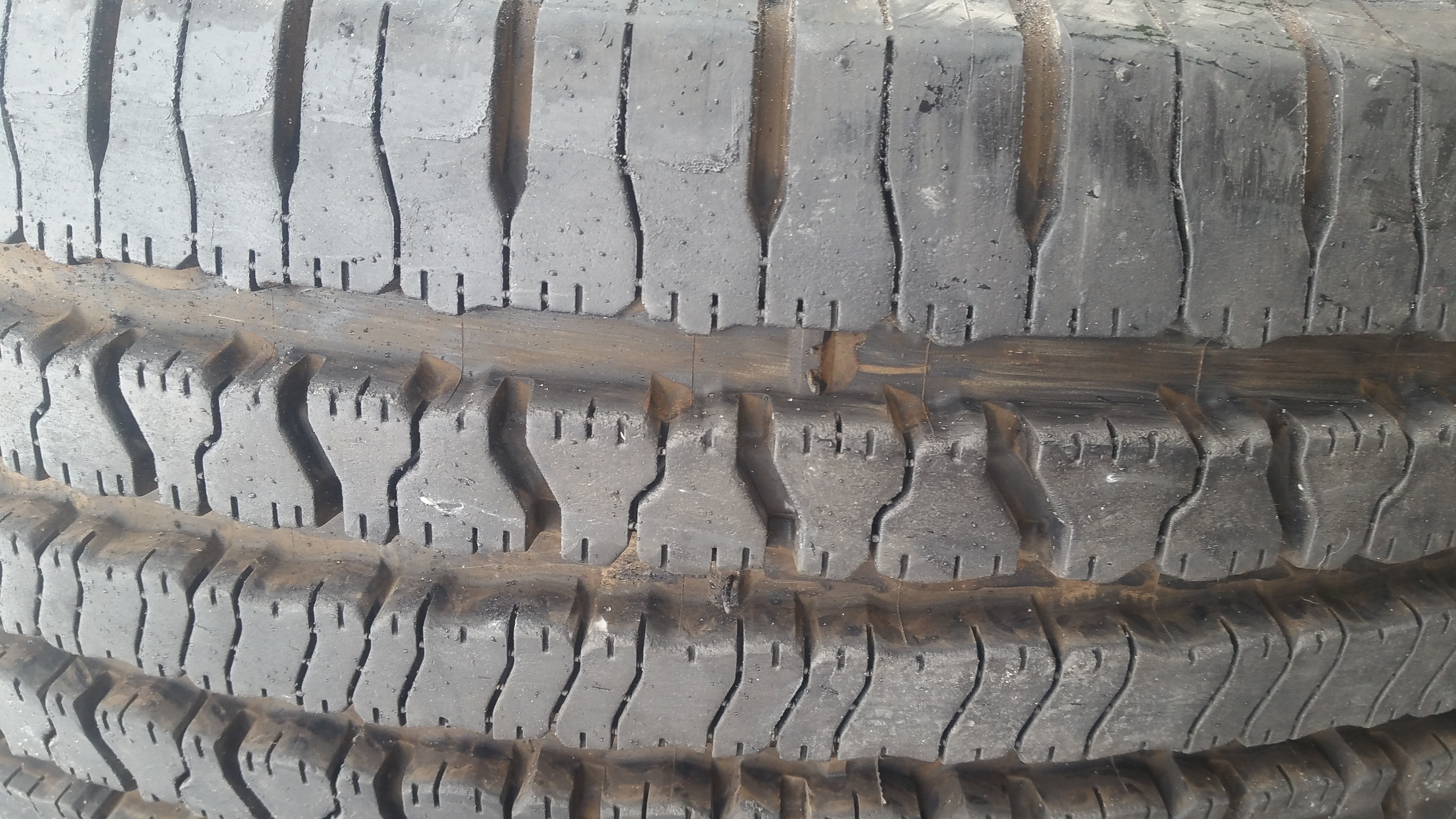
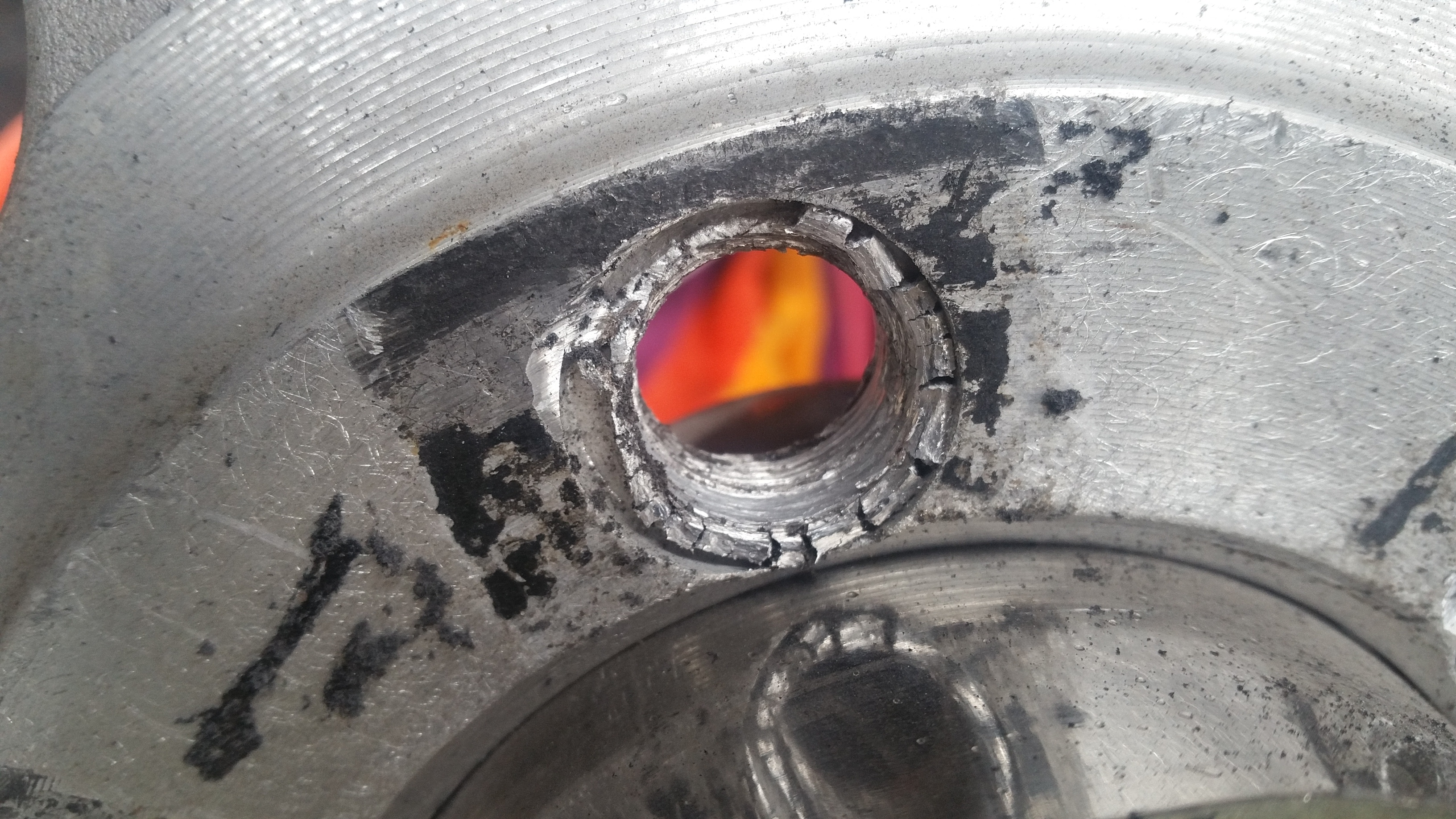
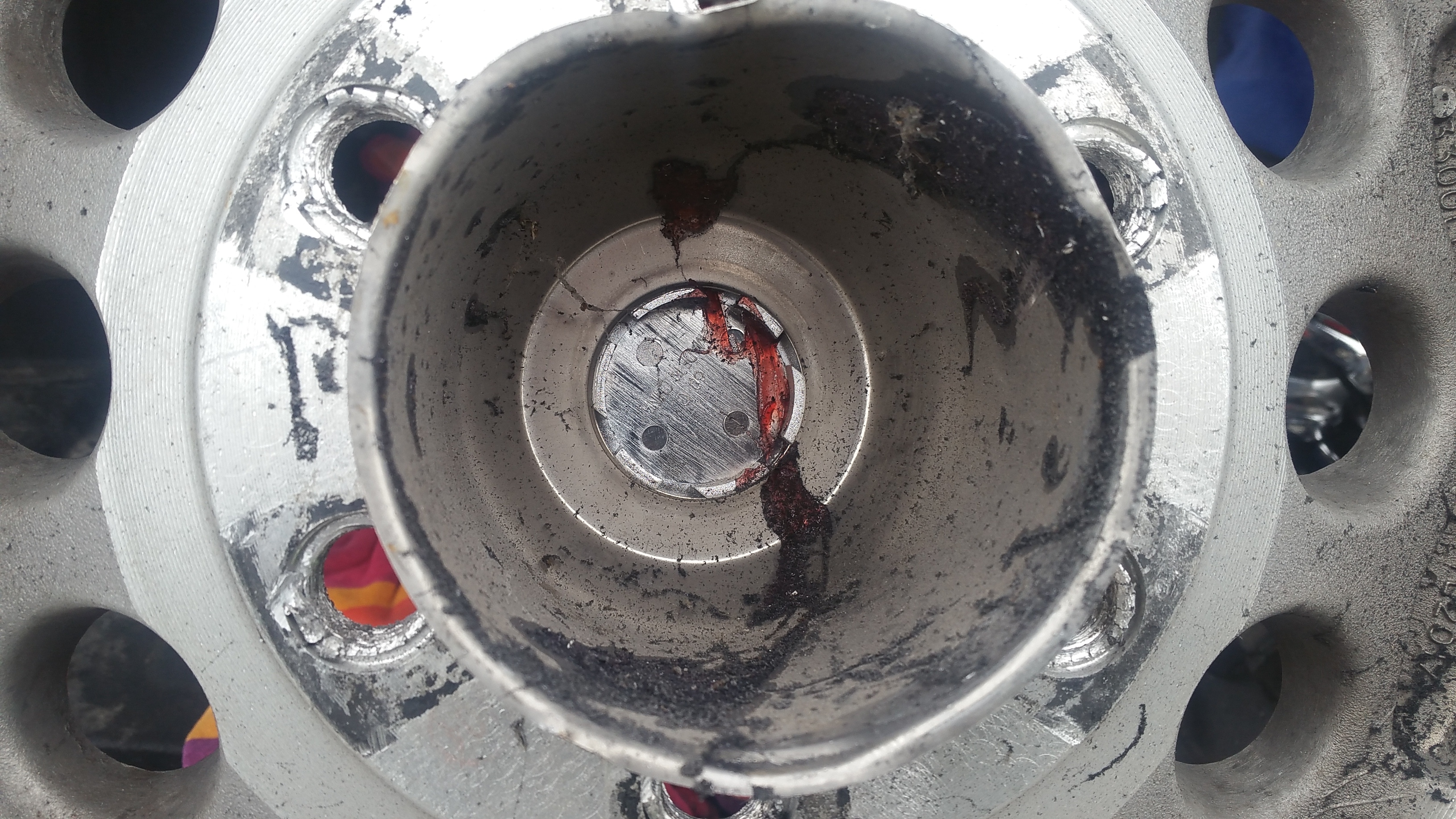
Well, I hit a pot hole on the interstate..didn't think it was a big deal. BTW, i was on the way back from Hohenwald, getting some great service from OTT and Jason and Richie. Still, guess what? i had TWO, that's right TWO driver side tires fly off my OTT. I recovered one of them, but i had to go to the right shoulder (I-55 between Jackson, MO and Cape Girardeau, MO) on the HUBS, on two HUBS. I got it there, and there was nobody was hurt, although an older couple claimed to have hit one of the tires. Wheels: Because of the traffic, I couldn't take pictures of the wheels. But, I looked at them w/ the towing guy who also builds trailers. the front lugbolts were sheared off even with the hub, while the other tire came off w/ the lug nuts, the lug bolts were fine...very odd. Yeah, well, i had to get it towed. GEICO, btw, sucked. Gave me no real information, just took my information. I'll be shopping. I recovered one wheel. I'll post a picture...that aluminum gave way like nothing. I have no idea which wheel that was, front or back. Very frustrated, just had it serviced, then this happens. It was towed to a local yard of good repute, have to wait until Monday to see the next step. Wheel and Tire suggestions welcome. thanks. Very Worn Out Vector.4 points
-
Vector, really sorry to hear about your ordeal, just going by your description, it sounds like you may have lost one wheel prior to the other one failing. The studs on the hub, can and do fail from over or under torque, on a tandem wheel it’s usually under torque. If the wheel itself didn’t physically fail, my guess would be that one wheel ( the one with the sheared off studs) was overtightened and the studs sheared off, the other one was under tightened and the lug nuts came off. You can go a long way without realizing that one wheel came off, the axle side without the wheel drops down but doesn’t hit the ground and you can actually drive it like that if you chain it back up to it’s original position. I would for sure get Oliver involved, our suspension parts are pretty robust and don’t usually fail for no reason. Good luck, Steve3 points
-
The wear on mine, after about 18,000 miles, is even across the tire. About a third of that mileage was done with Oliver pressures (over 70), a third at 50, then the last third at 45. There was no point during that time that I noticed uneven wear. I do have some wear that I suspect was caused by locking brakes, as that’s been an issue for us. It looks like the sort of wear you’d see on a tire that’s been abused by doing burnouts. Obviously that’s not the problem but I figure locking the brakes would produce similar damage. Could be from scrub but I suspect it’s the braking. And it seems like that wear isn’t getting worse after I first noticed, so perhaps it happened all in the first stint with the highest pressures, when the brake locking was the worst. We just did another 3 week trip at 45 psi and no issues to report. Trailer was stable and tires stayed cool to the touch. We did a good bit of gravel road on this one - Chaco, Valley of the Gods, Moab, etc., and some bad paved roads as well. We bounced her around a good bit and happy to report zero damage. Ran across another poor couple on the east road to Chaco who’d completely destroyed a tire on their car. The rangers told me that road eats a few tires a week, but we cruised through with no problem. I’m not big on lowering tire pressures for offroad except for sand, so we just kept them as they were. Raspy got me thinking about running a lower pressure, so I’m going to experiment with 40 psi on the short trip down to the rally, just to see. I’m not willing to go to 35 unless I read some clarification from Michelin about their chart. The way I read it, 3000 lbs is the maximum weight allowed at 35 psi and I’m at 2750+, which is too close for me. But as I mentioned, we’ve had issues with locking brakes and each time I’ve lowered the tire pressure it’s helped, so why not at least try 40.3 points
-
Tom, Here are the weights for our 2015 LE2 measured under each wheel individually and under the tongue. Five separate measurements with a certified scale, by Frederick at Bullards Beach, Oregon, last year. I am surprised that the rear axle is carrying more weight since it's an equalizer suspension system. I'm puzzled that the right rear is 325 lbs heavier than the right front. Also interesting is the galley side is heavier than the battery side. We were set up and camping on a level surface with some gear not in the trailer (approx. 200 lbs) and the tanks about 1/2 full. We have the (4) flooded cell Trojan T-105 bats, and two 30 lb propane tanks, about 1/2 full. Six gallon water heater also full. No solar on the roof. Left Front 1,155 Total left side 2,385 Right Front 1,160 Total right side 2,645 Left Rear 1,230 Difference right to left 260 heavier on the galley side Right Rear 1,485 Tongue weight with all gear aboard approx 10% average. Tongue 570 Total 5,6003 points
-
Wow, Vector! Glad you are OK after your pothole experience. Like STEVEnBETTY says, one may have departed first and the second couldn't manage the additional stresses. I watched a friend with a large tandem axle stickbuilt unit hit the mother-of-all-potholes in Canada last year. He had no idea a wheel departed until I called him on the radio to inform him. His wheels were steel, part of the hub was completely sheared away. Perhaps a TPMS sudden loss of signal would have alerted him of the departure if I had not been following behind. When an aluminum wheel is mounted onto a trailer, it's recommended the torque gets rechecked soon, usually about 50 miles or so because steel and aluminum components expand and contract differently to heating and cooling. After the wheels and hubs have gone through a couple heat/cool cycles, rechecking torque may help correct a loosened condition, if one occurred. (It will not find an over torque situation) How far from Hohenwald were you? Did you retorque the lug nuts? It's good to hear how docile the trailer was as you smoothly pulled off the road. Keep us updated on how all of your repairs go.2 points
-
I've had two sets of 5200 lb tandem axles on other trailers and they worked flawlessly. Both with the standard drum brakes. It's my favorite axle size. Also, I think Oliver uses a single 5200 lb axle on the Elite. I would upgrade without hesitation if I ever had a problem with the 3500 lb axles. In fact, I was disappointed I didn't get them from the factory. As I understand it, Oliver had a problem in the supply chain with the 3500 lb axles and the warrantee for them, so they temporarily switched to the 5200 lb model. They even advertised the brake upsize improvement in some of their literature. But then they went back to the 3500 lb Dexters. Some lucky folks got their trailers during all of that and got the 5200 axles.2 points
-
Good point about over pressured tires being not able to absorb impacts. Check the pressures in the two other side tires and see what they are, just for reference. We have been talking about tire pressure lately and this may be a good example of why not to run the tires at full pressure. It seems I remember that the tires came to Oliver with 80 PSI and it seems a lot of folks like to run their tires at the max pressure. Not me. It could be that they all leave Oliver with 80 PSI.2 points
-
After riding on the hubs and the stress on the axles and suspension from this whole ordeal I'm not sure I would want to fix what you have except Maybe temporarily and get it back to the factory. I would want the axles replaced at a minimum and have them go over everything else.2 points
-
1, Well, i feel a different pressure in the back, immediately look at my Left Trailer mirrior,..i see the trailer is leaning weirdly left...i assumed a blowout. 2. I use my mirrors and my camera to look for anyone near my rig, I see I have a room to maneuver. i calmly and a low angle bring hit the brakes, but not stomp them and bring it to the right shoulder...i made a an effort to get the right tires on the right edge of the shoulder...there wasn't a lot of extra space. and turns out there was steep 10 foot drop off right off the shoulder that I couldn't see in the dark.. no moon and overcast it was very dark. The frame under the bumper ( i'm hoping just some bolts) might have absorbed the friction...but it was dark w/ semis. The hubs were rolling, ...i don't know if i'll need just new hubs of the axle was affected. I would say big props to the frame and the bull dog hitch..it stayed on very nicely. The bulldog hitch is a great element of the OTT. BTW, another benefit of steel wheels, which are heavier, is that they bring the center of gravity lower, and thus, make the rig more stable..i'm not seeing any reasons to not switch to steel. Addendum: I was cruising the speed limit, getting passed a lot. I'm very safety-oriented driver, but somethings are out of your control. The aluminum wheel is textbook broken, cracked and tore...which frankly, isn't impressive. I'm 95% sure that I will replace them with steel, assuming the frame is not-cracked or compromised. I assume others hit that pothole, but I didn't see anyone else lose a wheel. I am weirdly physically sore from the ordeal, adrenal rush i guess. I will say, that if this happens, focus on getting the rig to the far right shoulder as calmly as possible. I was actually holding a bottle of water to take a swig, and didn't realize until hours later that i had dropped it immediately to focus on pulling the trailer over. And hit the hazard lights. Know where your hazard light button is. Oh yeah, and a shout-out to the Missouri Highway Patrol..they were really terrific. I am grateful for their courteous and professional assistance. The tow-truck guy did a great job also (a recommend from a friend) and minimized (from what I could tell in the pitch black/flashlight light).2 points
-
Very odd indeed. I’m a bit fuzzy on where the failure points were. Is it that the front wheel lugs sheared off and the rear wheel pulled the lugs out of the hub - so the wheel itself didn’t fail? (I imagine they took a beating regardless.) Wondering if the lugs had been overtorqued at some point by an overzealous mechanic. I think I’d want to replace them on the other side just to be sure. Of course the opposite could be true as well - if they hadn’t been tightened properly that would continually stress the lugs, and the pothole just finished the job. Also, what tire pressure do you run? A high pressure wouldn’t allow for much force to be absorbed by the tires.2 points
-
WOW! I'll bet THAT caught your attention! Glad to hear that everyone was OK with the possible exception of nerves. Can you tell us how the Oliver performed given the circumstance - did it sway, did it lurch, did it bounce, did it etc.? How far did you have to tow it after the wheels came off? Did any "parts" hit the pavement other than the hubs? How fast were you traveling? Did anyone stop to help you? ETC., etc. Bill p.s. Where are you? Do you need help? There just might be another Oliver Owner nearby that could offer assistance.2 points
-
OLIVER FORUM GUIDELINES Welcome to the Oliver Forum, a great place for Oliver Travel Trailer owners and future owners to interact, share knowledge, solve problems, and most importantly, to develop friendships. Respectful and considerate responses help build this community. You’ll find a wealth of experiences here, and many owners willing to share their experiences. Have fun, but please keep others’ viewpoints in mind. Respectfully state your point, share your information, or ask your question. Keep it casual and friendly. Reread your post before you hit submit. Is it helpful? Thoughtful? Please try to stay on the original topic of the thread. Confusing the issue may cause the member’s original question to go unanswered. Start a new topic if you have a new question. It’s important for all members to have the environment and opportunity to contribute in a considerate manner, and to learn. Inflammatory and trolling comments shall be removed by a volunteer moderator. We encourage members to use the “REPORT” function (bottom right corner of each post) to help us, as we’re not reading every post, 24/7. If your post is removed, you’ll receive a PM about it. If there is a continuing problem, further action may be taken, up to and including your removal from the forum. Some inflammatory topics to avoid include religion and politics. We’re all about camping, and Oliver campers. Over the years, we’ve seen a few simple topics turn into heated debates. It’s natural to want to jump in, but honestly, it’s often better to let it go, and hit the report button, instead. We moderators are avid campers. Even as we write this, we are all out camping, some with limited bandwidth. We respond as quickly as we can, and the sooner we know, the better. Some have asked why our forum is linked to the Oliver website. Valid question. Since the beginning of our forum in 2008, Oliver Travel Trailers (OTT) has paid for our Oliver “sandbox”, including our web space and an administrator who knows way more than we do about maintaining the software, for which we are very grateful. OTT DOES NOT CENSOR OR INTERFERE with the moderators’ management of the forum content. Moderators are not employees of OTT. We are Ollie owners, and receive no remuneration. OTT does have a employee designated to read the forum for the purpose of improving the “Ollie Experience” for all, but that’s a few minutes a day in a busy job description. If you should ever have an issue or a warranty claim, call tech support. Your post might not be seen on the forum by an Oliver employee. With that in mind, we moderators ask you to communicate directly with the company and afford them an opportunity to satisfy any serious needs before flaming OTT on the forum. We are not asking that anything to be swept under the rug. Just, please, let Oliver Travel Trailers have the first shot to meet and exceed your expectations. Sometimes, communications here may be misinterpreted, because the written word just doesn’t carry the visual clues of face to face conversations. Should you believe a post is a little ill-mannered, consider the poster might be trying to be helpful, but isn’t able to put his or her words together the way you might. Forums work best when our skin tends to be a bit on the thicker side. Remember as well, whatever you post will likely be permanent, and picked up by automated internet software programs. Though this is our forum, it’s still on the world wide web. Our words may very well outlive us. Please, be especially patient with newbies. Our search feature is still being tweaked, and they may not have found an answer by simply using “Search”. You may remember your own newbie questions . . . of many years ago. If you have already answered the same newbie question as many times as you care to, relax and allow someone else to step up and reply. Help foster a community of teachers. We recommend all phone numbers and email addresses be sent in private messages and NOT posted. If you must post personal data, we suggest you post in a manner so trolling automated internet programs will not grab your personal information and use it nefariously. For instance, a phone number might be “8ThreeZero, 5one5, 9 2 eight seven”, or for an email address, something like “Bill DOT Fisher at flyboy DOT com”. Please reread this, and help us continue to make our forum a great place for everyone. We hope you enjoy our forum. Thank you, bugeyedriver, SeaDawg, ScubaRx, Mike and Carol, topgun2 , Mossemi Oliver Owner Moderator Team1 point
-
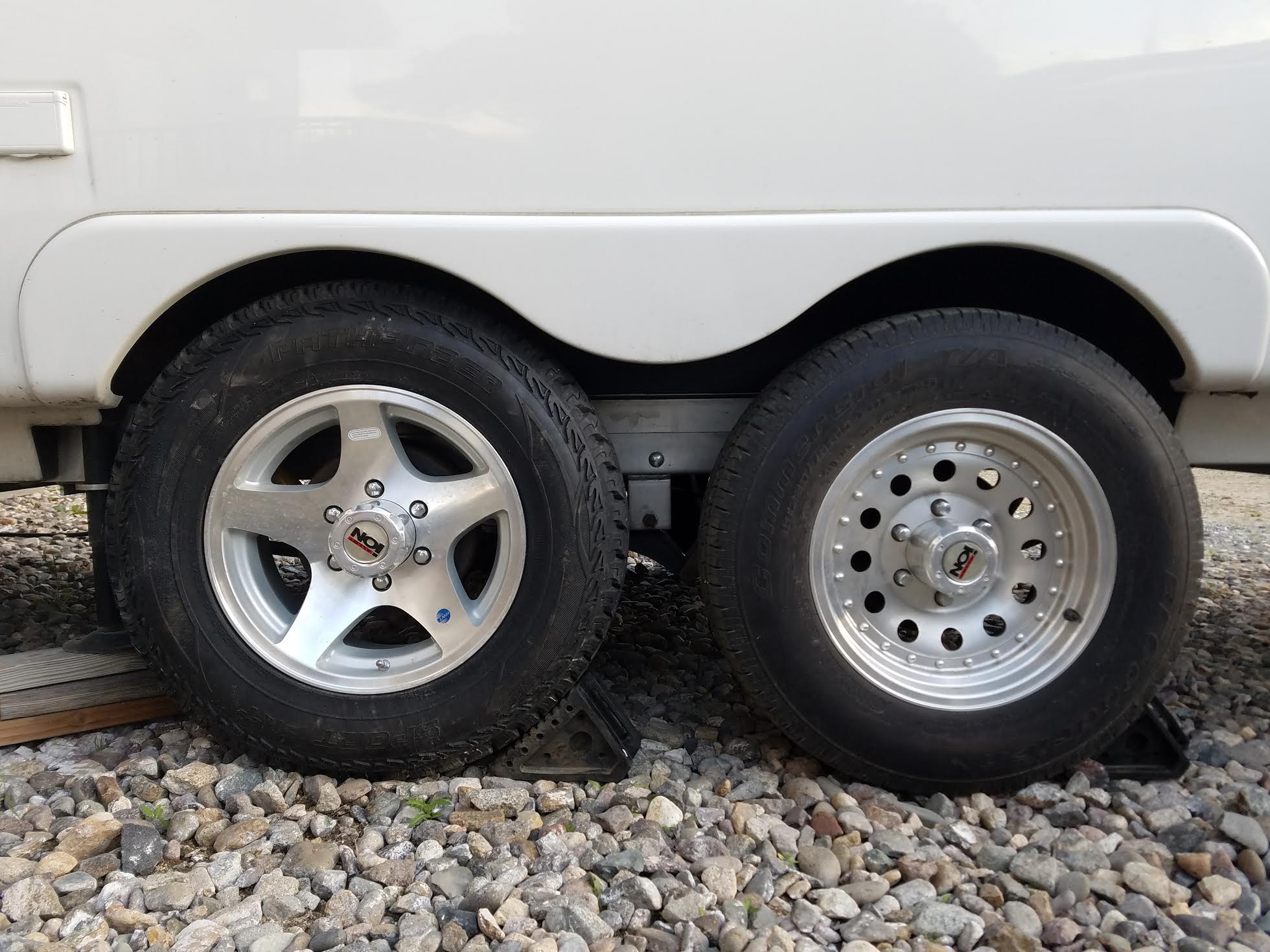
From pictures I have concluded that the supplied wheels are Ion 71 alloys with machined finish. http://www.thewheelgroup.com/?products=style-71 Is this correct? If so, here is warranty and care information. I don't recall seeing this in the manual. Corrosion is not covered, and is due to what they call "improper care". RECOMMENDED WHEEL CARE Wheels should be cleaned by hand regularly to remove contaminants like road grime, salt, ice/snow melting chemical, dirt, and brake dust. Automatic spray and touch free car washes do not completely remove contaminants, these can cause harm to the finish, hand washing is highly recommended. Many areas of the country use road salts and chemicals during the winter months that can cause adverse effects on your wheels, it is recommended to clean more frequently during this season. Failure to do so may greatly reduce the life of the product. Avoid using automatic car washes, the cleaning agents and brushes used to clean tires can damage the wheel surface. Never wash your wheels when they are still hot from driving. Do not attempt to cool hot wheels with water, this may cause damage to the finish and can warp the brake rotors and/or drums. For PVD and Chrome plated wheels, a simple solution such as car wash soup and water, will keep it clean and maintained when applied regularly. http://www.thewheelgroup.com/warranty/ If you drive through deicers will these pit and corrode immediately? There is no indication that they have a clear coat. I love the look but wonder how they hold up long term. Could those of you with older units, especially those in northern areas, post closeup pictures? How do the wheels stand up to gravel rash? I am seriously considering replacing them with steel wheels that can quickly and easily be refinished with an aerosol wheel paint as they get scarred up.... I would store the originals in pristene condition for a future resale of the trailer. http://www.ebay.com/itm/2-Pack-Trailer-Wheel-Silver-Rims-16-x-6-Modular-Style-6-Lug-On-5-5-/182531823775 BTW steelies are WAY stronger than those Ions: these are rated at 3760 lbs. The Ions have a very low 2200 lb load rating. If one tire on your loaded down Elite II blows, you have immediately severely overloaded the other Ion wheel on that side. Not good! Thanks for your comments. John Davies Spokane WA1 point
-
Pictures of the Wheel
 1 point
 -
They make the steel wheels in a powder coated silver/gray that looks very nice. I had a set on an enclosed trailer. You could even get them in galvanized if you were concerned about corrosion.1 point
-
I too like the Bulldog. I first saw the design as a kid and thought it was the coolest thing. So pleased when I saw it on our Oliver. I upgraded mine to a 2 5/16" size, but it's certainly not necessary. I'm also running the Michelin Defender LTXs on my truck. They run very smooth and quiet, and they have stayed perfectly balanced for about 20,000 miles now. I was a Toyo guy, but these have changed my mind. Good luck with your situation.1 point
-
Thank God everyone is OK. I'm no expert, but my sense is that if you had just gotten work done on the axles (EZ-Flex install), then it is just too coincidental that the wheels literally came off from a pot hole. Just a theory . . . but there is a possibility that the technician did not torque the lug nuts correctly. If (and a big IF) the lug nuts were not torqued properly, then the most likely error would be under-torqued (possibly not even tightened down). I'm not saying that this ever happens at OTT, but in general not tightening lug nuts after service happens regularly from basic human error. If loose lug nuts were a latent issue on your trailer, here is a possible failure scenario: (1) the lug nuts all begin to back off and fall off at different times during the trip, (2) eventually one tire falls off first (leaving lugs in the hub), (3) the lugs on the remaining wheel get beaten badly and begin shearing off one by one until they all go.1 point
-
Thanks John, I always value your input, trainman1 point
-
Trainman, you should be able to open your tailgate if the trailer is lined up with your Ram. It kind of depends on how far back you are able to mount it, without interfering with the jack. If you are buying an Andersen hitch, you can ask the factory if they have an extended shank available. They used to have these listed under Accessories but may have discontinued them because they are so busy. I added a plus 3” one to my Land Cruiser so the tailgate would not contact the hitch coupler latch. I never came close to hitting it (or the factory tray) with the tailgate on the Ram 3500, which was much further from the hitch than my LC. You will have to drill holes in the fiberglass A frame cover regardless of what type of hardware you use, but I agree that drilling holes in a frame member should be avoided if possible. The long squared off U bolts they use to mount the cargo tray are probably hard to source, I would buy some when you pick up the trailer. I think the smaller receiver will be OK if you add a “slopper stopper” at the connection and also support the two ends of the bike rack with straps going to the bumper or side of the frame. Regardless of the receiver size, you need to stop the motion as much as possible. A pair of Mac’s Tiedowns anchors through-bolted to the side of the frame would work great for the straps and would not hinder lowering the bumper. .... http://www.macscustomtiedowns.com/product/versatie-anchor-plate-assembly/Anchor-Plates John Davies Spokane WA1 point
-
That’s a really good point. Would explain the missing wheel and also the failure of the other one.1 point
-
We have the 5200 axles and larger brakes and the only thing I’d caution is that we’ve had trouble with the brakes locking. No idea if that’s from the larger brakes or from some other element (we have electric over hydraulic discs) but it’s worth giving at least some thought.1 point
-
Wow. Sounds like you handled the situation perfectly. PM me if I can help. We could bring you some parts, if nothing else. I'm not sure what wheels you have, but my Oliver had very weak wheels and I broke one. So I upgraded to aluminum star wheels with a 3200 lb rating. Your idea of steel sounds good. They will bend and not break. As far as axles go, if you change yours, get the 5200 lb axles that Oliver used for a short time. They are much stronger than the 3500 lb axles and the brakes are bigger. In your case, riding on a 12" drum, instead of a 10" drum, might have made a difference. Plus the brakes are stronger and will last longer. Keep us updated and good luck.1 point
-
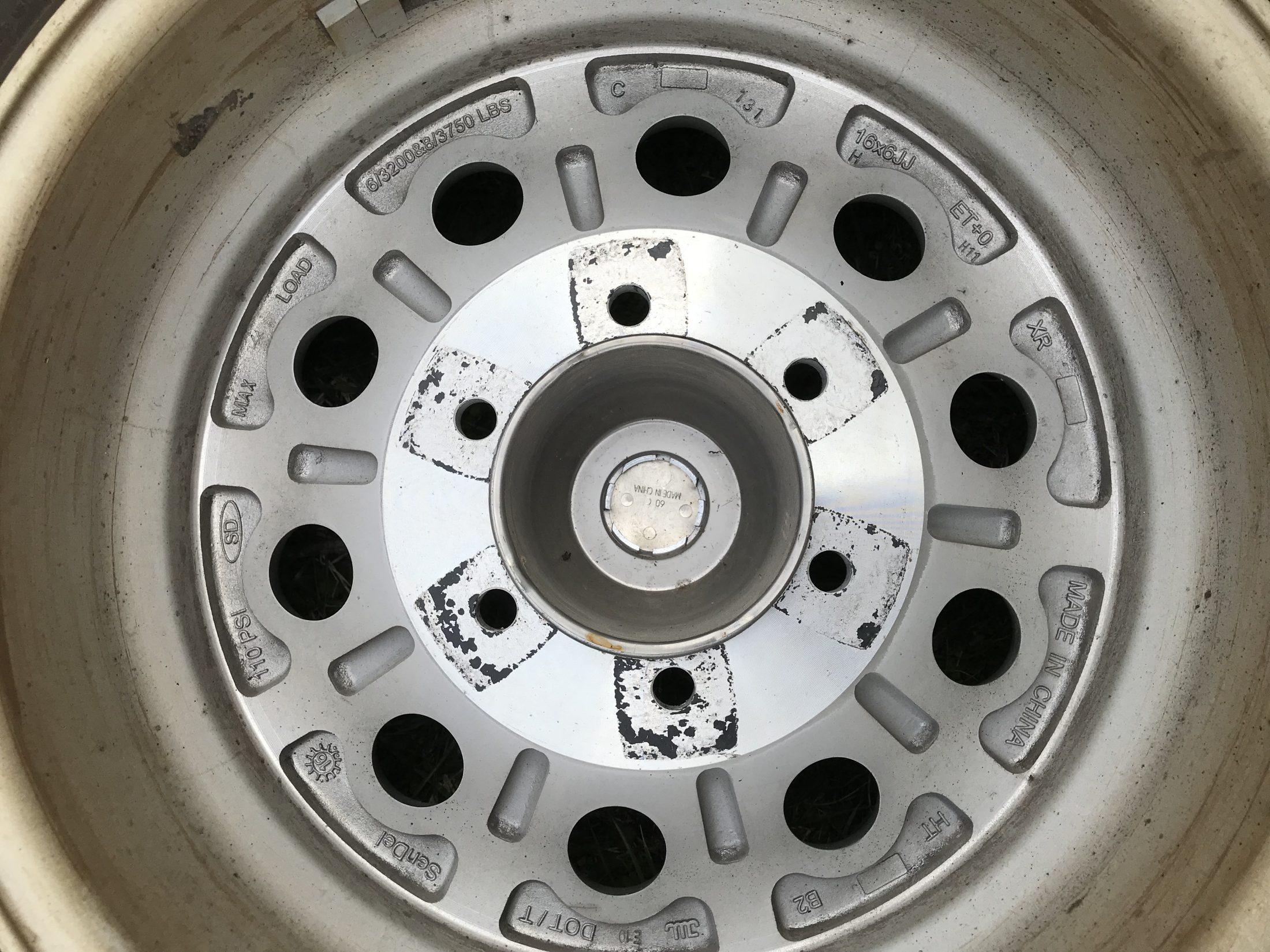
Here’s a photo of the backside of my wheel from hull number 208. Note max pressure is 110 psi, max load for a 6 lug wheel is 3200 lbs. these are Sendel wheels made in China.
1 point
-
Wow, glad everyone is OK! Post pictures when you can.1 point
-
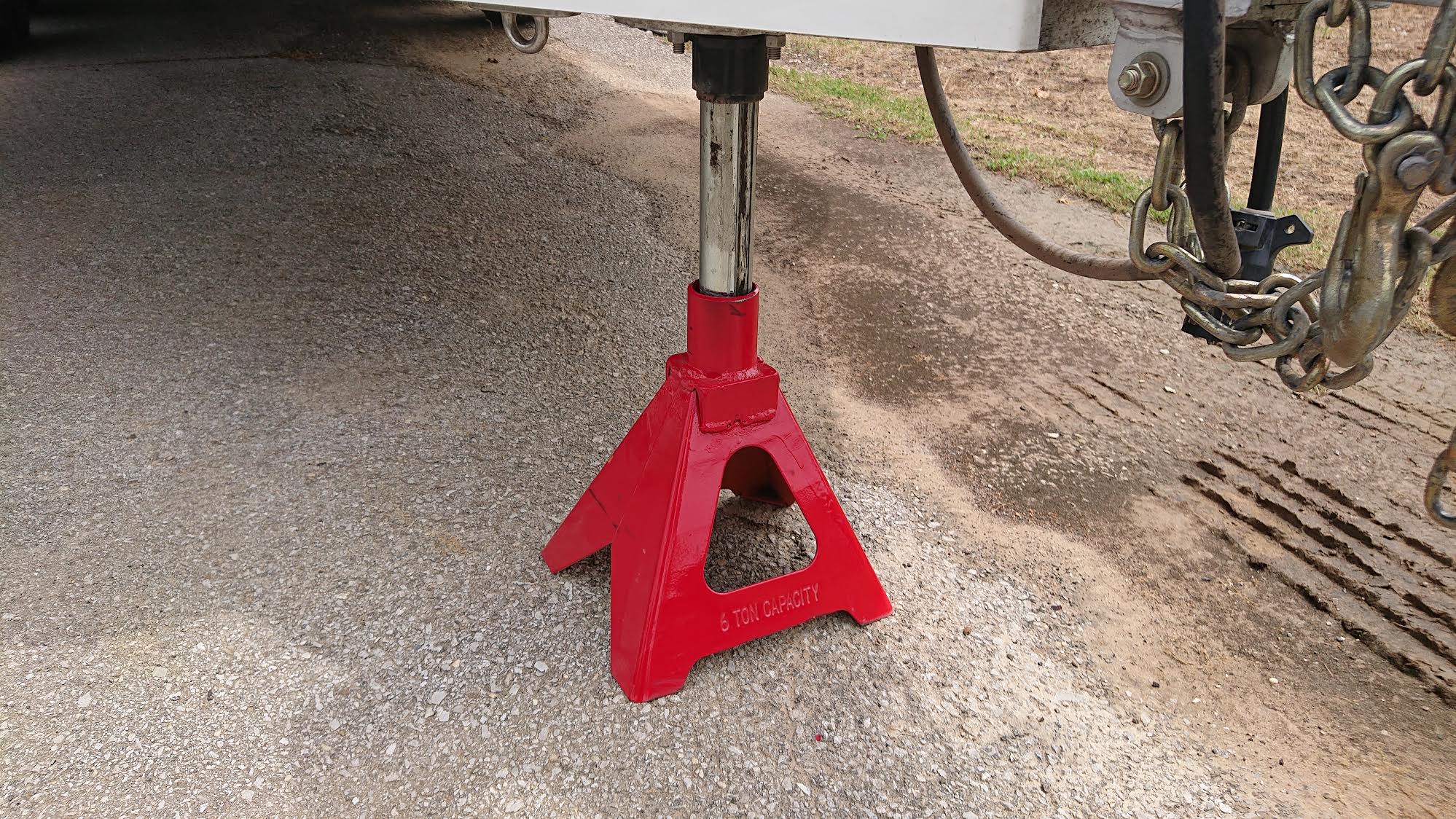
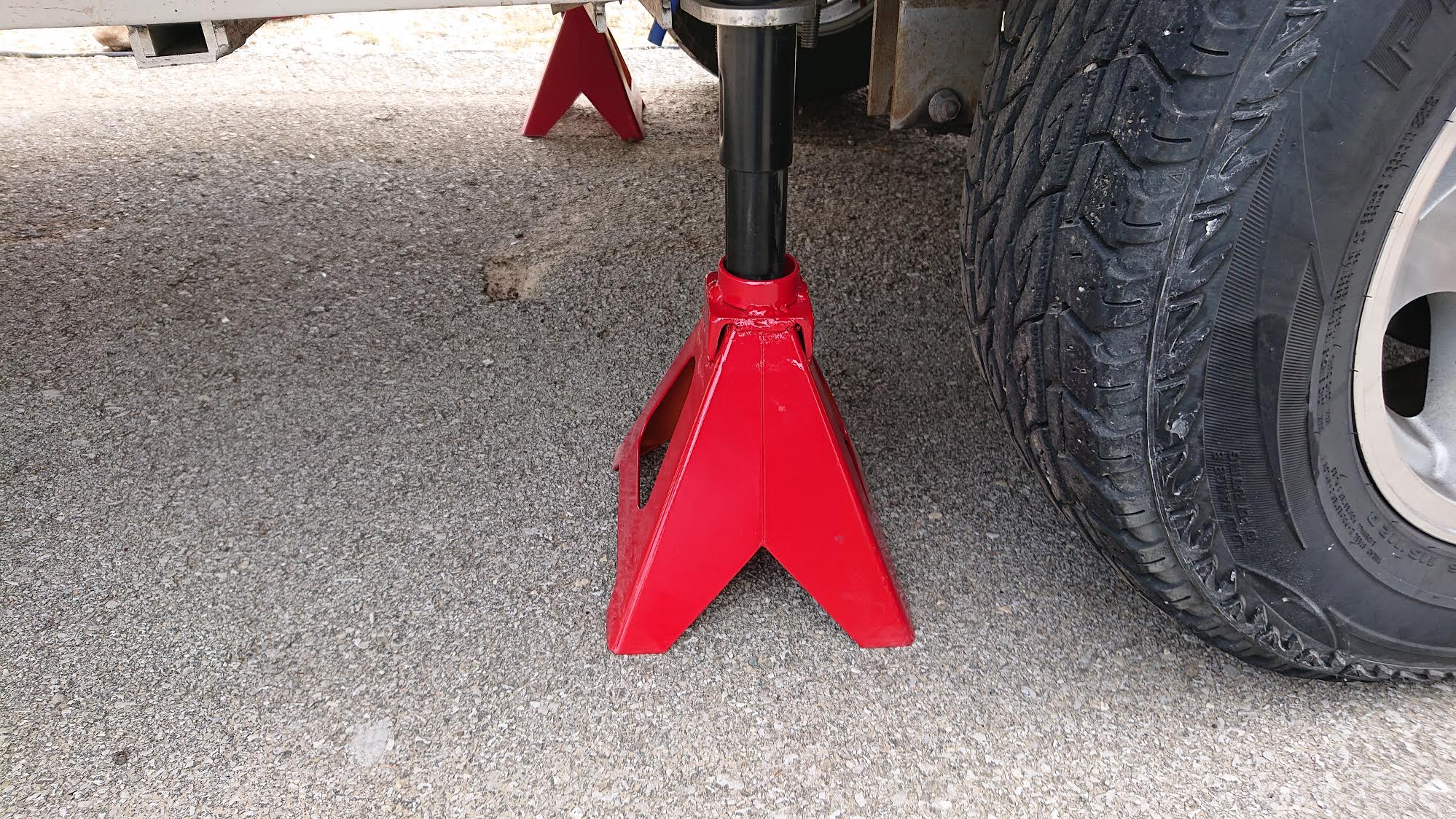
This is an update to the jack stand modification. I could not edit the earlier post, so I quoted it and added the pictures. These modified stands have worked beautifully. They are very stable, strong, easy to use and they stack for travel. Each one is rated for 6 tons. I modified them by welding on a piece of 3" channel and a piece of 2" pipe, after cutting off the original top ratchet part.
1 point
-
Yukon - Here's the Oliver warranty on your hull: Limited Lifetime Warranty to the original purchaser on the fiberglass body being free of defects in material and workmanship under normal use. Bill1 point
-
John, thanks for the article I am familiar with fiberglass boats, having spend 22 years in the Coast Guard. During my day we used steel, and fiberglass boats pretty much for search and rescue. Boston Whaler were the hand lay boat hulls of choice and tough as hell . I actually restored a 13 ft last year, the boat was in great shape for a 90. As you mentioned the Oliver does not need the strength of a Whaler but must be construction correctly in order to be able to give many years of trouble free use. I am spooked over this issue and will insist that they Oliver will make good or replace the unit if so determined. As you can imagine I will be monitoring the hull like a hawk. I at this point have no reason to think they will not uphold there end of the agreement. One of the main reasons we purchased a Oliver was the fact it was a fiberglass unit, as Oliver puts it to be handed down to the next generation. Let’s hope it’s a minor issue, jury’s still out.....Ed1 point
-
Yikes, I agree, that looks very much like a cavity behind the gelcoat which should not be there. Start a service request with the Mother Ship and get a local fiberglass repair specialist, such as a marine yard NOT a kludgy RV dealer, to evaluate at it. Hopefully “cross fingers” it is very localized and not indicative of a bigger problem. I definitely would not ignore it. Gelcoat by itself has very little strength. You need to make sure that water and debris does not start to collect in there. BTW rock strikes can occur in the strangest places due to ricocheting off axles, frame or bumpers. They can even shatter rear hatch glass on the TV. And they occur on fine paved highways as well as on gravel roads. On a road around construction areas (new home building and road repair in particular) it is often a bit of metal like a bolt or a small tool which can really poke a hole... in a tire or in the trailer. I pulled a 3/8” allen wrench out of a tire one time! The key is to slow the rocks down by absorbing energy, and directing them back toward the ground. This is real overkill for most Ollie owners but it is extremely effective. I call it Chaos Management. Good luck. John Davies Spokane WA
1 point
-
I consider the chart to list the absolute minimum acceptable pressure. Even you are not using the Michelin charted pressure, and you are doing it for a perfectly logical reason, as am I, and many others. So maybe you agree that Michelin doesn't always know best for every situation. 40 PSI on the Michelin chart would be for a total trailer weight of around 7,200 lbs. You must be loaded pretty heavy if that is the number you used as the "recommended" number. 1,650 X 4 = 6600 + 10% tongue weight = 7260. Mine only weighs 5,700. ready to go. Fortunately, we are all running LT tires where we can vary the pressure for good reasons and not risk a blowout, as seems to be the case with ST trailer tires. I've been advocating LT tires on trailers for years.1 point
-
Their chart recommends 40 for me. I run 45 to give some buffer if I have a slow leak. Also, I believe those numbers are maximums for each pressure so I don’t think you’d want to be on the edge, just like you wouldn’t want the tire on the edge of its maximum rated pressure. I check my tires at every stop and they’re only ever slightly warm to the touch, always a good bit cooler than my truck tires, which I’d also characterize as warm. I also have temp sensors as part of my TPMS and as I’ve said before, sunlight has a far greater affect on their temp than pressure or speed. You tell me, why do you think Michelin doesn’t know the proper pressures for their own tires?1 point
-
From the Michelin chart, it seems Michelin recommends 30 -35 PSI. I consider that to be far too low and my reasoning is actual tire temperature measurements at different pressures, and the fact that a leak would make matters even worse in a shorter amount of time than running 60 PSI would. Off road is a different story, but I'm referring to highway pressures. Just curious, why are you running 45 PSI when the Michelin chart shows 30-35 PSI?1 point
-
Most owners must consider Oliver a better authority on Michelin tires than Michelin. Really, the only reason people don’t run Michelin’s recommended pressure is that they have a hard time reconciling that with what Oliver put in. I’ve yet to see anyone give an authoritatively backed reason to not use Michelin’s recommendations. I use 45 and the only thing I’ve noticed is that the brakes lock less often and things stopped breaking.1 point
-
In previous discussions about tire pressure recommendations, it seemed the pressures listed in the charts were the minimum allowable pressure, not the recommended pressures. That Michelin chart just seems to be the recommended pressures and I could not find where it said "minimum". For instance, it shows 35 PSI as recommended for 1500 lbs on a single for the 225/75r16 E. This would be 6,000 PSI total. Fine for most Oliver LE2s. But to me, that is way too low and is what I use off road to smooth out the ride in the desert at low speeds. I'm sure it would run hot on the highway. I have run most miles starting out at 60 PSI cold. This isn't rock hard, but runs cool. At 50 PSI I can feel the tires are warmer under the same conditions. Still OK, but generating more heat. That means a little more rolling resistance too. With sustained high speeds in the summer out west, the tires run hot. I don't like the idea of making them even hotter from lower pressure. Starting out at 80 PSI and then going higher from driving on hot pavement at speed, seems like it would be harder on the trailer suspension and on the tires. I don't have a TPMS for the trailer, but if I picked up a nail, 60 PSI would give me more time to spot it at the next gas stop, than 40 PSI would.1 point
-
I think the problem is that the pdf is present only as an attachment. @AndrewK, and others, when uploading a pdf file (or docx or xlsx file) you first need to click the Select File button, identify the file, and upload it. If you do just that, then the file will not be accessible to forum users. After uploading the file another step is needed. You need to click on the Insert Into Content button, to the right of the Select File button. This puts your attachment into the body of your message, and, more importantly, makes it available for other Forum users to download.1 point
-
Our trailer is 5500 lbs loaded and I run 57 PSI in the tires. Last year I ran 60 PSI but lowered it a little this year. I have a Dill TPMS and can not tell that the tires are running any hotter so I think that 57 will be my sweat spot for now. They felt really good on our trip last week.1 point
-
For whatever reason, I can't get that pdf to open. I reduced the air pressure on my tires to 60 PSI this last trip. Didn't notice much difference in towing, if any. I believe the Oliver has a softer ride, less road jarring at 60. With the weight of my ollie (loaded and 1/2 water) approx. 6100lbs - it is well within the tire load ratings. I am also running the TireMinder TM55-B Wireless Tire Pressure Monitoring System. It is kinda cool - actually. My wife says I'm gonna have wreck if I don't stop checking it out...... RB1 point
-
Yukon - There have been several lengthy discussions of this topic here on the Forum. Generally speaking it seems that the consensus is that "normal" on road tire air pressure should be between 50 and 65 psi depending on weight (heavier loads require greater air pressure). If you need more information - try the "Search" function or this for starters: http://olivertraveltrailers.com/topic/how-to-tire-pressure-placard/ Bill1 point
-
Appreciate wheel maximum pressure information in this thread. We have Commercial TA tires on 5200 pound capacity axles, Hull #075. Could not find a load/pressure chart for BFG Commercial TA LT225/75R16 E tires yet, except for maximum load 2680 pounds each @ 80 PSI cold. Found a Michelin load/pressure chart for Michelin XPS Rib LT225/75R16 E. Maximum load 2680 pounds each @ 80 PSI cold. The following chart shows Michelin LT XPS Rib reduced pressure tire capacities. http://www.michelinrvtires.com/reference-materials/load-and-inflation-tables/#/1 point
-
I'm pondering the 60 PSI thing too. That is plenty adequate for the load, but it should be noted to prevent someone from going to 80 psi and then driving on a hot day to where they hit 90 PSI. I bolted on a one of my new Star wheels, rated at 3200 lbs and I like them. A better wheel I think. But they sit 1/2" inboard compared to the stock wheel (1/2" more backspacing). A bit closer to the shock, but better as far as the fender goes. Only a small difference. Maverick: good to know you have hull 93. We may have to compare notes sometime. Do you have the Commercial TA tires too?
1 point
-
I'm surprised to hear that Oliver changed the brand of wheels, but the increased strength makes sense. Especially since they were recently putting 5200 lb axles in. I noticed that Reed had no rivets on his wheels and I do. Was wondering what that was about. I may install my set of Star wheels I previously mentioned. Rated at 3200 lbs. http://www.trailer-wheels.com/16x7-HiSpec-Series-04-Aluminum-Star-Trailer-Wheel-6-Lug-3200-lb-Max-Load_p_722.html#.WQ9zBKOZORs1 point
-
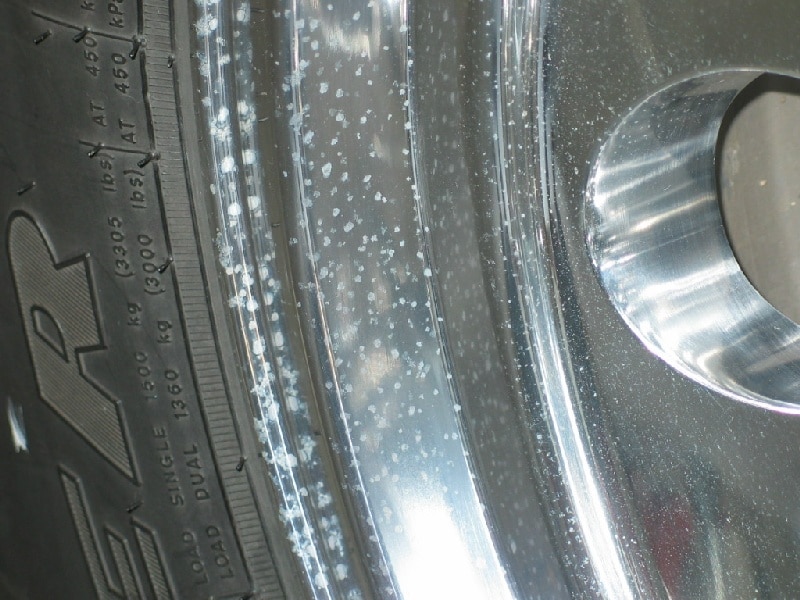
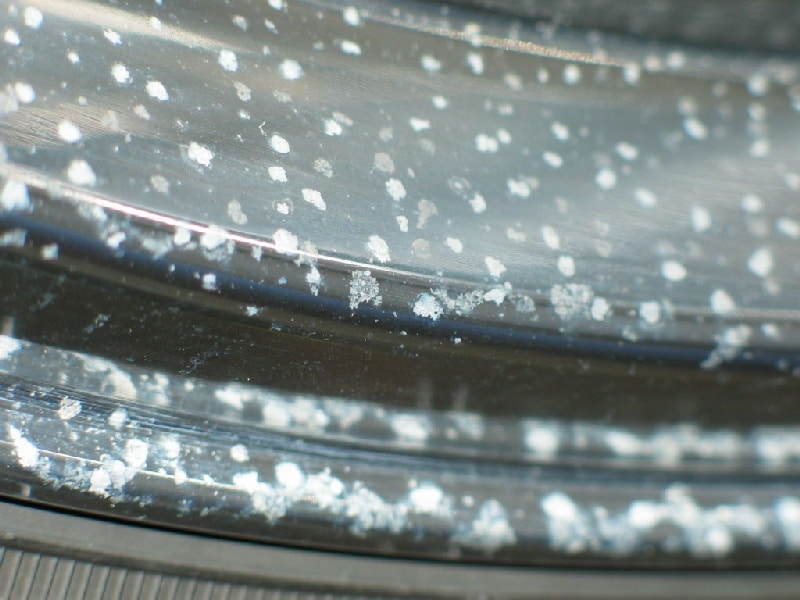
John, Thanks for the comments. I understand that the axles are rated for 1750 "per side" but they have a huge safety margin. Cheap cast alloy wheels don't, and if something should fail, it will most likely be a wheel. My main concern is corrosion. Once the pretty polish is attacked and pitted there is really nothing you can do to correct it. I once bought a set of beautiful polished Mickey Thompson wheels that were ruined during a single brief drive on deicer-wet roads here in Spokane. They sat damp overnight and this is what I saw when I rinsed them off the next day. These white spots are actually deep pits in the aluminum. They show up white because of the flash - they were actually not a different color than the rim. The wheels had a fresh coat of car wax on both sides. Discount Tire took them back and sold me a set of painted and clear coated wheels that held up for a decade. They were not happy to do it, but they did understand that this sort of instant corrosion should not happen. But it can and does... The problem is well known. The wheel manufacturer says "Clean them in winter to preserve the finish", but sometimes that is simply not possible to do when the temps are below freezing. I really would like to hear from those of you in northern climes. Show me a picture of a five year old Ollie wheel that has been through some less than ideal weather and road conditions. BTW, refinishing a plain painted _steel_ wheel is dead simple and cheap. A can of primer and two cans of spray paint will re-do the outside of four wheels, easily, in a couple of hours. Most of the time is used in sanding and masking the tires and valve stems.... https://www.amazon.com/Dupli-Color-HWP101-Silver-Performance-Wheel/dp/B000B6DFZ0 Painting aluminum, so that it will stay on, is much more of a challenge! Finally, heavier wheels are a non-issue with a trailer since they are unsprung weight and do not add to the load carried by the axles and suspension. Except for the spare in back... They will however show up when you put it on a truck scale. Thanks. John Davies Spokane WA
1 point
-
I think you're overthinking this. Steelies are also heavier and the finish will have to have maintenance too. I doubt anyone has had trouble wth the aluminum wheels. Remember, The 3500 lb axles are only rated at 1,750 lbs per side. So, in theory, the wheels are already stronger than the axles. Of course, the axles will take much more than that in real world conditions. Reed's wheels don't have the fake rivets, so not sure which ones you'll actually get. I just bought a set of (6) Star Wheels for another trailer, see link, from my supplier for $50. each. They are rated for 3,200 lbs each. IMHO, they look better and are lighter than the steelies, while being plenty strong. You could go with those if you wanted a stronger design, but like aluminum vs steel. https://www.etrailer.com/Tires-and-Wheels/HWT/TTWAL04167655.html1 point











-
Recent Achievements
-