Leaderboard


Popular Content
Showing content with the highest reputation on 12/02/2020 in Posts
-
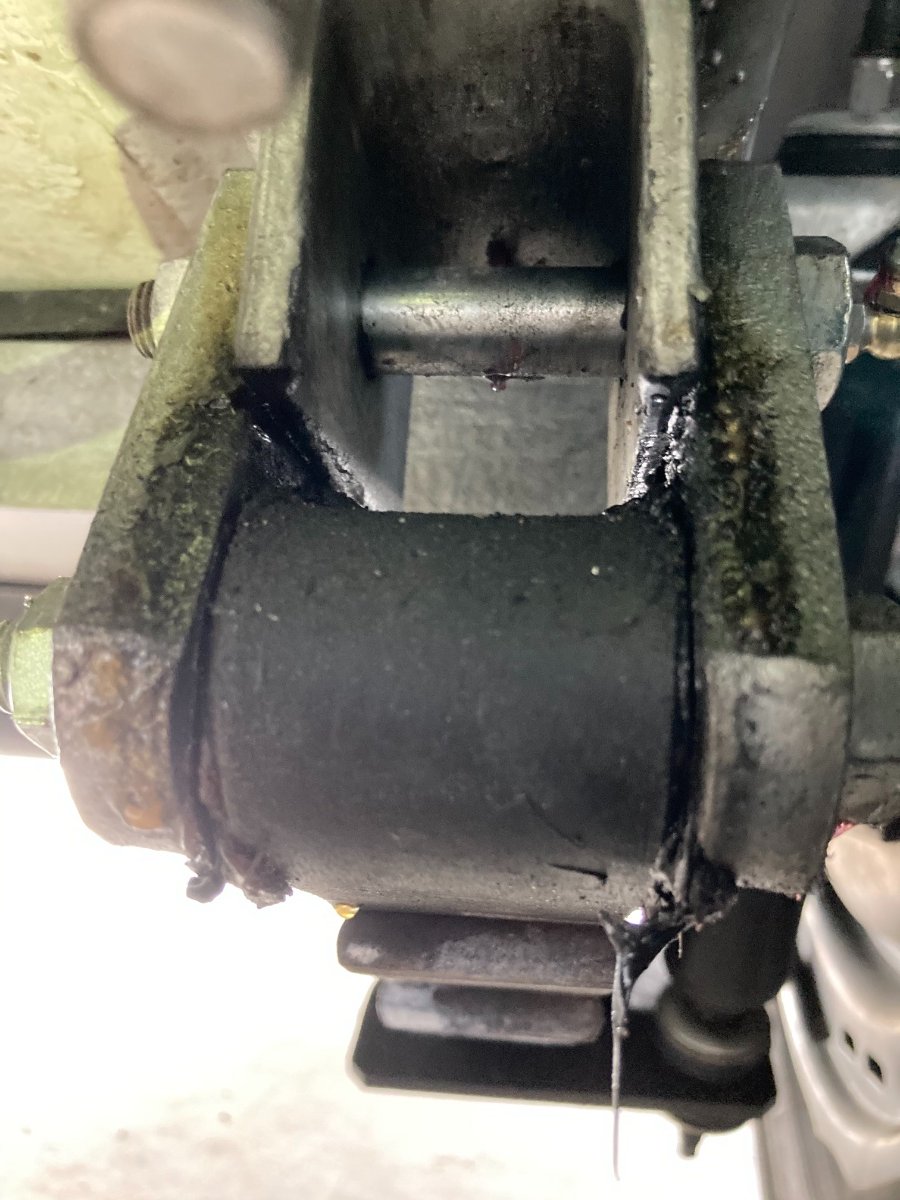
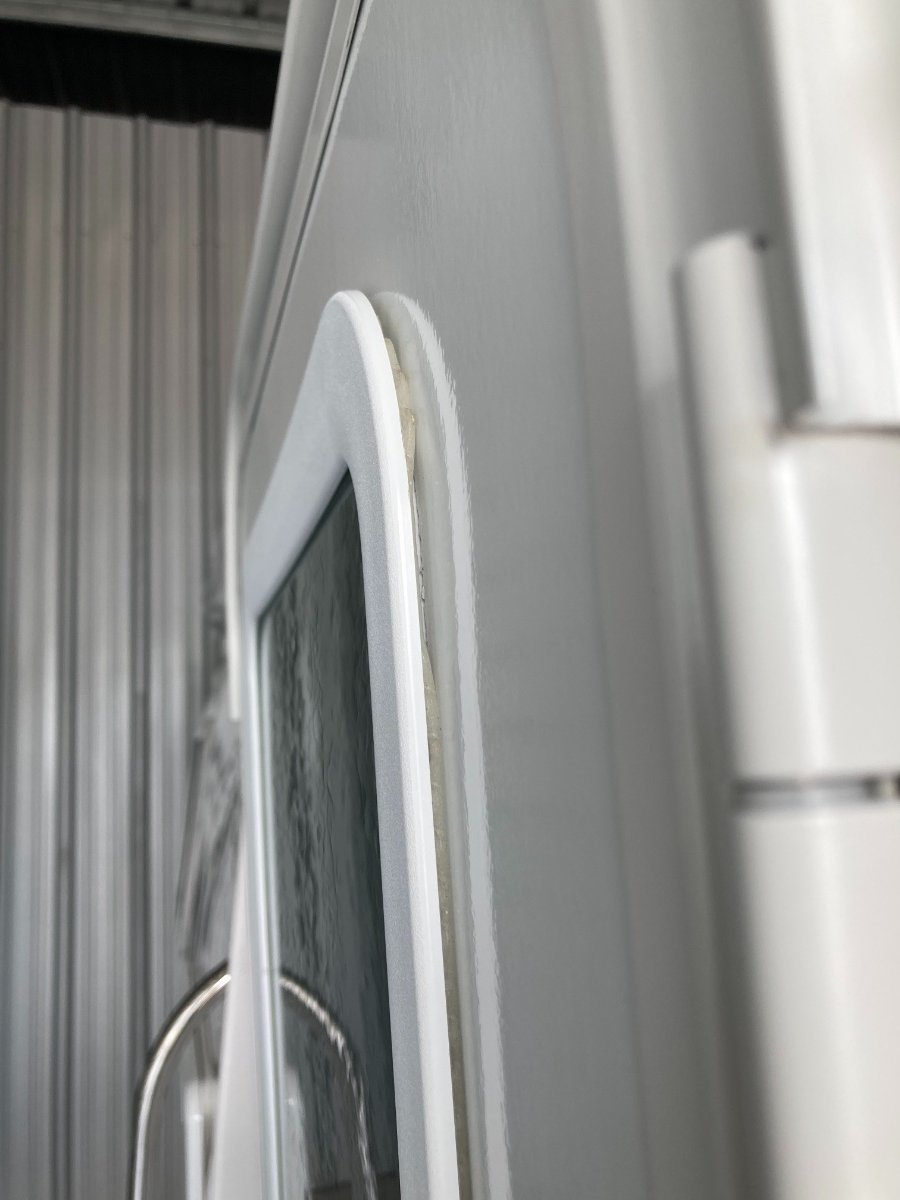
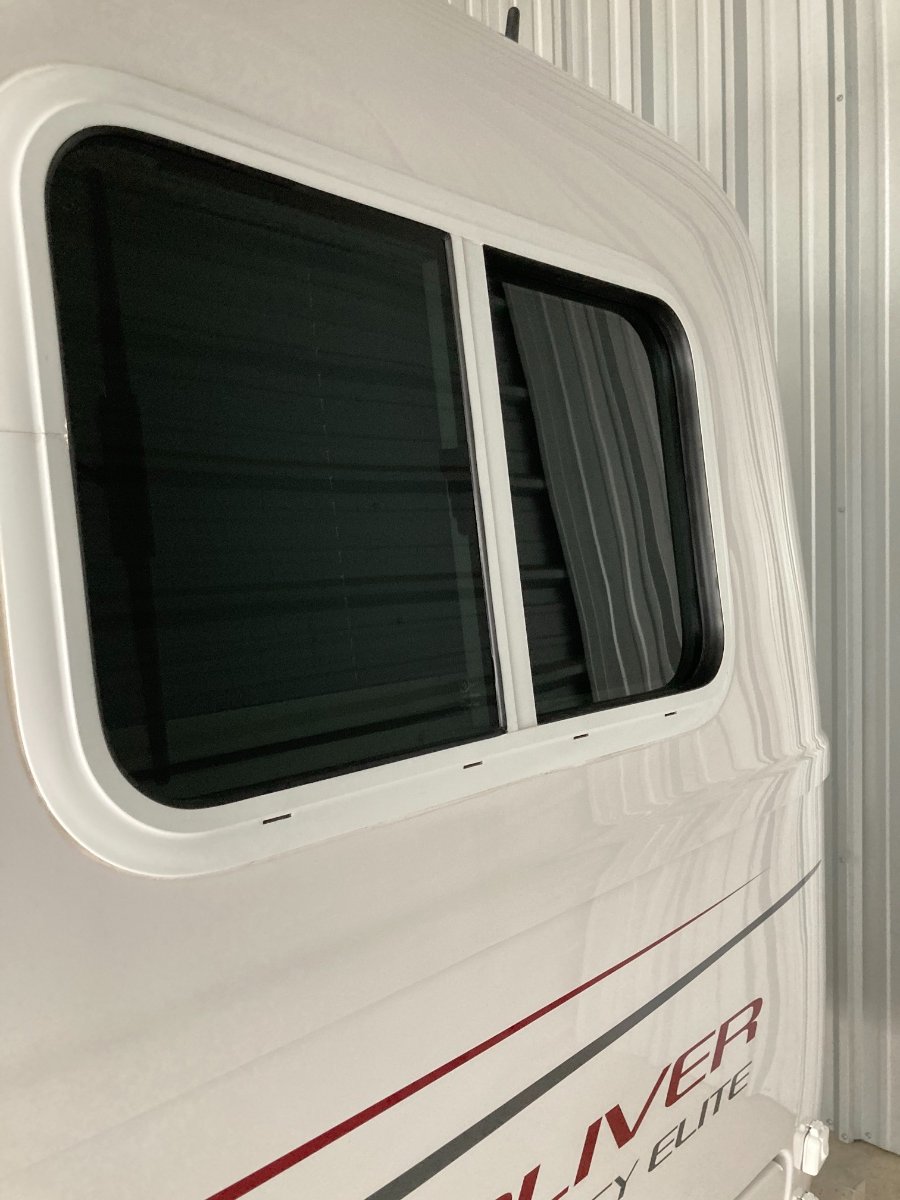
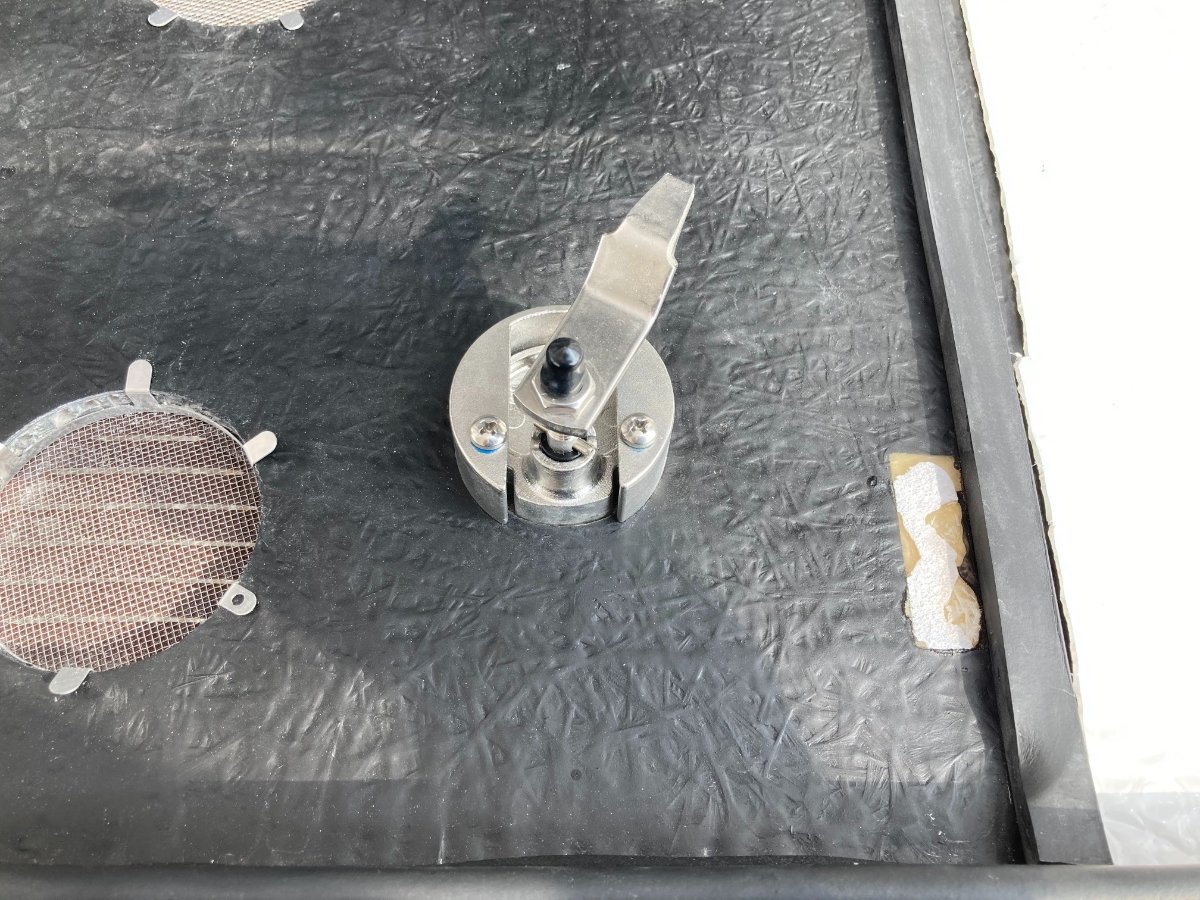
Oliver Owners, We picked up our new trailer (Legacy Elite I #664) on Sept 16, 2020 and have been using it on/off since this date. Overall, our experience has been wonderful and the quality of the trailer has been much better than what we have read about other manufacturers. In an attempt to help others with our recent learnings, I am listing some of the items were have learned about, fixed, and/or submitted a tickets for: Initial Pickup: - The bathroom interior window frame was bent due to being over tightened - Jason and the person showing us the trailer located a new frame and installed. - Window shade over the rear driver's side window had damage to the felt liner at the bottom of the night shade. - Orientation team replaced. First Night Camp @ Davy Crockett State Park: - Noticed that the propane alarm was not on. - Contacted Jason via telephone and he walked me through installing the 1A fuse that was included in the box of spare fuses provided. The fuse holder is located under the dinette seat and is somewhat hard to find as it is black and not easy to see. - Upon opening the rear compartment door, the bracket where the wire attaches to keep the door from swinging down came unglued. - Contacted Jason to let him know and he said they would send me some epoxy to fix. Ended up purchasing some a few weeks after getting back home as it never arrived. I let Jason know we no longer needed as I had fixed per his recommendation of Gorilla 2 part epoxy. - Shower floor squeaks a lot - Contacted Oliver Service and have a ticket for them to repair when we take the trailer back to TN for its annual checkup. According to Jason, the squeak is most likely from the shower tub not being cut correctly or the padding under it not installed correctly. No biggie for now as we have learned to live with it knowing that it will get fixed. If your spouse decides to use the bathroom at night, It will wake you up. No liquids right before bedtime. 🙁 First Long Drive from TN to AR: - Had someone flag us down and let us know that the rear compartment door had come open during travel. Upon pulling over and inspecting, we noticed that the screws had come loose on the latch and allowed the door to open with the latch locked close. I was lucky enough to have some blue lock-tight with me to use on the screws when retightening. No further issues experienced. We let Oliver know that this happened and they indicated that lock-tight should have been added to the screws at the factory. I am confident they put new procedures in place to keep this from happening again. First Time Back Home: - Spent time learning about the solar system, inverter, appliances, etc.... - Realized that both the Solar Controller and the Inverter were both set to flooded batteries vs. the AGMs we had installed. Changed both to AGM. No issues noted so not sure if it really mattered. Texas State Park Close to Home: - Noticed a small gap at the top of the external door window frame. - Contacted Oliver and was told that the frames are designed to click together but requires special plastic keys to take the frame off to inspect. From my reading this is a common thing from the door factories with the tabs getting broken. We tried several time to get the internal frame to snap together with the external frame. No luck. Contacted Oliver again and Jason said he would have a new frame (and plastic keys) sent to us so we can repair/replace. The suppliers are backed up, so it has now been two months with the door window frame and glass loose. I was successful in learning that there is a supplier zarcor.com that has the window frames (Lippert) in stock and can be purchased/delivered within a couple of days. We will most likely end up just ordering and replacing as they also offer a clear tinted glass and window shutter for the door. There is another post in this forum with pictures if you are interested. Being that this repair is taking a long time to get resolved, I would recommend anyone picking up their trailer inspect this and have it repaired before taking delivery. Arkansas State Park (Crater of Diamonds): - Upon arrival at the State Park we noticed that the trailer was squeaking loudly with every small bump in the park. Upon inspection, I did not notice any lose bolts, nuts, fittings on the suspension. We contacted Jason at Oliver and he had not heard of anyone having this problem before. We ducked our heads down and slowly made it to our campsite without disturbing the other campers throughout the park. We did get some stares tho with the squeaks. Once setup, I made a quick trip to the local hardware store to purchase a small grease gun/grease, 90-degree zerk fitting as the zerks are not accessible without having the pull the tire off, and some dry lube spray. Utilized to the stabilizers to take some weight off the trailer and utilized the grease gun. Fun fact - the top zerk fitting (wet bolt) that attaches to the frame bracket actually serves no purpose as the bolt is not contained within a bushing (Only on the single axle trailers). I would not recommend you go to town putting grease in this wet bolt as the grease will just exit the bolt and make a nice stream of grease falling on the lower spring eye. Not sure why dexter/oliver designed it with a wet bolt in this location. Sad part is that, the squeak we had was between the shackle and the trailer frame bracket and without the trailer bracket having a bushing there is no real way to get grease between the two. Only option at this point was to use the dry lube spray. Happy to say that this resolved most of the squeak until we could get back home (~400 miles). Upon getting home, I used a spray can of Fluid Film to spray down the area between the shackle and trailer bracket. No more annoying squeak! I have some pictures on another computer that I can attach at a later time if you are curious. Other trips - Nothing new to report beyond what has already been said above. Improvements - As recommended by others on this forum, we did go ahead and install the black window seals available on pellandent.com due to some of the white window seals had stains on them from the factory and were cut about 1" too short. I must say that the black seals look much better and should eliminate an excess amount of water needing to travel through the window drains due to them now being long enough. If you do a search on this forum for pellandent you will see some pictures posted by others. Once again, the point of this post is to inform others of our experience and to share some of the things we have learned. As with anything, enjoying life comes with opportunities to improve oneself and help others on their journey. Mark
 5 points
 -
Hi John and Anita, All LiFeBlue Battery models have low temperature charge protection. Oliver is currently using our Standard battery. If the cell temperature is below the protection temperature threshold, the BMS will do one of two things: 1) If the charge current entering the battery is 0.05C or less, the BMS will pass current to the cells. For the 200AH batteries, that is 10 Amps per battery. This low current is not harmful. 2) If the current exceeds 0.05C, charge current is blocked until the release temperature is reached. Any charge or discharge current will produce some heat in the battery, primarily from the FET's on the BMS.4 points
-
I suspect it's a bit more complicated to do b2b/ dc to dc, as it requires modification to the tow vehicle as well? Oliver can warrant their own production, but modifying your truck, with current electronics, is another story. (My costco store won't even install batteries, anymore. Just sells them in the automotive store. Probably for the same reason.) In a van conversion, it's all in one. Short distance, one vehicle involved? Just for more reading material, I found this great article about adding dc to dc/ b2b capability to a 2016 Ford f150, employing an aussie version of the redarc uniy John Davies discovered. Comes with this warning: Disclaimer: Mistakes in the electrical system can cause fire, injury or even death. If you have any doubts about working with electricity in your RV, consult with a professional electrician. https://www.adventurousway.com/blog/rv-electrical-upgrade-part-3-dc-charger-truck-12v-socket Since I understand about 85 per cent of it on the first read, I'll let you guys poke holes. Especially in light of newer vehicles. 😁😁😁3 points
-
Given the recent price drop on the Garmin 890 I bought one. Even though my old Garmin (nuvi 2797) has a 7 inch screen I thought that the 8 inch screen of the 890 plus the added RV related features available on it would really help me since most often I tow my Oliver solo. Upon receiving the new unit I found that the advertised features are, indeed, what they say they are - really very nice. The touch screen also is better than previous models I've tried and both the Bluetooth and WiFi functions performed without a hitch as does the trip planning and all other features I tried. The nuvi 2797 is attached to whatever mounting system via a 7mm ball and socket. However, probably due to the overall size and slightly increased weight, Garmin has gone to a 1 inch ball and socket (Garmin says 21.83mm but the one inch is close enough). That meant that I could not use my "bean bag mount" unless I obtained a new mounting arm with the larger sized ball. In looking at this more closely, I took the 890 out to the truck (and car) and found that even though the new unit is only 1 inch larger, it takes up too much of the viewing area when looking out the windshields of both the car and the truck (2017 F150). I've never been a fan of those suction windshield mounts and found that with my old GPS supported by the bean bag mount it was at a good level without obscuring the windshield too much, but, the 890 is simply too big. So, the issue was/is with the slanted (towards the interior) "storage tray" that is in the center of the dash on the Ford, how could I mount this 890 so that it "cleared" they top of the storage tray and still could be lowered so as to not obscure the windshield too much. I believe that the answer is to install the dash mount rack made by Builtright Industries. There is an installation video on their website and it should be a fairly simple process to hardwire the GPS and maybe even a USB port at the same time of the install (think cell phone here). With the addition of a simple RAM mount extension arm I will then be able to slightly lower the large screen while at the same time get the screen placed just a tad closer to my normal seating position. If anyone has a better idea - please let me know! Bill OffroadAlliance.com currently has the dash mount rack on sale at $38.252 points
-
Thank you! No hurry at all. Eventually I want to check my HVAC ducts in that area since they were messed up closer to the furnace. Rather not guess if someone has already successfully pulled this off. 🙂2 points
-
I heard back from Jason today and he has escalated the case to Oliver QC/Engineering and Dexter for a resolution/recommendation. Hopefully, I hear back from them with a recommended fix and can move forward. He also indicated he had the same concern when they first started using the Dexter HD kit on the single axle trailers as Dexter approved but might have expected the OEM to have a bushing on the rear hanger. I will let you know what I hear back.2 points
-
Haven't posted anything yet. Don't worry - I'll get to it.2 points
-
That's a great question (again) because the situation has changed. In a past post with @LiFeBlueBattery(Larry), the design was that when the internal battery temp was below 32F the current coming in was redirected to the heating pads. Meanwhile, the battery BMS keeps "cycling" until the temp is high enough and then it starts accepting charge. With the auto-warming now disabled and the manual heating pad, I'm not sure where any charge current would go. Hopefully the battery has an internal cutoff. I'll send an email to LifeBlue Larry and ask. I want to know now.2 points
-
Welcome to Northern Texas, from Southern Maine Almost seems an omen that an LE 2, born on 12.22.2020, ought to have a 2 somewhere in the name?2 points
-
I look at the Lithium option as a way to gradually wear away at the charge level while boondocking, topped off by solar or if necessary (I do live in the PNW...) generator now and then between opportunities to plug in. Based on our van battery usage w/o solar, I'm hoping we can still be sipping off the battery many days between plugging in to shore power or generator especially if we can get some sun on the solar panels. I am not thinking about it in the "must be back at 100% nightly" frame. It seems that between usable charge and lifespan even if this is somewhat harder on the batteries they should still last a decent while. edited to add: I don't mind running a generator now and then kinda like I don't mind doing laundry now and then but I don't want to be doing it daily for the most part. As for the main thrust of the thread, I thought the concern was that merely plugging the trailer 7-pin to the TV was at least for one person (who maybe had a non-Oliver Lithium implementation?) was draining trailer battery charge out toward the TV. Given that I have chosen the Lithium/solar package for a unit that should be built any hour now I think I'll check to see what the fine service folks know about this with respect to the factory setup for the 2021 models (which is what's currently being built).2 points
-
Oliver will likely churn out more trailers next year than any year prior. When a trailer costs this much, word of mouth and reputation is everything and it cuts both ways! I have no doubt that Oliver will fully resolve all of the issues outlined. The process to prevent issues from happening in the future requires far more work unfortunately.2 points
-
QuestionMark, Thanks for the updates. As an Oliver owner, I apologize for the poor initial quality issues you have experienced, Us Oliver owners are more accustomed to promoting them, not defending. As for your items - Many of them are just unacceptable - period. We pay a premium price for these units - and although Oliver quality is above industry average, your experience is not. I could guess at what caused this poor performance, but that's Oliver's problem to solve. When you have a 6-8 month backlog, with customers clamoring for product, quality too often takes a back seat. Clearly, Oliver has some work to do, with 700 units - and growing - Jason and crew will need - yet, another building to repair the quality back in. Good luck RB2 points
-
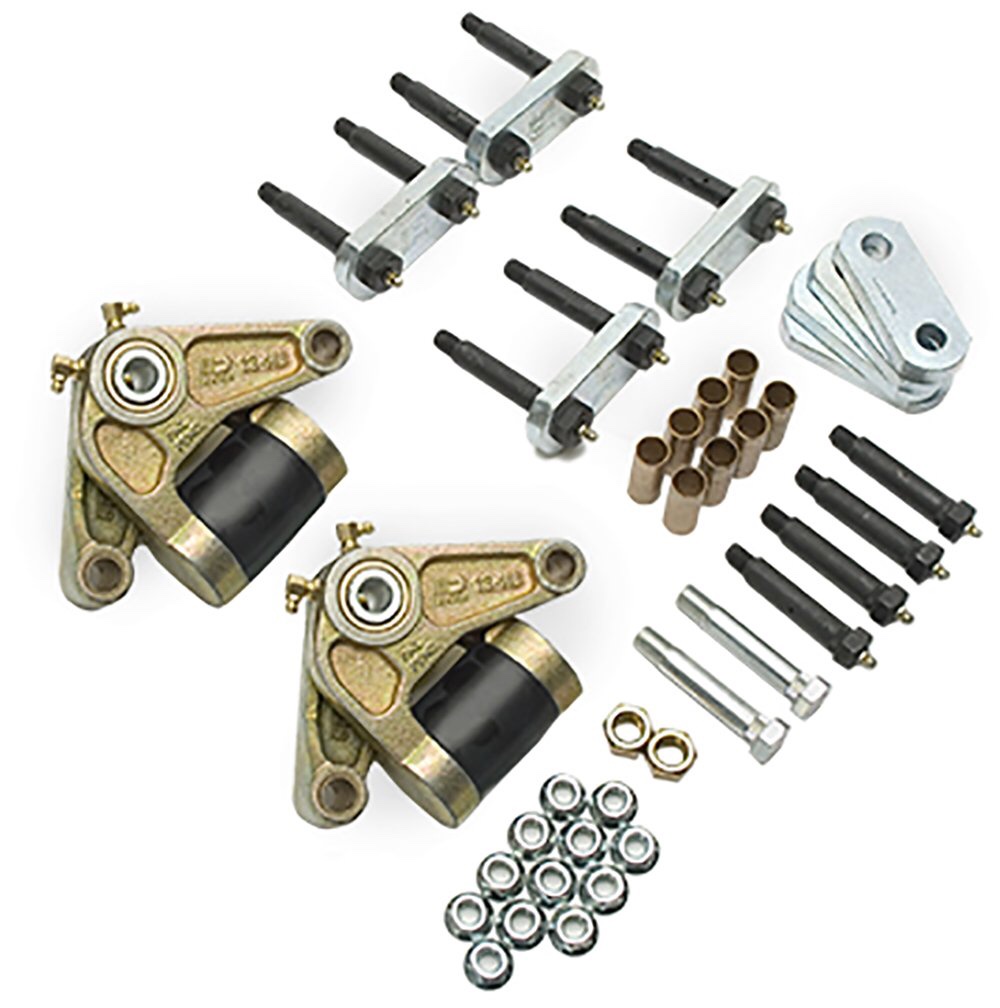
You need to have your shackle bolts fixed, what you have described is not right or normal. All my wet bolts accept grease properly and all have bright cad plated bushings, so the grease squirts out to where it needs to go, between the moving springs and the shackles. Without a bushing the hole is open to the sky, as you discovered. Plus you cannot achieve correct bolt torque with no bushings, the nut threads will bottom out (damaging the nuts and the bolts) and the shackles can pinch the springs. As shown here, the bushings for the equalizers are pressed into those parts. You need to open a service ticket and have all your hardware inspected and replaced if necessary. At the very least all the nuts have to be replaced. If the shackles or springs are worn from contact, they also should be replaced. Oliver should pay for it. You can get a mobile RV tech to do it if possible, rather than leaving it at some idiot dealer. This is not something you should let slide at all, it needs to be correct. Ollies do NOT squeak and groan, it is a warning sign, a cry for help. The axle ubolts can and will bang hard against the frame, but the other parts, if greased properly, should be dead silent. OTH old style Andersen hitches can sound like the Spawn of Satan if the friction cone gets wet/ contaminated. Please keep us posted. John Davies Spokane WA
2 points
-
Thanks for the post. IMO, that's a worrying number of initial quality problems.2 points
-
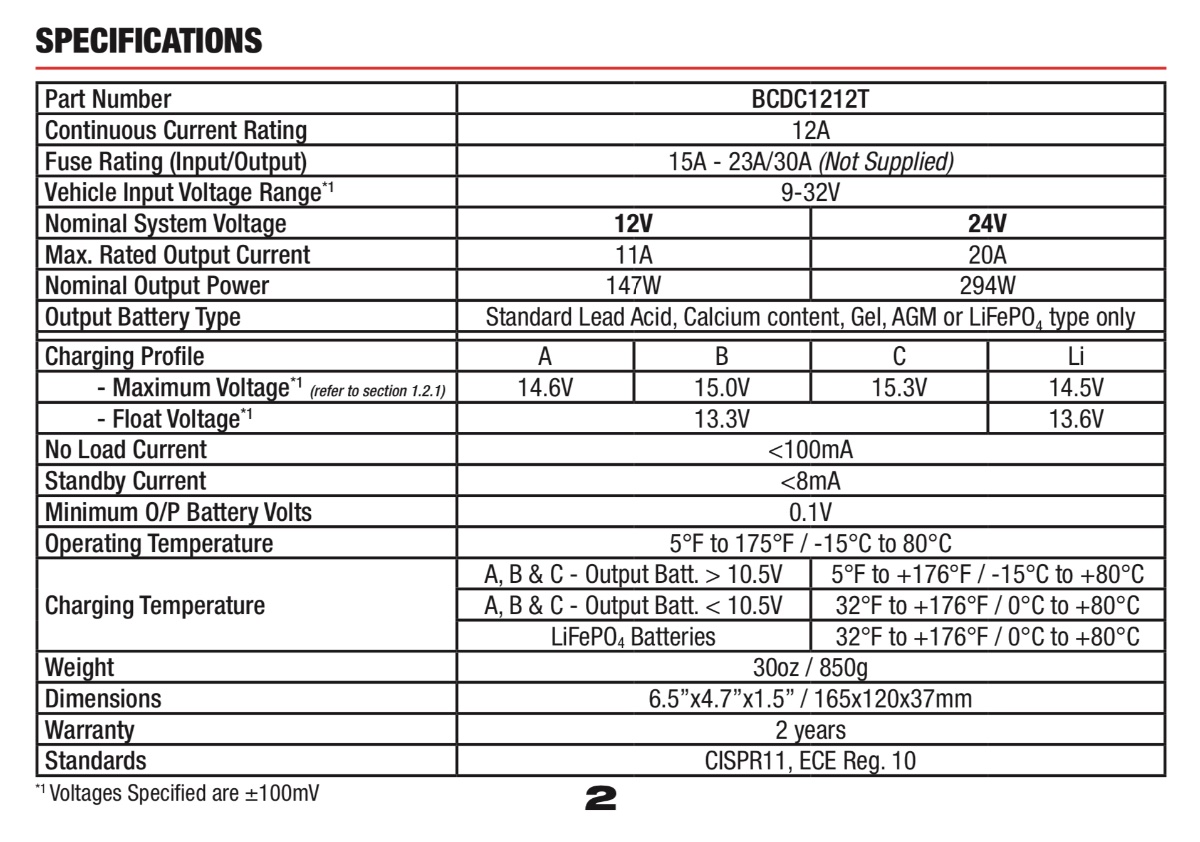
I peeled this off another thread about the need to isolate the higher voltage of the lithium batteries from the truck to prevent “back feeding”, one owner noted a continuous 5 amps😳. I am pretty sure it would work fine with the 20 amp fused charge wire already installed in the trailer harness but I would appreciate confirmation of the Ollie fuse and wire size. This device requires a 15 amp fuse on that input, and the max draw is only 11 amps (for a 12 volt system). This won’t flow a huge amount of amps to the batteries like other alternatives, but it should be plug and play for most tow vehicles; only a smart “variable voltage” alternator would require you to run a small sense wire up to the engine bay. All regular TVs don’t need that, it simply senses the rise in voltage when you start the engine and ten seconds later it switches itself on. Very cool, I think! It will charge lithium’s to 100% which is what I am after. Otherwise my Land Cruiser system probably won’t be able to get it over 70%. During sunny weather the rooftop solar should be enough, but I don’t want to completely rely on that in night time or gloomy weather. “The BCDC1212T is specifically designed for, but not limited to, applications where the input current required to charge a trailer mounted auxiliary battery is drawn through the vehicle’s towing harnesses and connectors. It limits the input current drawn to 12A which provides for safe and reliable operation when using towing harnesses, fuses and connectors that are suitably rated without the need to install additional cables and connectors between the start battery/alternator and the BCDC1212T/auxiliary battery. The BCDC1212T is a three-stage, 12V DC-DC battery charger that operates from an alternator input of 12V or 24V. The input voltage to the BCDC1212T can be above, below or equal to the output voltage making it ideal for charging an auxiliary 12V battery where the distance from the start battery or alternator may cause a significant voltage drop. When connected to a 12V alternator the BCDC1212T will typically provide peak boost currents of 11A. The BCDC1212T isolates the start battery from the auxiliary battery, to avoid over-discharging the start battery.“ https://redarcelectronics.com/products/trailer-battery-charger Instruction Manual pdf Excellent install video here at eTrailer.com: https://www.etrailer.com/Battery-Charger/Redarc/RED96FR.html They do caution that the lithium batteries must have a built in battery management system, which most RV batteries do (home brewed battery banks may not). I emailed the dealer I ordered my new Victron batteries from to confirm it would be OK to use this. So, are there any reasons this would not be a good choice? The fact that it is mounted on the trailer is really good in case you change TVs, or if you sell the trailer it will be useable by the next guy with little or no fuss. I think the 11 amp charging limit is acceptable for most people if it allows them to get close to a full charge during a typical drive. If you have 400 amp hours of batteries (the factory setup) that are severely depleted, there is no way it will bring them up to 100% on a single days drive; that is why you carry a generator so you can use the high charge rate of your standard converter. I plan for just two 100 amp hour batteries, using 80%, so I think this would be quite helpful. At the very least, it provides an easy fix for the isolation problem some owners have. Comments please. John Davies Spokane WA
1 point
-
I'm worried! Please hurry up! 😉😁🤣1 point
-
Whenever a GREASEABLE suspension part is bolted between two tabs or “ears” (the fixed mount on the frame or a moving shackle) it MUST have a bushing between the two ears. The bushing is slightly longer than the part it goes through, the spring eye for example. When you tighten the nut it draws all the parts together until the ears contact the bushing. At that point, further tightening applies the correct torque to the nut and the parts don’t move inwards any more. With no bushing to stop the movement, the ears bottom out hard against the part, like your sides of your spring eye. It also causes the nut to go further onto the bolt than it should and “may” cause damage to the nut or bolt if it runs out of threads. So not only can you not apply grease, it is binding up that location. So you get noise and lack of motion. One way to “fix” the noise is to loosen the nut half a turn. Now the spring isn’t getting pinched, but you will have no way to lubricate the parts, and it will be noisy eventually, and wear out very fast. This is basic Auto Mechanics 101. If you are not comfortable taking your suspension apart, then start a service ticket so a RV tech or trailer tech can do it. Do not leave it as is. You need all the parts looked at and corrected to the proper setup. Oliver will pay for it, no worries. John Davies Spokane WA1 point
-
Retracting this suggestion. I just received an explanation from AndrewK. It seems Oliver can’t modify the door due to RVIA requirements for areas where batteries are stored. They can’t even sell the door without holes. Easiest option is plug the holes and insulate the compartment. Andrew was able to get some of the fiberglass hole plugs from Oliver.1 point
-
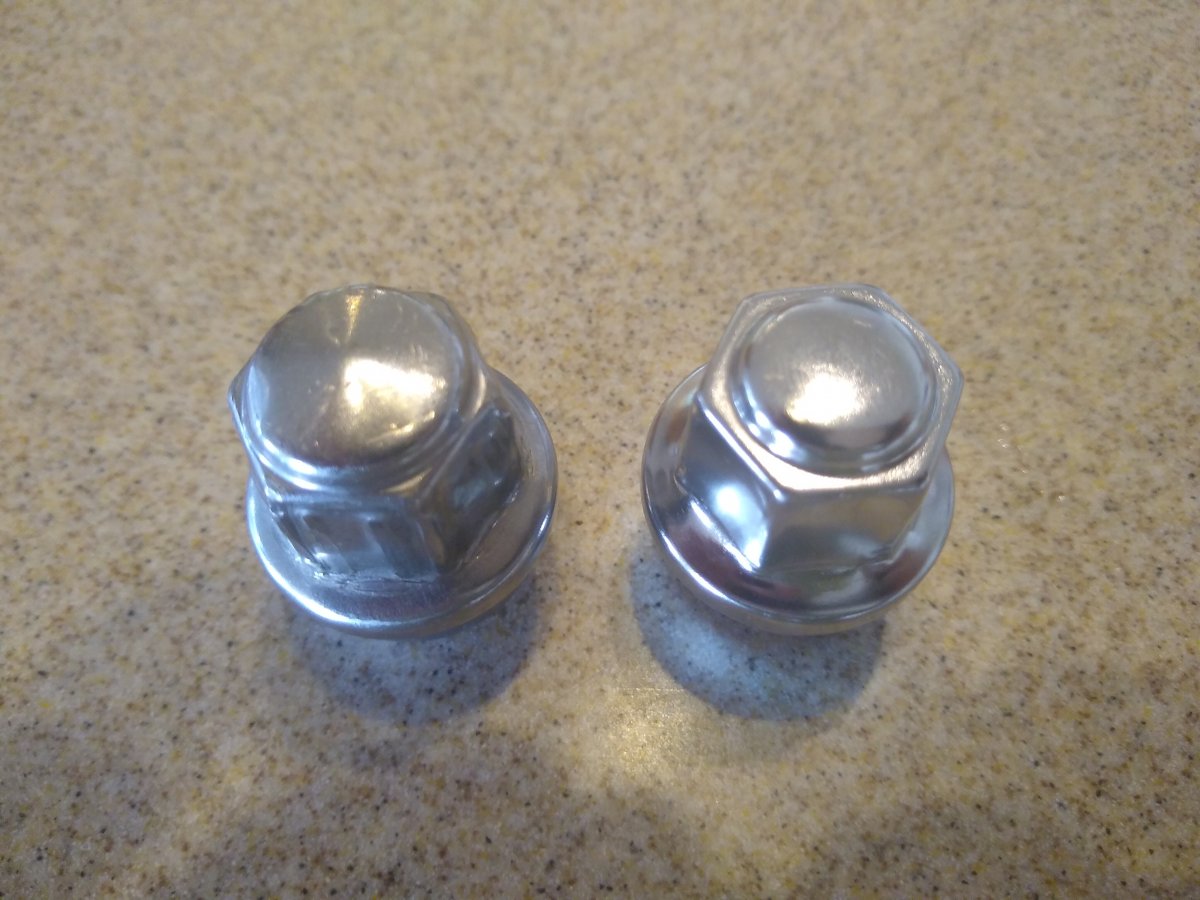
I know that many of y'all use Ford F-150s to tow your Oliver, so I thought you might be interested in this issue. About a week ago I had a routine oil change and tire rotation done on our 2017 F-150. When they had finished, the mechanic suggested that I should consider replacing the lug nuts, as they were showing signs of swelling and could prove to be difficult to remove should I have to deal with a flat tire. I checked online and found that mid-2010s F-150 models have two piece lugs, which are prone to swelling, to the point where a standard lug wrench won't fit. Also, the outer piece could detach, making it even more difficult to remove the lug. My mechanic recommended ordering new lugs online, as it would be less expensive than having him order them. So short story long, check your lugs and maybe save yourself some trouble. Greg (Grumble)
1 point
-
I'm using your idea from a similar discussion on another thread - thanks! I'm in the process of routing a 3" rigid steel duct down the street side all the way to where it meets the foot well from the dinette. I can't get by there without removing the black tank drain as you pointed out. I want the benefit of the furnace air on that side (just as the other side gets) just to prevent freezing in some of those trouble areas, help keep the batteries warmer, keep my bed warmer since my wife quickly figured out which one was warmest, etc. Inefficient ducts (I'll strategically put holes in the 3" steel duct and cap the end) down both sides will make the Oliver truly a 5 season trailer capable of keeping me alive should I get stuck in a Rocky Mountain winter storm. As long as I don't run out of propane! 🙂1 point
-
Here's a pretty neat test of the biggest generator you can buy for the Ollie. I'd like to see a Db comparison between the F150 and a small Honda generator - I bet it's quieter (by a lot). Fuel efficiency looks to be roughly a gallon per hour at full load, which the truck was able to do at idle (3.5 hours charging used a bit less than 3 gallons, less what fuel they used driving to the gas station and back). I'd like to see a test at a more reasonable load, say 1.5kW, to see how often the truck would cycle on. A Honda 2200 around gets about 3 hours per gallon, so a third the fuel consumption, but of course less than a third the power. If the truck only ran for a third of the time to power a 1.5kW load, then it would be no less efficient than a small generator, which would be amazing. GM and Ram will surely pick up on this in their next generation of trucks. I think I'm going out on a very short limb to say that separate generators are a thing of the past.1 point
-
This is pretty important to know for owners of the new Oliver system. It could make for a bad camping trip if heating pad ever failed and the batteries get charged when they are cold. Hopefully the internal BMS will prevent this from occurring.1 point
-
I've read that the lithiums will produce a bit of heat on their own, but I think that's only while they're being used. I suspect though that most of the heat in the box that you're seeing is coming from the rest of the trailer. To test, I just went out and checked some temps in and around my unoccupied trailer with an infrared thermometer and every reading inside and out was within a half of a degree (34.2° - 34.7°), with the exception of one positive terminal on one of the batteries, which was 2.5° higher for some reason (37.2° - the terminal the trailer is connected to). The sun hasn't hit the trailer or panels yet, but the display is showing just a few watts from the solar from ambient light. I think the main issue with charging while cold isn't while the trailer is in use, but rather while in storage. I don't think that you'd want to plug in a trailer with lithiums in freezing temps when it's empty and the heat is off. Same for letting the panels charge in full sun. Of course, with Battleborns or the LifeBlue, the batteries should prevent that charge from happening even if you did inadvertently try to charge them. I'd love to see some confirmation that the Victrons will do the same. edit - actually, will the LifeBlue batteries stop a charge, or are they dependent on the (Oliver inactivated) heating system to keep them in a chargeable state?1 point
-
Mcb, great call out! I have also noticed that the battery compartment is warm on it's own. I've had my Ollie set up in simulated boondocking mode (using furnace only) and last night was our first sort of cold night. The temp right now outside is 28F. As I collect more data I can give more detail about how temps are changing relative to each other (which will be very important), but for now here are some averages I've collected for the past 24 hours: Outside: 41.2F, Inside Cabin: 65.9F, Street-side Basement: 55.2F, Curb-side Basement: 63.1F, Battery Compartment: 62.7 So it looks like my Lithiums are staying kinda warm too - and I HAVE NOT sealed the vents and insulated the outside panel yet! Disclaimer: I know all Olivers are going to be different, especially year to year, so your mileage may vary. 😏1 point
-
We’ve got the new Lithium batteries and heat pad set up. As we’ve spent several nights in areas where temperatures have been mid to low 30s I’ve been watching our battery temps on the Lifeblue App with interest. Despite the low night time temps, as well as days in the 40s, low 50s, the batteries say they are quite warm... mid 50s to 60s. In fact, when I opened the battery box one morning it was quite warm in there.. Dont know where the heat is coming from.. much warmer in that compartment than the basement..1 point
-
Jason replied that the pad is custom made for Oliver by Annod Industries. He noted they have used their products in the past. Unfortunately, he's not aware of a part number. He did know that the mat draws 3.1 amps when on, so that's good to know. Probably best to reach out to OTT through sales and see what they would charge you for one.1 point
-
If you can sip power, AGM makes a ton of sense. Slow drain and solar can actually keep up with your usage. Keep studying and wait for some price drops! 😀 Some buyers/users might think of the lithium option as a "solar system" where I think of it more of a silent energy bank to beat up while the generator is off. The panels are just a small perk.1 point
-
That is a great article, I did not see anything wrong with what they did, it is just a really souped up version of the small Redarc unit I started this thread about. They just multiplied all the parts by about four times 😳. I don’t think I would do anything different, except I would run a dedicated ground wire all the way to the battery area, not just hook it to the frame in back to a bolt ... that can make problems years later from corrosion caused by stray currents moving where they are not supposed to be. I saw this and was impressed, I have never seen one of those hinged covers in the forty years I have been using Anderson connectors. I need to find a source. Thanks very much for posting, I enjoyed the read.... EDIT: I found that cover and mount, it has to come from Oz, it isn’t sold here. “ the original version, not the rubbish from Asia.”😀 .... https://andersonconnect.com.au/store/index.php?main_page=product_info&products_id=58 John Davies Spokane WA
1 point
-
I think that most of the existing lithium based Oliver trailers were not designed by Oliver engineering. Should there be accountability on Oliver's part if the owner changes battery chemistry? I believe there is at least one Oliver lithium based system out now. Do the same issues exist on any systems designed/released by Oliver?1 point
-
I'm really sorry to read your list of troubles. Most items should have been sorted out before or at delivery . The single axle should not make noises. Ours doesn't, even after 100,000 miles. I'm sure Jason and his crew will get it all sorted out, but it's disheartening, I'm sure.1 point
-
Welcome to the group from a fellow Texan! Look forward to meeting you and hearing about your travel experiences. Mike1 point
-
Ok, a question - Why is the new Li Oliver system not designed such that this issue is not - an issue. Seems like an engineering error - omission. The Dc to DC is a cheap - simple solution - similar to what I did on my last van conversion.1 point
-
I am heading for TX (somewhere?) to “domicile” a week or so after I pick up my Elite 1 in late Jan 2021. Total newbie here and yep, gonna FT it too. Crazy, I guess? Just wanted to say welcome to the forums and please feel free to message anytime with good TX campground suggestions or just to say howdy! I need *all* l the clues (and new Ollie pals) I can get.1 point
-
Yep I caught my mistake right before you posted - Elite vs Elite 2. I’d hoped I’d deleted it before anyone noticed. 😛😊1 point
-
Thanks for taking the time to post your experience and letting Oliver know where QC is lacking.1 point
-
Yes, Neither side was designed with a hanger that has an integrated bushing. Dexter sells rear hangers with and without bushings. Not sure why Oliver went with the one without the bushing. Biggest concern is that the bolt and/or the bracket will experience some significant wear in the near future. I will be keeping an eye on how much wear occurs over the next few thousand miles. In the meantime I am in the process of purchasing some spare bolts to have just in case the bolt fails out on the road.1 point
-
Makes me wonder about those Airstream owners. He even got complimented for having 'thought everything through'. If I run into that particular Darwin Award applicant at a campground, I'll have to remember not to touch his truck or trailer - that could be a nasty shock.1 point
-
Hey, and welcome, from Florida. So very happy that everything worked out for you!1 point
-
Welcome you guys! It certainly looks like all of the stars aligned just right for you on this one. With all of the Oliver owners in Texas I'd think that Oliver just might (someday) consider a branch office there 😉. I too took delivery of my Oliver in February and while you will need to keep an eye on the weather, since you don't have to cross any mountains it should be fairly good for you. I'll be looking for you out there on the road! Bill1 point
-
Hopefully this link will answer some of the questions raised and likely raise others.1 point
-
It is pretty much household dryer exhaust duct. The heat that radiate out from it keeps the plumbing from freezing. If your section with a tear is not easy to replace I would use some 'silver' insulation tape (looks like silver duct tape..or duct tape..that is where it got it's name after all.). I have moved mine around a lot and have never approached tearing it, and I store nothing near it...1 point
-
Yes and no. I did replace mine while doing my plumbing refit but I didn’t bother to preserve the bath duct. And in three weeks on the road without it, neither my wife nor I could tell any difference at all. My plan was to reroute the duct down the other side (possible since I’ve previously removed my unused black tank drain), but I don’t think it’s worth the trouble. The bath just doesn’t get appreciably colder than the main cabin. With the bath duct gone, the two cabin vents blow a bit stronger - probably due as much to having the ductwork pulled tighter. I replaced the remaining duct with insulated flex duct. I experimented with rigid duct but there’s too many ins and outs with the plumbing to make it work. I guess I could have done the duct first and worked the plumbing around it but that would have made for a real rats nest of plumbing. But the insulated flex duct is huge and I don’t really like it. I think that I’ll go back with semi rigid like you said. The old duct that I pulled out was just nasty with caked on fiberglass dust.1 point
-
We don’t get real cold here in south Texas either. Tonight it will dip into the mid to high 20s. This afternoon, I will go to my storage, turn on my little Vornado electric heater, turn on my hot water tank and then lift the mattress and open the basement access where the water pump is. I will open and drain all the exterior water connections (just let whatever water is in there drain) then recap. I’ve been doing this for 5 winters and have not had a problem. Last year we did have 3 or 4 consecutive days of night temperatures in the 20s, no problems. We’re heading to AZ in early January and it is nice not to have to de-winterize. Mike1 point
-
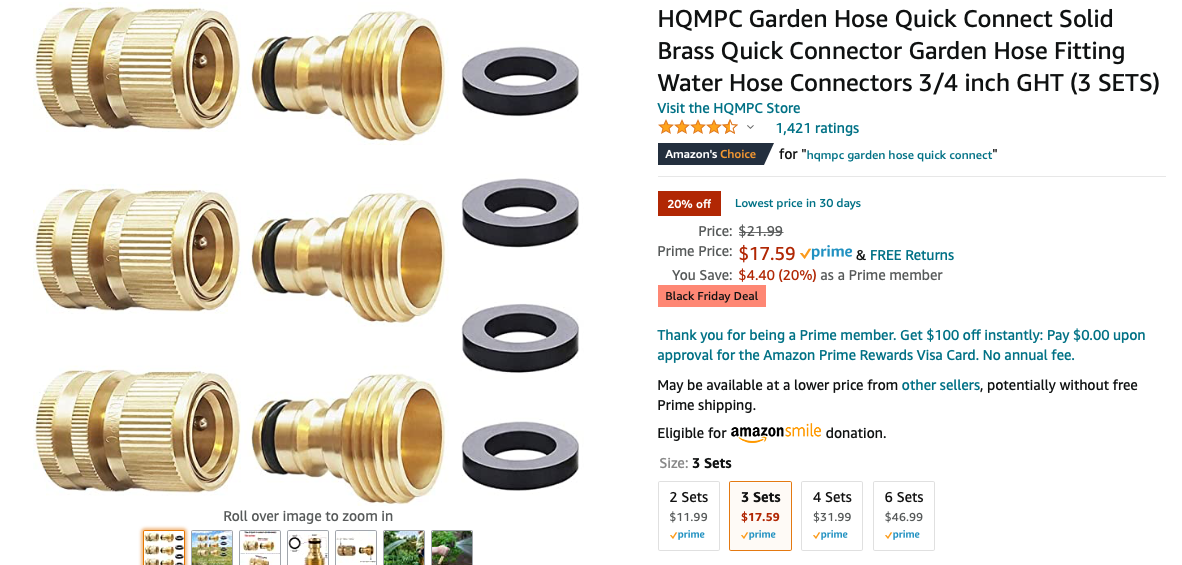
I have used the Camco 20135 Brass Quick Hose Connect, that look like the ones in @FrankC's pictures. I really like the quick connects for the convenience. However, I have found they start to leak after a while and need to be replaced periodically. Reading about the Eley fittings that @John E Davies mentions, they are made from brass, while the Camco is a mixture of brass and plastic. I searched on Amazon for brass quick connects, and found this brass HQMPC Garden Hose Quick Connect set of three on a Black Friday special price. The reviews are excellent, and they pass the fakespot test.
1 point
-
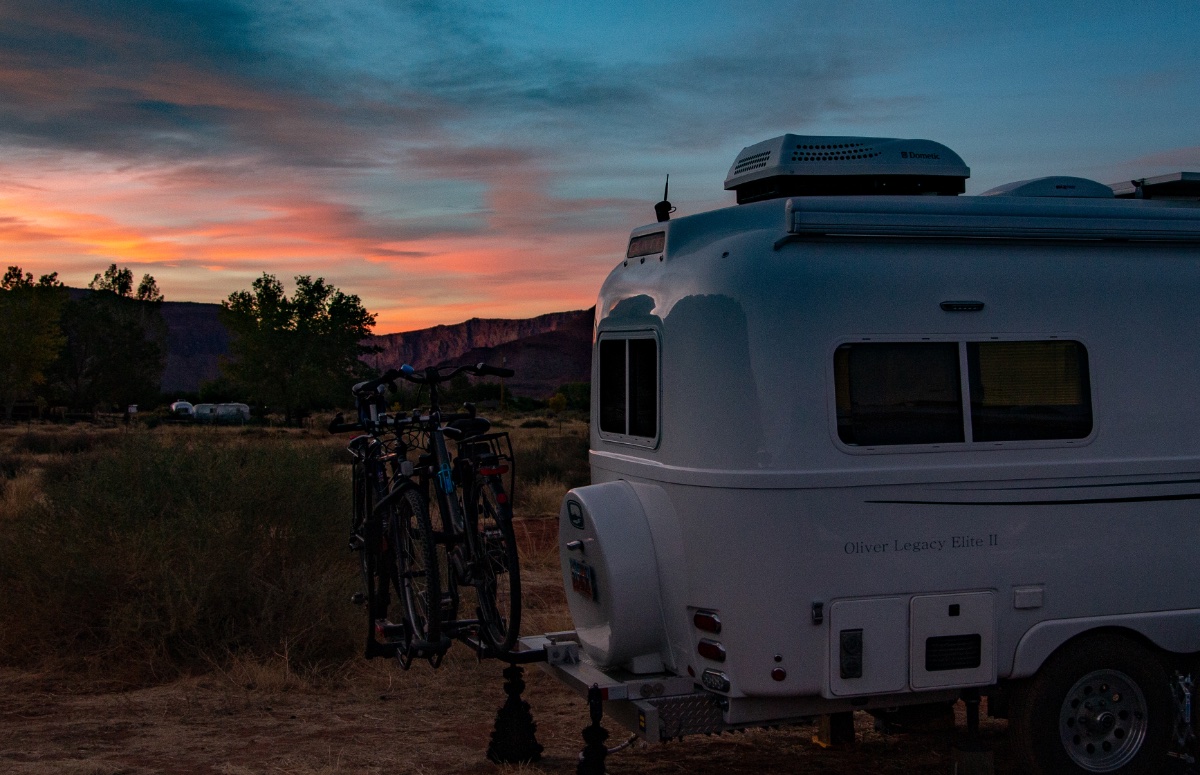
Last month we camped with some friends in Castle Valley, UT, which is east of Moab, in our two travel trailers. This was socially distant camping – eating outside at separate tables and wearing masks when needed. We decided to have the two trailers antiparallel, so that the doors would face each other, and the awnings, rugs, and tables would be in between the two campers. The fall colors were really nice!
1 point
-
Robin at Banana Banners was who we worked with as well... while our logo was something we brought to her, judging by the look of some of her other projects, she comes up with some amazing designs on her own when asked to.1 point
-
It has been just over a year since we spent our first night at David Crockett SP after our delivery. I think Oliver usually tries to reserve the same few spots. I noticed from photos we were in the same spot at those that picked up before and after us. We had never camped in a travel trailer and had very limited towing experience. We had almost no experience backing up a trailer. From experience, just take your time with everything. A check list for set up and departure are a huge help. Folks at David Crockett in the sites near us had seen other new Oliver's in and out of the campground. They were understanding, nice and helpful. By taking our time we were able to get our Elite II parked pretty easily. If in doubt when backing up stop, get out of the truck and look!!! Good luck and don't rush.1 point
-
One REALLY effective trick to locate a mystery leak is to place a folded up blue paper “shop towel”, not a white one, under a suspected fitting. If there is a slow drip, it will show up as an easy to see dark blue spot on the light blue background. Don’t buy from Amazon, you can find them for around $2 per roll at any place that sells auto parts, including Walmart. John Davies Spokane WA
1 point
-
I would hesitate to purchase the first year release . . . . and way too much tech for my taste. Unfortunately, as automotive designs progress, this is only going to increase. Has Ford redesigned the crew cab rear seat so it folds flat as does the Dodge? That would be useful.1 point
-
It looks like it's only a 125 Ah battery, so I doubt you'll be able to do a lot with it on it's own. I think mostly they're just putting the engine to good use as a giant generator.1 point



.thumb.JPG.dd838cdb3df463dab6a16861fa23a319.JPG)



















-
Recent Achievements
-