Leaderboard


Popular Content
Showing content with the highest reputation on 10/25/2020 in all areas
-
January is a good time to visit parts of the southwest. We plan on leaving the first week in January to spend all of January in Arizona and then possibly do some southern Utah before coming home. John’s advice is good. January in southern AZ is good, January in northern AZ can get dicey. Flagstaff and even Sedona to some degree will have lots of snow off and on. Southern UT and NV are usually good but can have some occasional weather. Elevation increases cold and precipitation. You haven’t said what kind of camping you do. We avoid commercial RV parks and stay at state and national parks, COE, FS and BLM areas. Right now, NM is pretty much still closed down as far as state parks and other public areas go. AZ is open, we will be staying at Kartchner Caverns SP, Catalina SP in Tucson, Lost Dutchman SP near Phoenix and Fool Hollow SP. The issue you might have with AZ state parks is that they are hard to get into. We made our reservations 6-12 months ago. Same with other public campgrounds, AZ is popular that time of year. Texas is open and has some nice state parks and other public campgrounds. Mother Neff SP outside of Waco is nice and there are a number of nice state parks between Austin and San Antonio. If you are traveling in January/February there can be some inclement weather along I-40. I-10 across southern TX through NM into AZ is pretty safe. Southern UT is nice. Any or all of the national parks are well worth visiting. There are some nice public campgrounds outside Arches and Canyonlands around Moab. Mesa Verde NP is also worth a visit, being in southwest Colorado it doesn’t get the same cold and snow you associate with Colorado. There is also nice camping around Lake Meade in NW AZ and up into southern NV. I don’t have any experience with commercial RV parks. Since NM has been closed down for COVID we do stay at a very small commercial park in Roswell when we’re going to Colorado. Mike3 points
-
You need to understand one thing about off season travel in this area..... elevation elevation elevation! The South Rim is at 7000 feet and arriving there in Feb will put you in the dead of winter, snow, and sub-freezing temps. They do keep it accessible. I don’t know if the campgrounds still operate that time of year. In 1980 I camped there two nights in January in a van, the temperature never got above 10 degrees F. The North Rim at 9000 feet is even worse, the roads do not even get cleared until late May. You will have to stay down low. Moab area should be fine, it is desert and around 4000 feet. You will not be able to access any of the surrounding National Forest high country campgrounds, but there is plenty of boondocking around the rivers, as well as Arches and Canyonlands NPs. If you get the opportunity to park your Ollie and rent a Wrangler, do drive the White Rim Road, at least the southern part of it closest to the Canyonlands Visitors Center. It is jaw dropping and beyond spectacular when viewed from a 4wd vehicle. There is a big road cycling event March 13-16, plan around those dates. ..https://www.skinnytireevents.com/skinnytirefestival John Davies Spokane WA2 points
-
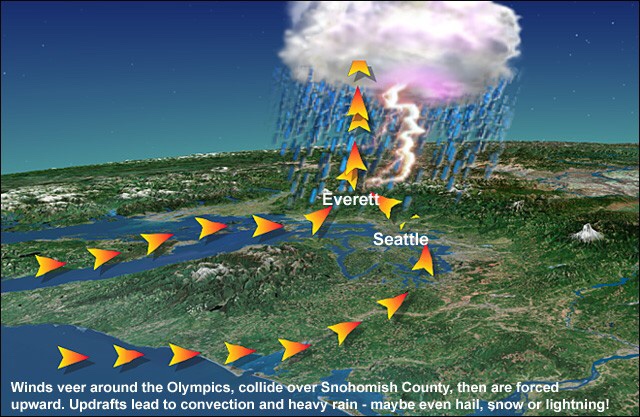
If you plan to move to the PNW, or just visit, it is important to understand the concept of microclimates. Puget Sound especially has many. Northeast of Olympic NP is the little town of Sequim (“Skwim”) which is very dry since the prevailing wind drops all the rain on the west slope rain forests. Sequim gets 23 inches, the Hoh Rain Forest gets more than 150. The wonderful San Juan Islands near the Canadian border are also dry and relatively balmy.... The systems coming in from the west have to deal with tall mountains, so they move in odd directions and come together in convergence zones in Puget Sound. You can get lots of rain or even snow in a CZ, and a few miles away you might get nothing. Seattle is known for being wet and dreary but annual rain is only about 38”, average for the USA. Olympia, the capital at the south end of the Sound, gets 53”. You will see lots more moss there than in Seattle. Once you get east of the Cascades this microclimate effect still exists, but it is not nearly as dramatic. Your weather is defined mostly by your elevation and which side of (and how close to) a mountain range you live. Spokane gets 17”, twenty miles further east, nestled against the mountains, Coeur d’Alene ID gets 27”.... The further east you get, the more likely you are to experience arctic blasts in winter. We just had a record October snowfall, 6”, and it is getting into the low teens at night. Brrrrrr. John Davies Spokane WA
 2 points
 -
This thread makes me want to explore these areas that I have not seen. Thanks for the inspiration!2 points
-
I agree with John on this. I’m not too worried about noise, and rolling resistance isn’t going to make a significant difference in MPG. Sometimes we do things because we like a certain look or a functionality that is contrary to practicality. Mike2 points
-
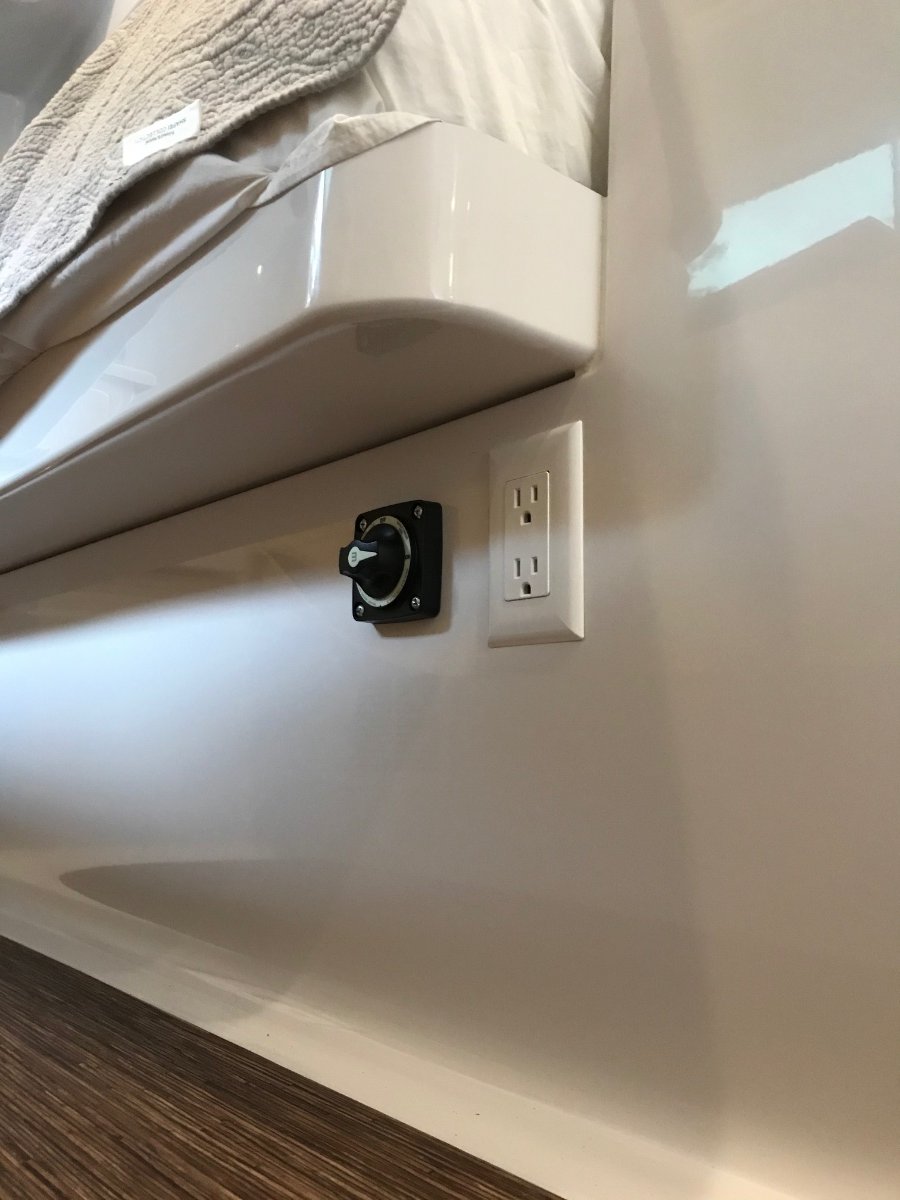
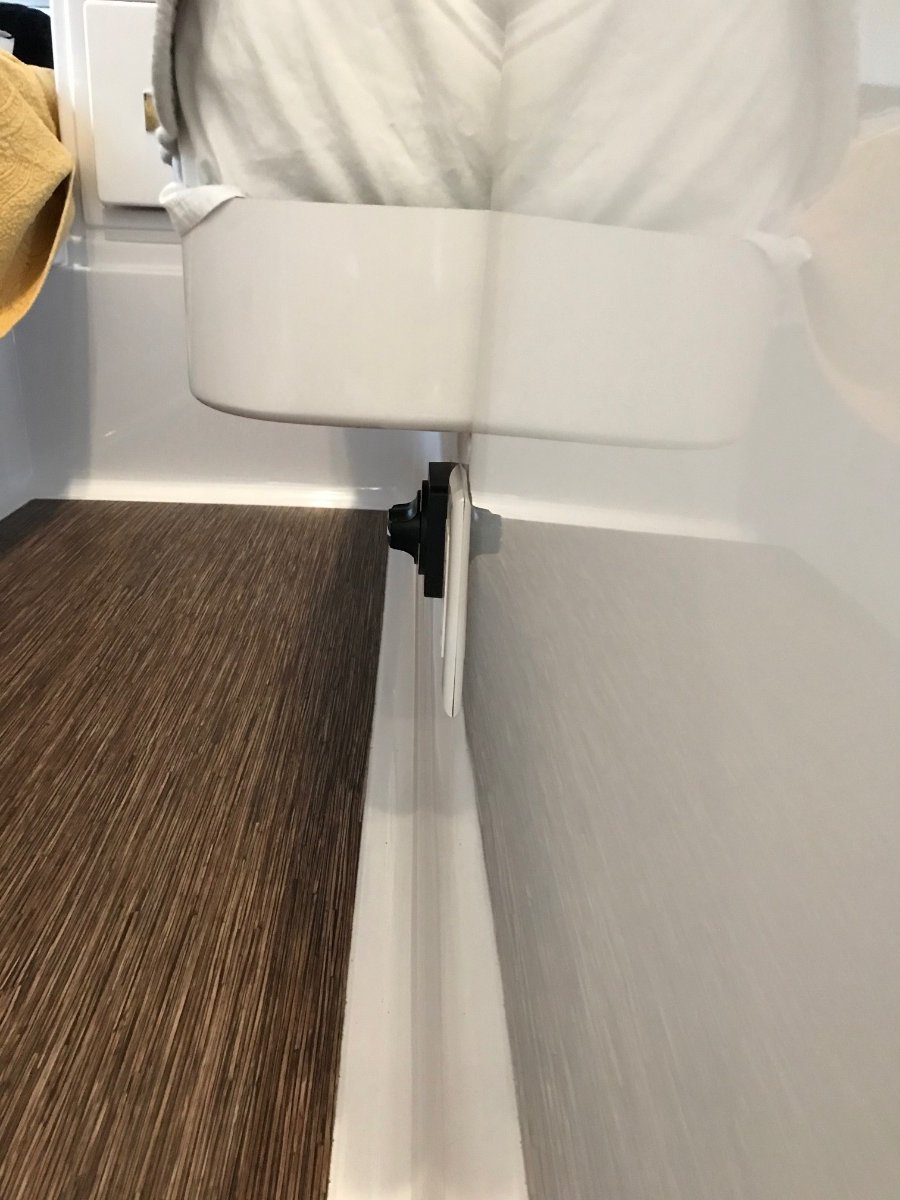
I replaced the temporary battery cutoff I had previously installed inside my battery Box with a new Blue Sea 300 amp switch that I mounted on the panel under the street side bunk. Thanks Salorashore for the idea. I also installed a Victron 712 battery monitor. The seller was out of the smart shunts so they sold me the 712 for only $20 more. The display will stay under the Rear dinette seat mounted in a plastic junction box. Thanks Mossemi For the idea.
2 points
-
When we moved here, I told the Mrs. to make sure she washes out the moss behind the ears at least twice a week.2 points
-
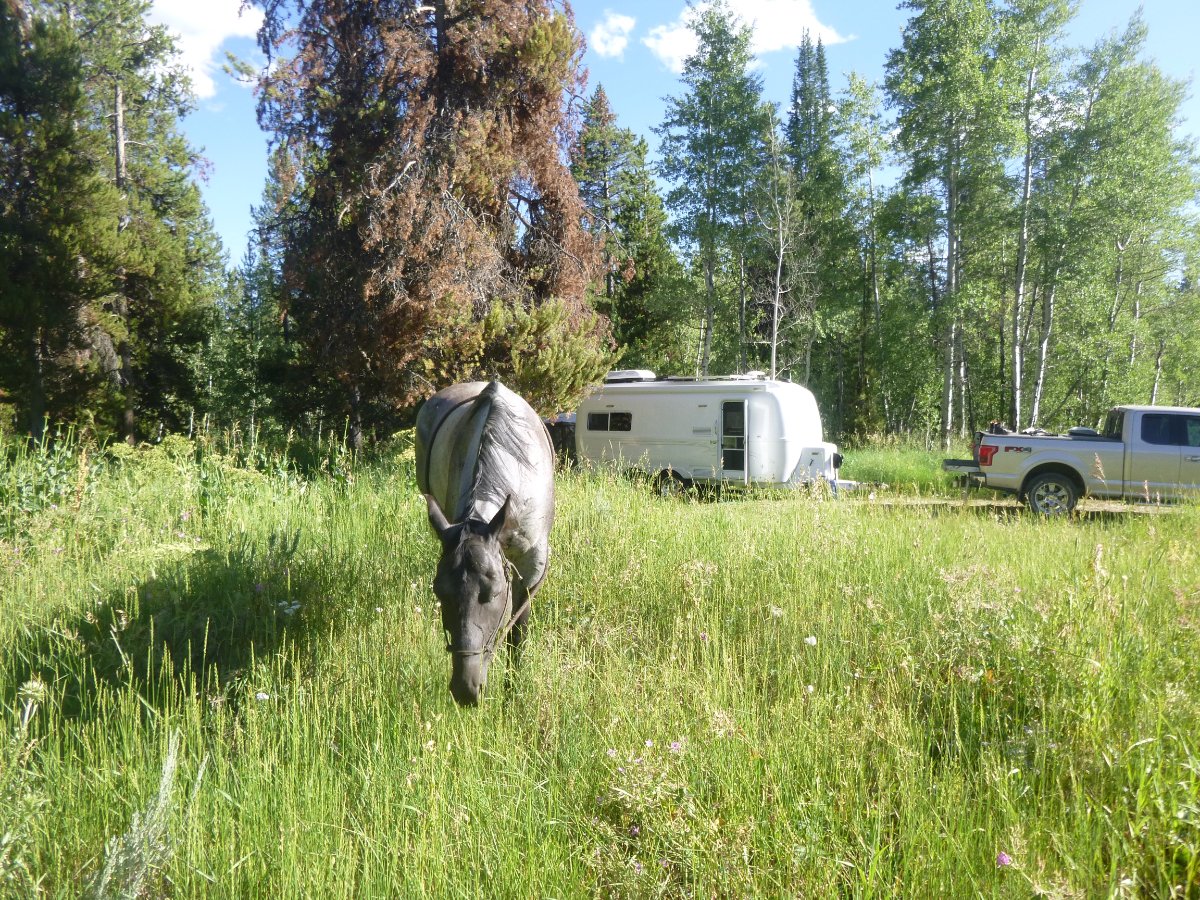
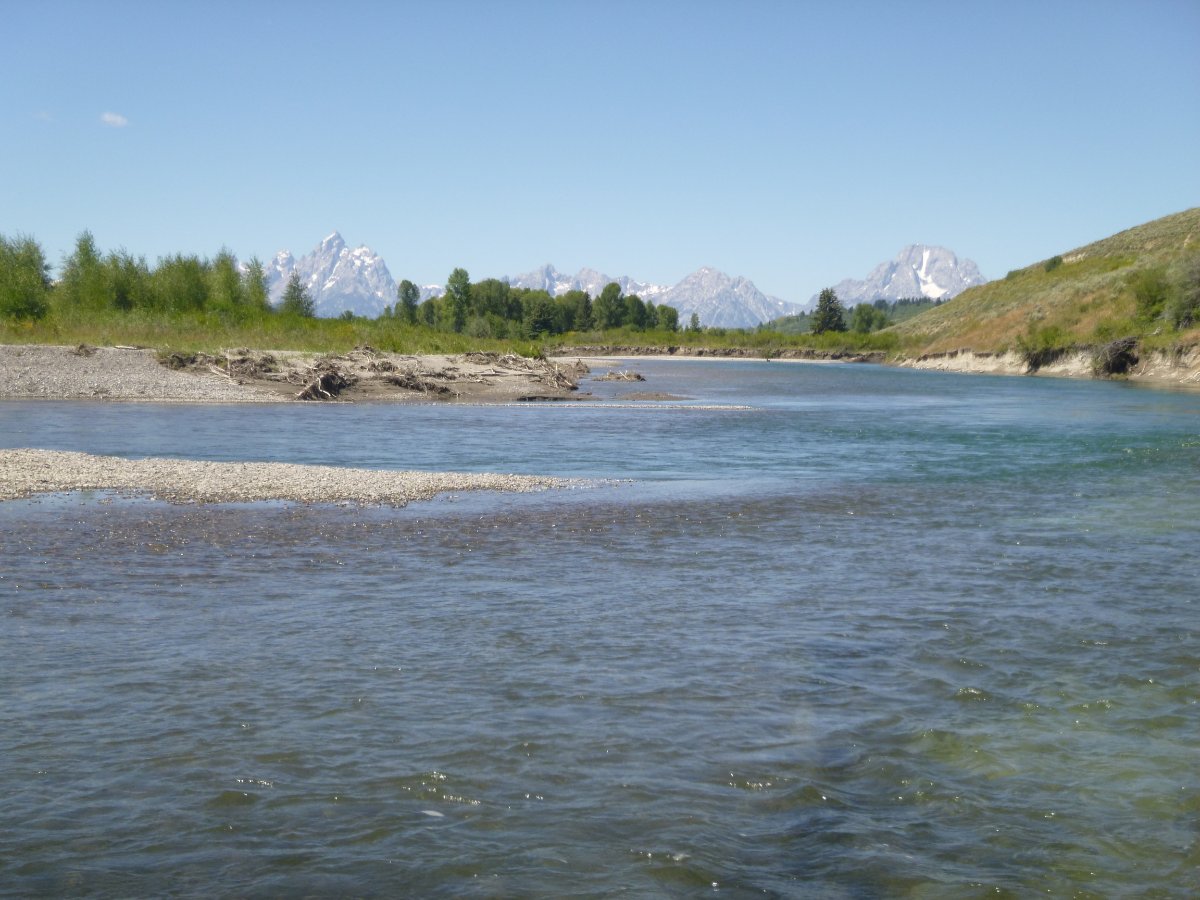
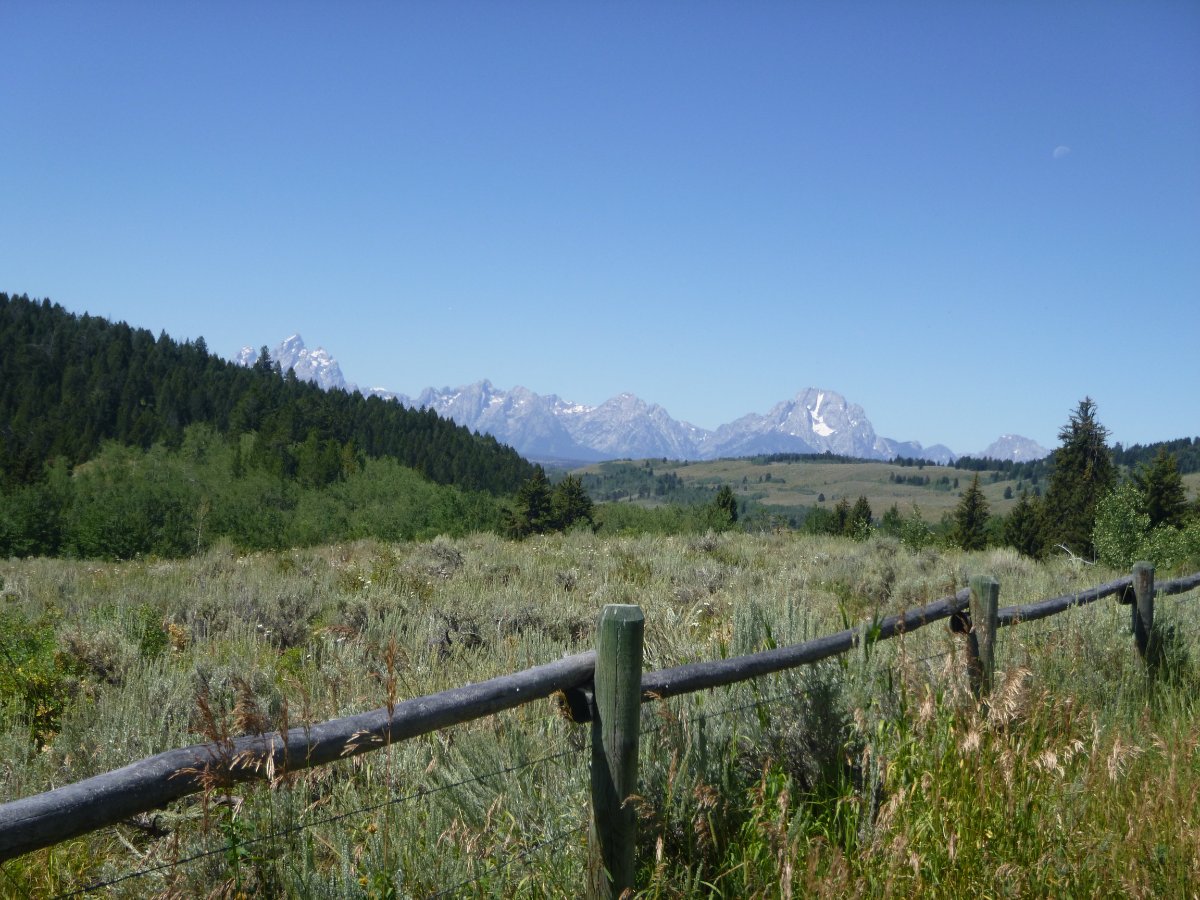
On my recent fly fishing trip to Wyoming I stumbled upon a Forest Service "de-commissioned" campground. My destination was fishing the Buffalo Fork River and I knew that there was a large Forest Service campground (Turpin Meadows) at the end of the paved Buffalo Valley Road. I also knew that there are numerous boondocking sites on this road. However, when I arrived I found the Turpin Meadows campground FULL and even the availability of many of the boondocking sites were hard to come by. So, as I headed west back toward Moran Junction I saw a small sign 9/10th of a mile west of Turpin Meadows for Box Creek Trail Head. The 3/4 mile dirt road ends at the trail head where there are 8 campsites. The Forest Service took away the picnic tables but left the bear boxes. While the pit toilet is not "serviced" by the Forest Service (this means that it is not cleaned nor do they provide TP) the campers using this facility do sweep it out and the result is that it is in better shape than the average. There is water but it is marked that it is not potable, however, both potable water and trash disposal can be done at Turpin Meadows. During the week I camped here it was never full and most nights there were only three of us staying there. It is super quiet but certainly be "bear aware". So, if you are in the Grand Teton area and want to get away from the crowds but still want great hiking and/or good fishing without a long drive on a dirt road, you might want to consider Box Creek. There are stunning views of the Tetons from many of the hiking trails, from the river and from the drive west on Buffalo Valley Road. GPS: N 43 degrees 51minutes 42.5 seconds, W 110 degrees 17 minutes 39.0 seconds Bill
1 point
-
Alright! All good information and I'm bookmarking the Home Depot pages for the crimpers and clamps. I'll note where the access holes go. I'm becoming puffed up about the ability to fix some plumbing issues myself. And in reply to John's post, this is exactly how I learned the fittings were leaking in the first place. Wet paper towels slipped under the fittings. I didn't have the blue towels but I'm sure they work better than Brawny whites I had on hand. Also, I'm the wife in this case so I give myself full permission to buy any tools we need. Ever since my husband learned he's part Neanderthal he excuses himself from any plumbing repairs, saying it's not in his DNA. If you need stitches, he's your man. Plumbing...not so much. Thanks and I've got lots to consider. It's always a good time logging in to the Forum, I've discovered. Better than lurking. Doris and Bill1 point
-
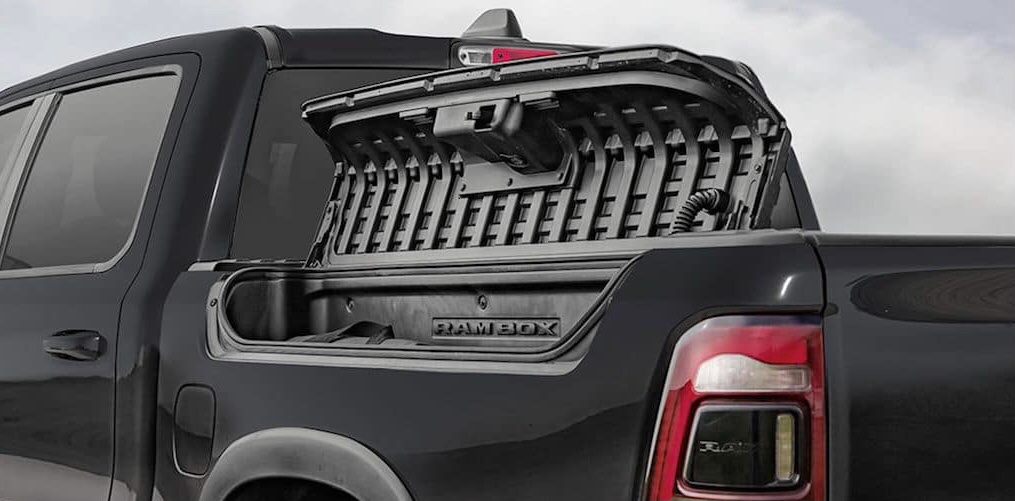
I’ve had Ram 1500s with and without the Ram Boxes. I used a Bakflip tri-fold tonneau cover on both which provides nice security for stuff in the bed. I don’t mind the squared sides of the bed with the Ram Box option. That space isn’t always real usable anyway and I like being able to put tools, supplies and other things that need to be accessible in each Ram Box. If you are going to go with a cap, like John says, don’t get them.1 point
-
The Rebel is a very nice choice for a 1500 pickup, but be aware it has some “offroady” aspects like bigger (33”) All Terrain tires, upgraded suspension, skid plates and a 1” taller height. If you actually want these features (as I do, for boondocking and exploring the VAST network of unimproved roads in the West) then go for it. If you don’t want these features, and you want an easier to enter vehicle, plus a lower bed height, then a standard Ram 1500 would be a more logical choice. In terms of cool factor, the Rebel wins hands down..... I don’t know if this has been mentioned before, if you plan to install a canopy, which I do recommend, do NOT buy the Ram Box option, since the box lids cannot open with a canopy in place. They will work with a retractable tonneau cover. The bed is also a lot narrower when you have the boxes, some people do not like this aspect. Nice truck: https://www.caranddriver.com/reviews/a19561753/2019-ram-1500-rebel-first-drive-review/ Black especially, or any really dark color, is a bitch to keep looking nice, pardon my language, especially when traveling long term. White will match your Ollie, but any light color will be easier to maintain. I really like khaki (desert tan) since it is the color of dirt.... but they don’t offer “Dirt” in the Rebel color chart.😀 Always always, drive before you buy. Make sure it fits you, both physically and emotionally..... John Davies Spokane WA
1 point
-
Your October 6" snowfall equals the average amount of snow we get for an entire Winter. Of course western NC also has these microclimate effects you talk about and if we need snow for some reason (like cross-country skiing ) we can drive 17 miles to get from 2500 feet elevation to a little over 6000 and get all the snow we want for most of the winter. Bill1 point
-
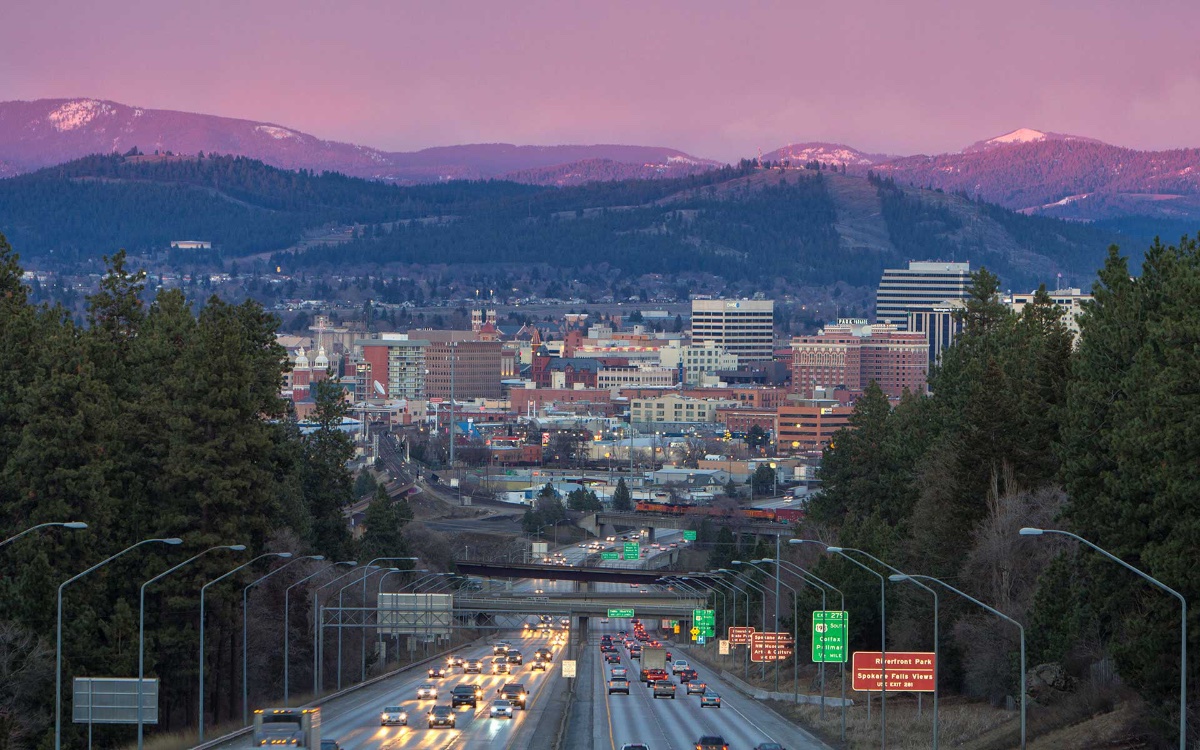
I would like to point out once again that the “Wet Sides” of WA and OR are actually a fairly small percentage of the Pacific Northwest region, which stretches clear to the Northern Rockies..... It is only because most people live there that the silly “moss everywhere” public image persists. The Cascades effectively block that Pacific Ocean moisture; just twenty miles east of their crest you enter arid and semi-arid climates, with clear skies, hot summers and chilly winters. And WAY fewer people. https://en.m.wikipedia.org/wiki/Pacific_Northwest Certain locations like the Okanagan Region are “banana belts”, low elevation river valleys aligned due east of rain- blocking mountains, where irrigation is most definitely required for the orchards and vineyards (not a moss to be found). These spots are popular with retirees looking for mild weather, spectacular beauty and much more affordable housing than in Seattle or Portland. Just saying. Come visit and see for yourself. John Davies Spokane WA, AKA The Dry Side. No moss or slugs here:
1 point
-
The furnace in the Elite is located right next to the bathroom under the forward dinette seat. It is ducted into the bath and out into the cabin. It probably is not as effected as the Elite II setup as far as between the hulls heating goes.1 point
-
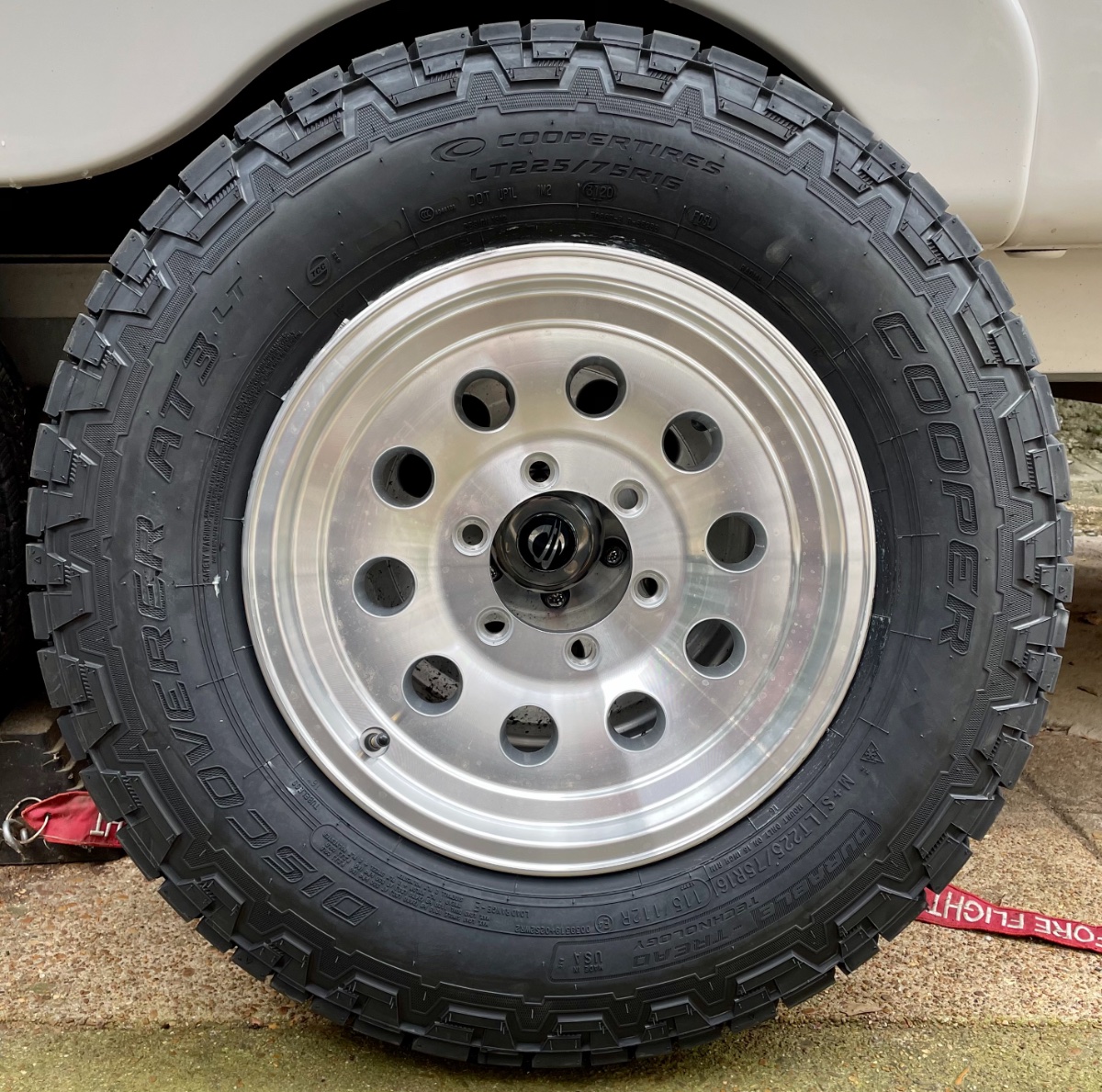
The Cooper Discoverers do seem like a good compromise. The BFG KO2s that I have on my truck would be overkill on the trailer, I think. They’re much beefier, and in the same size would probably have a good bit less rubber contacting the road. But wow they’re tough. I have deep scratches on three of my rims which couldn’t have gotten there without some rock moving the tire out of the way first and yet the sidewalls of my old tires looked pristine. I only had to replace them because Ford specs a custom soft rubber for the Raptor and so the tread was about gone at just 40k miles. The replacements I got are BFGs standard, so I hope they last a lot longer. Since this is just on a 2nd spare for now, I won’t be able to give much of a review. If I get to use it there’d better be a good story to tell. I’ll swap out the others in the spring and can say more then.1 point
-
Thanks for finding that photo of an Elite II under construction. You can clearly see the ducting. And the reflectix insulation (which is not present in older 2008s like ours.) I'd love to see a new Elite I photo underway. The furnace in the smaller Elite moved to the small dinette area, but I don't know if it ducts to the bath, or anywhere else. Or, if it simply blows hot air from a single grate, as ours does, which is quite effective in heating the smaller cabin space. Maybe next time in Hohenwald I'll see one under construction. It's been awhile.1 point
-
Dean, I've actually felt the same, but the state of my tires after three years has convinced me otherwise. They're not completely destroyed, but they're beaten up enough that I doubt their performance on the highway is any better now than ATs would be. Probably worse.1 point
-
Think I’m going for black. Matches my dog. Heh!1 point
-
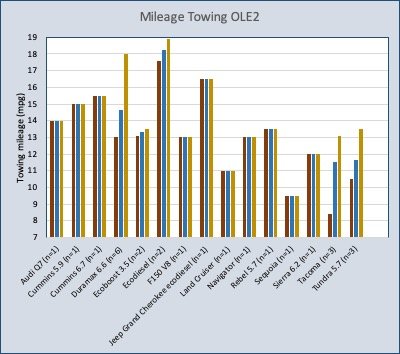
I've been curious about towing mileage of various vehicles. So, I did a search for gas, diesel, and mpg in the forum archives for reference since 1/1/16. The graph below shows the minimum mileage, average (mean) mileage, maximum mileage, and the number ("n") of references. For vehicles with only one reference, the maximum, average, and minimum values are the same. The references that I found cover a range of conditions (speed, terrain, temperature, etc.). Because of this, and because of the small number of listings for most vehicles, the results are anecdotal and not statistically significant. Nonetheless, in aggregate they provide some indication of what one might expect for towing mileage. The results are probably not surprising: (1) half-ton diesels (e.g., ecodiesel) or diesel SUVs did best, (2) gas generally engines fall into the 10-13 mpg range, (3) 3/4 ton diesels seem to get 13-16 mpg. And, of course, towing mileage is only one consideration for selecting a tow vehicle. It is unlikely that I found all mileage references in the forum archives -- the search function doesn't seem to be entirely consistent in picking up the same references over multiple searches. I can expand this mileage compilation with additional data if the results would be useful to enough of you. If you'd like to submit mileage, please respond with the following information: trailer (i.e., LE1 or LE2), tow vehicle, year, engine, gas/fuel mileage while towing, gas/fuel mileage while not towing, the number of miles over which you are estimating the gas/fuel towing mileage, typical travel speed, and the region of the country in which you travel (e.g., NE, SE, midwest, west). I realize that there are lots of other variables (e.g., transmission, axle ratio, vehicle modifications, etc.), but accounting for these becomes too complicated.
1 point
-
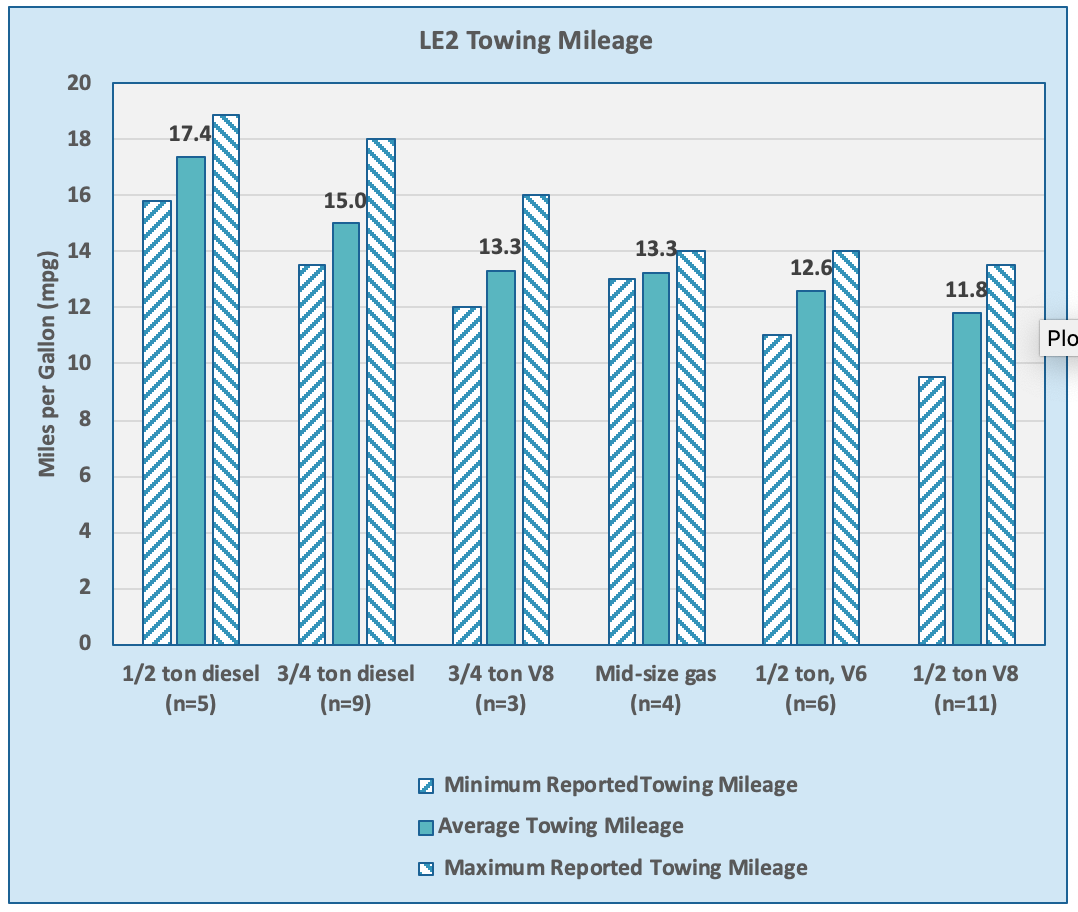
Here is an updated graph of LE2 towing mileage; the update includes responses in this thread or additional references that I found in the archives. Data are summarized in this PDF: LE2 Towing Mileage (Table).pdf For illustration purposes, I've aggregated data by general vehicle and engine type (see graph below). The "n" value is the number of mileage data in a group; the higher the number the more reliable the average (although this case the number of data are insufficient to be statistically significant). Nonetheless, these mileage estimates likely fall in the ballpark of what one might expect for these vehicles. I found only three references to LE1 towing mileage (which ranged from 11.5 to 15); these are listed in this PDF:LE1 Towing Mileage (Table).pdf Bottom line: most folks see towing mileage with the LE2 ranging from about 9 mpg to more than 18 mpg, depending on vehicle, terrain, wind and temperature, speed, city/highway, etc. In addition, fuel mileage for various vehicles over millions and millions of miles are compiled at Fuelly.com. Data can be sorted by engine type, and include a mix of towing and no-towing, city and highway, etc. conditions. Fuel mileage is but one of many criteria for selecting a tow vehicle. Nonetheless, I hope thread helps others (like me) for whom towing mileage is one factor in choosing a tow vehicle.
1 point
-
Looks the part, I think... Comparing the tread to the Michelin’s, I have to say that there’s not a huge difference in the size of the tread blocks or the siping, so I’m feeling pretty good about the highway potential. I ended up getting a free tire for my Raptor as part of the deal. I had asked them when they put on the new tires to save me one for a 2nd spare and when I went back today to have it mounted on the rim I got, they told me I’d bought the wrong sized rim, which was odd, since the rim was a pretty much new Raptor takeoff I got on eBay. Turns out that they had actually given me back the wrong tire and since they couldn’t find the old ones they’re ordering a brand new one for free.
1 point
-
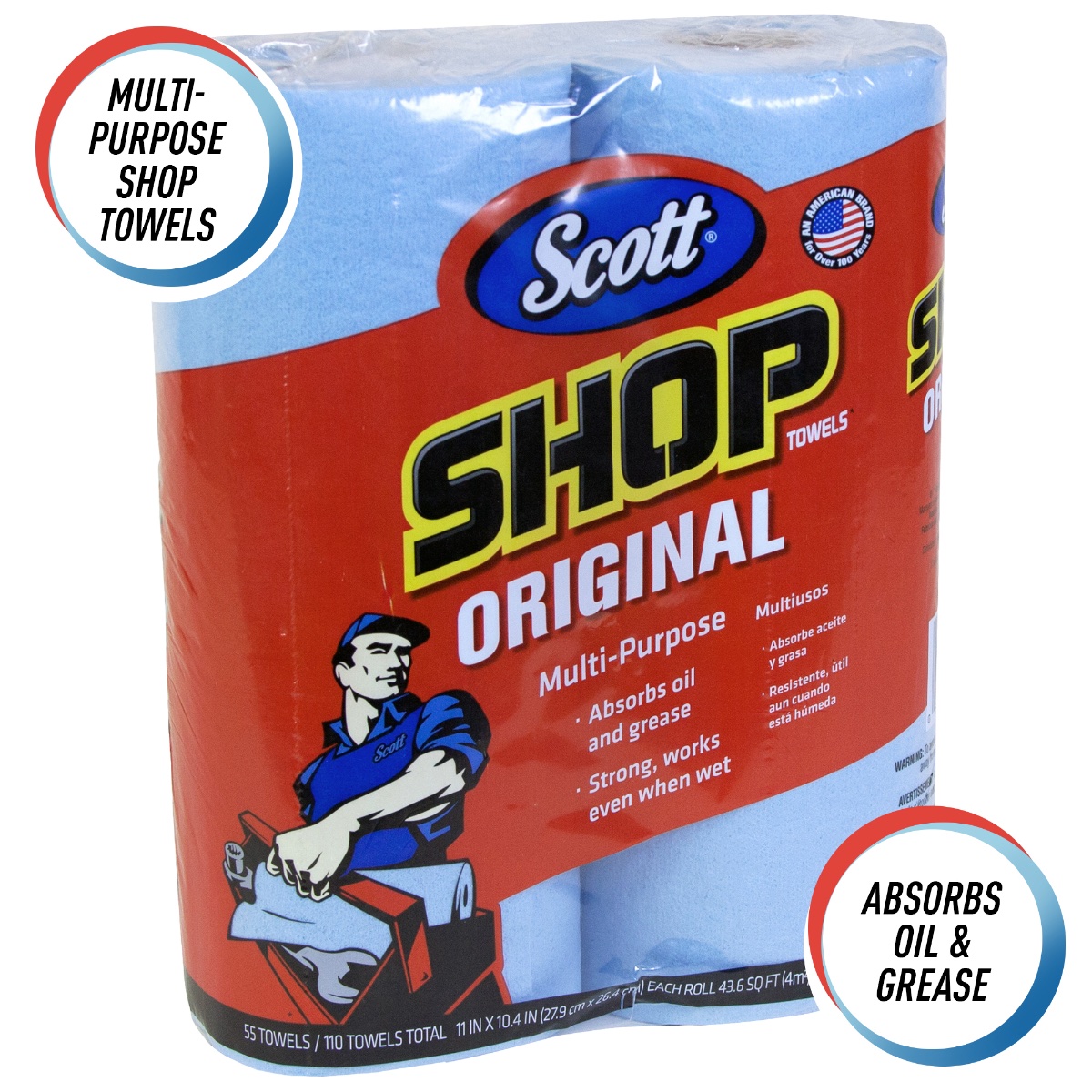
One REALLY effective trick to locate a mystery leak is to place a folded up blue paper “shop towel”, not a white one, under a suspected fitting. If there is a slow drip, it will show up as an easy to see dark blue spot on the light blue background. Don’t buy from Amazon, you can find them for around $2 per roll at any place that sells auto parts, including Walmart. John Davies Spokane WA
1 point
-
1 point
-
You will love the heads up display, especially if it shows turn by turn navigation. What color?1 point
-
This Rebel is more than enough to tow an Elite I. It’s essentially what I am driving now. I see it has the brake controller which is a plus, that will also give you the trailer brake status on your instrument panel if you choose. The 5.7L Hemi in the Rebel is plenty for the small Ollie. Rebels are not any more powerful than any other Ram 1500 with the 5.7. The Rebel just gets you some cosmetic trim upgrades and some suspension upgrades. I wish Ram would up the Rebel HP a little like Ford does with the Raptor. Maybe slap on a supercharger? The Rebel TRX does that with the bigger V8. Mike1 point
-
For me a tow package includes a brake controller. Suspension to support what we plan to tow. An electrical plug to be at least 7 pin if not both 7 and 4.1 point
-
Western Oregon does have its share of ticks, rattle snakes, and poison oak. On the other hand, Oregon has a lot of great boondocking sites.1 point
-
Try to get your hands on the buyer's guide, for 2021 it's here: https://www.fcausfleet.com/content/dam/fca-fleet/na/fleet/en_us/shopping-tools/brochures-literature/docs/buyers-guide/2021/2021_Ram_1500_DT_Buyers-guide.pdf Here are the options listed: Trailer Tow — Four- /seven-pin connector (XFK) • • • • • • • — Class III hitch (bumper; not available with Class IV hitch receiver) (XFJ) • • • — Class IV hitch receiver (included with H1 and H2 Equipment Packages, Tradesman Group, Trailer-Tow Group and Max Tow Package) (XFH) Trailer-Tow Group — Includes Class IV hitch receiver, integrated Trailer Brake Controller, 7 x 11-inch trailer-tow mirrors, Trailer Light Check, Trailer Tire Pressure Monitoring system, Uconnect® 4 with 8.4-inch display on Tradesman only and Trailer Reverse Steering Control (AHC) Max Tow Package — Includes max towing 10-inch axle with 3.92 axle ratio, Trailer-Tow Group, 18 x 8-inch aluminum wheels and LT18-inch OWL On- /Off-Road tires (available with 5.7L HEMI V8 with eTorque or 3.0L EcoDiesel V6 4x2 Quad Cab® only) (AJL/AJQ) My Guess is you want at least Trailer-Tow Group, and probably the Max Tow Group in addition.1 point
-
Interesting thread. Where we live in the Texas Hill Country north of San Antonio has some advantages for RVer’s. We have mild winters with no sustained below freezing weather, so no need to winterize. We do usually get a week of night time temperatures in the 20’s but usually well above freezing during those days. Being right on I-10, it’s an easy two day drive to Arizona, Colorado or the Florida panhandle. If you are young and ambitious those can also be done in a day. San Antonio is in the top 10 largest US cities so has all the cultural, medical, sports, airport and shopping that goes along with being large. We’re not in the city but only a 30-45 minute drive to any of the big city features. What we don’t like are the hot, humid summers that usually last from June through September. We usually make a July/August trip to NM, CO or AZ during those hot muggy months. Mike1 point
-
I’ve noticed in the latest rounds of factory photos that Oliver has switched to Reflectix style insulation, which is sort of like a foil bubble wrap, rather than the thinner foil backed foam that they were using before. I’d think that it should be more effective. I’ve been adding a layer or two of reflectix in the lower hull myself, over time as I do other things. Unfortunately, there’s no way to get into the upper hull, but with some work you can access much of the lower hull. We’ll see if it makes any difference. One place I’m glad to get the extra insulation is around the beds beneath the windows. It’s actually quite easy to stuff two layers of reflectix in there from below, and I’m hoping that it will keep those walls warm at night and eliminate the condensation if you happen to sleep up against them. So far, I’ve added extra insulation behind the bath vanity, extending somewhat into the closet and bath floor, all of the curb side from the fridge back, then all along the back and forward on the street side to the pantry. The insulation goes from about the belly band down to the floor and underneath the plumbing in all those areas.1 point
-
The CG2's are going to be just slightly too wide for the battery tray, which is 14". I would contact Battleborn, however, and ask if the dimensions that they give include the ratchet strap tabs. If it does, then you can easily cut those off and the batteries should fit fine. If not, you might be able to force them in, or perhaps modify the tray to make them work, but I don't know of anyone who's attempted that. You can use four of their their standard batteries, turned on end, and while it will be tight to make the connections, they work fine. That's the setup that I have. The tray that Oliver uses, btw, is the MorRyde SP60-042 Utility Tray, inside dimensions 14" x 21" x 2.75". There's 12.75" clear from the floor of the tray to the bottom of the aluminum catch for the lock.
1 point
-
Nice charting. You are on the money with 3/4 diesels mine, Chevy falls in that category 13- 16 mpg while towing 21mpg non towing. I just reset my trip indicator. At the end of the trip look at the results of performance and Mileage. There is always a plus or minus, depending on the trip.1 point
-
Well, that was a labor of love. Sherry Since we have an original shorty, we can't help with the stats. But, I thank you.1 point
-
We deliver class c rvs to Alaska. When we come home to our 2008 Elite, there are a few things that I miss. The oven. The bigger shower. The bigger fridge. The onboard generator. A big pantry. What I don't miss, and why we've stayed with our 17 ft 2008: The horrible gas mileage with the typical Triton v10 in the motorhomes. The difficulty of finding small, quiet campsites. With our 4x4 truck, and small trailer we can squeeze into some really delightful, overlooked or unreachable spots. The ability to leave our trailer at a campsite, and explore in the truck alone. Just finding a parking spot to visit a town on a motorhome is far more challenging than going into town with just our truck. I always miss our quiet, reliable solar. Though in a privately owned motorhome, you can have that, and probably do. We've been delivering rvs for six or seven years. We've not been tempted to "change up" our combination of Ollie and truck. I do appreciate the additional room for amenities in a bigger coach. They're just not for us. Every RV, of any size, lives huge on the outside, which is where we spend the majority of our time. Sherry1 point
-
We’ve been following the gin trail on our trips. Or maybe it’s been following us - I can’t remember, but it’s one of the two. 🍸🍸🍸1 point
-
So many things I use are online or on my phone/tablet...so I'll break this down into 3 parts: 1) My favorite "online - web based" roadtrip/camping planning tool: RV Trip Wizard is an Online tool I used for planning my trip to/from Hohenwald...it's great. - https://www.rvtripwizard.com/ 2) Apps my Phone/Tablet Tools for Finding and Reserving Campsites: Allstays Camp & RV - also a good lookup tool for campgrounds - https://www.allstays.com/ Campendium - For reviews of campgrounds - https://www.campendium.com/ The Ultimate US Campground App - For locating boondocking sites.= http://www.ultimatecampgrounds.com/ All Trails - for finding localized hiking info - https://www.alltrails.com/ Recreation.Gov - for doing many of the reservations in Nat'l forests, and parks - https://www.recreation.gov/ Harvest Hosts App - for one night stays at wineries, farms, etc. - https://harvesthosts.com/ RV LIfe - All round app I use as a portal into reviews and new campground info. - http://rvlife.com/ 3) Seeing the actual campground sites: I've found so far that I use several apps when planning a long trip. Some are great for finding "camping" others are good for planning the drive. In addition, there are resources we use that help us plan by showing actual campsites as photo's or drive through's including these three sites: Campsite Photo's - https://www.campsitephotos.com/ Campground Views : https://www.campgroundviews.com/ - featuring drive throughs of a campground in 360 deg format so you can look around. The Dyrt - a great site for what's good about a specific campground: https://thedyrt.com/ Hope that helps... Craig & Rose Hull 505 - Galway Girl1 point









-
Recent Achievements
-