Leaderboard



Popular Content
Showing content with the highest reputation on 11/08/2020 in all areas
-
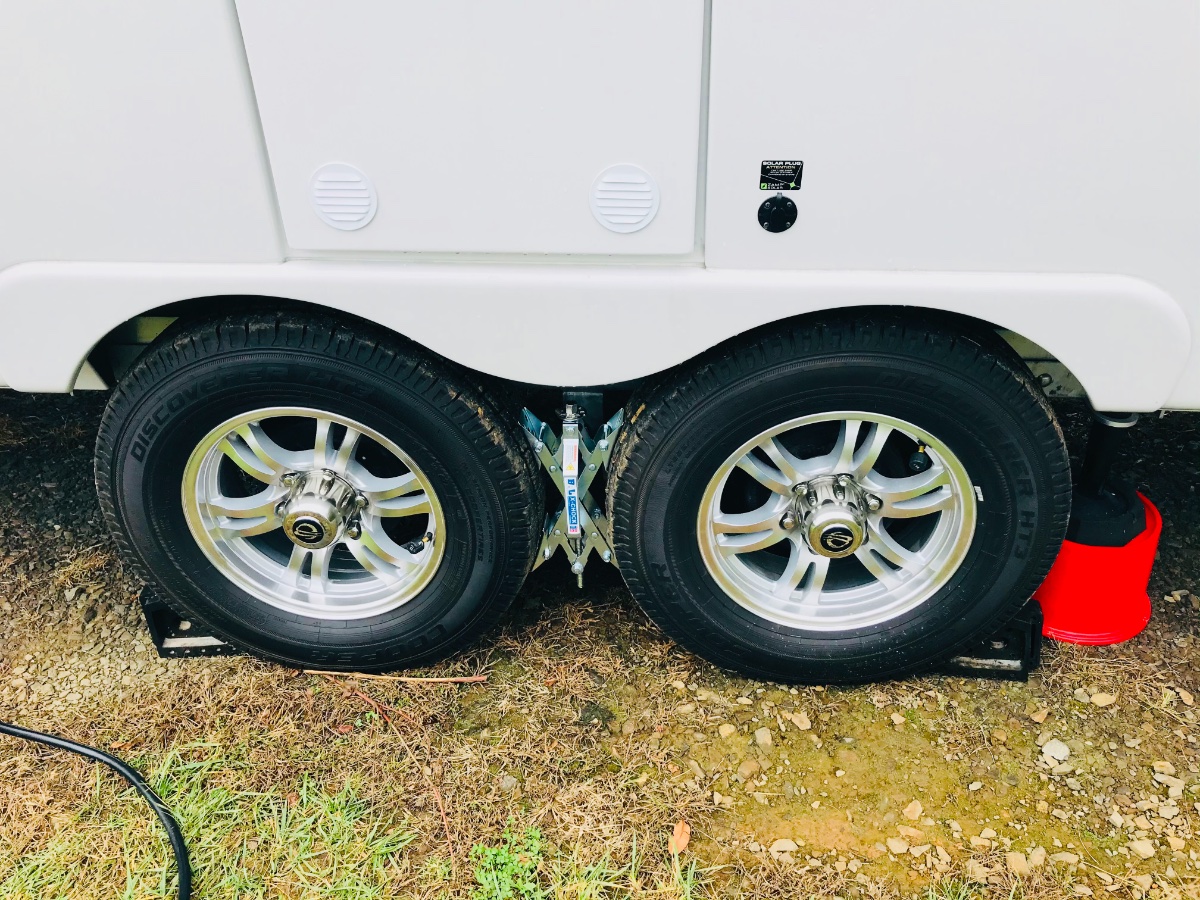
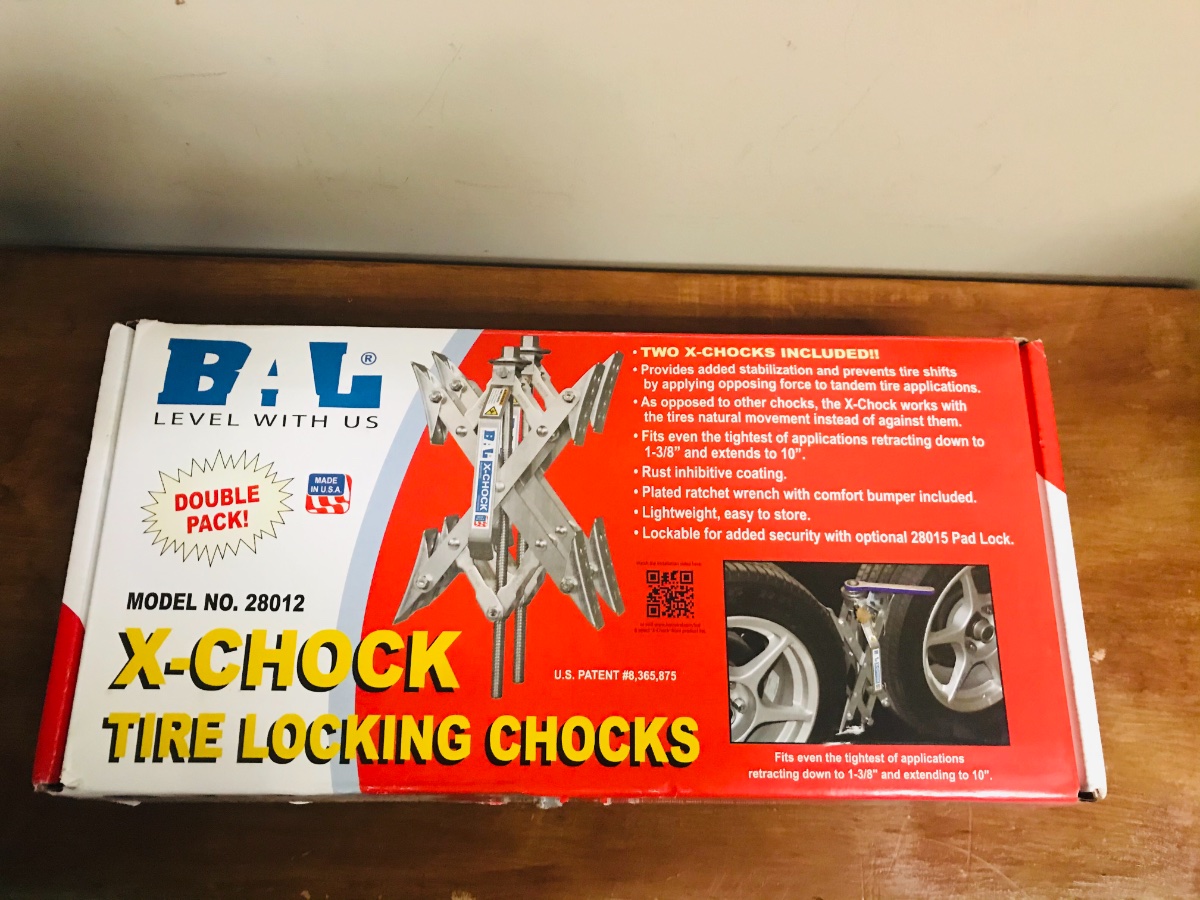
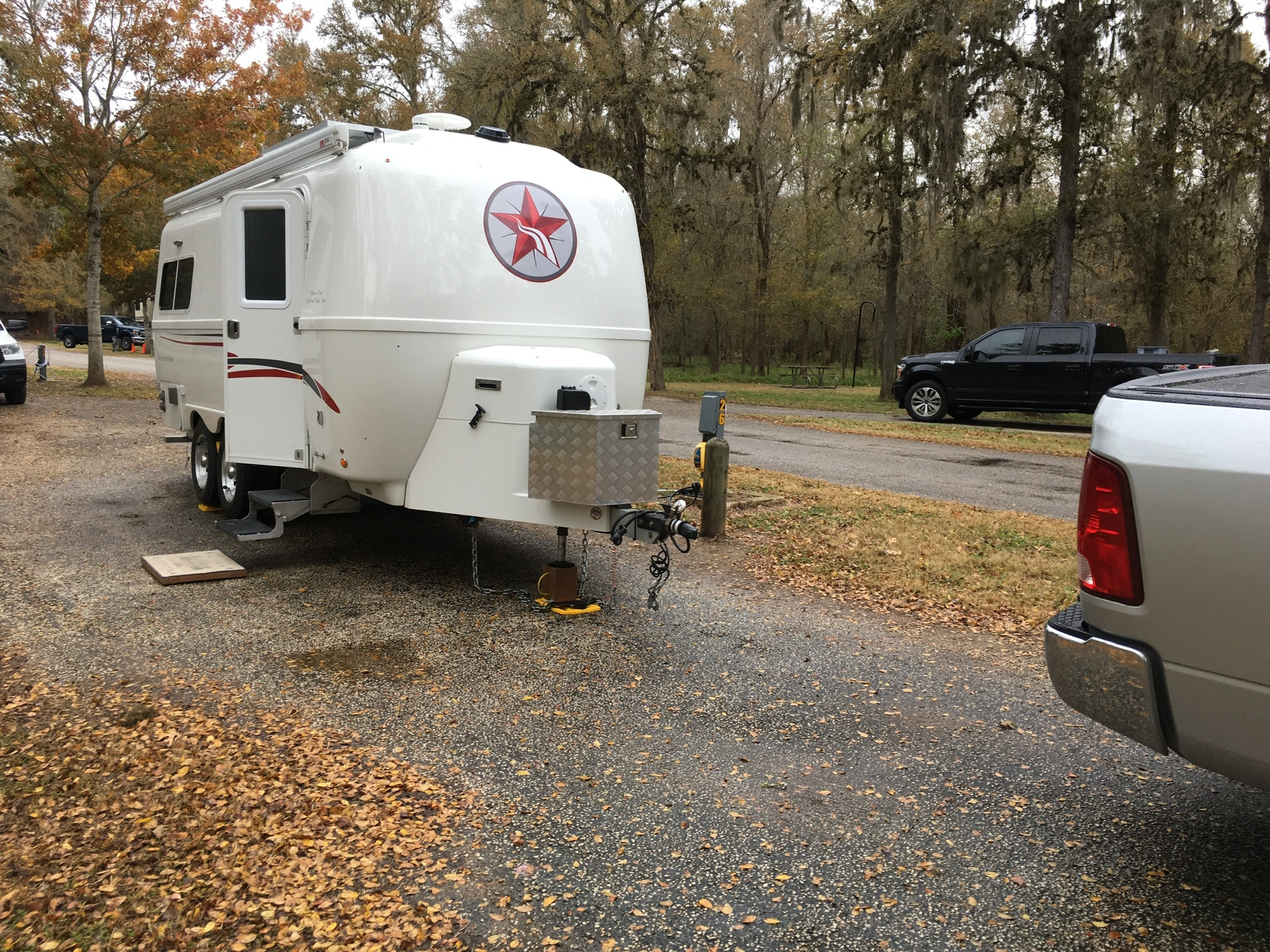
We picked up set of these awhile back and used them on our last week long camping trip in mountains of SW Va. They worked great especially during the day and night we caught a lot of the remnant winds off hurricane Zeta. They perform as advertised and made for a very stable no rocking Ollie. I still used the rubber chocks as seen in my pic. Just a bit of feedback if anyone is considering a set. Happy Camping!
 4 points
 -
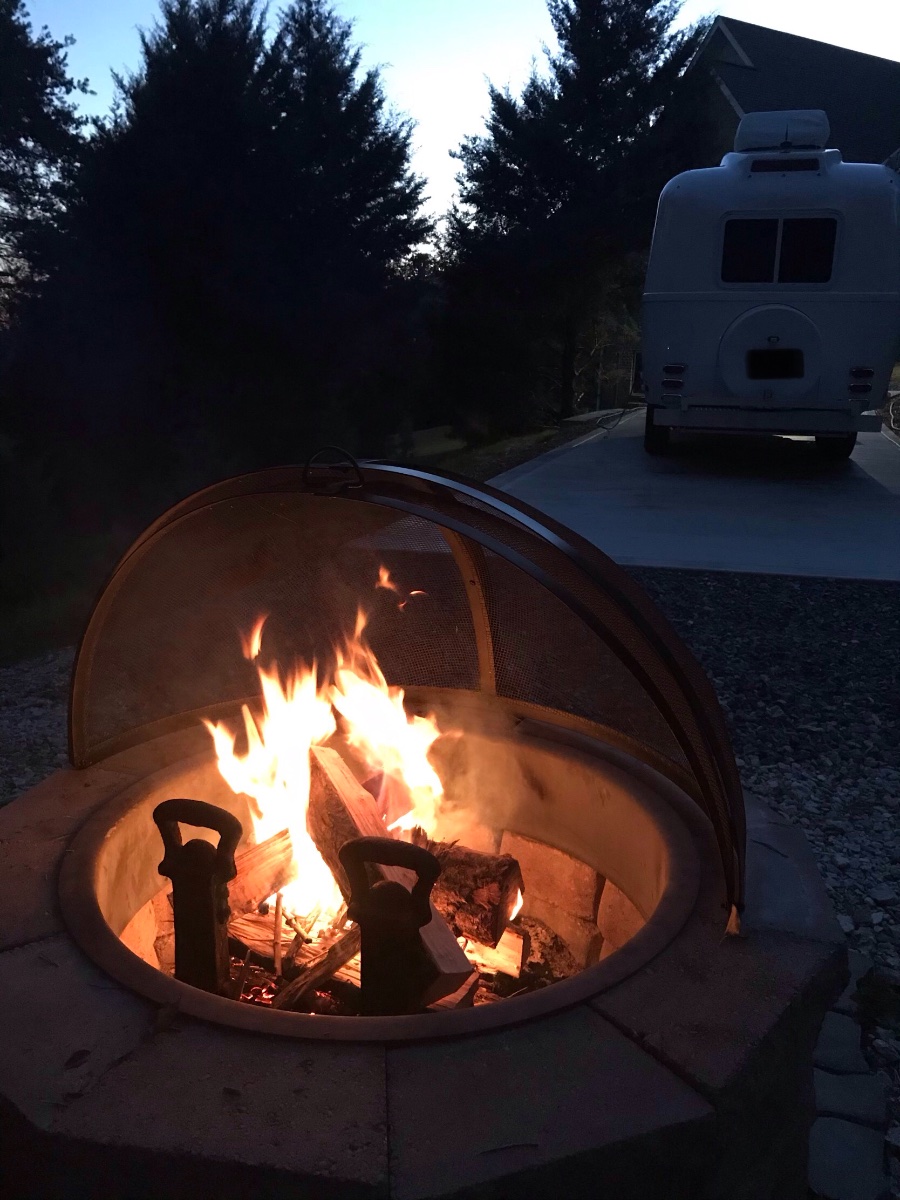
Great minds think alike. Last night....here on Blueberry Hill.
4 points
-
When your tired of all the news and world problems. The best place too be.
3 points
-
FYI, all factory truck backup cameras, and many aftermarket cameras, only work when in reverse. Typically they get energized when the reverse lights come on. This is not so great when you are zooming down the freeway in heavy traffic, and you are trying to switch a few lanes..... It is possible to rewire one so that it is powered all the time, and there is already an On/ Off switch inside the Ollie cabin. I don’t know if Oliver will do this, maybe a recent camera owner can comment. A Garmin BU camera can be viewed at any time, you just exit out of the map view and touch the camera icon to bring the image to the Garmin nav screen. As Mainic said, a camera is a highly desirable accessory, more so when you are flying solo. When backing into a campsite, it shows you that big rock or tree before you hit it. Otherwise you whack it with the bumper and yell, “what the heck was that?” John Davies Spokane WA3 points
-
If you want to use the inverter to power your AC while boondocking, you will not be happy with either choice. You have to consider the batteries as a reserve. Take out a MASSIVE amount of electrons to run your AC for a few hours, then you have to ration your use and wait possibly days for the panels to recharge the battery bank. There is no such thing as a free lunch, it is pay me now or pay me later. Lithium power is great, but you have to stay within the limits and have enough power available to restore the system to nearly full charge, or you will end up with a very expensive depleted system. Unless you want to add additional panels to the roof - that has been done but it introduces other problems, like how do you get onto the roof. It does make a lot off sense to buy the lithiums to boondock, for sure. It is the latest and best technology (like disc brakes vs drum brakes). It makes no sense to run the AC off them unless you know for sure you will be plugged into shore power in the evening. Just bring a generator and run it when you need to be cool. The gennie handles all the load directly, without involving the batteries at all, and it is there as a backup for those times you are stuck in the shade, or the dreary days when your solar panels go to sleep. My personal preference is 200 to 300 amp hrs of lithium batteries and no inverter at all, but my wife likes her electric tea kettle and microwave too much. I have asked for a solar suitcase panel for Christmas, maybe she will get the hint....😀 John Davies Spokane WA2 points
-
And yes, I'll start a dedicated thread if I pursue this angle. Sorry for the hijack of this thread 🙂2 points
-
Patriot Thank you! That is exactly what I was looking for. Very much appreciated. Mike & Carol Nice setup. Looks perfect for the job. Jim2 points
-
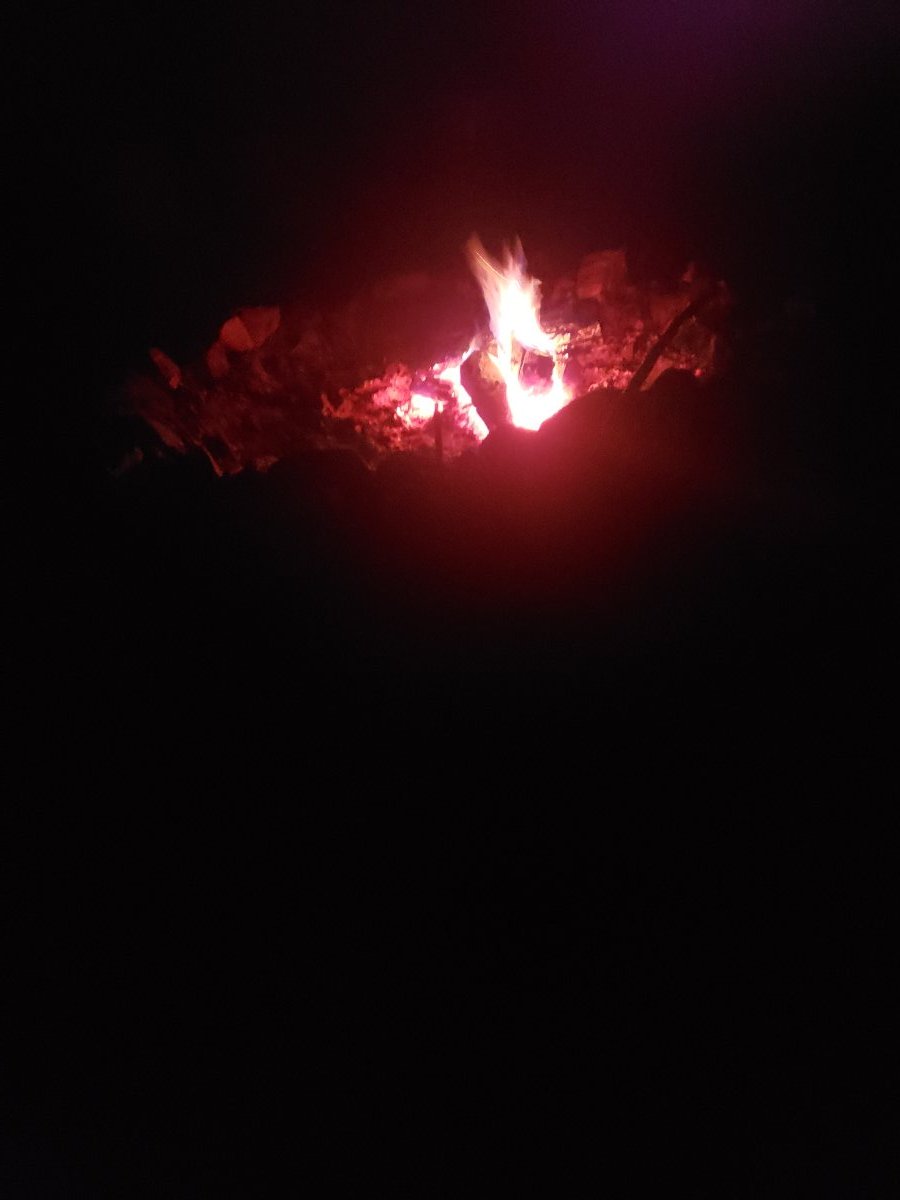
I wish I could have captured a photo of the stars tonight in our little corner of western North Carolina. Amazing. Beautiful. I'm thankful to be out here, and seeing the beauty. Oh, and late night hot dog over the dwindling fire. Priceless. 😅2 points
-
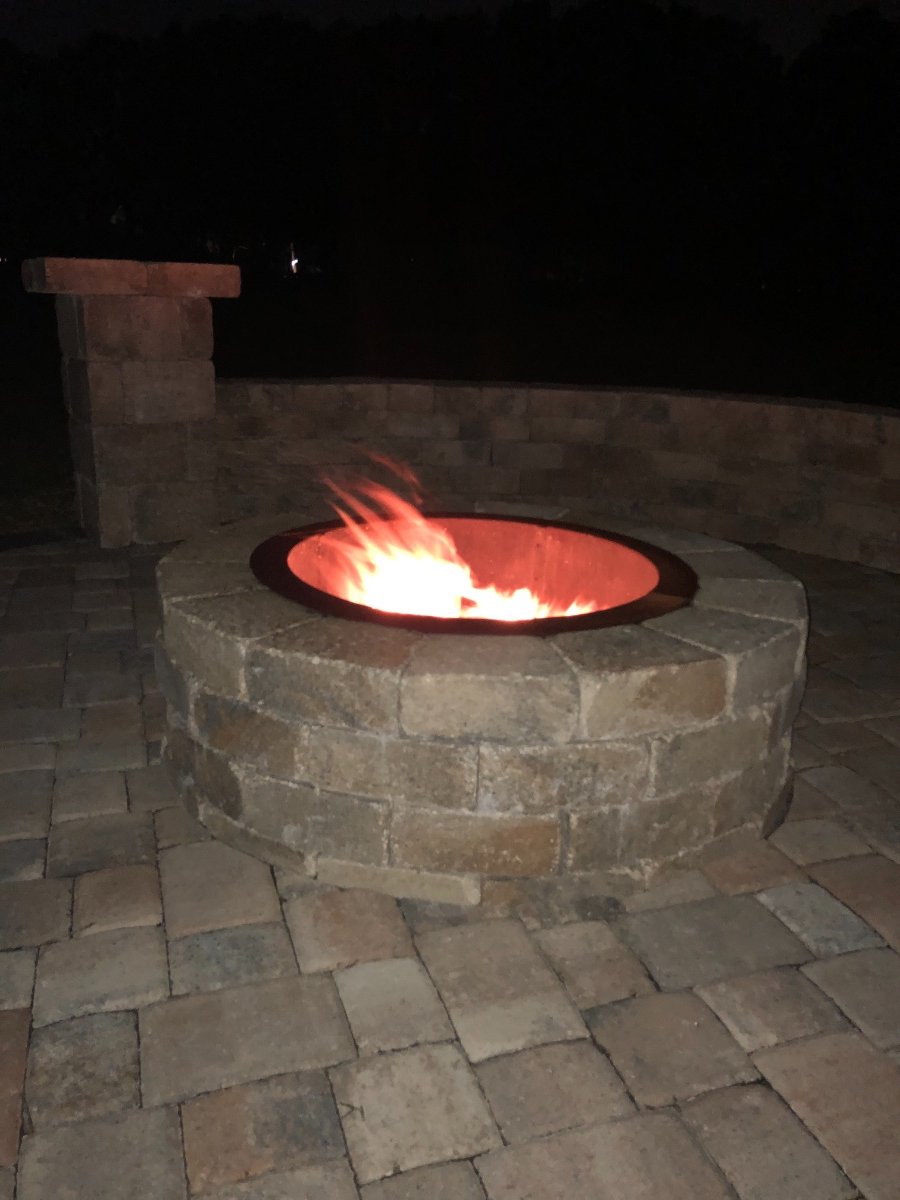
Agreed. Tonight's fire.
2 points
-
Consider two things: backing up and review camera.. To back up, put your hand on the bottom of the wheel. The direction that the hand moves the wheel is the direction the trailer moves. Small and slow hand moves the trailer quite a bit. Practice, practice, practice. The review camera: you can see who is behind you. You can see who is behind you as you are backing up, or if anybody or thing is behind before backing up. You also can see how close somebody might be tailgating you, or if the police car has his/her lights on. It is so nice to be able to see when it is safe to pull back in, after passing someone. Worth more than it's weight.2 points
-
We have traveled extensively through out the southwest. Our 2016 has the 320W solar and 4 AGMs and has proven to be enough to keep up with our needs. When boondocking we do heat water for coffee on the cooktop but we do occasionally use the microwave. Also, Carol will use her blow dryer every few days. Our south west camping includes west TX, NM, AZ (north and south) southern CA (Joshua Tree) and southern UT. The only time I had to pull out the generator (2K Champion) recently was last fall (Oct ‘19) when we were camping at Grand Teton NP. We had a 3 or 4 day stretch of cold nights and very cloudy rainy days. Furnace ran all night and the solar never fully charged our batteries. I don’t think that is something you will encounter in the southwest. Plenty of sun in AZ! We’ll be there the month of January into February. We spent last January in NM and AZ and had no issues with our solar keeping up. Mike2 points
-
I love fall in the Appalachians. This year, the leaves aren't brilliant. But still pretty.
2 points
-
Bob, I think this is what you are referring to. Towready 20142 7-Way Plug Adapter Andrew1 point
-
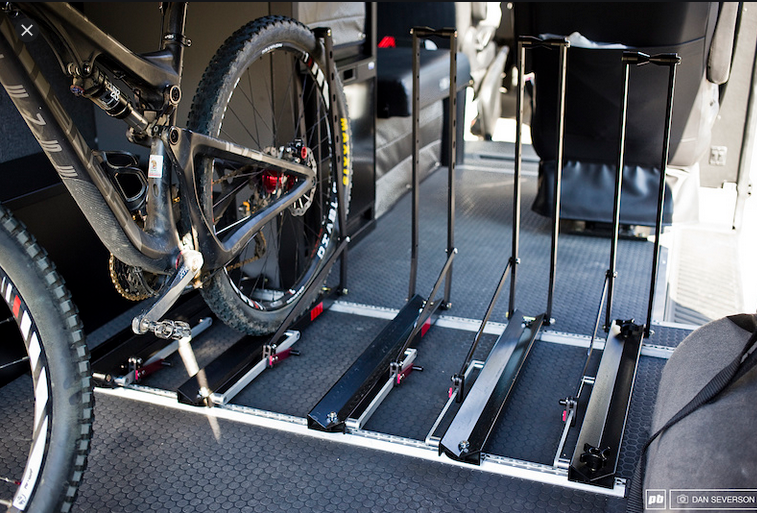
Jim, if you wanted to get really crazy, something like this *might* work inside the trailer: https://www.1up-usa.com/product/van-tray/ You'd need to get really creative with a floor mount if you didn't want the horizontal mounts running across your floor though. A bike rack on the front of your TV or trailer seems a heck of a lot easier though 😁
1 point
-
This is the best advice if you plan on AC use while boondocking. You can get a nice 2K Watt inverter generator for under $500 that will run the AC. We tend not to camp where the weather is hot/humid. We can take low humidity warm/hot weather by sitting outside with a breeze, but if there’s lots of humidity we move on. Mike1 point
-
We have experience with solar (200w) on our camper van, but not with upgraded batteries (AGM or Lithium). In our experience, the 200w of solar, with moderate sun exposure, did nothing more than keep the batteries (two 12v flooded) topped off - with conservative power usage. Having solar power extended our boondocking window maybe 2-3 days; you have to consider that power is not the only constraint when boon docking. Depending on available facilities, you will most likely fill up the waste water tanks before power is depleted; conservation is crucial in this respect. As @John E Davies said, with either Oliver option (Lithium Pro or Solar Pro), you won't be running the A/C without a generator or a lot more solar panels. If you choose the Solar Pro pkg and want the ability to run the A/C with a less than 3000w generator, be sure to add the "Easy Start"; it is included in the Lithium Pro pkg. While configuring our 2021 Elite II, we pondered the same as you - lithium or solar. In the end, we chose lithium for several reasons: In the long run, I believe lithium batteries are a better value, especially if you factor in resale. AGM batteries will require more attention to state of charge as you can only use 50% of the available charge vs 85% for Lithium Lithium batteries cost more, but last longer than AGM Lithium batteries recharge quicker than AGM Inverted power capability: Solar Pro - 2000w vs Lithium Pro - 3000w; evaluate your anticipated power needs Price differential: some of this will be recovered by not having to replace Lithium batteries as often, even though they cost more; are you willing to pay up front, knowing there are other advantages to LIthium vs AGM? Battery power options are one of the most costly considerations. If the additional cost is unattractive to you, look at your other optional choices and see if you can do without any to make up the price difference; make a list of wants vs needs. Are there options you can add later, if you find you need them? We opted for no TV antenna, since we don't watch TV: $300 saved. If upgraded mattresses are on your list, go with the cushions; you can add memory foam toppers for less than the cost of the mattresses: $1,500 saved. The upgraded decor is purely cosmetic. You can always add colorful pillows, rugs, and bed coverings. Choose the standard decor with fabric upholstery: $1,800 savings. Standard water heater instead of Truma (do you really need instant hot water?: potential savings - $1,300. And all of the "Other Optional Upgrades and Add-ons", though they don't seem like much, add up to over $6,000. By making selective option choices, you can easily save more than the $4,000 extra cost of the Lithium Pro Package. Remember, too, that choosing one battery package over the other is not a final decision; batteries can always be upgraded later. I know you will get a lot of advice from forum members. I suggest you also call your Oliver rep and ask to speak with a tech who can answer your questions and concerns regarding the battery packages as well as other options you are considering. Explain your expectations given your anticipated Oliver use and you will get valuable feedback. Oliver's goal is to build a trailer that best fits your needs, not to "sell" options, the way RV dealers do to increase profits. My final thought before we settled on our power choice: If you opt for the additional power the lithium package gives you, you won't need it; if you choose the AGM package, you'll need more power - Murphy's Law1 point
-
Yes, our landscaper 😂 he has a backpack blower and blows them across our road into the woods for a long winters nap.1 point
-
The basic drawback to carrying in the back of the Ollie’s cabin is that in the event of a collision, or even a hard stop, the mass wants to shoot forward, hard. All the stress is on your mounts and their attach points. I had a rear drawer failure (due to lack of proper latches) and the entire thing broke free and ended up against the bathroom door, with its contents everywhere. This was through normal towing dynamics, not even a panic stop..... In a truck bed, or on the back of the trailer, the load is restrained in that direction by the structure. The same issue exists with roof carry, in a bad collision the bikes rip off the roof and become projectiles. Yes, if they are on the back and things go bad, you lose rack and the bikes, but they will end up away from your direction of travel (and possibly under another vehicle.) So many factors, you just have to make a whole lot of compromises, and keep a very close eye on whatever method you decide. John Davies Spokane WA1 point
-
BoB - thanks for the specifics, particularly on how you secure your freezer. John - I do take your warning to heart. Frankly with respect to this thread and on the topic of planning for failures I'd also point back to the warnings I suspect you've seen from the Yakima bike rep about putting the bikes on the rear of the trailer. On top of all the crap that gets on bikes while on a rear rack... Yeah I suppose the resulting damage from failure there may be more to the bikes than to the trailer in case of rack system failure, so at least there's that, but I'd prefer to start with location that has less forces in play - closer to the trailer wheels would in that respect be better than out at the end of the moment arm as the trailer pivots vertically around the axles. Inside our van is another option I'm pondering (the feedback is pretty instant if the attachments there go wrong) but the inconvenience factor while traveling would be a few meaningful steps higher than if they're inside the trailer. Another option is to buy a truck andn put them in the bed under a cap but price is just one of multiple reasons that's also not high on my current list of options to ponder. And yeah I've thought about the inconvenience of having them in the trailer hallway. Locking them to the hitch the same way one might lock them to the rear rack for a night in a sketchy spot is pretty simple. One of my requirements for how we'd position them would be to ensure we could navigate around them if needed during the day (i.e. to get something from a cabinet or to use the bed for a nap -perhaps we'll start wanting to do that but it's never happened yet in 15years of van based road tripping). Any place where I'd put our bikes requires some significant tradeoffs frankly. Life consists of many risks. Thanks for helping me think out the relevant risks here.1 point
-
74 degrees.. Indian summer? Is there really any such thing? And we have had two snow storms already. Yesterday we sat at the Cribstone Bridge on Bailey's Island eating lunch on the deck of Cook's Lobster and Ale house. Then to Land's End and walked the rocky trail to the Giant Staircase. The surf was crashing. Then a root beer float at Island Candy. It got dark by 4:30. Guess we better find our mittens and snow shovels. Afraid Mother Nature is just teasing us...1 point
-
I'll try to visualize my thoughts; If using a 2x6 (I would) cut it to fit closely to the width between the walls beneath the beds, (padded if you want- thin carpet, ) locate the fork mounts accordingly on the 2x. The rear 2x - similar - but I don't think you need one. In my experience, the rears don't move much on or in a trailer, esp. if you secure the front. If you are doing two bikes, angle the rear wheels to where they come together, tie together with the wire thingies. Where the rubber meets. It's a double twist - done. I carry my road bike in the bed of my truck like this (under the topper.) As I have a lot of rope rigging experience from my kayaking days, I like to use 1/4 inch or so poly/nylon rope. If you look at the platforms under the beds, the lip overlaps the walls by a few inches. I drilled an appropriate sized hole from the top down (its two layers) in the location I needed. Thread one end of the rope through the hole, tie a knot on the top end, (hole is same size as rope) and make a loop on the bottom end. Do both sides - you now have a location to tie off almost anything side to side.(and fore/aft) It is easily removed, and not really noticeable. Don't like rope, Mount a smaller hardware bracket underneath - same results. I use this to secure my portable freezer - works very well and its KISS.1 point
-
Think a smaller unit would be more efficient, more quiet (important), and more than enough to cool an Oliver. A unit running longer and slower will remove more moisture, as it cools. Being cool, and with lower moisture, it should also be longer between operating cycles.1 point
-
Whatever the name, your counters are lovely.1 point
-
Susan, yes it's a 2020. The color of the counters was called Samba.1 point
-
Mike, That sure looks good! 👍🏻1 point
-
I'd bet a beer - Anderson would claim the little swaging out JD did was outside their engineering specs... I'd certainly do the same, except I sold my Anderson. RB1 point
-
FYI - the Natchez Trace parkway (Just outside Hohenwald) is a perfect place to perfect your towing expertise. Its a 45 mph max, no commercial traffic, little traffic at all, great road surface, plenty of turn outs, rest spots, historical stops, turn around entrance and exits, AND its a beautiful drive. RB1 point
-
Congrats! I am getting my Elite 1 in Jan (26). Def looking forward to your posts about Elite 1 and I will be only days “ahead” of you guys re: delivery, looks like. FYI I may stay in the Hohenwald area a while (to practice and be sure I am OK with towing and operating everything etc.), so ... if you are so inclined by all means message me and, no pressure at all, but it might be fun to swap notes and say hi. Wonder if our “hull” numbers will be consecutive? Huh.1 point
-
On their website they show how they allow for access to items in storage under the bed. It seems there is some sort of pivot point about 2/3 of the way down that allows for getting under the bed.1 point
-
Dan, I'm sure a few of the FT'ers will reply. We have spent a few months at a time in ours and enjoy it immensely. Were we to FT - only a few things we see that put a kink in the enjoyment - not an any order - laundry - moving around you are always looking for a good laundromat, inclement weather - more than a day confined is hard for me to do, and lastly to Susan's point - I really enjoy working around our farm, keeping Bee's, gardening, etc.. And I like to keep my training schedule - local pool 3 times a week, run, bike: on familiar routes. Out on the road I don't usually get any pool time, and I end up blowing off the other two.... I'll have work on this. However, we travel to see family, have no issues being around each other for long periods, and have enjoyed the vagabond lifestyle (in month or more stints) for our entire married life. We sold the house, and eliminated a good deal of the other responsibilities and fixed expenses a while back - in anticipation of leaving for long stents. Within the next year we plan to substantially increase our time out exploring the world and our largest issue will be putting the farm in longer term slumber. Which is really just securing equipment, renting out (or whatever happens) my hives, and locking up the Barndominium. As for the rest , The grass and trees can keep growing, the weeds will do what they do, and the wildlife can have it all back. We do plan to spend some time here - not sure when - winters - not, The rest is all part of the adventure. Enjoy.1 point
-
MattNan, we've lived on 200 watts solar, and 2 group 27 batteries for years. Furnace is the big hog for us. We had an inverter for awhile. It died, probably from lack of use, and we took it out of the mix. With 4 agms, watch your power consumption running microwave, etc. Otherwise , you should be golden. We carry a small (1000 watt) Honda to charge our batteries on series of days with no sun. It will not run ac, nor a microwave. It's just a gas-powered charger.1 point
-
If at 2:00 AM that water was to freeze, you would go from level to full standing saying, " what the heck was that?" Or something close...1 point
-
You may have to work at it, but a couple of days should do it. It is like a long weekend that doesn't quit. Trouble is by the end of the first week you will have so many projects going, you will begin to wonder how you ever had time to work. 😃1 point
-
It may take some practice... but we will work diligently to adjust to the rigors of retirement🙂1 point
-
NOTE TO SELF: stay out of PNW. (Was going to give Seattle a wide berth anyway)...1 point
-
Don't know where you live, but your words don't live here!1 point
-
My favorite expression, since retirement. Every day is Saturday1 point
-
Daniel, the first 49 trailers that Oliver built were all Elites. This was between late 2007 and early 2009. As you recall there was a downturn in the economy about that time and Oliver made the difficult decision to halt their trailer production. There was no layoff of personnel. In 2013, they decided to reopen the trailer line but their plan was to only make the Elite II's. After many requests from potential customers, in 2015 they reintroduced the Elite. The general layout and floor plan is essentially the same. In the early Elites, if there was ever a problem with the refrigerator, the entire front wall had to be removed in order to get the old one out and the new one in. I'm not sure if that ever had to be done, but it would have been a lot of trouble. That problem was fixed in the later models. The early Elites had the furnace mounted in the cabinet facing along side the drawers. It is now moved to beneath the forward most dinette seat and is ducted into the cabin and bathroom. The upper cabinets in the early Elites had sliding doors while the later Elites have drop down doors like in the Elite II's. The cabinets are somewhat larger on the latest ones. Beneath the benchs and dinette seats of the older models were custom molded inserts that dropped into these areas for storage. These were eliminated in the newer models. On the current Elites, the suspension has been lowered, the air conditioner is a smaller model, there is more storage (both more drawers and the aforementioned larger upper cabinets), the bathroom window is larger, all lighting is LED and the shower drain system is greatly improved. There are probably more changes that have been made. We owned hull # 026 from 2008-2013. We bought hull # 050 (Elite II) in 2014. Others will chime in perhaps, if I have misspoken anywhere, please feel free to correct me. Happy travels...1 point
-
FYI, This is what someone on fb posted as current sealant used by Oliver, who had spoken to Richie. https://www.americansealantsinc.com/asi-335-neutral-cure-silicone-sealantadhesive/ Sherry1 point
-
After reading about solar systems and generators I still am trying to get my head around the electrical. Here's what I think I know thus far...but not positive. 1. You need a generator to run AC off the grid. You need two 2000w generators if you want to run AC and something else at the same time. 2. You need a generator to charge batteries if there is no sunlight. Guessing here...bigger the generator , faster the charge? 3. Some parks won't let you run your generator at certain times. Is this common? So, no AC at night unless you are hooked up to power, Wondering if parks in the warmer climates let you run your generator at night if its 90 degrees? 4. If you are hooked up to a 30 amp. are you using any of your battery power for other stuff. 5. If you are hooked up to 30 amp. and run your AC all night do your batteries get charged at the same time? 6. Thinking with today's technology that much of the power identification is automatic but this is all new to me. Do you have to manually flip switches to tell system if its using solar, battery, or ...not sure what you call it, shore power, park power, grid power. I like the idea of having a generator. Can I get by with just one 2000w to run the AC with the soft start up ? Thanks for your advice!1 point
-
We don’t like to camp in weather where we have to run the AC. Usually the AC is only used while we’re getting out of the Texas heat to somewhere cooler. Even in the Texas heat, we will go to sleep with the AC on, but sometime after midnight it goes off and the windows get opened with the fan going. My AC will start and run on my 2000W Champion. We don’t do it often. If it’s after dark, I would not want to disturb my boondocking neighbors with the low drone of my generator. The only reason we bring the generator is to charge batteries in the late fall/winter/early spring when the sun decides not to fully expose himself. Mike1 point
-
It sounds like you've pretty much got it: You need a generator to run AC off the grid. Short answer is yes. If you opt for the MicroAir soft start, then you can run your AC off of a smaller generator or even your batteries for a very short time. You need two 2000w generators if you want to run AC and something else at the same time. It depends on what else you want to run, but I think most people's experience is that you can't run the AC and the Microwave together, for example. I think most just switch off the AC while they use the MW. Some parks won't let you run your generator at certain times. Is this common? Oh yes. So, no AC at night unless you are hooked up to power, Wondering if parks in the warmer climates let you run your generator at night if its 90 degrees? Correct. I can't say I've really paid attention if they have different summer hours. If you are hooked up to a 30 amp. are you using any of your battery power for other stuff. For practical purposes, no. If you are hooked up to 30 amp. and run your AC all night do your batteries get charged at the same time? Yes, the AC will only pull about half the available power when its compressor is running, and the surplus will go to the batteries and anything else you're running. Thinking with today's technology that much of the power identification is automatic but this is all new to me. Do you have to manually flip switches to tell system if its using solar, battery, or ...not sure what you call it, shore power, park power, grid power. The only thing that you'll have to manually turn on and off would be the inverter, which you'll use when not plugged in. But even that will be automatically bypassed when you plug in, so you don't have to worry about damaging anything if you forget to turn it off. Shore power is the right term - we're all sailors at heart, I guess. Can I get by with just one 2000w to run the AC with the soft start up? Yep, that's the main advantage of having the soft start.1 point
-
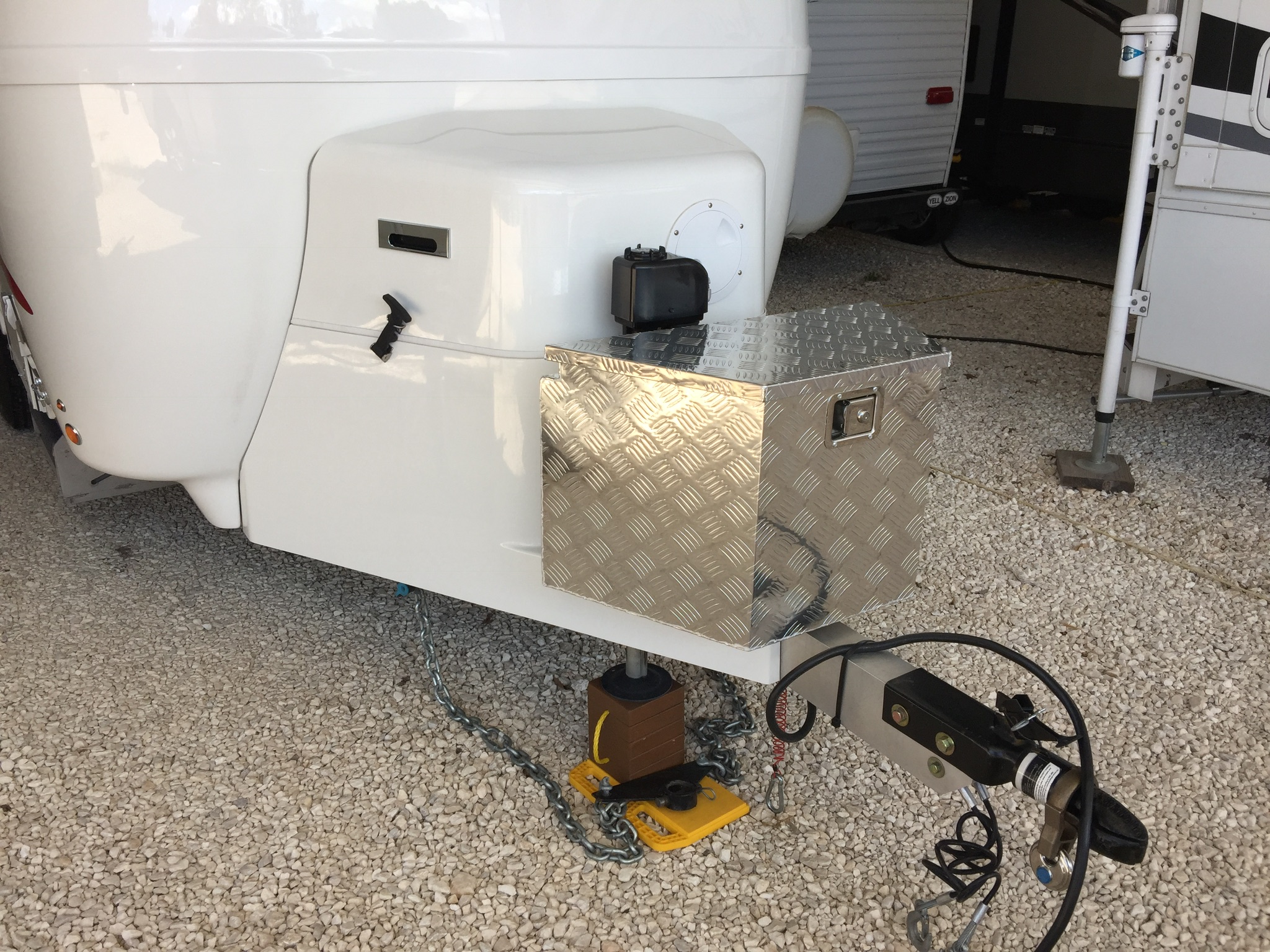
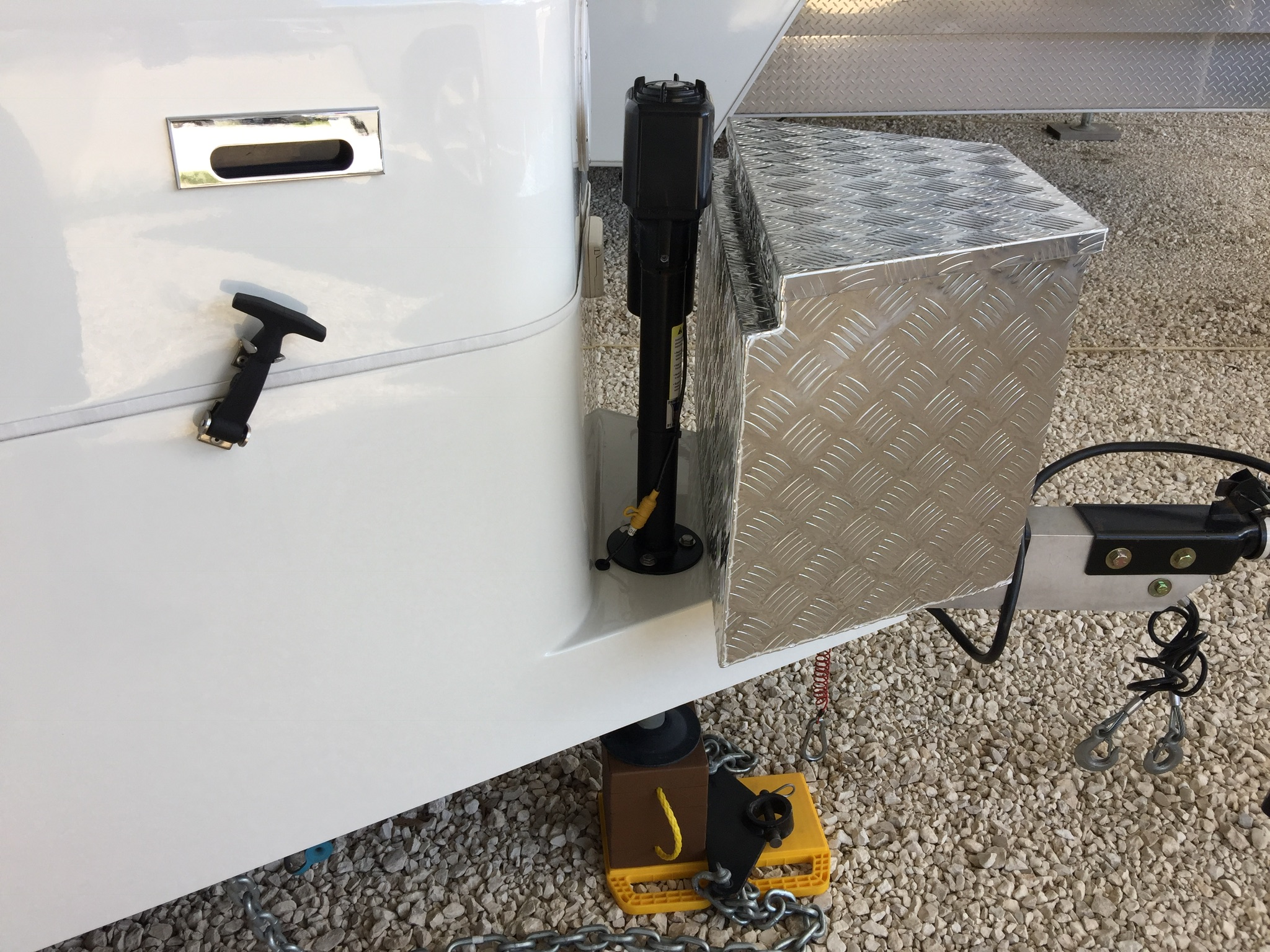
This is what I did. The box was about $100 on amazon. I carry chocks blocks gloves etc in it. It’s working well for what I use it for.
1 point
-
For those handymen and handywomen out there. What would the contents of your Oliver Tool Kit look like? Caulk gun, good caulk, razor knife, assorted screw drivers, vise grips. channel locks etc.? Having not picked ours up yet I don't yet know what specific wrenches I might need yet. Maybe solvents, cleaning solutions, etc. etc.? Any experience in this area would be helpful to me to put together a tool box to bring with me. I have collected so many tool here at home I can probably make up quite a tool box from extra tools that I have. Your suggestions would be appreciated. Thanks1 point
-
This is a little late but I want to comment on Steve's extensive tool box and what he said about helping others. While camping with Steve and Tali last October I mentioned that I had bought some extra coat hooks from Oliver but had not installed them because I was uncertain about the thickness of the wall. Next thing I know here comes Steve with drill and tool kits. Ten minutes later my hooks were ready to use and they are quite handy. Friends of mine poke fun because I carry a ready pack full of emergency supplies at all times. Yeah I am a prepper...not doomsday though. While hiking near the Blue Ridge Parkway last August we came across a downed man suffering from a Diabetic episode with no help anywhere. I carry Cliff bars and after a few bites he was good to go...and so grateful. Scouts motto...be prepared. It may be someone else who needs help.1 point
-
One other item I carry is a spare GFI outlet. On my Ollie (I don't know if they're all wired the same way) the outside AC outlet is the GFI that protects ALL the AC outlets in the trailer. On two occasions in the last 8 years I've had it fail, rendering all outlets unusable. Although it is a water resistant outlet with a cover it seems that over time moisture takes its toll. A 10 minute repair job and cheap insurance.1 point
-
Hi Robert, thanks for wondering about my tool box. I grew up in a family that operated two manufacturing businesses and had every conceivable tool imaginable. From woodworking to metalworking and everything in between. CNC machines for both wood and metal working, lathes, press brakes, air compressors and air tools, table saws, drill presses, grinders, sanders, welders, you-name-it, we-had-it. With the exception of the CNC stuff, I've still got most of these tools. When I compare the four gigantic toolboxes (of just hand tools) that I have in my shop at home to the two or three little tool bags I carry with us on trips I feel like I have only the very bare necessities. I don't expect to have any problems with my Oliver, I never have had with either of the two I've owned. But if a problem does arise, I'll be able to fix it. Most likely, however, someone else will need help and I'll have whatever I need to get them back on the road. Cheers, Steve1 point
-
I do not mean to speak for the poster who provided the list, which I very much appreciate. But I will point out that his list contains relatively few items for repairs due to poor quality or workmanship. Any trailer or tow vehicle can get a flat tire or a blown fuse. Any person might experience problems with batteries, which are not manufactured by Oliver. There may be a malfunction in appliances, which are not manufactured by Oliver. Who doesn't need to carry a flashlight? Every trailer owner needs that sewer elbow and blocks. In the back of our Hyundai Elantra is a toolkit with many of the same items on that list, including common hand tools, duct tape, paracord, flashlight, tarp, blankets, pillows, bottled water and slow to perish foods. Not once have we cracked that tool box or needed any of the other provisions, but it's better to have them and never need them than to need them and not have them. And chances are even greater when camping rather than normal routine that one would need to take care of repairs themselves.1 point
-
That's a big help Steve. I have most or all of that now but had not considered taking it with me. Your post has made me reconsider. For instance I had not considered bringing the compressor. But rethinking it, if I was out in a National Forest without any neighbors (been there) it certainly would be an advantage if I had a flat tire. I will have think about my packing and storage for these items. Thank you for the feedback Steve. I will use your list as a guide. Grayson1 point
-
I transferred our tool kit from our previous Oliver Elite to our current Elite II. Rather than try to tell you what you need I'll tell you what I carry and you can make your own decision as to whether you might want to also. Misc. screwdrivers (flat and phillips) Misc. pliers, wire cutters/strippers/crimping tools, vice grips, hemostats Hammer, rubber and regular Multi-Meter A full set of metric and SAE wrenches A full set of metric and SAE sockets Two DeWalt 18V cordless tools (drill/driver and Impact) A full set of 64 drill bits The 18V batteries also fit a DeWalt Vacuum and flashlight An 18 inch long 1/2 inch drive breaker bar with a 5 inch extension bar An 18 inch long 1/2 inch drive torque wrench A dedicated 6pt socket that fits the lug nuts on the Oliver and Truck A dedicated 6pt socket that fits the anode in the water heater (mostly in case someone else needs it) A 12 volt air compressor Tire plug kit, Pressure gauge, Non-Contact Infrared Digital Thermometer (for hubs and tires) A collection or stainless steel screws, bolts, nuts and washers Extra fuses Flashlights, butane lighters Misc. crimp type wire connectors and terminals, roll of electrical tape Duct Tape, WD-40, Silicone Spray, several rolls of that green Velcro that's used to tie up plants etc. (just cut off what you need to secure cords or what-ever), scotch tape Tube of White Caulk Misc. hose fittings such as Y's and cut-off valves, extra rubber washers Two complete sets of wheel bearings, races and grease seals as well as grease in a NEW, CLEAN grease gun Jumper Cables (these will come in really handy if your converter/charger ever fails - guess how I know) 30 amp to 50 amp converter, 30 amp to 15 amp converter, 120V extension cord Clear Elbow for hooking up the sewer hose when full hookups are available or at a dump station Water purifier Misc. wooden blocks to put under our jacks Misc. bungee cords, para-cord 120V extension cord This is the bulk of what we take, it sounds like a lot of stuff now that I've written it down, but with the exception of the wheel bearings and tire plug kit, we've needed each of these at one time or another.1 point

.thumb.JPG.dd838cdb3df463dab6a16861fa23a319.JPG)













-
Recent Achievements
-




.thumb.png.fbbde3486e933f990ff511bff8d6bda0.png)