Leaderboard


.thumb.JPG.dd838cdb3df463dab6a16861fa23a319.JPG)

Popular Content
Showing content with the highest reputation on 11/25/2020 in all areas
-
At 6'7", I have learned to live with banging, scraping, gouging, slicing my head on things around me, when I have two feet on the ground. In addition, I no longer hesitate to help when asked if I can reach something on a high shelf by a total stranger in a store. It is something that comes with the territory or altitude. The clearance in the Ollie is something my wife & I discussed at length, she researched all the dimensions, and asked me if it would be an issue before we made the decision to travel to Hohenwald. At the factory, we walked thru an OLE II, I rubbed my head on the A/C unit to see how much damage would be self-inflicted. I sat down and got up to see if I would hit my head on the overhead cabinets, above the beds and dinette, well… NOT if I remembered to close them before I sat down. The Shower is a bit tight, but hey, I have had less room in worse showers. I am able to sleep diagonally in the “Twin Bed” arrangement, and if I get a cramp in my leg at night, I just stretch out and press against the wall. Getting in & out the front door, does require ATTENTION; notice the padding on the inside above the door… half the job of padding the doorway is already done. Have I banged my head in the Ollie... YES, but that would happen on many trailers, and they are NOT an OLLIE. I have learned to adapt to the world designed for people shorter than myself, and momentary lapses remind me there is more to be aware of… I have also learned to wear a cap; it softens the blow and absorbs the blood. That said; I would rather bang my head on an Ollie whilst out camping or on vacation, than at home. Respectfully, Bryan4 points
-
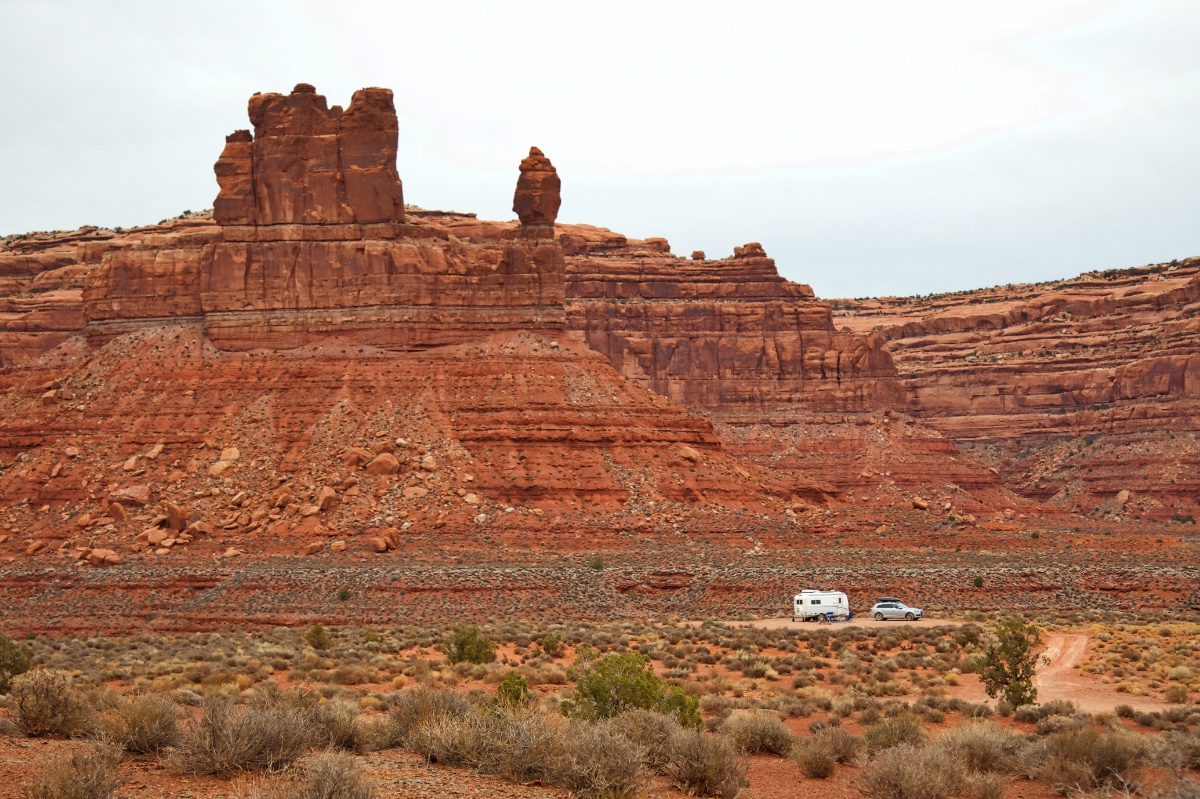
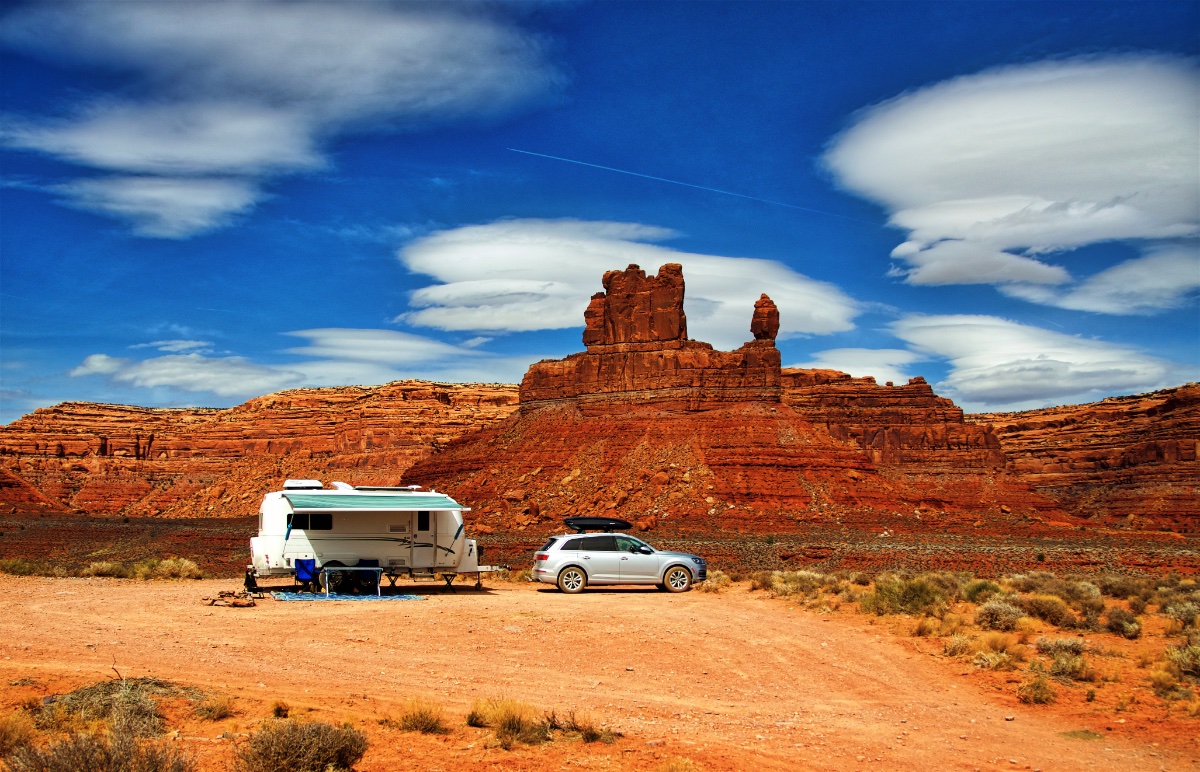
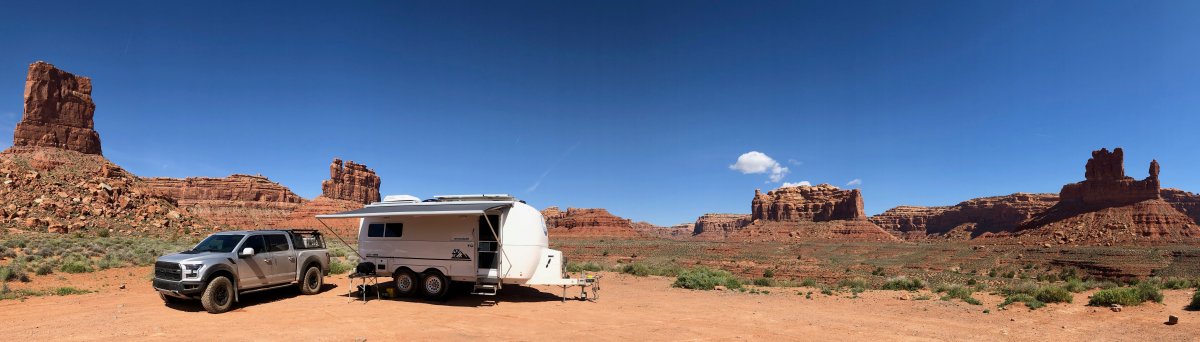
This is Valley of the Gods in southern Utah, dispersed camping on BLM land.
 3 points
 -
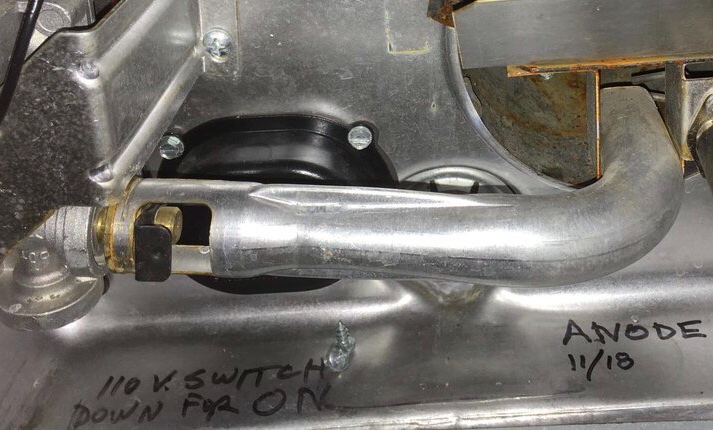
The standard water heater has an inside switch to turn on with propane. There is an outside switch on the unit to turn on with electricity. Before leaving for a trip I turn on the electric switch. If we have hookups it automatically comes on. If we’re not, we turn on inside to use propane. Mike3 points
-
You might continually bang it if you don’t buy a Legacy II!! 😜 Mike3 points
-
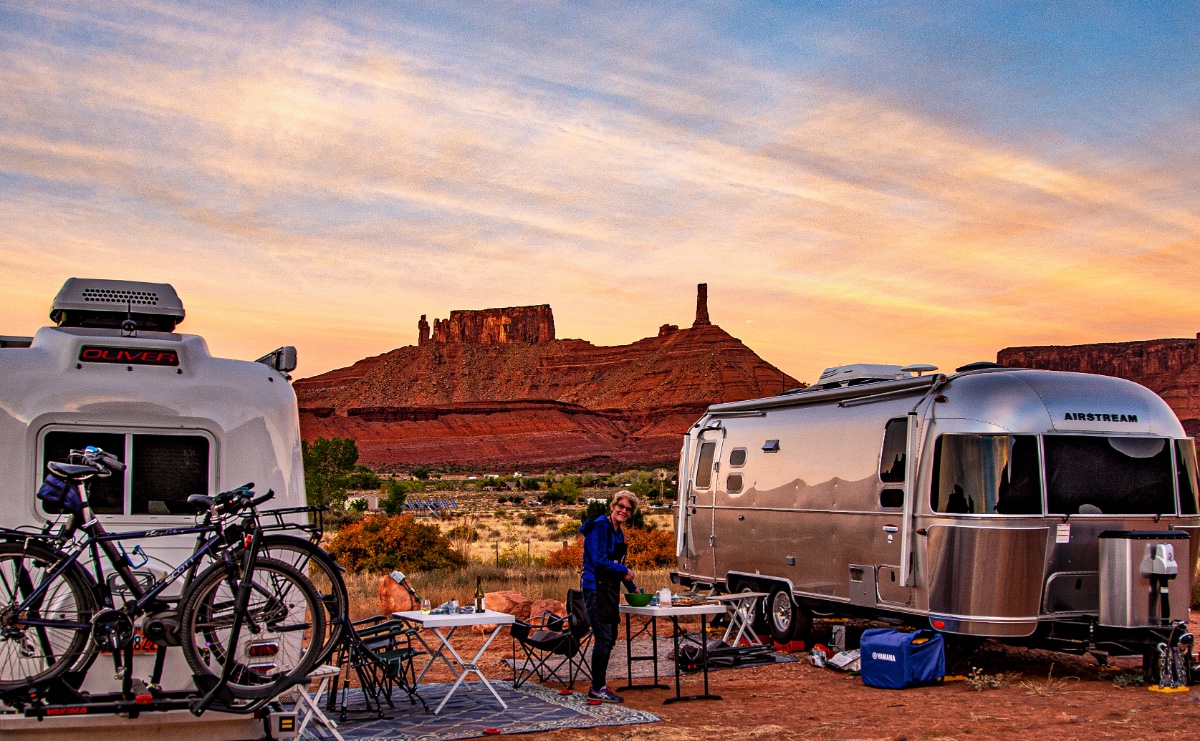
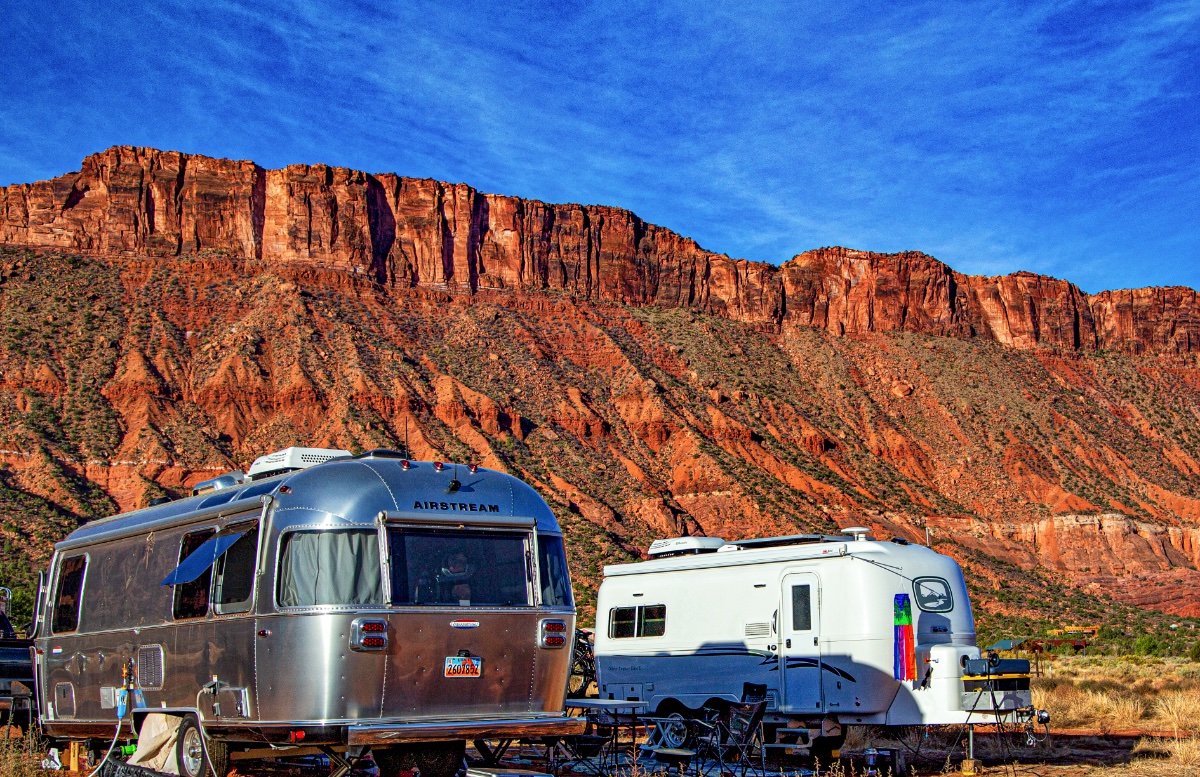
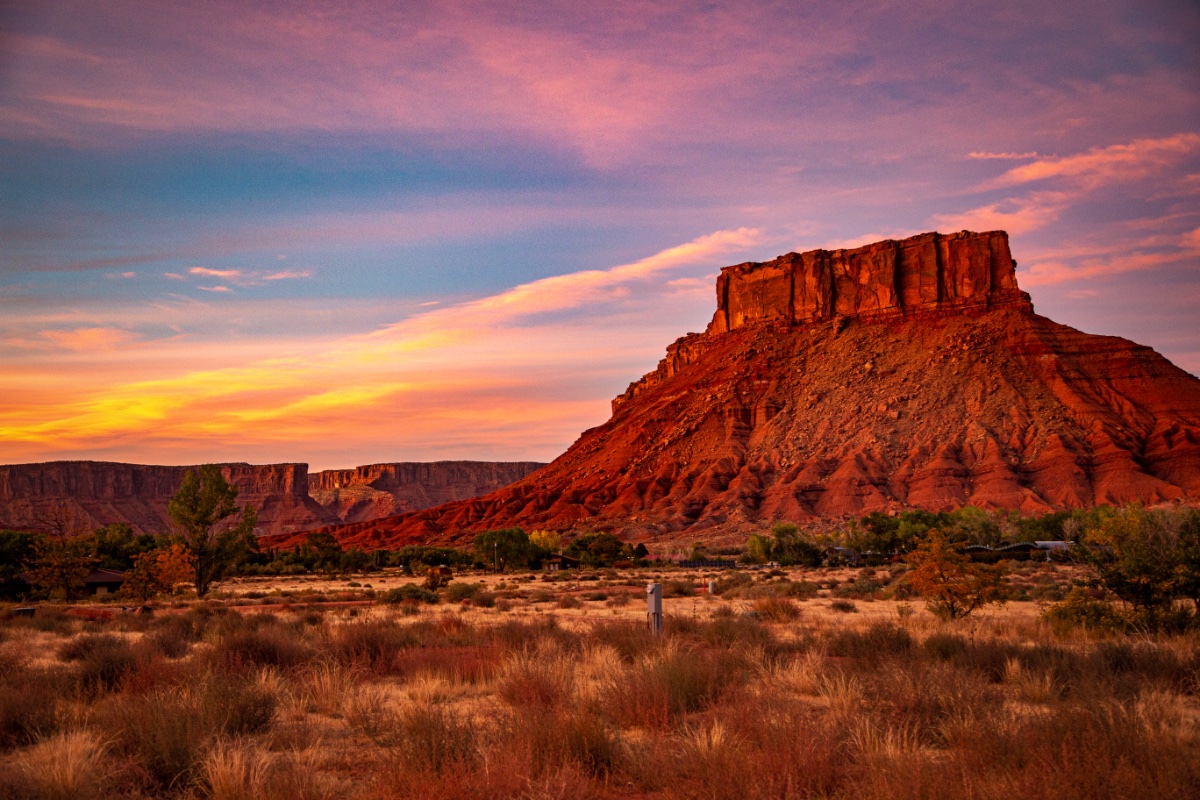
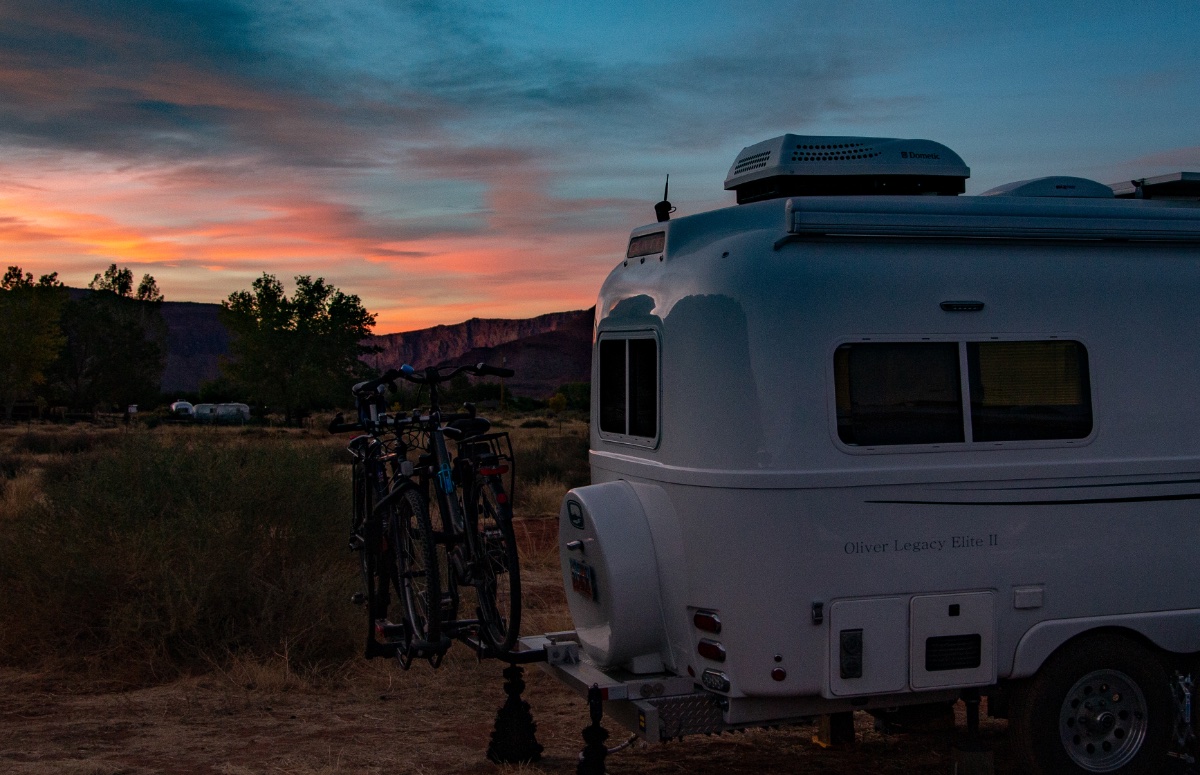
Last month we camped with some friends in Castle Valley, UT, which is east of Moab, in our two travel trailers. This was socially distant camping – eating outside at separate tables and wearing masks when needed. We decided to have the two trailers antiparallel, so that the doors would face each other, and the awnings, rugs, and tables would be in between the two campers. The fall colors were really nice!
2 points
-
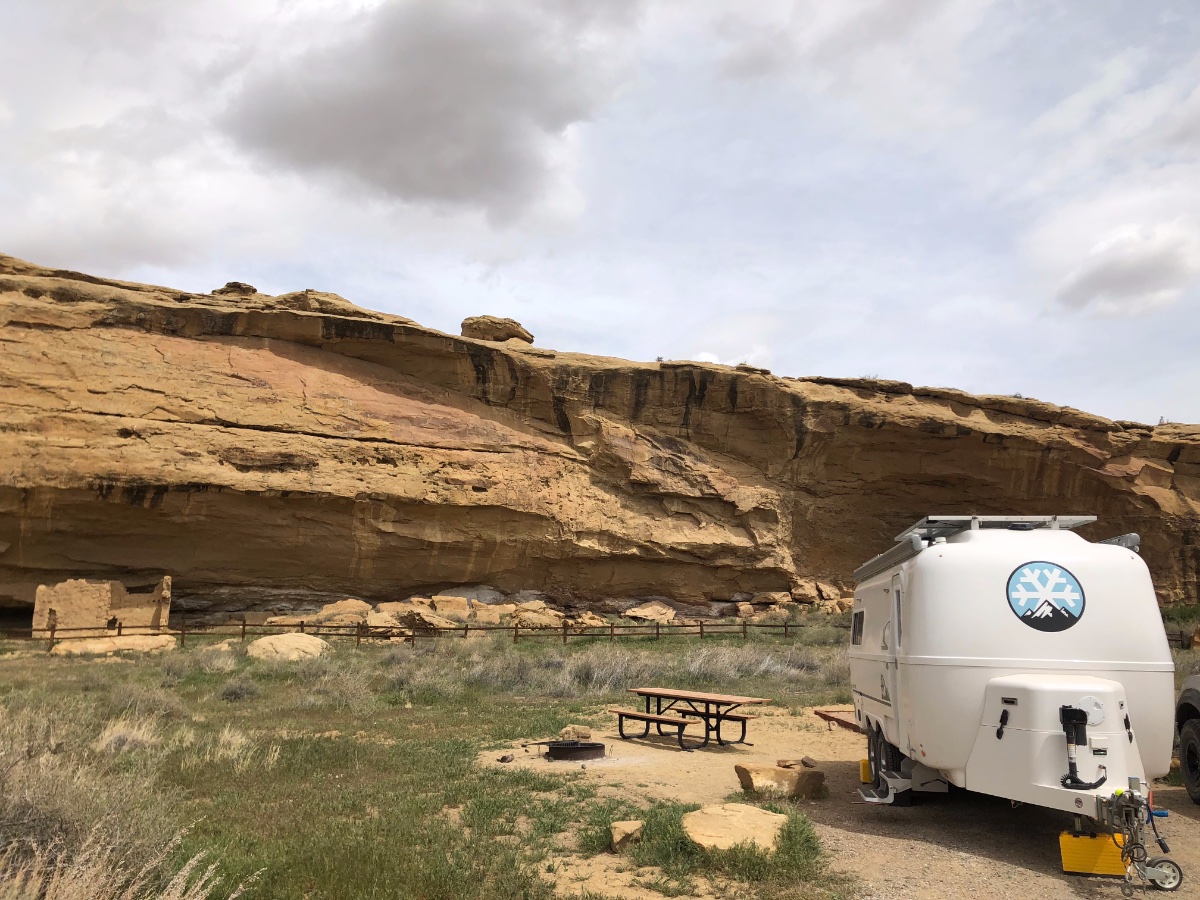
Chaco Canyon - another tough road, but well worth it
2 points
-
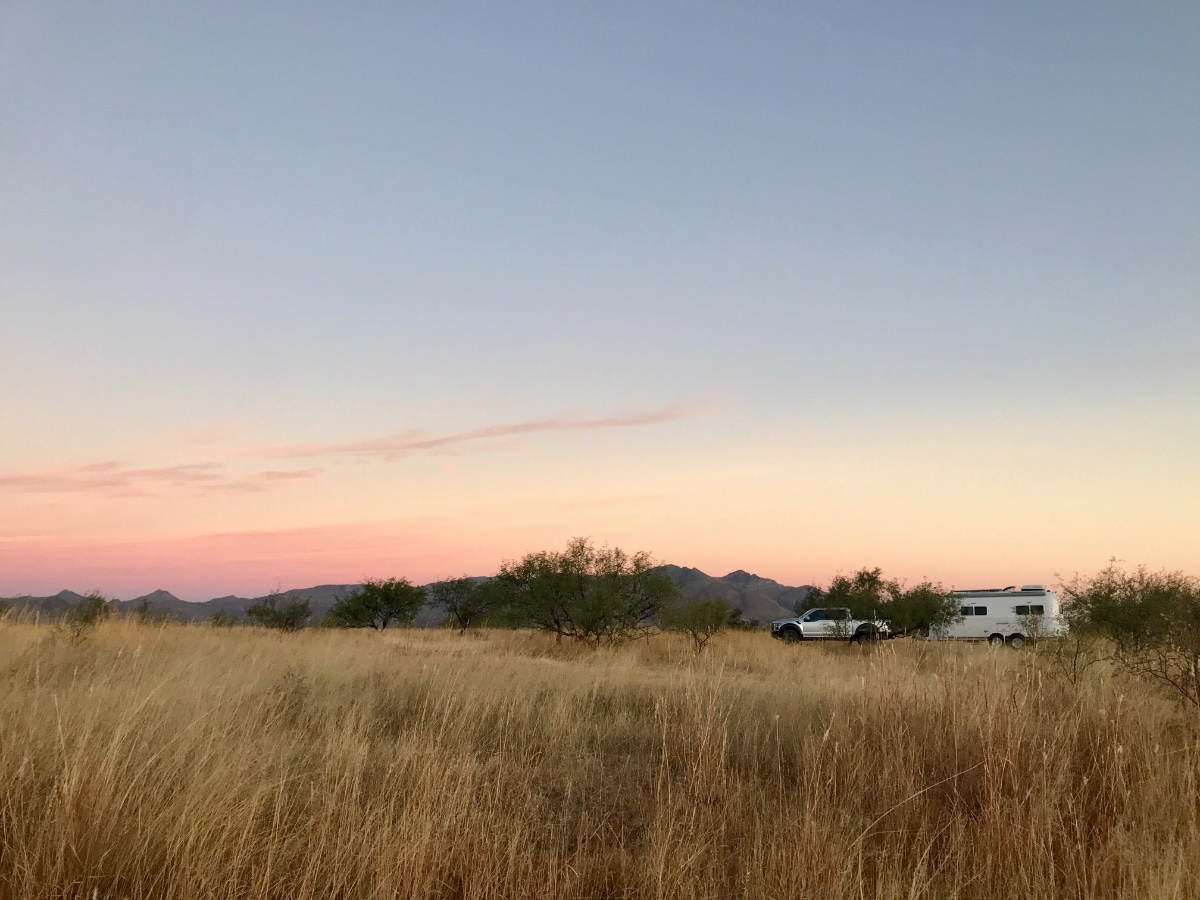
Forest Service land, west of Rio Rico, AZ
2 points
-
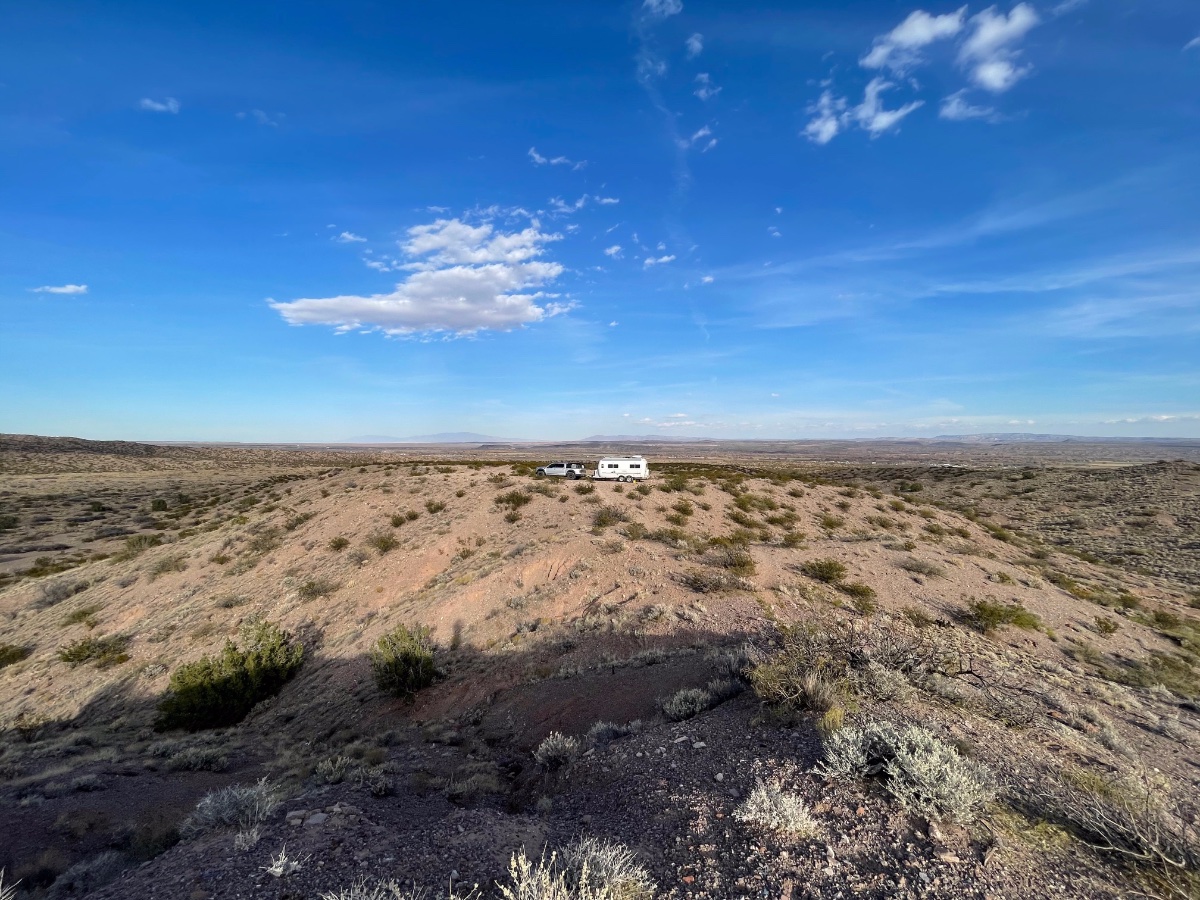
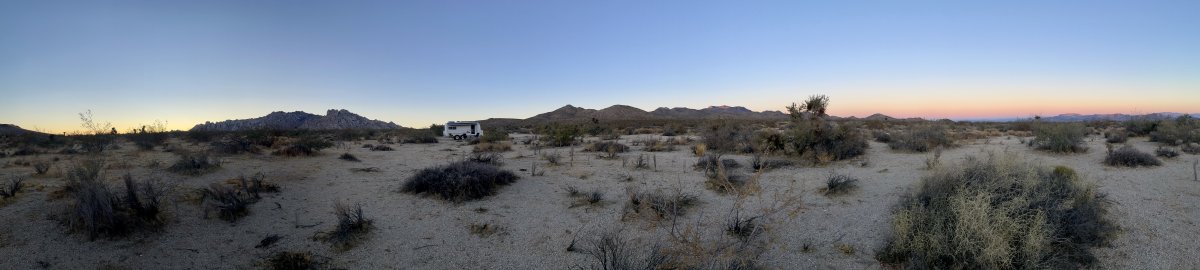
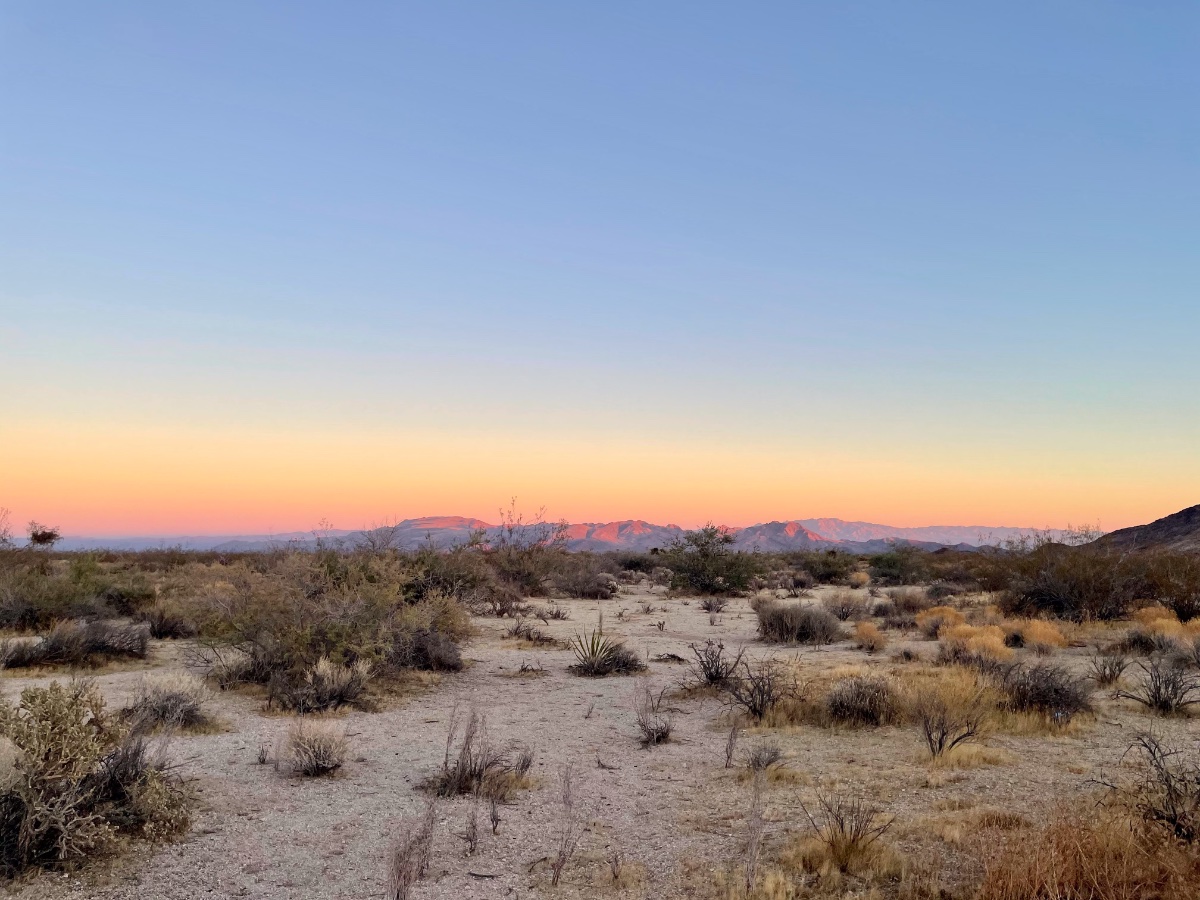
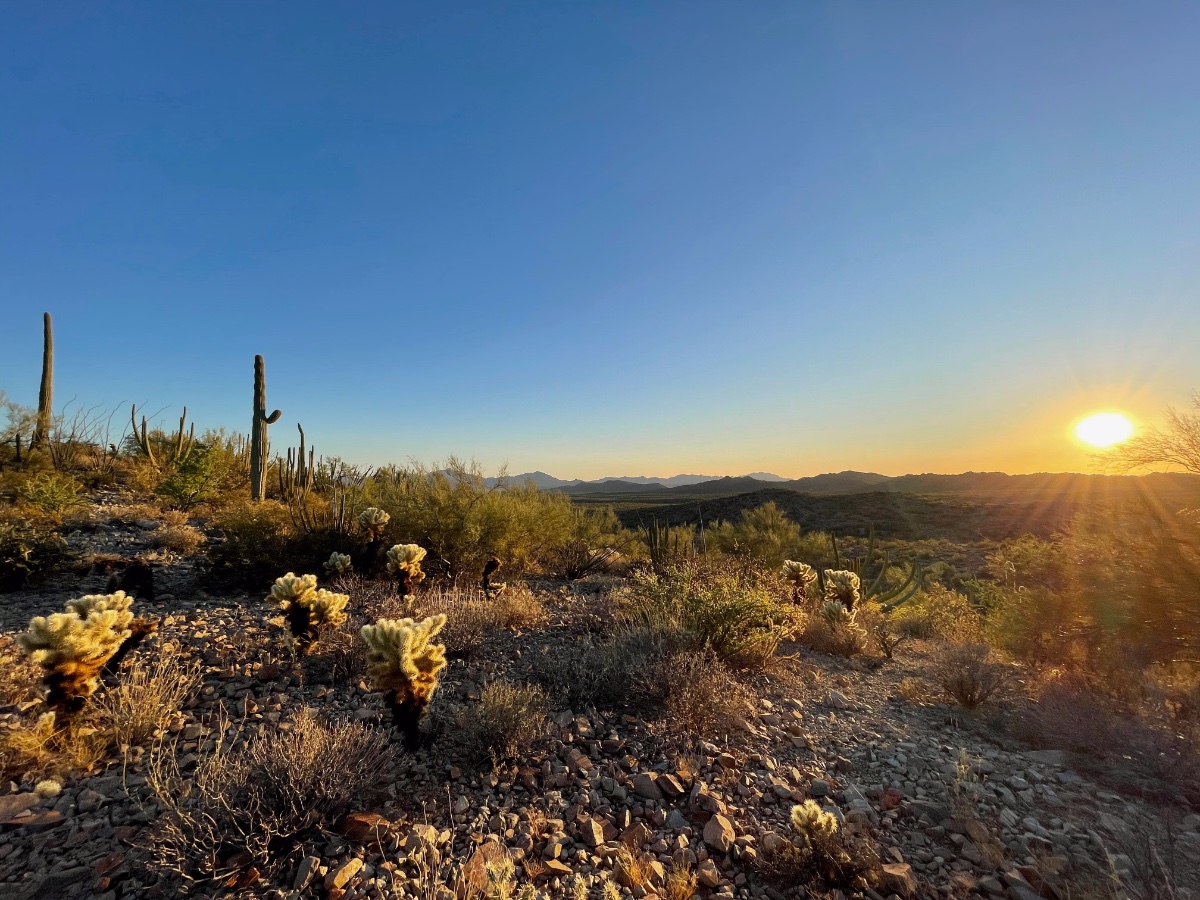
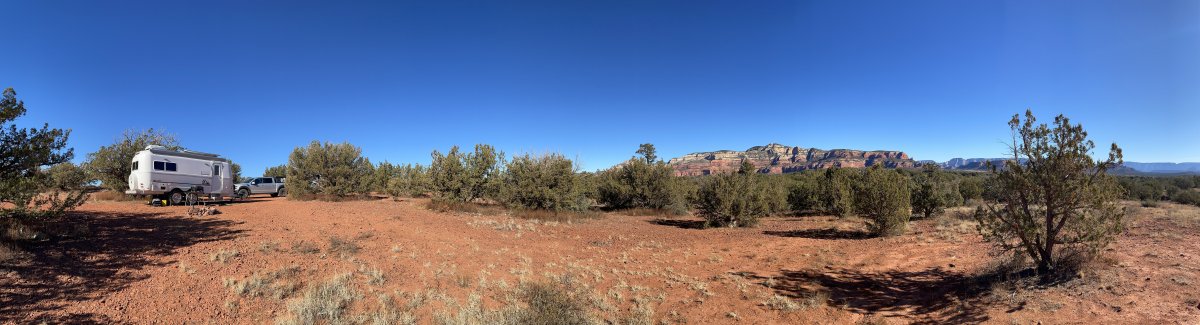
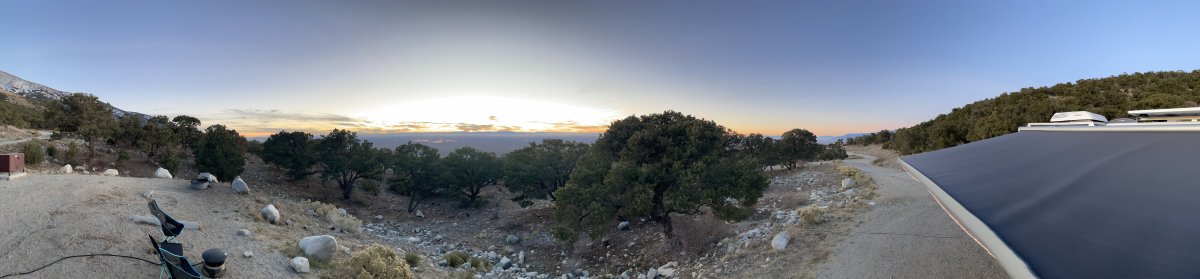
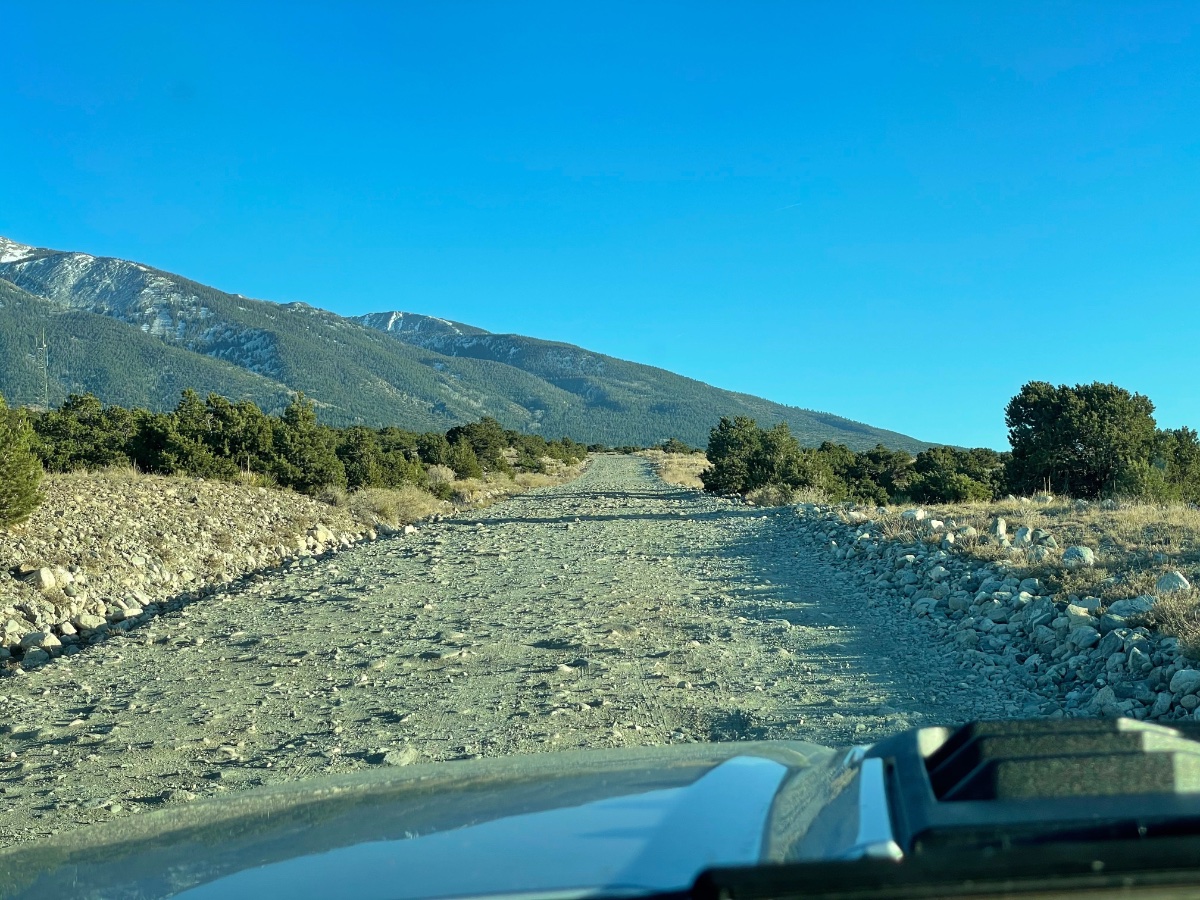
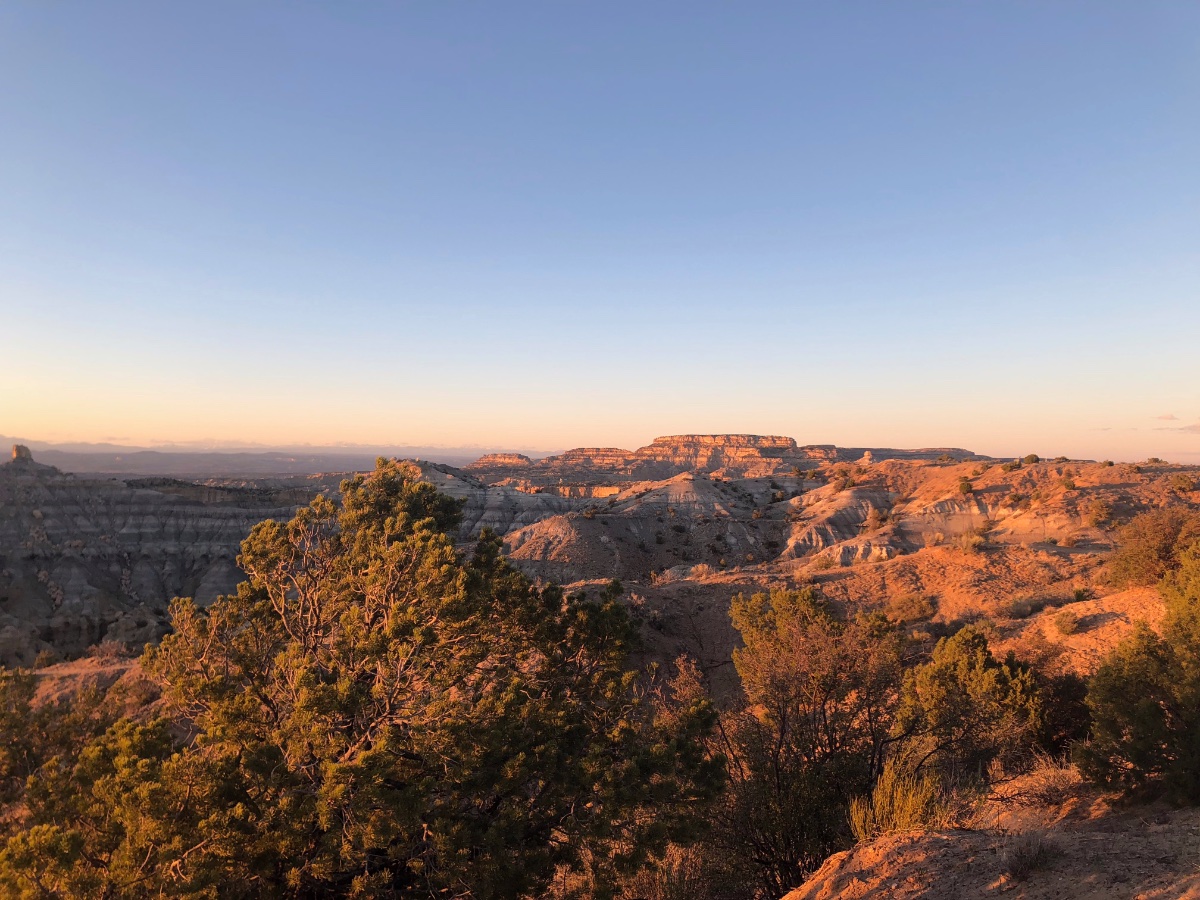
These are all from our trip the past three weeks: BLM land just south of Sevilleta Wildlife Preserve in NM - Mojave Preserve, dirt road several miles inside the southwest entrance - This is the view from a short hiking trail off the CG at Organ Pipe, which Mike mentioned above. What a great little campground. I think this is FS 761 outside of Sedona. It shows up as Loy Butte Road on Apple maps, but I don't think it's labeled as that elsewhere. It's a popular road to camp on (I think the only one near Sedona), so finding a spot can seem frustrating, but keep driving and your patience will be rewarded. Not a great photo, but this is Zepata Falls BLM CG just outside of Great Sand Dunes. Really nice, but a very punishing three mile road to get there. And I don't have a photo, but I'd also highly recommend the campground at Natural Bridges in Bear's Ears. It's small and the spaces look tight, but the Elite II will fit. But then there's also ample backcountry camping available on pretty much any road outside of the park.
2 points
-
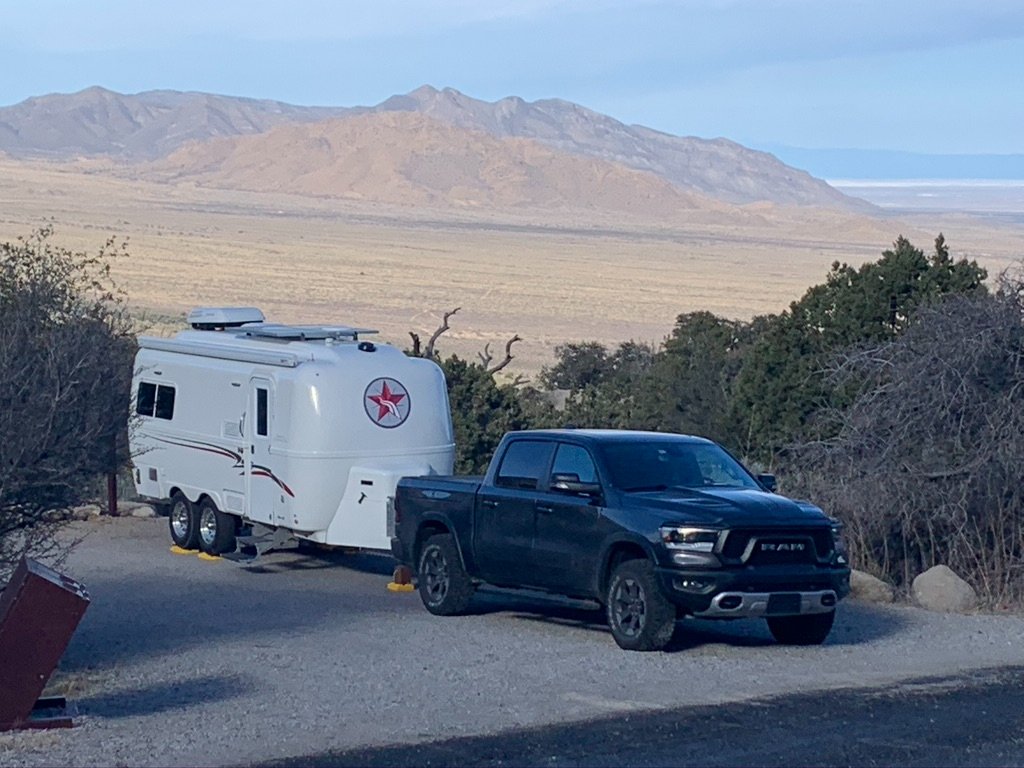
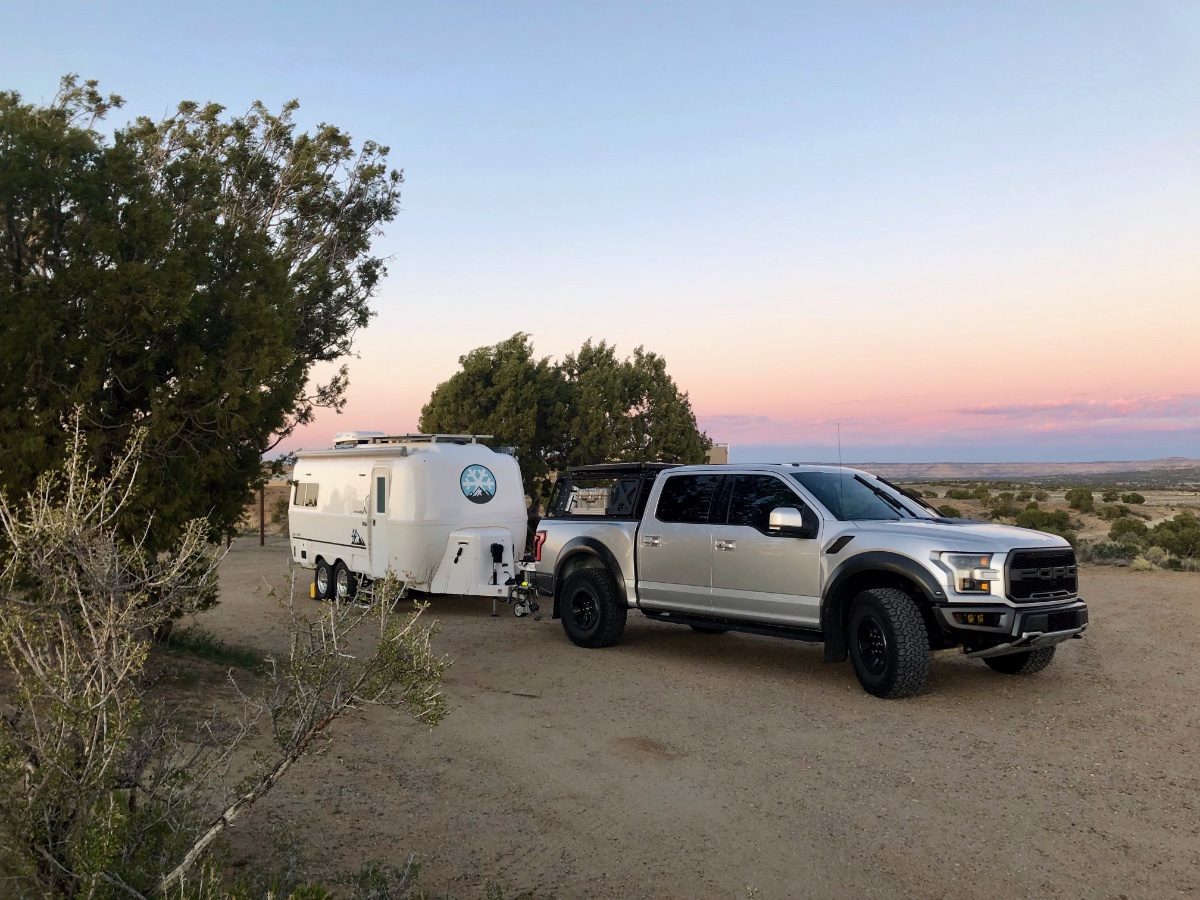
For those who are new to dry camping and wonder why folks camp without hookups let's post some pictures of places we've boondocked to give and idea of what we're talking about. This is Agguire Spring Campground outside of White Sands NP. It's a BLM campground at about 6K'. You can see WSNP about 20 miles in the distance.
1 point
-
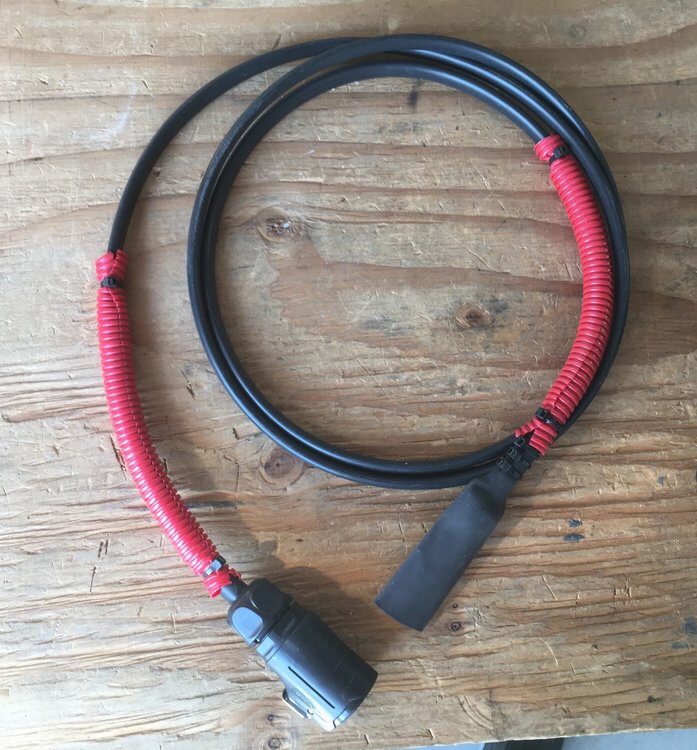
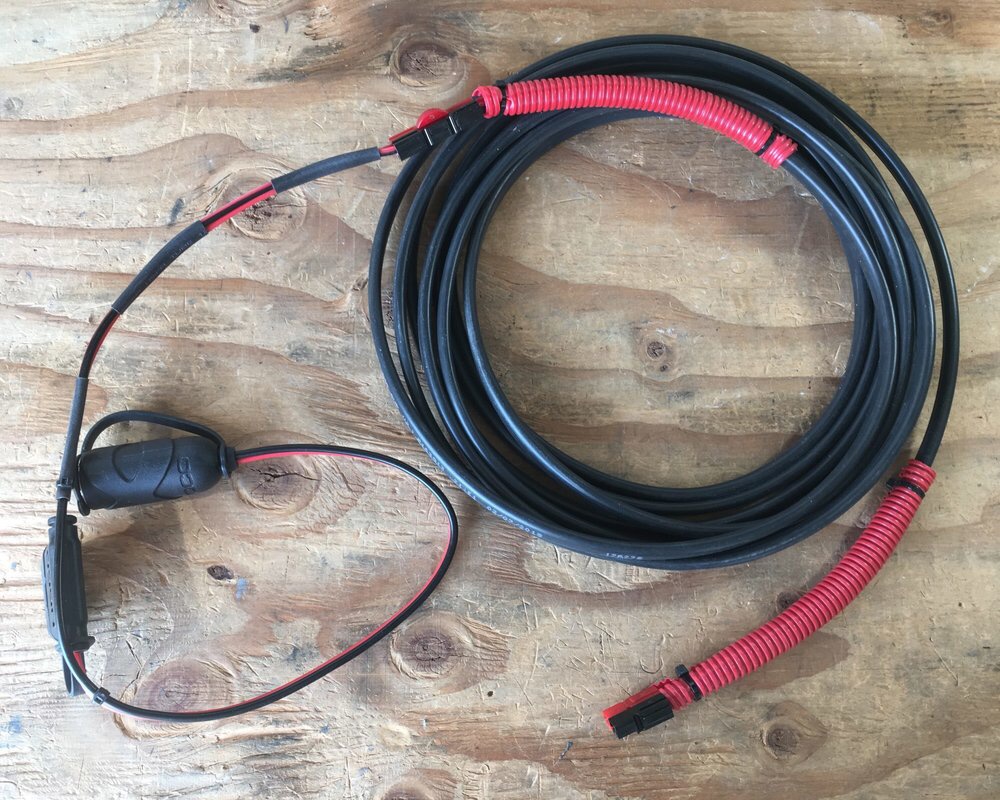
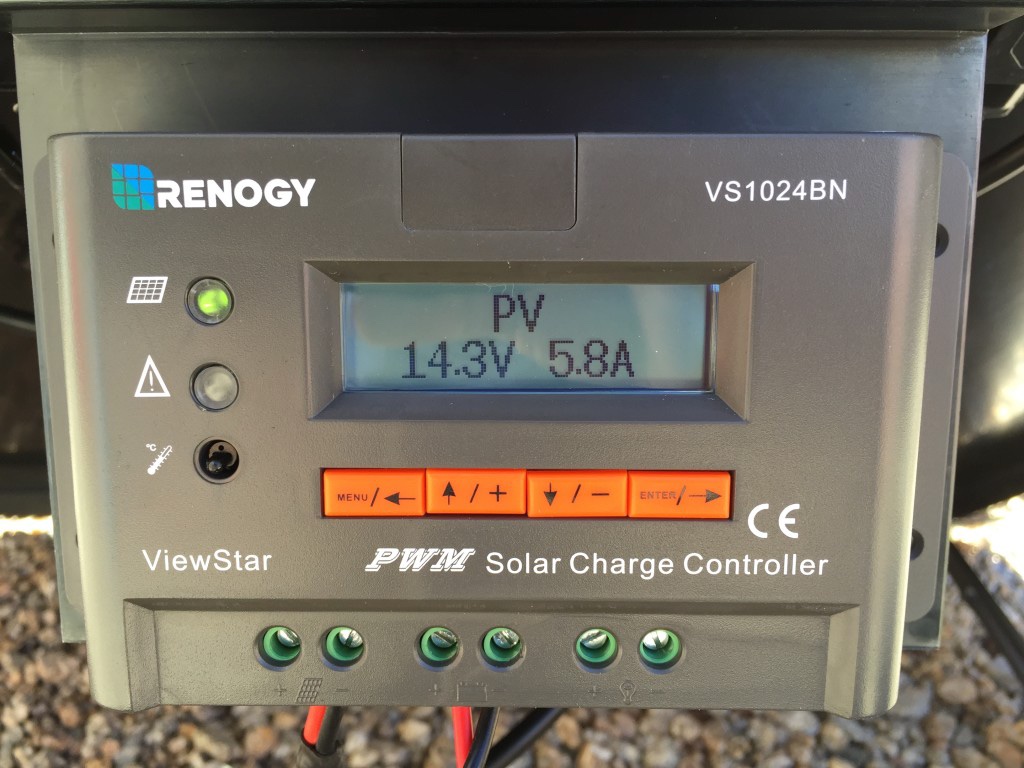
I already have two 25 foot and one 50 foot 120 volt 10 AWG extension cords, primarily for use with my generator and Makita chainsaw. I have a Renogy 100 watt suitcase solar panel coming for Christmas with onboard 20 amp smart controller. I made a Furrion adapter cable for charging my compressor fridge inside the truck, so I already have tools, parts and a head start..... https://olivertraveltrailers.com/forums/topic/3247-how-to-external-solar-dc-power-cable-using-factory-furrion-port/....... Sooooooo, hypothetically: Remove the Renogy onboard controller, add two short pigtails to it with Anderson Powerpole 30 amp quick disconnects. Add Anderson connectors at the suitcase panel’s 21.6 volt (unregulated) wires. Make one male and one female three pin adapter for the 120 VAC extension cord, using only the neutral white and ground black pins. Remove (cut off) the unused (hot wire) male pin. Add a pigtail with Andersen connector to each. Connect the controller output cable directly to the exterior Furrion solar port with a 5 foot adapter cable (already made). Lay the controller on the tire, under the fender, to stay out of the direct sun and weather. Now the adapter harnesses can be plugged into ANY 120 VAC extension cord to use it as a solar panel low voltage cord. Length would be a non issue since the controller would be located right at the trailer. I could choose 25, 50 75 or 100 feet total length of cord by connecting them together different ways. If somebody was silly enough to plug the male end of the extension cord into a live 120 VAC socket, nothing would happen at the far end because the hot pin on that adapter plug has been removed. If I wanted to use the controller with it directly on the panel, for use charging a car battery, for example, it would be a simple matter of installing two screws and plugging the Anderson connectors together. Any reasons I should NOT do this? I know it might possibly freak out some folks who see a regular extension cord running from the solar panel to the trailer. I am fine with freaking out people 😜 I would rather not buy and make a long 12 volt solar extension when I have these other cords sitting unused.... Does anyone know the maximum distance for the solar panel, using 10AWG wire, to get a satisfactory amount of current at the controller? Snowed in, too much time on my hands. Please comment! Thanks. John Davies Spokane WA
1 point
-
We finally took Ollie on a camping trip out west and wanted to share a few photos. We visited Kodachrome Basin SP UT and it was raining, so will visit there again on our next trip. Have to say Ollie has great towing manners and very pleasant to camp in!!!!! Winslow AZ: Bryce NP: North Rim: Zion NP: Cedar Breaks NP area: Valley of Fire SP NV: Snow Canyon SP UT:1 point
-
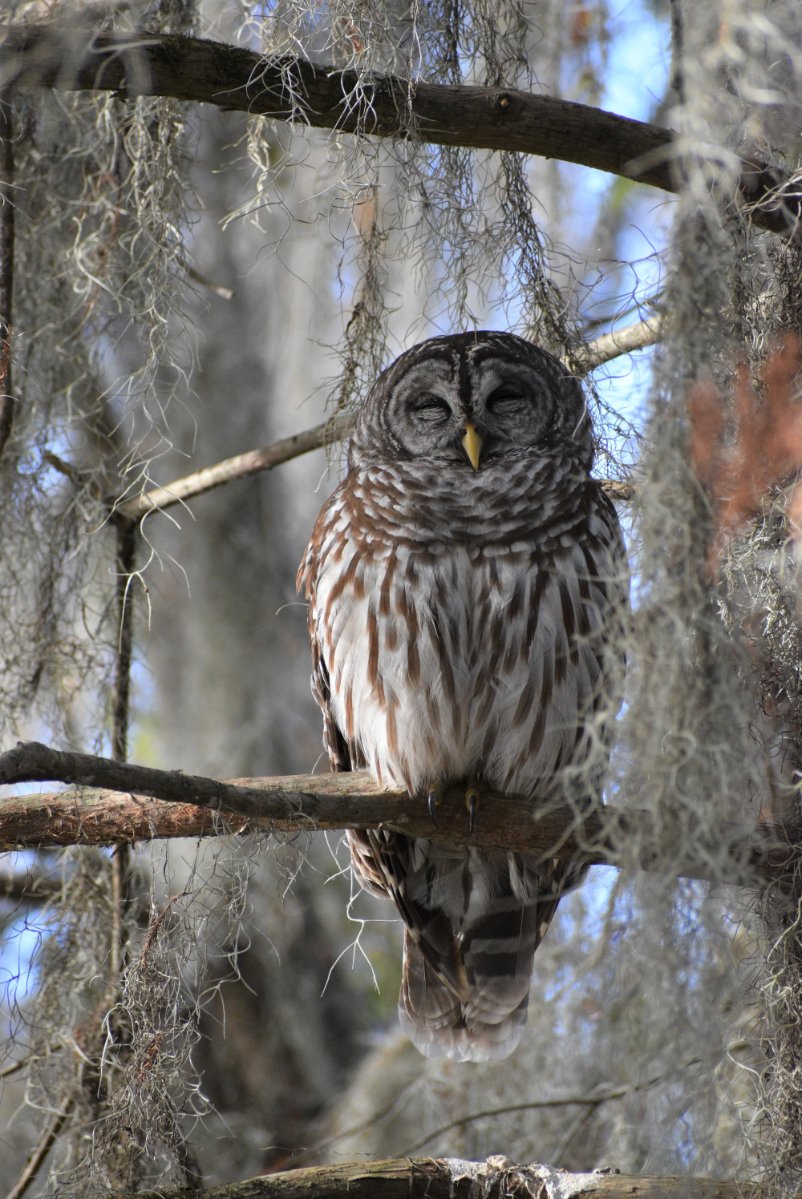
This fellow from under our rear deck wishes all of you a Happy and Safe Thanksgiving! Bill
1 point
-
Good info John. I am probably going with Progressive as well so it helps to know that one can decline the RA for the trailer. We are doing the same policy as you with AAA. Also good to know that one can cancel their call if you find a quicker tow source on your own and try to get reimbursed for those expenses. Our customer service person stated that those attempts sometimes get denied.1 point
-
Not that I'm aware of. You can check with the sales team to see for sure though.1 point
-
We find this to be true, as well . . . . Boondockers are out to enjoy the outdoors which is our camping mantra; if we wanted to sit it front of a screen, we'd choose to do so from a comfy sofa with our 40" (I know, pathetic) TV and surround sound. Likewise, we don't often set up a living area at our campsite, unless we are camping with family and friends. Nor do we routinely have a campfire, unless needed for warmth or cooking (my husband dislikes trying to sleep when smoldering fire smell infiltrates the RV). Our camping enjoyment comes from experiencing nature - hiking, biking, kayaking, exploring, and photographing nature at it's best. I guess you could say we are basically "unsociable, solitary campers" 😃1 point
-
it will work better with the controller close to the batteries. i would not locate it in the battery compartment though. a pulse type controller will pulse the output to match the the voltage needs of the battery. the duty cycle of the pulses will be driven by the amount of current and voltage on the input. thus as the voltage and the current, drops the frequency of the pulses spread over time. there is probably some minimum input voltage dependent on the specific controller where it all falls off a cliff and the controller won’t output. i think 14.9 volt input would be more than enough though. obtw. an mppt controller will give the voltage output your batteries need but drop the current giving a more constant current flow not pulses of energy to the battery. make sure you fuse the lines. give a try. you can always make cord shorter if need be.1 point
-
you can no longer control one side of the porch lights from inside? Each individual light has never been individually control that we are aware of. What happens when the remote control is left at a campsite somewhere? Can you get a second remote? Wonder if that remote would shut off a neighbors bright light after they go inside?1 point
-
The manual states 104 to 132 for the cutoff points but that seems like a large range. I’ve never checked voltages so I don’t know the real world ranges that exist. Say you are running the a/c and want to warm up supper in the microwave, is that a problem on 105 volts? ps- I’ve never checked voltages but I will starting Friday when my Amazon order gets here! Thanks folks!1 point
-
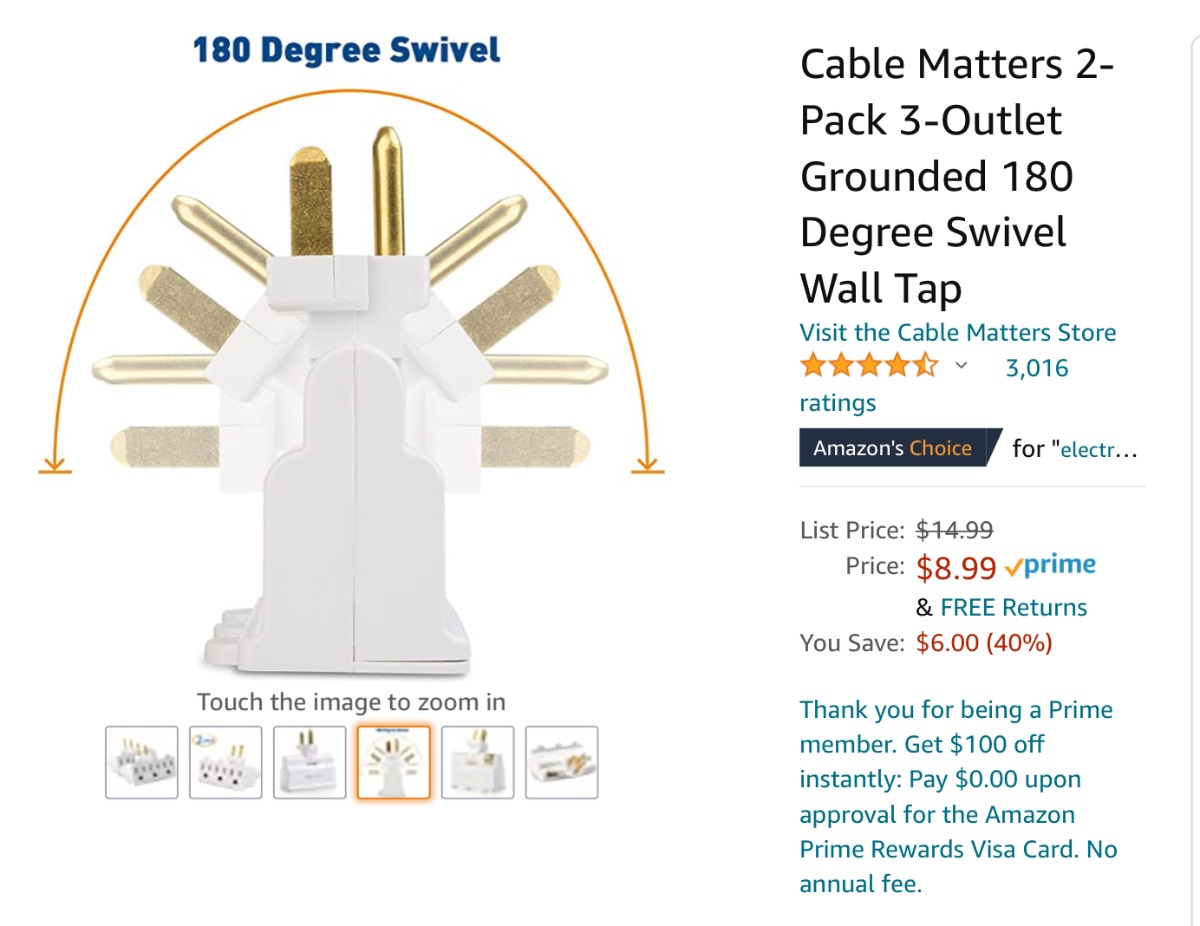
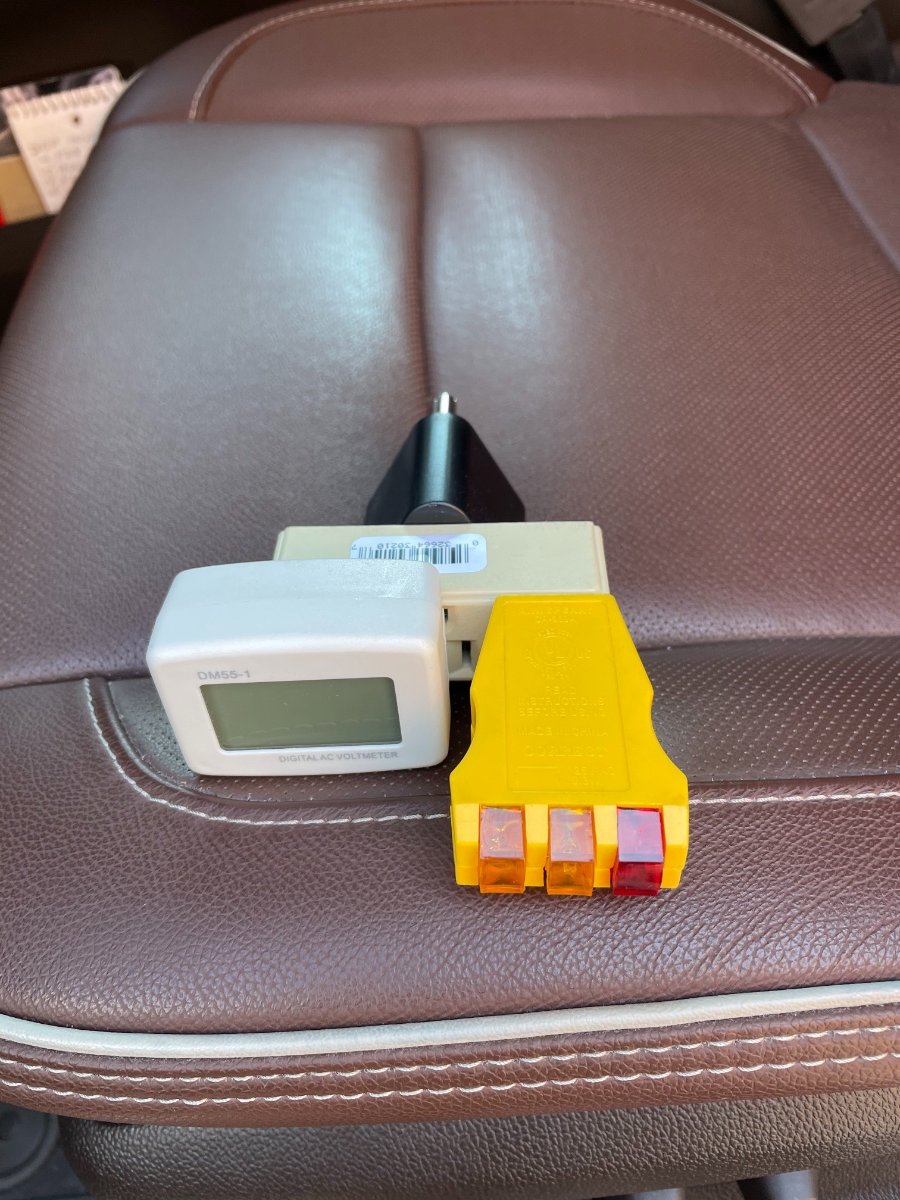
I use pretty much the same setup, except I used a pivoting three way adapter. https://www.amazon.com/Cable-Matters-2-Pack-3-Outlet-Grounded/dp/B01LY5WXBY/ref=sr_1_9?dchild=1&keywords=120+volt+three+way+adapter+pivoting&qid=1606285838&sr=8-9 It is very handy. When “Mouse” is plugged in during storage, I insert the tool, with just the voltmeter, into the outside 120 volt outlet, near the hot water heater, facing the front of the trailer. The glowing display shows at a glance that it is getting power. I experienced a failure of the shore power adapter and the converter was not charging the batteries. This way I know the power is at least getting to the main AC circuit. Highly recommended! John Davies Spokane WA
1 point
-
Per the new Girard awnings - Fact: to use the awning, you must turn on the switch inside the Oliver door. Then (for the pro model) you turn on the light or manage the awning(s) via the remote. The awning light can be used with the awning out or retracted. You cannot control the awning light with the switch inside the Oliver. You can only turn on the awning light bar with the remote. Opinion: the awnings are beautiful! The light bar on the awnings is not quite as bright as the porch lights which can be a good thing. Also, the porch lights cannot be used individually per side. The awning lights can be if you don’t want to light up the whole camp area. I do wish they were dimmable.1 point
-
I called Girard about these awnings. The upgrade option (for which Oliver has quoted me $699), as Jairon noted, has the O'bravia polyester material. The Girard rep describes this as a breathable material that will last at least a third longer, and probably twice as long, as the vinyl material. There is less chance for mold with the polyester if put away wet because, as breathable material, can dry more easily. Both the vinyl and polyester comes with a black color (which seems odd because it would absorb sunlight much more than a lighter color -- I'll like it more if Oliver's version turns out to have a khaki color). The light strip has a "daylight" color (as opposed to a "warm" light color), and is not dimmable.1 point
-
Your choice of campground has a lot to do with the quality of your neighbors and the general “feel” of the place. If you choose a fishing access spot on the weekend near a big city, expect a bunch of jerks who drink, play loud music, hoon around on jet skis and drive too fast through the campground. If you find yourself there, just move on the next day, it is not likely to improve. When I see a campground full of picnic tables packed with gear, blue tarps spread for shade, a bunch of kids bikes lying all over the place and older cars, I just move on. Generally that crowd is there to meet up with family, drink and party. More remote spots usually don’t have those kinds of issues. Certainly boondocking sites don’t.... and the price is way better. John Davies Spokane WA1 point
-
It seems like every trip, we're helping someone out of a jam. I figure I'll need the return favor someday, so I'm banking the karma. This trip, we helped a woman who'd locked her keys in her Sprinter, gave someone a spare lighter for their stove since they'd forgotten theirs, and righted a side by side that had been flipped (no injuries). Last time, we pulled a stuck tour company truck out of some ruts (embarrassing for them, I'm sure) and a ride to a pair of hikers who'd miscalculated how long it would take them to get to their planned campsite.1 point
-
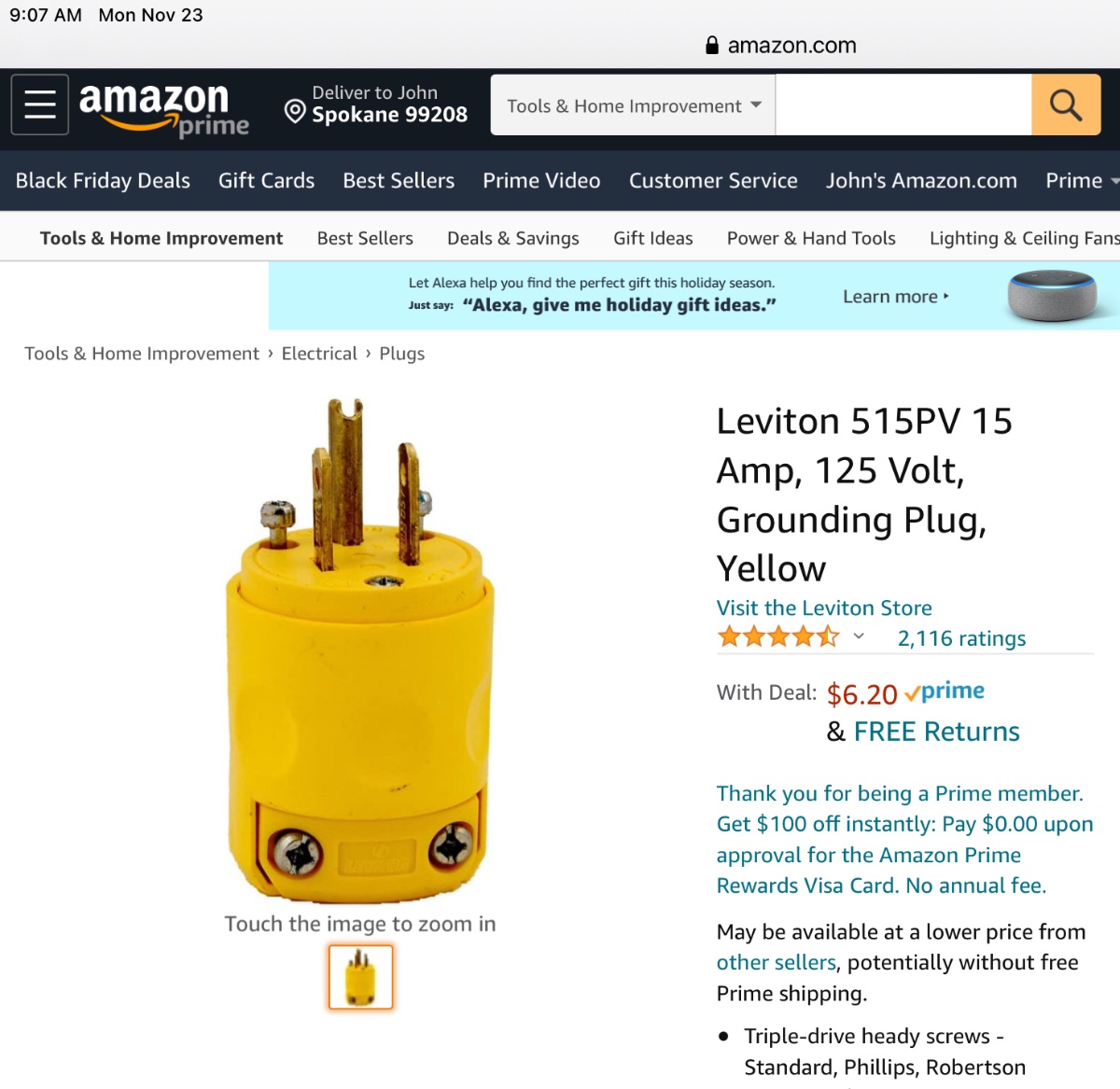
I put together this tester at the suggestion of another Oliver owner and keep it handy in my truck door pocket. The voltage display was ordered from Amazon and is advertised as a night light as well. This combination tests the pedestal for not only the typical wiring problems but also for over/under voltage issues. It does not however check for incorrect cycles (above or below 60). I do this very quick test before plugging in. After that the installed surge protector shows and filters out typical voltage, wiring and incorrect cycles issues.
1 point
-
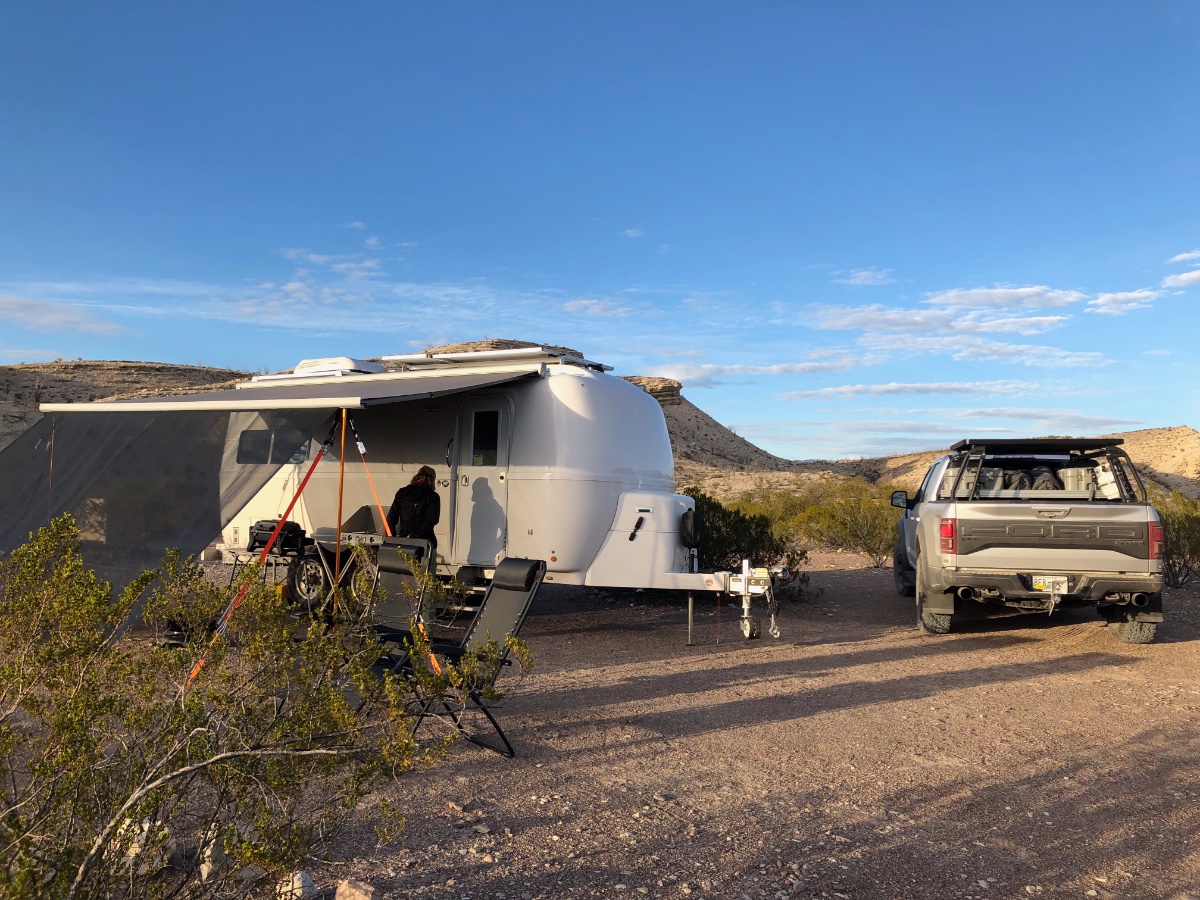
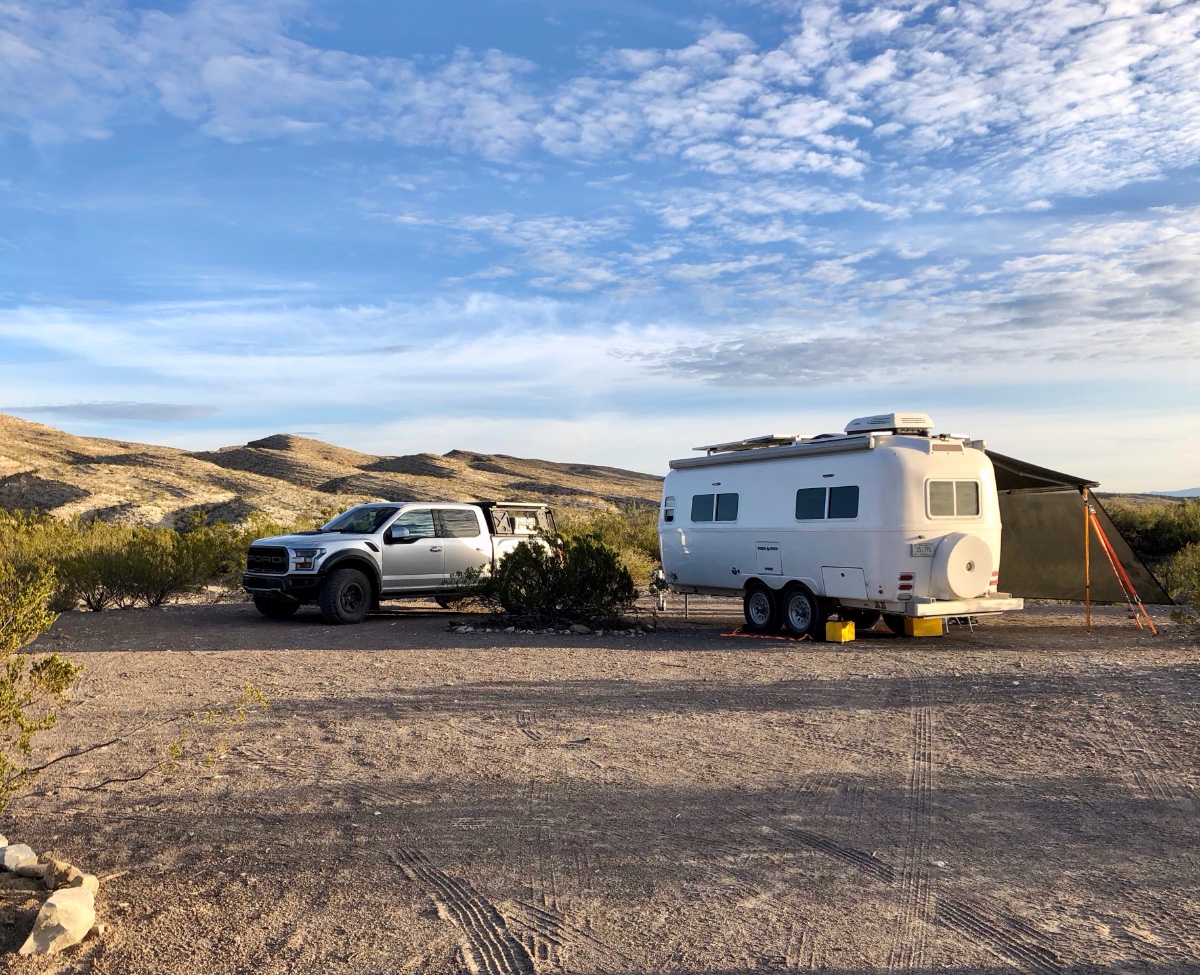
Big Bend - one of the gravel pit campsites down by the Rio Grande
1 point
-
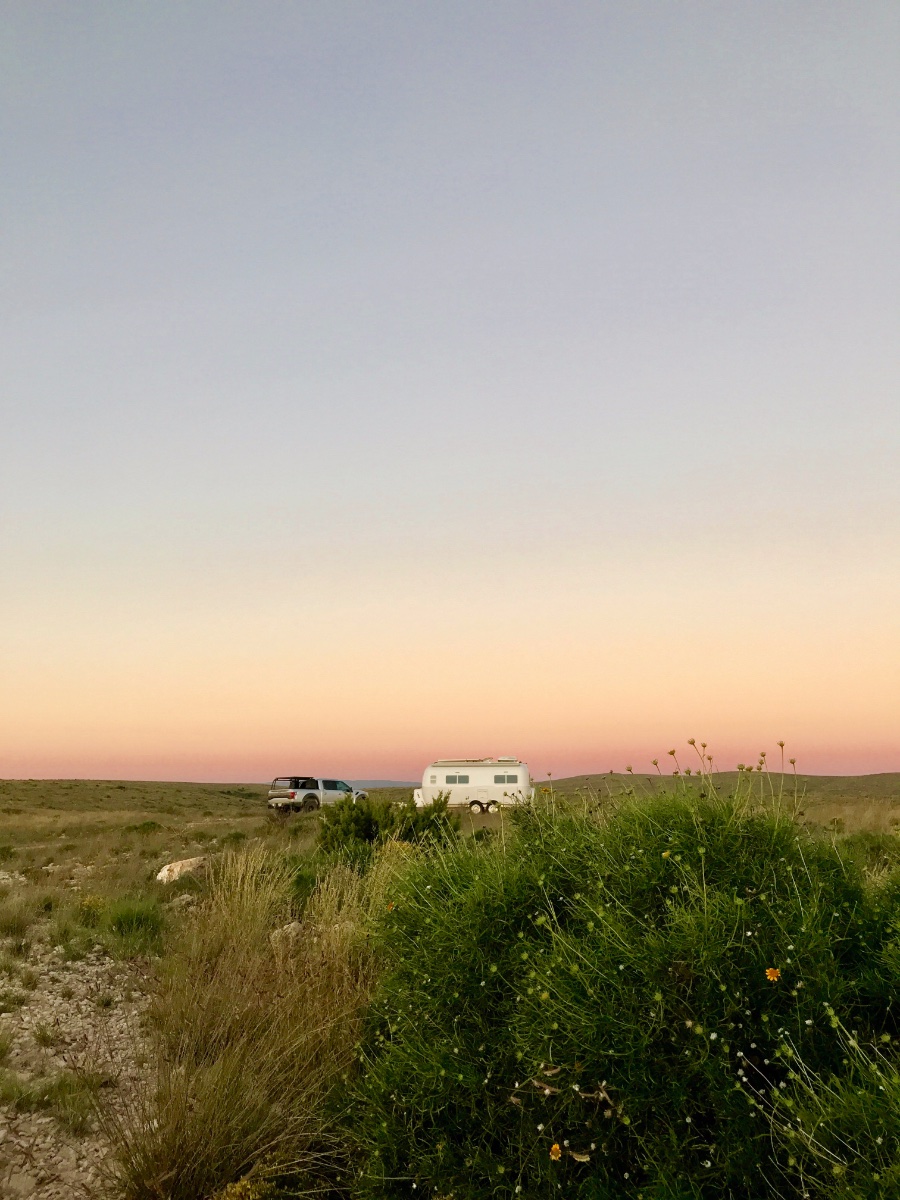
BLM oil road, east of Carlsbad and Guadeloupe
1 point
-
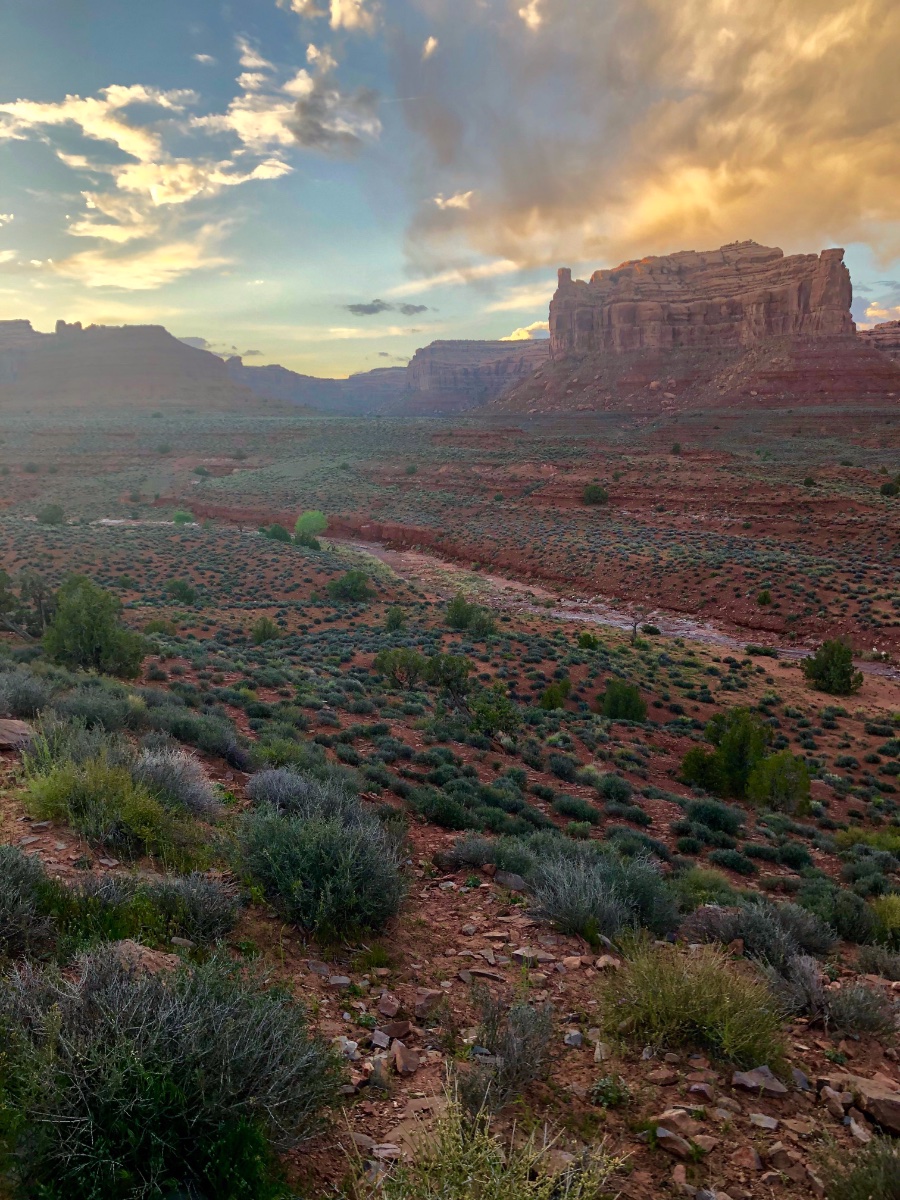
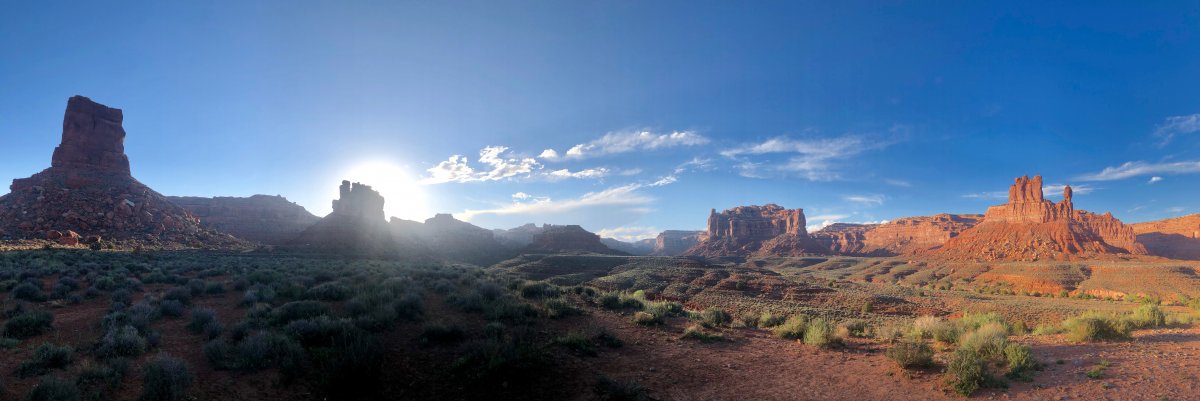
Valley of the Gods
1 point
-
Little BLM campground southeast of Farmington, NM
1 point
-
No sensor can protect your awning from a huge wind gust, ask the guy who parked his $300,000 motorhome next to me in Colorado. trainman1 point
-
We've had a single incident where we got a knock on our door while out in the middle of nowhere. As it turned out, it was an innocent poor guy who'd gotten caught in the cold after sundown with just a t-shirt and shorts, freezing to death and still three miles on foot from home. We let him use our phone and with the assurance of having overheard his conversation, offered him a ride. He was grateful and I was happy to help. Weird, but harmless. Other than that, nothing to report. For general security, we just make sure to lock up and not leave easily stolen items out in the open. I have no plans to ever do anything else. As for campground friendliness, we've found that you're most likely to find friendly neighbors in national park, blm, or forest service campgrounds. As a rule, the more services in the campground, the more people tend to lock themselves into their bronze striped boxes. Just the glow of the TVs to let you know they're occupied. Boondockers are just friendlier. Even then, we've found that some campgrounds are somehow more inducive to social interaction than others. I haven't figured it out, but there are CGs where we won't talk to a soul and others where we'll make friends with three or four couples.1 point
-
Bill & JD, I concur! When working around electricity and expensive equipment, "anal tendencies" save the day. As Bill said, the on board surge protector should protect everything on board even when I'm not standing at the pedestal with a meter or tester (like to Sperry unit RB linked to above). The meter and/or tester will catch switched polarity or open ground but over/under voltage can happen anytime and not be caused by anything happening within the pedestal itself. If problems are caught early, it offers an opportunity to switch sites to one that has a clean feed.1 point
-
Cool Ghouls' original question got me to thinking. As many others have reported here, I too have never had a "bad" human interaction while camping. Even my wildlife interactions have not been "bad" even though my heart rate and/or adrenalin levels at the time were probably somewhat elevated. However, I recently installed a new window in the Oliver's door so that I could see what was happening out there without having to open that door. As I do in even in my non-RVing life I virtually always have personal protection of some sort close at hand. Why? Perhaps the answer to that "why" question is seeded in my early Boy Scout training - be prepared? Perhaps the answer can be traced back to my parents that taught me to be able to take care of myself and those that depend on me? Perhaps it was from my military training? I like to believe that while all of those are probably true, I also believe that law enforcement is usually not immediately available to assist me in the event something were to happen. I try to not live my life being paranoid and I do believe that most people (and animals) do not mean me any harm. But, for many of the same reasons I wear a seatbelt (even though I've never been in a serious accident) or get a flu shot (even though I've never had the flu - that I know of) or, or, or ... I chose to prepare myself (within reason) to either prevent or to handle situations as they arise. Of course, this includes leaving any area I don't feel comfortable in and locking my door (my home and camper and tow vehicle), locking or putting away camping stuff - just like I do at home. Just as you have (hopefully) done in the city and elsewhere all your life, trust your instincts. At least your Oliver will have wheels which allow you to "get out of Dodge" - if necessary. Bill1 point
-
LOL, it makes no sense, the switch is bass ackwards..... in the USA up is usually ON for a toggle switch. But the Suburban switch is actually labeled the other way, so they did it on purpose. The very first week I had the trailer I wrote down the correct direction. You certainly cannot see the switch itself without bending way over and looking under the box. This is a really good example of a dumb design. John Davies Spokane WA
1 point
-
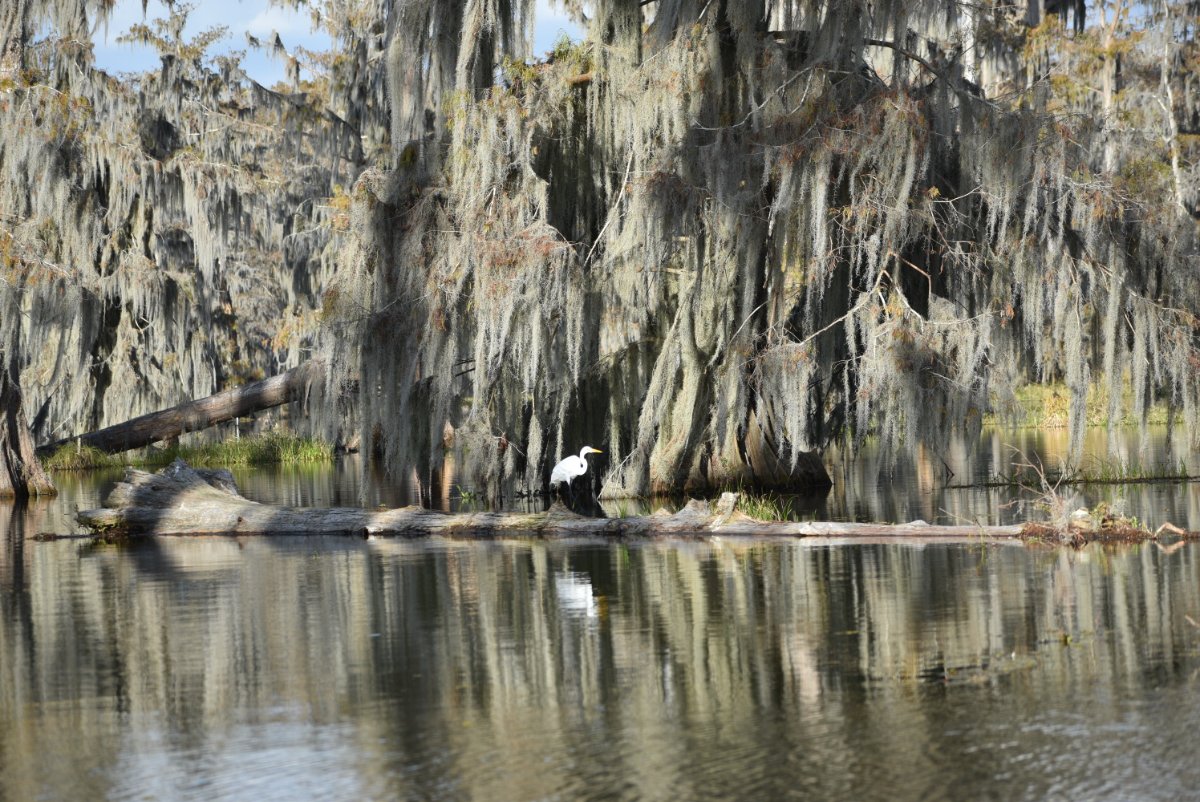
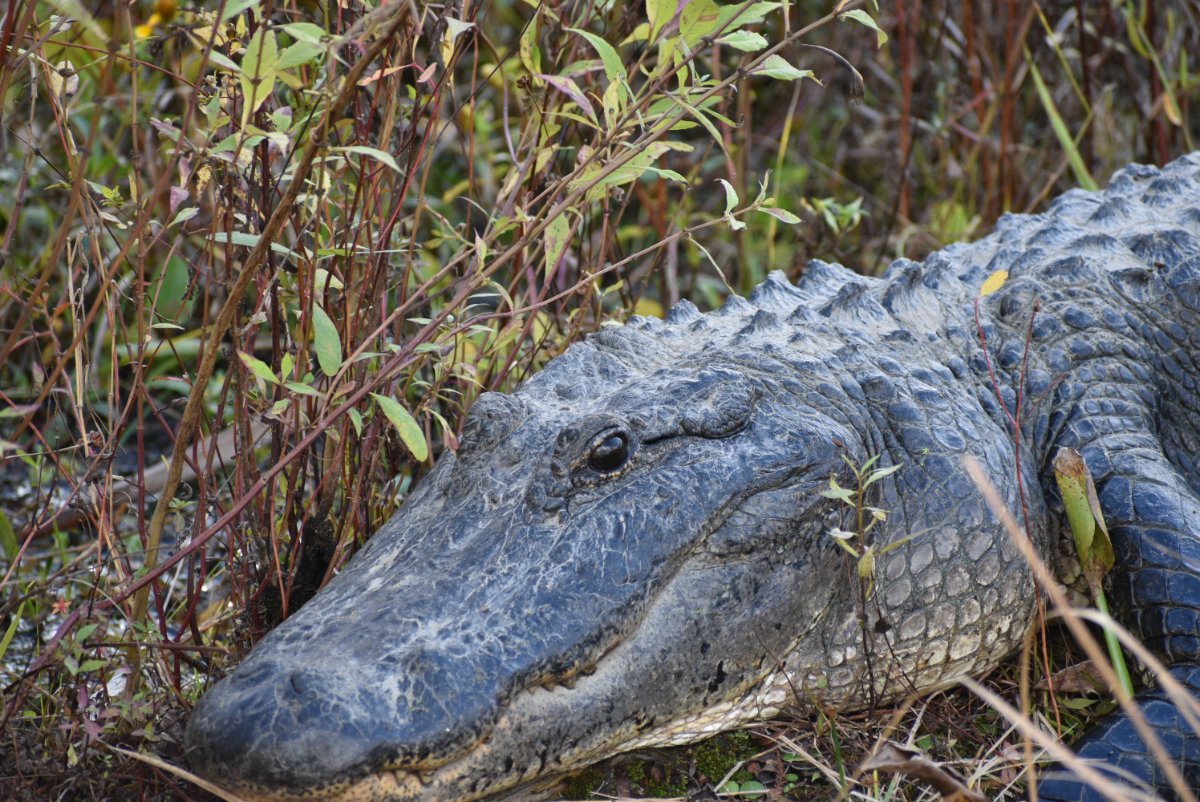
Meanwhile - back east, here's some swamp love. This is a Harvest Host at Breaux Bridge, LA. We stayed there last week on our way to SETX. Give me a couple of years to catch up! Love your out-west pics! By the way, to get a gator to smile for the picture, you have to tickle them underneath their arm - now THAT'S and adventure.
1 point
-
Find something else to worry about - I have to mentally reset every time - If I reversed the action - I'd still have to adjust. Oh look- there's squirrel. Wait, no...1 point
-
I don't think you need a GPS in Holenwald to find Oliver Trailer. trainman1 point
-
I'm sure glad I started camping with a trailer some 45 years ago, it seems that I'm doing it pretty much the same way and using the same setup items that I did back them. trainman1 point
-
If you find that you camp more often with hookups, an instantaneous water heater is a direct swap out. Plus a new door. For boondocking, heating water to a good temp in a standard water heater works fine. Then, turn it off.. if the shower gets cool, you've used too much water. Plus, with the standard heater, you can avail yourself of free electric heating in campsites with hookups, and save propane. But, you'll need to replace the sacrificial anode more often if you use electricity, I think. We replaced ours at 25 to 30 per cent. Better early than late.1 point
-
We’ve got the standard hot water tank. As JD says, it’s simple and I’ll add reliable. I’ve switched out the anode once in 5 years and replaced the on/off switch once (both easy to do and cheap). When we have no shore power the propane works well. Mike1 point
-
SherMica - Relax! Chocks - For the Elite I you will need a minimum of 2 chocks - one chock for each tire. The ones you have noted on Amazon will do for most situations. However, for added safety you should consider 4 chocks. The reason for this is that normally you only place one chock on the "downhill" side of each wheel. However, in situations where it is not apparent which is the "downhill" side of a tire and/or you are parked on level ground it is prudent to place a chock on both sides of the tire. Remember, chocks are the only things that prevent your Oliver from rolling when you are not attached to your tow vehicle. While the plastic chocks you have noted on Amazon will do the job in most situations, there are situations where these chocks will slip/slide on the surface - think smooth concrete or asphalt. And these plastic chocks will turn brittle, crack and fracture after a relatively short period of time (couple of years in most situations). While rubber chocks cost more up front and are much heavier than the plastic ones, they tend to last much longer and a generally much more stable on surfaces where the plastic ones slip. https://www.amazon.com/SECURITYMAN-Rubber-Wheel-Chocks-Trailer-RV-Heavy-Duty-/dp/B07VMTLFD1/ref=sr_1_1_sspa?crid=21K8CV0QXC3U8&dchild=1&keywords=rubber+chocks+for+travel+trailer&qid=1605917334&sprefix=rubber+chocks%2Caps%2C172&sr=8-1-spons&psc=1&spLa=ZW5jcnlwdGVkUXVhbGlmaWVyPUFUTkRRTU1CVDIzWjAmZW5jcnlwdGVkSWQ9QTA0MjkzMjkxSVRYWDdUMFJXVkU3JmVuY3J5cHRlZEFkSWQ9QTA2MTI5NzQxTk5aR1BJMDJaWDJKJndpZGdldE5hbWU9c3BfYXRmJmFjdGlvbj1jbGlja1JlZGlyZWN0JmRvTm90TG9nQ2xpY2s9dHJ1ZQ== Leveling blocks - The leveling blocks you show are "double long" as compared to those that most people carry (and they are more than double the price of the regular ones). Even thought I generally use my Andersen leveling system which is by far the most simple for a solo traveler ( https://www.amazon.com/Andersen-Hitches-3604-Camper-Leveler/dp/B001GC2LVM/ref=sr_1_25?crid=2NFIJAG9AR9V6&dchild=1&keywords=andersen+levelers&qid=1605917607&sprefix=Andersen+%2Caps%2C182&sr=8-25 ), I also carry the "regular lego leveling blocks like these: https://www.amazon.com/Tri-Lynx-00015-Lynx-Levelers-Pack/dp/B0028PJ10K/ref=sr_1_11?crid=2NFIJAG9AR9V6&dchild=1&keywords=andersen+levelers&qid=1605917775&sprefix=Andersen+%2Caps%2C182&sr=8-11. Of course, if you are short of funds and/or care to be really simple with this whole thing of raising a wheel off the ground for the purposes of leveling the camper, you can always simply get a number of 12 to18 inch lengths of 2x6 that will serve much of the same purpose. Receiver hitch - This one is slightly more complicated. For your trailer to correctly tow behind you in a level orientation with your tow vehicle, the top of the 2 inch ball will need to be a certain number of inches off level ground. Your Oliver sales rep can give you this figure. Then, measuring the distance from level ground to the top of you receiver on your truck you will get an idea of what the "drop" or "rise" should be (note that it is most likely you will need a "drop" given the truck that you purchased). All you need to do is to get in the "ballpark" - you do not have to be exact on this measurement because fine tuning can be completed with washers under that "ball thingy". Certainly there is nothing "wrong" with the receiver hitch that you have shown on Amazon but you will need to either do the measurements as per the above or take the advice of someone (perhaps like Seadawg) that tows with a similar tow vehicle and tows an Elite I. Finally - The answers to your final questions virtually all fall into the "how prepared do you wish to be" category. Yes, for your stay at the State Park you will probably not "need" a longer sewer hose or extension cord or any adaptors, etc.. However, once you leave there you just might stay at a place where you are not near the electric outlets and thus will need an extension cord or you are not near the sewer dump and you need another length of sewer hose or the place you are staying only has a "regular 15 amp" outlet (think of the wall sockets in your house or apartment) and you need a 30 amp to 15 amp converter plug/adaptor/dogbone or conversely, the campground only has a site with 50 amp and you need to convert that to 30 amp via a 50 to 30 amp conversion plug or dogbone as they are sometimes called). Do not stress over these things. For the most part you will be fairly near civilization at least until you are more comfortable with your Oliver. Therefore, you will be able to either borrow what you need - you'll find that your fellow campers can be very helpful in this regard - or you will be able to get it from the campground store or host or a town will be near enough that you can purchase what you need at that time. OR, you will find out that you really do not need many of these things because your Oliver can be a very comfortable place to live without hooking up to electricity or even water for short periods of time. Bill edit: BackofBeyond is correct above - if you are getting the Andersen weight distribution hitch then the folks at Oliver will set it all up for you at delivery and you do NOT need to purchase a receiver hitch.1 point
-
This is not a great shot of the campground, but this is from Needles Outpost just outside the edge of the Needles unit of Canyonlands National Park. I was making my itinerary up as I went in late October 2016, and the campground there inside the National Park was full when I got there in mid afternoon, but I was able to score a site just a few miles back here at the Outpost, which is off the grid. Remember to bring your own water though they do truck in tanks for the showers. This private CG is carved out from a very pretty setting up against some red rock cliffs and buttes, and looking out toward the features of Needles. I was happy to be situated very close to the entrance so I could start a looong and potentially hot hike very early the next morning so as to mostly beat the heat. The hiking there is just tremendous - I did the Chesler Park/Joint loop which I can highly recommend. You overlander types might like the road to the back side of this hike from Beef Basin - looks like a pretty remote feeling 4WD venture from what I could see on my edge of it. The twilight picture is from my camp site at the Needles Outpost and the rest from the sweet hike the next day.
1 point
-
Here are some shots from Bridger Bay Campground in Antelope Island SP on the Great Salt Lake near Layton, north of SLC. I've used it as a stopover a few times when doing the long haul from near Seattle down to canyon country in southern UT and northern AZ. By this point in the drive - my second night in - I'm ready for a not absolutely full day of driving and want some exercise and beauty. This fits the bill quite well. The camp sites have stunning views across part of the lake, and there's a little unofficial trail up to a headland/ridge that has amazing views out over the lake, and enough walking to feel like I've gotten some exercise and have worked the kinks out from sitting so long. The first time I was there, in mid-late May, there were SO many bugs hitting my windshield and the rest of the front of the van while I drove out the loooong causeway that connects the island to the mainland. Don't say I didn't warn you ;-). There are pit toilets and not much else - possibly some water spigots but I forget. There are showers down the road at a day use beach area that you can drive up to and use at night. On my second trip there, some of the island's buffalo herd were grazing not far from camp. When I came back down from my evening hike up to that ridge and its views out to amazing thunderheads building on the Nevada side mirrored in a super glassy Great Salt Lake, they had moved in across the trail. I have no interest in being charged by a buffalo so I walked cross country through the sage and other brush in a wide arc around them back down to the campground, watching them warily as they watched me warily. I fortunately passed their test. It was fun to wake up to them chowing down fairly close to my van the next morning. One of these years I'll stay two nights and do some longer hiking on the island, which has many miles of trails.
1 point
-
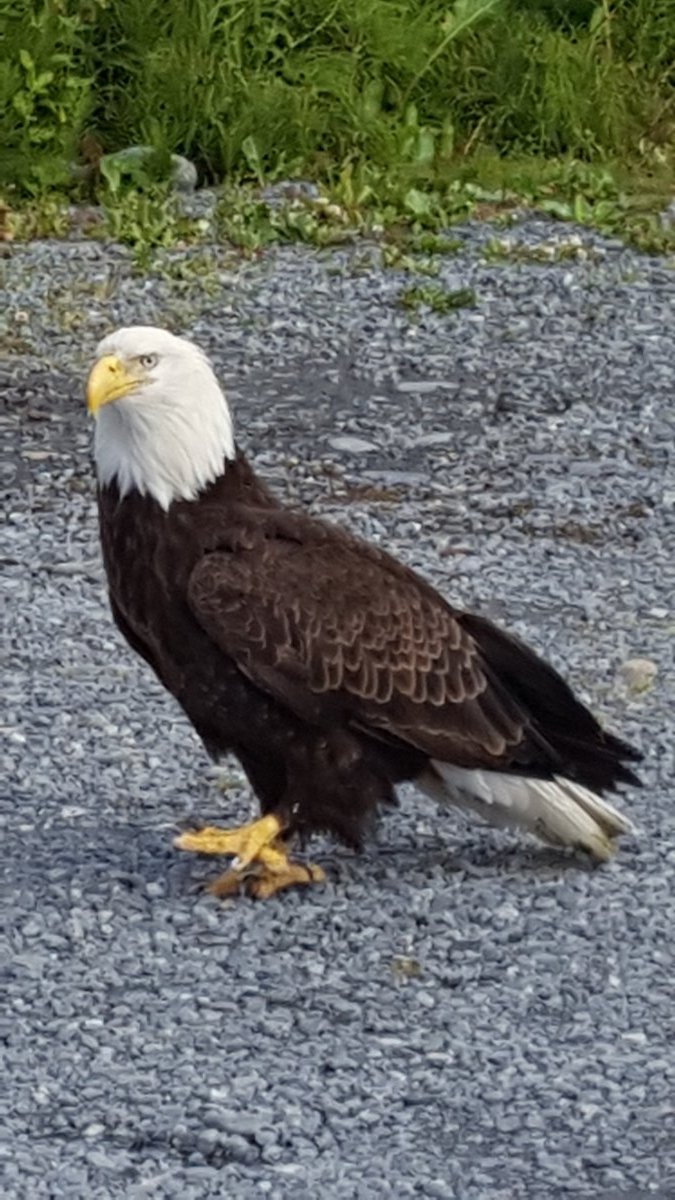
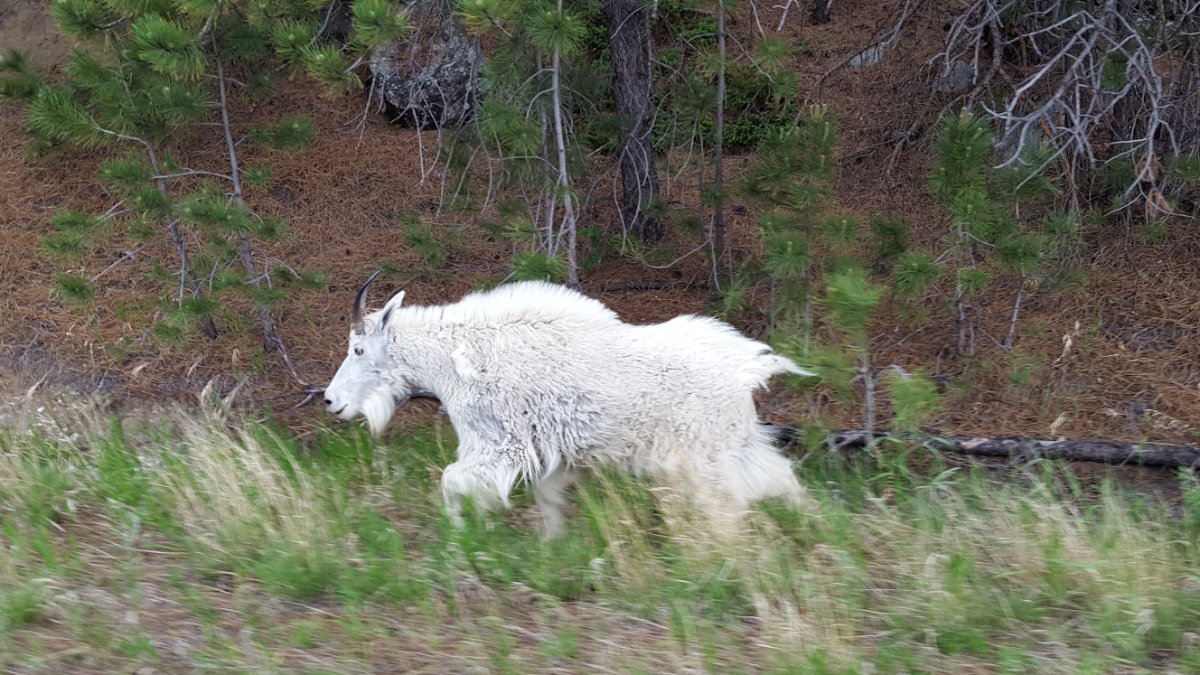
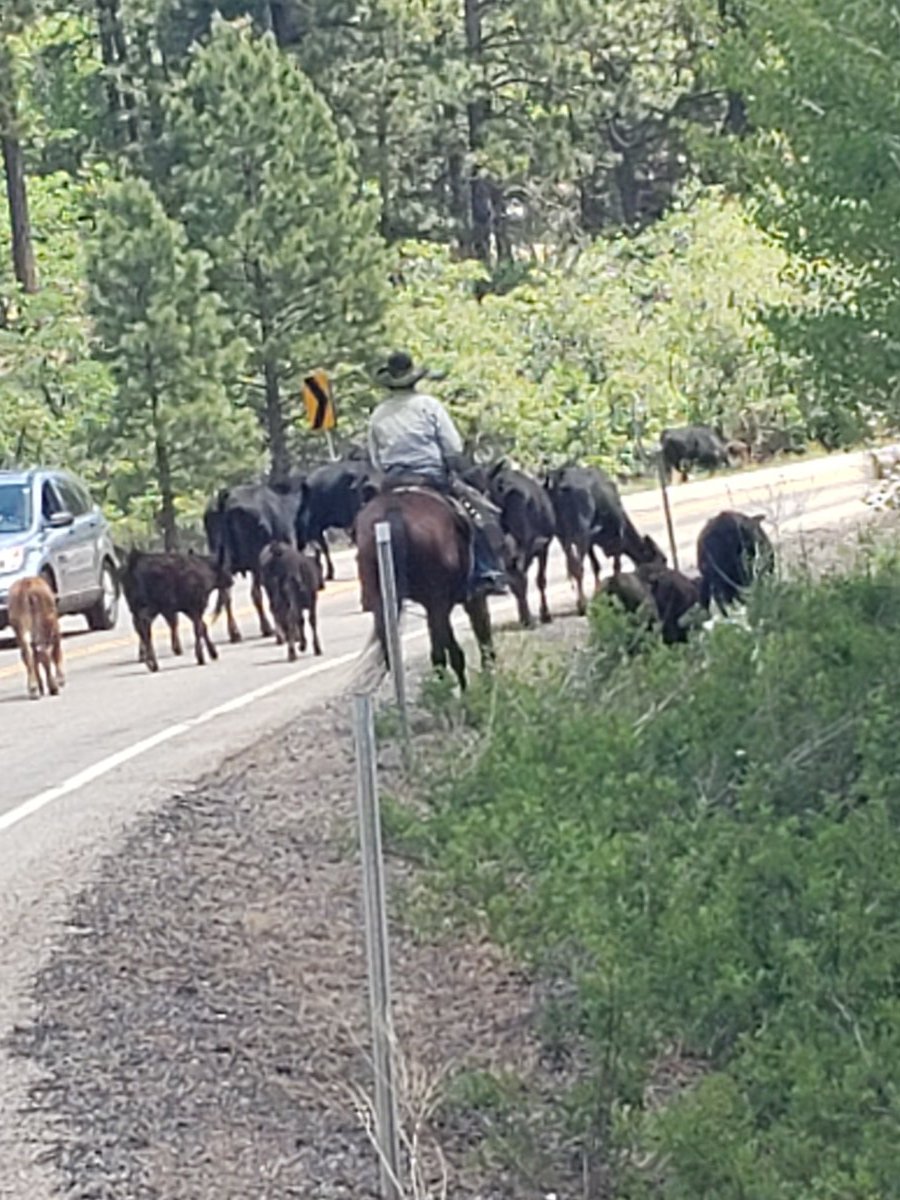
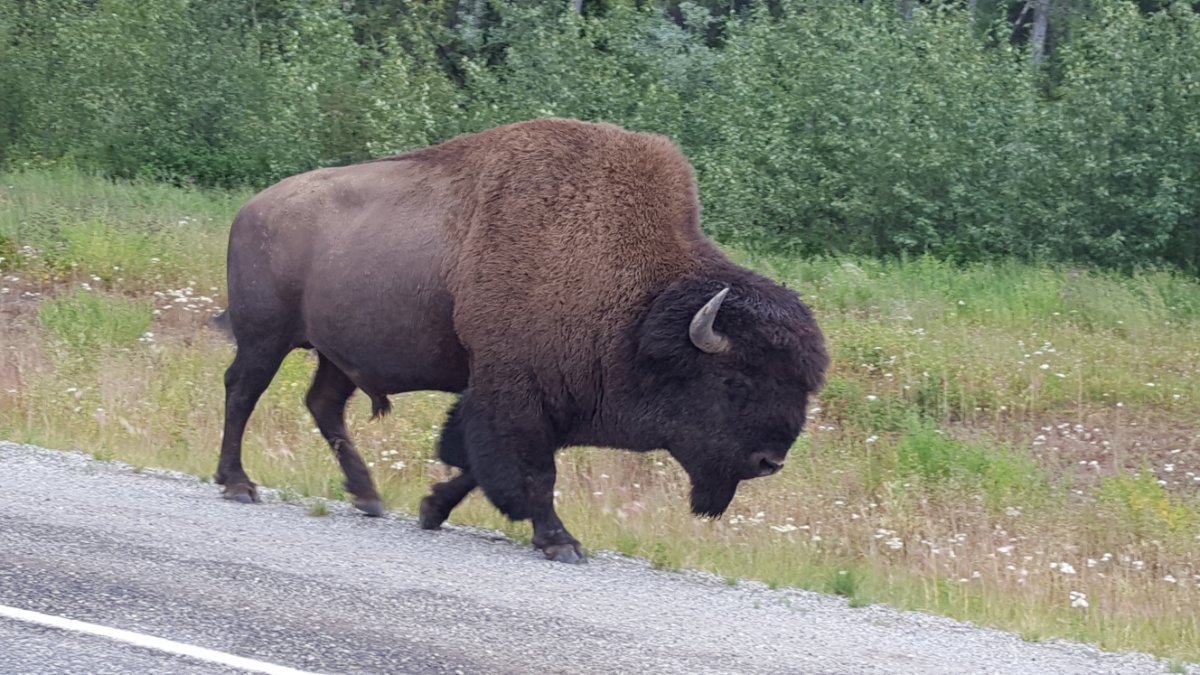
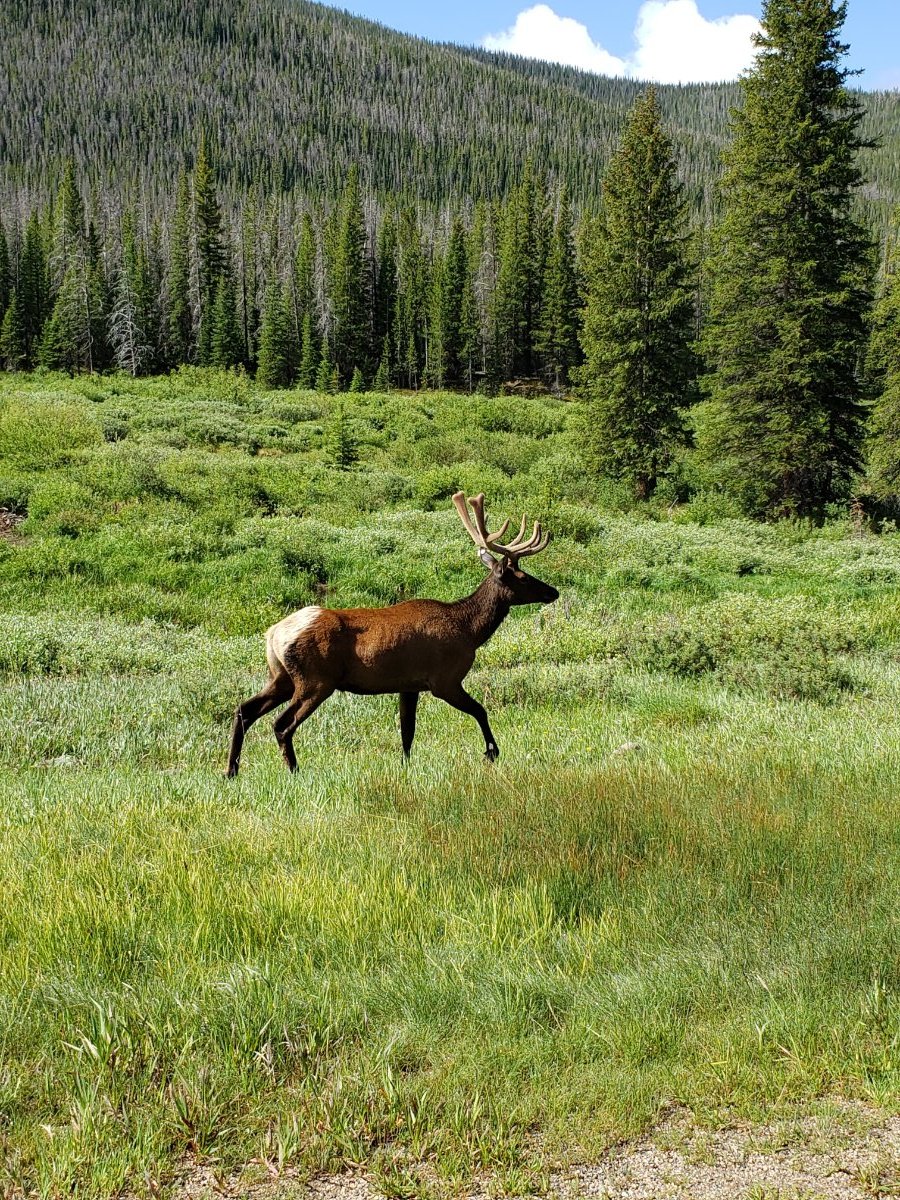
Boondocking, and remote FS campgrounds usually have wildlife nearby, So, how about some wildlife - these were in the area of our camp, in the camp, or on the entrance access. the Bison were somewhat intimidating - leaving the campsite, we had to wait for the herd to move on - they had no concern for the big white thing next to them. Free range cattle drives too!
1 point
-
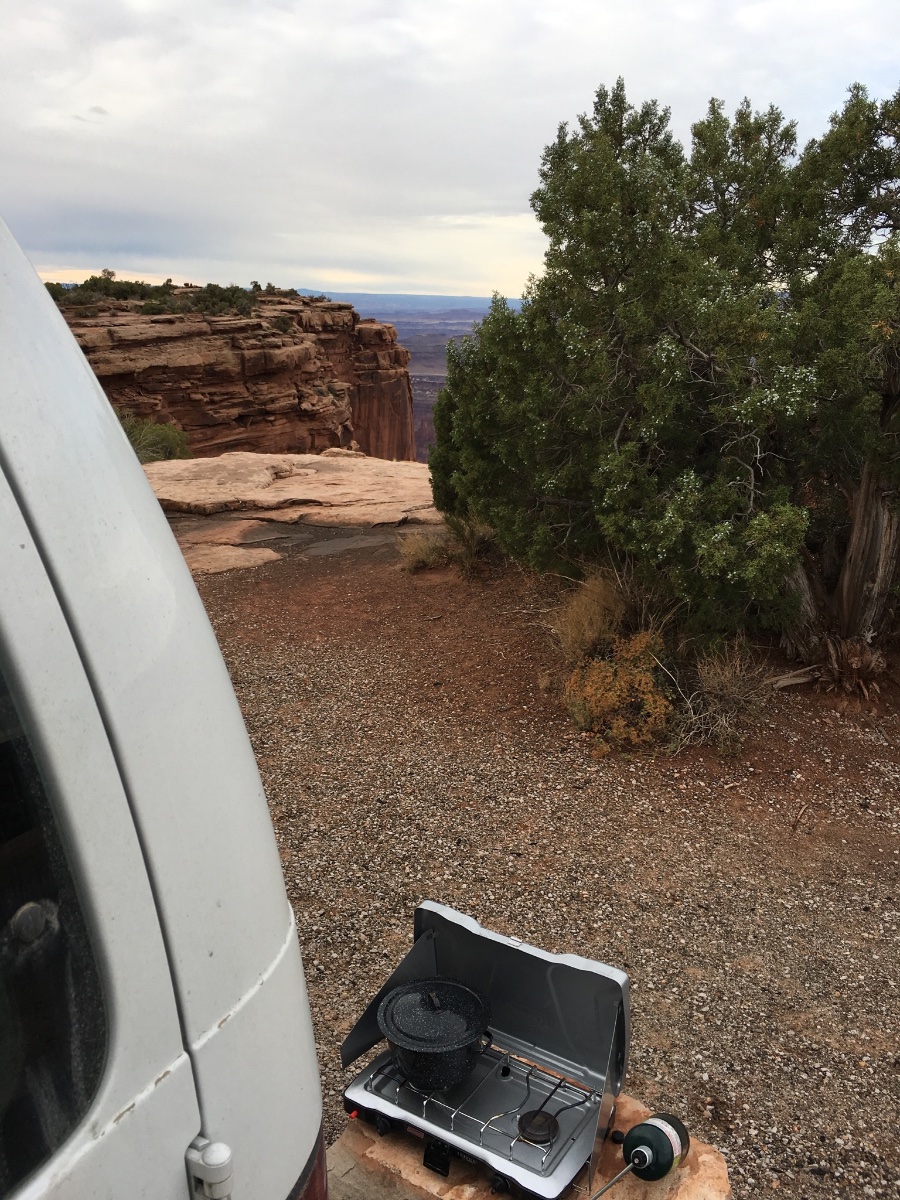
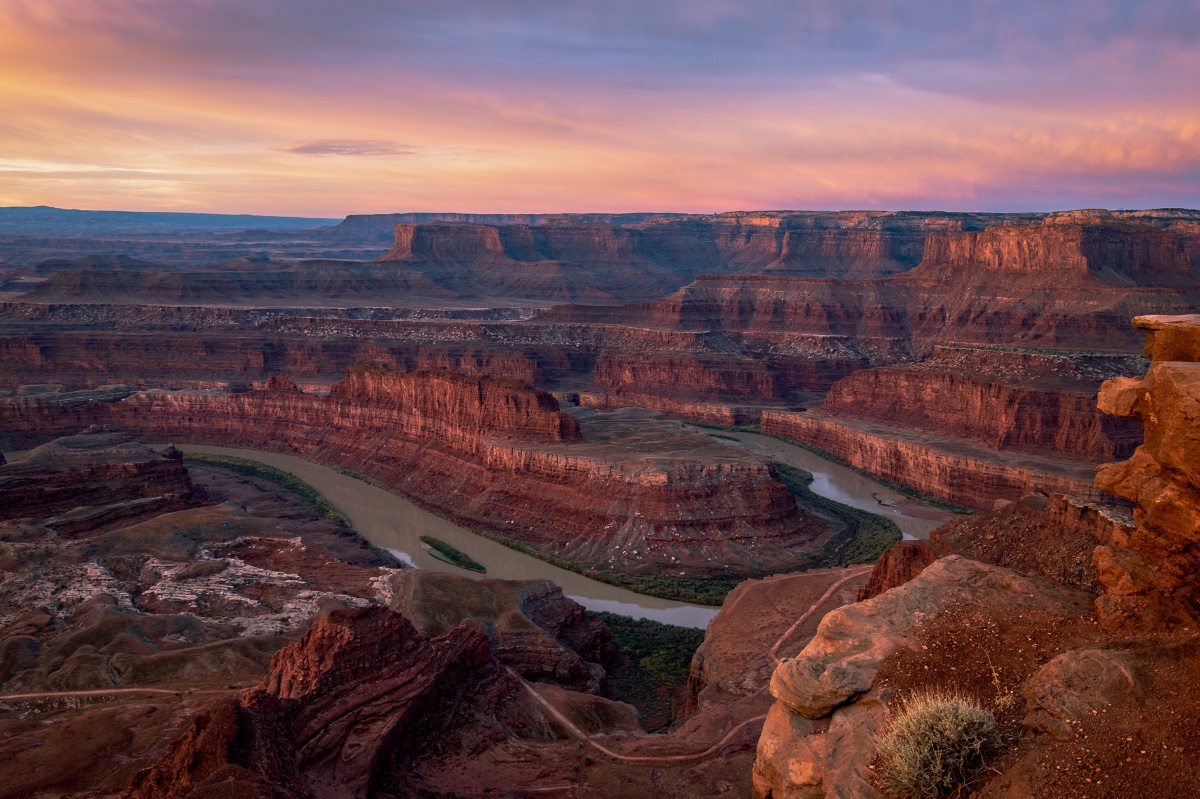
Here another of those breakfast spots. On this trip I'd camped the night before in a very nice FFS campground way out near one of the points in the Island of the Sky unit of Canyonlands NP. This is a nice pullout with a killer view in Deadhorse Point State Park. The second shot is what I got up bloody early to go photograph - the clouds and morning colors cooperated nicely on this morning (it doesn't always work out like that - kind of like fishing). Both are lovely parks. On another trip there I camped for two nights in a reserved site in Deadhorse Point SP in a campground that had hookups. In both cases all my breakfasts were out and about.
1 point
-
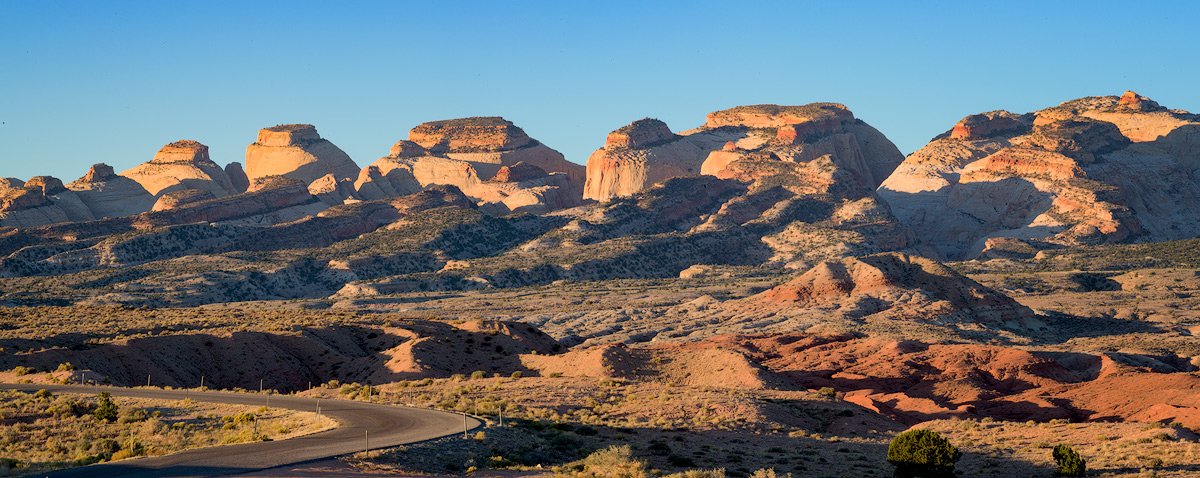
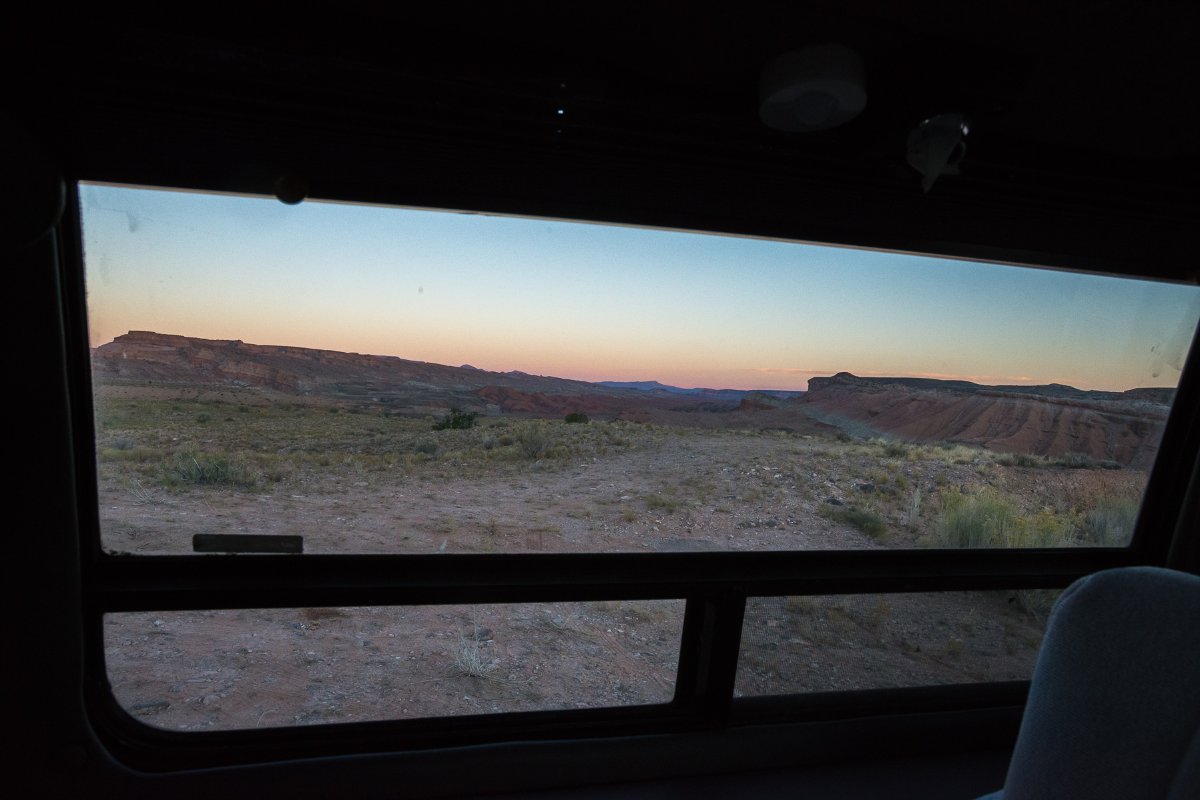
I'd always thought "boondocking" referred to dispersed camping - i.e. using places where it's legal to camp but not in an established campground, and campingin a campground w/o hookups was "dry camping." But I'm happy to go with the local flow here on this forum and thread - the point in this threat being places where you'll be happy you have a camper that lets you break free of hookups! Here are a few views from a sweet dispersed site on BLM land just east of Capitol Reef NP off of the Notom Road. There are SO many spots like this near CR and also the Grand Staircase Escalante NM.
1 point
-
This is Red Canyon campground just outside of Bryce Canyon NP. It's a FS campground.
1 point
-
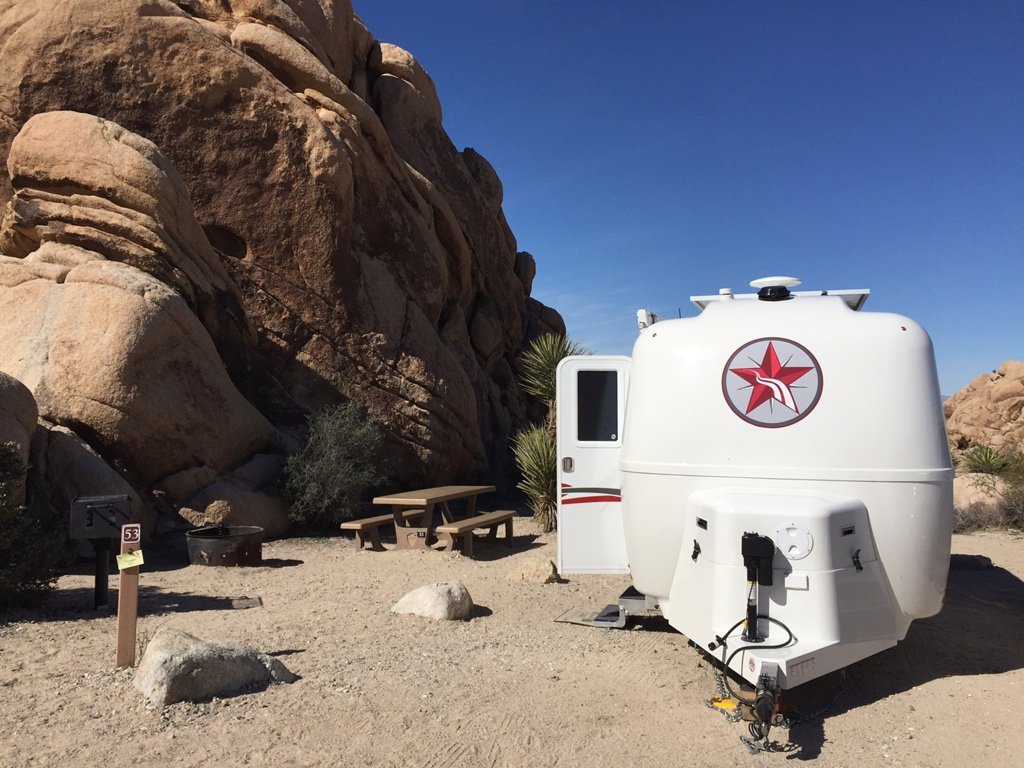
Joshua Tree NP, Indian Cove campground.
1 point
-
Organ Pipe Cactus National Monument is south west Arizona.
1 point
-
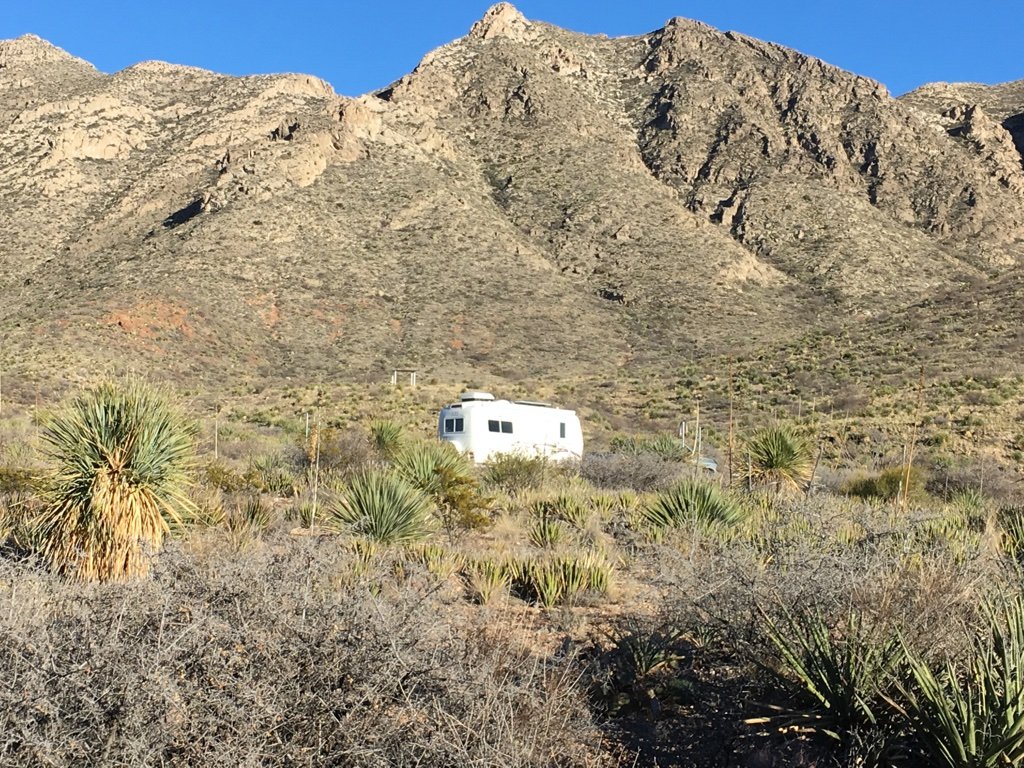
This is Franklin Mountain State Park outside of El Paso. There are only 6 sites.
1 point
-
It's five-o'clock somewhere 🍺1 point




.JPG.f3835ef0427df406b0d8c80ae010926b.JPG)






.jpg.01dfccc75ce755b90f4d89f46d97eab8.jpg)
.jpg.c40224500fd29f6406598888e3629246.jpg)
.jpg.9a680aaada3d5906d023198e19851fdb.jpg)
.jpg.5afd5af692ba36ee41d97e3b556dd86d.jpg)
.jpg.9ad9754d56a434e38126d29fb0984e4d.jpg)
.jpg.cda35fde0554d243fca17e907251e990.jpg)
.jpg.1705f5008672c133a190520162c583e0.jpg)
.jpg.cc5eb1807655570766af0e4f1f2c40f1.jpg)
.jpg.470e7defaf63fdd7d7118b0f84760343.jpg)
.jpg.a7e43cfc536cfec5455e1e36df66c5f6.jpg)
.jpg.f8bb572d51867d9bdc264d55006b7687.jpg)
.jpg.2c2e5d7bd38ce056b317e76706394794.jpg)
.jpg.11efd6acf06e45a4248a70b4fb36ba10.jpg)
.jpg.b3e2236c9f7c4450f2df3fc3985e7702.jpg)




-
Recent Achievements
-