Leaderboard



Popular Content
Showing content with the highest reputation on 08/05/2021 in all areas
-
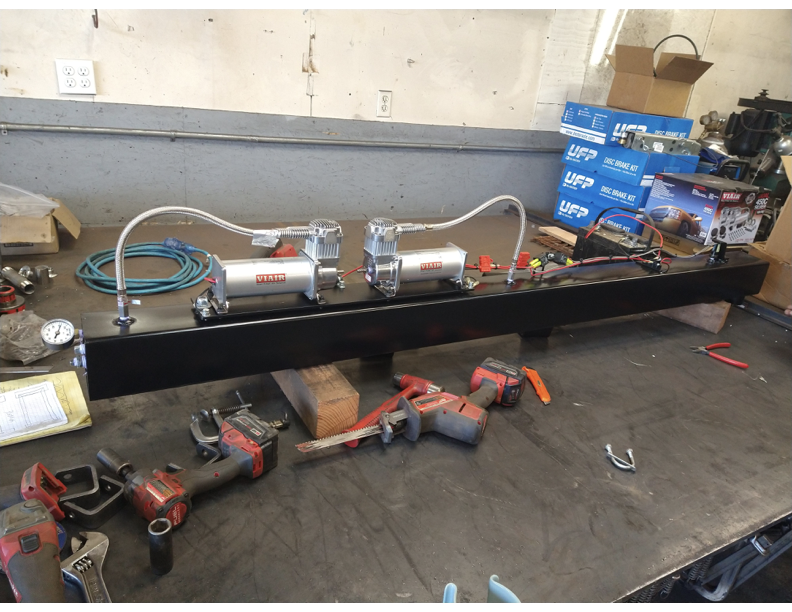
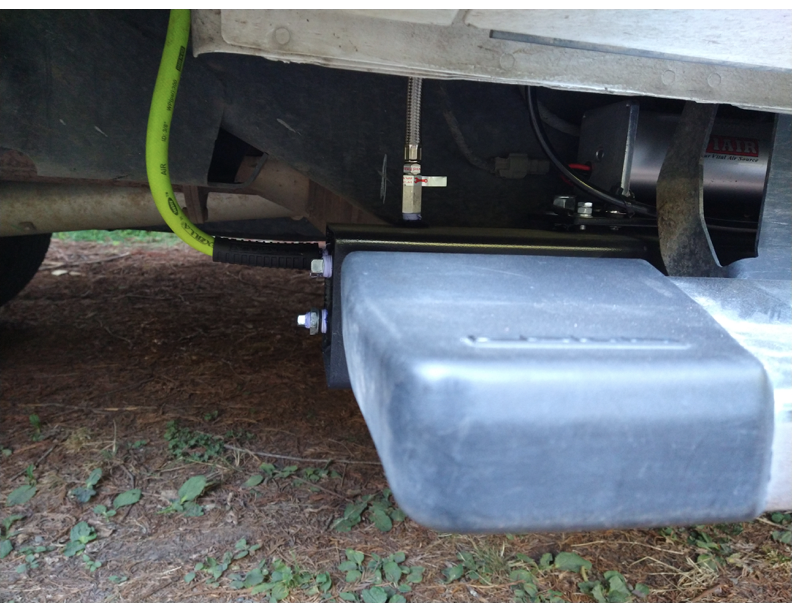
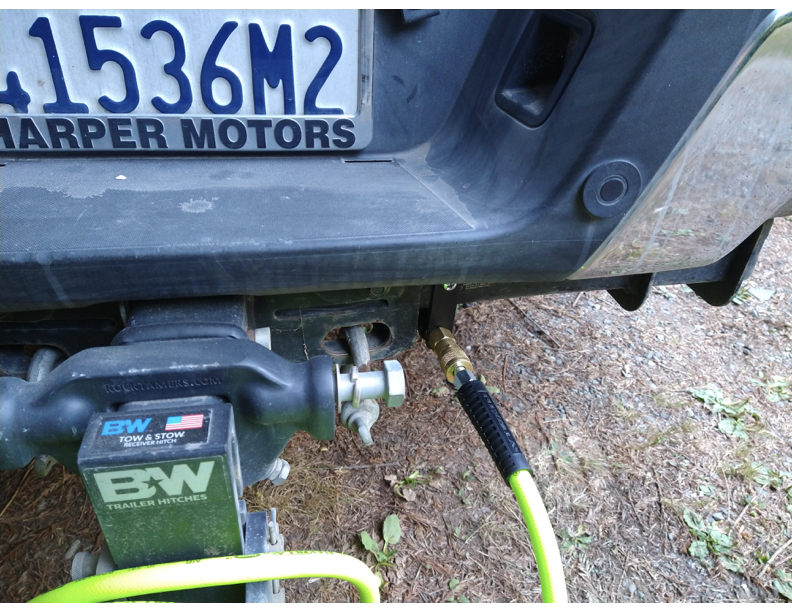
I thought some of you may have an interest in our on-board, on demand compressor air system. A little background: It was taking a long time to air-up 8 tires with a small portable compressor. Besides filling the tires slow, the compressor maxed out its duty time in about 20-25 minutes. This caused an additional waiting period for the compressor to cool before we could complete airing up all 8 tires. When the compressor taped out, I always had some fear the compressor was cooked for good. all considered, airing up was taking the better part of an hour. This process was laborious. We would reluctantly air down only if we were going to be off road for a full day or more. A friend that owns a tire shop showed me a custom on board, on demand air system he had made for his truck. With his help and some fabrication time from another friend we came up with a high performance system for our truck. Below are some images and some initial performance results of the on board sir system for our F250, 4x4 ,short bed, crew cab. Some may think this is overkill but I love being able to increase the PSI by 20 LBS for 8 tires in what should be in the range of 12-15 minutes. Most importantly, my wife is supportive and likes the new tool. The system mounts with a pair of "frame hangers" employing existing truck frame bolts on the passenger's sided, behind and parallel to the running board. The design compromise made with our system to have a larger tank was to give up 1" of ground clearance (bottom of tank hangs 1" below the lowest point of the running boards). We could have opted for a smaller tank without giving up any ground clearance by using 4" x 5" tubing vs. the 5" x 5" tubing used for the tank. Crew Cab pickup trucks generally have under body space to mount a robust system. Auto drop down running boards greatly reduce your tank size options. Most onboard systems have 2-5 gallon tanks with a single constant duty compressor. These are less robust but still are considered to be high-performance systems. Some systems have the air tank located in a separate location than the compressor. Each rig takes your imagination to come up with a system that can work for you. Material cost for our system was $970 for everything. Please note, a typical system will have a lower cost due to having one compressor and a smaller tank. 5"x 5" x 92" steel tubing 7 weld-in bungs Drain valve and pipe plugs Steel flat bar (frame mounts, compressor mounts, tabs for electronics) Paint Air hose and fittings Dual Pack Viair 450c compressor kit plus wiring kit I purchased the compressor from Horn Blasters. They are knowledgeable about onboard air systems and provided a no questions asked replacement for some damaged components. https://hornblasters.com/collections/air-compressors Specs and initial performance Two Viair 450c compressors (constant duty - 150 psi / 3.28 CFM) Pressure switch --100psi on / 150 psi off 5x5"x92" air tank = 10 +/- gallons Half inch ID air delivery system Female quick coupler at truck hitch for air hose attachment The system is newly installed as of this morning. I have yet to field test airing up all 8 tires to know the true air up time. I did a quick bench test by filling one tire from 50psi to 70psi and filling the 10 gallon tank form zero to 150psi. Tire size Fill rate 265/70/18. 50 psi to 70 psi took 1.1 minutes Ten gallon tank. Zero PSi to 150 PSI took 3.3 minutes on board compressors and air tank system.jpg.pdf on board compressors and air tank. 2jpg.pdf QUICK COUPLER AT HITCH pdf.pdftank behind running board.jpg.pdf4 points
-
Our 2020 Oliver had a detector with a born on date of 2015, and it was giving numerous false alarms, so I opened a ticket and Jason sent me a new one that had a born on date of 2018, which he said is more in line with what it should be. So far so good with the new one.3 points
-
Good questions. The tank is designed after my friend's that owns the auto shop. He has an older F250 with the system installed for over 5 years. No trouble so to date. We do spend a lot of time off road but seldom end up dealing with hard core 4x4 conditions. Let's face it, an F250 is not a nimble off road rig. I have yet to be in the position to be dragging the bottom of the running boards. We were thoughtful to design the "tank "frame hanger arms" to be the weak point and should give before damaging the tank. The system is also designed for easy access to the working parts. Simply unbolt 4 bolts in the frame hanger arms and the whole systems easily can be dropped down. For cleaning the fins, they are accessible for a hosing off through the gap between the truck and the running boards. Yes , a bit spendy but it takes zero storage space and does way with futzing with a portable kit. I just need to pug in the air hose and it's ready to go. The filters are inside the truck under back seat. This is mandatory to draw dry air and easy access. This is based on the five years of experience of my friends systems and by taking with the folks at Horn Blasters for the compressors holding up under the truck. Time will tell the truth regarding our wisdom on the systems location.2 points
-
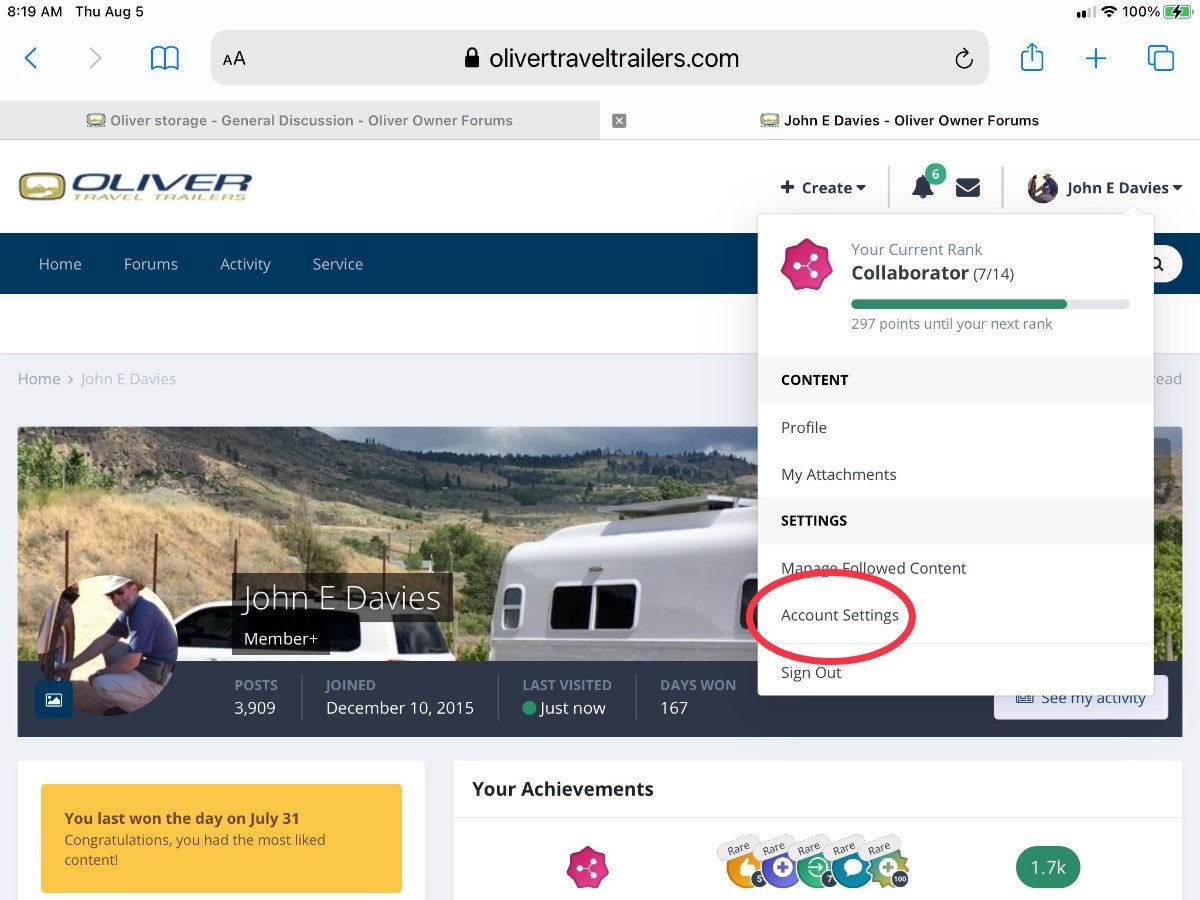
It is indeed a little hidden, don’’t feel bad about that, you should explore your forum personal settings. Click your user name, top right….. then Account Settings Then Signature, add whatever info you like, even a URL to a personal site. All this stuff appears after every post you make here. In other tabs you can add or change your avitar (little picture that is beside your user name) or the pic at the top of your personal page. Most casual posters don’t bother to alter any of this. John Davies Spokane WA
 2 points
 -
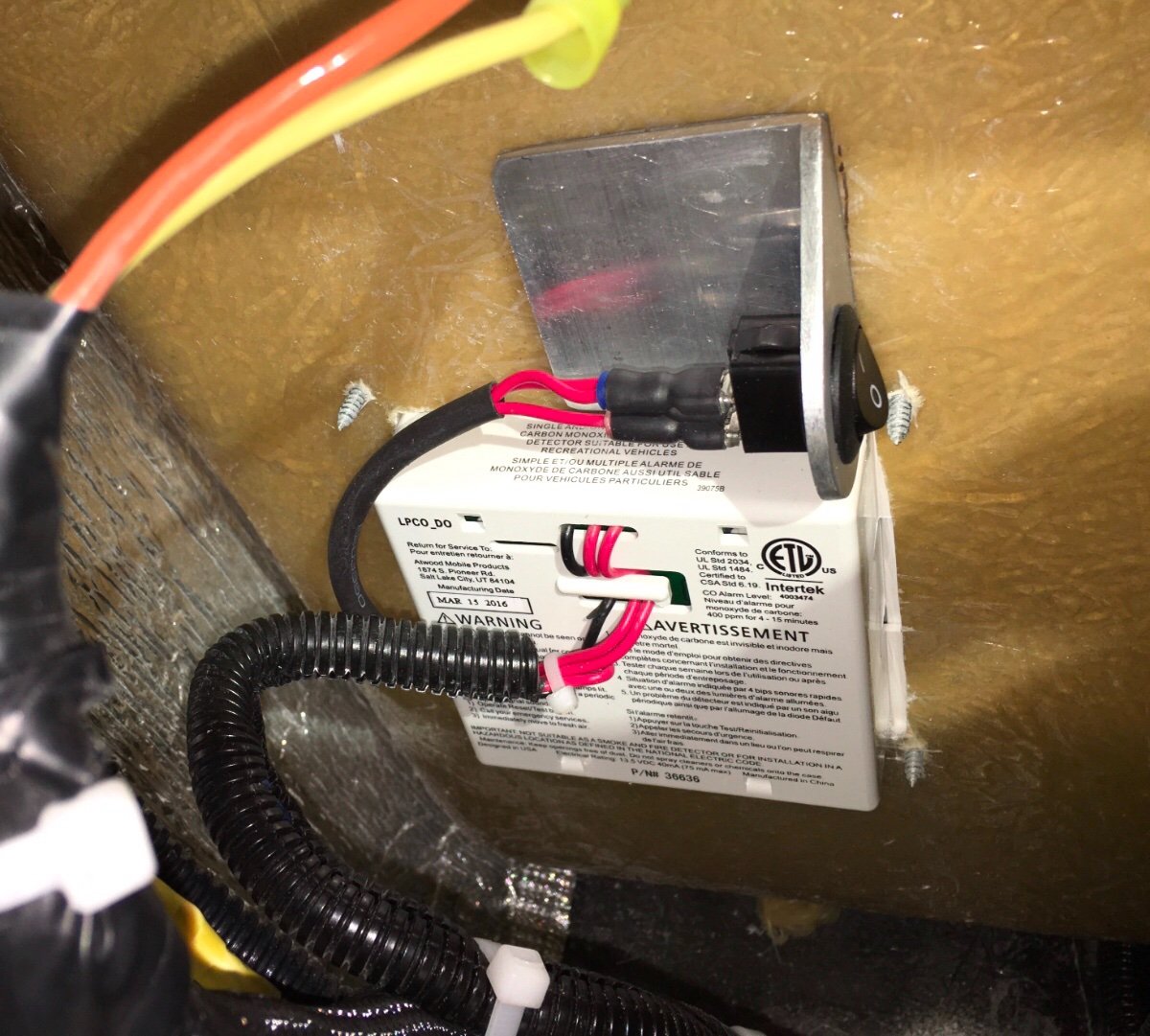
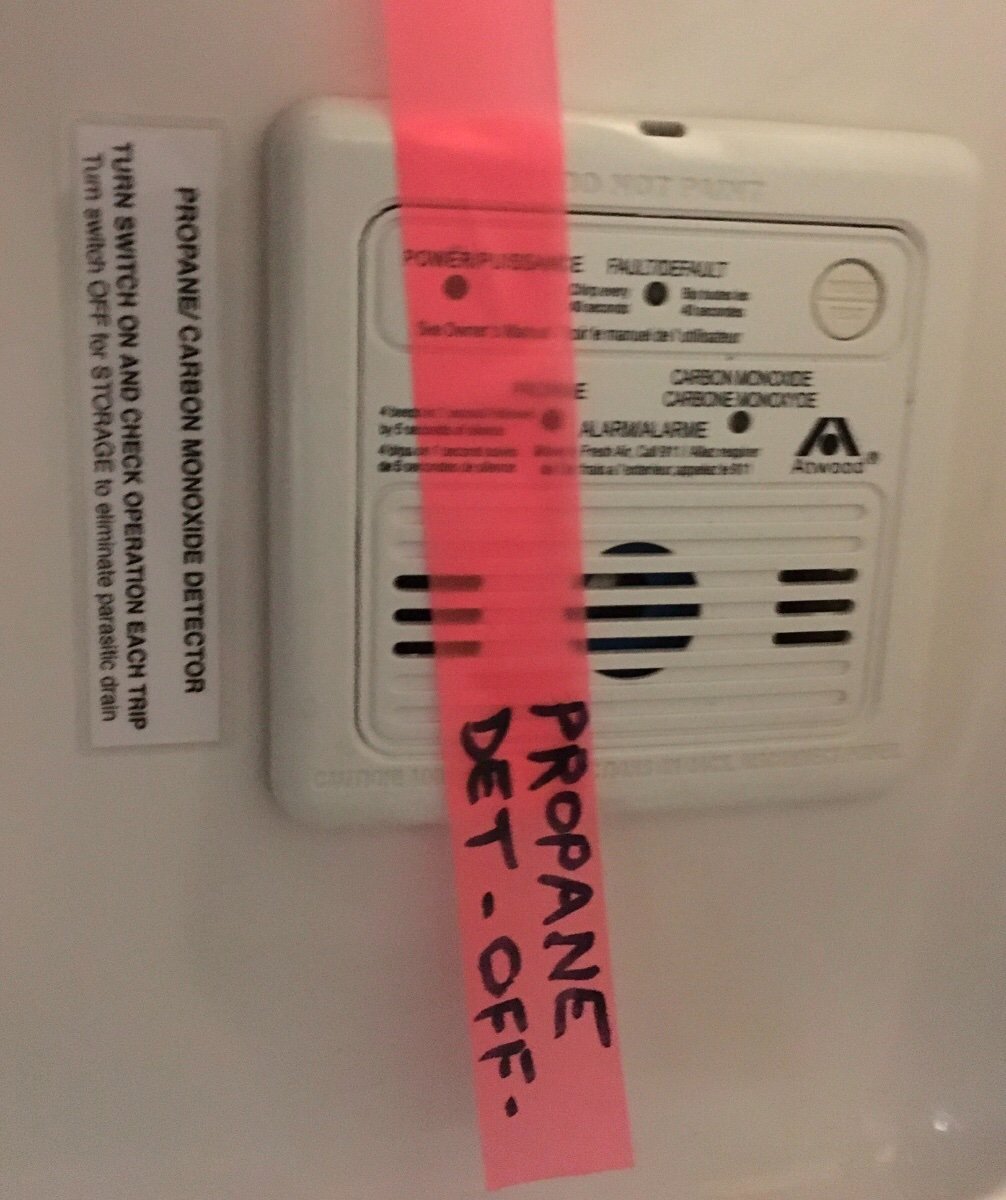
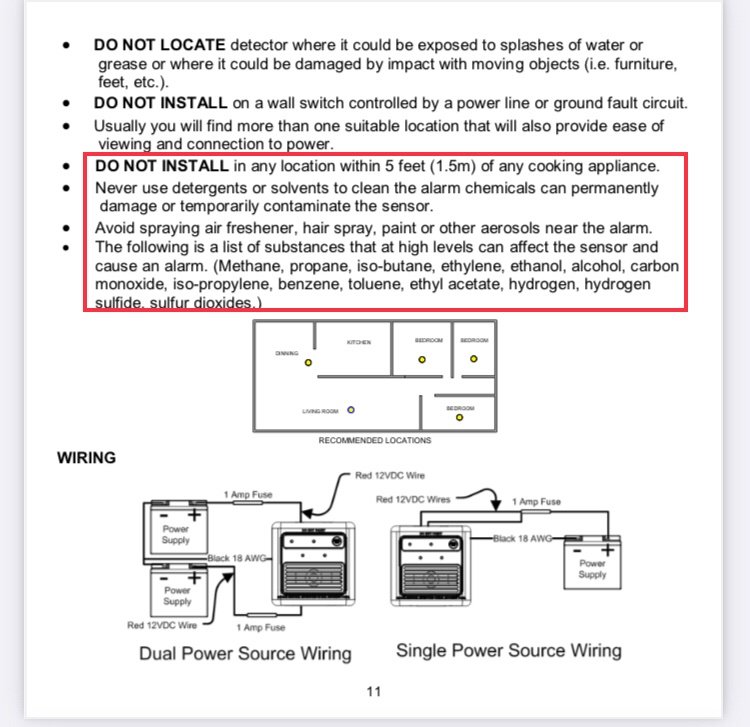
FYI, I added an ON/ OFF switch to my detector, partly in case of nuisance alarms, which hardly every happen, but mainly to eliminate the phantom electrical draw. A side benefit is that it should keep working a lot longer, maybe, perhaps. I flag the compartment when it is switched off, I can’t emphasize enough how critical it is to turn it on and test it before every trip. https://olivertraveltrailers.com/forums/topic/5330-how-to-propane-co-detector-on-off-power-switch/ John Davies Spokane WA
2 points
-
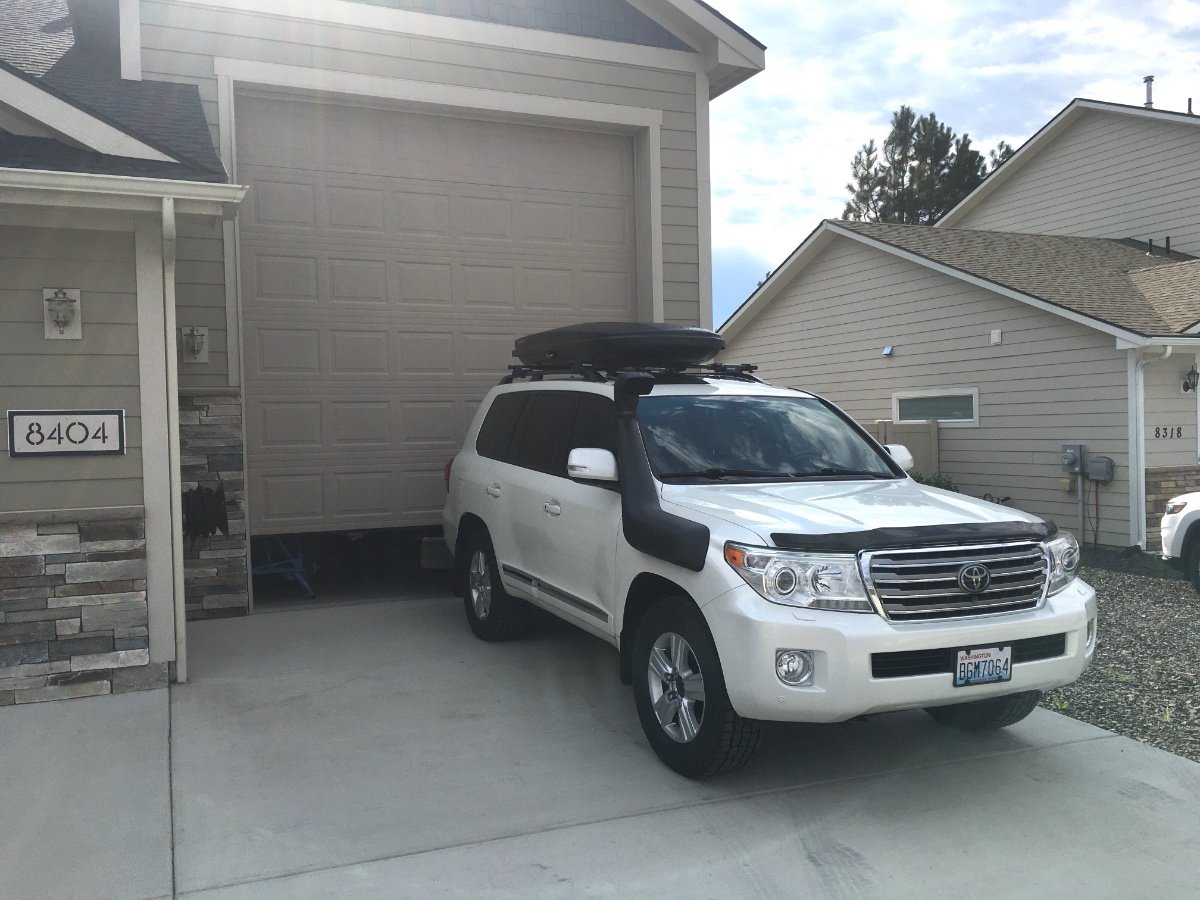
Honestly, JED, I'm not showing that photo to Paul. He wanted an even bigger, taller garage than we have, and, add to that, you have a snorkel! Our Ollie will (barely) fit in the garage, through the sidelane and side overhead door, and it's a real pita to maneuver it in. And, Paul has to move two work benches... yes, they're on wheels, but... You, indeed , have a beautiful setup. Enviable, in every way. He got his way with the new barn. Big door (12 ft. high.) I can live with that. Still working on the snorkel concept. 😋 Ps, the snorkel looks great on your 200. Really great .2 points
-
I love snorkels, I put one on my 200 last year, not so much to go fording 5 foot deep rivers, but to disguise the big crease my wife put in that fender at the grocery store .... But it gets the air intake completely up and out of the dust, and lowers the inlet air temp by a few degrees. The one on my Series 80 dropped it by up to 60 degrees, an amount you could actually feel. In the 200, it is more like 20 degrees.... Mainly it helps us find the Big White SUV in a sea of other big white SUVs in the box store parking lot... It does generate a whole lot of What The Hell Is That Thing questions. John Davies Spokane WA
2 points
-
Howdy! I'm thinking of jumping ship from our 2019 21' Escape to Ollie. We had the twin beds in Casita and loved it, but our current Escape has a queen bed which I don't love. Plus, want more of a 3 season trailer for winter camping. Guess I need to contact sales to see how long it takes to make one. scott1 point
-
AND....two tires and their shadow.1 point
-
I agree with John. When Oliver has it in stock, it should not effect the life span of the unit. The sensor life (which is what we are talking about) is based on when it is activated and actually sniffing the air.1 point
-
Yes, that is original. In your shoes I would be a little irritated that they installed an old unit. I bet Oliver does not rotate stock religiously. You put new inventory on the back of the shelf! However, I don’t think sitting in a sealed box will hurt the life span measurably, unless they keep these in a factory location near hull production, where there is a lot of airborne chemicals around….. It is exposure to some solvents that degrades or wrecks the sensor. The actual 7 year service life before it goes into its crippled “end of life” mode is determined by how long it stays powered on, which is why I think killing power to it routinely will perhaps make it function well for a longer time period. It does take three minutes to “boot up” when you turn it on each time. The red light flashes, then goes out after it warms up. John Davies Spokane WA
1 point
-
Yup, just jumped ship & sold our 2018 Escape 19’RFP. Downsized to a 2020 Oliver Elite ~ Hull #643. Just canceled my 2022 Elite build with a March 2022 delivery, when this clean 2020 resale became available.1 point
-
The Cradlepoint does seem pricey, and we'd sure be happy to find something that would work well for a cheaper price. We'll have to do more research to figure out which option will best meet our needs, as well as continue following this thread for more feedback before finalizing our build. Thanks for starting this discussion Coach and Jojo! Here's a link I just found: https://rvlife.com/mobile-hotspot-plans-for-rvers/1 point
-
Darn, I missed the missing wheels on the last row but did account for the missing window. Astute powers of observation @FrankC1 point
-
The answer is 89 because of the subtle little details of the Ollie in the last equation and also because of standard math rules. From the first equation, a complete Ollie Elite II is equal to 30. From the second equation a single wheel equals 5. And from the third equation a window equals 6. The Ollie in the last equation is missing the window on the door (so subtract 6 for that) and only has 2 wheels showing, not 4 (look really closely). So that means the Ollie in the last equation is 30-6-10=14. Then you have to follow the established math rules for how you sequence the equation. The memory trick is PEMDAS. Please Excuse My Dear Aunt Sally. Meaning you do any operations in parentheses first, then any exponents, then multiplication, then division, then addition and subtraction. So the final equation (doing multiplication first per the PEMDAS rules) is the de-featured Ollie trailer of 14 x 6 for the window which equals 84, then add the 5 for the single wheel in the equation which gives 89.1 point
-
Here's a link to the video @IL_Travelers discussed. Robert's minitini has some equipment that may not be available yet on Winnebago. The US version Aventa eco ac is not listed on Truma North America's website, yet. To save you the time of watching Robert's entirely too long video, skip over to 38:00 to see and hear the Truma ac in action. It is very quiet, at least as quiet as my RecPro, maybe moreso. Robert's running his on a 320 ah lithium battery (lithionics.), along with a 10 cubic ft 12v fridge. I'll look forward to its release here in the US. Since Oliver already partners with Truma on the water heater, this could be a good match. (Though it will likely be quite expensive.)1 point
-
We store Ollie in an airplane hangar. This hangar has an open front:1 point
-
Some storage facilities prohibit working on your trailer, you have to haul it away to do any maintenance or cleaning. It would be smart to study the contract. And decent inside lighting would be a big plus. One of the Ollies we looked at before buying was located inside a large UNLIT warehouse, We had to use flashlights to study the outside features, I can’t imagine doing anything constructive in those conditions…. My RV bay has bright white sheet-rocked walls and ceiling (they reflect the ambient light) , three decent sized windows facing south , and excellent LED daylight spectrum lighting. Even with the big entry door closed, it is EVENLY illuminated. My aging eyes appreciate the lack of shadows. I had a Sea Ray 250 Sundancer years ago, I stored it under an exposed but roofed RV unit with 15 amp power. That worked OK but the driveway was gravel, so it was always filthy, and I worried about collisions….. It looked great parked in front of my house but I could not store it there. John Davies Spokane WA1 point
-
We are renting a completely enclosed bay without climate control. Three sides abut other bays, and only the front with garage door is exposed. When we were evaluating, it was 90 degrees and about 1PM when we walked inside and didn't feel any temperature difference from the outside, making me wonder if the roof is insulated. It has 15a electrical access, but it is a 4-gang outlet just outside the bay, so it can be shared with up to 4 bays, meaning it's probably unreliable (time will tell; they said it's only there for charging batteries). Haven't actually stored the Ollie there yet. Will be soon, and will be checking at least weekly at first. We've had it at home for the last week (against covenants) so I can work through the tickets I have open without having to travel the 20 miles too often. We'd love to hear opinions on this solution if others have this experience. It's "by the month" so we can change our minds at any time.1 point
-
Yes, the best storage is an indoor, climate controlled garage or bay. We don’t have that so I store mine at an RV and boat storage facility nearby. I have a covered, open slot with a 110V plug. It keeps my trailer out of the intense south Texas sun but doesn’t keep it clean. Since I replaced my AGMs with lithiums I don’t use the power anymore, I just turn the batteries off. I am able to keep my trailer in the driveway for 3-5 days when leaving or coming home from a trip, or to work on it. Mike1 point
-
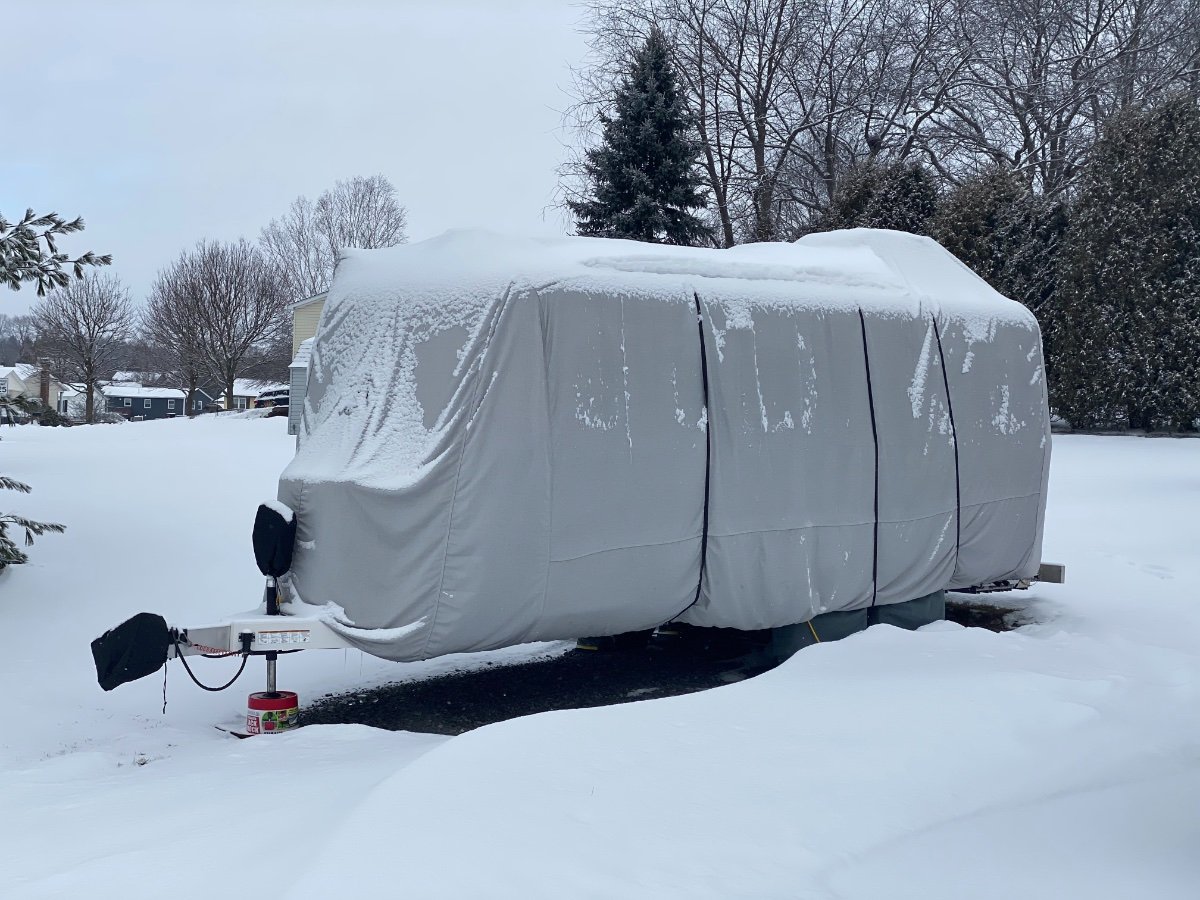
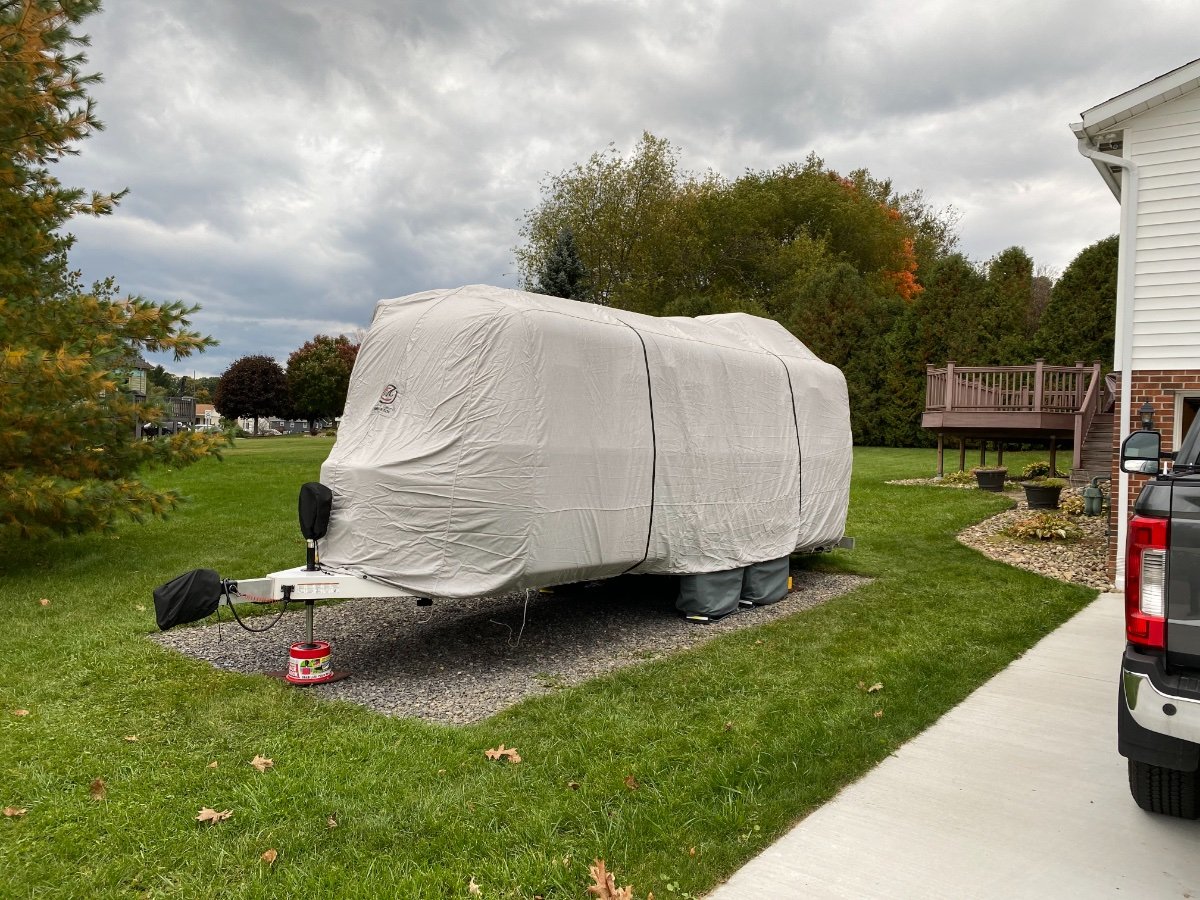
We store ours at our house when not in use using the Calmark cover. Our local borough zoning laws allow a trailer or boat up to 25’ to be kept on the property. Having it right at the house is great. Very convenient so I can check on it anytime I want, or work on it. And can plug it in to keep the batteries charged.
1 point
-
There are countless Web articles on “RV winter storage”, Google that term, watch some videos. Bottom line is, how much time (and money) are you willing to dedicate to keeping track of your Ollie? An uncovered commercial parking spot will require frequent visits to clear off snow, ice, or leaf accumulation and make sure everything is OK. An open but covered one with power is lots better, a fully enclosed one is WAY better (and the risk of collision damage or theft drops to near zero). A fabric cover offers protection but has its own risks and major hassles, such as making sure it and the hull are clean before use. You have to balance convenience, cost, location, drive time and security against your own preferences and worries. We had an owner here who had to drive six hours round trip to visit his trailer! It can be a tough and potentially very expensive conundrum, depending on your climate and home location. I feel sorry for owners who cannot store their Ollie at home, things are a lot tougher when it is far away... I live in a private development; of the thirty houses here, about 12 have attached, fully enclosed RV bays. Which is the main reason we picked this spot….. being able to use your Ollie as an emergency shelter during a power outage, or as a guest bedroom, or even walk naked out to your Ollie in a blizzard - if you wanted to 😳- is priceless. I don’t even bother to winterize, the temp there has never dropped below 38 degrees. Plus it saves many thousands of $ in storage and travel costs. Where are you located? It helps us to give better recommendations if you will add that info, and your tow vehicle, to a signature. John Davies Spokane WA1 point
-
The advantages of lithium-ion batteries over flooded/AGM batteries are numerous, although the relative importance of each benefit to some extent depends on how you plan to use your trailer. I have owned my 2020 LEII for one year now and almost always boondock. Oliver didn’t start offering a lithium package until one month after I placed my order and the first thing I did after arriving home from Hohenwald was to swap out the 4 lead acid batteries it came with for four 105 amp-hour Group 24 Lithium-Ions. Since I already had the 340 watts of solar and 2000-watt inverter/charger, it was a simple swap to make as Galway Girl points out. No changes in cabling required or anything else. For me, the greatest benefit is the much higher rate at which the lithium-ion batteries will accept a charge. If you go with AGM batteries and solar, Oliver will require you to use four 110-amp hour AGM batteries weighing over 200 pounds, even if you don’t want or need that much battery storage. I was told that this is so Oliver can test the performance of the solar system before it leaves the factory and that explanation makes sense. This is because the maximum charging rate of an AGM battery roughly 150 watts (12 amps) up to 80% charge and only about 60 watts (5 amps) between 80% and 100% charge. A single lithium-ion battery, on the other hand, can accept a charging rate of over 1,000 watts (100 amps) all the way to 100 percent charge. The 2000-watt inverter/charger Oliver installs can deliver about 1,000 watts (80 amps) to the batteries and the 3000 watt inverter/charger can deliver about 1200 watts (100 amps) to the batteries. This can all be confusing so I will explain what this means in the field. If you remember one simple rule, it becomes much easier to understand this. The rule is: volts x amps = watts. My Oliver solar panels are capable of 340 watts on a sunny day. At an average charging voltage of 13.5 volts (controlled by the solar charge controller), the panels are capable of delivering roughly 25 amps to the batteries, ignoring losses (340 watts / 13.5 volts = 25 amps). If you have 4 AGM batteries, once they reach 80 percent charge, they can only accept about 20 amps of charge current (4 batteries times 5 amps each) which means the solar panels are throttled back to only produce about 270 watts (13.5 volts *20 amps = 270 watts) to protect your AGM batteries. This slow charging between 80% and 100% means you are wasting potential solar energy and your batteries will likely never recover to full charge after you have started your trip, (this is true even if you use a generator unless you want to run the generator for 6 hours/day). With my lithium-ion batteries, my solar panels always deliver their full capability, unless and until my batteries reach 100% charge. I am a high desert bird-hunter and so I boondock in the fall/winter. The solar panels are not always adequate for longer trips in the winter due to shorter daylight hours, sun much lower in the sky, and cloudy weather. For winter trips more than 3 days I reluctantly take a generator and hope I don’t need to use it. If I do need to use a generator though, I only need to run it for an hour to put 80 amp-hours into my lithium-ion batteries. One would need to run a generator for 2-4 hours to put 80 amp-hours into four AGM batteries. A bigger generator doesn’t make a difference since the limitation is in the batteries and not the capacity of the generator. In fact, I can put 70-80 amp hours into my lithium ion batteries in one hour using the smallest/quietest /lightest inverter generator made (Honda EUI 1000 at 28 lbs). The newest LEII has a 3000 watt inverter/charger that can put 100 amp hours into lithium-ion batteries in one hour, but will still only put 20 -40 amp hours into AGM batteries in the same hour. One other consideration is that with lithium-ion batteries, you can get by with fewer than 4 batteries and still have more usable battery storage than you get with 4 AGMs. When you factor in the difficulty of charging the AGM’s above 80 percent with solar in the field, you really only have 40% of usable storage with AGM’s (50% to 90%) whereas the lithium ions give you up to 85% usable storage (15% to 100%). Translated to amp hours, the AGM’s give you about 170 usable amp-hours/day before charging is mandatory (40% of 420 amp-hours), whereas the lithium ion’s give you over 350 usable amp-hours/day before charging is mandatory (85% of 420 amp-hours). My understanding is that the Oliver lithium-ion package comes standard with two 220 amp-hour lithium batteries at roughly $3,000 more than AGM’s. For those that don’t need 420 amp-hours but still want all the benefits of lithium, I think Oliver should also offer a lithium package with only one 220 amp-hour lithium-ion battery at a savings of about $2,000. This would mean the upgrade to lithium-ion would only be about $1,000 above the four AGMs instead of $3,000, while still providing more usable battery storage than four AGM’s. Hope the above makes sense. I am no expert and welcome corrections/clarifications from other forum members.1 point
-
We did not make it to the restaurant on this trip, don’t have any further info on their current situation. We had a fine time camping there last week! Love spending time on the BRP! 😊1 point
-
Any functional, useable ladder on the rear would likely block a portion of the rear egress window.1 point
-
I don’t think it is odd. First, you don’t want to be walking around on top of an Oliver. The structure is strong enough but there isn’t much flat space that isn’t covered with solar panels and utilities. Second, where would you mount it? In the back you don’t have much space on either side of the spare tire and window. If you could, there’s no place to step once you got up there. Mounting on the side would look plain ugly and would not be able to provide any access to an accessible area. A lot of owners have a collapsible ladder that can be moved to where you need it without having to stand on the top. If you haven’t seen an Oliver in person I recommend you do so and you will see that a permanently mounted ladder would not be practical. Mike1 point
-
We were much further up the coast from Bar Harbor for our recent short camping trip. It was terrific and not many tourists. The scenery is spectacular. It does lack the volume of great restaurants and shopping but tons of trails and hiking. We are busy where we live further south on the coast with summer folks. The local businesses cater to the summer folks and this is how many locals make money. The unfortunate part is there are so many more visitors and common courtesy and patience is no where near what it once was or should be. Just too many folks in a hurry and without realizing it trying to make this place like the place they came from. Sorry but lobster boats are out on the water at 4:30-5:00 am. If you live close to the ocean you will hear their diesel engines. Summer folks trying to get noise ordinances to have things quiet until 8:00 am. These fishermen need to work. They wake me up too. I would never ask cor an ordinance that would affect these fishermen. Oddly enough it is the beauty and charm of these small coastal villages that attract summer folks. Of course these are the same folks illegally setting off fireworks until 2 in the morning. Ok I will get off my soap box. I love this place. I do wish folks could just be more civil.1 point
-
Unless demand drops, that wait time reflects their production throughput, which was recently increased. 5/week I believe I’d put the order in. Based on what we’ve seen opportunities arise to move up the list when other folks have to cancel, like I did when I found a 2020 resale available for this season.1 point
-
We ordered ours in February of 2019 and took delivery in September 2019. We have never regretted our decision. We also benefitted from the forum and we were fortunate enough to attend the 2019 Oliver Rally at Lake Guntersville SP. We really enjoyed seeing the presentations and meeting many of the owners. We have been so pleased with our LEII and love to share with other people.1 point
-
There’s been a lot of previous discussion about this and several have trackers installed. Mike1 point
-
Update: As far as I know, IL_Travelers and I are the only ones with this relatively new GM rear trailer camera. Service did a great job installing it but not through the hull as I had anticipated. They ran it from the rear curbside channel between the hull and frame, alongside the propane line. If anyone is considering getting a GM product as a two vehicle, I highly recommend getting the trailering package which includes the software for the rear camera. It functions very well because it not only shows what's behind but also what's along the sides (from cameras in the vehicle side mirrors), the blind spots, which takes a lot of the stress out of trailering.1 point













-
Recent Achievements
-