Leaderboard


Popular Content
Showing content with the highest reputation on 05/19/2022 in Posts
-
To close my original post: The CO detector under the dinette just went off again today...... Ollie is on shore power, no one in or near camper today. Propane off for more than 24 hours; no heater, fridge not on gas, no cars or engines nearby. Detector by TV is not going off. I put a new Kidde CO monitor in the Ollie the other day, it reads ZERO CO. I think it is Safe to say original problem was a faulty sensor. OTT has already sent out a new RV SAFE, CO and Propane detector.5 points
-
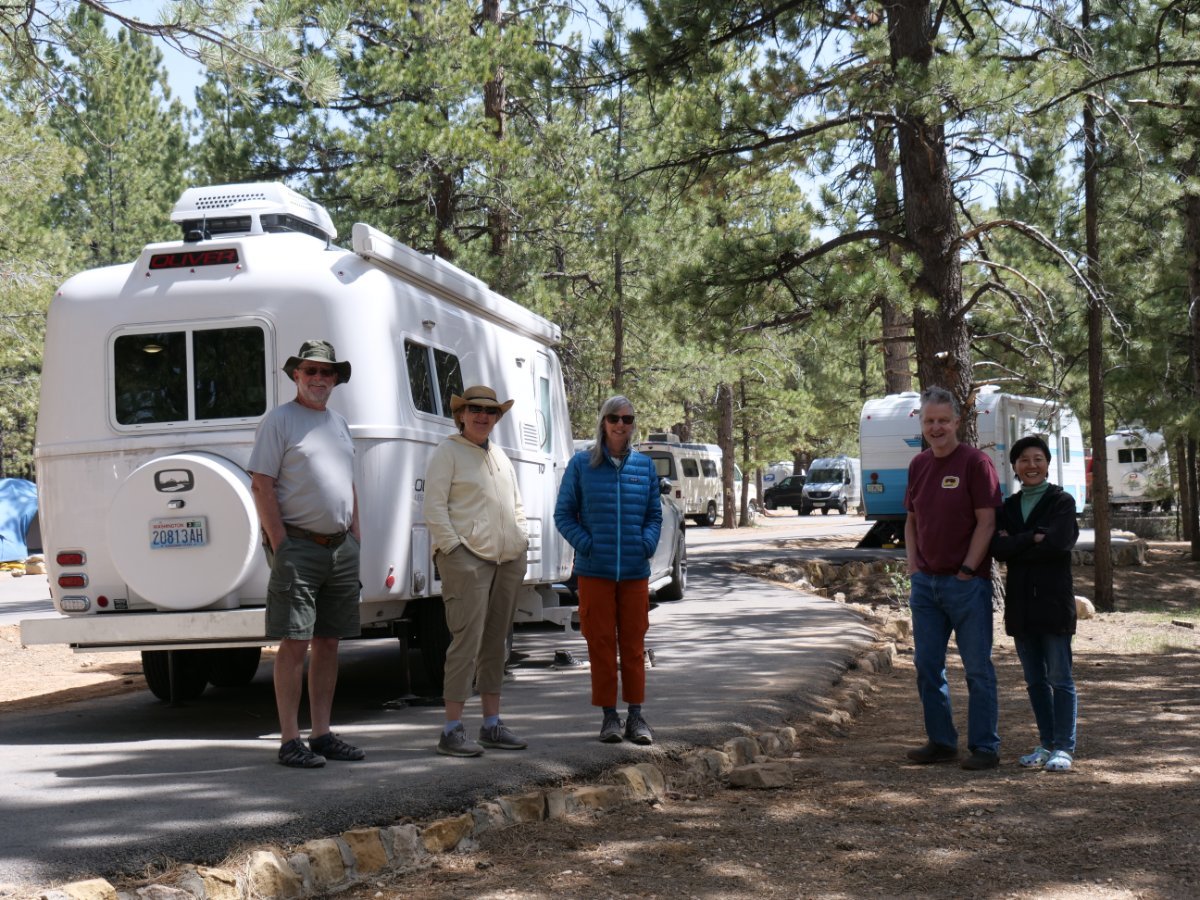
New owners trailer in foreground and the other two trailers in the background. This was the first time we have camped with other Oliver owners. We had fun talking about our trailers and our travels. I'm taking the picture!
 3 points
 -
It is a serious safety (shock) hazard, I would contact the camp host or office and tell them to fix it ASAP before somebody gets hurt. "In an electrical system, ground and neutral are connected together in one location only, at the neutral point. This connection is either at the power company transformer or in or near the main electrical panel of the dwelling (see Electrical Circuits). The voltage on a neutral wire is normally 0V (volts) on a live circuit. However, if a neutral wire is open, the voltage on the line side of this open neutral is 120V. You can get a shock from an open neutral wire." https://www.electrical101.com/open-neutral.html I personally would not plug into any outlet that failed the basic tests. John Davies Spokane WA3 points
-
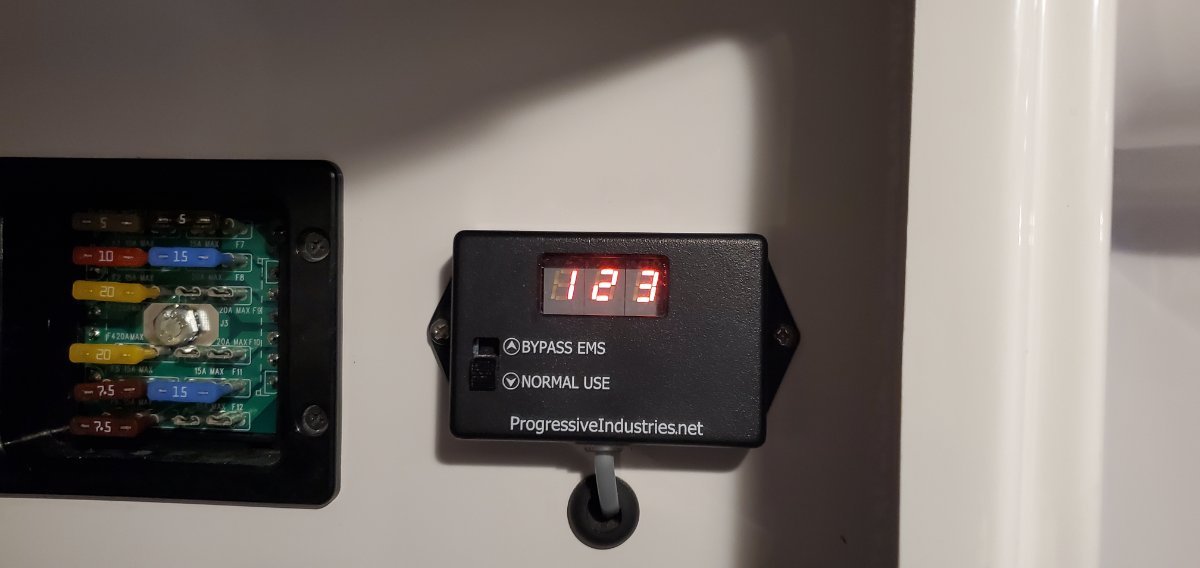
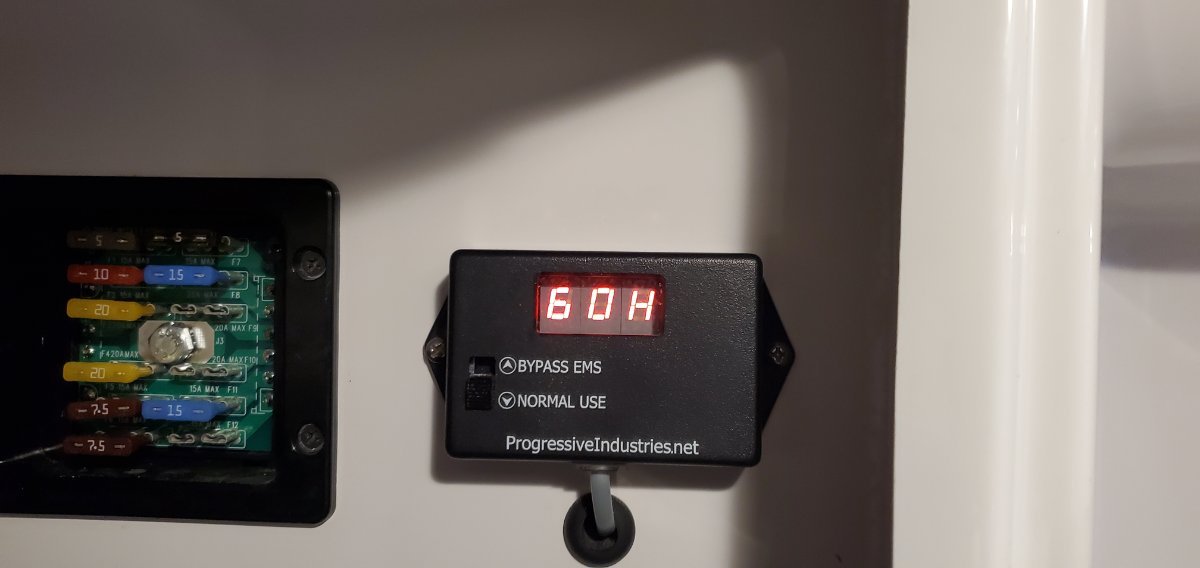
Viola: My trailer had the tail light issue being on whenever moisture got into the 7 pin connector (could also be corrision in the plug as John indicated). Keep this trailer connector dry by tucking it up behind the fiberglass body at the front metal frame or buy a device to keep it dry. As far as the shore power - Are you plugged into a 30 amp circuit? If not, you may have a ground problem in the house circuit. Is your house circuit a 3 prong (grounded) outlet? As mentioned by Jim_Oker check the EMS readout to see if you are getting any error codes. My Oliver likes a 30 amp RV trailer receptacle the best. When I plug into a house 3 prong 15 or 20 amp house grounded receptacle sometimes I have to unplug it and replug it in for the EMS to not show a error message. Below are pictures of the EMS messages. It will flash between E-0 for zero error codes; line voltage, RV amp draw and Line frequency. If you are getting a error code (not a zero), thee is something wrong with the incoming power and the EMS is (protecting) the RV from getting unreliable power coming in. Hope this helps. Good Luck
3 points
-
That can happen any time you raise both tires of the ground. It has never happened to me when just one is raised with weight on the other one. It will definitely occur while checking the brakes with them off the ground, spin a tire and have a helper pull the emergency breakaway cord. The brakes lock and ***BANG*** the axle shackle flips and one wheel drops down. I was never able to figure out a way to manually put it back where it belongs, using floor and bottle jacks, but simply towing your lopsided trailer will eventually fix it, or you can drive that side of the Ollie over a concrete curb and ***BANG*** back it goes. I am not enamored with the EZ-FLex system, or any tandem equalizer setup. What a primitive design. John Davies Spokane WA3 points
-
With the help of Mike Sharp at OTT, I think we may have identified why the Norcold control panel leaks outside air into the trailer around the upper front control panel . It is unlikely related to the combustion seal that seals the mounting fin of the refrigerator to the cabinet, nor is it due to an incorrectly sized cabinet opening. Norcold appears to have engineered an approximately one square inch penetration (hole) between the back of the trailer and the inside front of the control panel. Mike provided the following picture of what the backside of the control panel looks like before the refrigerator is installed. Note there is an approximate 1 inch square hole in the circuit board. This allows a direct path for outside air to enter the Oliver, basically negating the effectiveness of the combustion seal. Everyone's Ollie with this 3-way Norcold unit probably has this defect. A simple fix (hack) would seem to be to tape over the 1 inch hole on the circuit board. Unfortunately, there is no way to reach the back of the control panel to do so without pulling the refrigerator out. Mike was going to take this up with the engineering committee to see what, if anything OTT could do without running afoul of the Norcold warranty. Hopefully when Johnwen checks in with OTT next month, we will know more about what can be done about this, including whether Norcold will accept any accountability. OTT has gone to extraordinary lengths to make the Oliver a true 4-season (and safe) trailer. It is unfortunate that Norcold appears to have undercut OTT's best efforts.
3 points
-
We have dry camped most of the time with our Oliver Elite. But, we camp (like you) as if we're in a hard sided tent. Experience will help. We carry a little Honda 1000 just for charging batteries. We also have portable solar, but only use it if we're at a site for many days. Unless you drive an suv, and don't want to carry a generator in the cabin, I'd opt for the small generator "insurance policy. " easy to carry and deploy. I'll add this. I have a good friend with a Casita, single group 27 battery, can camp 2 to 3 days or so without power, in decent weather - in the fall, in treed north carolina, and upstate new york. She is also a veteran tent camper. We camp the same way, but we have an electric dc compressor fridge. Fall is much more problematic than spring, because just the fridge uses 60 to 70 ah a day. So, we can't go 5 days in full shade, in the fall, even with 400 watts fixed solar. That's not your situation, since you can run your fridge on gas. Your fridge takes gas and minimal power. You do need to monitor amp hour consumption. And replenishment. Everyone is different in their style and needs.2 points
-
You haven't stated what sort of batteries you have and how many amp hours of storage you have within those batteries. In general LiFePO4 will charge at a much faster rate than wet cell lead acid or AGM's. However given you're minimum usage of electricity its unlikely you would need a generator. We have been using our Oliver for over 7 years, with 4 Trojan T-105 wet cell batteries which has 450 amp hours of storage, however only 225 ± of those amp hours can be used without damaging the battery bank. With lithium you can use almost 100% of their storage and safely down to 15%. We do not carry a generator and have never needed one either. Typically we will only use 2-3% of our battery storage per day which is easily recharged by mid morning in the summer months out west. If you are in shaded areas it might take a bit longer. Also if you access the furnace with cooler nights this will draw about 3 amps per hour from your battery bank and this IS by far the largest amp draw, assuming you don't try to use the AC. Cutting to the chase I wouldn't worry about it much if at all. Still you need to know and understand not just your solar capabilities but also you battery bank capabilities. Hope this helps.2 points
-
The Obey and Obed are two separate rivers. The Obey river where rideandfly stayed is on the Dale Hollow Lake near the KY and TN state line. The Obed River is a NPS Wild and Scenic River located a little further south in Morgan and Cumberland counties of TN.2 points
-
I keep my Ollie in a dark barn. She gets used three or four months a year tops. When stored, about 50% of the weight is on the jacks. When my 5 year "Expiration Date" comes to pass, I will do a careful inspection of all five tires. If they have cracking or any signs of anormal wear, I'll get new tires. If not, I'll run them for another year. That said, if the tread wear gets to 2/3 used, they are replaced regardless of my inspections efforts. But then I will eat a can of beans that has an expired Best if Used date too. Our Michelin Tires are exceptionally long life tires. Way beyond 5 years if properly maintained. Just my two cents. GJ2 points
-
It's Obed River not "Obey" and it is beautiful. I'm in Tennessee. Glad you enjoyed it.2 points
-
Thanks to all for the great insights, Yes my trailer connector was corroded i cleaned and sprayed electic contact cleaner on and the taillight problem resolved. Thank you Dewdev & John loved the pictures i am a visual learner. I am sure i will have many more questions as i continue to go over this beatiful little camper. What a great community of Oliver owners just confirms my choice to buy one. The 110 power issue was my stupidity i tripped a circuit breaker on my house and did not realize. I have so much to learn about this Ollie but I am so impressed with how everything is so well made. Cant wait to take her on her first voyage.2 points
-
Is there a reason you just can't post the brochure here? Is it proprietary info? I assume you already have the patents done, considering how many years this has been developing since you first announced it.. John Davies Spokane WA2 points
-
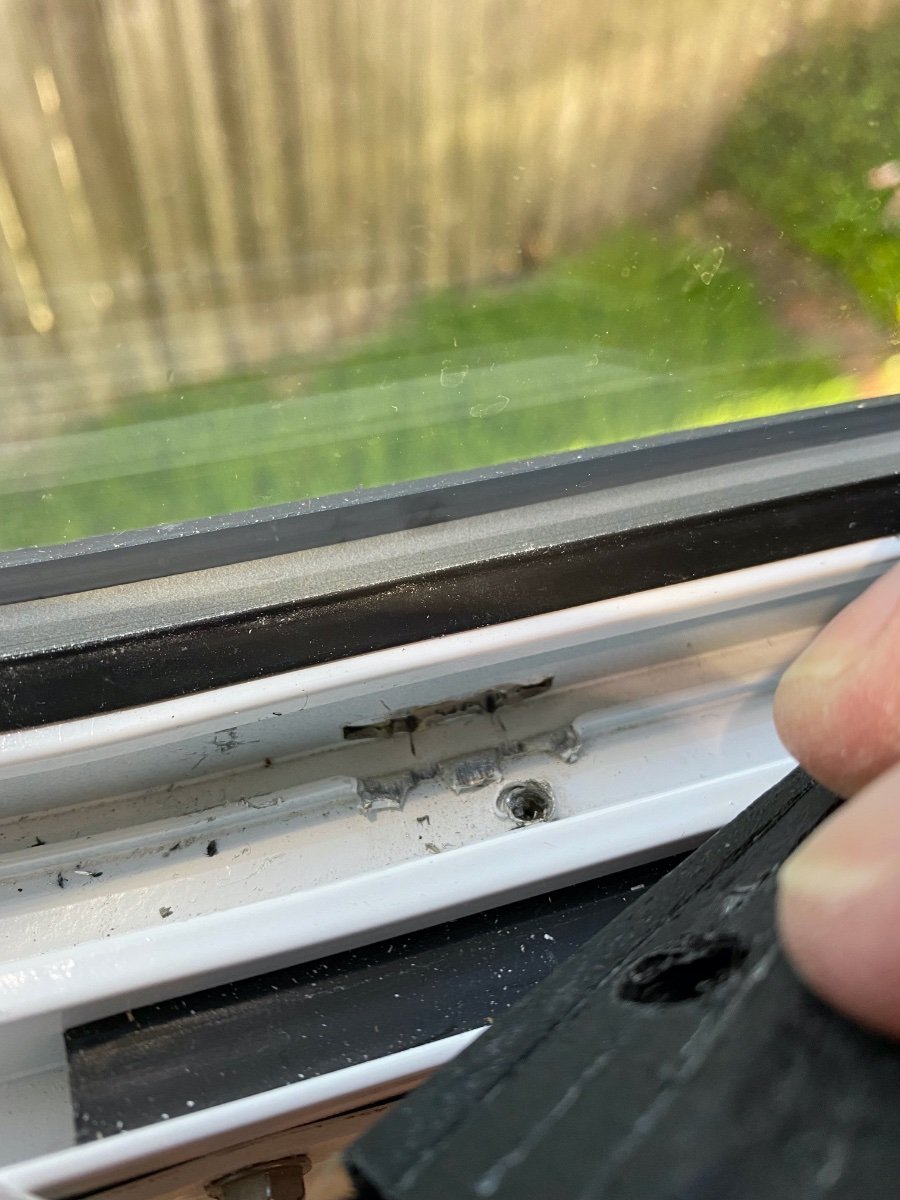
I'll tack on to this thread since it includes a lot of suggestions for tracking down leaks. I have one to add. I had a small leak under the curbside window the first time it rained on us and have been trouble shooting the last week. I may have found the problem. The track that the window slides in has a black fuzzy strip that the window pane slides on. There are holes every inch or two that allow rainwater to flow underneath and out of the inner weep holes in the window frame. At the end of the black fuzzy strip near the stove there is a screw and rubber/plastic sort of grommet that serves as a stop for the window at fully open. Well this screw goes right through the bottom of that drainage channel/window track. So there are 5 ways for water to escape: the four weep holes and this screw hole. I verified that a small amount of water poured into the window track would flow out the weep holes, but also could make its way over to the screw hole and then run out underneath the window, down across the belly band, and onto the seat above the water pump area. Oliver Service said that there should have been a butyl rubber strip laid down by the window manufacturer before the screw was put in. They will be sending a rubber strip out for me to install. I’ll also assess using a dab of silicone instead. So add this to the list of potential window leak causes. I'm wondering if anyone else has had a similar problem or if other windows have been constructed differently through the years. It seems like a bad design on the part of the window manufacturer to put a screw through the bottom of the window track that doubles as a drainage channel.
2 points
-
UPDATE: I performed an LP Drop test on the gas line this week, after tightening up the suspected connection at the furnace, and we have no more leaks. For those wondering, the best place to do the drop test for us turned out to be the outdoor propane quick-connect. My local hardware store had a quick connect fitting with a hose barb on the other end that fit our manometer tube perfectly. SO happy that we can head out for our 10 day boondocking trip and not worry about the propane. (After we install the replacement propane/CO detector Oliver sent under warranty, of course.)2 points
-
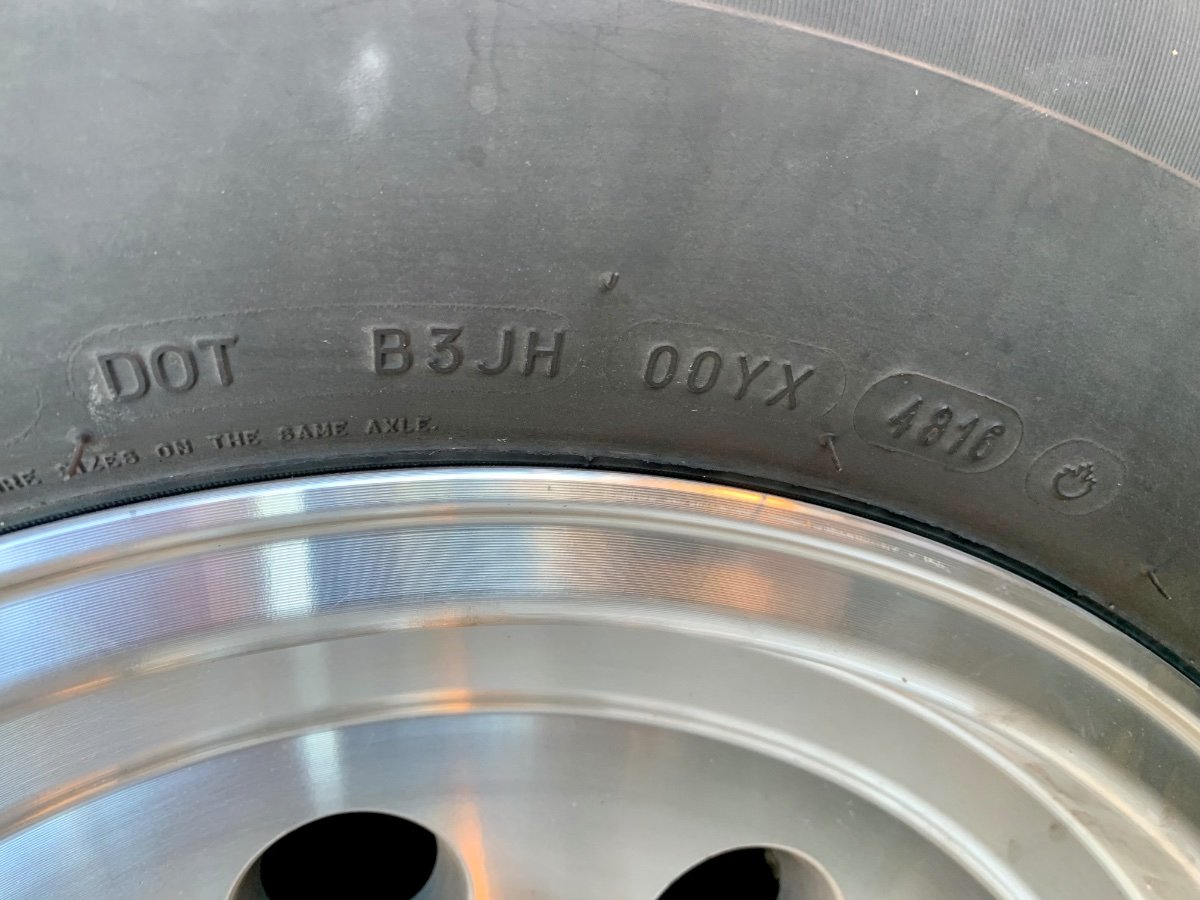
Mine where made on the 48wk of 2016. They are over 5 years old and will be replaced. Noticed this today. Just a reminder for others to keep on eye on your tire date. IMG_1835.HEIC1 point
-
Simply said... Your son is correct. There are so many variables involved that simple answers are not easy. Maybe this will help - we use about 100 to 120 amp hours in 24 hours of boondocking. Our solar on top of the Ollie can collect up to 340 watts (that equates to less than 6 amps per 100 watts per hour in direct, full sun). As you can quickly see 6x3.4= 20.4 amps an hour just isn't going to replenish the battery usage each day. Starting out with a full lithium battery bank of 300 amp hours in our Ollie, we can go about 5 days in the best of circumstances (direct, full sun.) Charlie.1 point
-
Kelly, at this stage in your RV life you need to educate yourself. There is an awful lot of technical details about solar, but the basics are not hard to understand. The more you read, or watch videos, the more you will learn. The learning curve is quite steep at first, but it makes sense after a while https://www.imnotlostimrving.com/rv-solar-system-overview/ Northern latitude, known tree cover, short days, possible foul weather. You need a small generator without a doubt! Solar does best in high summer out in the open. Even if you never run your air conditioning off the generator, one day, for sure, you will need it to recharge your batteries. John Davies Spokane WA1 point
-
Hi, Kelly, and congratulations on getting your Oliver. Do you have an Elite I or II? Which batteries do you have, as that will help us estimate your available amp hours. As tent campers, you're used to managing without power, im sure. Not only will the tree cover reduce your charging ability, especially if the leaves are still up, but the hours of sun are less in the fall. You'd probably still be fine, if you don't have to run the furnace much at night. We've camped up that way in October, though never Fish Pond, and got some rainy cold weather.1 point
-
Thanks for the info on Fridge unit and combustion chamber seal. Sounds like everyone here and OTT is on the problem. I will monitor and look for a proposed fix/recall on this issue. Dave1 point
-
Thanks for your kind words. This is a very supportive community. If you don’t have one already, get a little outlet tester, any brand is fine as long as it has that extra “GFCI test” button on top. That will save you a bunch of headaches, use it to test any new outlets you encounter when camping before plugging in. It is not uncommon for them to be either dead or miswired. Maybe some are inside your home! https://www.amazon.com/s?k=gfci+tester&crid=1Q1AIXQ787O8G&sprefix=gfci+tester%2Caps%2C144&ref=nb_sb_noss_1 John Davies Spokane WA1 point
-
Wish we could be there, too!1 point
-
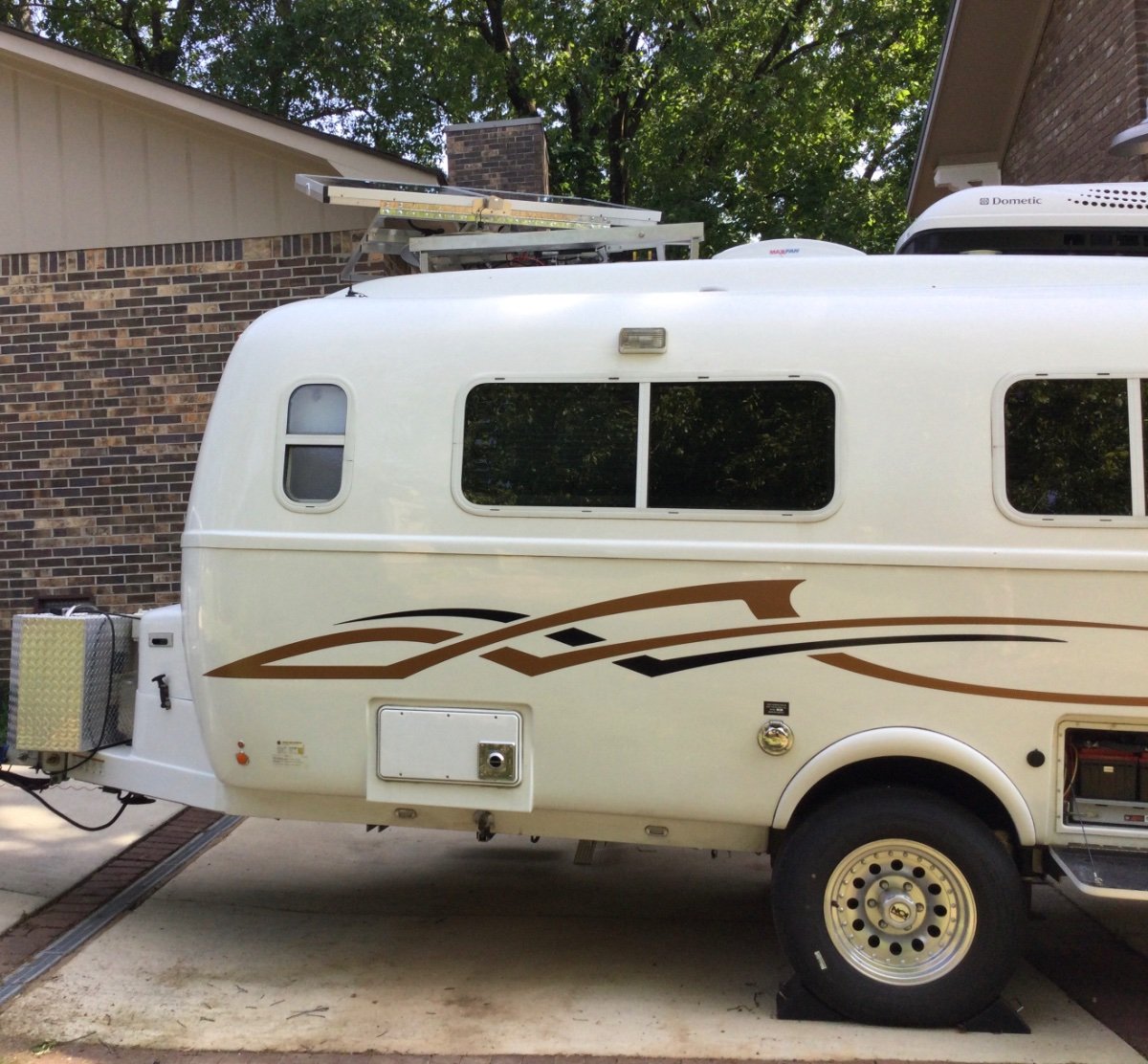
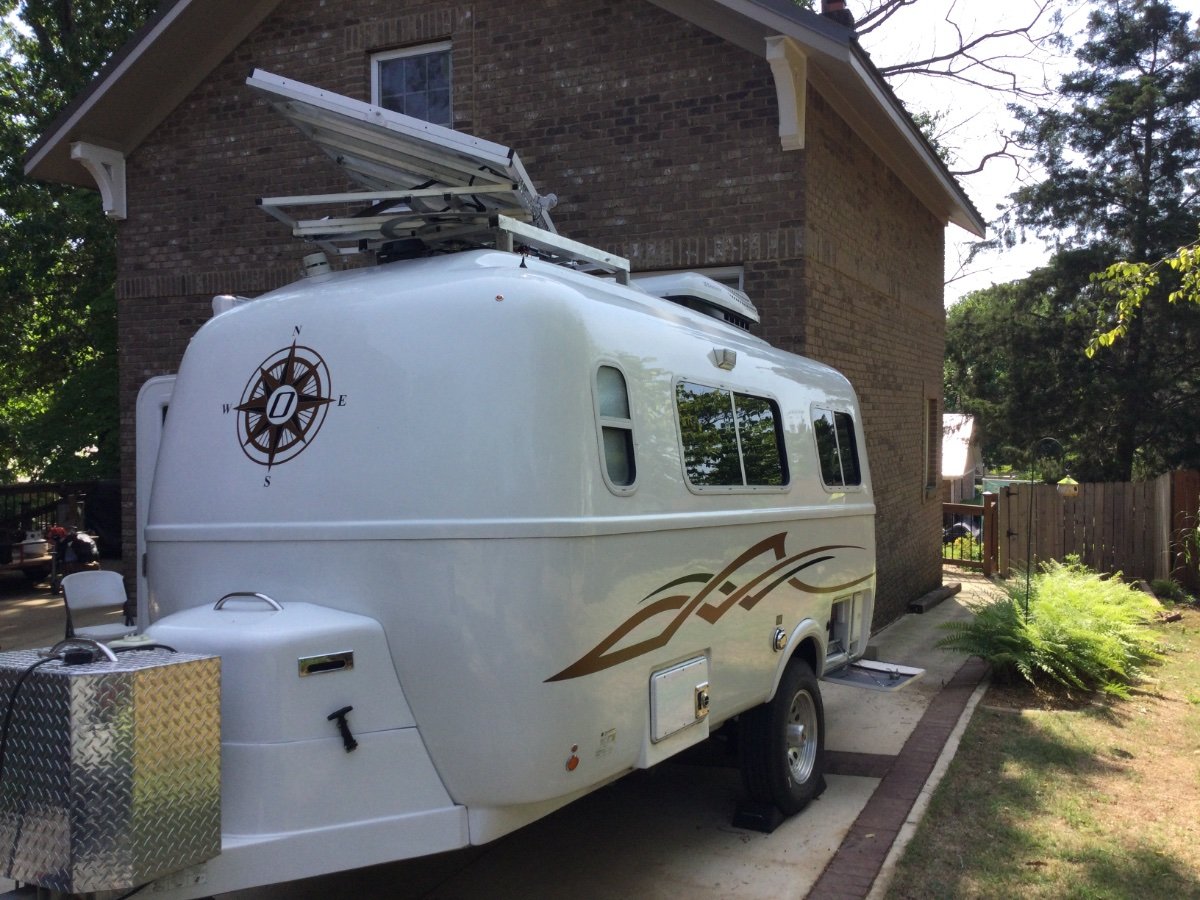
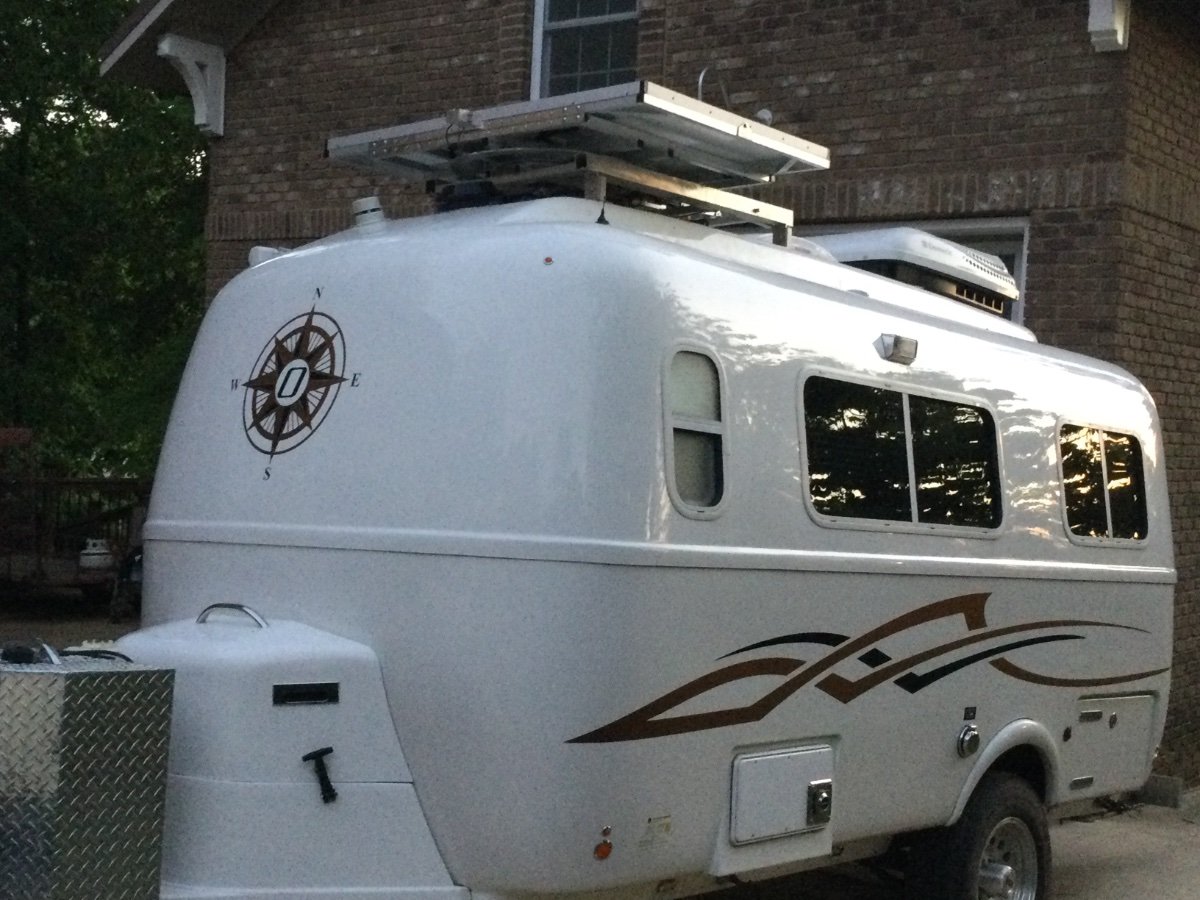
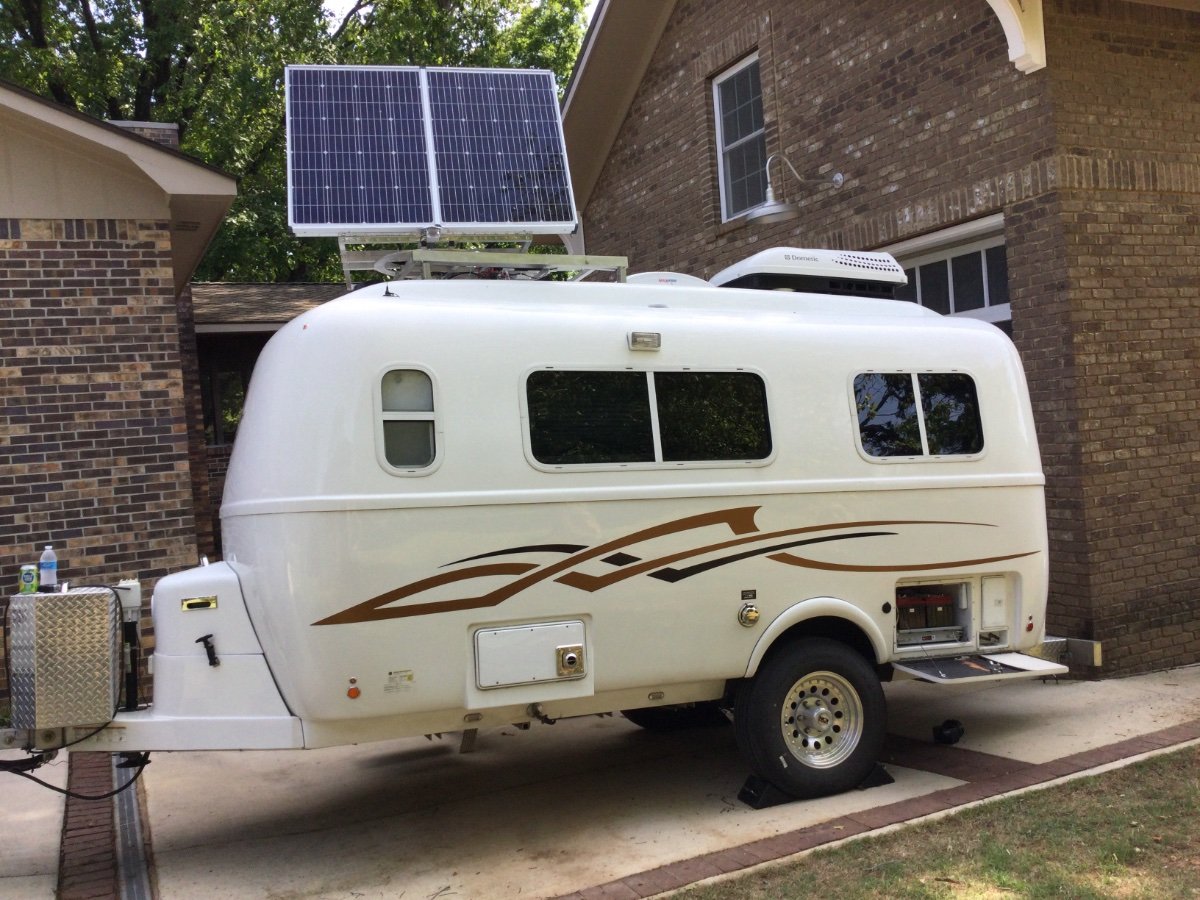
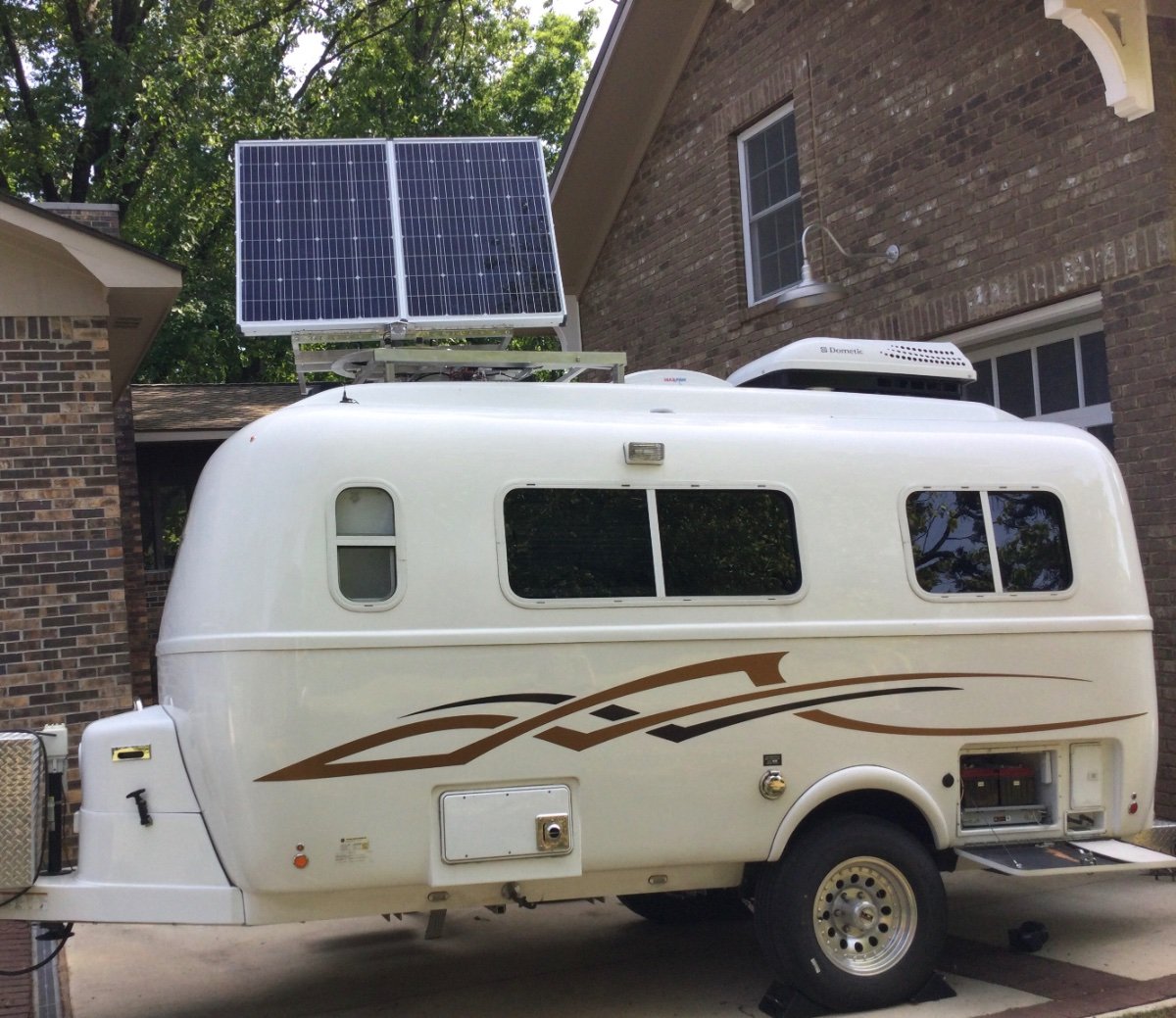
Sneak Preview Here are a few pictures of the new rooftop tracker. It has a smaller height profile than the AC It tracks dawn to dusk automatically resulting in MUCH more energy to your batteries The tracker detects high wind and Tow movement, shuts down and locks Existing Oliver solar panels can be retrofitted with a rooftop tracker. Built and installed by Oliver “Clean setting” lifts the panels high so they can be cleaned with a squeegee while standing on the ground - NO LADDERS ! 2 photos below. Sign up on list during the rally , no financial obligation, and get 3 year electronic warranty - FREE ! Video and more information coming soon Coy Questions ?
1 point
-
Regarding the cost, we are working with Oliver to build the units. They will also do the installation. Oliver will determine the final cost. If you are interested in specific information on the products, e mail me at hcsolar3@gmail.com and I will send you a brochure and answer your questions. Thanks. Coy Gayle1 point
-
A key and sometimes informative step in checking on what's up when plugging in to shore OR generator power and you're not seeming to get any of that power through into the trailer is to check the EMS (surge protector) remote display pane. In my 2021 E2 it's in the attic cabinet (the cabinet above the rear window) but I know they've moved this remote panel at least once so yours may be in a different spot. At any rate, if all is going well, that panel will show you the voltage, current, and cycle rate (hertz) of the power that's coming in from the external source. If it has decided that there's something wrong with that power and it's blocking it from getting into the trailer (the function of the EMS, with the goal of protecting the electrical components in the trailer) it will show and error code, which can be deciphered with the table of error codes in the EMS unit's manual (which should be bound in with the other manuals in the "standard features" book that shipped with the trailer (and which can be found on the Oliver site under Owners:University If that panel is not showing anything while you're plugged in, it either means the EMS is toast or more likely that power isn't making it there - i.e. a tripped circuit, a bad outlet, a bad cord, or a bad connection between the power plug on the outside of the trailer and the EMS.1 point
-
@viola, congratulations on your new to you Ollie, and welcome to the forum. We've enjoyed our Elite so much, now in our 15th camping season! You said that you were afraid the lit leds were running down your batteries. What readings are you getting on the zamp solar monitor and the seelevel? (You should be seeing something at or slightly above 13. 2 in full sun, and something like 12.6 or so at night, even if you're not getting shore power, if you're not running any other loads like fans,, fridge, etc. Those led tail lights don't actually use a lot of power.) Even if you're not getting a charge from the house circuit, imho your solar should be enough to keep the batteries up, if you're not using a lot of other things in the trailer. Tell us about the house circuit you're plugged into. 15 amp? 20 amp? Anything else in your house using power on that circuit? Anything else running in the trailer? @John E Davies is correct, if your connector is corroded, its best to replace. However, we've also had new owners who left the pigtail up in the rain or condensation, and moisture caused the "ghost" lights. Their issues disappeared when the connector was allowed to dry out, by hanging the connector so the openings are down, out of the rain. A photo of your connector would help. As John said, you may have tripped the house circuit breaker or its gfci, or you could have tripped the gfci of the trailer. When you plug the trailer into the house circuit, you should hear a "click" inside the trailer when the transfer switch kicks in, and the microwave (if you have one) makes a chirping sound. Sometimes, all it takes is disconnecting the trailer, and reconnecting, with someone inside the trailer listening. Guessing you've already done so, but first step is to check the house circuit breaker, see if it's tripped. If there's a gfci on that circuit, test and reset that. Make sure you actually have good power coming from the outlet you're plugging into . And, check that outlet for proper ground, and reverse polarity. I think you have at least two separate problems here. Possibly three. Best to just start from the beginning, and rule things out.1 point
-
I’m completely confused also. If either the Blaylock or the Anderson drive-up type jack works with Dexter EZ Flex suspension, I want to buy one for roadside repairs. Several posts on the forum and Facebook have advised these types do not work with the Dexter EZ Flex, but apparently it worked for Mobiljoy. One concern I have is if the spring shackles have a tendency to flip. If Jason is referring to the Dexter EZ-Flex models, which I assume he is, then Oliver owes it to all us to make this high priority safety issue very clear. I was not able to attend the rally. Could one of you “experts” run this to ground with Jason and others at the rally and get back to us?1 point
-
Good work in troubleshooting and reporting this problem. This will help someone else down the line.1 point
-
See the following for an update.1 point
-
What is the cost? For those of us who can't go to the rally, when will it be available for installation by Oliver?1 point
-
Thanks for posting the reminder, fixed your pic. John Davies Spokane WA
1 point
-
Not being a solar guy I would say if it works for you, go for it. You should be able to track aliens, or tornadoes with that setup when not powering the batteries. trainman1 point
-
@geO Thank you. Guess I will add a new remote panel to my Amazon cart. @Liana Agree! So great to have all the great experience and resouorces on this forum!1 point
-
Wow! It adds another level of awesomeness to the trailer. Very impressive setup, indeed.1 point
-
You may even try Oliver. I’ll bet they have a lot of short pieces laying around1 point















.thumb.JPG.dd838cdb3df463dab6a16861fa23a319.JPG)






-
Recent Achievements
-