Leaderboard


Popular Content
Showing content with the highest reputation on 08/10/2024 in all areas
-
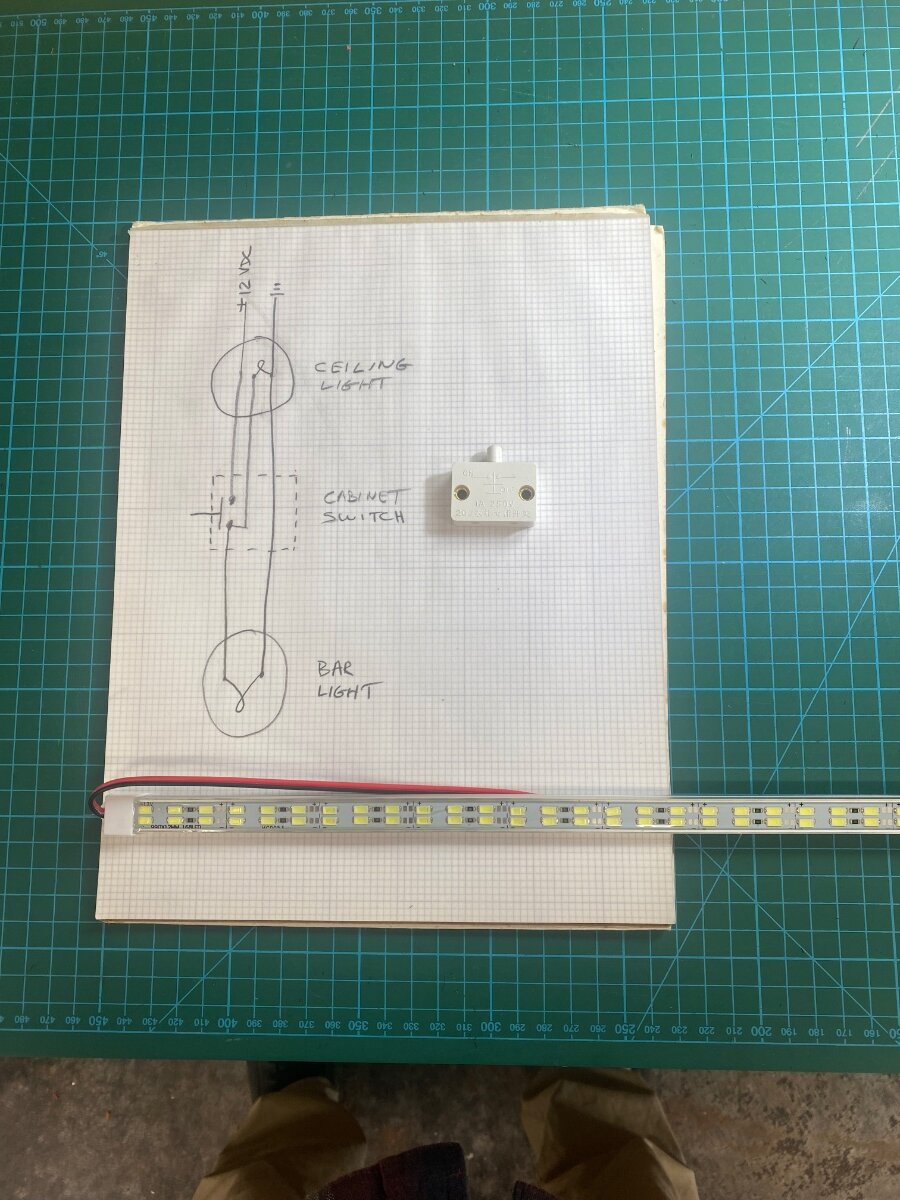
The closet ceiling light works well for the top shelfs, but hanging clothes can block the light from reaching the floor where we keep shoes and other things. It’s fairly simple to install more lighting at the base of the closet, and not much more work to install a cabinet door switch that turns them on automatically. To light the bottom of the closet, I used two overlapping 13” long LED bar lights that were mounted out-of-sight below the door. Since the inside front wall of the closet is 3/4” thick melamine hardboard, 1/2” sheet metal screws can be used for mounting the lights, switch bracket and wire clamps. The melamine must be predrilled for the screws. I used a piece of aluminum angle to make a bracket for the cabinet light switch and mounted it at the top right corner of the cabinet door. A wooden block could also be used. The wires were sheathed in 1/4” split braided sheathing, and clamped along the edge of the door frame. To make room for wire splices in the overhead light, I cut out ring of wood to make a raised mounting base with a void in the center. This was overkill because there is a hole and void in the ceiling above the light that splices can be tucked into. The main closet light switch must be on for the cabinet light switch to work. We just leave it on all the time now, and I disconnected the (top) wire on the switch to disable the neon blue switch indicator. No fiberglass was harmed during this modification, and all the parts are available at Amazon: 12V LED Light Bar Waterproof, LMGYES (4 pack) Cabinet Door Switch 1/4 inch Split Cable Sleeve Nylon Plastic R-Type Cable Clamps. Hope you find this useful, Cheers! Geoff
 8 points
 -
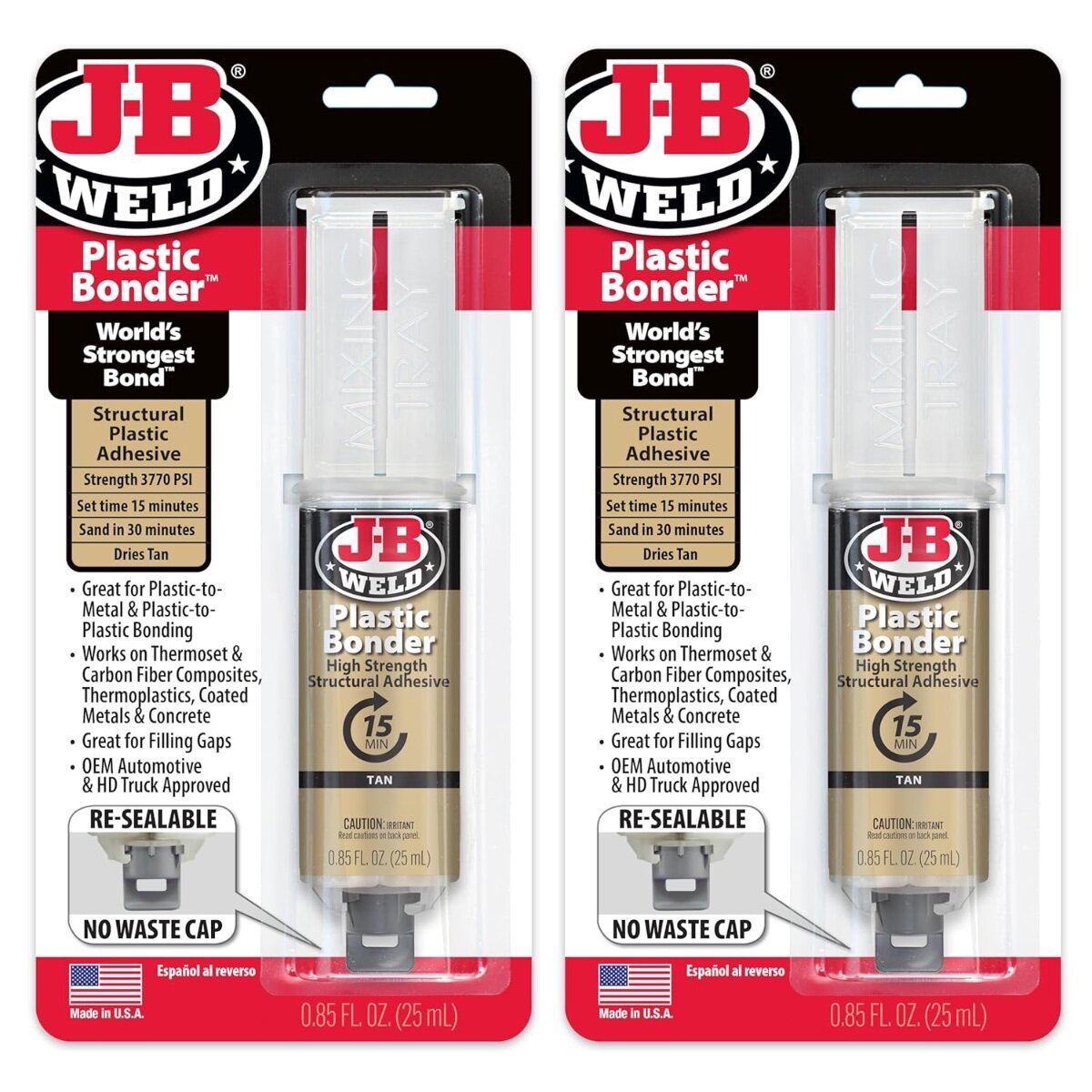
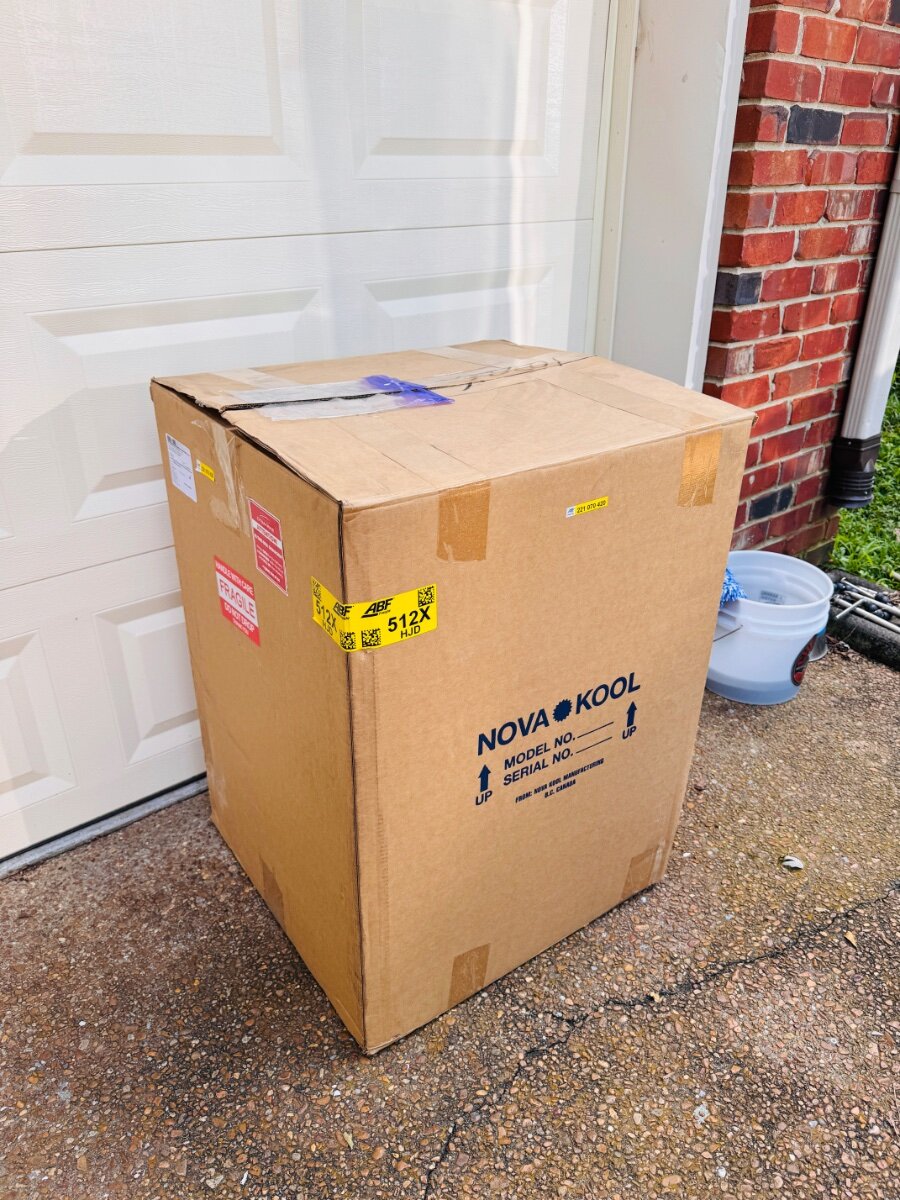
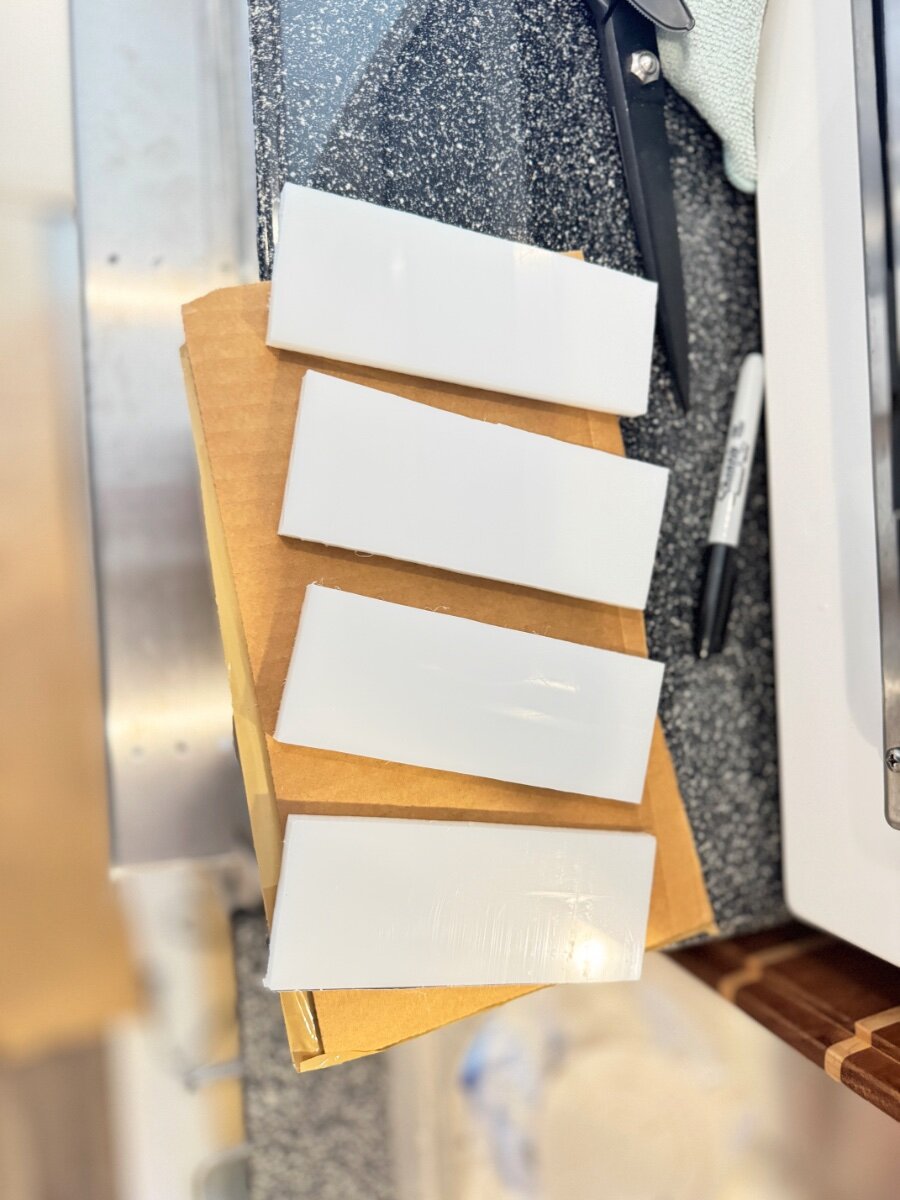
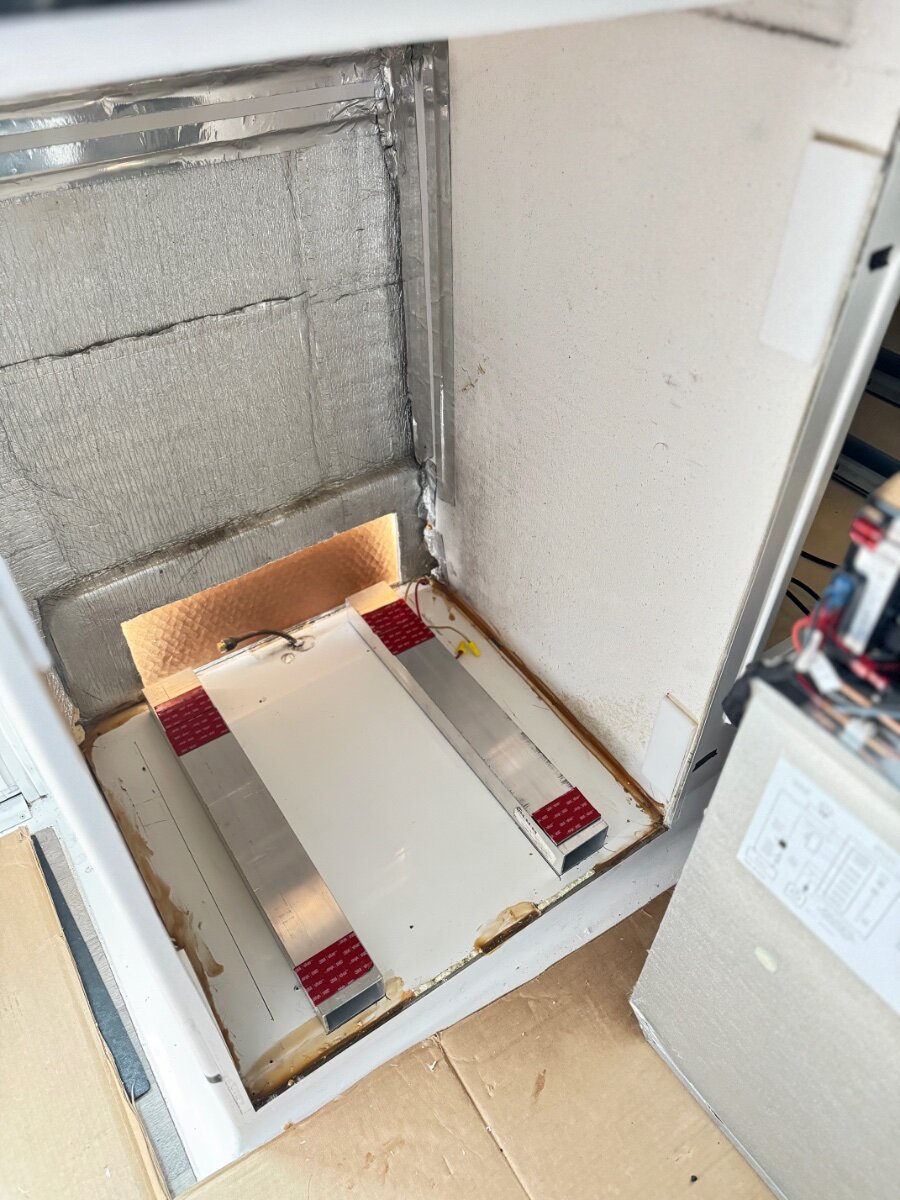
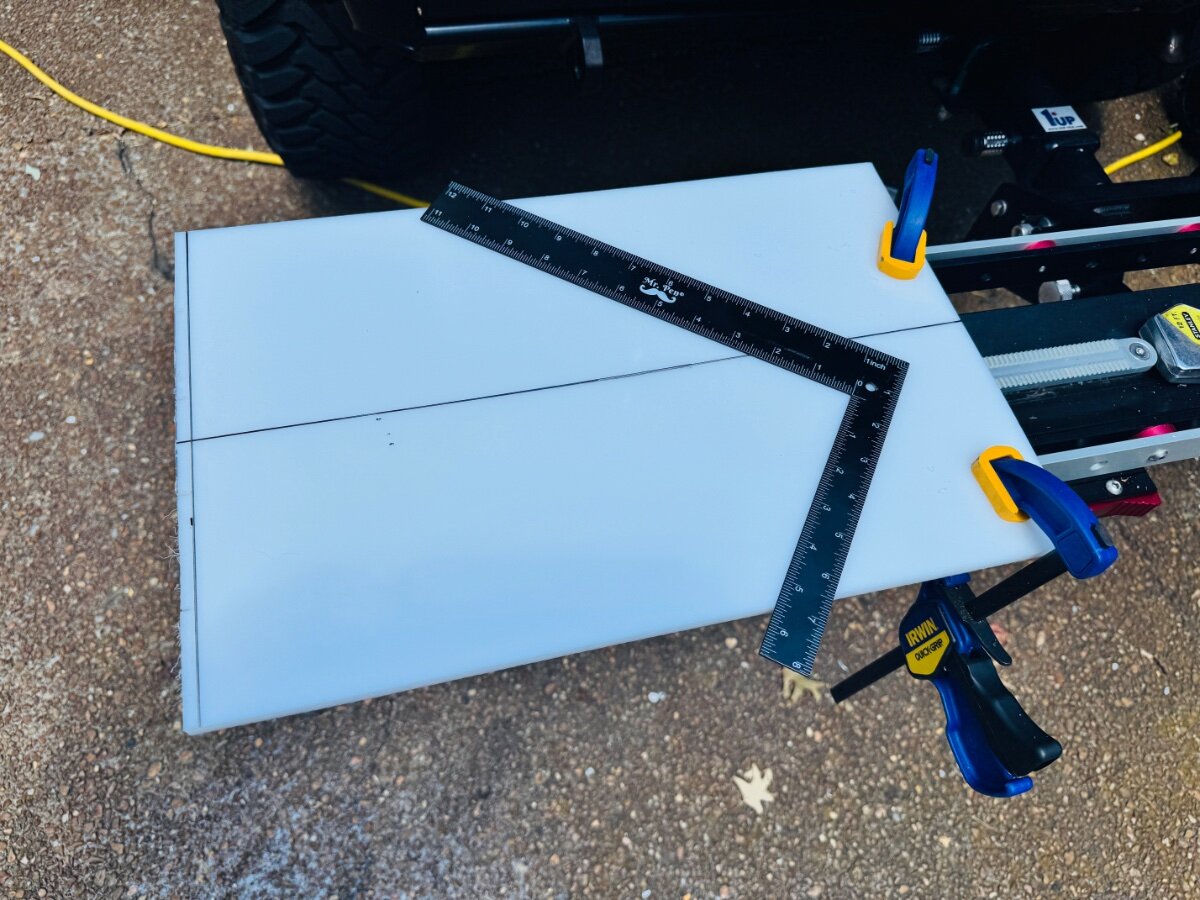
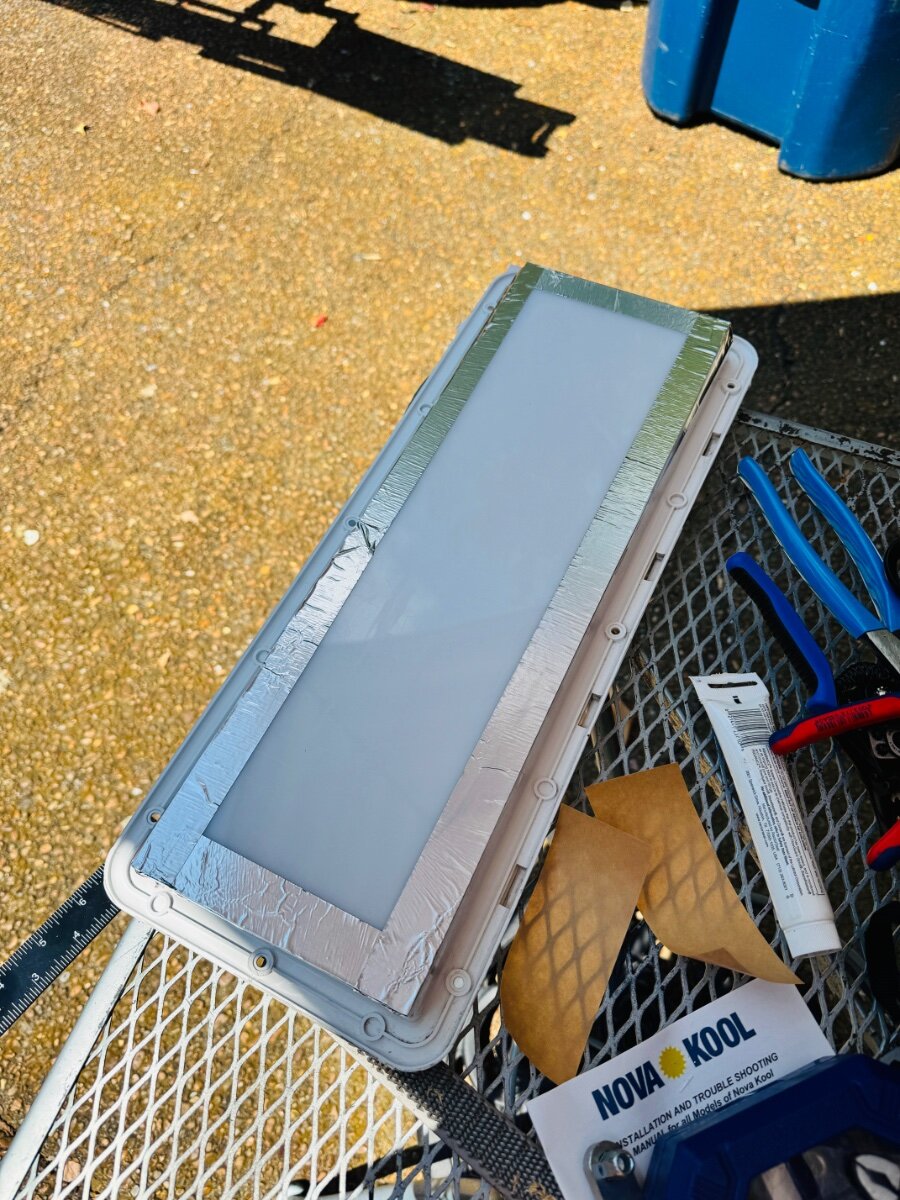
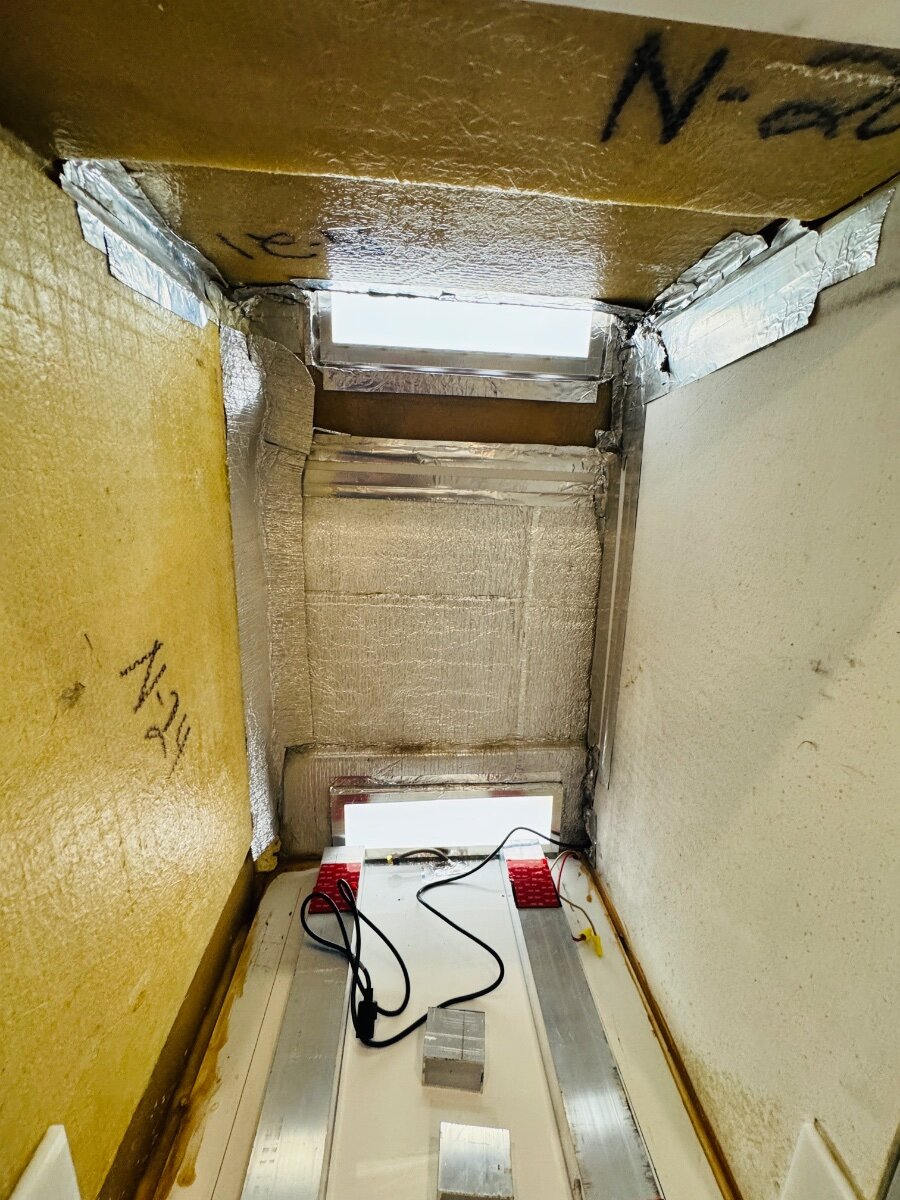
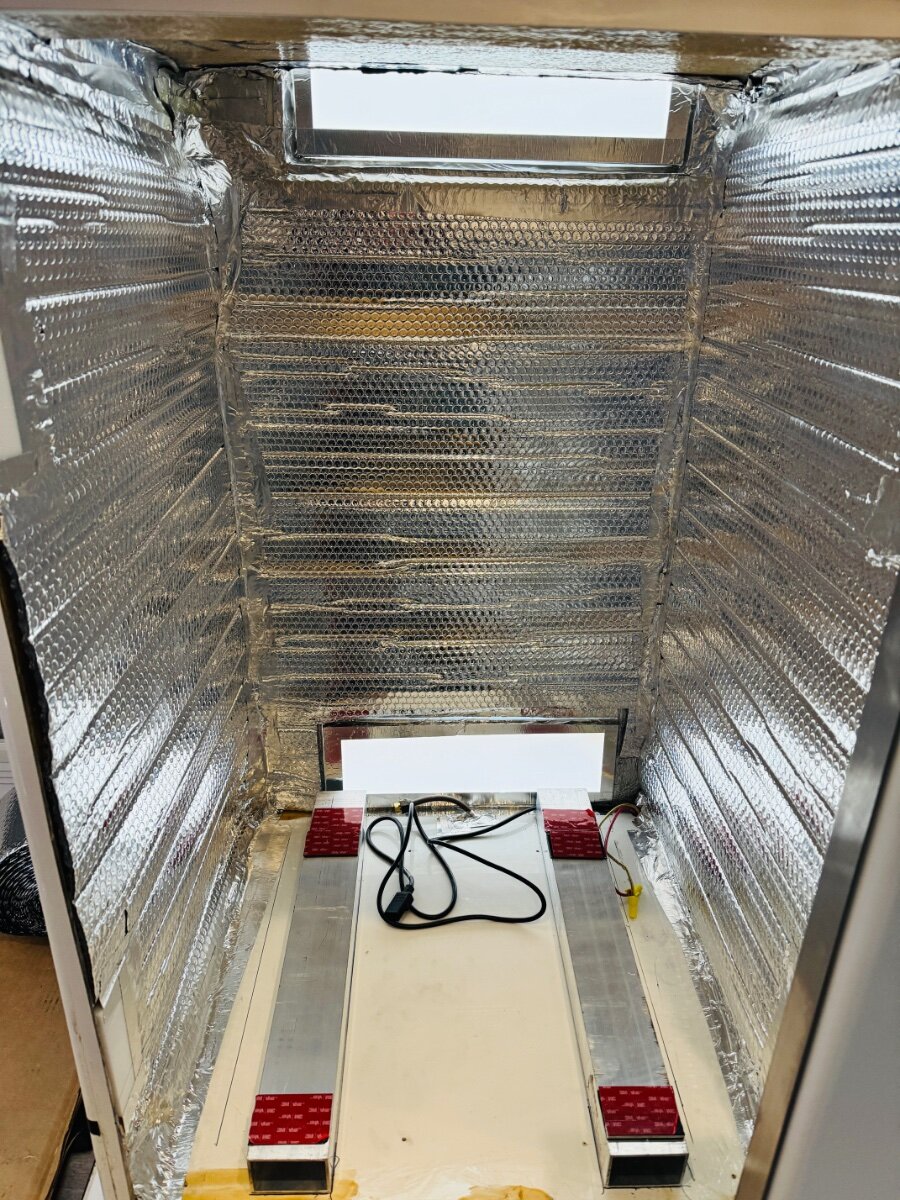
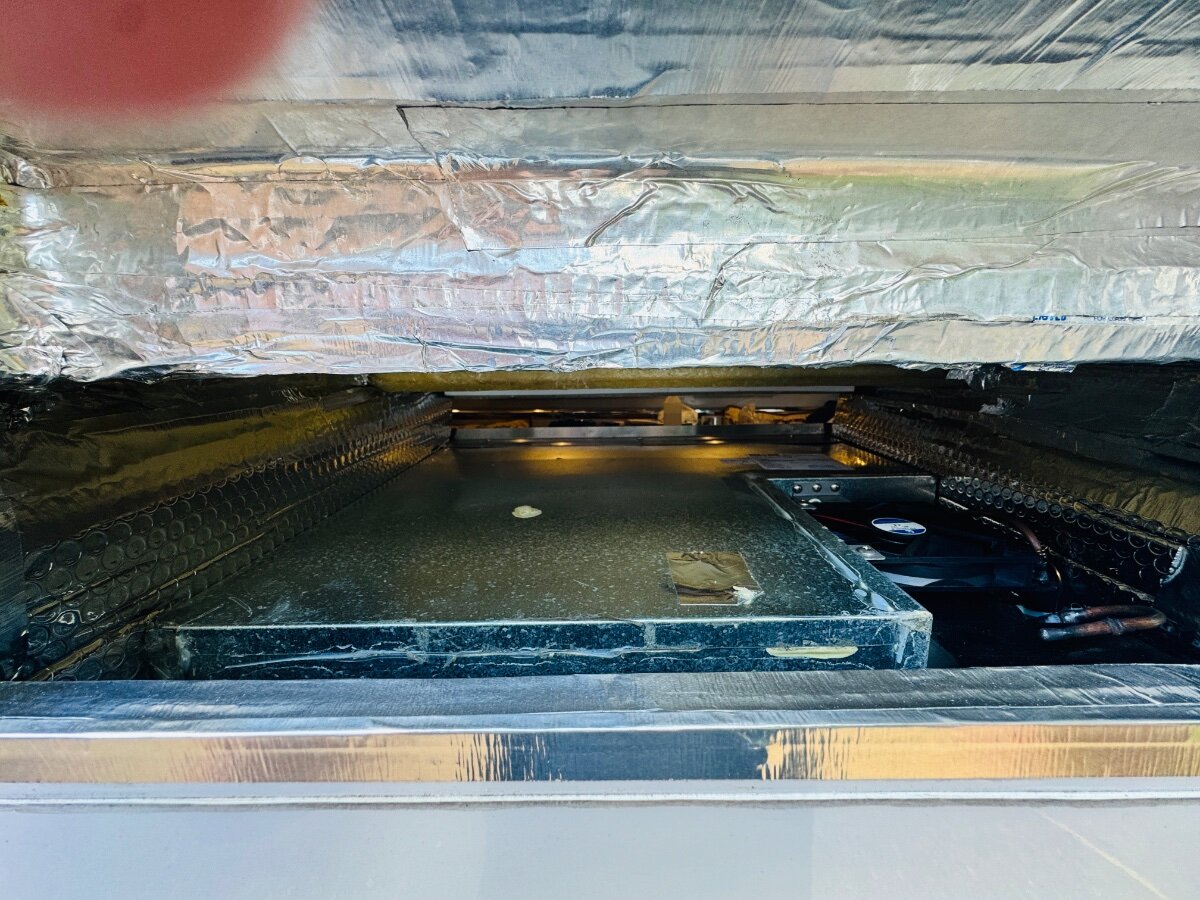
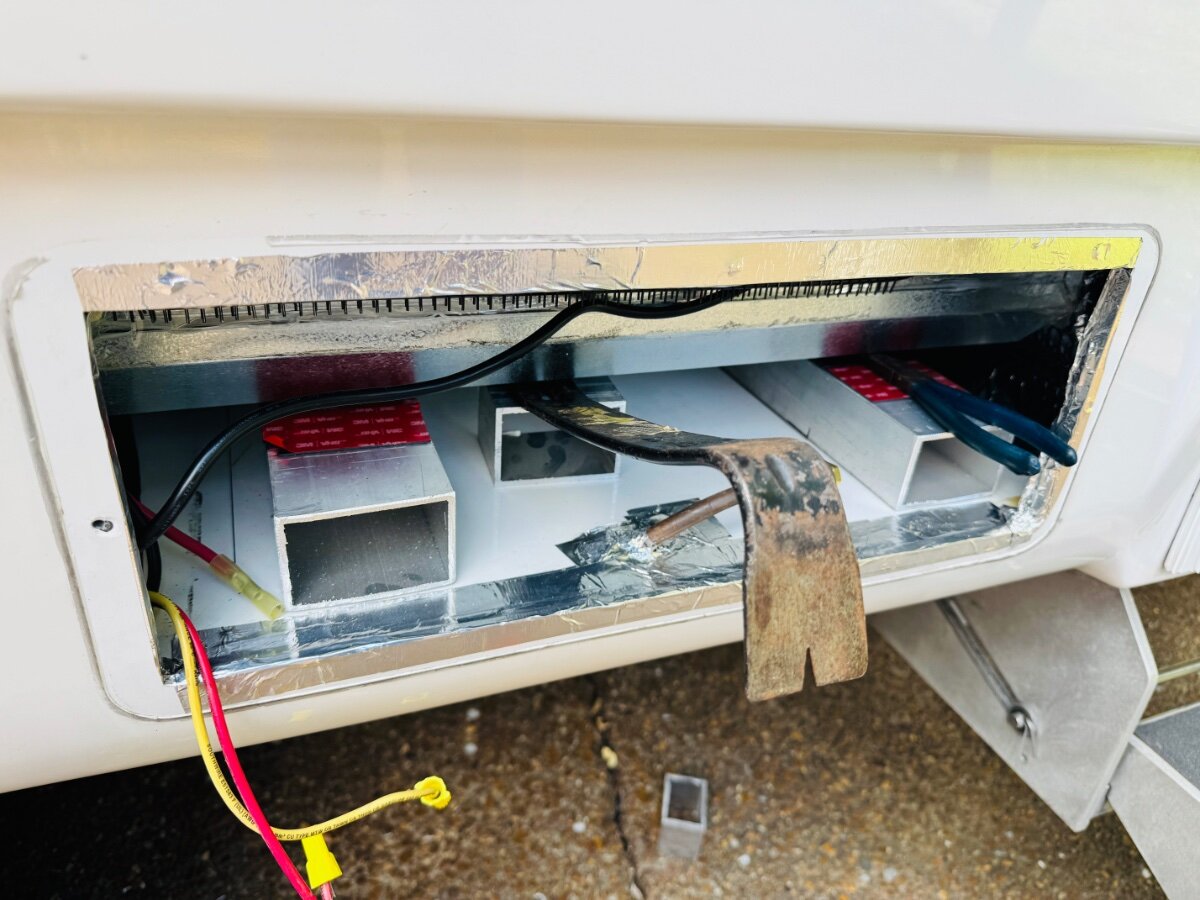
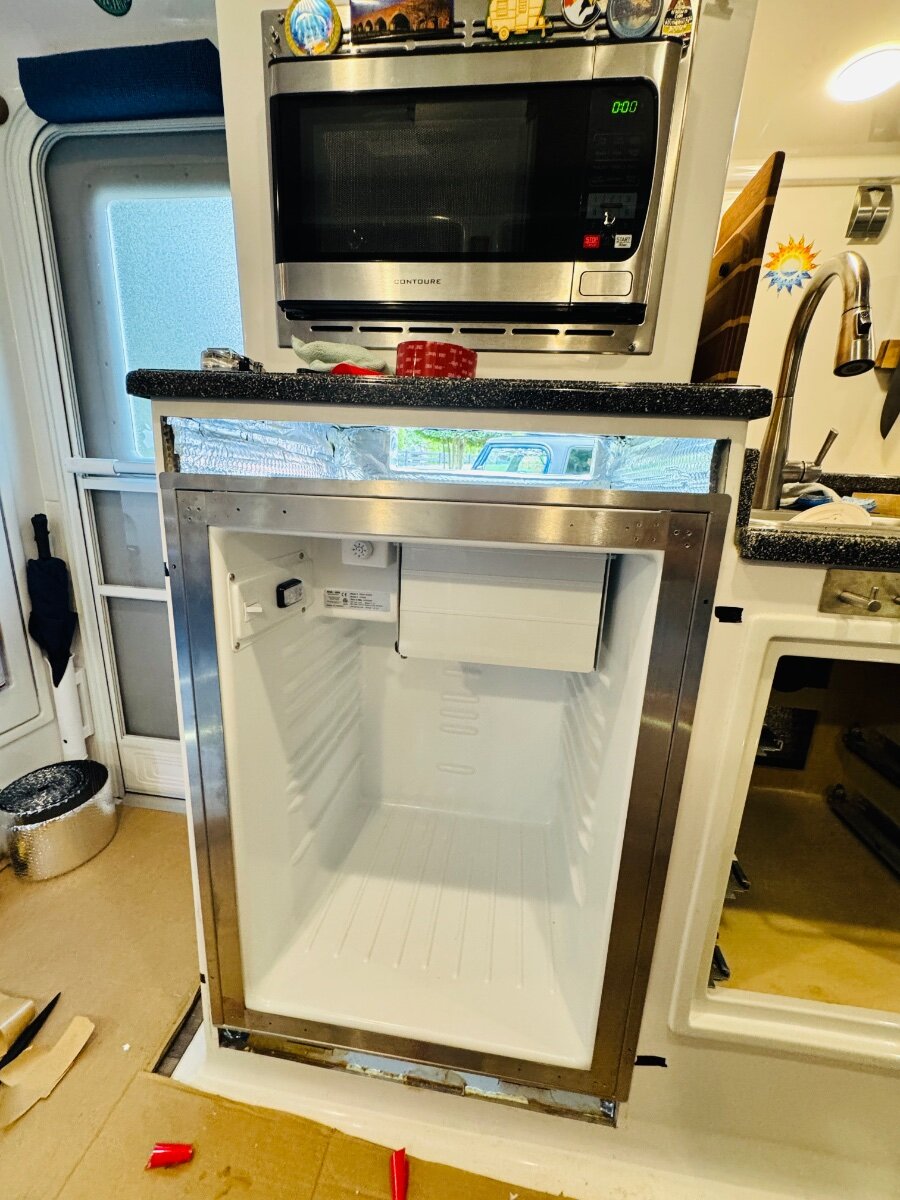
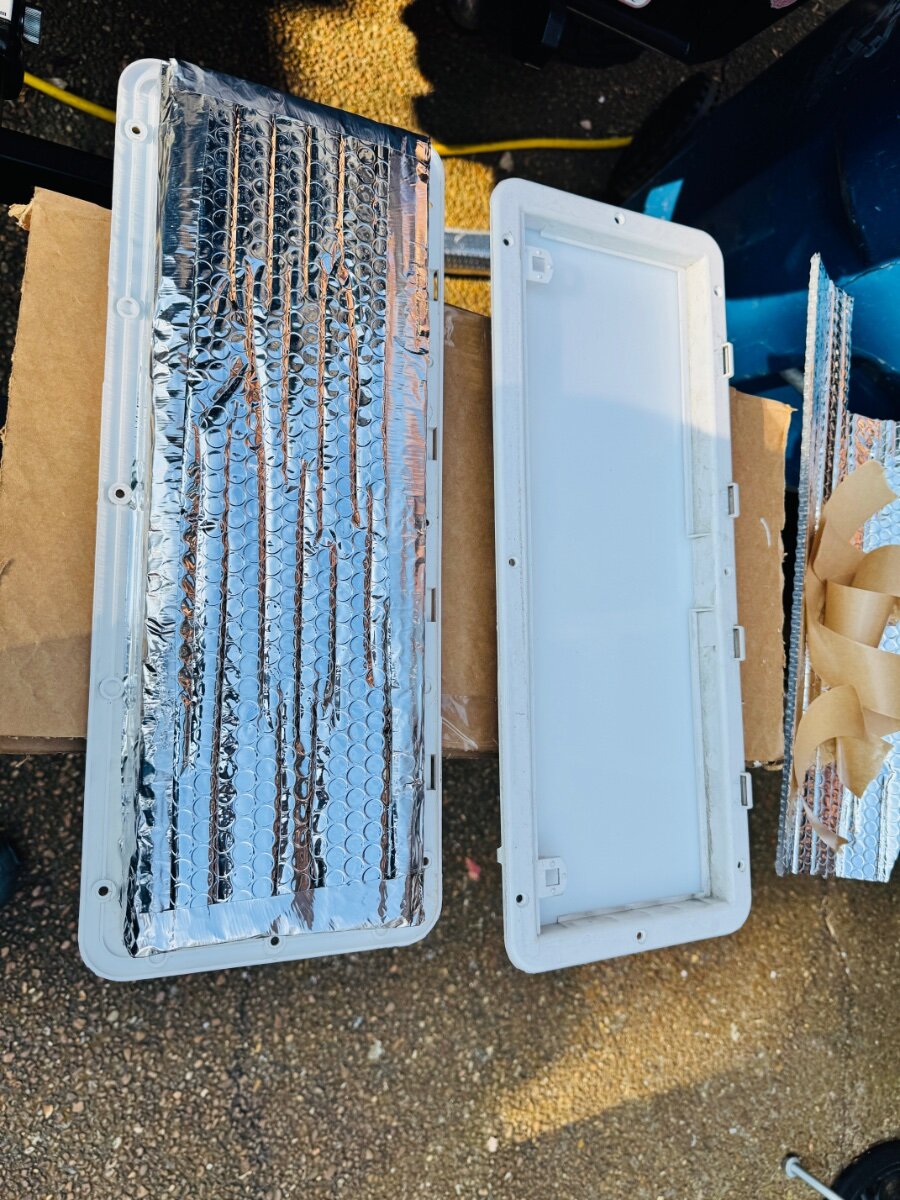
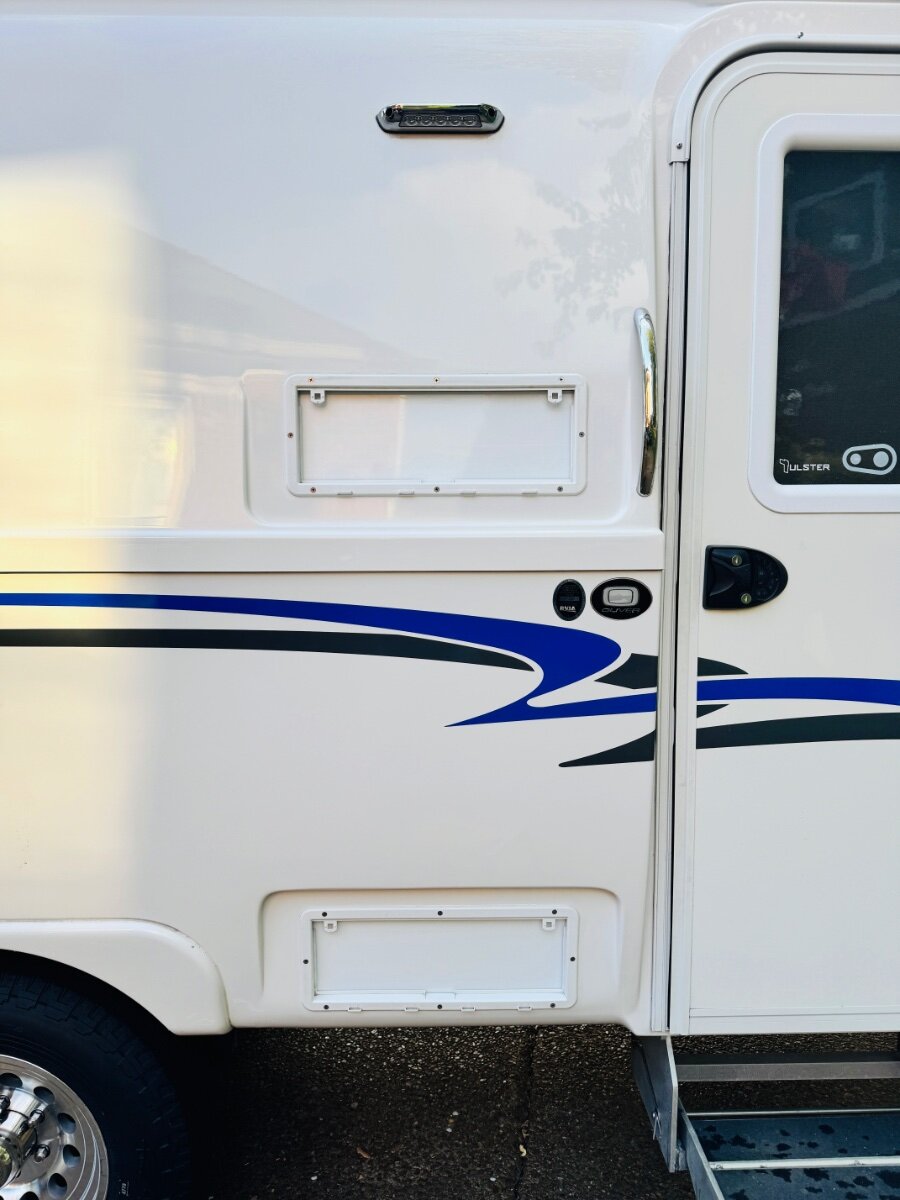
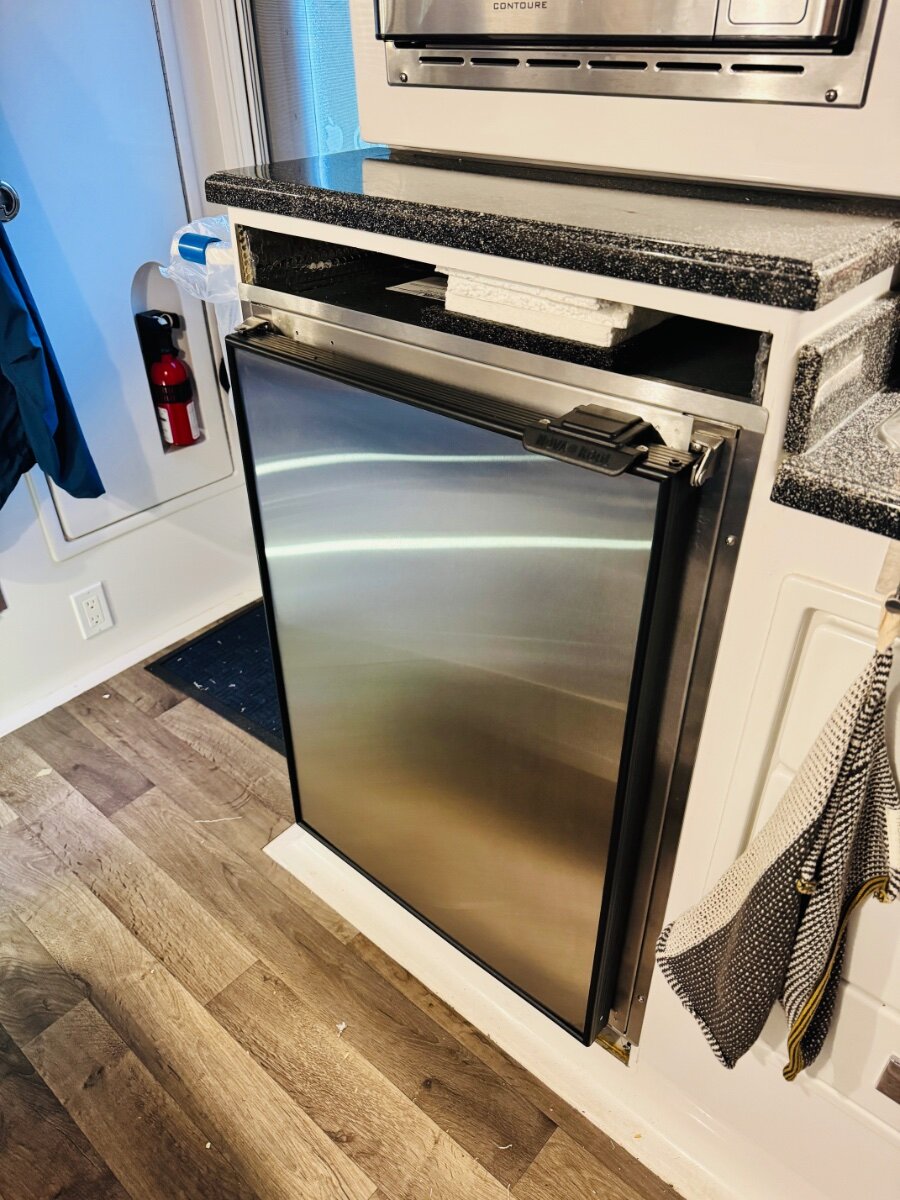
Thanks to everyone before me who did this install and shared it on the forum. Especially, a big thanks to @mountainoliver, @Geronimo John for all the info and pics. The install was pretty straight forward but not as refined as some. So happy to have gotten rid of the absorption fridge. Nothing to add except some pictures. I did end up copying a lot of things. Ended up using a little bit of VHB tape on bottom supports, 3/8 in HDPE for side brackets and used some better plastic to plastic epoxy. The other stuff I used did end up failing @mossemi (you sir were correct!) and ended up screwing (6) 1 1/4 in. SS screws through the backside for stabilization of the MPII. Glad I had the aluminum mount for backup. This time I used https://a.co/d/5IrB3w2 First part of install was quick and I forgot to take pics. Destroyed the Dometic fridge getting it out!. I will be done once I caulk and source some SS vents to cover the top and bottom holes.
6 points
-
There are a lot of subjective questions which I choose not to answer and I think you will figure it out on your own. I do have a pretty strong opinion on the twin bed option for two adults. Our's was a full bed originally and later converted to a twin. It was extremely hard to make up the bed each morning and leaving the full bed in place everyday really makes the LE2 interior small, as it amounts to about 40% of the interior floor space. Regarding the weight distribution hitch, I think it is a must for any 1/2 ton pickup or SUV available. Your owners manual should stipulate the allowed trailer and tongue weight with and without a WDH. Ultimately the choice is yours, as is the liability involved! I do not know of any LE2 using anything other than an Andersen WDH. The fiberglass on the front A-frame presents a mounting obstacle. I’m pretty sure it could be done but I can’t think of any benefits of using a bar type WDH. Mossey4 points
-
Those work great to verify a hot leg is live, but it seems like he has that already out to the outlets according to his circuit tester. Someone is going to have to use a multimeter and check voltage from the hot leg to the neutral at each connection point between the EMS to wherever the problem is. My guess is a bad neutral connection somewhere or a bad EMS itself.4 points
-
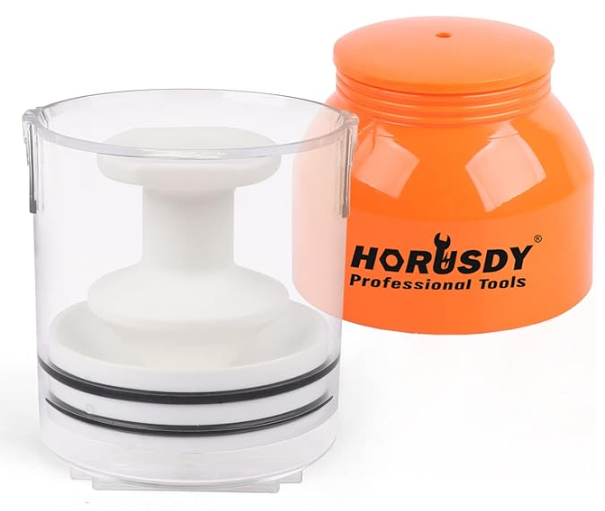
Here’s another Lisle product that I am using now to pack bearings. You fill it with your grease gun through the zerk on the stem. A lot less waste than packing in your hand using grease out of a tub. https://www.lislecorp.com/specialty-tools/handy-packer-bearing-packer IMG_2453.mov IMG_2454.mov3 points
-
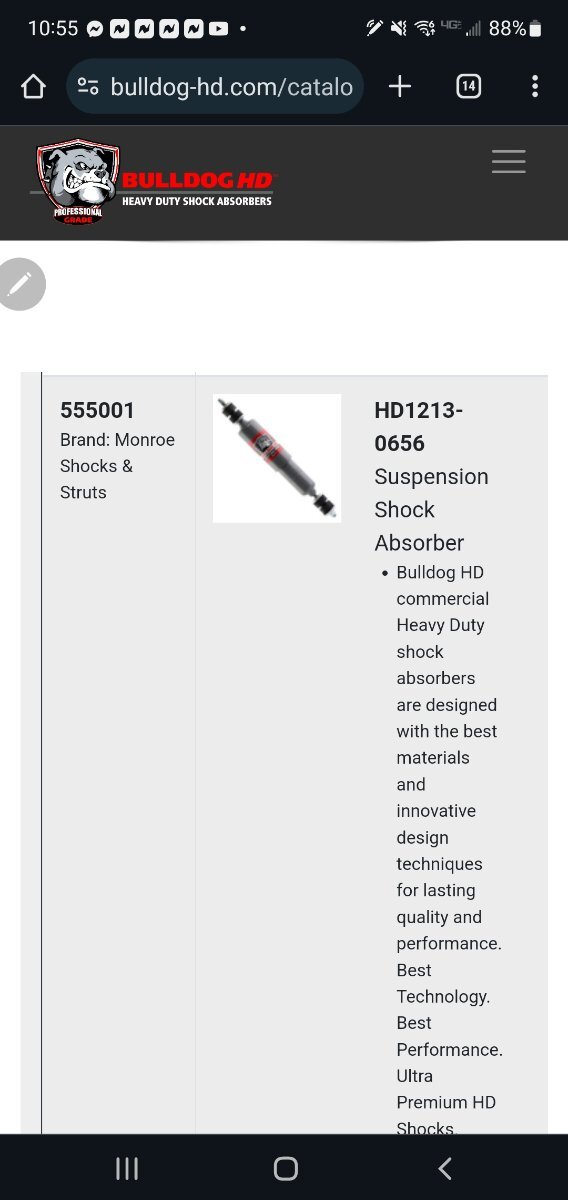
Seemed to have plenty of available up/down travel with the stock monroes after installing the Alcan springs. I plan to look long and hard at the Bulldog shocks when the monroes wear out3 points
-
Mike, nice work! The installation looks perfect. I know you’ll love it. These fridges are like your home fridge, they just work no fiddling to keep it cold inside!3 points
-
In May before the rally, Oliver service replaced my springs, shocks, bearings and brakes. Jason did not mention any issues fitting the ALCAN springs I brought. I’m sure they used the stock Monroe shocks. I don’t notice my trailer sitting any higher, although I’m not sure I’d be able to discern a .5-.75” difference. After our summer trip through Colorado and Utah we didn’t notice any significant difference in the ride either. This should be a good setup as we start our second 100,000 miles. Mike3 points
-
I think size/space will be your concern. You're accustomed to the size/space of your motorhome, so downsizing to the EII will be a challenge. You may or may not be able to live with less space. I'd recommend renting a small trailer (smaller than the EII) and taking it out for a week or two to see if it feels too cramped. I went from backpacking, to small car camping, to pickup camping, to the Ollie, so from my camping perspective it has tons of space. I think that boondocking is really where the Ollie shines. If you plan to be in campgrounds with partial or full hookups you might be better off with a Jayco or something like that at much less cost. The higher cost of the Oliver is really in the build quality and components that are best used when you're out in the middle of nowhere down a dirt road on a cold night. In that application, there's nothing better. Regarding your tow vehicle (TV), check out the GCVW on the door sticker to make sure you're safely under the limit once to add in all the stuff you'd be taking with you (including all the options you want to get on the trailer). Many people recommend the distributing hitch, but I don't use one and have never had any problems that made me think I should get one. Regarding food and clothes, I think you'll find your experience in the Oliver similar to your motorhome experience. I've never had a problem with either. You can always make adjustment to adapt to the fridge and closet space. But if the trailer is just too small, well, you can't change that. I'm a big fan of the composting toilet and have found it very easy to use. Any concerns anyone has are very much outweighed by the freedom from the black tank. I don't have to dump, I don' t have to look for a dump, I don't have to pay for a dump, and I don't have to tow the weight of a full back tank.2 points
-
Two rolls of paper towels and seventeen pair of gloves, but it's done. This helped me a ton:
2 points
-
Mike @rideadeuce so you’ve been an Oliver owner for 7 years? (If bought new). OMG, what you have done re mods in just the last year. My humble respect. Great project and professional installation. This model has a similar attribute to the Isotherm, in that it has a very small freezer. Are there any modern RV compressor fridges with a large freezer? For us we would give up 2 CF of fridge space for 1 CF of freezer. We have this old, inefficient absorption fridge that has a freezer the width of the fridge and we use every square inch. Hope it keeps working. Great work! Can’t wait to read re your next project!2 points
-
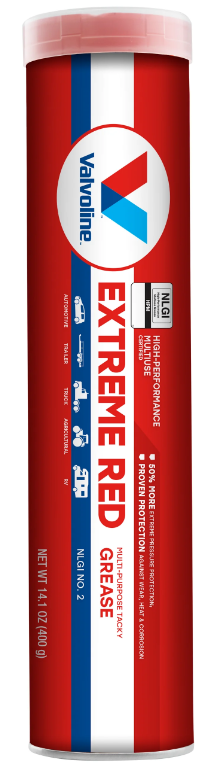
I realize I'm probably in the minority, but I didn't find that the Redline CV2 lasted any longer than the Mystic or Lucas. I just repacked my bearings last week and the grease looked a bit lacking after only 9000 miles. Much like DewDev, I couldn't find the CV2 readily available locally and it's become a bit expensive online. This go around, I'm trying the Valvoline Extreme on the bearings and zerks.
2 points
-
Looks great! Glad you left room for ventilation, top and bottom. We just used wood blocks tabbed in with epoxy. The novakool is a great fridge. Too big to get through the narrow space between the microwave/fridge compartment and the shower wall in our older elite. You'll love it, I'm sure. Same bd35 compressor as all our indel b fridges, but you get a bigger capacity, and bigger freezer compartment. Nice work!2 points
-
Hello everyone. We are long time motorhome owners preparing to make the jump to the travel trailer experience. This will be an incredible downsizing experience for us. We typically do not go to the local campground a stay for a few days like many campers. We are traveling campers, usually gone for 1-4 months, with overnight stays from 1-10 days at each stop depending of the location interest. My wife is a reader and enjoys journaling. I am a landscape and wildlife photographer. We enjoy a mix of national and state parks, county parks, and some private campgrounds. We will stay at a KOA if we need full hookups and nothing else is available. We are impressed with both the build quality and design of the Oliver Elite II. This comes at a high price when compared to the cost of other travel trailers. We will be towing with a 2024 Toyota Tundra with minimal payload capabilities. Question 1: Do you recommend using a weight distribution hitch on a trailer this size? Yes/No ? Andersen? or Blue Ox? and why? Issue 2: Best advice on how to manage food with the ittty-bitty fridge. Question 3: How do you best manage clothing with available space? Which floor plan, options, and modifications have you found to be useful? We are thinking twin with most options and platinum package and 640AH batteries. We do not want the compost toilet. Your thoughts and ideas are appreciated. We are really looking forward to this change.1 point
-
Hi. My wife and I downsized from a triple slide fifth wheel and now have a twin bed LE2. We find we can fit enough clothes in the trailer for about 2 weeks of warm to moderate temperature travel. A little less if the weather is cold. As for food, the pantry and fridge are big enough for about 2 weeks of food. One thing to note: the new fridges have more fridge space but less freezer space then ours, so you may be more limited on the frozen side. We have the standard black tank. 3 days if you're using it exclusively, but we've gone several weeks by using bathhouses for everything but those early morning/late night calls from Mother Nature. Expect over 2 weeks on the gray tank if using max water saving measures. If using for daily showers, etc., then probably 3 days. You'll need an Andersen WD hitch with your truck and an LE2. We have a lot of stuff in the bed of our truck: Clam, chairs, mats, griddle, table, etc., etc. so watch your cargo weight. We have the Platinum lithium package and love it. It's the saving grace of this trailer. Haven't used our generator for 2 years (we don't use the AC much). We also love our additional street side awning. It's one of our favorite features. Keeps the cabin much cooler and gives you shade all day long. One final word. We may be an outlier but our 2022 Oliver has not been without issues. Some were not Oliver's fault, some are. Most minor, some major. It's a good design using good materials but, in our case, it has certainly not been trouble free. In fact, we have a cosmetic fiberglass issue right now. Maybe we got a bit of a COVID camper, maybe just bad luck, but I want to be honest about that. Thank goodness the Oliver service team is generally exceptional and none of the issues seriously interfered with our plans. We still like our Oliver and find it very comfortable and easy to find sites for.1 point
-
Here is what I found out.
1 point
-
Glad you're safe and powered again. We used our RV as a lifeboat for over a week after Hurricane Irene. Nice to have that option.1 point
-
This is the area of testing where I like to use a non-contact voltage tester. Mossey1 point
-
I should mention one more thing. There is a scam artist that spoofs local towing companies. A friend was the victim of this when I was there. I recommend that you look up and save the correct phone number/s for local towing companies before venturing out, in case you need them. My friend paid $600 in advance over phone and then the company never showed up; it was a reputable company -- but he had 'looked up the number on google' and it was a spoofed phone number.1 point
-
Now I'm back to @Rivernerd's suggestion. Get a multimeter, or someone who knows how to use one, and follow the electricity's path until you find the problem. Test your home outlet, test the power at the end of the shoreline cable, test the power at the back of the shoreline connector in the trailer, test the power at the EMS input, test the power where it enters the circuit breaker box, test the power coming into the GFCI outlet, test at the AC, and keep going down the line. But this means working around live power and knowing how to use the meter correctly. You might be approaching professional assistance territory.1 point
-
I have several recommendations, having spent weeks in that region this year: North Rim of GCNP is very nice, less congested, less commercial and there are plenty of NF boondocking sites that are within reach. From the Kaibab NF near the North Rim, you can also take day trips to places like Vermillion Cliffs, White Pocket (if you have OHV or hire a guide with capability), "The Wave" (be aware that tickets are required in advance -- for many of these highly desirable locations) and other places. Kanab UT is a great central location for camping before heading to Zion, as there are many things to see and do in that area: Pipe Spring NM, Dinosaur Tracks, Coral Pink Sand Dunes SP (where you could camp if you want hookups), as well as day trips from Kanab to Zion, Bryce, Red Cliffs and other sites. St George is much larger, and in my opinion it isn't as walkable as a city, whereas Kanab is entirely walkable. If you stay in Kanab, they have farmers markets two days a week, a great library, some interesting museums, good groceries, free fresh water and a very friendly Post Office where you can receive mail General Delivery (not all USPS will do that). I concur with others on trekking poles; take at least one with you. Learn and understand about driving in sand. Understand how the weather impacts the "dirt" (sand) roads. Plan your timing accordingly. As Spring marches on, and the dry weather extends into early summer, the sand becomes more treacherous. One Park Ranger warned me about trying to drive through the western section of GCNP (the section that is southwest of Pipe Spring NM) because "it's so dry that it's easy to get stuck and it can cost you $3,000 to get towed out". Don't pull over on the side of the road unless it's paved or you know that it's going to support your vehicle. I saw many 4WD vehicles mired in the sand, in late May and the first week of June. One area where I walked, the sand would rise up over the tops of my shoes with each footstep. It was like quicksand, but thankfully not quicksand. Once the monsoons hit, I was told, some areas of sand turn into mud that can be equally treacherous. This condition depends on the area, of course. You might call USFS offices in the region and ask -- I found them very helpful on information. You might switch around the order of your itinerary, to plan the sandy places earlier in your trip. That's my two cents. Have fun!1 point
-
Yep, that would do it. Didn't the OP say they cycled all the breakers, though? Could be a failed breaker... But, how is he getting any reading at all from the circuit tester if the circuit is dead? If the outlet's actually dead, the circuit tester wouldn't light at all. Could be a cascading failure, more than one failure point. Hot/neutral reversed caused some other damage to the GFCI or the AC unit. Or maybe the EMS is on Bypass?? @Collier and Joan: please verify the small black switch on your EMS display is not on Bypass.1 point
-
Not an electrician here, but searching online suggests you could have a loose neutral wire.1 point
-
Personally, I would swap from the South Rim of the GC to the North Rim. There is a world of difference.1 point
-
Be careful in how you plan for fall in Montana. Understand seasons in this neck of the woods can come and go in nearly a split second, and what most people think of the autumn months can be the dead of winter compared to their normal view of this season. Lived here for nearly half a century and have seen temps plunge to sub zeros mid September when the day before it was in the 70-80's or more. Colors start turning much sooner than other states too, usually by mid September and all but shot by the 3rd week of October if not sooner normally. Elevation plays a key role in this. The Flathead Valley area as well as Glacier will usually have color lasting a bit longer due to the lower elevations at base but again there is no guarantees other than to expect rapidly changing weather patterns. Yellowstone elevations are much higher as well and thus tend to end sooner. Hope this helps.1 point




.thumb.jpg.e34bf01ef7f7d5e99ad31856d45afbeb.jpg)









-
Recent Achievements
-