Leaderboard




Popular Content
Showing content with the highest reputation on 12/06/2025 in all areas
-
I am grateful for many things but would like to take this opportunity to tell you how grateful I am for the support of all the Oliver Forum users. We were complete rookie boneheads when we purchased our Oliver but certain we had made a good purchase. The Oliver was a great purchase but a big part of the value has come by surprise by way of this forum. When you are Ignorant, you don't know how ignorant you are. With the support of forum users, we have progressed from rookies to competent Oliver users and learning everyday. This forum has provided us with knowlege to safely drag a 6,000LB projectile around the country, make educated decisions for general maintenance and upgrading our trailer. The User Forum has increased our enjoyment of our Oliver by 50%. When ask about our Oliver, I say we love it but a huge part of the value owning an Oliver is generious support from the Oliver user forum. Let us be the first to wish you the best on however you celebrate the Christmast season. Chris and Tracey6 points
-
Our much older 2500 series truck was borderline in needing the Andersen WDH. I’ve used it since the manual says to do so over 5K trailer weight and it towed much more smoothly! New Alcans, new 5200 lb axles and we had a few items bounce around. Hanging clothes came off the closet rod, a kitchen drawer opened (never before) and stuff in the attic certainly bounced around! Nothing during a second trip and we only have 1000 miles since. This trip, I went without the Andersen WDH. Descending from Prescott at 5400 ft to The Valley, a 4000+ ft descent, more than most of us do day-to-day, our rig drove like a train on rails! I believe the Oliver suspension is now taking care of itself, very lightly affecting the tow vehicle. Secure the items that bounced around and set correct tire pressure! 55 PSI is only correct if you are carrying about 8,000 LBS GTW! We run at 45 PSI.😎3 points
-
👍👍 You won't regret that move up, and there won't be anymore battery management concerns. You won't be on that 24/7 monitoring😊3 points
-
I'm grateful for the many opportunities that life has placed in my path. As we approach Thanksgiving, I would like to challenge each of you to find a grateful moment,off the general hook. I am grateful that this year, our daughter has found an amazing guy, who cherishes her, and loves her, and will always put her first. I am also grateful that we have joined a community of souls who share, and tolerate other opinions. Most of all, I'm grateful for those who want before me. Mom, dad , grandparents, and great grandparents who just threw it to the wind, and jumped the ocean. Yes, I'm grateful that I own an Oliver, but, as you see, it's way down the list. Sherry2 points
-
JD is right, your numbers seem too low. This can be caused by several things. Most frequently it's low gas pressure in the burner caused by a restricted orfice jet clogged with debris. If fan runs without heat then could be the Sail Switch sticking. They can get corrosion on the pivot and need to be cleaned. If the gas sounds like it's pulsing, and you hear clicking, then it could be a failing Limit Switch. Then there is the flame sensor, looks like a thermocouple rod, they can get sooty from a poor flame. Take a look and listen while the furnace running; you should hear the gas roaring with a good steady burn. If it's weak or whistles then check the orfice. Flame should be steady and strong, not yellow. If it cycles about every minute-- with a burn then a click, then it's likely the limit switch. There are videos for all of this. I'd recommend shutting off the gas, opening the unit up from the outside, and just doing a thorough inspection and cleaning of things that you can easily access. Then you can try it again and see how it works. Stay warm and check out the Borrego Springs underground visitor center. I helped build it about a half a century ago. Cheers, Geoff2 points
-
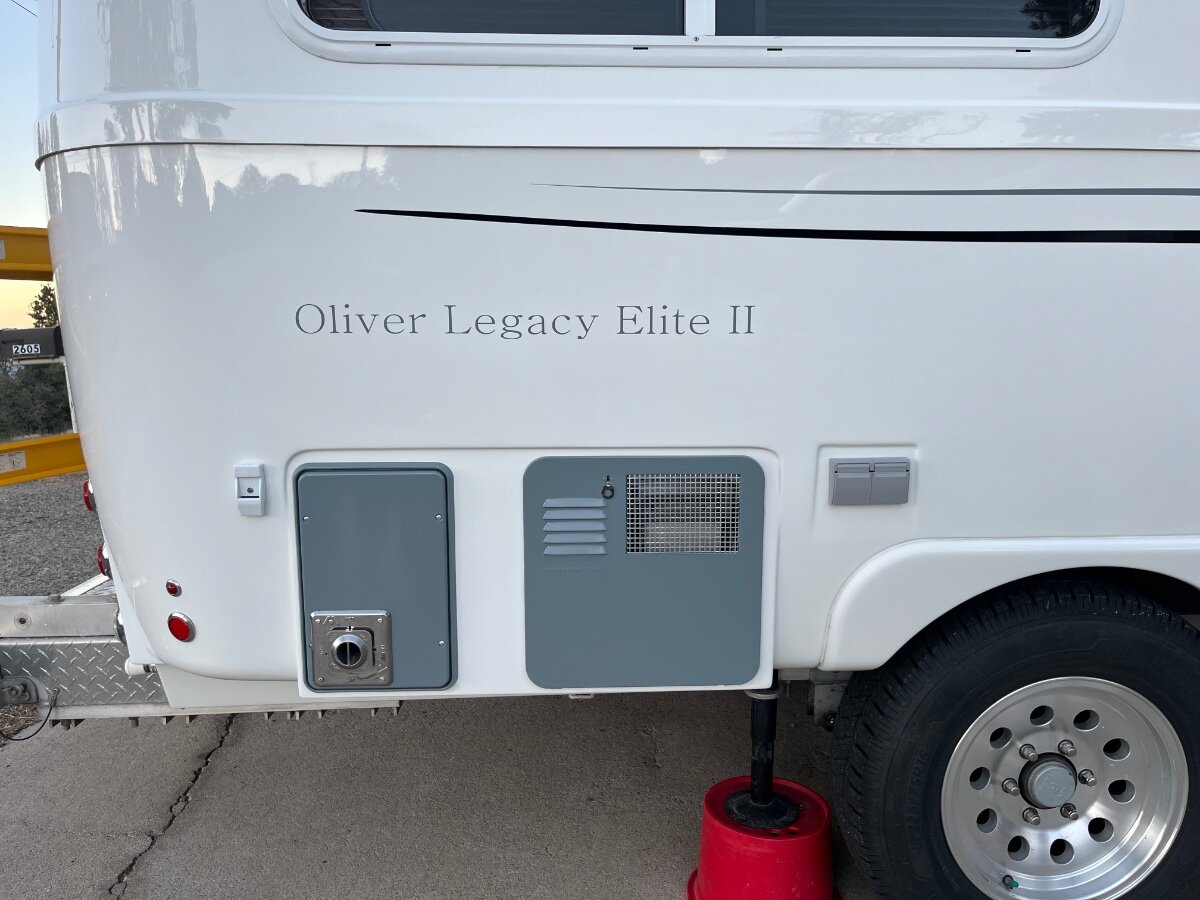
These are bad numbers, so I would conclude your furnace needs some sort of maintenance. An easy task is to remove the exterior panel and LP vent. Make sure all is clean and there are no flow obstructions. Fire it up for a minute with vent off and see if you can observe the burner in action for a clean blue flame. Check for any documented manufacturer's troubleshooting steps. I say these are bad numbers in comparison to our Atwood furnace. We left camp for a long dinner with friends last night. Since we left our dog in the cabin alone, for safety reasons, I turned off the HWH and furnace and the LP at the tanks. When we returned it was 57F in the cabin (outside was 49F and windy). I turned the thermostat up to 66F and although I did not time it, it seemed like 20 to 30 minutes max and the cabin was up to 65F. I do not have a proper instrument to measure air temp, but I placed a meat thermometer in the main duct. It started at 119F and stepped up to 172F! After I heard the gas shut off, the temp dropped back down at a similar rate. I also have an infrared temp gun which measures surface temps. The inside of the duct measured in the 140s. Our furnace works better than new with ducting changes I've made, and given the numbers, yours seems to be in need service! Hope this helps and please let us know what you find out! JD2 points
-
@taylor.coyote I recently had a complete Lithium upgrade professionally installed with 2 Epoch 300ah batteries which do have built in heaters. The Epochs fit perfectly in the OEM battery tray. I selected ALL Victron components to include the Victron 3000 watt inverter/charger and the DC/DC charger. Our DC/DC charger is a game changer for us and eliminates the need to ever carry a generator again. Our Ford 6.7 diesel has dual alternators which made my decision pretty easy to roll with DC/DC charger. I considered Battle Born but the preferred the (2) single 300ah Epochs. If one goes down you have a back up. “One is none and two is one”. Charging our house batteries via our TV while on the roads less traveled is certainly a nice option to have while traveling rain, shine or in darkness. ⚡️Have fun with your conversion!2 points
-
Of course the answer to the first question depends on a number of factors - how cloudy is it and for how long is it cloudy? How depleted are the batteries to start with? I replaced my lead acid batteries (400 ah) with two 230 ah li batteries thus just about doubling the usable capacity of energy. But, my actual usage has stayed just about the same as it was before the upgrade. So, my standard Oliver solar panels have absolutely no problem fully charging these new batteries to 100% every day AND I have plenty of capacity in the event there are several days of no sun. Asking about brands of batteries is akin to asking about brands of truck, cars, etc.. To each his own. For what its worth, I purchased LiTimes and have had zero problems. However, I understand that Epoch is making a nice battery and, of course, there is always the higher end Battle Borns. Check to make sure that the manufacturer is using #1/grade A cells and then it is a matter of the features that you might want/need (i.e. bluetooth, heated, on/off switches, etc.). I'd wait on the DC to DC charging until you have the experience with the new batteries. If you actually need the extra charging then you can add it later. Bill2 points
-
Our 320W panels top off our three Battle Borns without issue. The only time they don’t get too 100% is when it’s a very cloudy day with no sun. MIke2 points
-
JD, I hope the no caulk works for you. I think you are making a big mistake. The tape caulk/rope used to hold the windows in place isn't designed for UV exposure. The sealant applied by Oliver is a secondary line of defense and designed to protect the tape caulk from UV exposure.. The tape caulk/rope will fail and you most likely would have to pull the windows, and start over. Living in Arizona you will have an accelerated deterioration. I spent 40 years designing sealant systems, for exterior work. High-rises, schools, and many more.2 points
-
Thanks for the reminder: we are so thankful that our daughter survived a brain aneurysm symptom free. Only 1 in 20 do. We are grateful of where we live in this land of rugged beauty, plenty of creature comforts surrounding us and family. Also we know the open road goes both ways. We can get out and see the rest of our glorious nation, but when the time comes, we know we can go home...2 points
-
I'm thankful that I woke up this morning. Thankful that the dentist didn't find anything wrong with the teeth this morning. Thankful that I have a nice warm house and plenty of food to eat. I could go on and on but at the moment what I'm most thankful for is Sherry reminding me to think about all of these things to be thankful for. Bill2 points
-
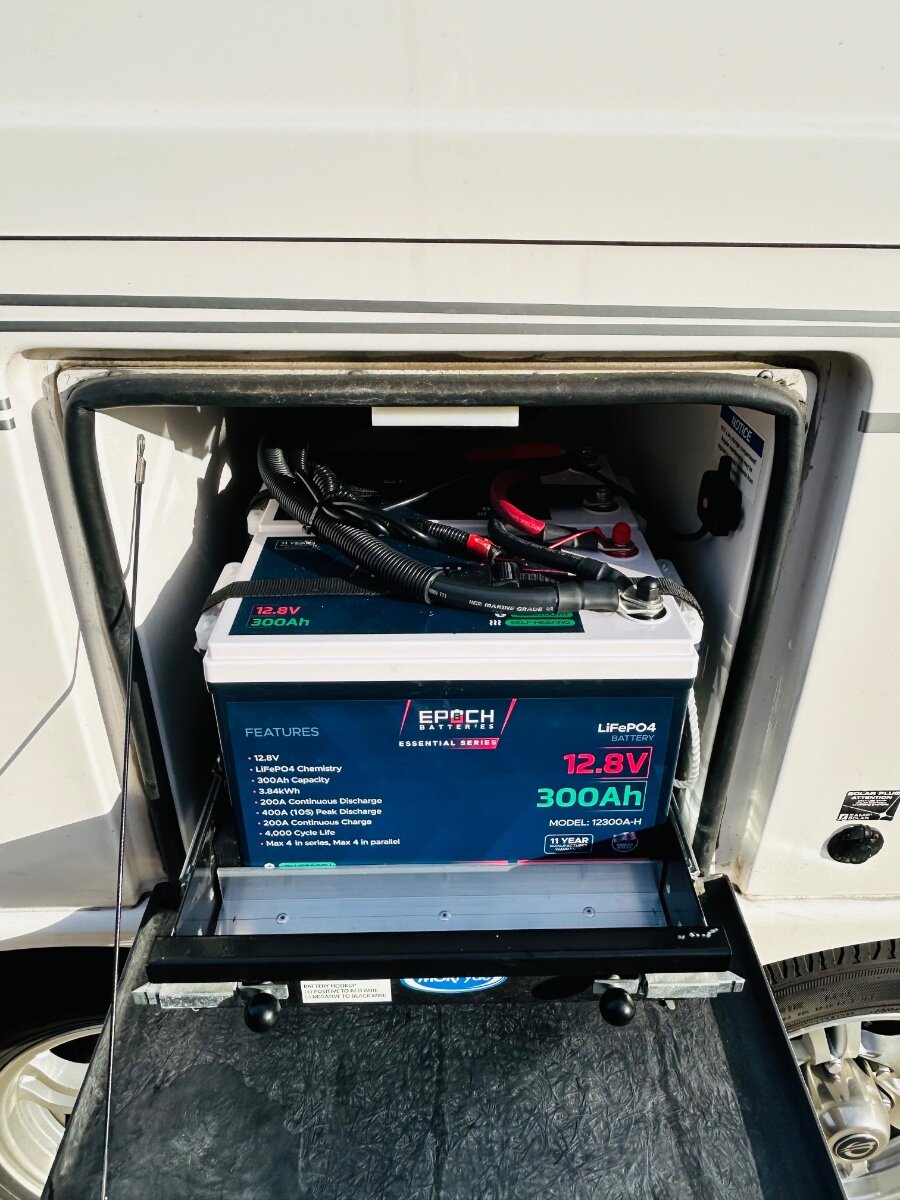
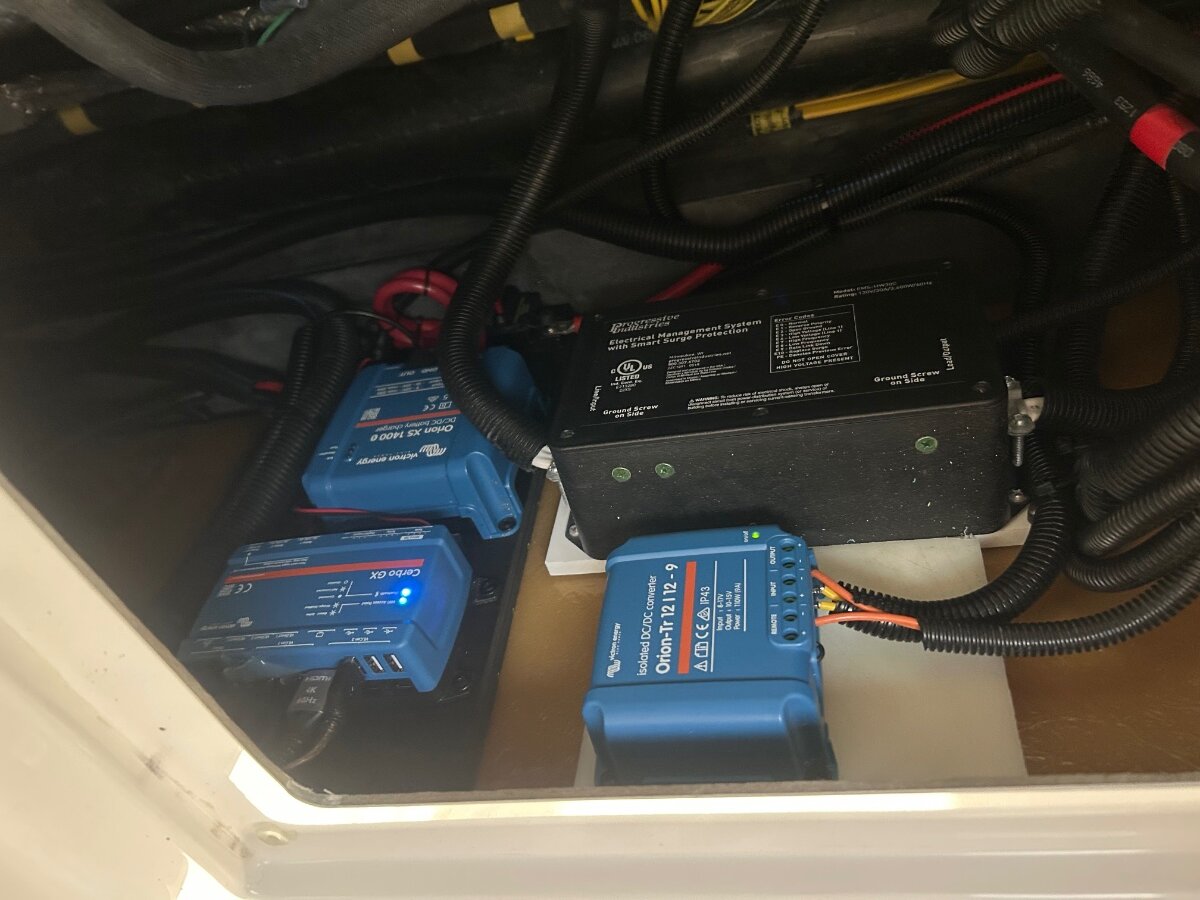
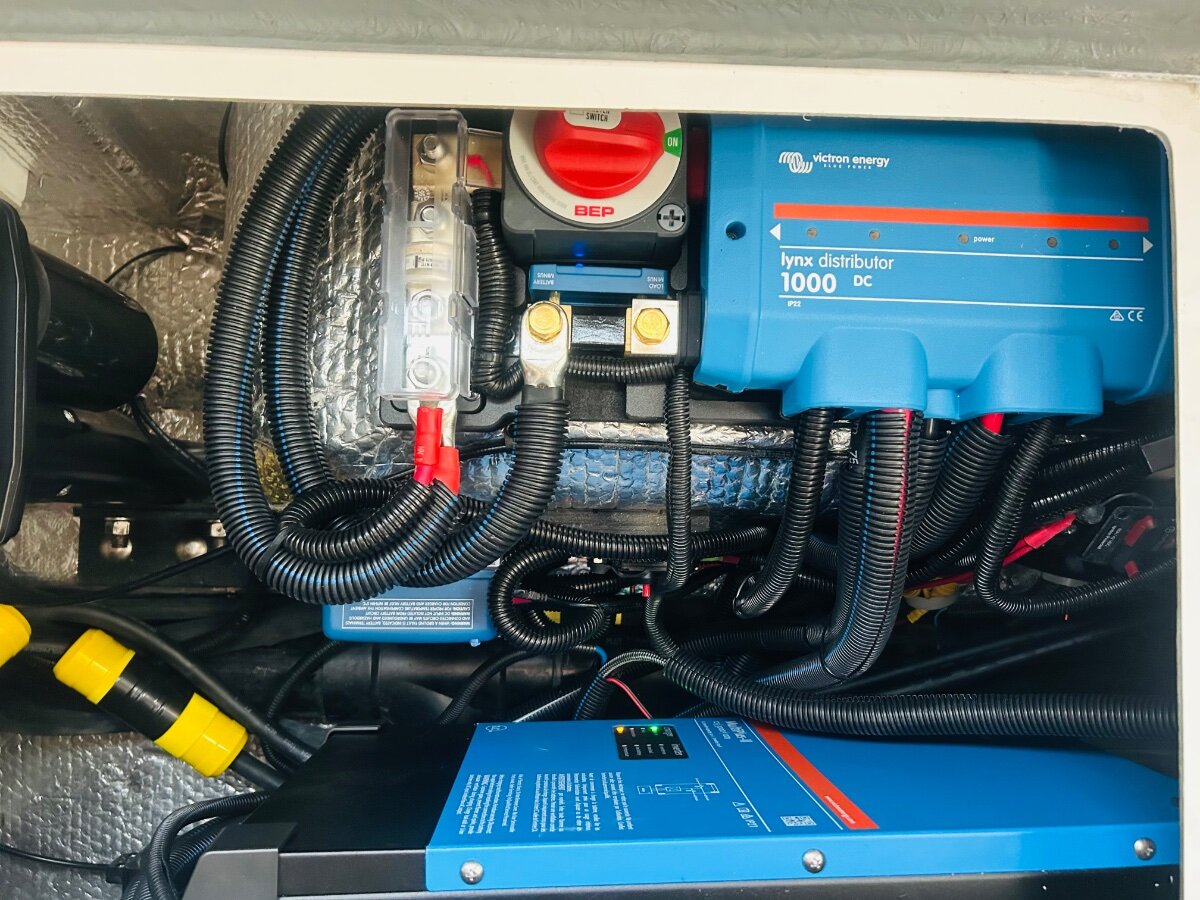
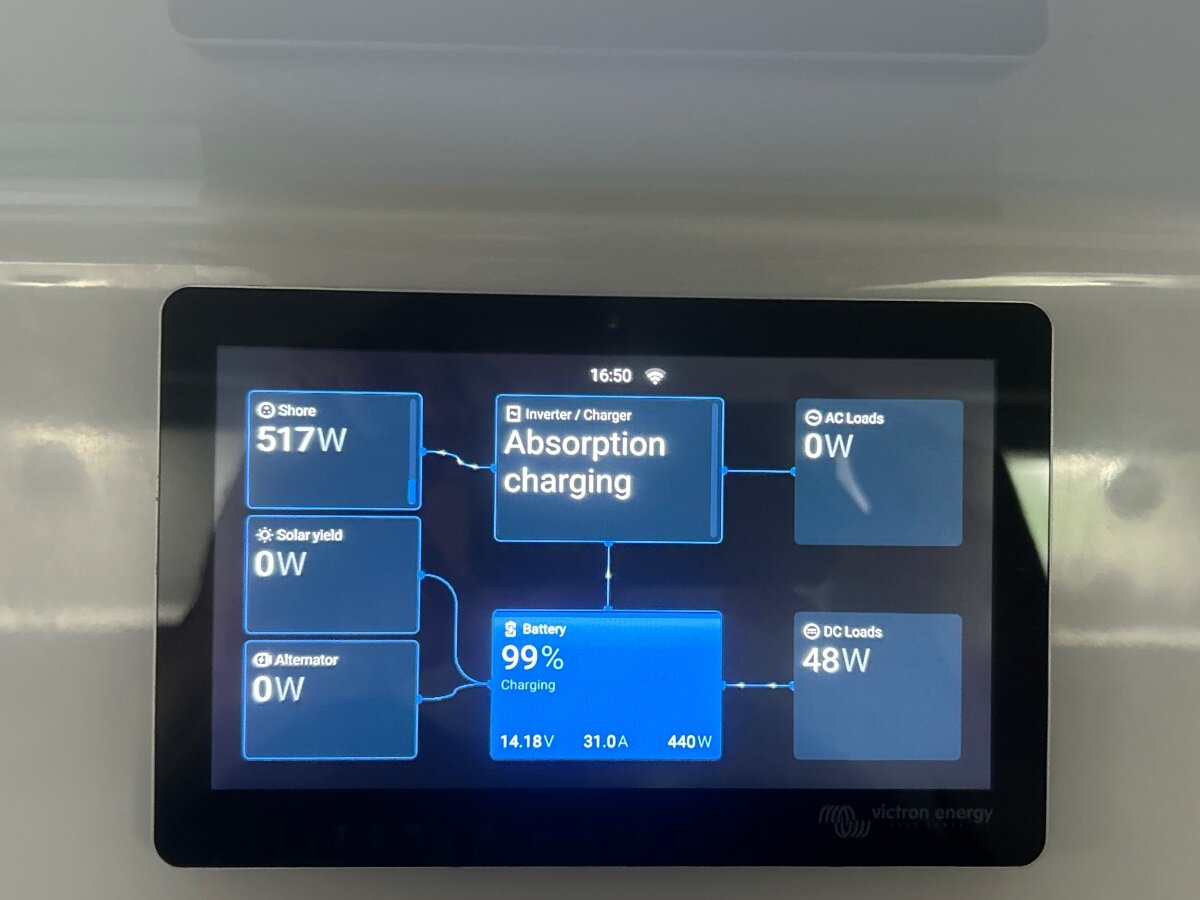
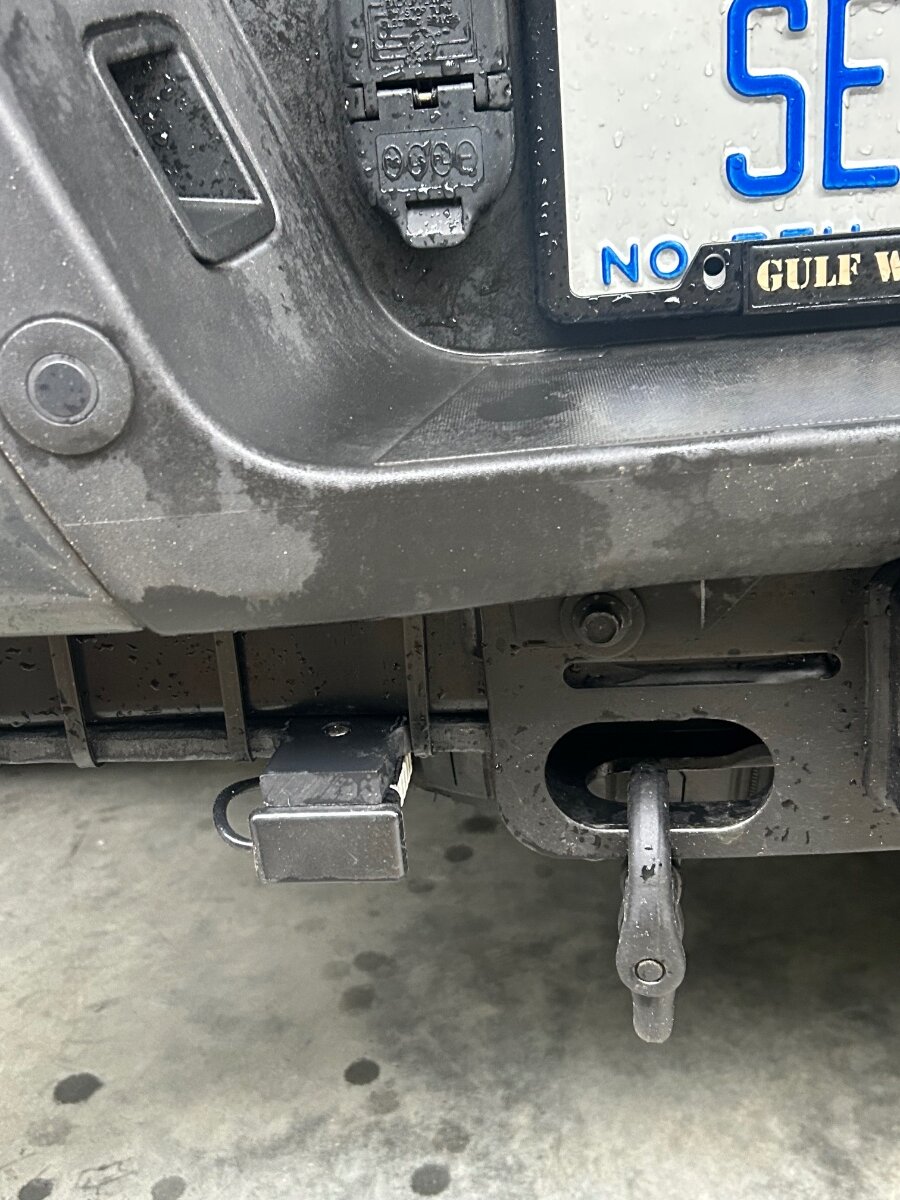
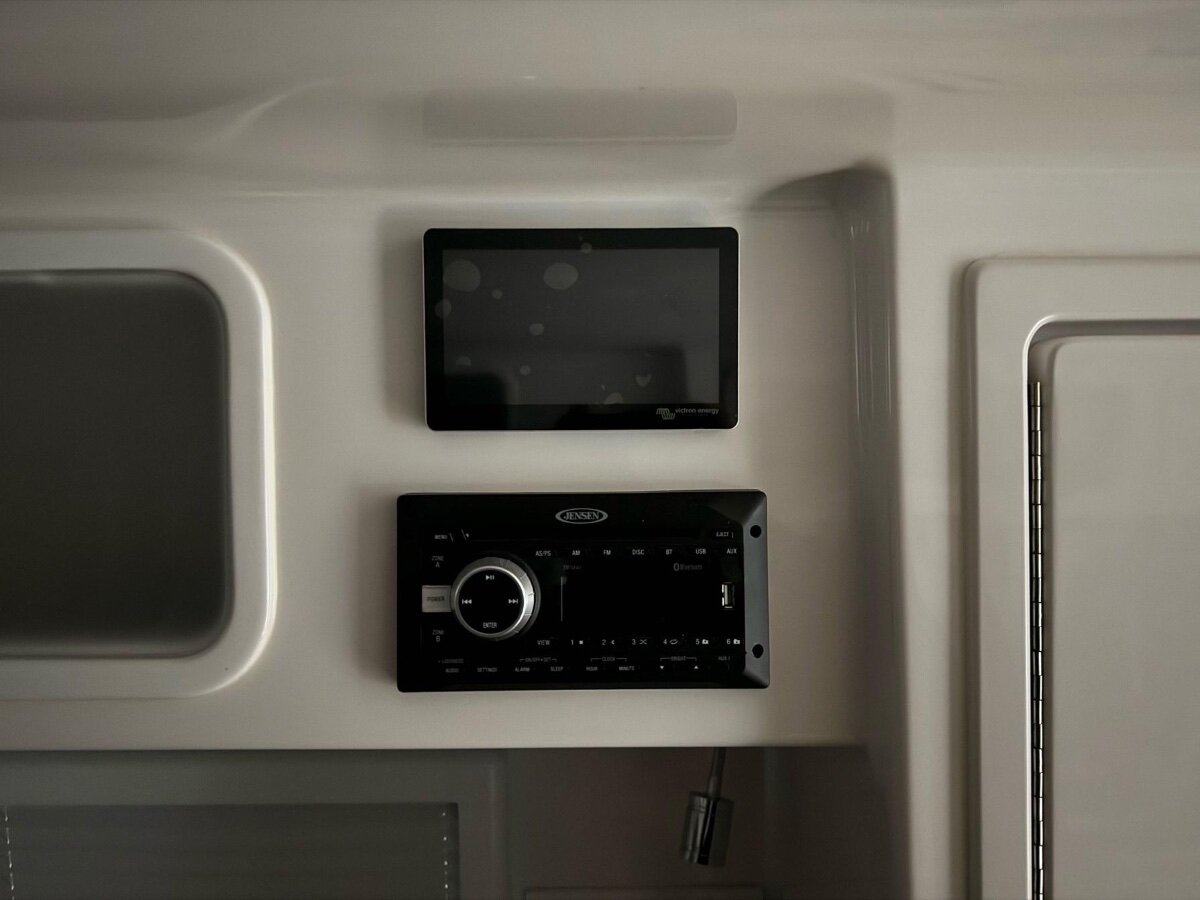
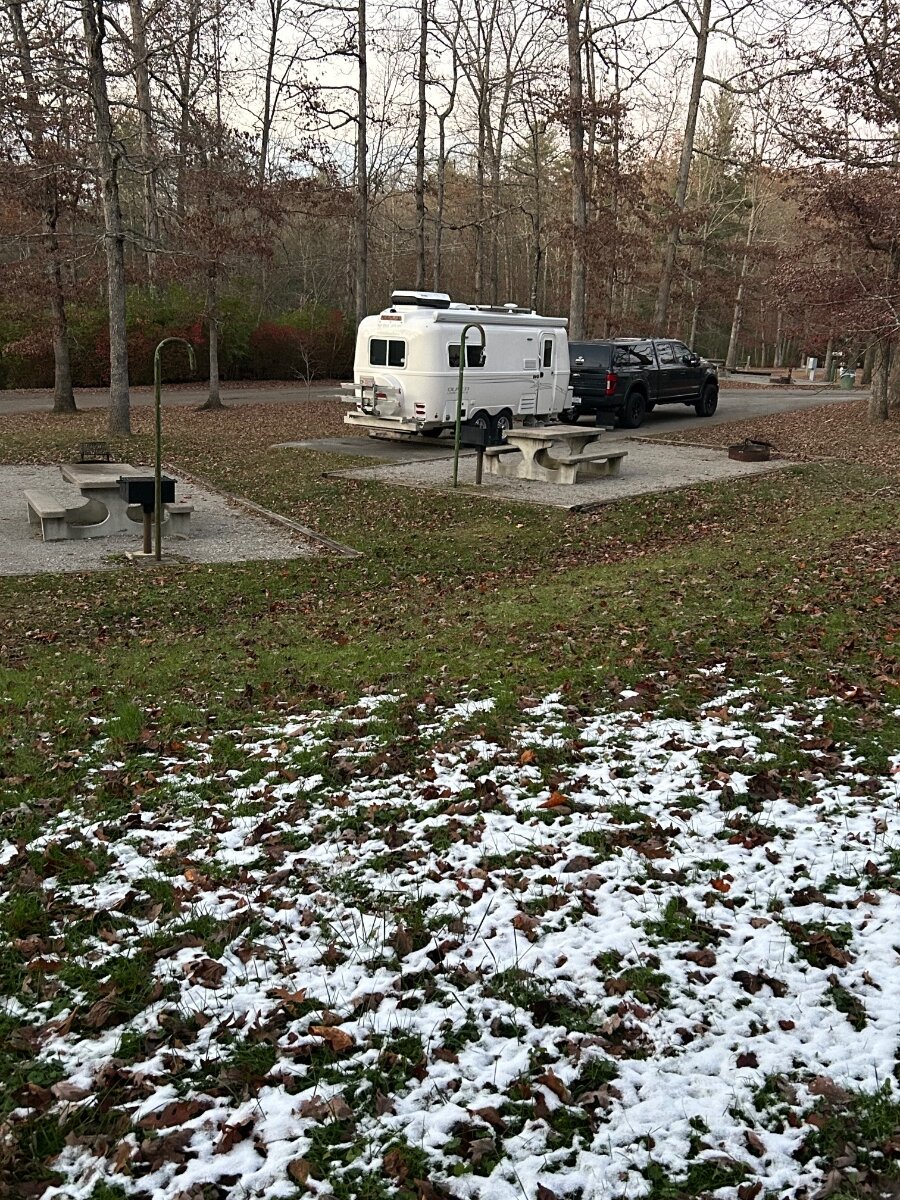
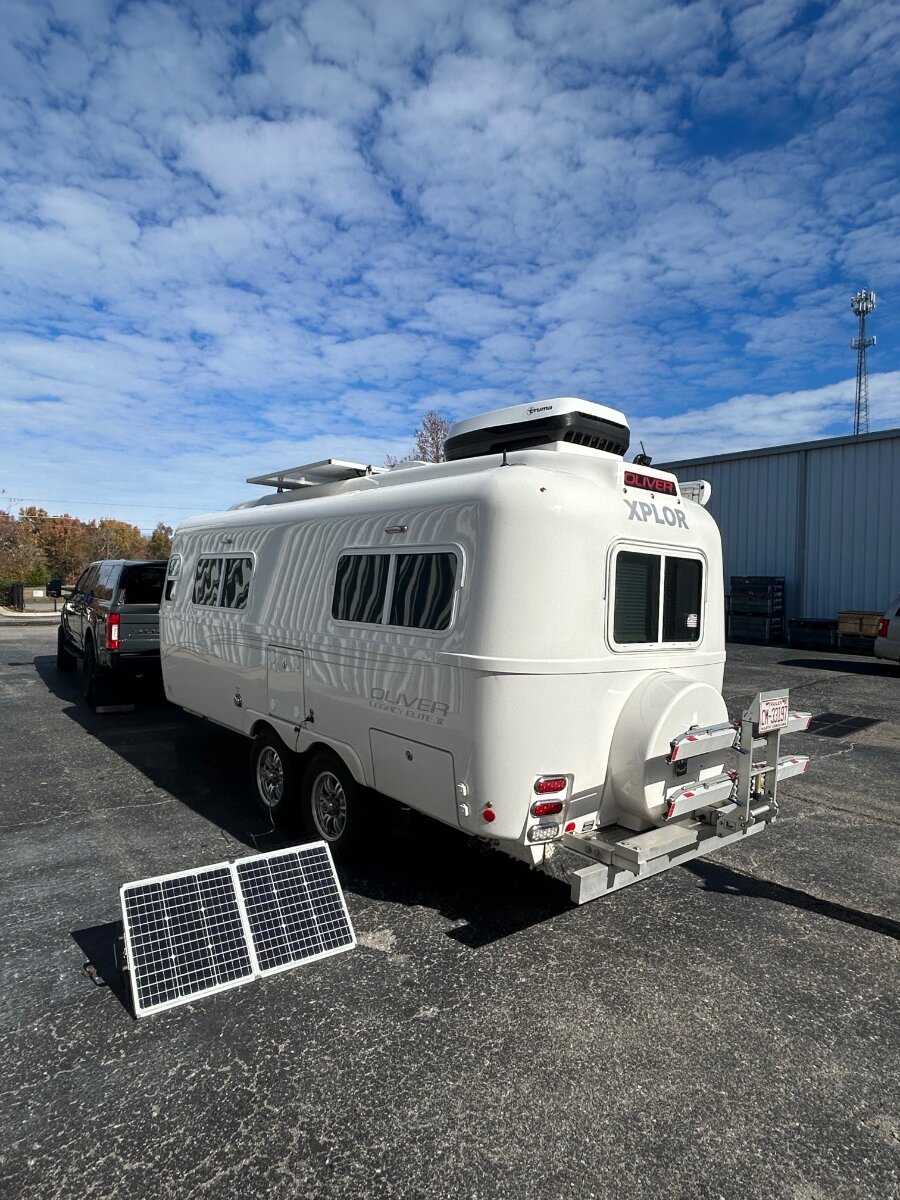
***Long Post*** XPLOR Hull #634 Victron 3000 watt inverter, Victron 12v DC to DC charger and Epoch lithium battery upgrade. Note: To discuss options and pricing, please contact Jordan Hall at Inverter Services, White House, Tenn. Our OEM AGM batteries were getting long in the tooth and it was time to upgrade our batteries to a complete lithium battery system on our 2020 Oliver LE2. Our good friend, and former Oliver owner Jim Posey, highly recommended we speak with Inverter Services in White House, Tennessee. I called and spoke with Service Manager Jordan Hall and discussed our needs and options. Jordan and his team at Inverter Services were excellent to work with and have a lot of experience working on Oliver travel trailers. Our tech/installer, Easton Ford, kept us updated on our install progress with photos and discussions as needed. We found Easton to be extremely detail-oriented and dialed in and focused on our project. We were originally scheduled to have this work done next March. After returning from our 54 day New England and Canada trip, I decided to call Inverter Services and ask if they had any cancellations. They did and we immediately took the cancellation. They are typically booked 6-7 months out. So we hitched op Oliver and headed to White House, Tenn to leave our Oliver with the team for 2 weeks. Important note: Inverter Services supports the RV and Marine industry in ALL things lithium battery and electronics. This is one of the most detailed and thorough, cutting-edge companies we have ever done business with. I chose Inverter Services to do this install because this is not my area of expertise and it absolutely is theirs. These guys are experts in their field and I admittedly am still in the learning process. Based on our excellent experience, we highly recommend Inverter Services in White House, Tenn if you are considering a lithium upgrade. We chose all Epoch & Victron following products for this install. (2) Epoch 300ah lithium batteries (internal heating elements) -https://www.epochbatteries.com/.../12v-300ah-heated... *Victron MultiPlus-II 3000w Inverter/charger *Victron GX 70 Touch Screen *Victron Smart Solar MPPT *Victron Orion XS DC-DC Battery Charger **We also had the RV Soft Start installed on our Truma Aventa AC. Inverter Services provides tech guidance/support/firmware updates as long as we own our Oliver. I cannot stress enough the pride this company takes in their work. As I think most would agree, Victron components are a class all their own and leaders in the Marine and RV industry. Post install, we have on board 600ah of lithium battery power, and with our extra 90W Zamp panel now configured to lithium, we have approx 410 watts of solar. This will certainly give us more options on the roads less traveled and boondocking. Still lots to learn on this new system. Now having the 12v DC -DC charger I don’t think we will see a need to carry a generator any longer. Thanks to all those on the forum who made the Lithium upgrade happen. ⚡️ The information gleaned here helped me decide the direction I wanted to take this install. ⚡️Happy Camping and Safe Travels! ⚡️ A few install pics- The Victron GX 70 touch screen fit the existing opening with no cutting or trimming of the fiberglass. Our system at a glance. The touch screen nice option if no cell service is available for the Victron app. Although with our SL mini that’s not an issue. Very happy with the touch screen and the Victron app. We can set the screen to time out at 5 or 10 min or longer and then go dark for sleep mode. Zamp 90W suitcase. 12v DC to DC Andersen connector. On our way home we camped at Cumberland Mountain SP in Tenn and gave our new system a shake down. It’s nice to not have to plug in. 😊
 1 point
 -
(Post deleted after noticing I was answering an old post.)1 point
-
Our Hull #1291 came with such a vent installed by Oliver. I believe that venting was required by Truma when installing our Truma Varioheat furnace. We have noted no moisture in the basement from the shower. We run the bath exhaust fan when using the shower, and for 10-15 minutes thereafter, venting most of the shower-generated moisture outside.1 point
-
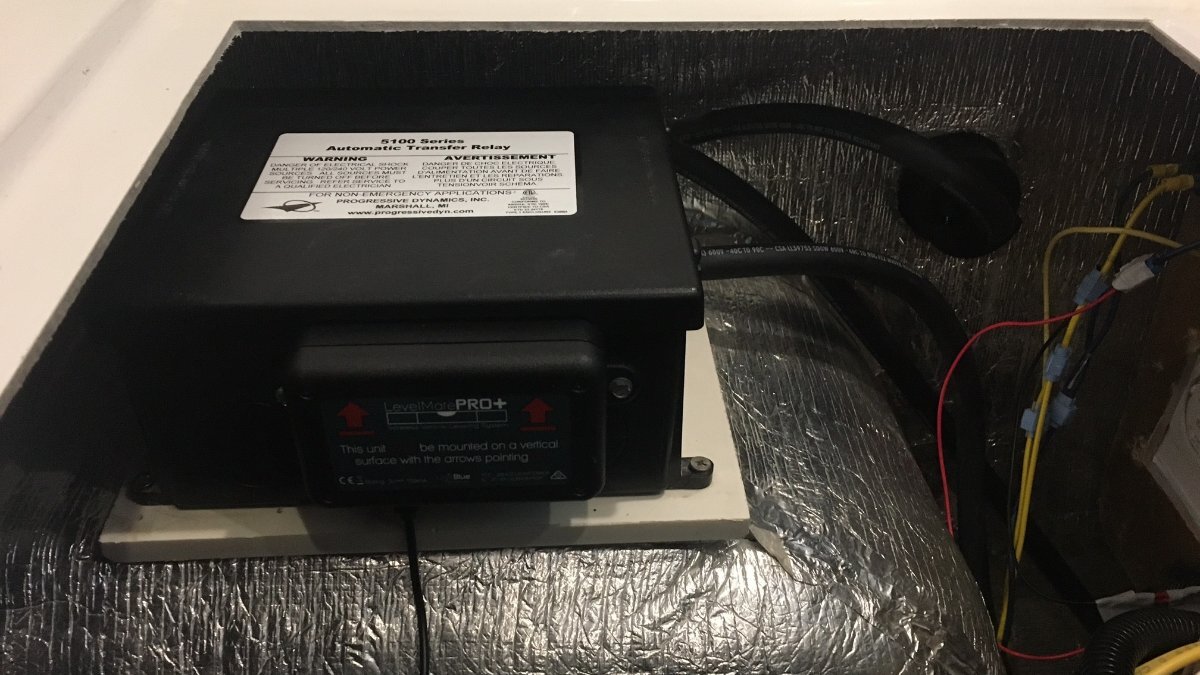
I'm with Bill and Mike on this one (except for the bubble levels thing)! I prefer to have all 3 jack controls in one location and the best possible location for all 3 is up front, right where they're installed! I back into our spot with the LevelMatePRO App ON (hardwired and always powered ON) to get as close to level as possible. We use the Andersen Rapid Jacks on one side when needed and then place the 8" round Andersen Blocks under the rear jacks. Next I'll place some sum of 1" blocks up front to achieve the best height. First I'll get the rear jacks to just touch (often in lieu of wheel chocks when the campsite is mostly level). I don't need to see them, I just listen to the motor, use your ears instead of your eyes! The motor will change pitch, just start to grind, when contact is made (first I turn off our noisy old diesel)! Then lift the front jack to release from the TV hitch, bring up the rears a little more and finish level using the LevelMatePRO App. We like to have the front up 0.5" and level side-to-side. No way you can be this exacting with a bubble level and the LevelMate can be used starting from the driver's seat! Adding the LevelMatePRO will be something you'll never regret! Get the PRO model which can be hardwired, easiest to mount under rear dinette seat (see pic). Add this great accessory, train your ears, and leave the switches alone! 😎
1 point
-
AI has the following to say on the subject of AGM battery life: "AGM (Absorbent Glass Mat) batteries generally last 3 to 8 years, but the lifespan depends heavily on usage: expect 3-5 years for deep cycling (RVs, marine) and 5-8 years for standby/float (backup power), with high-quality units potentially lasting longer. Key factors include temperature, quality, depth of discharge (how deeply it's drained), and charging practices, with extreme heat or shallow discharges shortening life, while proper maintenance extends it. " Therefore, as Mike says above - you are probably at or very near the end of life for your current batteries. Bill1 point
-
We found that after about 5 years our AGM’s started declining. We replaced them with 300ah of Battle Born lithium 5 years ago this month and we’ve never even been close to running out of battery power. If yours are four years old, it’s probably age combined with the cold weather that’s putting a stress on them. BTW, 300ah doesn’t sound like much compared to what some folks have installed but it’s been plenty for us even for extended boondocking. Mike1 point
-
I upgraded ours to the 2 5/16" ball with new cone earlier this year. After upgrading to Alcan Springs, I do not feel the need for a WDH anymore! It's like since the Oliver suspension is holding its own, not porpoising up and down, we're now towing smoothly without it! Anybody need a full setup like new? Likely there are a few sitting in Oliver garages! Still pretty much necessary for many 1/2-ton trucks.1 point
-
I love your math and will be using it as my sales pitch for new Nev-R-Lube axles to my wife. She'll then return the favor by letting me know what she'll be spending that saved money on!1 point
-
I think it is important to run the vent fan when showering, as well as post showering for a while with the door closed, to remove as much moisture possible; even in cold weather conditions. While running with the door closed, the vent fan creates a negative pressure within the wet bath and draws heated air in through the vanity HVAC duct and any installed lower vent from within the under dinette area for that matter. Once the wet bath is completely dried, the vent fan can be turned off and door left open, whereby conditioned air entering the under dinette area via an installed lower vent is less likely to cause adverse effects and possibly improve return air ventilation.1 point
-
My concern with this mod is that humidity from showers will be vented to the basement. That could be a problem in the cold areas of the basement in winter. in summer it may be a source of moisture for growing mold/mildew. Some have stated that such a vent would allow more air to flow into the bath area from the furnace. I doubt this due to the poor quality and long duct run to it. Frankly just keeping the bathroom door open when not in use will well ventilate the space with zero potental for unanticiated impacts below. If you want to vent the curbside front basement, I suggest adding transfer vent in the front curbside seat base area. Likely facint the CO/Propane detector. GJ1 point
-
I put some caulk UNDER not around the furnace frame and none around the windows. Looks much better now!
1 point
-
JD: Love it. A shameless Starlink recommendation! GJ1 point
-
Greetings, All! Well D and I went over to the "dark side" and sold Casa Blanca to a great guy from near Kerrville, TX, David Knight. Please welcome aboard @Kpaladin David into the Oliver family. We're now into our next chapter of RV'ing and starting new adventures with our 2026 Brinkley I 235. It's totally "Victron'ed" out and includes 600A-Hrs of Epoch LiFePO4s and 800W of solar modules. We'll stay in touch! MAX Burner
1 point
-
I promise no more cracks about the weather! 🤣 (Sorry about that.) We boondock more than we plug into shore power. We have 600 Ah Epoch LiFePO4 and 3KVA Victron inverter/charger that we run 24x7 and we use a LOT of 120VAC; run TV and A/V system morning and night, electric kettle and pressure cooker, Emeril air fryer, the fridge, HWH and the A/C on occasion. We also run the fridge on DC while towing and either the HWH or A/C the last 90 min on the road so that we arrive with either hot water or a cool cabin, whatever is more important at the time. Of course we could heat water on LP when we get there, but I'm about using the batteries we have! We can charge in 3 ways, 320W roof solar, 400W suitcase solar and Victron Orion 50A DC-to-DC charger (reason why we can run extra AC appliances while towing). If I'm running the A/C on the road, on a hot afternoon, SOC is likely already down to 75% when we arrive. The next morning after cooking dinner, watching TV... We're usually down to 62%. If it's another sunny day in the SW we will get back to high 70s and we applaud if SOC hits 80% using the solar suitcase. If it's a cloudy day, SOC will stay in the 60s and the next morning, we'll be in the low 50s. Another cloudy day then we're in the 40s SOC. If we're under 50% SOC we change things, like morning coffee water heated by LP vs. AC and I'll power down the inverter while sleeping. We are between 50 to 75% SOC most of the time. I'll run SOC much lower, if I know we are breaking camp and towing. The DC-to-DC charger will bring us 40Ah while towing. Three hours on the road will charge +20% SOC and if it's sunny +30%. I've run our batteries under 20% SOC now 3 times! Always from being DUMB! Like leaving the fridge on DC overnight, or the HWH (big amps) which is something most people would not even consider running on batteries. When I get the <20% alarm, I'll power down the inverter and use little to no power! 🤣 BTW, 75% SOC is the HIGHEST number you should maintain during storage! Keeping LiFePO4 batteries at 100% reduced battery life (see below). Which battery manufacturer really does not matter, it's about the LiFePO4 battery chemistry. I knew I was right about not leaving chargers on 24x7 from my 45 years of experience with lead acid in automobiles and AGMs in my motorcycles, but I was not sure about LiFePO4, so I looked it up. @Against The Wind, I found similar information on 3 websites and AI replied with 40-60% being the best range of SOC while in storage. Check out this from EG4 Electronics: At EG4, we recommend keeping the battery at 50% to 60% SOC. This range minimizes the stress on the battery cells and prevents chemical reactions that could degrade the battery over time. Avoid High SOC: Storing your battery at or near 100% SOC for extended periods can lead to reduced cycle life. https://eg4electronics.com/maximizing-battery-lifespan-best-state-of-charge-soc-practices/ Keeping at 50-60% SOC would be a chore, but SOC anywhere between 40% and 80% is better than 100%. Also, I strongly suggest we all USE the expensive batteries we've purchased! Nothing wrong with being below 50% when needed. Yes, one less thing to worry about! I used to worry. Chris still worries when we're in the 60s and she checks the apps too. I love what and how much can be run on LiFePO4 batteries today. Now that we're installing a highly efficient Turbro Inverter A/C, we plan to run A/C on battery a few hours in the heat of the day when needed. I'm looking at adding another 460 Ah in the doghouse, just behind the LP tanks, if I can move them forward enough! A total of 1060Ah. Now we're talking! 😎1 point
-
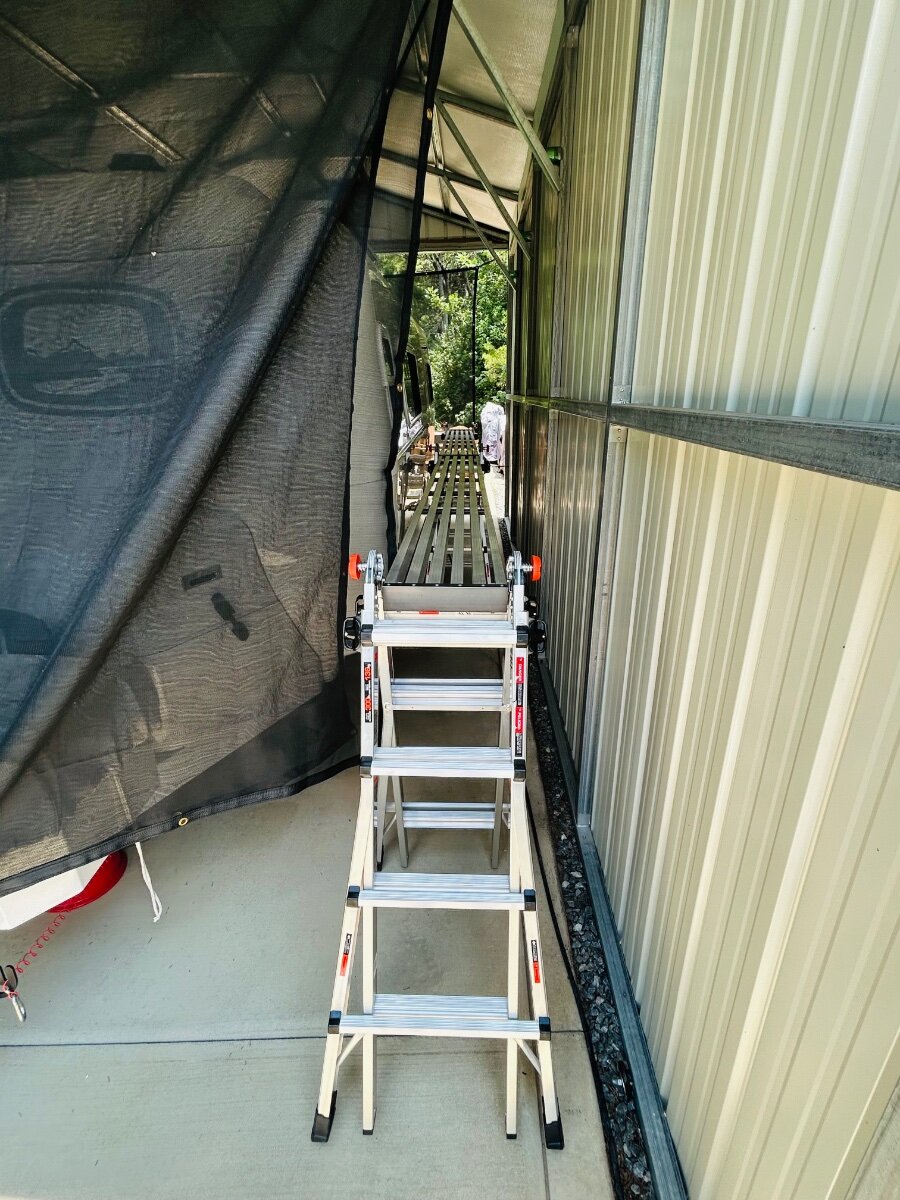
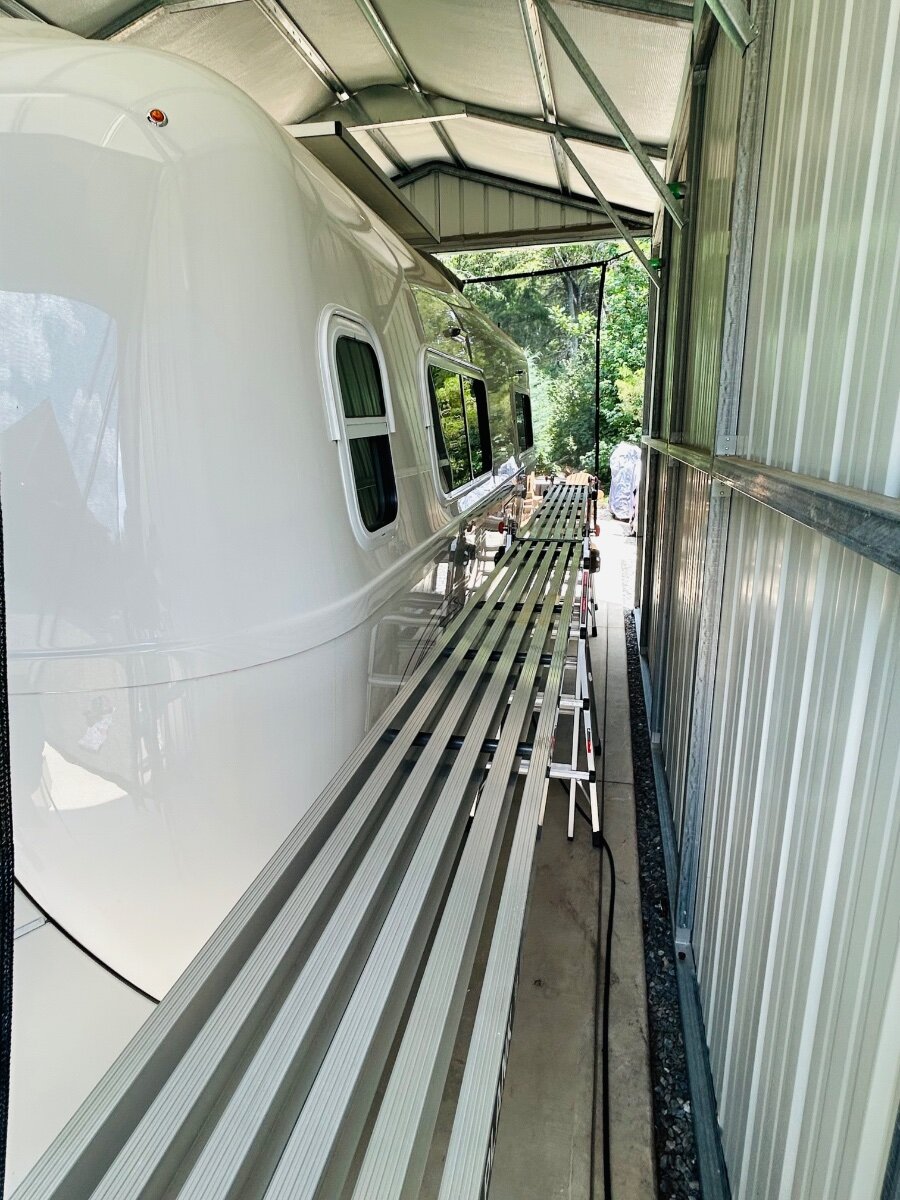
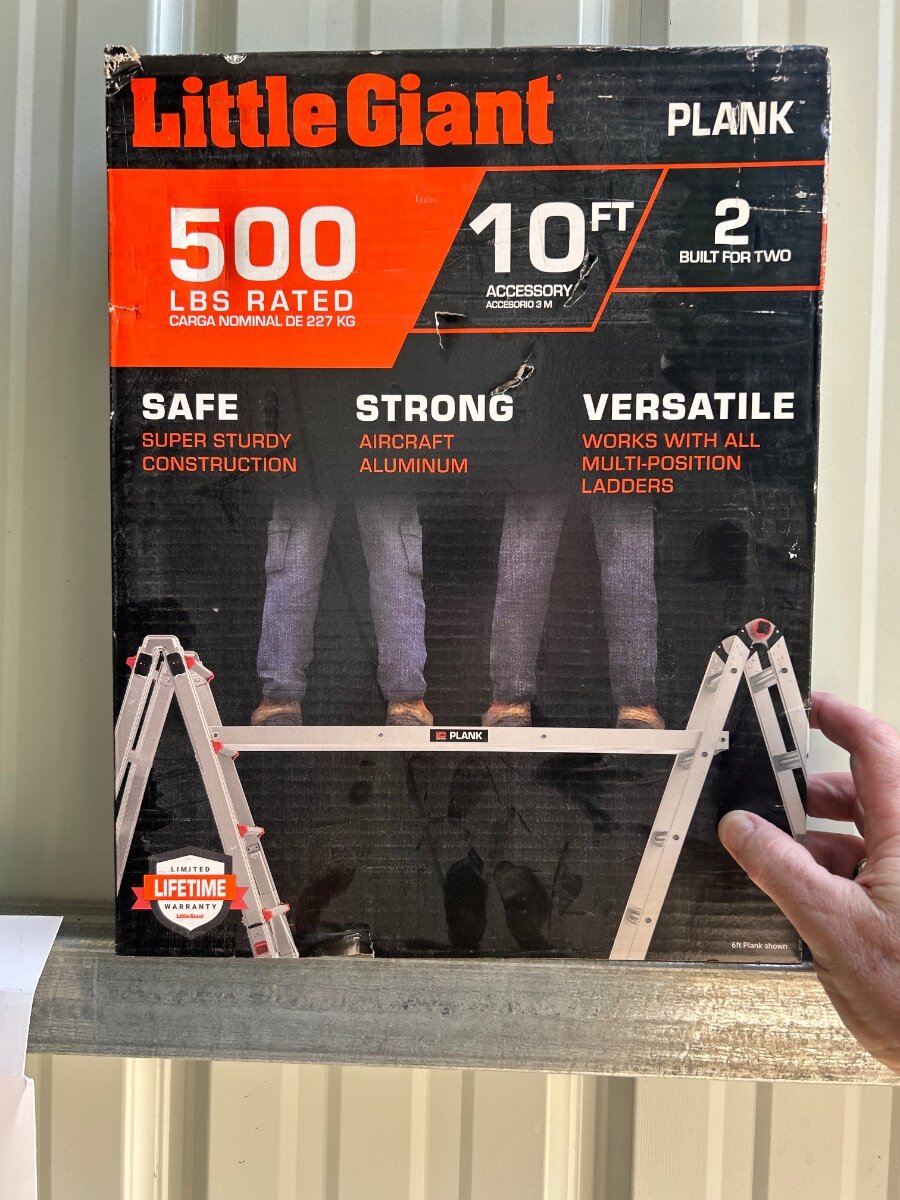
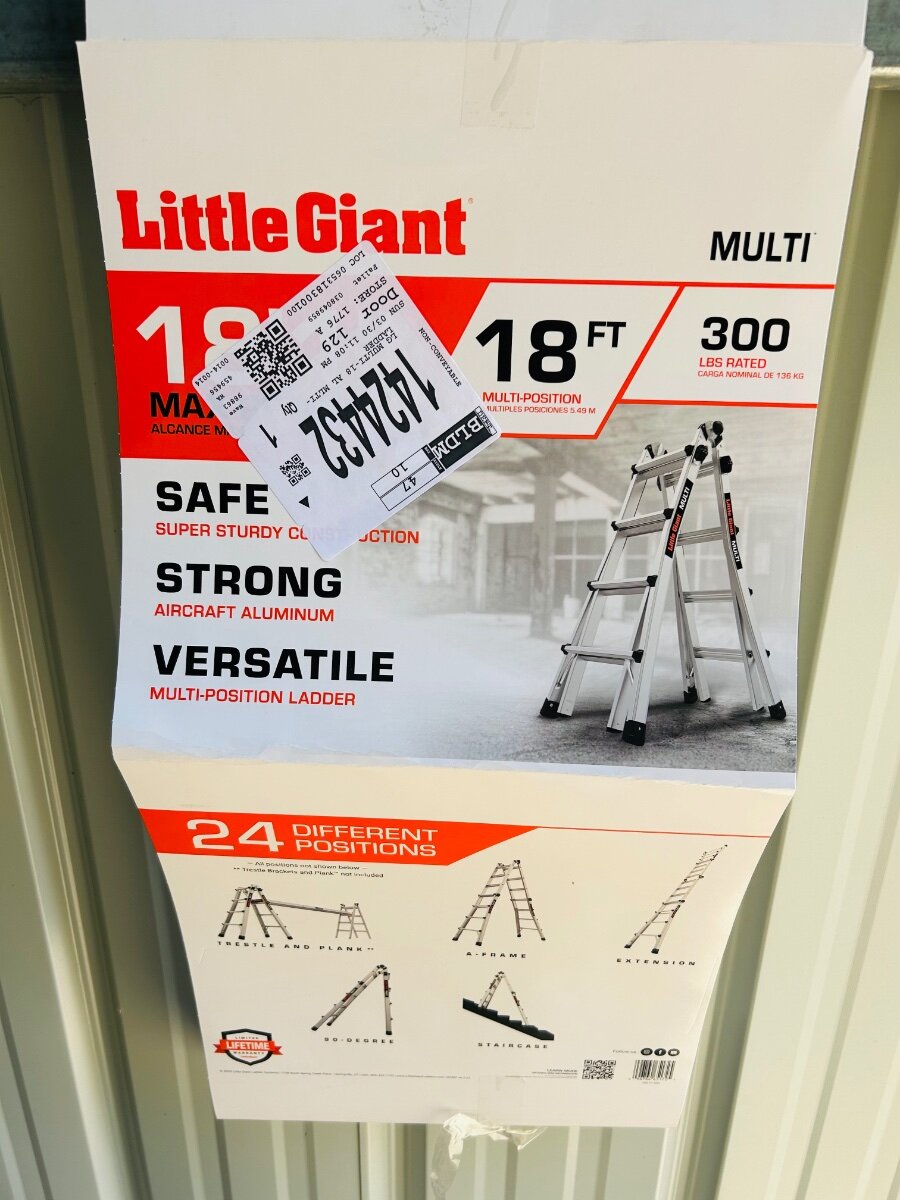
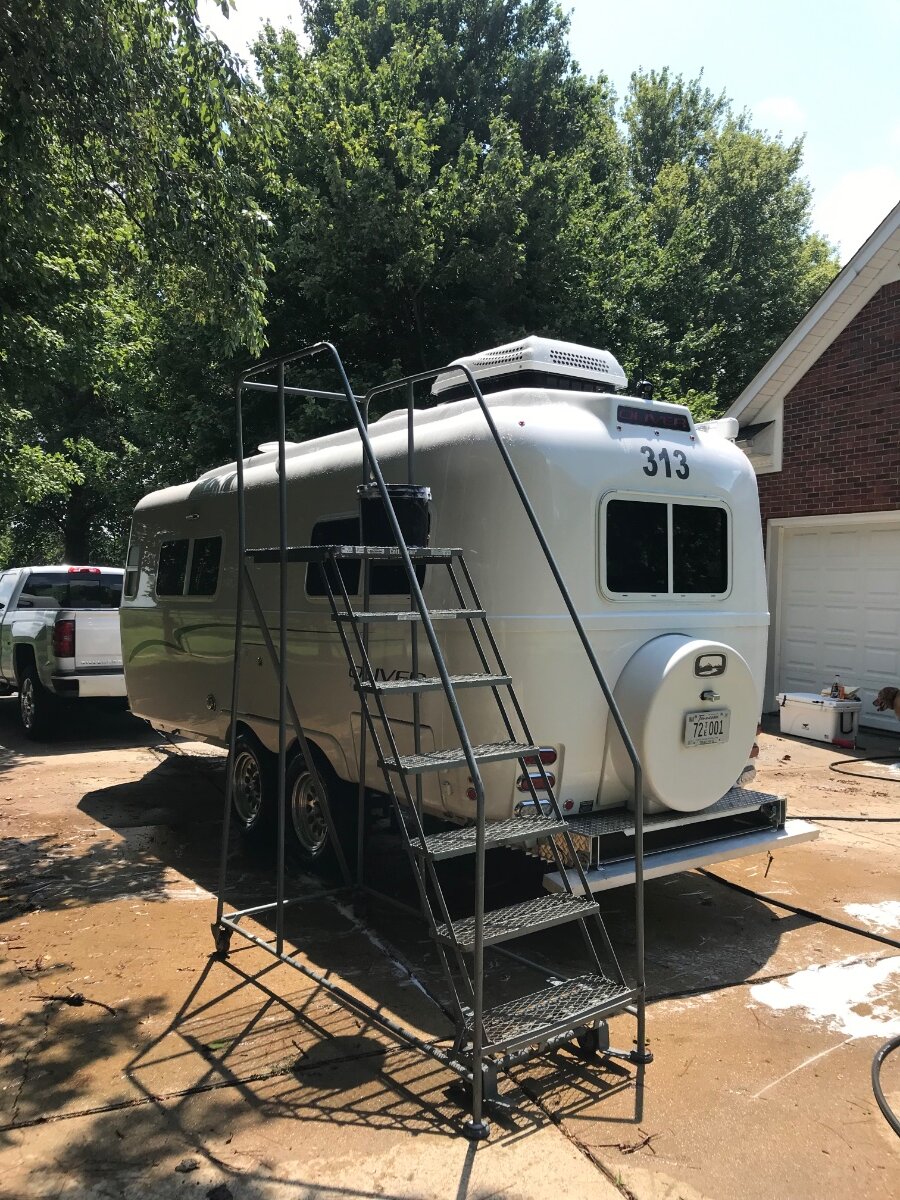
I have been thinking about a different, safer way to clean, polish and detail our Oliver vs the hazard of hanging off a single ladder. Seems like I just don’t bounce like I use to. 😄 While at CGI in April letting the guys work their magic on our Oliver, I took a real hard look at their Little Giant ladder and plank set up. I decided to invest in a safer way to keep our Oliver in tip-top shape. A big shout out to both Colin and Gavin at CGI. They really shared their valuable feedback on what works well for them. With not a lot of room on either side of XPLOR in the “Ollie Hangar”, this narrow rock solid no bounce configuration allows me to safely walk the 30’ plank…. Arrrrrr!!!🏴☠️ And getter done! (2) Little Giant planks - https://www.lowes.com/pd/Little-Giant-Ladders-Fixed-10-ft-Plank/5001578523 (3) Little Giant Ladders -https://www.lowes.com/pd/Little-Giant-Ladders-Aluminum-18-ft-Reach-Type-1A-300-lbs-Capacity-Telescoping-Multi-Position-Ladder/1001038922 W
1 point
-
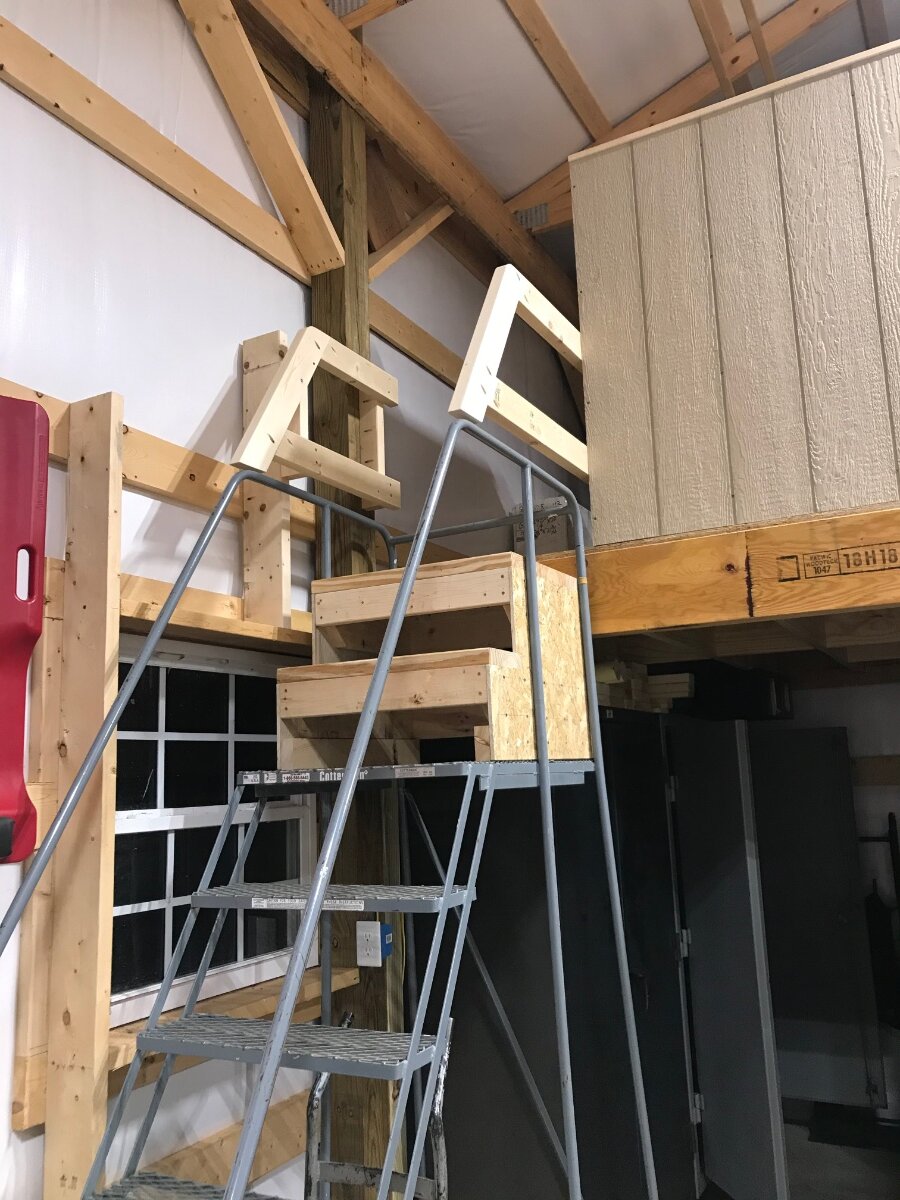
I can stand on the platform, lean on the handrail, and reach the center of the roof. Doubles as stairs to mezzanine in shop.
1 point
-
Today I added two 4" vents in the closet (one low and one high) in the same locations that OTT is installing in the newer Olivers. Additionally, I added a 3" return air vent in the bathroom that vents into the underside of the forward dinette seat like OTT is now installing. I also added one 4" return air vent like Rivernerd recommended on the hall side of the forward dinette seat. I will be testing the heating system with these new vents later in the early spring, The real reason that I am adding to the post is becasue I wanted to share where I purchased these vents. I looked on Amazon for 4" vents, like some have suggested, to get a price. I then called OTT and got a price for their vents. The price that OTT is charging is substanitally less than Amazon's price. I purchased from OTT 3-4" vents and 1-3" vent for about the same cost as Amazon was charging for one 4" vent. IMO, for those with older Oliver's, that want to added return air vents, I recommend to purchase them from OTT and save youself some money. Plus my new vents now match what OTT is now installing.1 point
-
I worry about Oliver owners with the Suburban furnace that close any heat vents (supply vents) in the trailer. This is almost always detrimental to the functioning a an HVAC system but in the case of my generation of the LE II it can be dangerous. According to my furnace manual, the furnace requires 25 square inches of unobstructed hot air venting to work properly. Even a few feet of lightweight flex duct will restrict airflow and any bends in the flex duct will restrict airflow even more. The two 4" round supply ducts in the Oliver total exactly 25 sq. inches at the furnace so technically, when the runs of flex duct are considered, Oliver has not ensured sufficient airflow for the furnace to operate at its best as it is. (An analogy would be someone that exceeds the GVWR of their tow vehicle). Closing one of the two cabin vents inevitably causes a sharp increase in back pressure against the furnace fan with the result that the fan cannot move as much air across the heat exchanger and into the cabin. The result is hotter air coming out of the remaining open vent but less Btu's in total flowing into the cabin, and the likely overheating of the heat exchanger resulting in the furnace shutting down prematurely (short cycling). In milder weather, this might not be noticeable but it is dangerous in colder weather because if the high temperature limit switch in the furnace ever fails, there is a serious risk of a fire. The only safe way to increase the flow of hot air into the Oliver's cabin is to increase the number or size of return vents, which will reduce cabin pressurization when the furnace is running and thereby enable the furnace to move more air (and Btu's) through and out of the supply ducts. In my experience, the key to comfort and balanced heating in the Oliver along with a warm bathroom is to ensure that all the hot air from the cabin must flow through the entire basement on its way back to the furnace, thereby heating the entire basement as well as the cabin. This requires additional return vents in the middle and front (bathroom) of the cabin.1 point






.thumb.jpg.e34bf01ef7f7d5e99ad31856d45afbeb.jpg)






-
Recent Achievements
-