Leaderboard



Popular Content
Showing content with the highest reputation on 12/06/2020 in all areas
-
Early yesterday afternoon I placed an Amazon order for several items that I had in my "cart". Then early yesterday evening I received a phone call from Amazon where a recorded message from a very professional lady told me that there were some "problems/irregular transactions" in my account and that Amazon was placing restrictions on the account. If I wanted to immediately speak to an agent I was instructed to "press 1". This call was fairly similar to emails that we have received from our bank in the past when a charge was mistakenly doubled or when we had purchased something a bit out of the ordinary. However, all of the contacts with our bank had been via email - as per our request. I didn't remember how we had told Amazon to contact us in the event of "issues" but one of those little voices in the back of my head said something just wasn't "right" with this call. Therefore, instead of immediately talking to an agent, I hung up and went to my Amazon account. There were no messages from Amazon there and all appeared exceedingly normal with the orders I had placed earlier in the day. So, I contacted Amazon and once I got past their computer's myriad of questions I actually got to talk with a real person. After explaining the reason for the call I was placed on hold and two minutes later they came back and said that there was no internal record of Amazon trying to contact me and that all appeared in order with my account. Also, I know that this phone call was not associated in any way with this Forum in that I have never given my phone number out on the Forum and it is not stored anywhere on the Forum. Given the amount of purchases that many (all) of us make on Amazon and the time of year that it is, I urge all of us to be very careful. If something just doesn't seem right or if you have that little voice in the back of your head talking to you then just pause for a moment and check things out. Bill p.s. Just for grins - I also changed the password to my Amazon account!7 points
-
Ok - old grumpy guy comment....... - I just don't understand the need of some folks who seem to need daylight - at night - and then leave them on all night. A few nice - mood inducing awning lights work well - but the stadiums - hmm. Therefore I try to stay as inconspicuous as possible with the lighting. I remember a pod of AS owners that all wanted their running lights on while parked in the CG - I guess its Christmas all year. Me being inconspicuous is not easy - by the way.4 points
-
Bill, you were smart to listen to that little voice and check it out on the Amazon site. I’ve had a couple of similar calls and emails that look official but can be checked out fairly quickly. I think they expect some folks to go into panic mode and not be prudent. Keep calm and check ‘em out. Mike3 points
-
Yea, but can a Nature’s Head do that? Wow!3 points
-
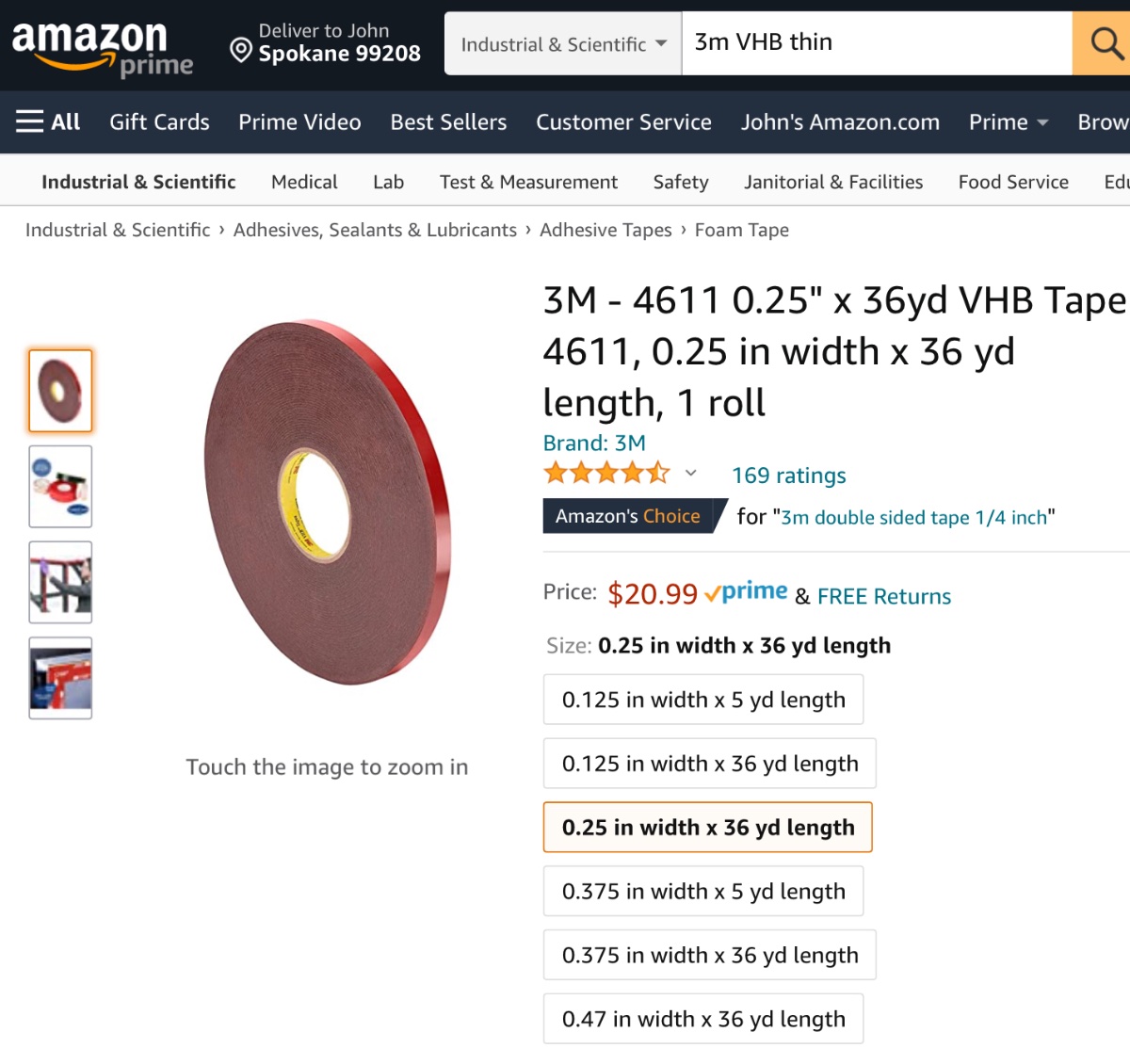
This is an unusually low price for a big roll of 1/4” wide x 36 yard VHB tape, the good stuff. Use it for sticking accessories or holders to interior walls, for securing loose foil hull insulation, for adding wire bug screens to furnace or refrigerator vents, or whatever. Interior or exterior, once cured, it can be hard to get off. You need to cut the foam with fishing line and then do some scraping and also use an adhesive remover. But it won’t leave holes like screws will..... They recommend 4 square inches per pound of weight. For a trailer maybe some extra, just to be safe. I just ordered a roll to use with insulation on the battery compartment door for when I install my new lithium batteries. Keep it in a ziplock bag, so the sides of the roll stay clean, don’t just let it bang around in a drawer, and write the purchase date on the bag. I have older tape (4 years+) that still works great. I suppose there must be shelf life, does anyone know? https://www.amazon.com/3M-4611-0-25-width-length/dp/B00N3U6BJS/ref=sr_1_4?dchild=1&keywords=3m%2BVHB%2Bthin&qid=1607281043&s=industrial&sr=1-4&th=1 Here is a 1” wide by 15 foot roll for a little less money. It can be cut lengthwise with scissors, with some difficulty and bad words. It is much easier to add many thin strips side by side than to cut down a wider piece. https://www.amazon.com/dp/B07TC16SZ7/?coliid=I1A1TAFX993KF4&colid=77ELCXYF0Y8I&psc=1&ref_=lv_ov_lig_dp_it John Davies Spokane WA
 2 points
 -
1- Navigation has not been an issue on public roads - campgrounds and boondocking - it can be - you just need a little foresight. If in doubt I'll go look - but honestly the Oliver is pretty easy to shoehorn in some small spaces. I got applause in Glacier once - the guy behind me was sure it wouldn't fit - nailed it first time. 2. Many apps available - you'll learn very quickly what to do. It has never been an issue. If in doubt - check it out. 3. Routine travel - just make sure you can see your exit - whether its a gas station, store, or whatever. I usually park in the out lot - take up 2 spaces. You certainly don't do drive up - but I suppose you could in some places. Gas - fuel- is usually really simple - diesel takes a little more looking at the pumps...... 4. See 3, but not an issue. I love the fact I can stop and stay almost anywhere its not illegal. 5. Never bottomed out - which I think you mean a steep entrance/exit angle. Even with the bike rack hanging way off - no. But then you should look ahead and evaluate - if in doubt... No worries you will soon become comfortable. You can always find a big lot - go practice doing stupid stuff - and your confidence will grow. Honestly - I think the biggest risks are other drivers - not paying attention (cell phones) and that is towing or not - People are too preoccupied most of the time. I love telling my SO - watch this nut.....look what he/she is doing - duhh. (A Hold my beer moment) And if you notice a vehicle or two - following you into the gas station, or the wally world - relax - they just want to look at your Oliver. It happens - a lot. RB2 points
-
Bill, I have had this same type of call from someone saying they were calling from Amazon; I have never ordered anything from Amazon or don't even have an account with them.2 points
-
Brendan - I'm sure that you are going to get a fair amount of comments/answers to your questions and many of the answers that are applicable to you depend on where and when you will want to tow. However, to get things rolling: The only places that I've encountered difficulty in navigating have been out in the boonies. There are times that forest roads simply get more and more narrow, bumpy or overgrown. Or the terrain becomes more difficult than I want to deal with. However, since the Oliver is the same width as my truck it is "normal" for me that almost anywhere I would want to take my truck - the Oliver will simply follow. Google maps in satellite view is a good tool. However, if that is not available (lack of WiFi or cell signal). As you gain experience you will develop a sense as to when you are getting in a tight spot. You learn to look for ways out or around a situation before you get into them. For instance - when pulling into a gas station it is good practice to chose a gas pump that has more than one exit just in case someone pulls in and blocks you. When exploring unfamiliar places, many people simply un-hitch in an open area and then explore to make sure the road ahead is passable and/or to find a suitable camping area without having to worry about towing the Oliver behind. This approach also makes that job faster. Only once in five years have I had to back out of a spot and that was because someone else blocked the road. Thank goodness I only had to back up a few hundred yards, but, as long as you take it slow backing up is really not that difficult. Routine travel is actually relaxing for me once I get into the rhythm of the road - learn to slow down! I put tunes or an audio book in the player, sit back and enjoy the ride in the slow lane. Since the Oliver is under 10 feet tall I've never had a problem pulling into a gas station. However, note the answer above - always look for more than one way out. Most "small towns" are no problem and I can always find a place to park - either on the street or in a lot. Again, the Oliver is the same width as the truck, therefore it is only the length I have to be concerned with. Obviously, there are places in some town that you are not allowed to tow and/or you really don't want to tow. Really narrow streets, congested traffic, etc. are to be avoided even without the Oliver AND, certainly know the height of that parking garage BEFORE you even think about entering. I have never "bottomed out" my Oliver. Particularly out West where and other places where the roads have a deep crown to the road or deep gutter it is best to approach these areas at an angle - not straight on - and take it slow. This might mean that you have to wait for traffic to clear before entering/exiting but so be it - what's the hurry? Even after RV towing now for over thirty years and boat towing for something like sixty years I still get a touch "keyed up" for the first ten miles or so. Making sure that I can see behind me, is the unit I'm towing following properly, are the brakes working as they should, is everything attached properly, etc. But after I've convinced myself that all is well the entire process is no big deal. Get a good checklist and follow it - always. If you have a friend that tows, ask them to show you the ropes. Get yourself in a large open space (parking lot) and practice turning, backing up and parking. Remember that your stopping distance and acceleration will be slowed, therefore, allow more room for everything. Slow down, relax, enjoy the world and have fun. We were all where you are at with no "special" skills and have learned to tow safely. Bill2 points
-
If the setting were linked to the heat strip, then I’d understand, but it isn’t. I’m trying to imagine why anyone would want the AC fan running while the furnace is on. Someone who likes to pretend that they’re camped next to an airport?2 points
-
Mcb, If the fan is set to high or low (anything but auto) the a/c fan will blow with the furnace. I’m going on memory but, change the mode to auto (not heat or cool) then change the fan using the up or down arrows to auto (not high or low) D2 points
-
I totally agree with Russell. As I posted earlier, for me it is about payload and pulling. I’ve towed my trailer now with a Tacoma, two Ram 1500’s and now a 2500. Some wise owners told me in the beginning the Tacoma wouldn’t be enough. It pulled on flat roads fine but lacked payload and had a small fuel tank. The 1500’s were an improvement, and probably a good compromise as a TV, but payload remained an issue as did performance in mountains. I will say that both 1500s were good daily drivers, comfortable and lots of features. With this new truck I can load whatever we need for camping and not worry about my weight limit, I’m just not going to get there. Mike
2 points
-
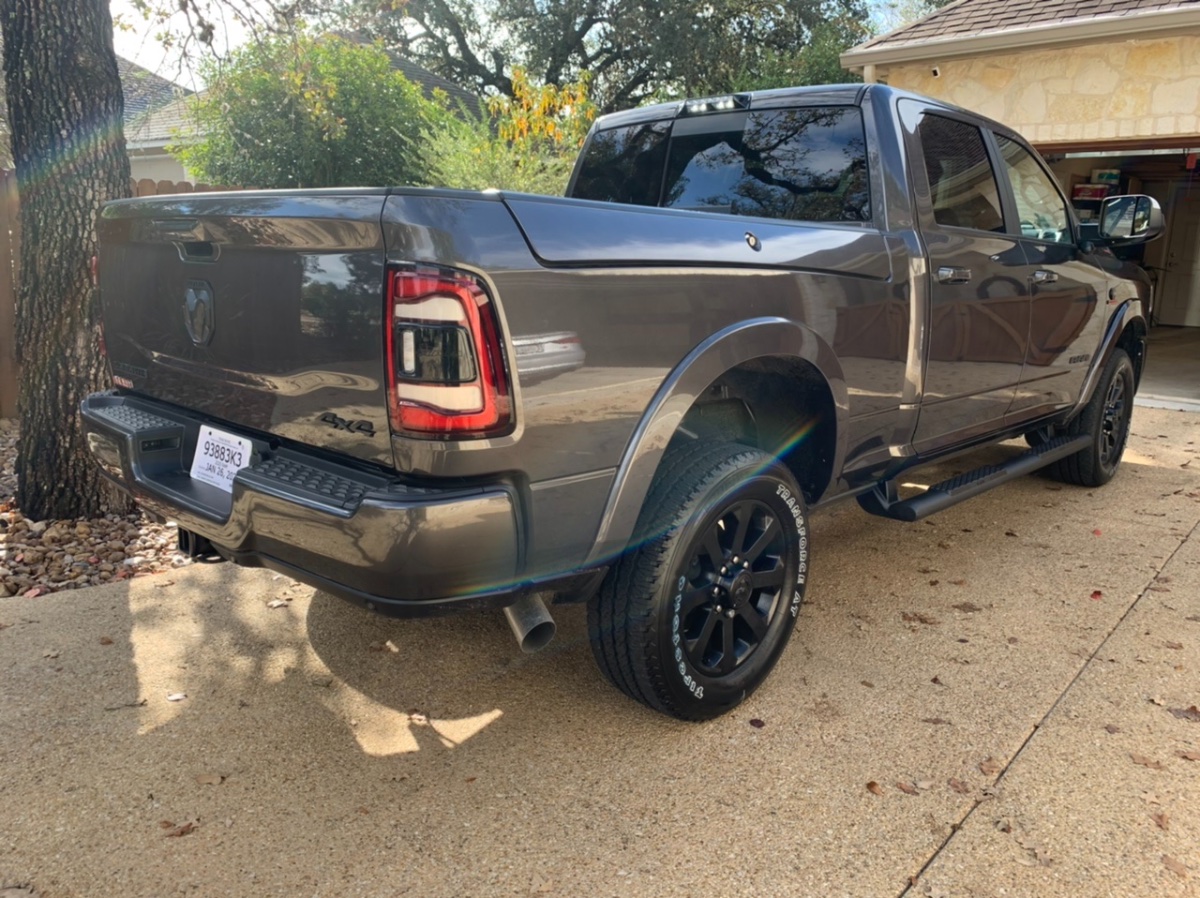
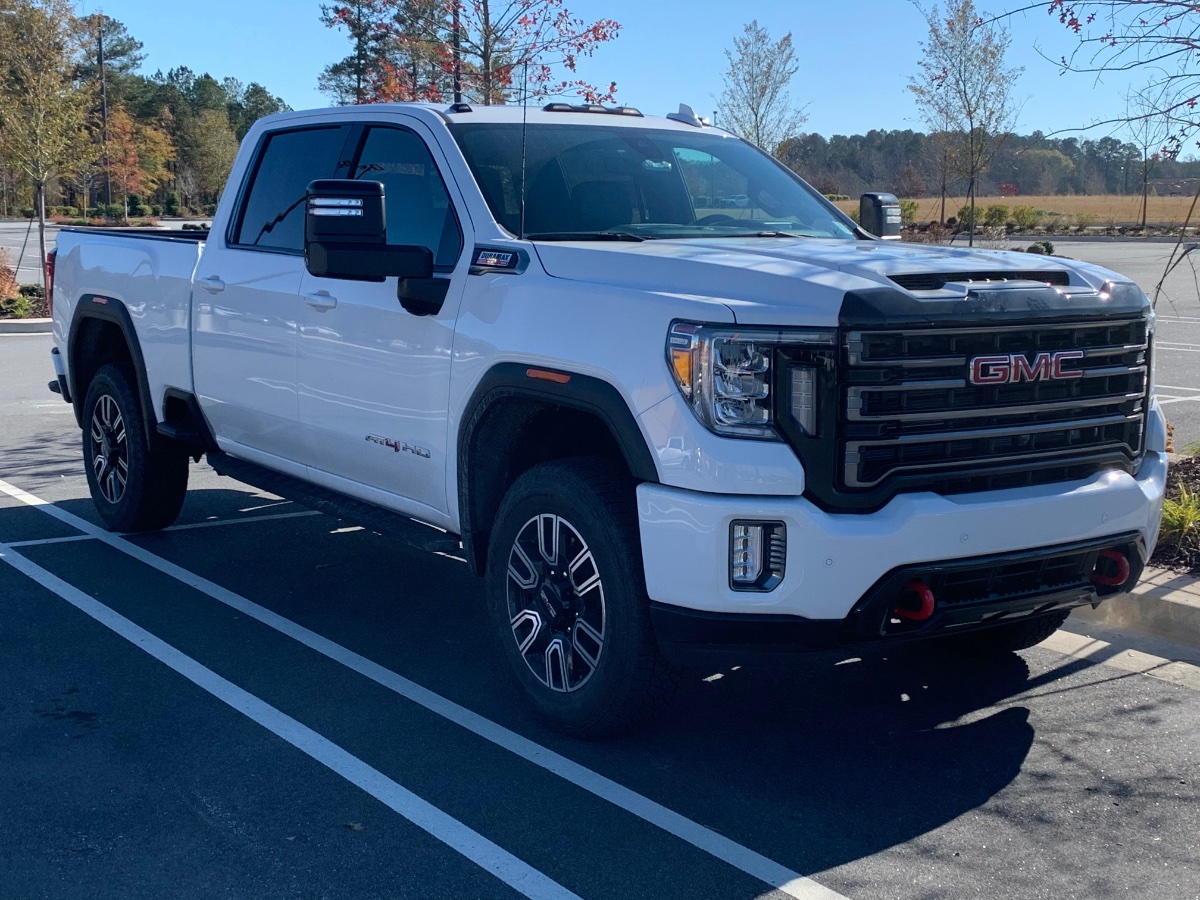
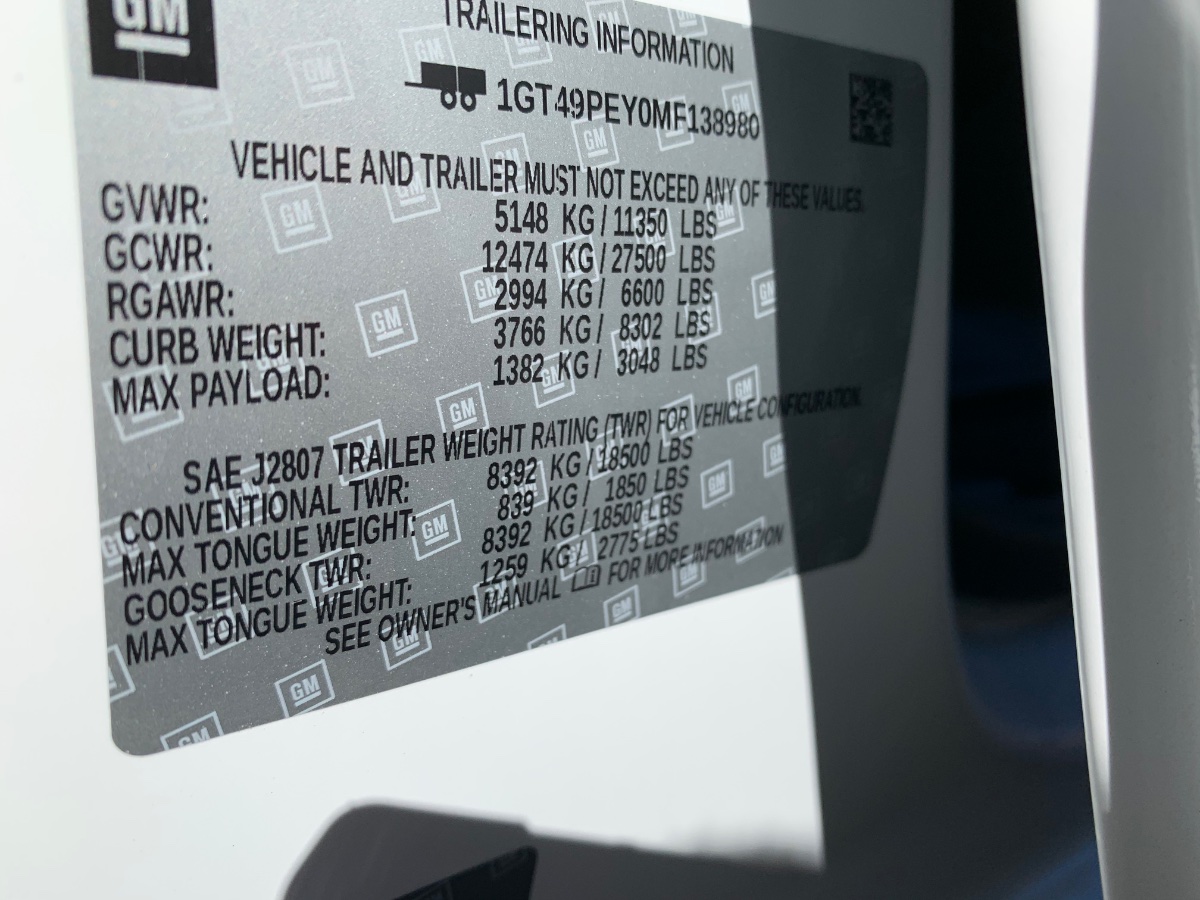
Just picked this up yesterday for a soon to be ordered Oliver EII. Great deals on GMC and Chevy right now with the employee discount (and more if you know how to negotiate). As everyone has said, the key to the HD trucks is the payload.
2 points
-
+1 on the F250 with 6.2 gas motor. We “test drove” an EII with an F150. For that setup, I was going to need an Andersen hitch to level. Personal circumstances changed and we bought the current F250. The Oliver will pull great behind either truck but, the F250 allows for more junk for the adventure. With a Decked Drawer system and a bed rack, we can carry tools, kayaks and bikes on the truck. D2 points
-
On the defense of the GM heavy duty diesel. 4x4 crew cab, I thought, and it may be true that it would be considered overkill until you own one. With all the added benefits that you don’t get with a 1/2 ton very comfortable ride quality, pay load and towing capacity excellent fuel mileage and don’t forget engine braking and high torque at low rpms no screaming truck up steep mountain climbs. I’m sure that it is some of the reason you are seeing Diesel engines now being put in the 1/2 ton trucks. As always this makes good thread discussion. But your own personal preference always wins. Ive had them both Ford F-150 and the 2500 HD. Chevy I preferred my Hd.2 points
-
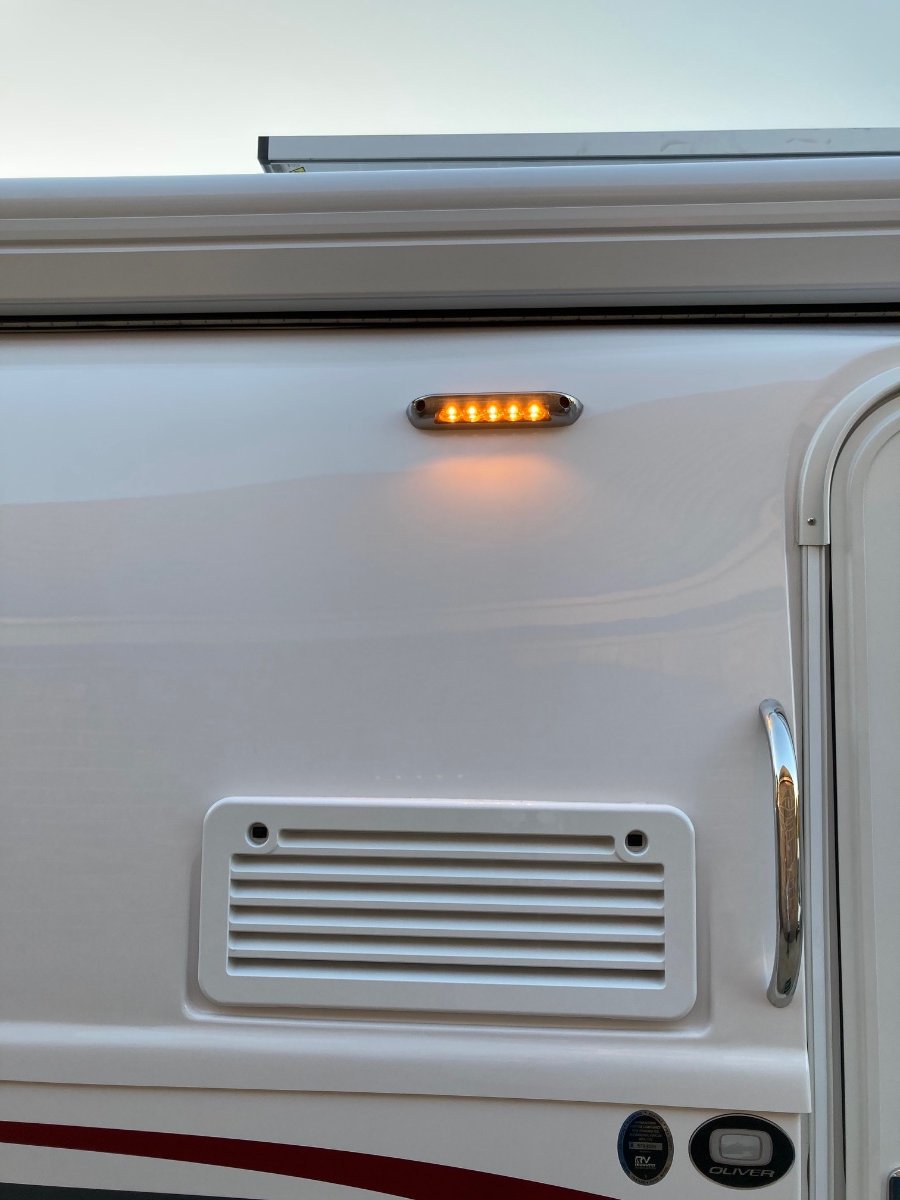
Not sure if everyone else in the country experiences this but, here in South East Texas our Bright White Porch Light attracts every flying creature known to man. After doing some research, it appears yellow light is less attractive to flying insects. We recently purchased some yellow film to place over the porch light and have found it to help out considerably. Of course, we are not in the middle of summer now so only time will tell next spring if the theory holds true. Below is the link to the film I purchased and applied to the lens portion of the light along with a couple of photos of how it looks. I now have enough film to redo the lens another 100+ times if needed in the future as it is easy to pull off. Time needed to place the film over the lens and cut to fit was around 5 min. https://www.amazon.com/dp/B01N4PDXBD/ref=twister_B01N7TJDQG
1 point
-
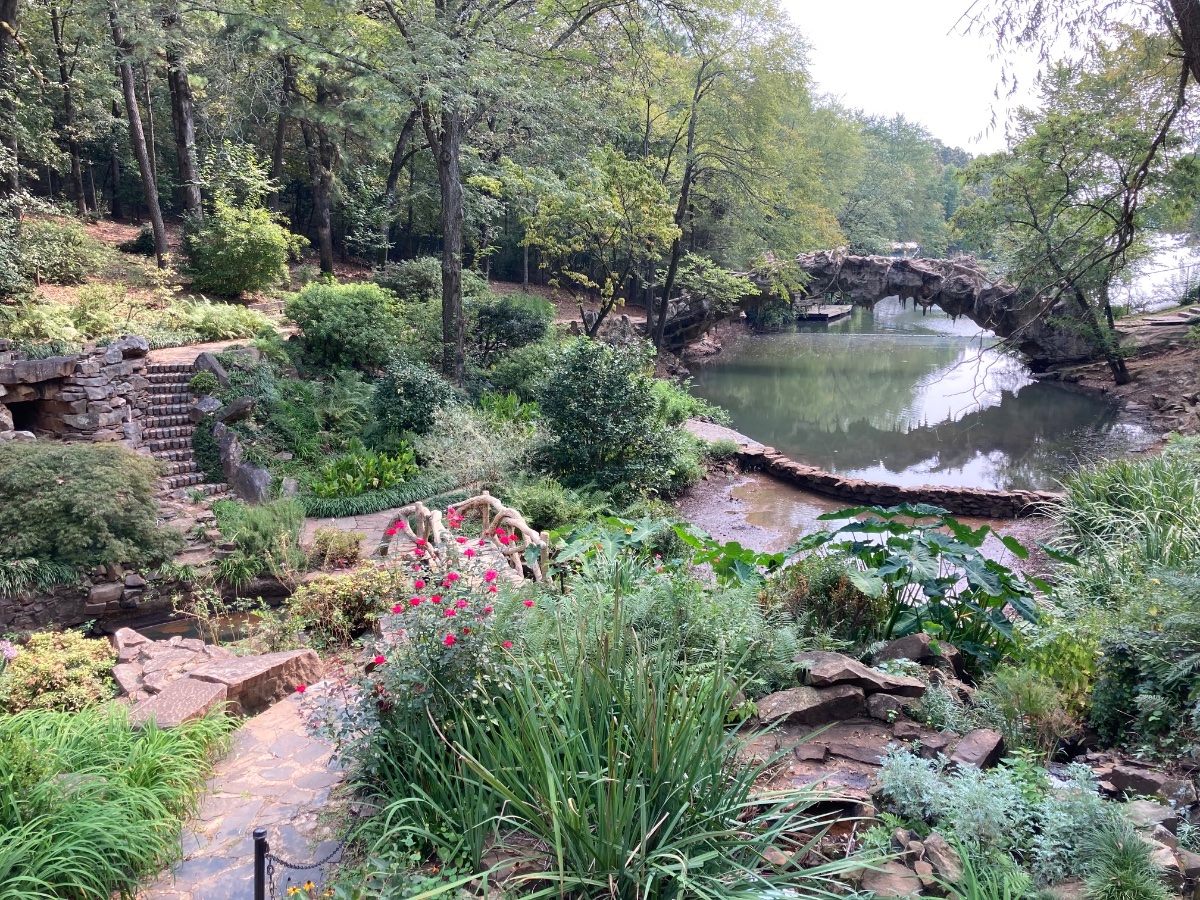
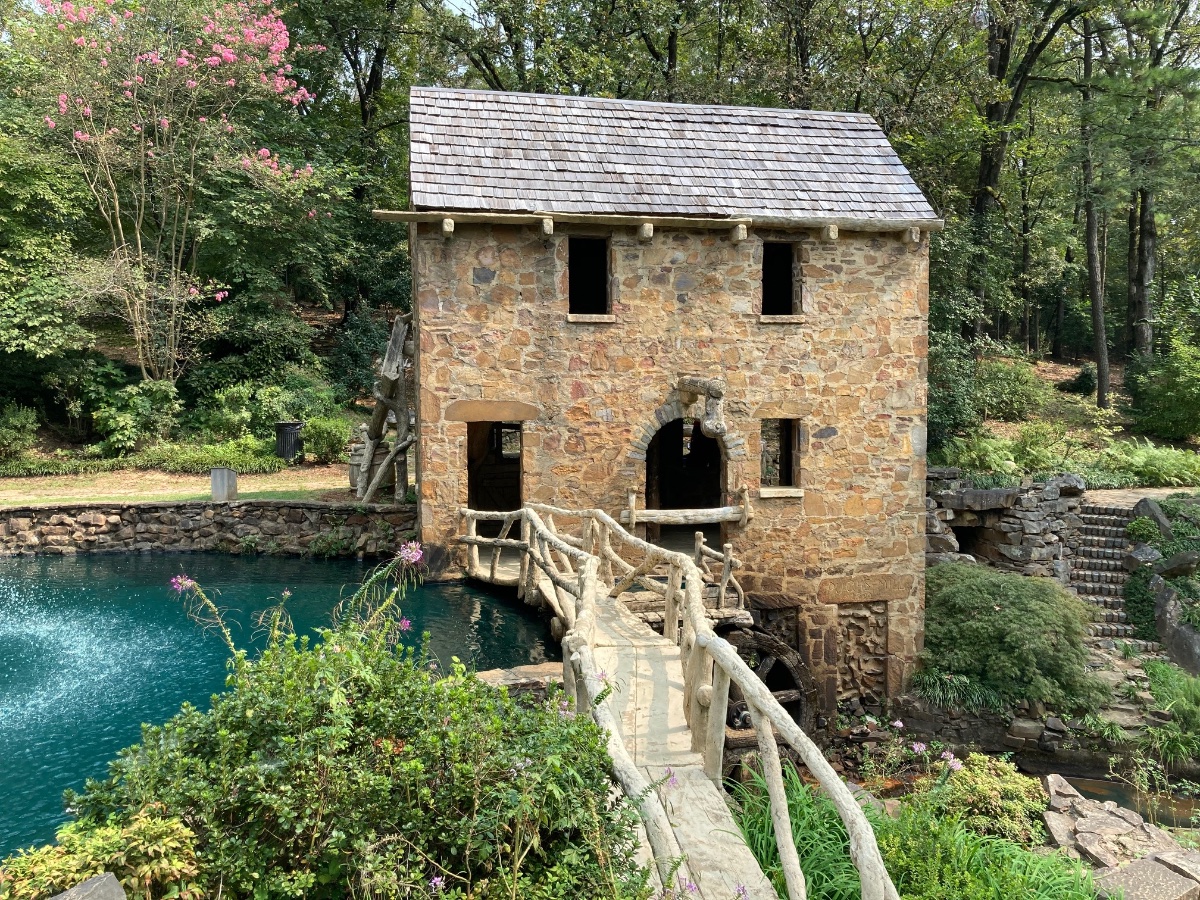
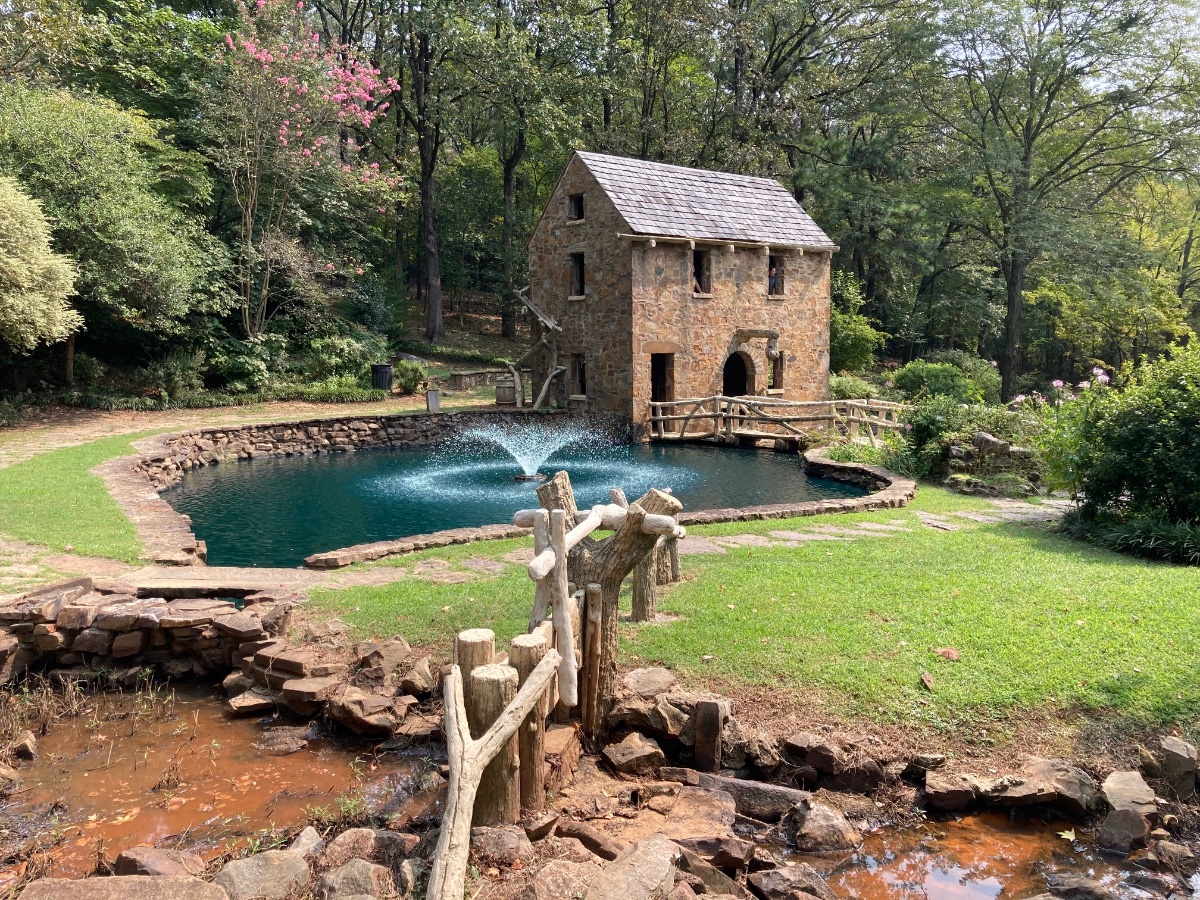
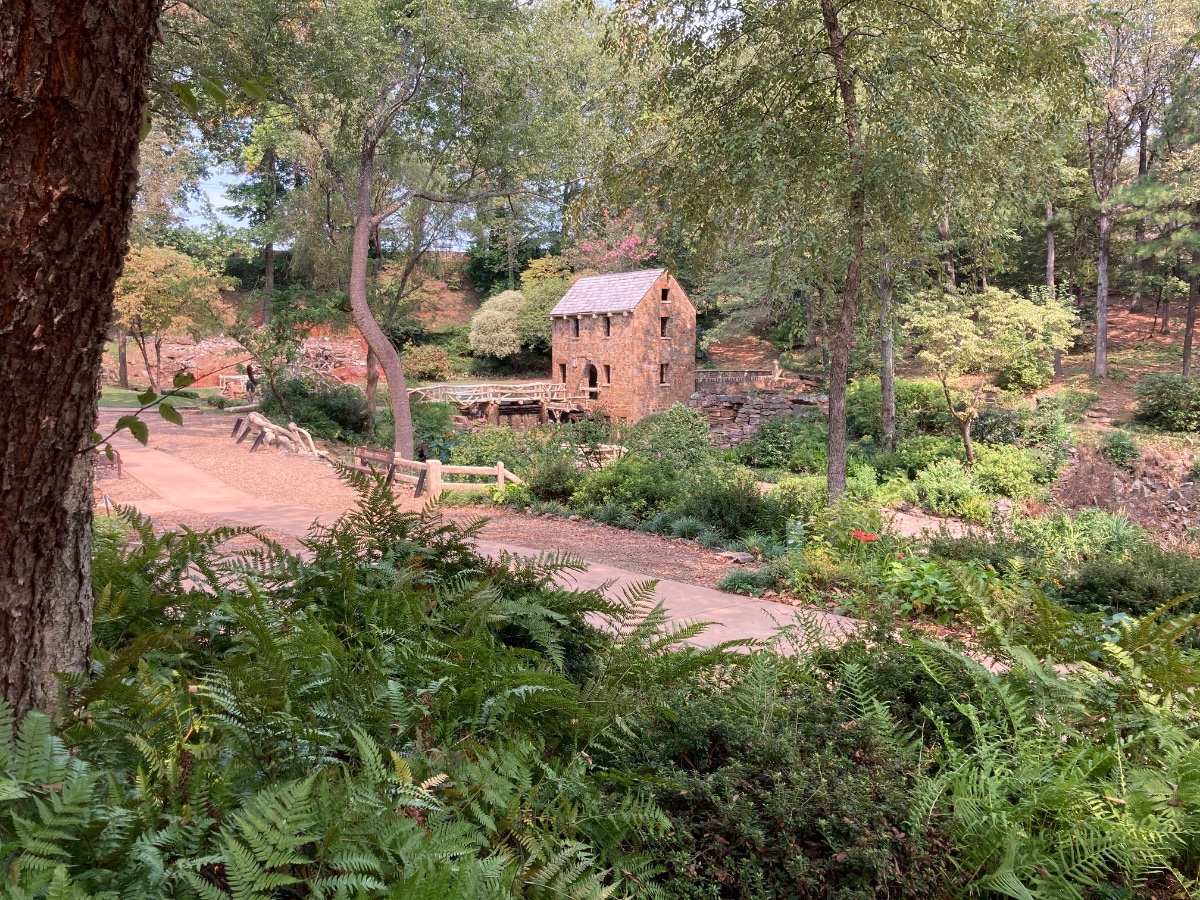
On our drive back home to SE Texas after picking up our Ollie, we stayed at the COE Maumelle Park (Highly recommend). After unhooking the trailer, we made a short drive of about 10 min. to the TR Pugh Memorial Park located within Little Rock. I thought I would share the photos as it was a wonderful place to see and highly recommend you visit if you find yourself in the Little Rock Area.
1 point
-
One gas station trick, when the lanes face the building, is to drive around and pull through facing out. That way you can get a sense if the trailer can make the turn before you’ve committed yourself, and you’ll be less likely to get pinned in later by other traffic. Just be sure when you pick a pump that you can pull through to the farthest one so that you don’t leave your trailer in the traffic lane.1 point
-
It’s easy to sneak in with his lights off1 point
-
We were nervous at first and I am still very cautious. We had very limited experience towing a 22ft boat. Never towed a camper. The advice already provided is terrific and accurate. Try some short local triplets and practice backing up locally in a large parking lot with some cones. Follow the advice, take your time and just plan ahead. Cold luck.1 point
-
And, thanks, John. That's an excellent price.1 point
-
3m Vhb has a recommended shelf life of 24 months after manufacturing date, but it's actually good a lot longer if properly stored. (Date code is Julian date, like many adhesives. Last three digits of 4 or 5 is day of the year, first 1 or 2 is year) Paul keeps ours in bags, a drawer, out of uv, in the workshop. According to 3m, best place would be in the house, +/-72 degrees, 50 per cent humidity, but the workshop rarely gets above the 80s. 3m says ok up to 100, but ... No kidding about tough to remove. Paul discovered that our original pv panel clips were attached to the brackets with both 3m tape and mechanical fasteners. Removing them, and cleaning up, took 5 times longer than installing the new. We keep rolls of butyl tape, and several other adhesive/sealants, in a fridge in the workshop, for best shelf life. Not the vhb. Too cold.1 point
-
A lot of great questions. I’m sure you’ll get your answers here. To sum it up simple. ( Experience) just like when you first learned to ride your bicycle you were wobbly at first then ride no hands or on one wheel . It will take time and practice, then you won’t give it a second thought. Always scary at first.1 point
-
The problem is these types of criminals are making big money on unsuspected people the more money they make the more sophisticated they become. There is a world of information out there on any one. Thanks in part to social media. Do a google search of your name, you’ll be surprised how much information is out there on you. And for $29.95 you can get a full history of yourself. Including bank records where you live and where you lived before phone numbers criminal history etc. These days you do need that little voice in your head. This doesn’t sound right.1 point
-
Well, I decided to order one. They don’t ever seem to discount the price, but eTrailer.com has it for $250, free shipping and a cool free Redarc hat. As a follically challenged older male, that cinched the sale. My Land Cruiser puts out 14.0 volts, max, so I need this if I want any usable amount of charging from the truck while towing. The lithium batteries require 14.5 volts. John Davies Spokane WA
1 point
-
Thank you Bill for some great pointers. The google satellite view is an excellent idea! I imagine there's some sort of lock or theft prevention mechanisms when un-hitching the trailer. I'll be searching via google for some ideas there. I'll try not to jump too many curbs when making those turns! --Brendan1 point
-
I don’t think I have a heat strip, and wasn’t expecting the roar of the AC when I thought I was turning on the furnace.. if the furnace was indeed on I sure couldn’t hear it, nor Deb asking me why the heck I’d turned on the cold air..1 point
-
Our awning light strip has I think three brightness levels, and also a warm white option in addition to the cool white and colors. But I’m considering swapping it out for a Philips Hue light strip. We have Hues in our house and have really come to like them. It would add complexity since I’d have to add a bridge, but we already have a router and I could easily add a 24 volt circuit to power the strip. The bridge is 5 volt so I could find a USB cable for it no problem. The advantage would be infinite brightness and color levels plus it would set me up for some additional Hue strips later. I think with a 24 volt circuit that I could also power my Sonos directly rather than with the inverter.1 point
-
The film is a great idea. It wouldn't be necessary if the porch lights had both dimming and full RGB capabilities. I use these lights on the awning or around the campsite with a USB battery. They weigh almost nothing and have a nice warm color. They come on a small plastic film reel so they are pretty easy to keep organized. update: Just checked power consumption - 1W.
1 point
-
I’ve thought about a light strip for my awning. The ones I’ve looked at put out a lot of light. That’s my issue with the porch lights, they are too bright to use for anything except a temporary task. Walking around campgrounds, some of the trailers and campers with lots of built in and added on lights just seem to detract from the camping experience. Sometimes it’s like walking down a city street with all the colors, brightness, etc. Our solution is to use minimal outside lighting and camping where the neon buses and 5th wheels can’t or won’t go! Mike1 point
-
Bingo!! Thanks a lot!👍👍👍1 point
-
I must admit - i rarely use that light - i prefer the lower ones - if at all.1 point
-
I’m sure that’s it. It’s an easy setting to change inadvertently. And it’s also very unintuitive.1 point
-
I am continually amazed at the number and sophistication of the attacks on our internet related purchases, and financial transactions. More frustrating is the customer service portals that keep you on the phone - pressing one number alter another- just hoping to end up with a real person. Happy to see Amazon does employ real people. Your cautionary tale is certainly one we all should keep in the forefront as we go about our daily lives. Your tale reminds me of some fake fuel purchases made during a trip in 2019. Convincing the bank we didn't make the purchase took an act of congress. Given we were in WY, and the fraud was in Florida, and the bank officials could clearly see the transactions, minutes apart - it was frustrating. So beware is a good mindset. I have gone to the fullest - strictest- most restrictive protections on my financial accounts - it is a hassle - but so was earning the $$ in the first place. It goes against my person - but I've come to distrust everyone and everything until proven otherwise. Well maybe not - fully - but it is there in the back of my mind - beating on my conscious. Appreciate the heads up Topgun. RB1 point
-
Are you sure your on the correct setting - are you trying to engage just the furnace - not the heat strip in the AC unit? I know i did that early on - when learning how to operate the system. Good luck.1 point
-
Well we all have opinions. I towed with a 1/2 ton, and now with my 2500 (19,000 miles towing, 43K overall), overkill is not what I'd call it, more appropriate - it performs better in every situation except tight parking lots. As has been mentioned - the most capable statistic of the larger TV is payload. I also believe the added power of the diesel is well worth the upgrade. As they say, I've been with and with out - I'll take with every time. I drove all the competition in 2018 - the Ford was much rougher ride unloaded. The GMC has decent manners unloaded and is really good loaded. I once had a 2007 HD GMC - now that was a stiff suspension!! Worlds apart from the trucks of today. If I were in the market today - I would seriously look at the Ram and the GMC - I'd want to drive the gas versions of each of the HD's - even try to talk them into letting me haul the Ollie around a bit. I'd even try the 1/2 ton ones if the payload was appropriate - I believe I saw one in the 23oo lbs. area, Not sure however. But now that I have the requisite chips, scrapes, and depreciation on the current one - I'll probably just drive it for a good while -.like forever 😉
1 point
-
I would have to agree a great alternative for a cabin tiny home or even a garage, The 3” pipe would not look very attractive in the small Oliver bathroom. And the redirection of the urine to the grey tank? Sometimes you can get some serious odor from a grey tank vent, add urine to that no thanks.1 point
-
Back in the day, before led lights, it was possible to buy a replacement lens, and be done. We also replaced the bulb with an led equivalent in our 2008 , after changing the lens. The amber film in the new led one should do the trick, as. ?mark did. We did find fewer bugs attracted to the amber lens. The mosquitoes, not so much. They seem to be attracted more to a campfire that puts out more co2 than we do.1 point
-
All I'm going to say on this is anything over a 1/2 ton pickup for the Elite II is over kill. If you want a 2500 diesel then buy one, I've owned two Dodge 2500 diesels years ago and I didn't even own a trailer to pull, but it sounded great and I was too cool with my friends. Why not go to the Search Button and see what others say about this, It's talked about it on this forum all the time. trainman1 point
-
All good on this end. A couple of cool nights in TN, one night at 32 in the Panhandle. All beautiful country for sure. Settled into Sanibel for a while now, finally moving into the camper.. We’d wanted to give it sometime before we started installing hooks, pictures etc all over the place. Graphics are on the slate for tomorrow.. unless the beach is calling.. 🙂 Been watching the weather at home as we’ve still got an iron or two in the fire up that way.. at least the ground isn’t frozen yet so some of that rain will replenish the ground water lost this summer.... but what a tough week or so.1 point
-
We tow our Elite II with a 2019 F-250 with the factory upgraded tow package, 6.2 gas engine. 12,500 lbs. towing capacity, 1,200 lbs. tongue weight capacity, 3,334 lbs. payload. We haul a lot of stuff when camping. The bed of the truck is full of stuff like camp chairs, Andersen jack buckets, portable solar panel setup, portable 3 stage water filtration system, toolboxes, 9’ x 12’ outdoor rug, folding tables, plus the weight of the Rock Tamer mudflap system, a rigid bed cover, over the bed cover bike rack, bikes, etc. so having the high payload capacity is a must for us. The ride is pretty stiff when unloaded/not towing. But I’m used to it now. I do use the truck as my daily driver.
1 point
-
I will add this - although I am not sure if anything has changed since 2018 builds. The latch on the battery tray slide has a history of breaking off - shearing - and the door then becomes the only thing keeping the tray and its contents from sliding out. I drilled a 1/4 hole through both of the slide arms and secured with a double nutted bolt. It is not coming out with out taking the bolt loose. If I needed an an additional locking mechanism - this is where I would do it. Its cheap too. If I were a thief - the lockable latch just does seem that difficult to overcome. But then what passing by thief has the tools and time to disconnect the batteries - RB1 point
-
Not added. Good try though. 😛1 point
-
I have the lock off of the door right now (2020 Elite II). The hole size is 2" and the thickness of the fiberglass is 10mm. So D is 1 above. I have the short cam offset reversed from what I can tell. Worse case is just to re-use the same cam that's on the stock lock. I found the correct Southco locking compression latch with the overmolded keys here: http://www.uglyfishinc.com/southco-m1-deck-hatch-marine-enclosure-latches-p/m1-2x-xx-x8.htm1 point
-
We were camped at Palo Duro Canyon State Park for a week a few years ago. The temps were low 90s during the day for the first few days. Then, WHAM, we had 106 degrees and no breeze. We stayed inside with the AC on (fan on low) and we were quite comfortable, temperature-wise. Being cooped up with the loud AC was not fun, so we cut our time at Palo Duro and headed for cooler weather. We use the AC when needed but avoid it when possible. Mike1 point
-
I want to walk back my earlier statement regarding camping in 120 degree heat, especially since i’ve never done it. What i’ve always read about what to expect from a/c performance is that they cool 20 degrees on average. That gets us “down to 100!” Perhaps parking under or next to a large shade producing object would help.1 point
-
My actual experience - with shore power or generator - the AC cools Ollie in 100 degree, high humidity, conditions. But I do not like camping in such situations, thus we head to elevation, or cooler tamps if possible. I would think 120 is ok also, but why?????? Just kidding . Shade from the sun - awnings help in my experience. Afternoon western rays really heat the unit up - once Ollie is cooled down, the AC doesn't work that hard to keep a temp. However - the AC is LOUD. Once you get past this, its fine..... RB1 point
-
Though I’ve not camped in 120 degree heat, i have in 90+ degree Alabama humidity...not pleasant w/o A/C. If you have a generator to power your A/C, and enough fuel handy to keep it (them) going, i’m guessing you should have no problem keeping your Oliver comfortable for as long as you wish. To my experience, drier air feels cooler, especially when being moved in a small space with the A/C fan.1 point
-
Here is a list of acronyms and abbreviations that are often used on the forum. Suggestions for additional terms are welcome, and can be posted in this thread. Popular and relevant suggestions will be added to main list periodically. 4X2 or 2WD – 2 Wheel Drive 4X4 or 4WD – 4 Wheel Drive 5er or Fiver – Fifth wheel trailer, also abbreviated FW A/C – Air Conditioning AC – Alternating Current ACE or CE - Army Corps of Engineers, more commonly abbreviated COE; often operate campgrounds near their projects. A – Amp or Ampere AGM – Absorbent Glass Mat, referring to a type of batteries many of us use. Ah – Amp Hours Al – Aluminum AS – Airstream ATF – Automatic Transmission Fluid ATS – Automatic Transfer Switch, often shortened to TS Attic - The overhead interior storage area located at the rear of an Oliver AWG – American Wire Gauge, sometimes abbreviated Ga Basement - The exterior storage area located at the rear street side of an Oliver BC – Brake Controller BLM – Bureau Of Land Management, overseer of public lands and operator of many campgrounds, typically in more remote areas of the country. BTU – British Thermal Unit CAT Scale – Certified Automated Truck scales located throughout the US. Many RVers use these scales to weigh their trailers if they don’t have access to another private or public scales. CCC – Cargo Carrying Capacity (payload capacity), sometimes abbreviated NCC CG – Camp Ground COE – Corp of Engineers, also abbreviated ACE or CE; often operate campgrounds near their projects. CONUS - Contenental United States CW – Camping World, a chain of RV supply stores DC – Direct Current DEF – Diesel Exhaust Fluid DS – Dump Station Egg – Fiberglass Trailer FG – Fiberglass, also abbreviated MFG FHU – Full Hook Ups, often abbreviated WES, for Water/Electric/Sewer FT – Full Time FW – Fifth wheel trailer, also abbreviated 5er or Fiver Ga - Gauge (wiring), more commonly abbreviated AWG GAW – Gross Axle Weight GAWR – Gross Axle Weight Rating GCVW or GCW – Gross Combined Vehicle Weight GCWR – Gross Combined Weight Rating Geezer Pass - Lifetime Senior Pass from the National Park Service. Currently, for age 60 and above, $80. Free entance to many National Parks and sights, and often camping discounts in the park campgrounds, and some other participating state and national campgrounds. Gen – Generator GPM - Gallons per Minute, a measurement of water usage and mountain pass fuel consumption GTW – Gross Trailer Weight GTWR – Gross Trailer Weight Rating GVW – Gross Vehicle Weight GVWR – Gross Vehicle Weight Rating HP – Horsepower ICE - Internal Combustion Engine or a conventional ICE vehicle (as opposed to electric) Inch WC - Inches of water column, a measurement of gas pressure often used instead of PSI. LA - Lead acid batteries, typically referring to non-AGM batteries LE – Legacy Elite, Oliver's single axle trailer LEII or LE2 – Legacy Elite II, Oliver's tandem axle trailer LED – Light Emitting Diode LFP or LiFePo – Lithium Iron Phosphate, an alternative to LA or AGM batteries LP – Liquid Propane LT – Light Truck (tires) MFG - Molded Fiberglass, often shortened to FG MVU or MVUM - Motor Vehicle Use Map from the USFS; shows which national forest roads are open for dispersed camping NCC – Net Carrying Capacity (payload capacity), often abbreviated CCC NPS – National Park Service Ollie - short for Oliver. Olly will also be accepted by the judges. OP – Original Poster, the person who started a topic OTT – Oliver Travel Trailers OTTO or Otter – Oliver Travel Trailer Owner OTTOR – Oliver Travel Trailer Owners Rally PM - Private Message; a forum function allowing members to send messages privately to each other, without needing email addresses or phone numbers. PU – Pop Up tent trailer PSI – Pounds per Square Inch Romp - A gathering of OTTers RTV - A silicone sealant of a variety of types RV – Recreational Vehicle SOB - Some other brand; in our forum, any type of trailer other than an Oliver. SP – State Park Stick Built - A travel trailer constructed from wood and panels, unlike an Oliver and other eggs Sticky - a) Stick Built trailer; b) On the forum, a topic of some importance, pinned to the top, so that it "sticks around" and doesn't get lost. TPMS – Tire Pressure Monitoring System TS – Transfer Switch, also abbreviated ATS TT – Travel Trailer TV – Tow Vehicle TW – Tongue Weight V – Volts VA – Volt Amps (Watts) VIN – Vehicle Identification Number USFS – US Forest Service W – Watts Wally World – WalMart Wh – Watt Hours WDH – Weight Distribution Hitch WES – Water/Electric/Sewer, also abbreviated FHU, for Full Hook Ups1 point

.thumb.jpg.780a61c48108d06558e15f745dfe9b5e.jpg)











.jpg.6fae10da8f04d2a236a2b51a241b22bd.jpg)


-
Recent Achievements
-