Leaderboard




Popular Content
Showing content with the highest reputation on 12/31/2025 in Posts
-
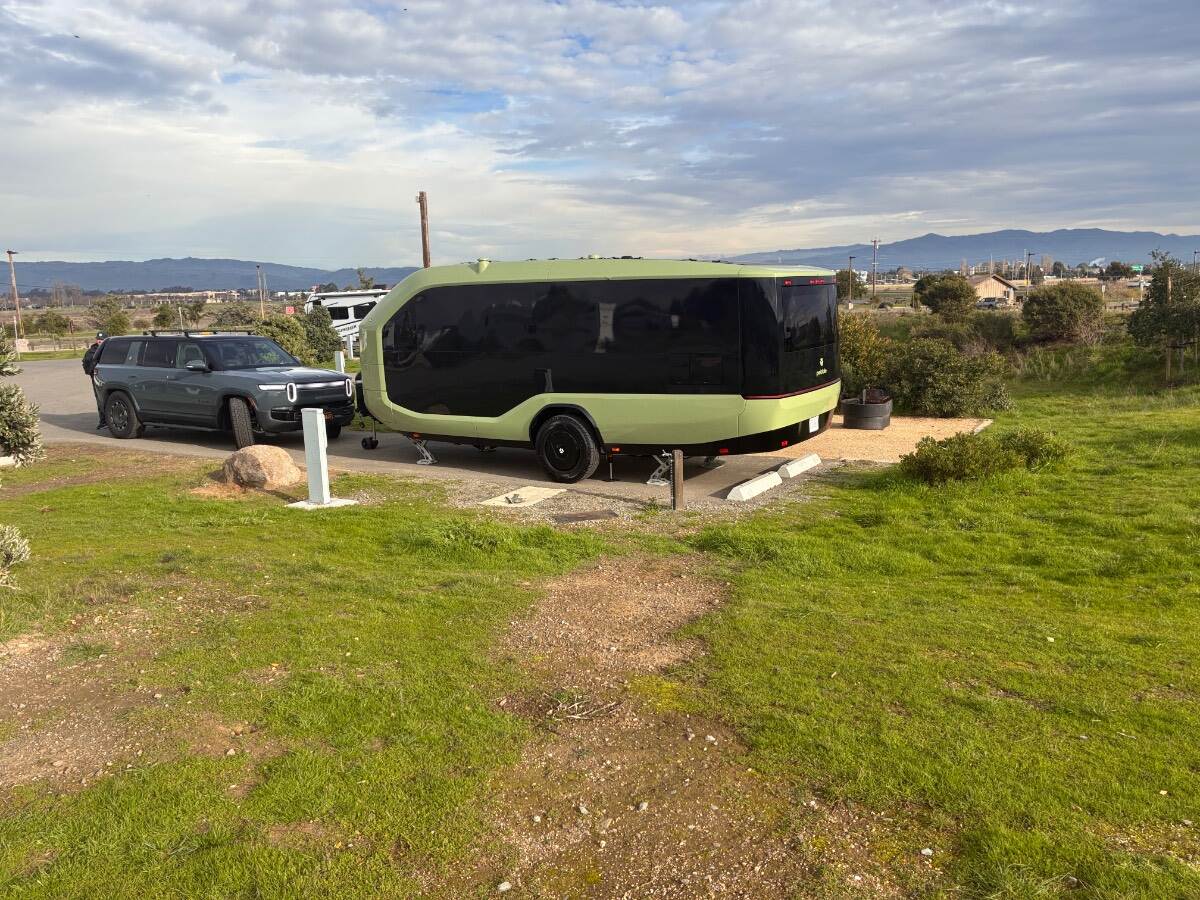
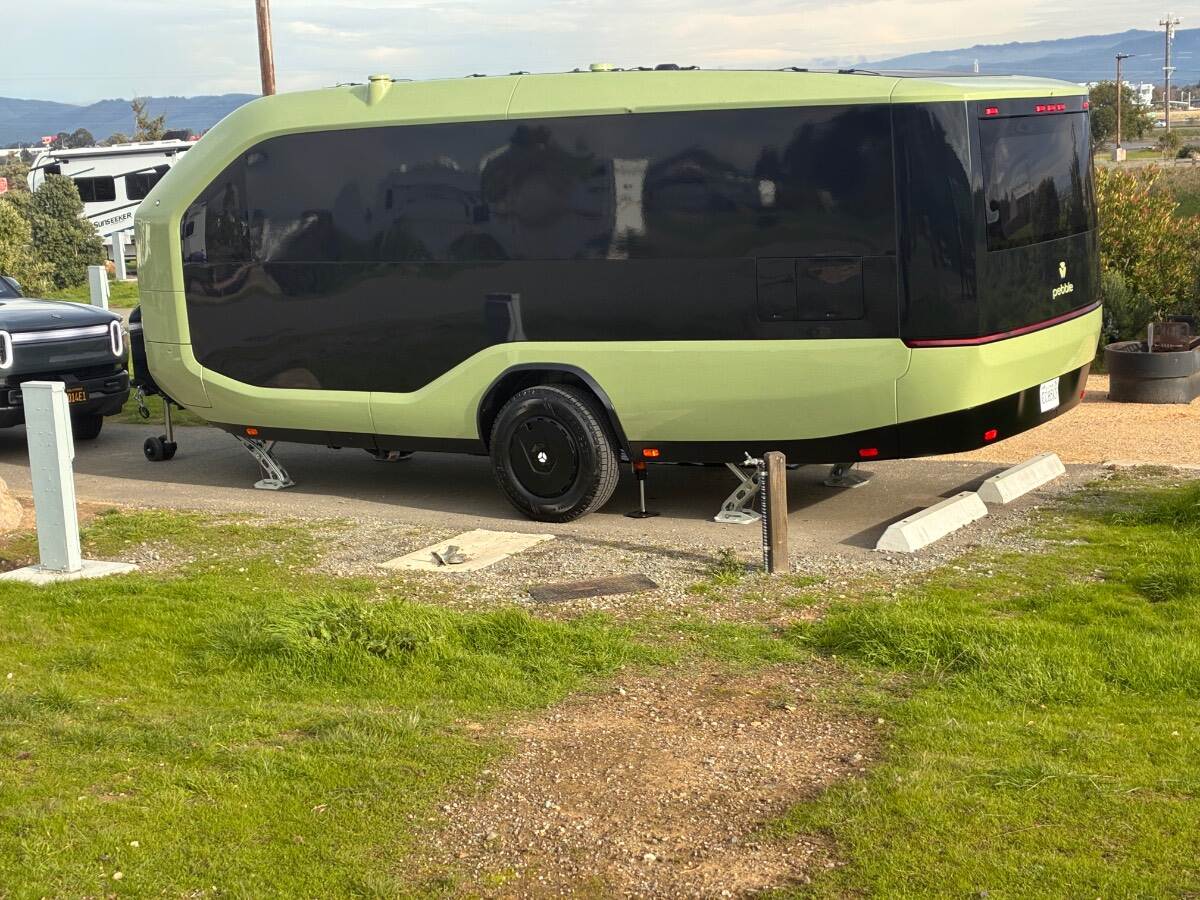
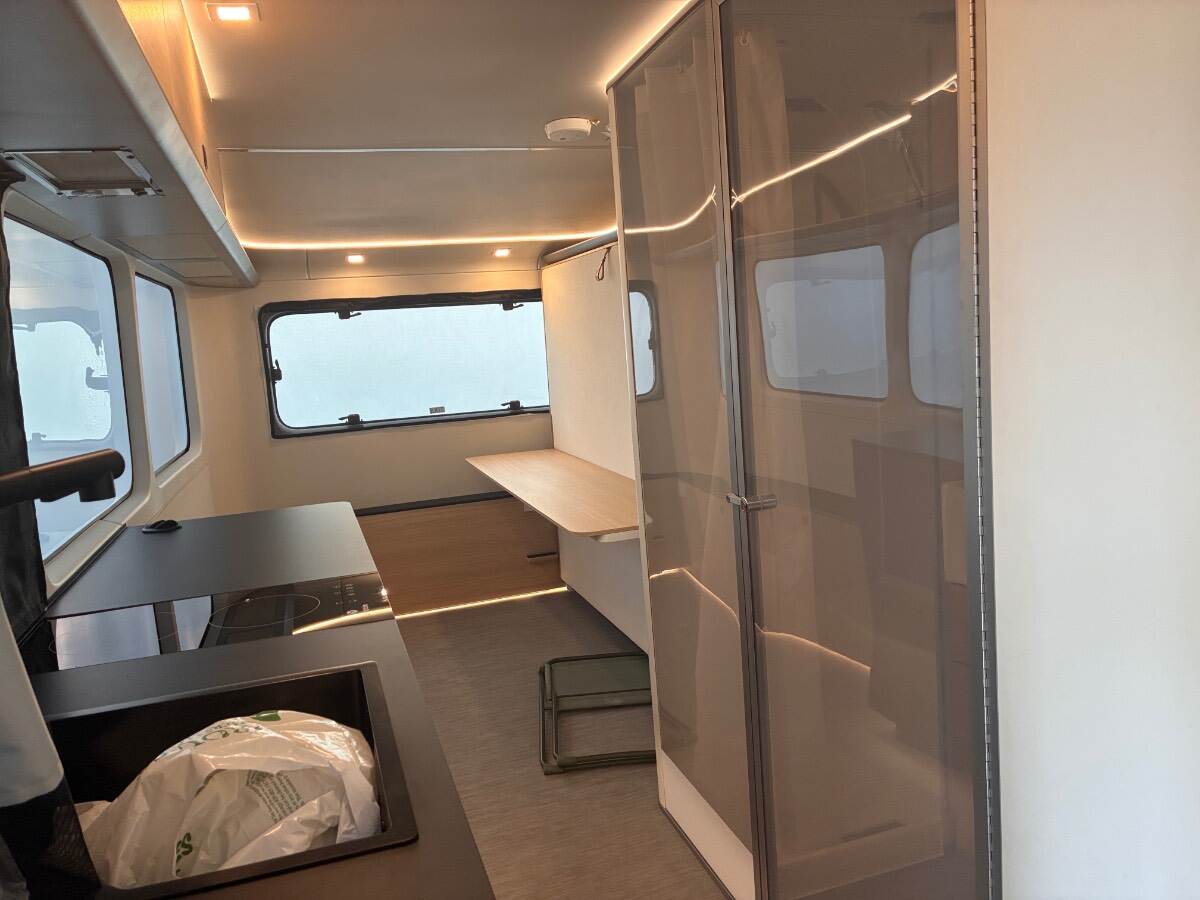
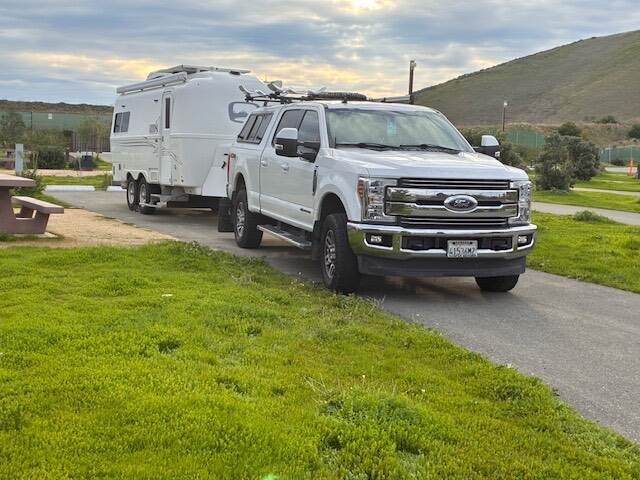
Pulled in to Dumbarton Quarry Campground (great place to stay if needing a place in the east bay / San Francisco). A Rivian pulling a Pebble Trailer pulls in. The driver un-hitches the trailer and uses his I-Pad to back/drive the trailer in place. Next the leveling jacks automaticly lift the trailer off the ground and self-level. I spoke with the owner and this is the first shakedown night from the factory in Fremont, Ca . The owner said he should get a range of 200+/- miles with the Rivian/Pebble combo. The Trailer motors are said to add about 100 miles to the Rivian's range vs pulling a standard trailer. I have to say it's very cool and makes our Oliver / F250 look and sound like a dinosaur. Regardless of how cool, this guy is way braver them me. I like being able to carry a couple of fuel cans for a bit more range (more than double the Riven/Pebble combo). We need early adopters and I'm not that guy. I wish him the best. Yes, the Pebble is very cool.
 4 points
 -
As we say goodbye to 2025 and welcome 2026, we thank you for joining our journey. Your trust in our quality travel trailers inspires us to help you create unforgettable adventures. As the new year unfolds, it’s the perfect time to plan your next escape—scenic road trips, peaceful campgrounds, or spontaneous getaways—in outstanding comfort and style with Oliver. Here’s to 2026 filled with exploration, discovery, and lifelong memories. We’re excited to remain your trusted partner in travel adventures. Cheers to new beginnings and endless journeys! Best Wishes for a Happy New Year! The Oliver Travel Trailers Family
4 points
-
Wishing Everyone and their Families a "Safe and Happy New Year" Best Regards, Bill and Debbie4 points
-
Happy New Year🎉🎊 from Jolli Olli, Hull #1045.4 points
-
And at what cost. It looks nice, saw some earlier videos of this thing in action. Hardly qualifies as camping IMO. He might get 200 miles up in down the roads in CA but try that east of the Sierra or around the Rocky Mountain Range those towing distances will drop dramatically.4 points
-
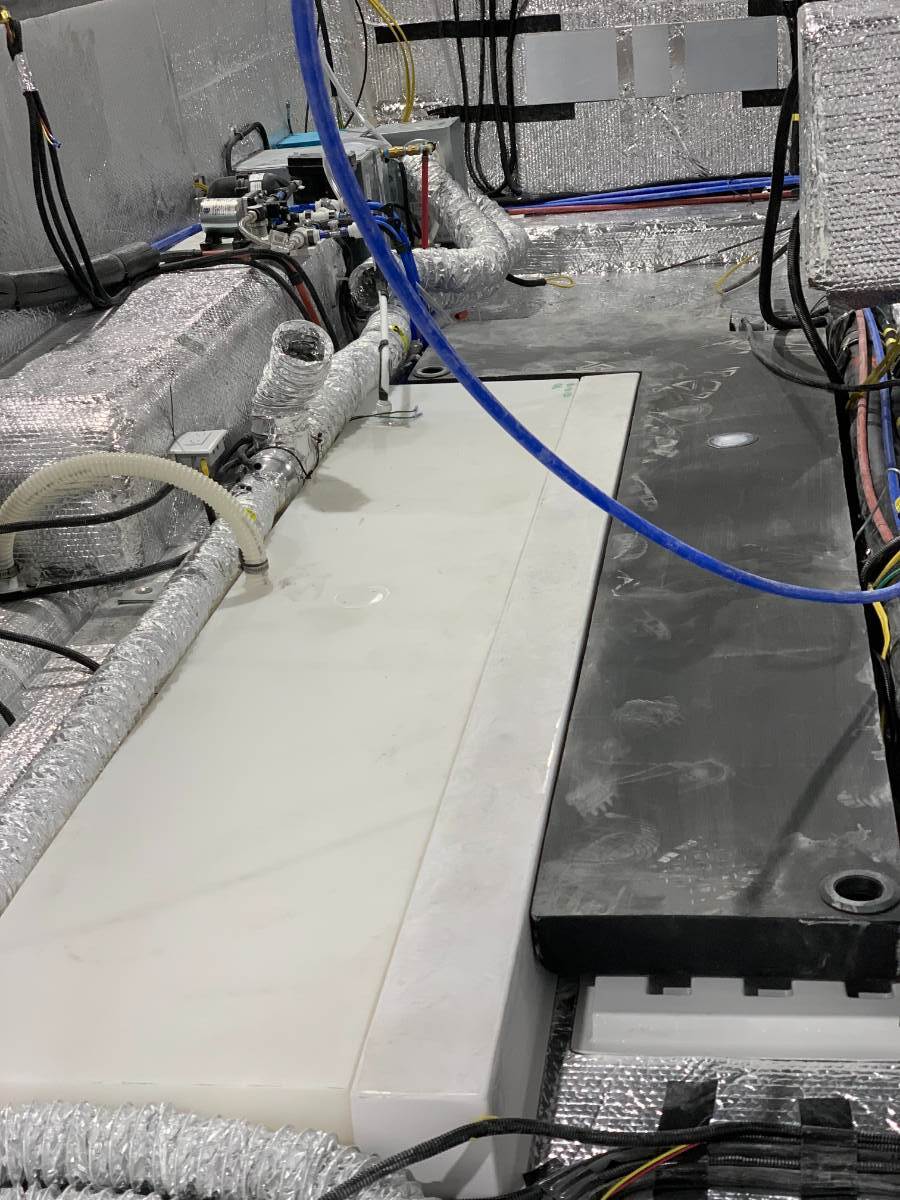
This picture shows the end of the mat under the tank. Makes sense for draining. I don't have a picture showing the black tank, but it would be just outside of view at the lower right corner.
4 points
-
Gj - The rest of that sentence is "of attachment to that tow vehicle". The emergency brake cable is there to slow/stop the trailer in the event it becomes detached from the tow vehicle. With any luck, the safety chains would keep the tow vehicle and the trailer attached to each other AND the emergency brake cable would become "tight" enough so as to activate the emergency brake switch - thus activating the trailer brakes in such a manner that the trailer would slow faster than the tow vehicle. This would help help prevent the trailer from slamming into the back of the tow vehicle but keep the safety chains tight enough such that the hitch would not dig into the pavement. This very thing happened once to our very own Bugeyedriver and there was no real damage done to either his tow vehicle nor the trailer. Bill4 points
-
Happy New Year to all -- may 2026 bring joy and adventure!
3 points
-
We’ve got over 110,000 miles towing usually with a full fresh tank and black and gray at various levels depending on dump availability. No issues and I don’t see much difference in mpg if I happen to have less than full tanks. Mike3 points
-
We often tow with a full fresh water tank, often for long distances. No problem at all.3 points
-
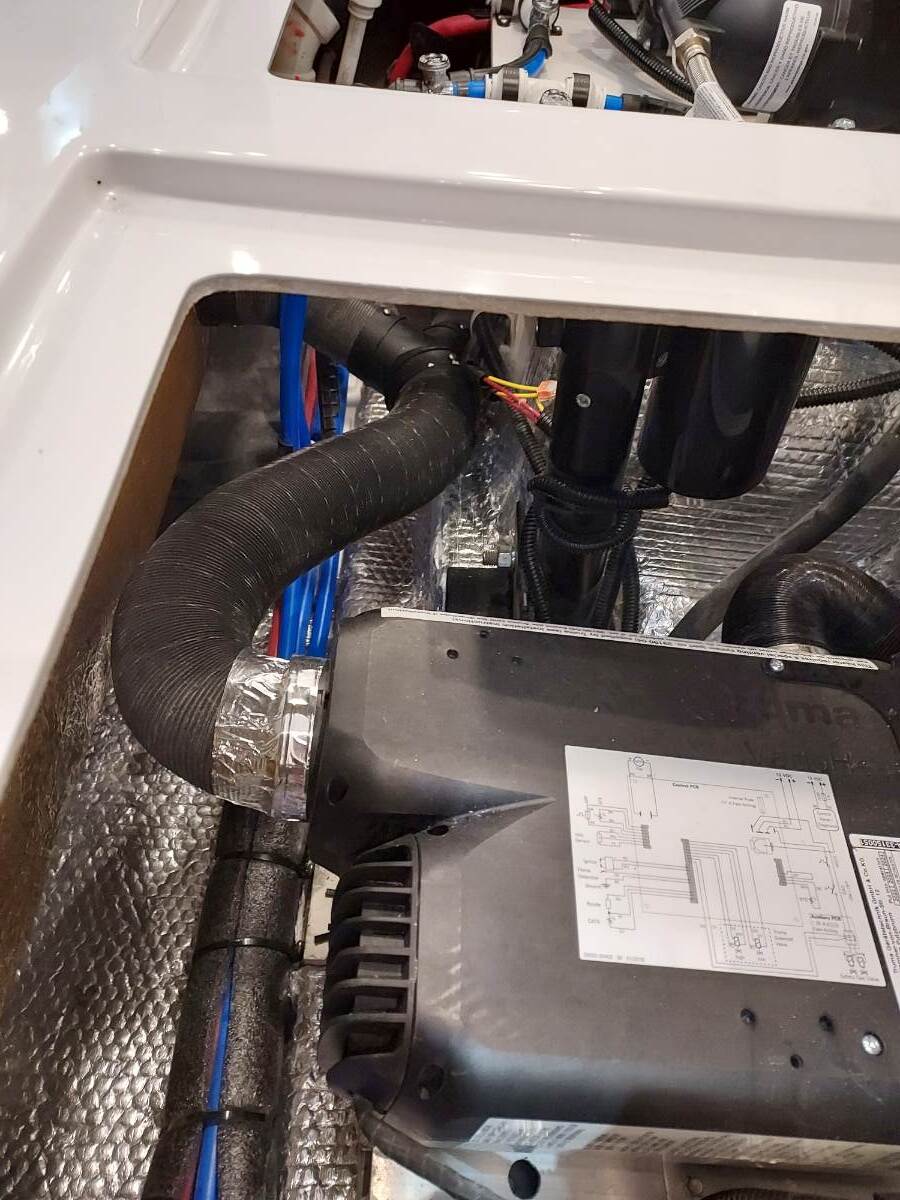
Good point with regard to older Oliver trailers. Our Hull #1291, late 2022, came with the Truma Varioheat furnace, which includes semi-rigid ducting throughout. It is much more durable than the flimsy ducting shown in the manufacturing photo posted by Steve & MA. See photo below.
2 points
-
Happy New Year fellow campers and travelers! Hope 2026 is a good one for everybody. Mike and Carol2 points
-
Our 2018 Ram 1500 with tow pkg ,with the Anderson wdh ,did a wonderful job on our trip west this past fall. I just down shifted and took it slow down mountain passes. A 2500 would give me more payload capacity though. I have to be aware of payload when loading the back of the 1500. We stayed 7 nights in Sunshine Campground (forest service) in 2022. It's only about 8 miles from Telluride. There was no water there that year, but we hauled some from another forest service campground further down the road.2 points
-
I have camped in the Telluride City Park campground. Its a bit crowded and they used to charge for showers via one of those quarters in the machine deals, but, it is very close to town (i.e. you can walk easily). I understand that they still allow camping there - but - you must make reservations online. Try THIS for info and reservations. Bill2 points
-
We installed a Furrion Chill Cube on our Pleasure-Way Excel class B last August. In this application it sits down in a well, so it isn't the highest thing on the roof. We're very happy with its performance. Cools well in South Texas' August heat. I don't have hygrometer, but humidity doesn't seem to fluctuate. And it's quiet, even quieter than the Truma in our LE2. Very little condensation runs off the back of our rig. Supposedly some of it is used to cool the condensation coils, but I can't confirm this. The air distribution box and the remote have controls for heat, but I don't see that Furrion has released an optional heat strip yet. The only thing I don't like about this unit is the oscillating vent. It cycles between straight down and straight forward, closing completely before opening back up. It could be a hazard when it's blowing forward due to its sharp edge. Fortunately, the oscillating feature can be turned off and it automatically closes when not running.2 points
-
When I see these pics, it makes me sick thinking how easy it would be during assembly to use some decent rigid or semi-rigid quality air ducting! I've replaced ours as far as I can reach, the originals were full of holes everywhere along the bottoms. 🙃2 points
-
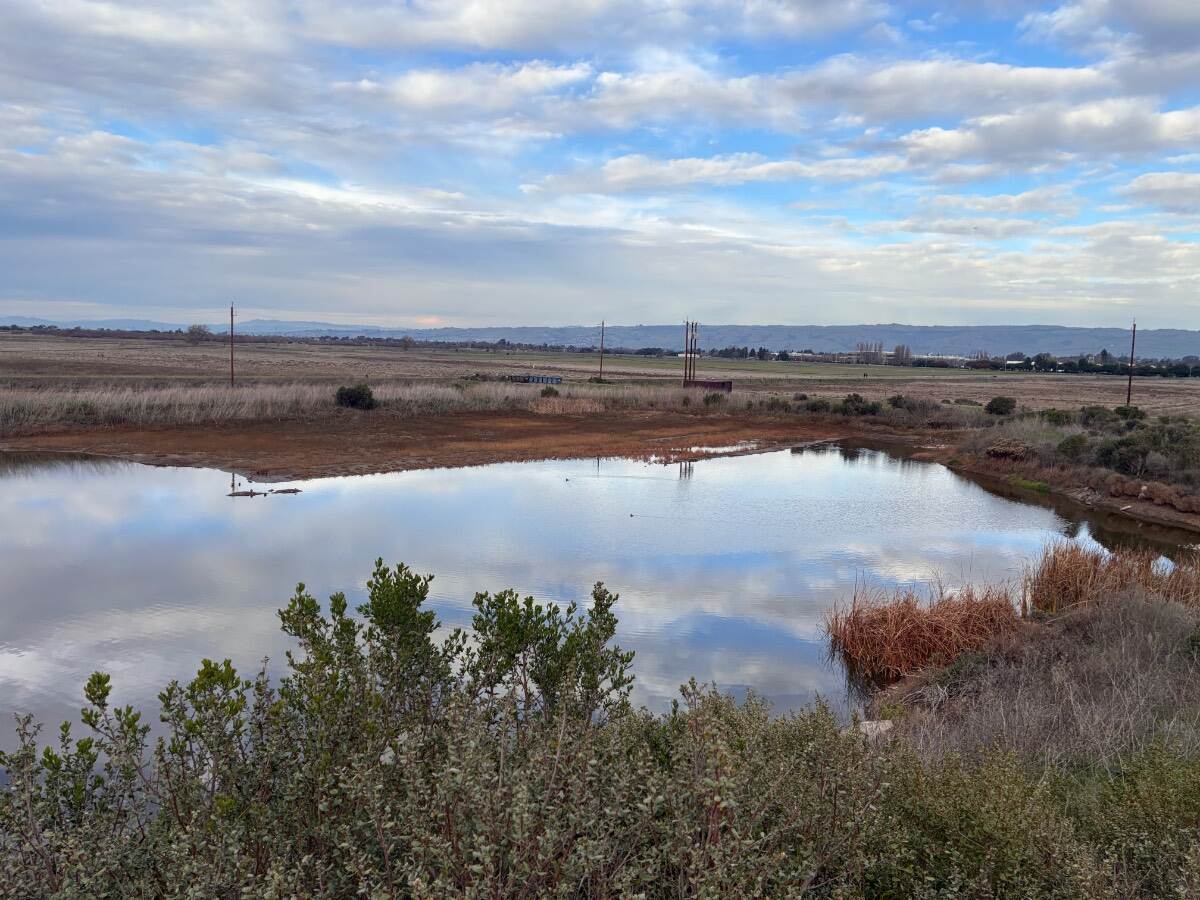
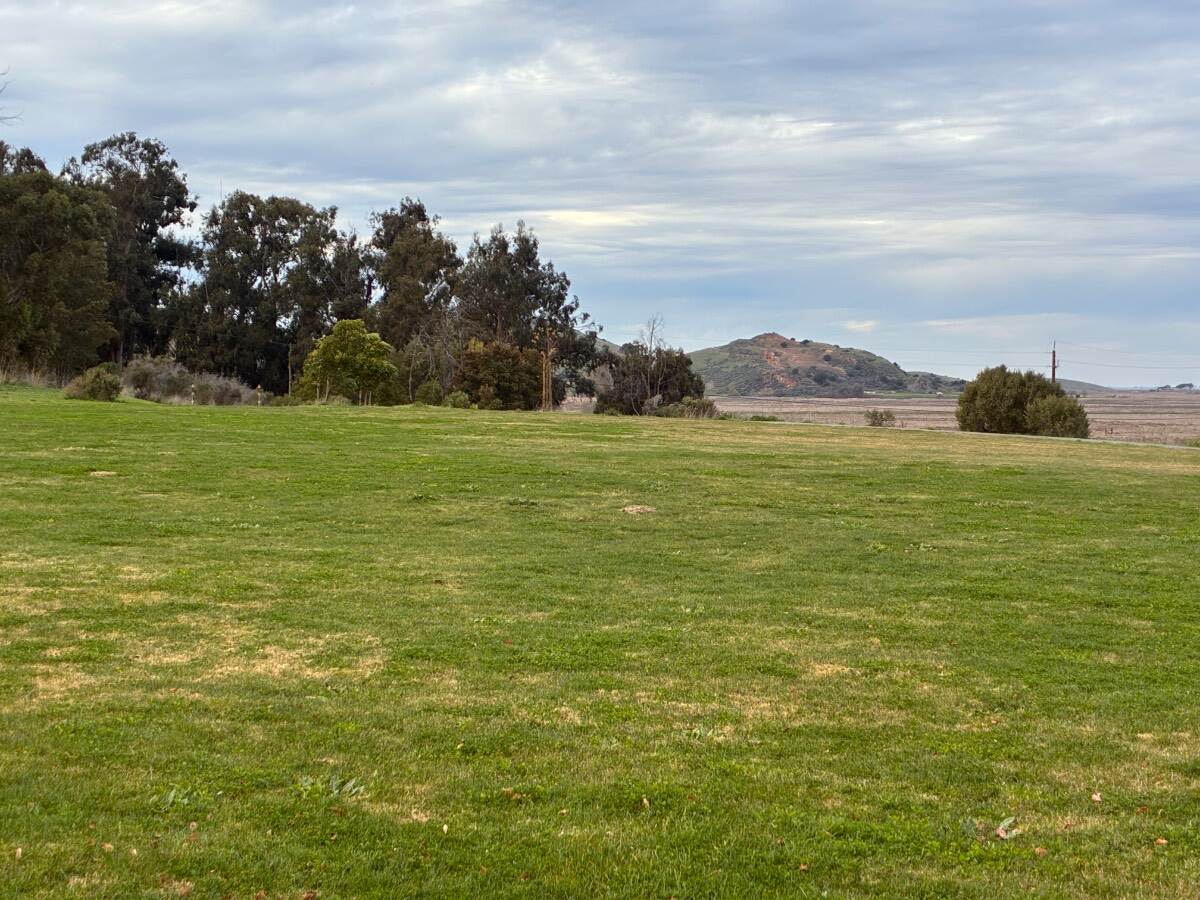
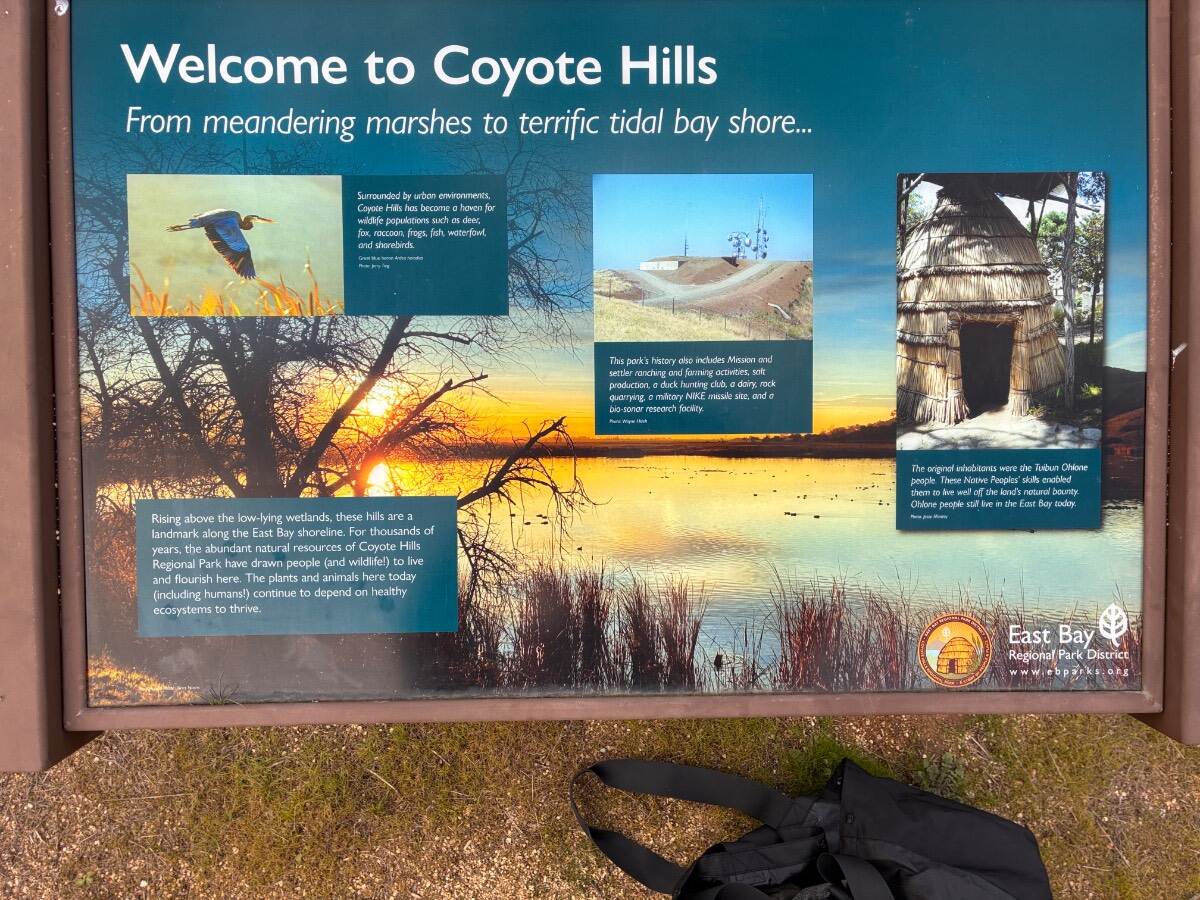
Last night on the road after 6 weeks. We are staying at Dumbarton Quarry Campground, part of Fremont Ca park system. What a nice surprise, one minute we are fighting Bay Area 6 lanes of traffic and next you are in what seems to be a remote place miles from the concrete jungle. Besides an oasis in the middle of madness, the price at $73 is very reasonable for the city. This is a great stop over if passing through the bay-area. We'll be on the road at 4am to beat traffic. Should be home in humboldt County, Ca before noon tomorrow.
2 points
-
Another 120v unit with an inverter compressor (e.g. Furrion Chill Cube), or are you thinking of a 12v DC unit to run off of your 600 AH Epoch lithium battery bank?2 points
-
Where did you camp near Telluride or Ouray ? I could spend 10 summers just in Colorado we are itching to get back to Colorado towing our LE II with the itty bitty 2.7 powered F150……….mini mouse Godzilla our particular F150 offers a much more comfortable driving experience with the Andersen hitch2 points
-
Nice, though I hope they come in other colors....2 points
-
We always travel with a full fresh tank We like to start with our home water. We have a water softener and high performance filter system that goes with us. We tow with an F250 6.2 gasser. The tanks are installed between the the bottom two shells. The area is insulated and heated by the furnace. As noted in TopGun's photos. Rest at ease. Those tanks aren't going anywhere.2 points
-
From the YouTube channel Mortons on the Move, by Tom & Caitlin Morton who previously tested the Greenland Turbro have more recently tested the Furrion Chill Cube. They now have the Turbro unit cooling the living area of their RV and the Furrion Chill Cube cooling their bedroom! Honestly, I wish I had seen this video prior to my purchase of what turned out to be a defective Turbro product. I believe I would have changed my purchase decision. Turbro refunded my money, so this model could be in our future, TBD Spring of 2026. This is my take after watching this review. I LOVE Tom's knowledge and ability as a electrical engineer coupled with their family RV experience! The PROs – so many benefits! - Variable speed compressor and efficient dual brushless DC fan motors, though not truly an inverter compressor it achieves similar energy efficiencies - The HUGE low-speed evaporator fan in the non-ducted unit is the game-changer, adding to cooling efficiency and allows for extremely quiet operation (see 14- and 24-minute marks on the video) - It becomes even more efficient, producing higher EER, When cooling demand is lower - Interior air handler is mounted flush to ceiling allowing for more headroom and clean interior appearance - Small 29x29” rooftop footprint at 60% the weight of standard A/C units - Unique oscillating vent for greater air movement which can also be set to one stationary position - The follow-me remote puts the thermostat reading wherever you want it - A simple remote key will turn off all control sounds and interior lights - Low-energy, eco and gear modes to efficiently run the AC at 50% or 75% power levels for longer runtimes when running on inverter/batteries - The evaporator condensate is channeled to the rear where a water wheel on the condenser fan brings water up to soak the condenser coils for more efficient cooling, which also minimizes condensate drip down the body of the trailer (in dry climates condensates should fully evaporate) - Can run easily on 2KW generators or inverters, no soft-start required The CONs – the disadvantages seem much smaller in comparison (to me) - With its unconventional looks at 14.5” tall it is 3.25” taller than the Dometic P2 and close to 5” taller than low profile A/C models - Only a simple A/C unit without heat pump capability - IR remote works line-of-sight only in close proximity of unit - No app for monitoring and control - No thermostat interface on the non-ducted version We’re OK without heat-pump, since in 3 RVs we either did not have one or use it. Prior owner had replace the reportedly “noisy” Suburban furnace in our Oliver with an Atwood model that now that I have deleted the bedside duct and added an intake filter, runs well and is quiet enough to my noise-sensitive ears. Here is the Mortons on the Move blog post and YouTube review: https://www.mortonsonthemove.com/furrion-chill-cube-variable-speed-18k-review/1 point
-
Very carefully?😁 Actually, I think that this would be a close to impossible task. The reason for this thinking is that it would be extremely unlikely that the location of the attachment of the emergency brake cable on the tow vehicle would be the same as the location of the emergency brake switch (located for most of us on the driver's side frame) and the tow vehicle and trailer would be lined up in exactly the same way during the accident as it was when initially secured to the TV and the trailer. Virtually any turn to the left by the tow vehicle would tend to shorten the distance between the switch and the cable's point of attachment and vice versa for a turn to the right. Then add any hinderance of the cable which might make that distance between the the cable attachment point and the switch relatively shorter or longer plus the braking differences of the two moving objects that you mention all would tend to make for this impossible task of getting the distance "dialed in". In the only case I know about where the trailer became detached from the tow vehicle, I believe that the emergency brake switch WAS activated and the trailer slowed much faster than the tow vehicle. In turn, this kept the safety chains tight preventing the bulldog from digging into the pavement. Bill1 point
-
I've never noted any "testing" but I have always said that the Andersen does give the user an additional point of contact between the tow vehicle and the trailer. Of course, if the "accident" involved virtually anything to do with the hitch ball and/or its connection to the TV then the Andersen chains would be of little to no use. Bill1 point
-
It seems to me that the Andersen weight distribution hitch should supplement the ability of the safety chains to keep the trailer connected to the tow vehicle, in the event of an accident. Does anyone know if this has been tested, intentionally or unitentionally?1 point
-
EV trucks don't go where we camp, 100+ miles from a charging station, and that is one ugly trailer. Keep your diesel truck and Oliver and we'll keep ours too! 😎1 point
-
Epic trip!!1 point
-
I looked at that one too but really wanted a heat pump. A big plus with the Chill Cube is you can force it to run at 50% capacity if you want.1 point
-
Thank you all for the info. I typically will tow with my Yukon. Seems to get 10 to 12 mpg no matter how I'm loaded 🤨 . All of your responses are very helpful as are the Pics Topgun. I can certainly understand the 10% back roads thing. More than once I had to re-attach my dinette seating to floor on my first Travel Trailer. I also have been know to hike back looking for my stinky slinky! Thanks.1 point
-
Mfg only - it saves wear and tear on the tank and insulation let alone safety underfoot for the workers. No real idea - other than they didn't have another piece of plywood? I'll take a look but I can't put my finger (mouse) on it right now. Bill1 point
-
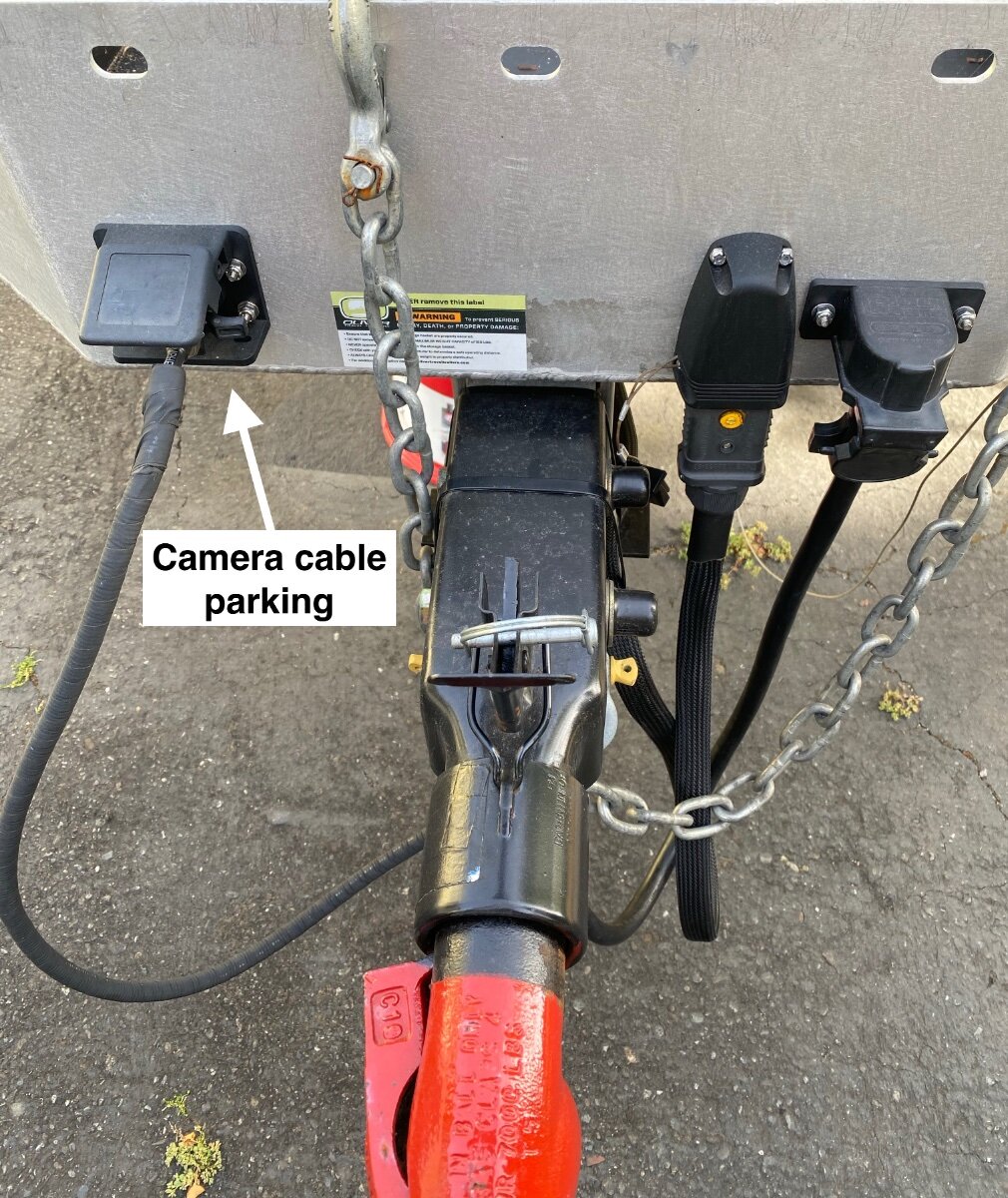
I always thought that if the hitch fails, that the chains/cables are the FIRST system to come into play so as to keep the trailer attached to the TV. That means of last resort is the emergency brakeaway cable to stop the trailer. I'm think this as I was told it is OK to extend the emergency trailer brake cable, but never allow it to become tight when turning or driving on rough roads. Your thoughts? Gj1 point
-
I have 2020 Elite 2 and over 40,000 miles on our trailer with no problem towing with tanks full or partially full.1 point
-
In my experience: YES and NO: Yes if you are traveling on paved roads or do gravel roads or dirt roads at a reasonable speed. No if your are going off road and qualify for membership into the 10% group that NEED 3500 pound springs. Then I suggest draining the black and gray tanks before heading into suspension hell. Also carry full Fresh Water (FW) only needed when boondocking. These thoughts are to reduce tire issue. My thoughts exactly for the black and gray tanks. For the fresh water, I always travel with enough fresh water for a couple of days for my rest stops. This may range from full FWT to half full depending. Like TopGun, it is MPG and convenience related. But also just in case I'm unexpectely stuck somewhere with a problem/weather and no FW source. GJ1 point
-
That's one of those Chinese things I was referring too! They will ignore what they don't want to answer. 🙃 Excellent electronics work @CRM! If I save my unit I'll ask more of the details. If my repair becomes not worth doing, I now have another brand in mind. It wouldn't be for everyone but it's very interesting. 😎 I'll write a post on it soon...1 point
-
Noted on the 2022 with the 3500 lb capacity axle label to keep an eye on this just greased the suspension and they have a nice arch and only 6000 miles #1218 LE II1 point
-
Haven't put a lot of effort towards that yet, but did cover the back vents with white tape and the noise dropped quite a bit. Didn't expect it to and was only trying to force more air forward in the cabin. Will probably add some sound deadening inside the plenum at some point to see if that helps further. It's really not too bad now, or maybe I've just gotten used to it? Other mods I've done to it are- I added a 52k ohm resistor onto the thermistor in parallel to trick the unit into thinking that the cabin air is warmer than it actually is. The thermistor was always reading 5 degrees or more than actual which became a problem since the unit only allows the temp to be set as low as 64. On cooler days in the 70's with high humidity it wouldn't run long enough to bring the humidity down, even in dry mode. Since the mod, it works perfectly. I complained to support about this temp differential and they told me it was "normal" since the sensor is reading the air inside the plenum, lol... I asked why they didn't put the thermistor inside the remote like they do with mini split's and all I got was crickets.. Hoping Cielo finally gets my thermostat working, but that's another story... I also added an On/On 4PDT Toggle Switch to control the fan speed circuit. One side to run the fan on low constant whether the unit was powered or not, and the other side of the switch to allow the unit to control fan speed normally. I did this mod since there was no way to keep the fan on constant while in heat mode. It was disturbing my wife's sleep by cycling on and off with the compressor and she wanted the steady sound of the fan. She's now happy, so I am happy! The last mod was to remove the speaker on the circuit board under the inside cover. Every time you make any adjustment to temp, fan, etc it would beep. To make matters worse, it conflicted with my TV remote and beeped whenever I used that too! All in all I'm happy with it now, though I wish I didn't have to do any mods to get there. If it weren't so efficient I might have just sent it back. I'm convinced this unit was designed by two separate set of engineers. One group designing the outside part of the unit and another designing the inside fan control and ducting.1 point
-
We entered from the east, Hwy AZ-87 to Cline Cabin Rd to FS 124 then 401. Dirt as soon as you leave AZ-87 and it's a long way to Four Peaks. We drove about 6 miles to where we camped. This route and the one via El Oso Rd both go all the way to the wilderness area. It would take a good 2 hours on dirt to go the whole way! "The Rolls OHV Area" is on this route which was fine for an overnight, but even though we did dirt riding for 20 years, I do NOT like to camp with engine noises and the dirt in the air the OHV creates! Perhaps El OSO is better? It's a shorter run off AZ Hwy-188.1 point
-
Over Thanksgiving week, my wife, daughter, dog and I drove out to Yosemite and Sequoia National parks. I let the dog do most of the driving 🙂 Camped at Yosemite Pines RV park, which was very nice, but a bit far from Yosemite. Made for some long morning and evening drives. Spend about 4 days there. My daughter worked from the RV one day via Starlink. That was our first experience with it and it went really good. Sequoia we stayed at Lemon Cove RV park. Decent place and much closer to the NP gates. Saw a bear on Bear Hill one morning, so we decided not to hike that area that morning. Had lunch with some deer then drove up to Kings Canyon, which was better, in our opinion, than Sequoia. All beautiful places though. The Oli towed great the entire trip and was nice to have some of the updates I had done previous to this trip. The new axels and Alcan springs felt great. The new Tosot AC/heater worked well for night time when I ran it for heat since I was plugged in to campsite power. No reason to burn through the propane while hooked to electrical. New Truma water heater worked perfect too. Overall, a great trip and no issues with the Oliver. It was also nice to have our daughter fly in from Denver and spend the week with us.
1 point
-
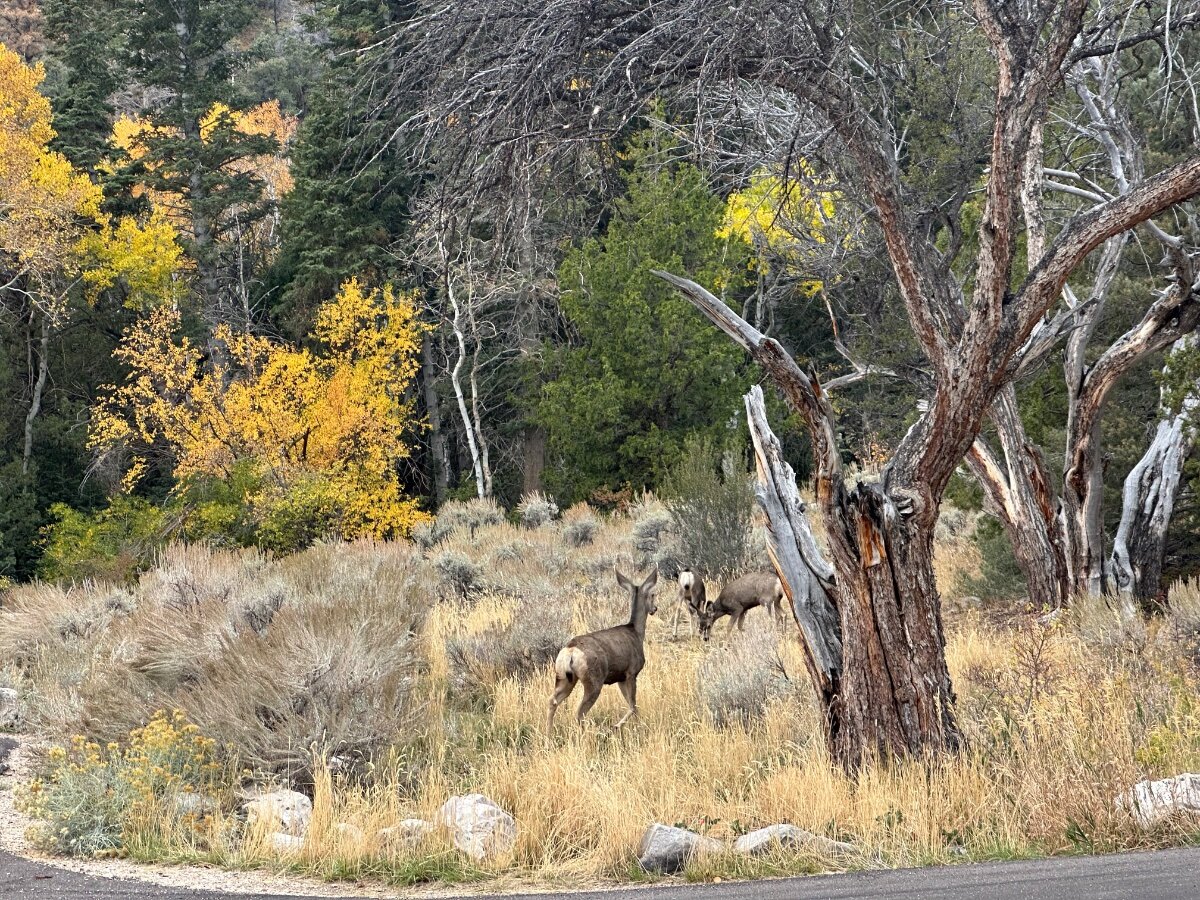
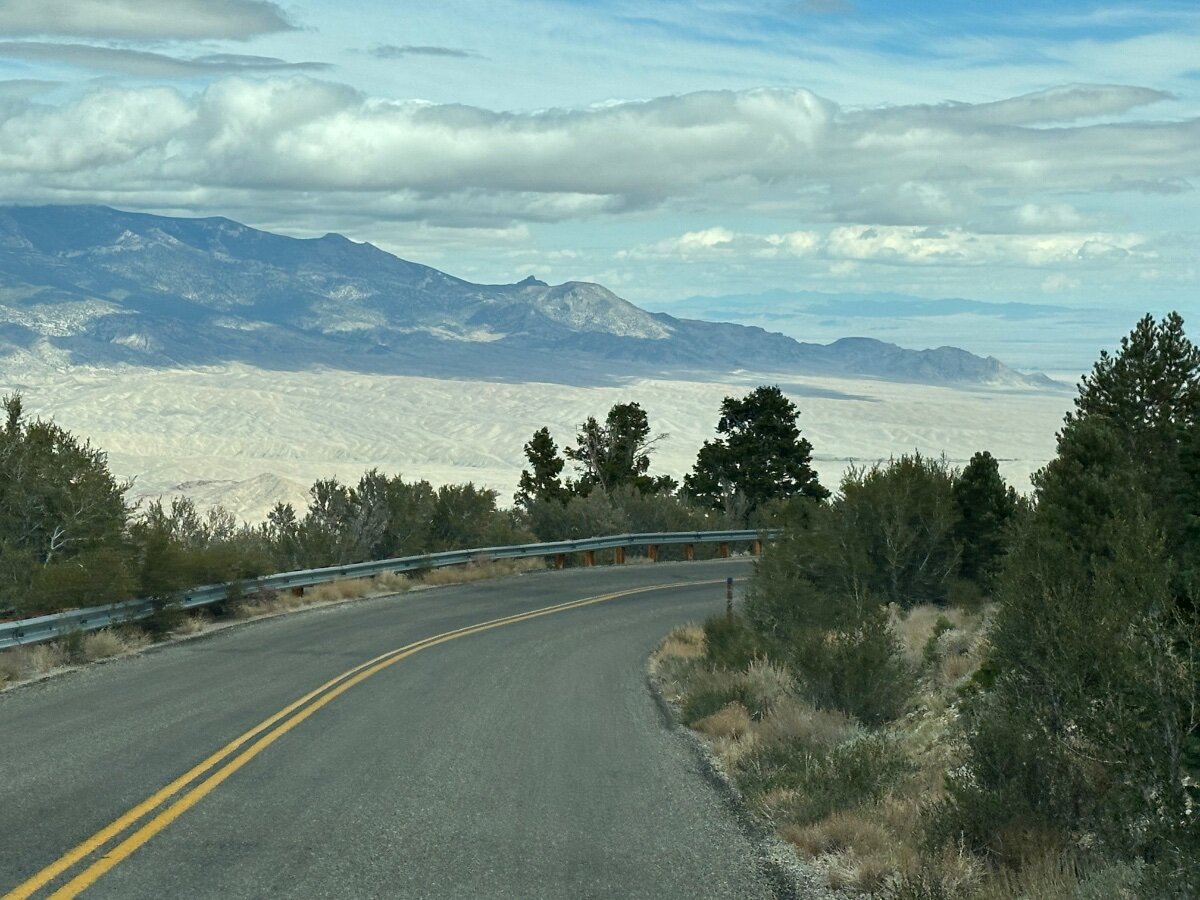
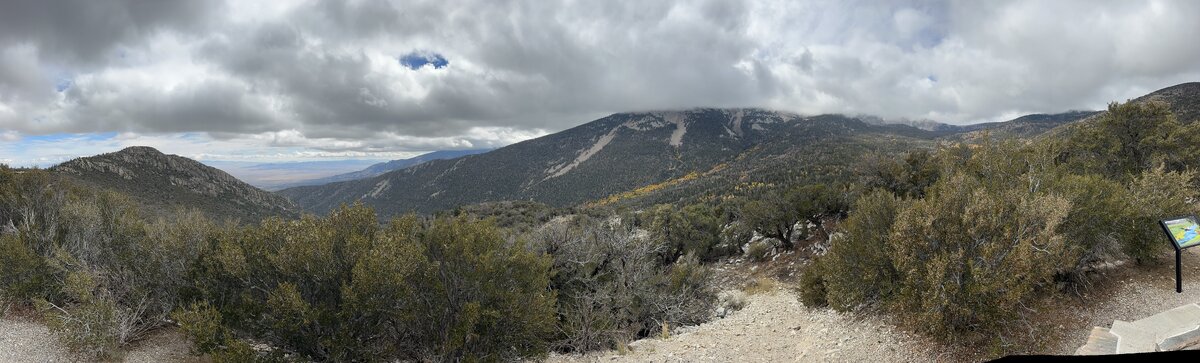
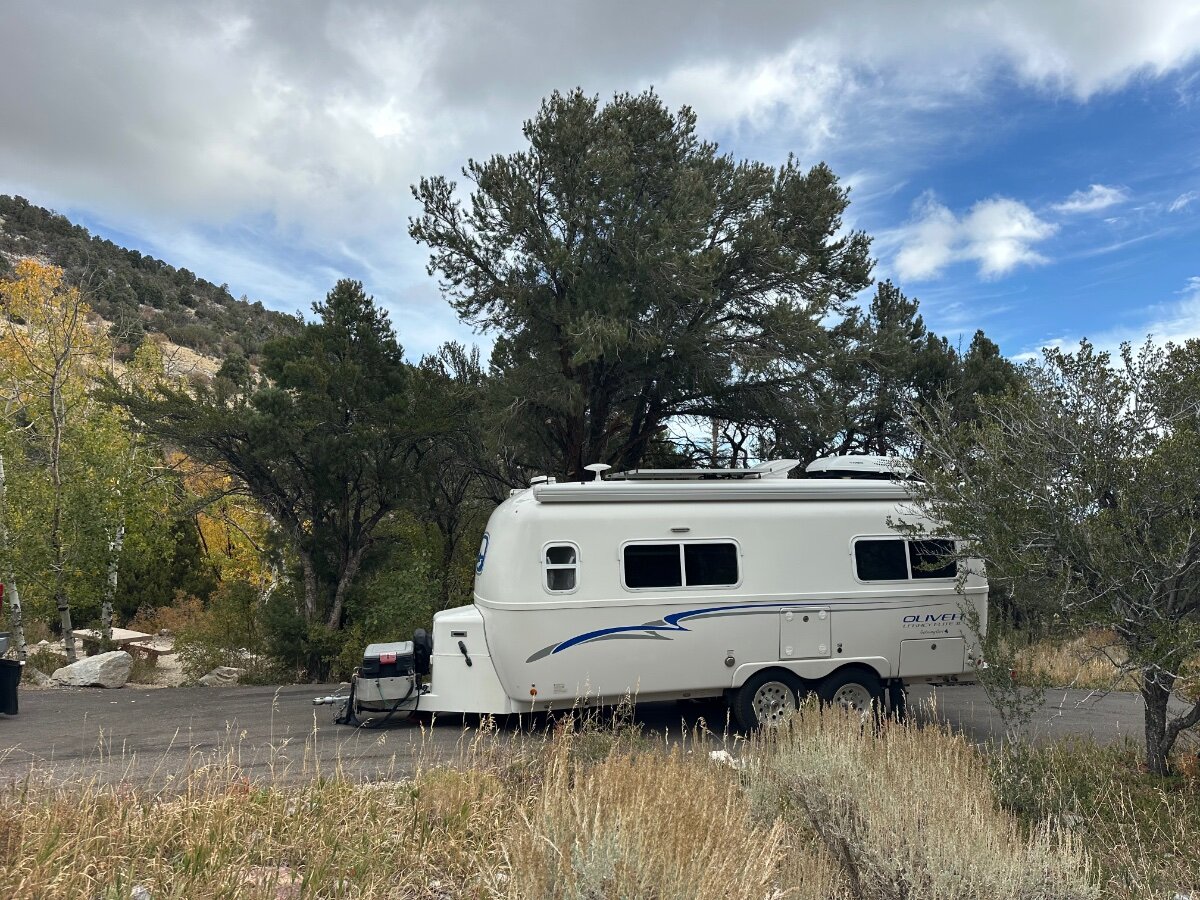
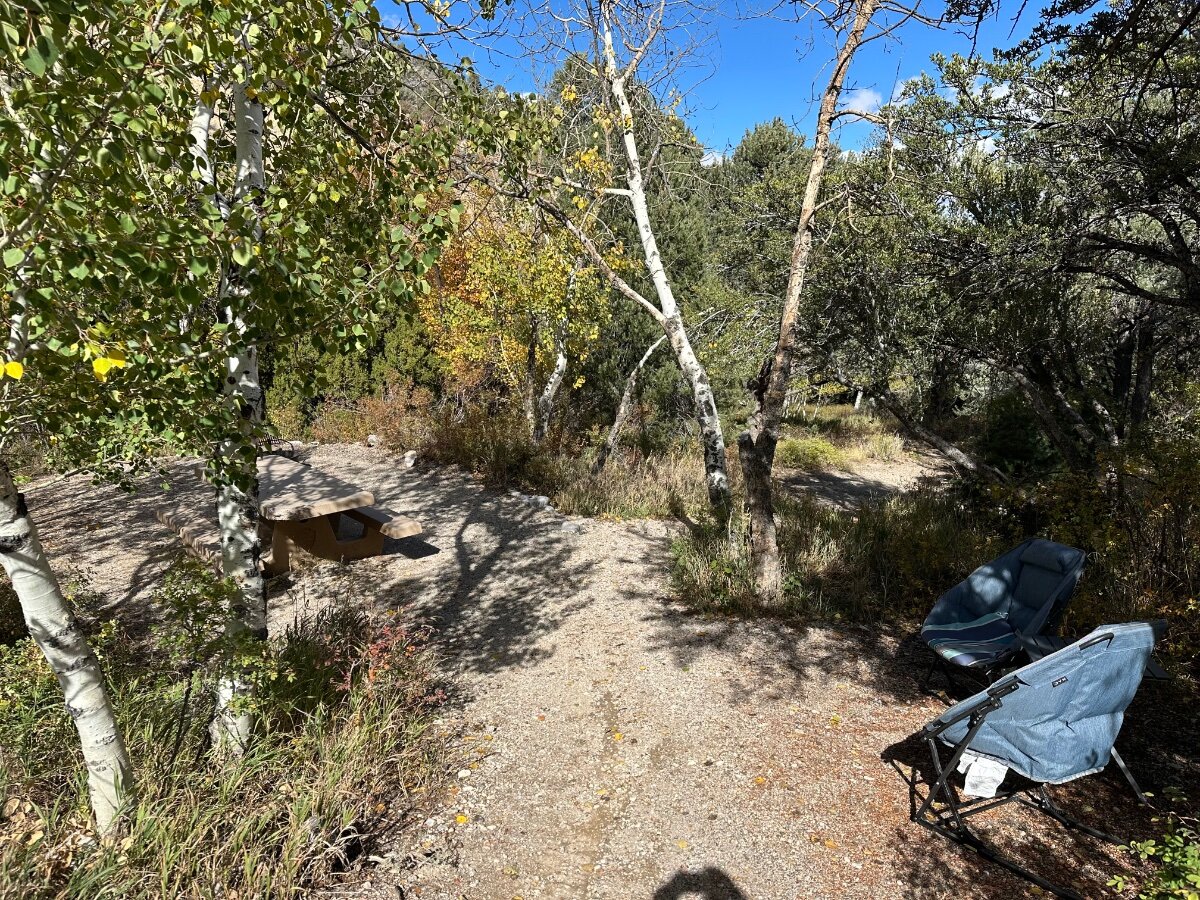
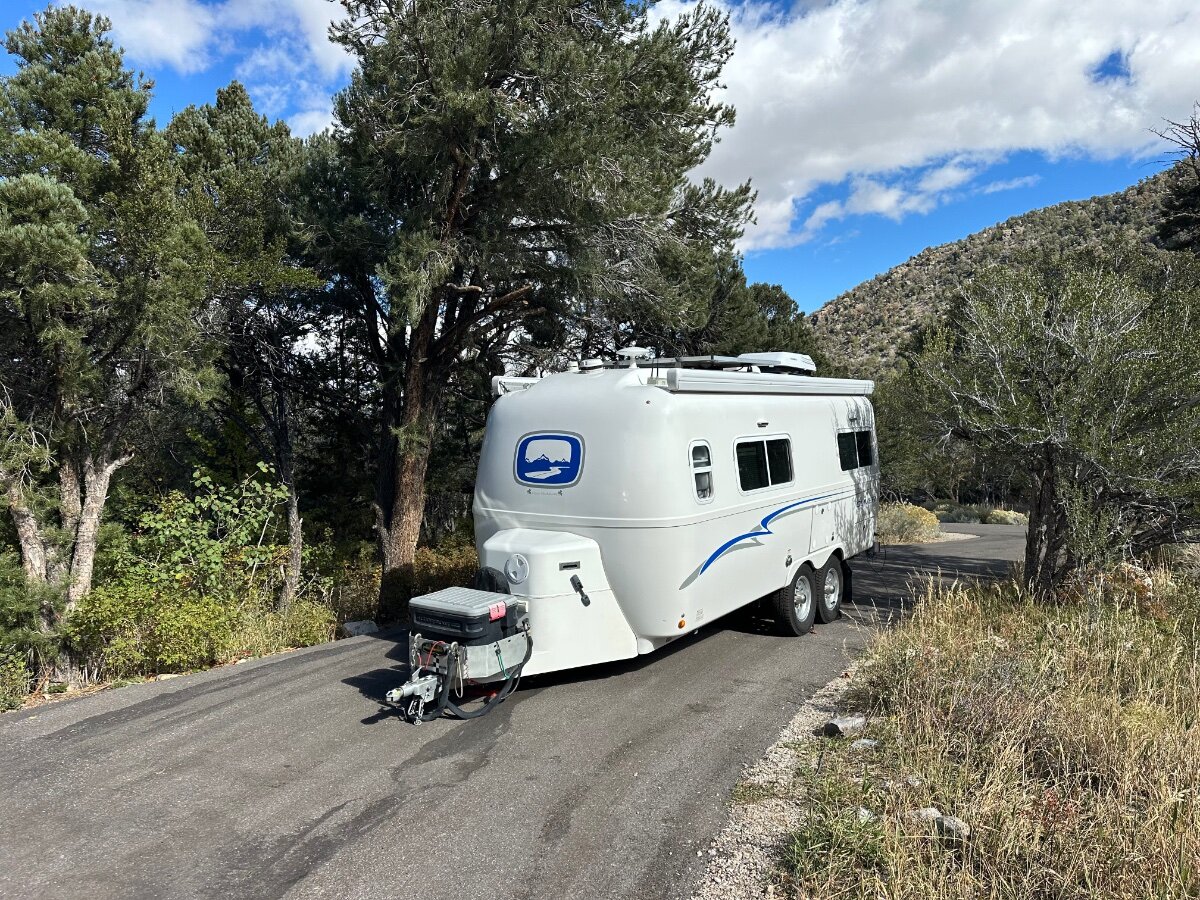
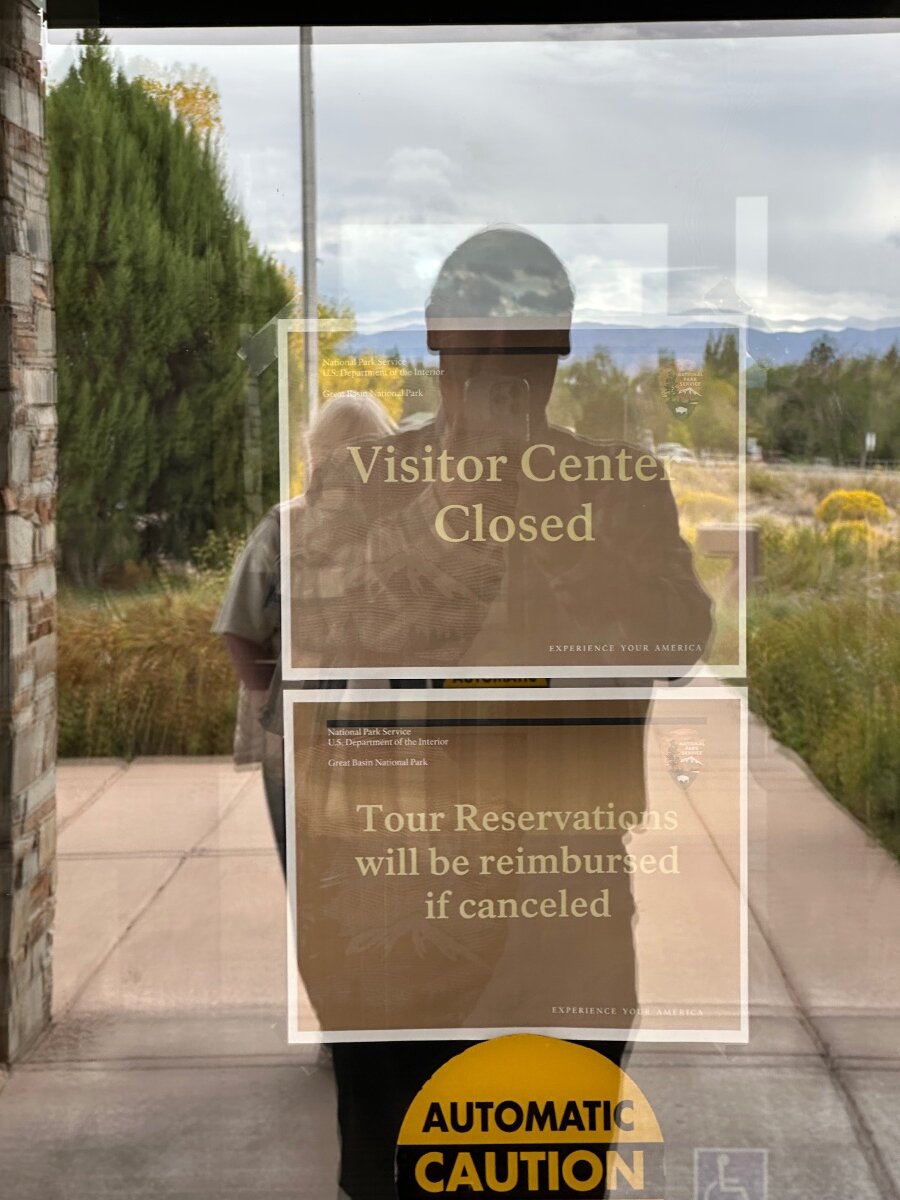
In Great Basin NP..upper Lehman CG site 17. Very steep slopes. Lower Lehman CG has been closed and completely re graded and all ne asphalt. Will open next spring. Visitor center closed…park campsites open as are roads to top of park Saw people come thru and collect trash.
1 point
-
I've always placed my cables/chains below the whale tail. My reasoning is that since the cables/chains are there as a safety measure in the event that the trailer (in some manner) comes unattached from the tow vehicle, the cables/chains will be the "last resort" of attachment to that tow vehicle. Then, assuming that you have crossed the cables/chains the tongue should rest on those cables/chains as the trailer slows - this is particularly so assuming that the emergency brakes are applied on the trailer due to that ty switch becoming activated. Meanwhile, the whale tail would serve as a wide surface area that those cables/chains could "catch". Obviously, this crossing of the safety cables/chains has the effect of holding the hitch of the trailer off the ground so that the trailer hitch does not "dig" into the road thus possibly "flipping" the trailer. Bill1 point
-
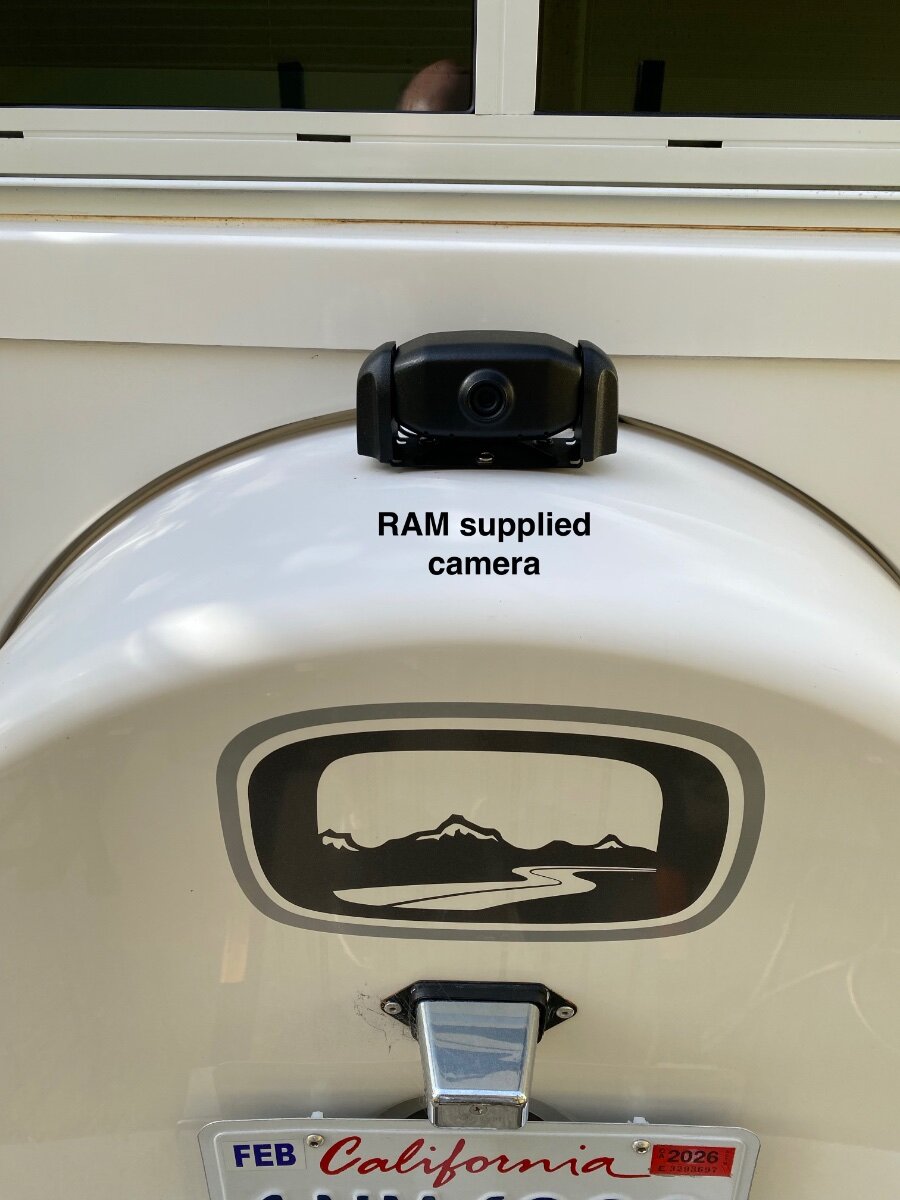
Camera is through bolted with nylock nuts as to not to chip the fiberglass, like happens with sheet metal screws. The very tip of a step drill works well for making holes in the fiberglass because it doesn't grab and chip like a twist drill. Cheers! Geoff
1 point
-
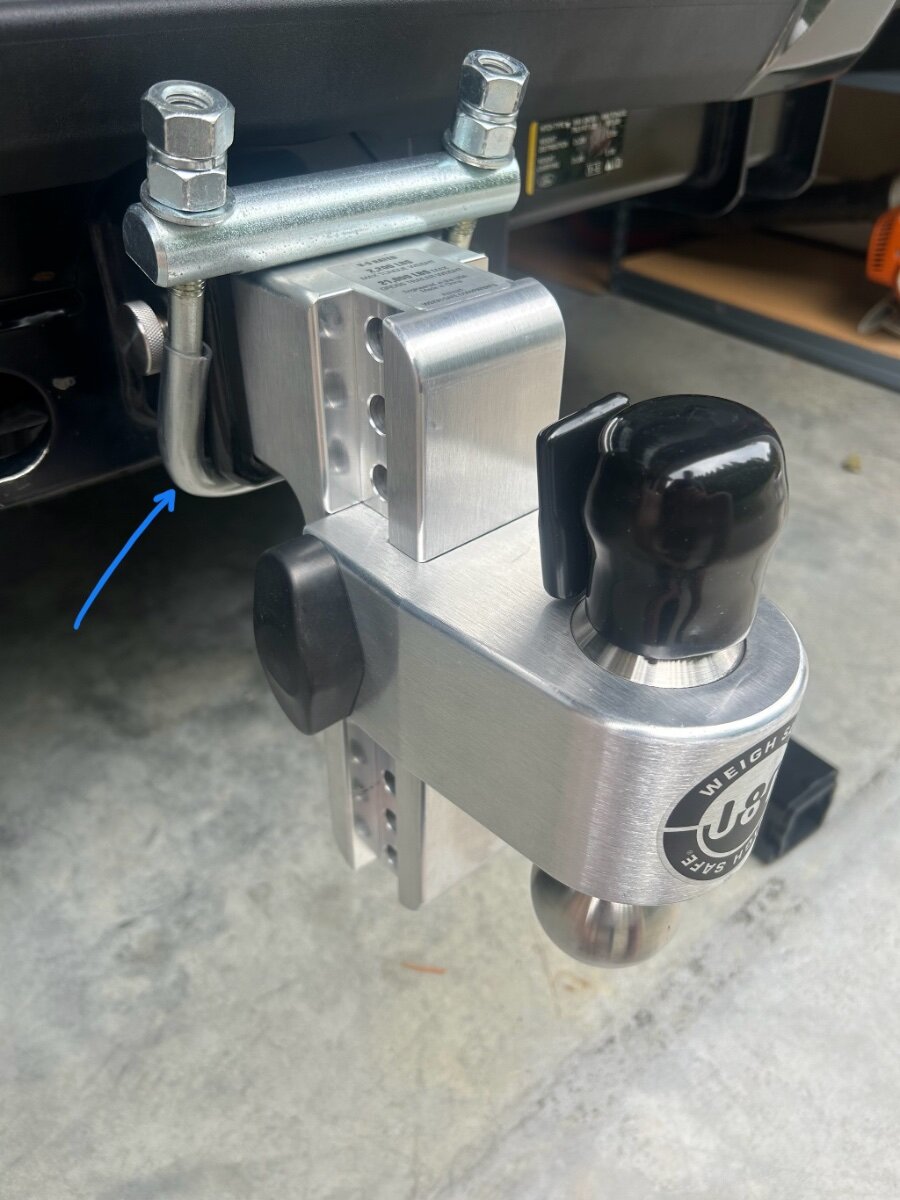
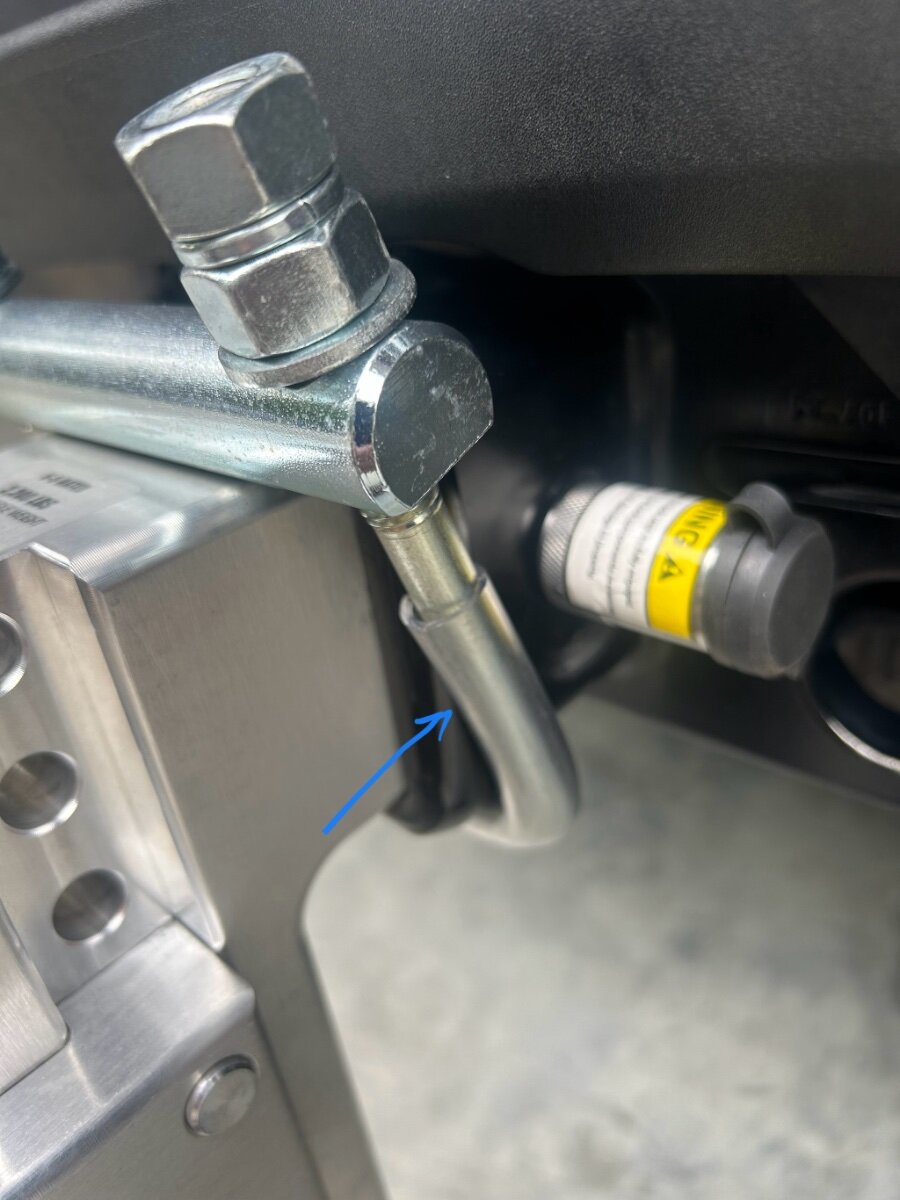
Field use follow up. After towing our OLE2 I can report that the hitch 3” hitch clamp worked exactly as designed. The 3” shank while inserted into the 3” receiver is completely silent while under way. Win! It’s recommended to periodically check the clamp fasteners which I did. They stayed tight the entire trip. I opted to add a short piece of plastic tubing to insulate the bottom of the clamp from metal on metal chaffing the bottom of my receiver. (Pic) It took a little while to get this tubing to cooperate while sliding it on to the clamp. I warmed the tubing up in hot water which made it a little easier. I am satisfied with the outcome.
1 point
-
We have the old 6.0 GMC gasser and 4.10 rear axle in our 3500. It handles our LE2 easily.1 point
-
When I bought our Ram 2500 diesel my son bought a Ram 2500 6.4 Hemi. They live in Durango and pull a travel trailer a little longer but about the same weight as our Oliver, mostly around Colorado and Utah. He’s very happy with the towing performance of the 6.4 V8. While I like the diesel I think I could be happy with the big V8. Mike1 point
-
This seems like a good thread to reinforce a certain logic when it comes to tow vehicles with regard to the LE2. Like a few others here have stated here, I have extensive prior experience towing trailers, to the tune of close to 50 years. This includes rather large livestock trailers and twin engine boat trailers, enclosed and flat bed cargo trailers all the way down to small motorcycle trailers. They all introduce significant challenges depending on the tow vehicle used. Over the years my overall observation in learning from the seasoned veterans along the way is that just enough truck is never enough and there’s no such thing as too much truck, within reason. I’ve pulled trailers that were on the margin of overloading trucks at times and know what that feels like. When people mention white knuckles and pucker factor as it applies to trailering, I’ve experienced firsthand understanding I was at risk on a few occasions. Similar to previous comments once you’ve been there, you always make a point to never let that happen again. When we began formulating our plan to purchase the Oliver, the choice of truck capacity was of little debate. Our previous camper was a 34’ standard with a super slide on one side. I chose a diesel crew cab dually for that rig, and it performed perfectly. For the Oliver I would be towing a couple thousand pounds less and significantly shorter, but I still wanted plenty of truck and decided to downsize to 350 crew cab short bed with a 7.3L gas engine. Still far above the margin of capacity, so a significant safety factor built into the choice. Best part is like others have mentioned, I don’t have the worry about what cargo I want to load into the truck. No white knuckles and no pucker factor. But most of all with the Oliver, we’re way below the need for a WD hitch and that’s important to me. A WD hitch is a way to compensate for when a trailer connects behind the rear axle and weighs in at near or more than the tow vehicle. It’s acceptably effective at restoring controllability to the tow vehicle, but introduces compromises in articulation and can add significant stresses to both vehicles when moving through uneven terrain. I really wanted to avoid the need to manage the rig through situations where I could be risking damage to vehicles or equipment during remote camping/ boon-docking destinations, etc. plus I just didn’t want the added complexity of hitching and unhitching. These kind of threads always generate “lively debate” and I guess that’s fine so that the inexperienced can read the many views people have and hopefully learn the key factors to consider regarding TV choice and safety considerations. If you choose plenty of truck, most of the discussion is just good general knowledge that you won’t have to worry much about. Long winded way of saying that I f someone is asking for my advice, always choose plenty of truck with an abundance of safety margin. Nobody ever complains about having too much truck, but many have learned through any number of experiences that just enough is often never enough. Cheers!😎1 point
-
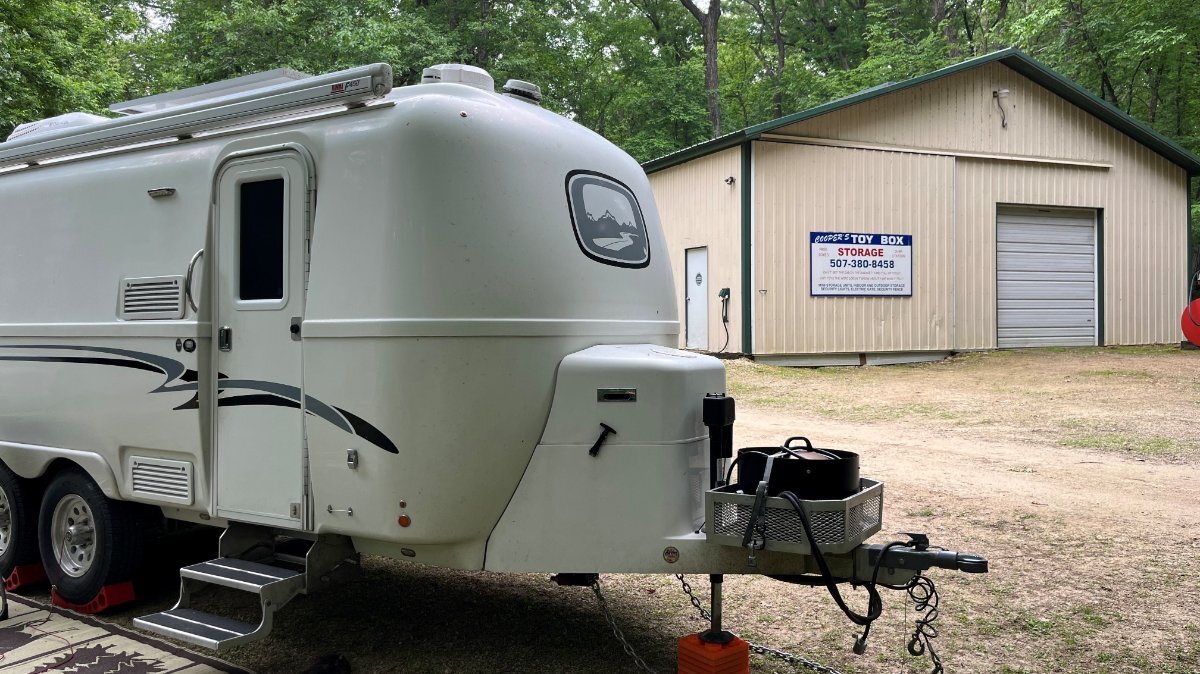
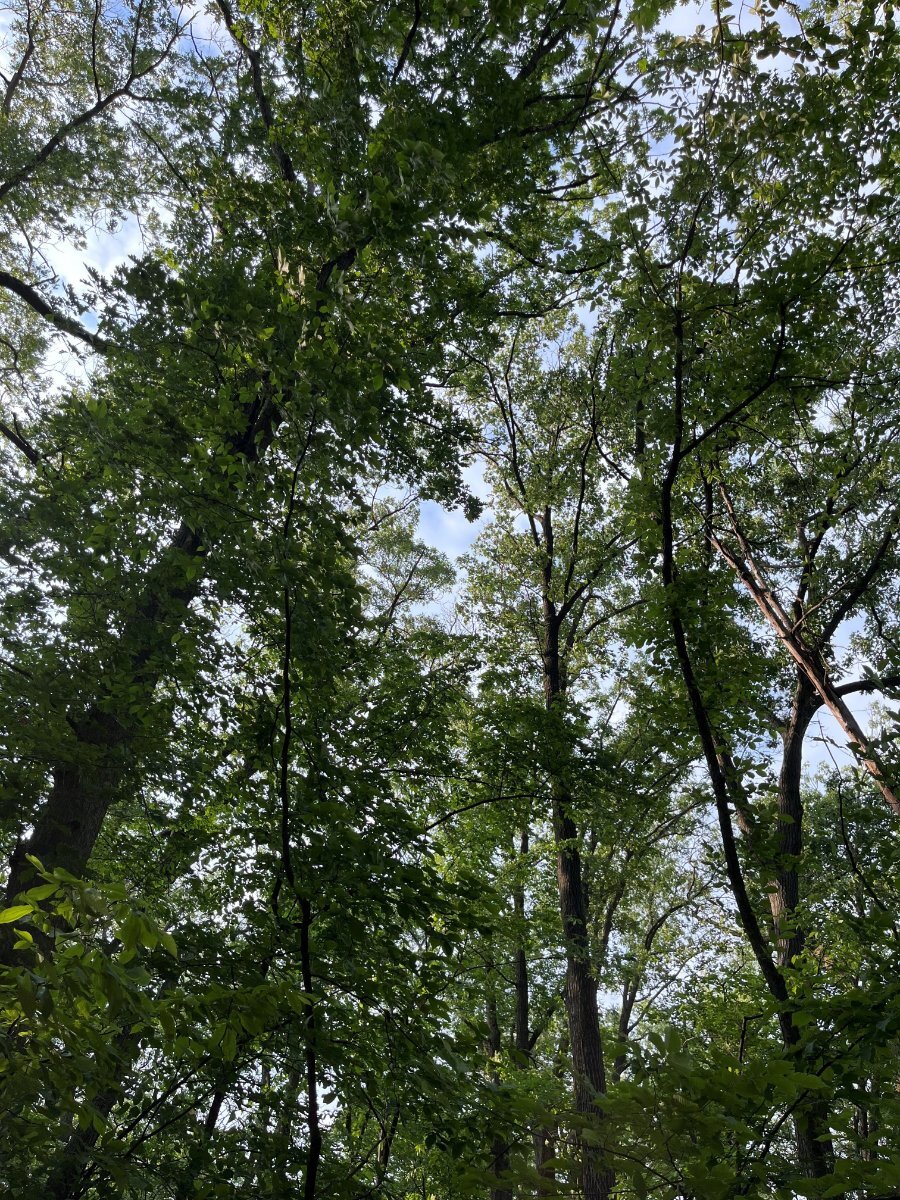
We moved out of the Midwest 26 years ago and there were two things I had forgotten about, one bad and one good. The bad are the huge storm fronts that can come through slowly and sometimes just sit for what seems to be FOREVER! Low pressure started with the storm that came through central Kansas. Then we caught up to it again the next day in Nebraska. And then it was still there ALL through Iowa and after two rainy days at Wilkinson Pioneer Park near Mason City Iowa it also covered most of Minnesota (so far). Fortunately we only had 3 rainy days but we have not seen the sun in 12 days! Let me tell you, this is difficult for us who live in sunny Arizona. Non-descript GRAY skies. You can't make out clouds, it's just a pale shade of gray. I remember a year in Chicago about 1980 when the Chicago tribune headline stated 45 days of gray. That was during the winter though, the first 12 days of June being nothing but gray, wow! The good one I had forgotten was how large and tall deciduous trees can be in the Midwest. Over the last 20 years we've lived in AZ, Central TX and S FL. No tall trees in these locations except for Ponderosa pines in AZ. Every town in Iowa, the pretty houses are surrounded by huge tall trees. Then we got to Chris' sister's home in Farmington MN. This was our best campsite so far. A private little spot in the woods along their driveway a couple hundred yards before their lakefront home. We spent 4 overnights with family here. We left today and drove up to Brainerd MN, staying Gull Lake Rec Area another ACOE park. Drizzle and gray again today. Just staying here one night. The plan is to boondock in the Chippewa NF for the weekend, but... If it's raining to the north when we wake up, I'm driving west to Fargo ND or further west as far as we must to see the sun again! 🤣
1 point
-
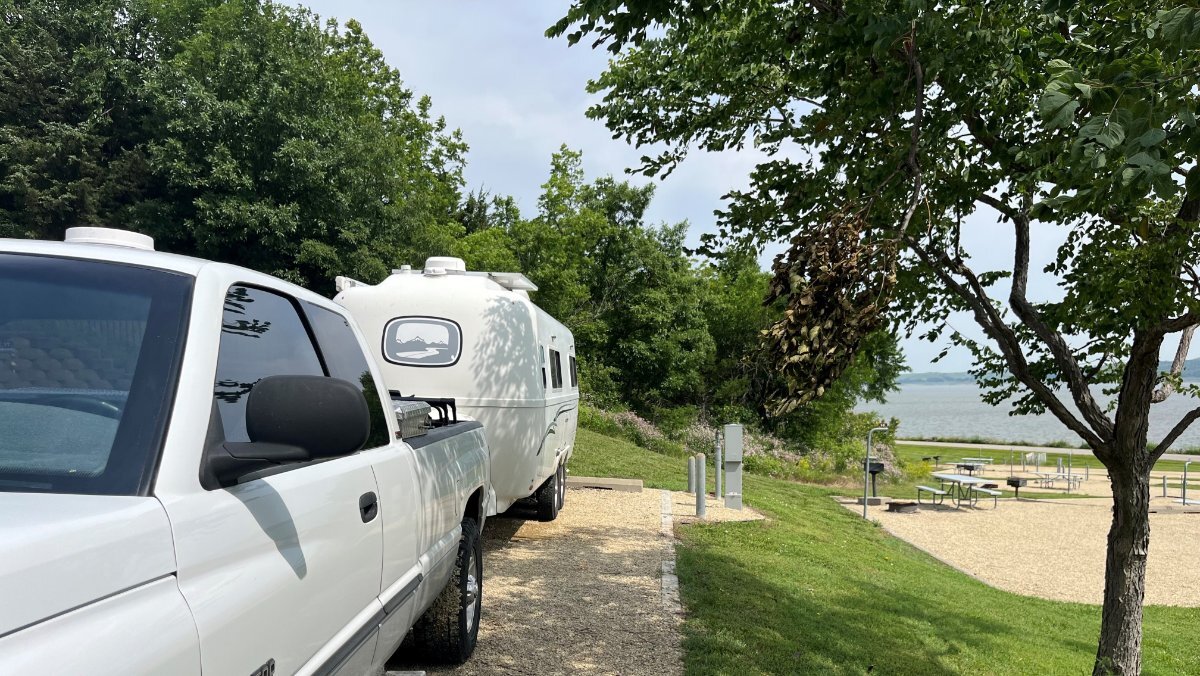
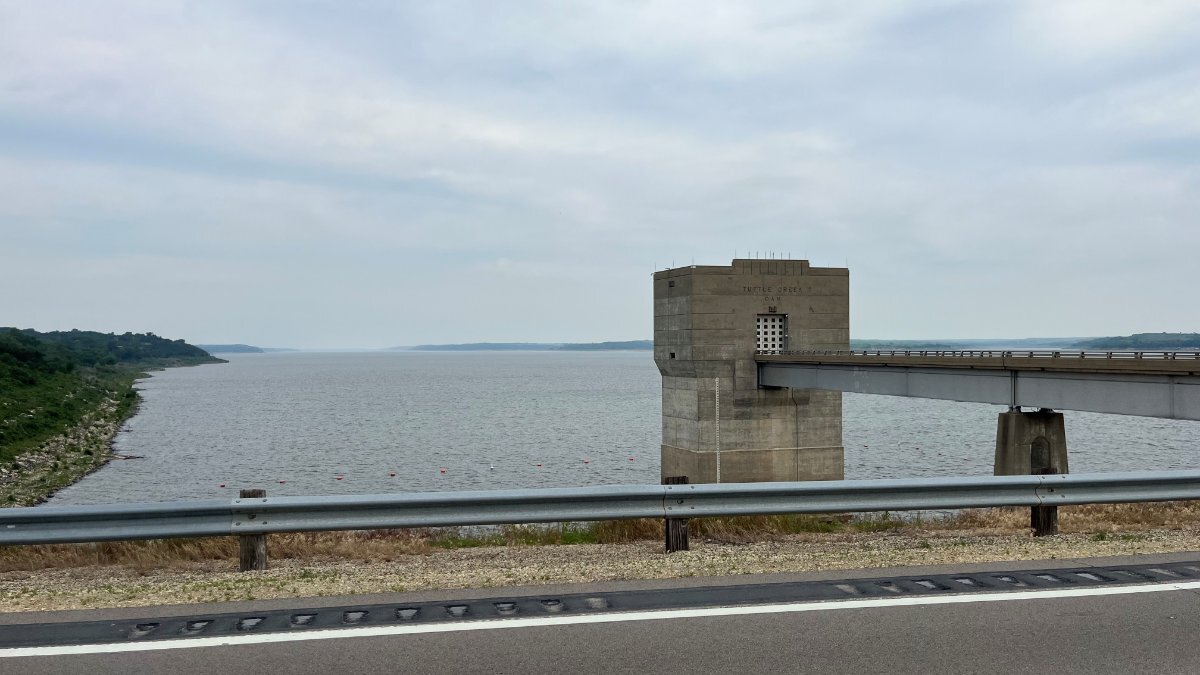
The highways in Kansas are nearly perfect, everywhere we drove! I had not driven on highways so smooth since what I remember of I-64 in VA during the 70s when that Interstate was a new road (moved to VA from the pothole city known as Chicago). The roads in AZ and NM are terrible, and even worse where Fed funds are needed as in US highways and Interstates! We headed to Manhattan Kansas, picked the location for some pickleball courts we found on the PicklePlay app. We made an inquiry on Harvests Hosts but after the courts listed were not to be found and the host site looked like a construction co lot, we drove north of town to stay the night a Tuttle Cove a ACOE campsite. $12 with the senior pass. Windy when we got there and perfectly calm the next morning, a very nice spot and what an amazing dam!
1 point
-
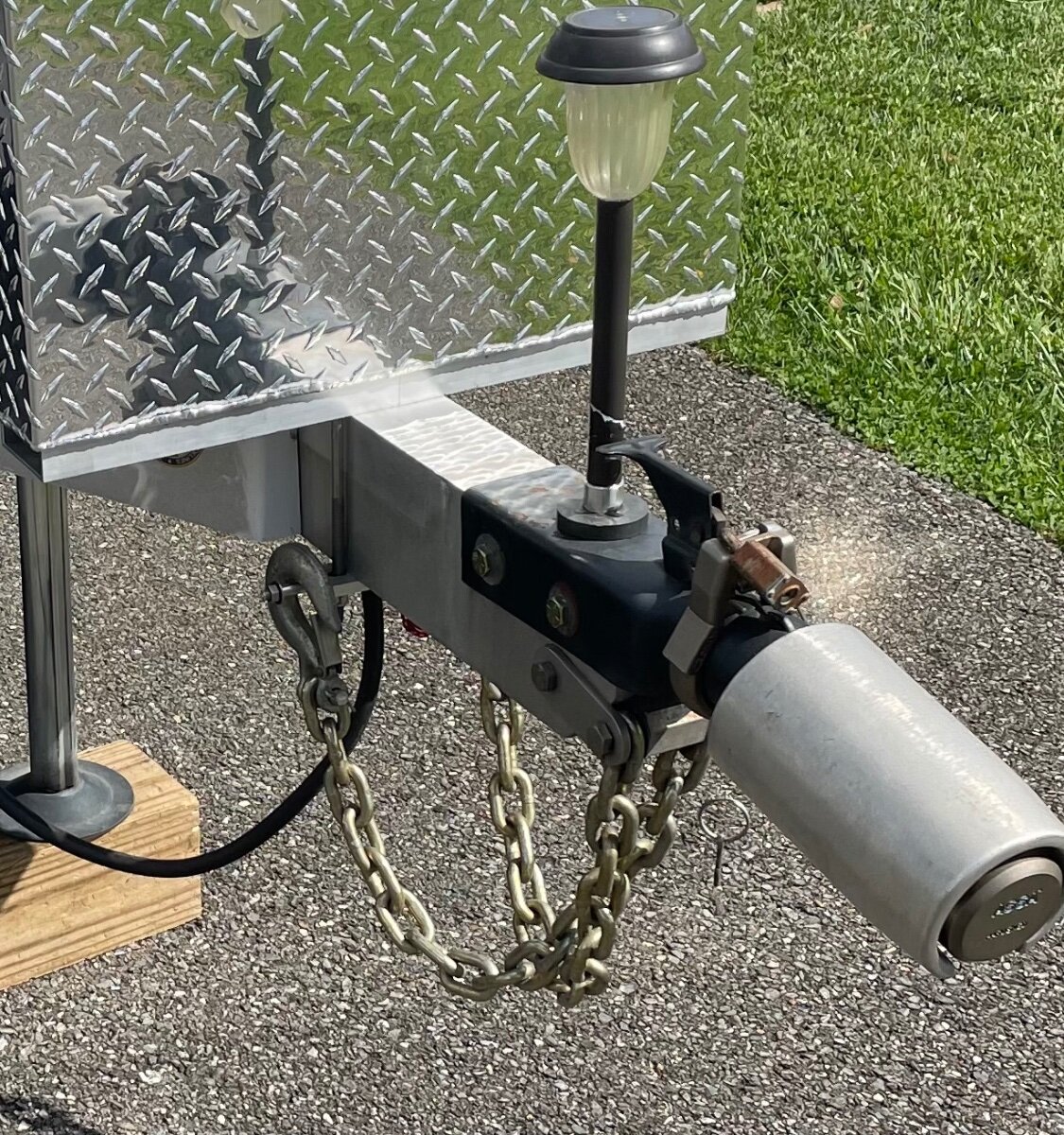
Yes, I upgraded mine about 6 years ago. The 2017’s came with 5/16 curly cables that were difficult to connect and connected to the tongue with 3/8 bolts and thin fender washers. This setup would have never held in a disconnected trailer situation. I used 3/8 grade 70 chains and equivalent hooks. The chain is attached to the trailer tongue with 1/2 inch grade 8 bolts. I don’t think this arrangement will fail. Years ago I did some research into trailer safety chains for a monthly newsletter that I was doing for an antique farm equipment collectors club. Basically, you are legally responsible for your trailer including if it becomes disconnected from your tow vehicle and causes property damage and/or injury or death. Some folks say that if there is an accident that they would rather have the trailer break free and not be close to their tow vehicle. This is completely wrong.
1 point
-
Ok just throwing something out there, with tires you don’t just look at load capacity of 1 tire for a VH, isn’t it the same with the chains, ie 2 chains/shackles = 2T load capacity? Also, the GVWR of 7000lbs is vertical load carried by the tires/suspension/axles of the trailer, the load capacity of the shackles is a horizontal/tucking load.1 point











.thumb.jpg.e34bf01ef7f7d5e99ad31856d45afbeb.jpg)













-
Recent Achievements
-