Leaderboard


Popular Content
Showing content with the highest reputation on 10/23/2020 in Posts
-
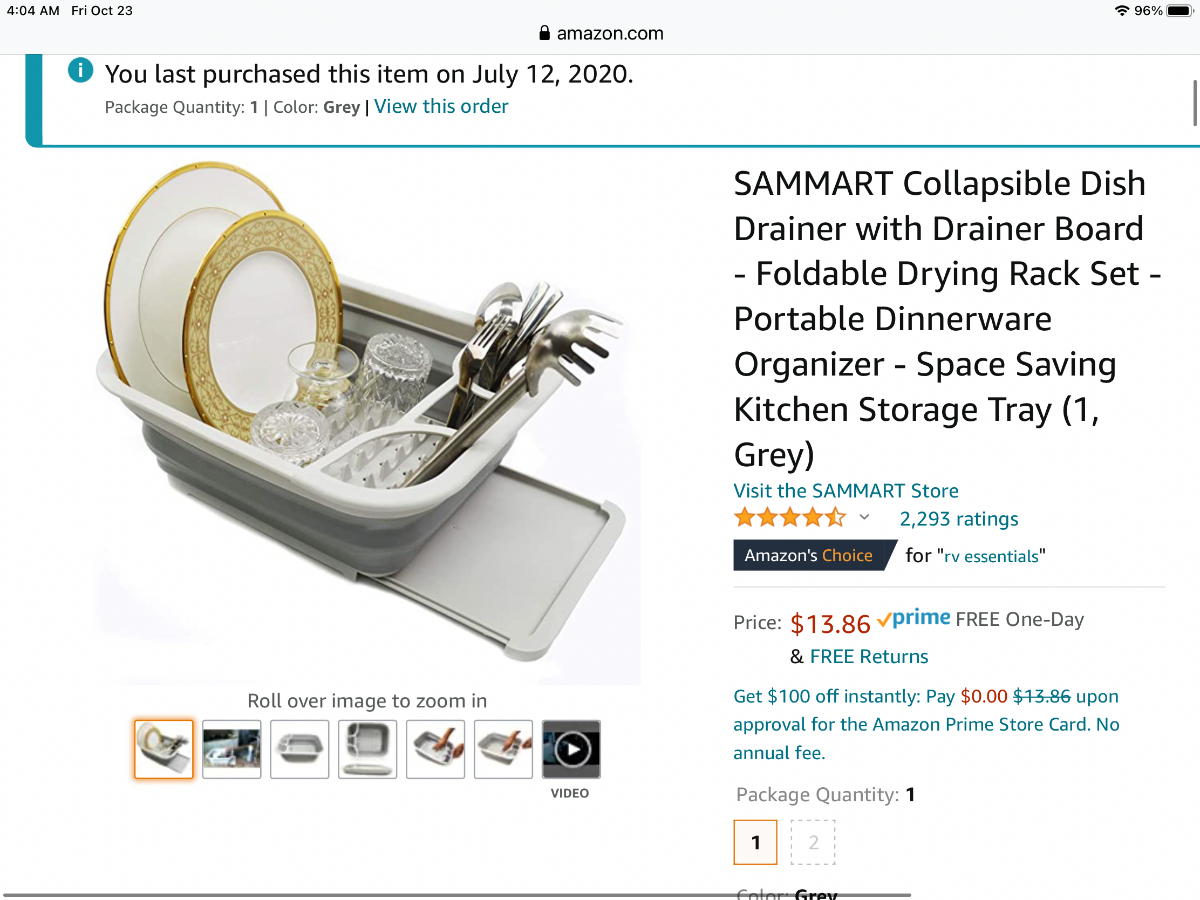
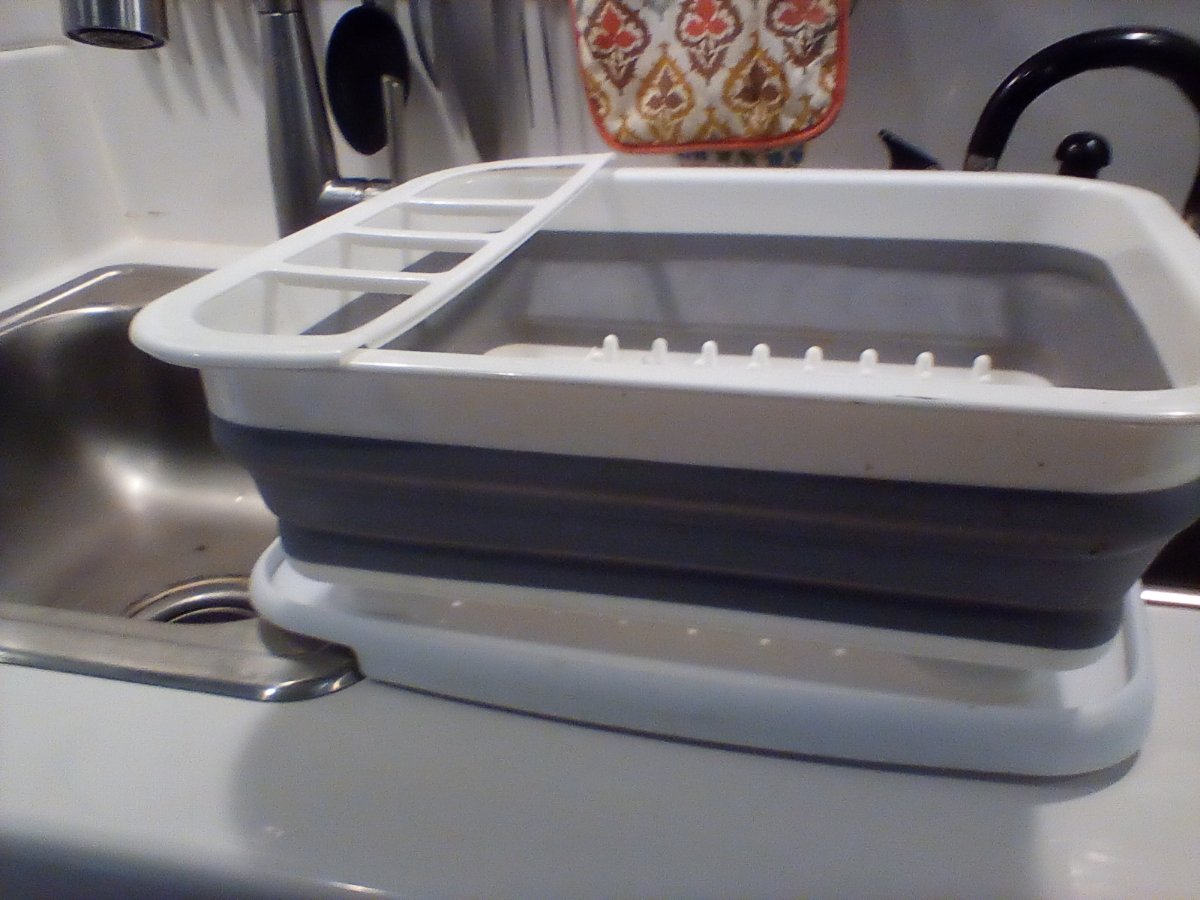
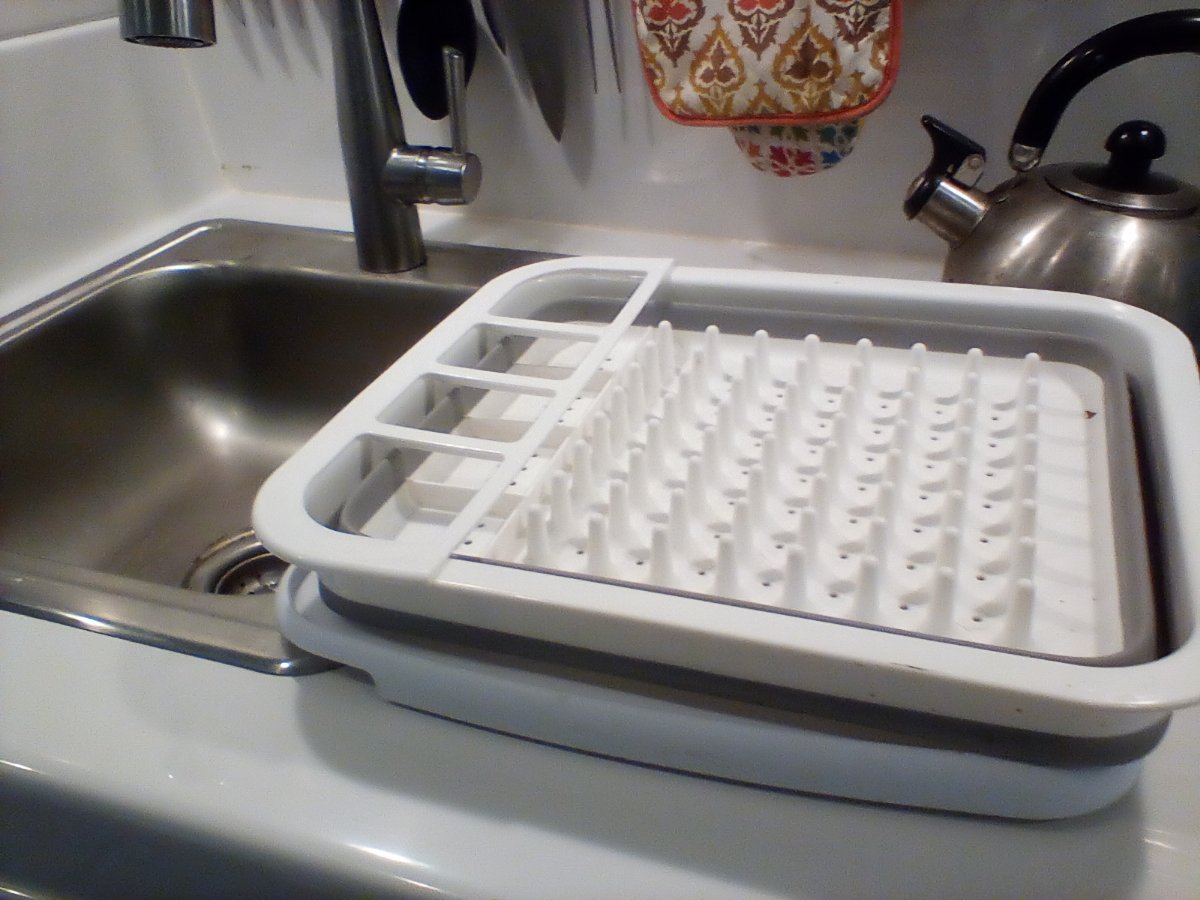
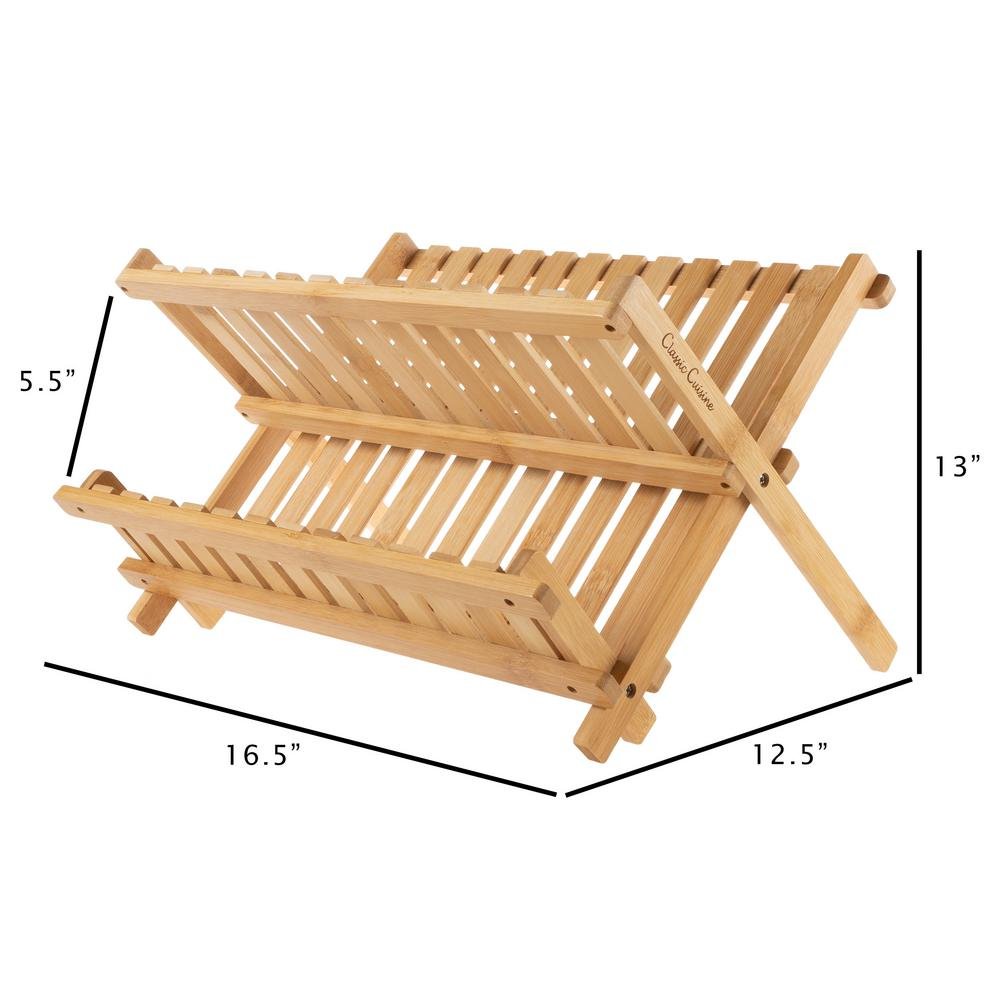
Here- its a perfect size, captures water off wet dishes keeping counter top dry, does not hold moisture like wood racks and stores nicely.
 4 points
 -
We have lived in several states mostly due to career upward mobility moves with our former employers. We found the state we enjoy living in most is where we are right now. We love the beautiful temperate spring and fall, the long summers and short easy winters of Western North Carolina. We feel very fortunate and blessed to be able to choose where we could eventually build our home and retire. Here in the foothills of Western NC we might get one snow fall of 5” and with a few days it’s gone. So no shoveling or plowing of driveways, or driving and slipping on ice! Very little snow and ice covered roads and power lines suits us well. A short drive to the gorgeous South Mountains a part of the Blue Ridge Mountains and 4.5 hrs to Sunset Beach we are completely content and very happy. We now farm a small Blueberry grove, (a record 43 gallon yield this past season) we also hunt and enjoy wild game and the trout fishing is not bad either. Being “Patriots” we enjoy tremendous amounts of awesome revolutionary war history here symbolizing the birth of this great country. 🇺🇸
3 points
-
Tow hitch is just that, a hitch and probably a 7 and or 4 pin connector. Tow package varies by manufacturer and they may have levels of tow packages. It usually means a bigger alternator, upgraded transmission, larger radiator,bigger gas tank 🙂 etc. . Sales people do not always know. So you have to dig into the details on the sticker and on the manufacturer's website to see what is included the package.3 points
-
After my wife and I retired we started looking for a place to "settle". With so many choices we found that we were going around in circles. So, we decided to re-start the whole process by each making up a list of things that were important to each of us individually and then get back together, compare those lists with the intent of prioritizing the choices we were making. Since fairly high on each of our lists was a four season climate without hot summers or cold winters we next went to the computer to search climate data and that led us to fairly narrow regions of the country that satisfied that demand. Then we looked within those regions for areas that possibly had the other items on the list - recreation, church, cultural activities, a college, nearby medical facilities, nearby grocery, nearby hardware/lumber, etc. This further narrowed down the possible choices such that we got in a car/plane (no Ollie at that time) and took a look at the areas we had identified. During that process we stumbled on the small town where we currently reside. Long story short - first take your heart out of the equation and approach the problem systematically. Most places around this great country of ours have neighborhoods that are fairly similar to each other but it is the weather that you will have to contend with each and every day. That rural place may seem great but a drive of an hour to get a quart of milk or loaf of bread will get very tiring after awhile. You may only go to the baseball game once a year or to the movies a couple times a year or to a concert or to a ...., but, living in a place without those facilities removes your choice of going which just may be unacceptable - or may be just what your looking for. Finally, do not overlook the availability of medical treatment. Yes, these days you can be medevacked fairly quickly from one place to another. But first you must be stabilized enough in order to be on a chopper. As you get older this becomes more and more important. Bill3 points
-
Happy Friday, gang. (Oh sorry, forgot that very few of you track actual days of the week.) Just a fun exercise, really. We have long contemplated a move out west and look forward to using our as-yet-unbuilt Ollie to conduct the search. Recognizing that everyone has their own preferences for town size, climate, and camping destinations, what would you consider the best place to live if the goal was centrality/convenience to your favorite outdoor attractions out west? For instance the front range towns of Colorado seem awesome, but travel to so many of the cool destinations starts with a schlep over the mountains. So maybe some place like Grand Junction is better for that reason. Anyway you talk, I’ll listen. Thanks!2 points
-
Interesting thread. Where we live in the Texas Hill Country north of San Antonio has some advantages for RVer’s. We have mild winters with no sustained below freezing weather, so no need to winterize. We do usually get a week of night time temperatures in the 20’s but usually well above freezing during those days. Being right on I-10, it’s an easy two day drive to Arizona, Colorado or the Florida panhandle. If you are young and ambitious those can also be done in a day. San Antonio is in the top 10 largest US cities so has all the cultural, medical, sports, airport and shopping that goes along with being large. We’re not in the city but only a 30-45 minute drive to any of the big city features. What we don’t like are the hot, humid summers that usually last from June through September. We usually make a July/August trip to NM, CO or AZ during those hot muggy months. Mike2 points
-
We also love Western NC. Lovely, friendly small towns. 4 gentle seasons. Asheville is a very fun town, with great food, craft beer and music. We don't live here year round. (No sailing), but we spend months here every year, and find it a great jumping off point for other adventures. Much closer to New England, the Midwest, and Canada. As for Colorado, it's beautiful, but never really my favorite. My sister lived in Grand junction a few years, and was thrilled when her husband was transferred. One of my college roommates moved last year from Parker, CO, to a small town in Wyoming. Our daughter is out in Colorado now, on a hiking trip. I'll see what she has to say. If I were ever to go west, I'd probably look in Idaho.
2 points
-
Good question. The outlet tester is just that, a simple and safe way to test outlet wiring. It will verify the outlet is wired correctly and indicate any faulty wiring with idiot lights. The newer models incorporate a push button GFCI function which does the same thing as the push button on the GFCI outlet by creating a ground fault condition at the push of the button. This action will trip the circuit at the the GFCI outlet between the fault and the breaker panel. It can only test 120V AC circuits. A multimeter is a much more sophisticated piece of test equipment that can provide useful information when testing and troubleshooting electrical problems. It can test both AC and DC circuits of varying voltages. An outlet tester is similar to the yellow idiot light on the dash which tells you to put gas in your vehicle. And a multimeter is like the gas gauge in that it tells you how much gas you actually have. Mossey2 points
-
The little outlet testers are just easier and more idiot proof. They often have the added feature of a button that will test the GFCI breaker. It doesn't sound like Ray's problem would have been diagnosed with one of those, though it would have ruled out some common issues. Nonetheless, it's a good tool to have. I mean, they're cheap and useful. I carry a small multimeter as well.2 points
-
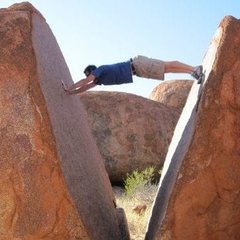
Within reason I suppose. A mixing bowl shouldn't weigh much. I certainly wouldn't stand on it.2 points
-
Here is a 2020 Laramie in Boise, heavily discounted ($47k) and it has a more appropriate spec sheet, with a 33 gallon tank. https://www.dennisdillonchryslerjeepdodge.com/inventory/new-2020-ram-1500-laramie-4x4-crew-cab-1c6srfjt0ln367053 Maybe the eTorque engine option reduces fuel capacity since it in theory gives better mileage, but not necessarily while towing. Dennis Dillon does about 90% of its sales remotely, folks fly in, the sales guy picks them up, they buy the truck and drive it home. They have very hard to match pricing. John Davies Spokane WA2 points
-
If anyone is interested. Amazon now has the Camco Rhino 21 gal waste tote for $100.99 was once at $150.00 then Went down to $120.00 I ordered one, I don’t think they will get much lower. Once it arrives I plan on doing some testing with clean water to determine how full it will get base on the black tank readings 70-80- 90% it shouldn’t max out the tote. Hopefully some room to spare for extra rinse. 18 gal black tank 21gal tote should work ok. Will see. I’ll post results anyone else use this tote?2 points
-
Re the Chev/Gmc ... The ride does soften but only ever so slightly, and more so under load. For what it’s worth, I was told by the Chev dealer that the z71 package (off road) is the most rigid-ride of the options. Perhaps someone would know if the off-road packages of Ram and Ford ride differently than their non off-road packages? At the end of the day, across all brands, the necessary heavier components (frame, diesel engine, trans, brakes, drivelines, axles, etc) required to give HD diesel trucks higher working margins will naturally cause them to ride far more rigidly than the ride-friendlier light duty pickup/suv. If a friendlier ride on bumpy terrain is near the top of what you value, the light duty truck would hit the mark more effectively.2 points
-
Three things on our tank. Had a snap on retainer to hold the wheel on. It failed. We have repaired. Check that yours are strong. Make sure you have a fitting that will fit on your hose and into your portable tank. Some tanks vary. Have a short hose to drain the portable tank. Makes emptying a lot easier. A hose on the vent may be good too.2 points
-
Keep taking lots of pictures for many great Memories are coming forth. Enjoy and be safe.2 points
-
Don't forget the folding dish rack, that will fit in a drawer.
2 points
-
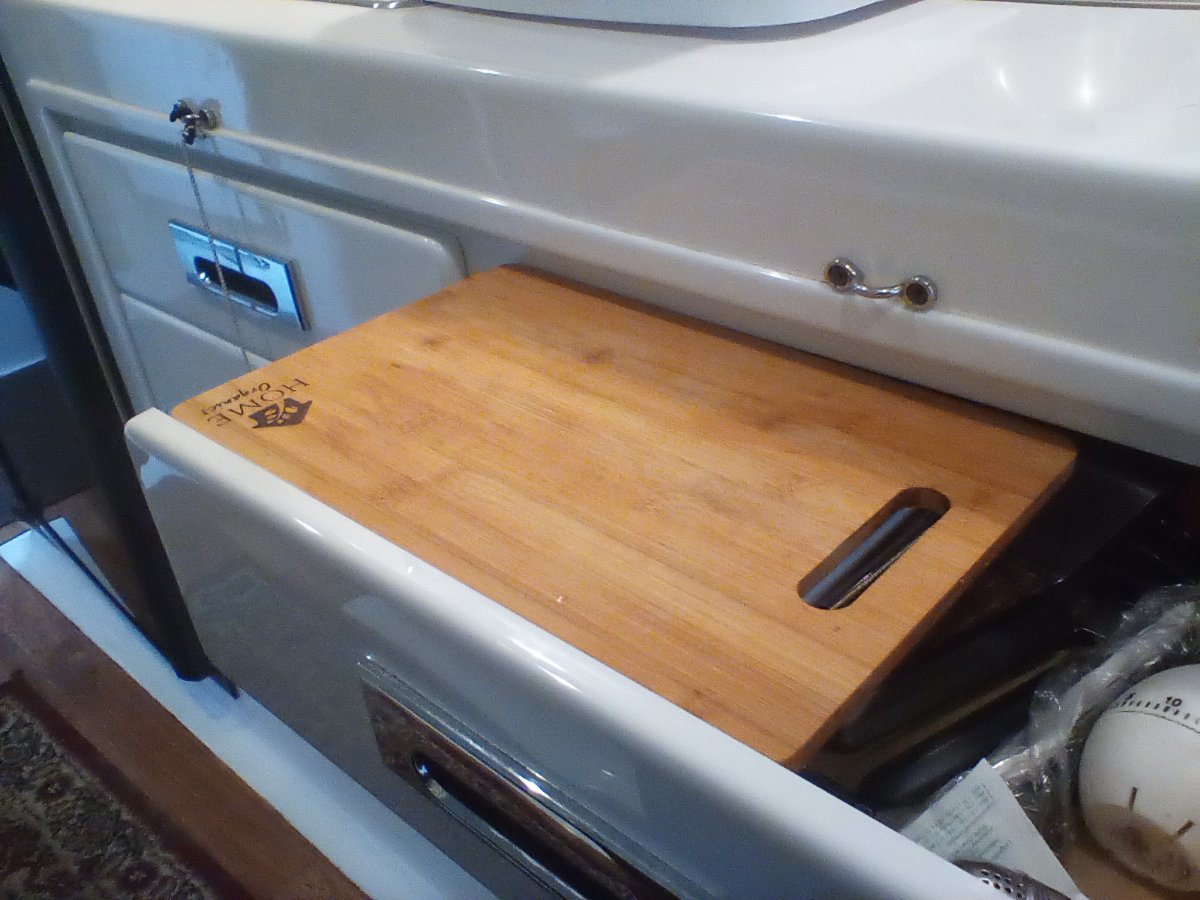
We found a cutting board will fit on the drawer, which adds some counter space. Also gives a space to put a hot pot that won't burn a fiberglass counter
2 points
-
First of all I should qualify myself...Never been RVing before but just put my house up for sale and will ordering an OliverII when sold. Been searching the forum for answers about cold weather camping. I was told by Oliver that the heat ducts go around the tanks and keep them warm. And, people in Montana and the Dakato's own these trailers. (But do they camp in freezing temps.) Also the owner of the company camps during the winter. These were not the answers I was hoping for. Then, I read that someone has put addition space heaters in areas. One I think was under the bed on street side. My question is...Can I camp in freezing weather, say down to 10 degrees, with just the heater going an be safe from freezing? Do I need to cover the outside fittings, ie city water connection, shower nozzle? Do I need at additional heaters in voids under the floors, bed, bath, cabinets? I'm not planning prolonged winter camps. But, sometimes the weather can change rapidly at high elevations and in some areas of the country in late fall or early winter. Do I winterize and go without water in the winter. Do I need extra heaters. I'm hoping all I need to do is leave the heater on and not run out of propane. I realize that there is no definitive answer as the conditions vary but was hoping some of you have experienced cold weather and pass along how you deal with the experience. Thank you!1 point
-
Sales people in farm/ranch country, where everybody buys a truck to haul something, are often better versed than city salespeople. That said, it's still important to check all the info through the stickers and vin. The Laramie trim John proposed is a flatout lux truck. But, you'll want to protect the seats with your big dog, for sure. My 2005 Silverado has a 25 or 26 gallon tank. It was really fine for towing our Elite, with all the right equipment except 4 x 4. It would not have been fine in some sparsely populated western states, and especially in the Yukon. I'd probably have some anxiety about distance between gas stations. With the Silverado, we averaged around 12 mpg, towing. Definitely, more gas stops. At our age, we probably stop more often to stretch legs and visit the rest stop toilets than we stop for gas, with the 35 gallon tank in the Ram.1 point
-
We found a vendor that would fabricate a custom plastic cutting board for the kitchen. The main objective was to protect the glass cover over the stove top and provide a defined work area for various chores. We purchased a slightly undersized 24" x 31" piece with full bull nose edges and 1" rounded corners. On the bottom we installed half-round rubber bumpers. If interested, suggest that you contact- plasticcuttingboard.com.
1 point
-
WOW! YOU GUYS ARE AMAZING. *I would NEVER have thought about the 23 gallon tank. I've been just saying, "Look, I want a 2020 Ram 1500 with the 0% financing deal, gotta be a V8, cab, 4WD, with a TOWING PACKAGE* not just a "Tow Hitch." And email-contacted a couple local dealers. That sticker above was one of their responses. NOW I know to add, "And a 33-35 gallon gas tank." *whatever that is Thank you!1 point
-
Wow, I could go around and around with this topic. Similar to others that do this exercise, a list of wants, needs and like to haves gets you started and then you go explore. Fortunately (or not) we have seen a good bit of this country, and lived in it - from coat to coast, and in-between, and at the top of out list was seasonal weather - which almost drives two places. So that is where the Oliver came in, we plan to spend winter months in dry warmer areas - and then explore the rest of the year. I put a little wrench in the plan - as I enjoy the home place, and my spouse desires the dry, warmer winter of the desert southwest. So we plan to adopt a hybrid - keep the current home, and just go when we want, keep the options open. Perhaps one day we will find the perfect place.1 point
-
Lots of good info in those responses. Super helpful. I am 100% with you all on not using the fresh water tank for drinking/cooking. If it leaches a taste than it's either not BPA free and/or some of the rest of the system must not be drinking friendly. Either way, my plan was to carry a 5 gallon and a couple of loose (easier to handle in the trailer) single gallon bags that can fold up for storage. BPA free all around. My biggest concern is about traveling between camp spots in below freezing situations. I'm feeling iffy about travel with the on board propane heater doing it's thing. I'd also be reluctant to dump a full fresh water tank just for travel especially in winter where we will be staying often at camps with no hook ups. Will probably experiment with blowing lines out, drain the Truma, keepfresh water tank mostly full. Perhaps, in deep cold, will add antifreeze to everything but the port and line feeding the freshwater tank. Once at camp, I can turn on the heat and flush out lines.1 point
-
Nearer the coast would give you more variety. We live in SW Oregon which is great, but mountains have us hemmed in during Winter. Oregon does have most everything: beaches, forests, mountains, deserts, snow, rivers, fishing, hunting, skiing, boating. However, I think Idaho might be a good "jumping off" place; my preference is less populated areas.1 point
-
I agree . . . . . our 2013 F-350 has a 35 gal tank. This translates to a range of 450 -650 miles, depending on driving factors (weather conditions, hills, towing, etc).1 point
-
Everything is fine (3.92 axle ratio is great), except the gas tank is only 23 gallons, no good at all.... why did they put such a small tank in it? Don’t buy this one. John Davies Spokane WA1 point
-
I have the 21 gal tote tank and it works just fine, I would recommend it. My Rhino came with the short hose, 90 degree fitting, trailer hitch adaptor, and some other parts. Mine came from Amazon a year ago and was $120 including the free shipping and taxes. trainman1 point
-
No. It is one of the cables that comes in though the front of the battery box. Here's a picture of my 2018 I found. Third one up from the bottom on the left. Stiff refers to insulation not cable size.
1 point
-
I’ve had good luck with Champion Inverter Generators. I had a 3400 watt dual fuel that I ran only on propane. It was heavy (90+ lbs) and a little more than I needed. I sold it and bought a 2000 watt Champion on sale at Tractor Supply for $349. It only weighs 37 lbs, is very quiet and does a fine job of recharging batteries. I also tested it with the air condition (with EZ start) and it did fine.1 point
-
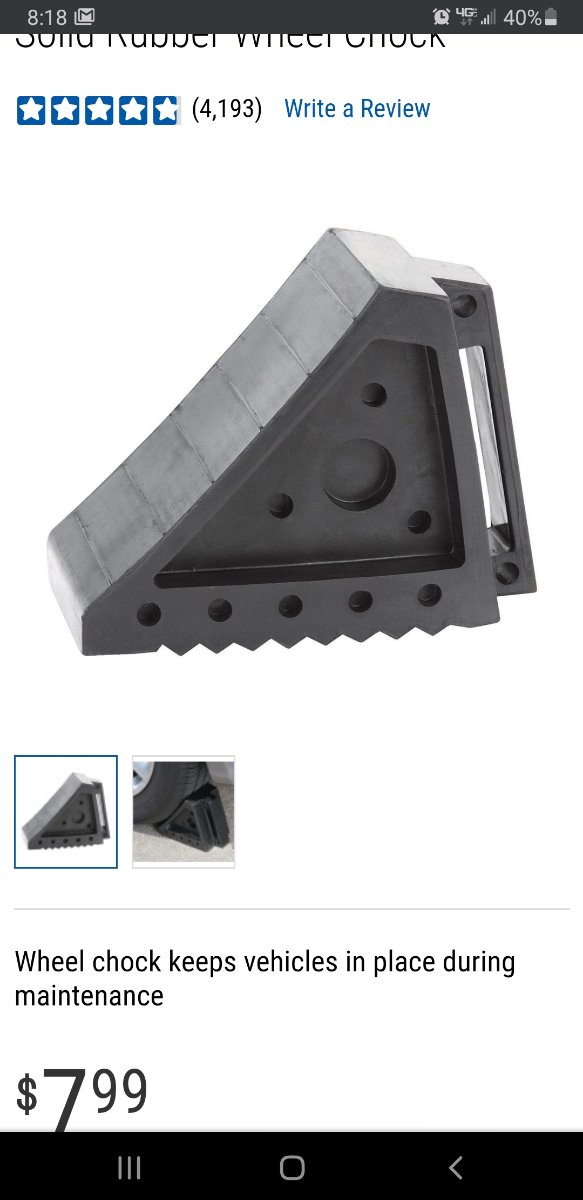
Harbor freight often has these on sale for 5.99. With a 20 per cent off coupon, even better. Best chocks around. For the price.
1 point
-
Make sure you buy good chocks. Those won't come with your trailer. 4 x harbor freight chocks, with coupon, probably 22 bucks.1 point
-
Bill, thanks! I have not had all that much info from him, maybe just because he figures my delivery date is SO far out it's too early for me to be concerned with this stuff, but, that's just how I'm wired. I'm a "get it done early" person! Thanks again, I WILL ask him on the phone (probably tomorrow). Thanks to ALL here for all the clues/help!1 point
-
The SeeLevel guages are better than most, imo. (When we installed new tanks and gages on the boat, SeeLevel was our choice.) But, level front to back and side to side still make a difference in the readings, depending on where the Guages are mounted. I judge "full" by looking down the drop with the valve open, as a backup. Same as any rv we've had or delivered. The black tank is just not the tank you want "overfilled." 🤨 Also, depends on where the dump valve is located. I think we get some extra storage (by several gallons) in the black waste pipe, in our older Ollie. Great idea to test with clean. I've always recommended that newbies fill the new black tank with clean water, to learn how to dump. No big deal if clean water gets spilled with a faulty connection or technique.1 point
-
I'll add - if you have time - a visit to the Jack Daniel distillery in Lynchburg is a good tour, - not to mention all the other nice areas to explore -- and I'll offer up our farm as a spot to park (camp) while your enjoying the sights. Distancing is not an issue here....1 point
-
The only reason I would consider the gas version is cost of maintenance - fuel is cheaper, but that almost evens out towing. Oil changes are about $30 more, and every 10k miles a fuel filter at about $50 - when home I do them, but still a cost. And the DEF is added cost - but not really that much - in the long run. However - a big thing is the added initial cost of the diesel - it is 1/6 or more of the price of the truck........ To date - the gas versions are not as powerful on the torque side of the power scale, and historically are at the top end of the RPM's - which is really annoying. At last check, GM was NOT paring the new 10 speed with the gasser, and it is std on the Duramax. And to add injury - the Gasser has not shown any improvement in fuel mileage - towing. Now I realize each year they claim better Gas engine numbers - but I haven't seen it in real world. Perhaps that is changing. My GMC runs at low rpm, pulling, and almost to low, running around the home front. My gas trucks were about 1000 rpm higher at cruise, and really worked hard on the steep grades. IF the new larger gas engines change - I will look at them - but I doubt they will match the diesel anytime soon. As I have stated previously - the total package - not just chassis/powertrain, are really comfortable on the long hauls, not to mention the feeling of safety and capability under tow.1 point
-
The Elite I fits about anywhere. I have photos (somewhere) of ours, and Pete's backed into tiny (what should be called tent spaces,) between trees. How tall is your son? Do you tent camp together, now? I ask that, because the Elite I is definitely smaller. Two adults in a tiny trailer is more like tent camping, but climate controlled, and way more comfy . Can a 6 ft person sleep in the small dinette bed? Yes. But, it's narrow. 24" wide, like a small camp cot or sleeping bag. Have you seen a smaller Elite?1 point
-
SOME National Park campgrounds are really tight, like Glacier and Olympic, as are MANY older state parks that have not been "modernized" and renovated, and lots of NFS campgrounds. Anything in heavy trees may be problematic. Many COE and Dept of Wildlife spots are pretty darned tiny. Many are awkward for maneuvering. Not that you can't find a spot, just that you will find way less to choose from. I find the LE2 to be a fine size generally, but when I see that really nice 40 ft back-in site with a tree or large rock at the very end of it, I wish the trailer were five feet shorter. And we have't even mentioned doing u-turns..... If I were a lone camper I would be much happier with an LE1 behind my Land Cruiser. John Davies Spokane WA1 point
-
I like our folding bamboo dish rack. I place a drying mat under it. It is easy to store just about anywhere.
1 point
-
Just looping back on this to confirm a fix until I can get a cap...popping the plug of the pigtail against my hand a half dozen times was enough to dislodge/dry the contacts in the plug and turn the lights out. It looks to me like the housing on the plug is fine but I went ahead and sealed it with silicon anyway. Thx for the advice folks. I probably should have known this one from working on wet, muddy, old dirt bikes. 😕1 point
-
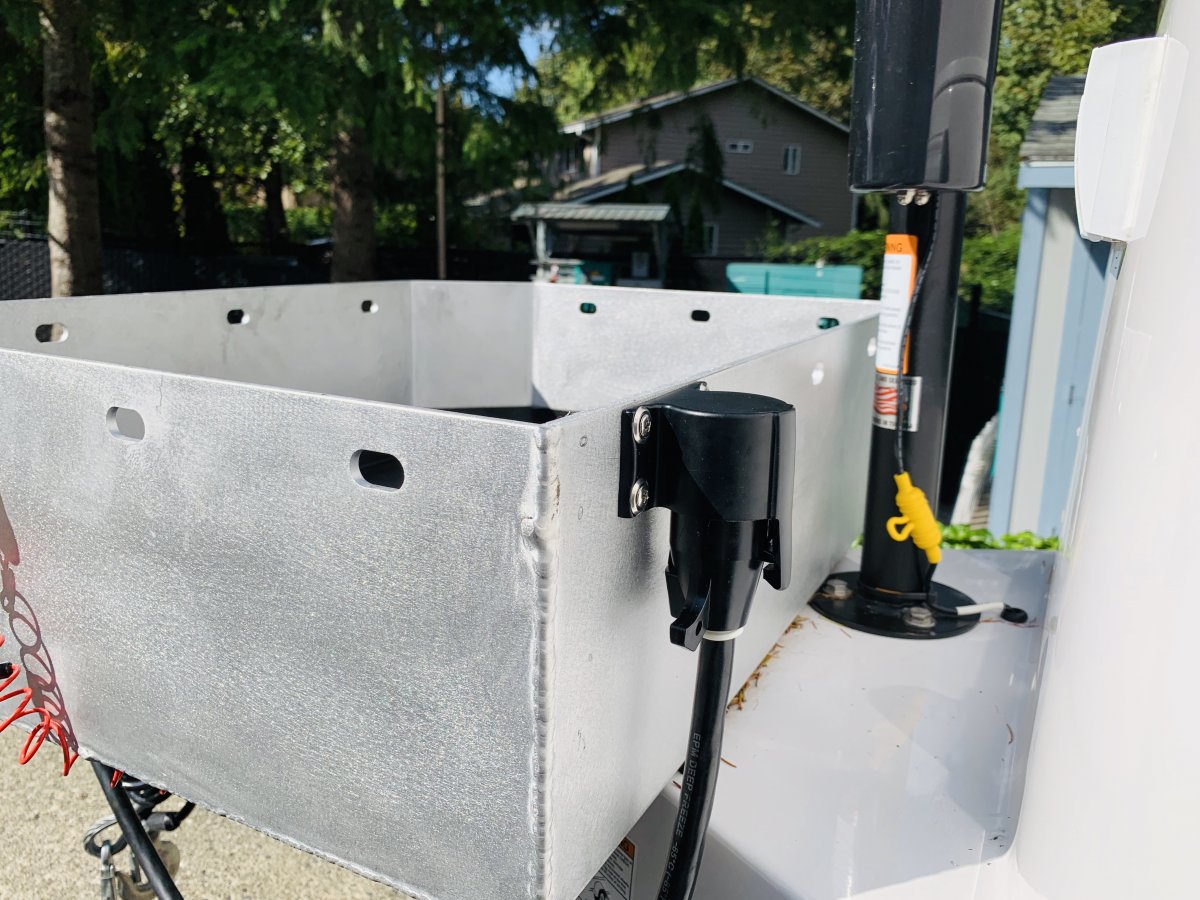
7 Pin Waterproof Holder Mod - Did this for our unit as we had that exact problem...water in the 7 pin after heavy rains. Now we are good...
1 point
-
I have always 'draped ' the umbilical cord over the tounge, plug down, to eliminate water intrusion. To my surprise one evening I found the taillights on. Shook the plug and the lights went out. That is when I noticed my plug is not moulded on. So we took some clear exterior silicone adhesive and with our finger smeared it on and into where the cord and plug come together. Smoothed it out and let it cure. As of yet , no more "ghost" lights...1 point
-
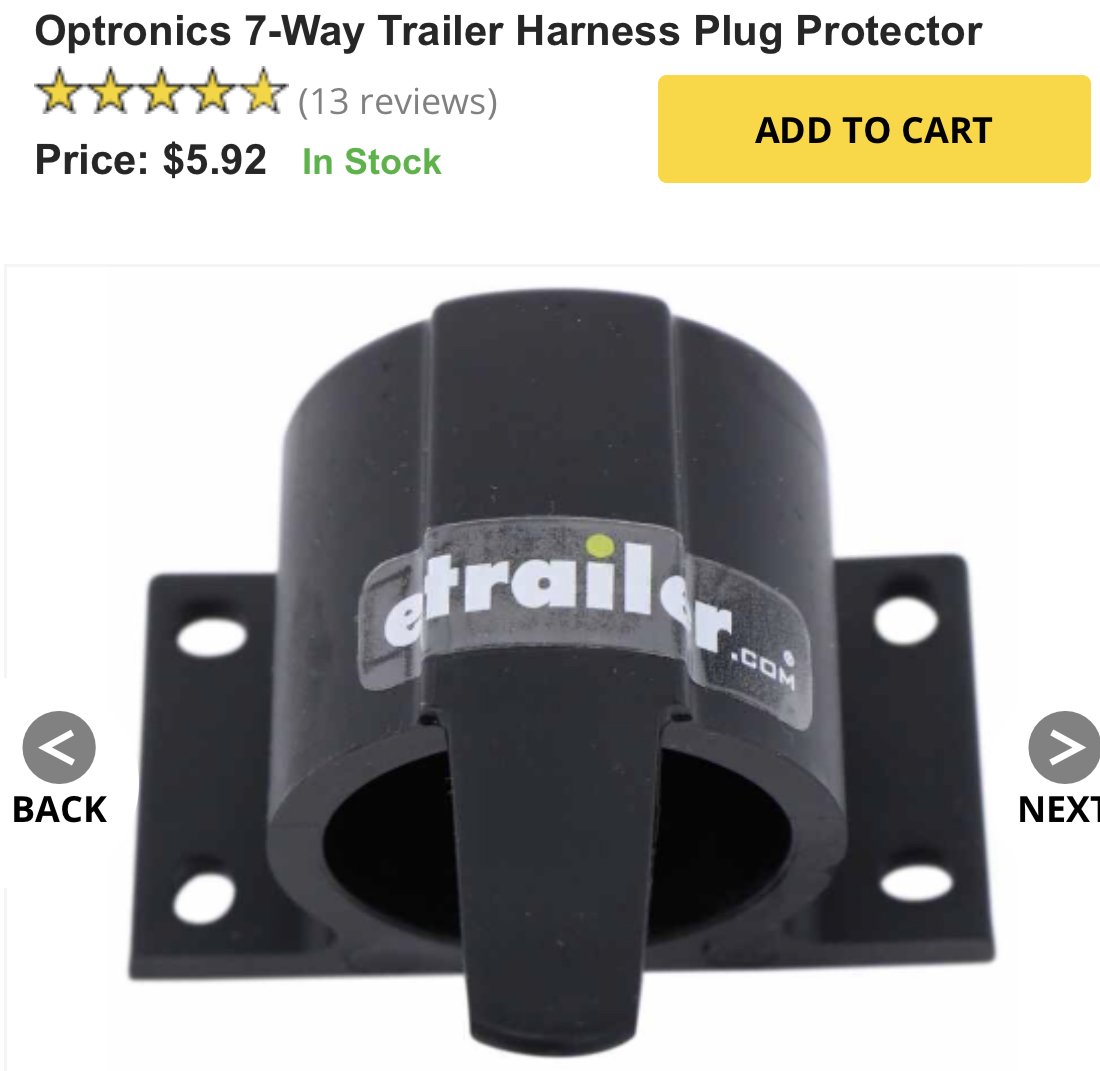
Mike, I used to do that on mine, but then I started getting water seeping in at the joint between the cable and plug. Some silicone sealant probably would have fixed it, but I got this cover instead and it's worked great.1 point
-
If you don’t have a cover just drape the cord over the tongue so that the plug is pointing down. I used a cover for a few months, lost it and have been doing the “downward drape” for almost four years with no phantom lights.1 point
-
The furnace has the potential to be quite efficient, particularly in protecting the water lines, if you could find a way to circulate the air that's lost heating single corner of the inner hull space.1 point
-
If you are boon docking, you will indeed go through a whole bunch of propane, plus you are relying on a mediocre RV furnace to keep running. You can carry an extra gas bottle in your TV in case of an unplanned shortage; if the furnace quits completely due to a bad board or igniter, you will be in trouble quickly, and will need to get the Ollie to a place where you can plug in and run a couple of backup electric heaters. The systems work well enough considering their cost, but they not especially reliable, and they are grossly inefficient compared to a modern gas residential furnace. I haven't seen efficiency ratings for RV appliances, I would appreciate a link if someone can provide one... John Davies Spokane WA1 point
-
Thanks so much for your response! This was exactly what I was hoping to hear. I think this trailer will be a good fit for me. I plan on being in Montana and the Dakotas in fall and early winter every year. After reading your reply I will feel comfortable being there in an Oliver. Thanks again!1 point
-
We have camped many times in temps down to what you're describing. We do not have any additional heaters under the floor. In the situation you describe, the propane furnace will provide sufficient heat to keep your inside plumbing going. Do not hook up to outside water and expect it to be running the next morning, even with a heated hose it will most likely freeze at one end or the other so you do need to pay attention to "the outside fittings, ie city water connection, shower nozzle." Pete has "bilge heaters" in his unit. Maybe he'll chime in here. Realize though, you would have to have hookups (electricity) to be able to use them. Even a large tank of water will eventually freeze at 10 degrees but in my experience, simply keeping the basement areas slightly above freezing does the trick and it's not too hard to do. It WILL use a lot of propane so be aware of that. My guess is that if the temperature never got above 10 degrees, the furnace would run pretty much constantly and you could could use up 60 pounds of propane in less than a week. Realistically, probably daytime temps would get to near freezing or above and lessen that propane load. Running out of propane in below freezing temps would not be fun or safe, but that's why there are wheels on your trailer. If you are not trapped somewhere, move.1 point
-
Hi all. This is my first post here, so will start with something basic. I'm selling my home and ridding my life of most everything. 70 yrs old now and am the last of my kind. Only me and my 7 yr old mini-daschund. Been think mainly small motorhome under 30', but like what I see in the small twin bed Oliver model. Love the modern style and shape. I find the interiors of the small motorhomes rather boring and cheap looking in many ways. Boring, like if you seen one you've seen them all. The point can one be happy living out their remaining years moving about in one? Anyone else here downsized to making one of their home? And can one be equipped with enough of a modern solar/battery/inverter system to make one almost fully electric for a lot of boondocking? If not, how close could one come? With my home sold I will have enough to buy new vehicle/rv and a lot or two to stay for some longer periods in different parts of country, like maybe AZ and Oregon. I do want to do summer traveling which I suspect would include much isolated/wilderness boondocking. Any and all input, suggestions, and opinions welcomed.1 point
-
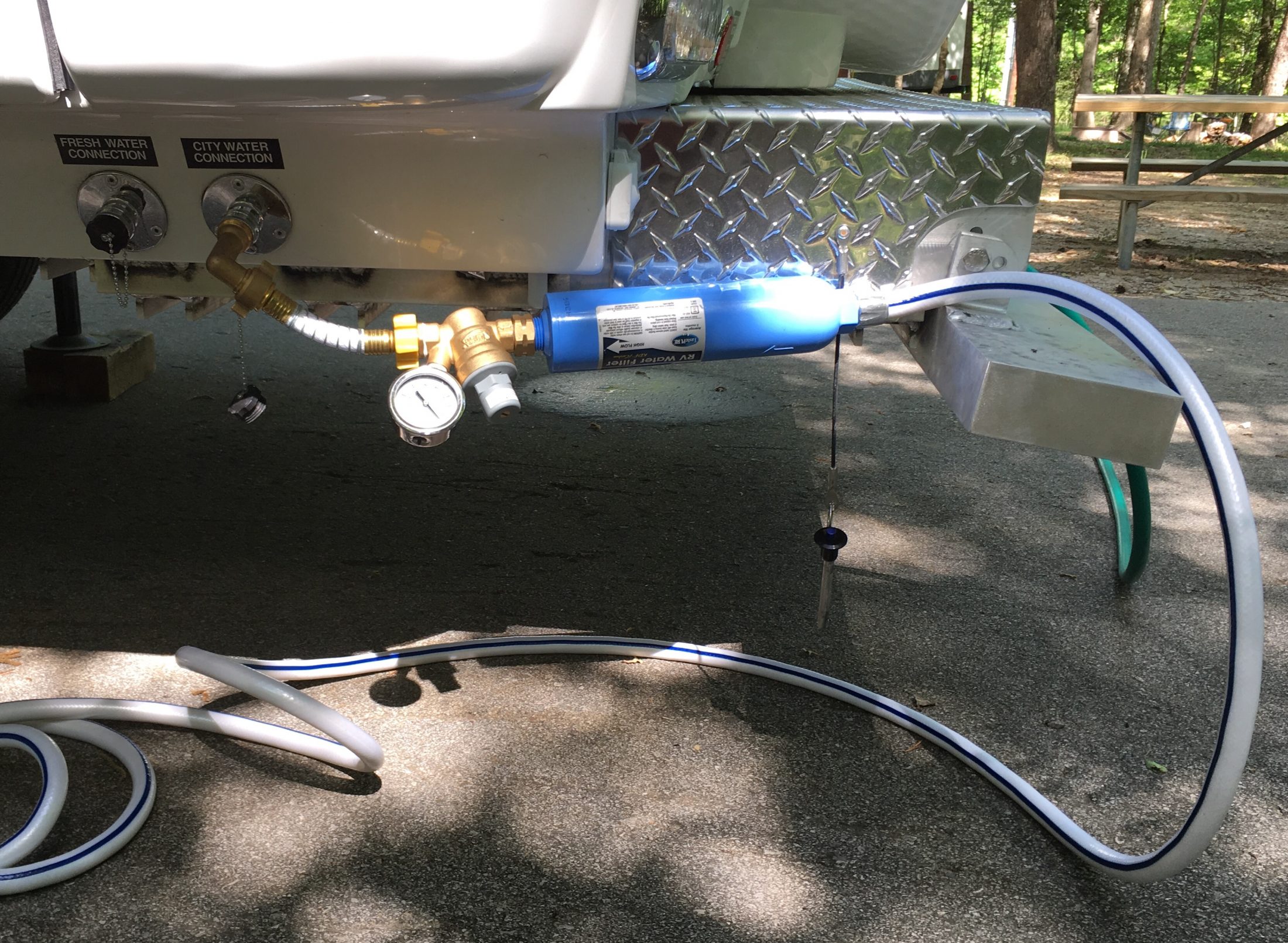
Keep in mind the water hose and filter are not protected from over pressure, but I honestly don’t care much about that. This does get the entire unit out of the way and well off the ground, with the bumper either lowered or raised. The short spring reinforced hose section came with the Camco filter. It is not needed but provides a little flexibility and also takes some strain off the port in the side of the trailer. You could put the filter after the regualtor, to protect it, but I prefer to filter out any sediment before it reaches the regulator, which only has a coarse screen. There are definitely better filters out there! But they do the job, the refill 2-Packs for these are about $30 and you can get them from Amazon or any Walmart store. ... https://www.amazon.com/Camco-TastePURE-Flexible-Protector-40043/dp/B0006IX87S John Davies Spokane WA
1 point



















-
Recent Achievements
-