Leaderboard




Popular Content
Showing content with the highest reputation on 11/04/2022 in all areas
-
After reading all the classifieds of Ollies for sale because of "health reasons," and one person who said they bought their Ollie "one year too late," we decided to push ahead with our purchase before actually retiring. Then it happened to us. Steph was diagnosed with stage 4 metastatic breast cancer in July, just two weeks after we took delivery of Eggcelsior. Our little Ollie allowed us to find last minute reservations at state and COE parks and get away a bit during the initial treatments. The change of scenery was good for both our souls. At the moment, Steph is doing spectacularly well, with no cancer detected in her last PET scan. She's not cured, but it's very, very encouraging! We've pushed our retirement up a bit and we're hoping we can continue to enjoy good heath and get out in Eggcelsior as much as possible in the coming years. I think the message here is: don't wait for retirement to live your best life. We've seen friends and coworkers put off their adventures, waiting for a retirement they never got. If you've got the means to get out there and have your adventures now, in an Ollie or not, strike while you can. You just never know. Be safe and well, everyone. We'll see you on the road!10 points
-
@Steph and Dud B I couldn't agree more. We toured the Oliver factory in May 2021 and placed our order the same day. Two months later I was diagnosed with stage 4 lymphoma. 6 months of chemo and several surgeries later, I am feeling great and scanning clean. We picked up our Oliver in April 2022 and have been hitting the road as often as possible while still working. While waiting for delivery, learning all that is entailed in owning one of these amazing trailers was a welcomed distraction from my health setbacks. Wishing Steph (and you) continued good health and positive news on treatment. "get busy living or get busy dying" - Andy Dufresne Shawshank Redemption6 points
-
@DaveAndBecky_NorthernMI, so glad to hear you're scanning clear! I'm so impressed with what they can do with treatment now. I hope we can meet someday and share success stories over a few drinks.3 points
-
I will air down to about 35 psi on the trailer if it is really nasty potholed rutted for a long distance. But folks need to be aware you have to air back up immediately when the speeds get back up to normal. Sometimes it may be hard to find a trailer sized pullout when you get back to a highway…. Keep that in mind too. John Davies Spokane WA3 points
-
On our 2018 OE2, I run 50 PSI on highway and 30 PSI on unpaved roads. It would be useful to know if others are doing something simular. BTW, having a Dewalt 20V air compressor on board makes my life SOOOOO easy now. GJ3 points
-
Took the spare tire cover off to polish ( just easier). Checked the bar/ring that holds the spare tire on. It was loose. Took two full turns to snug it up. I know I looked at it last Spring and it was tight. We have added this to our Spring "wake-up" list...2 points
-
Prayers to Steph and you !!! We hope its nothing but continuing good news. It took me a while to realize that if we want to do the things we have talked about and see the things we want then we have to stop talking/planning and just go do it. Great movie but so true: "get busy living or get busy dying" - Andy Dufresne Shawshank Redemption"2 points
-
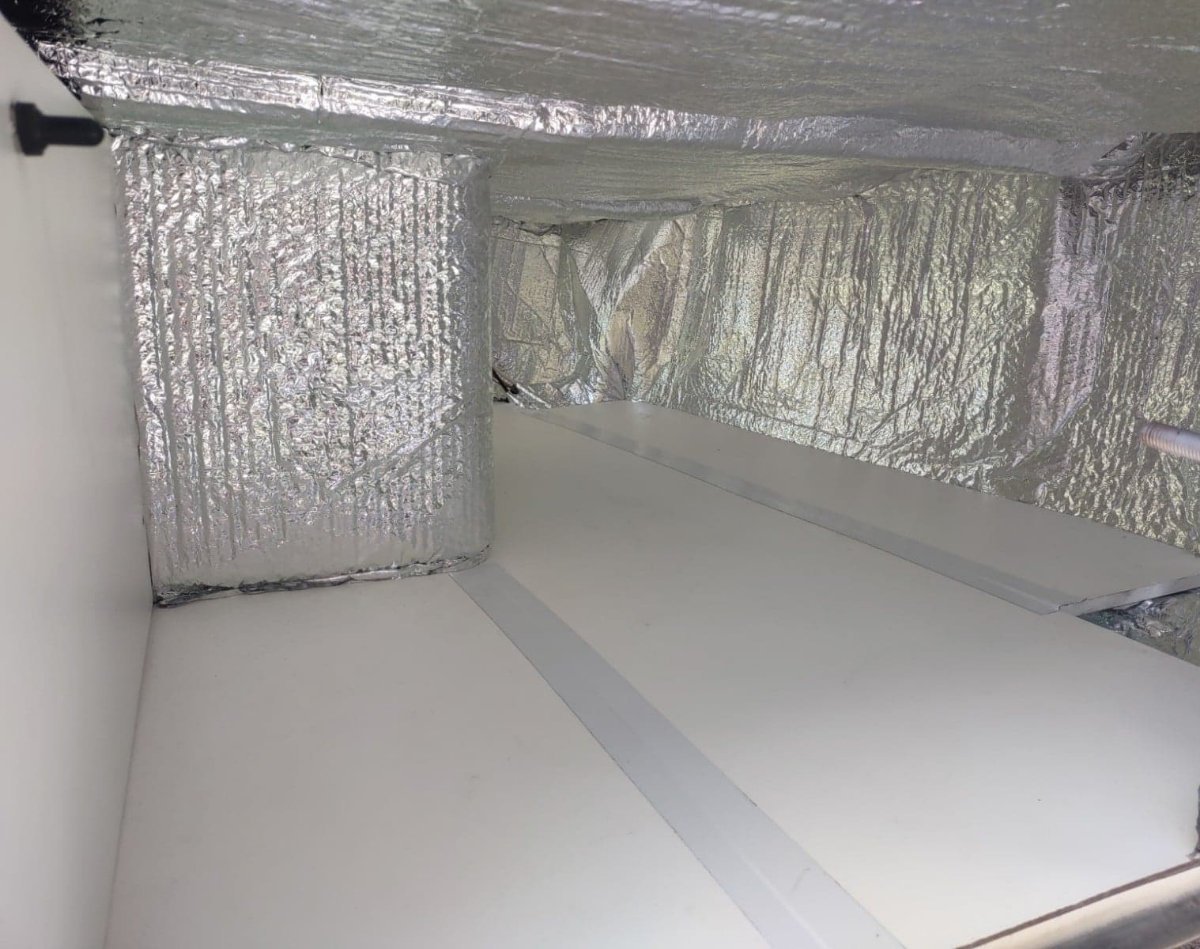
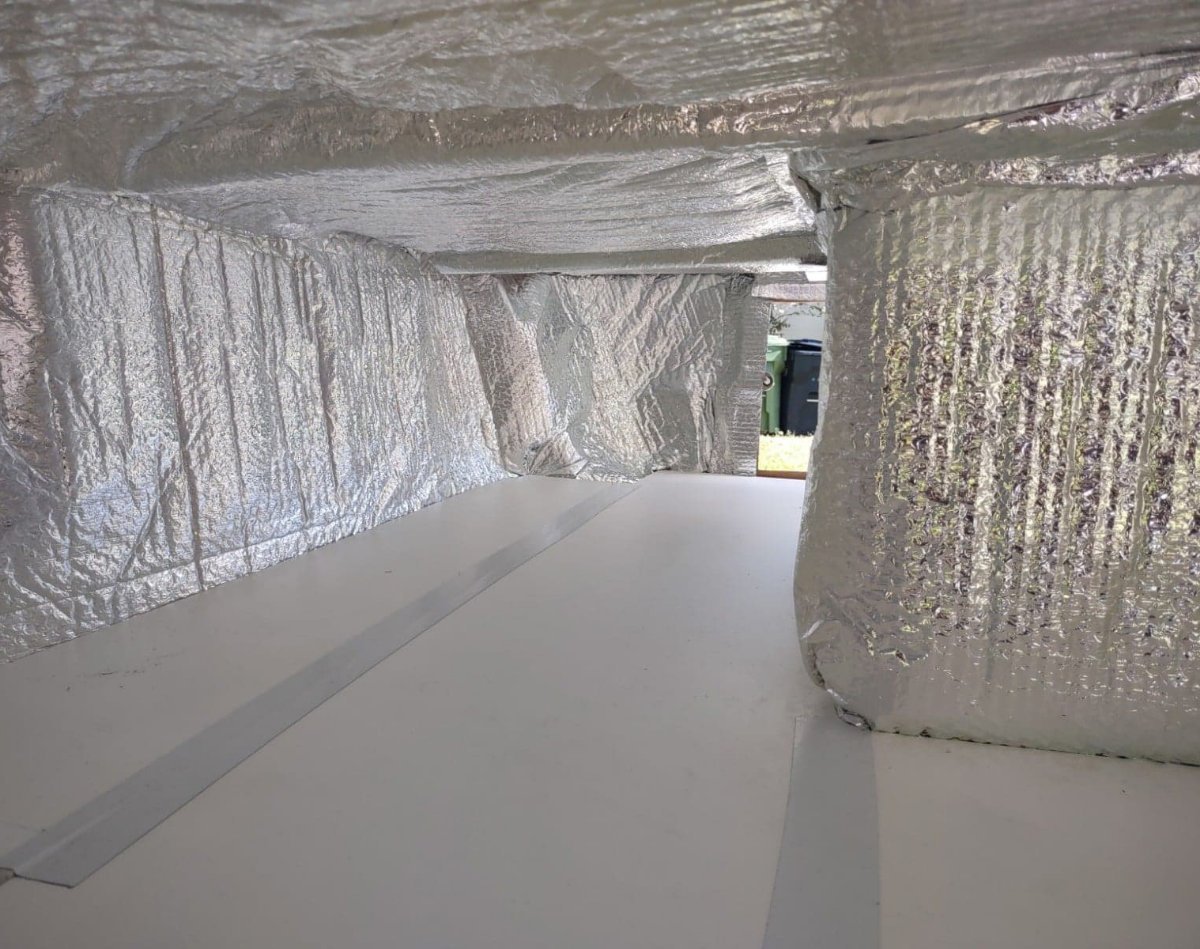
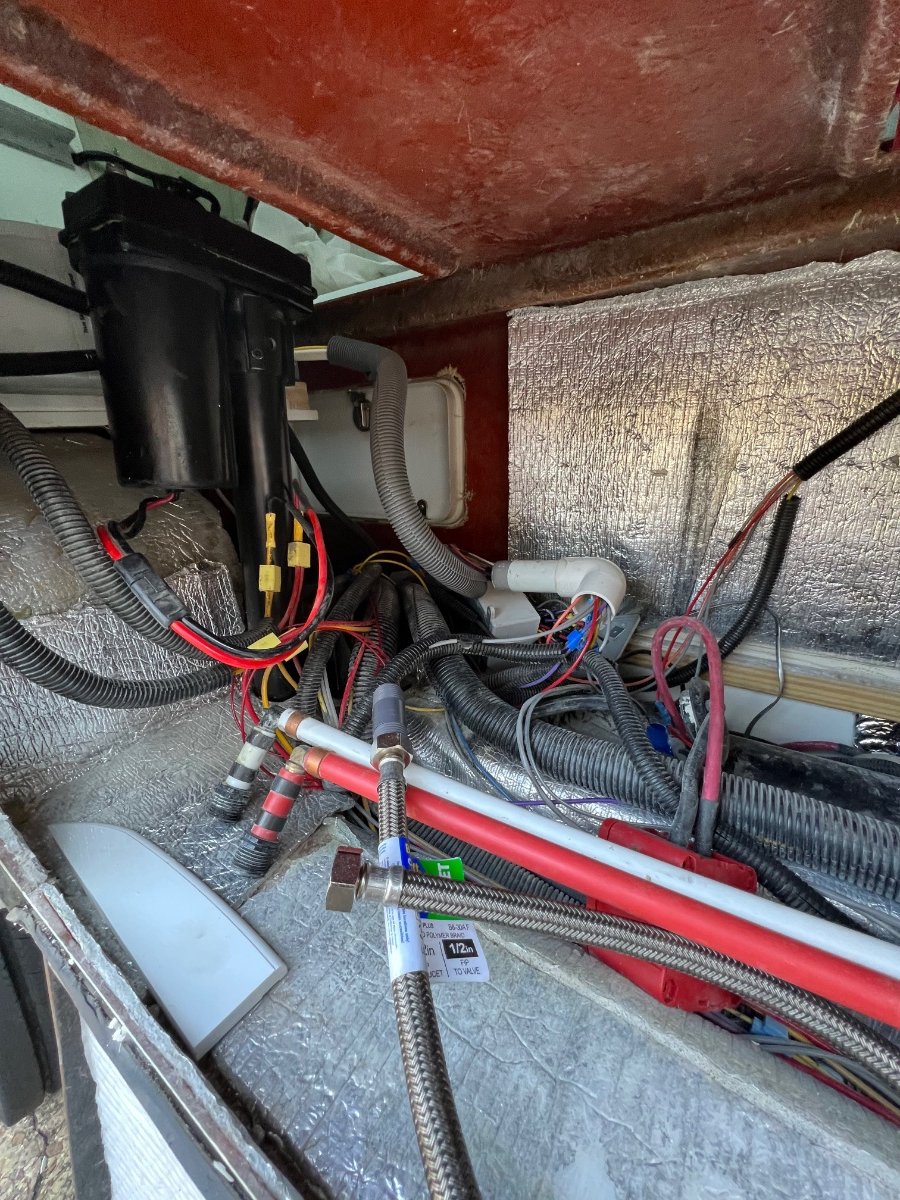
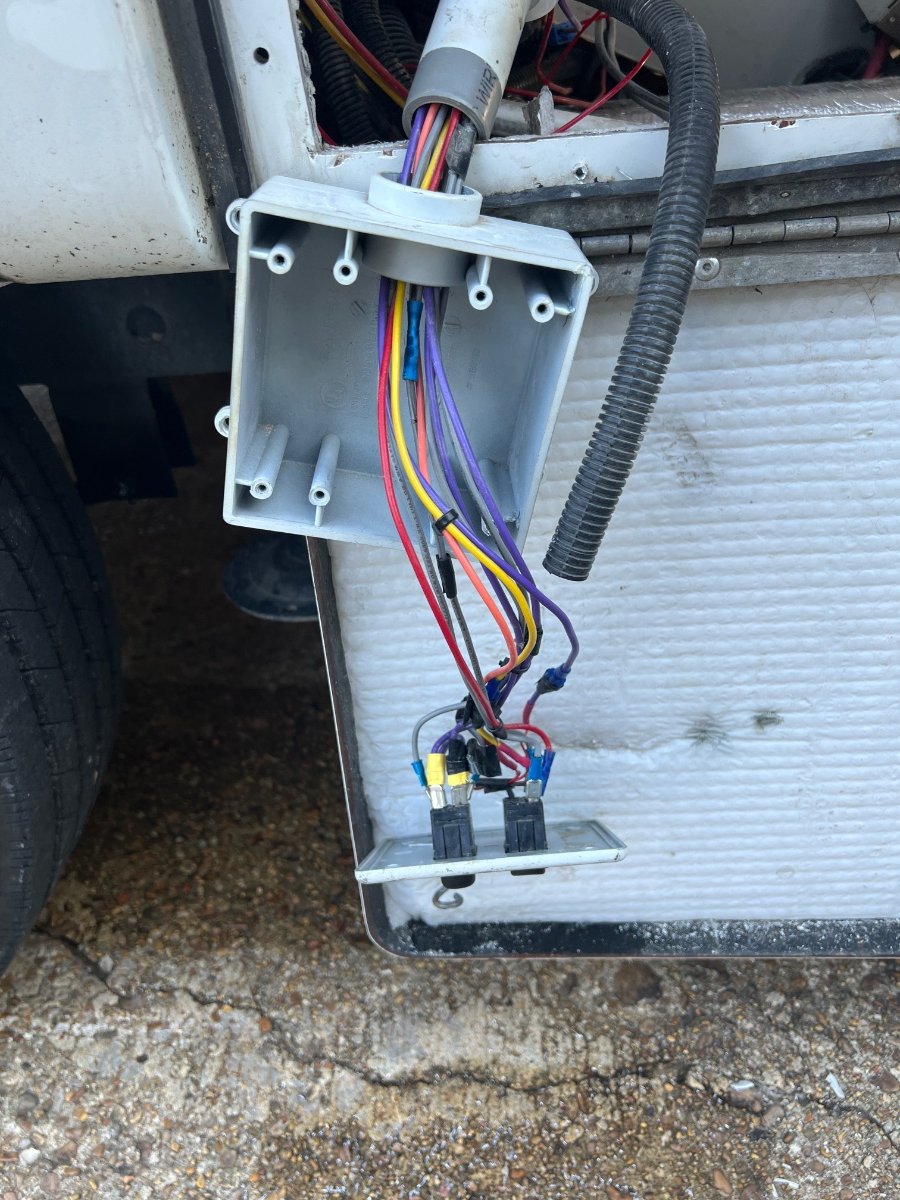
New PVC floor in and basement insulated with Reflectex. Still have to copy what @ScubaRx has done and build a new shower box but that will have to wait until after our thanksgiving trip down in the Keys. Will be installing a rubber mat over the floor too to keep things from sliding around.
 2 points
 -
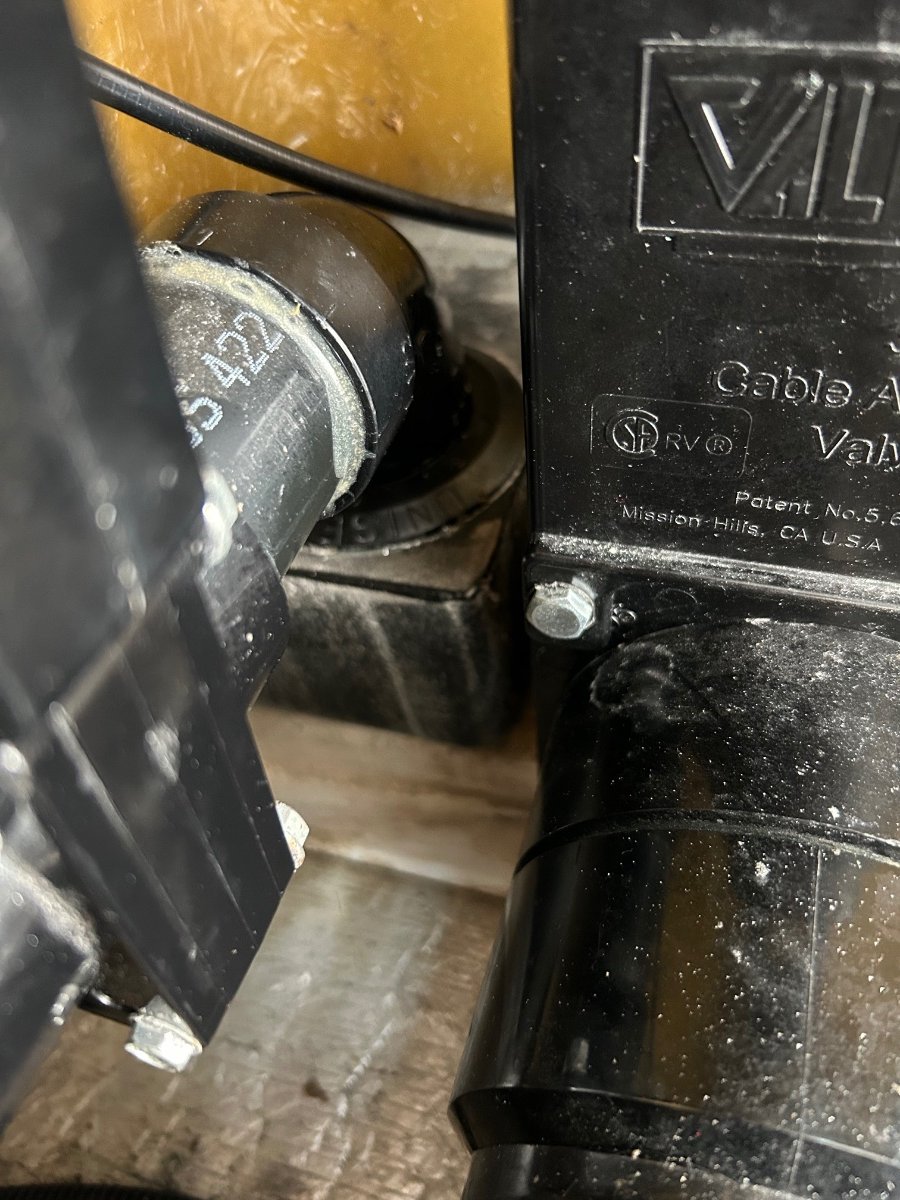
We spent most of October in the Ozarks and Tennessee. Great trip, except for the last few days! Besides hitting a big deer in rural Louisiana and not being able to use our black tank flush, we also had a significant gray water leak. While stopped at a rest stop just inside Texas to check and fix all the inside chaos after driving I-20 through Shreveport, I noticed a steady trickle of water coming out of the rear bumper. We were parked facing uphill. Further inspection showed water coming out of the area where the black/gray drain pipe exits the trailer. It was pooling on the ground and was easy to see that it was gray. I started inside by checking under the dinette seat near the bathroom. There was standing gray water in the area where the drain pipe exits the back and goes to the gray tank. At that point we decided to cancel the rest of our trip and head straight home. After the deer strike my ability to turn right was cut in half without significant rubbing and I knew that black tank was an issue until I got the part. By the time we got home the area under the dinette seat was dry. I decided to tackle the issue in the morning so we just unloaded and called it a day. The next morning I checked again under the dinette seat, still dry. I checked as far under the shower pan that I could reach, it was dry. I check the gate and the connections there and it was dry. I moved to where the drain pipe enters the gray tank and BINGO, there it was. The drain pipe makes a 90 degree turn down into the tank after the gate. What I saw was the drain pipe half over the entry hole and half on top of the gray tank. So, showers and teeth brushing sent drain water half into the tank and half on top of the tank and then down to the floor. I disconnected the section that included the gate to get a better look at it. There is a rubber ring that fits inside the hole on top of the tank. The end of the drain pipe is somewhat tapered and it looks like it is meant to be held in place by friction - just jam the pipe into the rubber ring and call it a day. I cleaned the area on top of the tank, the rubber ring and the drain pipe end then mixed some epoxy and…, well it won’t be popping out anymore. I neglected to take pictures, I was still on my first cup of coffee and was intent on getting it fixed. I took one after I was done. So, my truck is in the body shop - should be done next week, the black tank flush is fixed and the gray water drain pipe is fixed. Ready for a January trip to Arizona! I’m going to open a service ticket to see how that drain pipe is supposed to be connected to the gray tank. Here is the drain pipe epoxied to the rubber ring which is epoxied to the top of the gray tank.
2 points
-
Wow! Too much excitement for one day! Glad everything is fixed, or getting fixed, and there were no casualties besides Bambi. Interesting info about the tank and pipe fitment.2 points
-
Hello and welcome to the Forum! You will find a wealth of information here on the forum! We love our Oliver, it is indeed a high quality camper. Here is a testimonial video my husband and I did about our Ollie.2 points
-
Mike, as you've evidently discovered, the drain pipe is indeed only a friction attachment. I agree that no harm was done with adding a little epoxy. My guess that in all the excitement of hitting the deer and probably then slamming on the brakes, the weight of the gray water inside the tank was enough to cause a slight shifting of the gray tank forward thereby dislodging the drain pipe from the top of the tank. The tanks are not strapped down. If they were it would be incredibly difficult to remove one out the rear bumper. Sorry this all happened, buddy. But, as Mighty Mouse used to say, it seems you've "...got the situation well in hand..."2 points
-
Your first big decision will be your tow vehicle (TV) and it will determine whether you have to make a choice between the Elite and the Elite II. Ideally, the plan should be to choose the trailer model you want and then buy a TV that will serve as the best. There have been literally thousands of words written about this, both here and on other forums. I have gone through five different TV's in the past 15 years towing both an Elite and then an Elite II. Personally, for a comfortable towing experience, I would consider the very minimum TV for the Elite to have a towing capacity of at least 7500 pounds, preferably more. For the Elite II, 10,000 pounds or greater, diesel rather than gas and with any TV the highest payload I could get. If you make the correct TV choice now, on the front end, you will save yourself enough money to fuel anything you buy for the next decade. The cost of a wrong choice now will easily add up to equal another fully optioned Oliver EII over the same time period in TV replacement costs. Choose wisely.2 points
-
Hi, Mike. We spent a lot of time on this forum, first deciding if we wanted to buy an Oliver, then learning all the particulars so we were well prepared and equipped when we took delivery. One note: the online search function here is terrible. We use Google and start the search phrase with "Oliver trailers" followed by whatever we're looking for. Have fun browsing.2 points
-
Does the owners manual "recommend" or "require" a weight distributing hitch when towing over 5000 lbs.? There is a critical difference between those two words. Good luck proving that "Nissan didn't think I needed sway control" in court if your owners manual says differently.2 points
-
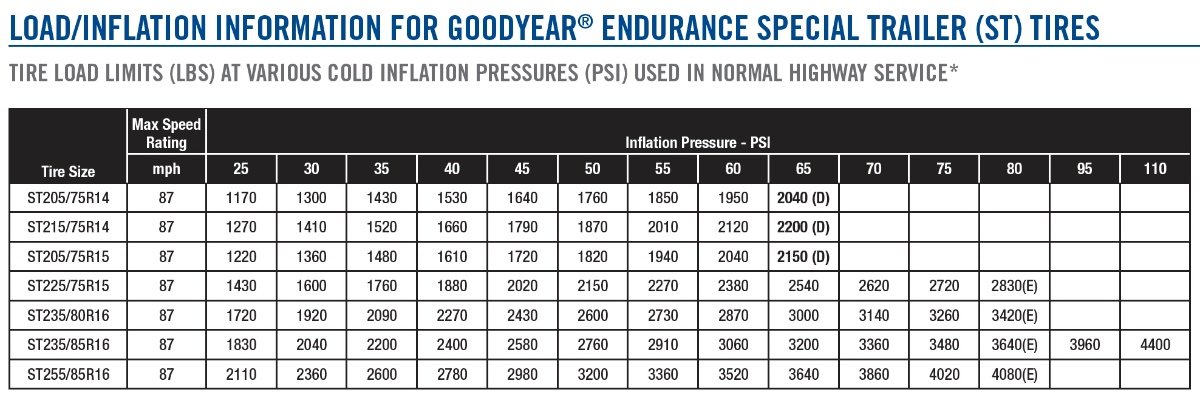
Correct, and the best way to determine this is to WEIGH your trailer unloaded and fully loaded for travel. When I ran Goodyears on the Airstream I was happy to see they produce a comprehensive chart each year for their RV "Special Trailer" ST tires. I recommend the CAT SCALES app for your phone. When you go to the scales, open the app, put in the number and drive on. Once your weight is taken, you will get a notice on the app and an email with your scale certificate. It will show total trailer weight, rear and front TV weight and combined weight. Compare these to what your tire chart states for your trailer and TV and adjust accordingly. There is NO one-pressure-fits-all answer. 55 psi is probably a very good choice for the current tires given the "likely" loaded trailer weight. GREAT CONVERSATION, this definitely needs to be understood by everyone who tows! Brian rv_inflation.pdf
2 points
-
Having driven the F150 V8 5.0 pulling the LE 1 and now pulling the LE 2 with a F250 6.7 I can honestly say there is no comparison between the two and the overall reduction in driving stress with the diesel 6.7 has been a big win for us. Our F150 pulled the lighter LE 1 trailer fine and got between 13 and 17 mpg with varying hills and/or head winds. The best number we got was when driving the Natchez Trace Parkway (50 mph and no stop signs for hundreds of miles) during our last trip home from the Oliver factory. So far, we have put about 10K miles on the F250 pulling the LE2 trailer and have been averaging around 16-17 mpg going speed limit speeds on our trip back to Texas from Oregon and a couple of trips to Colorado. The biggest win for me along with the additional torque the diesel engine provides is the awesome range we get with the larger fuel tank and higher fuel mileage (over 600 miles). I have only had to fill up the DEF two times since purchasing the truck about 12K miles ago given that the DEF was low when purchased. We have offset some of the fuel costs via our fuel discounts we get via the OpenRoads program, Good Sams and the Bucee's 5% fuel discount for local purchases as we have 6 locations near us. Overall, I would say we use about the same as we did using our F150 to pull the LE1 as we currently do pulling the LE2 with the F250 from a cost basis. One additional lesson we learned during our trip to the Grand Canyon in the F150/LE1 was that the 5.0 engines does not like the lower octane fuels sold in AZ as their normal grade. As a result of excessive engine knocks, we had to purchase the premium or mid-grade to keep the engine knocks down to a minimum. If I had to purchase another Truck today I would definitely go with the Diesel 6.7 as it has been flawless for us. In addition, the exhaust break on the F250 has been wonderful when going down those steep grades in the mountains as well. From all my reading tho, you need to stay on top of having the oil changes done regularly as well as the fuel filters changed about every 10-15k miles.2 points
-
Does anyone use a single or dual unit instead of using the propane stove?1 point
-
Just joined up. Thinking of down sizing to a high quality trailer and learned about the Oliver. I have several questions and I am anxious to read what those who own one have to say about their trailer.1 point
-
We sit outside a lot. Comfortable camp chairs are important, there are a bunch to choose from. It’s mostly personal preference. As far as reclining goes, we recline on our beds quite often. A couple of pillows on the back wall and you’ve got a nice recliner, not laying flat on the bed but sitting leaning against the wall. It’s quite nice. We sit in the dinette but also recline on the beds. Our trips are usually much longer than 1-3 weeks and comfortable sitting hasn’t been an issue. Mike1 point
-
Looks like you have a lot more work to do than I did. I got off easy as I didn't have any water line rerouting to contend with. After seeing pics of your basement, I'm now wondering if I should go back and install the light bezels through the Reflectix or not.1 point
-
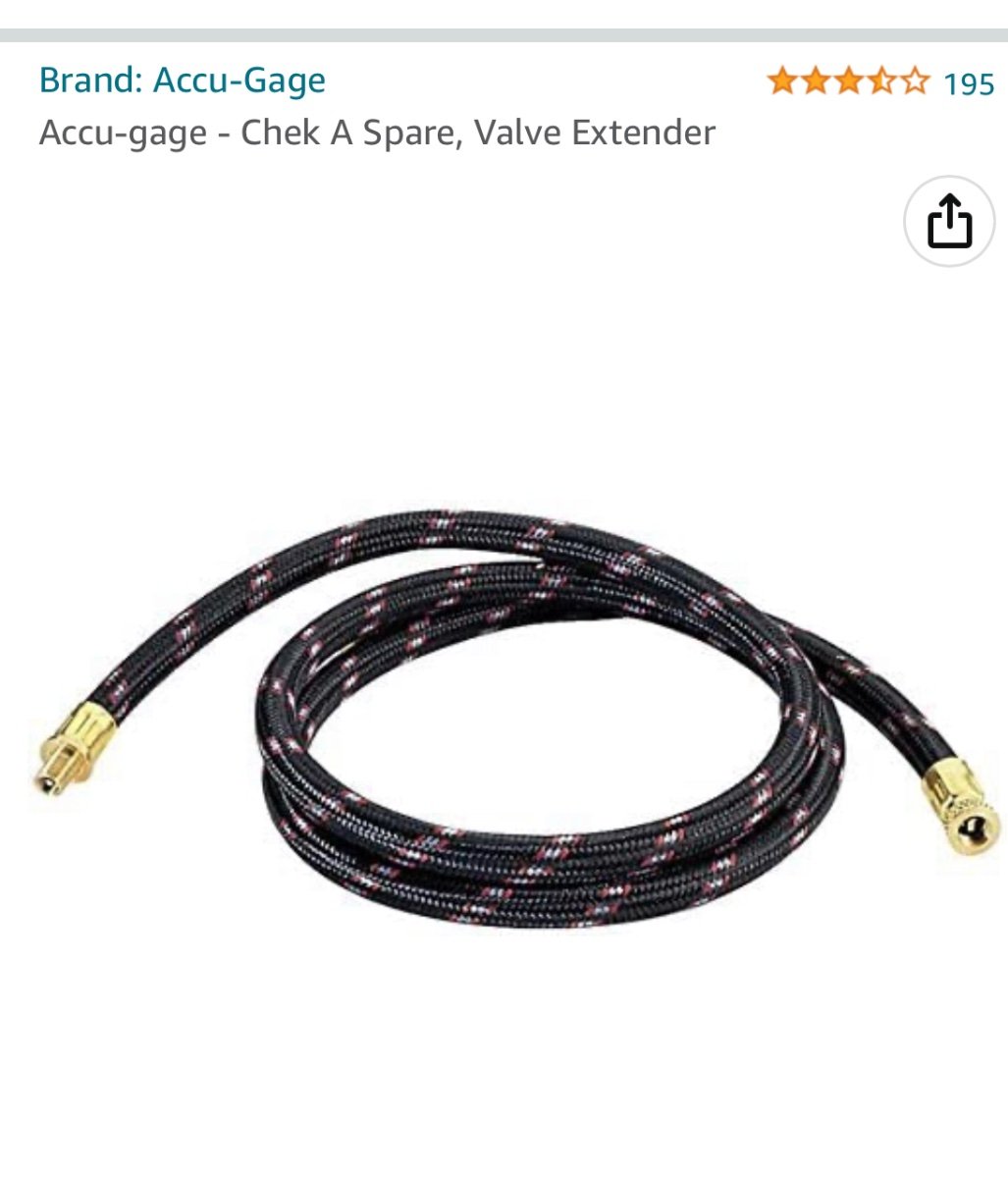
If the tire loses air from a slow leak that ring will get loose, it is the rubber sidewall pressing against the hull that keeps it from moving. (A pretty stupid engineering decision,) When did you last check the pressure? If you add an extension hose you can easily check it without disturbing the wheel or the cover, if you route the end out the bottom of the cover John Davies Spokane WA
1 point
-
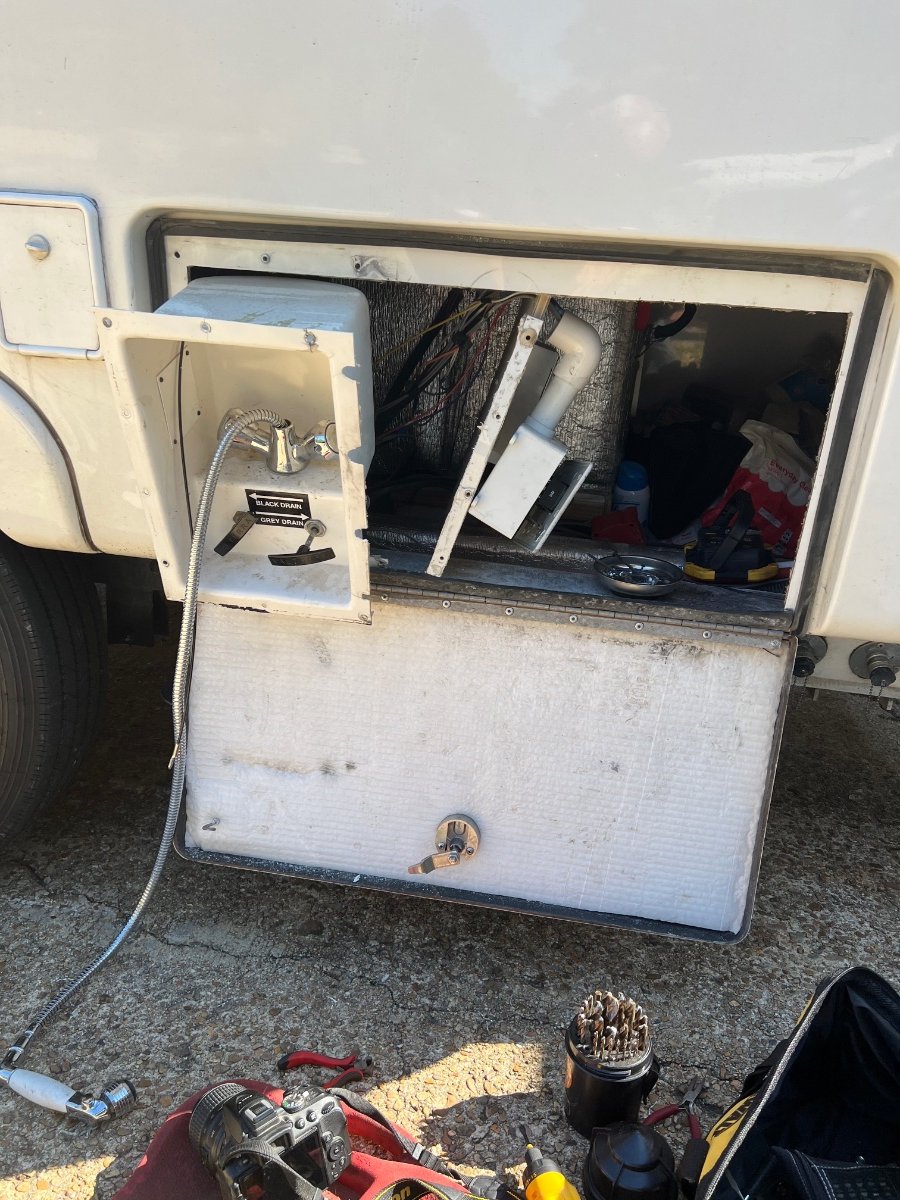
Well, you’re way ahead of me. This is the current state of disrepair in my basement. About to start rerouting plumbing. o
1 point
-
Welcome @Mike11. It sounds like you are downsizing from perhaps a 5th wheel. We had a much larger travel trailer several years ago ourselves so the towing and all that comes with a smaller travel trailer should be a joy. Learning to live in a smaller space will take a little more effort for us. We placed our LE2 order a couple weeks ago so the learning and preparing is just ramping up. I'm very much looking forward to the convenient size of the Oliver and love the idea of being able to stay in places the larger rigs can only dream about. I too highly recommend the factory tour, they are very warm and knowledgeable folks at Oliver and will go out of their way to make your visit worth while and enjoyable.1 point
-
We do fine with our gas 3500. While I enjoyed the torque of my diesel, I couldn't justify the extra expense of DEF and the higher repair and maintenance costs of diesel for a 6500# trailer. Maybe if we were full timing or traveling extensively in the mountains.1 point
-
I agree with Hokieman and Battleborns video. Without solar on our OE2, and covering 400 to 600 miles a day, boondocking along the way, we wanted to arrive nightly with our three 100 aH Battleborns charged and not having to run a generator. Modern vehicles have an updated alternator technology that can be damaged unless you follow the advice in the video. We chose their most recommended unit, the Victron Orion 12-12/30. It is a 30 amp capacity smart charging system. There are other options as recommended by several members. Recommend you take a look at John Davies posting for additional details. See his HOW TO threads at: https://olivertraveltrailers.com/topic/john-e-davies-how-to-threads-and-tech-articles-links/ Also search the Orion 12-12/30 topic and there are several links to great info. Should you like a list of materials that I used on my 2019 F-150 SuperCrew and OE2 just PM me. GJ1 point
-
Hi Mike, welcome to the forum. They're a great group of people with a wealth of information. Ask any question. Oliver University and videos are very helpful. John1 point
-
I wondered if I was doing my searches wrong as I think it's terrible too. John1 point
-
Are you confusing the Service Dept. instructions and looking for spare fuses under that bunk? If so, you won’t find any spares there. There should be 3 yellow fuse holders as Frank shows in his photos, they connect to the 3 levelers. I had one spare in my kit just like Frank showed, and I bought a 2 pack for spares.1 point
-
UPDATE: I opened a ticket with service and was told that the drain pipe is just inserted into the rubber grommet with no adhesive. I asked if there were any issues with my repair (epoxy both the grommet and pipe to the tank) and was told there were no issues that they were aware of. It might be a good periodic check to look under the dinette seat and ensure that the drain pipe is seated tightly into the rubber grommet on top of the gray tank. Or, it looks like you could make a more permanent seal like I ended up doing. I will say that it took about 90,000 miles and just under 7 years for my drain pipe to dislocate itself. Mike1 point
-
Hey Mike, welcome to the forum. There is a lot of information you can spend time on here. Also, from NW Arkansas you aren’t too far from the factory in Hohenwald. It would be worth a trip there to take a tour and see some trailers there. As you think of questions just make a post and you’ll get lots of answers, experience and opinions! Mike1 point
-
Welcome Mike11! You're in for an interesting ride. I'd suggest that you start reading as many of the questions that those unfamiliar with Olivers have already been posted - some many times over. Also, don't forget about perusing the Oliver University where much can be learned not only about Olivers but many times about RV's in general. Have fun and don't be afraid to let those questions fly. Bill1 point
-
Where we live in central Idaho, the saying is: "There are two kinds of people here. Those who have hit a deer, and those who are going to hit a deer." I am in a third category: those who have hit at least 2 deer!1 point
-
Yep, sorta like daylite savings time. Take some water from one end of the tank and put it back in the other, therefore, saving water! 😉 These blogs all look like they were copy/pasted from some RV industry promotional literature, with very few of them having to do with Oliver specifically. 15 gallon black tank more than most other travel trailers??1 point
-
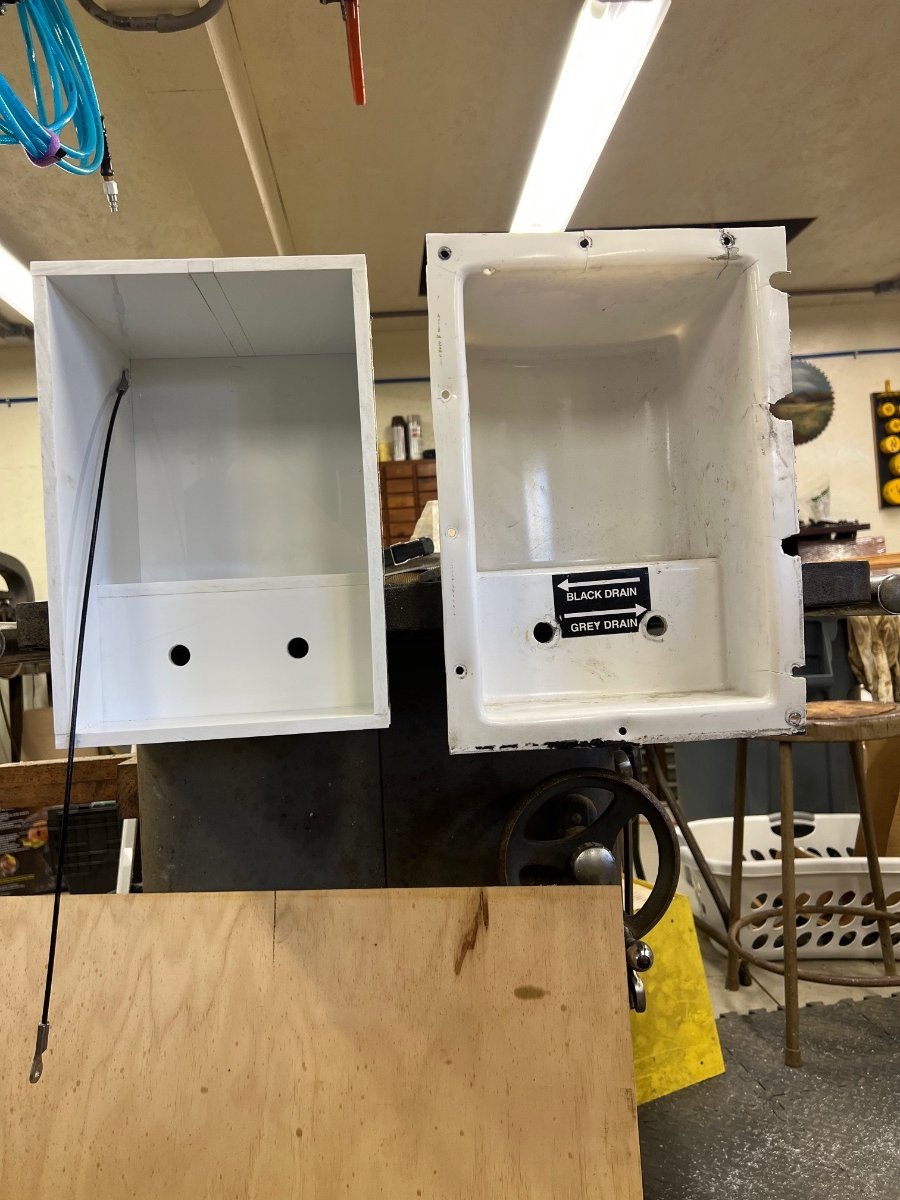
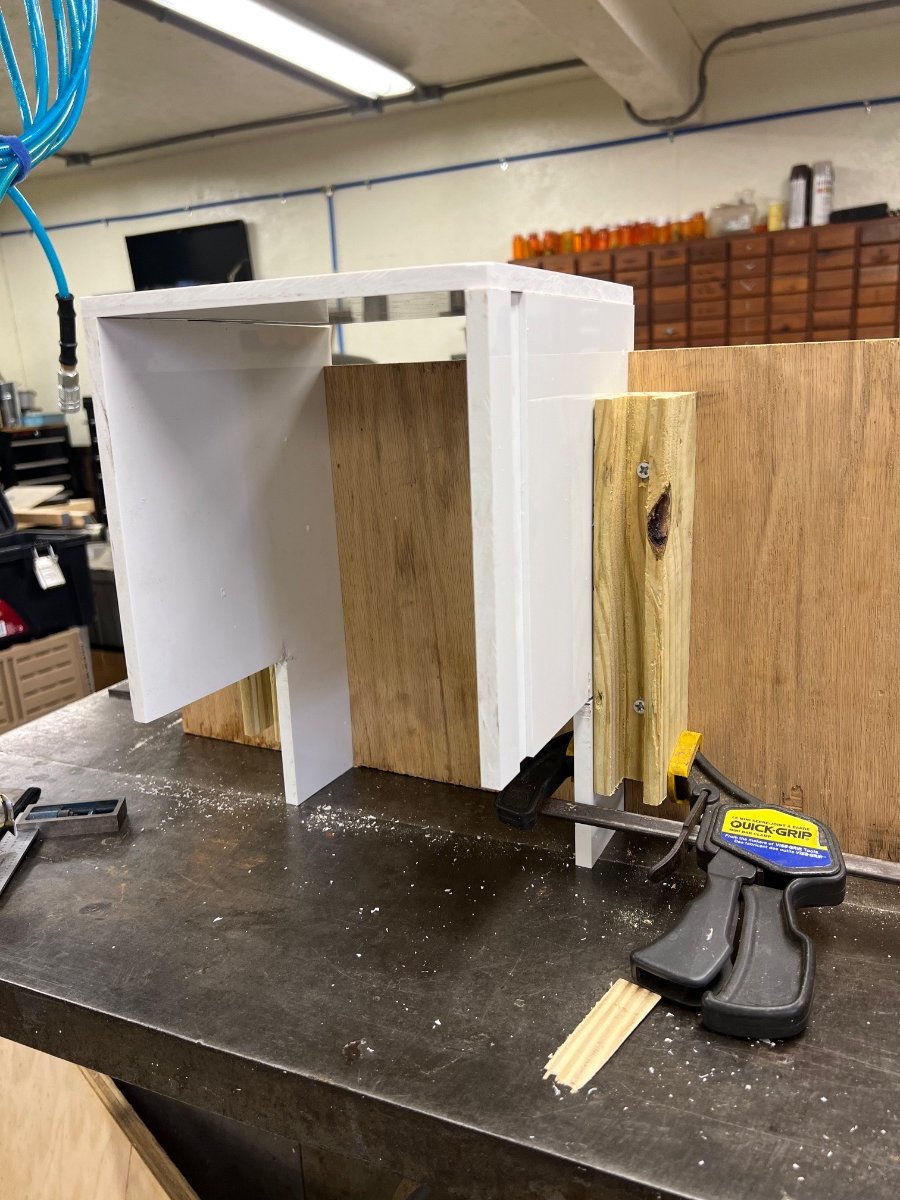
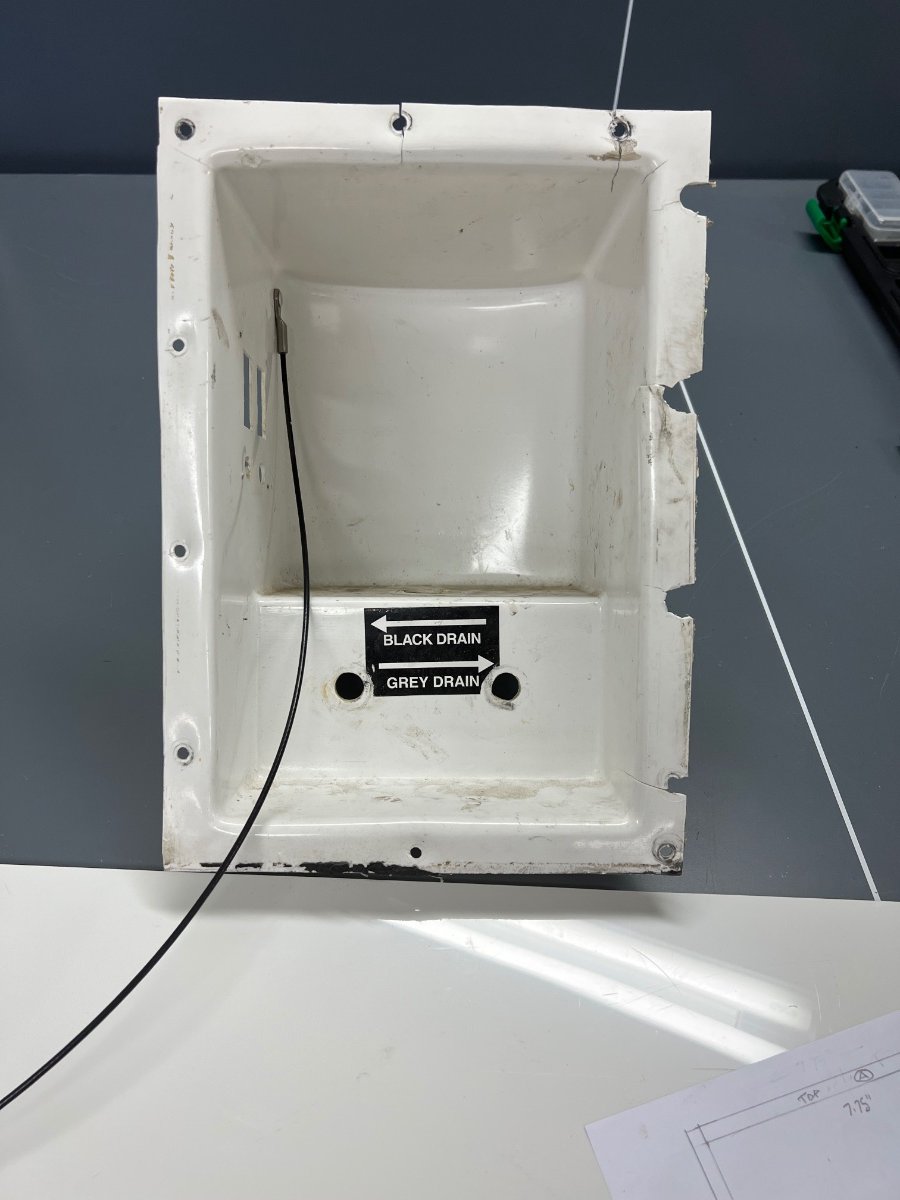
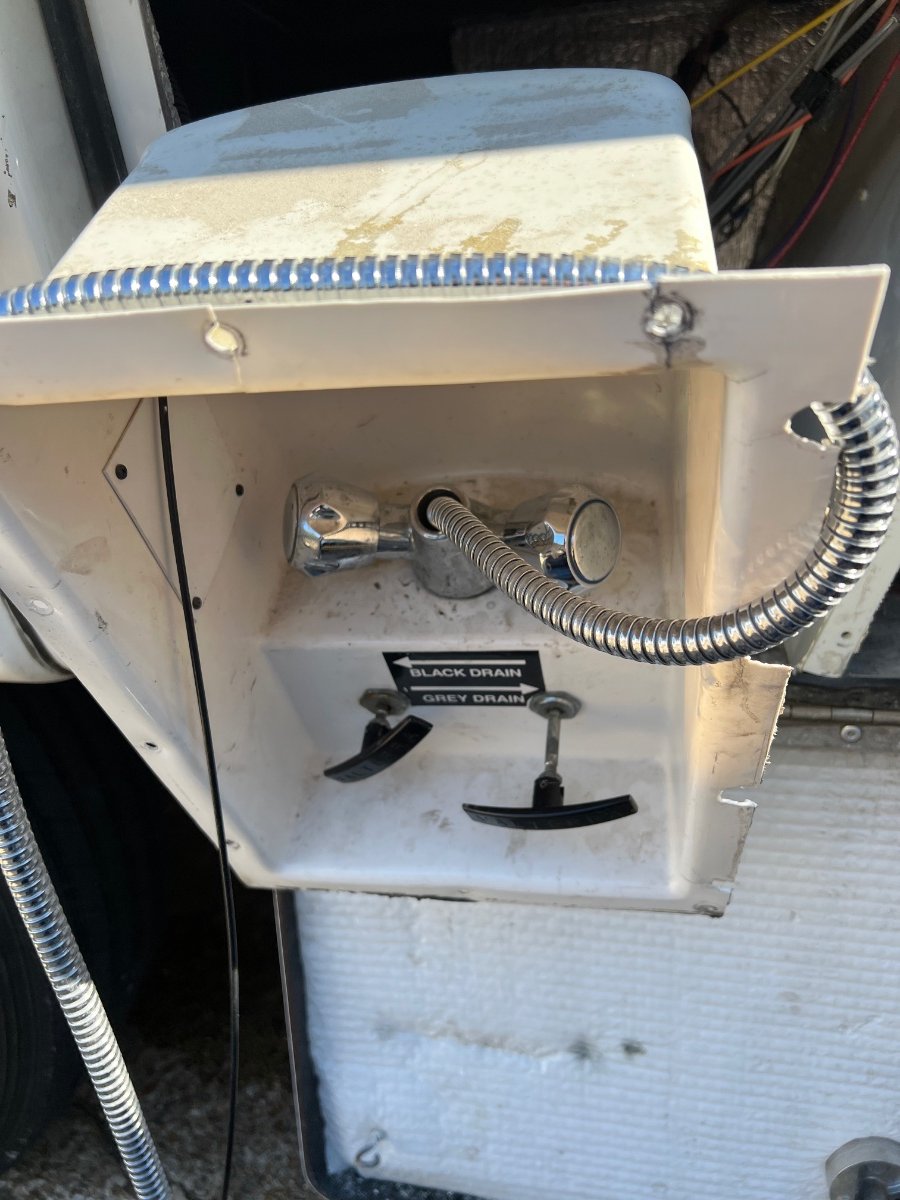
Out with the old, in with new… I am about to glue the outside flanges on, and the outside shower box should be completed. I purposely made it a bit larger on the inside and the back is square as opposed to rounded on the original.
1 point
-
The key word here is “structural”. Although, no longer used, the front wall that separates the bath and closet and them from the rest of the cabin plus the basement floor were originally made in-house from a very high grade plywood coated on both sides with fiberglass and gel coat. These areas are now constructed using a commercially available 1/2” thick polymer plastic sheeting cut to fit. My basement flooring right inside the exterior hatch was delaminating like yours from it having gotten wet so many times through the years. We store our hoses there and apparently I’ve occasionally stowed them away without making sure they were completely drained AND the seal on that hatch has been known to leak while driving in the pouring rain. In addition, there have been times the outside faucets were left slightly open and that water found its way onto the basement floor. All of this is user error, but I decided to tear the entire inside of the basement out and redo all. This is involving construction of a new outdoor faucet and tank valve box as all the early trailers had a vacuum formed box made of really thin plastic. Mine was broken all to pieces and looked horrible. Also, I plan to reroute the plumbing away from that cold susceptible area right next to the outer hull to a more inboard position where it will be subjected to more between the hulls heating. My plan is also place electric valves in those lines so they can be isolated from the rest of the plumbing and drained if necessary. There will be some effort made to relocate some of the electrical wires in that area.
1 point
-
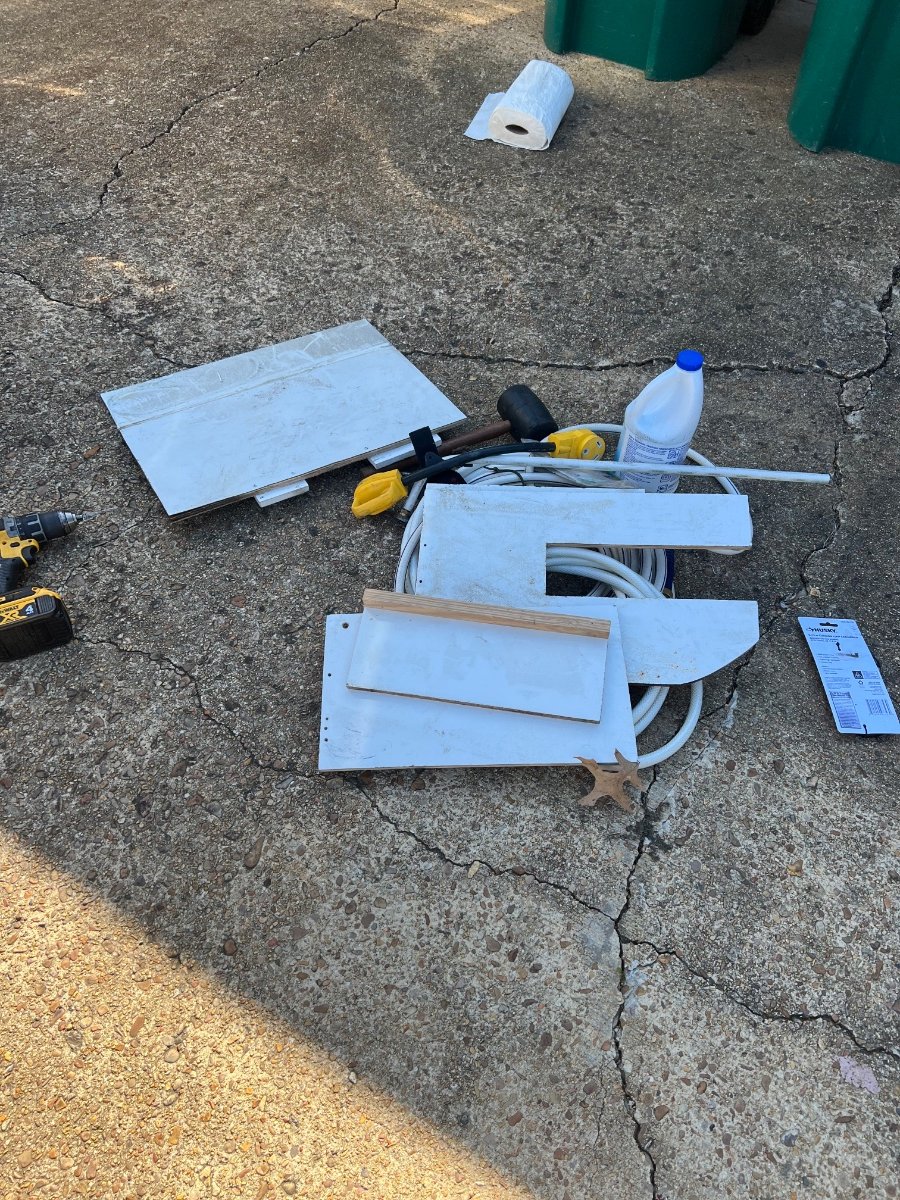
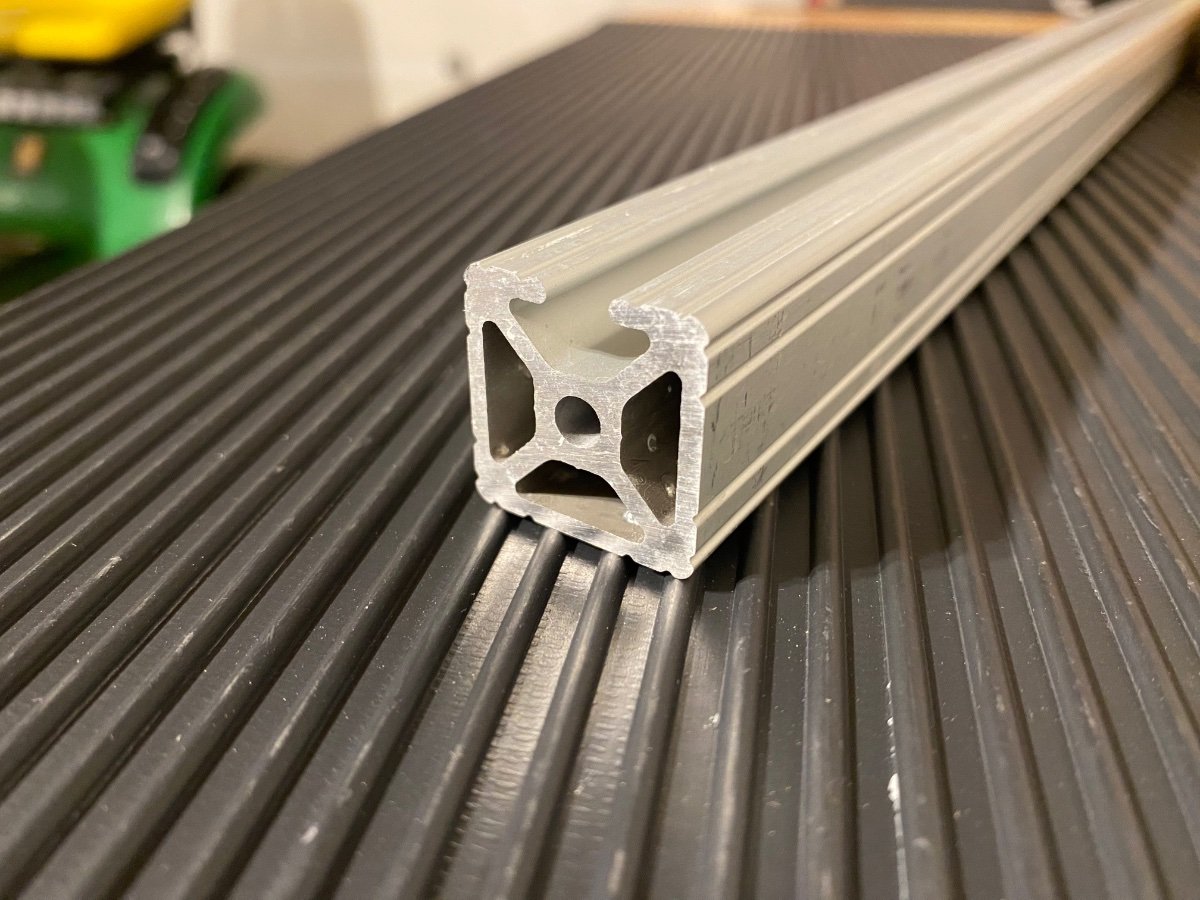
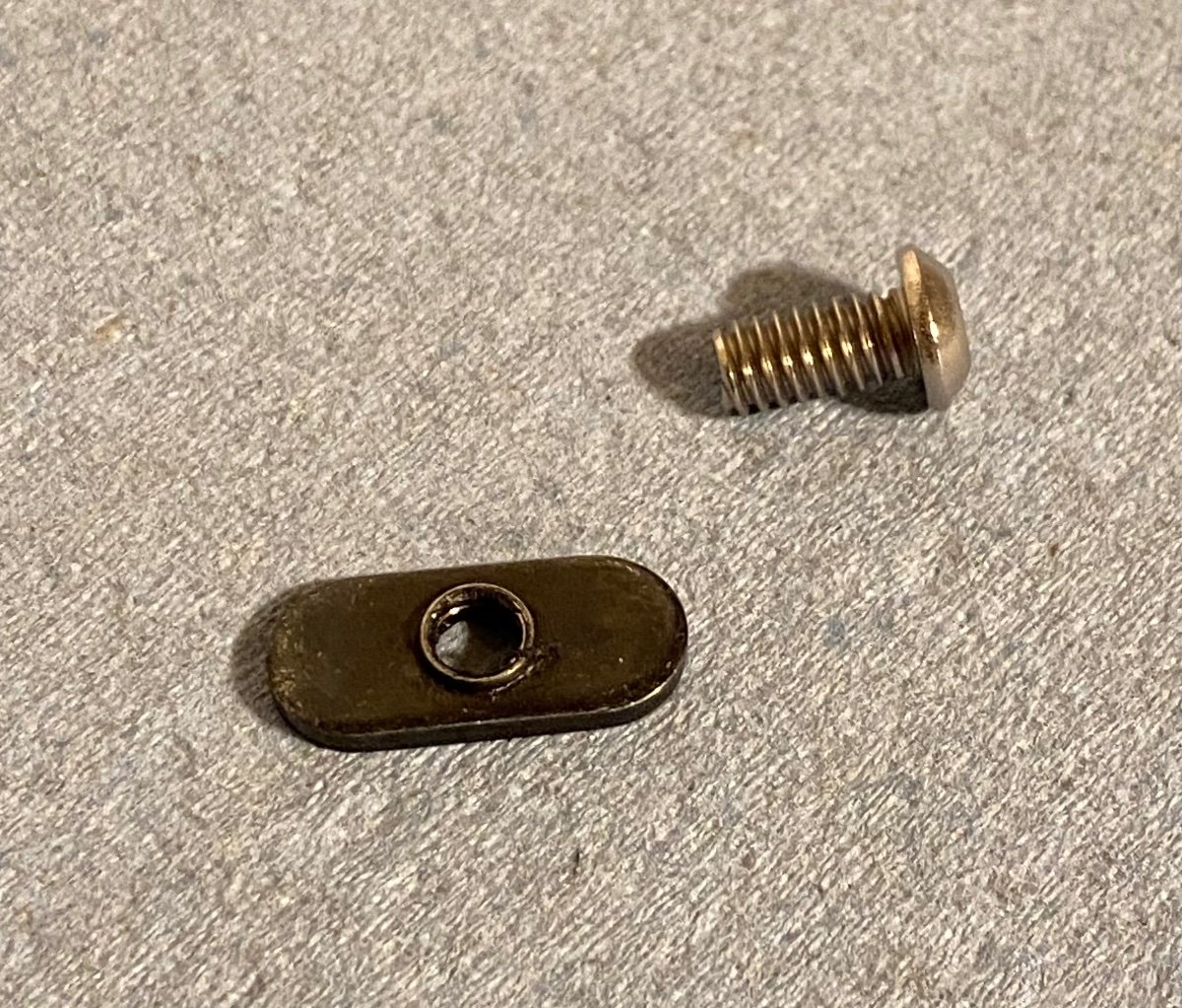
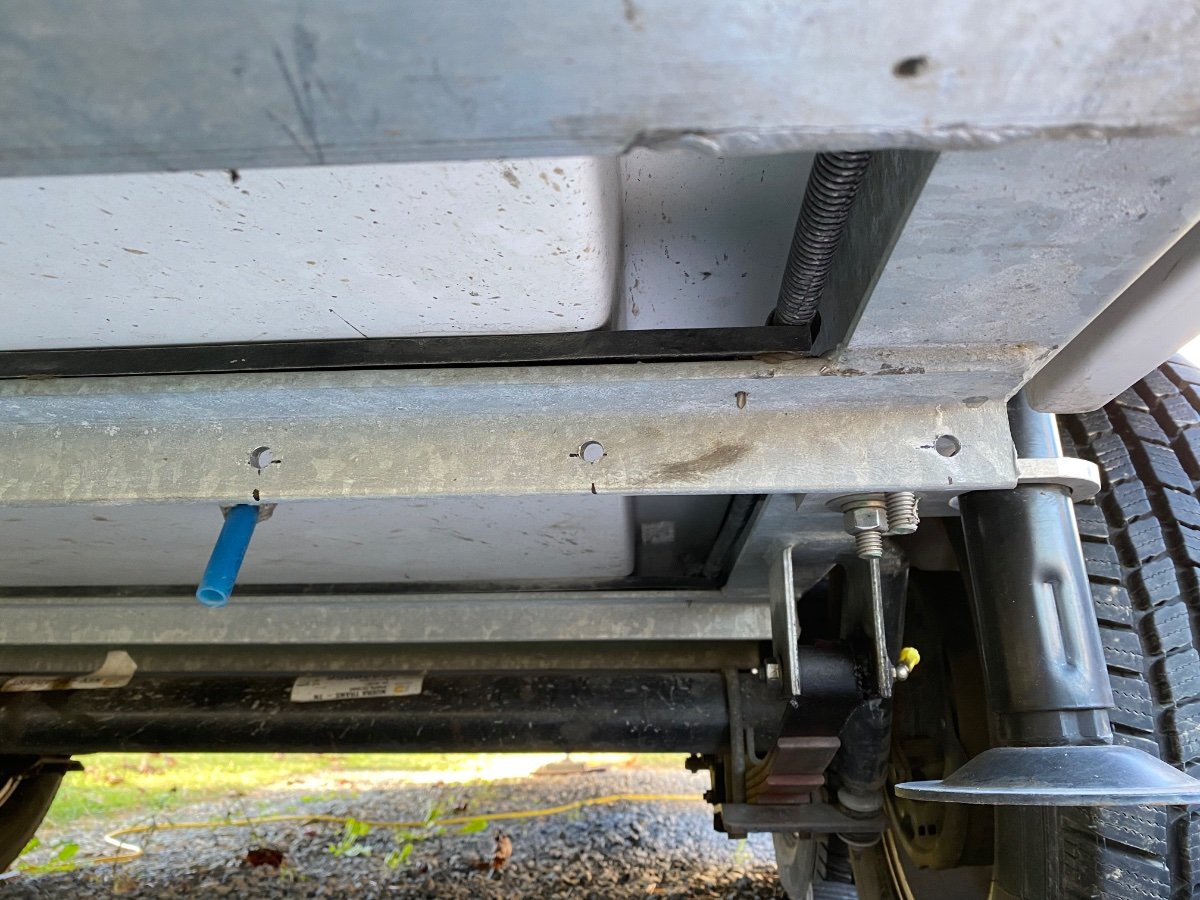
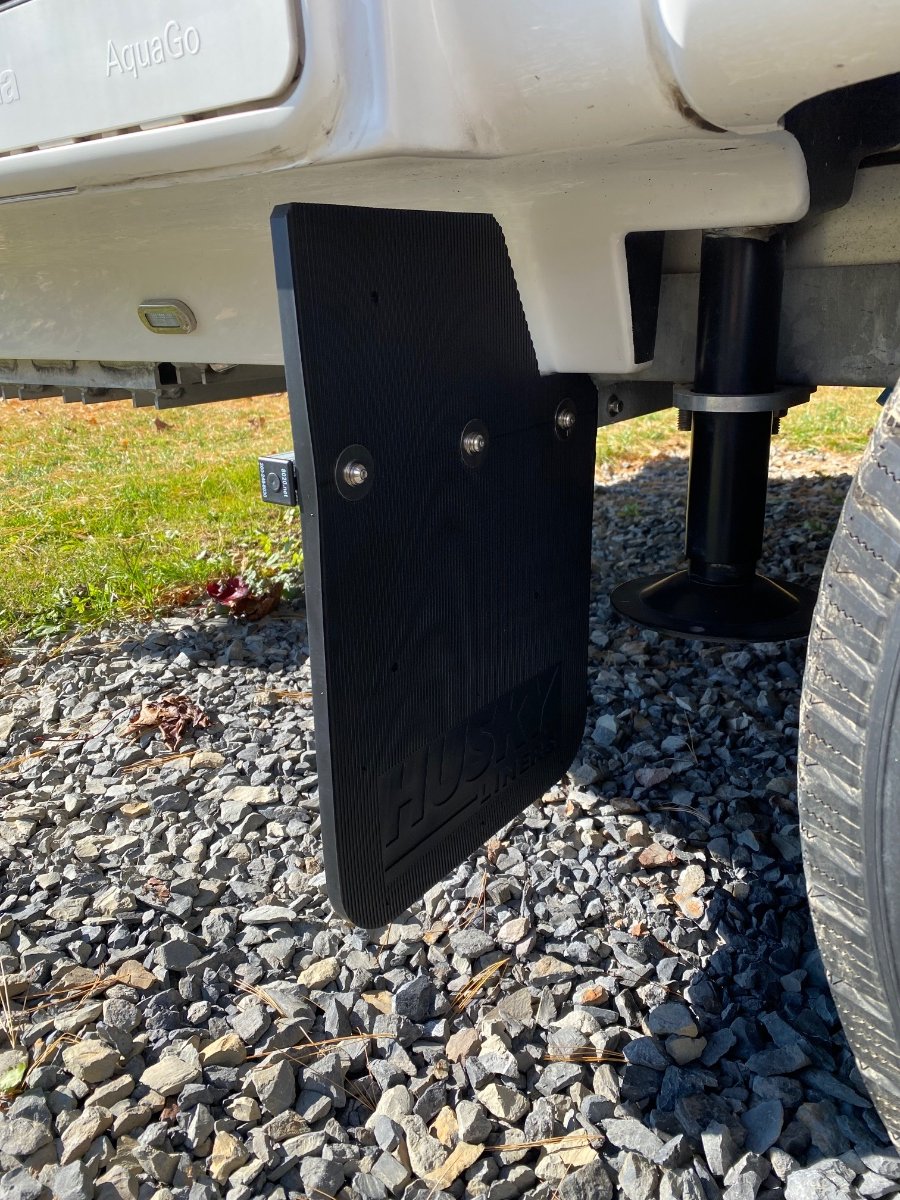
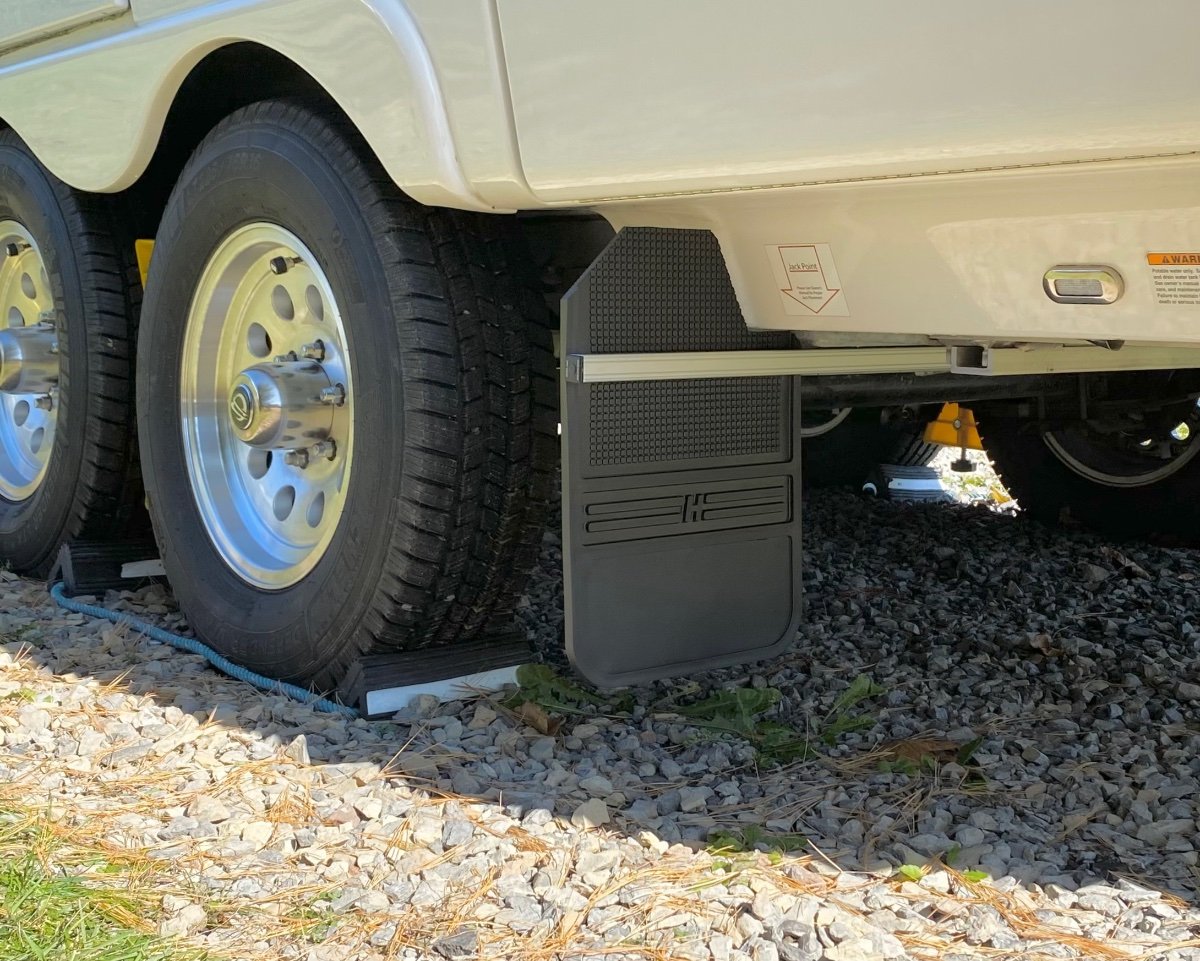
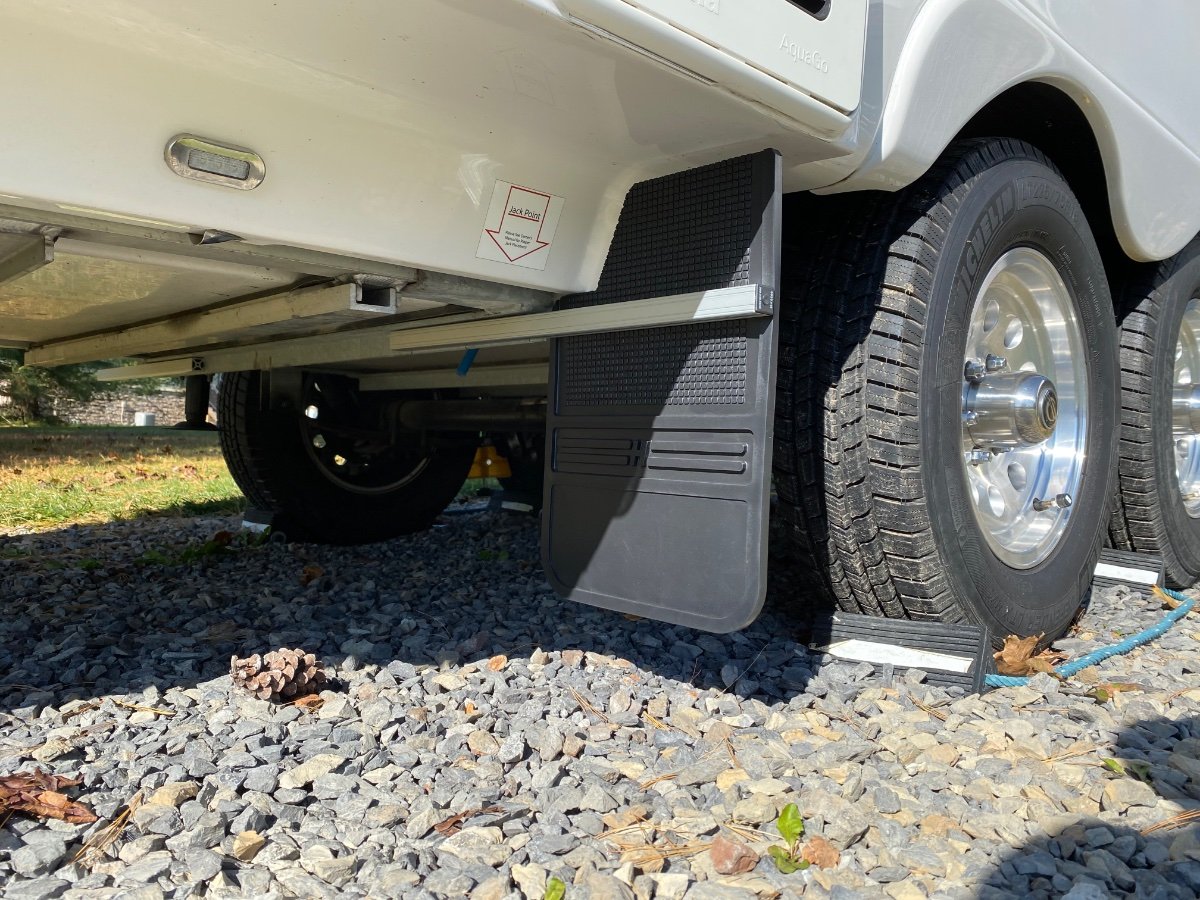
Finally got around to doing my mud flap project. I used 1” square single slot aluminum T slot rail and 1/4”-20 T slot nuts (from McMaster Carr) with 1/4”-20 stainless screws & washers. A 2’ long section of T slot rail on each side of the trailer, with 12” wide mud flaps (from Husky, very nice quality thick molded mud flaps) cut to the Oliver trailer hull profile. The T slot rails come with a hard anodized finish so no issue with galvanic corrosion when mounted in contact with the steel subframe. The T slot nuts hide a lot of the mounting hardware for a clean appearance. And the street side flap needed the upper corner cut away to allow the basement door to open fully. Thanks to John and others for the inspiration for this project.
1 point
-
I just submitted a Service Ticket requesting a newer decal with 55 psi tire pressure recommendation. I also recommended all previous owners be sent a decal, and a tech services bulletin to explain why. Others might wish to do the same, perhaps OTT will respond to our request. For an informal test, I watched my tire pressures and temps carefully on a recent 10 hour trip, measuring with TPMS, IR gun, and pressure gauge. Mostly 65-70 mph Interstate, fully loaded, but no water in fresh or gray tank. Stopped a few times for gas, lunch & rest stop. Cold tire pressure at start was 45 psi, 65F ambient and tire temp. Sunny day in Georgia and Florida, ambient temps increased to 92F. Tire temps reached 98F max, and tire pressures increased to 51psi max. I’m confident in my family safety running my tires at 45 psi, use your own judgement.
1 point
-
I keep the tires on the Outlaw Oliver, Hull #050 set between 60-65 psi. I formerly ran them all at 80 psi. I think that is too high. As for running them at 55 psi, I think that is fine for most owners. The reason I run more is our trailer is heavier than most all the others (raised bed option, twin 5200 pound axles, 10 ply all steel tires, disc brakes). As has been said MANY times in the past, everyone should buy and install a tire pressure monitoring system (TPMS). There are many brands available, Do your own research and select one based on your personal needs and wants.1 point
-
I don't think this is a factor, when towing with a Benz, but feel I must mention it: We had a B+ class motor home based on a MB 3500 Sprinter chassis. With 6-cyl diesel it had plenty of power and handled well, aside from being susceptible to sway when driving in heavy wind. However, in four years time, we had two wheel speed sensor failures. The added height/weight/sway of the coach was probably a big factor leading to these failures, but it was spec'd by MB for RV use, so perhaps it was an engineering flaw in the 2016 model chassis. My bit of warning is: These breakdowns were a huge inconvenience, as they occurred during road trips. In theory, you are not totally disabled; without the speed sensors working properly you have no anti-lock brake function, but brakes do still work, and the electronic cruise control is disabled. However, Mercedes feels it must protect you from harm, so you only have a limited drive time before the engine computer puts the vehicle into limp mode and forces you to "visit a workshop now!" Here it gets interesting. Scenerio #1: May 16, 2019. We're driving a MB Sprinter motor home and breakdown in the middle of nowhere (I-80, somewhere east of Winnemucca, NV). The throttle begins acting erratically so we pull into a rest area just as the computer switches the engine to "safe mode" (think Windows Blue Screen of Death!). We call MB roadside assistance. Long story short - two days camped at the rest area (first tow truck couldn't find us, then couldn't haul us), they send another tow vehicle; a three hour drive to the nearest MB "workshop" in Reno (three of us in the cab of a 1 1/2 ton tow truck, me sitting on the console jump seat), three nights on the street in Reno (we arrived 15 min before service closed). 5 days of our momentous trip to Arizona stalled due to a right rear wheel speed sensor failure. Scenerio #2 was better, since we knew what to expect: It's May, 2020 - a year since the occurrence of Scenerio #1. We were only 75 miles into our trip, so we returned home and arranged for repair (again, nearest MB service is 2 1/2 hrs away). This time we took a chance and drove to the shop without limping in. Though we might never have another wheel sensor fail, interrupted trips aren't in our retirement plan. On the drive home we decided it was time to sell the motor home (thanks to Covid-19 it's a seller's market!). These are adventures we won't forget, but some good did come from our mishaps - they led us to purchasing an Oliver 😁 Bottom line is, with all else being good, and you can tow an Oliver Elite with the Metris, if breakdowns require warranty service (some components are warrantied for 5 and even 10 years), MB certified shops are not as windspread as Dodge, GM, Ford, or Toyota, et al. If not under warranty, service may be easier to obtain, as Dodge shops that work on Promaster vans can make Sprinter repairs, though they might not be warranty certified. The MB Metris might have more options than the larger Sprinter chassis. Just be aware that towing with a MB, whether it be the Metris, a larger Sprinter van, or an SUV, you will need to tolerate few-and-far-between MB service locations. Not so, towing with most non-European vehicles. For sure, when on the road, identify the locations of MB service along your route.1 point
-
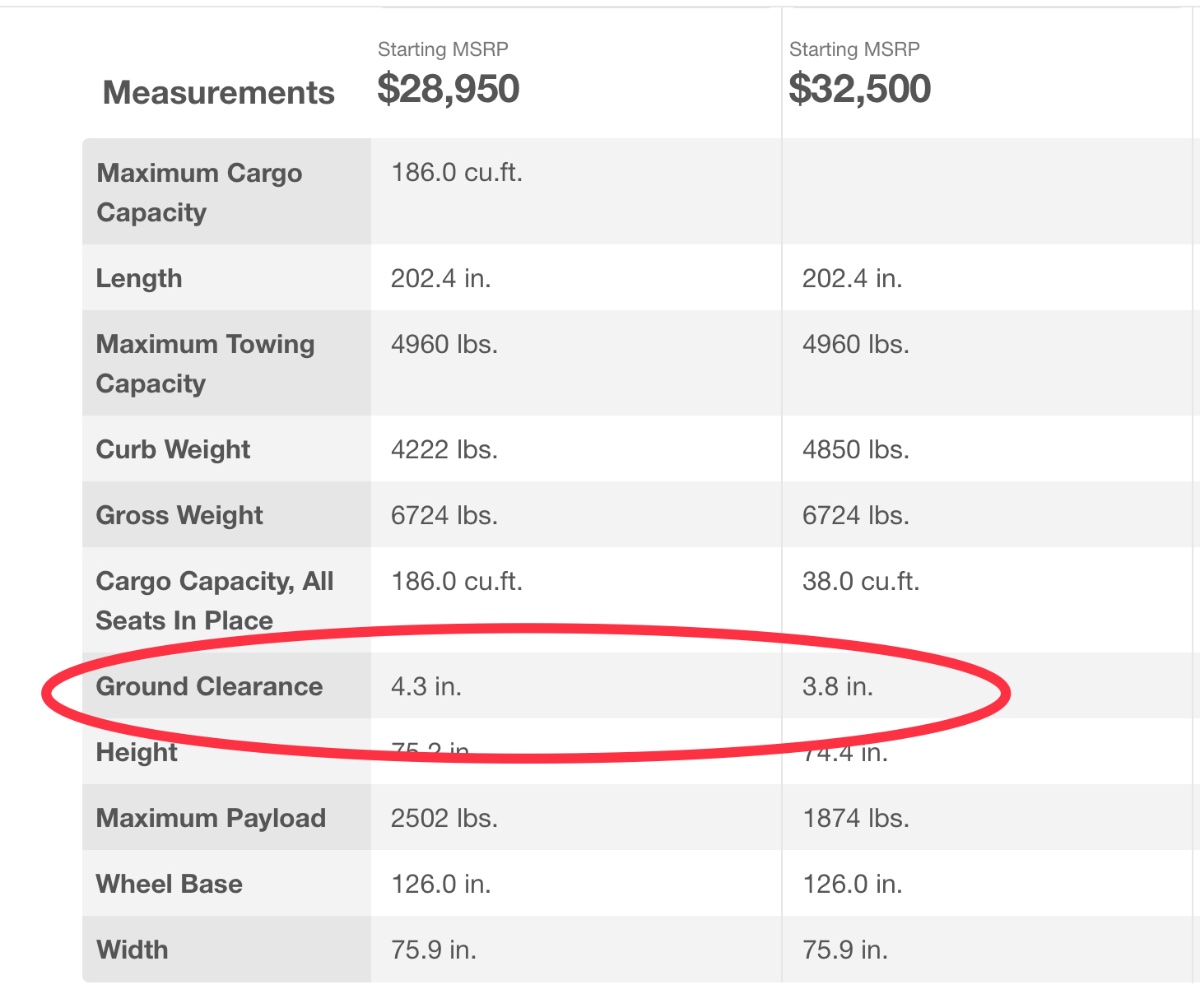
I am assuming you are talking about the Elite? It is right at your maximum towing weight. It doesn’t really leave you any safety reserves for high altitude, hot weather or headwinds. You would always be constantly stressing the heck out of the drivetrain. I personally would say, find a more suitable vehicle with a better tow rating and ESPECIALLY more ground clearance. You will never be able to boondock off paved roads with this: If you are talking about the Elite II, then no, it will never work. One of the big Benz SUVs would be a suitable choice for either trailer. John Davies Spokane WA
1 point
-
Hi, all. It's been a while since I have been on the forum. I wanted to give an update. I did replace my F250 6.7L diesel with a Nissan Titan V8. My Ford was starting to have problems like the fuel pump going out and even Ford recommended I trade it in -- so I got the Titan. I just got back from Roan Mountain etc. in Tennessee about 2000 miles hauling round trip. The Titan pulled my Oliver2 like a champ. I do not have the Andersen hitch setup on the trailer as I previously didn't need it with the diesel truck and on I30 and I40 through Texas, Arkansas and Tennessee with the big semi passing at 75mph and I didn't see any signs of swaying. Of course we were driving mostly in the right lane at 70mph or less. So I am on the fence about adding an Andersen Hitch to my trailer. I looked at a OL2 with an Andersen camped near us and it's doesn't look like a big deal to add it but I have heard that if the sway control is not on correctly it can become more dangerous with it on. I did talk to the Nissan Service and while in the Nissan manual it recommends sway control and leveling if towing over 5000lbs they told me if I kept the tanks empty and the trailer close to the dry weight when hauling and weight distributed evenly throughout the trailer (which I believe it is in the case with the Oliver), Nissan didn't think I needed the sway control. My next trip out is April 2023 so I have a while to ponder what best to do.0 points



.thumb.jpg.e34bf01ef7f7d5e99ad31856d45afbeb.jpg)















-
Recent Achievements
-