Leaderboard




Popular Content
Showing content with the highest reputation on 04/19/2023 in all areas
-
Oliver offers a yearly maintenance package for our customers. The maintenance items included in this package are things that need to be performed for typical camper use at least once per year. This does not mean that this is the only time of the year that you will need or have to perform some of the these maintenance items. Some customers may be able to go longer than one year for some of the items as maintenance is based on usage & environment. Many of the items have been added to our yearly maintenance list because so many people do not perform them and we felt it was best to perform it once per year rather than never. A/C Filter Cleaning: We perform this in the yearly maintenance but in dry environments it should be done weekly. A/C Condenser Coil: Recommended with Dometic A/C at least once per year however depending on the environment of use it could need to be cleaned as often as 2-4 times per year. Birds can also make nests inside when left unused for a period which would also require cleaning. Exterior Caulking: We recommend doing this at least once per year. Depending on the use and environment it may need to be done sooner or if you keep the camper stored half of the year inside then you may be able to go two years. If you do not caulk every year, we recommend that you at least inspect the caulk. Furnace Cleaning: Basic cleaning should be done once per year however insects can invade and build nests that would require cleaning as needed. Plumbing Decalcification: We recommend at least once per year but depending on hard water use & gallons used you may find that it is necessary to perform this 3-6 times per year. Some areas are known for extremely hard water content and you may have to decalcify once per month or use a water softener. Water Filtration systems do not soften water. Water Heater Decalcification: We recommend at least once per year but again depending on use you may have to perform this 2-4 times per year. The Truma water heater will flash when decalcification is necessary however once the unit needs to be decalcified you must stop use and perform the steps. The Suburban water heater does not provide a warning and you will need to periodically drain & inspect. Blade Valve Lubrication: We would recommend lubricating valves about every 2-3 months to ensure best results. Repack Bearings: Dexter recommends every 12 months or 12,000 Miles, whichever comes first. If you drive more than 12,000 miles per year we would highly recommend having the bearings repacked by the 12,000 mile point. Failure to repack the bearings in time can result in failure & breakdown. Grease EZ Flex: This should be done every 3 months or 3,000 miles whichever comes first. 7-Pin: The 7-Pin should be inspected every time you connect it. Water intrusion can cause corrosion which will lead to issues. A freshly cleaned 7-Pin that has water intrusion can corrode as quickly as just a few days. Coupler: Lubricating the coupler should be done as often as needed. Lubrication on an exposed part does not last. The coupler does not have to be greased but a good lubricant should be used to ensure the spring & lever operation works smoothly. Some rust buildup is normal on a steel coupler. Bulldog recommends greasing the ball pocket however Andersen does not recommend greasing for the ball. Grease will not prevent wear but it will help with rust. Tire Pressure: This should be checked every time you pull the camper. Air, over time, can escape thru the sidewall of the tires. Improper tire pressure can cause the tires to wear sooner. Window Tracks: Depending on where you camp you may need to clean the window tracks out as often as every week. Tree debris & sap can start to buildup in the tracks on day one. Once the white window glazing is left uncleaned for a period of time it will remain stained with mildew. The design of the window track makes it near impossible to completely clean the entire track as part of it is hidden under the stationary window. Air helps to free any debris on that side of the track & running water through it with the glazing removed. You can take a rag and clean as much of the track as you can but don't fret if some staining is left. The primary objective is to remove as much debris as possible that will block the weep holes. If the weep holes get blocked then water will backup and overflow to the interior. Sanitize Fresh Water System: If you leave the camper sitting for a period of time it is a good idea to sanitize before hand. This will keep algae from growing in your tank when water is left sitting for too long. You should also sanitize before using the camper after it has set for a long period of time (2-3 months). Deodorize/Clean Black & Grey Tanks: This should be done with every fill (Complete tank fill, not a single use). When setting up camp & using the tanks it is best practice to add treatment to the tanks. Black tank treatment helps breakdown waste during use but once the tank is flushed the treatment is gone. The black tank should be allowed to fill up with waste during use and a single waste dump once the tank is near full. This allows time for the waste to breakdown and a better waste dump. *Never connect to a dump station with your black tank valve open as to dump while in use. This will cause the water to flow quicker than the solids leaving the solids behind in the tank. As is with all maintenance, the better you maintain your camper the better performance you will receive. Failure to properly maintain will result in more issues. All the listed items above are recommended maintenance for the best camping experience. The yearly maintenance package is to complete required and recommended maintenances at least once per year but should not be considered the only time you maintain your camper. There are other items that should be done regularly that we do not perform in the yearly maintenance. Some of these items are: Fan Cleaning: Dust & grease from cooking inside the camper can accumulate on the fans. You should clean the fans periodically as needed. Failure to clean the fans can cause unwanted noise & performance issues. Wash & Wax: This is NOT performed during our yearly maintenance package but we do recommend that you wash your camper frequently & wax it at least once per year. Again, waxing once per year is the minimum and it is better to wax twice per year. If you really want to keep the exterior looking its best than it is recommended to wash frequently & use a good spray on wax such as Duragloss Aquawax every time you wash. The spray on wax does not however take place of the old fashioned wax that should be done once or twice per year unless you are washing & spray waxing the camper every week. Black Tank Flush: There is a water inlet dedicated just for flushing the black tank. This is something that is best done every time you drain the tank. Water Pump Filter Check: Inspect the water pump filter before or after every camping trip. The filter's purpose is to catch unwanted debris that may be in the tank from entering the fresh water pipes.9 points
-
After a long day together with the whole family, we made it home a short time ago feeling good about the time together, and being able to strengthen each other with positive thoughts, funny stories shared, hugs of comfort and just listening as each person felt like expressing how they feel, their fears and doubts and hopes. My sister in law is a roller coaster but she seems to be developing a focus on moving forward. She's not seeming so overwhelmed and expressing plans and ideas going forward to restore continuity and a feeling of security for the kids. Everyone is beginning to recognize they have a role or part to play to help their mom and take the burden off her. The older kids are already planning how they can share the day to day work load with mom. Lots of positive things happening already. Again thank you all for your much needed support and encouraging words. You truly have helped me to better help them. Our faith is strong, but our pain in separation is what we must learn to manage and slowly overcome. In the grand scheme nothing is really wrong, it's just an unexpected change we all will learn to work through. Blessings to you all for your support.9 points
-
Yes size of wire and distance away from batteries matter, this link explains it pretty well.5 points
-
The biggest problem with carrying a really big portable panel is lack of cargo space in your LC200. I carry a 100 watt amp folding one, I do not want to lose even more space with more solar. I suggest that you add a DC to DC charger, mine gives 11 amps whenever the engine is running. Around 90 AH over an 8 hour tow. That doesn't help when you are camped for three days under trees. That is when the generator comes out. You can go with a higher amp unit but that gets expensive and complicated since you need to rewire the truck. https://olivertraveltrailers.com/forums/topic/5270-how-to-redarc-dc-to-dc-11-amp-output-trailer-charger-installation/ You can move your portable solar panel MUCH further away if you position a controller at the trailer, not on the unit itself. https://olivertraveltrailers.com/forums/topic/5478-how-to-remote-mount-the-controller-of-a-suitcase-solar-panel-not-inside-the-trailer/ I understand your desire to run the air conditioning from the batteries, but like the microwave AKA Battery Killer, that totally wrecks your available power reserve. You have WAY too much amp hours drain for the available solar. The equation is imbalanced. If you run the AC from a generator, your problems are solved. Alternatively, if you don't carry more than two people, remove ALL the unused *HEAVY* seats and install an Overland Style cargo platform. That way you can carry tons of bulky gear and it helps your marginal payload too. But a generator is mandatory for the days the sun doesn't show up.... just use it. John Davies Spokane WA
 5 points
 -
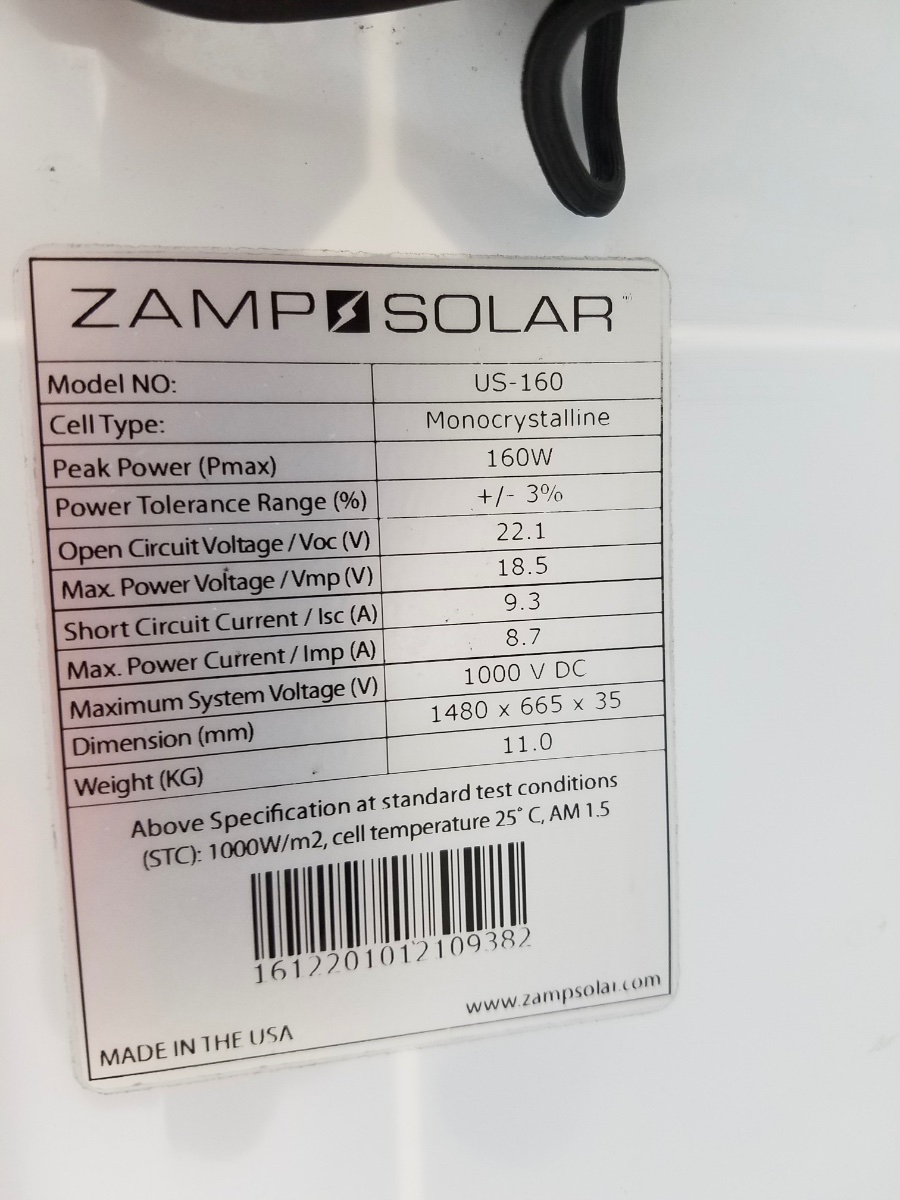
The first thing that I would do is to get my ladder out and take a picture of the information sticker on the roof top panels and your portable panel. Then you can check an online charge controller calculator and determine if the 100/50 will do the job. I do believe Victron SC’s have the ability to throttle down the in coming power to protect itself. And Craig’s advise is the current voice of experience as he is using similar equipment to yours. Mossey4 points
-
ScubaRx and I did a hands on demonstration and discussion about PEX plumbing at the 2022 OTTO's rally. It seemed to be well received by those that participated. We were talking recently about lubricating the dump valve cables and the valves themselves and thought it might be a subject for discussion at this years rally if there was enough interest. So if anyone has interest in this topic, please PM me directly. And if anyone is having trouble with their dump valves, we might be able to incorporate that into the demonstration/discussion if they are willing to have some “amateur plumbers” in and around their Ollies. We will limit this offer to 2 Ollies if there are any volunteer victims! Mossey3 points
-
Kevin, if you have the equipment and are so inclined, feel free to video our demo and post it. This is something that everyone will encounter during their tenure as an owner and the procedure is pretty straightforward to observe and do but very hard to comprehend from written instructions. I think you’ve got a great idea.3 points
-
No need to feel sorry for letting your Family know how much you hurt. Unfortunately, given the average age of those of us that own Ollies, most of (if not all) us have had similar kinds of loss in our lives too. Yes, your brother's passing was sudden and unexpected but given your words it is very clear that he is not really gone. Yes, in a physical sense he is no longer with us, but, his spirit will remain with you for the rest of your days. Remember all those times you spent together and revel in the thought that you were among the relative few that got the wonderful chance to experience your brother's physical being in this world. I look forward to meeting you at the Rally and, perhaps, at Camp Oliver on the Friday before the Rally if you are still near there. Bill3 points
-
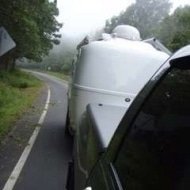
Don't know, but it sure looks like the photographer is driving too fast through the campground, right? HA!2 points
-
Have fun! Imo, camping in the driveway would be better than not camping at all.....2 points
-
@John E Davies Thanks for the input. My driver's side 60% second row seat is out, and that's where the National Luna 90 Twin lives. I keep the 40% side in for the somewhat occasional third person. And my Heritage is the version without the third row seats. I already have the 200W panel, and it fold into a roughly 2' square a couple inches thick, so not too big. It, my camp table, and my Snow Peak Iron Grill Table live wedged between the fridge and folder 40% seat. So not having the panel would not really change my available space. Plus, it is used to charge the Bluetti EB70S (the power source for the fridge) when I'm somewhere without the trailer and any power of several days. I do have a generator at home, but have no plans to take it while travelling. I only mentioned the AC use as a reference to how much of the available battery it used, which was roughy 10% SOC per hour. I'm used to tent camping and the Hiker squaredrop without AC, so my usage will be minimal. I never intended to run it hours at a time; just evenings before bed to cool things off, or the random highway lunch stop. A Redarc DC-to-DC charger is always an option down the road if necessary. So's a supplement fuel tank. 😉 Mostly, my question was: I already have this solar panel, and there's already a really good MPPT charge controller in the trailer. Why not see if I can use them together! @Galway Girl's use of a controller directly on the battery for the remote panel is certainly an option as I mentioned above since I already have a cheap MPPT controller sitting unused, and I think that's how John has his set up. I don't know if the battery is smart enough to work with two different charge controllers at the same time, and I don't know if the Victron "sees" the additional charge coming in. I figured if the Victron has the capacity, why not combine the two rooftop panels with the remote panel. Mostly I'm trying to learn what's possible with what I already have. I haven't looked at the calculators that @rich.devand @mossemirecommended, but I definitely will, and thank you for the suggestion. Are the Oliver panels wired series or parallel? Thanks to everyone for the input!2 points
-
Thanks to all of you! We decided that the campground we were headed to would be too cold and snowy for a couple of days of fun. It was at 9000' so we found a place that is about 5500' and will be warmer. It is only 8.5 miles from our house.. hardly a shake down. But if we forgot something (or the weather is icky) we can go home! We are not afraid of cold weather or snow we have almost always used it in winter condition..though sometimes on the way to warmer places. We will probably be replacing the tires if we go on a longer trip. Linda2 points
-
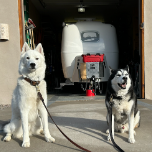
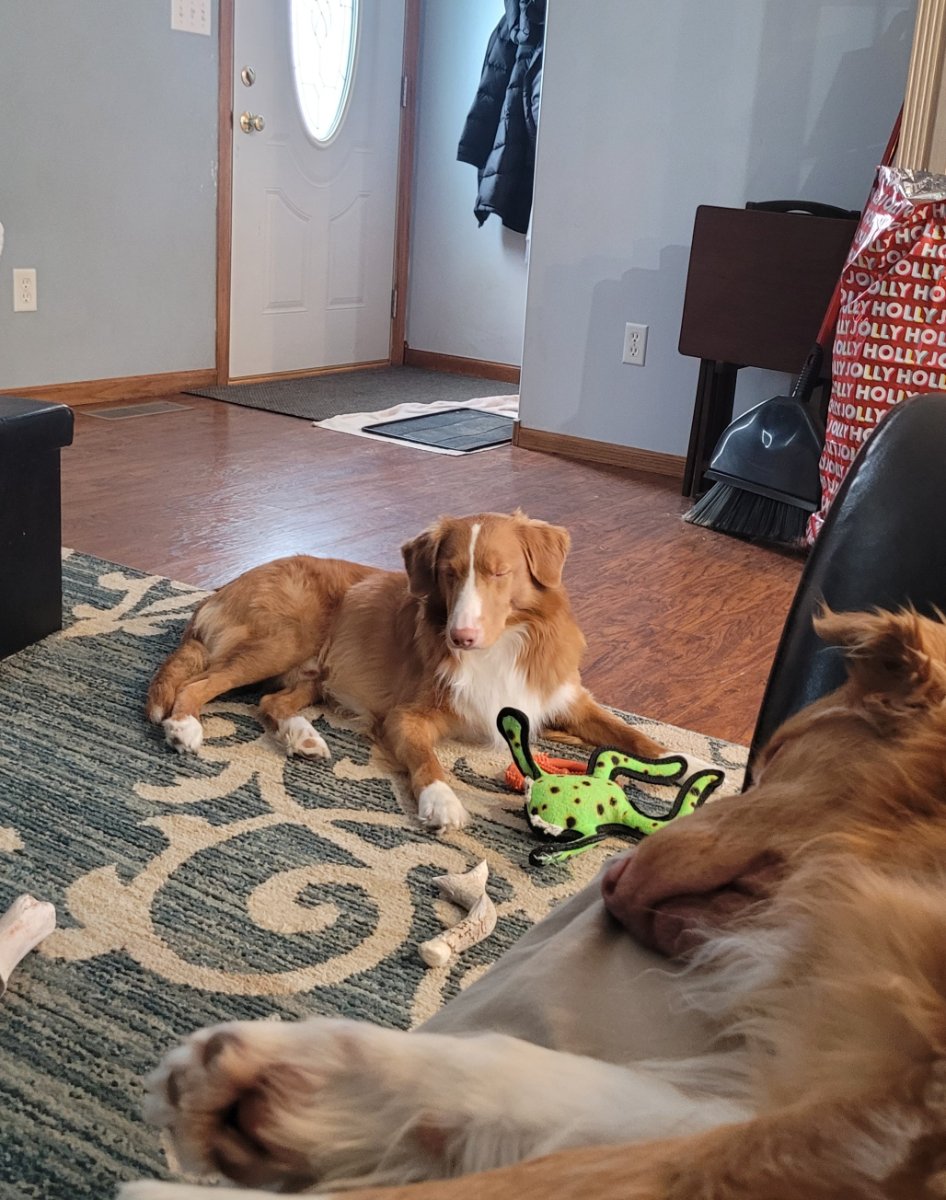
We pick up our LE II next month. Not sure how it will go with our two Tollers but regardless, it's going to happen! We used to have Chessies but, as they've passed over the last decade, have transitioned to Tollers due to their smaller size (about 40-45 pounds). We spend a lot of time outside so as long as we wear them out it should be good!
2 points
-
What solar equipment did Oliver install in your trailer? What inverter/charger do you have? Mossey2 points
-
Very good advice! Victron also has a charge controller calculator on their site and Nate is a Victron Ambassador so I’m sure they are similar or the same. Mossey2 points
-
Mossemi / Scuba, this is a great example of what I think would be helpful in terms of videos to walk people through how to perform these tasks. Doesn't necessarily have to be an Oliver person so long as what is done and video'd is approved by Oliver. The obvious beauty of the videos (both the "full" length ones and the shorts) is that once they're done, they're available to everyone always.2 points
-
Check out (if you haven't already) this charge controller calculator by Nate from Explorist life.2 points
-
Your PEX presentation and hands on learning started me on my PEX repair abilities. It was what I needed to get started. I think the dump valve class would also be good. Steve showed me what to do years ago and I’ve been able to remove, clean and lube my cables a few times. Ditto on the valves. Mike2 points
-
I wanted to let everybody know that Anita has had an accident inside her home. She fell while descending a flight of stairs to her basement and has sustained a hip fracture. She endured a 10 hour procedure to remove hardware placed during a (years ago) surgery after car accident before her hip could be repaired. She states she is currently in a lot of pain. I know she is facing months of rehab and recovery. She is hopeful she will be well enough and her doctors will allow her to come to Guntersville in May. Please keep Anita in your thoughts and prayers as she works her way through this difficult time.1 point
-
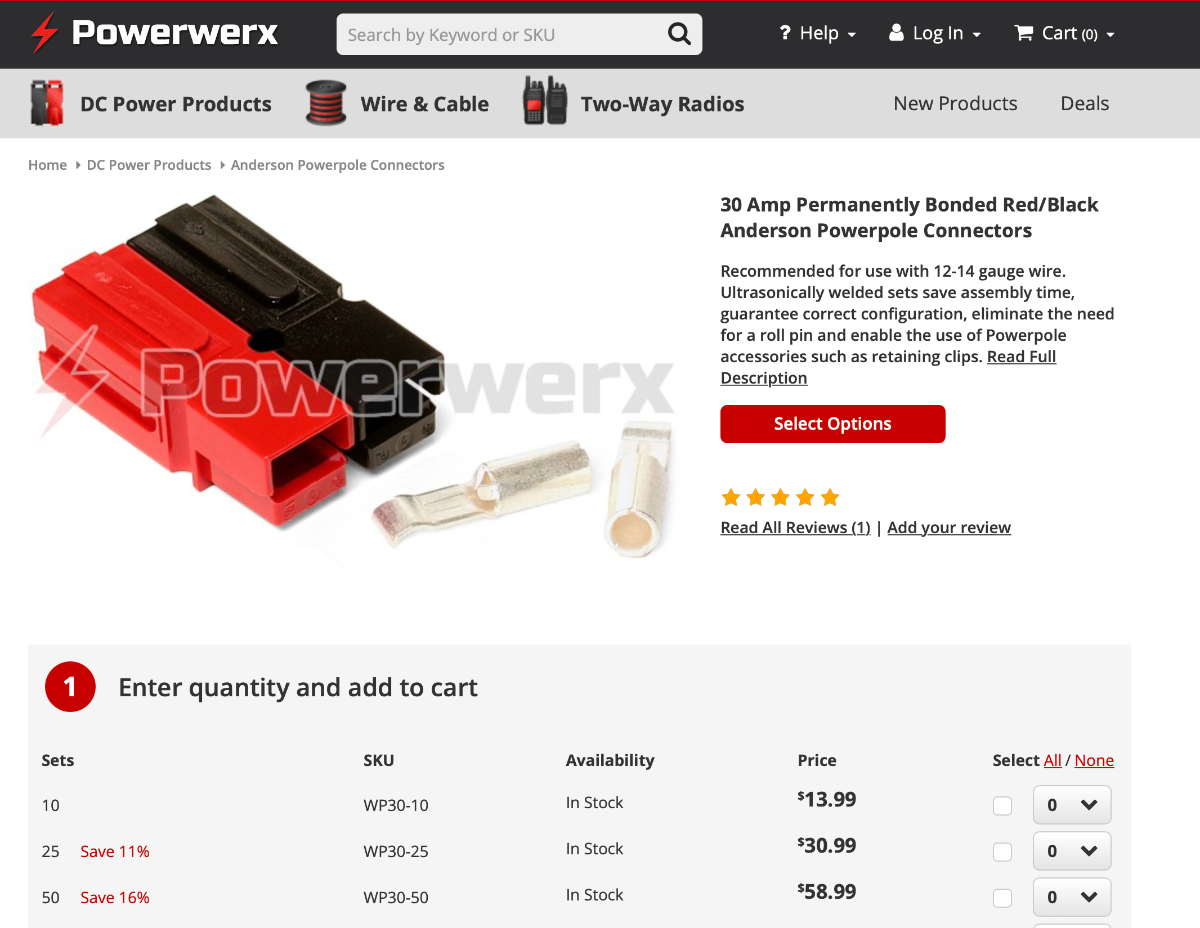
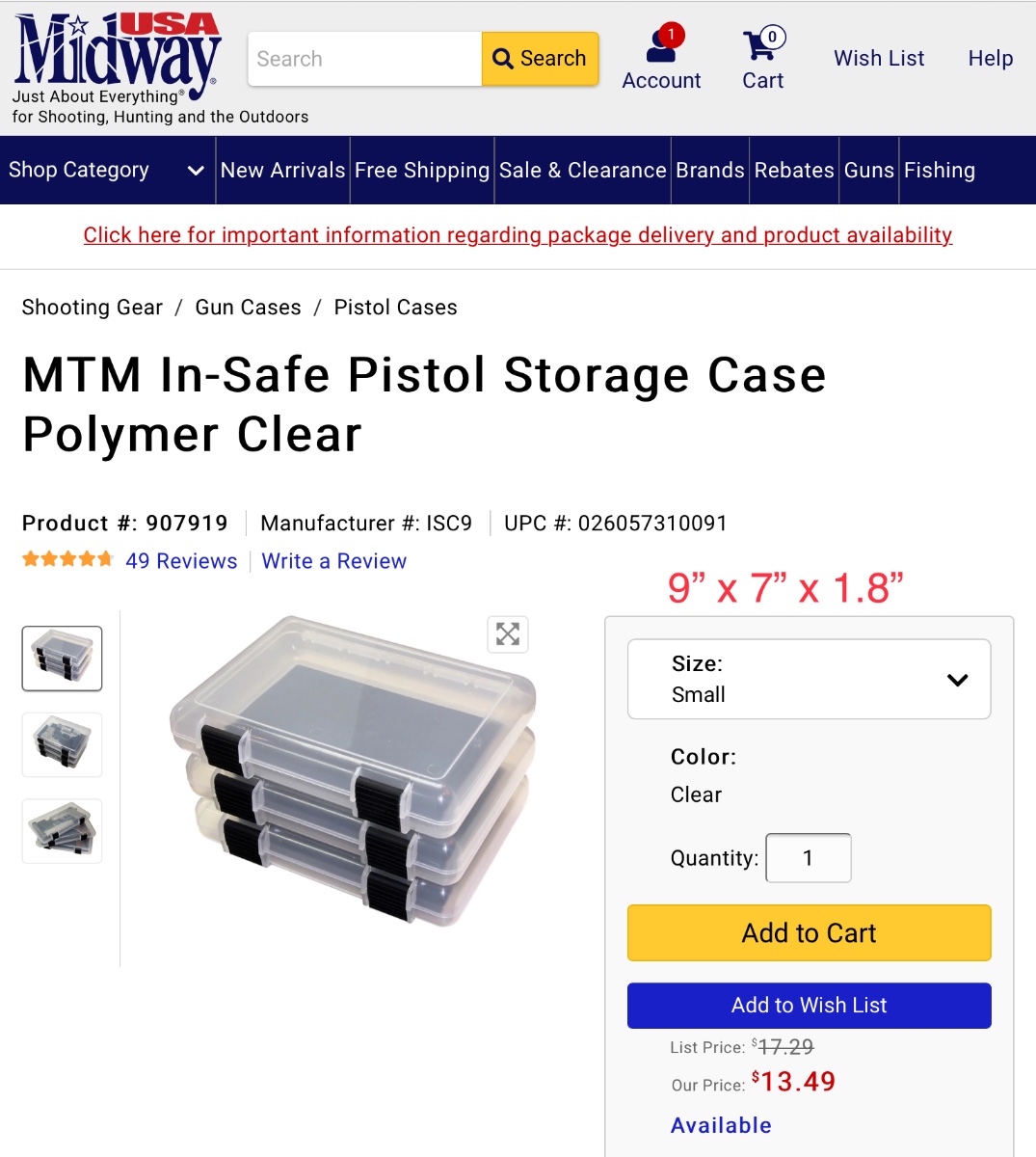
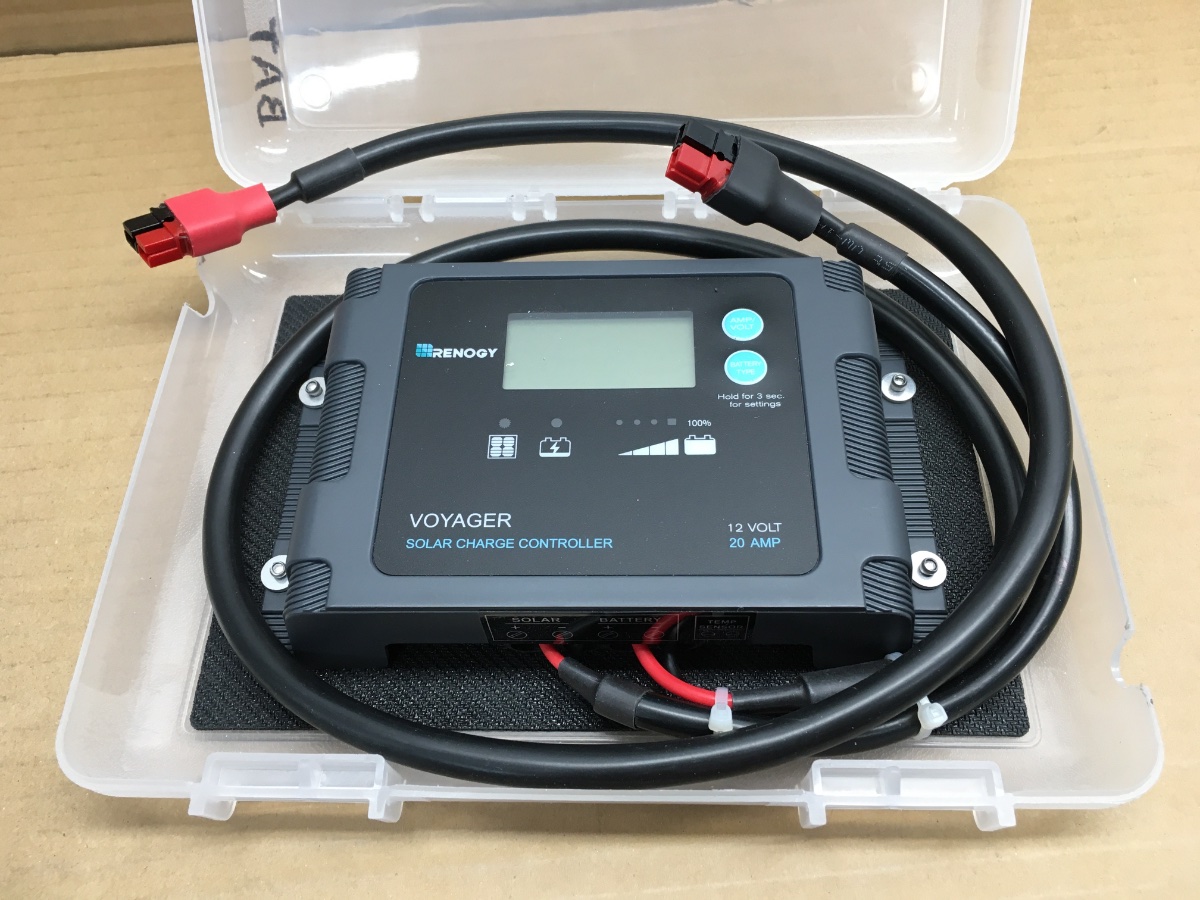
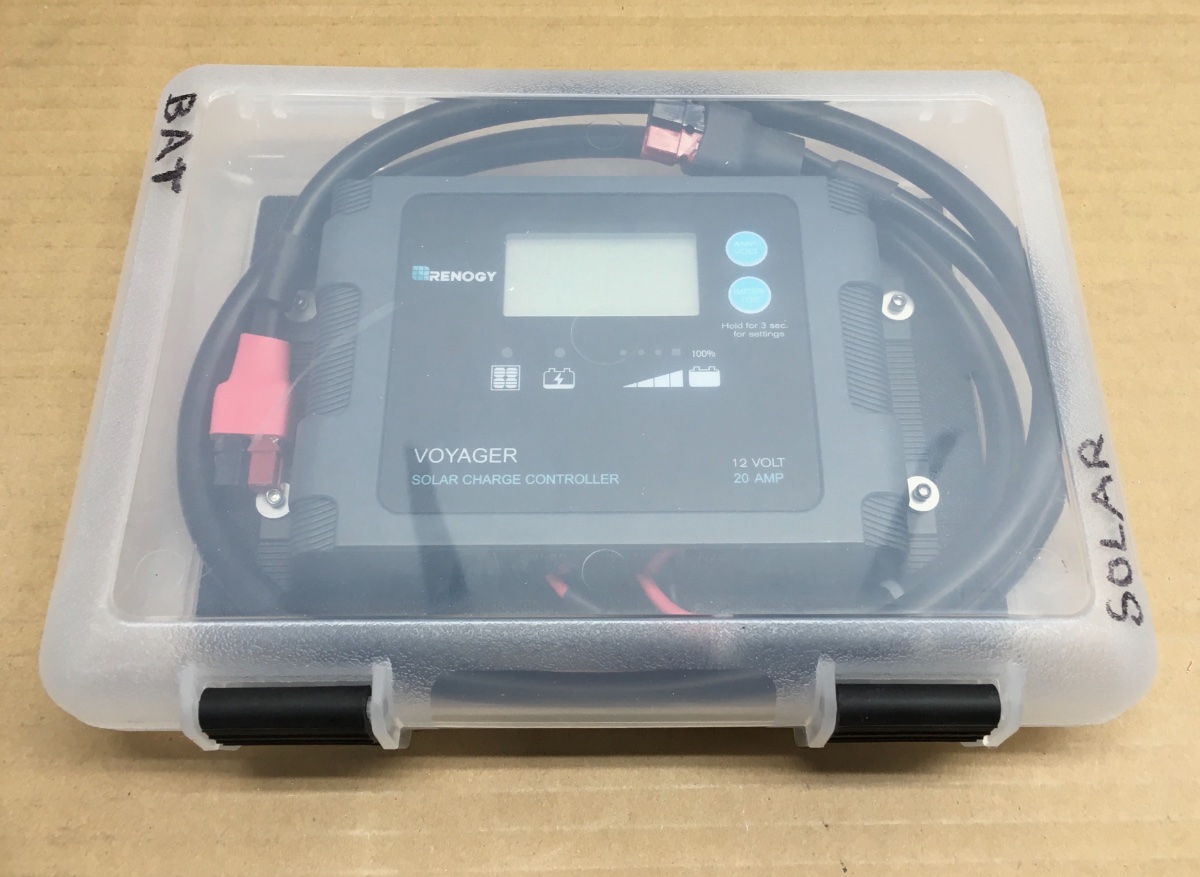
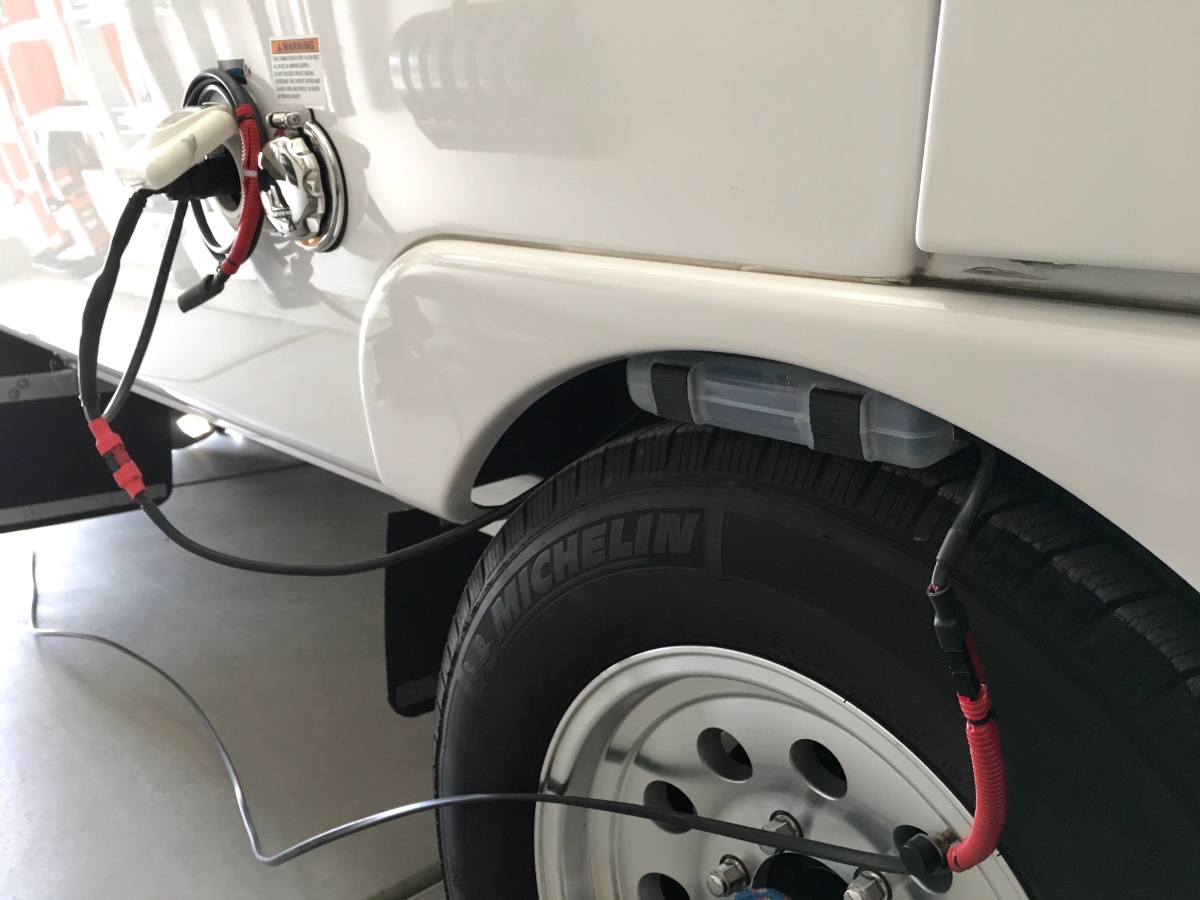
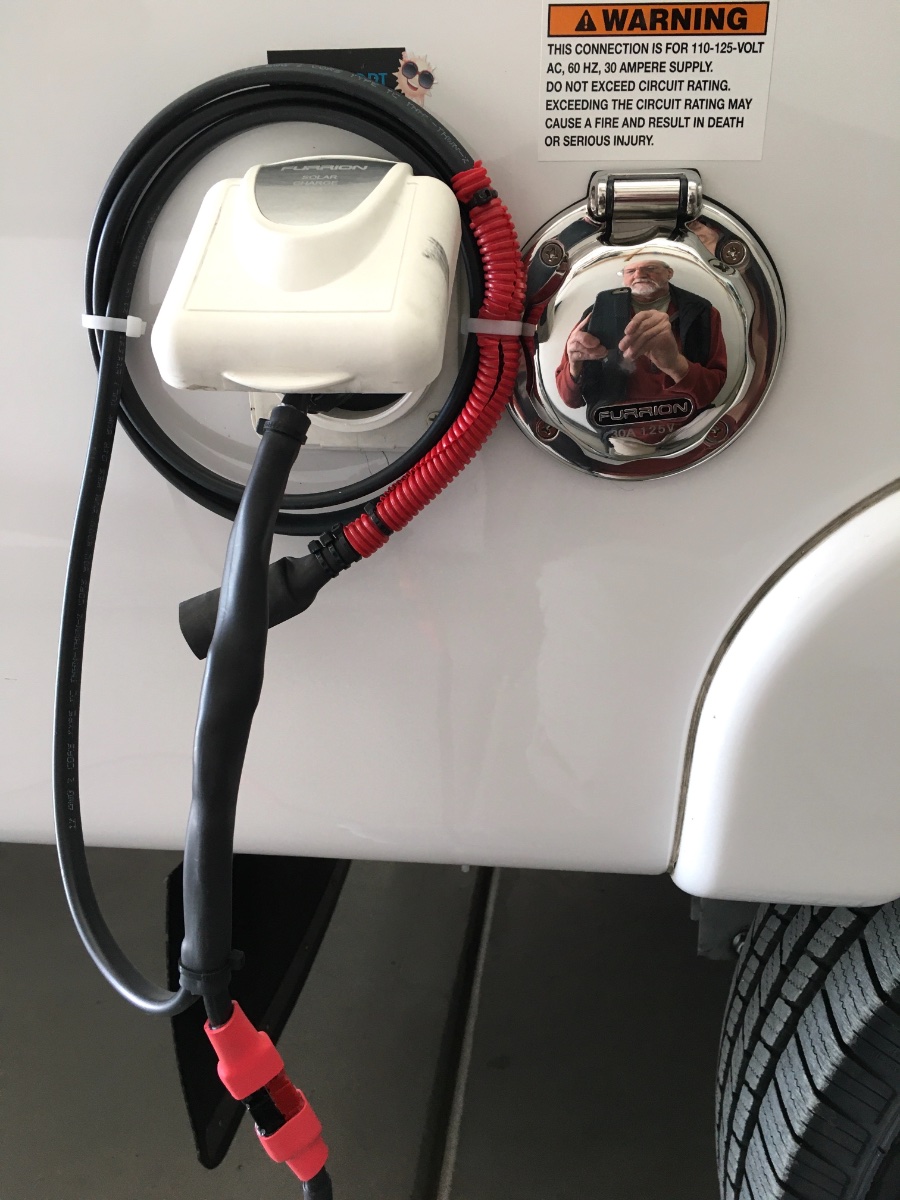
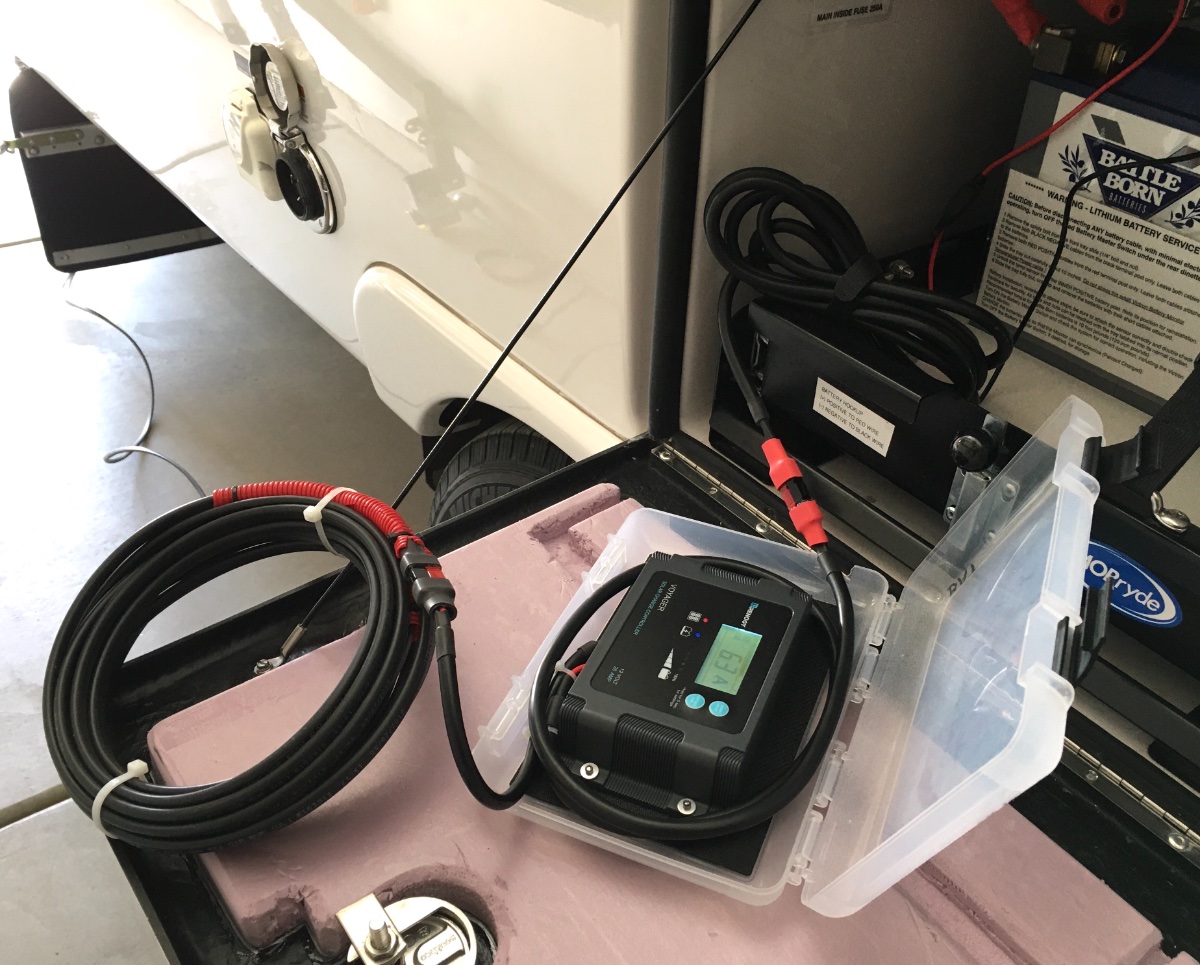
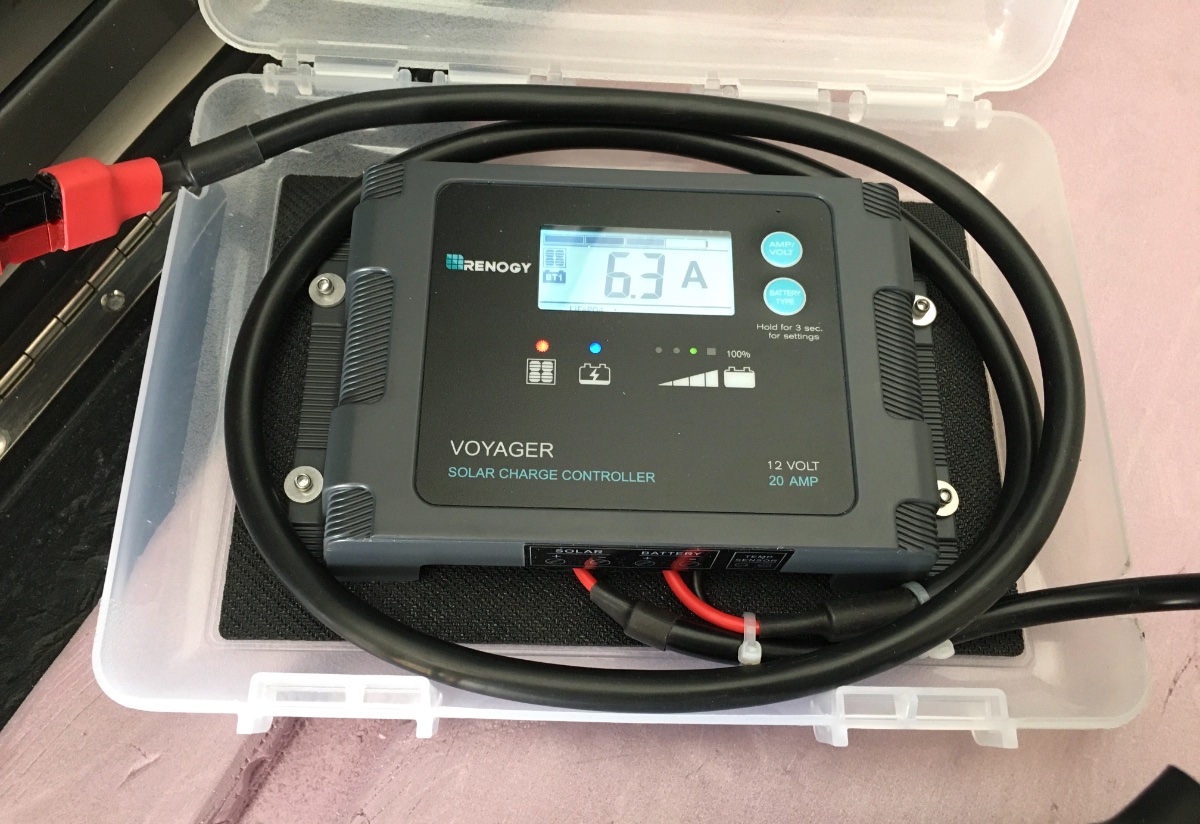
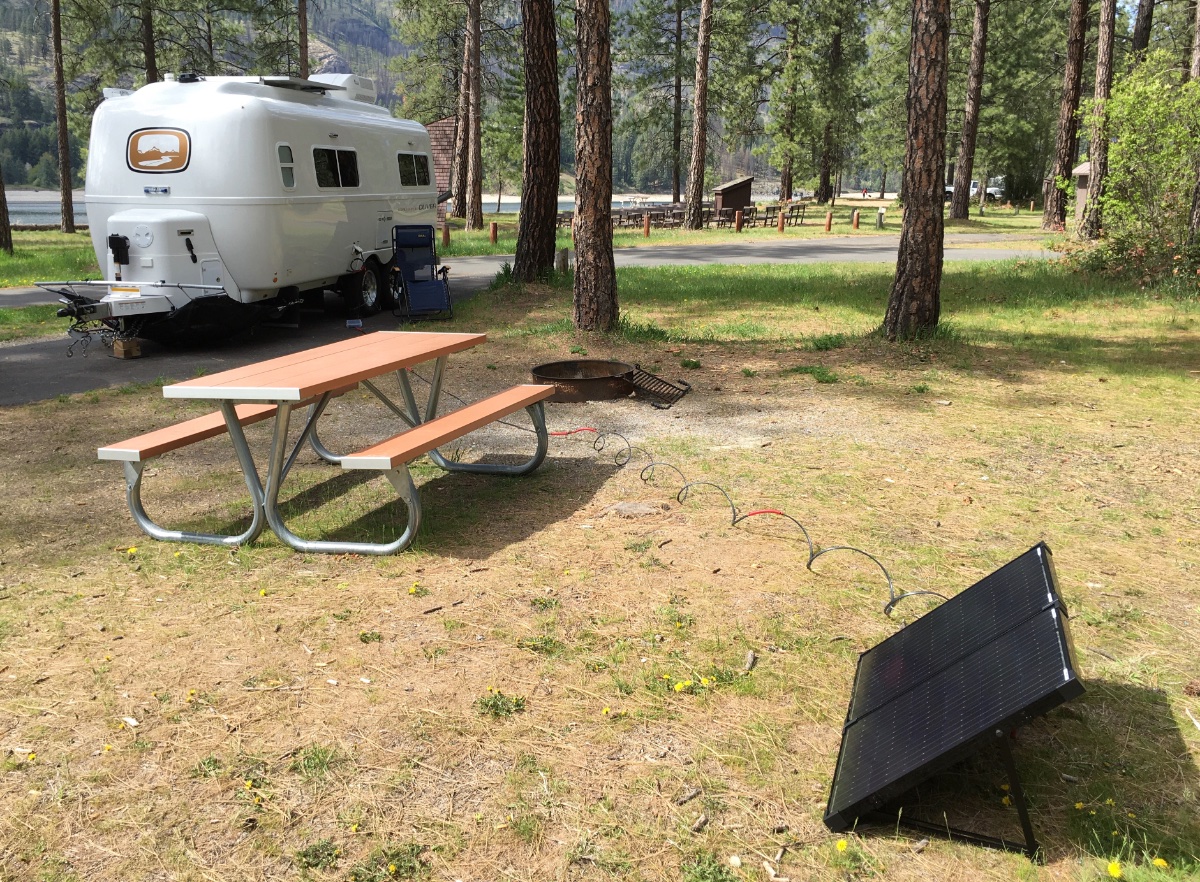
EDIT 05/10/21: related thread: ... https://olivertraveltrailers.com/forums/topic/3247-how-to-external-solar-dc-power-cable-using-factory-furrion-port/ Some background.... most panels will come with “industry standard” MC4 connectors, which can be used with up to 10 AWG wire and are waterproof. But if you have one disconnected and drop it in the dirt it will fill with crud, so you would need to spray that out with contact cleaner or alcohol. Anderson Powerpoles are used extensively in ham radio and other applications, they are not at all waterproof, but they are self cleaning by design, the spring loaded contacts "wipe" each other when you plug them in. They are more compact and they are color coded. The connectors are goof proof, they cannot be plugged in backwards. For this application the 30 amp bonded pair connectors are appropriate for the wire size. You must use their ratcheting crimper or a version of it. I replaced every existing MC4 connector with the Powerpoles. My 100 watt Renogy solar suitcase came with the PWM controller mounted on a hinged flap, this is perfectly fine if the panel is to be used say 10 feet away, but you cannot place it much further because resistance losses along the wires will reduce the charging voltage at the batteries. The controller reduces the 18 to 20 volt panel voltage to say 14.5 volts, and it is less at the trailer. Ideally the controller should be located RIGHT at the batteries, and the panel itself can be far away. The (almost) full panel voltage is delivered to the controller, and at that point the controller reduces that value to charge your system. How far away you can place it depends on the wire gauge, the bigger the wire, the less voltage drop along the run (you must calculate the two wires as a pair, the "in and back" distance). I happened to have some of these neat MTM in-safe storage boxes, the small size fits beautifully. The price is for three, they also have a 12" long version if you want a little more internal volume). I mounted the controller using long 1/8" pop rivets with washers. I drilled a couple of 3/8" holes at each end so the cables could be fed through and the lid closed. It is not at all waterproof, but it is splash proof. The controller itself is advertised as "rainproof". (Older versions were NOT.) I color coded the connectors with self adhesive heat shrink tubing so that when swapping them it would be clear which was which. I modified my existing Furrion solar port harness (used with my ARB fridge in the truck) by splicing in a short pigtail. The wire is 12 AWG solar cable, for exterior use. It is very tough but not very flexible. In this pic, the solar panel is 20 feet away, and the controller box is tucked up on top of the front tire, for rain protection and so it won't get stepped on. The BAT lead is fully extended (not coiled inside). The charging section for my ARB fridge is coiled up when not needed (or it could be used as an extra 5 foot extension, if the fridge is not being used): Or the box can be placed on the ground: Or connected directly to a battery using the supplied alligator clips. You can add an additional 20 feet of cable, 40 feet total, it doesn't affect the charging amps.: I added strain relief ties to reduce stresses on the screw connections. Everything, including the extension cables, fits in the folded unit. I will hopefully get to test this in a few days, I will be camping in a shady site, if the sun shines I can try it out. John Davies Spokane WA
1 point
-
At the 3:16 mark in this video - who might this be?1 point
-
The information on this sticker is needed to fill in the online SCC calculator. Mossey
1 point
-
There were two Olivers at that time slice. Check at 3:111 point
-
Looks mighty dry, hot and dusty in them thar desert hills. 🥵1 point
-
Ollie, Ollie out1 point
-
...happy this ended?1 point
-
John... no heat issues with the controller mounted in the small enclosure? Charlie.1 point
-
@John E DaviesAwesome setup, JD! Sweet!1 point
-
If you have propane powered appliances with built-in regulators you will have to remove or bypass them in order to connect it to the Elite's low pressure QD port. If the regulator is external you can replace its hose with something like what rich.dev mentioned above. If your appliance takes the 1 lbs bottle, you can use a straight hose with no regulator (something like this) to connect to a 20 or 30 lbs tank. I have a Weber Q1200 model designed for RVs, which does not come with its own regulator but does come with a 12' QD hose designed for connection to propane ports on the RV.1 point
-
We stopped (twice) at that Bucees last week. Our first Buc-ees. Very impressed with the food and gas pieces. I'm actually eating some Beaver Nuggets right now. 🍽️1 point
-
I totally understand your perspective. IF I were to be a salesman, and I wanted to poise my rig at an event, I would wave my magic wand to presto have the most macho looking tires on the market under both. But before I took The Beast and Ollie on a trip, I would wave my magic wand and go back to purpose designed tires for each of my rolling stock. 🙂 As an engineer I look at purpose and function. Traction tires, especially those that work well on our 4X4 TV's off road, have different priorities of purpose than our trailer tires. So, in my minds eye, they likely would not be identical twins. But that's just my perspective.1 point
-
Huh! Right you are! My order sheet and the option sheet for 2023 shows 340W, but my bill of sale shows 400W. That puts me at 50A under ideal conditions, which might be marginal. That also explains why I saw a peak of 329W the other day. I thought that was way too efficient. Thanks! Original post edited. So, that's 600W and 50A under perfect conditions. Does my idea of adding the exterior panel still seem feasible?1 point
-
You can buy low pressure quick connect hoses and adapters to use with your Oliver propane port. Here is an example. DOZYANT 12 feet Low Pressure Propane Quick-Connect Hose, RV Quick Connect Propane Hose, Quick Disconnect Propane Hose Extension - 1/4” Safety Shutoff Valve & Male Full Flow Plug for RVs https://a.co/d/3EucL5u1 point
-
Thanks everyone for your kind words and support. We are all doing the best we can considering. Nobody saw this coming, totally blindsided, and too fast to comprehend. Strange how a moment of joyous anticipation can be quenched by tragedy. My heart truly aches for my sister in law Linda, and her children who have lost their husband and father without warning. The youngest of 7 is only 11, and they were all very close to dad. We will get through this together and life will go on and joy will return. Larry left to join our Lord at about 8:30 pm today, and did so very peacefully with Linda and children by his side. I will spend the next few days helping them cry a little and hopefully laugh a lot at the unforgettable person Larry was. Many wonderful memories will be shared in the days ahead of a life and person whom we all loved. My part as the remaining patriarch of our family will be a source of strength and reassurance to those who are just learning about the hard part of life. I will do my best to be strong for them even though I'm crushed by the loss of my only brother. Our very frail mother will be burying her youngest, I know she struggles to understand why she has lived to endure this. But she is also thankful to be able to console the grandchildren. Larry is also survived by two older sisters that share in our loss and grief. We are a strong family and we will all work through this process together. Sorry for spilling my feelings here on the forum, but I'm truly crushed and leaning on you all for the moment. Again thank you for all your kind thoughts, words and support. God's blessings to you all.1 point
-
Unfortunately tires "age" not only from the outside where you can see things like tread separation and sidewall cracking, but, they also age from the inside. The inside is a bit more insidious in that you simply can't see it! Heat causes the cords and rubber to slowly give way and all tires are subject to heat over their lifetimes. I'm sure that there are reasons why the generally accepted guidelines of 5 to 7 years for the aging out of tires has become the norm. For the money involved, I'm not willing to take the chance on arguing about something that I can't see and I'm not an expert on. Bill1 point
-
80 miles round trip is a good shake down tour. Better than driveway camping. Enjoy the trip. Hope it's at least a long weekend. Check out all the systems. (As we tell everyone with a new camper.) Every year, we usually have some small, or sometimes big, thing that doesn't work. That's the nature of rving, imo. You're close to home. Even dead tires will probably make 80 miles round trip. Check the brakes, and hopefully you've greased the hubs. If something else doesn't work, well, that's camping. That's why we carry flashlights, portable grill, etc. Have fun, and let us know how it went.1 point
-
Cooper AT3’s on trailer and truck:
1 point
-
Yes, I've found the wiring in my 2010 LE2 to be very mysterious myself. No manuals or wiring diagrams available for it either. So far, no issues with troubleshooting, though I do have a couple of switches that I have no idea what they control... I'll eventually get around to labeling all the wiring and building my own diagram.1 point
-
There's an old saying in the motorcycle world - "tires are cheap insurance".1 point
-
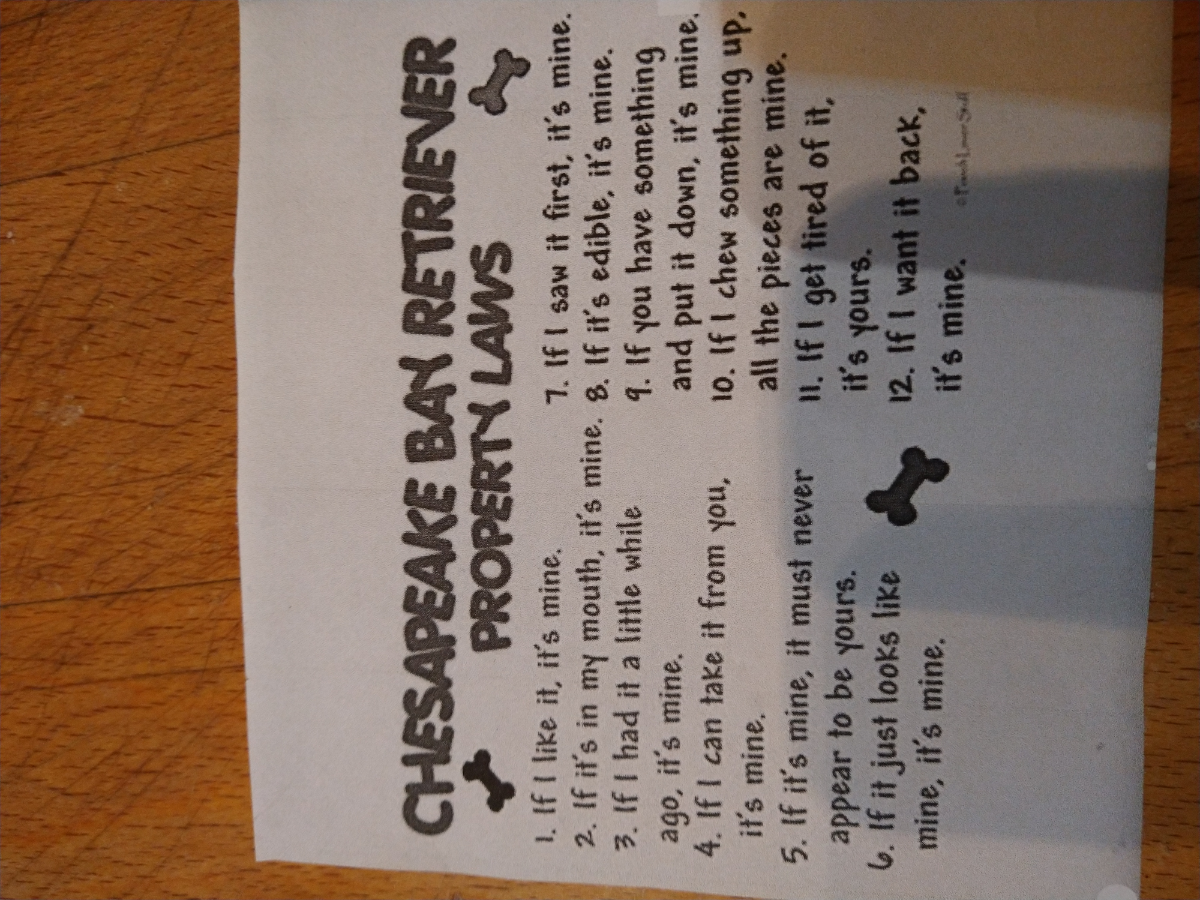
We travel with one 80 lbs Chesapeake Bay Retriever. She does not stand that tall but is very thick through the chest. She sleeps on the floor on a thin dog bed that is exactly the width of the floor between our twin beds. When the furnace is on, we move her bed forward so it fits between the two heater vents. If we get up during the night, we turn on the floor lights and have to step over her. She is very mellow and hardly knows of the activity. When cooking inside we have her lay down on the entry carpet in front of the door. The water bowl goes in the bath. It's cosy with us and pooch during winter travel. Travel during warm months, we are mostly outside except for sleeping or fighting bugs. We love our pup and consider this as only a small inconvenience to have her travel with us. We have chosen to be one dog family because two is more than we want to manage. I can't speak to two large dogs inside, seems viable but very cozy if you love them and are use to dealing/living with two dogs under feet. d image
1 point
-
Never driven to Alaska, but we did do the train trip from Fairbanks to Seward. Beautiful, but we hated being on someone else's schedule. We recently watched a series of YouTube videos on a channel called From She to Me. It is a couple our age in a pleasure way van, and their sightseeing interests seem similar to ours. They did a 2019 trip to Alaska, and covered it in a 16 video series. We found it was really interesting, and definitely something that we'd refer back to if we ever make the trip. Here's the link to the playlist: https://www.youtube.com/playlist?list=PLky6TgiimtQ9WqdGXyK_I6Hh2efO-F4V3 I hope that helps a little bit1 point
-
If you stick to lower named paved roads, this is generally true. But, always look ahead for construction, and travel advisories. Your tires,,windshield, and gelcoat will thank you. We've done the Alaska trip many times. (Well, four.) Every trip is different. Denali highway is gravel, but great unless recently graded and lots of sharp granite exposed. (Tires) Upside, it's amazingly beautiful, and worth several nights in pullouts. Take it slow, if you see a princess bus coming,,slow way down. Your windshield will thank you. Princess buses just keep running at max speeds. The ice road to Prudhoe Bay/arctic circle sign can be a mess, if it's raining. Or, has recently rained. Ditto, chicken highway. Beware of soft shoulders, and steep dropouts. Gravel on the us side . Side gravel roads to interesting places, in the Yukon and Alaska, can also be challenging, in rainy weather. If you stick to paved roads (we haven't), you'll be fine. if you're careful on construction zones, and have protected the front of the trailer, you'll be fine. We love the Yukon. One of our favorite places, in the many countries we've camped in, and, we will return. Someday soon, we hope. Lots of great Yukon territory campgrounds right off paved roads, cheap fees, free firewood. Some are easily accessed, others aren't.. read the milepost. With family commitments this year, we won't be doing another trip to Alaska, but another year (we hope) will make it possible. We have delivered rvs for a friend of ours,,and it's been a different and amazing trip, each time. We've camped all over the 🇺🇸 usa and Canada (plus Iceland, Norway, Denmark, Australia, New Zealand, Patagonia, and more) but the Yukon, and the Richardson highway on the way to Valdez, are among our favorites. North to Valdez is an amazing drive. Take your time. We never miss that . Get that bucket list done. And be prepared for no cell coverage. If you need constant communication, get at least a GPS based spot, or something. We have found free pullouts with Verizon signal, on Alaska, but can't count on it. Many of the yt campgrounds had no signal, on either service We carry tmobile, and Verizon, on two phones, and often have no signal, in rural remote areas, which we love. Have fun. Many great campgrounds just off paved highways, and it's an amazing trip.1 point
-
Due to the volume of inactive on hold tickets with no response I have set a 45 day automatic closure. My phone support team should be reaching out to you before that deadline expires in an attempt to get your questions answered or issues resolved. Closed tickets will remain in your history file and can be reviewed at any time but are no longer active. Please keep in mind that notifying us of an issue does not place the warranty on hold. All issues must be resolved within the warranty period and no one in the service department has the authority to extend the Oliver warranty or a vendor warranty. If your ticket gets closed and you still have an issue, a new ticket can be created when you are ready to schedule for service or you are able to perform necessary steps to get the issue resolved.1 point
-
I know the answer to this - but - where do you and Duke sleep?😁 Bill1 point
-
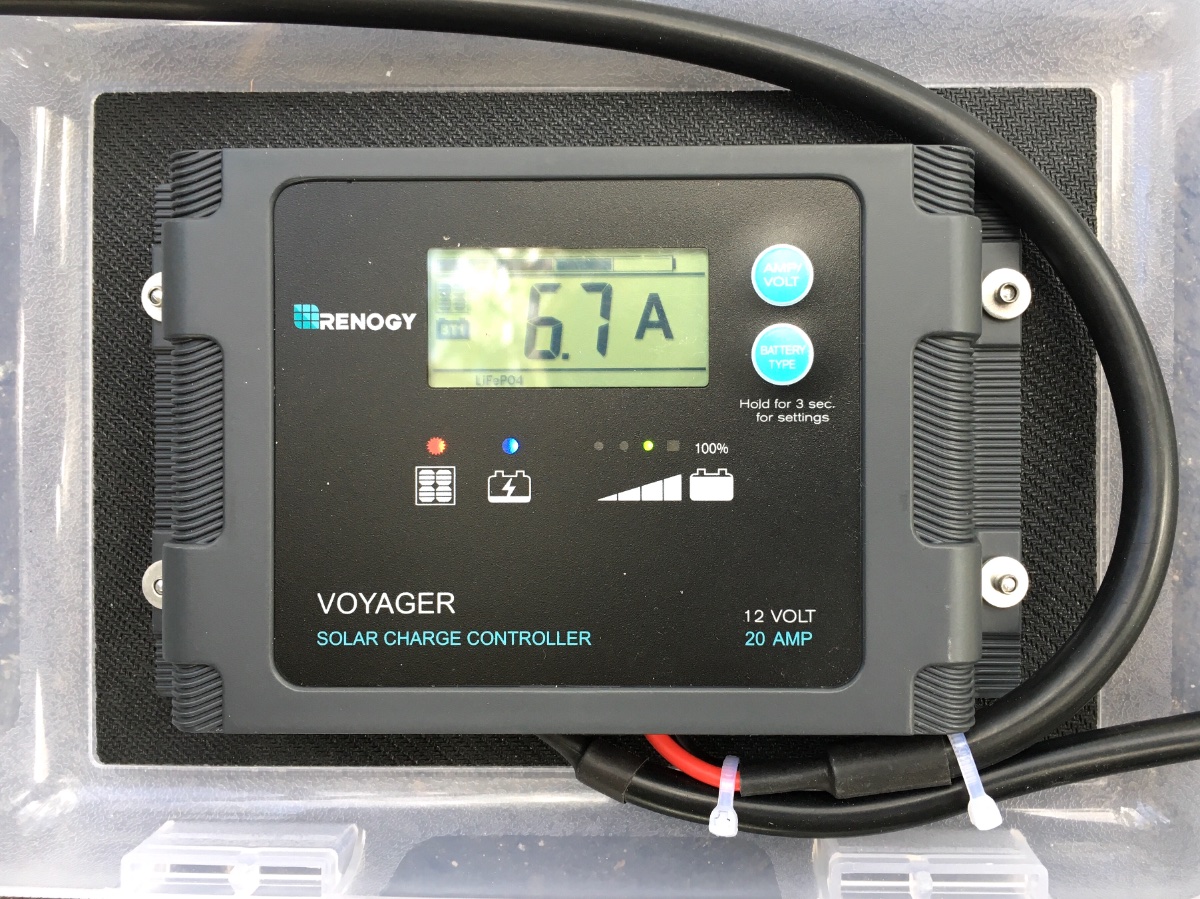
I am camped at Kettle Falls (Lake Roosevelt COE) campground and the solar exposure is not great in the afternoon due to trees, so I set up the Renogy panel in a bright spot using 40 feet of cable. No worries, I am seeing a steady 6.5 to 6.8 amps, and the big rooftop ones are only putting out half that, and it is highly variable. Yay, I am pleased. Highly recommended mod! John Davies Spokane WA
1 point
-
Hi All, I continue to have fun serving as the Kentucky Correspondent for the RV Atlas Podcast. I thought you might enjoy this episode on Five Fantastic Egg Camper Rallies. https://thervatlas.com/podcast/5-fantastic-egg-camper-rallies-to-put-on-your-rv-travel-calendar/ Take care, Dean1 point
-
UPDATE 4/15/2019 The Andersen Hitch company has once again designed a new inner cone for the ball housing. This new cone is supposed to resolve the grinding/binding issue that has been occurring for some owners. The new design does require that the ball assembly be shipped to Andersen for installation of the new cone as well as the new collar on top that was designed to keep the cone in place. Any customer with questions regarding this new design or how they can get their current Andersen Ball assembly modified should contact Andersen Hitch at 800-635-6106.1 point
-
My microwave draws 75 amps through the big inverter power cable, measured with a clamp-on inductive amp meter. The inverter - AKA the "Battery Killer"- is definitely a luxury item that you need to use very wisely so that you have plenty of time to recharge your batteries. Don't cook a bunch of 6 minute TV dinners on High just before dark. Do them while the sun is brightly shining on your panels, and cook outdoors on a grill in the evening. Even a dinky little 110 VAC ventilation fan is going to suck maybe 10 amps DC out of y0ur house batteries. It really makes sense to switch to efficient 12V DC marine appliances where possible. This is on my Christmas Wish List: ... https://smile.amazon.com/dp/B01LDY4TE4/?coliid=I14ORXBQ0IDTF1&colid=1X5H11EH41351&psc=0&ref_=lv_ov_lig_dp_it to replace this: .... https://www.amazon.com/Vornado-CR1-0253-43-Small-Whole-Circulator/dp/B01BF3XYMQ/ref=sr_1_1_sspa?s=home-garden&ie=UTF8&qid=1544728555&sr=1-1-spons&keywords=vornado+fan&psc=1 The Vornado is a terrific fan but it is a real power sucker when run through the inverter. John Davies Spokane WA1 point
-
According to the manufactures website, the inverter draws <.8 A at no load. For easy math lets call it a 1 Amp hour draw or a 10W idle load. Leave it on constantly and it's going to draw 24 Amp hours per day just doing nothing. What is the usable Amp hour capacity on an Elite I battery bank? I'm not sure. With two six volt AGM batteries I believe it would be 200 usable Amp hours. If that's true (and it could be wrong) leaving the inverter on will use up the usable capacity of the batteries in eight days. On the ninth day you'd be drawing down the batteries lower than designed and potentially start damaging them. Get in the habit of turning off the inverter when you're not using it. You might avoid damaging the batteries by accidentally over discharging them. HTH, Ken1 point
-
You might find this product useful, not as much fun as safety wire or tie wraps Vibra-tite VC-3 threadmate Adjustable and reuseable1 point





















.thumb.jpg.e34bf01ef7f7d5e99ad31856d45afbeb.jpg)



-
Recent Achievements
-