Leaderboard




Popular Content
Showing content with the highest reputation since 09/21/2026 in Posts
-
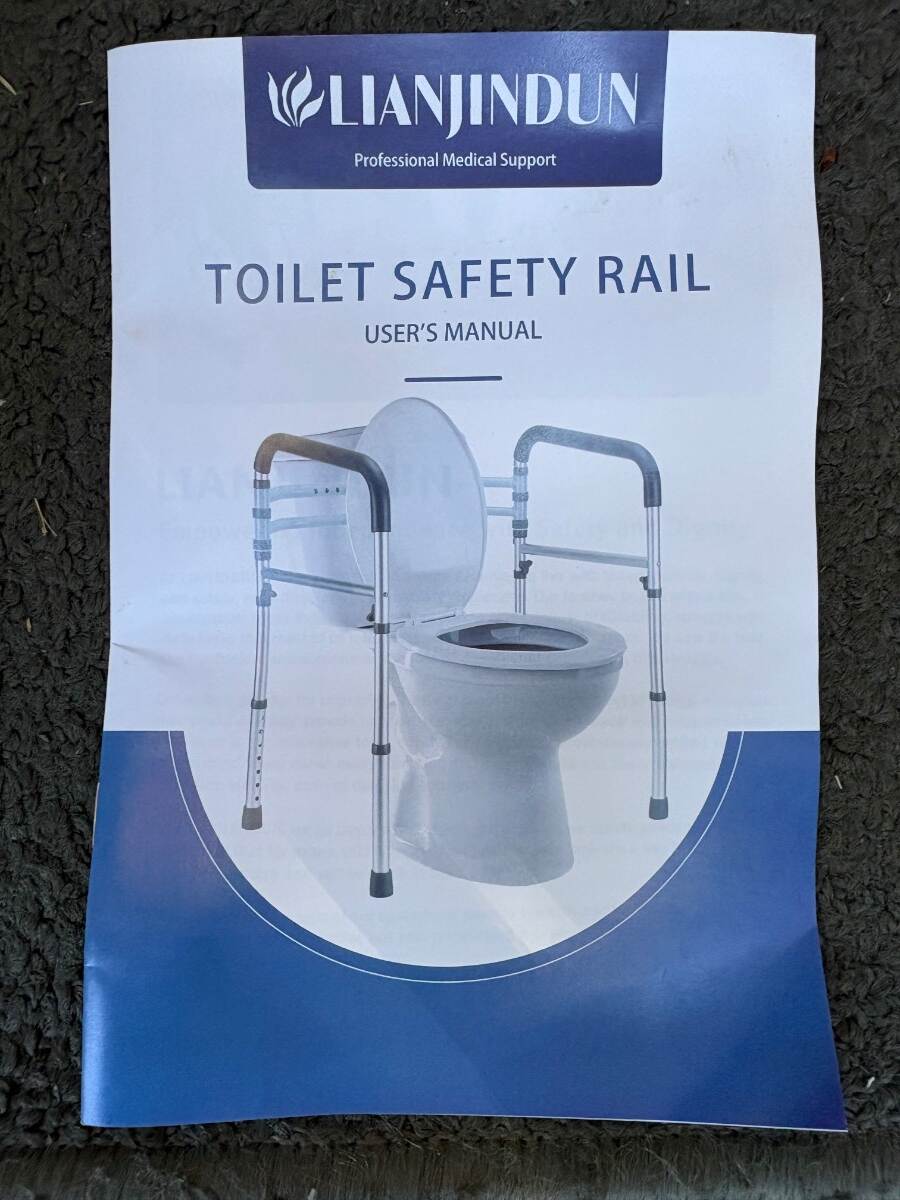
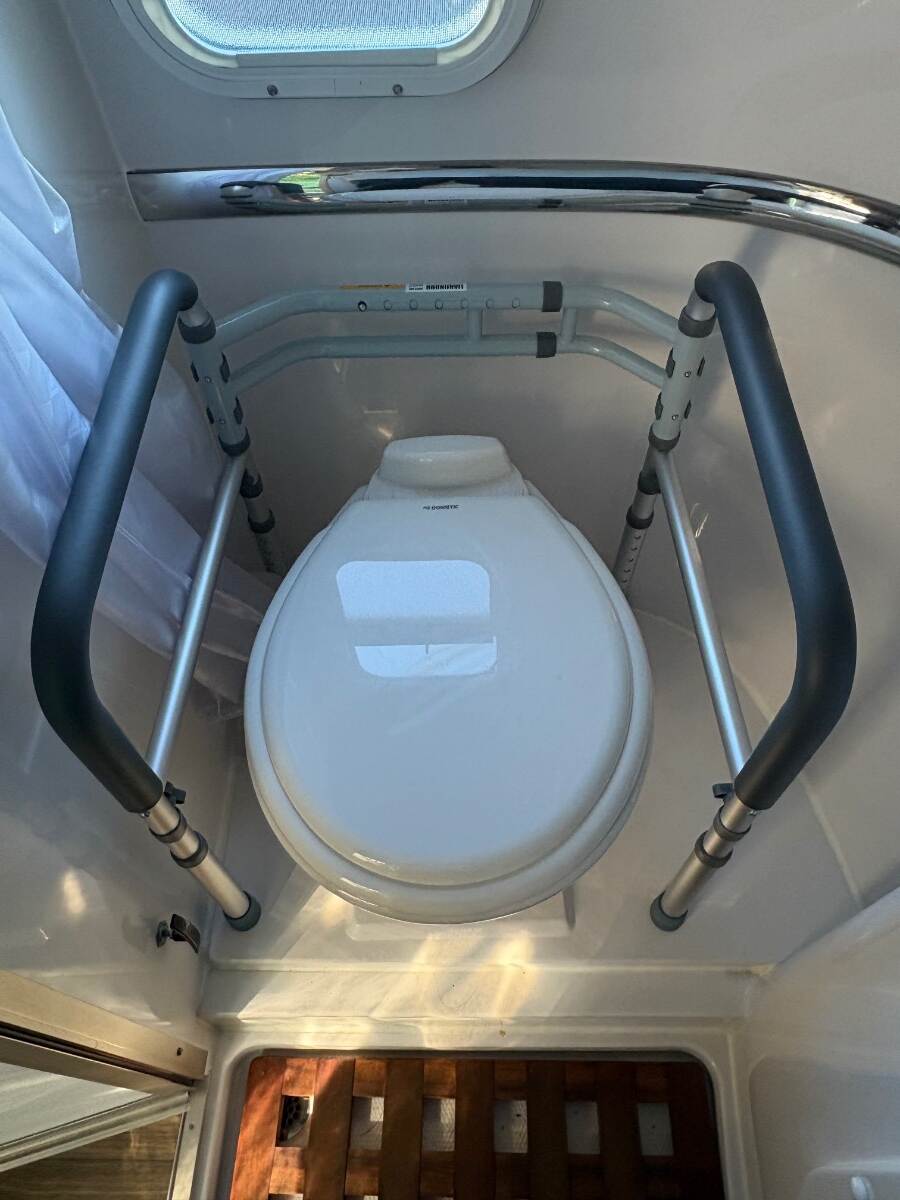
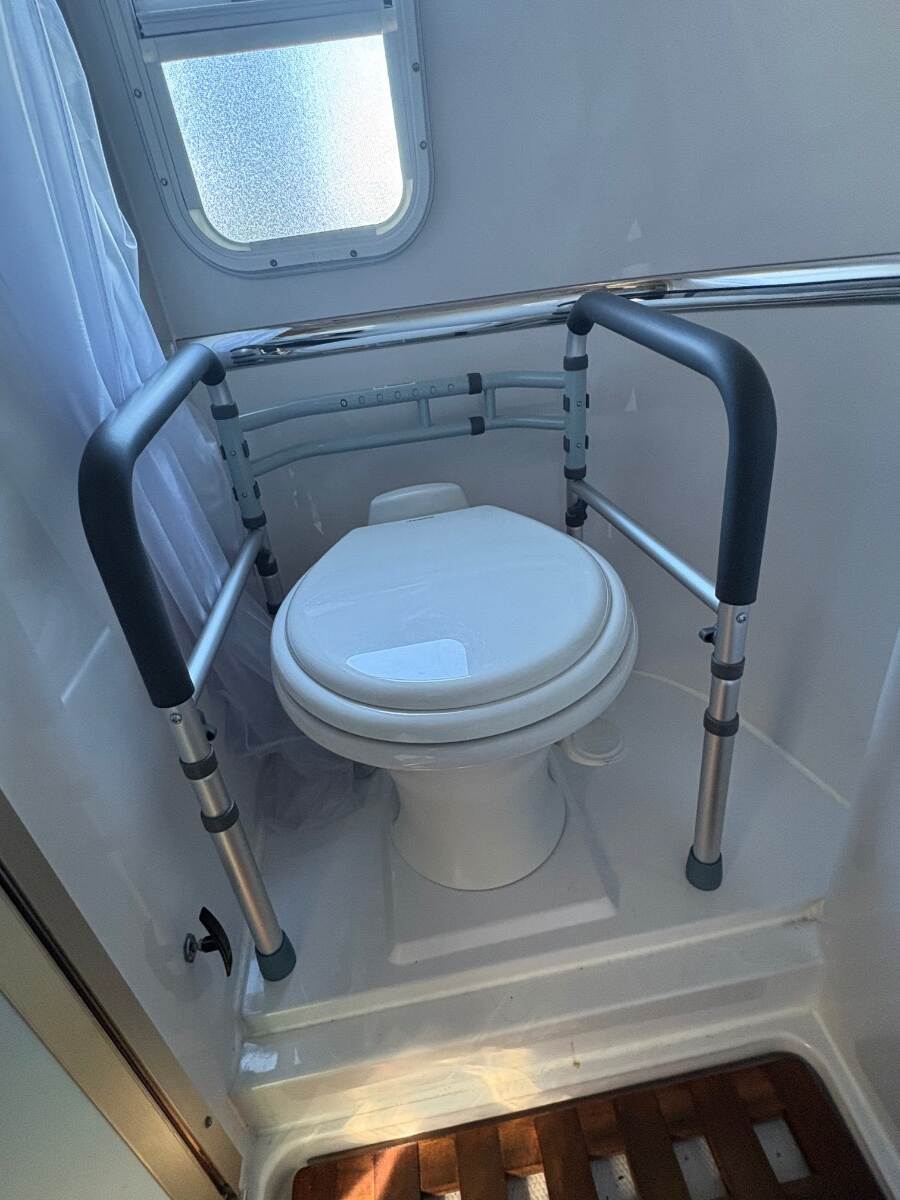
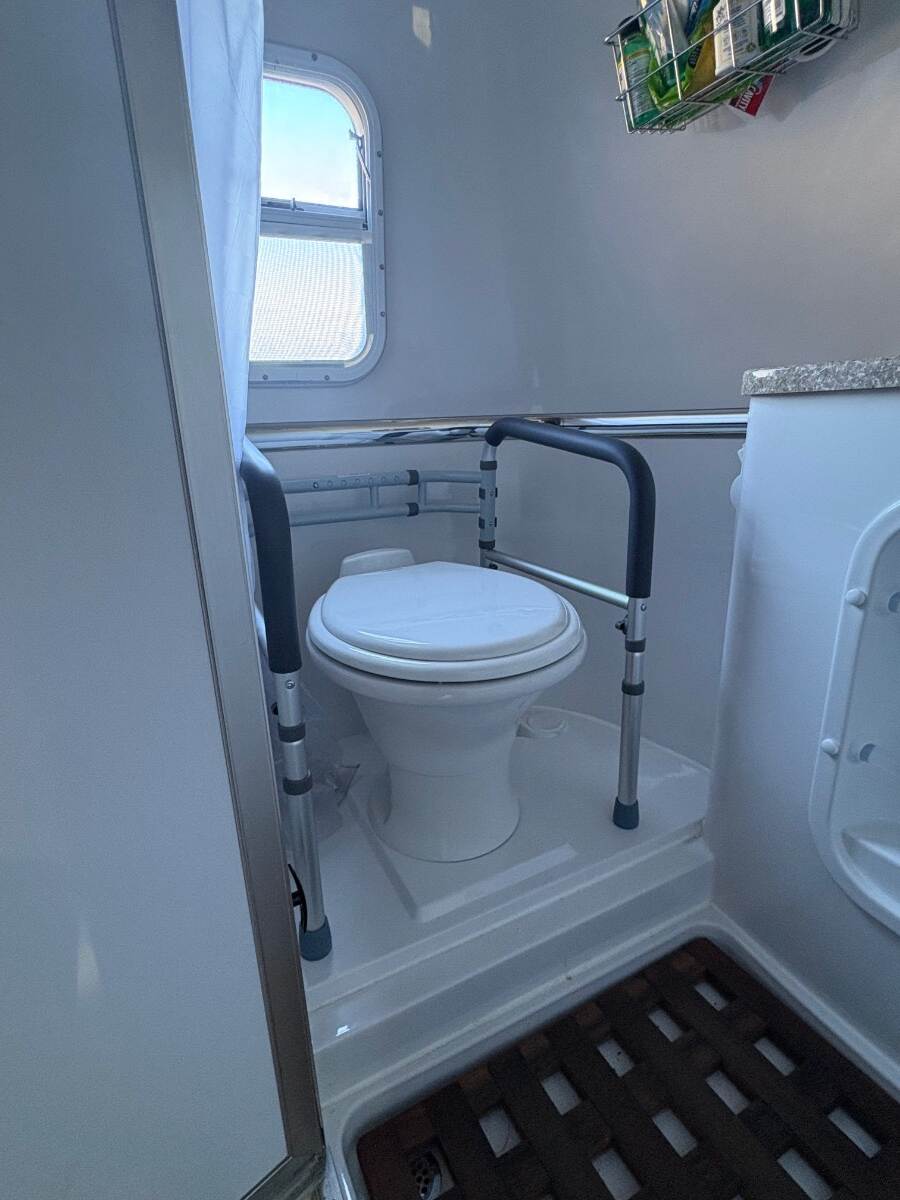
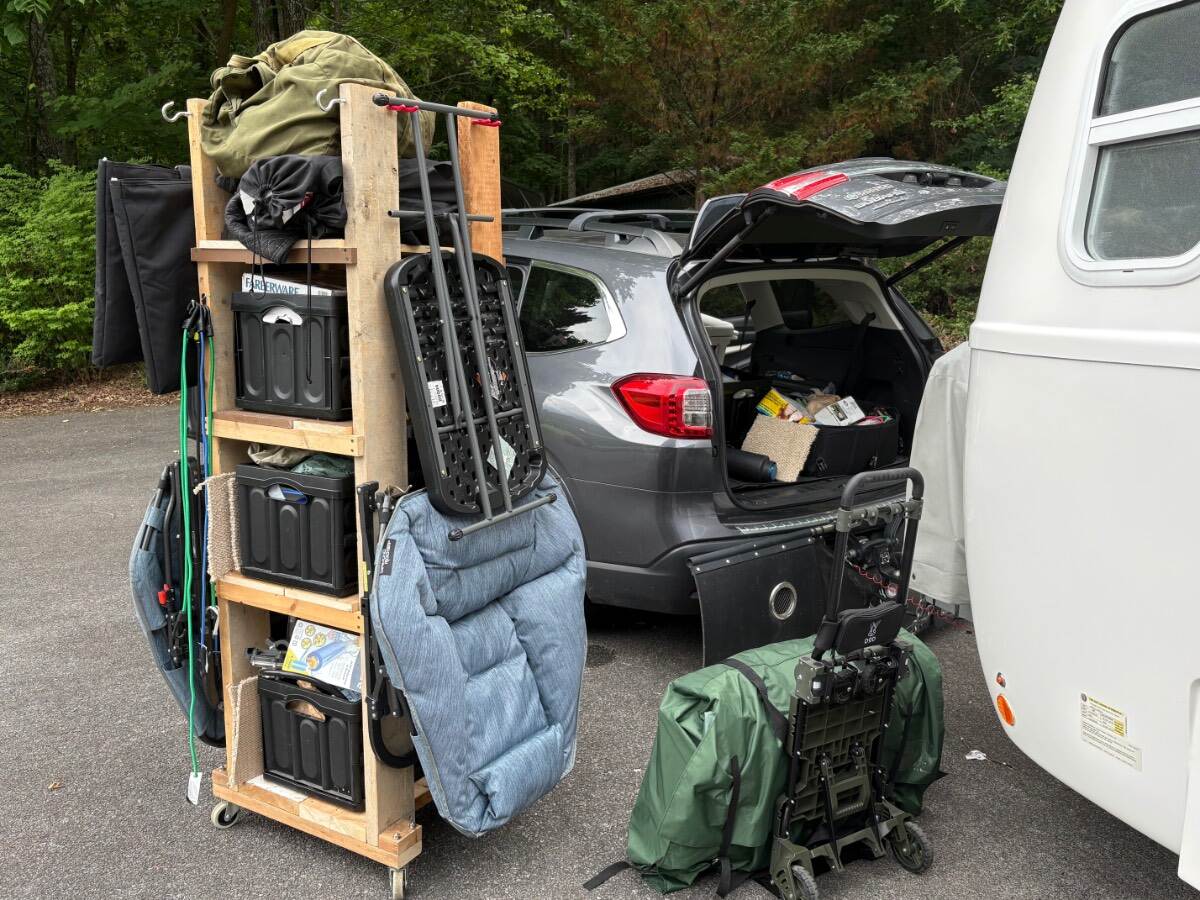
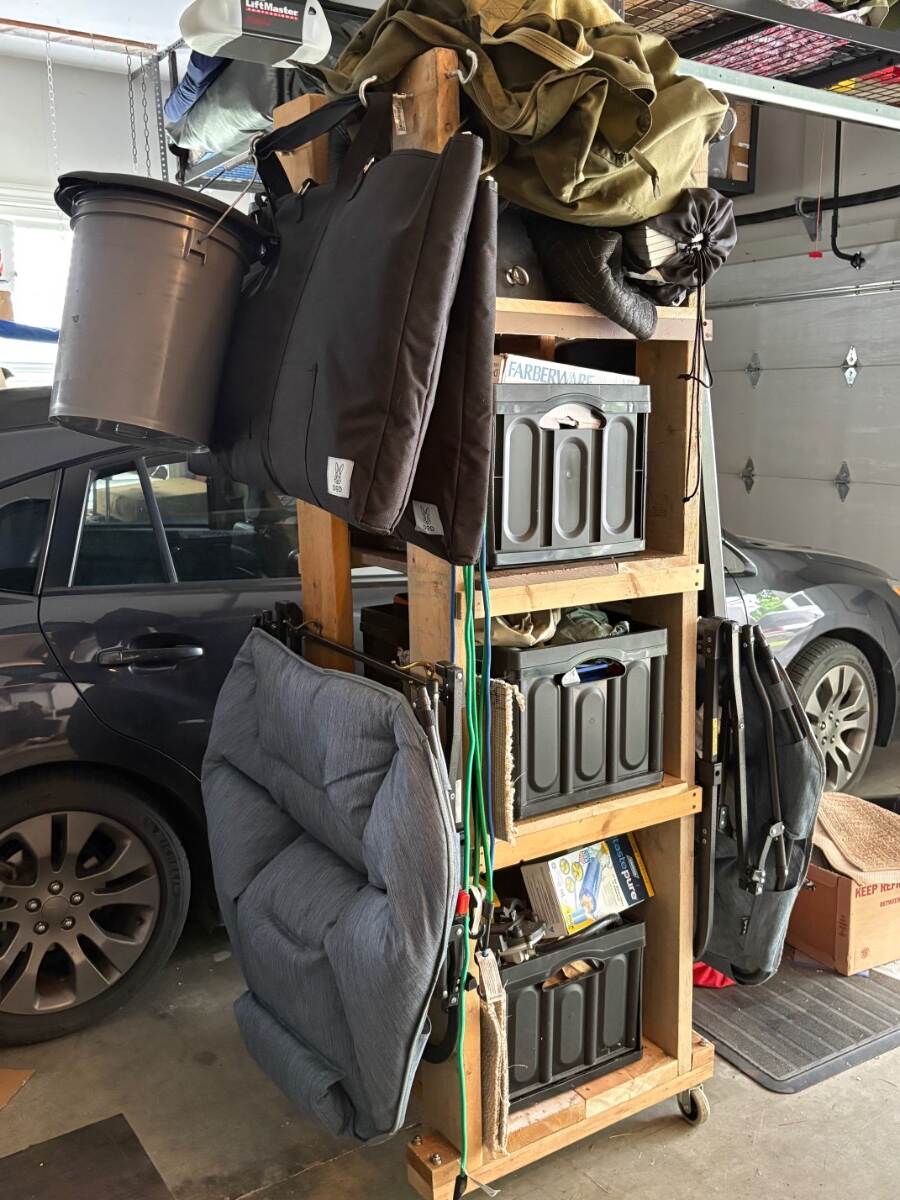
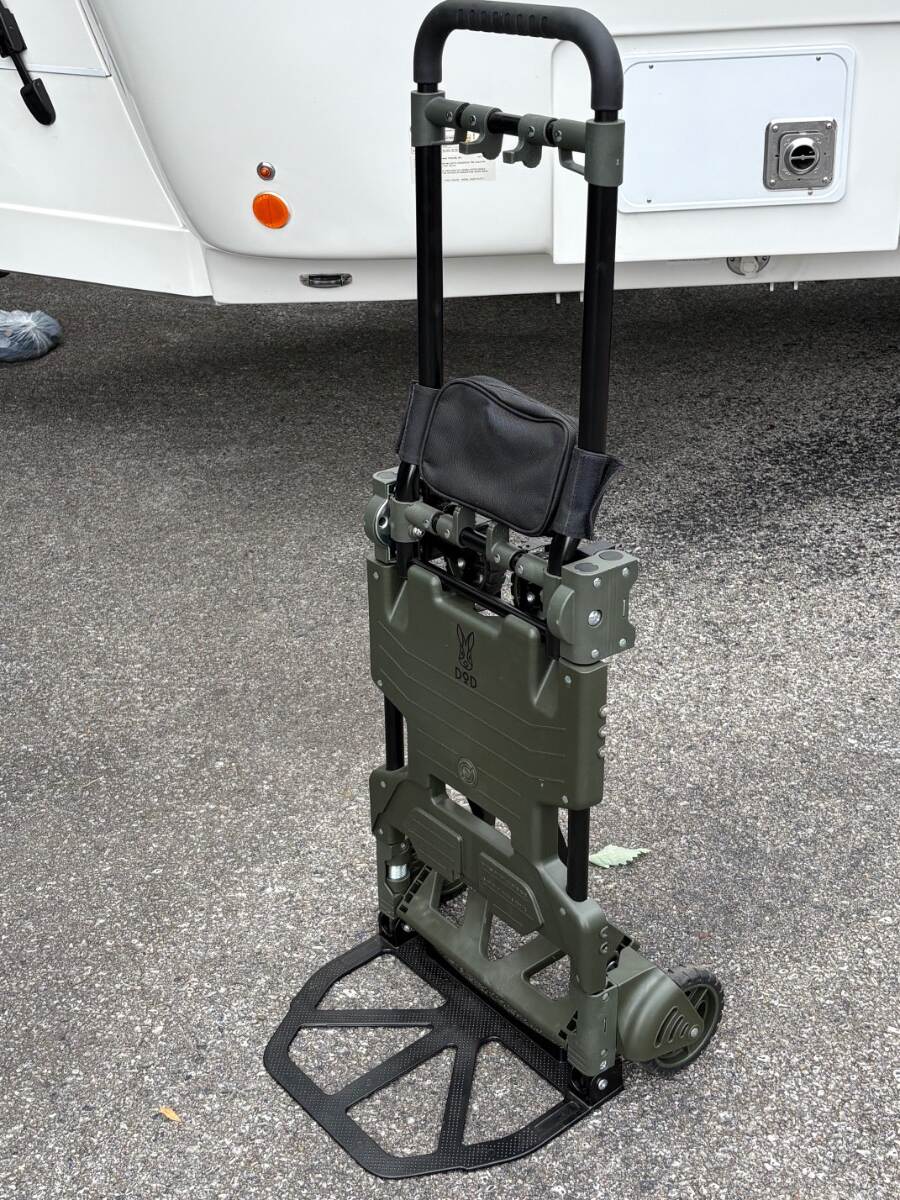
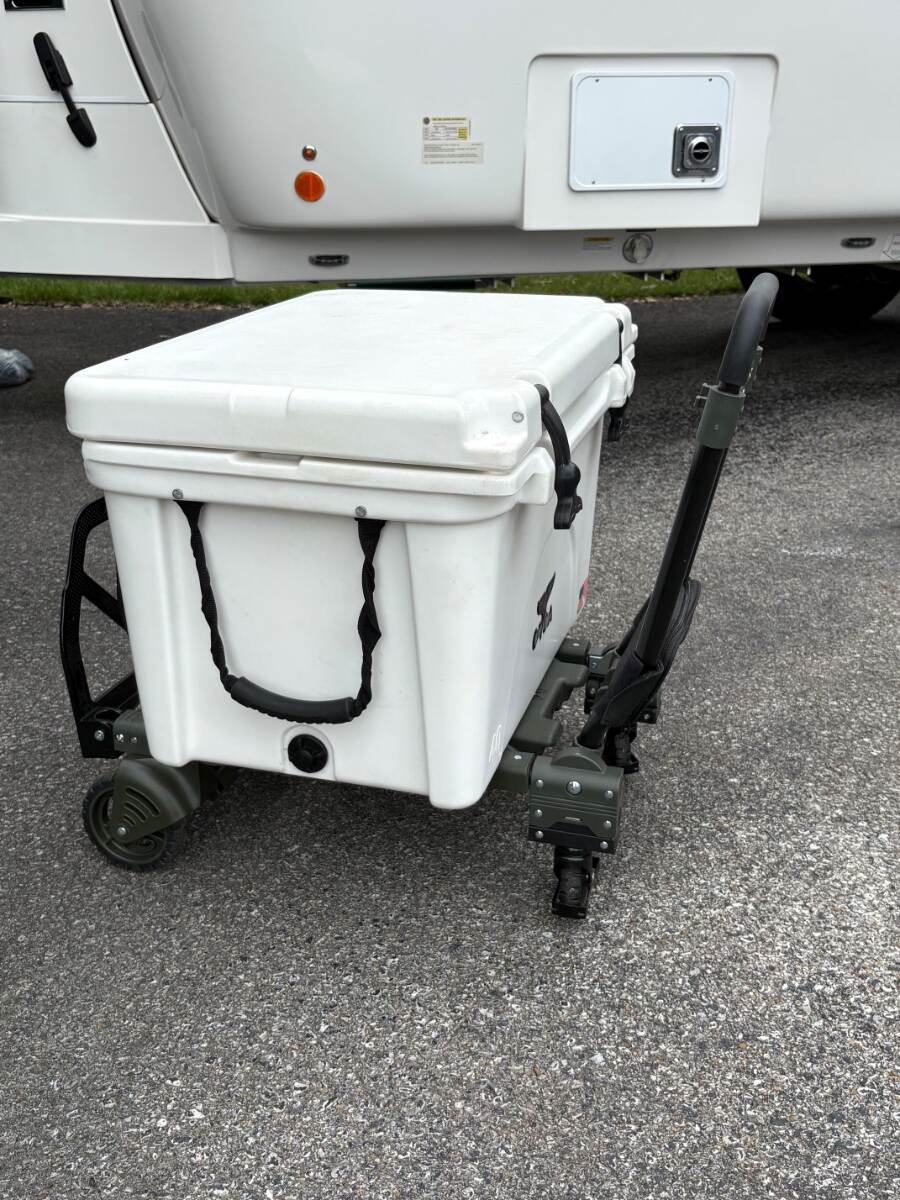
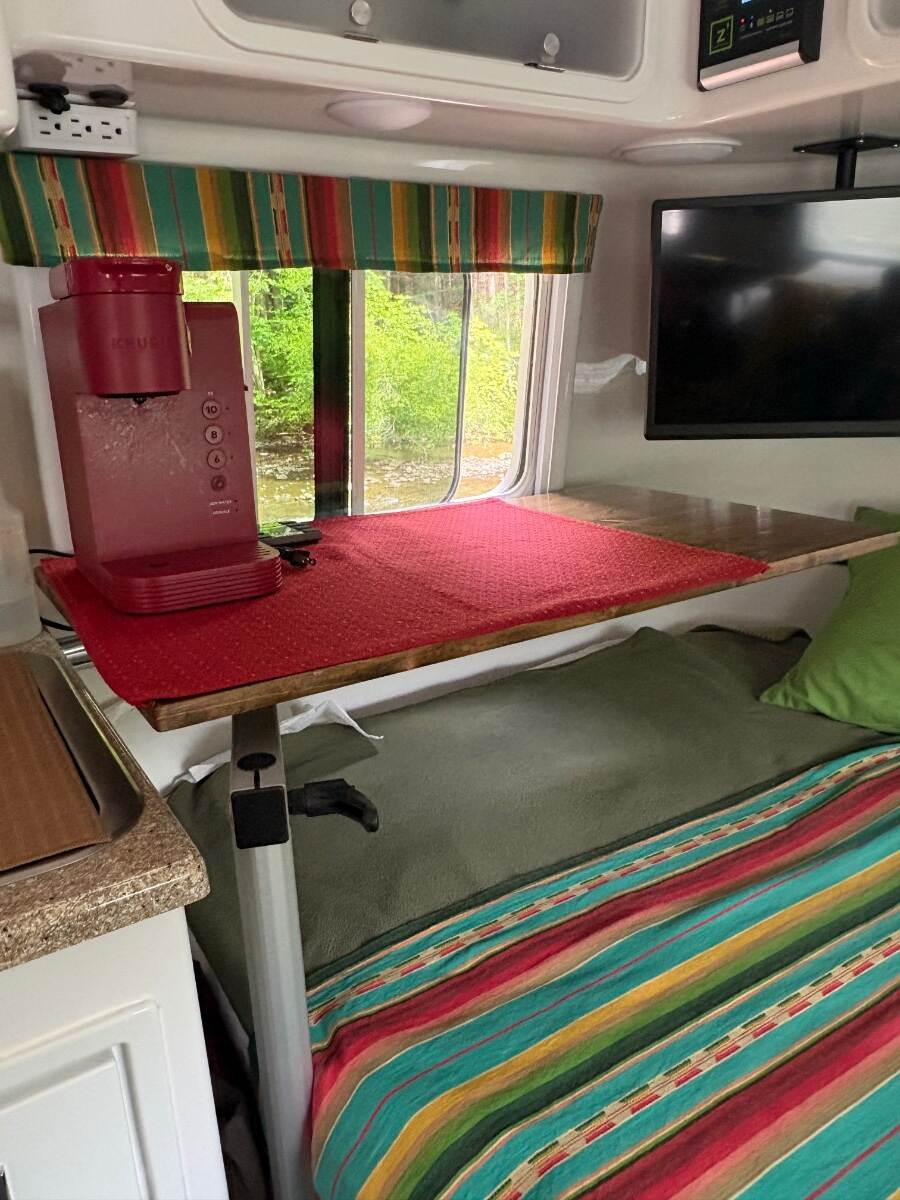
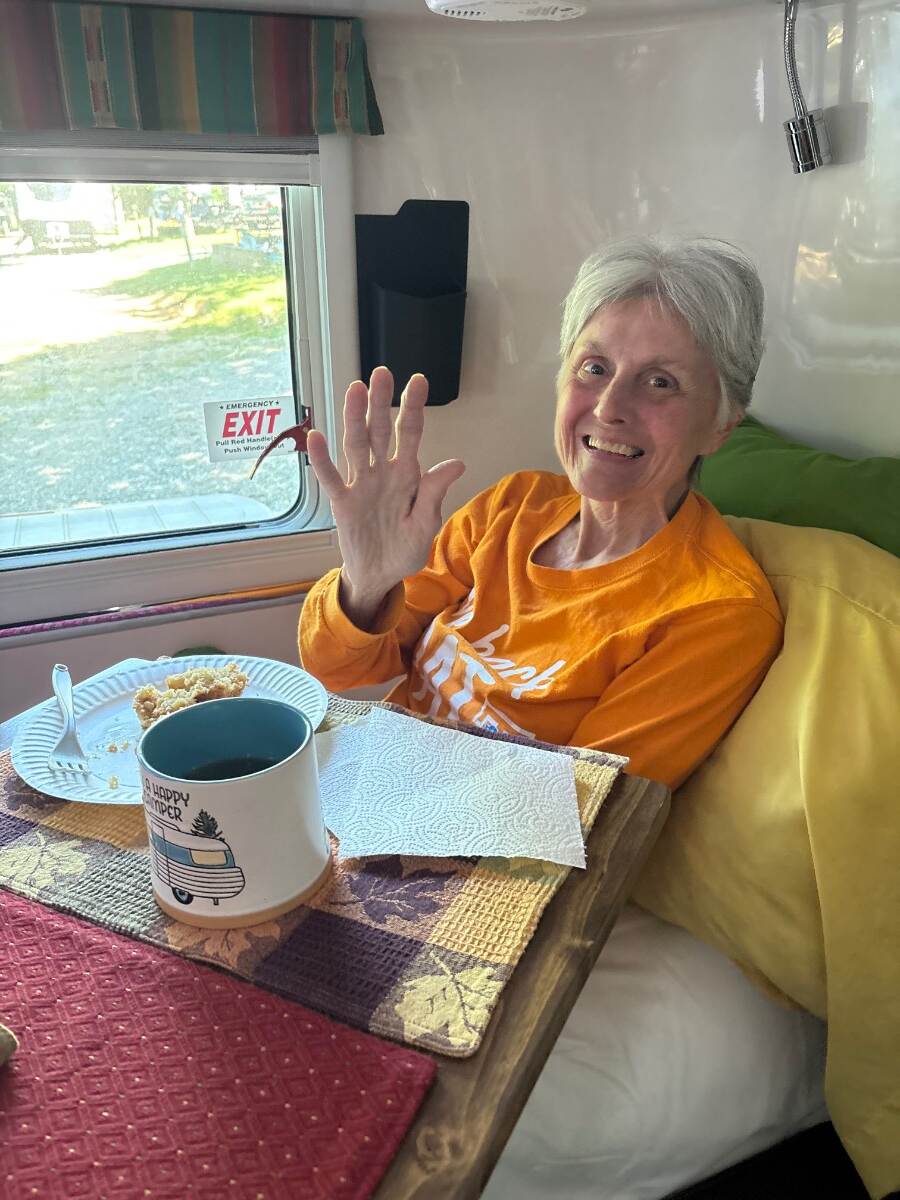
I haven’t posted for some time but felt I should share a couple of things I’ve done since my last post. I’ve shared that I’m a caregiver, but now full time, for my wife who’s now in late stage Alzheimer’s. Our 2022 Elite I makes it possible for travel still, otherwise it would just be impossible. Since she can’t help in anyway getting prepared and on trips, I’m always looking for ways to make it easier on us. Her mobility has also worsened and though having our toilet with us is a must, it has proved more difficult for her with this loss of mobility. I installed handles and new raised seats on our home toilets at the recommendation of an occupational therapist. Today I installed LianJindun Toilet Safety Rails around the Ollie Toilet. I had us do a test sit down and I could not believe how much easier it was for her and me too. Never thought I could be so excited about toilet rails, but with this disease, you learn to appreciate those little victories. After seeing more notes on the Forum about Lagun table use, I installed one so that she can remain in bed each morning and have her breakfast as mornings are generally difficult. It also provides great counter and prep space and we can both use it. I had new mattresses made last fall by Southern Mattress Co in Rocky Mount NC and they are just like the ones on our beds at home. They split them so I can use them as a full bed or as we do now a single across the back for her an one on the side for me. The Lagun allows us to just leave them in place an use as couches. In the photos, it shows it used with the full bed and the single bed across the back while by girl has her breakfast. Again, the mattresses are from this Forum. I also built from scrap lumber a prototype “loading and storage cart”. Almost all gear I carry on trips that I load into my Subaru Ascent fits on the cart. I wheel it out to load and when back home unload and push it back in. I also purchased a great dolly/cart from DOD that I use for anything else, protecting the old back. This sure has speeded up loading and unloading and made it so much easier. Sadly, I had to cancel our Rally reservations a few months ago as it has just become increasingly difficult for us to take part in the activities. I will miss it. I hope everyone there has a great time. Regards, Ron
 9 points
 -
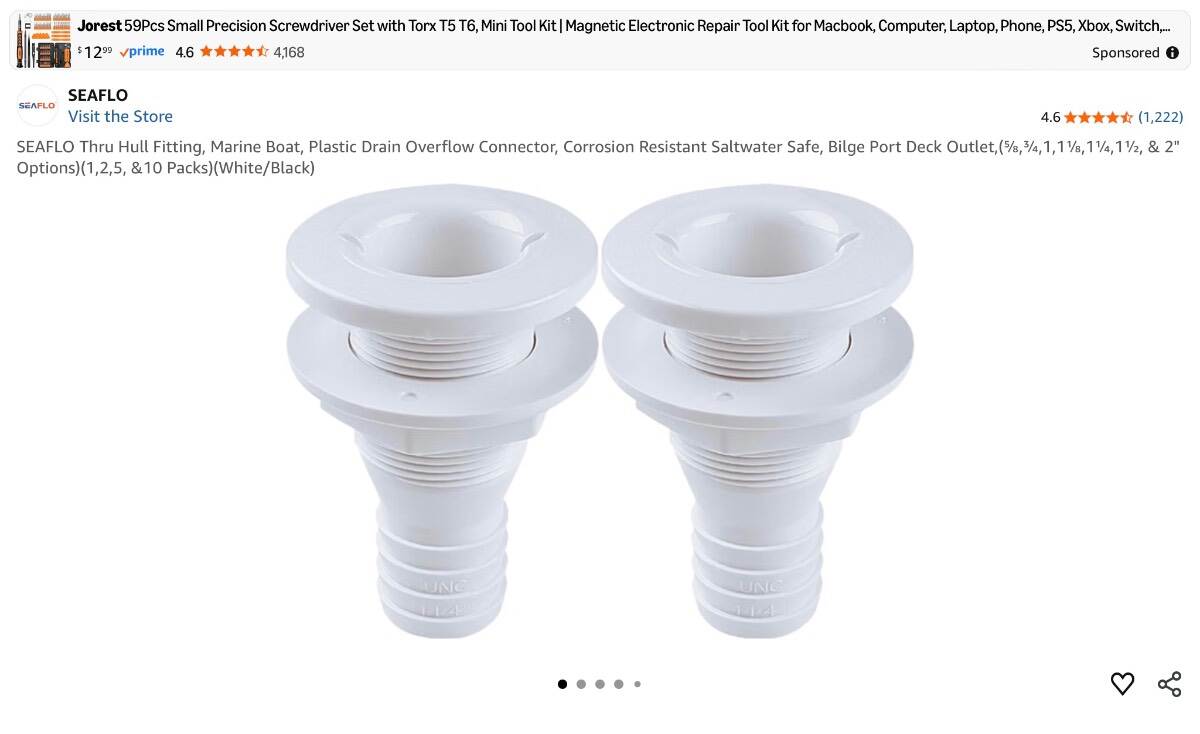
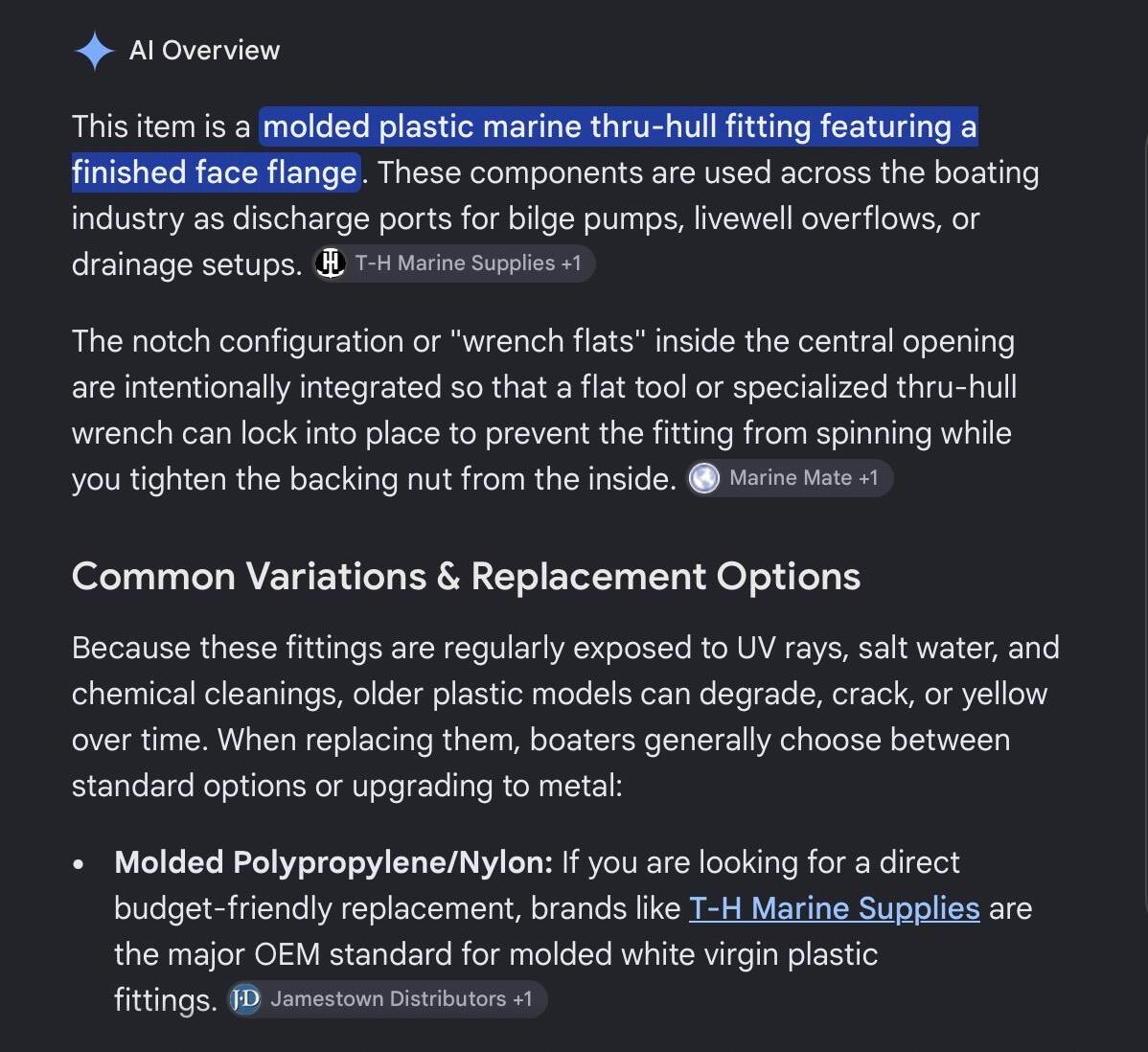
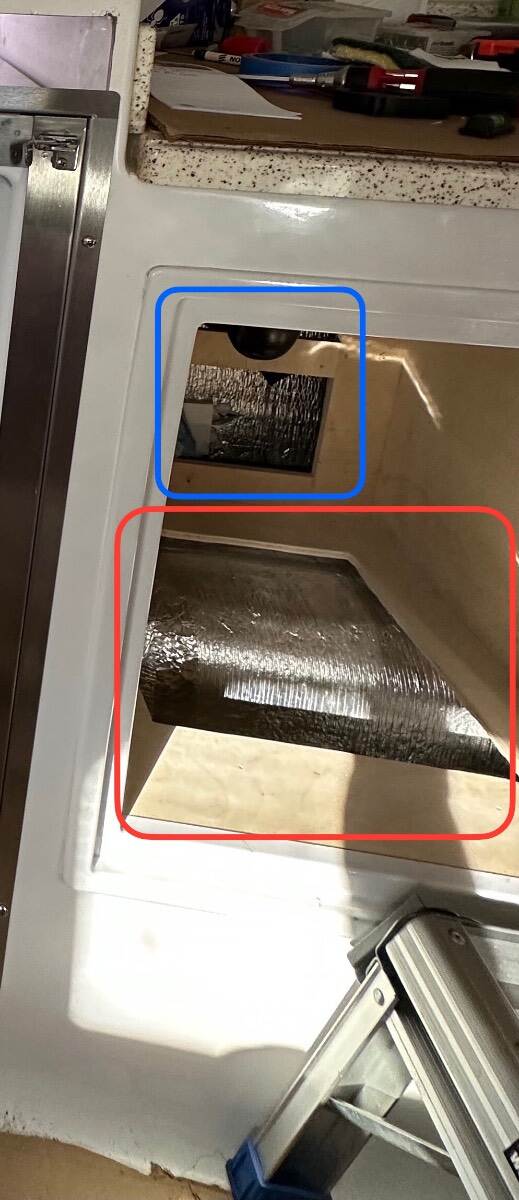
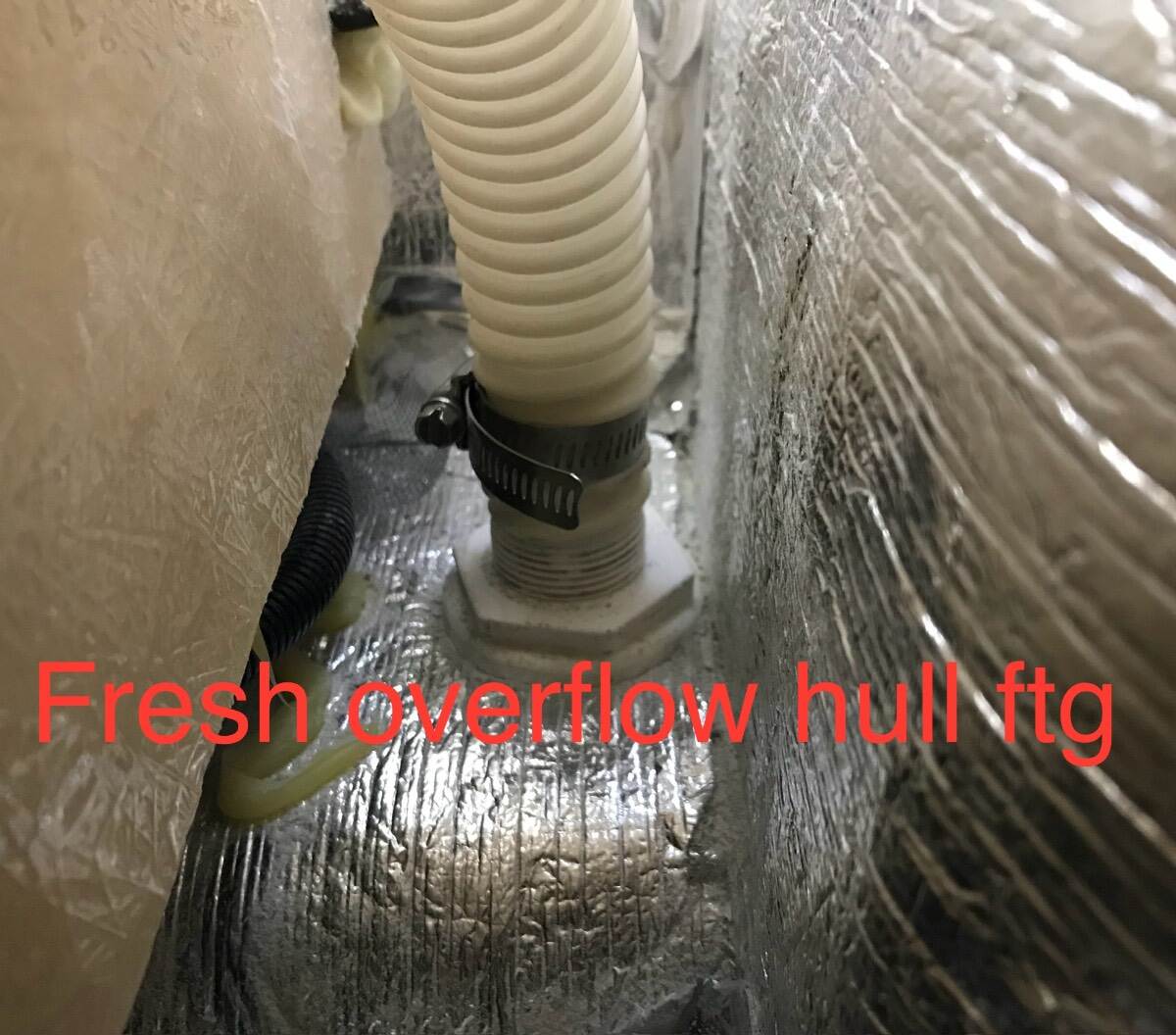
I have been following along without anything to add, but I now have a few thoughts. The fresh water overflow discharge port is, in the words of Google: So it looks like a 2 piece fitting that requires access to the inside and outside of the hull to install, service or remove. So the next step requires a modification to the floor below the bottom drawer below the sink. This picture of the area below the sink without the drawers in place. The blue square surrounds a cutout in the rear wall that OTT provided for access to the refrigerator 120V outlet. The red square surrounds a cutout in the floor that I made with a router, using the walls as a guide. This access was needed for a prior plumbing modification. It may also provide access to the freshwater overflow port that would be needed for the installation, removal or repair. Both of the access ports are normally covered with a thin piece of plywood. My MOP for sanitizing the freshwater tank in hull 193, begins by mixing several ounce of chorine or a quart of hydrogen peroxide in a 5 gallon water jug and using the boondocking port to pump it into the freshwater tank. I then fill the tank using a hose at the freshwater fill bib. I am generally in the area of the Ollie while doing the sanitation job, but I do not monitor the amount of water going in, I just wait for it to overflow. And I do use a pressure regulator set to 40 lbs. whenever connecting a hose to the freshwater tank or city water bibs. Mossey
8 points
-
Bandit’s Roost COE Wilkesboro NC, we like the lake and mountain drives, too.
8 points
-
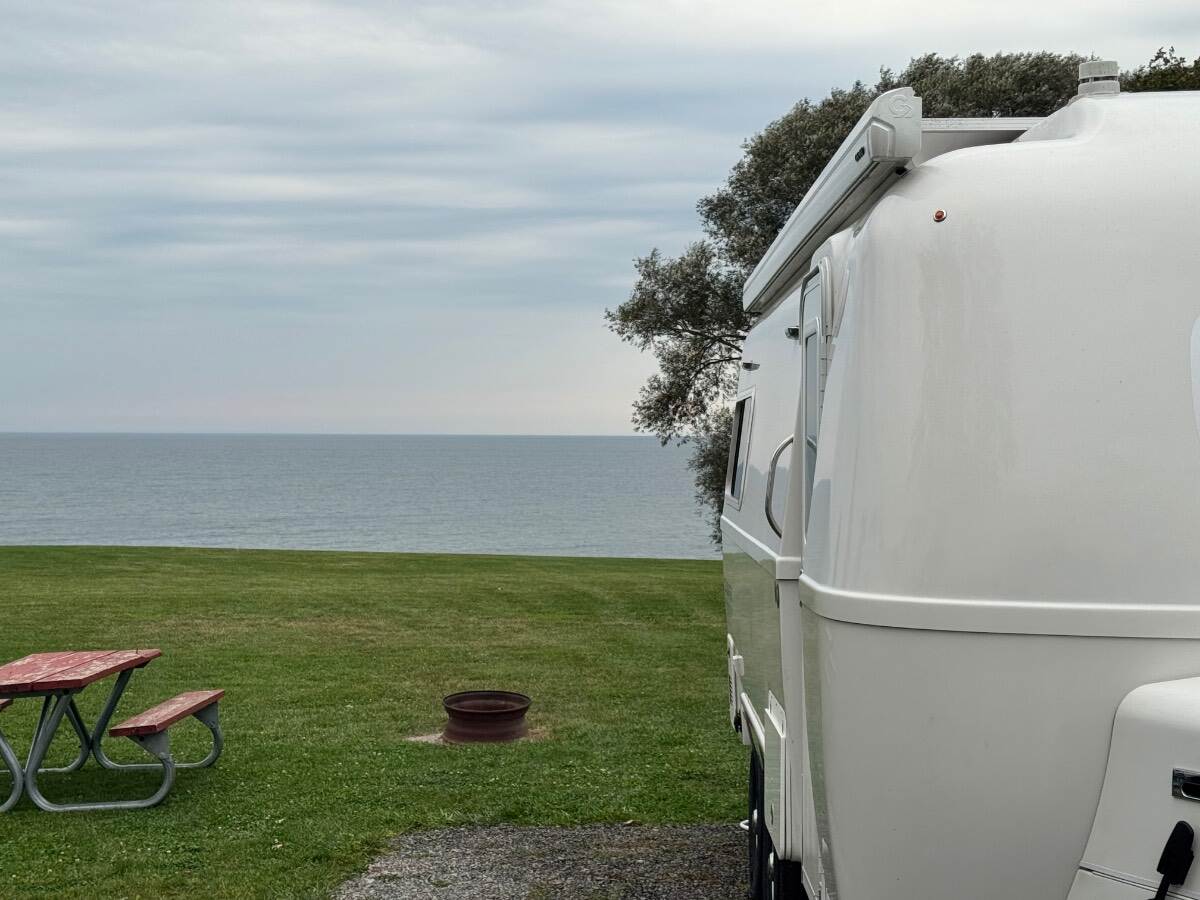
Daisy Barn campground just outside of Niagara Falls
8 points
-
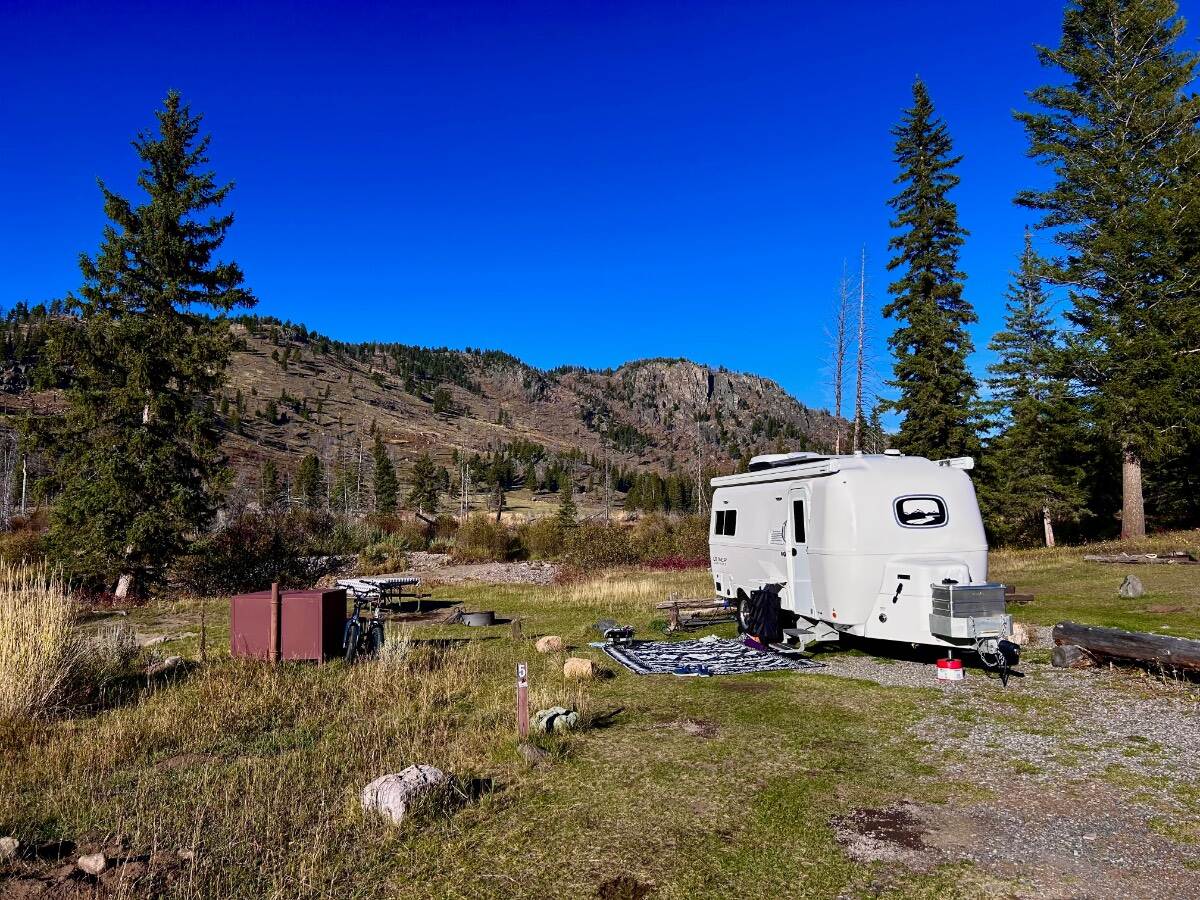
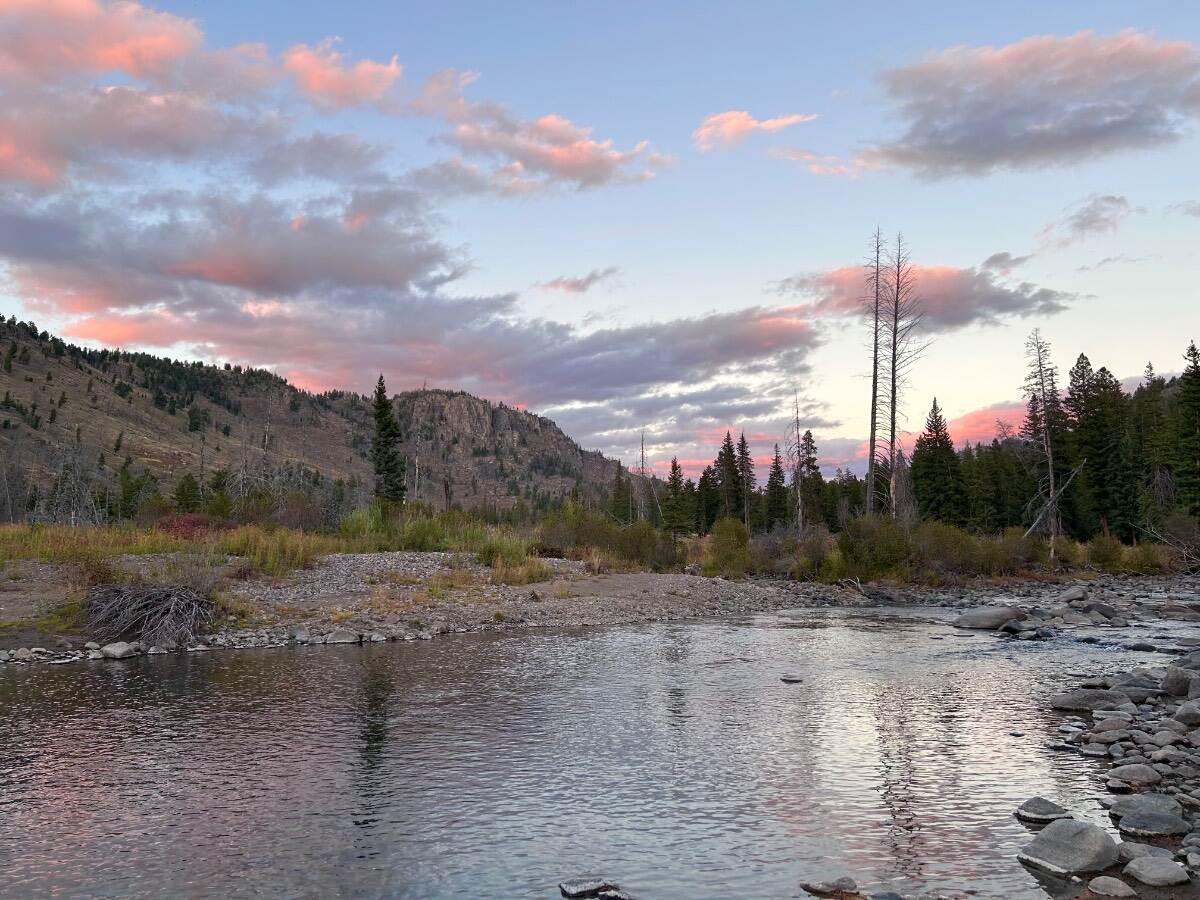
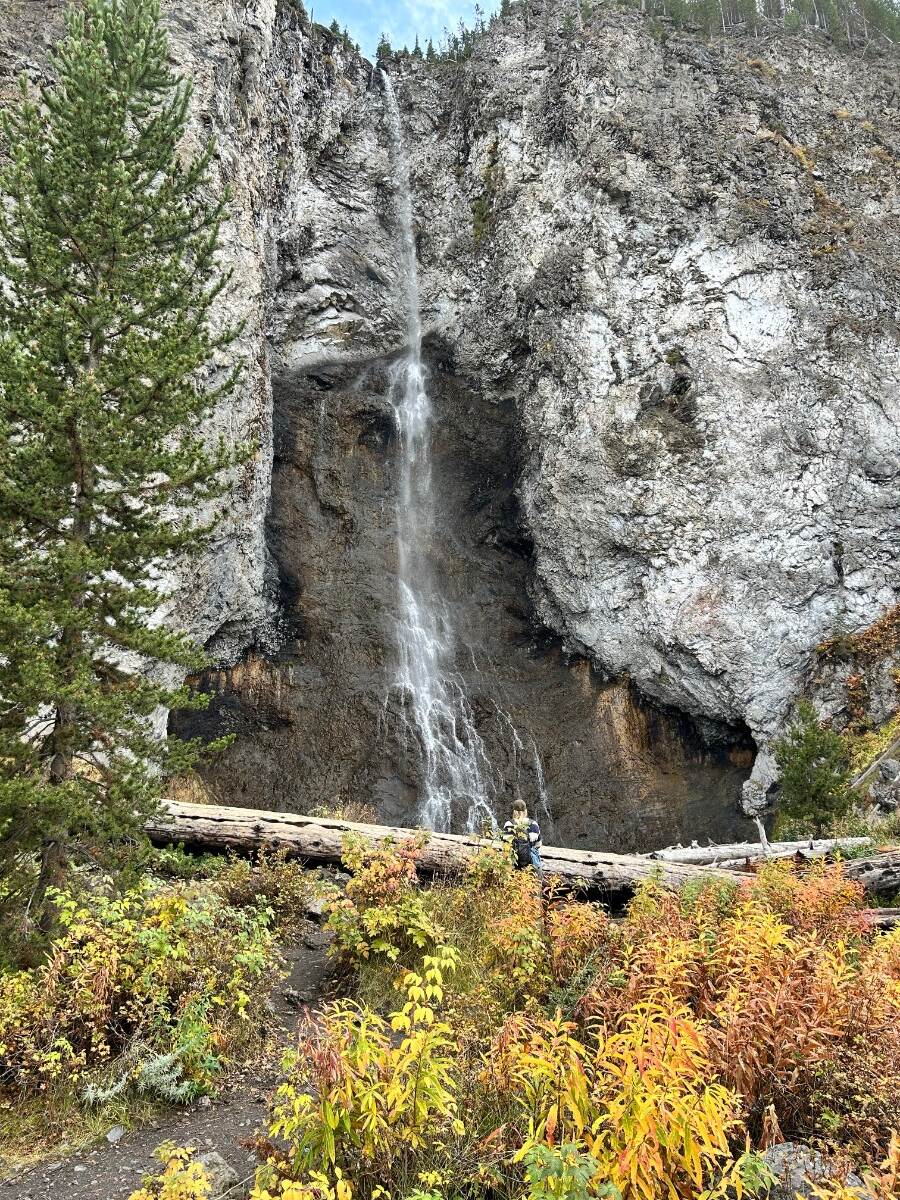
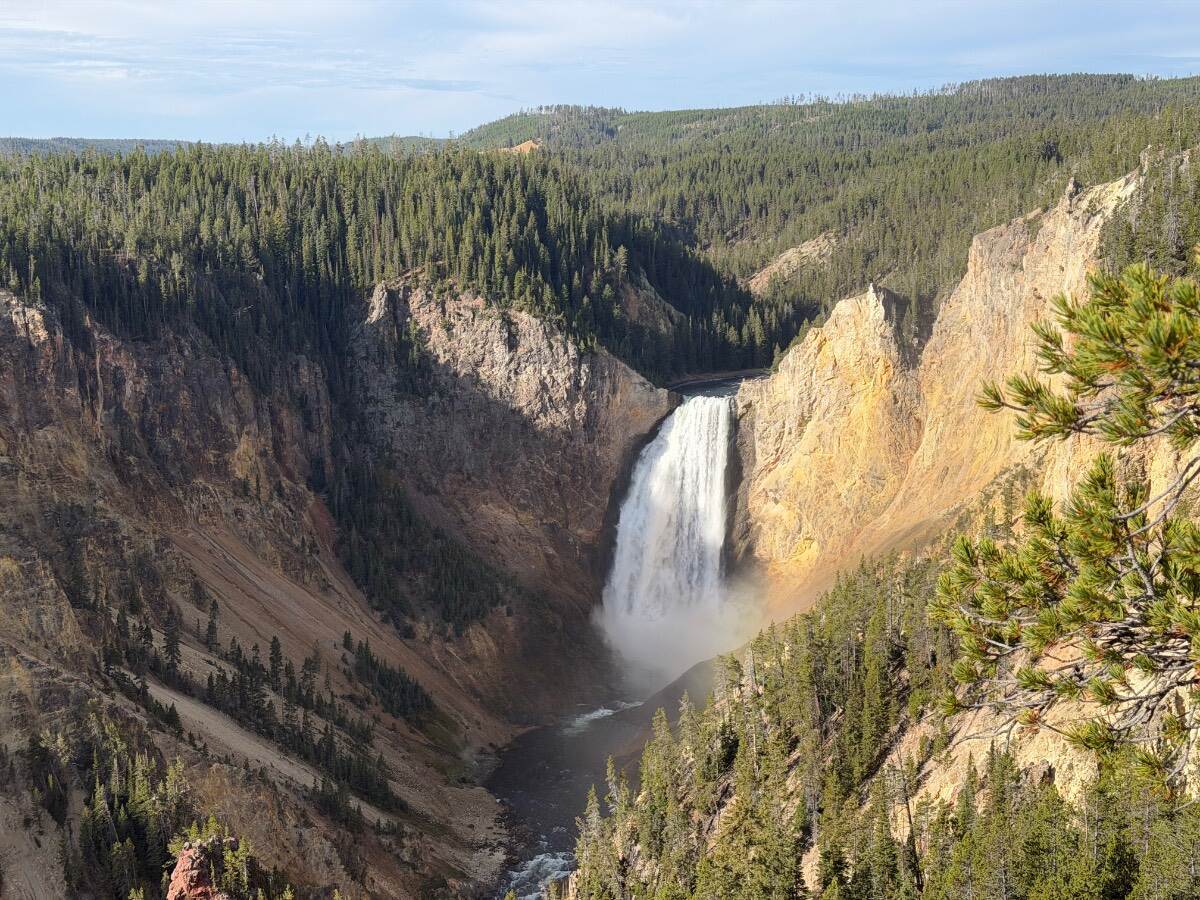
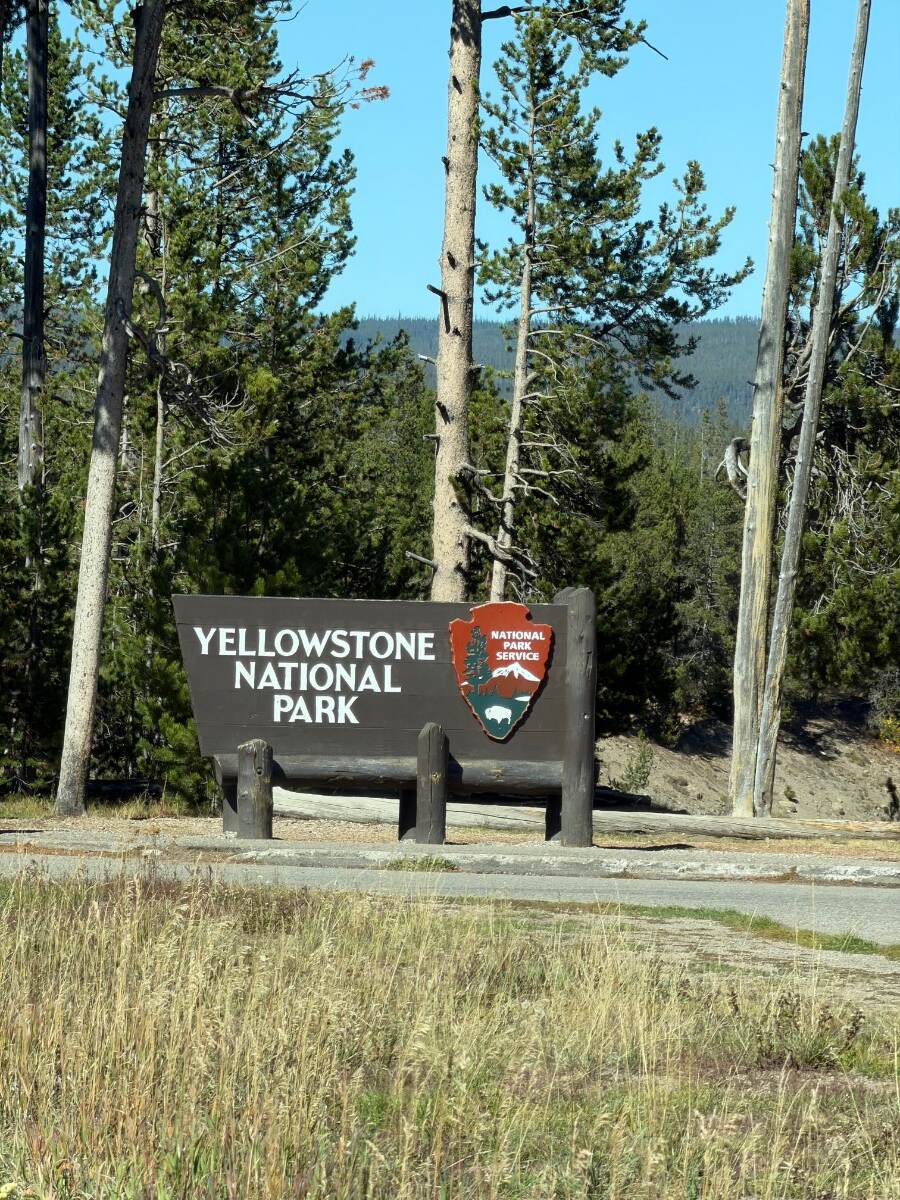
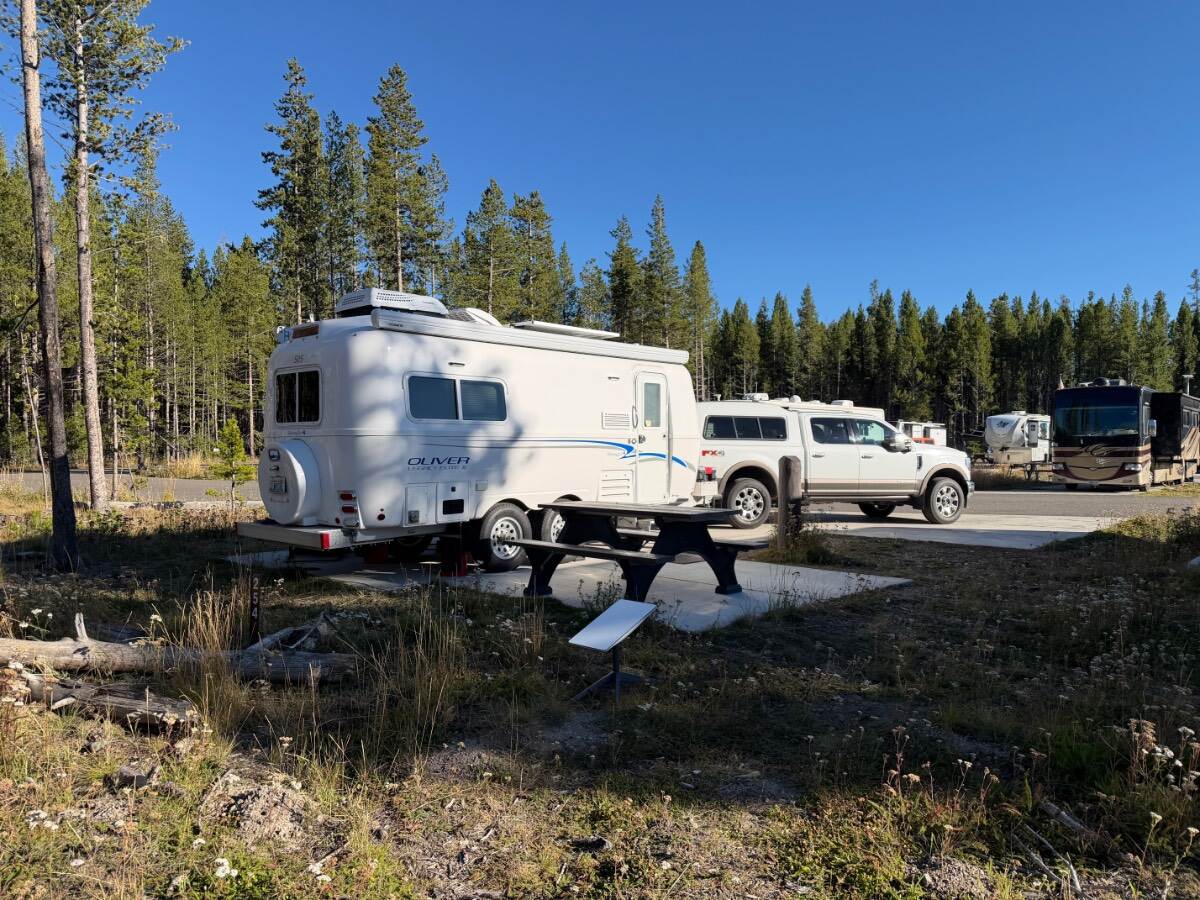
Final day in Yellowstone. It has been a great trip. Spent the last week in Slough Creek Campground in the northeast section of the park. Wildlife has been sparse outside of Bison and Pronghorn. 9 days off grid and Ollie did even better then expected. Running the inverter all day during the week to power laptop and Starlink (I know I need to do the DC mod) for work. Batteries are at 70% still (we have had sun most days). And fresh water at 40% with showers every other day! We have been very pleased. @jd1923 Crowds have been pretty good. I have not been here in summer for the peak but traffic has been easy (minus Bison jams of course). The major attractions on the weekends get busy between 11-3pm. But outside those windows they slow down. After 5 parking lots a near empty. We pulled into Old Faithful area on a Thursday 15 mins before she was due to erupt and walked right in and got a seat on the bench. Lots and Lots of international tourists. We had fairy falls all to ourselves for about 30 mins on a Friday.
8 points
-
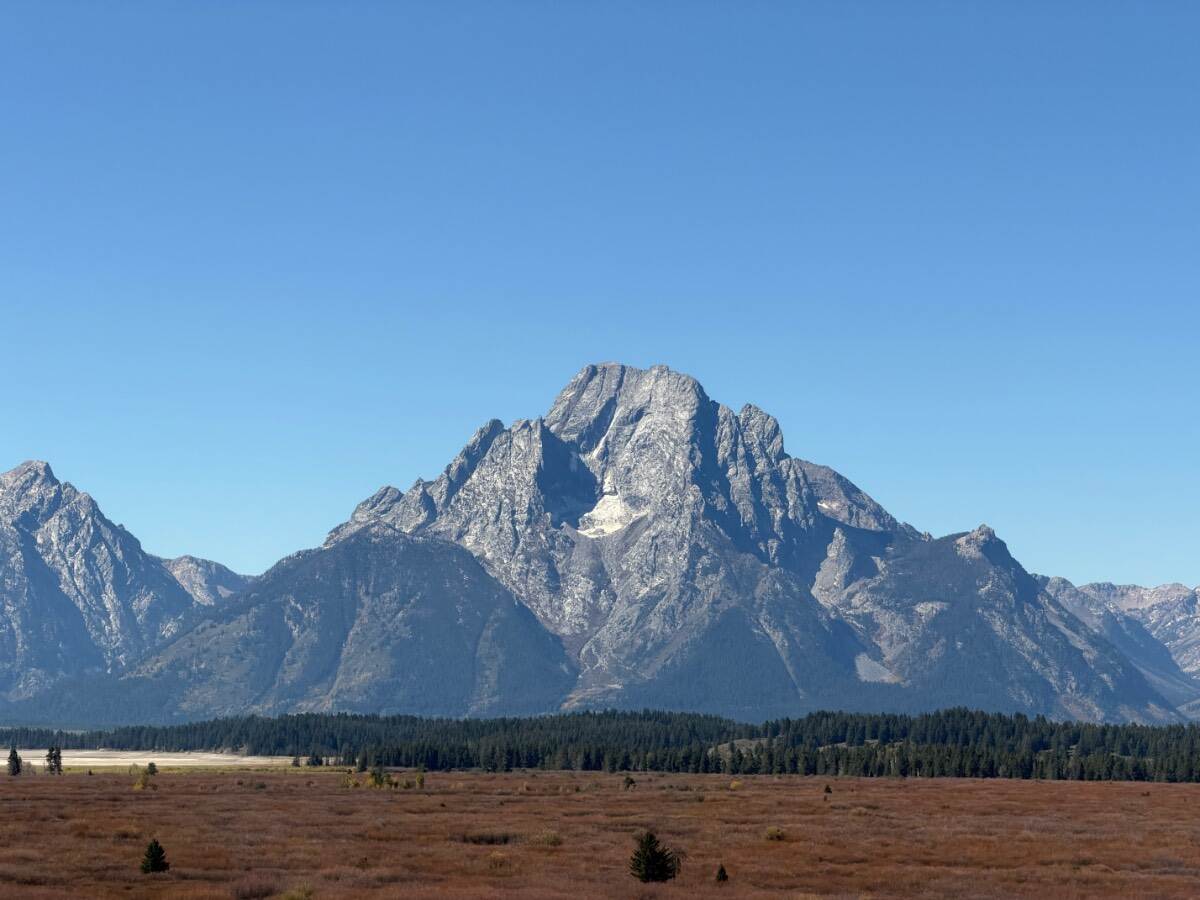
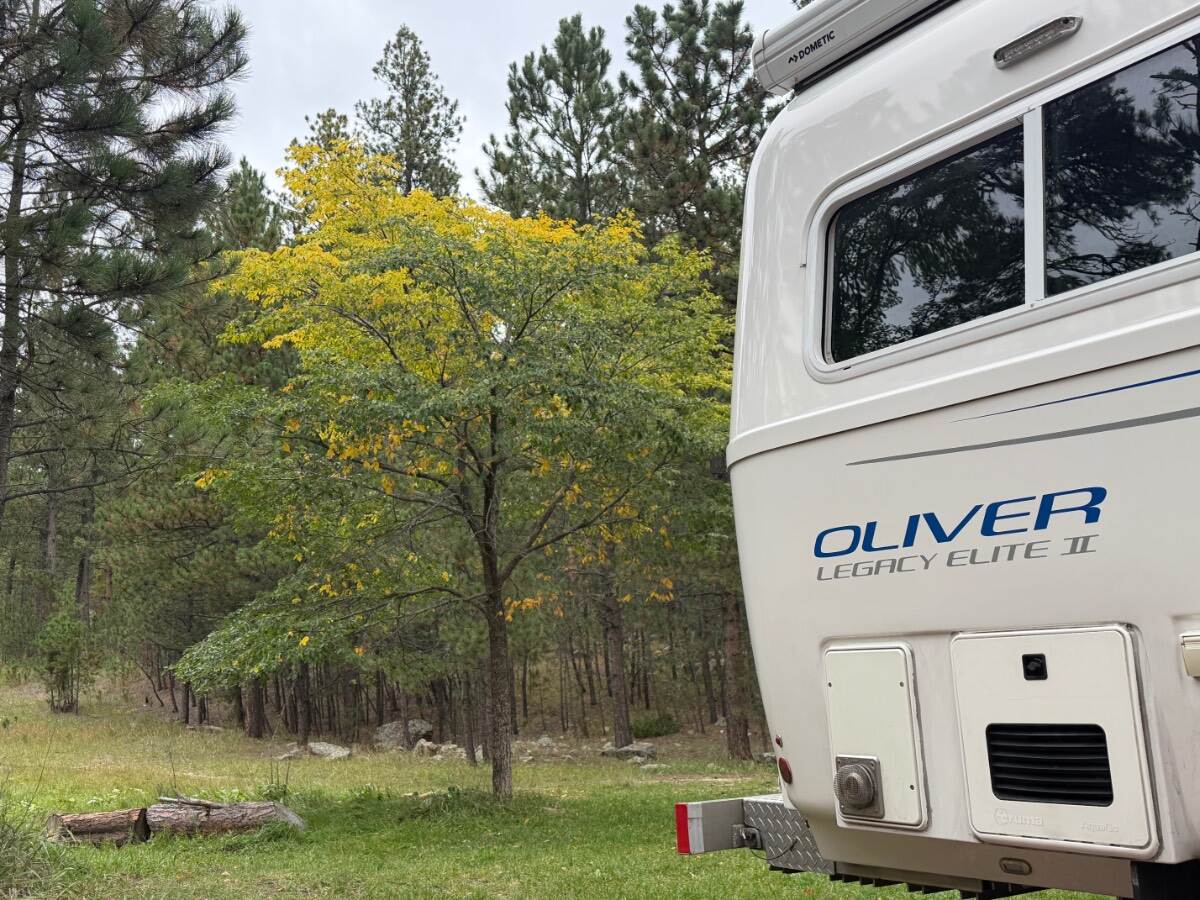
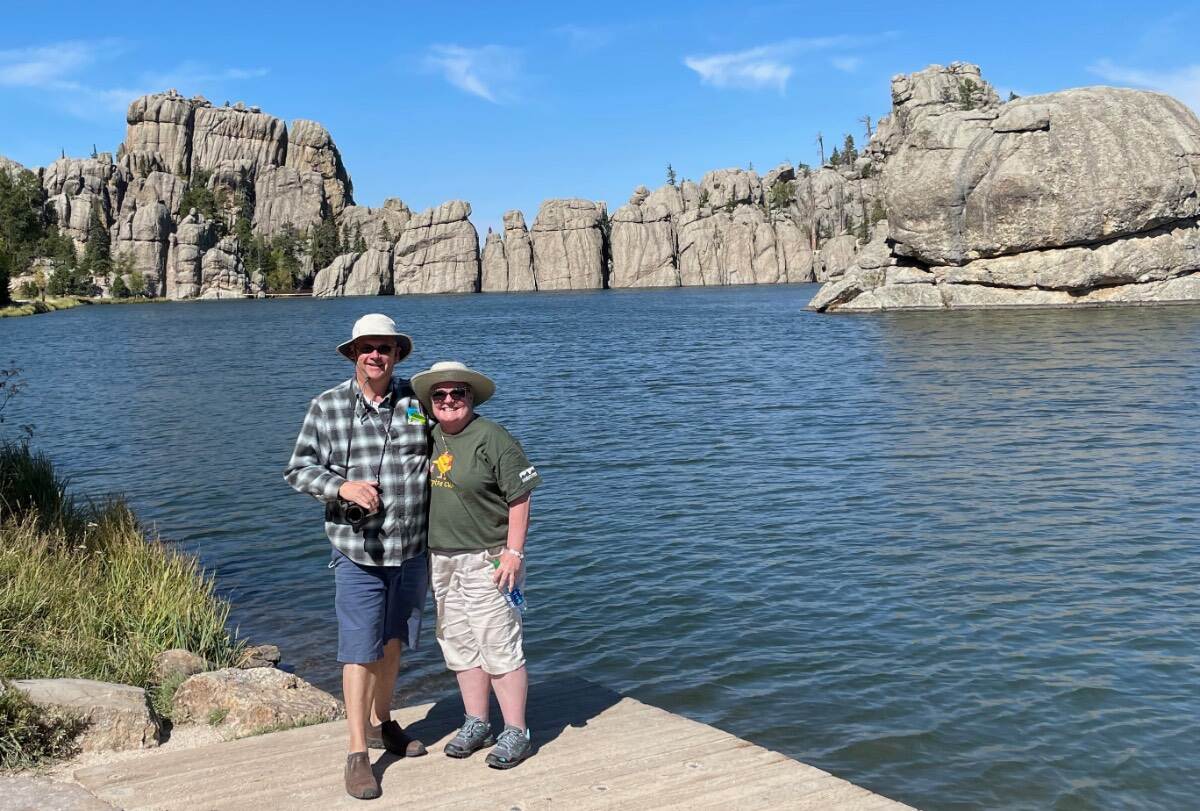
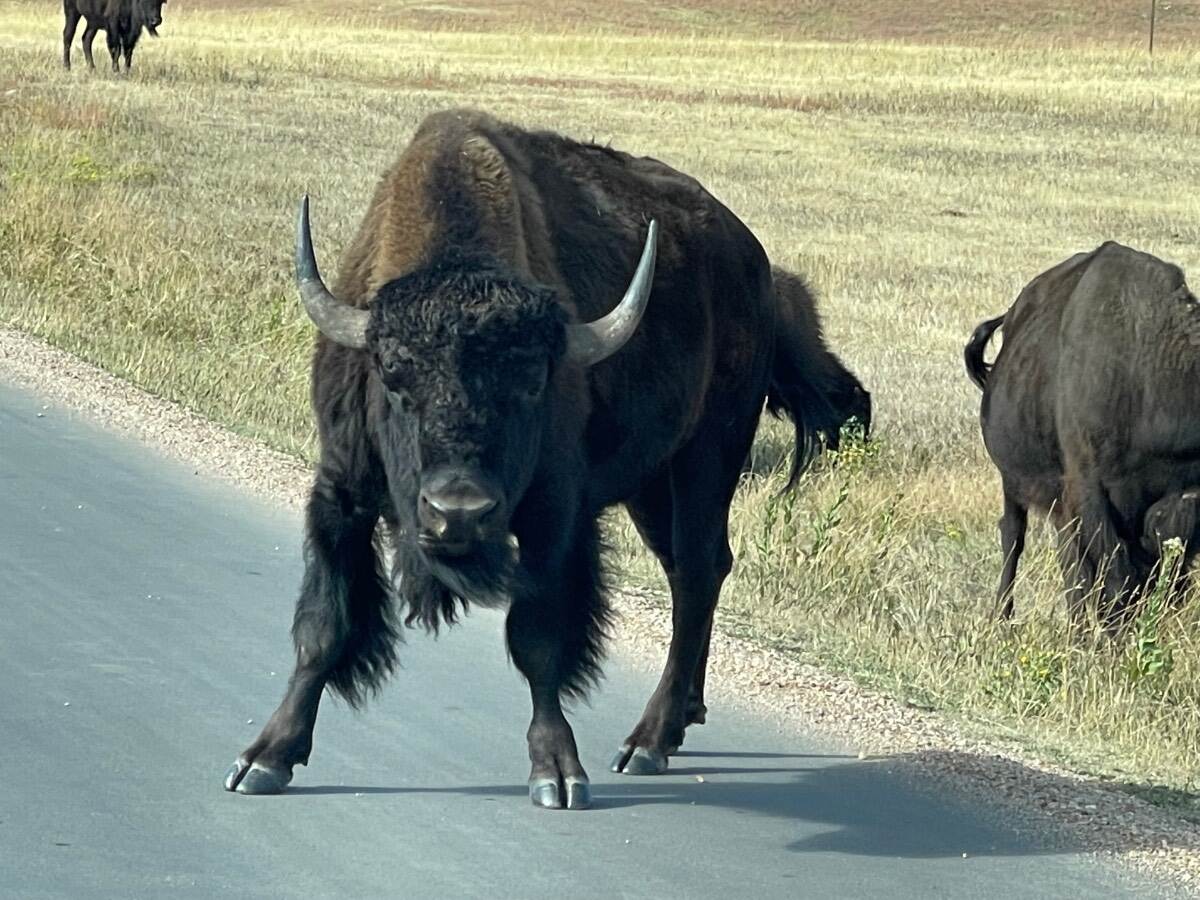
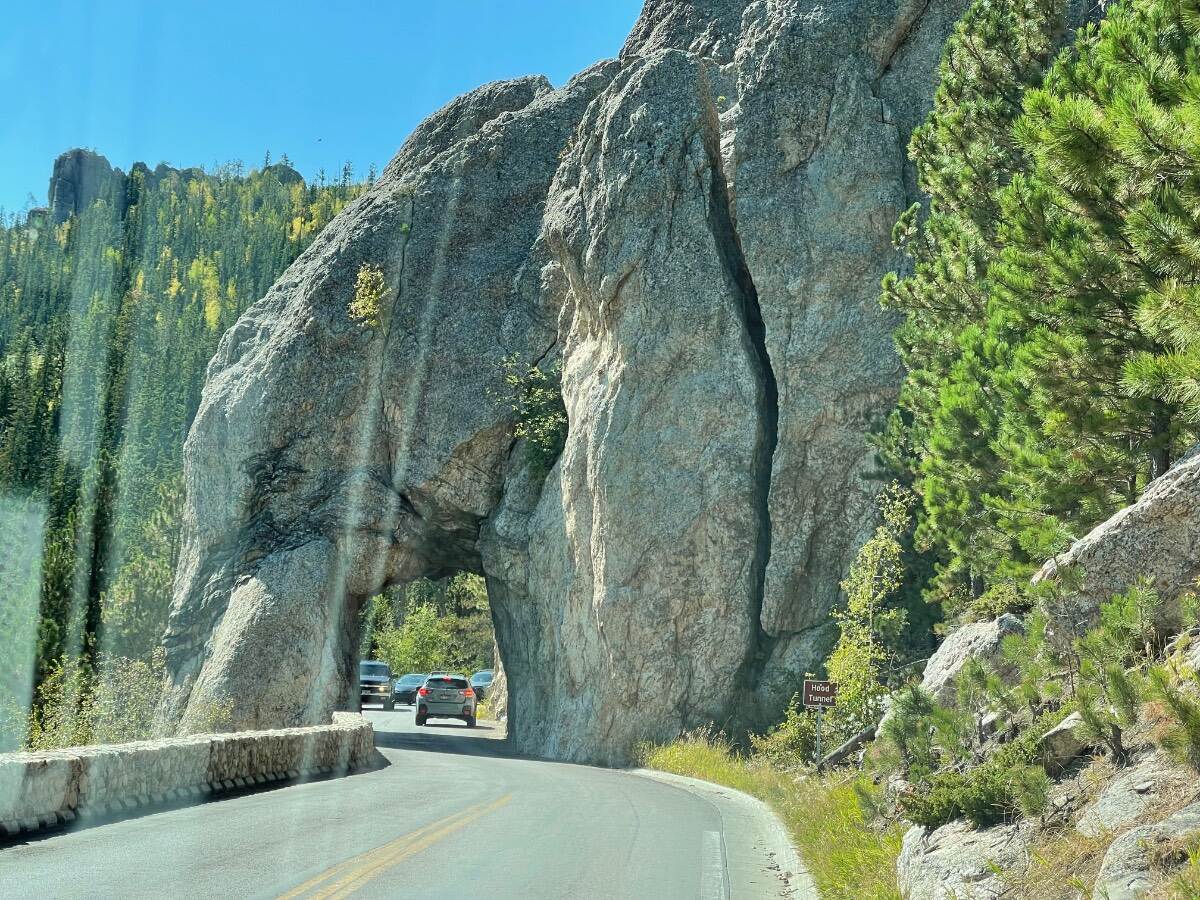
Still heading towards rally. Visited Yellowstone and Grand Teton , now in Custer SD. site at Legion Lake CG
8 points
-
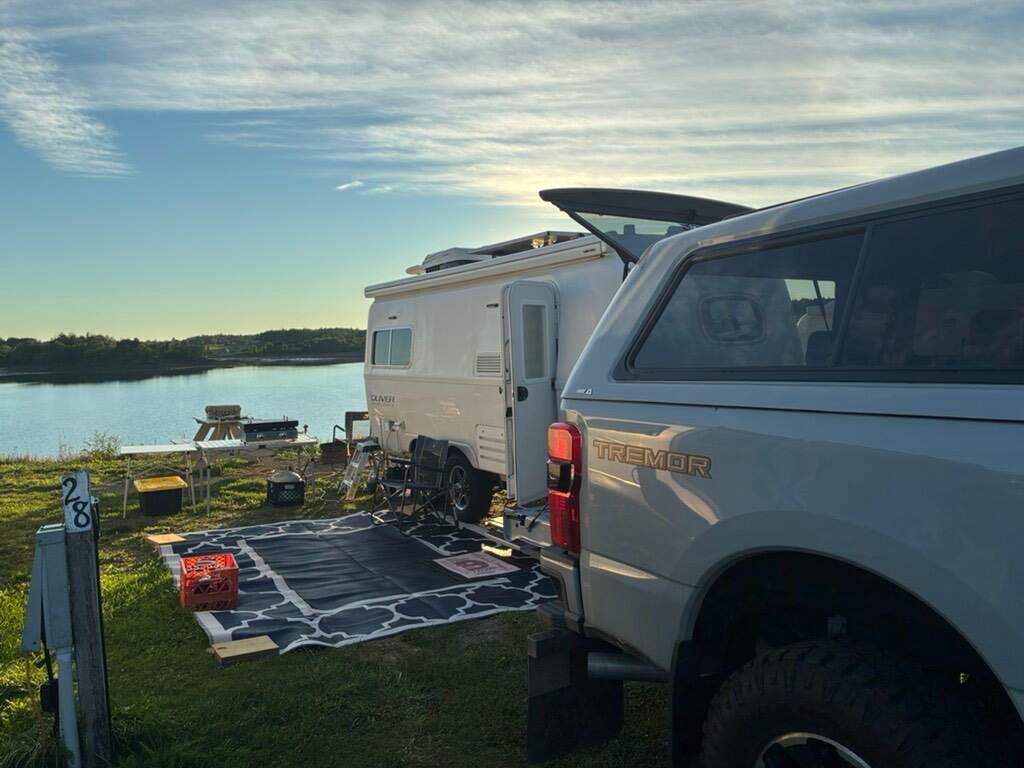
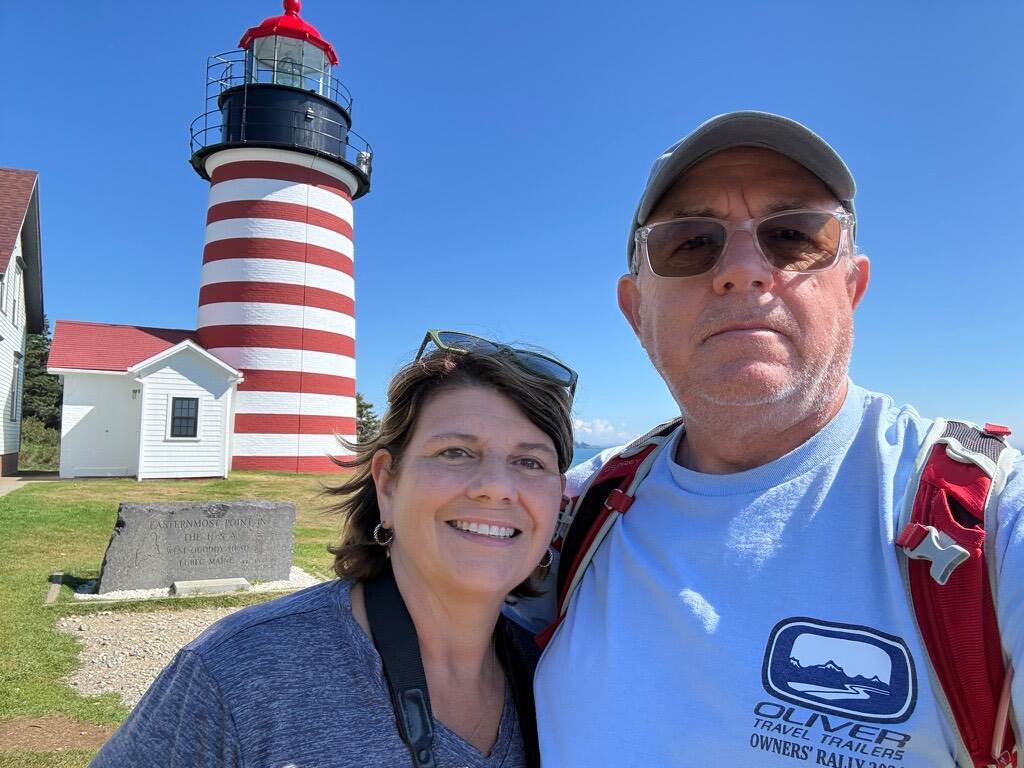
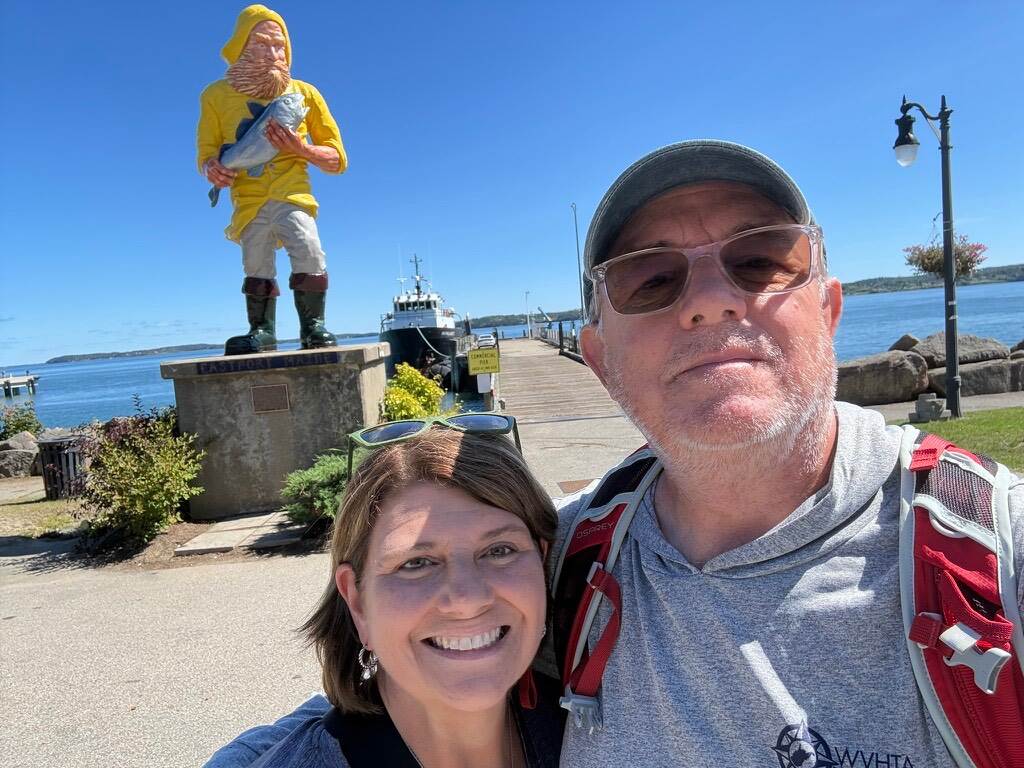
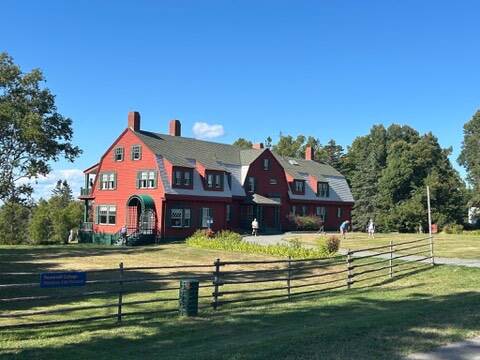
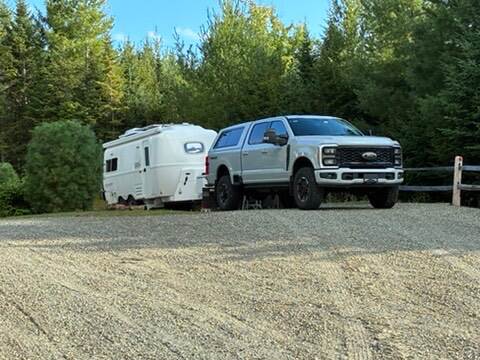
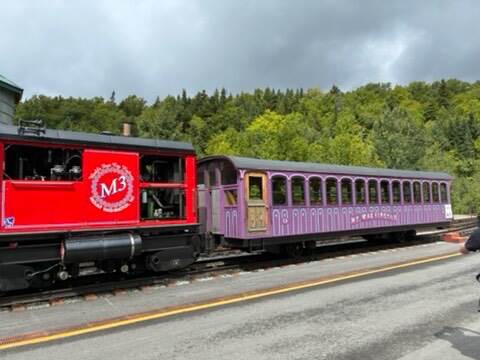
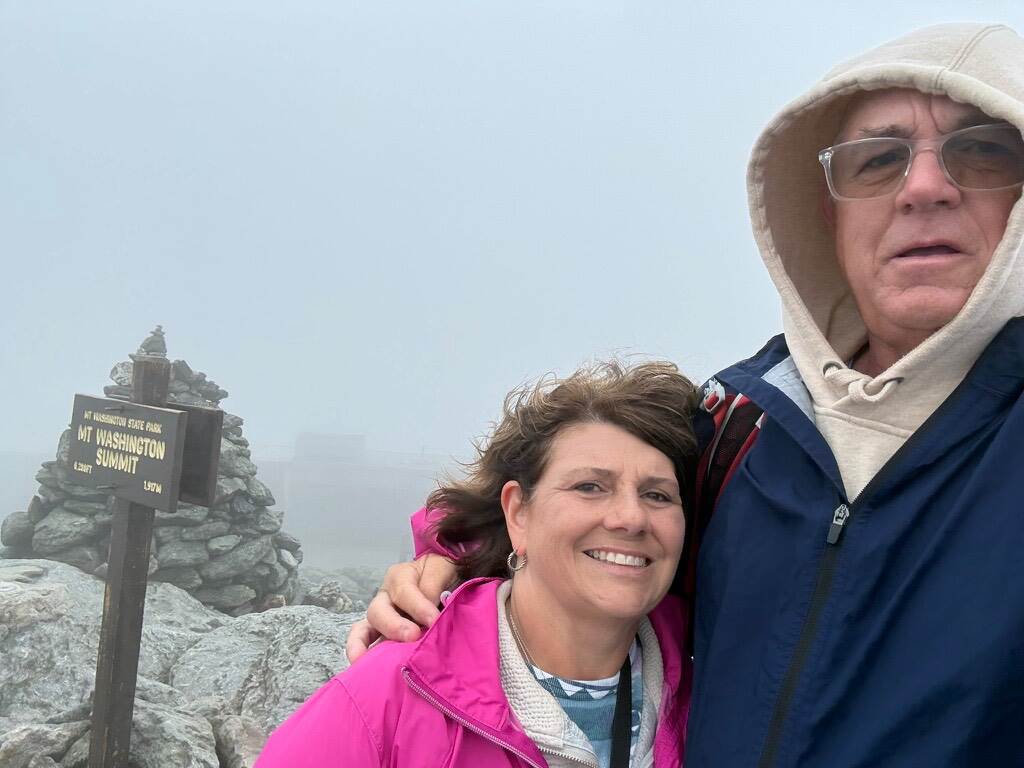
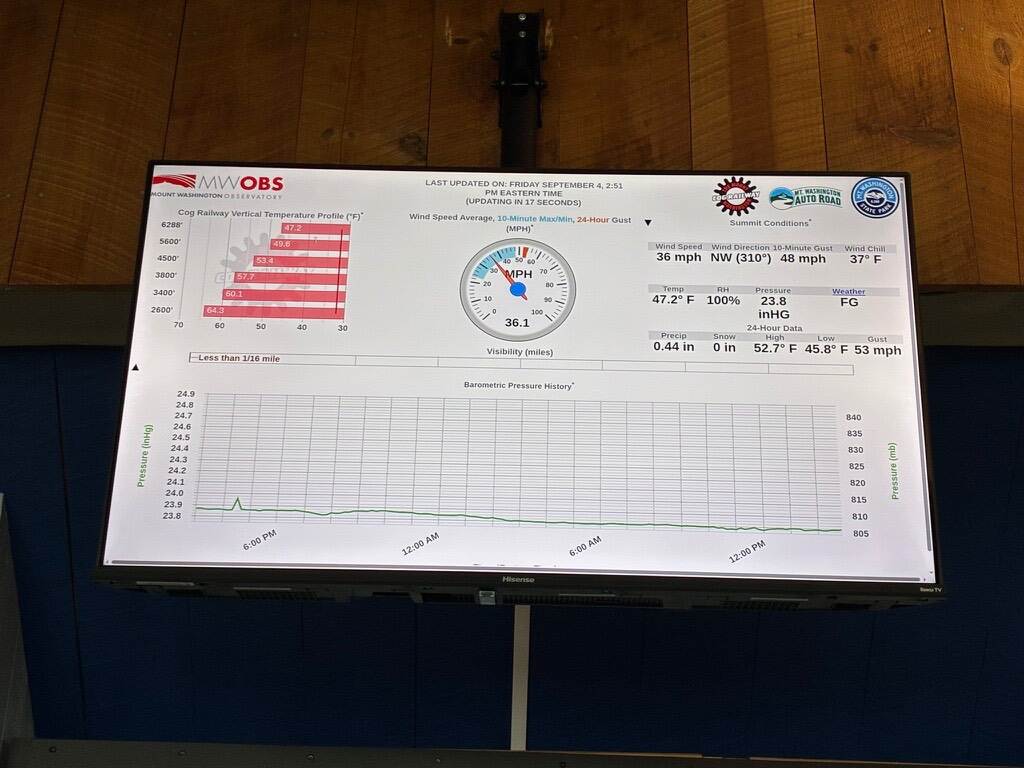
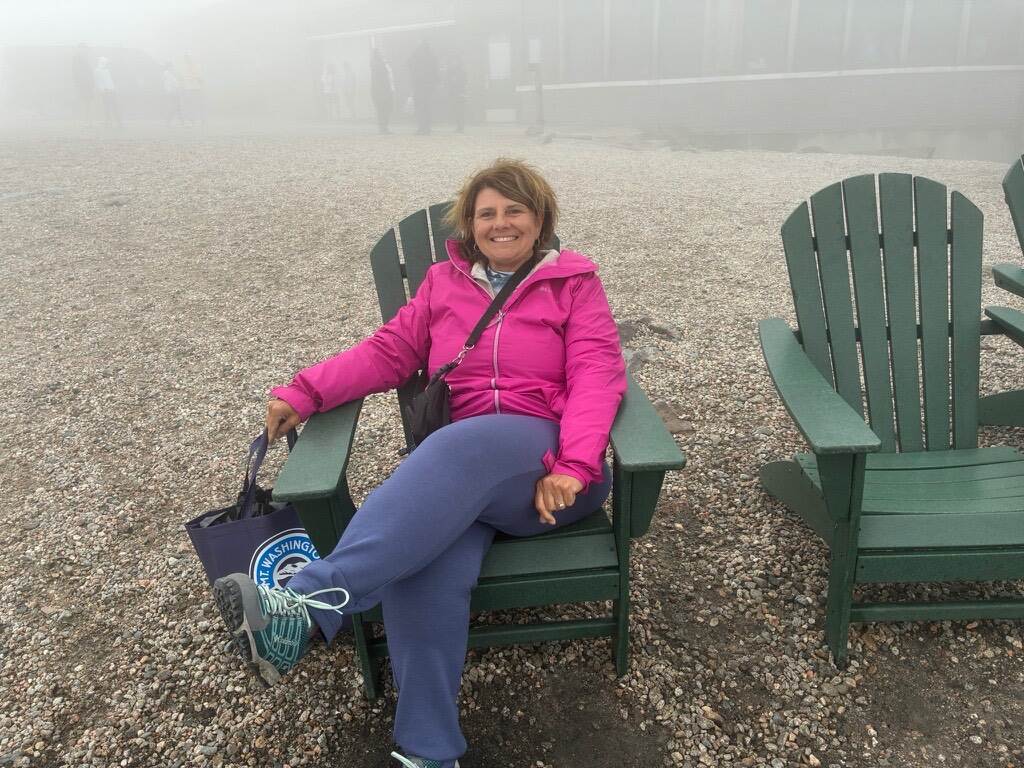
2026 Maine Trip - Sunset Point Campground - Lubec, Maine. The West Quaddy Lighthouse Beautiful Scenery during our Hikes \ Quick Trip to Eastport for the afternoon Campobello Island - NB This time we took our passports FDR summer home Short stop over in White Mountains of New Hampshire Cog Train - Mount Washington Alittle bit Windy at the Summit Shawna relaxing in the clouds This was our second trip to Lubec Maine and our first exploring New Hampshire on the way up and back. We are already planning our 2027 trip.
8 points
-
Reviving this thread for those who are not interested in the ceramic path for what ever reason. Thanks Trainman! It works! My gelcoat was beginning to chalk and shadows were present where the Oliver logo was removed in the lower rear. Using a 120v makita rotary buffer, a white Presta wool pad and Meguiars One Step polish, the gel coat is again glossy and shadows have been eliminated. Took about 2 hrs to do the entire lower half of the trailer. Will finish buffing the upper half using scaffolding then apply 3M Marine paste wax by hand. While I wax the entire trailer each year, this is the first time the lower half of trailer has had to be buffed since new (upper half was buffed 2years ago for the first time). Trailer lives outdoors 24x7x365.
8 points
-
Picked up our Apex two weeks ago and have been in it every night - so far, so good. We planned to spend 3 weeks straight to learn and work out any bugs (very minimal issues so far) Pros - A dream to tow & bike mount has been solid/Eco flow display easier to learn that anticipated/battery re-charge amazingly fast/Houghton AC quiet and have ran all appliances (simultaneously) and some “faux” boondocking on the 48 volt DC system w/ no issues. It has been wonderful to arrive at the campsite with 98% battery every time. Overall love the attention to detail and quality of the design. Dinette cushions (backs) could be improved and wished they would have included the solar suitcase connection. Cons: Black/Gray tank indicators don't really warn you of a full tank, but the toilet gurgling and the shower backing up are sure indicators 🙂 I haven’t attempted filling the fresh water tank yet (to be honest I am intimidated by the multiple valves under the bed - wish they were labeled but thankful for the poster size diagrams on the compartment cover. Our background: Previous tent camper, then a Casita circa 2000s, and Airstream owner. So far impressed with the Oliver overall operation (Airstream could learn from Hohenwald orientation and pick up) and while tempted by the new Casita double axle trailer (significant price difference) the Apex is a well designed trailer and we have no regrets.7 points
-
We just had a freeze last night. My preparations were: turn on the "antifreeze" function for the water, disconnect the hose (we currently have fresh water hookups), "argue" with wife about the setting on the heater (she prefers 62, I prefer 60). EZPZ In my previous post I ignored a "feature" of the Ollie that I have found MUCH more challenging over the last 2.5 years: the CO alarm under the table. The Ollie seals up so tight that you could easily not use the heater on many freezing nights. Body heat is absolutely trapped. It's the perfect tent. So perfect, that certain gases accumulate and alarms get triggered. 😂 So, venting is required. Too much and you might as well be outside. Especially if it's raining. Too little and alarms will wake you up repeatedly. Last night we got it just right: Max air vent open, but off; heater ran intermittently, but never labored, no alarms. Comfort and safety. Check.7 points
-
With a tandem axle trailer and a heavy truck you can have a catastrophic trailer tire failure and not even know it. You won't feel it. With the TPMS you know right away and can start reacting, minimizing damage to your rim and trailer and reducing overloading of the remaining tire on that side. That's what happened to us. Our TPMS went off and we got away with only a broken mud flap and cosmetic damage because we stopped with most of the tire still on the rim. You could also have a fast leak from road debris. It could go flat without you feeling it, then chew itself to bits on the rim before you knew you had a problem. Our TPMS also alerted us to a catastrophic trailer brake failure. One wheel started running much hotter than normal. We pulled over and heard noise from that wheel. Turned out the brake assembly had come apart inside the drum. So, yes, I consider TPMS a crucial safety feature.7 points
-
Thanks to all who have provided valuable insights and photos. As we have had a busy travel schedule on the road, I have not yet had the opportunity to pull the drawers under the sink or to inspect the underside of the fresh water tank overflow tube in Hull #1291. For now, we are carefully filling the fresh water tank when we need to boondock, until our pre-planned schedule allows me time to try to "get to the bottom" of what caused our problem. We will be on the road until the end of October. I hope to be able to investigate once we get back home. I will then report my findings, if any.7 points
-
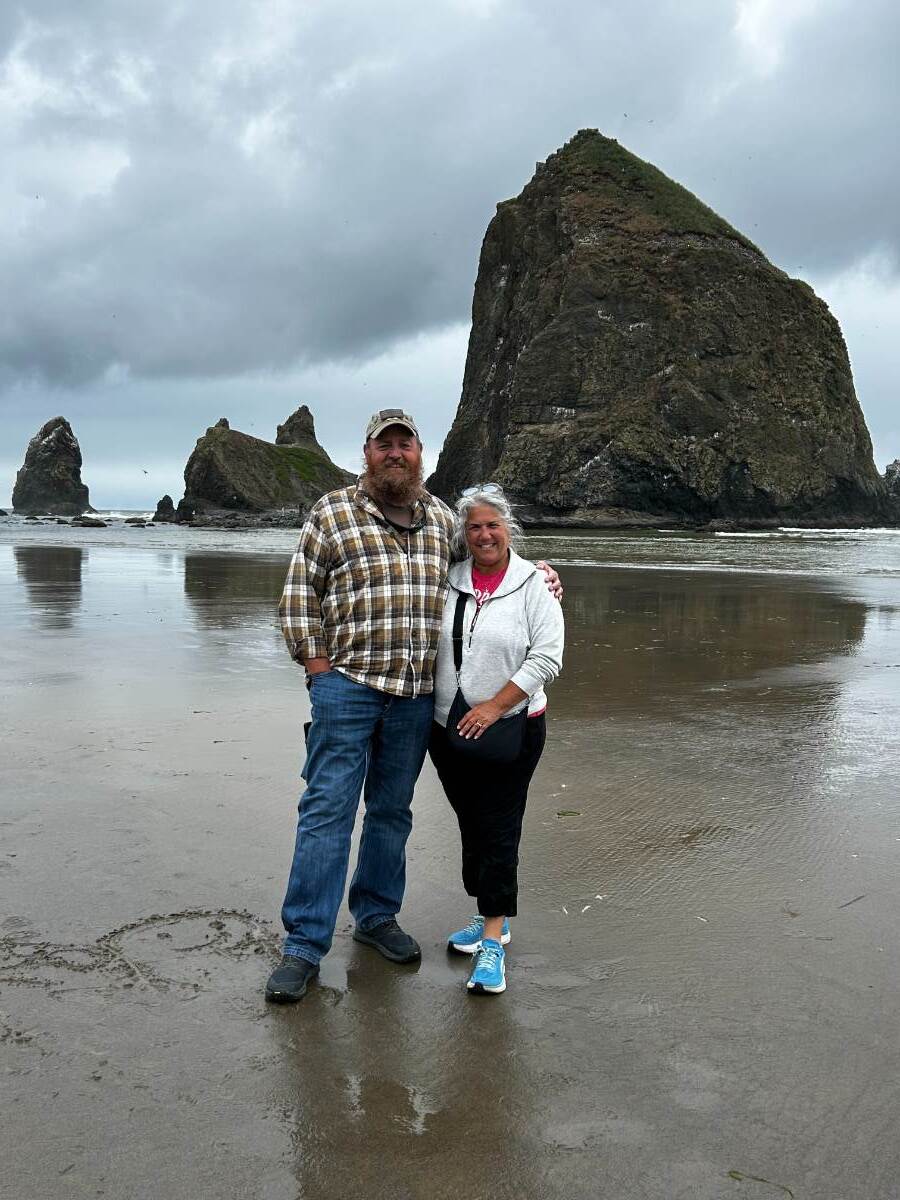
We are Alex and Kelly, the new owners (as of June '26) of Hull 1458, or as we have name it, "The Odyssey." We've been looking at Olivers for a number of years and just couldn't settle, I suspect even frustrating Jason somewhere along the line as he patiently tried to help us make up our minds a couple times. As providence would have it, Hull 1458 (which happens to be a special number for us) popped up for sale early in 2026, and we were able to work out a deal with the former owners (Art and Jill), who graciously waited for Kelly to finish teaching in May this year so we could drive cross country from Florida to Oregon, then take about three months traveling back home and taking in some amazing sites in this beautiful Country we call home (video highlights attached)... We're looking forward to the Rally at Lake Guntersville (THANKS Adam!) later this month... See you all there!! Cannon Beach, Oregon 9F255D47-6E77-4EBD-BC48-D587624552CB.mp4
7 points
-
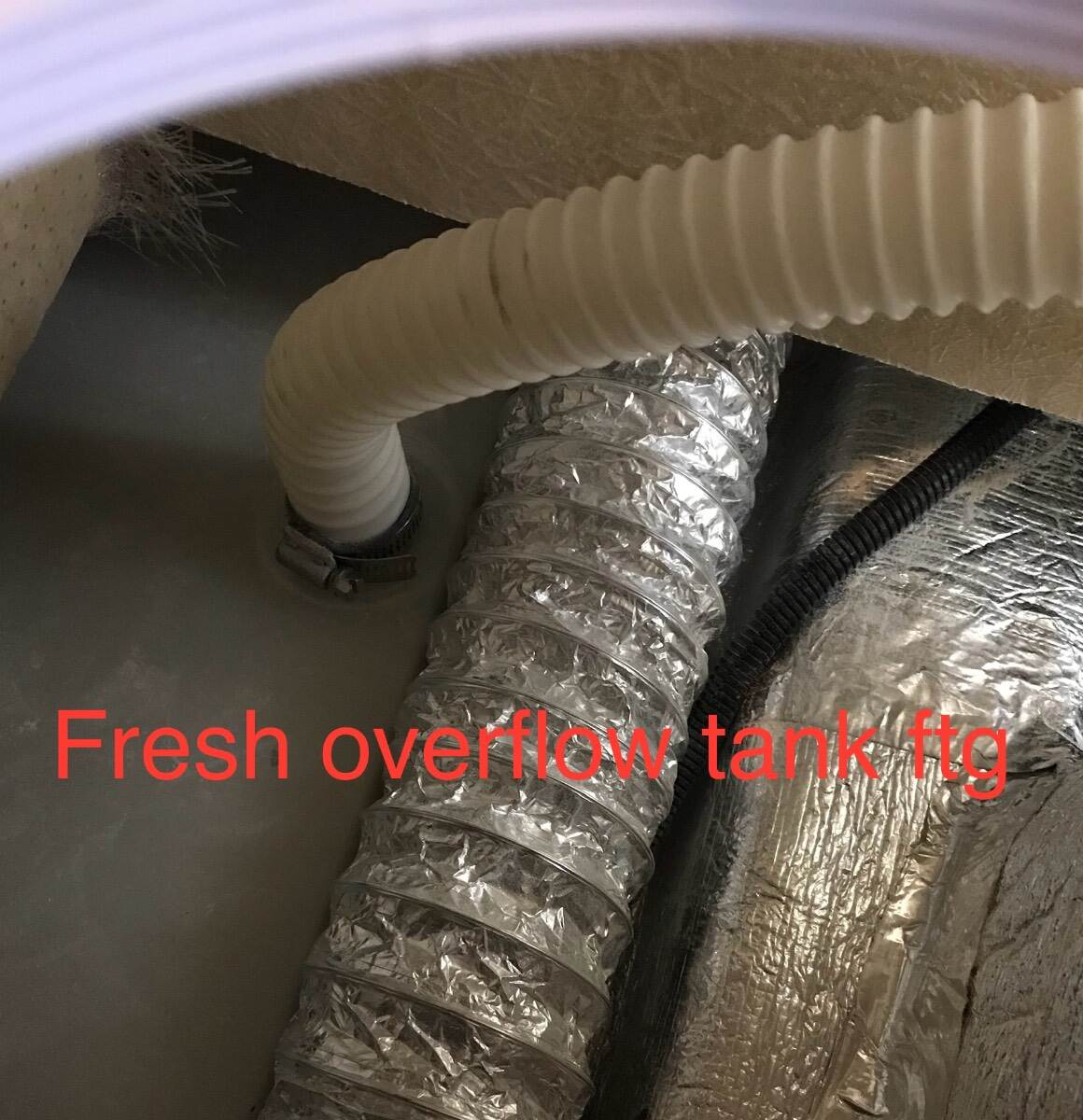
Very strange! The fresh tank expanded enough to bow the floor. It was holding pressure, for some period of time, long enough to after the fact use the kitchen faucet to release pressure. Water coming out of the overflow seems contrary to this occurrence. Overflow (must have) occurred only after enough pressure was built up to balloon the tank. 35 PSI was enough to balloon the tank but not burst the tank or tank plumbing. If the connection was 60 PSI, like our home plumbing, the tank would have expanded more and at some pressure point the tank would burst or blow off a connected fitting. Of course, this is not normal. Good news is since pressure held, the tank and plumbing should still be good, but keep your eye out for leaking. When our tank overflows, it pours out heavy, measured in GPM like the open hose! I'm always rushing to the shut-off asap, so not to waste much water. The overflow is the only way to know for sure you have a full (small) tank of precious fresh water. You could use a gallon counter at the hose. I've never trusted tank monitors, haven't used our SeeLevel display in at least 2 years. Thank you for bringing this to our attention, but personally I cannot see changing our simple fresh tank filling procedure. IMHO, your tank overflow needs repair or replacement vs. change of process for our community. Anything but waiting for tank overflow would be a once or twice weekly PITA. I would try a flexible scope up the overflow tube. Remove any screen in the path (replace with new) and debris. Is there some kind of nest up there? Our old hull has no access panels under the kitchen drawers (as Bill pictured above). Your newer hull likely does. It would be great if you can reach in and disconnect the hose clamp to the overflow! (Someday I'll likely cut a trench under both stacks of drawers to have such access and replace that awful ducting as far up as possible.) I hope you find the reason soon so that you can get back to life as usual! 😎 We'll be reading!7 points
-
Yes, for sure anything prolonged at 32 degrees is 4 season and I'm not interested. For us the 4th season is - go south young man, go south - a little farther, perhaps. Now to be clear, we have spent a few nights in freezing temps at elevation (10,000) and all was fine and toasty. As we are outdoors folks, and generally the really cold temps preclude outdoors - usually. I'll take a south Fla beach, or the Texas gulf over the snow and cold any day. Waking up at 30 degrees, in a tent in Yellowstone was great. It's better in the Ollie, trust me.7 points
-
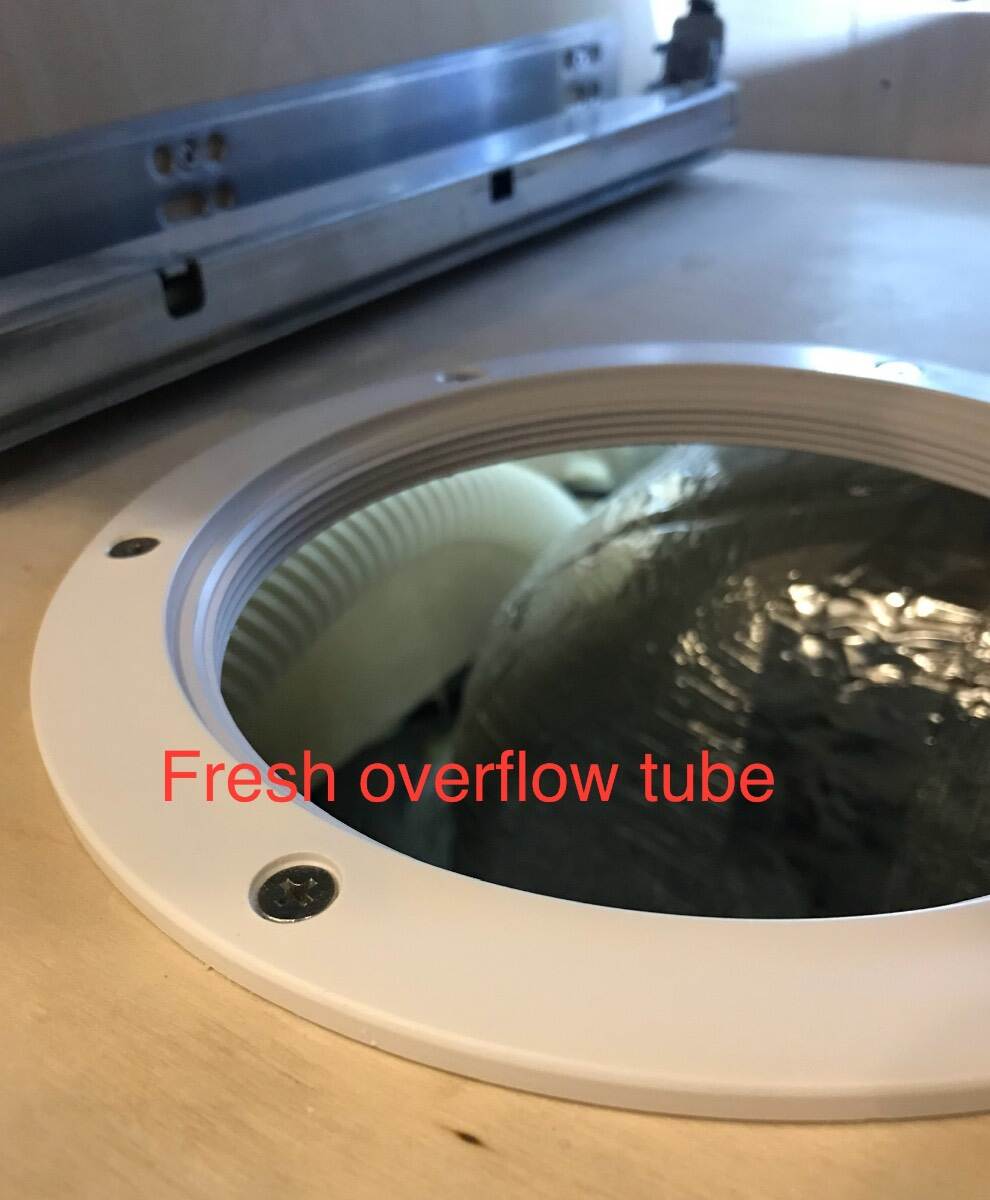
@Rivernerd Remove the drawers on the left side of the drawer stack under the kitchen sink. Look for a hatch plate in the bottom of the cavity. If you have one you should be able to remove the overflow tube to check for and remove any obstructions. The service dept cut that hole and installed the hatch in May 2018 when I suspected that the hose clamp on the through-hull fitting was loose. I have on my to-do list (still) to enlarge that opening to allow easier access to that area between the hulls. I think the factory started placing that access hatch in trailers built after that. Bill 2018 Hull 313
7 points
-
I can see OTT not wanting to facilitate private sales of used Olivers. It's not a good business model. On a personal basis, we're never buying or selling another Oliver, so who cares? I would think this is true for most of us. The Oliver is a life trailer that most of us buy once and keep in the family. What would be helpful is a classified section for unused Oliver parts. I've sold my Calmark cover, sold my bike rack, sold my original 2KW Xantrex, all just from slight mentions in my mod posts. But it took 2 years to do so and an Oliver Parts sales section would be great (not a vendor space, just for owners). I'm not using our Andersen 2 5/16" WDH or brand new Nev-R Lube hubs. See, I did it again. I want a solid aluminum front basket that somebody here took off to add a locked/covered case. If you've owned an Oliver for more than a couple of years, we all have stuff sitting on the shelf.7 points
-
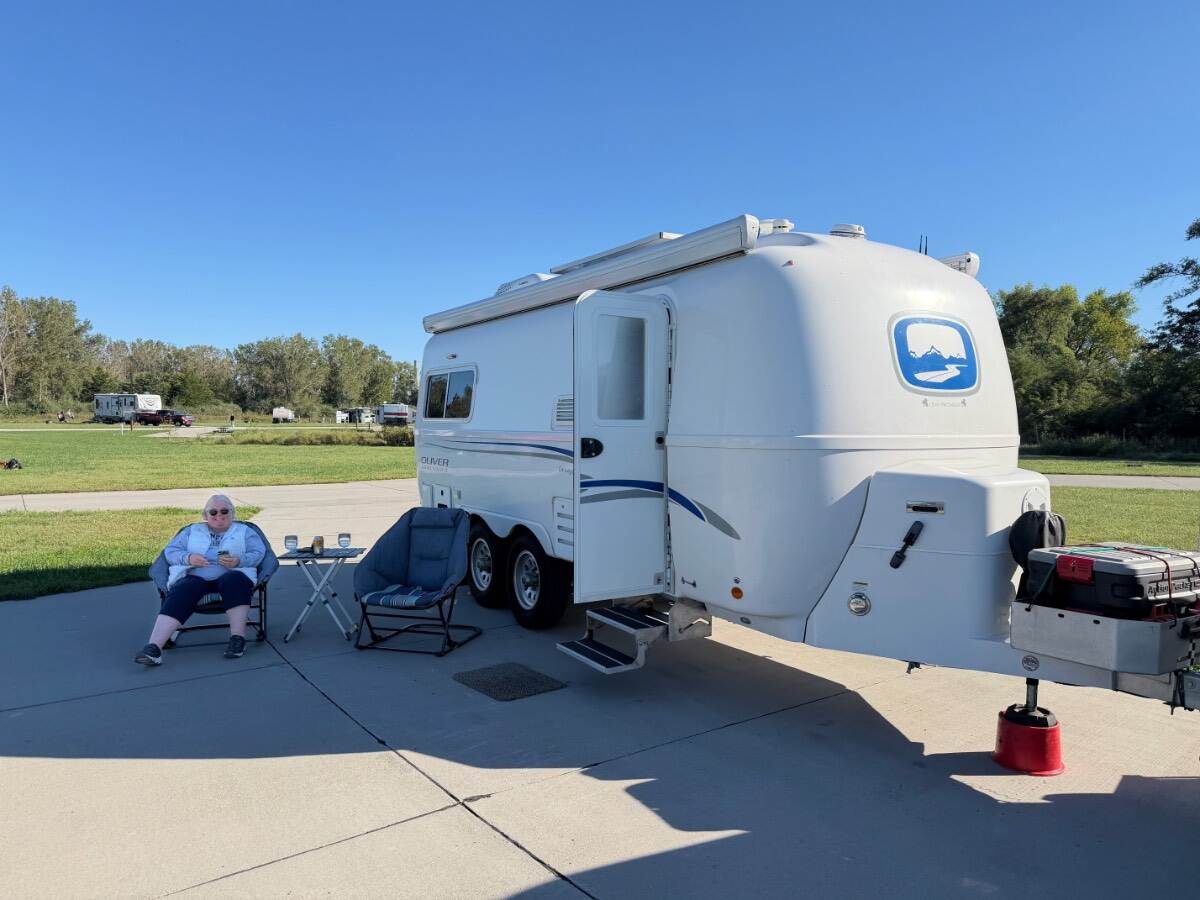
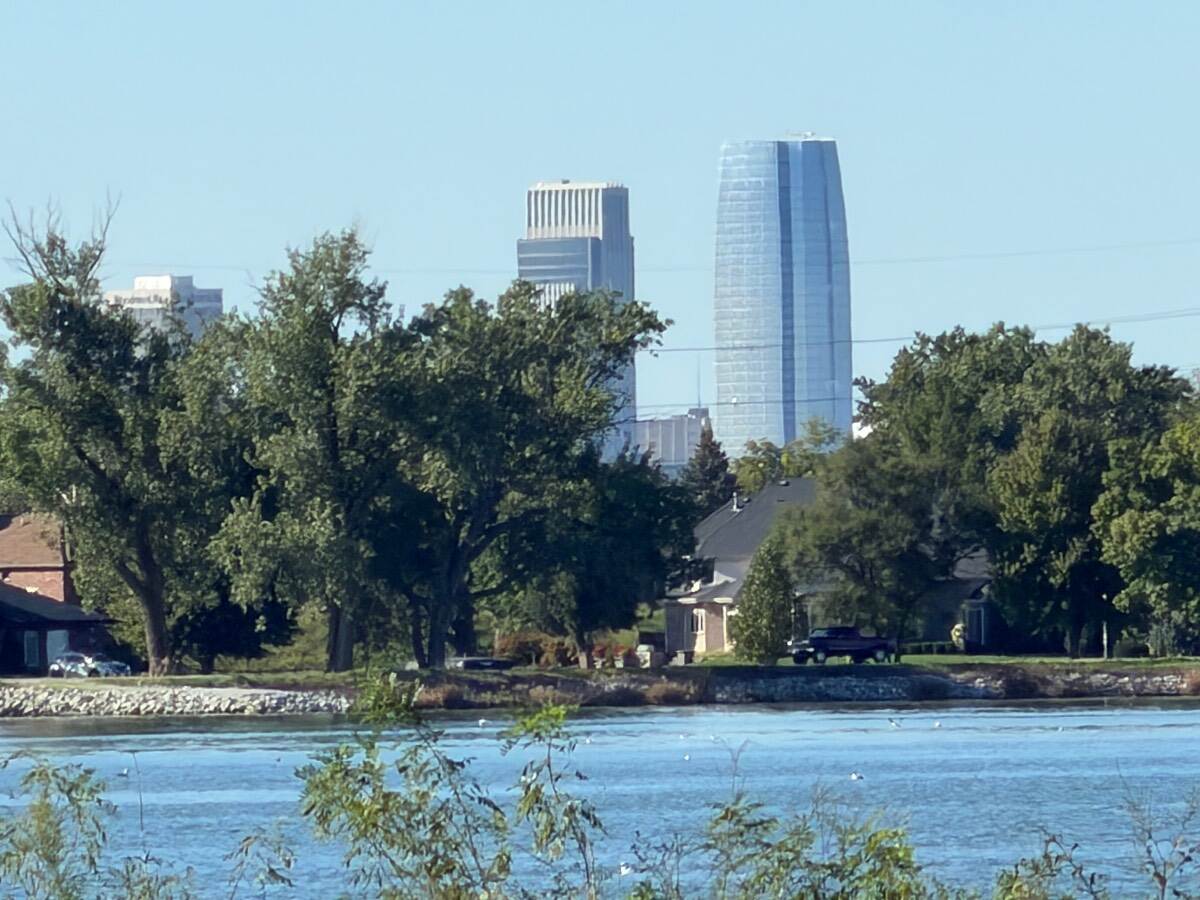
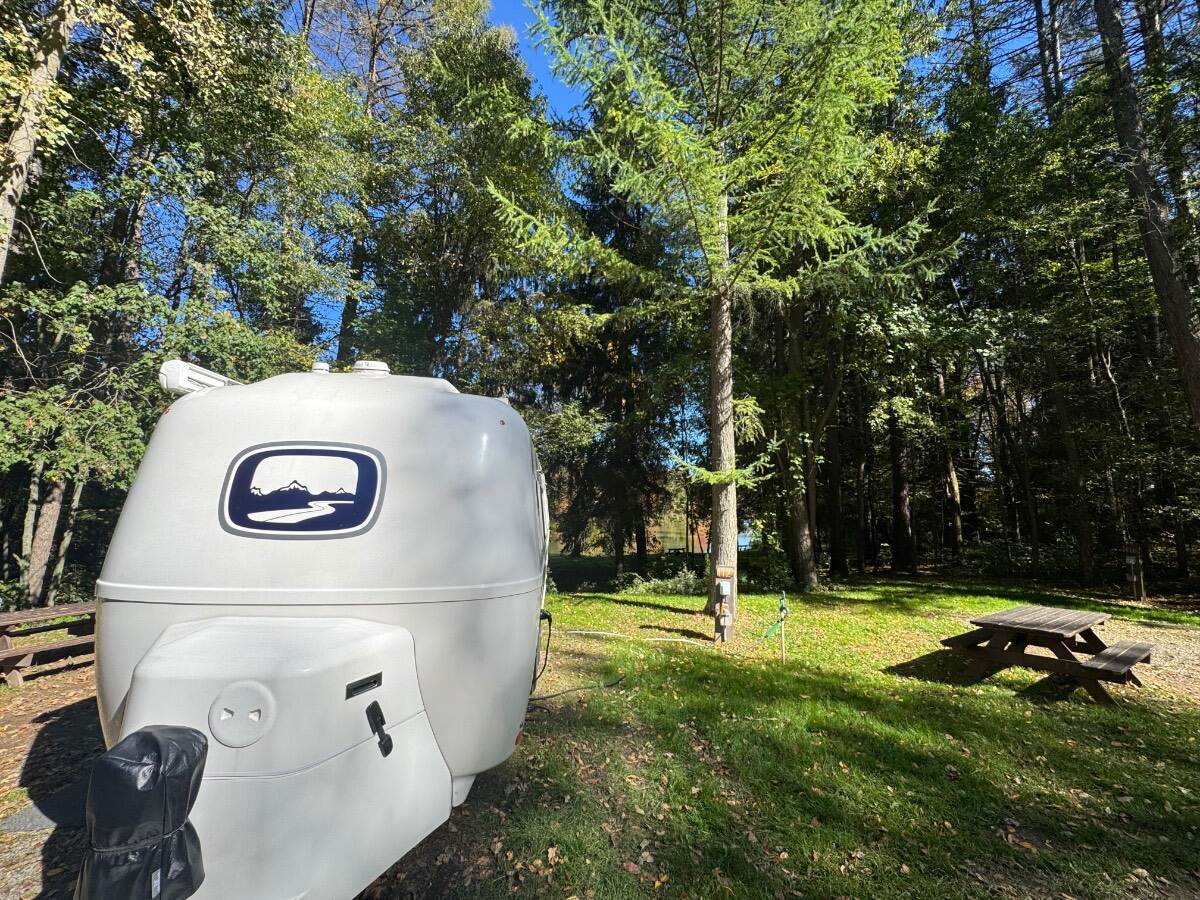
Getting closer to the rally. Lake Manawa SP in Council Bluffs Iowa. Clear view across lake to the Mutual of Omaha building.
7 points
-
Hey Everyone, Hull # 145 2016 LE2 Furrion Chill Cube A/C upgrade 10/1/2026 We finally gave the heave ho to the noisy jet engine Penguin 2 air conditioner and installed the Furrion Chill Cube with heat pump. Installation was done at Miles RV in Hendersonville NC. Performed at under two hours of shop labor and included the installation of a Lux Pro thermostat to control the LP heater. When installing the Furrion the heat and A/C will operate independently so a new thermostat will be required. For reasons unknown to me, the Dometic thermostat that used to run both will not work with just the heat. The Lux Pro works fine and shows the current temp in the display. You have to turn the fan from auto to on and the heat from off to on and then control heat with the up / down setting for temp. After that it cycles on and off normally. The Furrion A/C is controlled independently with either the remote or the buttons on the air distribution box. This concerned me quite a bit, but in talking with the shop supervisor, he said his tech guys would have no problem. And, they didn't. Why I chose the Furrion A/C: Two main reasons... 1.) NOISE and 2.) Energy use. The main difference between the Furrion and other units is how the compressor / fan combination operate. The fan is not a round propeller type, it is a cylinder. That may be one of the reasons the A/C is about 4” taller than other comparable units. Our height went from 9'8” to 9'11”.... still under 10 feet but will avoid underpass's that are less than 10-1/2' in height. The compressor is variable speed... that means instead of the compressor tuning on and off when holding temp, it will, well... vary in speed. We are planning on a 900 ah lithium upgrade in November and expect the run time on this a/c to be measured in days. JD has reported on very good run times and I expect the same type of performance. Testing so far has been plugged into a 20a outlet with moderate temperatures. The 20a outlet is not a problem because the Furrion does not require a “soft start” add on. It's soft start by design. It also has what they call a “gear” function that allows you to set the power consumption at 50%, 75%, and 100%. All tests have been done at 50%. There is quite a bit of difference in noise depending on the setting. When the fan is set to auto, and the ambient and set temp are 8-10 degrees apart, it can be loud. The fan has a turbo mode and when that kicks in it's up about 65+ db. However, when you set the fan to low and the ambient-set difference is 4-5 degrees it is whisper quiet at about 52db. Very easy to hold a conversation. We were in the trailer with low fan and the A/C dropped the temp 5 degrees in about a half hour. All in all, I expect that it will be noisy when first turned on and trying to cool down the trailer from high temps to reasonable ones. Then when holding that reasonable temp it will be very quiet. Oh... and HEAT... I set the heat on 85 degrees with the ambient temp at 70. The unit took a short while to start, but when it did, the noise was very low at 51db and the air coming from the vents was nice and warm. The gear function does not work when heat is selected, so I did not leave it on very long. I have carried a ceramic cube heater and a Buddy Jr. heater when camping in cold temps as back up in case there was a problem with the heat. After the battery upgrade, I don't think I will need to do that any longer. There are some other nice features. There is a timer that can be set to either turn the unit ON or OFF. Nice if you are arriving back at camp after a hot day exploring or to set to turn on an hour or so before you arrive at your campsite. Our "Flying Sea Turtle" turned 10 years of age (notice I did not use the word "old") this summer and once we have the lithium upgrade done we will be set up for the next ten. Thanks again to John for his extensive testing and reporting on this unit. Furrion owes a commission on my unit. All for now... Happy Camping, Scotty
7 points
-
We've been camping at Stone Mountain State Park NC. The weather was fantastic allowing great views on the Blue Ridge Parkway and we got plenty of hiking in at Doughton Park on the BRP. There was also a Carolina Casita Rally happening here too, we met many nice fellow fiberglass RVers. Woolly Worm Weather Outlook: https://www.thoughtco.com/woolly-bears-and-winter-outlook-34445227 points
-
Roche Rouge Campground, Killarney ON
7 points
-
Craig, I would caution you about using paint to touch up your Oliver. Paint and Gelcoat are two entirely different coatings. I would suggest a quick google search or a visit to some boating forums to learn about the process of repairing damaged gelcoat. You didn't specify your issues, but if they are rock dings and such, I would not paint them. Paint will not age well, doesn't have the build of gelcoat, and cannot be polished with the rest of the trailer when that time comes (and it will). You will need to apply your 2 part gelcoat (it can be tinted and is a catalyzed product) to a properly prepared surface. Overfill slightly, wet sand flush, then polish out. Yes, it's a lot more labor than spraying on a coat of paint, but will give you far superior and much longer lasting results. My 2 cents. Dave7 points
-
Could someone attending the upcoming 2026 Oliver Rally ask the Oliver folks: Now that Oliver is back to only selling from their facilities in TN (no retail RV companies), can the Classified section be reopened on the forum to allow used Oliver's to be advertised there,6 points
-
Almost as bad as having a catastrophic blowout in the middle lanes of six on an interstate at 60mph. Use your own judgement. Your mileage may vary...6 points
-
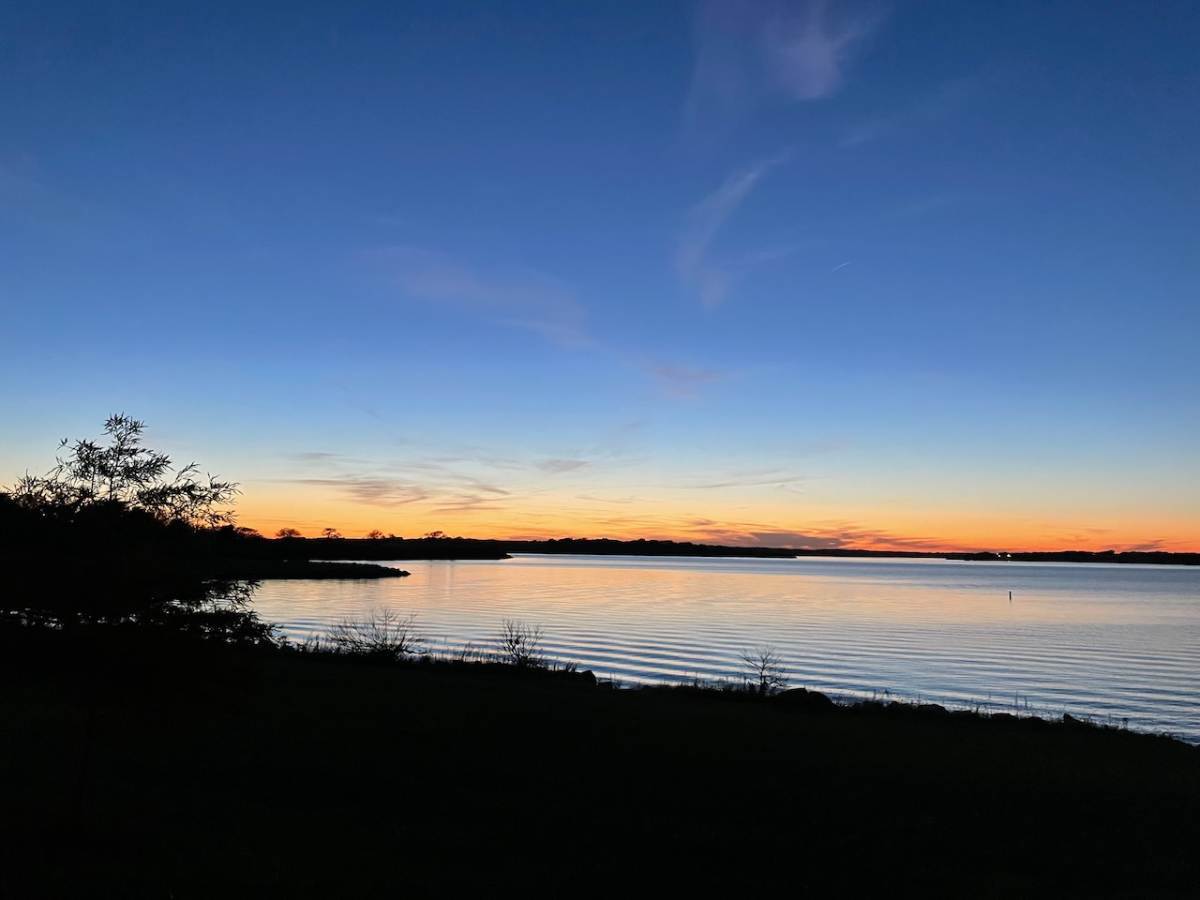
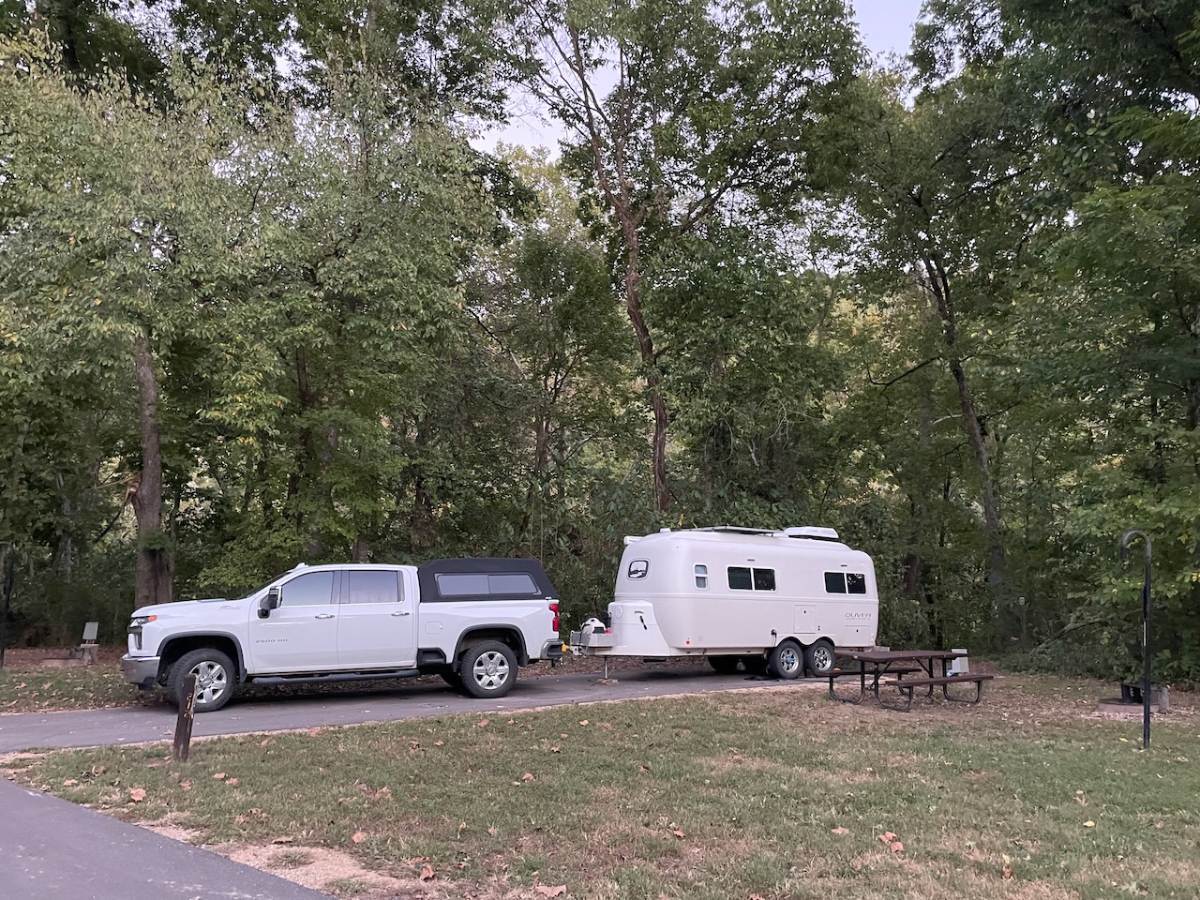
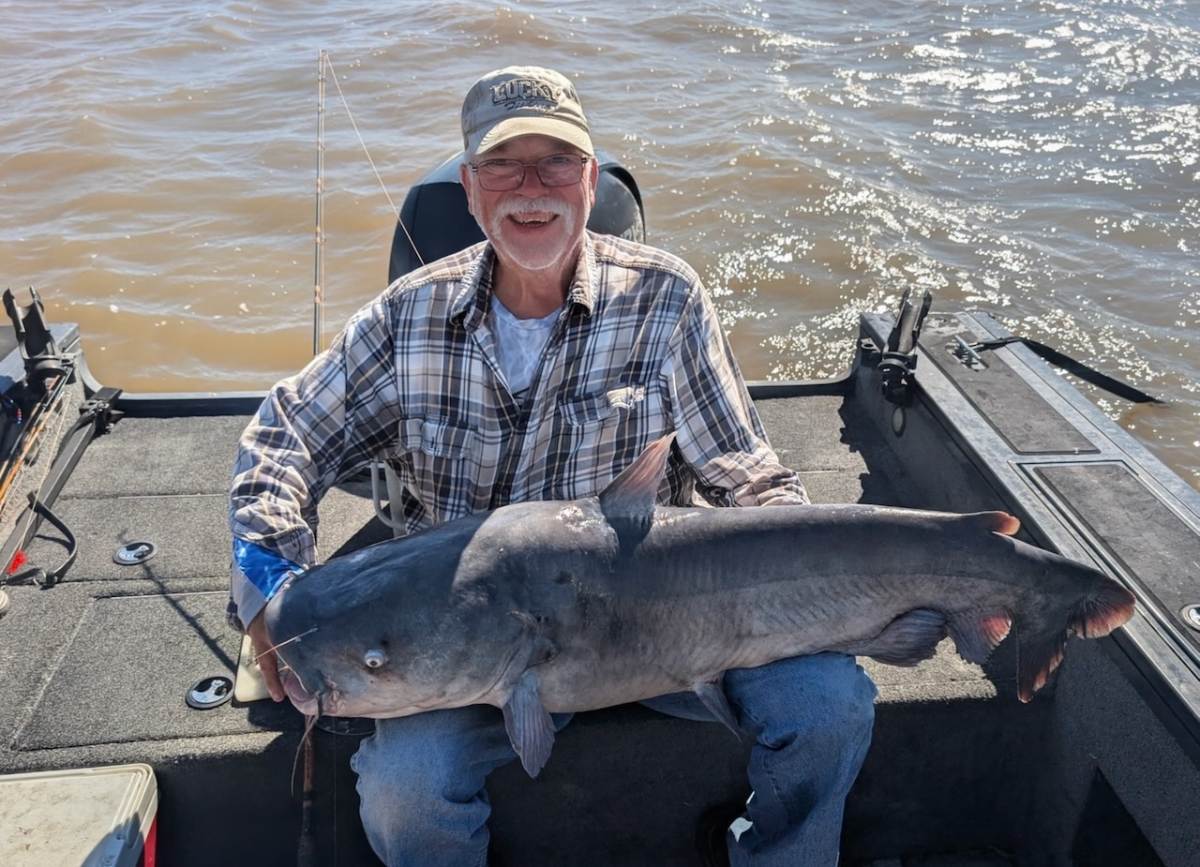
I have been making my way east towards the rally, and visiting a few lakeside and riverside campgrounds. West Rolling Hills campground on Milford Lake, view from my campsite in Loop A West Rolling Hills is an Army Corp of Engineers cg located alongside Milford Lake, Milford SP, Milford Wildlife Area, Fish Hatchery, Nature Center.... https://www.recreation.gov/camping/campgrounds/233608 Milford Lake is huge (I think over 15,000 acres) fed by the Republican River. Lots of fishermen, and I saw photo evidence from the camp host of a massive 54 pound catfish he caught the day I arrived. I didn't use any services there, but will attest to the friendliness of the host and other campers, and the clean conditions everywhere around the lake. A beautiful campsite. Sunset from the Prairie Meadow campground in Elk City State Park Elk City SP is west of Independence Kansas. This was a late arrival and early departure for me, but I enjoyed this sunset when I went walking after setting up. The campground overlooks Elk City Lake. There were lots of birds, including Barred Owls and Screech Owls near the campsite! The Current River is lined with vegetation, but walking trails provide direct access from some campsites in Big Spring cg Big Spring Campground in Ozark National Wild & Scenic River is also very pleasant. I've camped there a couple of times. It's a bit of a thrill (rollercoaster) driving to the campground along a narrow winding rolling road, but the campground and the river are beautiful. They have separate buildings for hot and cold showers, and offer other amenities. sunset from my campsite in Eureka Campground, Kuttawa KY Eureka Campground in Kuttawa KY is along the Cumberland River, overlooking The Land Between The Lakes. This is another ACOE campground, and another great location for fishing. The sites are mostly spacious with picnic tables and separate fish-cleaning tables at the site, fire pits and direct lake access from the campsite. There are tons of things to see and do near Land Between the Lakes. I plan to come back to this area. Oh! And about that 54 pound fish.... here's the camp host Tony with his catch at West Rolling Hills cg in Junction City KS
6 points
-
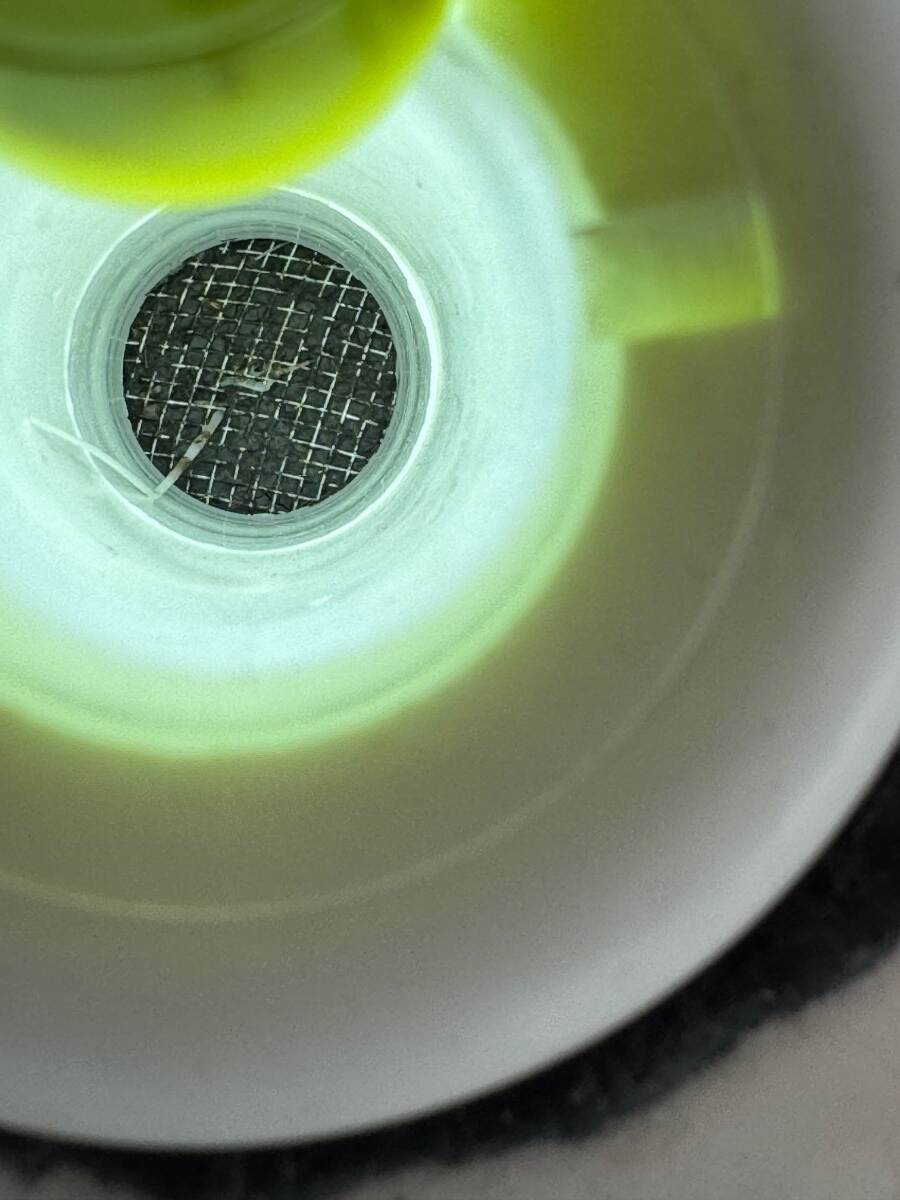
Well I just crawled under there to get a better understanding of the drain port. Ours is in the form of a plastic flanged bulkhead fitting that appears to extend about four inches up through the bottom hull just off the aft corner of the fridge compartment. It’s ID is about 3/4 inch and upon shining a light up inside, there is a fine mesh screen at the upper end and it appears to have a black fiberish filter material on top of the screen. There’s board dividing the fridge compartment from the galley drawer space, so no access to the drain from the outside fridge access panel. My guess is the mesh and what appears to be a filter material are there to prevent anything from getting into the freshwater tank through the drain. But this also would restrict the flow of water during the filling process. Sounds like there’s a few questions for Oliver service to better understand the principle of design and of course what to do if this filter/mesh becomes clogged over time.
6 points
-
Edit: @Steve and MA was quicker on the keyboard than me but I will leave additional thoughts below. I've always monitored the fresh overflow and fill rate closely when filling and flushing the fresh tank. I make sure my fill rate is very slow as the overflow is nowhere near large enough to accommodate a high fill rate. As soon as water starts sputtering out the overflow I shut the supply off. If I want to flush the system for and extended period, I reduce the flow to a fast trickle and monitor while working around the trailer. The holding tanks are not pressure rated, and even at a relatively low supply pressure such as 25psi, a fill rate say 10% faster than the overflow rate would slowly "inflate" the holding tank. It all depends on the overflow capacity to keep up the the fill rate. A strong stream at the overflow in my mind indicates a pressurized system and needs to be shut down immediately. Related to jd's comment above, I just happened to purchase a smart phone borescope earlier this morning on Amazon for other reasons, but realize it will be perfect for inspecting various concealed and hard to reach spaces on the Oliver. This may be just the tool for @Rivernerd to purchase for his evaluation, and keep onboard for future inspection needs. https://a.co/d/00rWQwkn6 points
-
Reading through this thread, something that hasn't been mentioned as a possible cause is the flow rate of the water filling the tank. Though a water pressure regulator will inherently slow the water flow due to its restrictive internal passages, it's meant to restrict pressure (PSI) not rate (GPM). If water can enter the tank faster than the overflow tube can purge the excess, then the flexible plastic tank would have to expand until it had enough back pressure for the regulator to stop the flow. The point being that a regulator may be of little benefit when filling the fresh tank.6 points
-
Here's a 2022 thread about Oliver changing to Goodyear Endurance ST tires:6 points
-
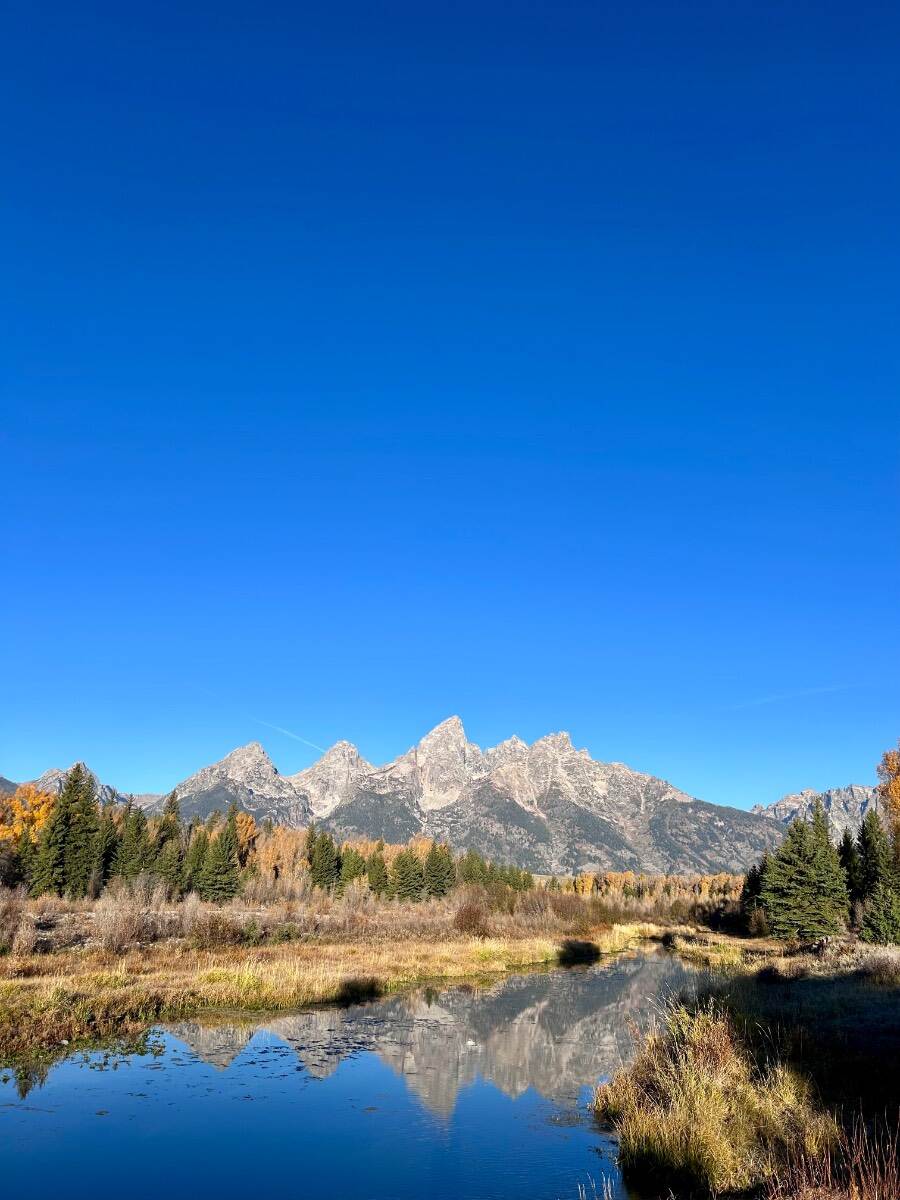
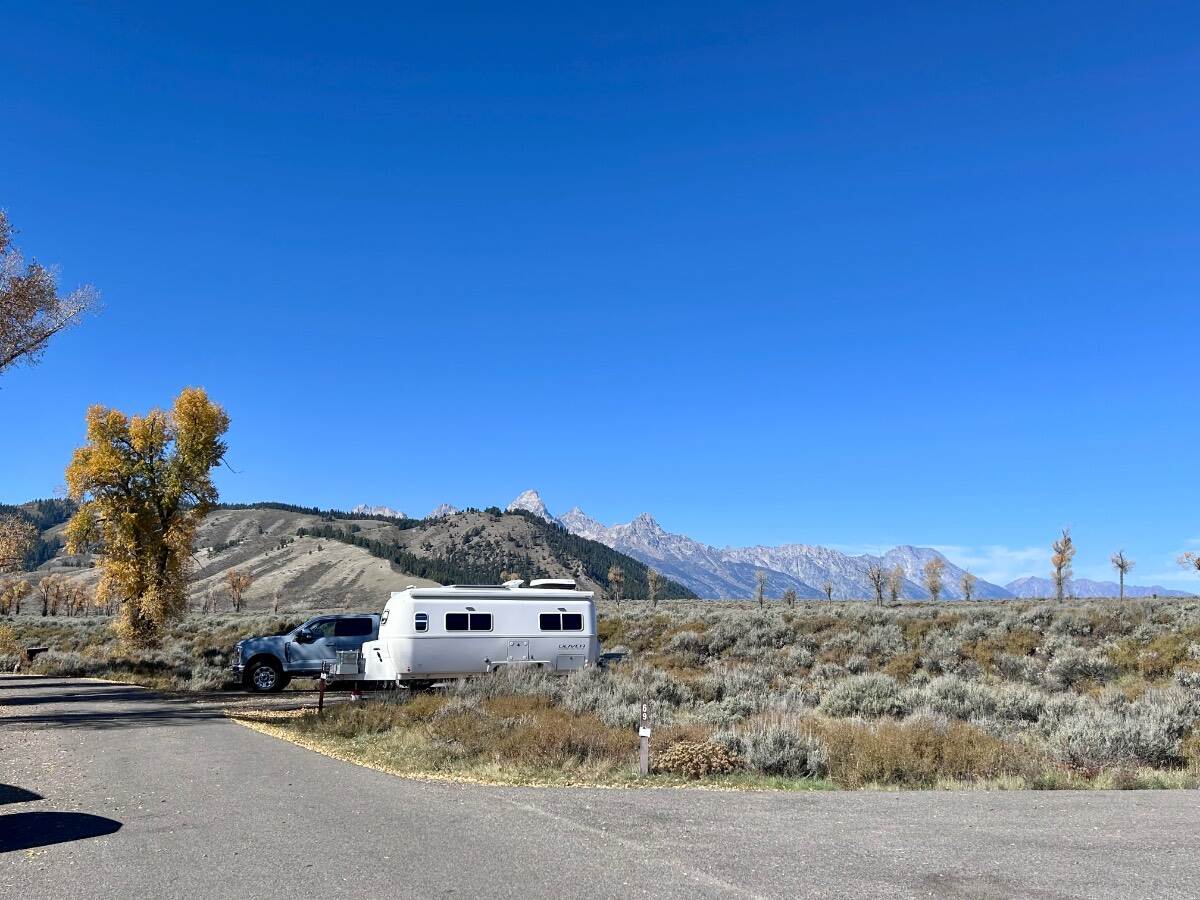
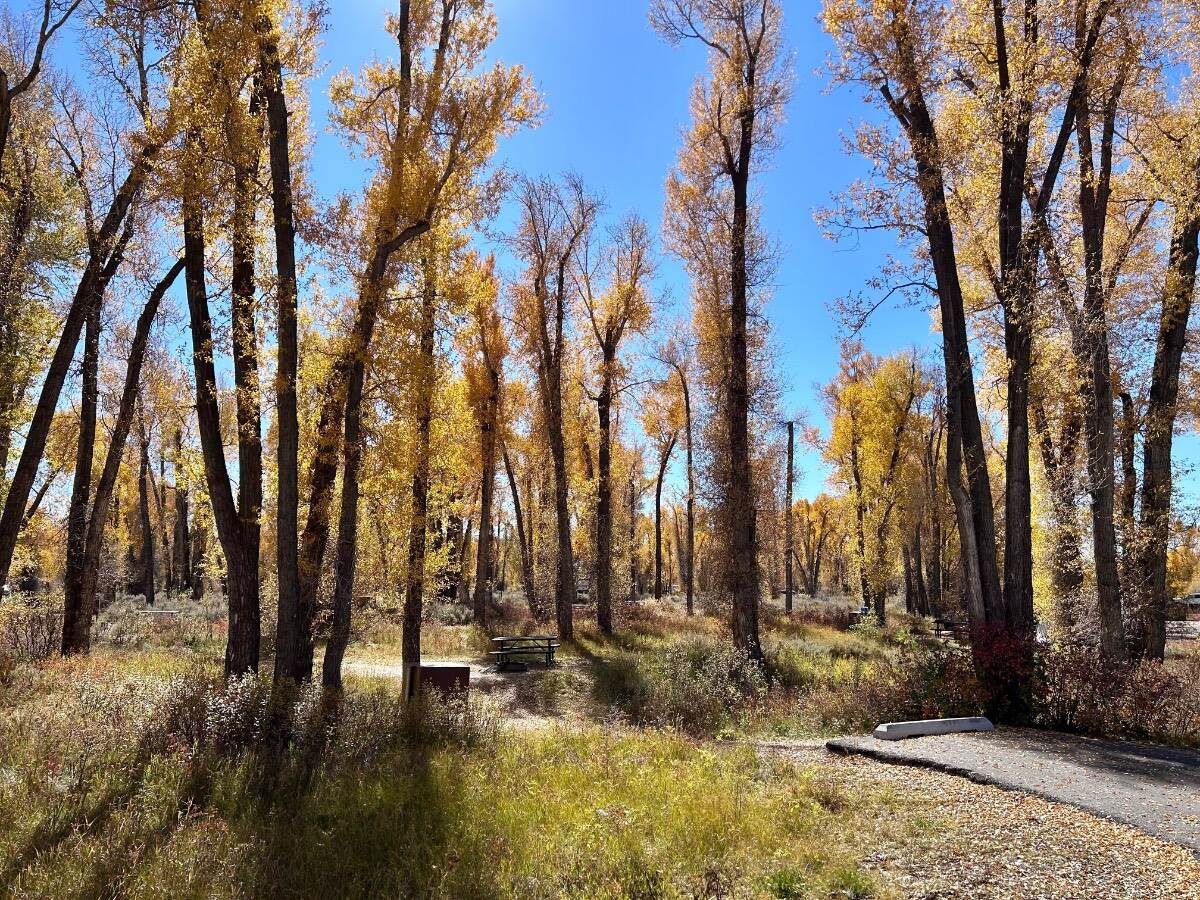
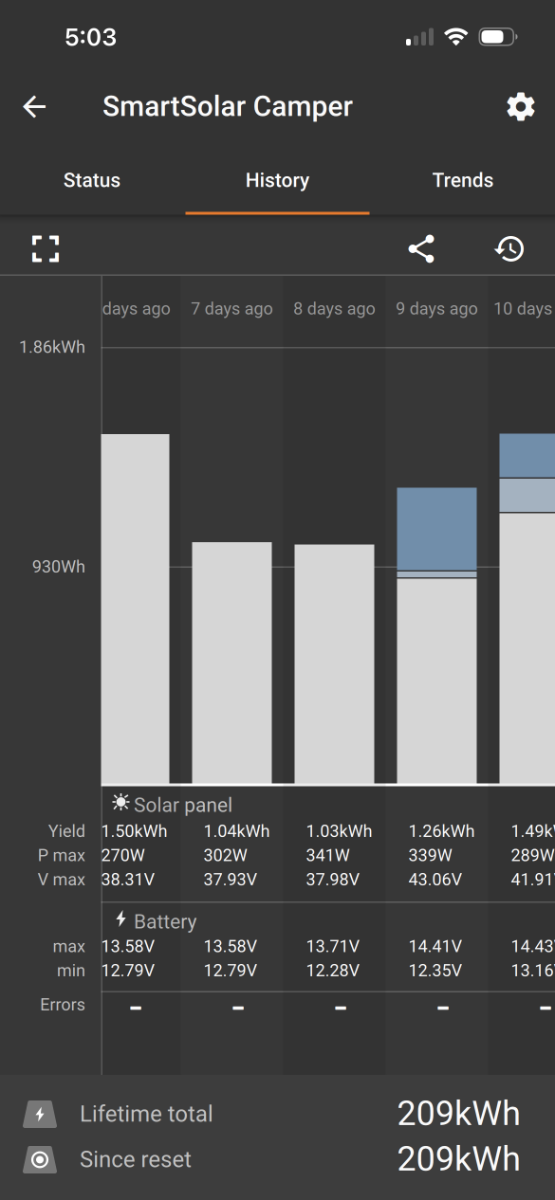
Wrapping up a week in Grand Tetons. Gros Venture is the campground and the fall colors, even though we were a little late, delivered! Also, thought I would post some solar number as some of these days it was really pulling in some good numbers hitting almost 350w out of a 400w panels one day. Another 6 days discounted, running invert most the day with Starlink and laptop and even some small microwave use. Batteries are sitting at 70% still.
6 points
-
Letchworth Valley Campground, NY
6 points
-
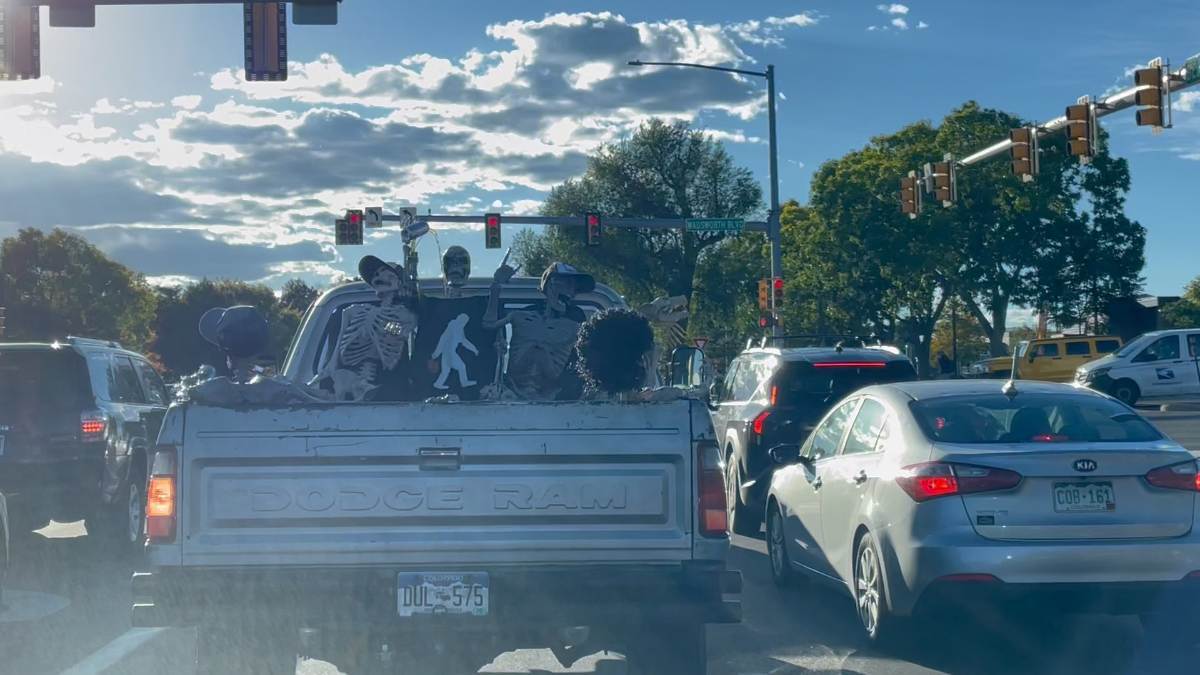
This morning I hit the road east-bound... it's a sad day as I turn around after many weeks of joy in my Oliver. I'm looking forward to seeing many fellow Oliver owners in Alabama. Bon voyage to all who are Rally-bound! as seen on my way to dinner with family last night in Colorado....
6 points
-
When we first joined the forum and had not yet decided to splurge for a new trailer, the used forum was very helpful. Not only did we see that there was relatively low owner turnover, but also that almost any trailer being sold was due to the owner’s age and/or health problems. Not customer dissatisfaction. That’s built in advertising right there. Plus, you could look at the owner’s previous posts to see in they made modifications, had problems, or complained about quality or customer service. I think having the forum benefitted the seller, the potential buyer, and Oliver’s reputation.6 points
-
I can tell you that this subject has already been discussed with some of the senior folks at Oliver. The reaction by Oliver has been "mixed" - but - in the final analysis there really is only one person who can make the Classified Section reappear. I'm sure that if a fairly good number of current owners would make it known to the powers that be (email, snail mail and/or personal requests at the Rally) the odds of getting it back would be greatly improved. Bill6 points
-
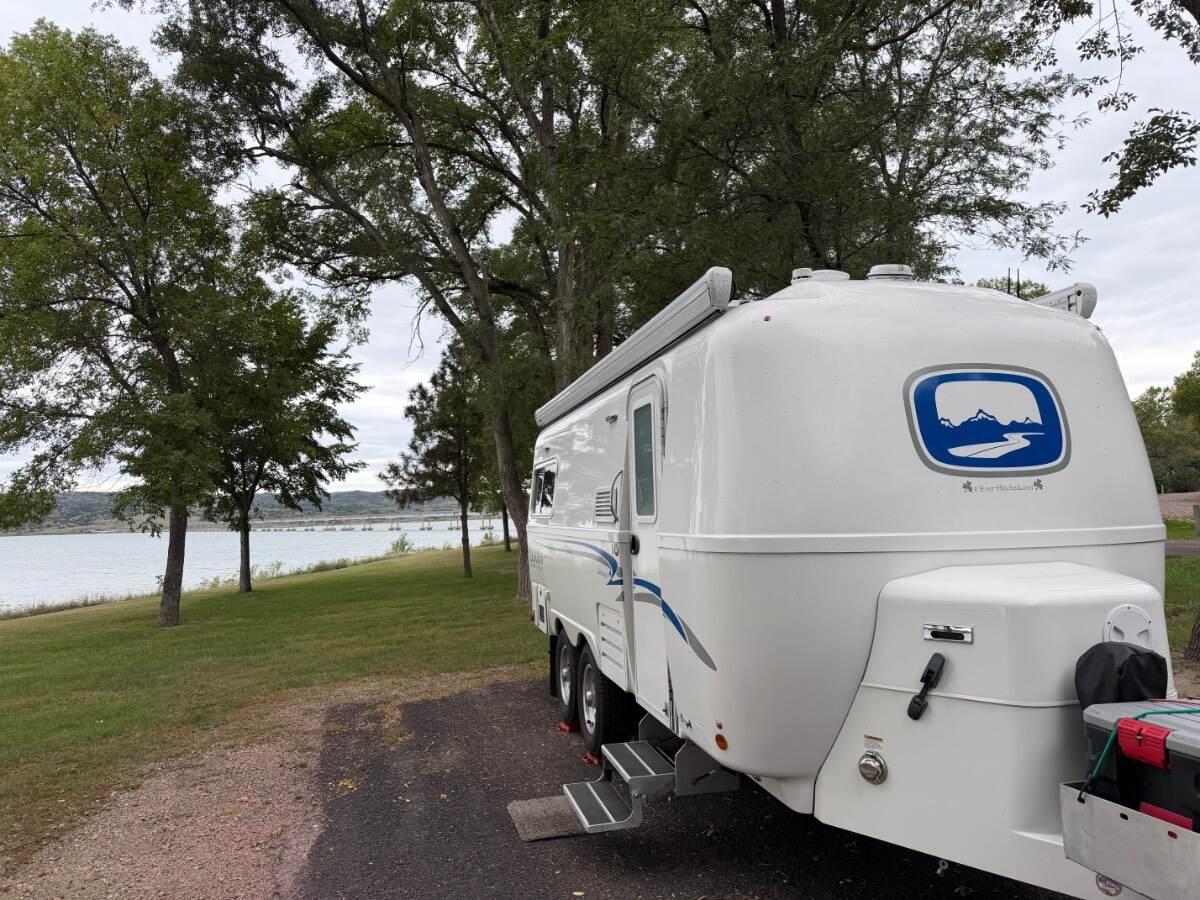
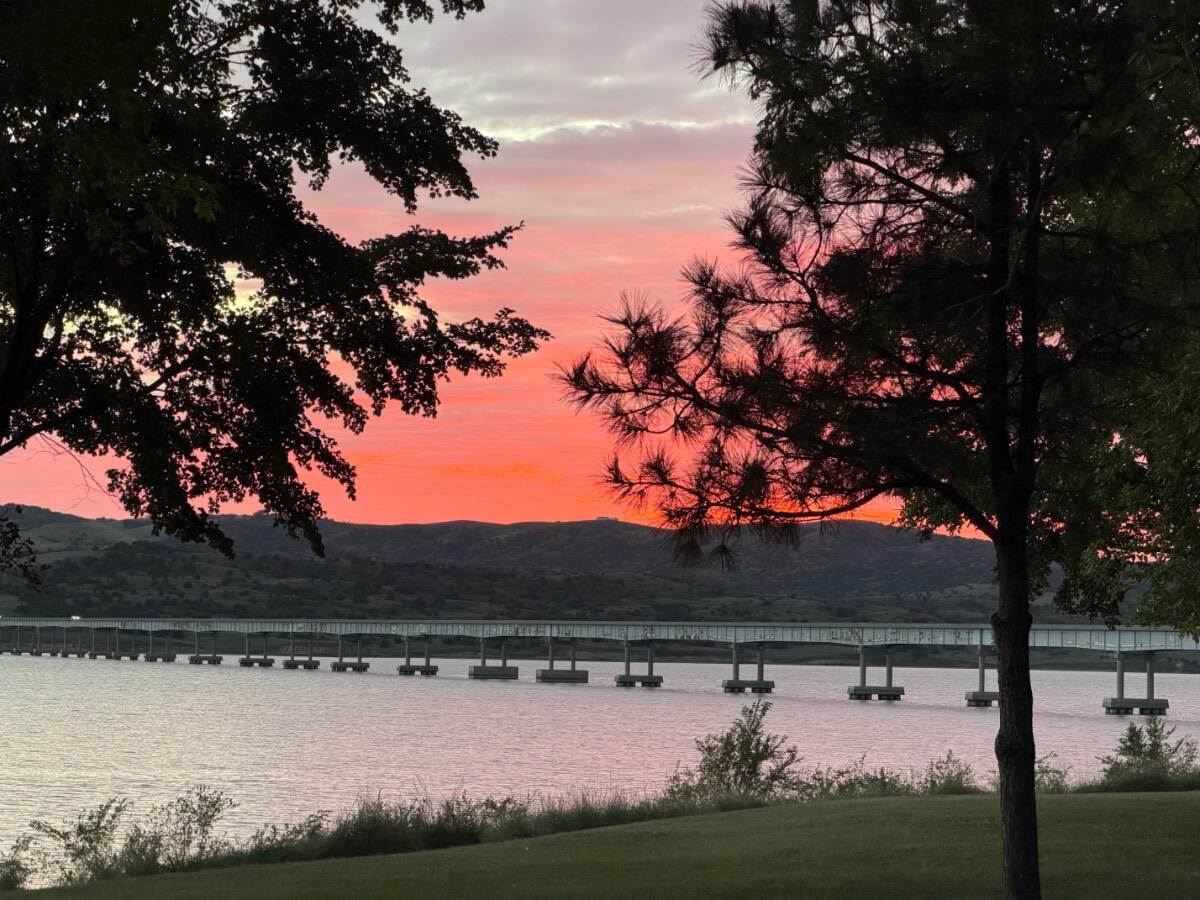
Snake Credk Recreation Area in SD on Missouri River. Site 21E on side of lake is Electric only but great view.
6 points
-
I too made the migration from a 1/2 ton truck to 3/4 ton for the reasons of more power and payload. What's the saying, "Buy the right tool once, buy the wrong tool twice". The Oliver is very obedient behind anything (within reason) you tow with. You just might be finding that you want more. However, I may be the contrarian when it comes to hating on the Anderson hitch. It made hooking up easier. I would place the ball about two inches behind the bulldog coupler, attach the whale tale (with chains attached) then lower the coupler onto the ball. Pull forward and the chains would pull the ball and coupler into alignment and the ball would drop in with a reassuring clunk. These days without the Anderson, I seem to spend much more time maneuvering the ball under the coupler to get it to drop in. And I have a camera looking right down on it! 🫤6 points
-
DBL-R, I also have an early model LE I (2008 - #14) with the same plumbing configuration up front and for years, I dealt with the potential back flow of grey water into the shower pan if the handle for the valve on the back wall of the shower was not adequately closed before travel and the spring actuated foot valve was open. Then, many years ago, a good friend, Larry Gamble, of Little House Customs, fixed the issue by installing a HEPvO valve and magically solved the back slosh issue. The HepvO valve is a one way valve which closes like a duck bill and prevents the grey water from backing up into the shower during nose down or deceleration while braking. Now that handle on the shower wall is always in the out position, allowing water to drain from the pan into the tank and the HEPvO precludes it from making the return trip. I've removed the foot actuated drain plug and replaced it with a small sink screen to catch any small items and prevent them from gumming up the HEPvO valve. Larry said the clearance to install the HEPvO was very tight, but with his skill he managed to get it done anyway. He's retired now making music instead of bending wrenches, but there should be some skilled RV mechanic you can find to make the same modification on your trailer. Good Luck, Pete6 points
-
We have towed Ollie (LE2) with 5 different tow vehicles. Found a new 2024 F-350 6.8L (gas) on the lot last summer (2025) and got a super deal on it, lower price compared to many 1/2 ton pickups with an old school normally aspirated gas engine. No weight distribution hitch to worry about and no worry about running out of payload capacity when loading for trips with Ollie connected. Olivers are known for how stable they are when towing, but with the longer wheel base of our Heavy Duty pickup our rig is extremely stable. I used to modify 1/2 ton pickups rear suspension to get rid of rear end sag with either airbags or Timbren systems, not needed with our current rig. Installed a Diamond back bed cover, but we have enough payload capacity to install a fiberglass shell if we chose one, a little over 4,000lbs payload. Heavy Duty pickup trucks have heavy duty brake systems and heavy duty cooling systems for towing in the mountains, too. Best Regards, Bill6 points
-
Our owners are the most important part of the Oliver Travel Trailers brand. The experiences you have, the places you visit, and the ways you make your Oliver your own show what this community is really about. We’re inviting owners to share photographs, videos, travel stories, helpful ideas, and memorable moments with the Oliver marketing team. This content may help us tell the Oliver story through social media, our website, email, video, and other marketing projects. We are also developing a new Oliver Magazine. As owner content is collected, we will identify stories and photographs that may be a strong fit for the magazine and work directly with those contributors to develop the material for publication. You do not need to be a professional writer, photographer, or videographer. You also do not need to submit a completed article. A contribution can begin with a few photographs, informal notes, a video, or a simple idea. I’ll help review and curate the material so we can find the best way to tell your story. We’re especially interested in: Memorable trips and destinations Why you chose an Oliver Traveling with pets Campsite cooking and outdoor living Interior decorating and organization Boondocking and four-season travel Hiking, kayaking, fishing, cycling, and other hobbies Lessons learned over years and thousands of miles Gear you rely on and what you have learned to leave behind A favorite photograph and the story behind it Everyday moments that capture what Oliver ownership means to you Not every submission will appear in the magazine, but each one helps us better understand and represent the Oliver community. We will work directly with contributors and confirm the intended use before publishing their material. To share your story or idea, email Media@olivertraveltrailers.com. Please include a short description of your submission and the best way to contact you. If your photographs or videos are too large to email, let us know and we can provide an upload folder. Thank you for helping us tell the Oliver story through the people who live it.6 points
-
Looks like they are opening a new state park in Hohenwald, Dry Branch State Park. Not open yet, info at the link below. Mike Dry Branch State Park6 points
-
About two weeks ago my wife reported to me that her cloths dryer was not working. After a quick inspection I called an appliance repairman who explained that there was a short in the heating elements and/or an internal relay - neither of these parts were available for a repair. So, off to Lowe's we went and spent $2,000 on a new washer and dryer (had to get the pair due to them being "stacked" in the laundry room. A few days later once again my wife got my attention by saying that once again the "new" dryer was doing the very same thing that the old "broken" dryer did! This time I suspected that the circuit breaker was faulty, so, I removed the cover panel from our sub-panel "A" and inspected the breaker and wiring closely. Yep - one of the wires entering the circuit breaker for the dryer was loose. Odd that none of the other wires were loose and that the loose wire showed virtually no signs of heat. But, a five minute "fix" was all it took to solve the problem. However, obviously, it was too late to get the old dryer back let alone the $2,000. What are the odds that your battery cable was loose? What are the odds that a single wire into a breaker was loose? At least yours didn't cost you $2,000.😵💫 Bill5 points
-
Having experienced a catastrophic blowout on a different trailer, I don't mess around with tires. Tire pressure monitor and replace trailer tires every 5 years, regardless of mileage. The problem with trailer tires is the lack of use. Flexing the rubber is actually good for it, so when a trailer sits, the rubber deteriorates faster. Worse, the problem can be on the inside of the tire, even if the outside looks fine. It's shocking how much damage a tire carcass can do to a trailer when it sheds at 65 MPH.5 points
-
In addition to the Oliver regional rallies, there are also fiberglass rallies with more and more Olivers in attendance. Here in Ohio, the Casitas of Ohio put on a spring kick-off fiberglass rally and a fall rally. This past spring there were five Oliver’s in attendance out of maybe 20-25 total trailers. The Florida Eggs n S’mores fiberglass rally in January had at least a dozen Oliver’s. Hungry Mother fiberglass rally in Western Virginia had five Olivers. And there are similar rallies all over the country.5 points
-
As I read through the replies my memory fades back to several tire foibles of the past. The Michelin's on my 2004 truck had similar bulges. and yet I got 45k out of them, my newer 2018, had one with a "dip" in it, and had no problems. The real issue for me has usually been nails, bolts, or some such road trash trespassing into my tire causing ruin and destruction - a flat. I had great experience with the rubber on my former Ollie, no problems. Ran tire monitors, which actually resulted in more stress overall - "why is that left rear hotter than the left front, oh look, the left front is 2 psi diff, and on". I know they are good for sudden blow out, otherwise, well, not so for me. I don't recall what brand or size is on the 2027 LEII and I'm sure it will be just fine until that screwdriver jettisoned from the electrician's truck bed finds its way into the right front tire sidewall, ending the short life of a full tread left tire. My luck in a nutshell.5 points
-
Thanks for the input. And yes diesel would be nice, but I can't justify the cost of ownership when towing a trailer this size5 points
-
This will be fourth truck. Had a Ranger, Ridgeline and Tacoma. Towed a Casita with the Rideline. I'm ready for some overkill at this point5 points
-
Headed back to our campsite at Wilderness State Park, MI, near Mackinac City, MI and passed an Oliver headed out of the park. No front decal and black AC cover. Waved, just couldn't get the window down to make a fool of my self🤣5 points
-
You'll probably get a lot of different opinions on this but here is my current take having used F150's for all the years I have towed an Oliver. I used to jack up the back tires about 5 psi more, then did the front tires also at the same psi. Over time it became obvious the center tread was wearing faster than the outside so I just went back to the what the door label stated. Unless you are really maxing out your load this is what I would recommend too. However this can change depending upon the tires you have installed. For instance if you were to install a set of LT Tires rather than the passenger tires that came on the vehicle PSI goes up substantially and ride quality plummets substantially too as well as fuel economy. I can attest to this having done it on my previous F150, big regret on that one. Stock half ton trucks/SUV's simply do not have the frame nor suspension to properly accommodate a set of LT tires IMHO. Aside from gas mileage you also need to take into account whether or not the full tread is planted equally on the payment not only for handling but also breaking. An over inflated tire might NOT be properly planted on the road. You could also use the chalk method of to determine the correct PSI, but would be willing to be dollars to donuts the result would be just about identical to the door label. Hope this helps5 points
-
The above posts are all good advice. For us, it's all about payload. We are not minimalist and love to bring our toys such as kayaks, propane grill and don't like using a weight distribution hitch. We tow with an F250 short box ( pay load of about 2000lbs) . We love the truck but run at the top of the trucks capacity. If given a choice today, we would go with an F350 for more payload. We only use our truck for towing because 3/4 ton+ truck are lousy daily drives (stiff and poor turning radius). Everything to love about diesel except the current fuel prices here in crazy California. Might want to consider a gas engine for lower fuel and purchase prices. After towing with 3/4 ton, we would never consider going back to a 1/2 ton truck5 points
-
OK - I think I've got it. The reason that you have to raise the front of the Ollie to drain the tanks is common to all Olivers that I know of. This is because of the basic design of the tanks - they are fairly wide and long - but - not very tall since they have to fit between the inner and outer shells of the Oliver. The good news is that this design helps lower the trailer's center of gravity and more evenly distributes the weight of the tank's contents from side to side and front to back. In addition, the location provides protection to the tanks from sources outside the outer shell of the Oliver and given that in colder temperatures the area between the shells is somewhat warmer as compared to outside. Unfortunately, the downside to this location and design is that in order to completely empty the tanks, the front of the trailer must be elevated such that the liquid contents flow more completely (and faster) towards the outlet which is basically at the rear of the camper. Your 40% seems a bit on the high side but that could be a sensor issue (again, it really doesn't take all that much of a mis-placed sensor and/or the degree of level of the trailer to have a fairly dramatic effect on the reading). I think that most of us develop an idea/sense of when and how long we can "go" before these tanks need to be emptied and or what our readings really mean. But, in virtually all cases if we want to really empty these tanks, the nose of the Oliver must come up. Bill5 points




































-
Recent Achievements
-