Leaderboard



Popular Content
Showing content with the highest reputation on 11/30/2021 in Posts
-
It never occurred to me to dump my poop on the ground, but I’ve been around enough humans to expect that some do, (with my luck, probably the previous occupant of my next campsite). But then those same people would probably dump their black tank in the same place so maybe we should be thankful. As for that first article, all I can say is that if you tell me that you allowed your pee tank to overflow 50 times, my takeaway isn’t that there’s a problem with the toilet. Having said that, yes there are drawbacks and yes we’ve had a few accidents and issues, but we learned from them and so haven’t repeated the former and have eliminated the latter, at least all but one. The first lesson we learned is that you need to empty the tanks more often than advertised. If you fill the poop bucket to much then it will indeed start to smell and will be more difficult and messy to empty. You need to keep the poop to peat (we much prefer the peat over coir) ratio below a certain level. Contrary to the normal advice, we’ve found that keeping the bucket as dry as possible is the key. You want your poop to be desiccated, quickly, and remain that way. If it is, then zero smell, even when emptying. I think the advice to add moisture comes from the idea that you’re supposed to be composting, but you really aren’t. You just want a sanitary, odor free storage bin. Same advice goes for the pee tank. Test its capacity, and you will have regrets. Our rule is that if you can see the pee, it’s time to dump. That’s about ⅔ full, so you’ve got a little time, but that’s when you need to start thinking about it. Trust me, you get over the shyness of taking the pee tank for a walk across the campground. If someone looks at you funny, just tell them that they went camping to get closer to nature and here it is. My one remaining bit of squeamishness is that I do hold my breath when dumping it. It can get ripe. Lesson number two is to carry a bungee or something to secure the trash bag to the toilet when inverting it to empty. Similar issue to the overfilled pee tank - you don’t want the bag to come off mid-dump. Lesson number three is to minimize the TP as much as you can, and to use as small of sections as you can. Unroll a bunch of TP and stick it in the toilet and it will wrap around the agitator and you’ll have to pull it out by hand. Lesson 3.5 is to bring gloves. Lesson 4, forget the vinegar bottles and what not. You’ve got a faucet on a hose there in the bath, so just give the toilet a quick spurt of water to clean it after peeing. If you do get a little smell from the pee trap, then a squirt of 409 or windex works better for us than vinegar. That only leaves the one problem I haven’t solved, which is how to thoroughly clean the toilet after a trip. The typical advice is to just leave it, but since I like to cut all the power to the trailer when it’s in storage, that would mean no exhaust fan. So I dump and try to clean the toilet as best I can. And one thing I can say with confidence about the Nature’s Head is that it was not designed with easy cleaning in mind. I’ve settled on the old clothes, pressure washer, and try not to think about it too much method but I’d sure like either an easier way or an easier toilet to clean.7 points
-
I seriously doubt that any owners here "dump" solid waste above ground, or shallow bury the solid waste. It's just not the style of our members. At least, I hope not. A "cathole" for weeks of poo plus cois would be undoubtedly deeper than i'd like to dig. Is it "hazmat"? Probably not. Are kids or adult diapers hazmat, if disposed in a dumpster? Partially composted poo plus coir, imo is far better than plastic encased diapers, environmentally. Especially if bags are compostable, imo. In my neighborhood, we have a trash to energy burner, for non recycling refuse. I know that's not everywhere, but it's a good thing here . Check out this post, on how to responsibly empty a composting toilet https://www.livesmallridefree.com/blog/where-to-responsibly-empty-your-composting-toilet7 points
-
As we patiently wait for our March delivery, I noticed that the 2022 Owner's and Component Manuals are now available in Oliver University. I have downloaded and used Adobe to link the Table of Contents to the document to avoid scrolling. Hope some find this useful, I intend to do this with the component manuals as well. Please let me know if you discover any errors. Cheers, Pat 1276727297_2022-OTT-Owners-Manual-11-04-2021-linkedTOC.pdf4 points
-
Patriot, I'd certainly agree that human waste, disposed of improperly, could be a biohazard. That's why wells can't be dug next to septic tanks, raw sewage isn't dumped in the waterways, etc. And, why so many people in developing countries have extreme difficulty obtaining clean drinking water. Just saying a bundle of coir or peat moss and poo isn't "hazmat" when properly disposed of, anymore than soiled disposable diapers. And, that I think the owners here are a) pretty intelligent b) pretty responsible and c) care enough about the environment to dispose of waste responsibly. After all, most of us bought these campers to get out and enjoy nature. We certainly don't want to be the morons wrecking it...4 points
-
Plenty of great first-hand advice on the Natures Head system. In our three years of experience with the composting system we were glad we chose it over the regular system. However, we were often off grid, not in places with dump facilities. I don't think it takes any more work to maintain than the regular dumping of the black water tank - and driving past the other campers in the dump line is kind of liberating.... However, if we were going to stay in one place for an extended time - say a winter at a full-service site- or regularly stayed in such sites, I would choose the regular black water system. That would be the decision point. Otherwise - composting. Happy trails. RB4 points
-
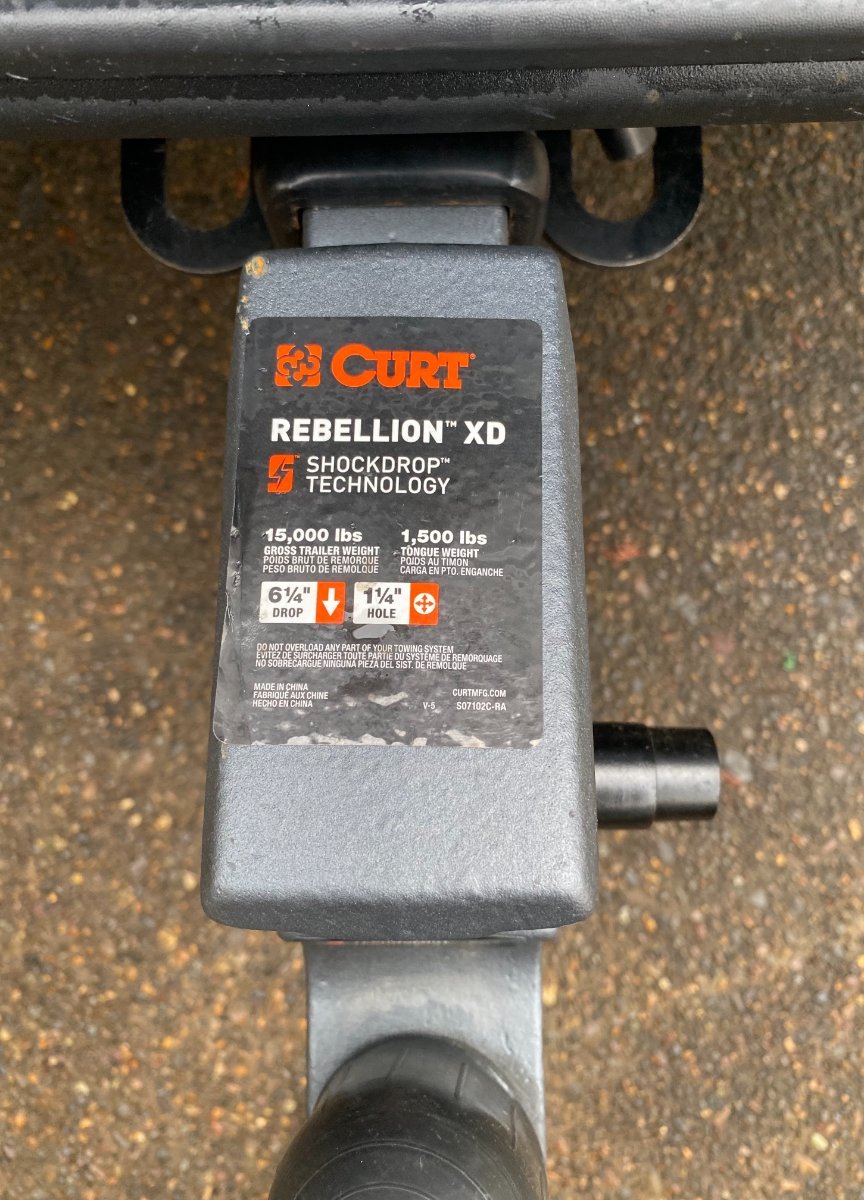
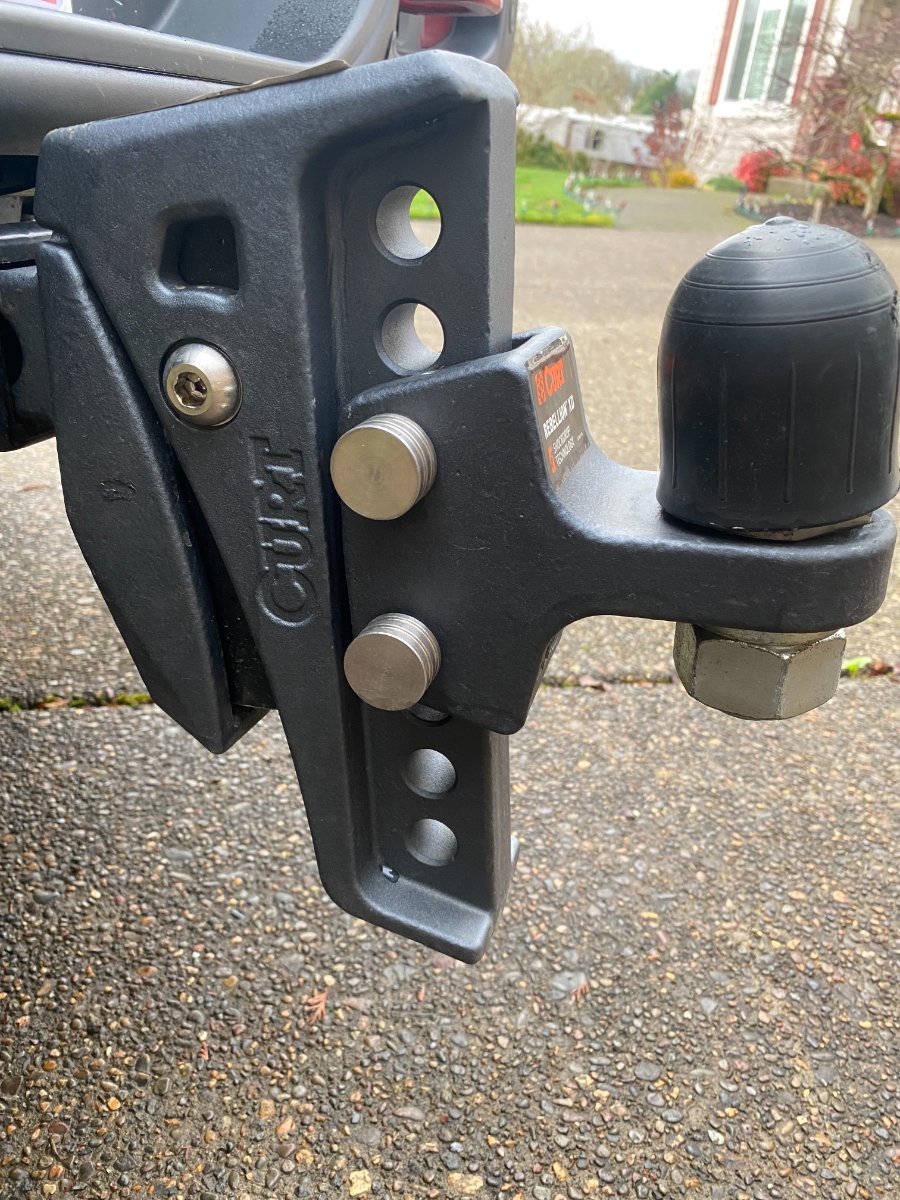
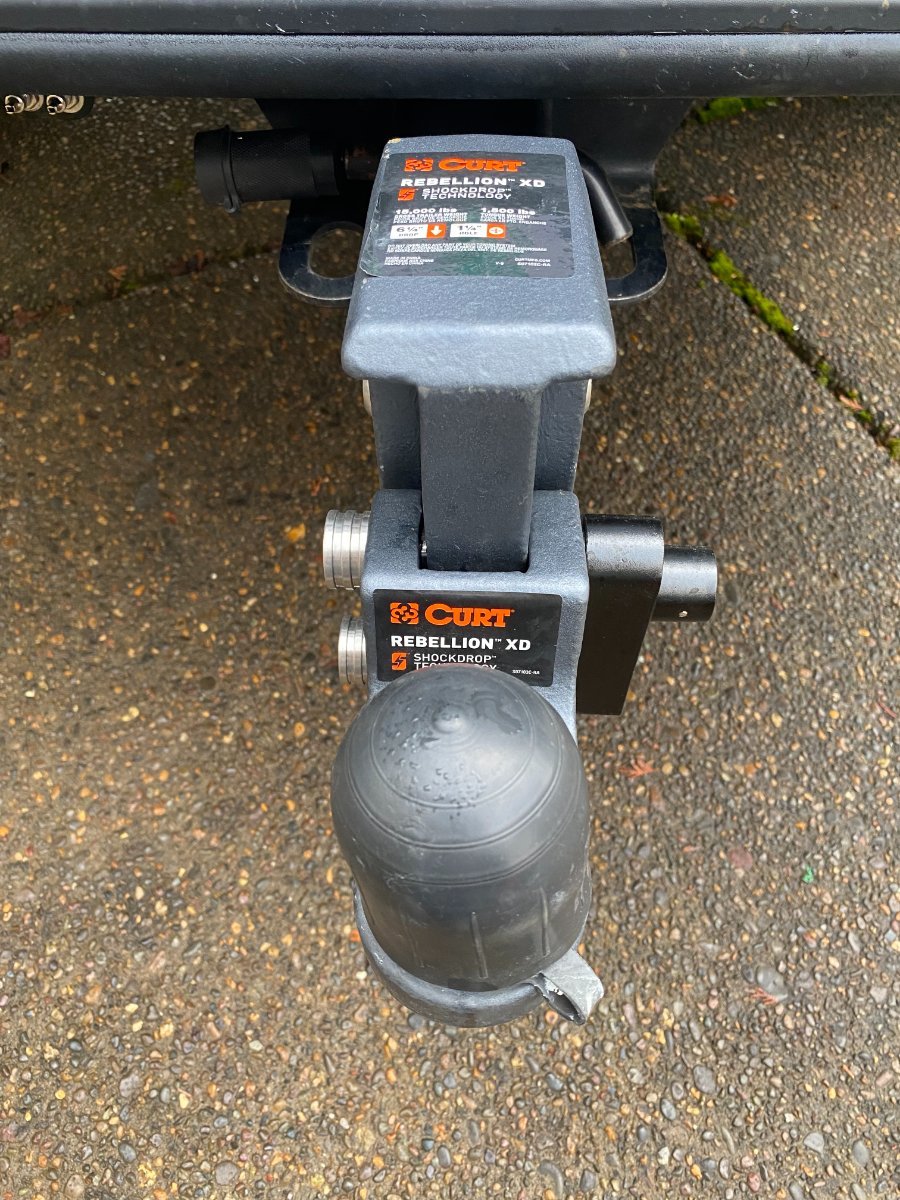
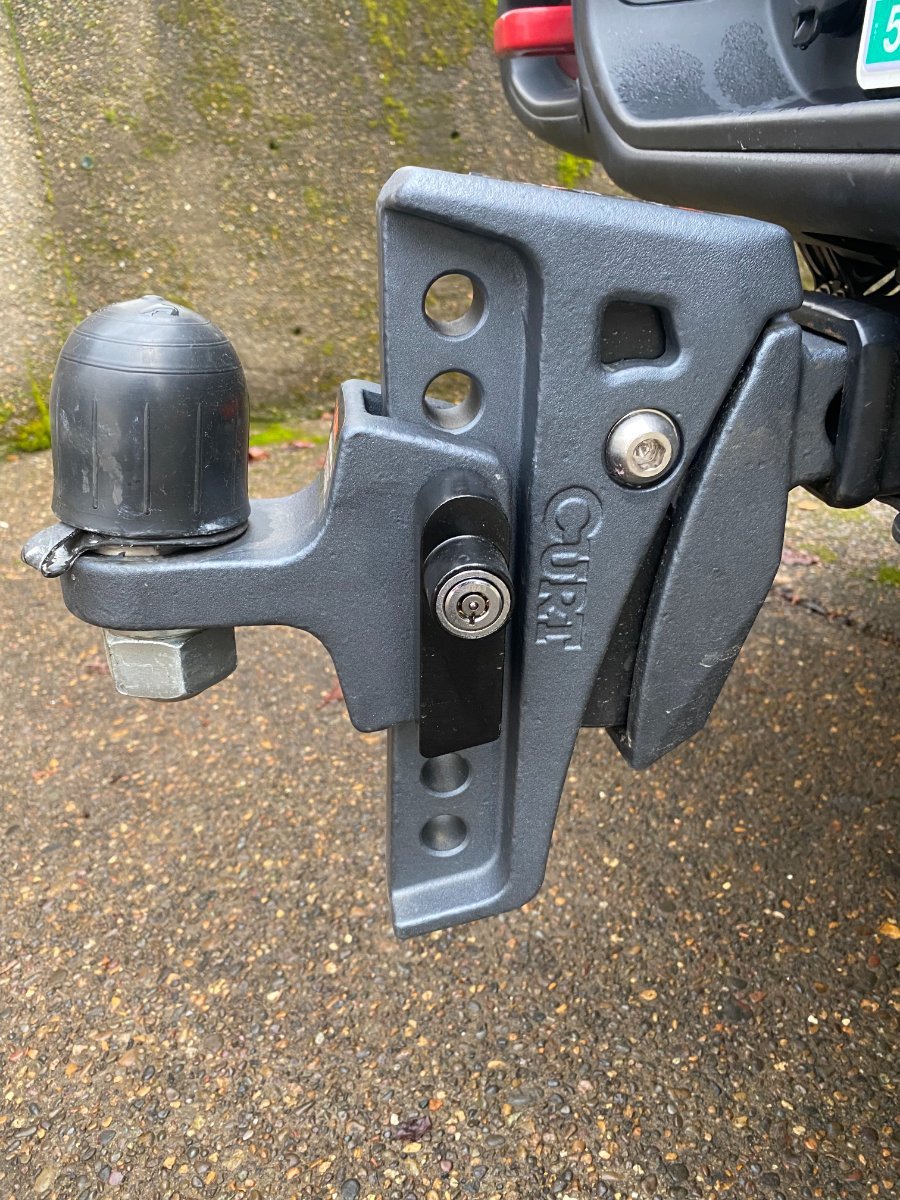
We spent Thanksgiving at the Oregon coast at Sunset Bay State Park near Coos Bay. The total mileage for the trip was 450 miles. I wanted to report back on the performance of the new hitch. The Curt hitch was phenomenal. I was able to level the trailer easily and it towed remarkably well. The hitch resolved all the problems I had with the Gen-Y Glyder hitch. My confidence in the performance of this hitch was far superior to the Gen-Y hitch. I'm sure the Gen-Y hitch is a great hitch, it just did not work for my application.
 3 points
 -
Interesting debate… I don’t think its implied anyone dumps solid waste above ground or shallow buries human waste. But when your boondocking for an extended period of time how and where is human waste disposed of? And will it impact a water source such as a trout stream or lake if buried? Here is a link or the “poop scoop” 😄on human waste and I think one would reasonably conclude it is a bio hazard or hazmat just based on a quick open source search. During my tenure in the Air Force during the Gulf War human feces was 100% absolutely considered hazmat or bio hazard and it had to be dealt with as such. Safe to say sanitizing a “composting” toilet surely comes with its challenges, none of which I have any interest in. Maybe someone could post up their procedure or steps they go through when disposing of and then safely sanitizing and throughly cleaning their compost throne? Or how to dispose of human waste when boondocking? In the end-pun intended 😳😂 Ya just have to roll with what works best for your traveling and camping needs. Happy Camping!! https://bioteamaz.com/2019/02/19/is-human-feces-a-biohazard/3 points
-
If anyone wants to get geeky about these toilets - their design, safety, environmental impact, etc - there’s a very thorough study that you can download here that I think is very much worth reading. You’ll notice that the paper is on urine diverting dry toilets, or UDDTs, which is what these toilets actually are. Despite the name, they are not composting toilets.2 points
-
As I mentioned above, time is the typical answer. It’s generally accepted that six months of drying will reduce pathogen numbers to a level that poses no health risk. So if you’re a seasonal camper, then you can just leave the toilet alone and know that it will be sanitized by the time you’re ready to camp again. But as I mentioned, that doesn’t work for everyone. My process is to empty the toilet and let it sit for a few weeks, which for an empty toilet should by itself reduce any pathogens considerably. After that, I’ll place a bleach solution in a garden sprayer, take the toilet apart, and spray everything thoroughly. That should kill anything else that remains. The next day I’ll hit it all with a pressure washer. I typically do this while I’m cleaning out the trailer so that I’m not doing a lot of extra work - for example, when I’m sanitizing the water tank I just make an extra gallon of bleach solution to use on the toilet.2 points
-
I used this - but then - it was around before Ollie...2 points
-
My story is very similar to Steve's about the nev r adjust brake system. Very disappointed in its performance. It overadjusted the two rear brakes causing brake overheats due to dragging brake shoes with inadequate running clearance. We are getting all new brake system components with manual adjustment capability, not automatic. We have just a little over 11,000 miles on our trailer, pretty expensive lesson about the auto adjust system. My recommendation is if you have the nev r adjust system, check your brake temps for approximately equal temps after stopping periodically. If you have a mix of temperatures to the touch, you may be developing running clearance issues.2 points
-
For those of you who are new to rvs, this is not the norm, as I'm sure John would tell you. Just saying, we've never had that happen to us, in all our years of camping. But, it obviously can. We don't have a composting toilet in our trailer (yet), but I think they have definite benefits in the right situation. We did install a composting toilet in our cabin, and it's great.2 points
-
We have a " one up bike rack" that we got off the internet. It is all aluminum. We got the one that also has a sleeve so it can be used on a 2 inch or 1 1/2 inch hitch. I ocassionaly have to tighten a couple of set screws. Been a lot of places uneventfully. Not a problem for spare tire or sewer line.2 points
-
So long as your rack does not hang below the rack receiver hitch to the point where it gets in the way of pivoting the bumper down to access the waste hose, you will be OK. It would take an odd bike rack to to this but I suppose it could happen.2 points
-
I can’t top SeaDawg’s reply, but I would like to add that I sure wish dump stations had a completely separate grey water hole, so I did not have to walk on top of all the spilled fecal bacteria when I dispose of only my slightly sudsy gray water. On my last trip my 3” stinky hose failed catastrophically - split in two - right at the trailer connection while dumping gray water. Imagine how much more nasty that would have been if it had that poo/ pee soup in it. With several RVs waiting in line. Taking videos….Think about it….😳 John Davies Spokane WA2 points
-
I have to agree with @hobo. I also do the cleaning and my wife and I both seem to have no problem "aiming". The only learning curve is figuring out where to sit - and that's different for everyone. Once you figure that out it's easy peasy. 😁2 points
-
I do the cleaning of our composting toilet and have never seen any evidence of urine getting mixed in with the compost. Neither my wife nor I seem to have an aiming issue. Let's for a moment suppose that a little urine does go into the compost; so what? There is no smell from the intended waste that normally goes into the compost pot, so why would I worry about a little urine getting in there too? We love the composting toilet. No black water to have to deal with. When we get home from a trip, I simply run the grey water out on the ground from a ground pipe I installed in our storage barn. No muss, no fuss. Had to borrow a section of hose from a fellow camper one time to reach the drain pipe at our campsite. He lent me a section of some of his blackwater hose. DISGUSTING!!2 points
-
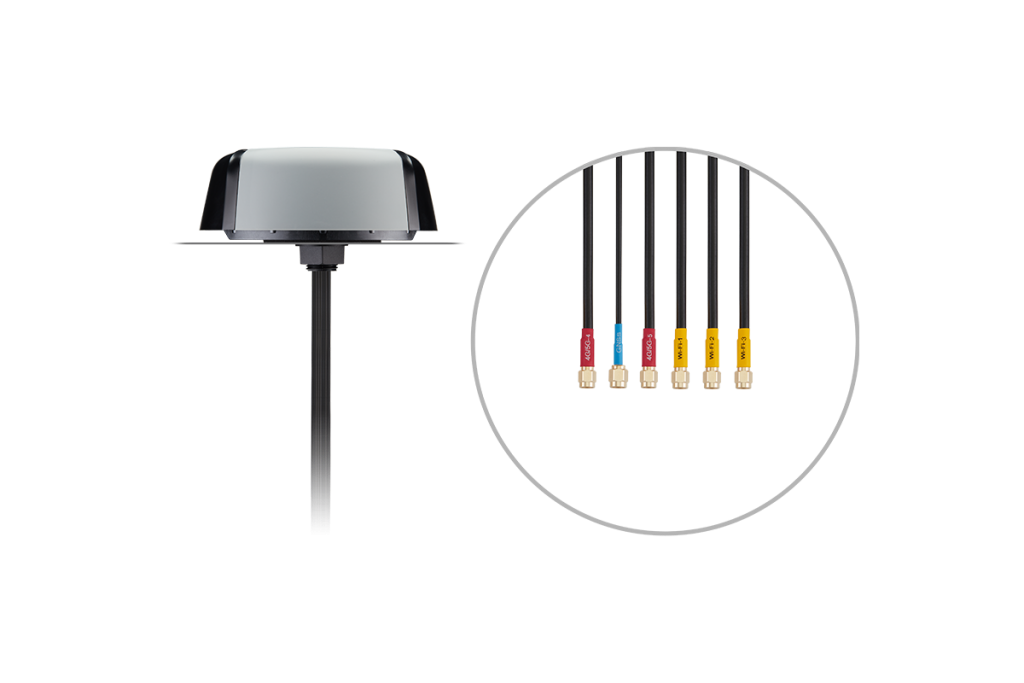
The closet ceiling has an inner and outer shell, with maybe an inch of space between. Here is a pic, the LED light opening is on the left. I ran a pair of wires up through a new hole and spliced them to the factory light wires, then stuffed everything back in the space. The Oliver wires head back across the cabin entry to the switch panel near the microwave. This is for Hull 218. Yours may vary.: From this thread: ... https://olivertraveltrailers.com/forums/topic/1994-how-to-santa-cruz-locking-shotgun-mount-in-the-closet/ ... That antenna would be perfect for the front of the trailer IMHO, no worries, it is very low down and the cable hole is underneath. Just drill straight through both hull surfaces, rout the cables to your box on the top shelf. It could not be much easier. Your cables would be super short too, that is always a plus. I don't know how big it is, you have to register to download the data sheet. maybe you could do that and add that info here. It appears to be about 6 or 8 inches in diameter. About the same size as the bath vent cover, in fact. Here is the bath vent fan, for scale. The sewer vent comes up inside the closet, just on the other side of that bath wall. A good spot for your antenna would be in front of that white vent cover, in line front to back with the bath vent.. John Davies Spokane WA
2 points
-
Well, we did it. My husband and I have committed to an Oliver Trailer! Now for more decisions. Getting to the point, I would love to hear from Oliver owners their experience with compost toilets. While I love the thought of not having to empty tanks at the campground, I am not sure if compost toilets are worth the extra effort. Personally, my main concern is .... and I hate to have to be so blunt, but after speaking with several women friends, we all have concluded that while using the toilet for No 2, it is almost impossible not to mix pee with the poo. There I said it. There is lots of info about compost toilets but nothing basic like this. It is my understanding that if any urine is mixed with the poo, you will have a problem. If this is absolutely true, I know what decision I will be making. Feedback, please. Thank you1 point
-
Do you have any route information? I assume I-10 through Houston on to San Antonio then north to Austin? Or will you take some back roads to avoid cities? We don’t do many commercial campgrounds, would you be interested in state parks? Texas has some good ones. Mike1 point
-
Your link leads to documentation by SuSanA, a very worthy, loose knit organization that tries to provide decent,,waterless sanitation in many areas of the world for those who desperately need it. I hope others will actually look at the documents, and read them. I've read a bunch. We're so very spoiled here, and in most of the developed world. Even so, sanitation is difficult in remote areas, and presents difficultiesin urban areas, as well, as populationswells beyond capacity. Vault toilets in many remote parts of US and CA require pumpout. So do many remote dump stations. Volunteers clean out vault toilets in remote areas of the AT, via atvs. It's much trickier than a single nature's head. As my mother in law's proctologost said, everybody poops. We have to learn how to handle it better, and uddt toilets may be the way. we'll see.1 point
-
We used to have a front mount hitch on the family truck when I was a kid... back when trucks actually had steel front bumpers 🙂 At one point I did read another thread discussing front mount receivers. All of the commercial ones that I've seen have at least some of the structural components stick down too low (below the factory air dam) on the front of my un-lifted Silverado 1500. I already have occasional clearance issues with backcountry sites either above or below road grade, so I can't tolerate giving up any of my current ground clearance... maybe if I switched to the Silverado 2500 HD 🙂 I did see a reference to a custom-built receiver that directly replaced a tow-hook, since discontinued. An ideal scenario would be (2) 2" front receivers, each attached where one of the tow hooks currently are, with a "cross-bar" attached between the 2 receivers (and in front of the plastic bumper), and the ability to pin-locate a hitch ball anywhere between the left and right receiver locations, without protruding below the front air dam. It would need to support at least a 700 lb tongue weight (i.e. either model Ollie or our 6600 lb boat / trailer) both from a hitch design and front suspension perspective. Practically speaking, I only fully load up the RV bay with the winterized boat and the Ollie once each fall. Maybe at some point I'll get that beefier truck with the bigger engine and the higher ground clearance that won't fit in my garage any more 🙂1 point
-
Yesterday while researching a new generator for our January delivery I read that some were having trouble finding generators in stock. This is just a note to state I found them in stock at Generators Direct and will ship in 4 days. Happy Holidays.1 point
-
Recently picked up a 2200i up at the Sportsman's Warehouse in Bend, OR. Likely other branches also stock them.1 point
-
Tom, have you considered installing a front receiver? That would make positioning your Ollie in your storage space really simple. If you have a backup camera in the trailer, it would be even better… John Davies Spokane WA1 point
-
Human excrement from a healthy individual is not a biohazard, regardless of the Internet source quoted. Blood or disease definitely would change that… You must take that advice with a whole lot of skepticism - they are, after all, trying to sell a service, such as cleaning up a feces- and needle-littered homeless camp. I have never boondocked for so long that I couldn’t find a place to dump either pee or the solids. Most places I choose have a pit toilet. You can buy additional pee tanks, or just transfer the pee to a 5 gallon container. You do have to go get food and water, and those sanitation tasks can easily be done then. Your black tank would certainly require a trip into civilization, or else a mobile pump truck. I think you are making a mountain out of a mole hill. The owners that have these toilets generally like them, for many good reasons. For example, what do you do when your black tank is full and all the dump stations are closed for the season? It’s never an issue with a composting toilet, because you can always locate a dumpster and an indoor public toilet. John Davies Spokane WA1 point
-
Thanks for the reference to the shotgun rack posting. I wouldn't have thought to look there. Really helped me understand the layout better up in the closet. It will be interesting to see where they are mounting the factory installed Taoglas antenna. My sales rep said aft over the attic, but it just seems like a bad spot signal-wise. Hoping to hear some field reports as the 2022's roll out.1 point
-
The specs state: Weight capacity: 5,500 lbs Tongue weight capacity: 550 lbs That's a little light for the average Oliver.1 point
-
Was literally typing an explanation of how surge brakes work but John did a better job than I would have. I’ll have to look up the trailer valet…looking for ideas to weld onto my aircraft tow to move trailers around.1 point
-
Mine does. I got my Champion 2K at Tractor Supply on sale for $349. Mike1 point
-
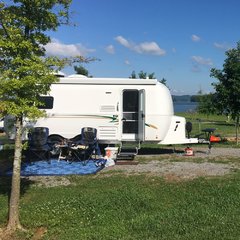
I once raced an airstream to get the last spot at a campground. It was a good spot, too.1 point
-
We do not have a composting toilet and never will. The tried and true gray and black tank system in the Oliver we find is so simple to use and maintain. We have no desire to maintain and clean a composting toilet for a multitude of reasons due in part human excrement is 100% hazmat. The name composting toilet seems a bit of a stretch or misleading as it takes 4-6 months on the conservative side for human waste aka HAZMAT loaded with harmful infectious bacteria to break down before it actually becomes a “compost”. This link with videos has pretty interesting owner feed back with regards to “composting toilets”. https://drivinvibin.com/2020/08/17/rv-composting-toilets/ Another link worthy of reading and knowing the laws before disposing of or burying or dumping human waste. There are many restrictions to be aware of. https://www.boondockersbible.com/knowledgebase/is-it-legal-to-dump-composting-toilet-waste-on-the-ground/1 point
-
We really like our Nature Head compost toilet in our Oliver. My wife and I have never had a problem with urine going into the urine tank, athough I do sit down to make sure it goes into the correct spot. Yes the compost toilet does set several inches higher than the regular toilet. I bought a "Squatty Potty folding Bamboo toilet stool" so when we sit down our feet are placed on the stool for better comfort. I espically like not having to deal with empting the black water waste tank and not having to use fresh water in the regular toilet.1 point
-
We only have 10 days worth of camping, and haven't emptied the compost yet. We just got back from our last trip and I need to do empty the compost now because of the colder temperatures the defecation will not break down. I think we could make it at least 15 days without emptying the compost. One day was diarrhea. Have had no problems with smell or urine in the solids, nor clean up. Again as other have stated, a spray bottle of 25% vinegar/75% water used after urinating keeps all odors away. JohnL, WOW 3-4 days of Urine tank fill. We get about 32-36 hours if using the Oliver for all of our bodily functions. I never dreamed we would fill the urine tank that quickly, I guess we drink a lot of water. We did buy an extra Urine tank for longer trips, I am glad we did. One of us just carry the urine tank to the outhouse/park bathrooms to empty it without a bag. I figure this is camp ground. no big deal. If I have to go into a McDonald's in order to empty, I will put it inside a bag. Both my wife and I are nurses. Dealing with our own bodily waste, is preferable to dealing with someone else's waste products spilled around the dump stations. I really hate walking through waste at the dump station and then transferring that stuff back into the vehicle/Oliver via my shoes. Had that happen a couple of times when we had a Greyhound bus conversion. We dump the gray back at home. Planning on using a pump to fill the Black tank with gray water to expand our ability to stay out longer without using a dump station while on a road trip. I will get to find out this next summer our alternatives for dumping while on a 3.5 week trek. The only negative so far is feeling like you are sitting in a high chair. The compost toilet sets several inches higher than the regular toilet. The Compost also takes up slightly more space in an already tight space in the bathroom. The decision to compost or not is totally a personal decision and what you are comfortable with. No right or wrong answers, only different choices in the way you deal with the waste.1 point
-
I had similar concerns regarding separation of liquid and solid waste with our Nature's Head. It turned out not to be a problem. One of the greatest advantages is the amount of water conserved by not having to flush. There is also no odor. It's easy to keep clean with a spray bottle of white vinegar. When disposing of the solid waste there is a not unpleasant "earthy" odor. Urine capacity is about 3-4 days. I have a nylon tote bag that is used to transport the urine container to a toilet in order to be somewhat discreet about the process. For my grey tank I have garden hose adapters for both ends, but have never used a dump station because we usually just empty it in the yard at the end of the trip. When we set off on longer trips I'll probably have to deal with dump stations for the grey water. For me, the composting head was worth the extra expense.1 point
-
Which toilet is best will depend on your camping style! We have the composting toilet and prefer dry camping at national parks and state parks. The liquid tank lasts about 3 to 4 days and disposing used TP in a bag with a little vinegar helps keeps odor down and your solid tank will last about 3 to 4 weeks depending on usage. As others have said keeping the solids and liquids separate is not a problem. For those that prefer full hookups I think the standard toilet is the way to go, unfortunately regardless of which option you choose the dump station is something you can't get away from.1 point
-
I agree -- we've been very pleased with the composting toilet. No second thoughts on that choice. Urine in the primary compartment has simply not been a problem. It did take several cycles to properly prepare the coconut coir (i.e., to get the right amount of starting moisture, which varies depending on whether we are in a dry or humid climate). And we don't seem to get the 3-4 weeks of use that some might; 7-10 days has been quite manageable (the crank gets too hard to turn for arthritic hands). But even with that, I empty on my terms (not when the blank tank is suddenly full and won't take the last flush, like in our previous camper). We don't wait in line for the campground dump station, and we don't have to drive around looking for one when boondocking.1 point
-
I’ve used a composting toilet in our van for 3 seasons and, while it does take some getting used to, it is possible to avoid mixing pee into the solids bucket. It’s all about positioning. You can “tell” when the pee is coming, and you just lean forward a bit so that it hits the diverter part of the toilet. it’s not absolutely 100%, but then it isn’t strictly necessary to prevent 100% of the pee from entering the compost. A dribble or a drop now and then isn’t the end of the world. It’s what I do, and I’ve never had an issue with smell (the effect of mixing too much urine in your compost bucket).1 point
-
No matter which toilet option you choose, you will still have the gray water tank to empty (the tank that collects water from the sinks/shower) and most states/campgrounds prohibit dumping gray water on the ground, so you’re still dealing with the campground sewer connection. And with the composting toilet you still have to dump the small pee tank somewhere.1 point
-
This could be a problem. https://www.cnbc.com/2021/11/30/elon-musk-to-spacex-starships-raptor-engine-crisis-risks-bankruptcy.html0 points





















-
Recent Achievements
-