Leaderboard


Popular Content
Showing content with the highest reputation on 07/15/2023 in Posts
-
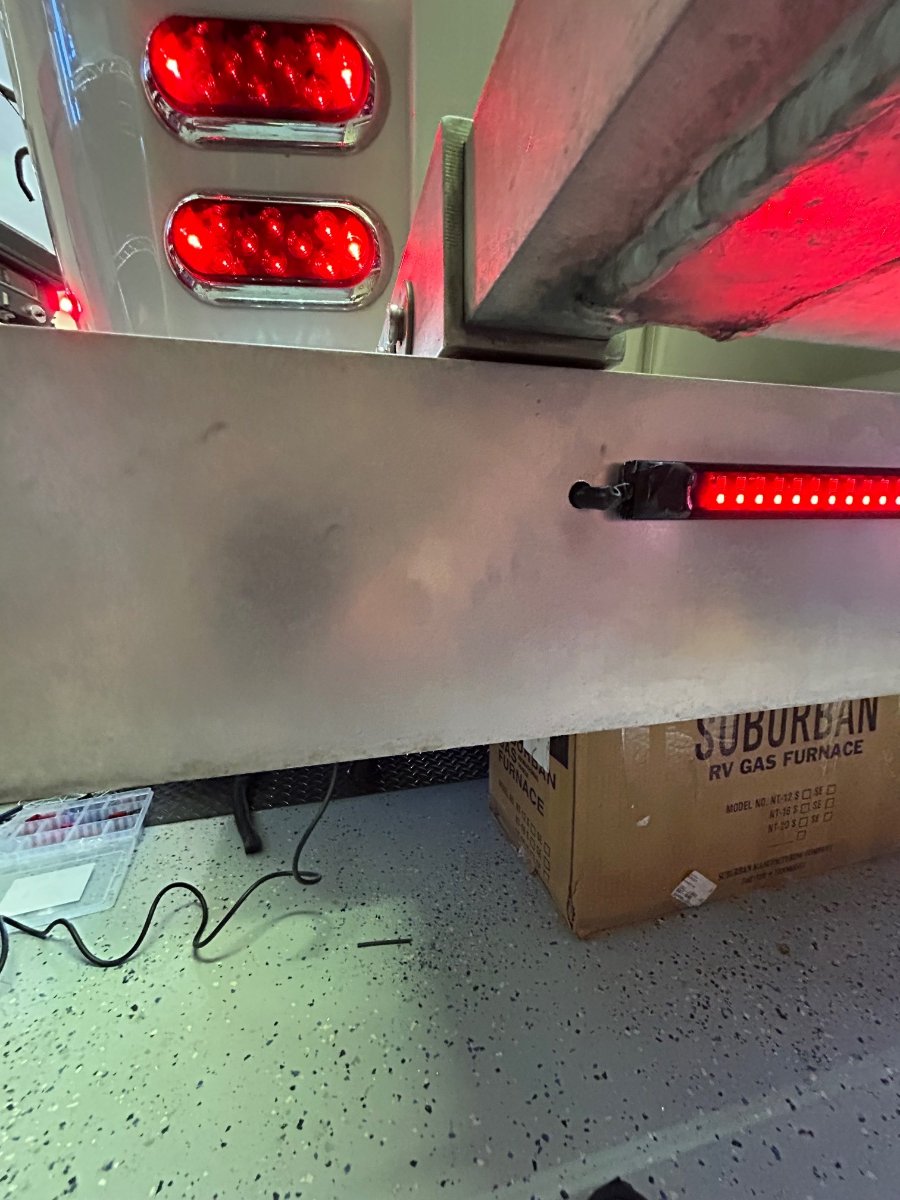
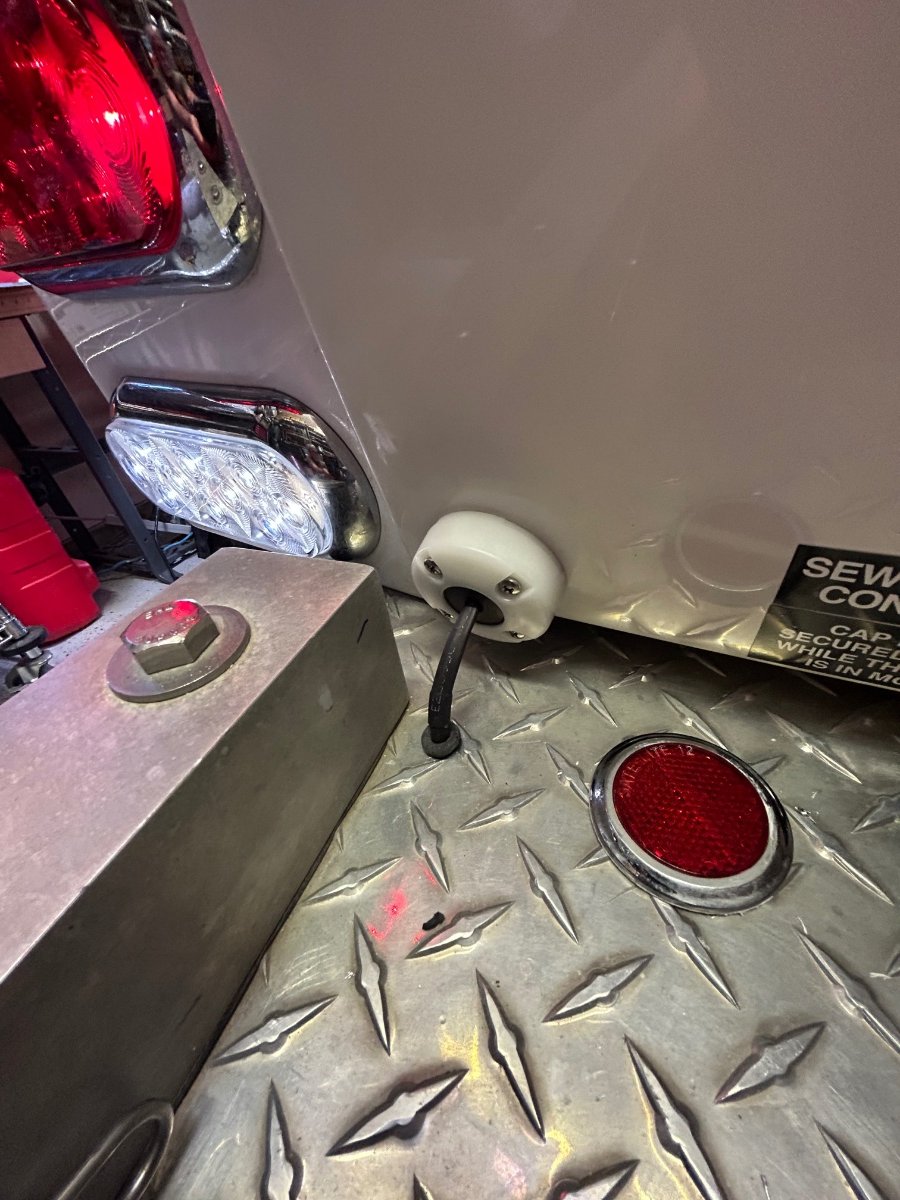
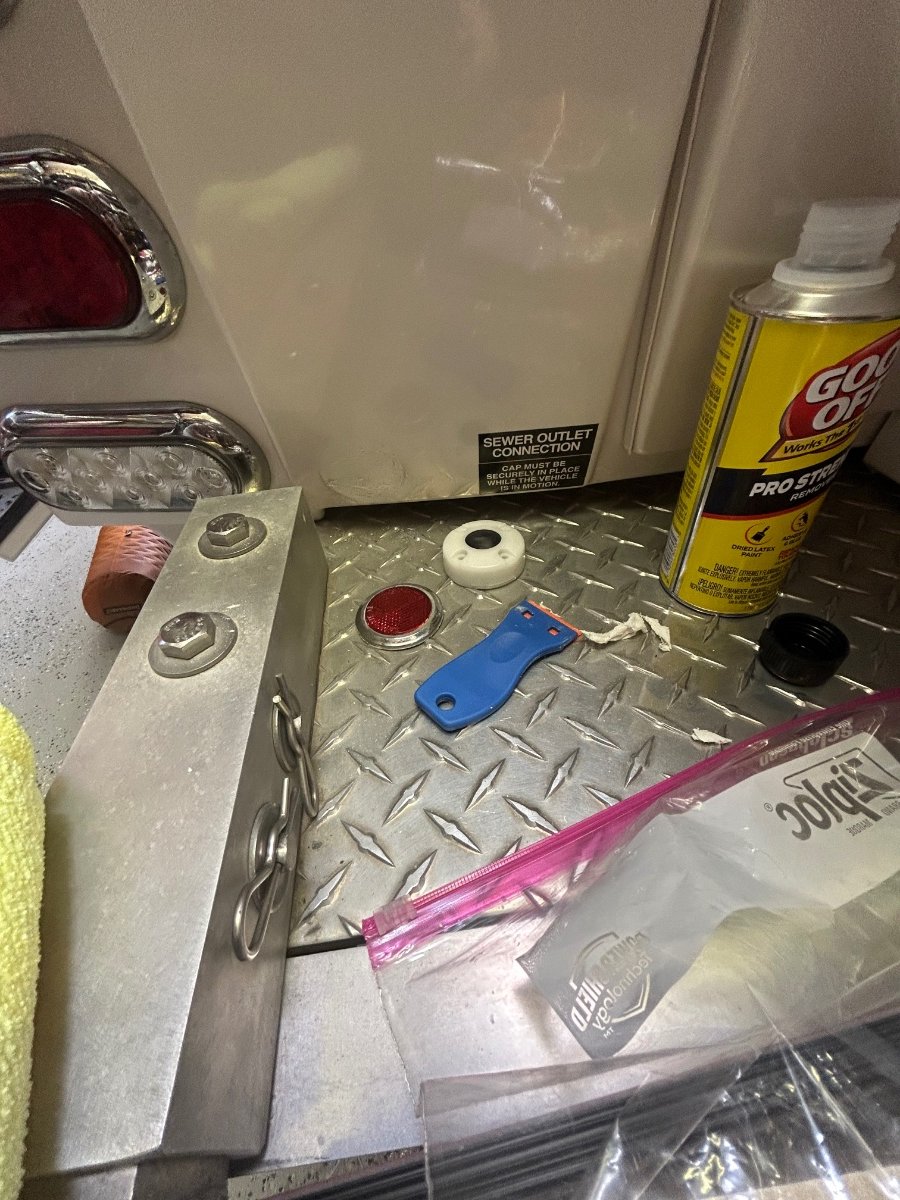
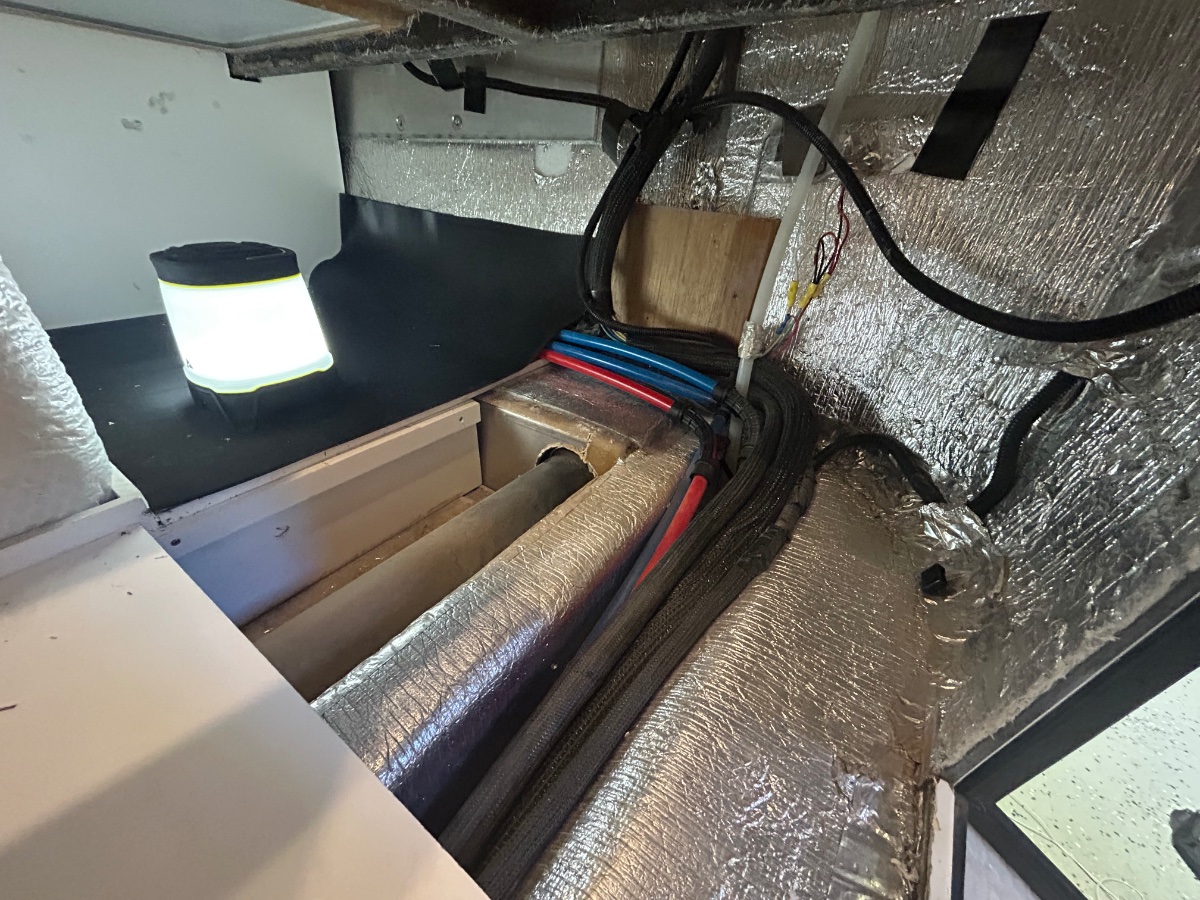
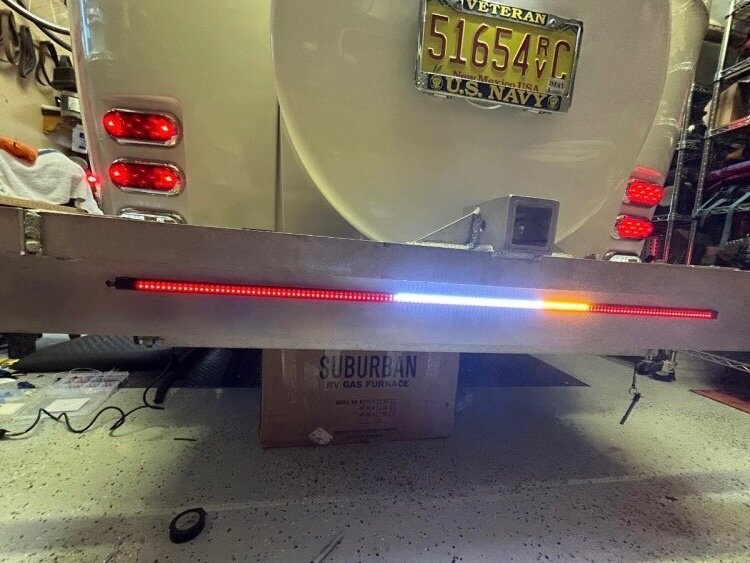
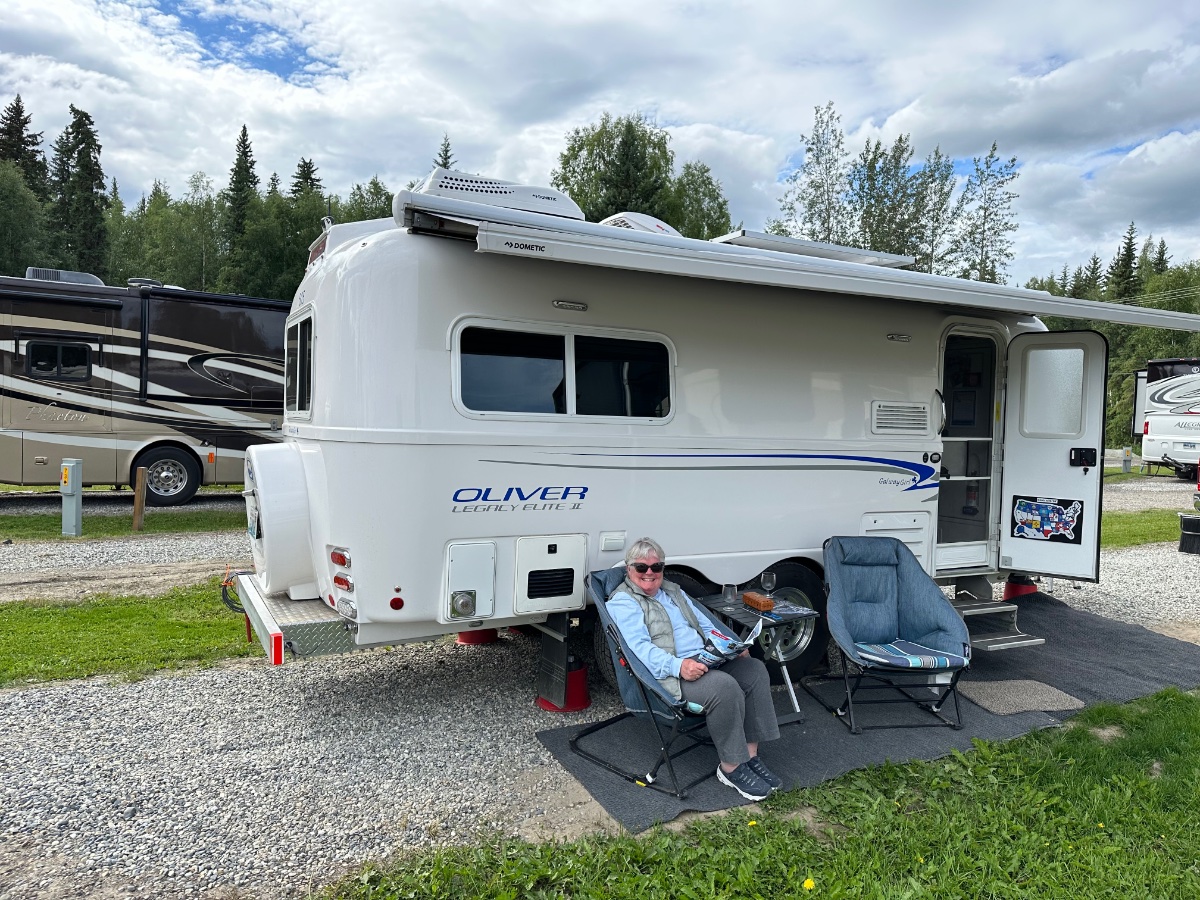
Background: Using @John E Davies's modification (HOW TO: Connect a STANDARD SAE 4 pin harness (or 4 pin with backup lights) to your OLIVER FACTORY 7 pin wire), May 15, 2022); as inspiration, we installed the same LED light bar (Amazon $90) on the bumper to compensate for blocking the tail lights when carrying cargo/bikes. Our application for the light bar is for a permanently mounted fixture and not removable when the 2" carrier assembly is disconnected from the bumper. Others have mounted it to the carrier assembly exclusively - we decided to have the light bar function with or w/o the carrier attached to Casablanca - so, it gets mounted to the bumper in our case. Process Description: The light bar is shipped with a 4-Pin harness and male/female plugs and a separate (16AWG white) wire for the backup light feature. First thing we did after receiving the light bar was to connect it to the factory 4-Pin female plug on the TV to function check the assembly. It is a 2-row multi-color light bar (red, orange, and white) which illuminate depending upon the driver's input. Basically, marker, L/R, brake, warning, and back-up lighting features are present. Function check proved successful - we didn't want to get too far down the installation path and find out we've received a bad unit from Amazon (been there, done that...). The light bar comes with metal clips as well as a 3M-type adhesive strip for mounting. We decided to mount the bar about 1/3 down from the top of the bumper using the 3M strip for best observation/view from those following behind. Determining the routing for the power harness was interesting and somewhat different than John's "How To" procedure. First off, we learned that the wire colors from the light bar were non-industry standard going into the provided 4-Pin plug, but coming out of the opposite 4-Pin plug the colors were standardized. Furthermore, as you may know, and as John described, the 2017 OTT 7-Pin wire colors are non-industry standard either. We needed to make a wire color/function matrix for what would be 5 Anderson Power Pole connections in the bowels of the TT because we would not be using the light bar provided 4-Pin connector. Power runs from the OTT 7-Pin harness located on the street side under the garage floor; left-rear most area just outboard from the waste water dump mast. The light bar electrical harness will pass through the left-rear bulkhead in the proximity of the small round red reflector left of the spare tire cover. Through a Blue Sea Systems Cable Clam (Amazon $23), the harness passes through the aluminum diamond plate deck into the waste water hose compartment, then through the bumper to the light bar. Removing the black mat, 3 floor panel wood screws and removing the floor panel exposes waste water dump mast, red/blue/clear PEX lines, and several split combed electrical harness as shown above. Also above, note the sacrificial wood piece placed on bulkhead to avoid an incidental perforation of water & electrical targets in the vicinity of where hull penetrations will be drilled from outside. We removed the small red reflector, cleaned off residue from its adhesive and prepared the drill site with blue painter's tape. The 4-piece Blue Sea Cable Clam (rubber gasket, base, grommet, and compression cover) requires a cable penetration hole and 4 mounting holes for the base. Carefully measuring, marking, drilling the holes places the Clam where the reflector used to reside. Cable penetrations were then drilled in the diamond plate deck and on both sides of the bumper - wiring harness was double heat-shrinked and grommeted at each penetration to avoid chaffing. Once the "power run" penetrations were made good, we connected the 4 non-standard LED bar wires to a corresponding set of standard 4-Pin wires using Anderson Power Poles which make for a clean connection bus. Finding and isolating the non-standard 7-Pin wires within the OTT harness was next. As John described in his "How To" post, there are 3 buses easily accessible, one each for back-up, ground, and marker lights. The L (red) & R (brown) are found in the same split comb as they exit and head for their respective light assemblies. The Anderson connectors are convenient in the manner in which they can be attached "side-by-side" - used for years in the HAM radio community, they provide a positive connection even when coupling different gauge wires; which was the case here: Penetrations were chamfered smooth and the harness was "double heat-shrinked" and grommeted at penetrations to avoid chaffing. (Unknown why this pic insists on rotating itself....!) Function checked light bar - all good, zip-tied 7-Pin harness, replaced split loom, screwed in garage floor panel, placed mat in position, closed garage hatch and got a cold one. I'm happy with this mod - D likes it, too with an enthusiastic "thumbs-up"! "Ravel-ON!" Cheers, A & D
 8 points
 -
Mr. Sage, I found that the front and rear Zerks need to have the tire raised to take pressure off and allow the grease to flow into the Zerk. Don't know whether that will help in your situation or whether the Zerk is plugged.5 points
-
I personally don’t feel awd is necessary on cars/minivans/SUV’s that come standard with fwd. However, I would never buy a (new) truck without 4wd. The few $’s you save will cost double when you try to sell. Even on levelish ground wet grass can be a problem with a 2nd truck. Think of it this way, you’ll have four axles that need to move. Engine axle might have 3.5-4k on it, drive axle might have 2.5-3k, and both of the trailer axles will have almost 3k on them. You are asking the lightest axle to provide the traction for the entire rig…which might only have a fraction of that if the truck is lacking a locking dif. If you’re trying to future proof the truck, 4wd is the best way to start.5 points
-
Did the inverter signal an E01 error code while it wouldn’t handle loads over 1400 watts by any chance? I’ve had that happen, the inverter won’t handle the coffee maker, or microwave, and the issue is that the battery cable has somehow loosened slightly while bouncing down the road, and once tightened, the problem is solved..4 points
-
When returning home from the Oregon Coast this April, my wife and I boondocked at a Harvest Host site. That cold evening, we tried to heat water for hot drinks in the microwave using the inverter, but it shut down after just a few seconds. We were surprised and disappointed, because our Lithium Pro Package with Xantrex Freedom XC Pro 3000 watt inverter should enable us to use the microwave on inverted power for at least a few minutes. It had been a cloudy day so we got minimal solar recharge, and with our Nordcold fridge running on DC while on the road, our battery State of Charge was down to about 74%. When we submitted a service ticket, Jason Essary confirmed that we should be able to run the microwave on inverted power at 74% State of Charge (SOC), and much lower, down to 25-30% SOC. With Jason's helpful guidance, I then spent dozens of hours trying to troubleshoot the electrical system, both on the DC and the AC sides. The inverter/charger was charging as designed, and would run 120V appliances that pull up to 1100-1200 watts (including the Truma air conditioner, which pulls 1100 watts with the compressor running), but loads greater than 1400 watts (like the microwave or a space heater on a high setting) caused the inverter to shut down. Nothing we tried solved the problem, including replacement of the Optifuse 300A inverter breaker, which Oliver sent to me under warranty. I also spoke with a Xantrex customer service rep (after45 minutes on eternahold) who assured me the problem could not be with the inverter, so it must be in the trailer wiring. Jason then authorized me to engage an RV service tech at Oliver's expense to try to find a solution. But that was right before I had planned to use the trailer boondocking at the Lochsa River the week of May 15. I decided to engage a tech after I returned home. But while camping (and running the Lochsa river during the day) I happened to mention the inverter issue to another RVer. He asked me if my inverter is a Xantrex. Yup. He then told me he had been advised by an RV service tech to do a "hard reboot" of his Xantrex inverter to resolve a similar issue. He explained that this involves disconnecting both the positive and negative DC cables from the inverter, and leaving it at least overnight, then reconnecting. I determined to give it a try after I returned home, as it would be relatively easy to do. To my surprise, the "hard reboot" solved the problem. My tests have confirmed that we can now run the microwave on full power (1540 watts) for 4 minutes or more at a time, at SOC levels down to 35%. So, the Xantrex customer service guy was wrong--the problem was with the inverter. And, the solution was relatively easy to implement: turn off all batteries, and ensure that shore power is disconnected (so there is no power to the DC cables), then disconnect the DC cables from the inverter and leave at least overnight. I left mine disconnected for 3 days. Then reconnect, and turn the batteries back on. If your Xantrex inverter is not performing up to spec, try a hard reboot.3 points
-
That’s the way they are manufactured. I believe that John Davies has a post in his how to library explaining his rework of the left swing door on the Progressive Dynamics power control panel. Our LE2 has a breaker marked Blower in the attic that controls the power to both the MaxxAir and Ventline fans. Mossey
3 points
-
Try adjusting a setting in the Xantrex app. Look under inverter settings and find "Low Battery Cut Off". I have mine set at 12.5 v. ....could go lower but never needed to do so. Just watch the SOC so batteries don't fully deplete. The LBCO delay timer is set for 10 s. There is no doubt that this LBCO setting will cut the inverter off. Steve3 points
-
I mentioned in this thread that I use some of the off-brand cheaper lithiums for things other than the main battery compartment in our Ollie. I have found that most of these "compact" off brand lithiums use pouch cell technology rather than using metal casing for the cells. Pouch cells are great/ok if the battery manufacturer takes special precautions during design / engineering. Long story short, the pouches are prone to expansion from outgassing, and other external factors (temp, humidity, etc.) can affect their longevity more so than the encased cells. All of this must be accounted for during battery design. I don't trust that these Chinese battery manufacturers actually know or care about the risk mitigation required for certain types of lithium cells.3 points
-
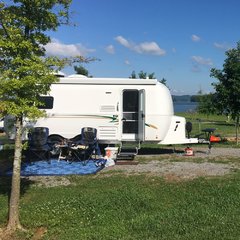
What you cannot tell from the picture is what was the road up, to get to the campsite pictured. I may have a rivet loose too, but I prefer climbing a steep dirt road, than driving a rig 75 MPH, the speed limit, on our terribly maintained I-40 in Arizona!!! Maybe it's the old biker in me, dirt-riding these trails for years, but who knows. Looks like they found a level spot. My spot pictured, was quite a climb. Once your parked and level, all's good. Finding a level spot, priceless!
3 points
-
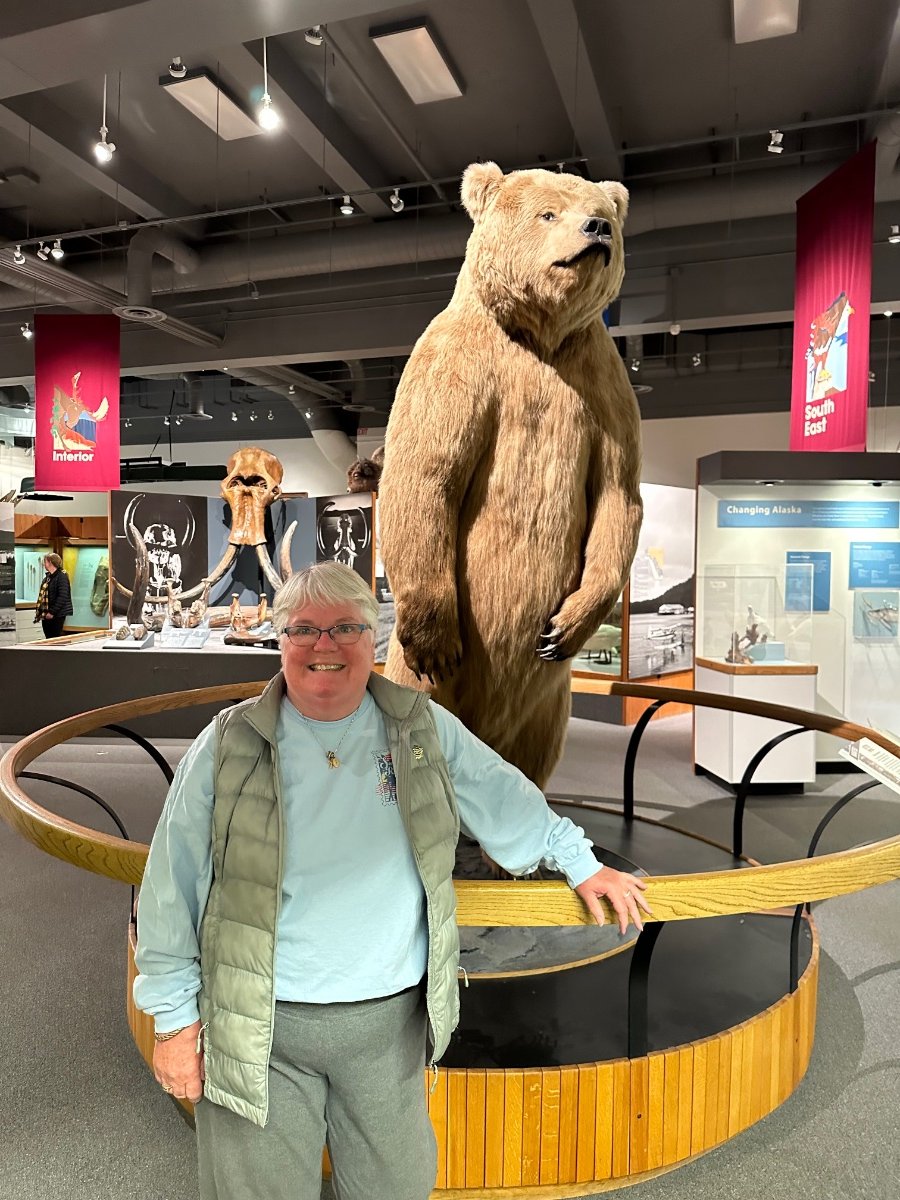
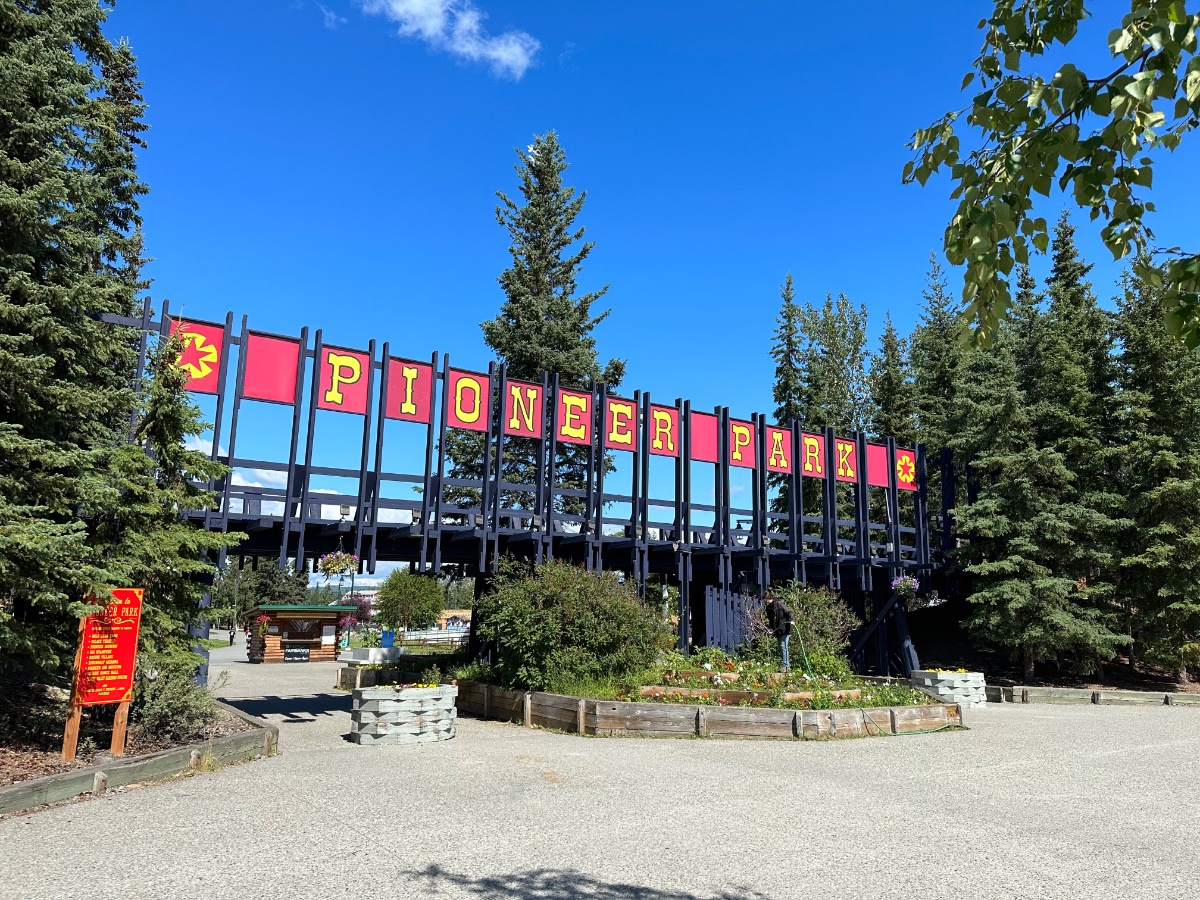
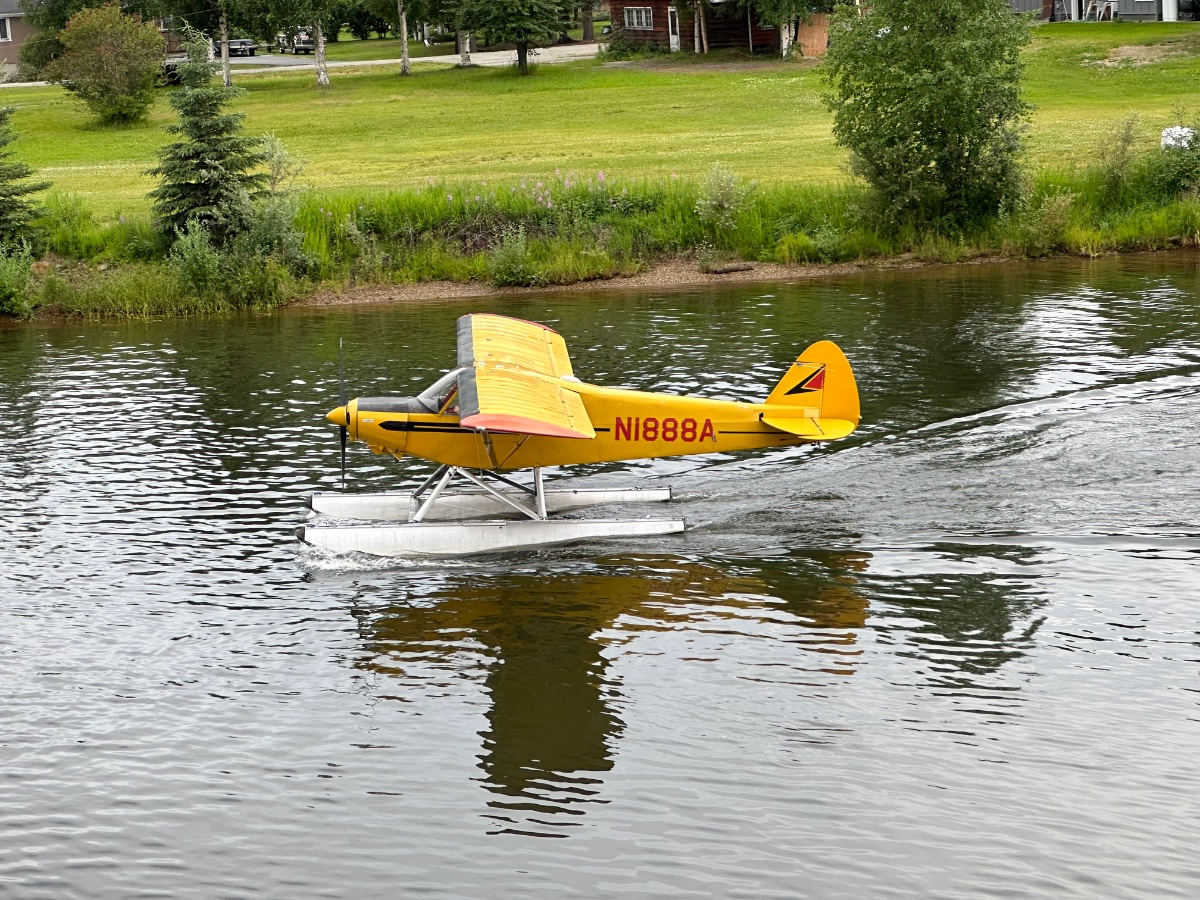
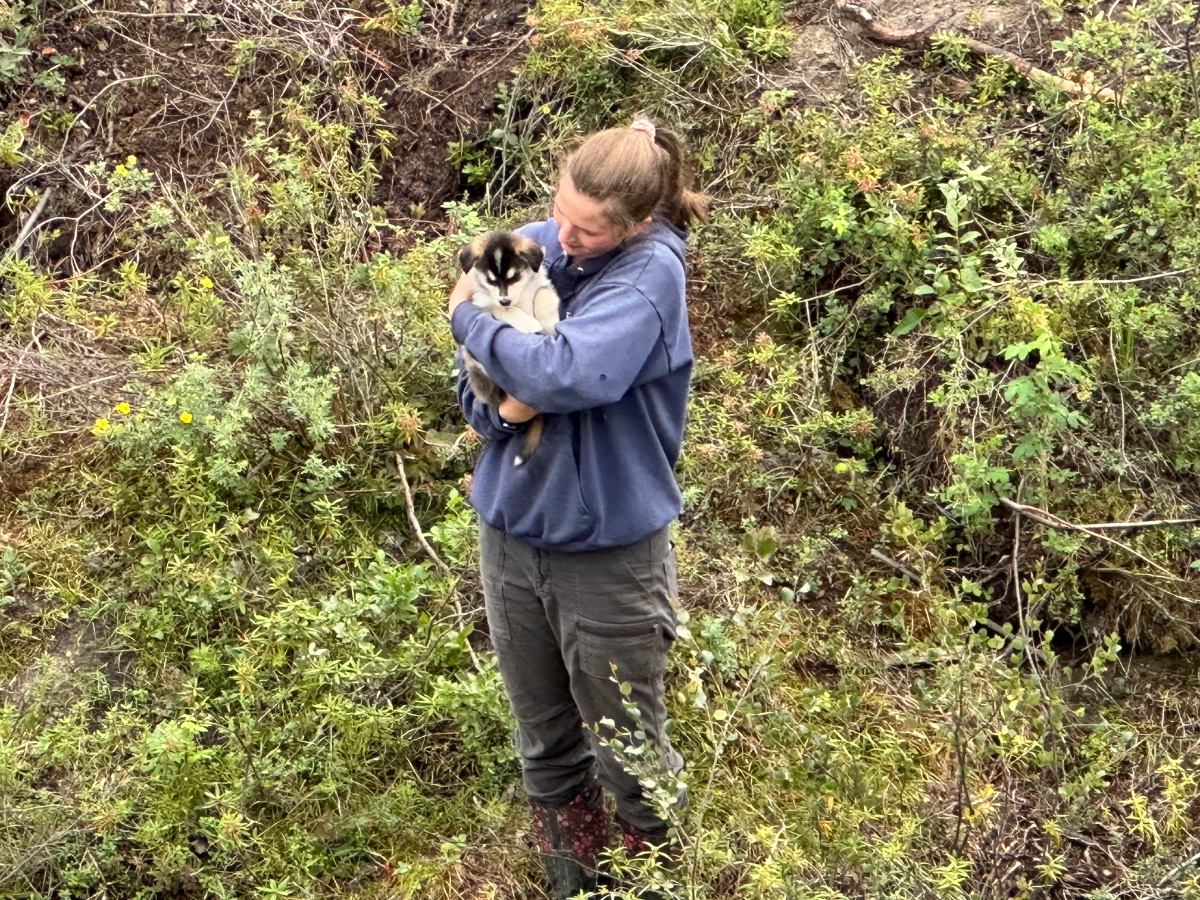
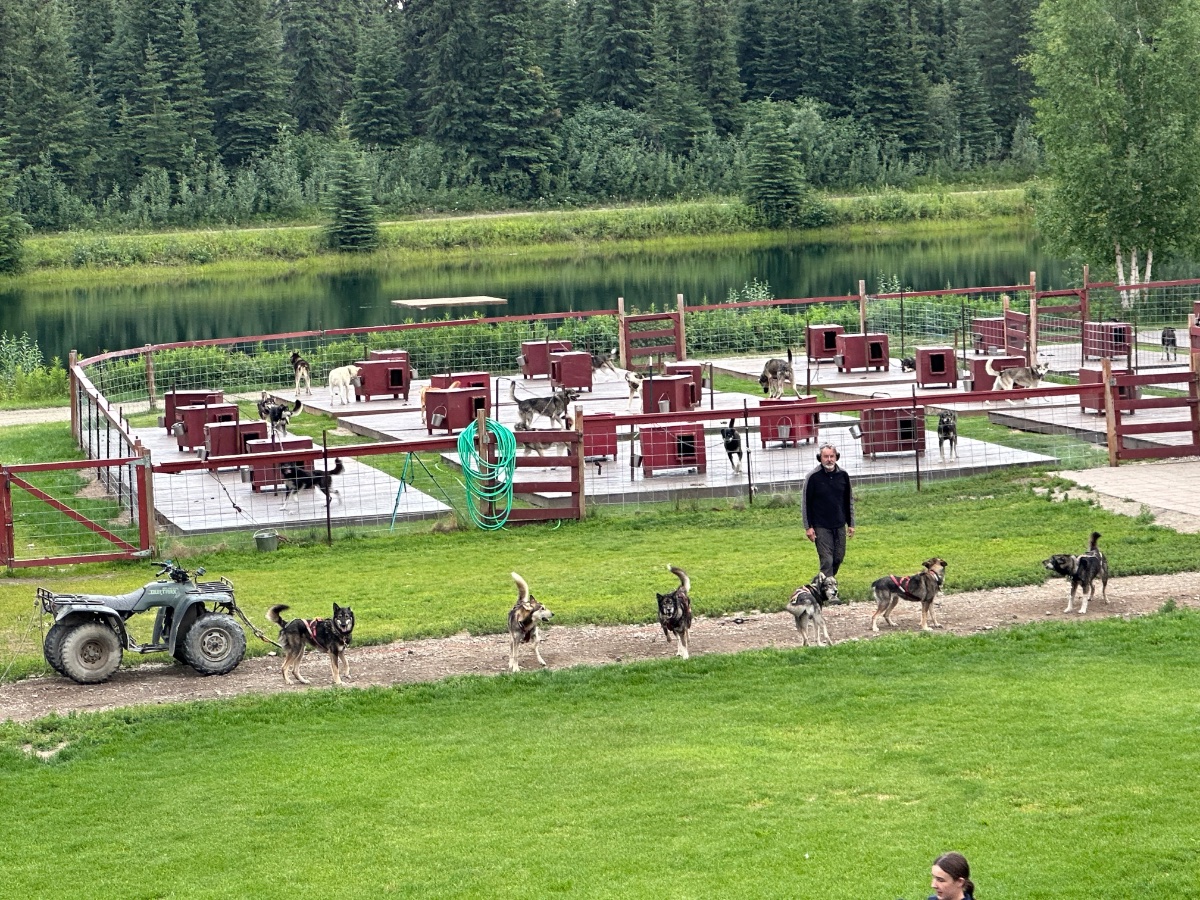
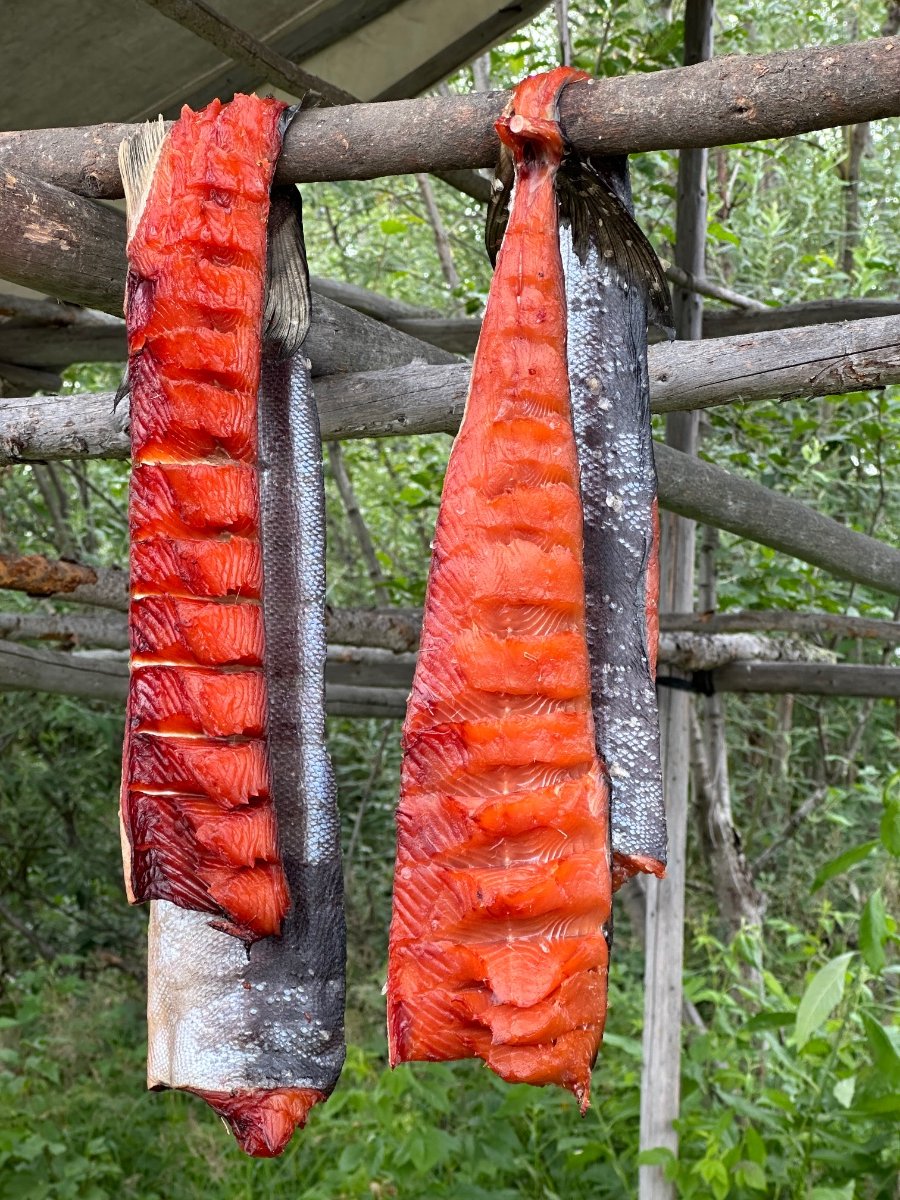
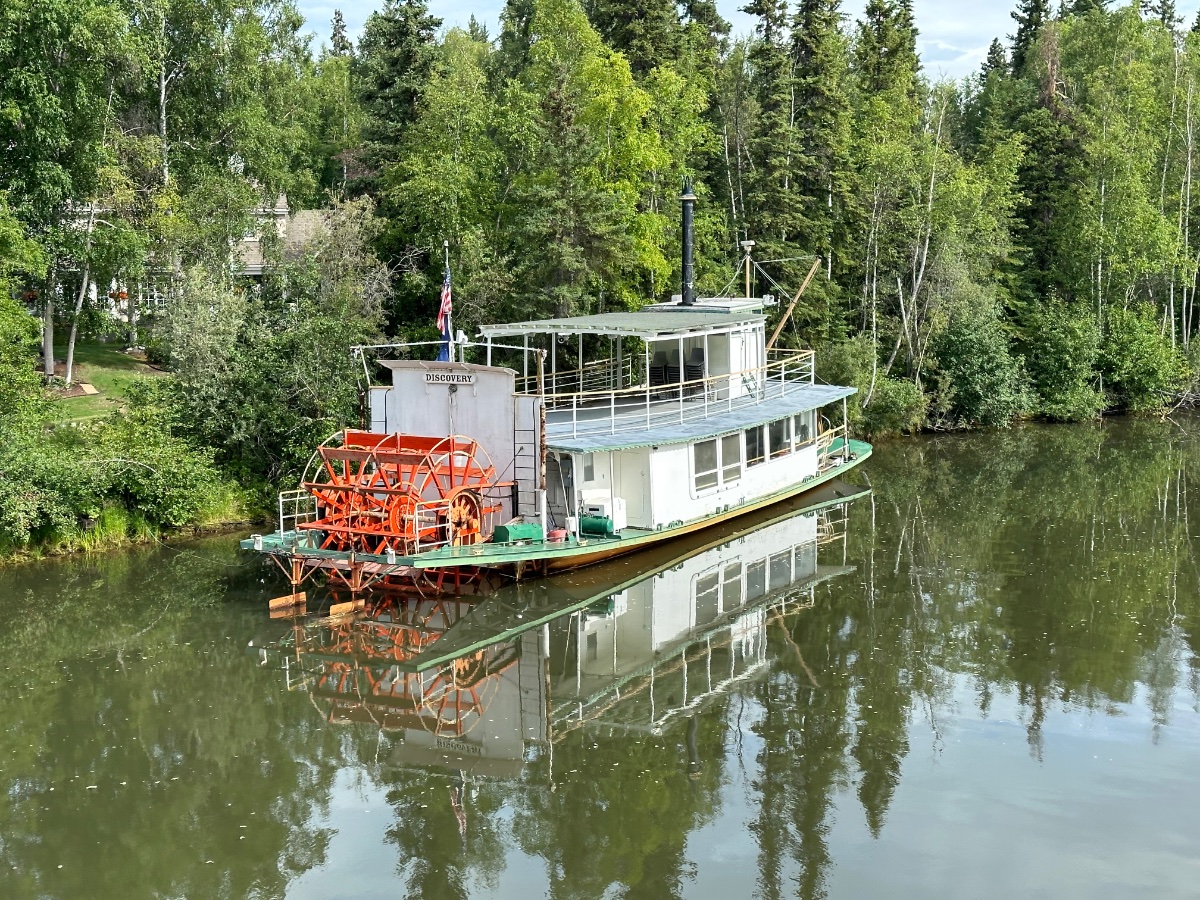
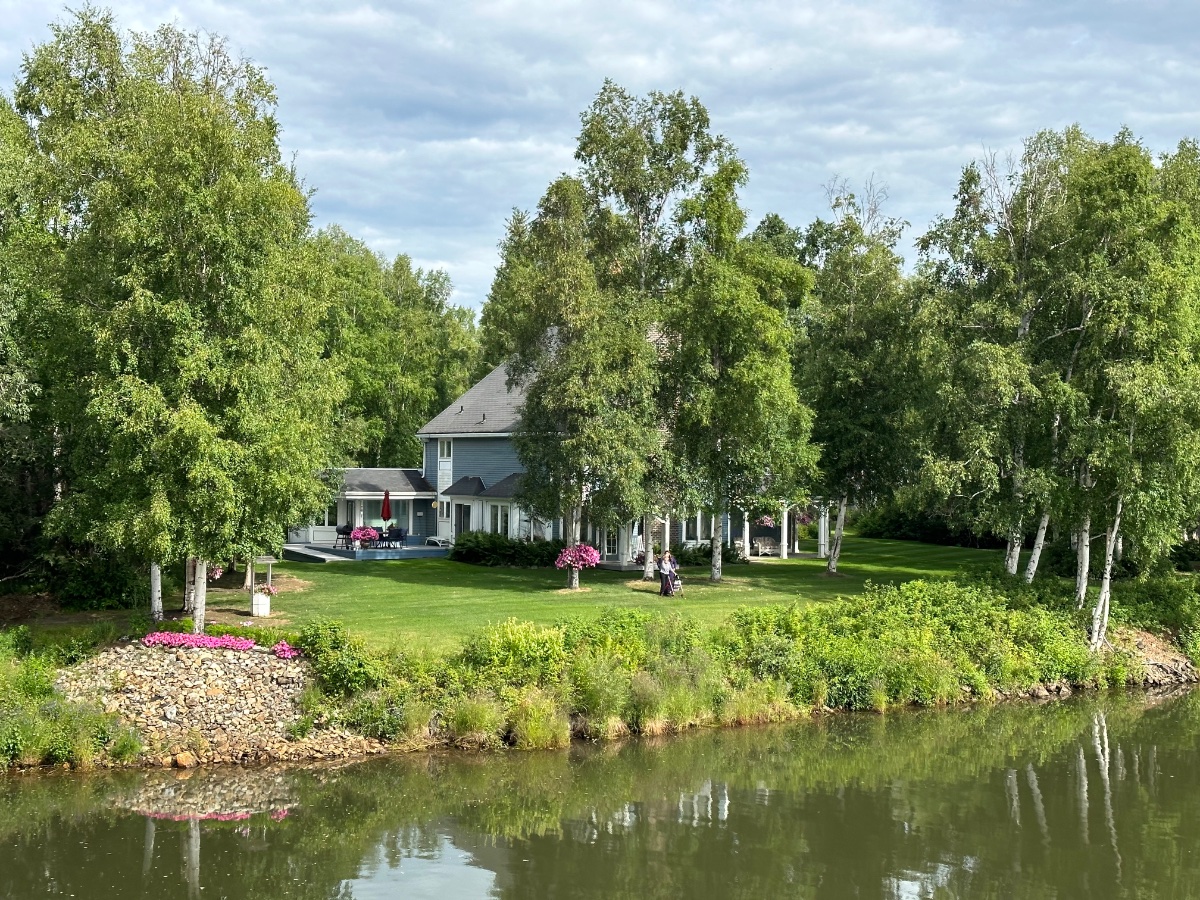
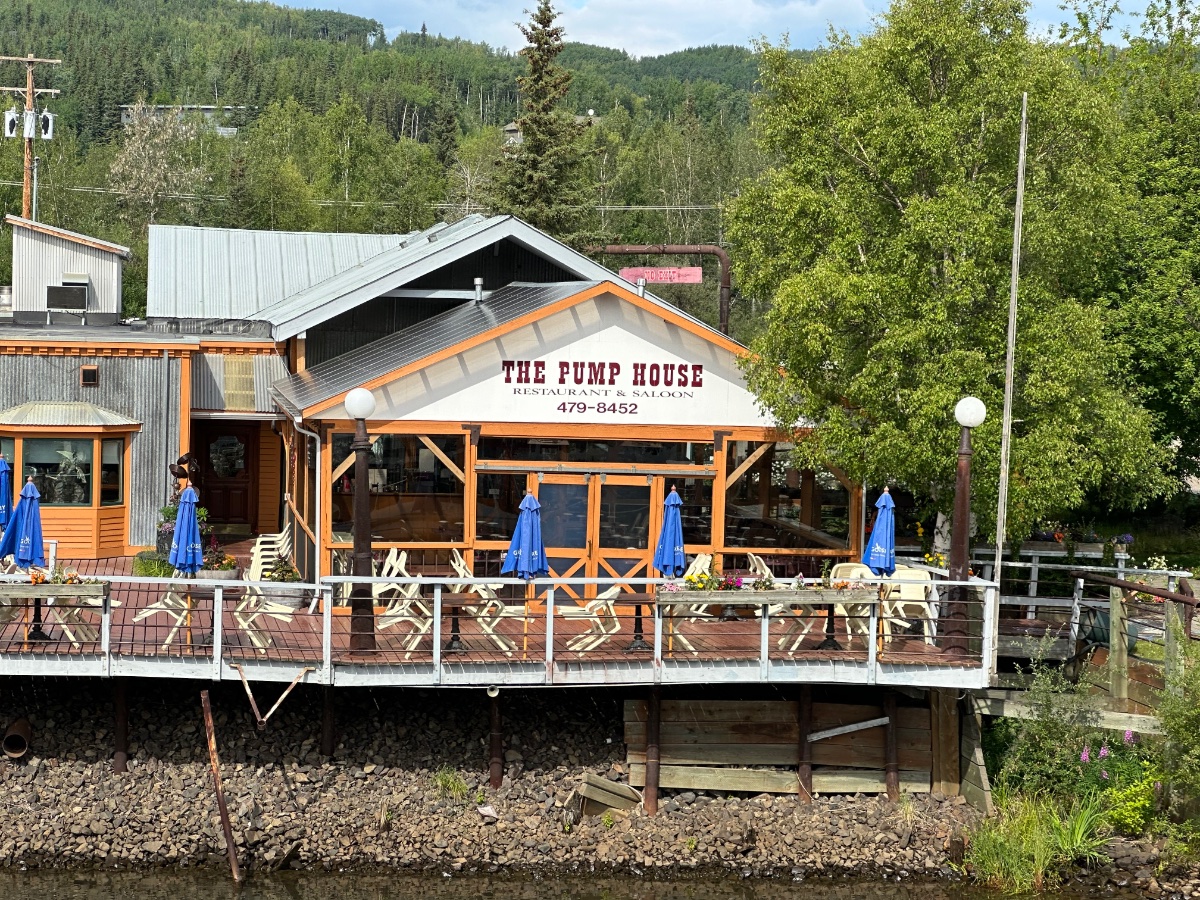
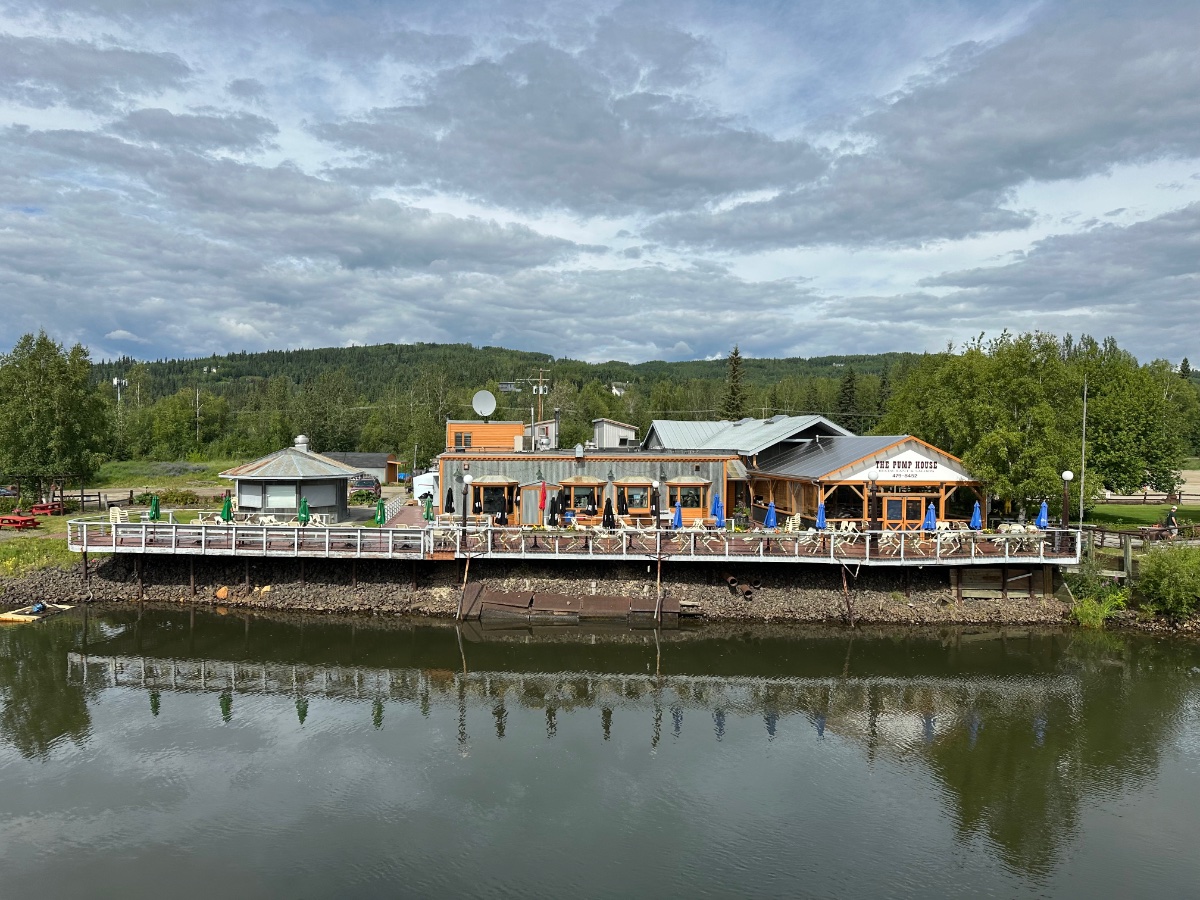
Great tips for Fairbanks. Visited both Fred Meyer and Costco. stayed at KOA Chene River. Some pix: Museum of the north, Pioneer park, Sternwheel Cruise. Eskimo Olympics.
3 points
-
BTW, our Olivers look way better than the silver-looking stuff in the first photo.2 points
-
JD, thank you. One is in fact a front zerk, the other sits on top of the Equalizer. I’ll give the front zerk a try with a raised wheel.2 points
-
Growing up in Chicagoland, when winter was coming, you'd put 600 +/- lbs. of whatever you could find in the truck bed (wood, rock, sand, softener salt) and your 2WD 1/2-ton truck would make it down the road and through the season!2 points
-
Agree completely. Unloaded the Cummins is almost 1500lbs heavier on the front axle vs the rear. It’s one aspect I really don’t like with the oil burners, especially when I’m trying to mount an 800 lb plow on the front.2 points
-
Some batteries are built for light duty/stationary, others are built for the rigors of trailer travel. I'd look at a bunch of reviews, and maybe talk to owners via email, before I'd put "really cheap" lithium in my trailer. Could just be my hinky self, but I think it's usually the cheap batteries that catch fire. I'll add that I have zero experience with any of the rv lithium batteries. My experience is with Tesla powerwall, for my home. I'm still running agm (trailer), fla (boat).2 points
-
Amazon Prime specials on a couple items frequently discussed here: Battleborn 100 ah 12v battery is $719. Renogy 200 watt suitcase solar (36 pounds) is $298, so about $1.50 a watt.
1 point
-
https://spokane.craigslist.org/tro/d/mead-1947-aero-flite-falcon/7643654086.html Oh my oh my!!!! John Davies Spokane WA
1 point
-
That's an amazing piece of art work, both the original design and also the restoration. It would truly draw attention in the campground. Could you imagine arriving at one of the more discriminating RV parks and them telling you "no RVs over 10 years old"! 😳 It really is a museum piece for sure.1 point
-
Wow! That is beautiful inside and out. It should be in the RV museum in Elkhart Indiana.1 point
-
WOW! My Cyclo is getting ready to buff and polish!1 point
-
Nice job!!👍🏼1 point
-
True, this has been my work-around. When I have more time I’ll have to look into this further , if not I’ll have Oliver fix it this winter.1 point
-
Watching with joy. We plan to go up next year from Wa. Hope you’ll share your campsite itinerary at some point. Craig & Rose Hull 505 - Galway Girl currently in Fairbanks1 point
-
Yes, I meant a winterizing hand pump. Mine is a Camco brand which can be found on Amazon.1 point
-
Thanks very much everyone - since I can't find the truck I want and I'm ordering one, I wanted to get the best advice on specs so I didn't have to kick myself later. I appreciate the info on the tires and on the 4x4. I1 point
-
Yes, for sure SeaDawg. The extra weight of the diesel up front and hitch weight in the rear creates an excellent balance, rarely requiring 4WD. These Ram Cummins by far ride better pulling a 7K Lb trailer, than riding empty!1 point
-
I know you've already checked, but for someone new, stumbling on this post in the future, all the secondary switches are in the "on" position, right? I remember a day when we were camped, and rhe main switch was on, but one of us had accidentally bumped the kitchen switch to off. A minute of consternation, then checked secondary switches. We have a 2008.1 point
-
I’ve used my air compressor to blow a few bursts of air into the fresh tank drain hose that exits under the hull. That pushes any plastic shavings out of the drain hose and valve, back into the tank. Just make sure the drain valve is open. It worked well. I’ve done it a few times now. Eventually it seems that all the little plastic shavings in the tank will be sucked up and captured in the filter screen on pump inlet so you can get rid of them and the problem goes away.1 point
-
Looks like the 410AHr option would fit nicely in the battery compartment... $1600/helluva deal1 point
-
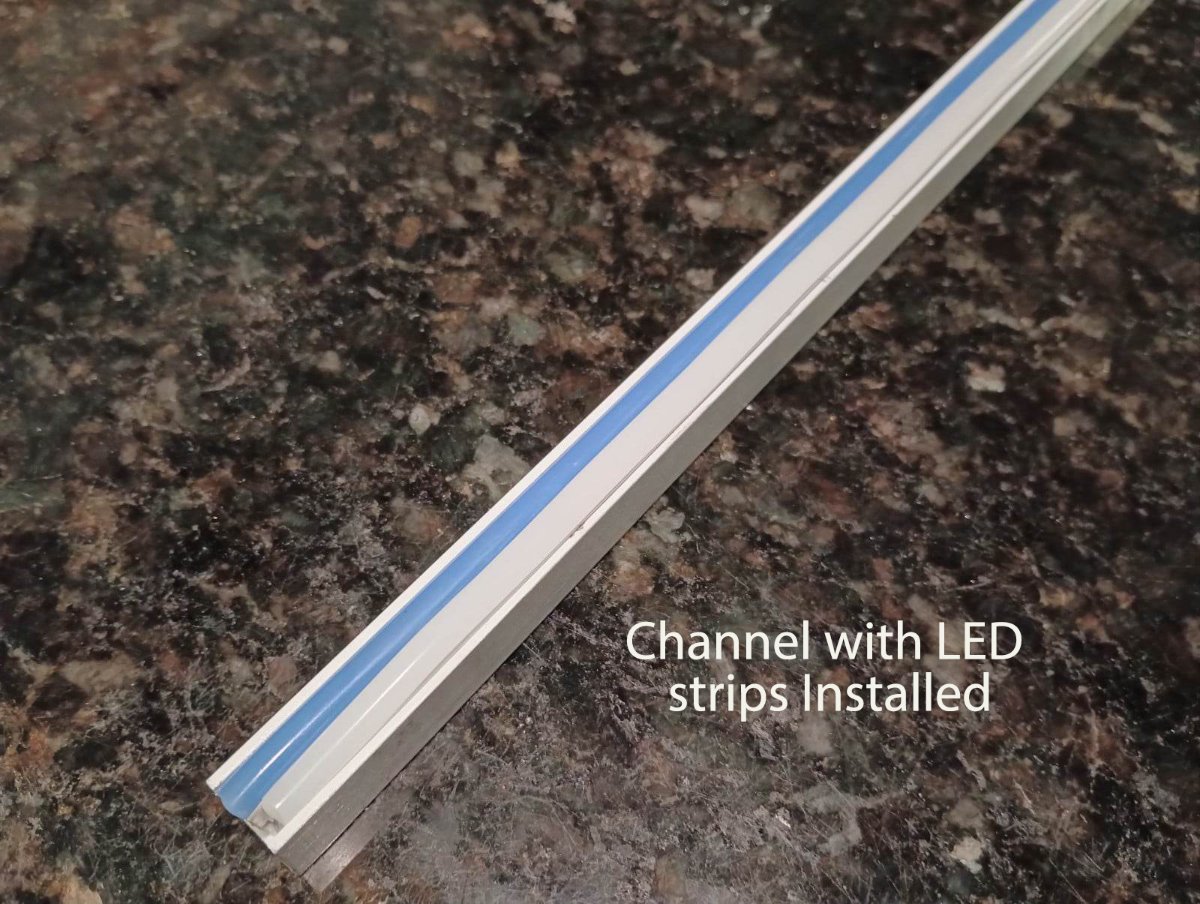
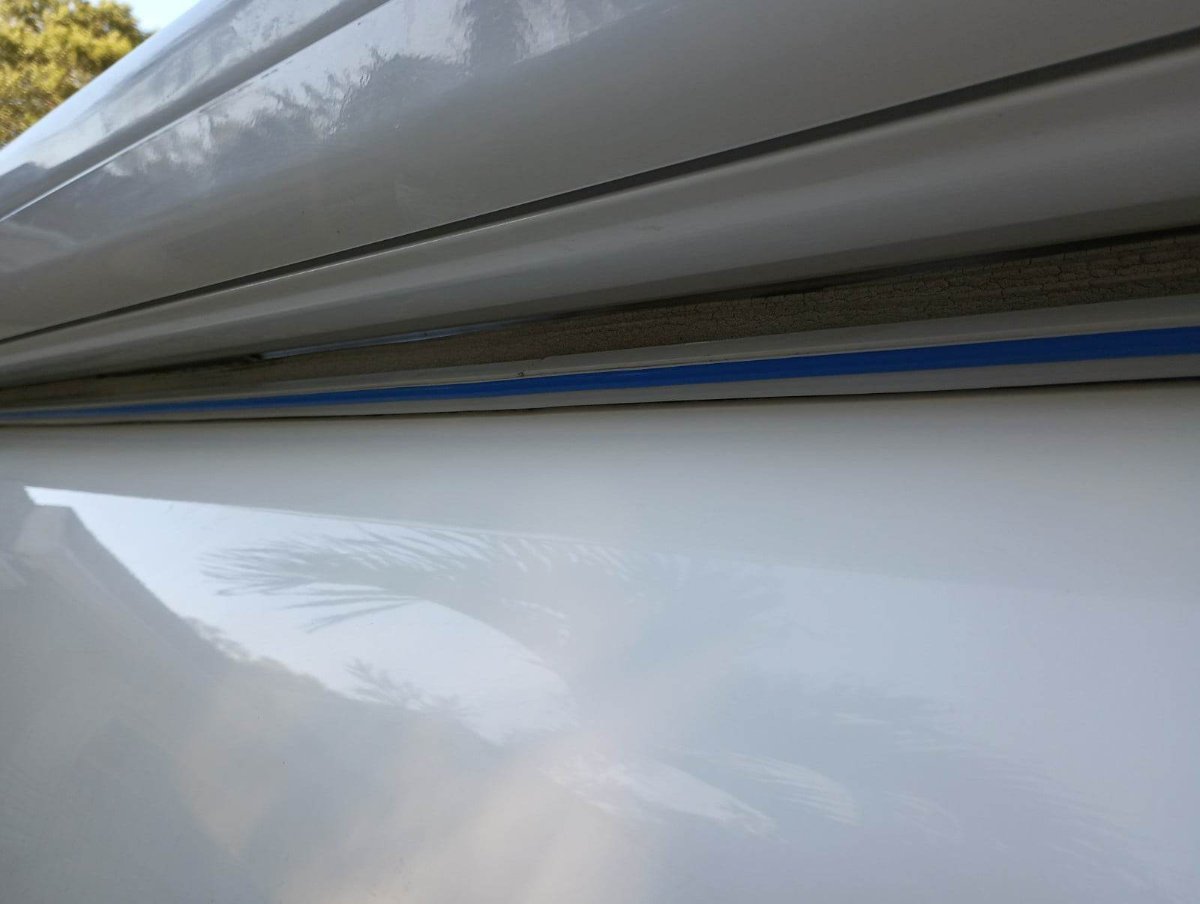
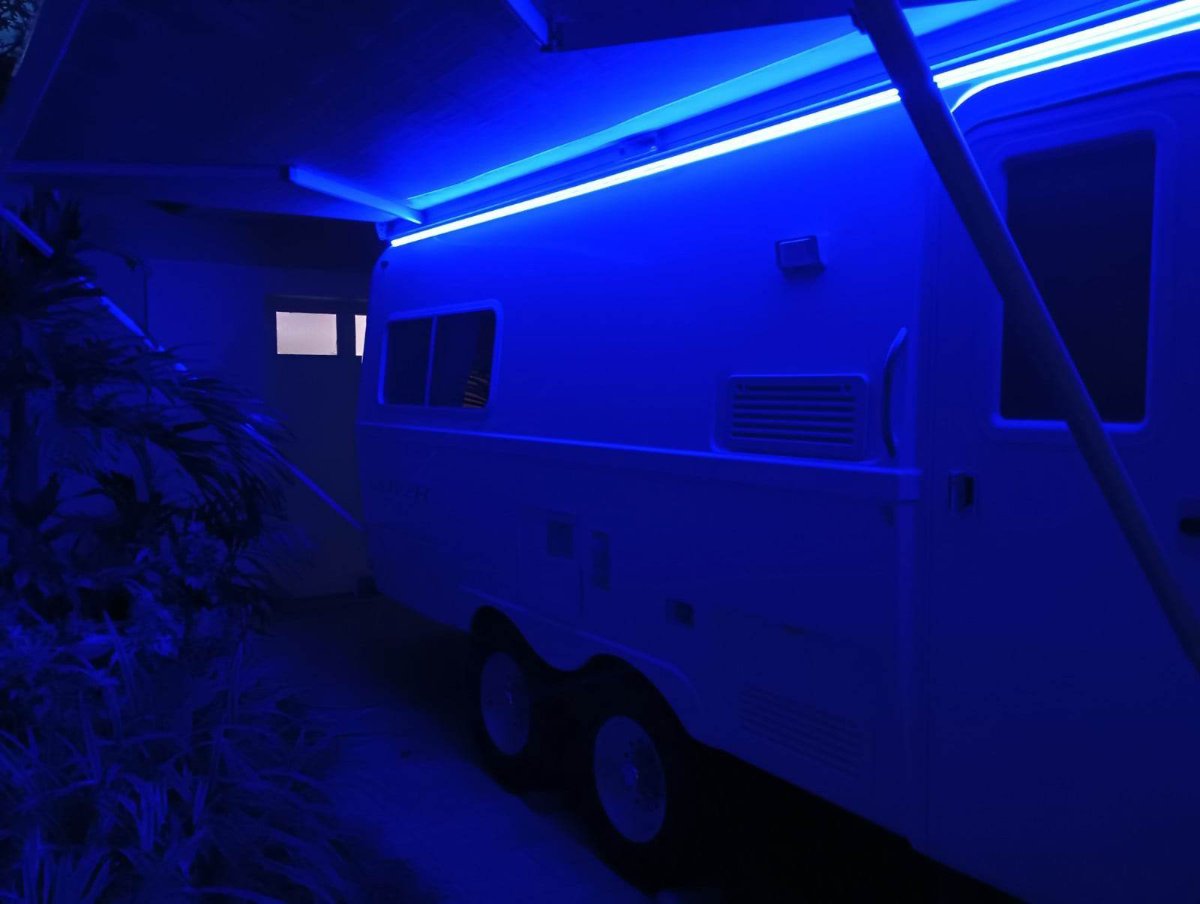
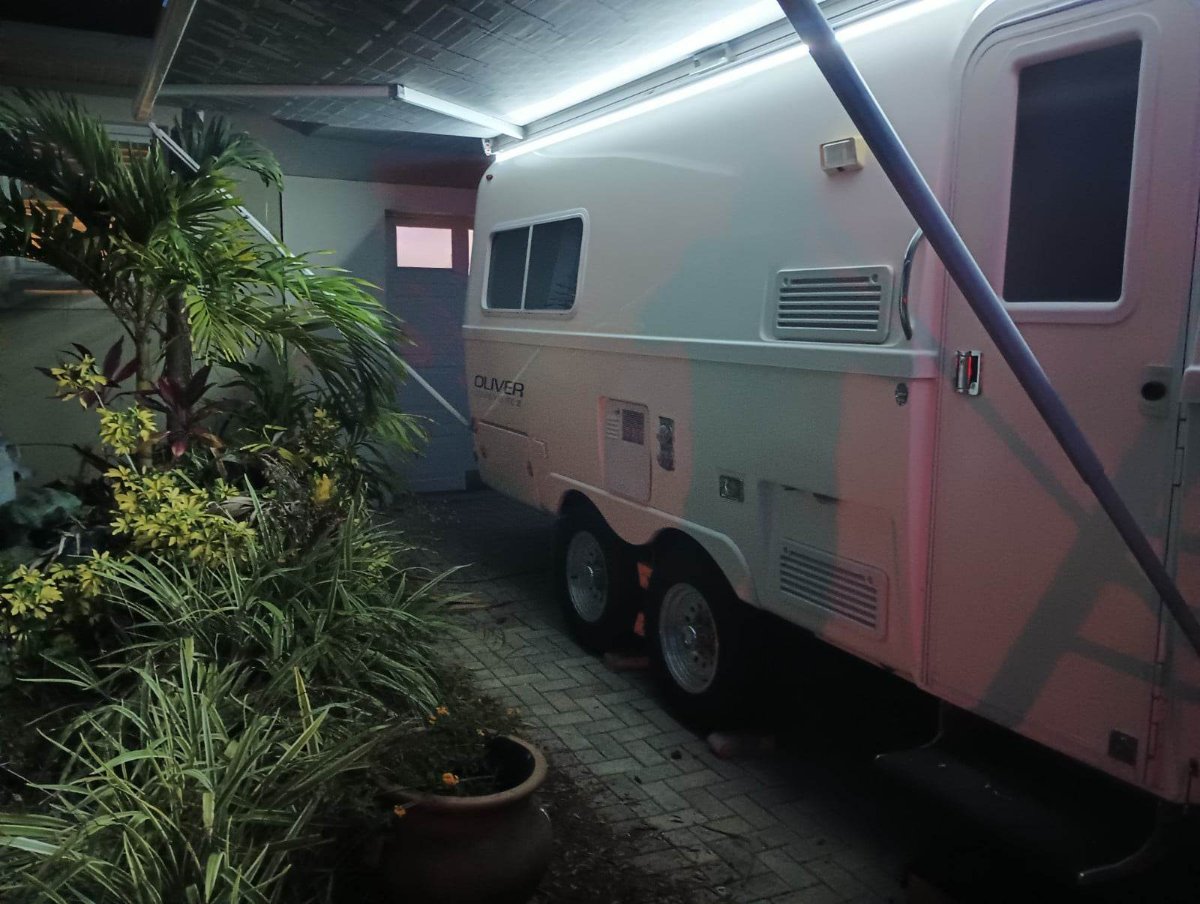
Just finished up adding some curbside LED lighting to our Ollie and we're more than happy with the results. To begin this project I painted two 8' sections of 3/8 x 1/2 aluminum C-Channel in white epoxy paint, and then once dry, used 1/2" 3M VXB tape to attach the channel to just below the rain guard weather stripping under the awning. Once that set, I installed 2 IP65 weatherproof LED silicon neon strips into the channel. We decided on one white and one blue but these strips are also available in several other colors if desired. Tried to talk the wife out of blue since I'm afraid it will attract too many insects, but she put her foot down and said she wanted blue and only blue 😄.. I fully expect to be replacing that blue strip with yellow at some point down the road, though. It's a decent friction fit once both strips are installed in the channel but I put a dab of silicon in the channel every couple of feet just for piece of mind. From there I ran the wires down through a new penetration just under the awning bracket above the porch light, sealed it with Dicor and connected them to a SPDT rocker switch. I will most likely be adding a dimmer to the circuit since the lights are much brighter than expected. All in all, very happy and I think it came out better and cleaner looking than the off-the-shelf options I was looking at. These strips emit a nice neon-like glow instead of the individual "dot" look most other LED strips have . Hope this helps anyone else looking to do something similar. I'll add more pics and parts links once I'm happy with the final switch/dimmer setup. C-Channel LED light strip 3M 1/2" VXB tape
1 point
-
Larger wheels are purely for looks on a truck, they give a harsher ride, are more prone to rim damage (less sidewall to cushion the impact), and replacement tires (and wheels) are more expensive. So unless you love the look of bigger wheels, stick with the base ones. You can always install aftermarket wheels in the future. Bigger wheels are heavier, so the extra rotating mass can add up to a significant amount, that will slow your accelaration very slightly, but won’t measurably affect your fuel economy. Get the 4WD now or regret it later. Some trucks offer shift in the fly 4WD which is as convenient as full time All Wheel Drive (and it is a lot more effective). You just have to push a button when things start to look messy. The Bad Olde Days when you had to stop, get out, and manually engage the two front freewheel hubs is very thankfully long gone. Where do you live? Please add that info to your signature. John Davies Spokane WA1 point
-
HA! We built a "Lagun" table which is designed to straddle the twin beds and create a sleeping space for Magnus. Like your Dobie, he chooses otherwise, and sleeps on one or the other twins... Oh, well! Gotta love 'em, right? Woof!
1 point
-
We've traveled with two different male Dobermans during our 15+ years of traveling in our two Oliver's. Storm and Reacher. Sadly, both have passed on. They were great traveling companions and they both loved the side dinette as their sleeping nest. Good looking dog.1 point
-
The lack of a low temp charging cutoff wouldn't deter me from buying this battery. That problem can be easily solved by insulating the battery box, adding a heating mat underneath, or adding a low temp cutoff circuit to your charge controller (if that feature is available). Even if a battery has low temp cutoff built in I'd still have a heating mat under it and insulate the box if I lived or camped in cold weather environments.1 point
-
I have had a pair of the AmpereTime 100Ah batteries for over a year now and I've used them for "extra" battery capacity. I do not use them inside of my Ollie, but I do put them outside and use them with a DC to DC charger that's installed inside to add time/life to my on-board lithium batteries - especially boon docking at night during quiet times when I want to run my A/C without the generator. I also use one of them in my small bass fishing boat to run my trolling motor. So much better than the heavier AGMs! The BMS seems to be working well as I've drained them to 0% quite often - no problem charging them back up to 100% and using them again so far. It's only been a year - and in lithium battery life that's not much but so far so good. But...in my opinion - not sophisticated or time tested enough to put in my Ollie battery tray.1 point
-
What brave Oliver owner wants to be the first to try this brand of Lithium ion battery? On Amazon for $319, less than half the price of comparable 100Ah BattleBorn. Surprisingly it has very good reviews. LiTime 12V 100Ah LiFePO4 Battery Built-in 100A BMS, Up to 15000 Cycles, Perfect for RV, Marine, Home Energy Storage https://a.co/d/eK940j31 point
-
Made it to the Yukon. First problem on trip. At Watson Lake turned on pump and heard splashing sound under bed by pump We had been in bad washboard roads which broke the PEX connection at the T out of the water heater. Thanks to previous posts I knew of this trouble spot and had replacement parts on board. Took 30 mins to fix.
1 point
-
I am just smart enough to understand why a reboot would allow the inverter electronics and capacitors to fully "Stand Down" overnight. Occasionally my fat fingers have typed in some inadvertent key strokes on my computer that put it into a tail spin and the reboot did the fix job. If you have no need to be in the trailer needing lighting or fans, you could just turn off your master DC switch (or pull the 300 amp fuse) and you will accomplish the same thing without the PITA of removing those massive DC input cables at the Inverter. Me: I would gladly sleep the night in the dark with the Master Switch off, and turn it on in the morning and fire off the coffee pot and microwave in the morning and thereby avoiding messing with those difficult to get to cables. GJ1 point
-
When my Xantrex 2K inverter was acting up a few years ago the Xantrex tech had me do a few things which did not solve the issue. Then he said to do a hard reboot. I left it overnight and when I reconnected the issue was gone. Mike1 point
-
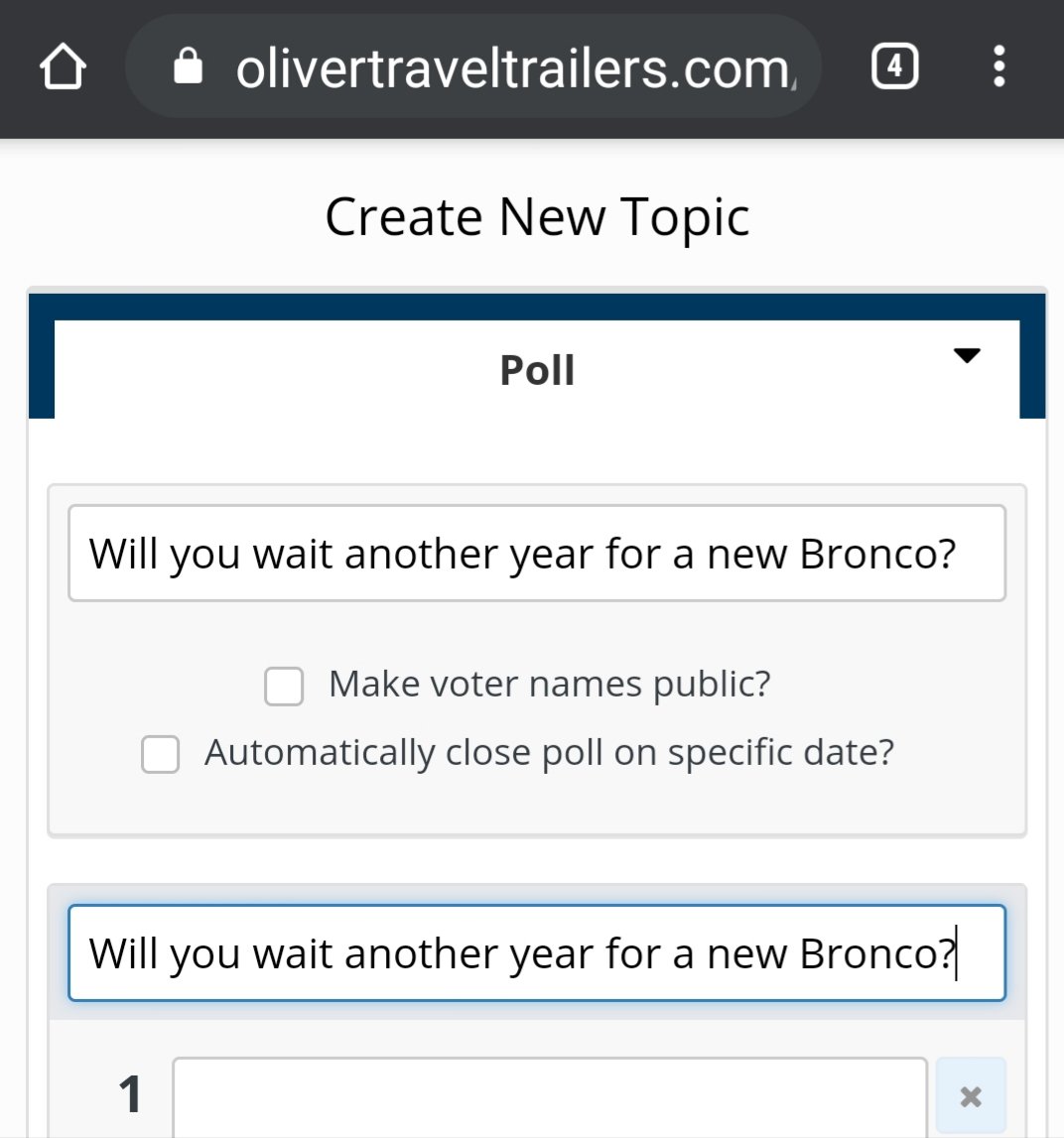
There was a post recently about not being able to create a poll on the forum. The poll function is available, but it isn't necessarily intuitive. Here's a video showing the process: Screen Recording 2020-07-28 at 10.36.31 AM.mov1 point
-
Now we need some polls to play with. Who goes first? John Davies Spokane WA1 point
-
The video is really nice, Overland. Thanks for taking the time to do that. The screen looks slightly different on an android phone, but the process is the same.
1 point
-
Glad you got it to work. I've now uploaded it to youtube as well in case anyone else is having trouble getting it to play. You may want to view this full screen or on youtube in theater mode to be able to read the text.1 point
-
Here is a list of acronyms and abbreviations that are often used on the forum. Suggestions for additional terms are welcome, and can be posted in this thread. Popular and relevant suggestions will be added to main list periodically. 4X2 or 2WD – 2 Wheel Drive 4X4 or 4WD – 4 Wheel Drive 5er or Fiver – Fifth wheel trailer, also abbreviated FW A/C – Air Conditioning AC – Alternating Current ACE or CE - Army Corps of Engineers, more commonly abbreviated COE; often operate campgrounds near their projects. A – Amp or Ampere AGM – Absorbent Glass Mat, referring to a type of batteries many of us use. Ah – Amp Hours Al – Aluminum AS – Airstream ATF – Automatic Transmission Fluid ATS – Automatic Transfer Switch, often shortened to TS Attic - The overhead interior storage area located at the rear of an Oliver AWG – American Wire Gauge, sometimes abbreviated Ga Basement - The exterior storage area located at the rear street side of an Oliver BC – Brake Controller BLM – Bureau Of Land Management, overseer of public lands and operator of many campgrounds, typically in more remote areas of the country. BTU – British Thermal Unit CAT Scale – Certified Automated Truck scales located throughout the US. Many RVers use these scales to weigh their trailers if they don’t have access to another private or public scales. CCC – Cargo Carrying Capacity (payload capacity), sometimes abbreviated NCC CG – Camp Ground COE – Corp of Engineers, also abbreviated ACE or CE; often operate campgrounds near their projects. CONUS - Contenental United States CW – Camping World, a chain of RV supply stores DC – Direct Current DEF – Diesel Exhaust Fluid DS – Dump Station Egg – Fiberglass Trailer FG – Fiberglass, also abbreviated MFG FHU – Full Hook Ups, often abbreviated WES, for Water/Electric/Sewer FT – Full Time FW – Fifth wheel trailer, also abbreviated 5er or Fiver Ga - Gauge (wiring), more commonly abbreviated AWG GAW – Gross Axle Weight GAWR – Gross Axle Weight Rating GCVW or GCW – Gross Combined Vehicle Weight GCWR – Gross Combined Weight Rating Geezer Pass - Lifetime Senior Pass from the National Park Service. Currently, for age 60 and above, $80. Free entance to many National Parks and sights, and often camping discounts in the park campgrounds, and some other participating state and national campgrounds. Gen – Generator GPM - Gallons per Minute, a measurement of water usage and mountain pass fuel consumption GTW – Gross Trailer Weight GTWR – Gross Trailer Weight Rating GVW – Gross Vehicle Weight GVWR – Gross Vehicle Weight Rating HP – Horsepower ICE - Internal Combustion Engine or a conventional ICE vehicle (as opposed to electric) Inch WC - Inches of water column, a measurement of gas pressure often used instead of PSI. LA - Lead acid batteries, typically referring to non-AGM batteries LE – Legacy Elite, Oliver's single axle trailer LEII or LE2 – Legacy Elite II, Oliver's tandem axle trailer LED – Light Emitting Diode LFP or LiFePo – Lithium Iron Phosphate, an alternative to LA or AGM batteries LP – Liquid Propane LT – Light Truck (tires) MFG - Molded Fiberglass, often shortened to FG MVU or MVUM - Motor Vehicle Use Map from the USFS; shows which national forest roads are open for dispersed camping NCC – Net Carrying Capacity (payload capacity), often abbreviated CCC NPS – National Park Service Ollie - short for Oliver. Olly will also be accepted by the judges. OP – Original Poster, the person who started a topic OTT – Oliver Travel Trailers OTTO or Otter – Oliver Travel Trailer Owner OTTOR – Oliver Travel Trailer Owners Rally PM - Private Message; a forum function allowing members to send messages privately to each other, without needing email addresses or phone numbers. PU – Pop Up tent trailer PSI – Pounds per Square Inch Romp - A gathering of OTTers RTV - A silicone sealant of a variety of types RV – Recreational Vehicle SOB - Some other brand; in our forum, any type of trailer other than an Oliver. SP – State Park Stick Built - A travel trailer constructed from wood and panels, unlike an Oliver and other eggs Sticky - a) Stick Built trailer; b) On the forum, a topic of some importance, pinned to the top, so that it "sticks around" and doesn't get lost. TPMS – Tire Pressure Monitoring System TS – Transfer Switch, also abbreviated ATS TT – Travel Trailer TV – Tow Vehicle TW – Tongue Weight V – Volts VA – Volt Amps (Watts) VIN – Vehicle Identification Number USFS – US Forest Service W – Watts Wally World – WalMart Wh – Watt Hours WDH – Weight Distribution Hitch WES – Water/Electric/Sewer, also abbreviated FHU, for Full Hook Ups1 point
-
It has been noticed that some images are missing sometimes in threads. This is generally caused from users embedding images from a third-party image host like photobucket and then somehow the images are removed from the host. You can see an example here.... http://olivertraveltrailers.com/topic/dexter-single-axle-suspension-kit-legacy-elite/ Keep in mind that if you delete an account from an image host or remove an image, it will also remove the image (or post an image not found) anywhere you have embedded it. Just wanted everyone to be aware. Thanks!1 point
-
Following my first hard reboot in May, our Xantrex Freedom XC Pro 3000 Watt inverter once again shut down when asked to handle loads over 1400 watts at less that 100% State of Charge. So I tried just turning off all three batteries, as suggested by Geronimo John. Although I left the batteries off for a couple of days before turning them back on, the inverter still shut down when asked to handle loads over 1400 watts. So, I did a second hard reboot by physically disconnecting both the positive and negative battery cables from the inverter, and waiting 3 days. For reasons I do not understand, physically disconnecting the battery cables enabled the inverter to once again handle loads over 1400 watts, while just turning off the batteries did not. How long the effects of that second hard reboot will last remains to be seen. Tom and Doreen: have you done a hard reboot on your Xantrex inverter? If so, what were the results?0 points
-
And you'll probably have to throw the fuse switch for the solar panels - at least you do on ours. Since my post yesterday I have found it's our garage door opener being used in the proximity of our Ollie with the fan on that causes ours to go crazy 🤪 Charlie.0 points

























.thumb.jpg.e34bf01ef7f7d5e99ad31856d45afbeb.jpg)











-
Recent Achievements
-