Leaderboard


Popular Content
Showing content with the highest reputation on 01/08/2023 in all areas
-
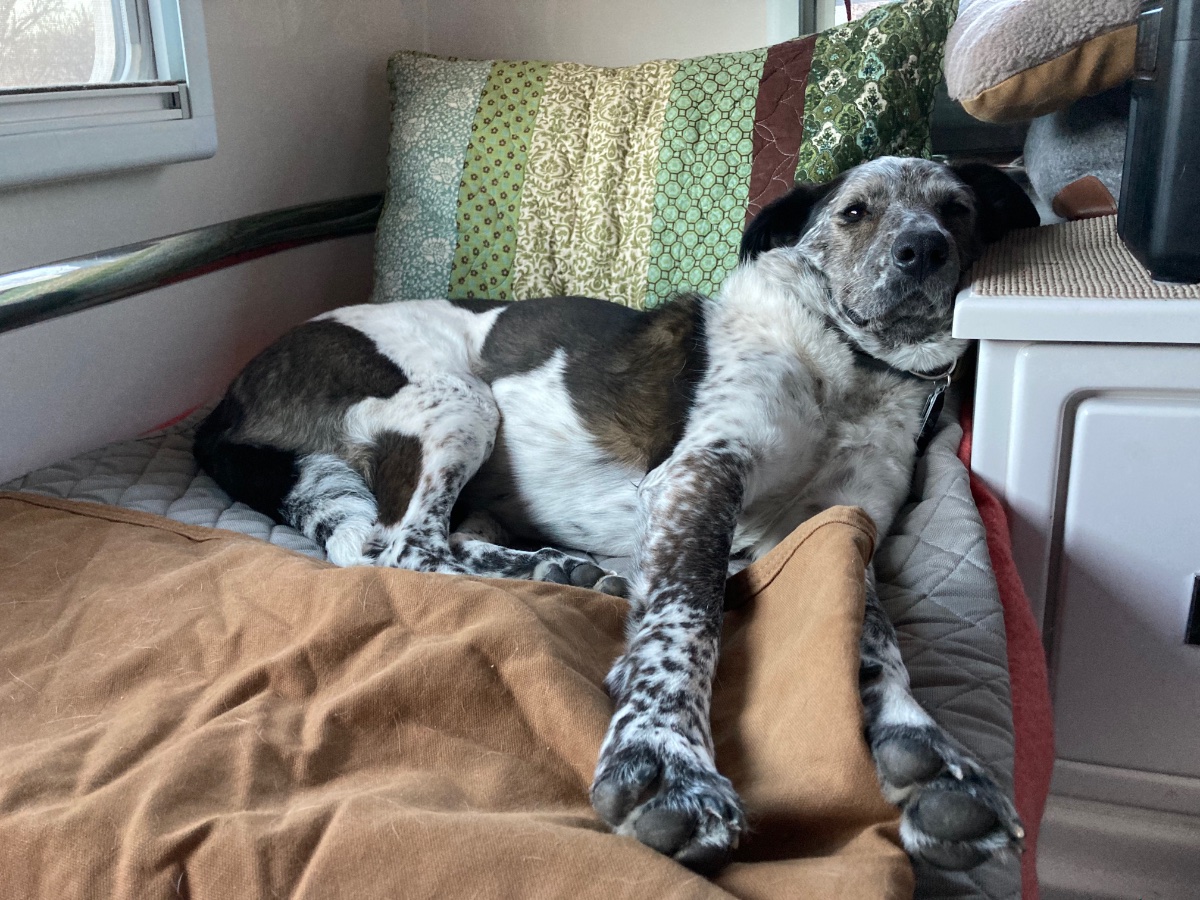
I'm with Bosker. I sleep so much better in the Ollie. I don't know why. We have original cushions, plus a mattress pad . I attribute it to : fresh air and exercise Our minds are clear, no rush, no reason to get up too early. And, 3, even our 2008 shades keep the house pretty dark. Our dog sleeps on the dinette cushion. She sleeps in, too.5 points
-
Glad that you identified the pup - I showed this to my wife and she thought that someone had taken pictures of me! 🙃5 points
-
After reading this post I decided to check the quick-links on my LE2. Each one was slightly loose, needing about one revolution of the nut to completely tighten. I bought two spares and will apply red Loctite to the threads on the originals. Issues like this are one of the reasons I read the Forum regularly - I learn something almost every week.4 points
-
I totally get that. On our remote NC property, we've loved living remote, without hookups, sometimes half the year. (We do have spring water for outdoor showers. ) With storms in any place we are, it's really great to be self contained, in the Ollie. Knowing we can be warm, we can cook, and deal with extended power outages.4 points
-
3 points
-
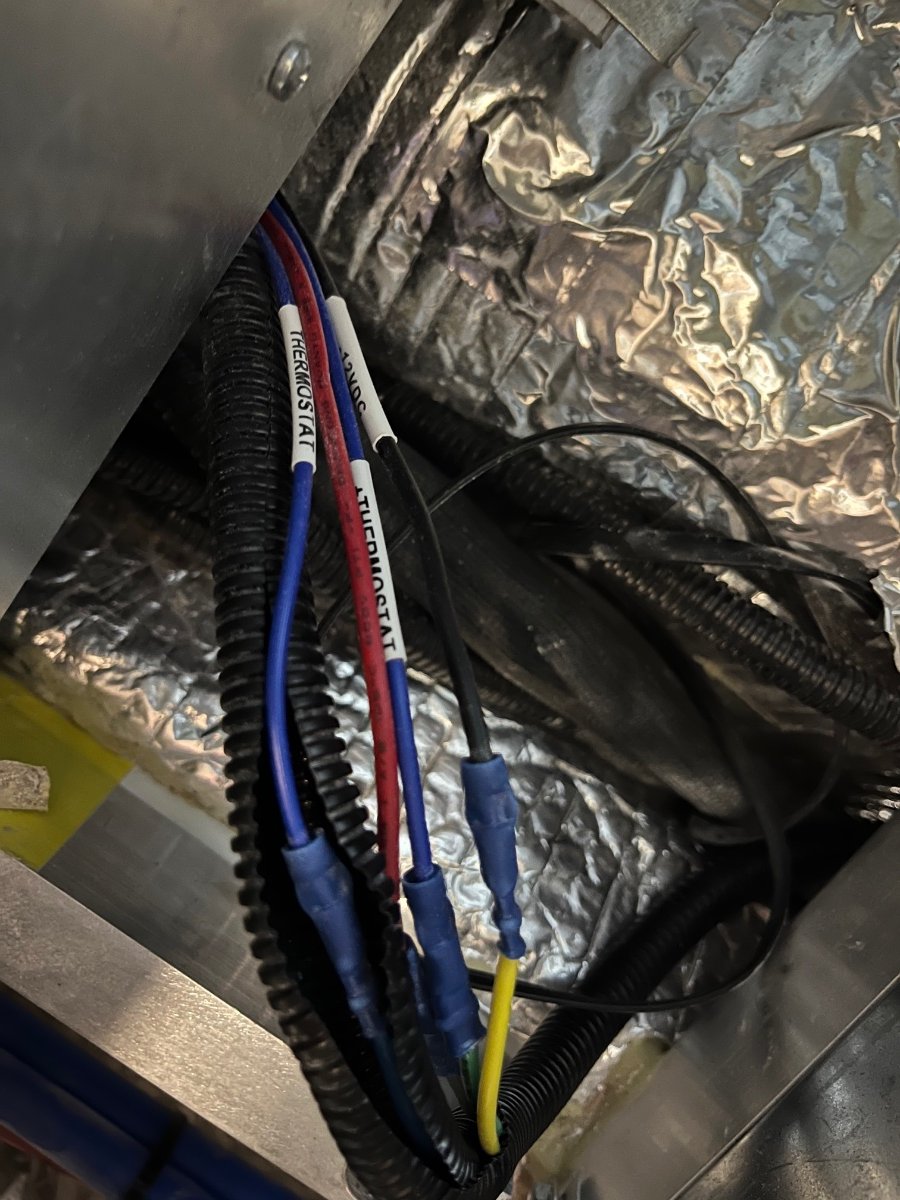
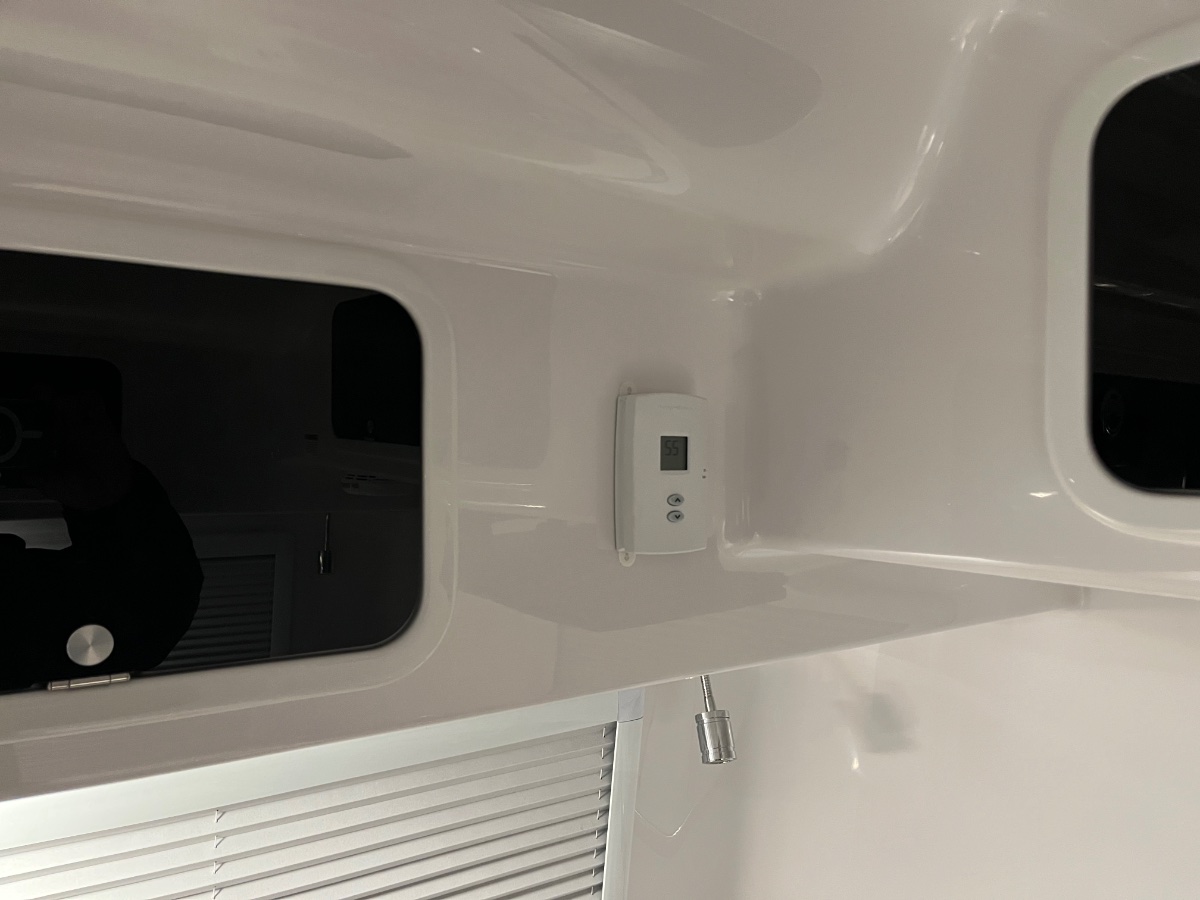
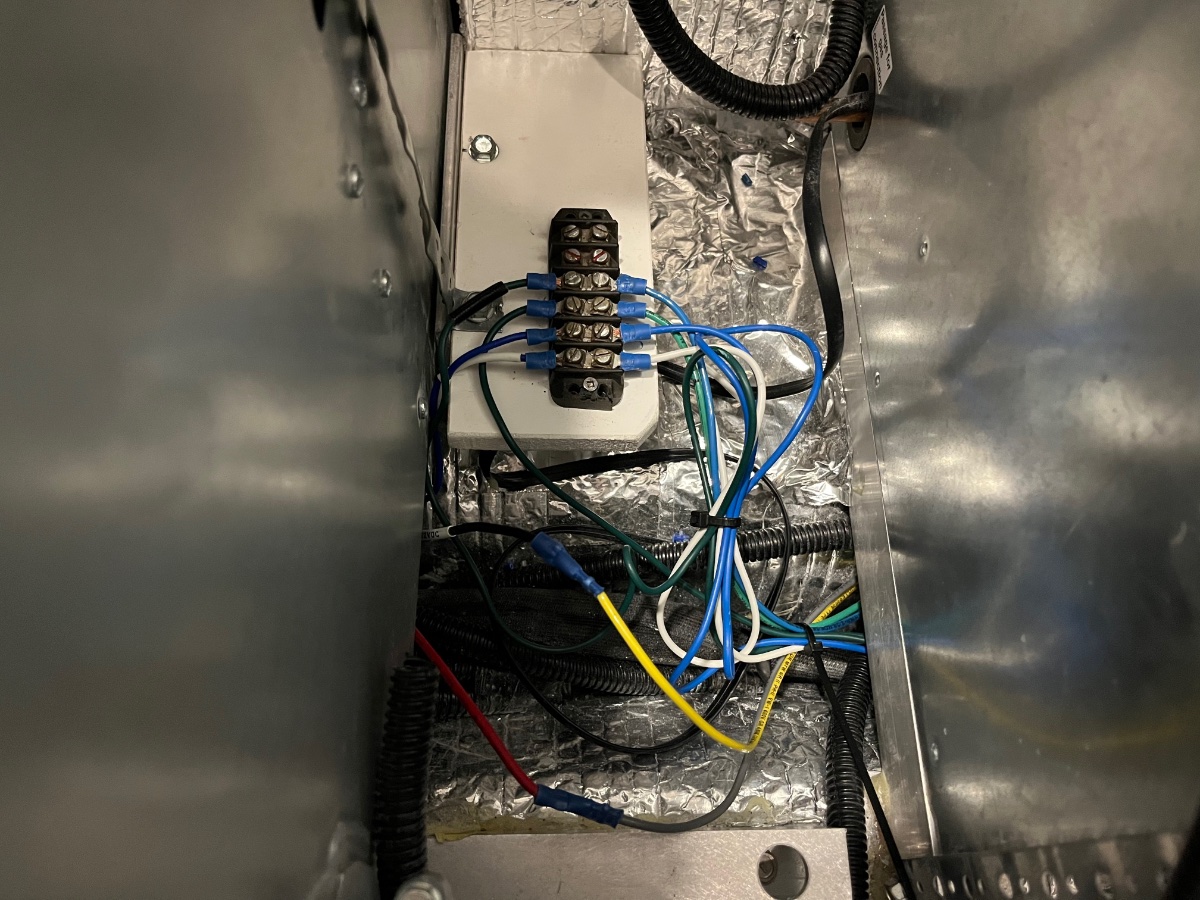
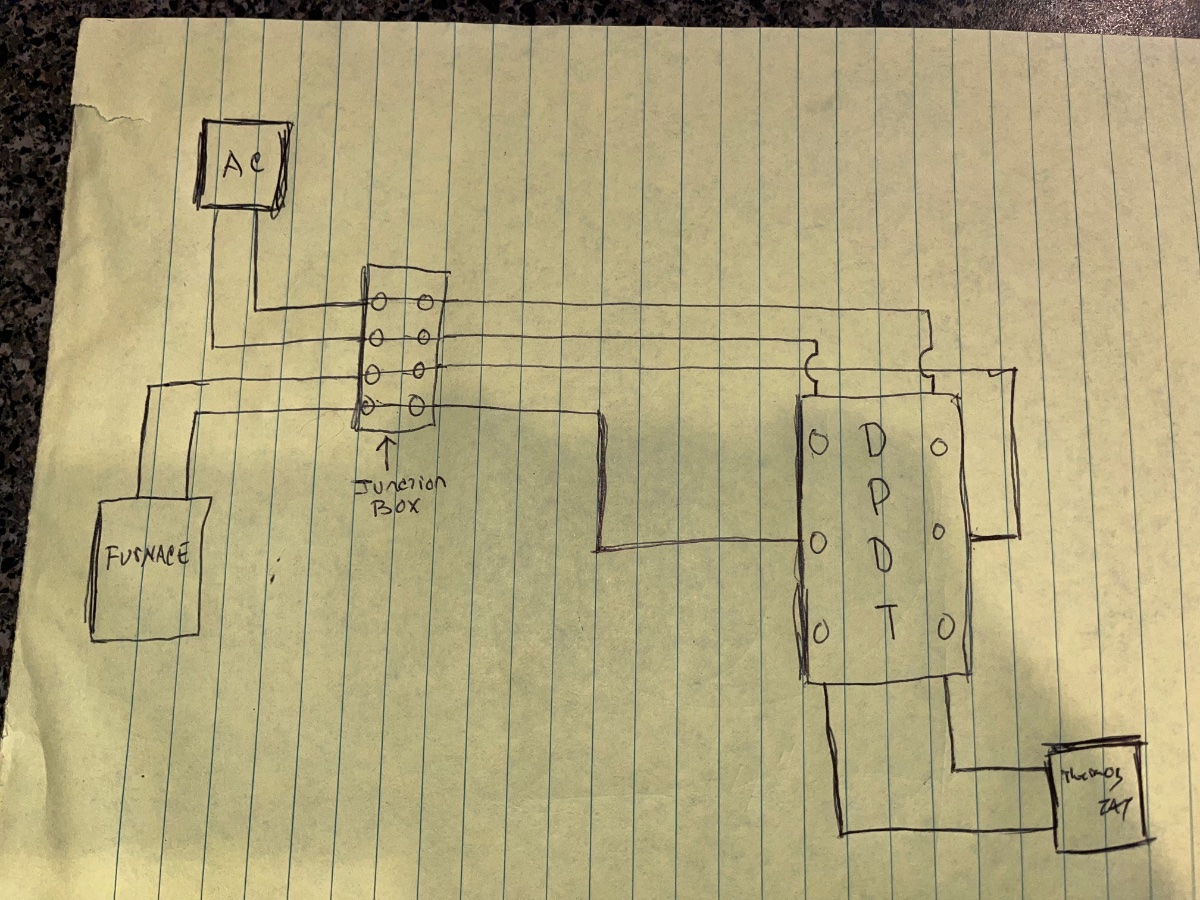
I’m back and I think I resolved my issue I had to wait until after the new year so I had some free time. After many phone calls and web searching I decided to try what I read on some other RV forums. This is not an uncommon problem and it drives not only me crazy but a lot of other people in the RV word. From what I can deduce the actual temperature sensor lives in the AC unit on the ceiling not in the thermostat mounted on the wall. This poses a problem because heat rises into the unit then it cools fast because it is against the roof and not on an interior wall. so I isolated the thermostat wires coming from the furnace and with the use of a DPDT switch I isolated the furnace from the AC altogether. Now the heat in the trailer is controlled from the battery operated thermostat independent from the AC. If I put the switch up I have heat controlled by the remote battery operated thermostat and no more cycling on and off. If I want AC I switch the switch down and now the AC works exactly the way it was wired originally using the Dometic thermostat installed by Oliver. So far it seems to have fixed the problem completely. Now that the cycling has stopped I plan to add a return air vent under the front Dinette along the floor. That should help with the return air flow by taking the return air directly from the floor up front away from the supply air. Sent from my iPad
 3 points
 -
Yes. However, it is still advisable that you check how things are going every few weeks or so. If it were mine, I'd be checking it at least every other week given that you have things "running" inside. Even in my case where I have turned off everything but have an exterior add-on solar panel charging the batteries I check things every 5 to 6 weeks. Bill3 points
-
Interesting concept. https://a.co/d/dL5v7jJ I'm thinking inside the propane refrigerator enclosure since many RV fires start with the adsorption fridge. Supposed to trigger at 338 degrees F. Watched a video where a guy used one to put out a fire in a fire pit (which actually shouldn't have worked because it wasn't an enclosed space).3 points
-
Water will be your issue. We can live "indefinitely " in our solar powered Ollie . Fresh clean water is the issue , in my experience with extensive boondocking. Even though we now have an ro system, for our mountain spring collection system, I still boil water for drinking. Probably belt plus suspenders, but that's how we roll.3 points
-
I keep mine protected in the box the antifreeze kit came in. This gets stored in whichever compartment I think I might remember when it's needed.3 points
-
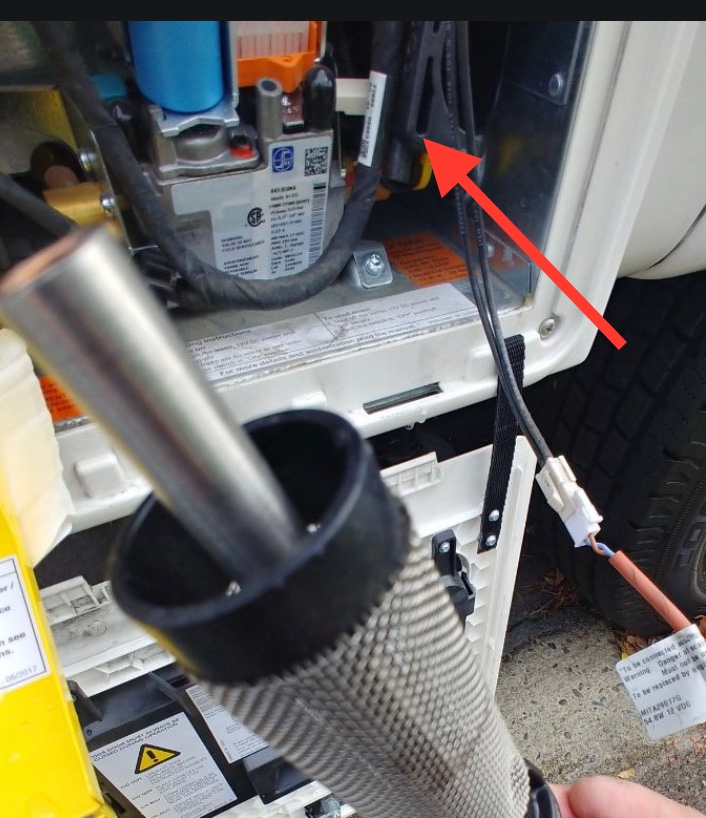
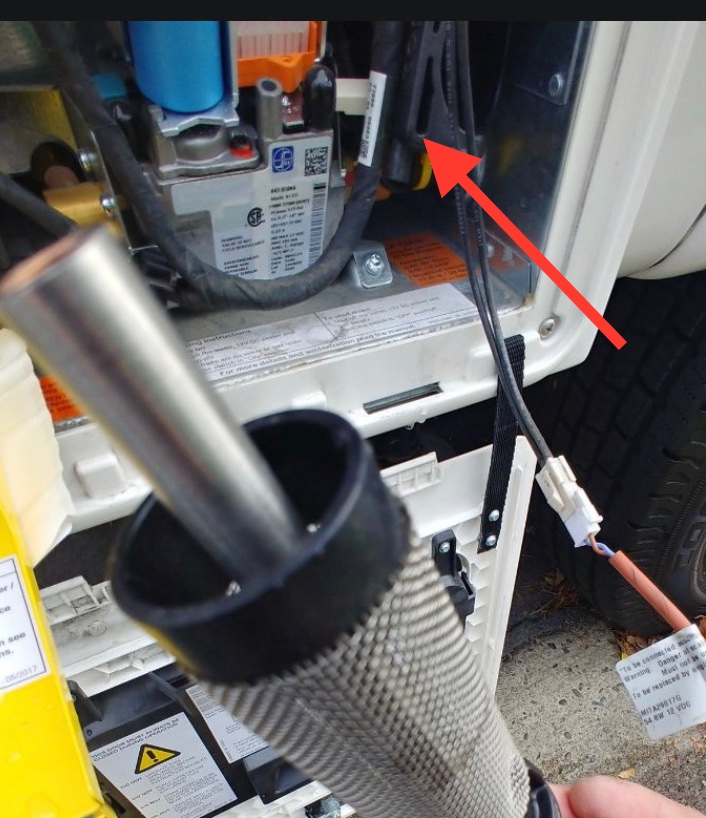
Thanks Steve 🙂. But it’s a pretty easy part to identify for us long term Truma owners. That’s the outer end of the original filter showing on the right tucked inside the Truma in Dave’s original photo that I added the red arrow to. And here’s a photo below that shows what that end of the filter looks like when it’s not hiding inside the Truma.
3 points
-
Dolly at the start of the day then after a day of camping!
3 points
-
Bosker sleeps so well in The Wonder Egg that sometimes he just doesn't want to get up.
3 points
-
That pup is simply going to have to go back to school to learn exactly how to relax!😆3 points
-
We are glad to hear that you arrived home safely, albeit without power. We also heat with a wood stove in the Sierra Nevada. We keep a couple of big pots of water on it, which helps heat and humidify the house. More importantly, having been through a number of power outages over the years, it provides hot water for bathing, and we keep a pot of beans going on it! Here's hoping you get your power back soon. In the meantime, the Ollie is a nice alternative.3 points
-
Well... isn't that a surprise! I understood that I needed the original part to do the decalcification process as well. I have looked everywhere for that part and thought that I either never received it... or put somewhere that I wouldn't forget?? I was about to just order a replacement part so that would have it when the time came. (I have the tablets). I can't wait to get the cover off and see if mine has been hiding in plain sight all this time as well! 🙂2 points
-
Good advice... I helped a buddy build a barn years ago. He cautioned me against cutting the boards, saying "If you cut it too short, we can always piece it, but if you cut it too long, I don't know what we'll do!!!???" 😀🤪😉2 points
-
I was thinking of attaching it to the outer fiberglass shell, inside the fridge enclosure. According to the Q&As, "The outer layer of the agent in the fire extinguisher is wrapped with waterproof silica gel, which will not be affected by wet weather." My biggest question is airflow. These are designed to work in semi-enclosed spaces. The fridge's fan moves some air when it's running. I'm wondering if the fan would clear out the fire extinguishing agent before it could be effective. For that reason I'd probably mount it mid-compartment or lower in the hope that the agent would reach the fire before being exhausted by the fan. I also hope it's not too "girly" for my trailer. 🤣2 points
-
Yes, available from Pelland Enterprises. Sold by the foot in both white and black. https://www.pellandent.com/Half-Inch-Glass-Vinyl-Seal I changed mine to black since the white was so hard to keep clean.
2 points
-
Oliver should have also provided you with the original filter they remove when the Antifreeze kit was installed. It's in the kit installation instructions to retain the original filter for use when decalcifying the unit.2 points
-
I know a lot of us travel with our pets. Would love to see pics of your pets in or near your Ollie. I’ll start2 points
-
I wholeheartedly agree this is a much stronger solution than using the connectors that Andersen provides.2 points
-
Update on furnace not working below 45 degrees. Ended up being a faulty thermostat wire. Originally, the thermostat had an error code of E1 when we turned on the furnace during our first cold morning this fall. I rebooted the system, the error code went away and the furnace then worked fine above 45 degrees, and below 45 would cycle with the burner only staying lit for 5 seconds. This would repeat a few times during a 20 minute period with the blower running the whole time, then turn off completely. There where no error codes on the furnace circuit board. Then it just stopped working completely until the temps warmed. Finally it just stopped responding completely. Kudos to the service manager at the local rv dealer for an evaluation and repair. He talked with an Oliver tech who described the rather difficult process of running a new wire as the continuity was broken on 2 of the 3 wires running up to the AC. This apparently has infrequently occurred where the wire is pinched between the hulls during assembly. In this case, the wire was compromised and during cold weather the wire contracted enough to short. Then after more miles were driven the wire severed. I’m very happy to have established a strong service relationship locally. It was interesting that the local dealer was skeptical of the brand as it was the first one they worked on, but very complimentary after completing the work and engaging Oliver’s service department with constructive dialog to resolve the problem. Dometic HVAC system. Mark Hull 1111 Chelsea MI1 point
-
I had a 30 amp outlet installed n the outside wall where the trailer lives. I check every few days If not more. Never less than 13 volts showing. So far so good1 point
-
Is the trickle charger an external unit that connects directly to the batteries? Have you verified that the trickle charger does in fact shut off when the batteries reach a fully charged condition? A lot of the trickle chargers simply reduce their output when the battery is fully charged. Will you turn off the Oliver 12v charging function? Mossey1 point
-
Thanks. I’ll likely give it a try.1 point
-
The only shrinkage I have noticed with the Pelland Enterprises replacement seal is in the length. So when you are cutting a replacement, try not to stretch the seal and cut it long. If it is too long to install then you will have some left to trim. Mossey1 point
-
Very interesting product. Bill1 point
-
We boil all our drinking water, rolling boil for one minute per CDC guidelines. Probably belt, suspenders and cummerbund, but it's become habit. All of which brings to mind that old adage of the American West (which takes on new meaning as we consider the modern relevance of the Colorado River Compact): whiskey is for drinking, water is for fighting over. 😄1 point
-
Isn’t that the original filter tucked in there on the right in your picture?
1 point
-
Maybe someone else that purchased this option will comment on where the filter was located. Definitely open a service ticket.1 point
-
This is all valuable and reassuring advice, and I thank everyone for the contributions. My conclusion for the moment is: 1. Fluid Film on steel components, especially the undercarriage of my aging, but still chugging, 2008 Ford F350 TV (plenty of rust to adhere to on that one), but also the hitch, stabilizing jacks and axle on the Ollie) 2. Regular wash and wax on the fiberglass 3. Hose down (but not pressure wash) aluminum with water periodically I can assure you that none of this has deterred us from using our Ollie: with the exception of a few days here and there, we have been full-timing in it since November 4! We really enjoy it. The beach experience has also made me a fan of lithium grease on moving steel parts (hitch, door lock, stabilizing jacks).1 point
-
Last update... raced to get home and !#!!, not power. Just got PG&E update. It will BE 10 DAYS BEFORE WE GET POWER at our home... the good new is we heat 100% with a wood stove. the bad new is not running or hot water without running a generator. It's what we both love and dislike about living remote.1 point
-
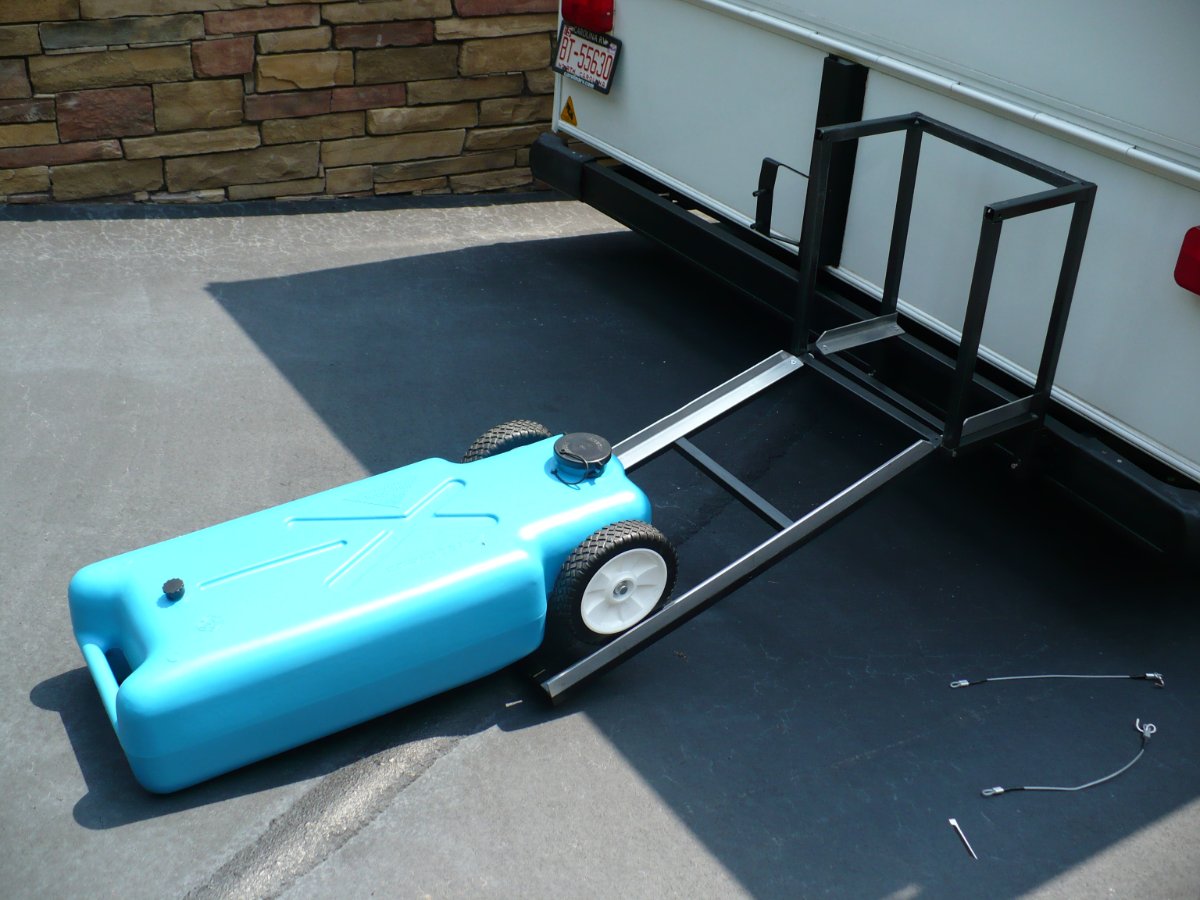
Since we have a Nature Head compost toilet we only dump grey, we have a 28 (which is way too big) and a 15 gallon tote which we love. We haven’t found a good place to put it so it just goes in the back bed of the truck. There are some great suggestions in this feed, thanks for sharing them.1 point
-
That's really odd regarding hull# and vin delays. Josh White is our salesman and he told me as soon as our 50% cleared the bank the camper would be scheduled in the production schedule and the vin and hull number were assigned. Within about 4 days of dropping off the check Josh emailed the information to us. I was able to get my insurance quote with the vin in hand. And of course we registered for the rally as owners.1 point
-
We did do that, but later in the season we put the tote on top of our Diamondback tonneau cover and used the space in the rear cargo carrier for a ground bike rack (for parking bikes at the campsite).1 point
-
I can see using an anti-corrosion spray on the ferrous metal which makes up the axle framework. That makes sense. I was referring to the 6061 aluminum trailer frame. I built and own a 35" sailboat with a 6061 mast, boom and other components and, after 40 years living in saltwater, there is essentially no corrosion on any of the aluminum parts (the mast and boom is painted with AwlGrip). I spent the last 30 + years of my professional life as a sales manager with an aluminum extruder where we annually punched many millions of pounds of extrustions of all types using many different alloys including 6061 - it is remarkable stuff. The one compound I do use religiously is an anti-galling gel on fasteners. You must also protect against contact with dis-similar metals ... mounting say a bronze winch directly against an aluminum mast or boom is a sure route to serious corrosion of the aluminum. I am not against the use of waxes on gelcoat. It does help with aestetics and can extend the number of years your Oliver will have that brand-new look. My point was that a good gelcoat will put up with a lot of abuse and can be brought back to as-new appearance with surprisingly little effort. Take care of your Oliver but don't be afraid to use it ... they are tough little trailers and built to be used and enjoyed.1 point
-
After I posted this I contacted my sales rep. Within an hour he replied with our Hull # (1351) and a build sheet with our VIN. We had seen the same thing on the registration form. We will now be able to register as owners! Cheers, Brian1 point
-
We live and travel mostly in coastal environments. Do quite a lot of winter trailering too. The stuff they put on roads nowadays is murder on vehicles. I used to have a film lighting business and had a number of trucks. Historically, rust related problems ran me thousands of dollars. Did some homework and found that plow guys often undercoated their gear with Fluid Film as did maintenance folks working on bridges in marine environments . It's a natural based fluid, sprayed on undercarriage (with options of spraying into rocker panels, etc...) which acts as a penetrant and lubricant. Used if for years on work and personal trucks and absolutely swear by it. Lots of folks apply every year. I used to clean my vehicles, coat with fluid film, repeat again the following year then do every other or 3rd year depending on how much use the vehicle sees. Commercial applications at garages is about $20/running foot but, if you have a compressor, you can buy the kit to do it yourself. A garage should discount as there is only frame to do on our trailers as opposed to the entirety of an average vehicle. Stuff goes on like viscous fluid then absorbs dust and firms up a bit. I used to go right from garage to drive on a dirt road. Turns into a brown, rubbery coating. You can leave entirely alone till next application or spray with low pressure but will wash off with high pressure and soap. I put on a 5 year old box truck which I had another 10 years with absolutely no new rust growth. You hit rusty spots with a wire brush - lightly - apply the film and that's it. Unlike standard undercoating, will not trap moisture and cause further rust creep. Penetrates into nooks and crannies really well. There is overspray which gets on exterior of vehicle but is easily cleaned with a hose and whatever cleaning soap you use. Have to be careful not to get on brakes. I always had the tech steer clear of them and I would follow up with canned spray Fluid Film which you can get at auto stores/amazon to hit spots they missed. I have not applied to my entire Oliver undercarriage yet but have done the axles, trays that LP tanks sit on, base of the tanks themselves and suspension bits. Our trailers have so little metal in undercarriage that it would probably be easiest and certainly less $ to just buy a few cans and apply by hand. Will do a test by coating a cross member under the Oliver and checking progress in the fall before doing the whole frame. My f150 is just a year old so will wait till the fall before having it done. Some folks say it's best to wait for a bit of corrosion before applying so there is something for the film to stick to.1 point
-
We will be launching a branded store in the upcoming months. Our obstacle is finding the right partner (supplier) that can offer quality merchandise and dropship for us. We really don't want to inventory apparel here. We have tried a few vendors and one is promising but not happy with the embroidery yet. We are just getting our Rewards Program finalized and will be launched probably tomorrow. Once that project is underway, we can get back to our store project!1 point
-
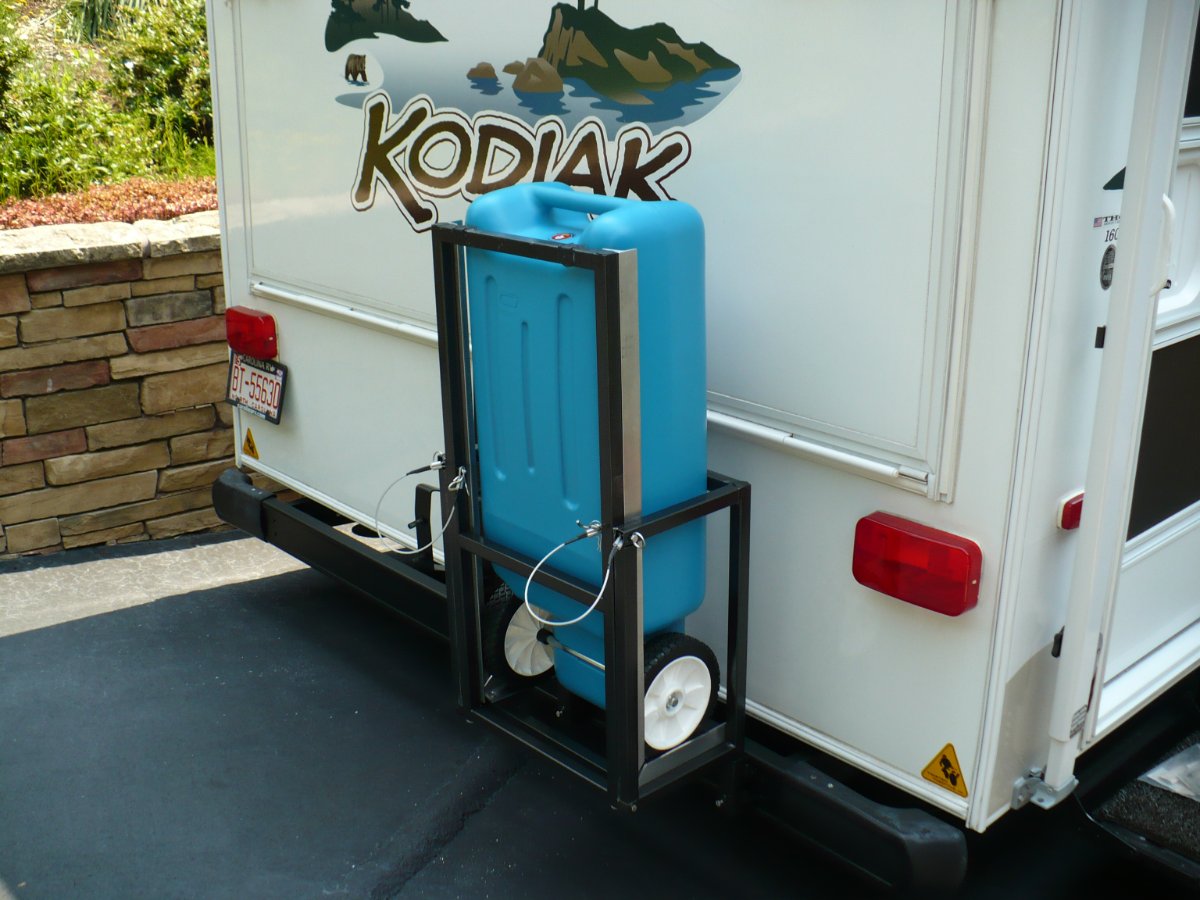
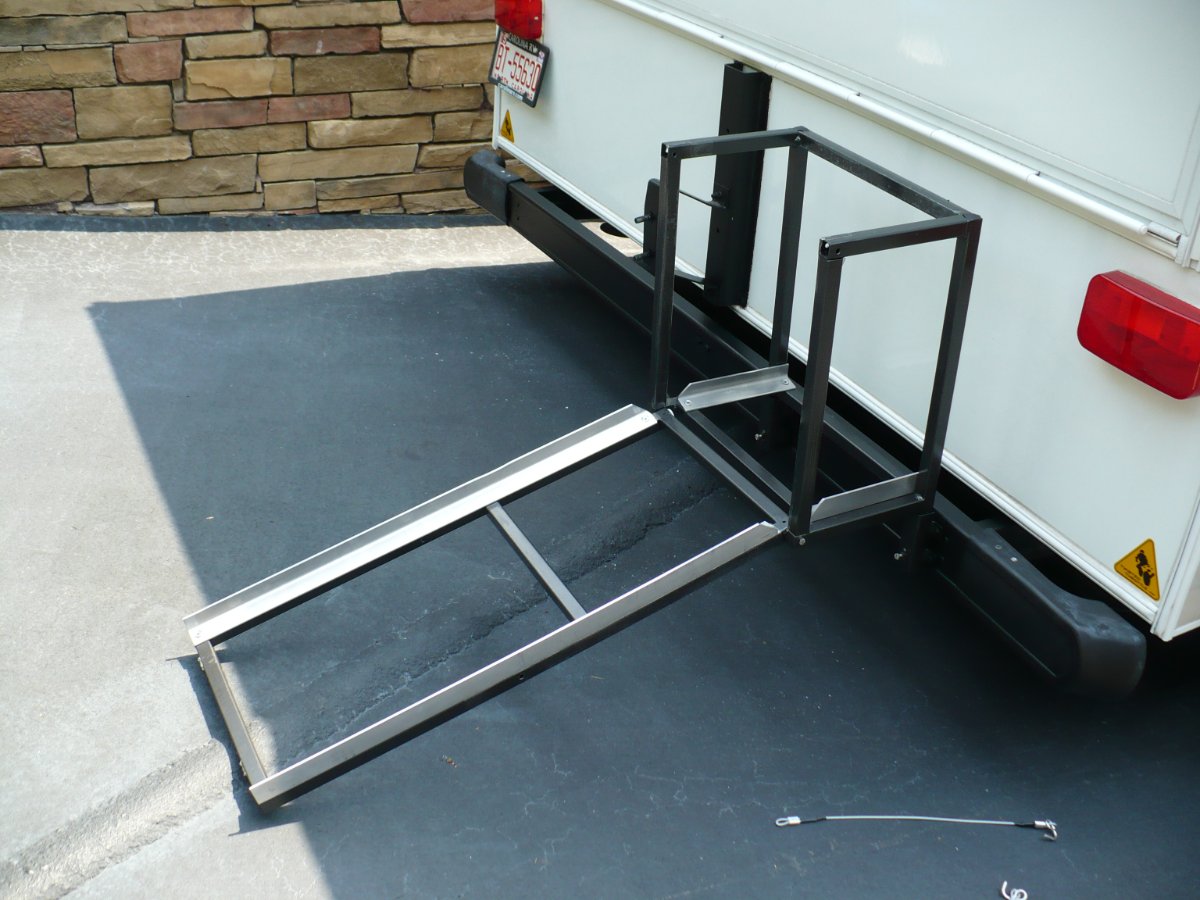
I now carry a small waste tote (empty) in the bed of my truck. But, with an RV I owned prior to seeing the light and getting my Ollie I constructed a storage rack for this tote which I attached to the rear bumper via two slightly larger square steel tubes such that the rack could be inserted into those two tubes and secured with four pins. I think that a similar system could be used with the Oliver but I've never had enough interest to work on it.
1 point
-
@ScubaRxI dont know what model his is but he assured me it was within his limits so probably the 6400. They've already taken it out camping twice and remarked about how well it towed with the Anderson. Im excited to get home from work so i can finally take it out myself.1 point
-
We love to Storm watch off the Oregon coast. No Leaks so far. I just hate walking in 1-2" of water standing around the curb side of the trailer, then end up dragging wet muddy junk in the camper. Moisture inside is also an issue. Between days of 100% rain, and wet clothes and shoes, It takes constant work to keep condensation off the walls. The wind storms will still buffet the trailer, but nothing that moved the trailer. I worry more about limbs falling on the Oli and crushing the Oli and us.1 point
-
all really great stuff. thanks to everyone. we got a break in the weather mid-morning and decided to pack up and head for home. the wind was our biggest concern. Crossing the Golden Gate Bridge was reasonable. This made us feel a lot better about our decision to travel. Lots of small slides, standing water and raging rivers but we have just arrived at home.... and lots of down trees and the power is out here. One more night in the trailer will more comfortable than our home... glad to be home after 7 weeks. thanks all1 point
-
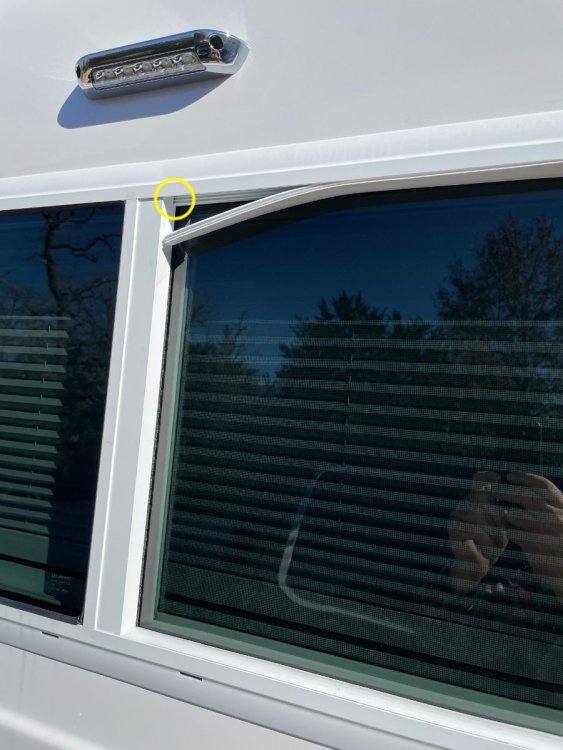
Mike might be onto something here. Take a real close look at the joint I've circled in the picture. The vertical separator piece is notched to provide relief for the frame. It looks like this joint may not be put together correctly and the separator is pushing the frame channel apart. If so, open a service ticket and include a close up shot of this area.
1 point
-
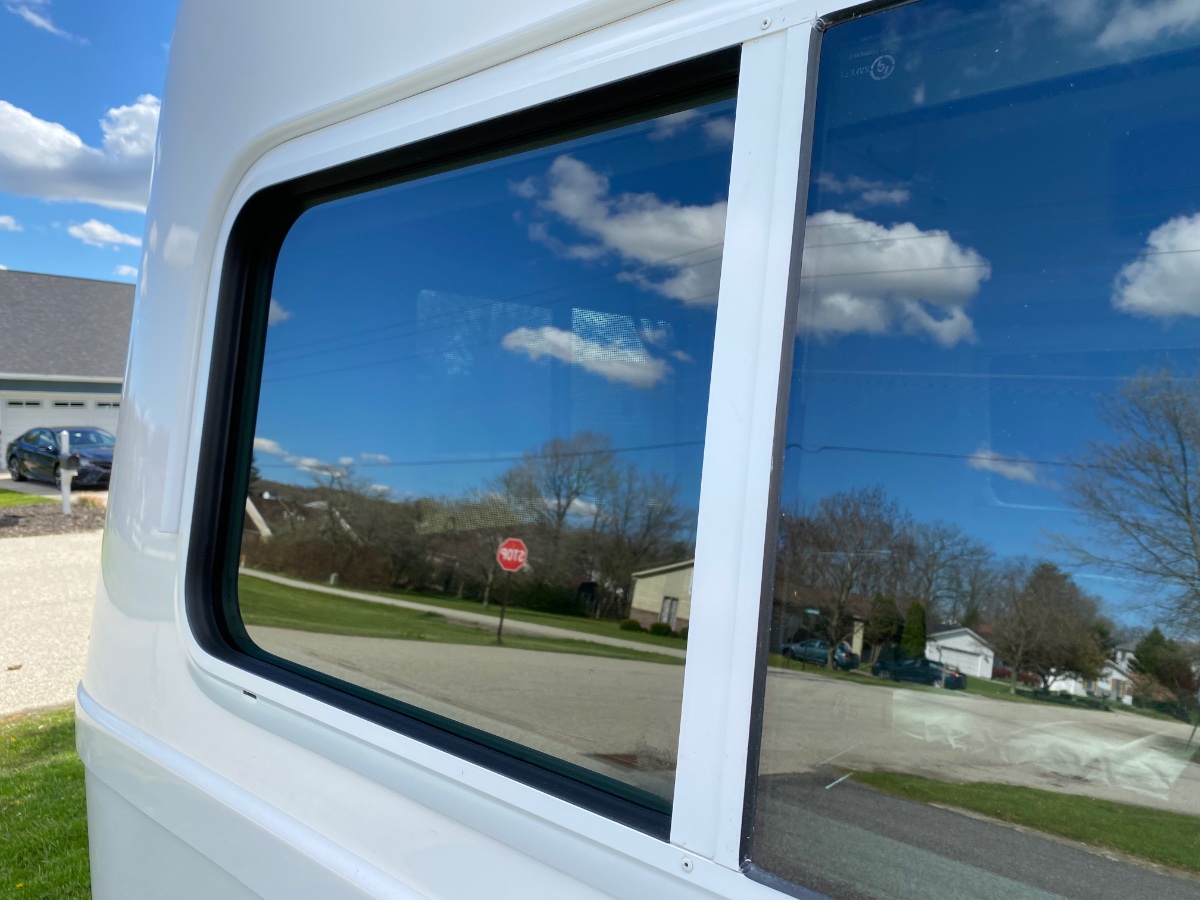
That’s odd. Might be either a defective piece of weatherstripping or the window frame may be deformed a bit too wide. I’d try swapping that piece of weatherstripping with the piece from another window to see if the problem follows the weatherstripping or the window.1 point
-
Check the weather, it could be nice or it could be really cold west of San Antonio! We’ve been to Fort Davis in January and the weather was 50s day and 20s night. We’ve also had reservations there and the weather was 30s and teens, so we just came home! Are you camping at Davis Mountain State Park? It’s nice, just outside of Fort Davis. Go see the old Fort, it’s a National Park monument and interesting to walk around. In Fort Davis there are some small shops and the old drug store is a must-see. Nearby is McDonald Observatory. They have Star Party’s several nights a week, reservations required and very interesting. Going south from Fort Davis, Marfa and Alpine are interesting. Once you get down to BIg Bend, there’s much to do and see. If you hike there are some great hikes. The State Park is right to the west and is also interesting. If you go to Fredericksburg I hope you like wine. There are now about 15 or 16 very nice wineries on US290. Just north of Fredericksburg is Enchanted Rock State Natural Area. Luckenbach is just south of Fredericksburg. Also, the LBJ Ranch is just east on US290. I’m not an LBJ fan but the visit there was very interesting and well worth the time. Hope this helps. Mike1 point
-
How does something so simple get so much attention?1 point
-
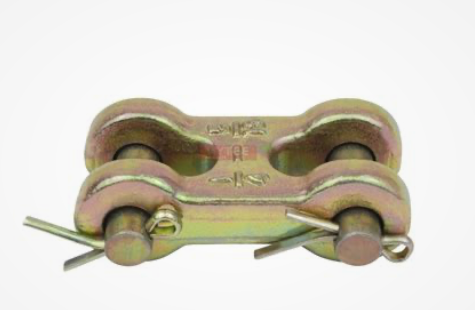
These are what the pros use to extend chain lengths. Do a web search for "tow chain repair links" and you will find them. They can't come apart unless you take out the cotter pins. You should use one that has (or exceeds) the rating of your chain. The quick links typically used to extend the chains on the Anderson system are simply the wrong item for the application.
1 point
-
I think the relative danger depends on how effective or necessary you think the Andersen is to begin with. Plenty of half ton drivers don't use the Andersen at all, but of course there's differing opinion as to how wise that is. Regardless, the stretched link will render the weight distributing properties of the hitch useless, but that's the limit of the danger.1 point





























-
Recent Achievements
-