Leaderboard



Popular Content
Showing content with the highest reputation on 06/29/2021 in all areas
-
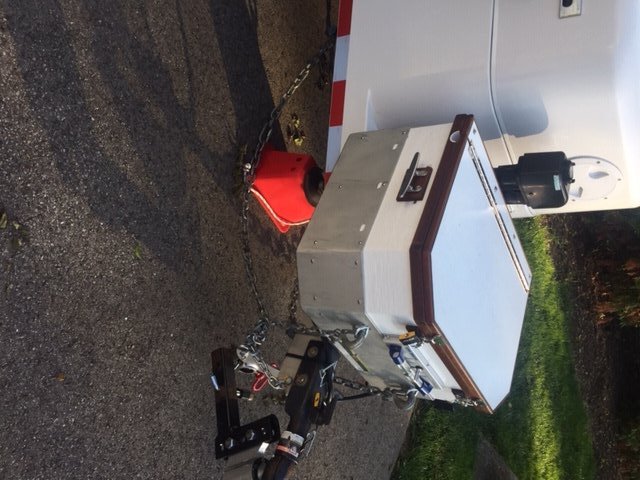
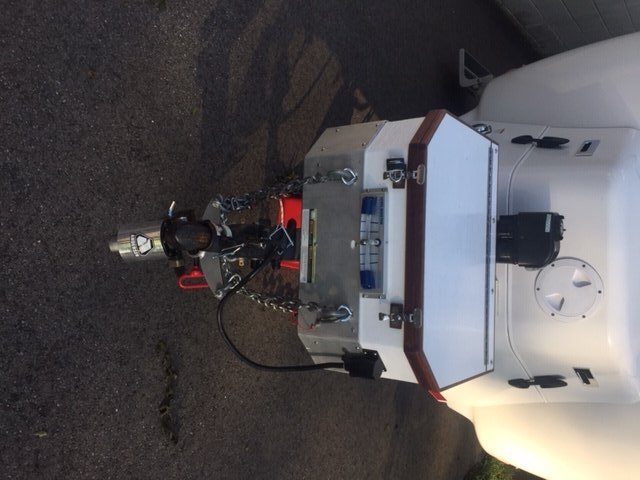
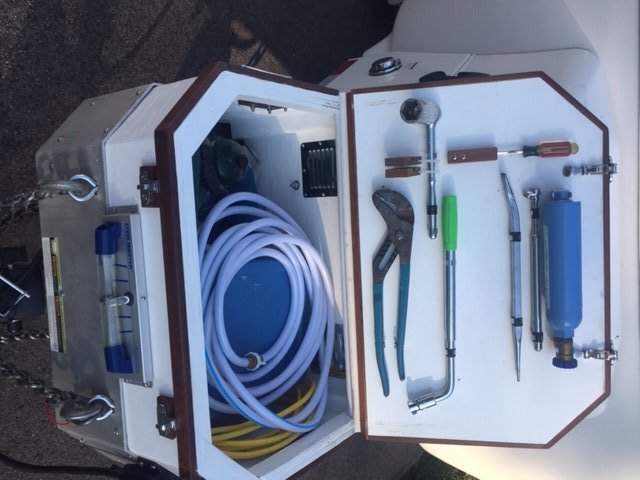
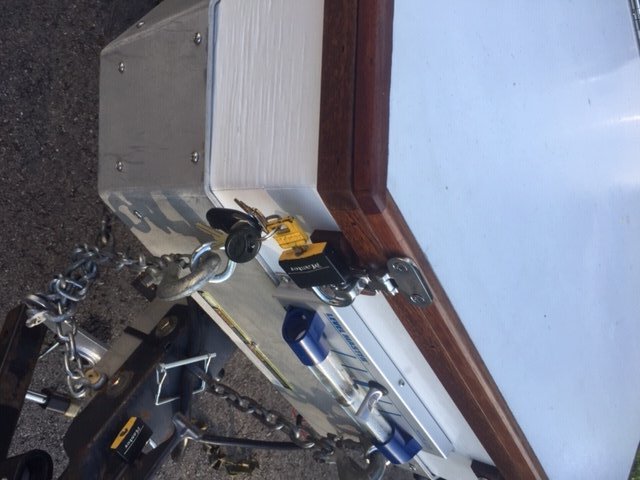
This is the second version of the our Storage Box. I find it interesting that when we were considering an Oliver, we ruled out the Storage Basket Option, because we thought it would add to much weight to the Tongue. The used 2019 Oliver we bought already had it so we took advantage of it, after we measured the Tongue Weight to make sure it was within our TV's Specs, Loaded 580 LBS. The Box is simply 1/2 Plywood inserted inside the Aluminum Basket. Note, the Piano Hinge Top and it's Drain Tube underneath the Hinge to keep water out. The Marine Cleat is part of out "Land Yacht" theme, We lock out E Bikes to them. Note we hook the Safety Chains to the eyelet on the front when not in use. Also a Trailer Level Gauge and Electrical Cord is stored in it's holder mounted to the front. The third pic, show inside the Box. I mounted the Tools/Items we use again and again! Also on the Back panel are Stainless Steel Vents to reduce condensation build up, which they do. Finally, note the Lock/Key which are Color Coded (Yellow) to the 2 locks on the Storage Box/Tailer Hitch/E Bikes/and everything else I can think of. The Latches are from the Marine Industry, again a Nautical Theme. Note we hook the Safety Chains to the eyelet on the front when not in use. Also a Trailer
 5 points
 -
FWIW, I don't worry about temperature either. I think if you want to wring out every last amp hour out of lithiums, then sure, obsess over temperature - otherwise, avoid extremes and they should be fine. If I lived in southern Arizona and could only keep my trailer in the sun, then I might give some thought to moving the batteries somewhere cooler. Or if I lived in North Dakota and had to dig my trailer out of the snow every spring, then I'd do the same.4 points
-
Better to have them separate, IMHO. There are often more options for emptying the gray-water tank when plumbed separately from the black-water tank. Some users will rely on public facilities for extending black-water tank capacity; you may have options for emptying the gray-water tank without going to the dump station (e.g,. bucket to drain, etc).3 points
-
I agree . . . . fussing with tech severely impairs the enjoyment we get from camping. One of our reasons for choosing Lithium was to reduce the time spent on battery maintenance and worrying about SOC. Now our biggest tech annoyance is keeping our phones charged (and remembering to plug them in). Not a problem when there's no cell reception and we always have the option of turning them off! Just to clarify: the point I was making, for those deciding between AGM and Lithium options, is that the cost differential between the AGM and Lithium upgrades is less than the $8,500 cost of the Lithium Pro Pkg. This would be the cost of upgrade from the standard battery configuration. After monitoring our lithium battery temps during the recent PNW heat wave, I will not be worrying about battery temperature. If conditions are such that battery life is reduced as a result of excessive heat, it's too warm, for my taste, to be camping 😎3 points
-
I agree with Frank and his extremely large map. Moisture is something you'll have to deal with in any trailer, but I wouldn't say that it's problematic in an Ollie to any degree. My opinion on the mattress pad was and is that condensation is entirely an issue with the optional perforated latex mattress. I think that the perforations give body moisture a direct path to the underside of the mattress, where it can easily condense. We never had a problem with a different mattress, nor with the cushions that we switched to later, and the only people who ever reported a problem had the latex mattresses. So, I'd say that if you get the latex mattress, then definitely get a pad; but if not, then don't worry about it. You can also use a cheap thermarest pad or something similar rather than Oliver's rather pricey option. Unless it's standard now - may be. What we did find, though, is that when I sleep, I'll end up with my back against the side wall at some point, and so I'll get condensation there on the wall - enough to wake up with the sheets wet. I solved that problem by just just sleeping with the back cushions in place and that's plenty of insulation to prevent condensation, and still leaves plenty of width for me to sleep comfortably. That's the extent of any moisture issue that has required more thought from us than just a little ventilation. Also, Oliver has improved the insulation since our trailer was built, so a newer one might not have the same problem. So in general, unless it's just super cold out, we'll have a window cracked and that's been enough that we won't see any condensation except when cooking or showering. And running the max fan on its lowest setting and running the bath fan for a minute after showering easily prevents condensation from those two activities. I don't even think the mirror door fogs up when we shower, so that's pretty good. I'll leave the bath door open and the bath window cracked when we're gone for the day to remove moisture from the shower drying out. I also tend to wipe down the shower with a squeegee and towel after showering, which gets rid of a lot of that. I suspect that Casitas do have condensation, but it's under the carpet so you can pretend it's not there. 😁3 points
-
Of all the options available to you, the two that I consider essential to boondocking are the Solar Pro Package with the 6V AGM's and the Micro Air Easy Start. The AGM batteries will easily run your lighting, cabin fan, toilet fan, water pump, awning, charge your phones, etc. They will even run your TV if you have a signal. With direct sun the solar will keep up the charge during the day and provide the essential electricity needed after sunset. If your charge drops after a few cloudy days you can recharge the batteries with your generator. It won't always be sunny and you will certainly need a generator at some point (or wish that you had one). Air conditioning is sure nice to have on those hot humid nights when you can't get to sleep because you feel like you are being broiled alive. The Micro Air Easy Start will allow you to use a portable generator to run your air conditioning off of a small genset. It takes a lot of oomph to start the compressor on an AC unit. Once it is running the demand is not as high. The easy start feature allows you to use a smaller (lighter/less noise) generator than what would otherwise be required to start the compressor. We use a Honda EU2200i as do many others on this forum. I recommend that you figure that into your budget at around $1,100 and get the Easy Start option for the AC. The Elite has a 3-way refrigerator that runs wonderfully off of LP gas. No worries there. Food for thought... We have endured several power outages over the years that were caused by severe weather. We live at the foot of Lake Michigan. Thunderstorms tossing trees on power lines is not an uncommon occurrence. After the recent cyberattacks on our infrastructure, we considered getting a Generac nat. gas fired whole house generator to combat yet another potential cause of a power outage. I am glad that we did not go through the unnecessary expense. Keep the LP tanks full and a couple gallons of gas for the generator and we can just move into the Ollie if the power grid fails. In closing let me add one more suggestion. Don't upgrade the standard cushions to the KTT mattress yet. We have the standard foam cushions with Ultrafabric and find them to be very comfortable to sleep on. Far better than we expected. Try them first and see if you like them. We loaded up on options when we put down our initial deposit so that we could get in the queue for the build, and then trimmed them back on the final build sheet. That got things in motion and gave us time to educate ourselves and carefully consider each option. Good luck, and have fun with this!2 points
-
Yes, Oliver will install your Andersen WDH at the time you pick up the trailer. There are a number of threads on this forum about the Andersen, I suggest you read them. I have been using WDH's for many decades with pulling travel trailers. We picked up our LEII almost six years ago and I have been using the Andersen every since; it only takes me about four minutes to hitch up or unhitch when using the Andersen over just connecting a trailer to a tow vehicle with out any type of WDH. After reading the threads about Andersen WDH; you will get some very good information including those individuals that don't like them. It's a great safety device when pulling a trailer of this size. Good luck.2 points
-
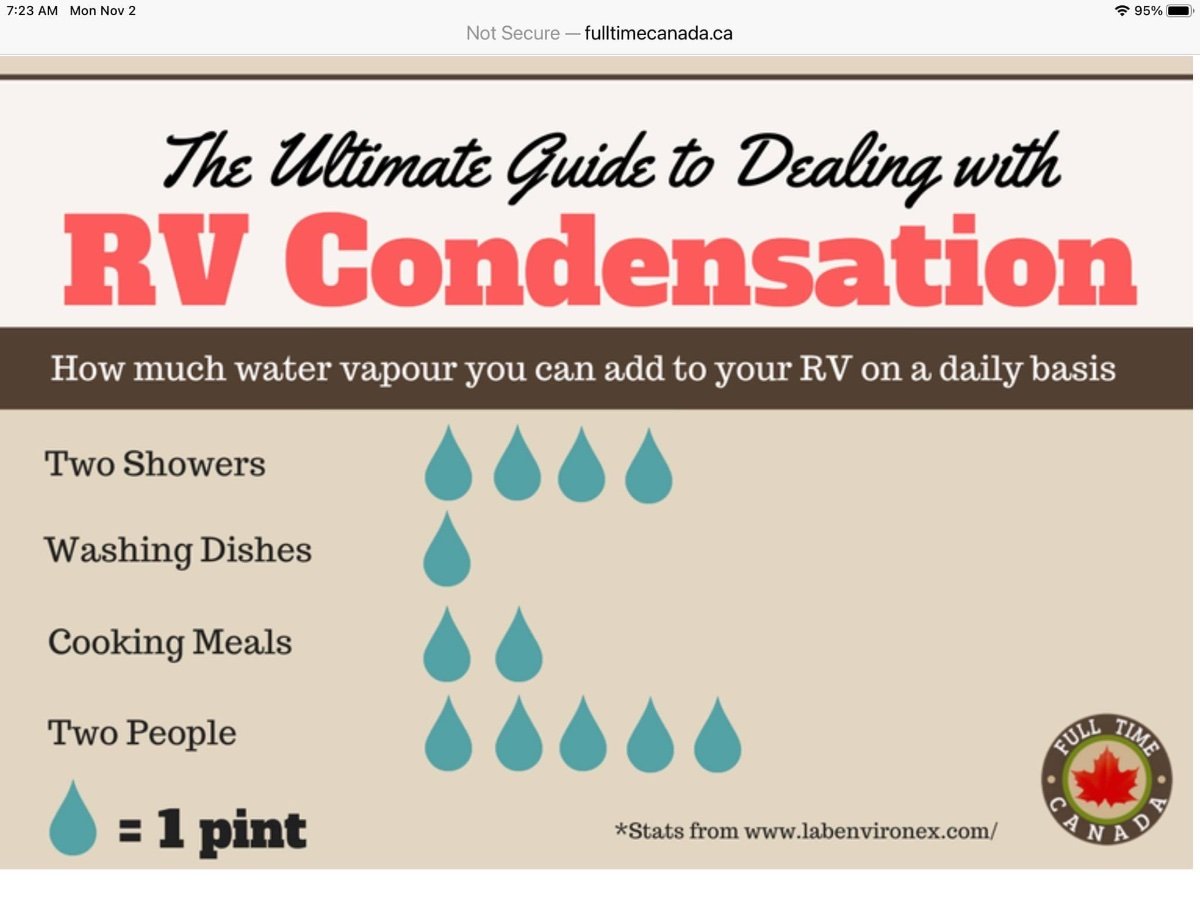
The Oliver is pretty airtight because of the double hull construction and insulation, and the fiberglass interior surfaces don’t absorb moisture like carpeting or wood products do in other trailers, so with the windows and doors closed, managing interior moisture from showers, cooking and breathing is something that most Oliver owners have methods to deal with it. Condensation on the interior walls can occur with big temperature changes unless you use some easy solutions. Not severe condensation (we’ve never had it “dripping from the walls”), it’s more just that muggy uncomfortable high humidity feeling. But condensation can happen under certain conditions. Using the air conditioner or furnace can help depending on ambient outside conditions. Some use small dehumidifiers, others (including me) use DampRid, and some will run the MaxAir fan frequently, even with the furnace or AC running, just to get more air exchange. Always use the exhaust fans when using the shower or cooking. And someone posted this graphic to illustrate where the moisture typically comes from. As the old expression goes “we have met the enemy, and he is us”. And we have the hypervent matting and it’s worked great so far. No problems with moisture under the mattresses.
2 points
-
I'm really on the fence. I figure we have at least a year, maybe two, on our second set of two 12v , 105 ah agm batteries . I never worry about temperature, though perhaps I should. Would I love the extra storage of lithium? Sure. Absolutely. I wouldn't have to be a power miser, as I have traditionally done. What i love about agm is no maintenance, no temperature worries (mostly temperate, for us, only two weeks of nights below freezing, lots of warm/hot days). So, 9.5 weeks of camping this year, so far. No hookups. We have the self-imposed extraordinary circumstances of a dc/danfoss/secop fridge. Even with that load, and my puny two 105 ah batteries, we've only run the genset maybe 10 times, in the morning. We do have 400 watts of rooftop solar, an 200 watts portable. And, we've had a number of cloudy and rainy days. Next year, I'll start worrying about what to do. For now, we're good with our agm.2 points
-
Sorry folks I have to chuckle about this post, kinda crazy. Big tech battery’s big bucks configure and reconfigure now you have to take out the battery’s because they get too hot? I like my generator better. Camping fun at its best i guess this is the new enjoyment of camping. I’ll stick with a good book fishing nice fire and a couple of beers. To technical for me. 🤯😜2 points
-
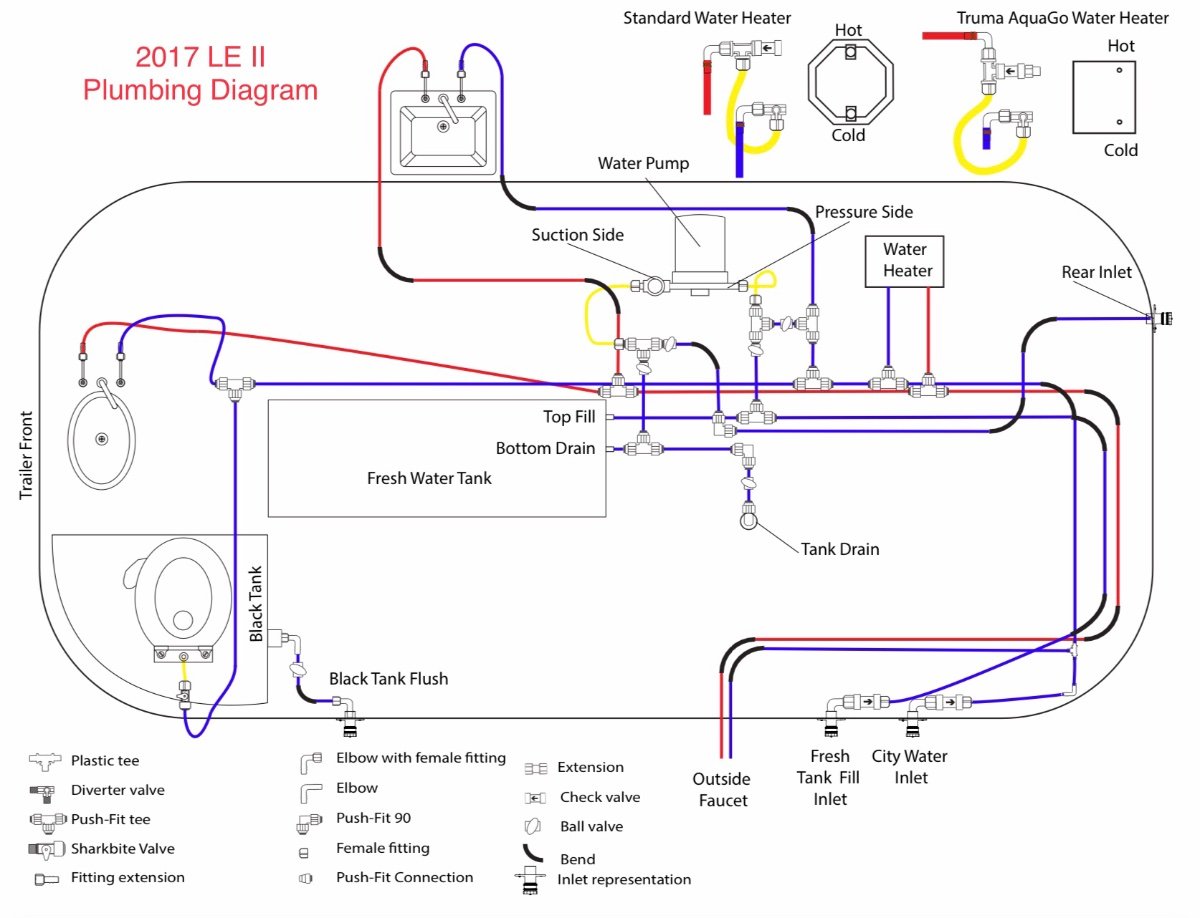
No it does not. They are two separate lines. See the picture below. Mossey
2 points
-
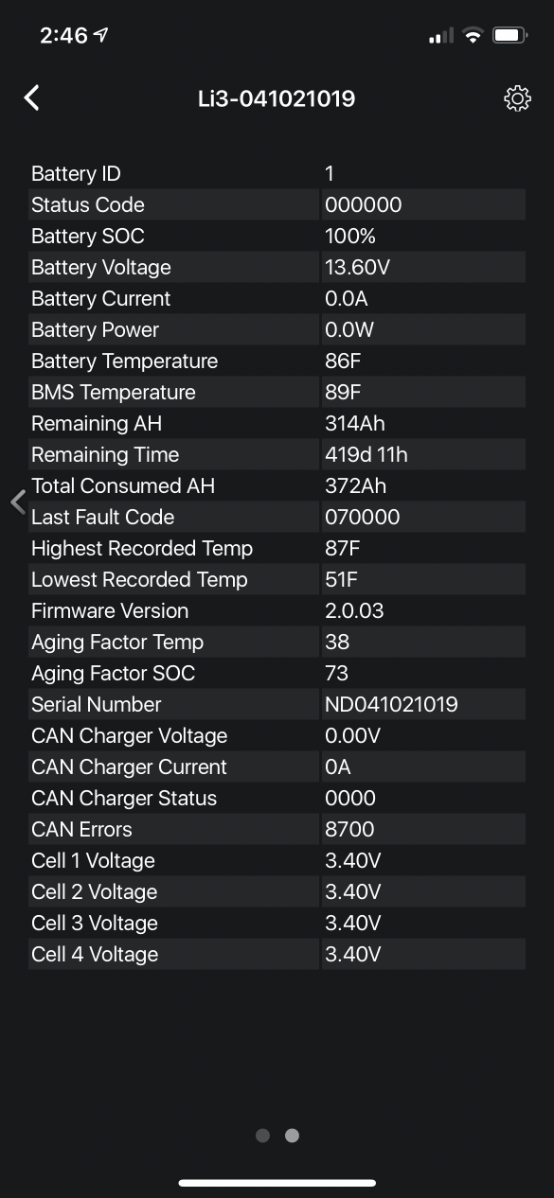
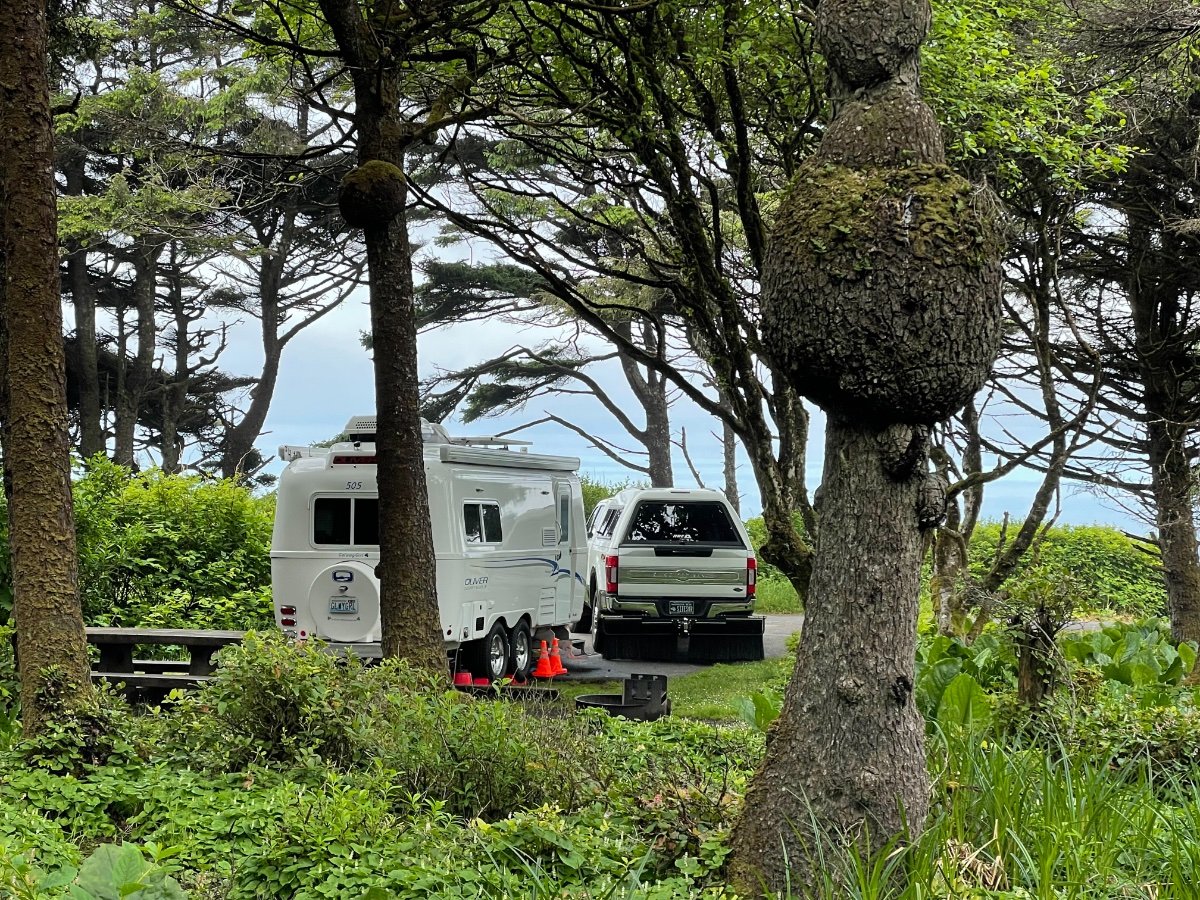
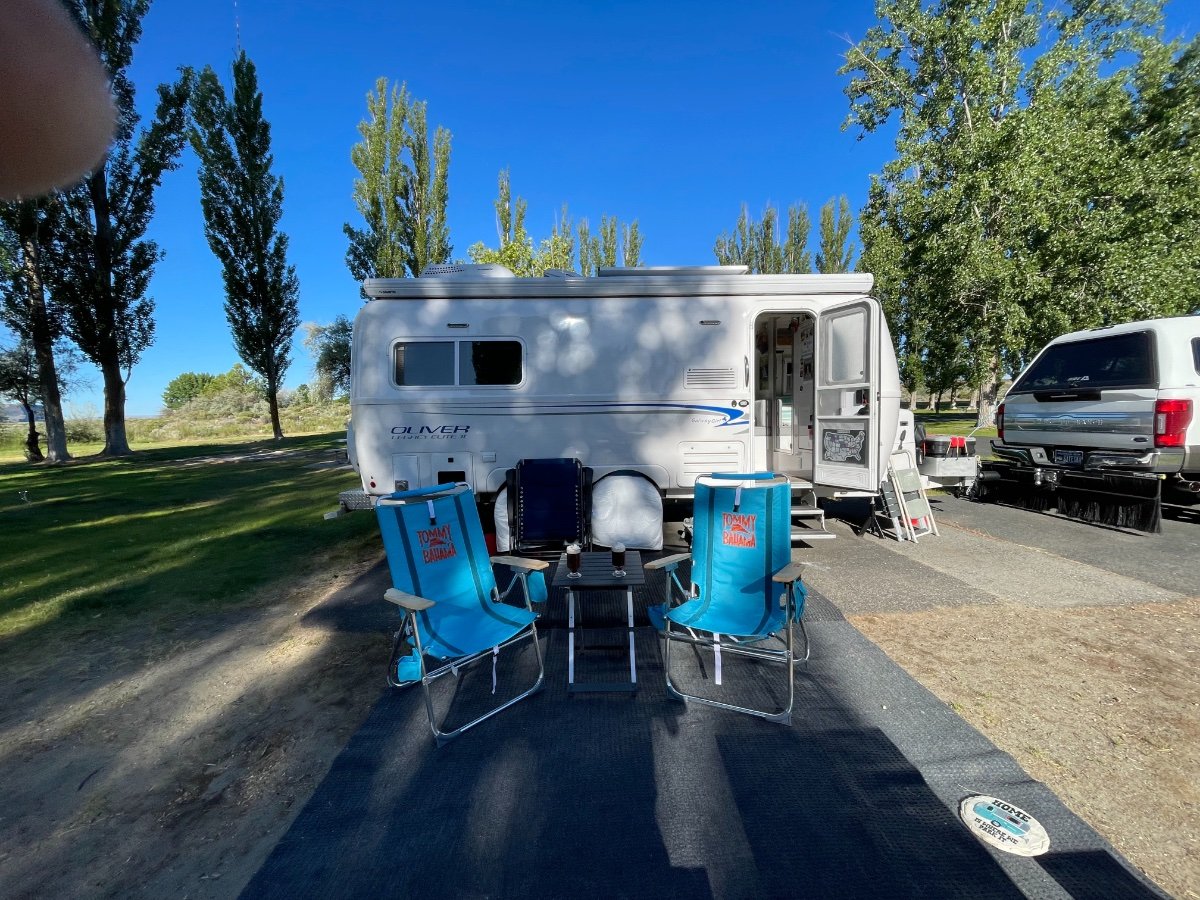
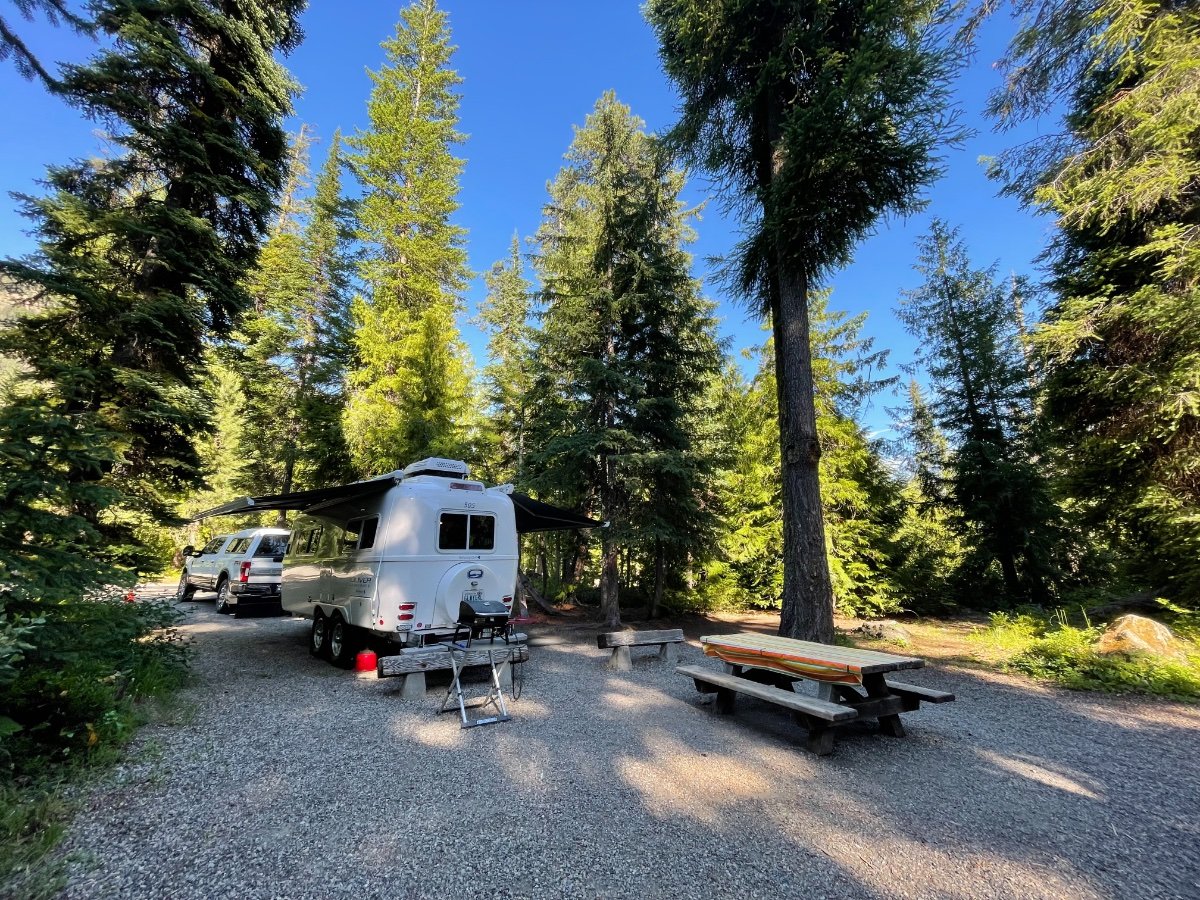
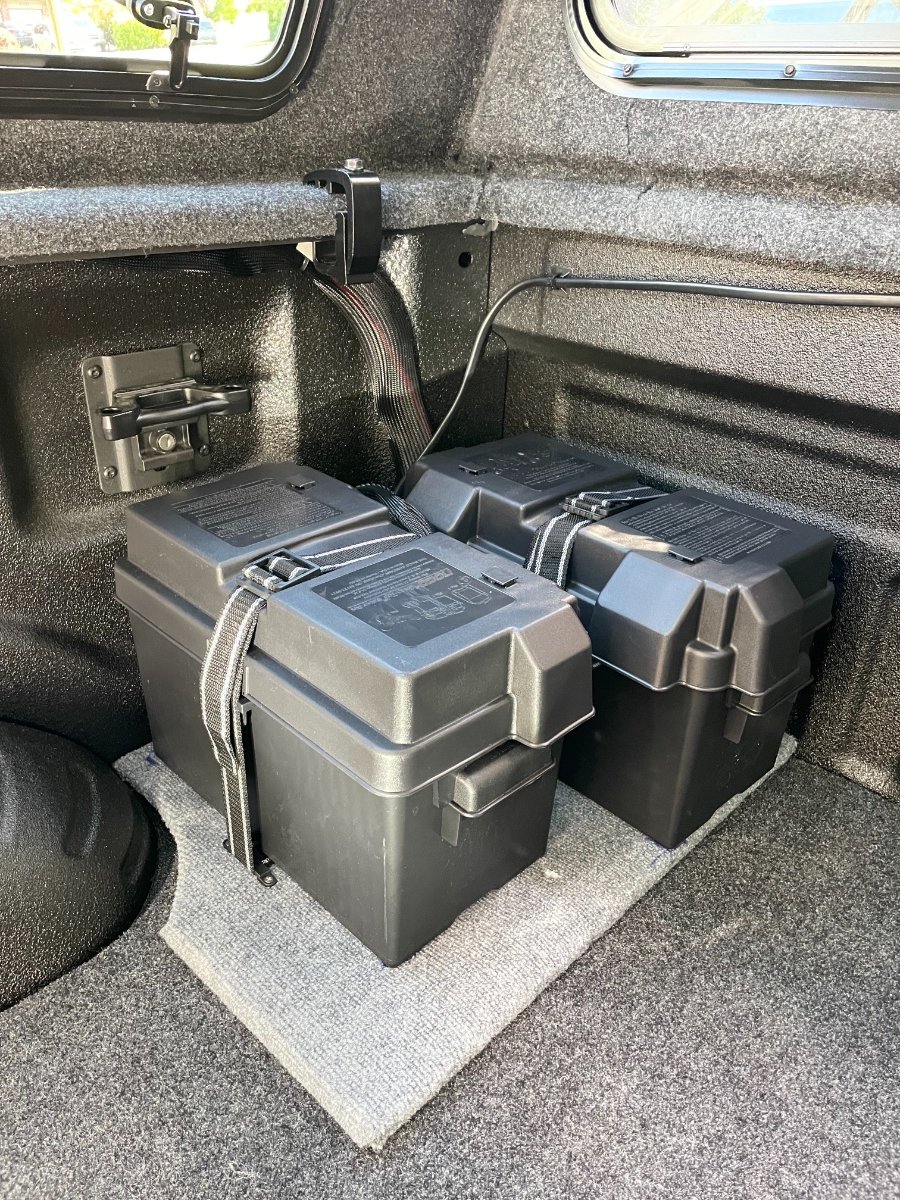
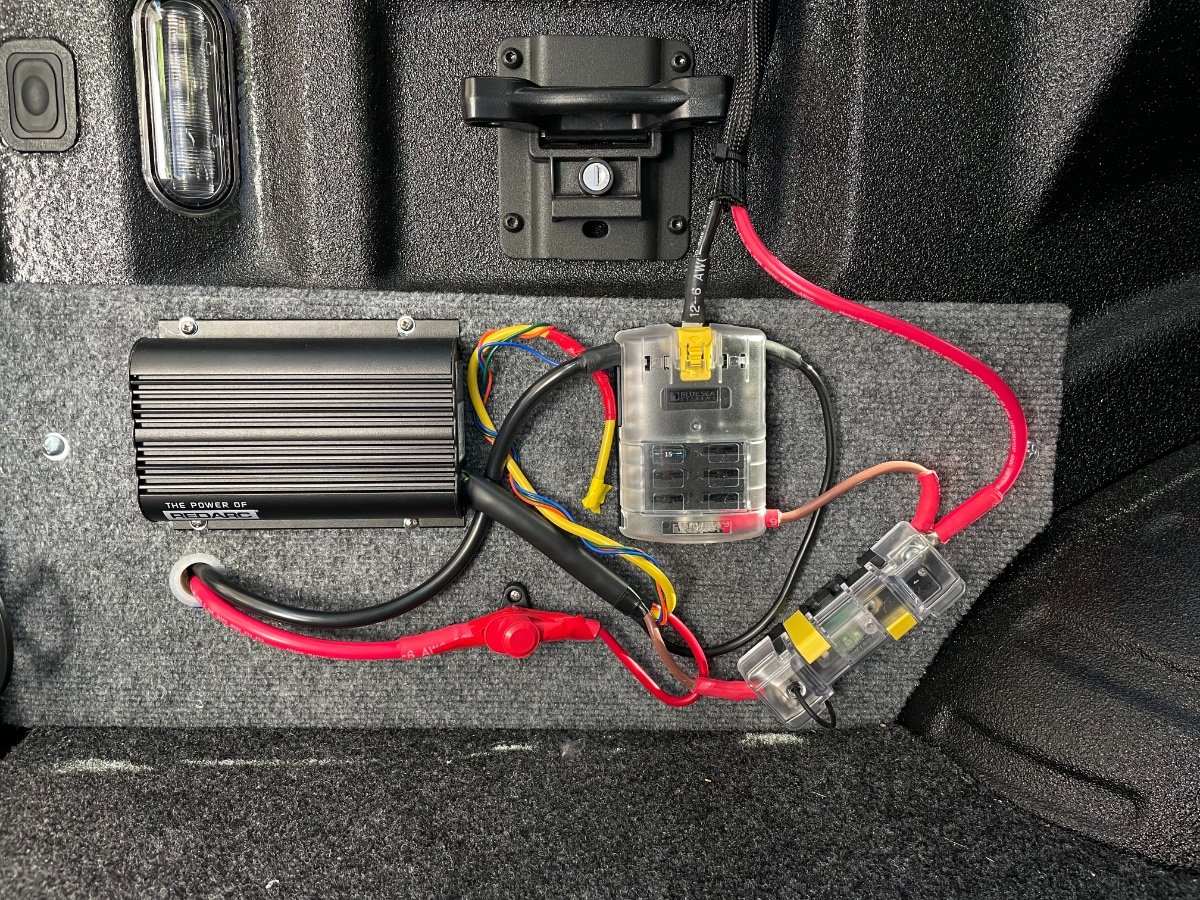
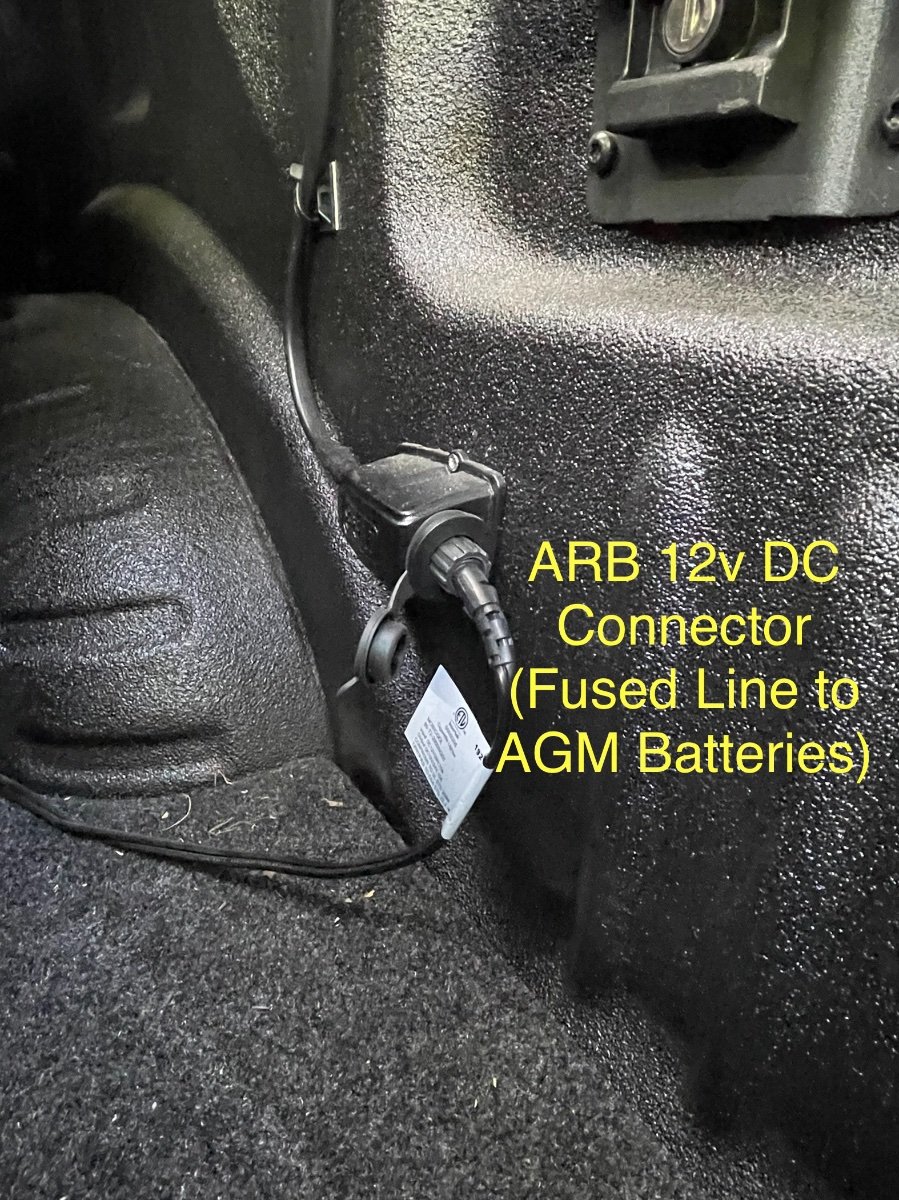
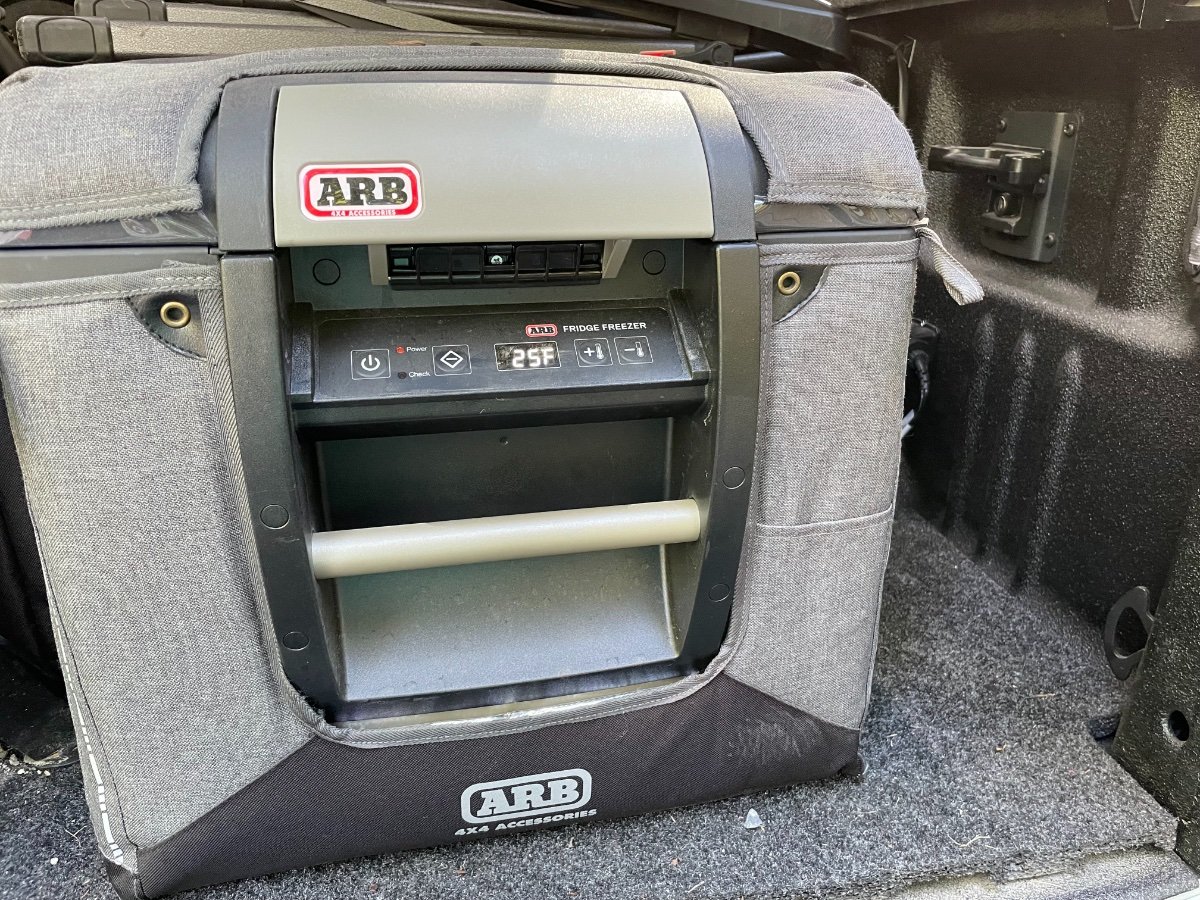
I have upgraded to a pair (2) of the Lithionics 315GTS which are in an Aluminum Enclosure and 315AH rated. Below is my readout today of battery status at 2:46PM, trailer is in full sun and at our house the outside thermometer is pegged at 100F at the moment. I note that the Highest Recorded battery TEMP (87) is different from the BMS temperature (89). I have been testing these batteries now for 1 month of camping under various conditions. Dry Camping Test: 3 days at Kalaloch When we were dry camping at the Kalaloch in Olympic NP the temps were in the low 60's during the day and high 30's at night. We were using approximately 60AH/day and we were using all our appliances, running fans and lights, TV etc. We had high overcast conditions and a partial sun site, and thus solar was only putting back in about 15 AH in the day. That means under those conditions I could run 10 days before having to get out the generator. Full Hookup Test: Xantrex 2000XC inverter / charger When at places like Steamboat Rock where we had full hookups we found the the batteries charged very quickly when connected to shore power. The new Inverter/Charger pumps out up to 100A and has done a great job for us so far. Charging while Driving: Testing the Victron DC/DC charger We stayed at Klipchuck NFS campground in the N. Cascades last week and after a couple days I had the opportunity to test how the new Victron DC/DC charger setup would work with some batteries that were depleted by 15% (~500A Remaining) When I connected up the truck to the trailer (via our new Anderson Connectors) and started the engine, I used the Victron App to follow the charge cycle...and the DC/DC started pumping out 25A immediately in Bulk Charge mode. We then drove about 2 hours to our next stop (Rasar SP) and found that the batteries had been fully recharged during the 2 hour drive. The combo of SOLAR and the Victron DC/DC really make charging slick. Finally, I when I upgraded to my Lithium batteries I was able to move my dual 12V AGM's into the back of the truck. I also installed a Redarc DC/DC charger and have found that to be a great addition for running our ARB Fridge which we keep in the truck bed. Hope everyone is keeping their cool this summer and getting out in their Oliver's. Craig Hull 505 - Galway Girl https://4-ever-hitched.com
2 points
-
That's interesting. My 2008 has a switch in the outdoor shower.1 point
-
This screwdriver. I think it's the perfect utility drawer screwdriver that will cover 90% of your needs - for when you don't want to go dig out the toolbox. Compact, but pops out to a usable length, and has a good selection of quality German bits, which lock in place so they don't fall out. I keep one in the trailer, one in the center console of the truck, and one in the junk drawer at the house.
1 point
-
For those who don't know the song.1 point
-
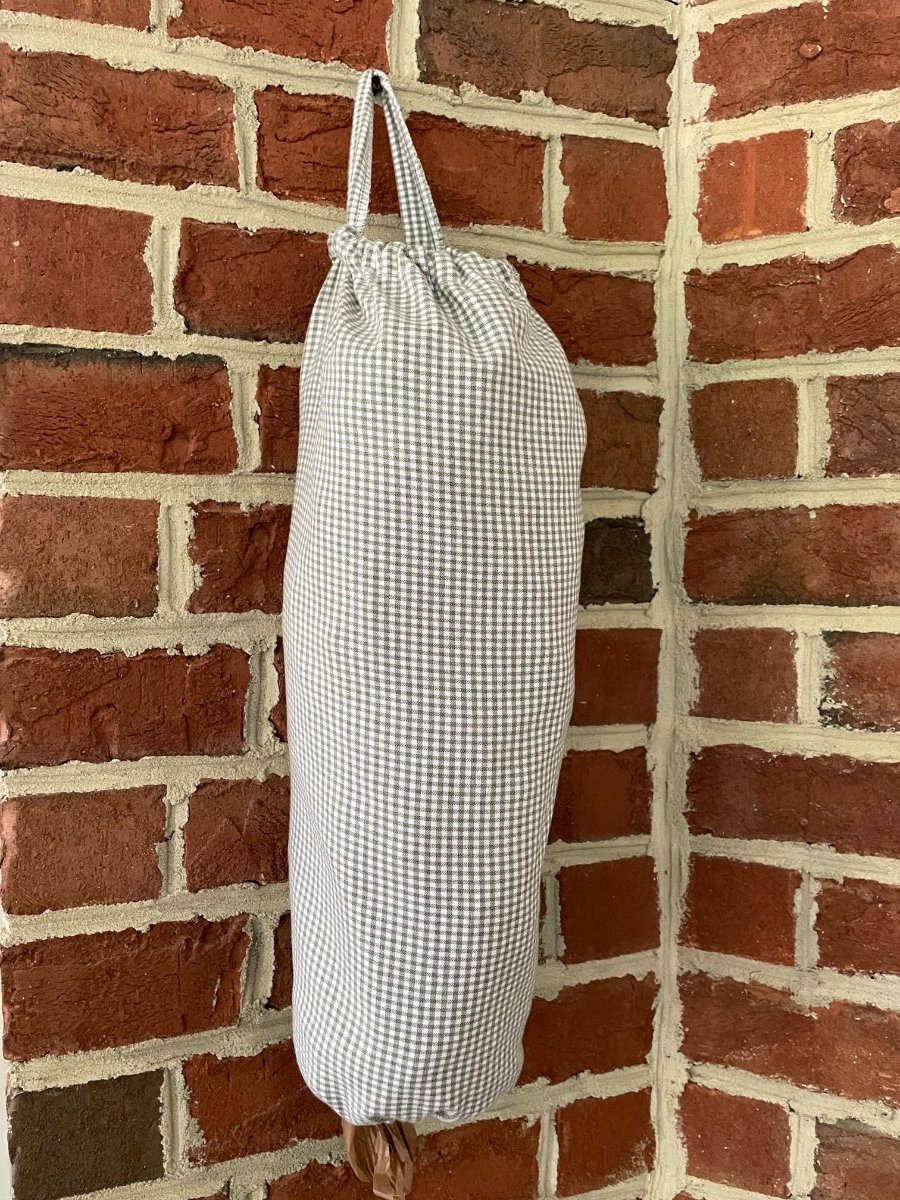
You do realize that the title of your post has now embedded the song from The Little Mermaid in my brain... My latest handmade gizmo is a fabric holder for grocery bags/trash bags. The opening at the top is larger than the one at the bottom. It hangs from a command hook placed high up on the left wall of the main closet.
1 point
-
Once the picture of Matt Foley goes up on the wall and the hula dancer gets affixed to the counter this will be a certainty1 point
-
Maverick has good advice above - reading all you can is your friend and you can learn just about all there is to know about the Andersen from both sides of the debate. As far as delivery of your Elite ll is concerned relative to the Andersen, all you have to do is arrive at the appointed hour with a tow vehicle that is capable of towing the Elite ll and have a two inch receiver on the back of it ( note that if you have some sort of "special" tow vehicle then you should advise your Sales person of this so that they can either tell you what you need to bring or so that they can make sure that they have the correct parts). The Oliver Service gang will take it from there by installing the Andersen on your Elite ll and adjusting the Andersen parts that go into your receiver so that they are at the correct height. In addition to reading, be sure to view all the videos you can regarding the Andersen WDH (just go to YouTube and in the "search" box type Andersen weight distribution hitch). This way you should be familiar with how it works and what to do in both ordinary and extra ordinary circumstances. Bill1 point
-
For most RV propane regulators the first stage reduces the pressure to between 10 and 15 psi. The second stage reduces the pressure to 11 water column inches, which is about 0.4 psi.1 point
-
Collapsible anything . . . . . we have a few: tea kettle measuring cups funnel colander mixing/serving bowls cereal/soup bowls bucket storage cubes packing crate1 point
-
Yes . . . . opt for the solar package; AGM batteries are ideal, but you can easily upgrade to them yourself later. The AGM/solar pkg includes the 2000w inverter. Unless you have the need for inverted power, the inverter adds unnecessary cost. Perhaps there are separate upgrades for solar and AGM instead of the AGM pkg upgrade; I haven't seen a recent build list. An advantage to fixed solar over portable is that the panels will charge your batteries while towing; the house batteries do not receive much charge from the tow vehicle's alternator.1 point
-
We have yet to see condensation dripping from the walls. While traveling from Hohenwald to Oregon on our trip home from mid-December delivery, we expected to see condensation as temps were nearly always at or below freezing. There was condensation on the windows in the morning, but no more than we have experienced in previous RVs. We ran a space heater most nights and provided ventilation (see next comment). Note that we were at high elevation most of the trip (I-40 Texas Panhandle, NM, AZ to S. CA), had no rain, and outdoor humidity was quite low. Ventilation is key to keeping interior humidity in check. At night, we crack a window, front and rear, and leave the ceiling vent open. You could also run the vent fan on exhaust (pulling air out). At the lowest setting (10%) you hardly hear the fan, and it uses just a few amps. Definitely run the fan (on air out) while cooking or using the shower. We did purchase this mid-sized dehumidifier, not knowing if condensation would be an issue. We took it along on the trip home from Tennessee, in case needed, but did not use it; while on the road, condensation was manageable with heat and ventilation. Perhaps it would have been more problematic if we were spending more time inside, but the majority of the trip was on the road; it's nice that you can leave the MaxxAir fan vent open while traveling. When we arrived home it was raining with 85%+ humidity (PNW). Once she settled in our driveway, the Ollie's interior humidity was in the upper reaches of desirable (I don't recall exactly, but near the outside humidity). We utilized the dehumidifier, propping the mattresses on their sides to prevent moisture collecting despite the fact that we have the hypervent mats (more on those later). In two days the humidity was in the 50% range. Since then we have controlled humidity without the use of the dehumidifier. I did hang a dehumidifying pouch in the closet and a tub of dehumidifier crystals in the basement. Now that summer has arrived, the cabin humidity has been satisfactory just with the vent and windows open. I suppose you could use the dehumidifier while camping, but unless weather conditions are extreme (mostly in regards to freezing temps) humidity can easily be managed with ventilation and heat; we like to keep our travels as fuss-free as possible. While closed up for periods of inactivity, the dehumidifier is good insurance against condensation issues. Realize, however, that most of the surfaces inside the Ollie (unlike other RV interiors) are impervious to moisture, the mattresses/cushions being the most vulnerable. This is why condensation is more evident than it would be in an RV with wood cabinets, carpet (walls, floors, and basements), and wallpaper, all of which absorb a fair amount of accumulated moisture. Cushions can easily be brought indoors for storage; the mattresses not so easily. Here lies the necessity for the Hypervent pads under the mattresses or sleeping cushions. Hypervent mats: While I understand the concept, I question the effectiveness of this option. In theory they give some ventilation between the mattress and the fiberglass bed platform, but is some of that moisture retained in the mesh of the mat? If so, the mats would need to be removed and aired out occasionally - a great inconvenience during longer road trips. My experience, as the "maker of the beds", is that they are a daily annoyance as they make it difficult tucking in bedding, especially between the mattress and the outside wall which has a narrow strip of mat. They also make it more of a struggle to get into the under bed areas, such as to access the basement from inside or manipulate the water system valves. These would be less noticeable with the standard sleeping mats than with the KTT mattresses, which are quite heavy. We might try, on our next camping trip, not using the mats in order to come to a more conclusive comparison. I know Hypervent mats are routinely used in marine applications, specifically fiberglass live-on boats. Perhaps someone here with boating experience can comment on their effectiveness. During storage, we routinely prop the mattresses up on their sides to reduce the chance of damage to the mattresses from moisture induced mold. We also remove all fabric items that can draw moisture and become "musty". The good news is that moisture damage to a mattress is easily, though not cheaply, remedied. Not so with moisture damage to wood, carpet, and other surfaces in the "traditional" RV. Side note: perhaps a moisture barrier mattress protector is another solution, though I can't attest to the effectiveness of such. It looks like you have received a lot of valuable input from other forum members. I have not had a chance to read these yet, so please excuse me if I repeat some of their comments. My final advice: I would not let concerns of condensation sway your decision to purchase an Oliver. Condensation is problematic in all RVs - it's just more apparent with Oliver's all-fiberglass molded interior. In reality, moisture is probably more easily managed and less damaging in the Oliver than in traditional RV interiors; search the Internet for wood structural damage in RVs. We have friends who just purchased a small 2005 Big Foot (another molded fiberglass trailer). The dealer had to make $8,000 in repairs to replace a majority of the floor which rotted out as the result of a leaking window! Just one of many reasons people choose to pay a premium price for an Oliver. Our plan is to utilize dehumidifying crystals during short down times and the dehumidifier appliance for long term storage. Once our Ollie has experienced a long storage period, I will update my opinions on The Effects and Control of Humidity in a Mostly Fiberglass RV Interior - sounds like an Oliver white paper to me.1 point
-
Instead of purchasing what I thought to be rather expensive materials to insulate my mattress from both the bottom and the walls - I went down to Lowes and bought a sheet of 1/2 inch foam board. I cut a piece for the bottom and then cut other pieces to rise about 6 inches up the wall. That is just enough to reach to the top of the mattress without actually seeing it under normal circumstances. Since I never really had a "problem" with condensation prior to using the foam board I can't really say that it has or has not had a material effect on the condensation. But, when in the middle of the night my "butt" slides over to the exterior wall, I'm certainly not jolted awake by the relatively cold wall. Given the relative cost of the foam board versus the alternative solutions, it has certainly worked for me. Bill1 point
-
Interesting to hear and certainly willing to change my mind - but I have to say that sounds like an excessive amount of moisture with temps in the high 60’s and good ventilation. Since you said it rained yesterday, are you certain you don’t have a small leak? Water from the Ollie light will end up under the bed and three years is about when mine needed to be recaulked. That’s how I spotted my leak - just damp under the cushions like condensation.1 point
-
Call Oliver Service Department they should know the replacement details.1 point
-
I have the standard mattress with a topper over it and have problems with condensation underneath. It's not just restricted to latex mattresses. Minnesota fall camping is worst for under mattress condensation, but it can occur anytime when the conditions are right. Cool hull and several blankets on top of me holding in moisture seem to make it most likely to occur. When I'm solo I sleep on the curbside of our twin bed E2. The water heater and furnace (if its cool enough to run it) under the bed keep the fiberglass under the mattress warm enough to keep the condensation under control. Water has condensed on the wall a few times next to me while sleeping, but nothing like the regular condensation I get under the mattress. Update- Just went out and lifted the mattress after camping last night. There is condensation underneath. Temps were in the high 60's-low70's Roof vent fan was running on low all night. One window cracked. One light blanket half on me. Top and bottom sheet. Rained yesterday afternoon. I need to put an old camping mat under the mattress and give that a try. So it's not just the latex mattresses. My 2018 also has regular issues.1 point
-
A Point of clarification! Everything I read all indicates, that " When you first feel a Sway Condition Starting, you apply the Trailer Brakes first to help control the situation. This is the beauty of these New Auto Sway Systems, the system knows what to do! Most Drivers don't understand this, much less have the time to think about it during a panic situation, hence an accident.1 point
-
Agree with comments above. Ventilation is the main preventer of condensation. We keep a vent open almost all the time and have had very few issues with condensation. We shower, boil water for coffee, cook and even breathe inside our trailer. Mike1 point
-
This issue depends a WHOLE lot on where you live and camp. Around the arid parts of the West it simply isn’t a worry because the humidity is so low outside. However, you should never button everything up tight.There are a dozen 1/2” moisture drain holes in the belly of an LE2 which are always seeping in some fresh air. But even on super cold or super hot days you should have some sort of forced or convective ventilation operating to extract moisture. Cracking a roof vent and a side window is enough. If you live where it rains often, or camp in the dead of winter, this is a lot harder to do. For sure, if you are showering or boiling a pot of water, there should be a fan running. And stop breathing, that will eliminate a lot of moisture……😬 John Davies Spokane WA1 point
-
The under mattress material would be used on any trailer. When you sleep on a mattress with a box spring in your home the moisture from your body seeps down through the mattress and dissipates within the box spring. When you have a mattress on a flat surface, you'll see that the moisture eventually collects on that flat surface. So in the case of Oliver they offer a material the allows air-flow between the bottom of the mattress and the platform. Some folks install a froli system which acts as an air gap. As to the rest of the issues you saw with Casita, we also had that reaction from Bigfoot Trailers and Escapes which are all single wall. We have minimal condensation issues with walls, and as to the mattress we bought the optional material from Oliver and it works like a charm. C Short Hull 5051 point
-
So I visited Casita and had the same reaction the carpet. I just could not get past it and white color looks like a huge dirt magnet. We have had some pretty humid days this summer in Dallas and when I check on trailer at storage facility no issues with condensation even before I put up a damprid in closet. I don’t run any fans or have vents or windows open. The hypervent seems to work really well. I have not seen any moisture under the beds. If there was any issue while on road fiberglass hull very easy to wipe down. I have had windows fog in mornings and running maxx fan quickly takes care of that1 point
-
Thank you all for your responses. John, thank you for directing me to the March discussion -- I had missed that. I'm adding some weight to the truck, and will then weigh the truck, trailer, hitch, etc. next time I see a closed weigh station along the freeway. Then decide on something, or not. Thanks all.1 point
-
Lime Creek is only 25 minutes north of my house. A few dispersed campsites at the north and south turnoff along Highway 550. The road is narrow with sharp turns. There is a small dispersed campsite halfway. Portions near halfway point where the campsite is will ill chatter your teeth, even with modified suspension.1 point
-
I would think that if it detected a problem that it would give a code. Check the wiring for sure, but if I had to guess at this point, I’d say it’s probably the control board, which is a cinch to replace if you could somehow verify that’s the problem. Maybe try cutting the power to the unit by pulling the fuse - that might reboot the control board. Can’t hurt.1 point
-
IMHO, I would be careful on how I would interpret statements like this! It has been my experienced that manufactures trend to make "these types of statements," simply for legal reasons. The bottom line is, "no manufacture, the size of Andersen," can spend the money to Test their products with all the different Vehicles in the Market Place! The costs involved in this type of testing is prohibited, only the Lawyers win. So, they make these Statements to get around the Legal issues.1 point
-
Thanks for the reply and picture.1 point
-
Not too far behind you (Sept). Same interior colors and options as yours. Nice to have a preview of what ours will look like. Enjoy!1 point
-
My car claimed 106 as I pulled in to the driveway a short bit ago. The self-reporting from our LifeBlue's BMS says both batteries are just under 90F - they've lagged daytime highs each day thus far (and as you might guess also don't cool down to nighttime lows). They must have a fair bit of thermal mass. The adjacent basement area on the sunny side of the trailer (batteries are on north) is reading 99F. The National Weather Service says that the wind is going to shift this afternoon out at the coast, bringing badly missed breeze out of the west off the water as the trough that's been pulling hot air from the east over the Cascades (essentially a Foehn wind) finally stumbles eastward. We get some semblance of cool air overnight tonight if the forecast holds - "cool" being relative to the overnight temps of the last three nights, a lovely 67 per NWS, though normally we'd be seeing temps in the fifties at night now. Given the battery readings and the forecast short duration of the most intense part of this historic heat event (historic for WA and OR and also BC which is setting all-time-any-month heat records for all of Canada) I'm feeling OK about the choice to leave the batteries where they sit in the trailer. Within a month we should have a carport type structure under which to park Ollie in a shady cedar grove (where it tends to be significantly cooler than in the sun of our driveway) that will further moderate the temperature swings the trailer experiences, so as long as we don't keep making history then I likely won't have to fuss with carting the batteries back and forth for storage. I hope y'all in other parts of this heat dome are doing OK. Looks like Spokane will be a bit of an oven through at least mid week. I'll be rooting for that predicted sea breeze to stiffen and make its way to the ID border and beyond!1 point
-
Then I can see why you are looking specifically at molded fiberglass hulls. Critters can't destroy what they can't access. There have been a number of threads here about mice, rodents, etc. I've not heard about rodent damage to an Oliver, ever. Screens are important, though in the fridge, furnace, and water heater vents. Those are the only places I can think of that they could gain entry. Young friends of mine discovered their big stick built extensively damaged by rodents last year. Many of those campers do not have a solid bottom, and can invite issues.1 point
-
Congratulations! We are also new owners as of Feb '21 hull #743. You will love your new Ollie! Wishing you many years of adventuring. Cindy1 point
-
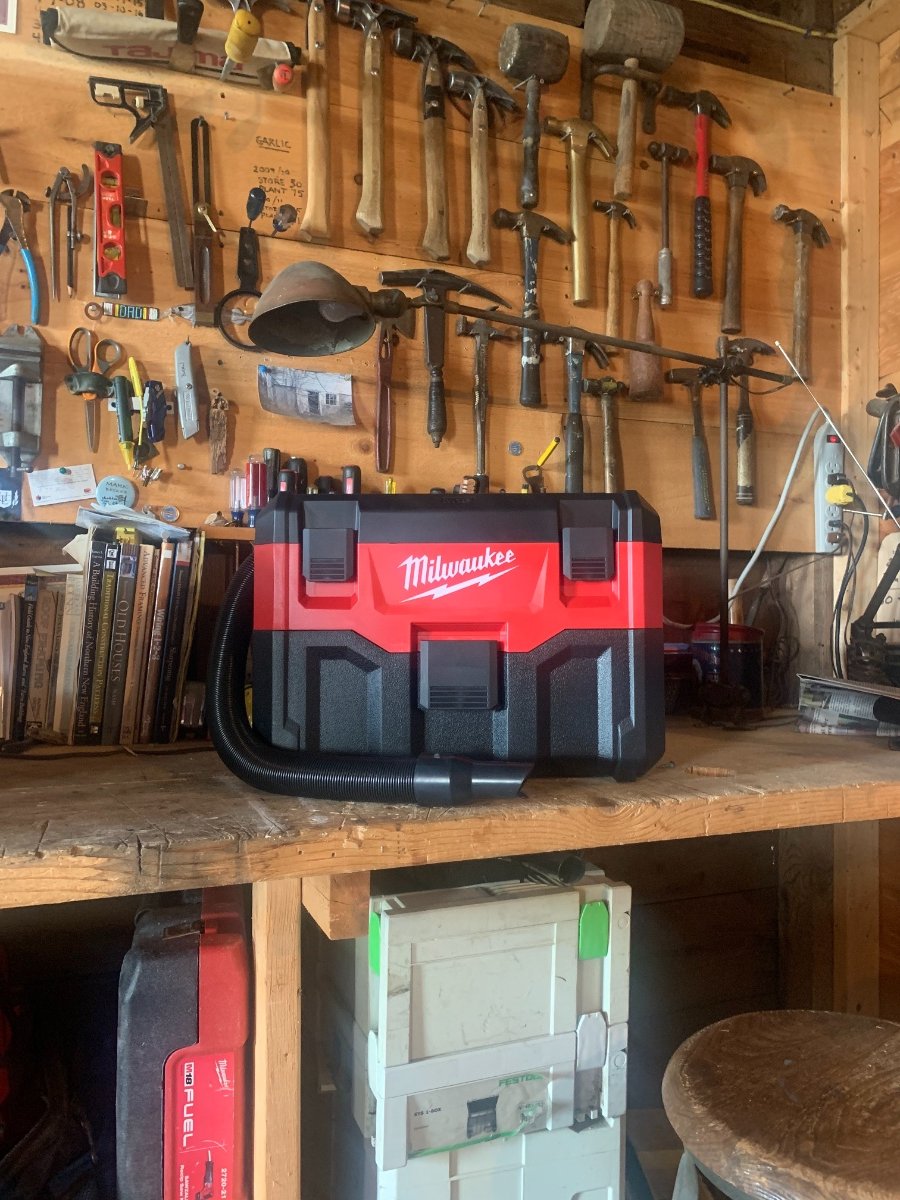
I’ve been pondering this question since it appeared. While not entirely clear on what qualifies as a gizmo, I’m pretty sure I’ve got a fair number of them. Still, it’s hard to pick a favorite.. But while replacing my very tired old Milwaukee Cordless wet/dry vac today I realized that this is my favorite gizmo.. for the truck, the camper, for dealing with disasters like the time I sort of flooded the Casita years ago…
1 point
-
I have for over 45 years of RV Towing experience, plus another 50 years in the "Heavy Duty Truck Industry" severing in both Service/Sales related jobs, in the USA as well as eight years overseas. One thing I've learned is that you never stop learning! Today's RVs and TVs are much different and better in many ways than ever before. However, there is no Substitute for a properly Balanced TV and Trailer combination! All the fancy Air Suspensions and Electronic Brake/Towing Stabilization Systems can't make you Safer by themselves. I assume your question is "centered around Safety" and "Handling" issues! Judging from how you asked the question, I am sure you have heard all kinds of things regarding WDH. IMO, the best WDHs are either the Hensley or the ProPride Hitches. The reason is simple, these are the only WDH that can eliminate Trailer Sway, almost 100%! Unfortunately they cannot be installed on an Oliver without substantial modifications. The bottom line is, the Andersen WDH is the only options, other than no WDH at all. Many RVERs assume that because your TV maybe able to carry the additional Rear Load and their TV is equipped with some type of magical Electronic System, they don't need a WDH. They can help, but they are still only Aids. To answer your question directly, there is no situation that I can think of, that I would be comfortable Towing any RV Trailer, regardless of Type/Size/weight without some type of either a WDH or Sway Control device!1 point
-
You have NO choice as long as you wish to help protect you liability issues. A WDH is REQUIRED by Ford for your truck. Bill1 point
-
LOL - I already asked this question. The Lithionics contact is getting with their engineers to better understand this limit. I guess, shoveling loads of desiccant into the battery compartment is the only way it would work for us with average RH of 85%+ . As soon as I hear back, I will post.1 point
-
Apparently he was going to an established campground, but came down the road from the wrong direction. This looks to me like the spot where he got stuck - the mileage is about right, and it looks like the photo, especially in Google Earth. It doesn't look so bad in Google maps - the switchbacks north of that spot look much tighter, and apparently he had no trouble with that. But if like JD suggested, you check the same spot on Google Earth, the slope and tightness of the corner, and even the fact that it may be washed out a bit, become evident. Though to me, it looks like he could have made the corner if he had been paying a bit more attention. He also passed up what looks like a really nice spot about halfway between the switchbacks and where he ended up. I'm surprised that he didn't walk it out. Perhaps age or mobility was a factor, but he was only about three miles from some houses toward the other end of the road. But I supposed that sitting tightly is almost always the best choice - true disasters usually happen when you start compounding bad decisions atop one another. So I can see how this could easily happen. The guy hears about a good camping spot, hears that it's easy enough to get to, maybe knows someone who's been there. He's headed in from the north so naturally looks at taking the road down from the north end. The route looks a little tight on Google or Apple Maps, but not terrible and he's been told that it's fine. So off he goes. I've been very surprised at times where these RV drivers will take their rigs.1 point
-
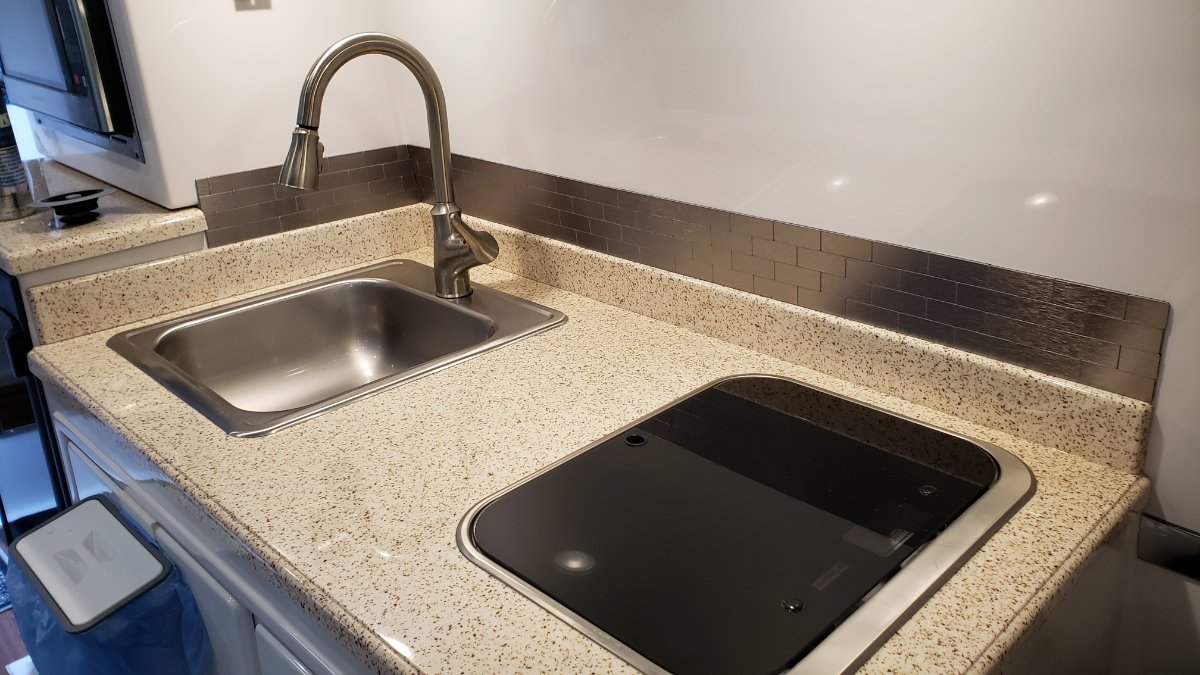
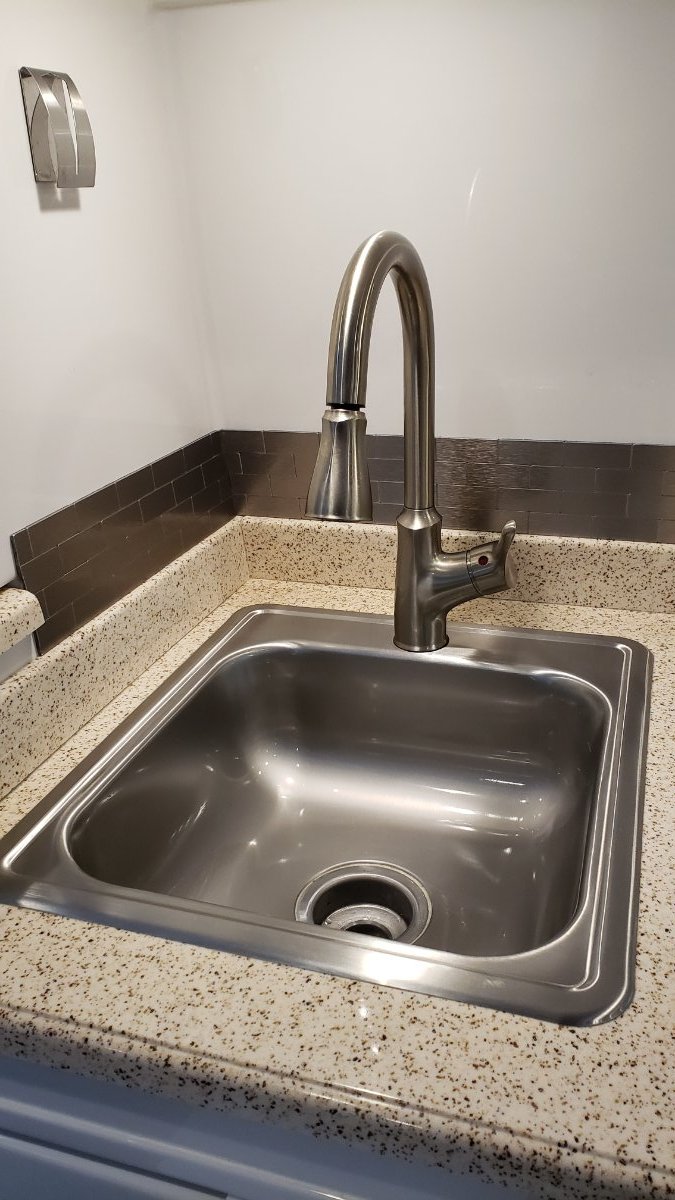
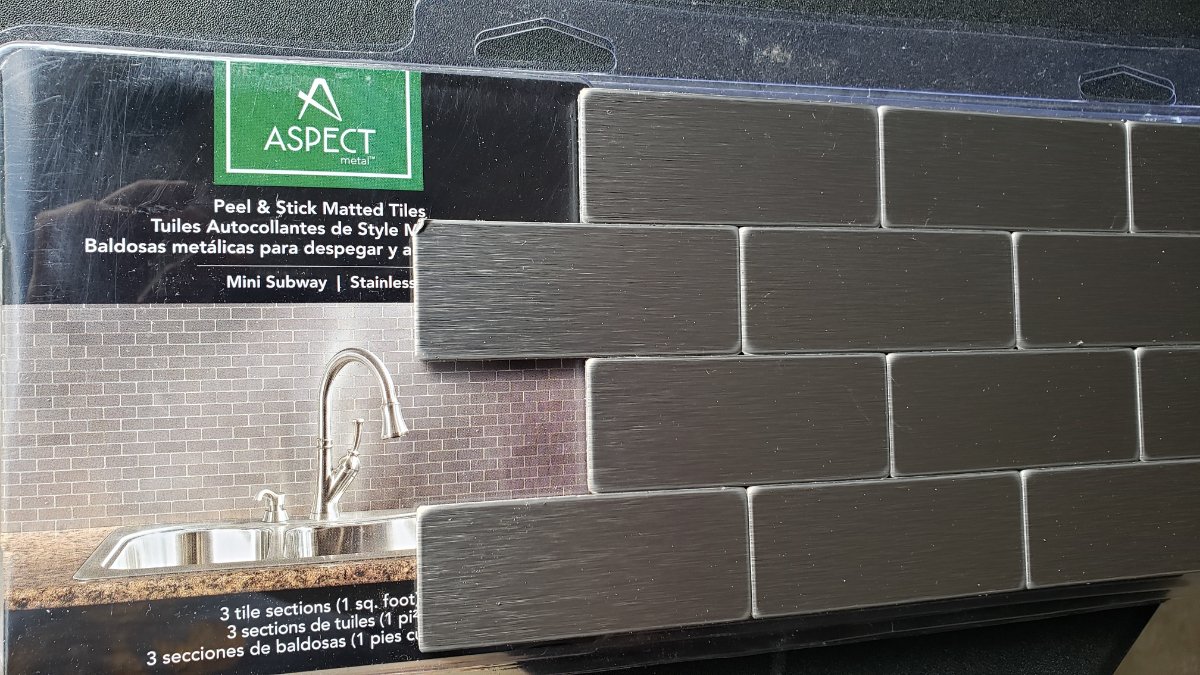
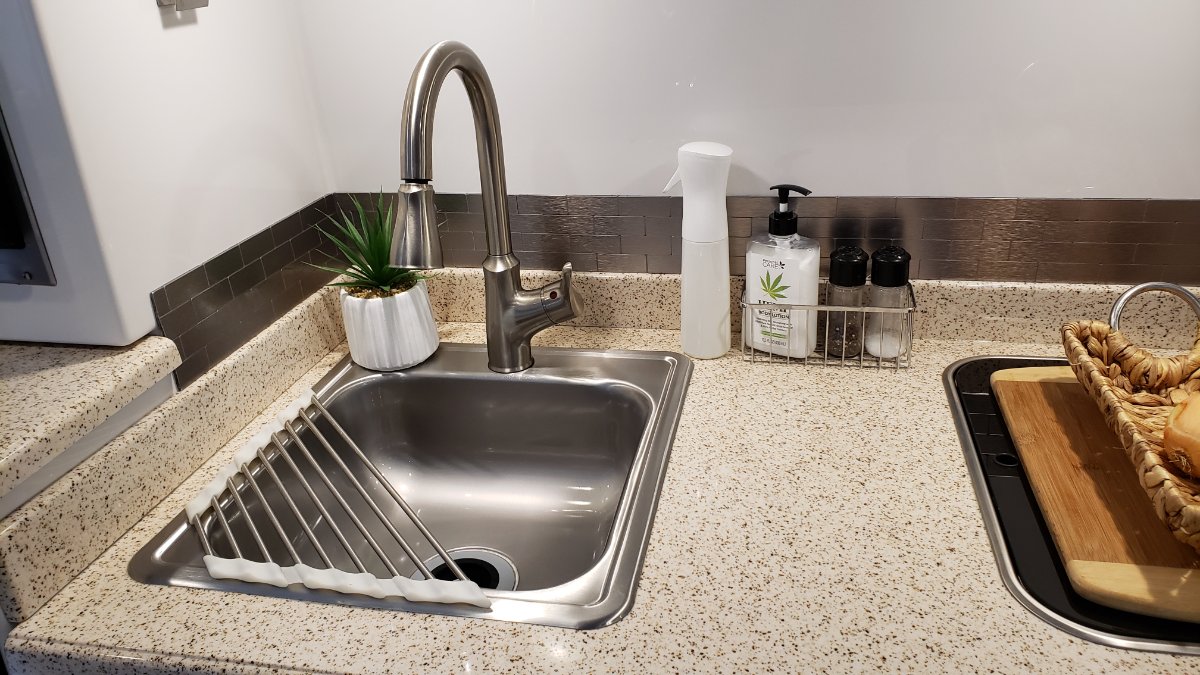
I decided to brighten up the area behind the sink by adding a nice backsplash in a brushed steel finish. I bought the backsplash at Menards but they are available on Amazon. They come in a variety of finishes. I used two packs. The beauty was in the peel and stick feature. They are about a foot long and can be cut with a jig saw.. Although I used a dremel cutoff wheel which worked fabulous. I also used a sanding tip on the dremel to finish the edges nicely. The area to the left of the sink was tricky and slightly uneven so I used a good glue and leveled that area first. I plan to seal with clear silicone on the top and bottom edges. I'm pleased with the result!
1 point
-
Thanks for the information, John. Now I'm curious why my local AAA office told me they could not handle the registration. Update: I just called my local AAA office again - AAA offices in Southern California and Northern California are owned by different companies, with different rules regarding vehicle registration.0 points


.thumb.jpg.780a61c48108d06558e15f745dfe9b5e.jpg)















.thumb.JPG.dd838cdb3df463dab6a16861fa23a319.JPG)





-
Recent Achievements
-