Leaderboard




Popular Content
Showing content with the highest reputation on 12/29/2021 in all areas
-
This is venturing off topic but since it’s come up, I give my spiel; and if that spurs more discussion, we can break it off into a new topic. The charging issue has been discussed in some of the battery threads more thoroughly, but both types of batteries will be charged, a little bit, when your truck feels like it. It isn’t about the batteries themselves, but rather the wiring size and length going from the engine bay all the way back to the trailer, and the electronically controlled alternators in today’s trucks. It started with GM vehicles a number of years ago, but they’re all like that now. Essentially your truck won’t recognize the load and so won’t keep the alternator going at a high enough voltage to do you much good. And even if it did, the wiring is too small to get a full charge anyway. Good thing, with lithiums, since with decent wiring they’d burn out your alternator in nothing flat. I suspect that with lead acid batteries, most people have never had reason to become aware of the issue - the adoption of solar panels preceded the new electronics, and driving all day out in the sun will usually charge a small bank just from solar alone. You naturally assume that the truck had something to do with it. But it becomes obvious with large lithium banks since if they’re considerably discharged, they may not charge all the way through solar alone while driving. The solution for both battery types is a battery to battery charger, but most people are perfectly fine without, even with lithiums. It would be pretty far down my modification list unless you’ve found that your solar isn’t keeping up, or like the peace of mind of having an additional charge source, or just enjoy modifying things, etc.7 points
-
The Lithionics batteries come with a heating pad underneath the batteries. There is a switch in the battery compartment that turns the heating pad on or off. When turned on, the heating pad comes on when the temperature falls to 35°F. It goes off when the ambient temperature reaches 45°F. This is only necessary to charge the battery, and if there is a charging source available (i.e., shore power, solar, or generator). The batteries do not need a heating pad to discharge (e.g., turn on lights, etc.), even when the temperature is below 35°F.5 points
-
Another reason for installing a fan would be for summertime heat reduction. I have found that static temperatures in the batteries to reach 95°F when the outdoor ambient temperatures are slightly over 100°F. A fast charge to the batteries (100 -150 amps), which I have only done a cooler temperatures, can add 25°. Although the Lithionics batteries can handle up to about 130°F, I would be cautious about a fast charge during the summer (such as after using the air conditioner on battery) without being able to cool the batteries. For that matter, just using the air conditioner with battery power heats up the batteries -- another reason to install a cooling fan. Some have insulated the battery box door to keep the batteries from getting too cold. This helps, but absent internal conditioning, the vents should remain open (IMHO) during the summer for cooling.4 points
-
This is correct. Oliver does not connect that wire.4 points
-
Wishing you and your family a Happy New Year with many great Ollie adventures!4 points
-
I would suggest meandering, you will enjoy the rally programs and discussions a great deal by having that knowledge and experience. And you will be able to contribute to the everyone’s questions about the newest Ollie’s. Mossey3 points
-
Call and register over the phone and use a CC or send them a check.3 points
-
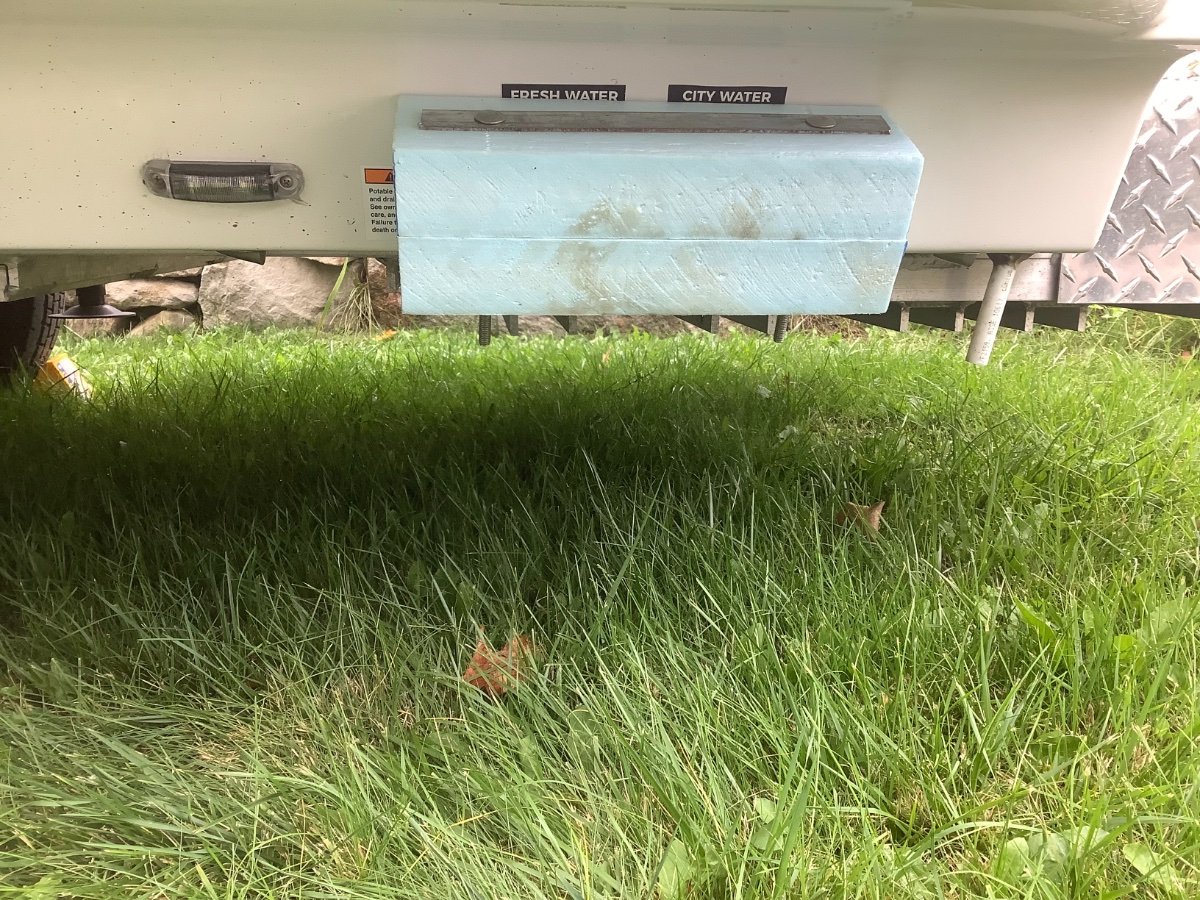
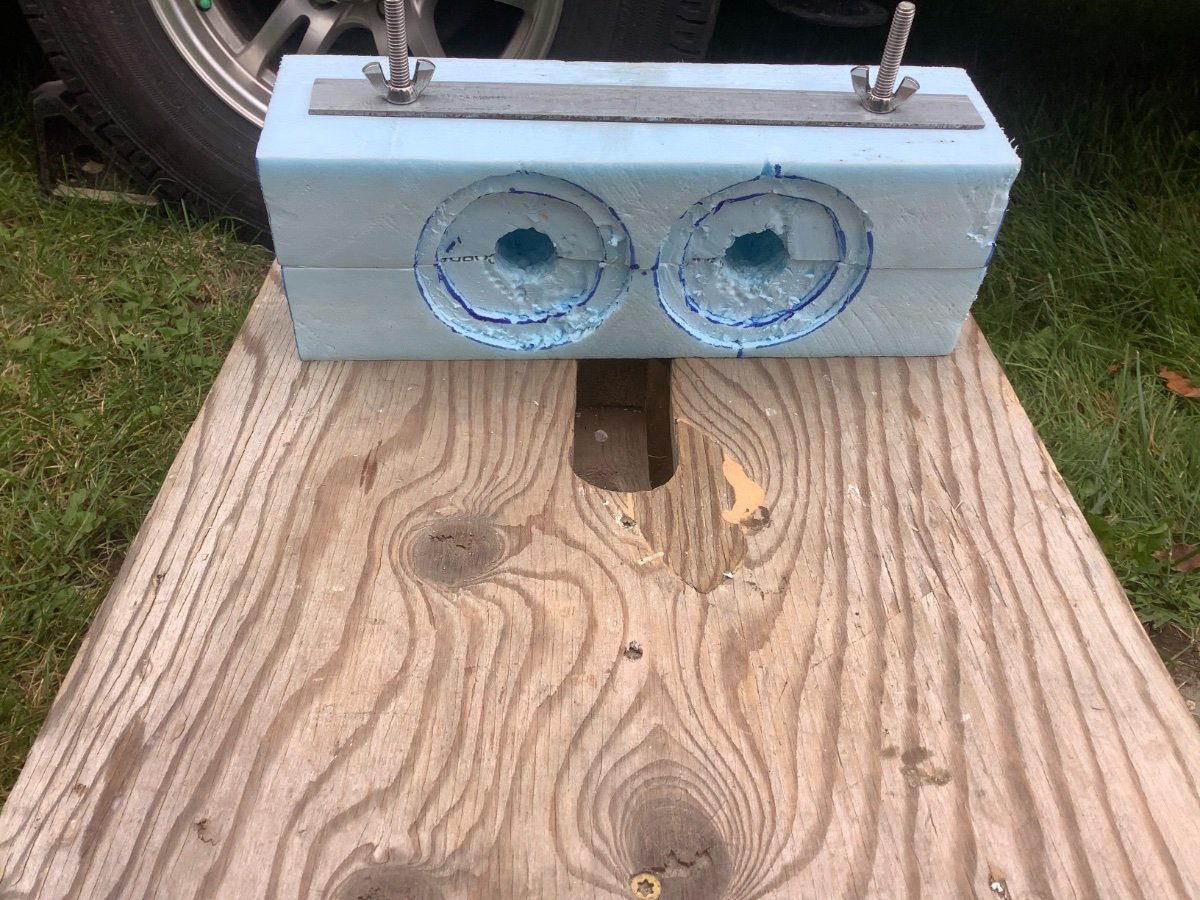
We won’t be doing any winter camping… if I wanted to be where it’s really cold, why I could just stay home.. We do however seem to end up occasionally driving where it’s cold, or dealing with overnights in the low 20s. Sometimes we travel with the furnace on, but not often. We do always make sure the hot water heater has been doing it’s thing so we can run hot water through the pipes once in a while. I added insulation to the basement door, and have some in the outdoor shower compartment as well, where if needed, I can stuff a 10hr hand warmer. I cut a hatch in the basement to gain access to the check valves and pipes at the water intakes, where I can stuff hand warmers as well. I also made an insulation block for the water inlets out of 2” rigid foam insulation. It basically clamps tight on the intakes when in place. When temperatures are in the upper teens or low 20s I can keep those intake fixtures at least 10 degrees warmer than the outside temperatures, so it helps somewhat. These little things help with occasional cold spells.. but wouldn’t do much good if the temperatures didn’t moderate during the day.. Insulation block Inside the block, cut our for water intakes.. the bolts, wing nuts, and steel plates squeeze it together in place
 2 points
 -
Try putting a adjustable wrench on the knob and then putting a open end wrench on the adjustable wrench (near the knob) to be able to twist the adjustable wrench/knob. Good luck2 points
-
I might add that if the heating pad is turned on when there is no other source of power (or no incoming charge from solar in excess of what the heating pad draws), the heating pad may draw down the batteries unnecessarily.2 points
-
This is a mod that I think I’ll finally get around to doing, with a few modifications. Rather than switch the fan remotely, I’m going to add a small thermostat control that I’ll mount in the hull; and I’m going to use a smaller 3” hose that mounts directly to the fan. I’ll tuck the inlet under the twin bed extension and mount the fan in the side of the box rather than the bottom. And since the fan is rated for 30+ cfm I’m not worried about blocking the flow with a more protective grill in the battery box. I’ll use the same one on the cabin side since it’s white and will mount easily to the hose. I’ll just use an inline fuse. Simple, automatic, and out of sight. Will probably set the fan to come on at 40 degrees and go off at 50. Here’s a list of what I’m getting: Fan Hose Thermostat Grills2 points
-
That, I don’t know. I don’t think there’s a reason that it shouldn’t be, unless they’re worried about parasitic draw if you leave them connected overnight. I’d assume that connection is cut when the truck is off though.2 points
-
@Fritz, yes they are separate installations and independent fans and controllers. I think the two solutions could be combined but may not be as efficient, especially for the battery compartment. Thanks! John2 points
-
Correct2 points
-
A few reasons not to buy one. Small tires go flat easy, low to the ground you’ll be bending over a lot. Handle moves easy which constantly applies brake. The brake doesn’t work well on the slightest incline. The ball always loosen up no matter how tight you get it on the coupler. And unless you work out all the time. You’ll get the work out of your life. Cranking the handle. The optional drill adapter moves the trailer easier but now your fighting another obstacle. Holding the drill bending over and trying to keep the handle from locking the brake. Mine sits in the corner of the garage. I’d say I’ll make you a great deal on it. But I would feel bad selling it to anyone. Hope this helps.2 points
-
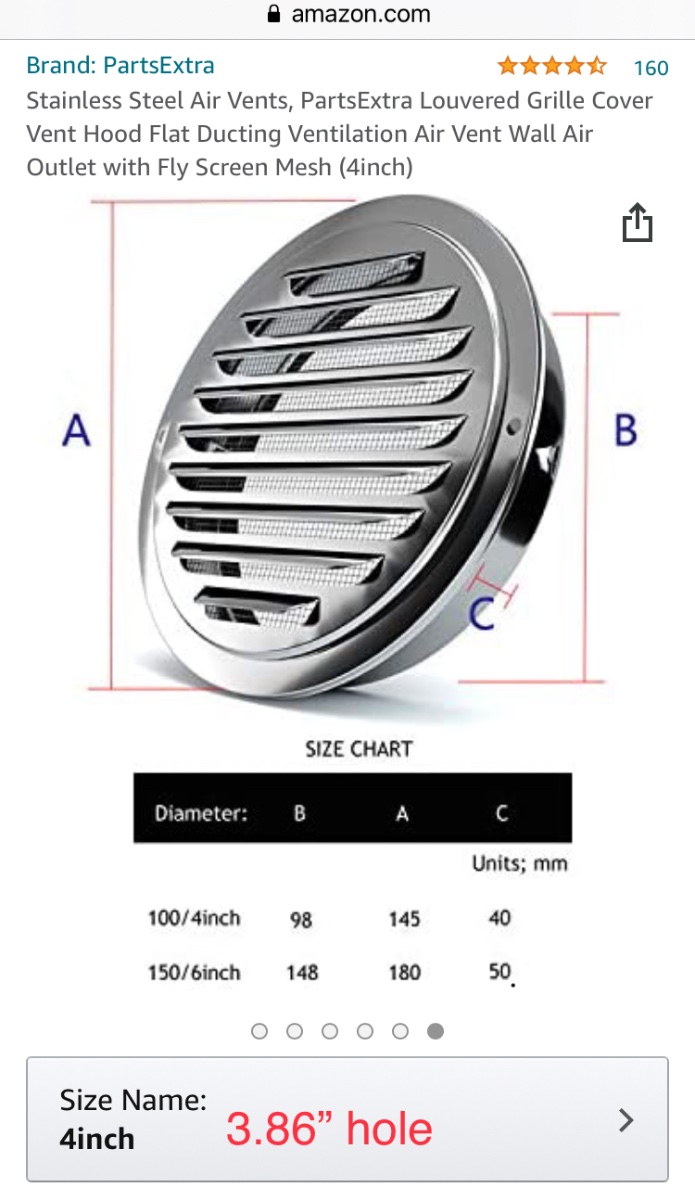
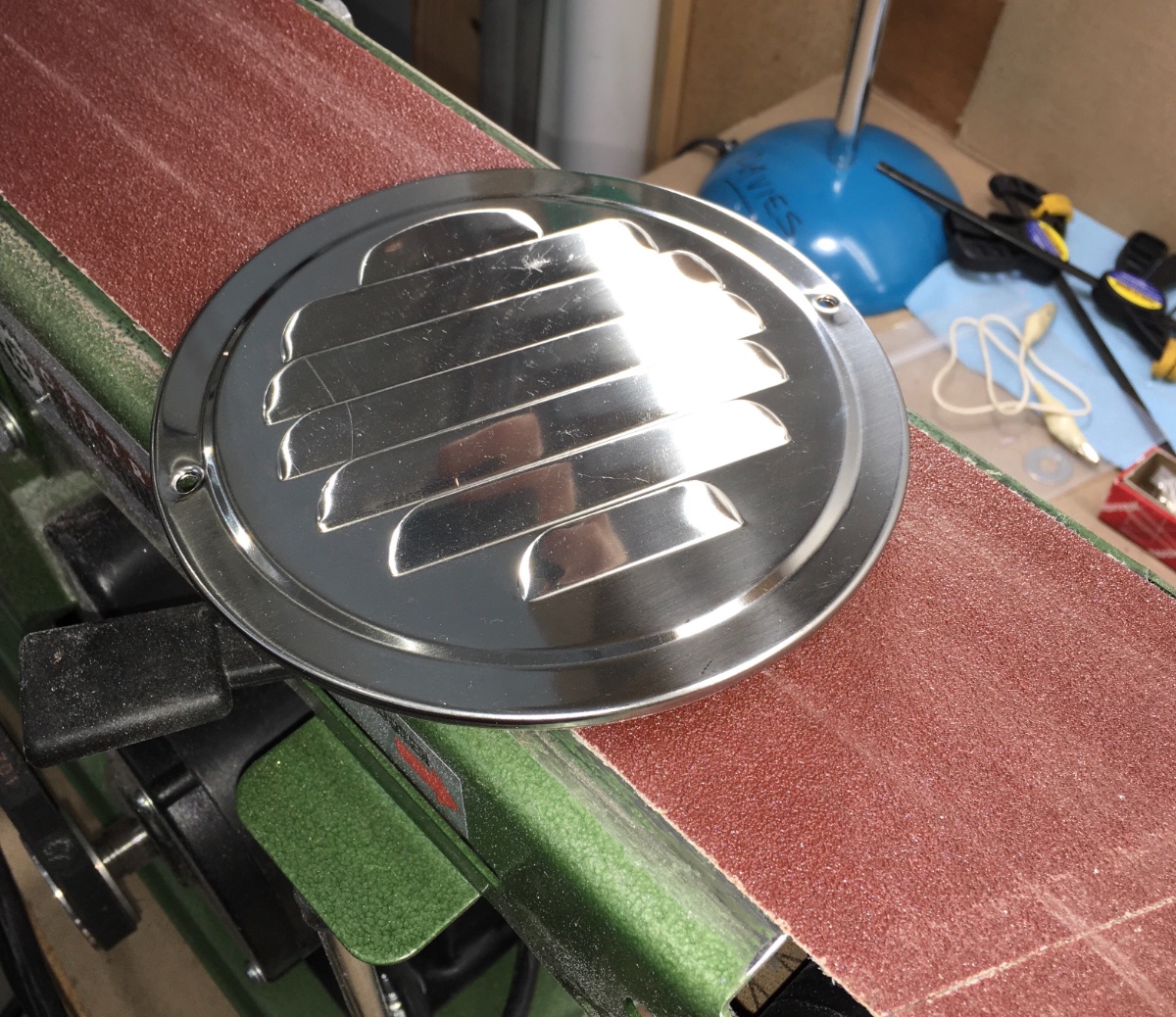
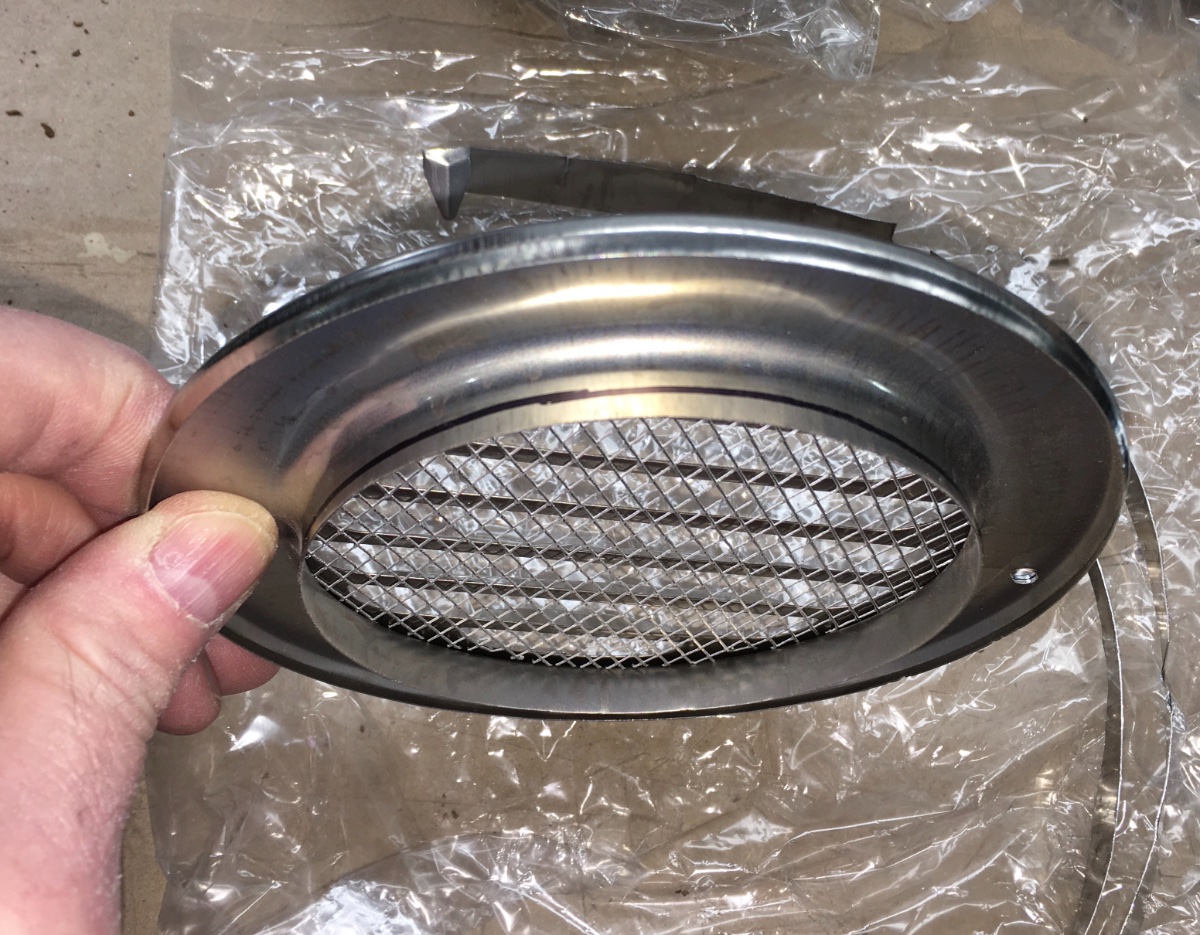
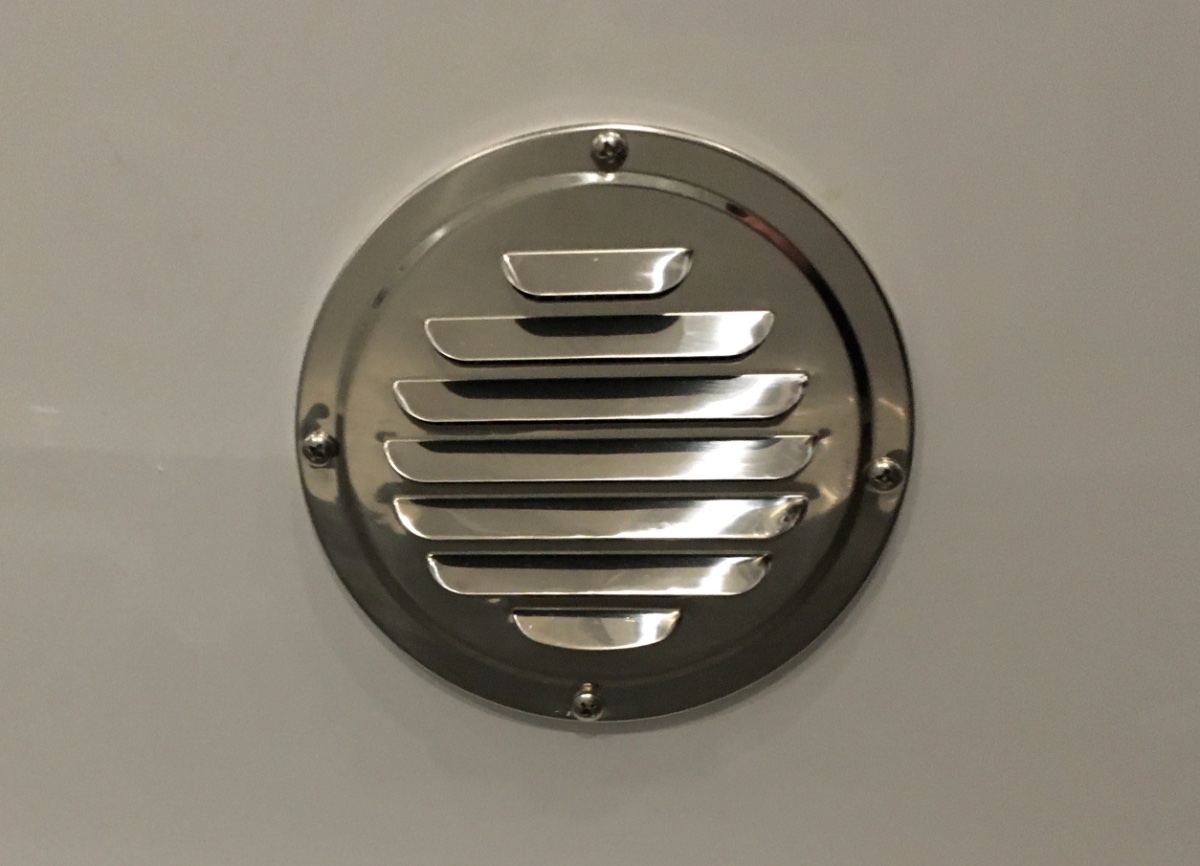
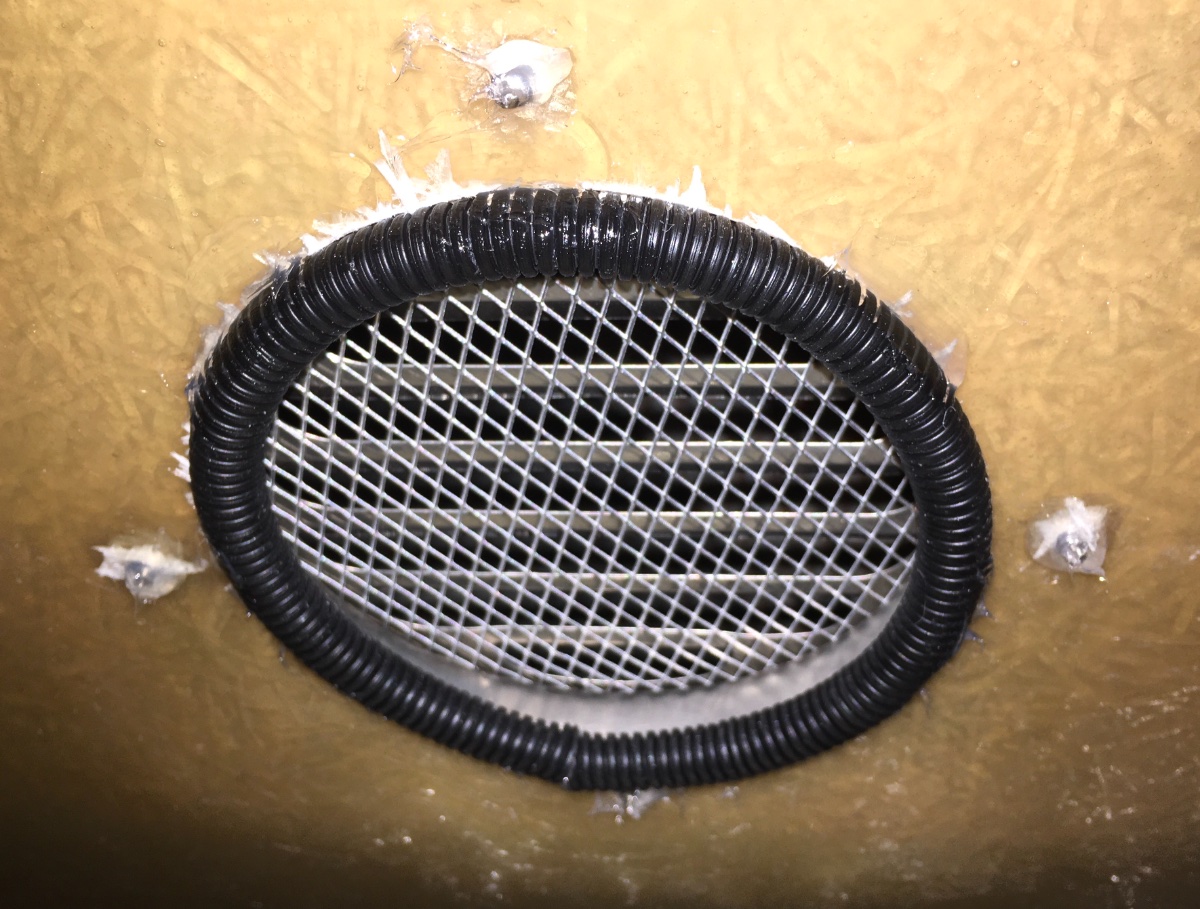
Battery box intake vents. Originally I wanted aluminum louvered vents, so I could paint them white to blend in, but the ones I bought turned out to be way too flimsy. They would have been destroyed by a wayward kick. I ended up with these and am fairly satisfied. They are sturdy and very pretty. Unfortunately they need trimming and the addition of two more mounting holes, so they would pull down tight and flat. Drilling stainless is possible, a drill press makes it less frustrating. It requires a lot of pressure on the bit. Use a 4" hole saw or a jigsaw to cut the holes in the fiberglass. I placed one under the rear bed and one under the rear dinette seat, centered front to back and up/ down. The center is approximately 9 " off the floor. Even though sanded smooth, the edge was pretty dangerous, so I used 1/4" split loom to protect fingers. I added a blob of silicone on each protruding screw tip. In the future I plan to add third vent at the bottom of the closet door opening. John Davies Spokane WA
2 points
-
I’m not sure what bathroom faucet you have. The one on our trailer was replaced in 2018, I think. If you have a decent flow then you should be good. Mike1 point
-
Plus you can stand under hot water a little longer!1 point
-
This knob? Maybe the socket end of a ratchet extension would stay put on the end of the one of the arms so that you can whack it with a hammer, if you can get enough angle to make it work. Thinking of tools you're sure to have on hand - how about the tire iron that Oliver supplies? You could place that against an arm and then hit it with whatever you can find. Maybe too see if there's any play in the tire cover - if so you could try wiggling it around to see if the nut will loosen up any.
1 point
-
We will use the campground showers most of the time if they are clean and kept up. We are mostly in state parks or COE. So far this last month we had good luck. If the showers are gross we have no problem using the Ollie or when boondocking. We like it just fine. The extra room at the campgrounds is nice and we can go a little longer before hitting the dump station.1 point
-
No clue, but it does seem like something they should consider unless the factory batteries have internal heating elements. You can get Battleborns with heating elements now, but mine are old old.1 point
-
It appears that the programmable thermostat speed controller that you used (this one, perhaps: https://www.amazon.com/TerraBloom-Programmable-Thermostat-Controller-Temperature/dp/B083W2MRK6/ref=pd_day0fbt_img_2/146-3356731-9507947?pd_rd_w=Q7AR3&pf_rd_p=bcb8482a-3db5-4b0b-9f15-b86e24acdb00&pf_rd_r=XVV5SHAE2FP5518SGFZW&pd_rd_r=e2e72b65-4f68-4988-9560-bae75e92c00e&pd_rd_wg=FyVXm&pd_rd_i=B083W2MRK6&psc=1) will handle up to 4 fans. I'm curious if there is a reason that you used two controllers for your installation (one for the basement and one for the battery compartment)?1 point
-
After watching a Victron video SeaDawg posted about Lithium battery demand and alternator damage with a particular system, purchased a shunt to monitor Lithium Battery charge with TV running and 7 pin connector connected. Battleborn told me I did not have to worry about about my system with 12V TV charging our Lithium battery, but I learn from threads here, too!1 point
-
I just noticed the mouse-in-the-pantry decal in one of the photos in John Davies' original post for this thread (I was looking for the type of hole saw you guys were using). Nice touch for the Mouse Haus!1 point
-
Boudicca908 Don't forget - registering for the Rally is a two set process. First - call the camp ground and get a site. Second - Register for the rally itself with Oliver. Look forward to seeing you there! Bill1 point
-
Nice work! Just to be clear: I assume that the basement fan is different from this installation, i.e., the battery fan conditions the battery box and the basement fan conditions the basement space?1 point
-
Picked up our Ollie from Hideaway Storage on Sunday morning. The trailer was just as we left it. No issues. We left the fan on at 10% and it was 79 outside and 74 inside. We were in direct sun and no surprise the agm batteries were fully charged. This worked out well. I would do this again if we needed to store short term again in Naples. We leave Oscar Scherer State Park near Venice Florida for Suwnee River State Park in Live Oak the morning. Oscar Scherer State Park is in an excellent location and is well kept. The spots are a bit tight but private with lots of vegetation between sites and good shade. I would stay here again for sure. Awesome give me a call or pm when you're ready to plan. I think there are 14 or more Oliver owners in Maine. If you are planning anything on the Coast south of Acadia National Park for summer or Fall I would recommend making reservations as soon as you can. This also goes for the state parks especially Sebago lake, Baxter State Park, Wolf's Neck and others. Moorhead and Rangely lakes regions also fill up. There are lots of harvest host locations. We like the HH brewery in Boothbay. We are just up the coast from Boothbay right next to Pemaquid Beach. A hidden gem.1 point
-
We had the same issue a few years ago. Check for plastic bits or hard water debri in the faucet filter and in the line behind the toilet. Mike1 point
-
76 degrees1 point
-
Picked up our Ollie from Hideaway Storage on Sunday morning. The trailer was just as we left it. No issues. We left the fan on at 10% and it was 79 outside and 74 inside. We were in direct sun and no surprise the agm batteries were fully charged. This worked out well. I would do this again if we needed to store short term again in Naples. We leave Oscar Scherer State Park near Venice Florida for Suwnee River State Park in Live Oak the morning. Oscar Scherer State Park is in an excellent location and is well kept. The spots are a bit tight but private with lots of vegetation between sites and good shade. I would stay here again for sure.1 point
-
If you search on YouTube for “winterize RV with compressed air”, you’ll get a good many videos. We’ve also had some topics about it here on the forum with some additional tips specifically for Olivers. As far as difficulty goes, it’s a much easier process than using antifreeze, for sure. I think the main thing is to make sure that your compressor isn’t set at a really high psi, which could potentially damage the plumbing. The other thing to think about when using air is that you won’t get 100% of the water out, and what’s left could possibly settle in a low spot. I think the only place that might be a problem would again be the check valves, and some people will squirt just a bit of antifreeze in the water ports when they’re done, just to make sure that if any water settles in the valves, it won’t freeze. Or you can do like me and rip all the plumbing out and redo it so that those check valves are inboard and at a high spot in the lines. 🤓1 point
-
Campground showers are usually ok if you are at a campground with showers. Many of us camp where there are no showers and so we use our Oliver shower a lot. Yes, some campground showers have cooties, or worse, but most are perfectly acceptable - just not as convenient as showering in the trailer. Mike1 point
-
No we have 4 12volt wet cell batteries. We didn't buy the solar package and though we have boondocked a day or two we used our generator at night.1 point
-
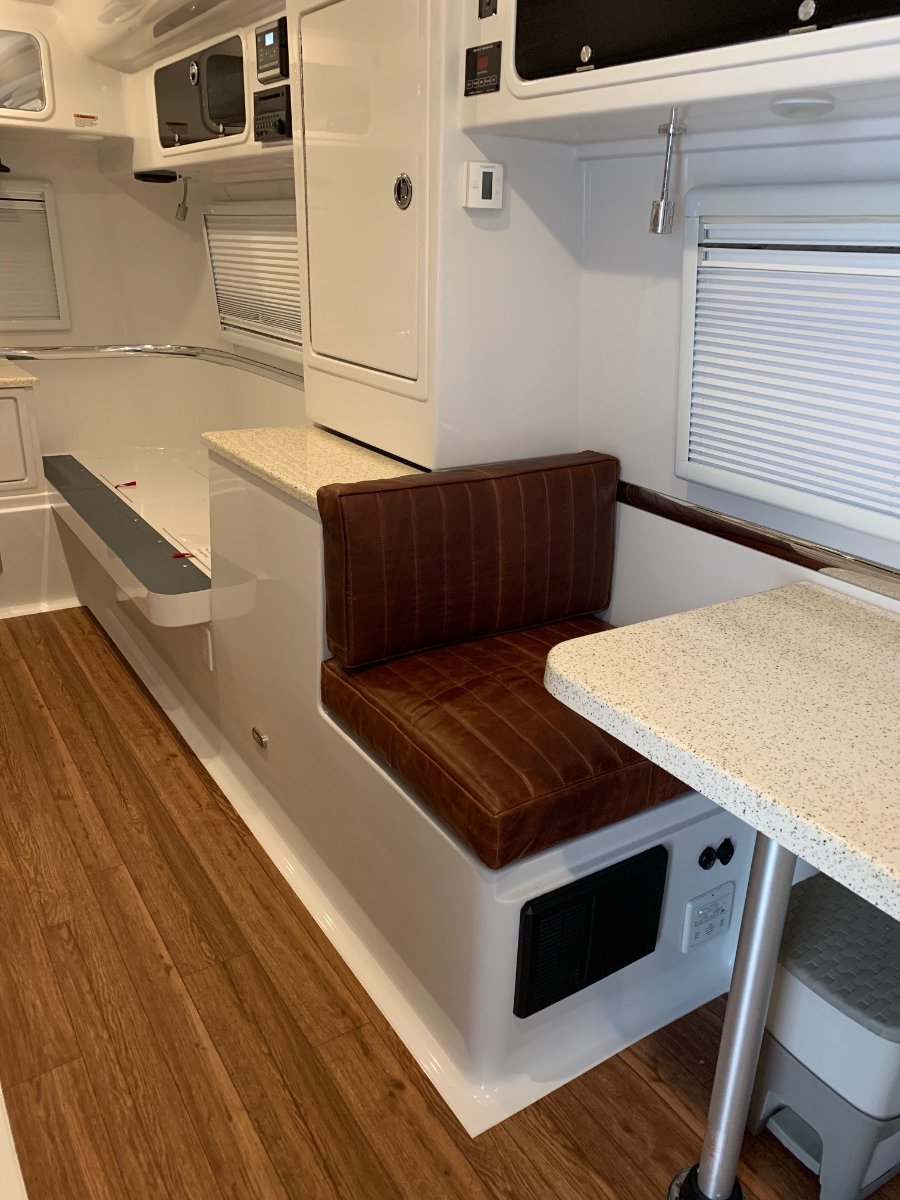
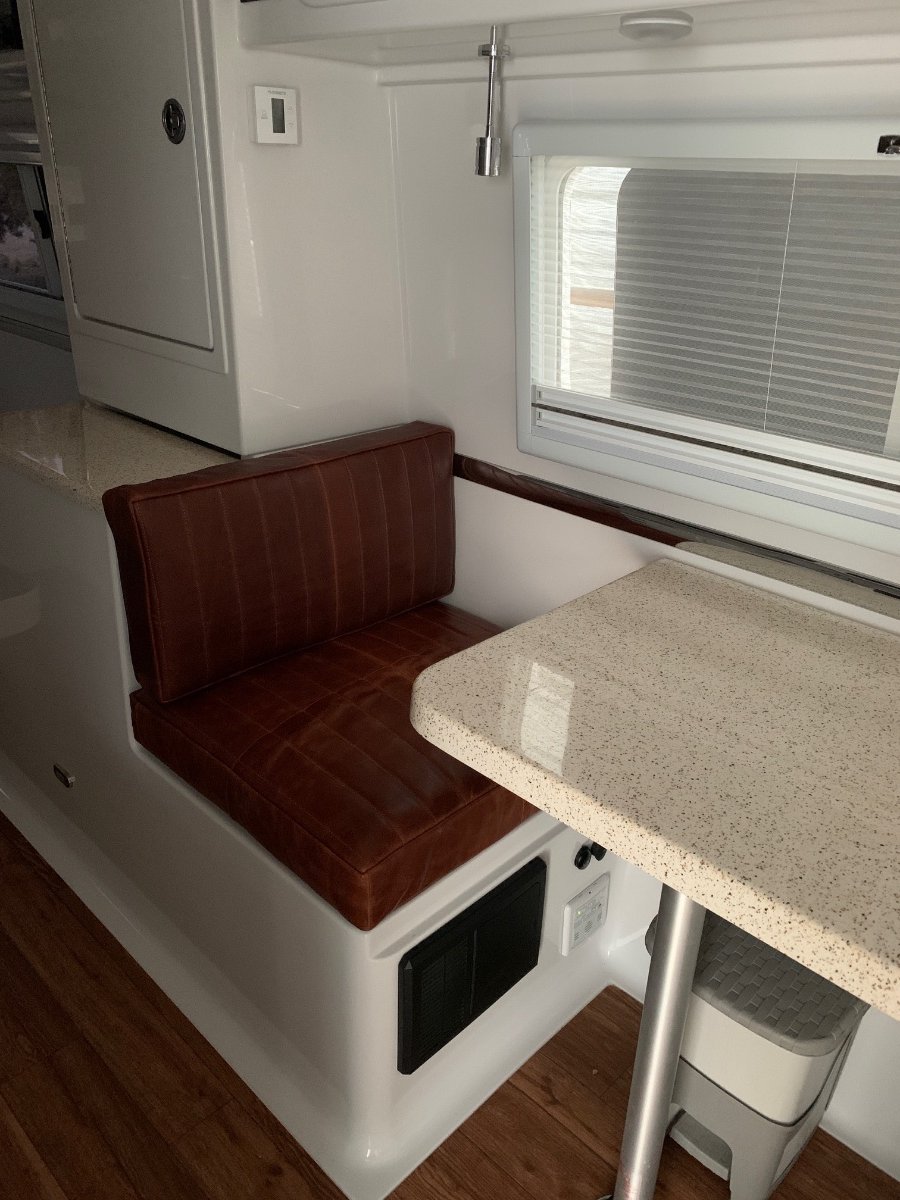
WOW...just received our custom leather cushion covers for the dinette. Thought I would share in case anyone else is interested in leather. we have leather furniture throughout our house because of dogs... and we don't mind the distressed look. at least it can be cleaned easily!
1 point
-
Thought about the factory shower rod when we ordered our trailer, but decided to not get it. I put up those 3m stick on hooks in white and just clip on the shower curtain when we use it. I will say here we have just about stopped using the trailer shower and use the showers at the camping grounds, much easier to do with more room and plenty of hot water. Yes, we could have gotten the tankless water heater, but still would have not showered in the trailer. I know many are too private to shower in a camping grounds shower and we all know they have COOITIES. trainman1 point
-
Leave the furnace on low and open some of the hatches. Make sure the fresh tank is full, that much water would take a long time to freeze.1 point
-
We will be attending also as newbies. We are schedule for pickup March 2022. Estimated hull #1049. Looking forward to meeting and learning1 point
-
I think have the perfect location for the boondockers in the crowd - it's a beautiful, private, group site at Buffalo Creek here in CO that would easily accommodate 10-15 Olivers. Caveat - no hookups, pit toilet, water situation can be iffy. We have it reserved this June for a week for an annual friends and family camp. I'll take a serious survey while we are there and see if it could work. Unfortunately, I wouldn't be able to get it for 2022. You have to reserve a year in advance, and if you don't you won't get the site. I'll take a poll, if I can figure out how to do that. mb1 point
-
We plan on attending and reserved site F55 loop from the 17th departing the 24th.1 point
-
All really good information in this thread. I am bumping it because I have also considered getting a 1,000-watt generator (Honda or Yamaha) to use for topping off my batteries instead of my current generator which is the Honda EUI 2200 Companion. My LE II charges the batteries via the 2000-watt inverter/charger so while boondocking last week, I decided to determine how many charging amps I could deliver to my batteries with a Honda 1000-watt peak generator (900 watt rated) before overloading the generator, after accounting for electrical losses through the inverter charger. The 2000-watt inverter/charger in my Oliver can be set to a maximum charge current limit of 0-80 amps in 5-amp increments meaning it is capable of delivering 80 amps to the batteries IF the batteries can accept 80 amps. I have the lithium phosphate batteries so they will always accept 80 amps charging current up to full state of charge with my EUI 2200, but the smaller generator would not be able to deliver 80 amps to the batteries without overloading. It is straightforward though to calculate how many watts a generator must deliver at 120 volts for the converter/charger to deliver any given number of amps to the batteries at 14 volts, ignoring losses. What I did not know was how many watts the generator must deliver to also make up for the losses in the converter/charger and wiring. Using the formula volts x amps = watts, I knew that the minimum watts that a generator must deliver at 120 volts to provide 80 amps to the batteries at 14 volts would be 1,120 watts. 14 volts x 80 amps = 1,120 watts. The Honda EUI 1000 is rated at only 900 watts continuous so I knew it could not support 80 amps charge current to the batteries, but I did not know what the maximum charge current that a 900 MW generator could support when accounting for losses. The maximum charge current with no losses would be 64 amps 14 volts x 64 amps = 900 watts. While I was charging the batteries at 80 amps with the EUI 2200 last week, I read the 120-volt input amps to the inverter from the panel, and it showed that the generator was supplying 10.2 amps of 120-volt power to the inverter. This meant that the generator was supplying 1,224 watts to the inverter including any bypass current to any other 120 trailer loads. 120 volts *10.2 amps = 1,224 watts I did have my satellite receiver operating on 120-volt power at the time, so I assume that the inverter/charger itself was requiring approximately 1,200 watts at 120 volts to deliver 80 amps to the batteries at 14 volts. This implies that inverter/charger losses were about 7% meaning 93 percent of the 120-volt input power was reaching the batteries. (1200 watts - 1,120 watts) / 1,120 watts = 7% losses Now, using the loss factor of 7%, a 900-watt generator could be expected to deliver a maximum of 837 watts to the batteries in my Oliver. 900 watts x 0.93 =837 watts This means that the I would need to set the maximum charge current in my inverter/charger to no more than 60 amps, or the 900-watt generator would overload and shut down. 14 volts x 60 amps = 840 watts For me, this means that if I switched to the 900-watt Honda generator it would take about 33% longer to top off my batteries than it does now with the larger EUI 2200 at 80 amps charge current. For example, if it would otherwise take 3 hours of generator operation to top off my batteries with the EUI 2200 at an 80-amp charge rate (i.e., 240 ah into the batteries), it would take 4 hours to get the same 240 ah into the batteries with the 900-watt generator. Some with the inverter/charger may find this longer run time unacceptable. I personally think it is a reasonable tradeoff when boondocking, given the much lower weight, quieter operation, and lower fuel consumption of the 900-watt generator. (of course, it would not run the air conditioner) If I can ever find the Honda EUI 1000 in stock anywhere again, I will probably pick one up. It also explains why SeaDawg has been more than happy with their Honda 1000. I assume they have the 45-amp converter/charger so there would be no charging benefit for them of using a larger generator. It would not charge their batteries any faster. I am not a professional and may have made mistakes in this assessment. Please correct me if I have.1 point
-
We bought our E2 last December with a Nature's Head. Love it and have had no problems - mostly because we did our homework, watched the online videos to see what folks did wrong and learned from their mistakes. No smell except similar to potting soil when we actually dump the solid matter. Saves a ton of precious water when boondocking. Super easy to keep the bowl clean. No scrubbing ever - just the occasional wipe with a big "handiwipe". Fantastic for the quick winter time trips we frequently take where we don't wake up the water system. Not having to handle a black water hose is a a huge plus. If we are going to a campground and going to dump our grey water at the same time that we need to change the solids tank, it's easy to dump the solids in the hose hole first and wash the tiny bit of spilled composting material (if any) into the hole with the grey water we are disposing. The solid matter allows for weeks of continuous use and is easy to dispose of. We put ours in our compost box which gets naturally hot enough to break down for use in our perennial garden beds. Dumping in an open compost pile would do the same. If we turn the macerator a dozen times, it breaks down the solids really well and mixes thoroughly with the coir medium. Truly makes for an inoffensive final product. Anyone who has a dog is dealing with much much grosser material in a much more up close and personal way. From what Ive found on line, it is fine to simply put the stuff in a bag and dump legally in the garbage. We've only done this a couple of times but use a recycled bag. The liquid can be safely poured around the base of a tree or shrubs and the nitrogen feeds their roots. We've been doing that for a year and the plants seem to love it. I've never experienced a strong smell when dumping the pee container even indoors into a toilet. We don't allow liquid to stay in the container for more then three days, so that may help. After a trip, we keep the computer fan running for about a week and then unplug it. This allows enough time for the medium to do it's thing enough so there is no smell. As mentioned above, it's best to keep the coir (we prefer the coconut coir over peat moss for environmental and price reasons) on the dry side so, if it's super humid out, we'll run a dehumidifier in the trailer for that week which dries out the trailer in general and material in the solids tanks. No problem even when stored for extended periods. Saves the hassle and intimate contact of having to clean out the bin. Per instructions from manufacturer, we never clean out the solids tank. The minnimal amount of material (a couple of table spoons worth) when we dump it out is the medium to start the next batch. Kinda like sourdough bread. As to toilet paper, we don't put any in the toilet. I KNOW, I KNOW: Sounds gross but, in reality, not so much. We keep a little, lidded, foot operated garbage can near the toilet. Inside is a plastic container that 40oz of mixed nuts came in. No lid. We line that with the plastic bags you get from the deli for meats and cheeses. A rubber band hold the bag in place. Toilet paper goes in there, as does general bathroom trash and it gets tossed every 3 days or so. Even in hot weather, no smell. Using this system prevents the macerator in the toilet from getting clogged. Nothing gross to handle, look at or smell.1 point
-
My Champion 2K generator is 37 lbs. It’s quiet, too. Mike1 point
-
A bit of trivia... I just weighed my like new, over 15 year old, 1000cc Yamaha generator and it was 50+ lbs. Guess I can buy a new Honda 2200 and not feel bad about the weight at 47 lbs. 😉 They really cut the weight in the last 20 years, with 1000cc units now weighing in at 30 lbs. Guessing steel vs aluminum castings.1 point
-
Useful thread...1 point
-
Good morning:), We oick up our new Ollie on 01/13/22 and I would like to have the generator ready to go in advance. I'm hoping to possibly take advantage of a Cyber Monday sale. We purchased the Elite II with the "Pro" solar system (390AH and 3000W inverter). Honestly I don't yet even know what that means - so I'm asking the experts:) that do this all the time. Which generator should I purchase to be able to properly care for the batteries. We hope to do cold weather camping and will no doubt have many cloudy days. Thanks so much for your input. Also - if you think we made a mistake not getting the larger battery system I might be able to change it. It was just very expensive as you all know. Best to you all! Jim1 point
-
I just ordered this RV Lock for the front door. It is currently $144 -- normally $240 (shipping is $11.99 - no sales tax in TN). Please post any other good Thanksgiving/Black Friday deals you find that may work for our Ollies. https://www.rvlock.com/collections/frontpage/products/rvlock-v4-0-w-integrated-keypad-for-rvs1 point
-
Honda 1000 has been our lightweight best friend for over a decsde.1 point
-
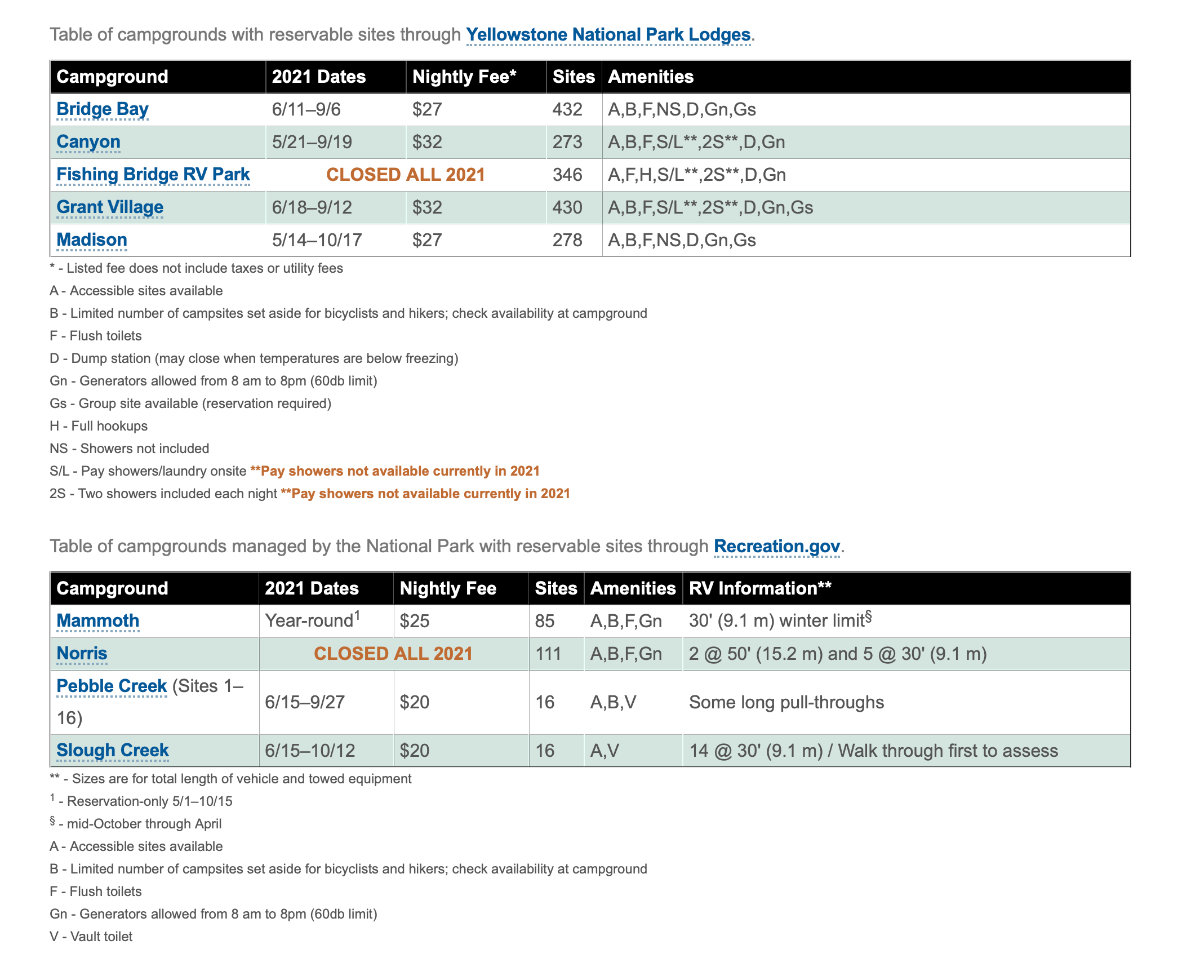
I disagree, most allow it for limited hours. Seven campgrounds with "Gn" in the table allow them, but there is a 60dB limit, so no noisy box store units. If yours is quiet enough, you should be fine with the Yamaha 1000. Just make sure all your other 120 volt AC breakers are open, just leave the converter operating. I would check to make sure it works before leaving home.... 😉 Always check right before you get there, to make sure your info is current. https://www.nps.gov/yell/planyourvisit/campgrounds.htm John Davies Spokane WA
1 point
-
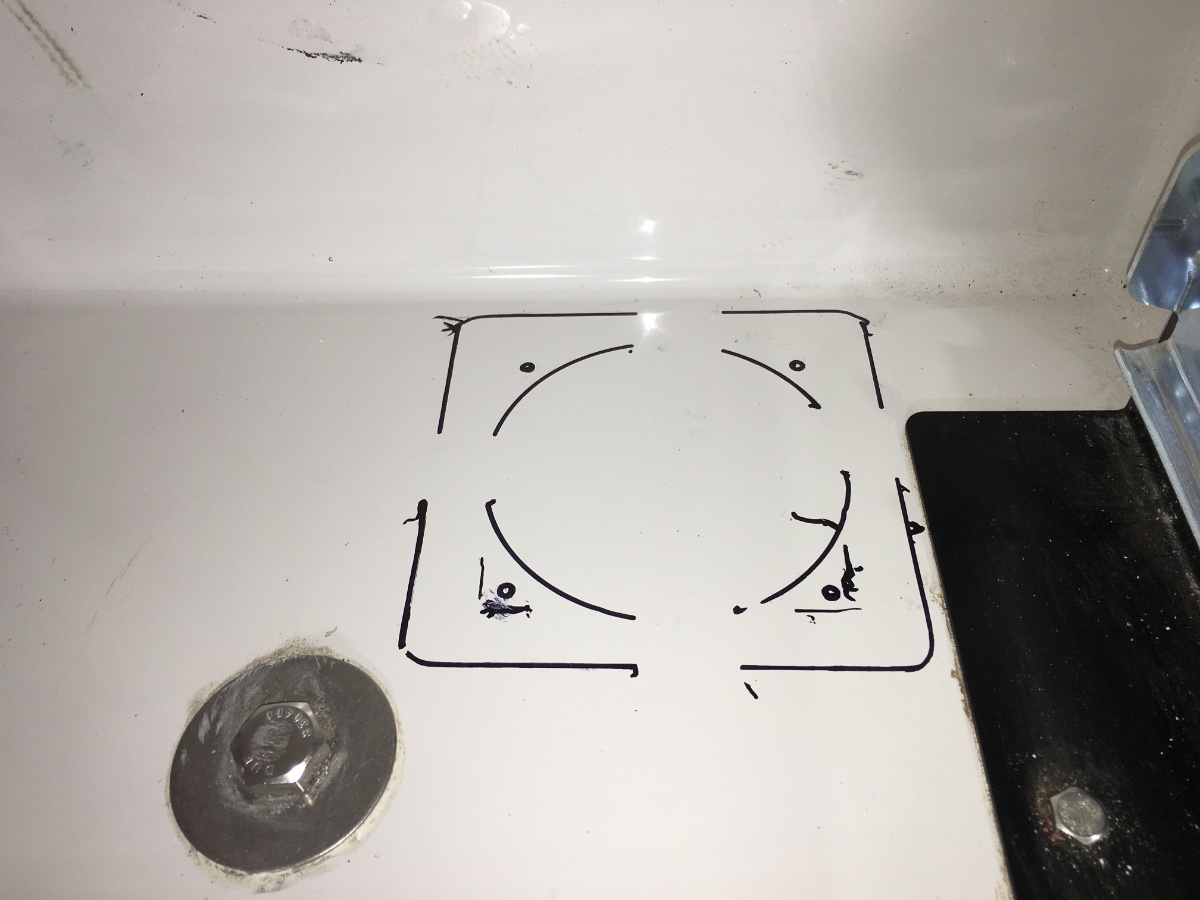
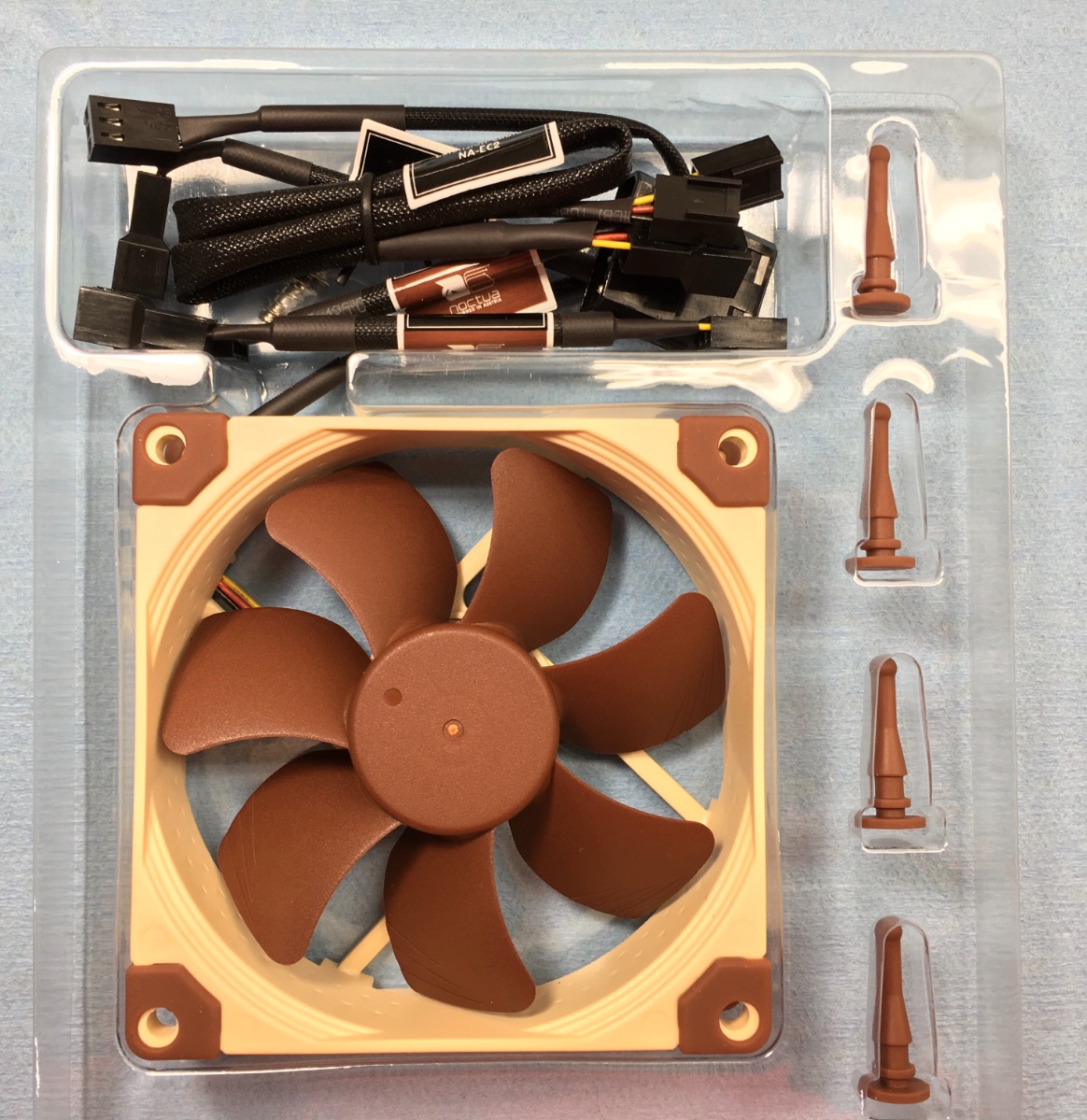
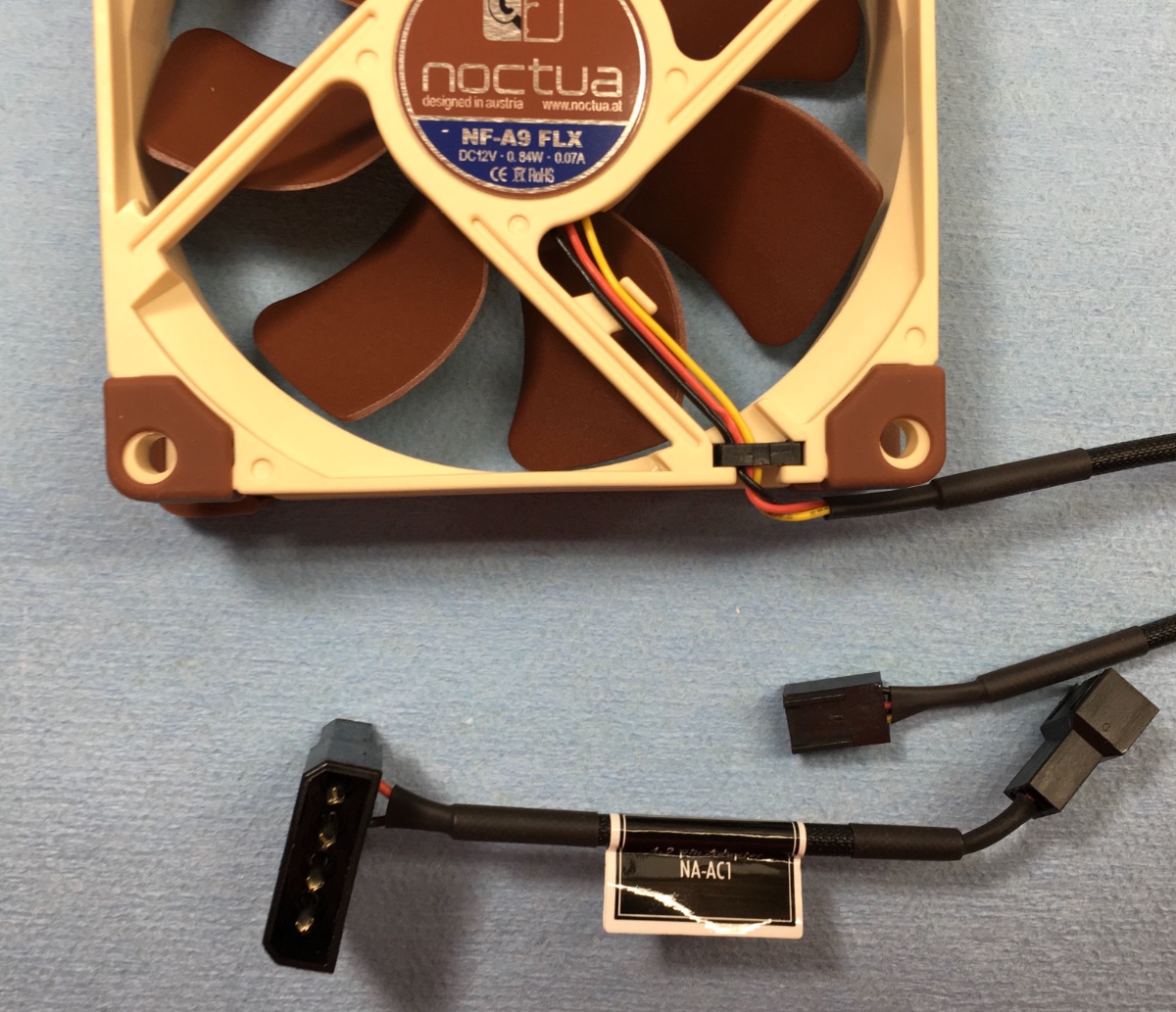
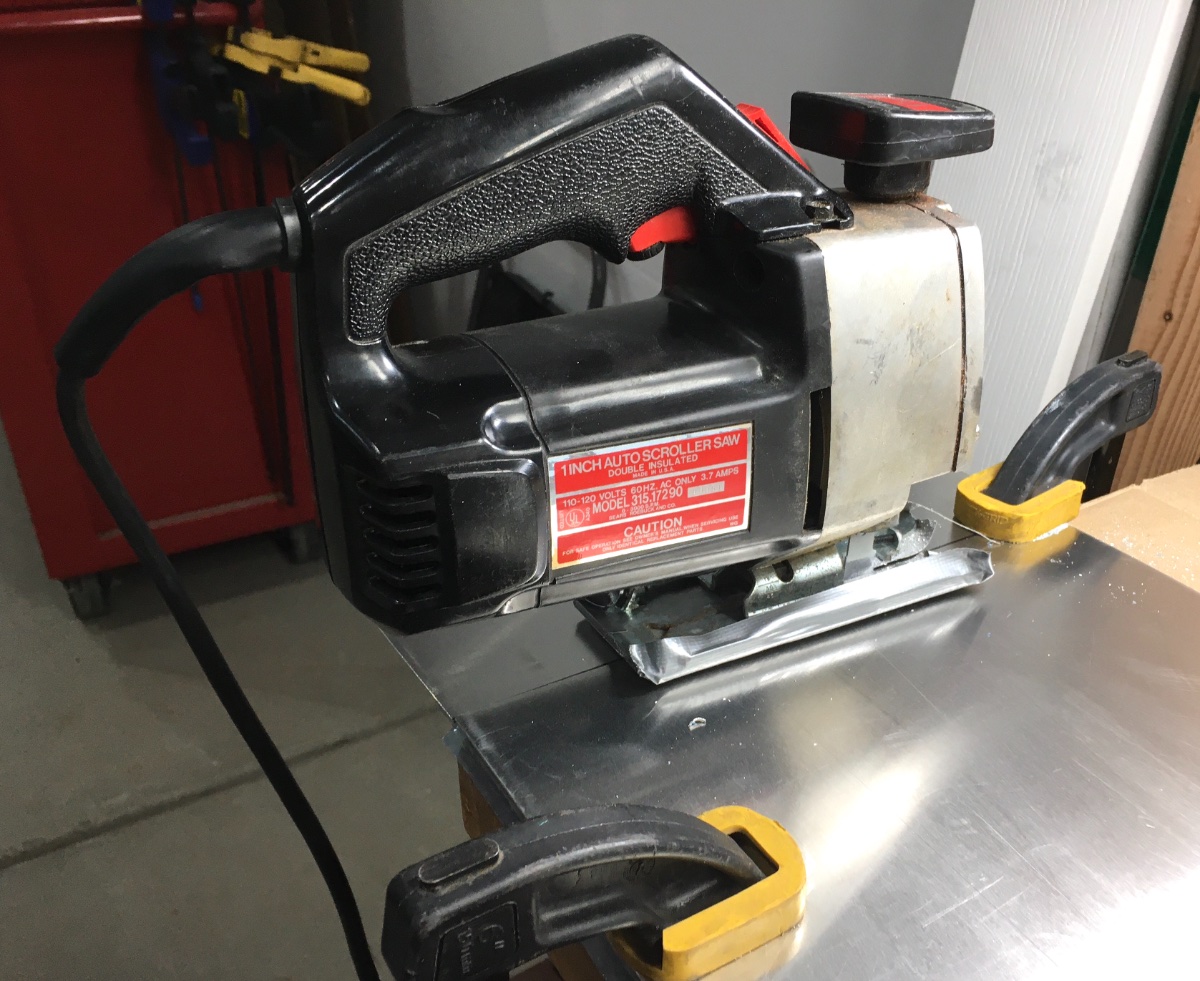
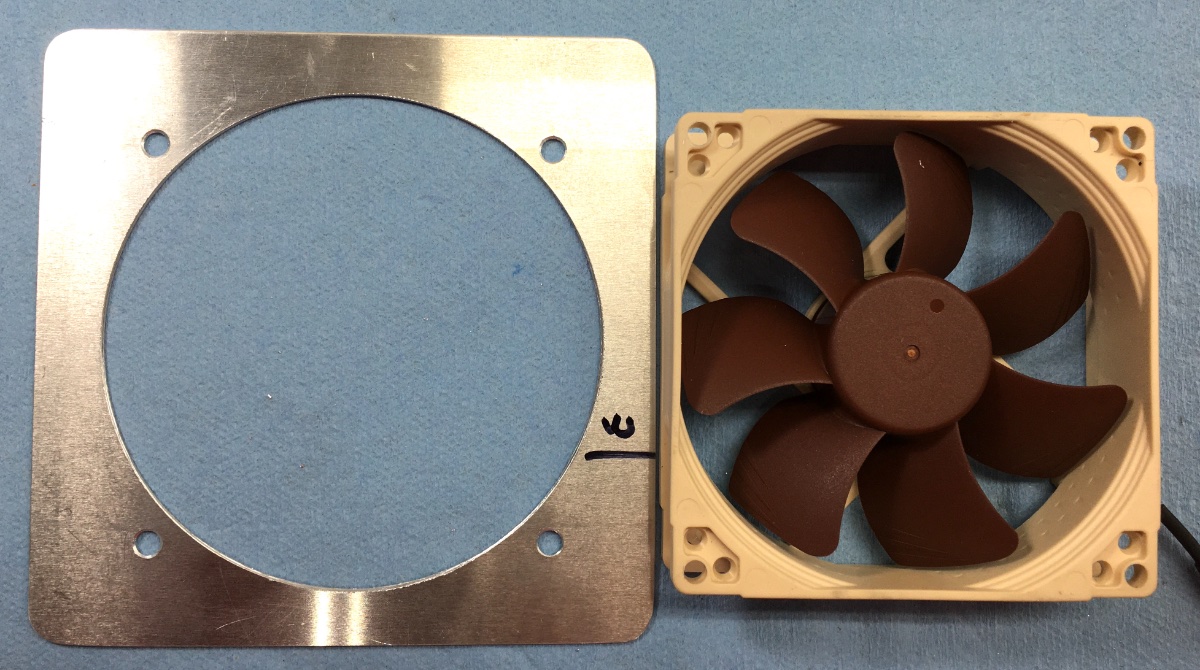
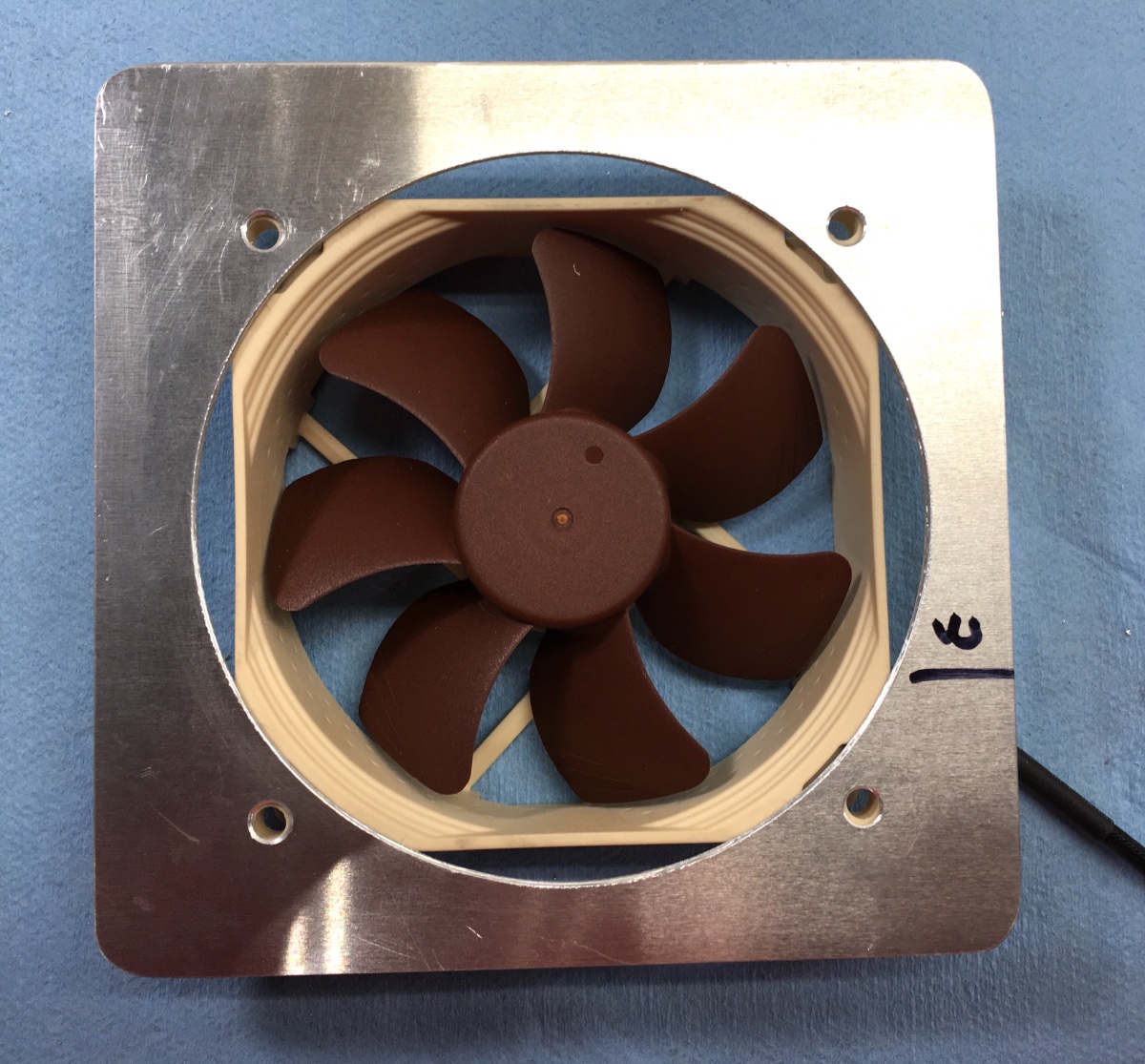
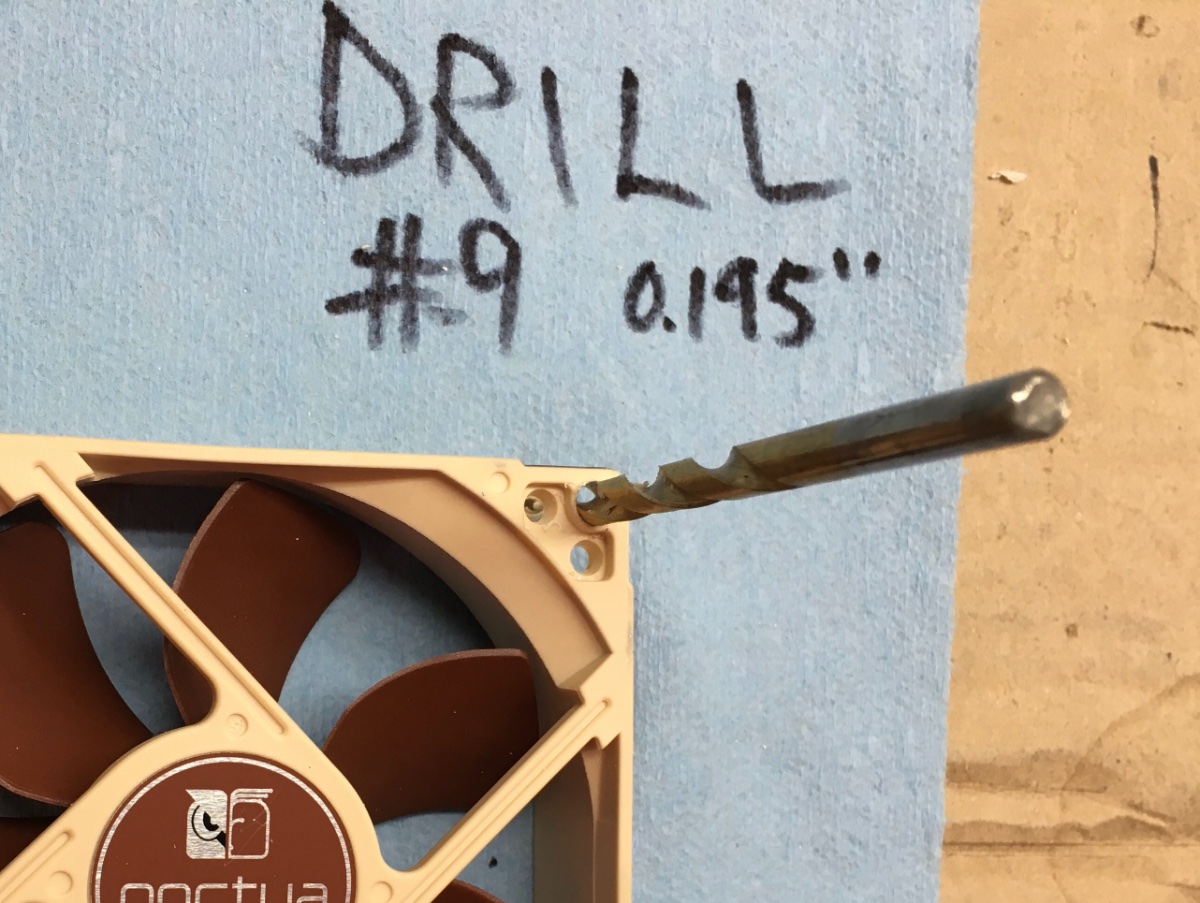
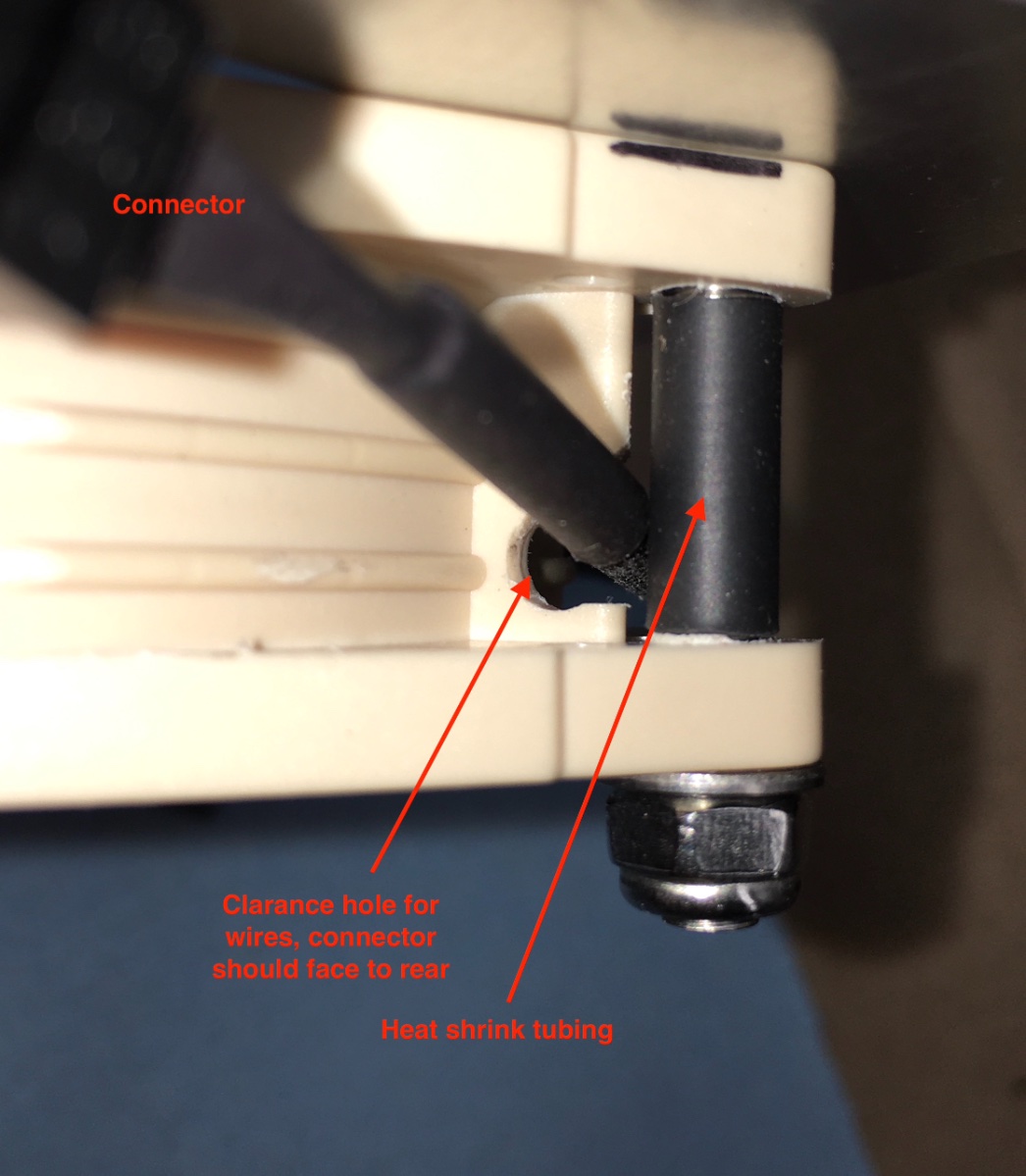
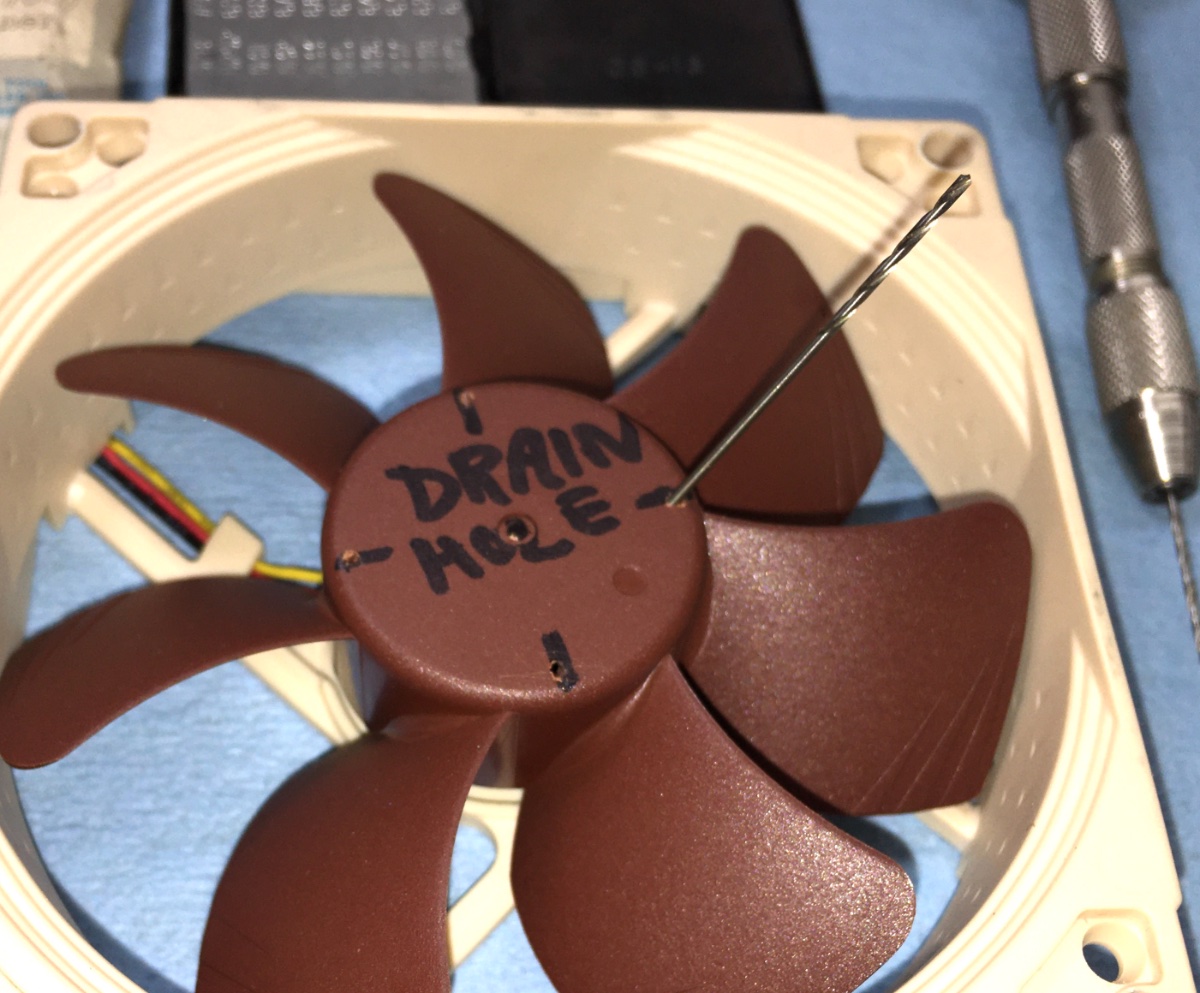
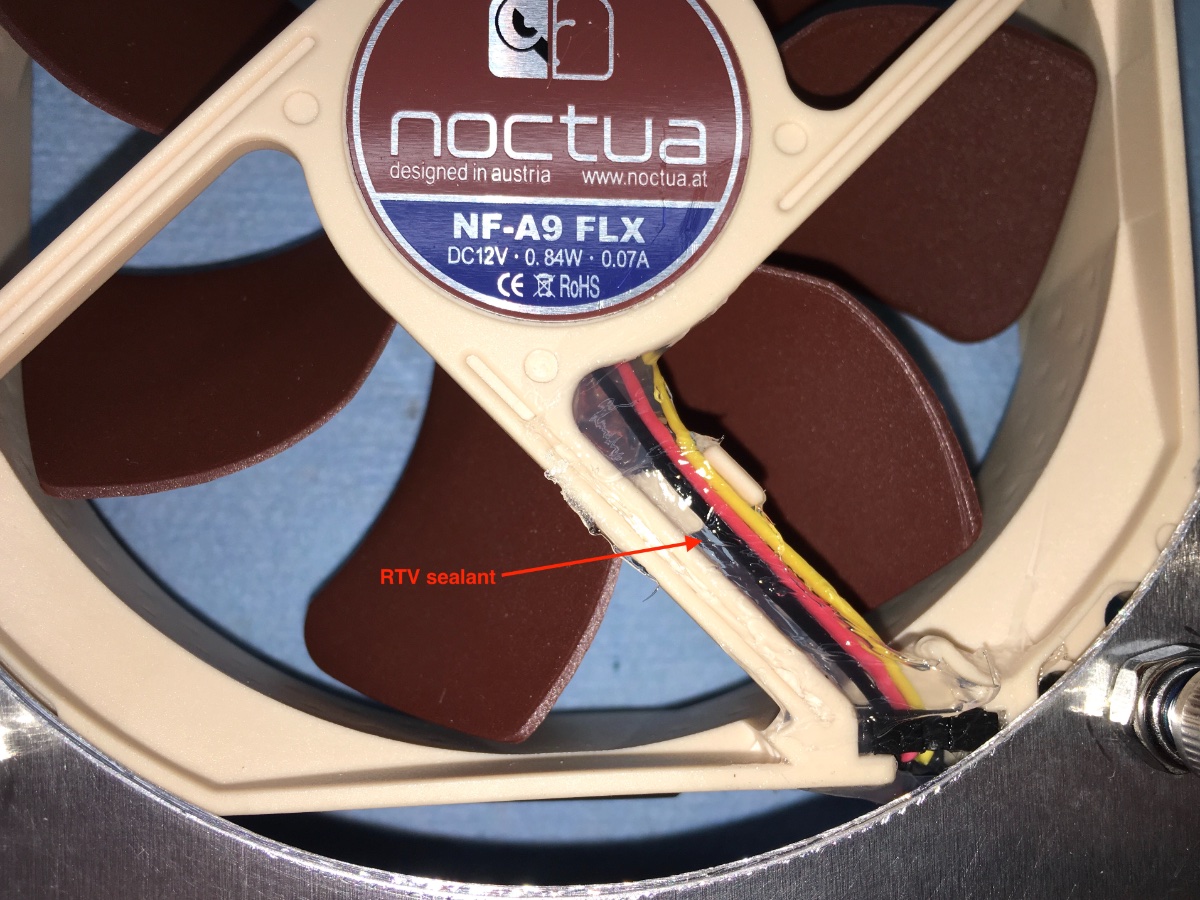
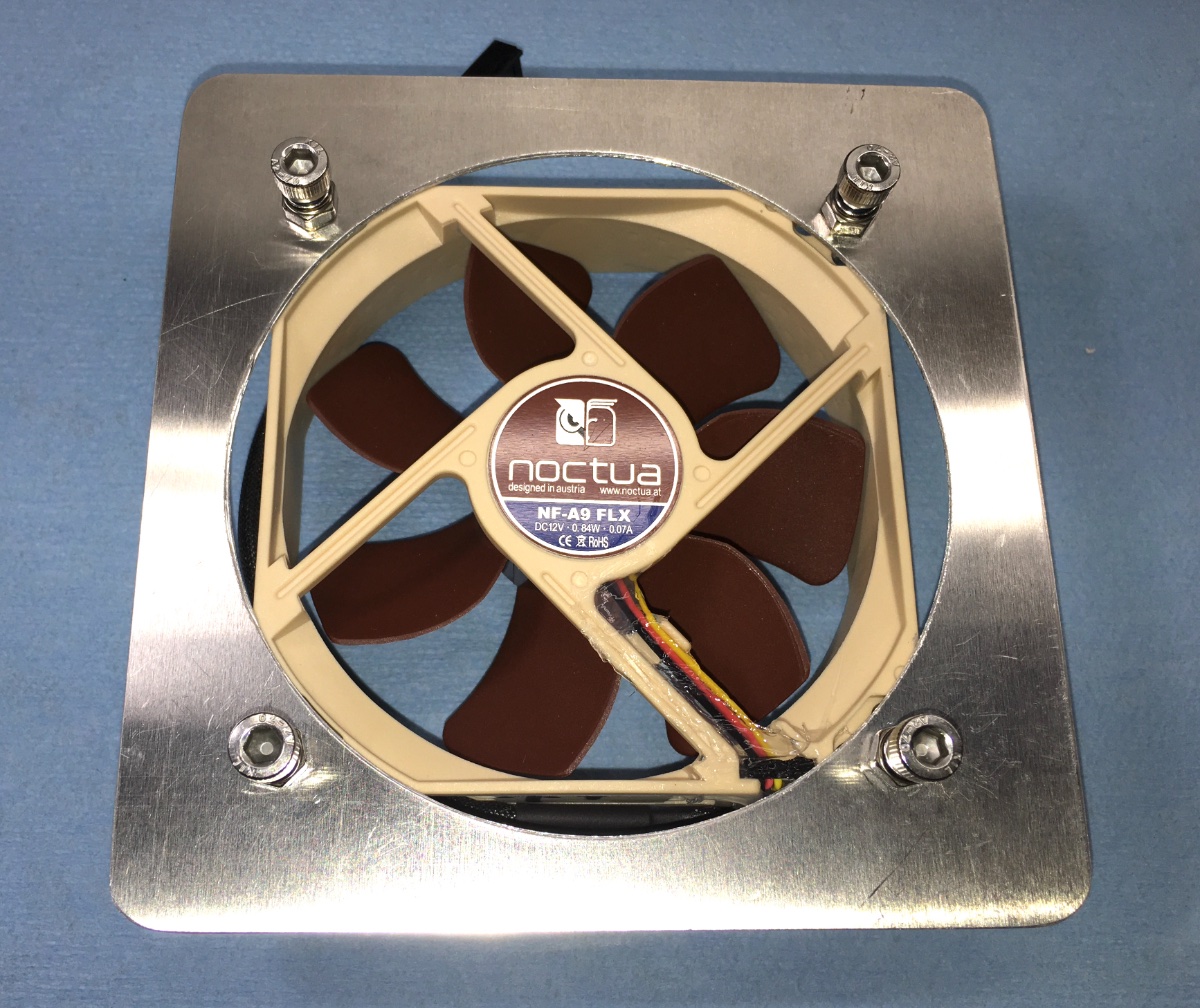
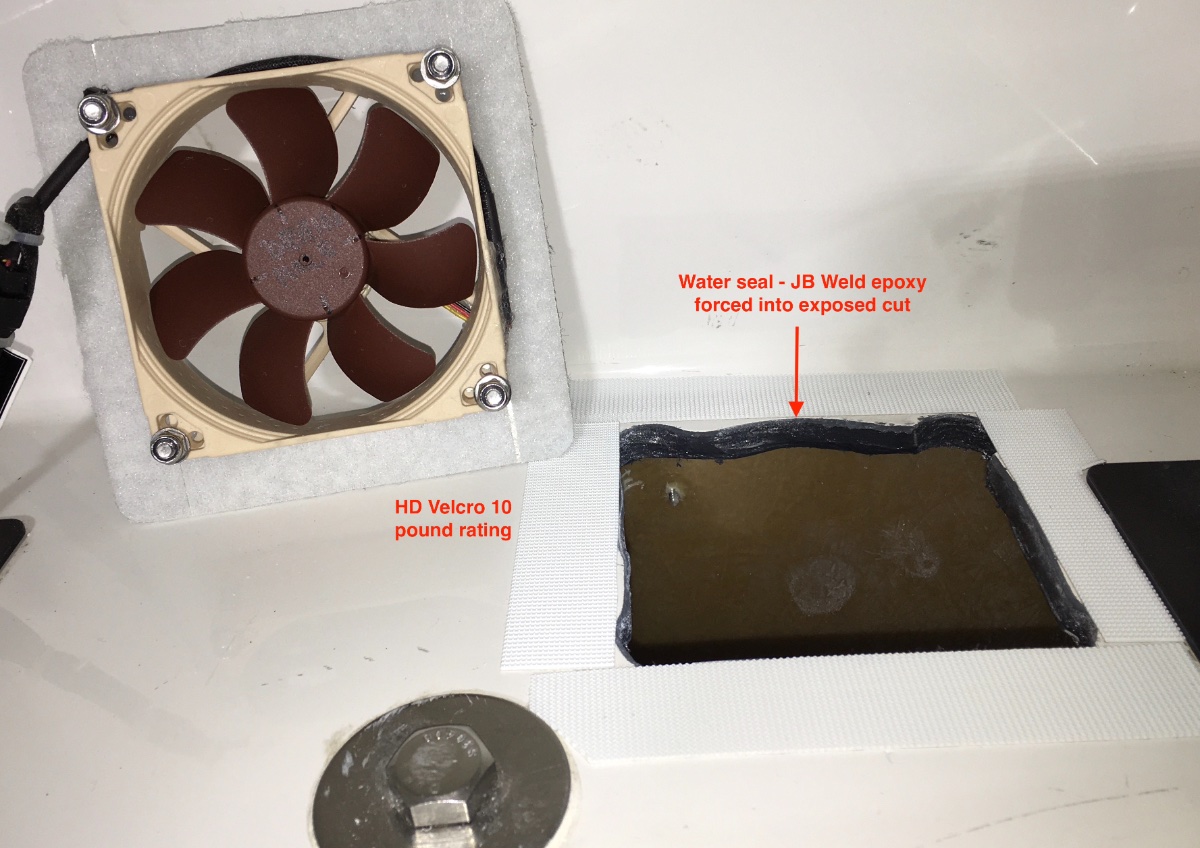
Battery box cooling fan. This one is high quality and well regarded. It has sealed ball bearings and uses just 70 milliamps (0.07 amps), so it can run as long as needed. Flow rate is 38 cfm on high, they supply two dropping resistor harnesses if you want to slow it down to reduce the sound level. It is pretty quiet, though a light sleeper on that side of the trailer might want to turn it off at night. But it is “white noise” which sometimes you do want..... Noctua Fan I really wanted the fan to go in the bottom at the rear wall, so it was centered between the two electronics compartments. The problem is that the floor of the box is not fiberglass honeycomb as I thought, rather it has a hard (6061?) 1/8" aluminum diamond plate bonded in the center! So cutting a large opening was a challenge. If you have access to a scroll saw (pivoting head) it is easy enough. Otherwise, choose to locate the fan at the bottom edge of the rear wall instead! That is thin (1/'8") fiberglass. Screws are 5mm, and are double nutted so that the heads will stick up enough to use as "grab handles", for servicing: John Davies Spokane WA
1 point
-
Oliver should change their shower curtain option to the bar above the toilet (in front of, not below, the cabinet).1 point






























-
Recent Achievements
-