Leaderboard



Popular Content
Showing content with the highest reputation on 03/16/2022 in all areas
-
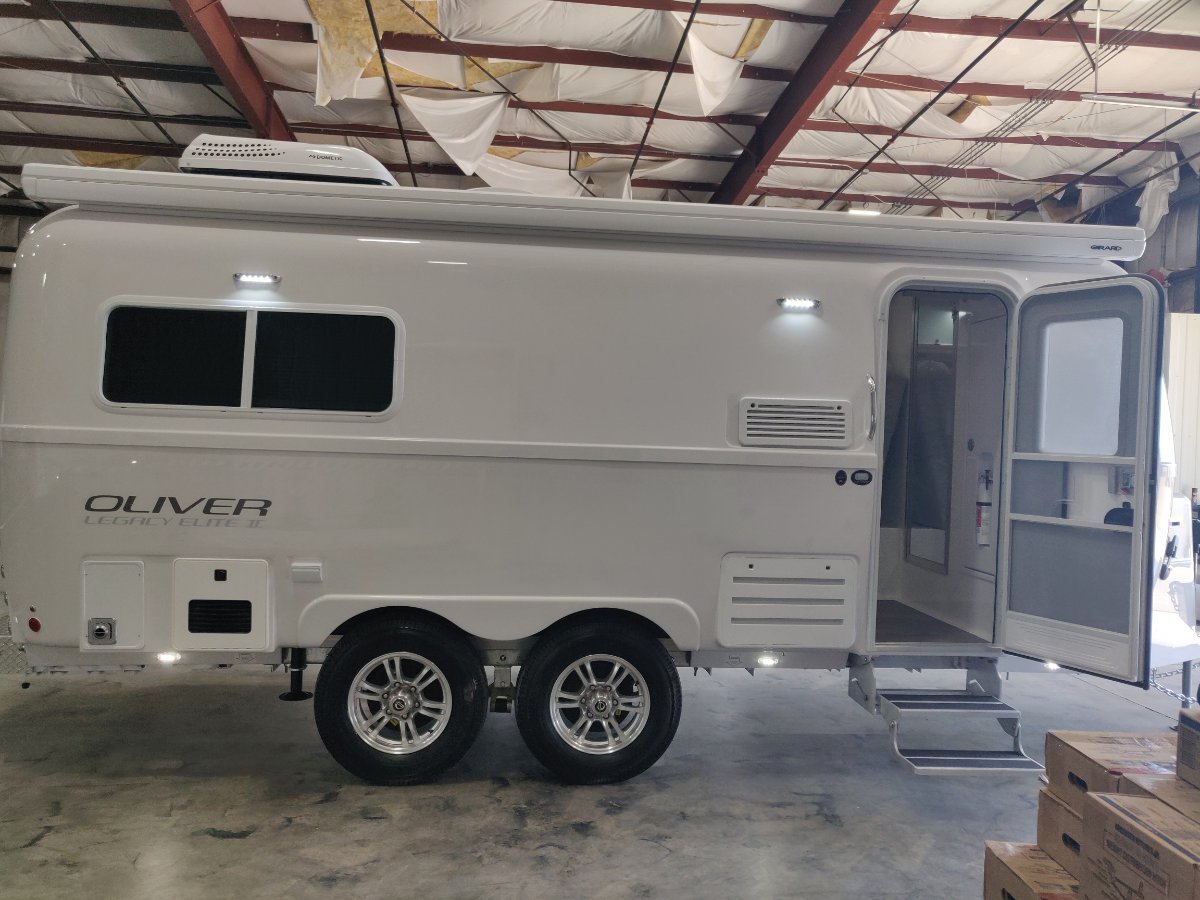
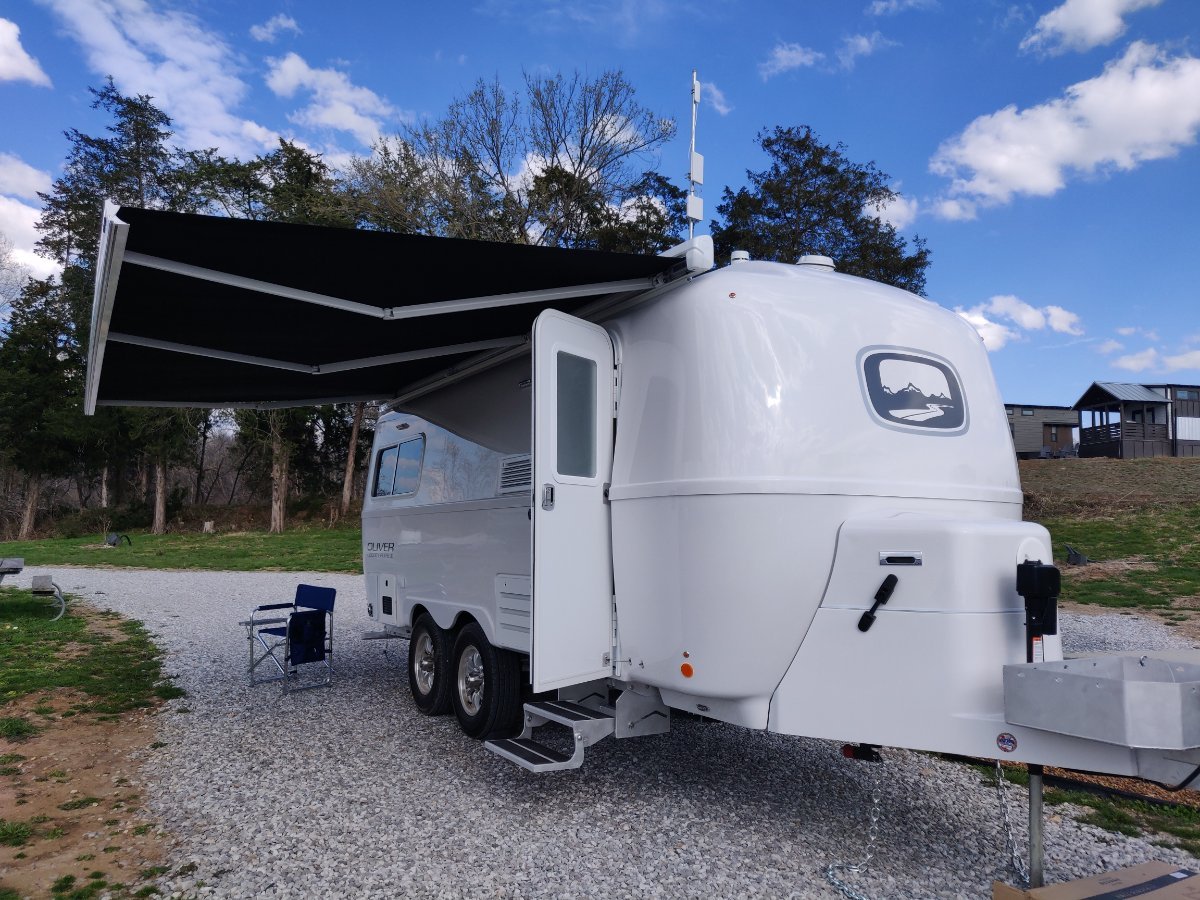
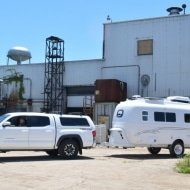
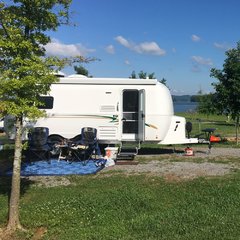
Camping around the factory before heading out to Seattle this Friday.
 5 points
 -
Every trip you ever take will have unpredictable weather.4 points
-
As you compare AGM to Lithium prices, consider how long you are likely to be using the trailer and if you believe "many years" is likely, then it's worth factoring in the comparative predicted lifespans of the two battery types. Lithium doesn't look quite as expensive once you do that, and if you boondock a lot especially with unreliable solar conditions then the Lithium also offers potentially significant additional benefits4 points
-
Haha, this is not factory camping ground, though I wish the factory camping ground could be this good. I hires painted cowboy to deliver the trailer to Seattle. I think I am OK handling good weather, but not so confident on a 2400 mile trip with unpredictable weather.4 points
-
I didn't order Lithium with my trailer and have just returned from 2.5 months in the SW, some campgrounds with hookups but the majority was either campgrounds where dry camping was available or boondocking. The solar, 2000 watt inverter and 6V AGMs performed flawlessly. I had enough power each night to run the furnace from bedtime to awakening, run electriconics and have lights. I would not have benefitted from the Lithiums mostly because I don't use a electric coffee-maker, hairdryer, microwave, crockpot or waffle iron. For my use, the standard solar and 6V battery bank is more than I need. Now, if Lithium prices came down considerably by the time I am ready to replace my AGMs would I splurge? Maybe, maybe not since a lot of my camping happens during Winter months and in the cold and Lithium just doesn't perform to its full potential in the cold. I understand why many upgrade to Lithium and it makes sense for their camping patterns.4 points
-
We're going with the factory lithiums and solar. Our previous RVs all had small flooded batteries and we carried a generator. I was always stressing about conserving power when boondocking and then taking time to run the generator in the morning and evening. Never again. As for the pricing, I'll be honest, the factory lithiums are a luxury. Yes, we could retrofit an Oliver with lithiums ourselves for less money. But this will be our last RV and we decided to just go for it so we can start enjoying it on day one. We're treating ourselves with this trailer.4 points
-
We really enjoyed the rail trip across Canada from Toronto to Vancouver via VIA and the Rocky Mountaineer. The food and camaraderie were wonderful not to mention the scenery. Saskatchewan was immense and like another planet . I want to go back with the Oliver. Cheers3 points
-
We got AGM’s because that was what was available back then. They did fine when we boondocked. If lithiums weren’t available I would have replaced them with AGM’s and we would still be happy campers. But, since it looks like we’ll be camping a while longer I thought it was worth it to spend the extra money on lithium batteries. No regrets. Mike3 points
-
Perhaps they were concerned about the possibility of snow crossing the Rockies. A legit consideration, especially with a new-to-you trailer.3 points
-
The cable passes behind the spare cover and just comes out through the top. It works well as a backup camera as long as you go slow and steady. I still like to get out and check things if I don't have a spotter. The big benefit is not having to have another screen in the vehicle. Not sure what trim level you have but my truck also came with TPMS sensors for the trailer that link right to the trucks infotainment screen which also make for one less device. John, There is no disconnect on the camera but there is plenty of spare cable to set the cover aside. John3 points
-
I'll second what Mountainman198 said above. I purchased a used, year-old 2020 LEII and it has the solar package/4 AGM batteries/2000W inverter. All of our camping was boondocking last year in places like Rocky MT Nat Park, Custer SP, Canyonlands and forest service campgrounds with no hookups. The 4 AGMs connected to solar always had plenty of power for our needs. Now, we don't have any need to use the A/C where we camp. We had no problem running the heater all night on several trips. We watched downloaded netflix shows on the TV at night. I ran a small coffee maker in the morning and a toaster. My wife ran a 750watt hair dryer. No problem. Now, we were always in the sun where the solar would recharge nicely. I suppose I might have trouble if I were camped in the shade - I don't know. I think the lithium system is surely teriffic but I don't feel I "need" it for what we do and where we camp.3 points
-
Years ago, we like took the ferry from Bar Harbor Maine to Nova Scotia. It saves a lot of time and then you can visit Nova Scotia from south to north. We are planning a trip this summer using the ferry and after going through Nova Scotia going to Prince Edward Islands and then south through New Brunswick or going west and come south through Quebec. We use and like RVParky for trip planning2 points
-
We did the Canadian VIA trip one year, from Prince Rupert to Jasper. It was beautiful! I hope you have a great time on the Mountaineer.2 points
-
We are from Mississauga Ontario Canada and have camped from coast to coast in Canada. Our style of camping usually involves Provincial or National parks and on an adhoc basis. So far (forty years) it has worked out. We could help out a little with our thoughts on route selection based on our experience. Your trip sounds amazing! Please feel comfortable reaching out.2 points
-
I'm interested to install the GM rear accessory camera that connects to 20-22 GM trucks with trailering camera package/camera accessory port near the hitch. I've read the manual online and I understand the mounting position for correct "invisible trailer" view is at the top of the spare tire cover. I know there are at least a few Oliver owners with this set-up. Can you please share how you mounted the rear camera? I'd rather not drill holes in the trailer or the spare cover if possible. I'm considering the 3M automotive tape and feel this would be sufficient, especially if the mounting bracket is on the top surface of the spare tire cover. I'm planning to run the connecting wire on the underside of the trailer along the propane line on the streetside. Anyone have any experience, advice or photos to share? Thanks in advance!
1 point
-
I just had my new TV ceramic coated (Star White Ford 250 Tremor 7.3) and the installer made a deal I could not refuse to coat the Oliver. I showed him the OTT website and he was immediately interested. I might get my first Ambassador stipend before I even take delivery of mine! I'll keep everyone posted. From what I have observed this is not something you should buy from Amazon and brush it on in your driveway. My installer has environmental controls like hepa filters, UV light curing and he goes though about 30 microfiber applicators. This is after he strips and de-waxes, clay bar out the impurities and then buff out swirl marks for prep. Around 20 hours of work.1 point
-
So.... be sure to use them down to that level, I guess? I will be storing but I'm in the tropics, practically speaking. I am planning to cover my Oliver with that Calmark cover, because finding covered storage space is difficult and expensive.1 point
-
Hate to say it, but we've found the worst state to tow in is our own - Connecticut. We've towed all over the US and had our closest calls with Connecticut drivers. Everybody in Connecticut, Mass., and NY is always in a hurry. (Interesting observation: in other parts of the country, if we asked how far away a destination was, they often answered in miles. For instance, "Johnsonville is about 20 miles from here." In CT, you get the answer in time, e.g. "Hartford is about half an hour from here." Perfectly demonstrates the emphasis on "making time" when driving, and that leads to aggressive drivers.) My BP always goes up when we hit the CT border.1 point
-
I can turn the charger on/off independently of the other electrical things. I just flip the breaker for the charger in the fuse panel under the dinette. All the other 110 stuff stays on. Mike1 point
-
Buying the Anderson extension chain kit will still be too short, the need chain from Home Depot, etc. will be your best buy to get the need links to fit correctly without using more then one Quick Link on each side. I did like I said in the previous post I did buy my chain a litter longer (three links) just to be safe. I did let the extra dangle and cut them off when I got home and was assured that me chins were now the correct length. I wouldn't use D-Rings here because they would not center correctly on the chain, Quick Links would be the correct choice. trainman1 point
-
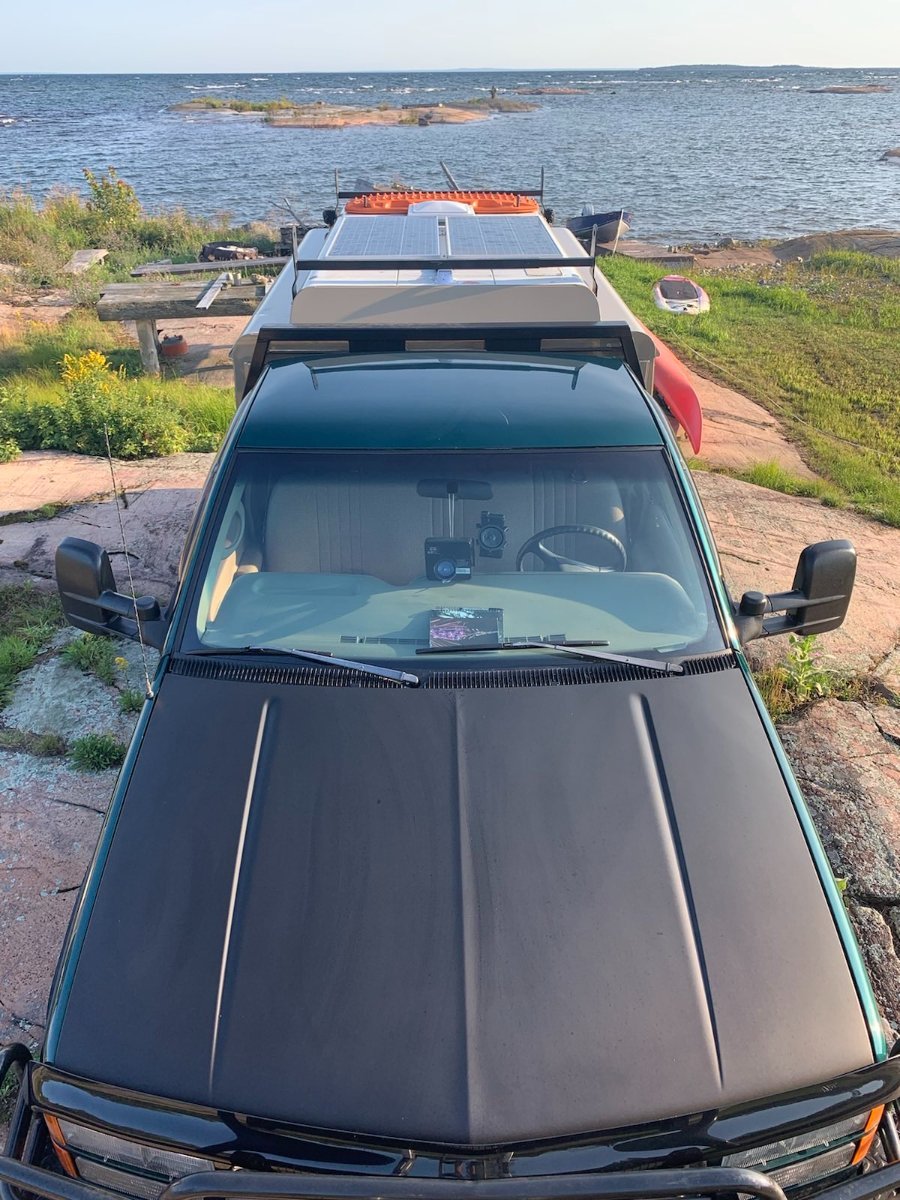
I'm gonna mount the battery and solar controller in a milk crate or something similar. It will be secured in the truck bed when in use. Panels and battery will be removed when we are not out camping. Wires will just be run under the side of the cover. I don't want anymore holes in the top. John1 point
-
I used the 8020 extrusions and brackets (purchased from McMaster Carr) for my home built bike rack on my truck bed cover. The cross rail for the rear tires has quick release mounts so that rail can be quickly removed to flip the bed cover open when needed. 8020 is great stuff for hardware projects. Next tweak to the system is to add a couple mounts to carry our portable waste tote tank in between the two bikes.
1 point
-
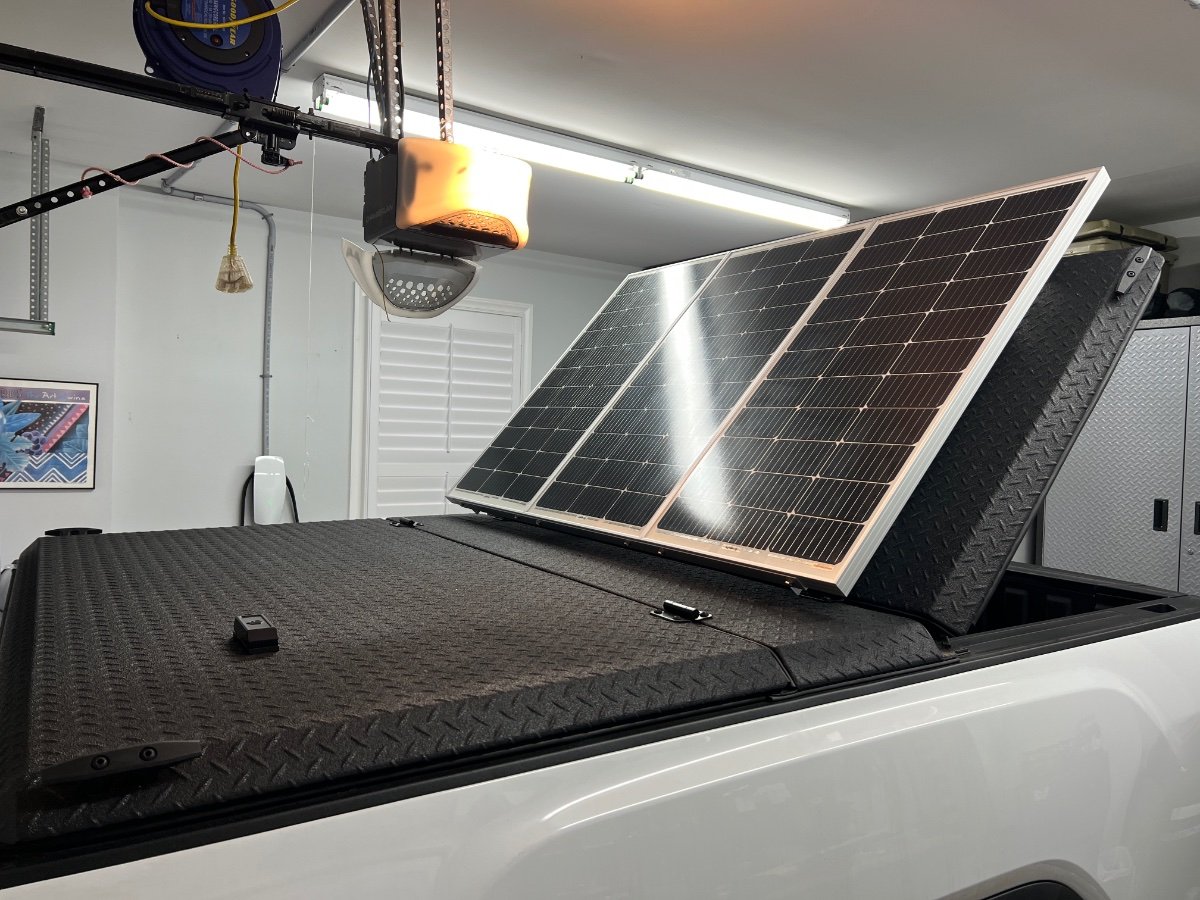
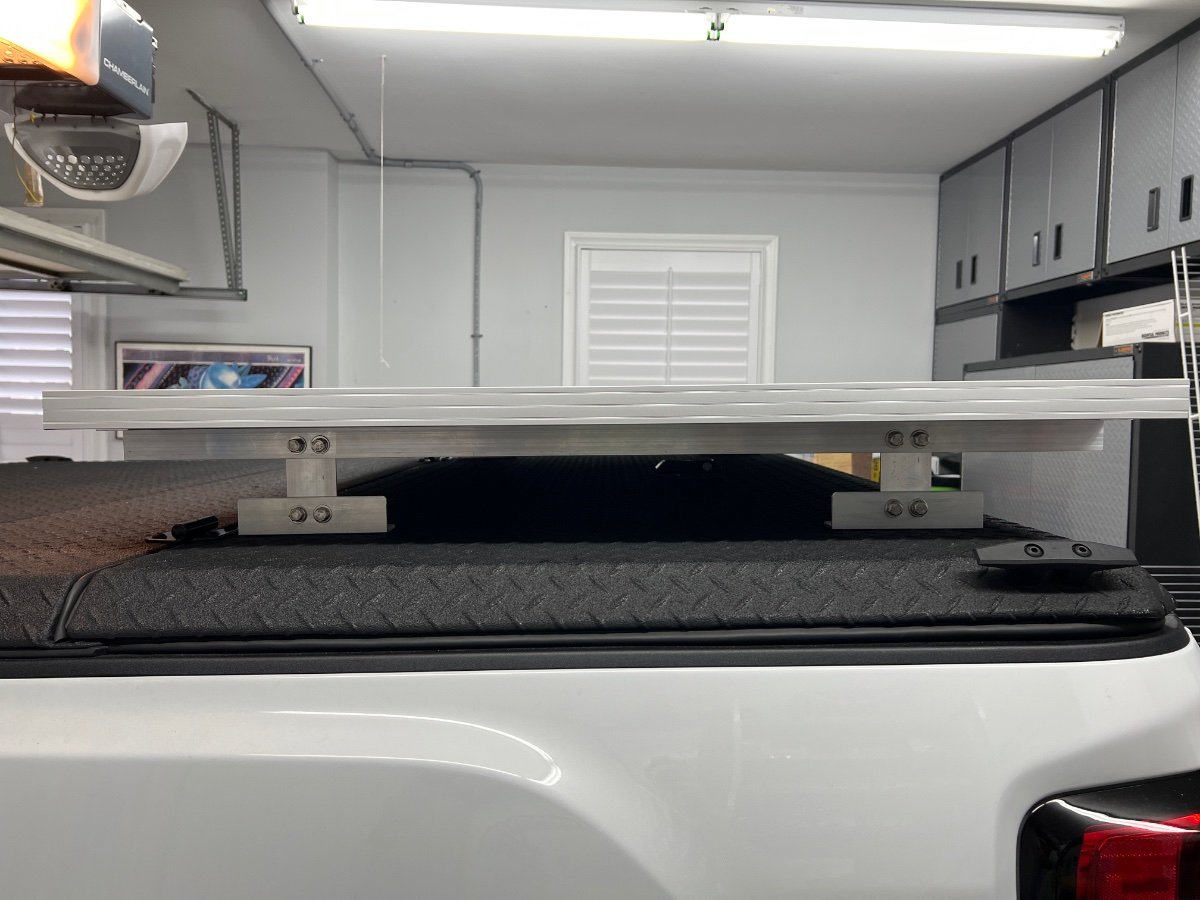
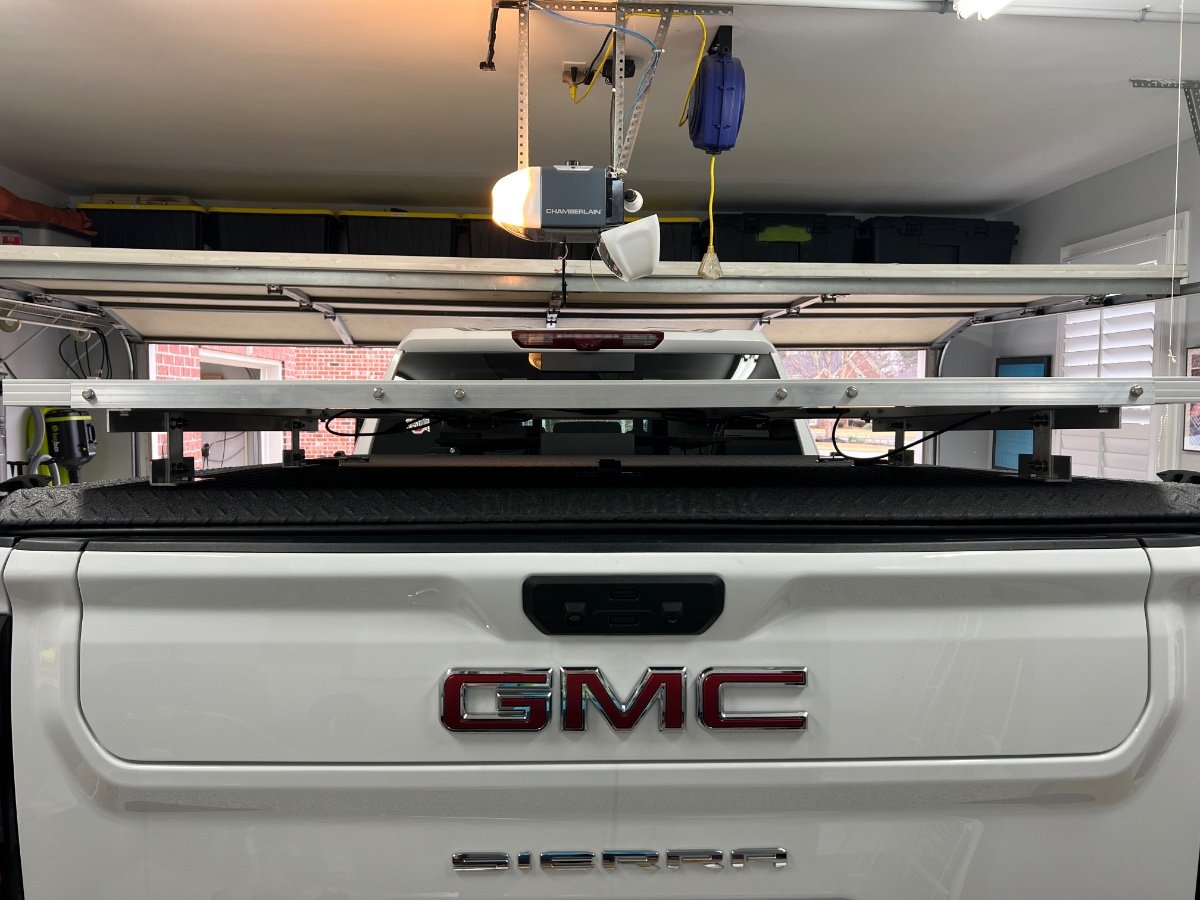
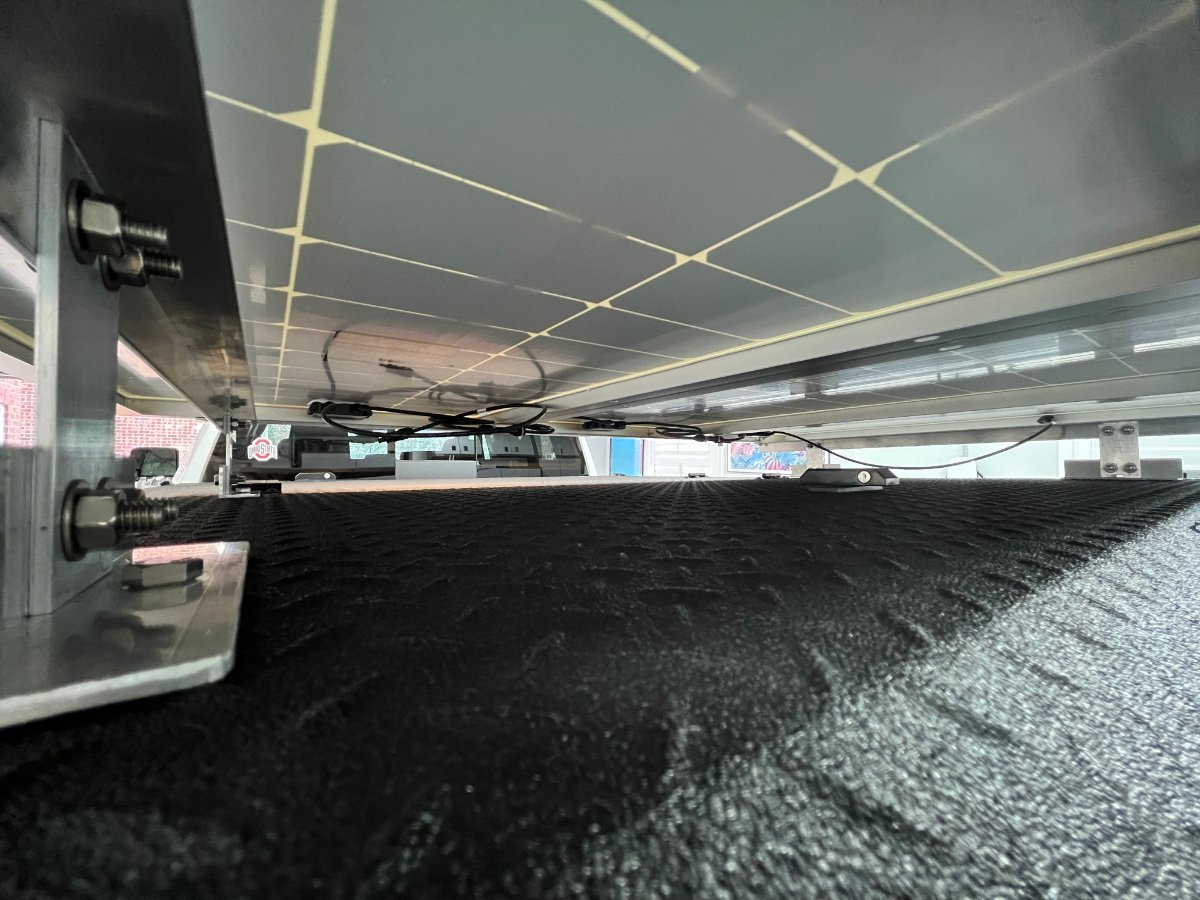
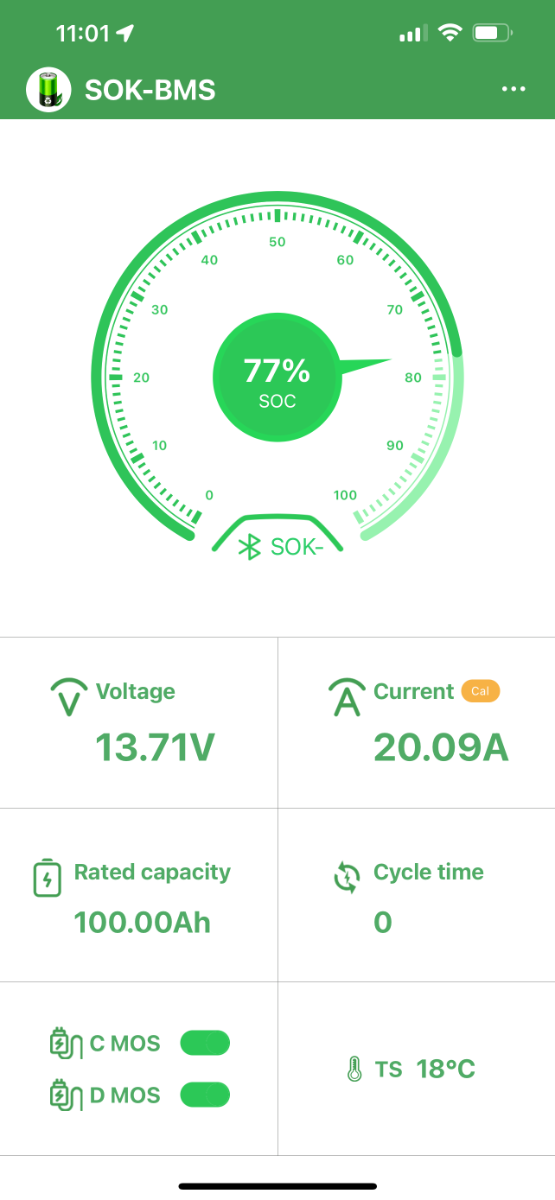
I just finished getting the Solar panels put together and attached to the bed cover. Panels are attached together with 1/8 inch aluminum angle and 304 stainless bolts. After much research I decided to just build some mounts out of aluminum. Every time I got on the 8020 site I ended up with a 500-600 dollar rack and this is really the only thing that will travel on the bed cover. I bought an SOK 100 AH battery that will be fed by these panels to run my ICECO fridge/freezer in the truck bed. The battery has bluetooth and a built in heater and is very well made. $630 direct from SOK. The panels are 100 watt 9BB panels from BougeRV. Testing them in the driveway here south of Atlanta I was getting some pretty impressive yields. They are wired in series and feed a Victron 100/30 MPPT SCC. I am going to connect the panels to the charge controller through some Anderson Powerpole connectors. By doing this it will be easy to disconnect from the victron in the truck and connect these to soon to be installed victron MPPT in the Oliver. Since they are run in series and put out plenty of voltage and I can park the truck in the sun and not need a large gauge wire on the run to the trailer. John
1 point
-
Lithionics is made in Florida. Typically sold only to manufacturers, including Oliver and Winnebago, and others.1 point
-
Grasslands National Park in Saskatchewan with Bison and Prairie Dogs was pretty cool. What I liked about the public parks that we’ve stayed in, in Canada. Is that they all had electric hookups available. Normally State (at least California) and Federal parks in the U.S. don’t have that option. Which means we get to listen to those…..generators of varying levels of muffling. We are signed up to take the Rocky Mountaineer train from Vancouver to Banff this June. Really looking forward to it. Hope they let us in :)1 point
-
Yes of course, Ultimatecampgrounds, Rvparky Allstays, Campendium, Harvesthost, i know there are more. others do not appear to address Canada.1 point
-
Maybe you should mention those apps, because we don’t know which threads you are referring to….. John Davies Spokane WA1 point
-
I'd bet that most of us have not used both. Therefore a direct comparison has not been done. So, as they say, you place your bets and see what happens.🤔 Bill1 point
-
Greetings to all. We are picking up our brand new LE2 in April. We are newbies and have much to learn. One of our biggest concerns is refrigeration. We've rented RVs in the past and it seems that the fridges on these (abused) rentals are inconsistent at best . Questions: 1. Will the fridge keep food cold while driving down the road? 2. Is it worth the investment of a 12-volt fridge/freezer to keep in the truck? If so, what brand to you recommend?1 point
-
I've been doing some advance planning for a 2023 trip to this area. One resource I have found very helpful is Sean and Kristy's youtube channel "The Long Long Honeymoon". I would search on that and the names of some of the NP's you plan to hit. Not sure they will have winter specific tips but they do pack in a lot of good info. And you get to see some of the campsites you may be planning on staying at. Good Luck, Scotty1 point
-
I made a list on Google Tasks so I can check items off as we pack. Since I've got nothing but time to kill waiting for our delivery date, I organized the items on the list into specific totes that we'll load into the truck for the trip down. Some of the totes' contents are destined to be loaded into the trailer (I specifically picked totes that will fit on the floor between the twin beds to make it easier). Other totes will contain items that will always ride in the truck when camping. Unfortunately, I can't figure out how to export my list so I can share it.1 point
-
I have gone on a few multiple month bicycle trips carrying everything and each trip I carry less. The first trip I had so much that I couldn't close the panniers completely. So, you're right, go with the minimum.1 point
-
Yes. Getting close now. Finalizing plans and supplies for our delivery trip.1 point
-
"They are stored in a cool, dry place in my home" Are they on a trickle charge to maintain them at 100%. I thought they had to cycle through a discharge/charge cycle. I have SO MUCH to learn about these batteries!1 point
-
I just emailed the battery mfg (Lithionics) about winter storage last week. If you have the larger CS200 batteries and are storing them in cold winter weather, they recommend leaving the batteries and solar panels on and the trailer plugged into shore power. A quote from the storage procedures document they sent me: "If your battery has the Lithionics Internal Heater, and you are subject to winter conditions, keep the battery ON, solar ON and plugged into shore power. Shut down all appliances, lights, and other DC loads. You may purchase a very small charger from Lithionics Battery (KF Series) and power this from an extension cord if shore power is not available. This will keep the heater running and protect your battery." Note that these instructions are different than those posted in Oliver University. I assume they want the solar on as a backup to the shore power since a loss of shore power could cause the batteries to discharge from running their internal heaters. I've attached the document below. This is something I'll discuss with OTT at delivery. I'd prefer to remove them for the winter but the larger lithiums are 68 pounds each, so that might be a challenge depending on how they're mounted. Storage-Procedure-Rev-07-WEB.pdf1 point
-
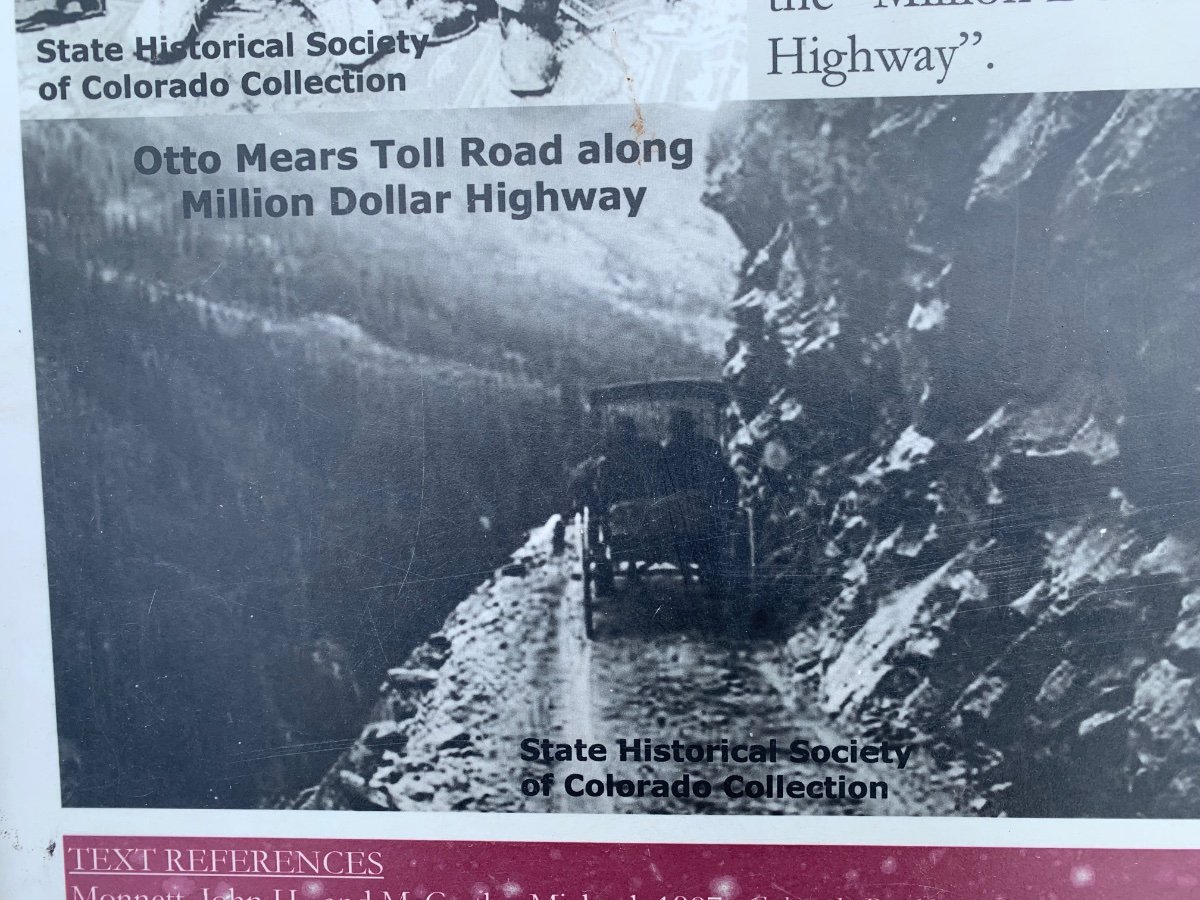
Did this last July, Ouray to Silverton, first time coming home in my L2. I had just done some seriously exposed 4x4 trails so was probably a bit desensitized, but wasn't difficult. Just pay attention and don't let the exposure transfix you. Like the trail leader said as we went over Imogene and Black Bear passes...when is the last time you just drove off the road for no reason. 😉 Better than when they created it... 127105122_ImogenePass.mov
1 point
-
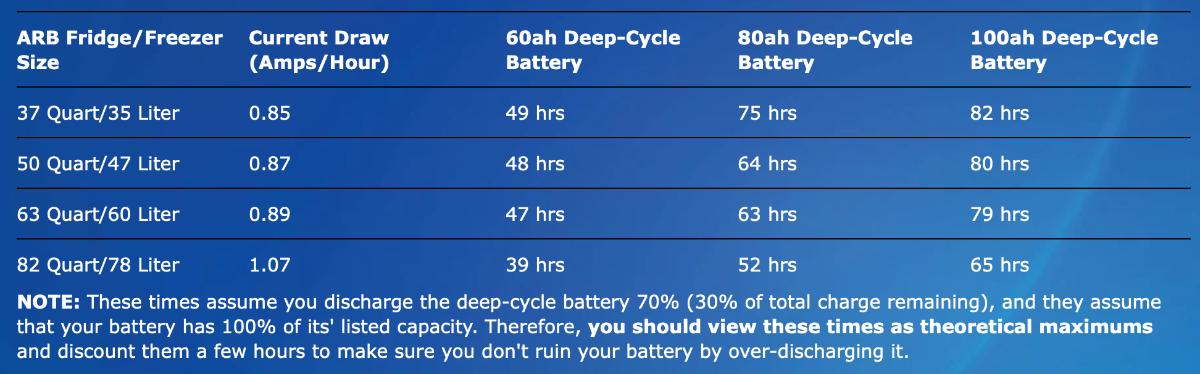
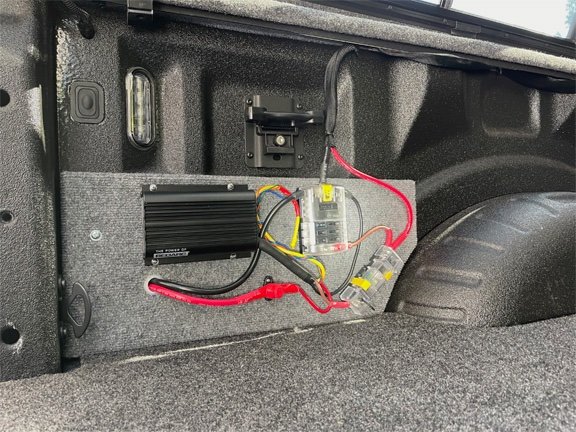
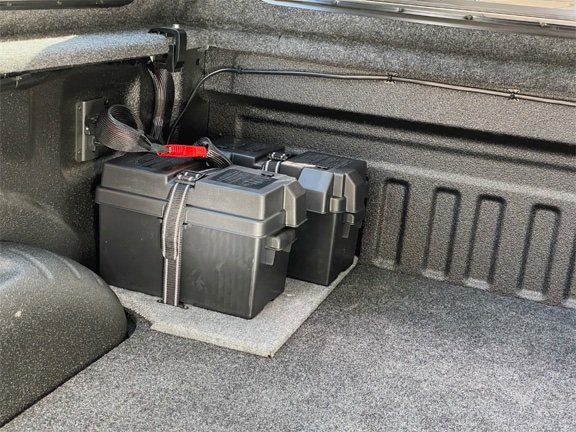
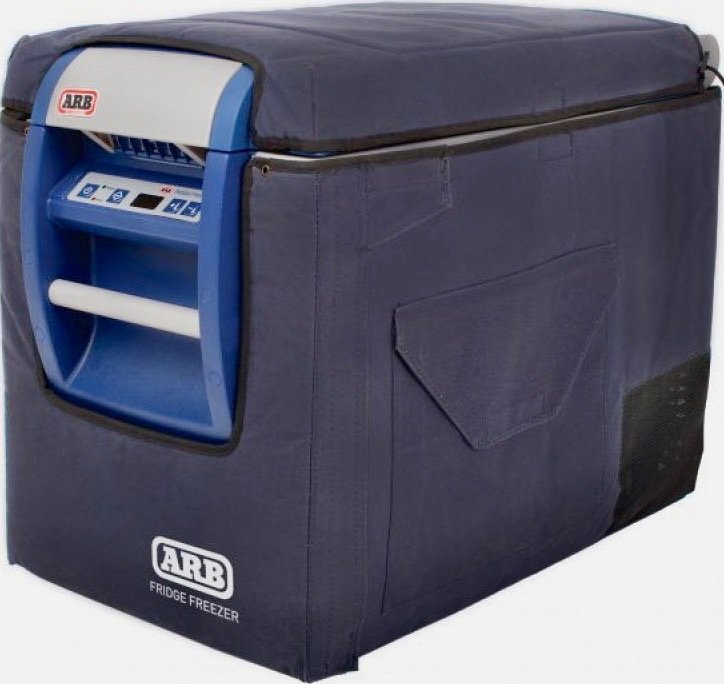
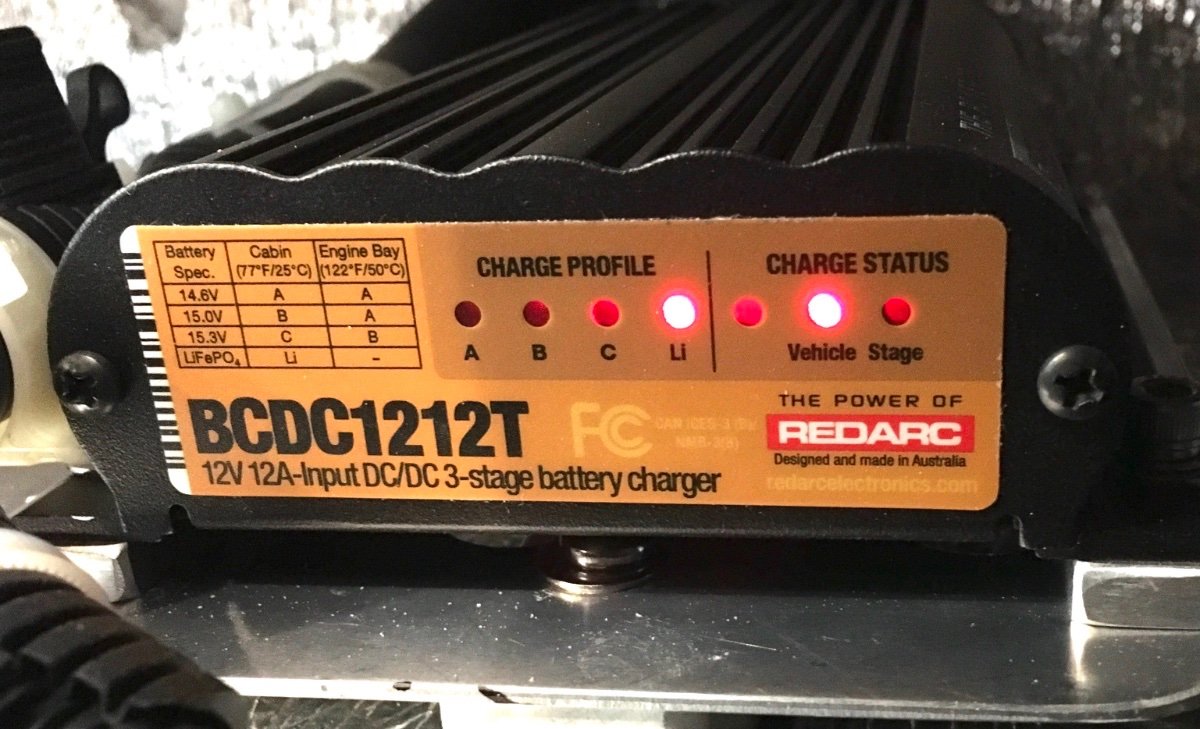
We have an ARB 63 Compressor Fridge in our Truck. It's been bulletproof so far. We use it for any trips over 2 weeks to extend storage of vegetables, dairy and beverages. We've just returned from a 6 month road trip and found that was a great companion for the fridge in the Oliver. Here's some data showing the current draw on various ARB fridges and how many hours various size batteries would last. For my ARB 63, I've put in 2- 100AH batteries in the back of my truck that are charged by a Redarc DC/DC charger. In our recent trip, we never had the batteries drop below their 50% point even after 4 days of use off grid. My plan for longer term boon docking is to add solar onto the roof and have it connect to the MPPT input on the Redarc. For more on our installation see the pix. Above: REDARC DC/DC charger keeps the 2 - 100AH AGM's full charged while driving. Dual 100AH AGM's are the current power source for our ARB Fridge.
1 point
-
I would like to mention one important aspect of electric trailer brakes….. as the driver YOU are responsible for making sure they are working and are set correctly, You, not the Oliver tech that adjusted your hitch, or some guy on the Internet who told you to set the controller to some arbitrary number….. The trailer brake performance varies dramatically between the time they are brand new and not seated, and when they are working at maximum effectiveness. You should drive at about 15 or 20 mph on a loose surface and adjust the gain (the current or voltage, depending on what your unit shows) so that when you fully operate the manual lever with your finger, the tires just barely skid. That will get you close to the right setting, then adjust a little up or down as needed until the trailer “feels right”. That takes some time and experience, once you get it right the trailer should share the work but not drag or jerk the TV. There are also other adjustments, Tekonsha calls theirs “Boost”, that affect how quickly or aggressively the brakes are operated, try some different settings to see what happens. So, bottom line, play around with all the adjustments and try to find the sweet spot. A rain slick surface or gravel will require you to back off on the gain, or the tires will skid. Remember to bump the power back up when you get back onto dry pavement. And at least once daily on a long trip, check your trailer brake drums for overheating, they should be warm after a steep descent, but not skin blistering hot. Or stone cold, that indicates they aren’t working. And all two or four should be reasonably close to each other. If one brake is doing all the work, it will burn up. If the temperatures aren’t fairly similar, you should have a tech check them out ASAP to figure out why….. maybe you have a bearing that is failing and running hot. It’s better to discover that in a well lit, heated garage that by the side of some deserted back road in foul weather. Learn to routinely observe your trailer tires in the TV side mirrors when turning and slowing, for example, maneuvering in a big parking lot, that will teach you a lot about how the brakes are working. John Davies Spokane WA1 point
-
Truck is set up with Solar. We ordered our Oliver without panels as we are always under trees when parked. Solar suitcase and truck panels. DC to Dc charging for us while driving. Will be picking up our Elite 2 First week of April
1 point
-
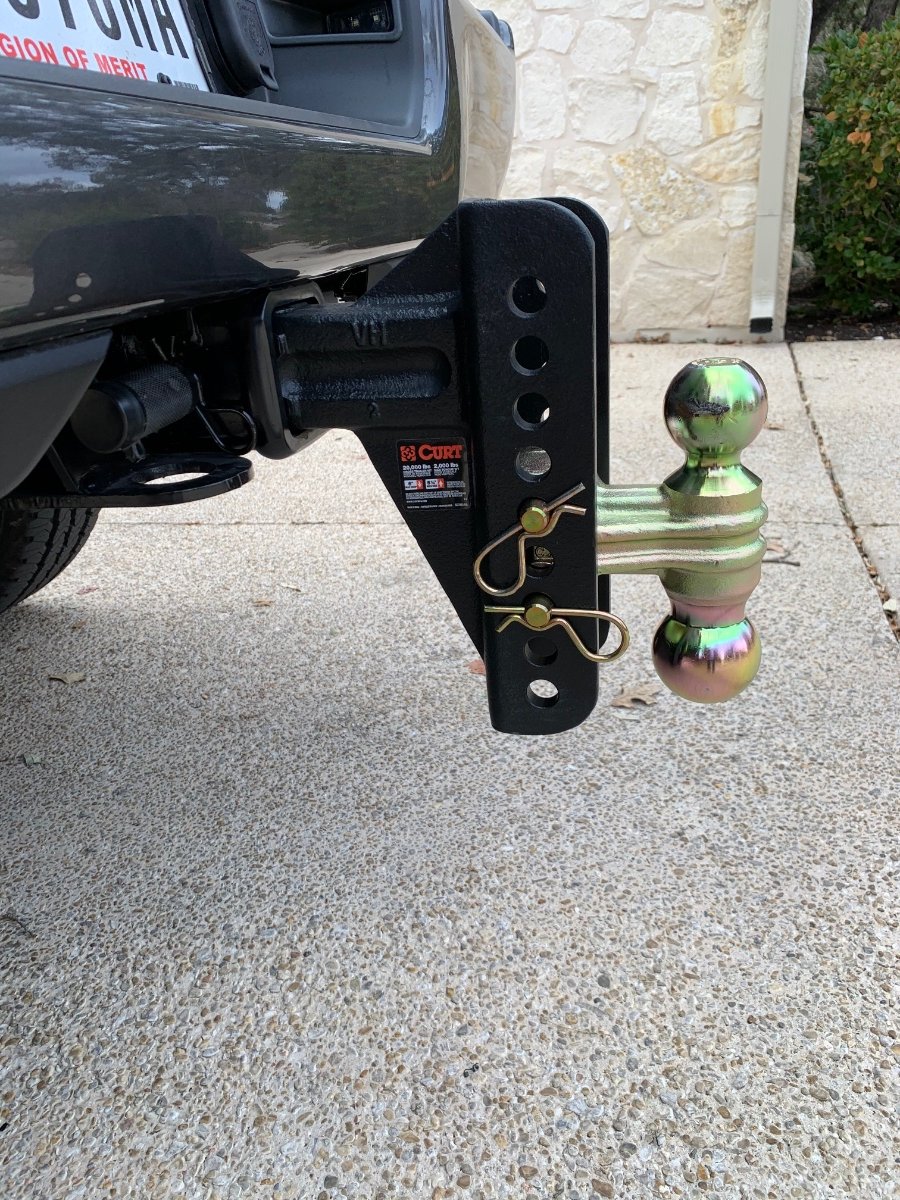
I used this hitch and towed about 3500 miles this summer with no issues. Hope this helps! $229.99 $0.00 Receiver Size Ball Size Qty: type: Hitches & Towing Vendor: Nationwide Trailers Parts Store Description: The Andersen Rapid Hitch makes it easier than ever to quickly adjust height: pull pin, adjust, slip pin back into place - done! Polished aluminum rack won't rust, chip, or peel. Details/Specs: Available options: 2" Receiver 1-7/8" x 2" GTWR: 7.5K lbs (1-7/8" ball) - 8K lbs (2" ball) 2" x 2-5/16" GTWR: 8K lbs (2" ball) - 10K lbs (2-5/16" ball) 2-1/2" Receiver 2" x 2-5/16" GTWR: 10K lbs (2" ball) - 12.5K lbs (2-5/16" ball) 6" Drop/Rise Combo Ball Tongue capacity: 1.5K lbs Zinc-plated steel Meets V5 and SAE J684 certifications Made in the USA Don't forget your Rapid Hitch Locking Pins1 point
-
This is the hitch I got when I went to the 2500. Top of the ball is just under 24” and I get about an inch of drop when the trailer is connected.
1 point
-
Ok - after actually owning my Ollie for a couple of months now (and taking some trips with it), I have updated my checklists. Here is the newest one....for those that are interested. Check List (for everything!).docx1 point
-
Agreed, I bought two of those before I took delivery of my Elite 2, based on a video I watched onTechnoRV.com. They seem to work fine. You just have to remember to give the active tank a few pumps after you turn the valve on. https://www.technorv.com/gasstop1 point
-
The Redarc charger was a lifesaver on our last trip, 4500 miles through BC and lower Yukon. There were many days where the solar was completely useless, because of cloudy or rainy weather. With the DC to DC charger, I could count on 110 amp hours of charge in a ten hour drive. I ran the generator a couple of times to operate the AC, and only once more did I need to run it to recharge the batteries for about an hour. We stayed at hookup sites about a third of the time. I would like a little higher charge rate, for sure, but for simplicity this is hard to beat, as long as the wires in the trailer are to spec (not undersized!) and I have no regrets. On sunny days I have no worries at all, the combined rate of up to 30 amps of solar and TV charging is great. BTW there is no way my Toyota 5.7 would charge the lithiums more than part way, max voltage is way too low. I would see 14.5 volts (on a Scan Gauge II) with no load, but when hooked to the trailer and charging AGMs, it dropped to around 13.7. That low voltage works fine with the Redarc, which bumps it up to an appropriate value for whatever battery chemistry is selected. And it is a smart charger, so it knows when to taper off the current. https://olivertraveltrailers.com/forums/topic/5270-how-to-redarc-dc-to-dc-11-amp-output-trailer-charger-installation/ John Davies Spokane WA
1 point
-
The auto function fridges in the newer trailers operate differently from our older Dometic units. They will select from all three available power sources, be careful it at it doesn’t select DC. Ninety per cent of all RVers run their fridges on propane while traveling. We driven >150K miles like this and I don’t ever recall a situation where we were required to turn it off.1 point
-
We run our fridge on propane when traveling. We’ve never used 12V. It switches to 110V if we have hookups. Mike1 point
-
Congrates on taking that first step in really joining the "family". These absorption fridges are most efficient when using propane. Running them on electricity (12 volt or 110 volt) requires the heating of an element (kind of like a space heater) and that takes a fair amount of a limited resource when on 12 volt. Assuming that it is not too hot out and you are not driving too far then it just might be simple to turn off your fridge during those circumstances. I've only done that a couple of times though. The problem is - you risk spoiling food and you have to remember to turn that puppy back on. Yes, with the larger battery capacity of the lithium it is possible that you might have enough power to not be concerned. But, you will still need to remember (I think) to switch it back to propane. I'm in the camp that simply leaves the fridge on "automatic" all the time (unless as Sherri says it is dangerous or illegal). This way the fridge is always on propane unless I'm plugged into "shore power - 110. One less thing to worry about and/or remember. Bill1 point
-
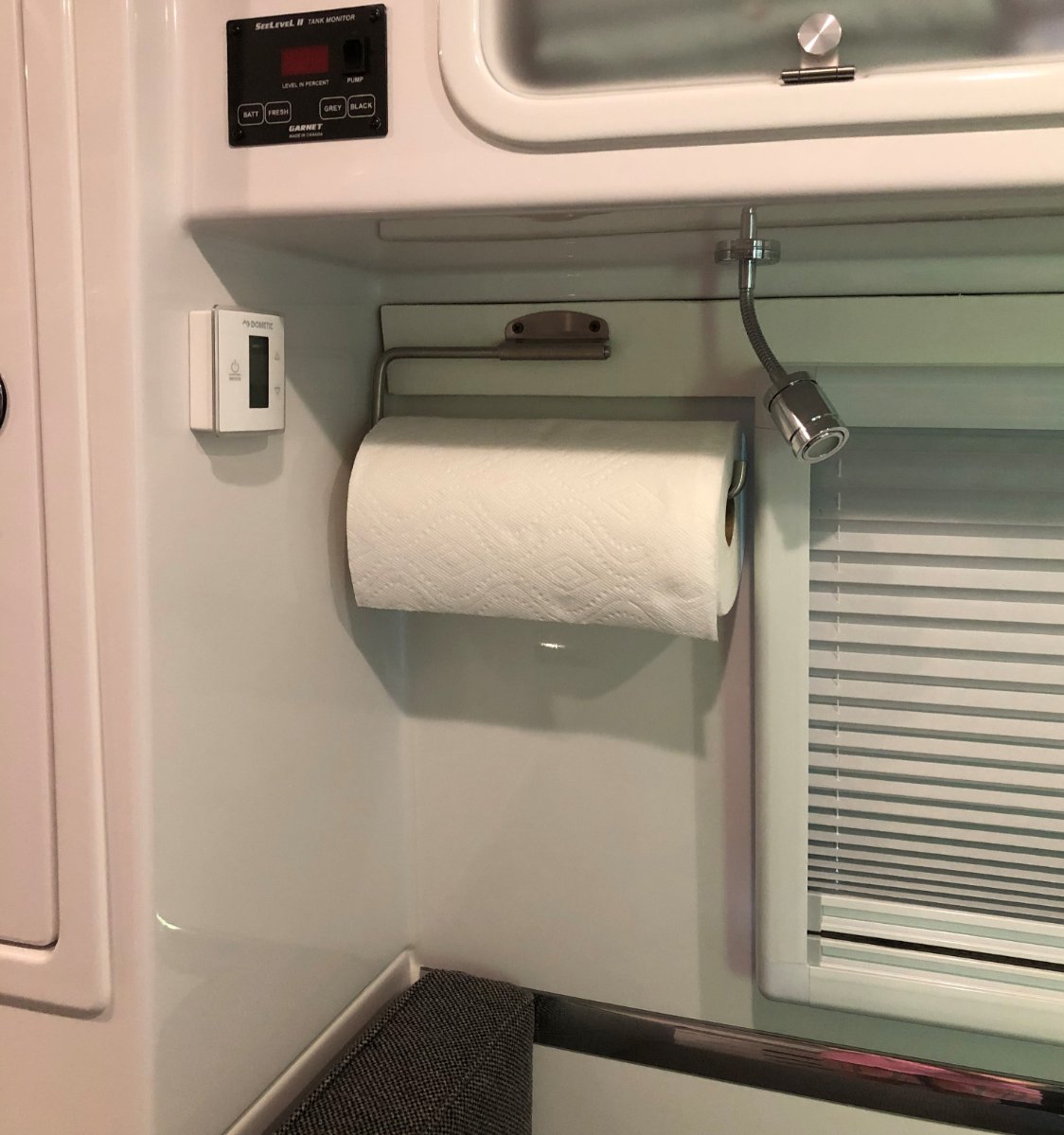
Thanks guys! I forgot to check back & this is how we installed the paper towel holder. John cut a 2 3/4" wide x 22" long x 3/4" thick board. He round it on the back corners so it would slide between the window facing and curve in the wall of the Oliver wall above the window. He painted it white. In our 2021 it is across from the kitchen sink in the dining nook. Best part about this installation is it's easily removable as there is no tape, screws, etc as the board simply slides in the space.
1 point
-
Three camping seasons now with the Pur, and it continues to impress me. It is an inexpensive solution. Try it for a while, and if you feel the need for a more intensive setup for the trailer, use the pitcher at home or gift it to a relative. John Davies Spokane WA1 point
-
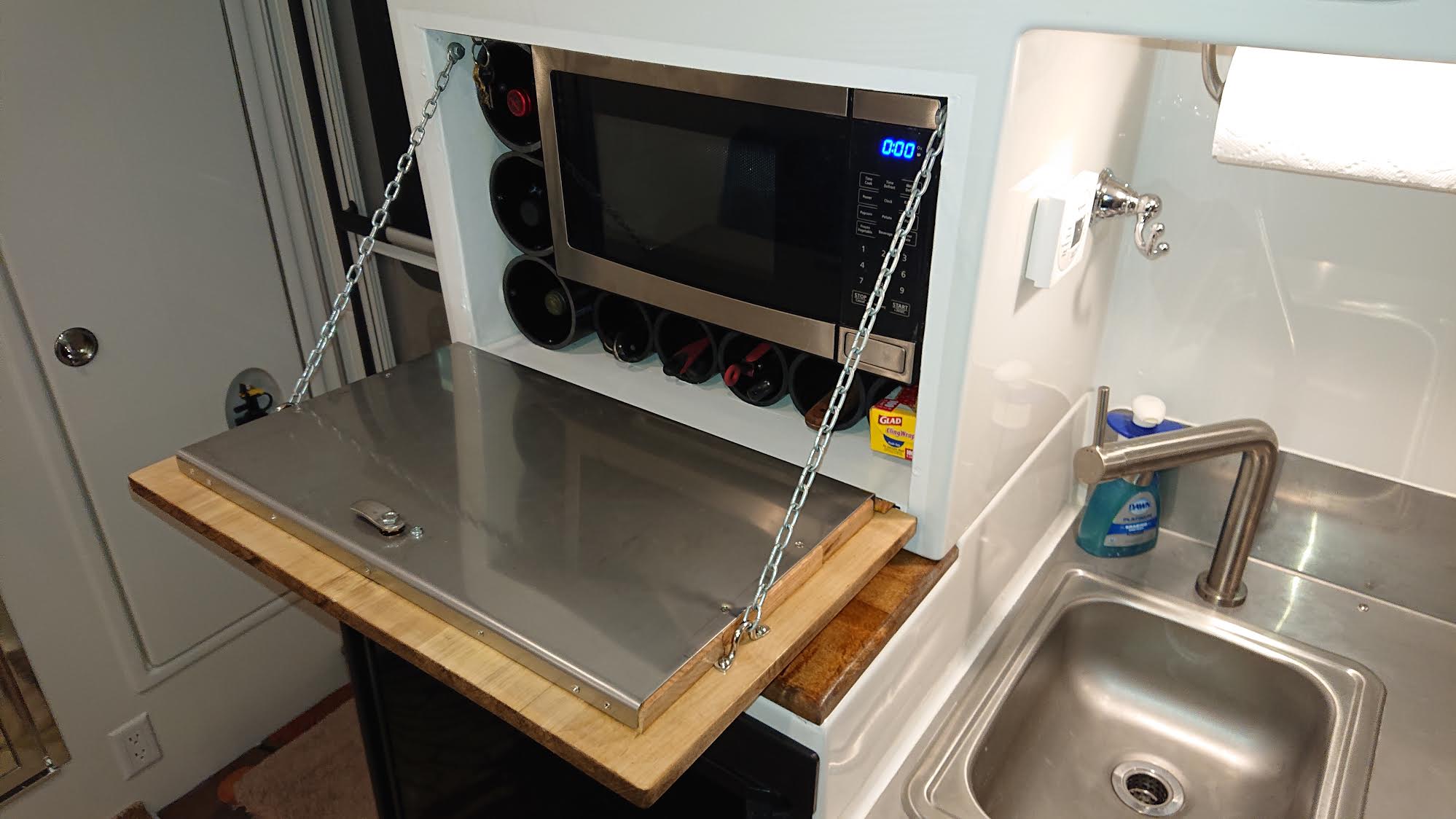
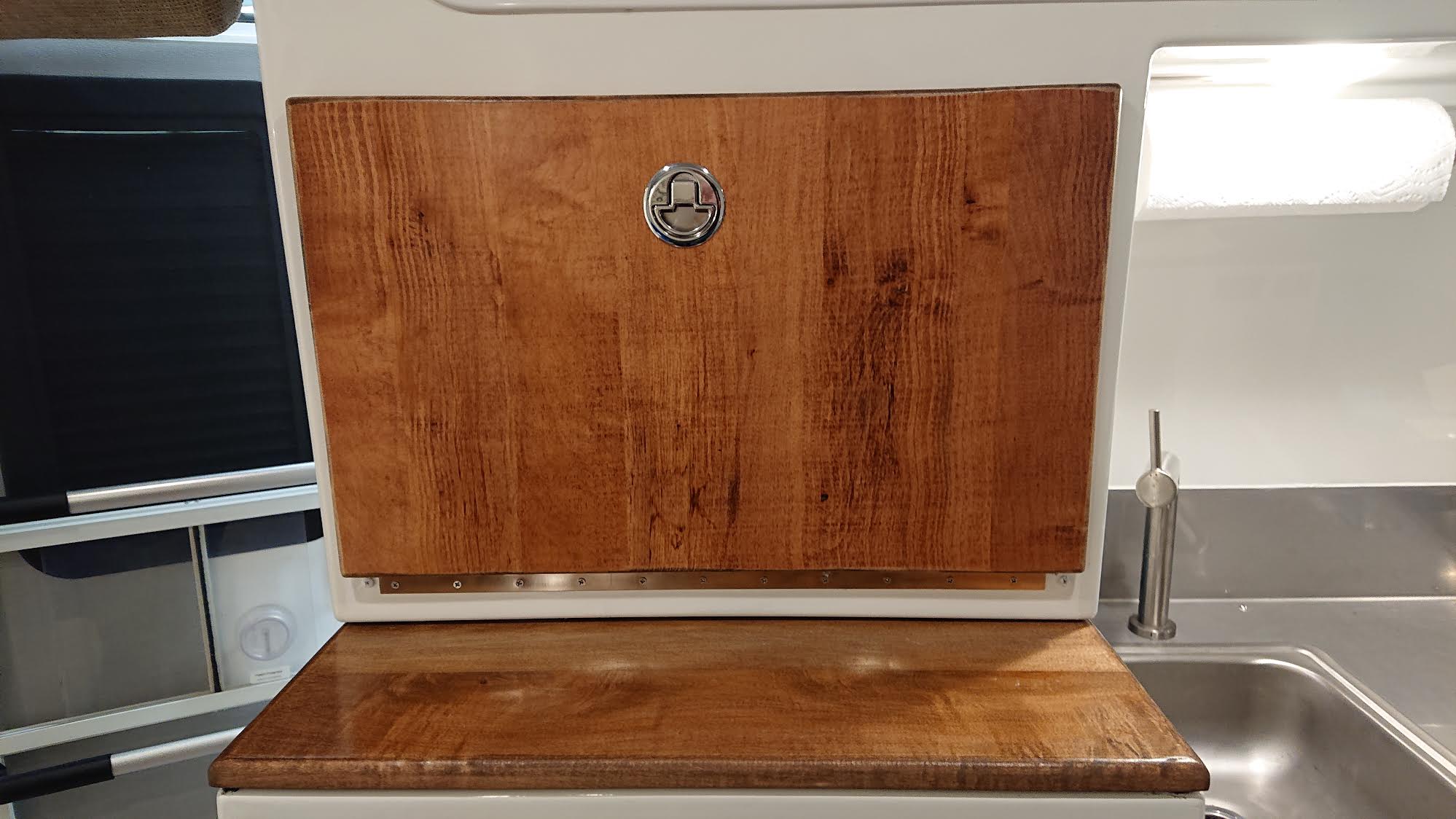
After my microwave tried to escape from it's cabinet twice, I redesigned the cabinet to include a wine rack, utensil storage, key hooks and a smaller microwave that cannot get away. It also provides an additional work surface when open.
1 point

.thumb.JPG.dd838cdb3df463dab6a16861fa23a319.JPG)


















.thumb.JPG.4b8a33ffd0de0ed3f60e540d01e1c3c9.JPG)

-
Recent Achievements
-