Leaderboard


.thumb.jpg.e34bf01ef7f7d5e99ad31856d45afbeb.jpg)

Popular Content
Showing content with the highest reputation on 11/13/2025 in all areas
-
Got a chance to test the heat pump function last night and was pretty impressed with it's performance. Operating in the high 20's / low 30's it was able to keep the inside heated to 70 degrees. Built-in temp sensor reading was off even further than in cooling mode so thinking I might have it installed in the incorrect location to read temps right. That shouldn't matter soon since I'll be installing the Cielo Max thermostat which I hope will override the temp sensor.4 points
-
No worries yet! Not all is lost! There are already companies making aftermarket parts and I’m sure there will be more coming because these units are used all over the world and there is still a demand for parts. I wouldn’t rush out to buy new spare boards without first checking what aftermarket parts are available for your model. Companies like Dinosaur Electronics already sell generic replacement DC boards that fit most Norcold units. Even Amazon carries an aftermarket power board. I’ve previously posted about an Oregon company IFiXiFi that makes quality aftermarket freezer door hinges that are also known to fail and have not been otherwise available. Cheers! Geoff3 points
-
OOPS! Mike also included a PDF with Norcold parts list in case anyone needs and/or wants it. See below - Bill PARTS LIST N412 for Norcold Fridge.pdf3 points
-
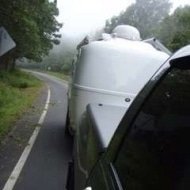
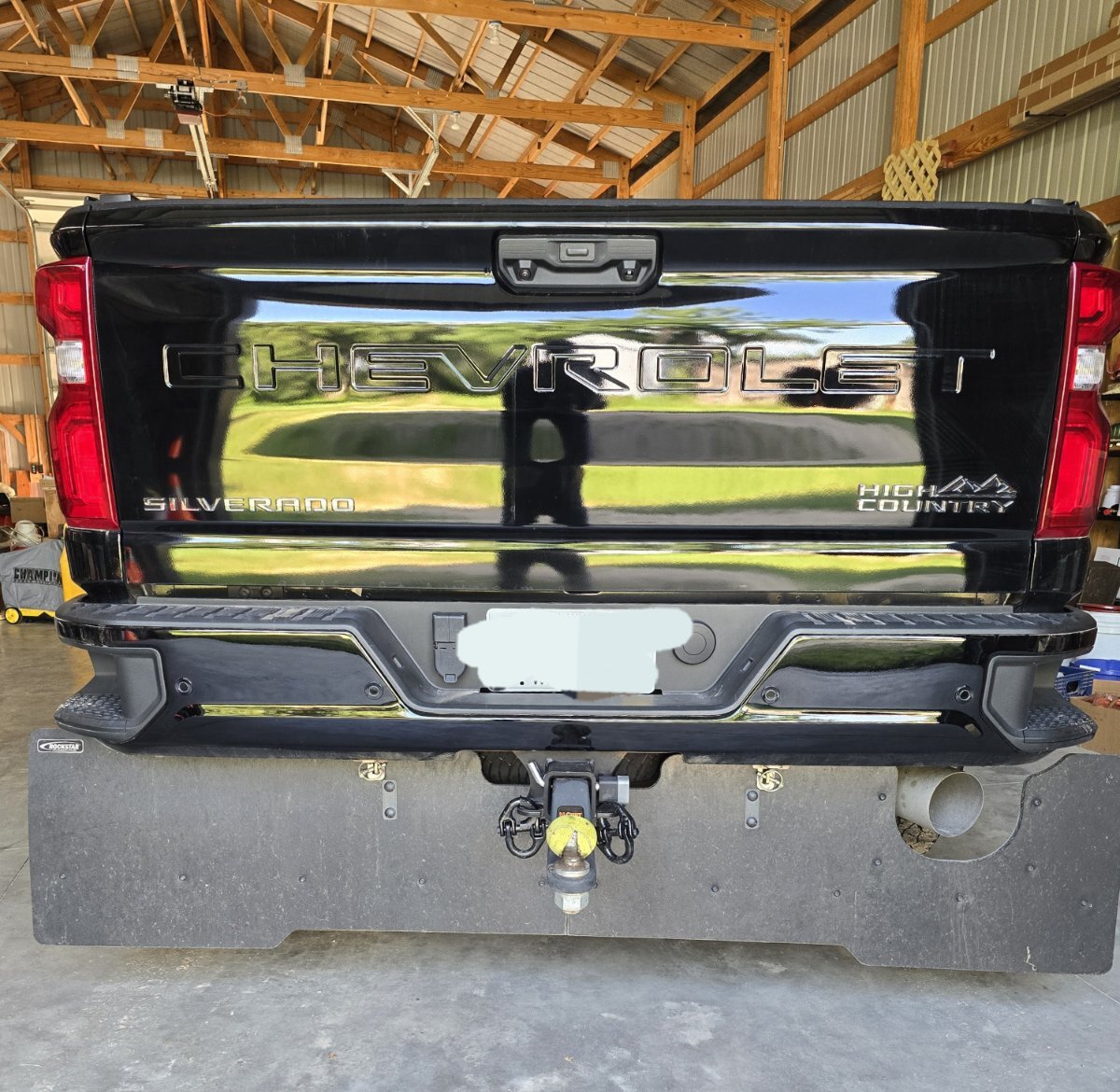
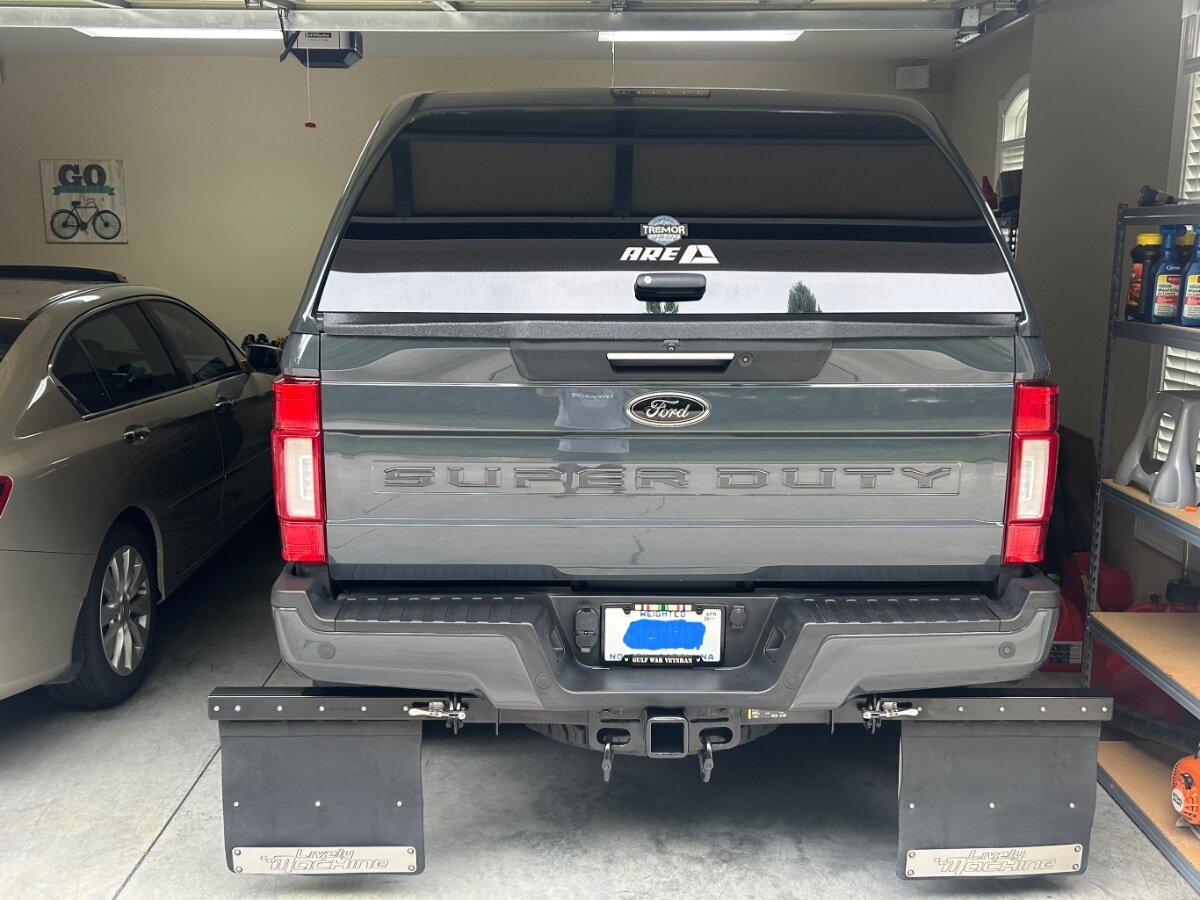
We spend a great deal of time "off road" and have struggled with a reliable solution to protect the trailer from road rock damage. In our case with many miles using only mud flaps, the glass/ gelcoat at close inspection had the effect of a mild sandblasting. The PPF installers did not recommend installation due the surface being porous and not super smooth due to "road wear". We have been pleased with a somewhat radical solution; shooting the nose of our trailer with Vortex. We learned of the Vortext process from "Bugeyed driver". Our Vortext coating was applied recently but so far amazingly "bomb tough". We are now traveling on nasty fractured rocked/graveled roads stress free. This solution may not be for everyone but is a valid consideration if you spend a lot of time on gravel or your gelcoat is "road worn" and not longer super smooth. A further note on gravel protection: John Davies has a post on an under trailer mid flap to protect the under side and trailer running gear (socket, springs, axles and other) from gravel damage. We have found this to be effective and recommended if you spend time on gravel.
 3 points
 -
Bigger trailer, bigger truck. Though "technically " you'd be within the legal limits, your travel joy will be increased with a bigger, heavier truck. Dragging 7k up a mountain pass, one time, in your Colorado would likely tell the story. And, hopefully, a great brake controller coming down. Casita typically have a heavier tongue weight, but not as heavy as an O2. Your Colorado would likely be fine for my elite 1, but towing a 2, other than on flats and gradual ascents/descents, I'd want some more oomph, and vehicle weight. I know it's hard to think about trading up trailers, and vehicles at the same time. My 2005 Silverado is about the same size as a current Colorado, but heavier (6k). I have a similar tow rating. Id personally only tow a 2 in Florida flats. Id be nervous going our route to NC, at highway speed, and up green mountain gorge, with your TV. Your anxiety will be decreased, and travel joy and cargo capacity, will increase with a bigger vehicle.3 points
-
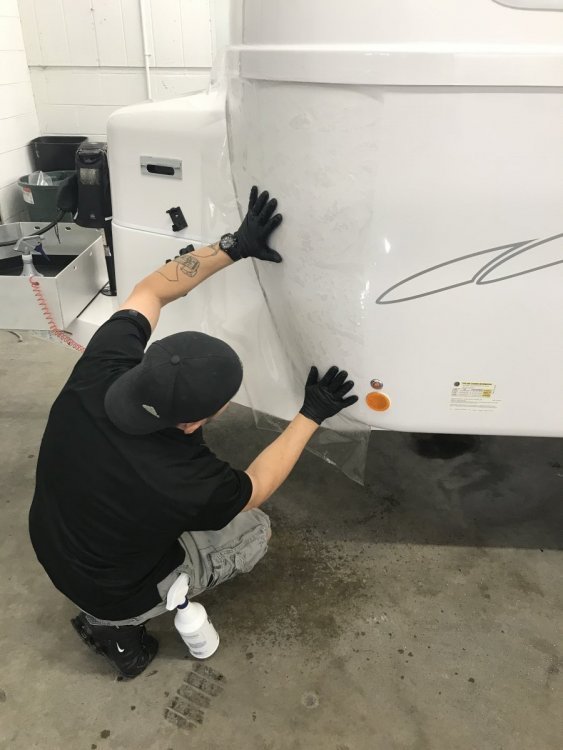
Since the front of our glass trailer is exposed to road debris from our tow vehicle, I went and had the lower front end of the trailer and front of the frame PPF'd. A good quality one will protect the trailer pretty good. So far is has worked pretty well. I also added mud guards front and back. The PPF can be replaced anytime if it starts to look bad.2 points
-
OK - below is the text that I received back from Mike Sharpe. Certainly appreciate his quick response! Bill "Hey Bill, Those fridges were discontinued a while back so the parts for it may even be hard to find. However, the boards would be the parts that I would look for. Regards," Mike Sharpe OLIVER SERVICE AND PARTS2 points
-
I’m sure you know this, but will say it anyway. When I received the unit it had been repackaged and shipped from Amazon on its side, this was previously mentioned in this thread, set the unit upright for 24 hours before operation. I did not use rollers included with the unit, used 3M rubber pads that that also came with the unit.2 points
-
It is very dangerous to put a cigar cutter in that drawer. Wife might find it and "accidentally" throw it away. Cigar cutters should be kept hidden under your socks. Just like at home.2 points
-
I use mine to cut carrots for salads 🤣2 points
-
About 10 minutes ago I sent Mike Sharpe in Oliver Service an email requesting that he (or someone at Oliver) take a look at Service records on these Norcold fridges in order to see if there is any insight into possible repair parts that might be useful to stock. I'll post back here if Mike (or someone else at Oliver) has the time to do this for us. Bill2 points
-
The First place to start is the driver side door of the Colorado. The payload of the truck will be listed there. This is the maximum weight allowed to be carried by the truck. Next... Start adding the weight you will be putting into / on the truck. Start with the tongue weight of the Oliver (650 lbs.) Next would be the passengers (be honest). Then account for anything you have added to the truck as an aftermarket accessory.... Bed Caps typically weight about 300 + lbs. Finally any camping equipment that will go in the truck... stove, generator, camp chairs, tools, etc. Subtract that number from the max payload capacity limit. If you still have a positive number, you have passed the first test. (you still have more math to do) I would be interested to see how your numbers work out if you would be kind enough to share. Also would strongly advise against the Chevy Colorado ( or any other medium size truck ) as a TV. Best of Luck, Scotty2 points
-
Yes the $73 was for the two side decals that say Oliver Legacy Elite II. Just those two decals.2 points
-
Here is my solution. If CGI would come to my area I would add a ceramic coating.
2 points
-
I had 10 mil XPEL PPF installed on our Oliver a few years ago, it’s holding up great. It’s worth the money spent if you want to protect the gelcoat. Also a good set of rear flaps is worth the investment. Here is a link to a thread on my PPF install. I also had my entire tow vehicle covered in 8 mil XPEL PPF.
2 points
-
Finally got around to picking up a Greenland Turbro Inverter AC/heat pump to replace the original Coleman that came with Hull 45 back in 2009. Been wanting to do this for a while now and couldn't resist once @jd1923 posted the about the anniversary sale going on that knocked the price down from a list of 1,499 to 1,099 with free shipping. Install was a breeze. The hardest part of the job was cleaning the gunk off the roof after the Coleman was removed. The seal for the Turbro is preinstalled so it's just a matter of getting the unit centered over the opening and bolting it down through the inside mounting plate. Since it doesn't have a wired thermostat, electrical connections were simple too. Just the 120v power and connecting the wiring between the rooftop unit and the inside cover panel was all that was needed. I have separate thermostats for AC and heat which made it easy but if you have a single thermostat for both AC and heat additional steps may be required. The Turbro comes with a remote with a wall mount and it also has a phone app available. Once fully installed, I connected our power cord to a voltage/amps/watts meter and used an adapter to plug into a standard 15amp outlet. I also turned off all other breakers to insure I was getting only the draw from the Turbro during startup and running. There were two main reasons I purchased the Turbro unit- One, because it uses the same extremely efficient "inverter" compressor technology used in mini-split systems and two, because of this technology the system is able to "ramp down" once set temp is reached and continue to run at a lower capacity instead of powering down and cycling like a standard single speed compressor does. Running in this manner reduces or eliminates the humidity spikes common with standard compressor systems and is very important to those of us who live and travel in hot/humid locations. Added benefit is that no soft start reuired and it can be easily run off the Honda EU2000 that we have as a backup. Since my brother is using our Ollie for temp housing while his house is being finished I didn't have much time for testing after the install, but here are some of my finding and opinions for the short time I had. The good- Power efficiency is right about what I expected, which is excellent. The unit slowly ramps up starting around 120 watts and peaks just under 1000 watts. As it gets closer to setpoint, it begins ramping down and settles in around the 500-700 watt range. At set temp I was seeing watts in the 120-200 range but couldn't tell if the compressor was running or not at those watts. The compressor is so quiet that it was impossible for me to tell. The air output continued to be cool so I assume the compressor was still running. Cooling and humidity control were both excellent too. Cabin cooled quickly after which I changed the setting on the remote to "dry" mode which locks the fan on low speed with compressor running. No humidity spikes seen at all. Outside sound level is about the best I've encountered. You will not annoy anyone around you running this unit at night, even if they're in a tent right next to you. LED strips built into the inside panel can be left off or set to white, blue or yellow. I think this feature will come in handy for us at night when getting up to go the bathroom. The not so good- While not close to Dometic level loud, and quieter than our old Coleman, it's not the quietest unit out there. Quiet enough for us for sure, but if sound level is the most important feature you're looking for then you should probably look somewhere else. On the bright side, I think the sound issue could be improved with an updated interior cover panel alone. I loosened the cover and dropped it a couple of inches down and the sound dropped dramatically. Another issue that makes me think the cover panel is the problem is that the airflow only can be felt across about 1/3 of the vent openings on both front and back vents. The ability to adjust the airflow between front and back vents with a damper would be another nice feature... Temperature control... Wasn't happy here. It seems to be about 4-5 degrees off from actual cabin temp. Hoping that this can be solved with the addition of the external Cielo wireless thermostat that @Ronbrinkturned us on to and has had great success with. I wish I had more time to test and give better feedback, but I most certainly will update this post once I'm able to. I want to see how it performs in different environments, how the phone app works, and how it interfaces with the Cielo thermostat before I make a final judgement. For now I'll give it an overall rating of A-. On power efficiency alone, an A++
1 point
-
I just heard today that Norcold is entering bankruptcy and intends to liquidate all of its assets. Apparently the sale of these assets will not cover their remaining liabilities. If this can be confirmed and you have a Norcold fridge (or anything else for that matter) now just might be a good time to stock up on any spare parts you think you might need for the future. Bill1 point
-
@rideandfly Amazon says this is frequently returned so we will see what kind of shape its in when it comes. I always assume stuff like this has to sit upright a day or so to let before running. Thanks for the headsup.1 point
-
Yup. Both in the drawer.1 point
-
This past April we went to MAC in Ft Worth. At the time the only coating they offered was marketed as "permanent". The shop declined to do our 2022 because it had some chalky patches. In their recent experience with another Oliver, their coating doesn't prevent the underlying chalky fiberglass to continue flaking off. Now the only "permanent" coating they sell is for nonporous surfaces like metal and paint. The website currently shows they have a 3-year coating for fiberglass.1 point
-
We've towed various trailers with everything from a V8 Ford Explorer to a diesel F350 dually. I concur with the previous posts that you might need, and would definitely be happier with, a larger tow vehicle.1 point
-
The ignitor not working is a useful feature of the Oliver.... It explains why you always need to keep a lighter in the kitchen drawer. If anyone has an explanation of why a cigar cutter needs to be in that drawer too... I would appreciate your passing the information along. Scotty1 point
-
FYI, the ignitor is polarity sensitive and can be damaged if the 12v power wires are connected wrong. The part number for a new one is 50804 and they are around $40. Check with one of the on-line RV parts stores, and don't trust them if they don't have a contact phone. Or you can try calling Dometic directly. I once had trouble identifying a part for that stove, and Dometic was also unsure of the part number. They ended up sending a box of various parts for free! I think I called them using one of these numbers: 📞 Please contact our support team: 1 (818) 253-1322 Toll Free: 1 (866) 840-0321 📞 Please contact our support team: 1-800-544-48811 point
-
Can I be the "flag guy" for that drag race between you and Patriot? - Please!1 point
-
Short answer - YES1 point
-
We tow our Elite II with a 2019 SR5 Double Cab Toyota Tundra, which is technically a 1/2 ton truck, but has many features common to 3/4 ton pickups, like oversize disc brakes. We opted to try to make the Tundra work, as we already owned it when we bought our Elite II. With an Andersen weight distribution hitch, the Tundra is an adequate tow vehicle for two of us, with gear, towing an Elite II. I don' feel like "the tail is wagging the dog" when towing--with the Andersen hitch. As noted by Topgun 2, a more important limiting factor is payload capacity, not listed "Towing Capacity." Towing capacity is calculated with nothing but an average-sized driver in the tow vehicle. If you plan to drive alone, with minimal gear, you might barely squeak by with a Colorado towing an Elite II. Another important factor is the curb weight of the tow vehicle vs. the trailer. If trailer weight exceeds tow vehicle weight, the "tail" may "wag the dog" in some conditions--not good. The curb weight of our 2019 Tundra SR5 Double Cab is roughly 5600 lbs. An Elite II weighs just over 5K lbs. empty. We put more of the gear and people weight in the Tundra than in the trailer, to increase our tow vehicle-to-trailer weight ratio. As noted above, this is just adequate, in my experience. The curb weight of a new Chevy Colorado is listed at between 4164 and 4827 lbs. Had I already owned a Colorado when we bought our Oliver Elite II, I would not have been comfortable "getting by" with one. I would have chosen to "bite the bullet" and trade up to a 3/4 ton. So, I recommend at least a 3/4 ton tow vehicle. You will be much safer, and I expect, enjoy the towing experience much more.1 point
-
Just to bring everyone up to date on this running subject - As per my posts in this thread from October 25, 26, and 28), I'm still working on getting answers from the "houses mouth" on the current status of these decals, digital artwork, etc.. And, as I also mentioned in these posts, this investigation just may take a bit of time due to the availability of staff and other duties that they may have. I will post when I have further information. Bill1 point
-
Reading your post peaked my curiosity about the Truma, particularly from the mention of a Temperature Sensor. . . which is typically part of the thermostat. So I looked-up the Combi and sure enough, there is a Temperature Sensor that is separate from the control panel. Accordingly, there is a temperature off-set adjustment in the control panel to account for temperature variances depending on where the sensor is mounted verses the room temperature. Perhaps that was inadvertently reset, which could account for your temperature miss-match. I’d check that first. Review your manual for instructions on how to change the off-set. I don’t know where the sensor could be mounted, but it shouldn’t be too difficult to find by following the wire from the unit. It’s probably a simple thermistor, basically a resistor that changes resistance with temperature change. These are easy to test with a multimeter in the Ohms setting. If the resistance value changes with a little heat applied from your fingers, then it’s probably okay. Let us know what you find and good luck. Cheers! Geoff1 point
-
Really, Really nice installation. And you can't beat the price. Very good work!1 point
-
I ASSUME that the cost would be for two. Regardless, a 50% discount would make the advertisement more likely to be replaced over time. Also improves the look of the fleet as it ages. GJ1 point
-
Agreed, it sure does look good. And excellent installation work too! I'll keep my side decals for now (pic). They're in decent shape and they are of the vintage style. I would like to replace the front Oliver logo, not as good in condition. I have time. I'll use Christian's artwork unless Bill @topgun2 is successful in hunting down OTT original artwork. Thanks to both of you!
1 point
-
Episode 17:1 point
-
As they say, "Great minds think alike!" 🤣 Keep in mind the incoming air would have to be ducted another inch too. Perhaps the multiple foam layers they supply would work for this. I haven't looked at how that works. Just took measurements. The Oliver ceiling, center of the 14x14" opening, is 77 1/2" tall (1/4" taller in front and 1/4" shorter behind). The Turbro air handler is only 2 3/4" (1/2" less than the Dometic p2). After adding an inch, there would still be 74" clearance at the front, no problemo! 😎1 point
-
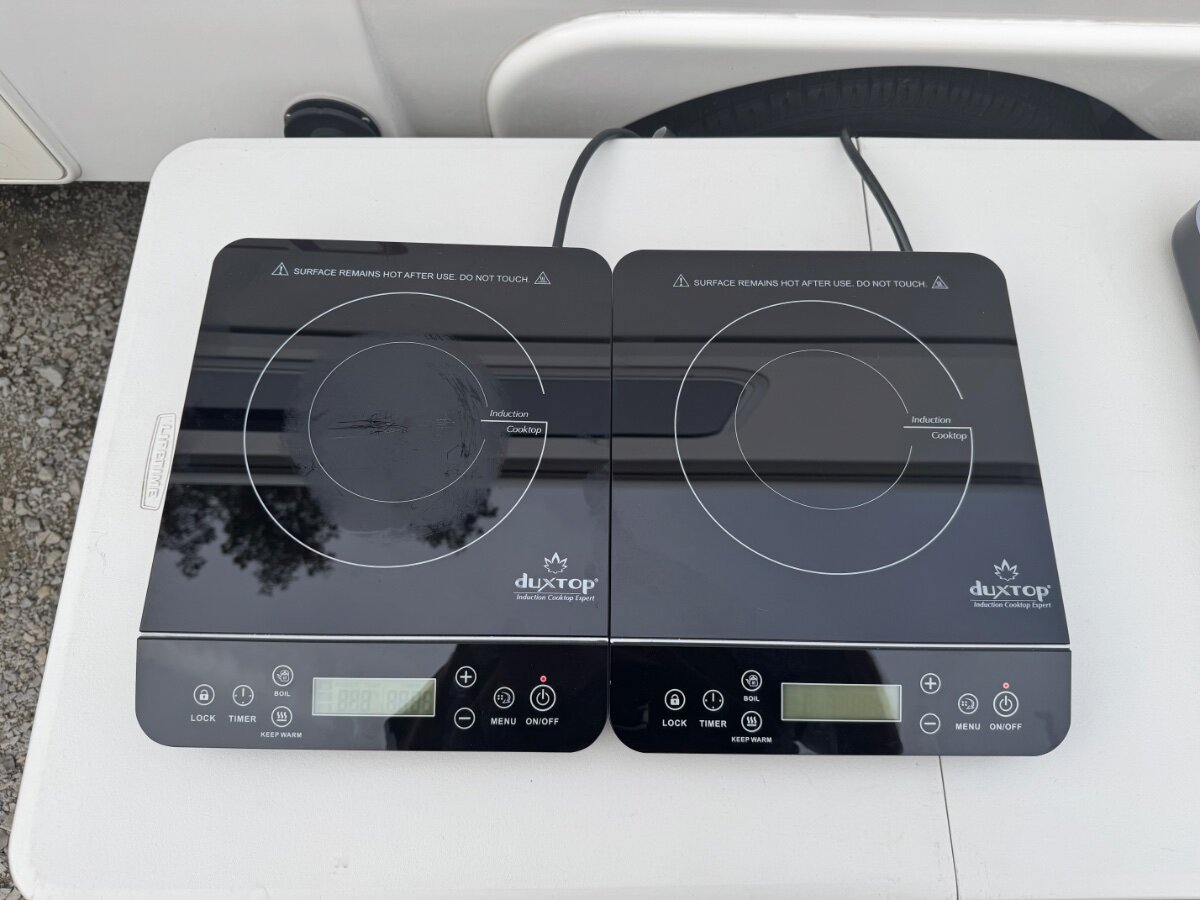
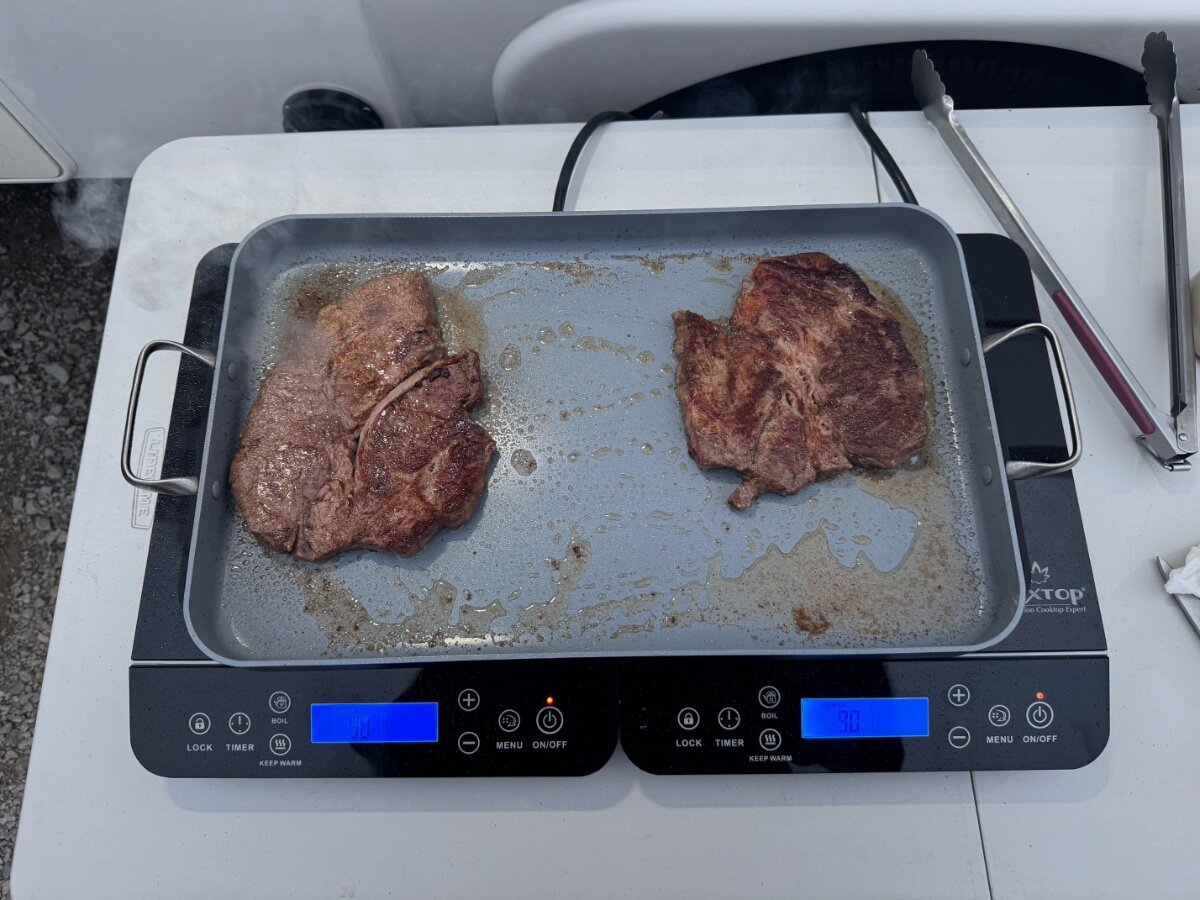
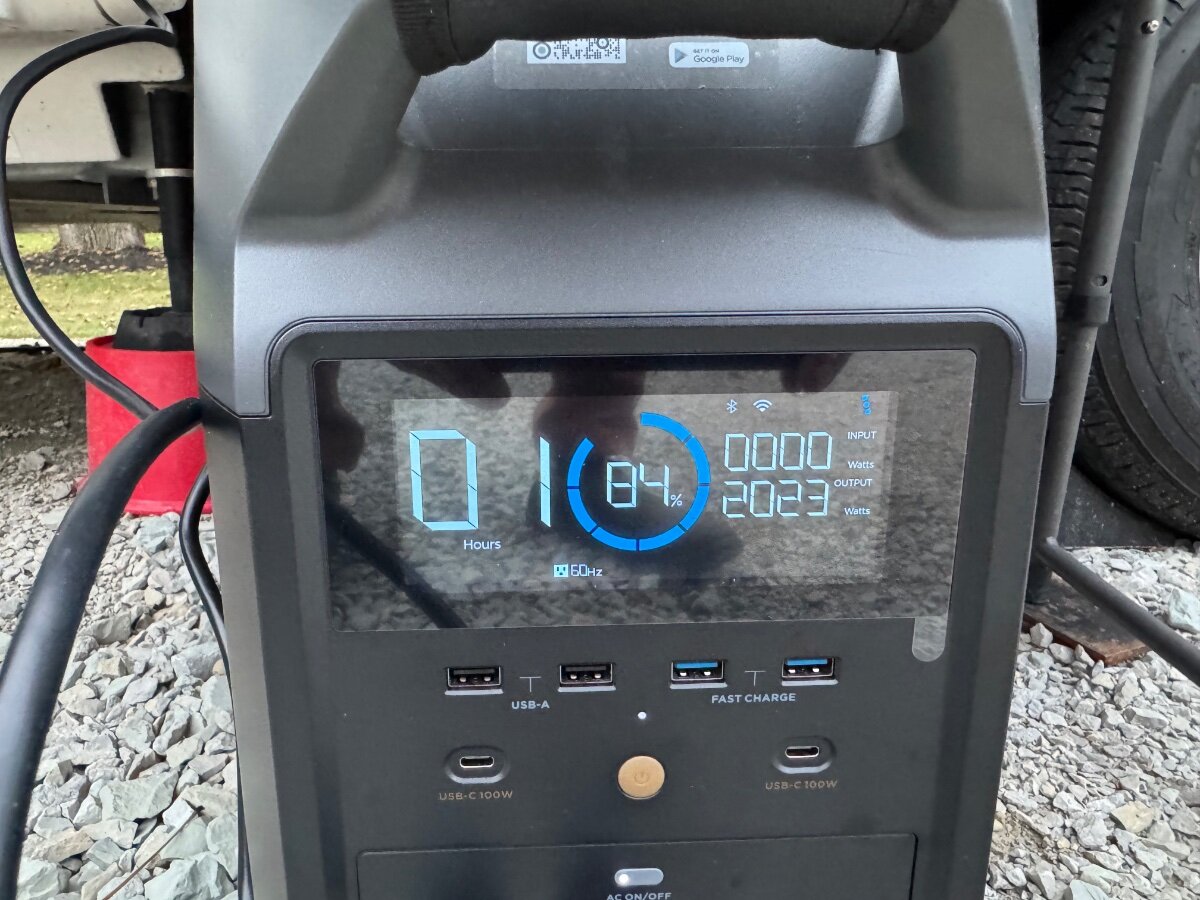
I’ve decided to try something new for outdoor cooking. We’ve had the single induction hot plate I mentioned in my post above and it works great both for inside or outside cooking. It’s extremely fast to heat up, and even quicker than gas when adjusting temperature in the middle of cooking. Well we’ve also been hauling a 22 inch folding Blackstone grill around with us for the last 18 months and that’s what we’ve been doing about 90% of our cooking on. Because we’re in the habit of carrying so much gear along with us when we travel, there’s really no room for the Blackstone in the back of the truck, and for that reason I’ve been strapping it on the top of our rear cargo box behind the Oliver. Needless to say I’ve never been very comfortable with that arrangement for a number of reasons, mostly the extra weight it adds to the back of the camper, but also at about 90 pounds, it’s quite heavy and awkward to load up onto the box. After seeing the two burner induction stove Oliver is installing in the new campers, I started thinking about the same concept for a portable induction setup. But I also decided a double burner unit would not be as versatile as just adding a second single burner unit. The double burner models all divide the 1800 watt capacity between the two burners, limiting the cooking heat range of each element. By adding a second single burner hot plate, both would be able to run at the full range of heating capacity at the same time. There are several ways to accommodate the electric demand. I usually set up my camp table next to the curb side outlet for using the hot plate. For the second one I can either run a heavy 25ft cord under the trailer to the pedestal directly, or I can set my EcoFlow lithium power pack under the table and plug directly into it with the second one. I actually did a little experiment this evening running both induction plates off the lithium power pack at the same time just to see how well it would perform and was very pleased with the results. Even with both induction plates running on the highest settings simultaneously, the EcoFlow was still over 1600 watts below its maximum output capacity, and it showed that a full charge would last over an hour at that rate. At a more moderate setting for each hot plate it read that it had about three hours of capacity. I continued my experiment by grilling up two steaks for supper on the system and couldn’t be happier with the results. The steaks were cooked to medium and it took less than fifteen minutes. Including this and the other experimenting I did, the power pack was still at 84% soc, enough for several more meals without recharging. This new cooking arrangement only required the addition of one single element hot plate and an induction ready ceramic coated griddle that spans both hot plates, all of which fits easily in the front closet. And now I won’t have to load and haul the heavy Blackstone around with us anymore. Here are some pictures for entertainment purposes.
1 point
-
I have a 2000 Tundra Limited TRD with the 4.7lt V8. I see your in the PNW and them hills are somthing else. My truck has over 250K and still runs perfectly but, going over Stevens really put a strain on the vehicle. I'm towing a Ollie 1 but, by the time you load up the trailer and truck, it start to task the engine. Love my TRD and didn't want to kill it so I just did the next best thing. I went an ordered a Lexus GX550 Overtrail. Has a 100hp advantage over the Tundra and is just alittle shorter. 10 Speed auto really makes for easy towing. Full size Tundra and Sequoia were too big besides, the U.S. made engines are having a quality control issue. Not so with GX.1 point
-
I apologize for chiming in late but just got home last night from a 10 day round trip from Oregon to Saddlestring, Wyoming towing our LE II. The discussion above omitted a very relevant specification when determining safe towing weight limits which is Gross Combined Weight Rating (GCWR). I believe the GCWR for your Tundra is 11,800 lbs. If you were to pull the the maximum trailer weight of 6,700 lbs, that would leave 5,200 lbs of remaining GCWR to work with for tow vehicle plus cargo weight. I believe the curb weight of your Tundra is about 4,800 lbs so if you tried to tow an LE II at 6,700 lbs, you would only have about 400 lbs of cargo capacity. If you were to keep the weight of the LE II at or below 5,700 lbs with full water and propane tanks, it would leave you with about 1,400 lbs of cargo capacity. In my opinion, this would allow you the flexibility to tow an LE II safely with your Tundra until you find (or can afford) the tow vehicle you really want. You would just need to be very disciplined in traveling light in terms of passengers/cargo until you do. I have pulled our LE II for 5 years now with the 4.7 liter engine. I find it to be marginal but adequate for my needs, but then I am a minimalist, the kids are grown up and gone, and we typically depart with the LE II at 5,600 lbs or less with a full water tank. That said, I do want a more capable tow vehicle but am waiting for the next evolution of EV batteries (e.g., solid state) to arrive.1 point
-
Hi Dave, sorry it took so long to respond. I leave our Oliver plugged into shore power when parked at home, and with the lithium system there is never a complete “power outage” that occurs in our situation because it takes over when the grid power blinks or goes out temporarily. For that reason I couldn’t answer your question without running an actual test of the dehumidifier’s recovery system. Well I did that this morning in the garage by shutting down the circuit I had the appliance plugged into for a minute, and you’ll be pleased to know that the dehumidifier comes back on at the previous setting when power is restored. I hope this helps you and others in deciding whether to invest in one. 👍1 point
-
I've been shacked up in my trailer working remotely in south Texas for over two weeks now. I have a much larger floor model that I use to control the humidity, and it works like a charm, bringing the RH from 80+ to a nice crisp 45%. I am very sensitive to mold, so this is essential for me. I have also been running the AC constantly because the outside temperature is between 80 and 95 throughout the day. I bought the Pro Breeze at Wal-Mart and gave it a 6 hour try. It removed about an ounce and the humidity rose from 45 to 78 even with the AC on. Basically useless. I returned it. As far as fresh air? I don't care about that. I have a HEPA filter running and I'm not feeling any side effects, so I'm good. I will likely try the one mentioned by @Ollie-Haus when I get a chance to order it, since the floor unit takes up half the bathroom floor. Hopefully, it will handle Texas humidity.1 point
-
That’s interesting your experience with the dehumidifier. Which brand/model did you purchase? There are two primary design principles for electric dehumidifiers, the desiccant principle and the refrigeration principle. Desiccant dehumidifiers only work well at warmer temperatures and loose efficiency quickly as temps drop below 60 degrees, and in general they don’t rate very well in consumer reviews. Refrigeration type dehumidifiers work much more efficiently all the way down to near freezing. Most commercial dehumidifiers work on this design principle. The model I referenced in my post operates on the refrigeration design and you can literally watch the humidity in the Oliver cabin drop on a hydrometer while it’s running. But the best gauge for humidity and comfort is my wife, and she loves the effectiveness of the little dehumidifier we are using. As a matter of fact, the identical model runs in our bedroom at home every night. 😆1 point
-
We did not have any fresh air coming in for this particular situation as the humidity outside was considerably higher than inside the camper. One unique characteristic of the Oliver design is you are sealed into a “plastic bubble”, if you will. Normally you will want to ventilate to alleviate the tendency to build up moisture in the cabin, but in this situation bringing in outside air would have reduced the comfort level significantly. My point in the original post was that while we were experiencing cool, rainy, humid weather outside, the comfort level in the Oliver was able to be maintained by only using the portable dehumidifier. Using the Air conditioner would have made the cabin chilled inside in order to try and control humidity, and turning on the ventilation fan only introduced cool air while increasing the already humid conditions inside. It was kind of a third option to use the humidifier only, and turned out to be very effective in keeping the humidity under control. The side benefit was the humidifier puts off a noticeable amount of heat so it actually warmed the inside of the camper while reducing the humidity. Thus not needing the AC or furnace in these particular conditions. You could always crack open a couple windows for ventilation, we just chose not to because it was so comfortable throughout the night. Again, with experience you will find that the one thing everyone battles in an Oliver is humidity. The AC works marginally at best regarding humidity control, and if the outside humidity is high with lower temperatures, it’s a losing battle. The dehumidifier is a game changer for us and an essential tool in the arsenal of comfort ( think menopause 🙄). 😆 Regarding the AC and fresh air intake, the AC only recirculates cabin air, therefore the ventilation fans and open windows are the only option. I don’t think CO2 is a problem, although some may be sensitive to slightly increased levels. It would be interesting to bring a CO2 monitor into an Oliver to test levels inside for different scenarios. On the other hand stale air is always the issue with the camper sealed tightly so some ventilation is usually the solution. Hopefully this helps answer your questions.1 point
-
I purchased one of those small dehumidifiers based on this discussion but returned it after one session. It lowered the humidity in the trailer from 78% to 74% after 6 hours - I was not impressed. I found it is much easier to control the humidity (assuming it is cool enough outside) by ventilation as you describe. The notion of fresh air and ventilation appealed to me and a small dehumidifier is just noise and nuisance in the system. I am boondocking almost exclusively, so power consumption is an issue. I also am generally not camping in wet, humid conditions. The biggest issue is when it gets cold at night - humidity and condensation will go up if windows are not crack and furnace is not running.1 point
-
There is always fresh air coming into the Oliver due to the "scupper holes" in the bottom. Therefore, it all depends on how much fresh air do you want. One of the first things I always do when setting up my Ollie is to open the bath roof vent. Then, depending on temps, humidity, precip, etc., I open other windows/Max Air fan (or not). Bill1 point
-
Upon further review- While the Amazon site doesn't show any certifications, I decided to check the ETL website and the Airplus *is* ETL certified! No idea why they wouldn't include that in their specs... I hereby remove my red flag @Ollie-Haus. ETL listing1 point
-
I can verify, as others have said, the Truma AC works fine but you need to be a polar bear to enjoy it. I believe it also uses the same amount of power at it does in AC mode.1 point
-
We have two of these we use at home and in the Oliver and they both have performed flawlessly for the past 18 months, and the one in OllieHaus bounces down the road while traveling. We rap in a blanket and set it upright on the floor while traveling.1 point
-
I really appreciate the duplicate post in that I'm one of those that does not "do" Facebook. Bill1 point
-
when you go into PRINT, can you 'print to PDF', then it will ask for a file name?1 point
-
Thanks everyone. I will have it at the rally in Gunterville next month. See everyone then.1 point
-
When I pulled into Vinnies there were about 8 Airstreams all lined up for their turn getting the coating. No other campers but Airstreams...and mine was the only Oliver..LOL1 point
-
I special ordered the 10 mil material directly from XPEL, I think it was a 5x10’ roll, to cover specific areas on our Ollie. I supplied the material to our installer who cut and installed it. I honestly can’t remember exactly what the install cost was for the Ollie. At the time as we also had our TV done, so it was combined price. I would have to review my file. Your best bet is to consider getting an estimate from your local XPEL dealer. I can tell you it’s not cheap. XPEL 10 mil is a special order PPF but it really protects the gel coat when installed properly. Find a really experienced well trained installer that does high end cars and you will likely be happy with his work.
1 point






















-
Recent Achievements
-