Leaderboard

Popular Content
Showing content with the highest reputation on 06/14/2022 in all areas
-
You won’t get the anti-sway functionality if you remove the whale tail and chains. The whale tail attaches to the shank of the ball. And when you turn your tow vehicle, or the trailer sways, the chains hold the shank as it rotates in the friction material sleeve of the ball mount. That drag on the rotation of the shank is what provides the resistance that gives the anti-sway function. If you remove the whale tail and chains, the Bulldog coupler will just rotate freely on the ball like a standard hitch, with no anti- sway resistance. That’s the clever design of the Andersen. It provides both weight distribution and anti-sway using the same chains to do both functions.6 points
-
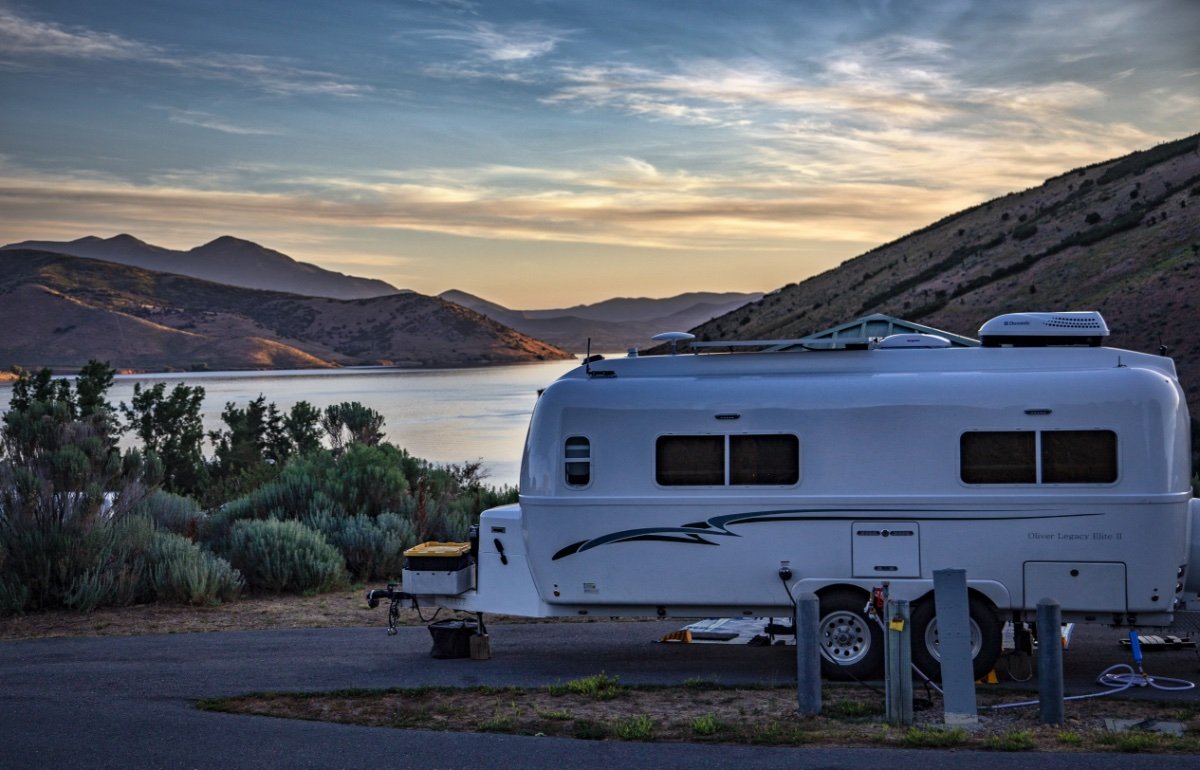
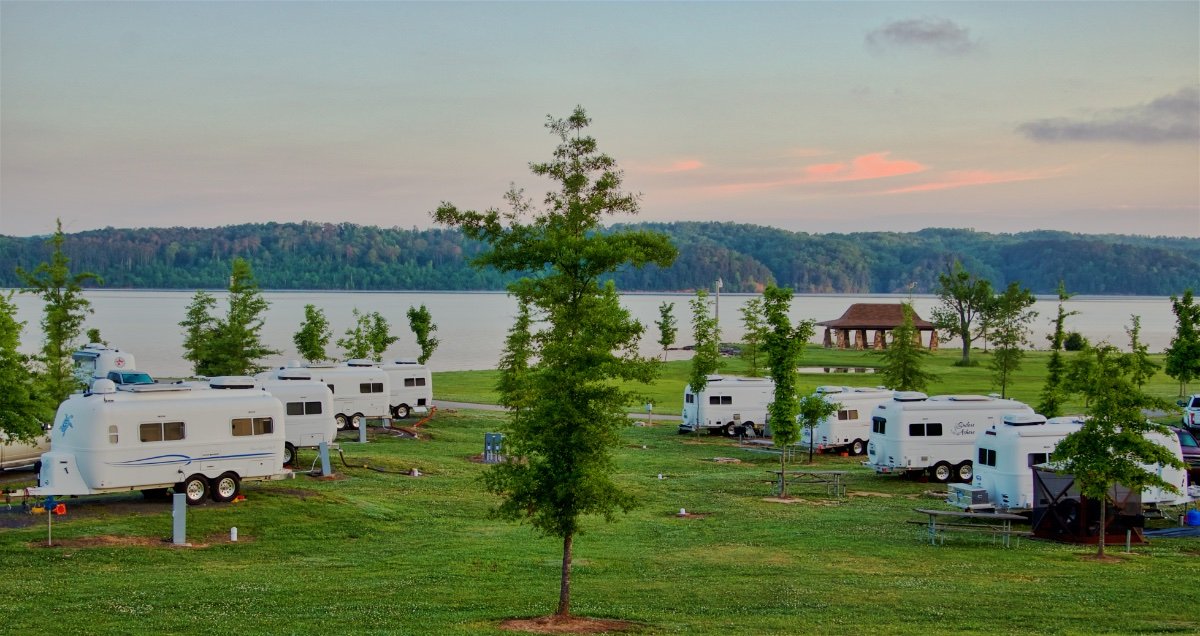
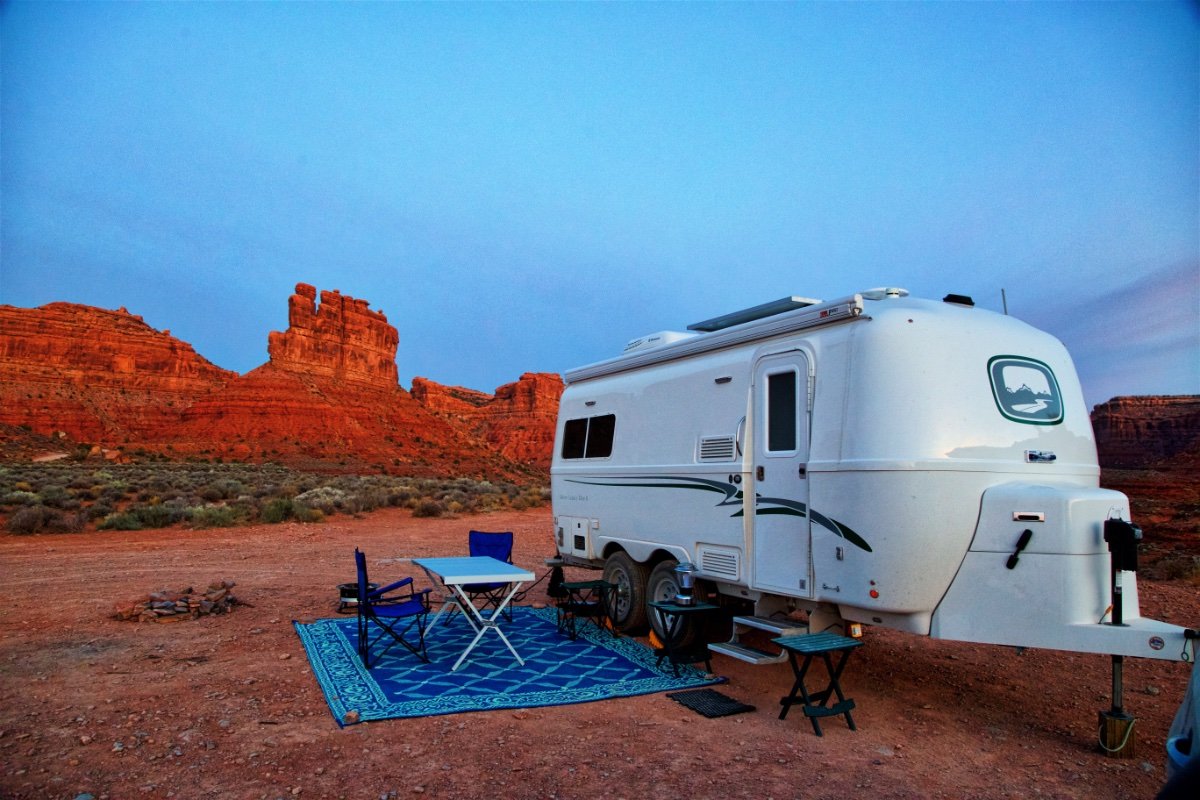
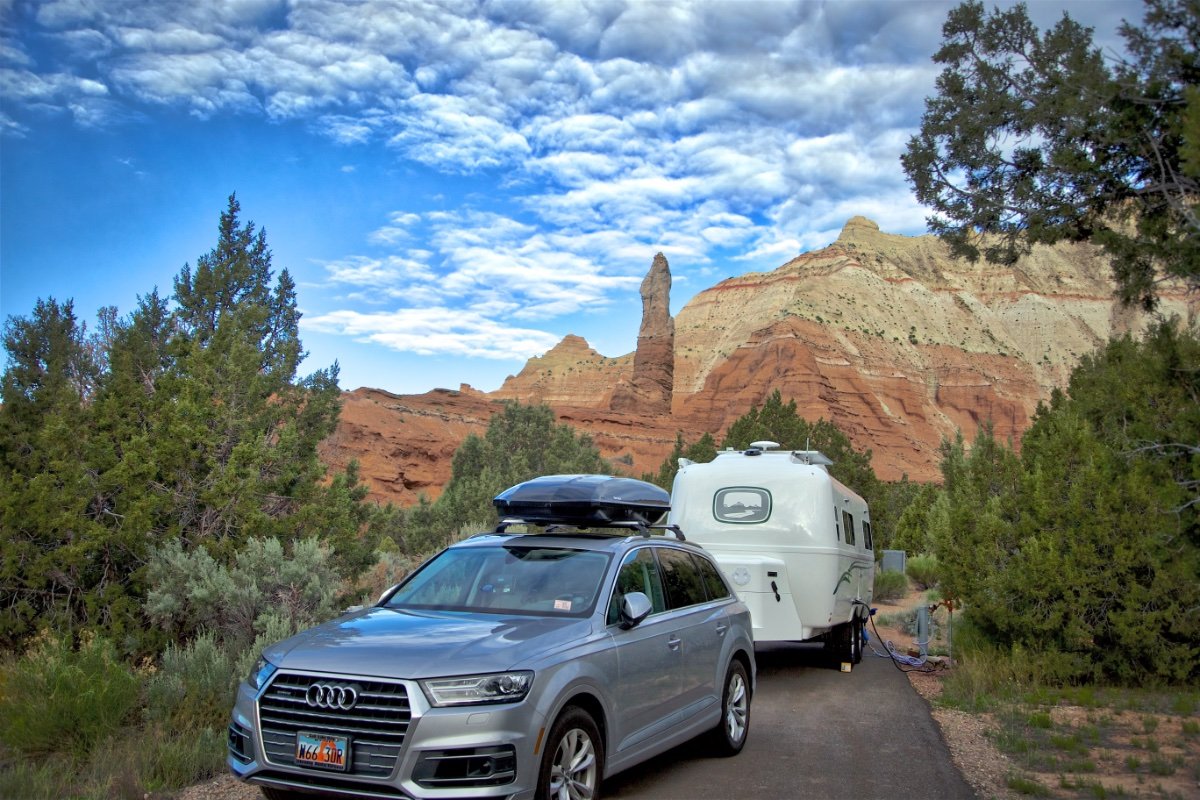
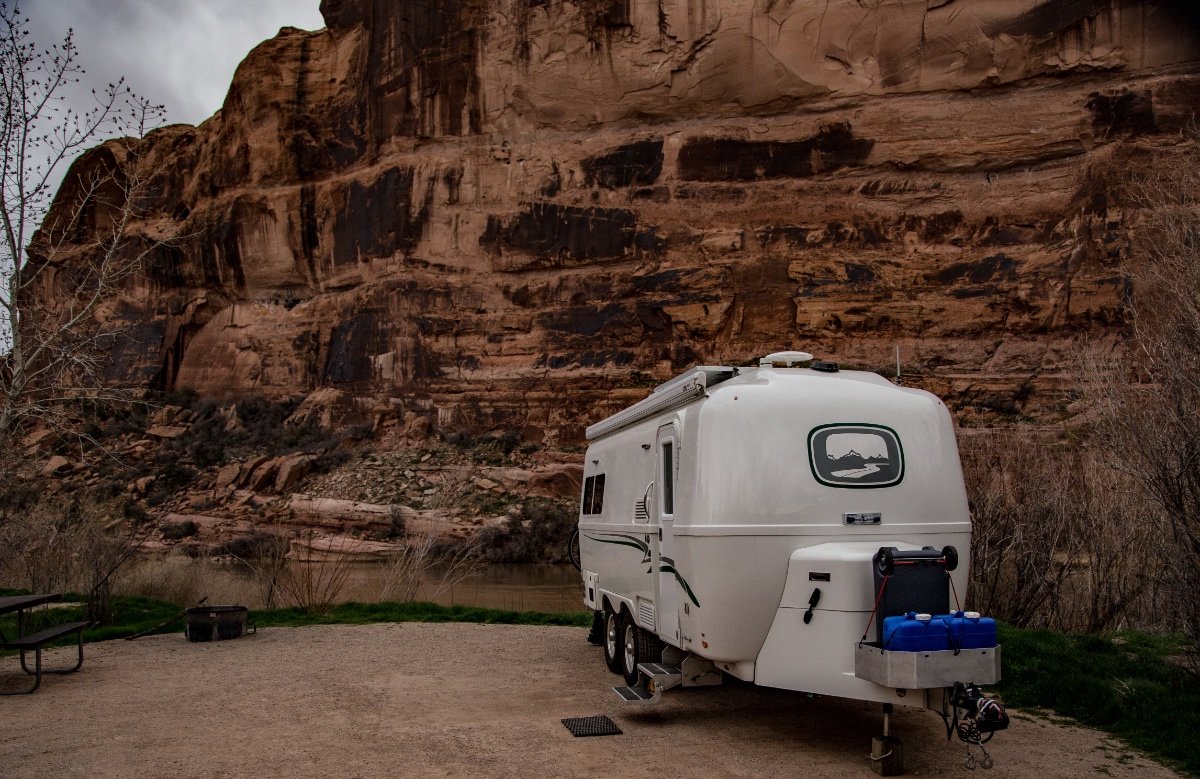
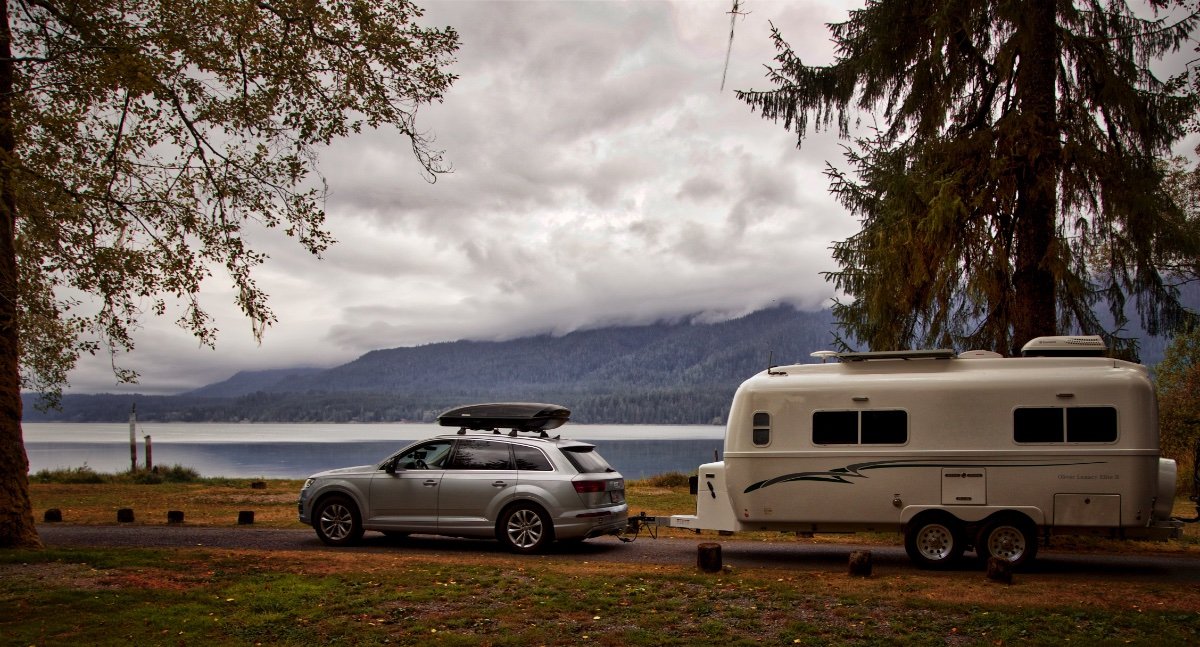
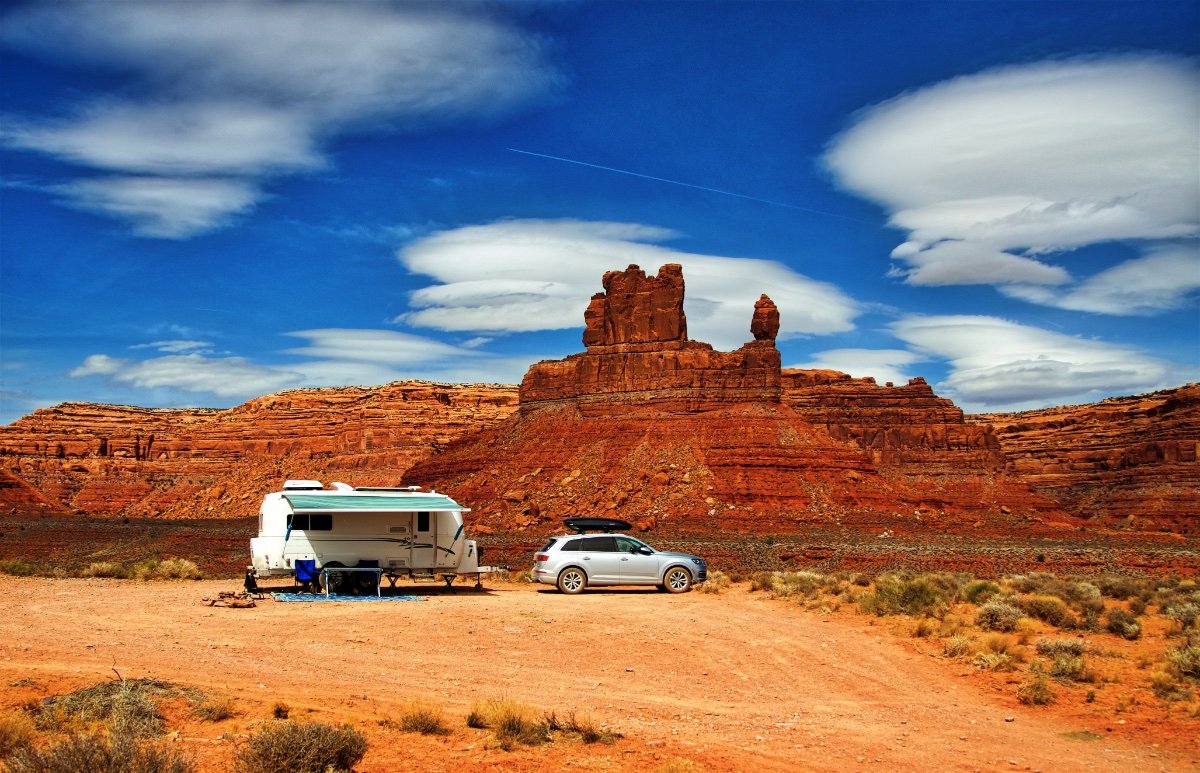
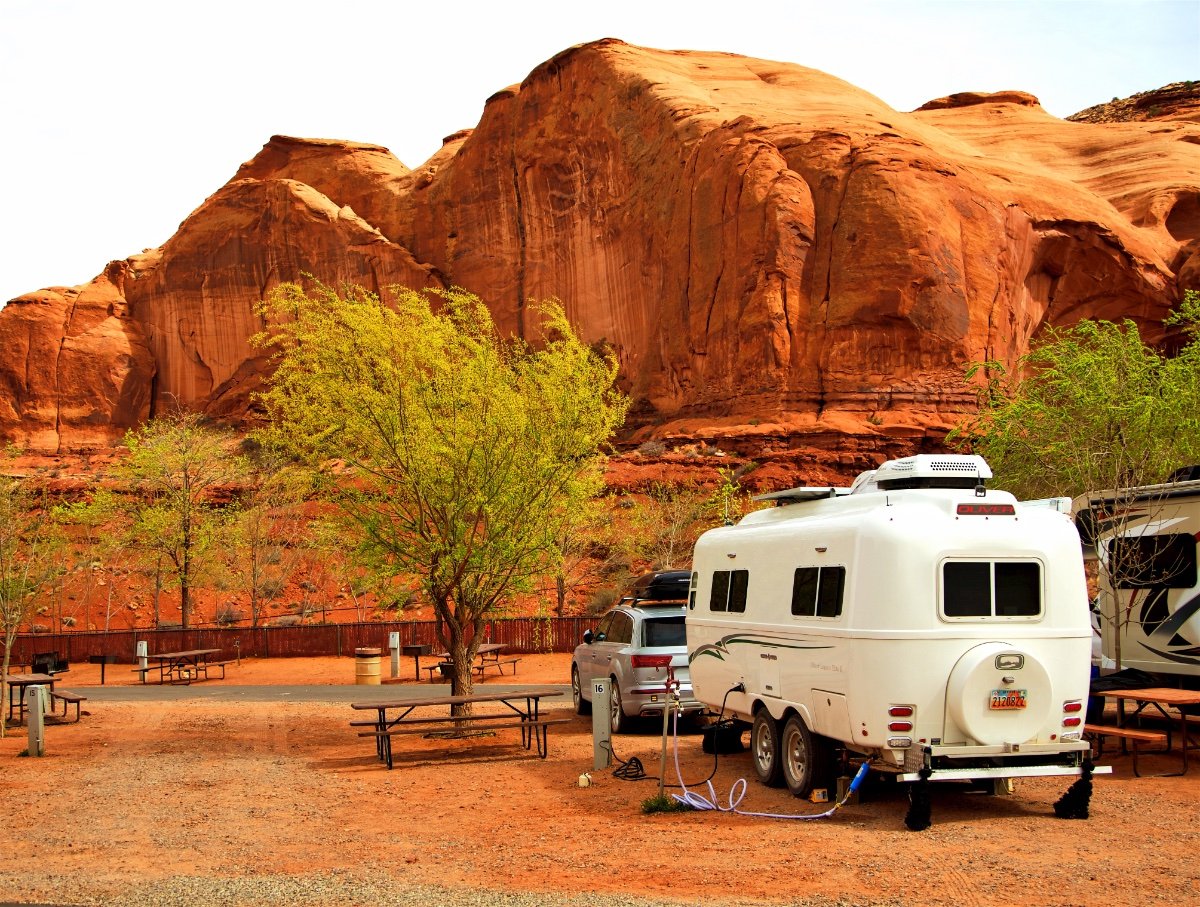
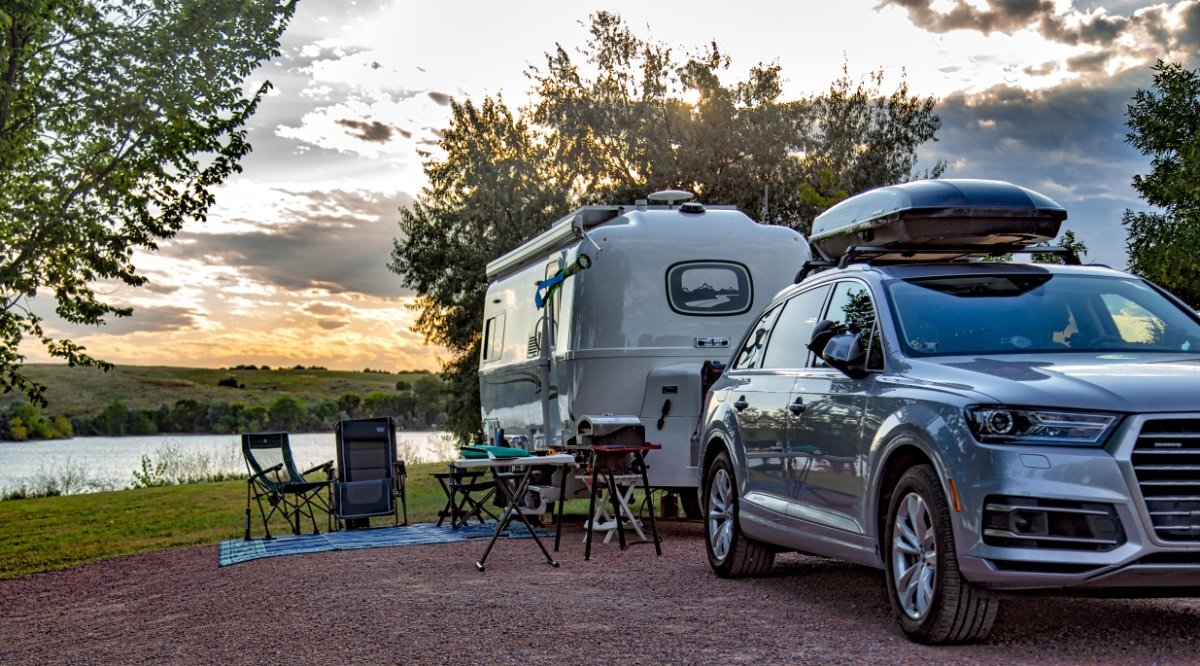
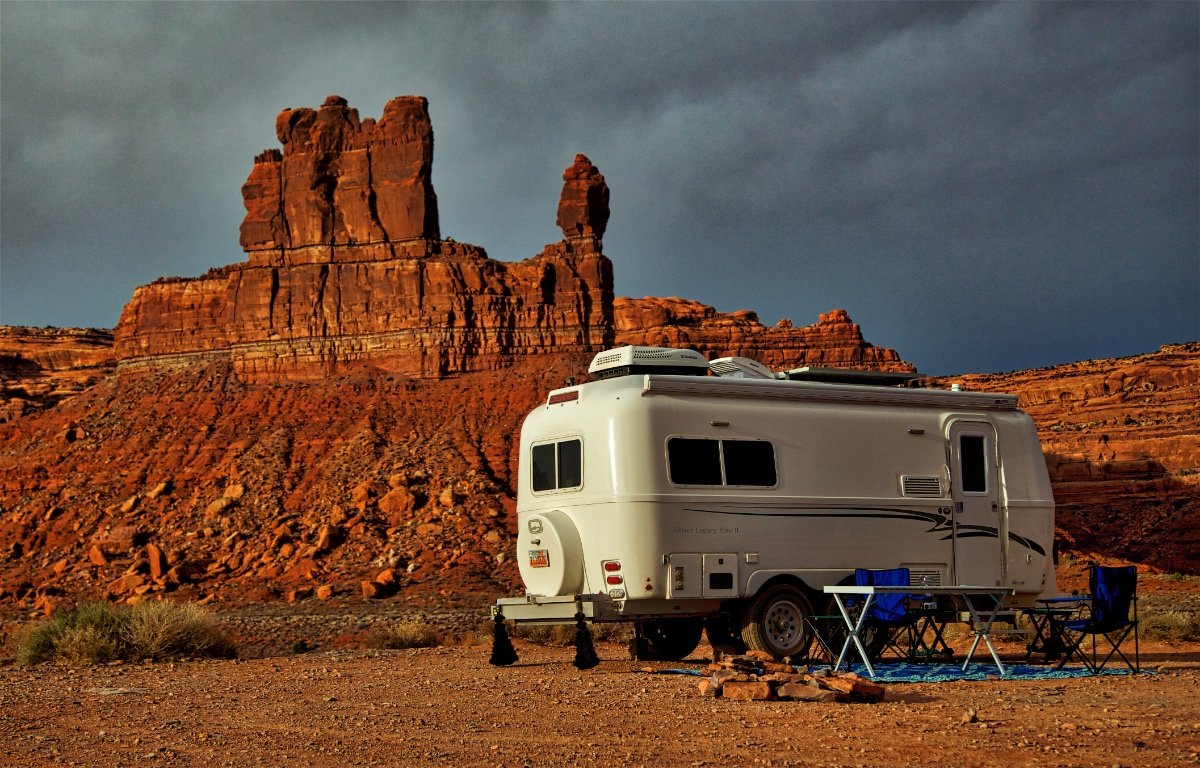
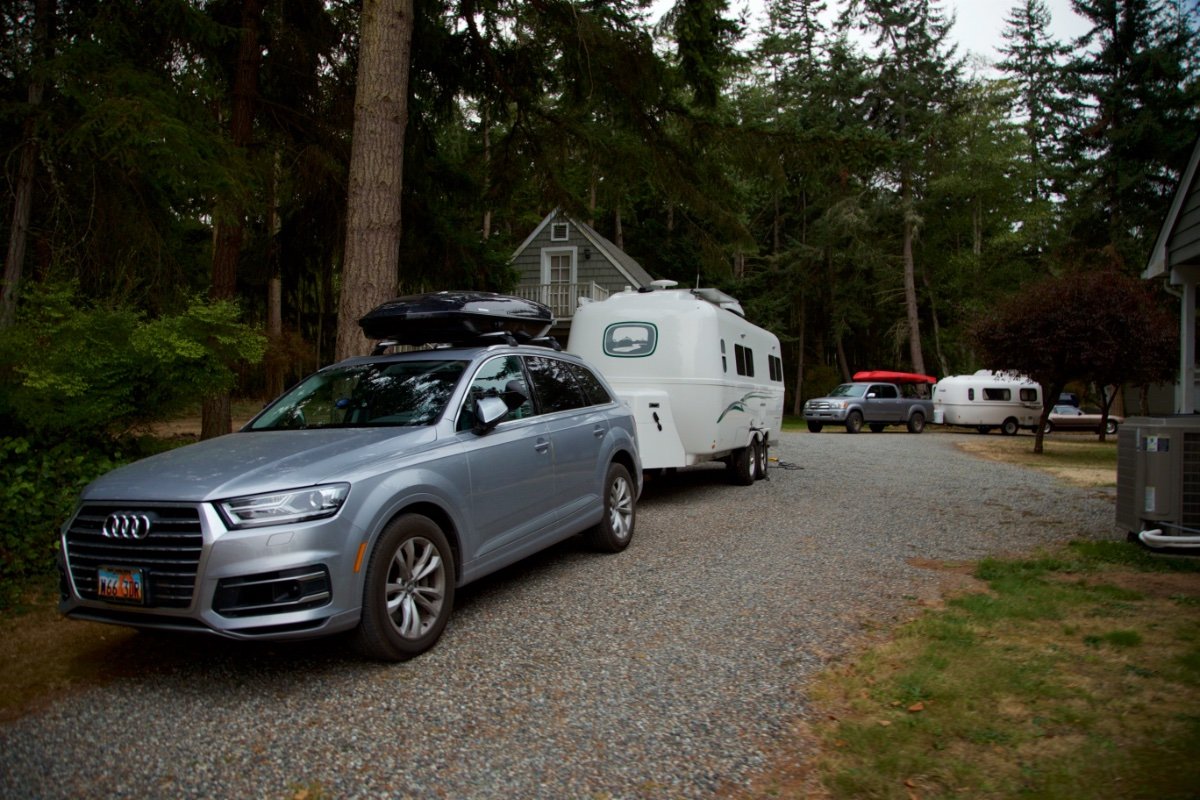
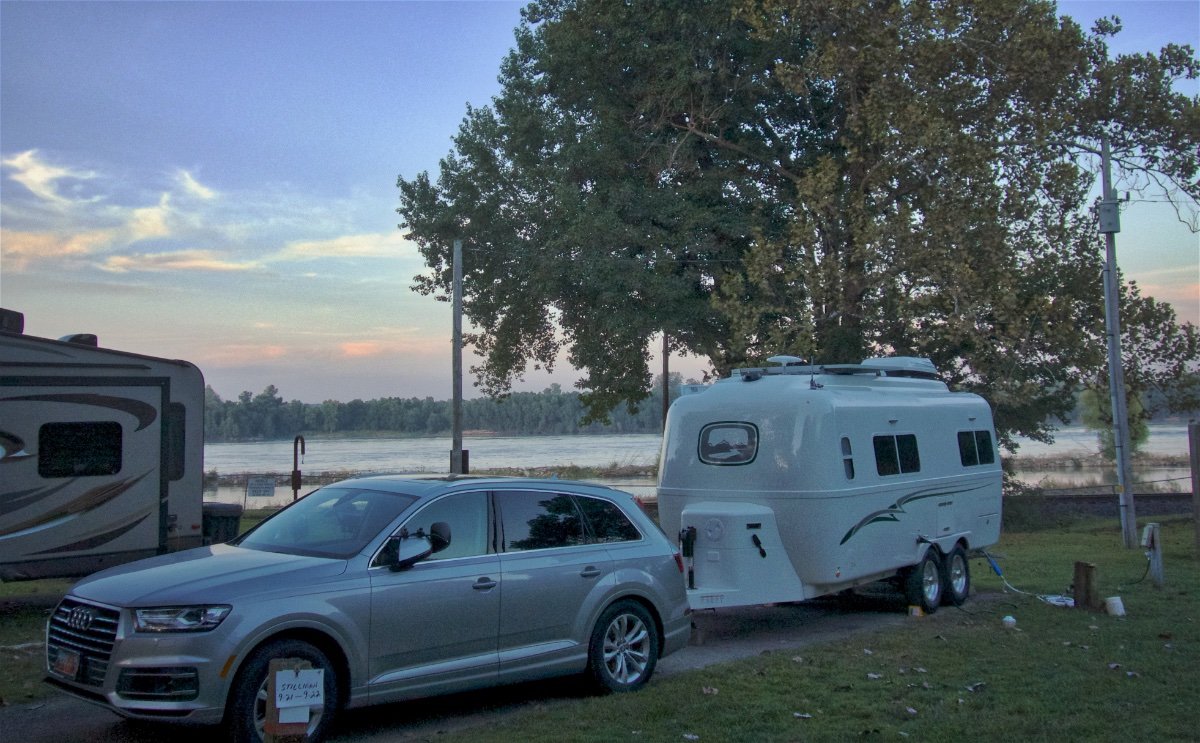
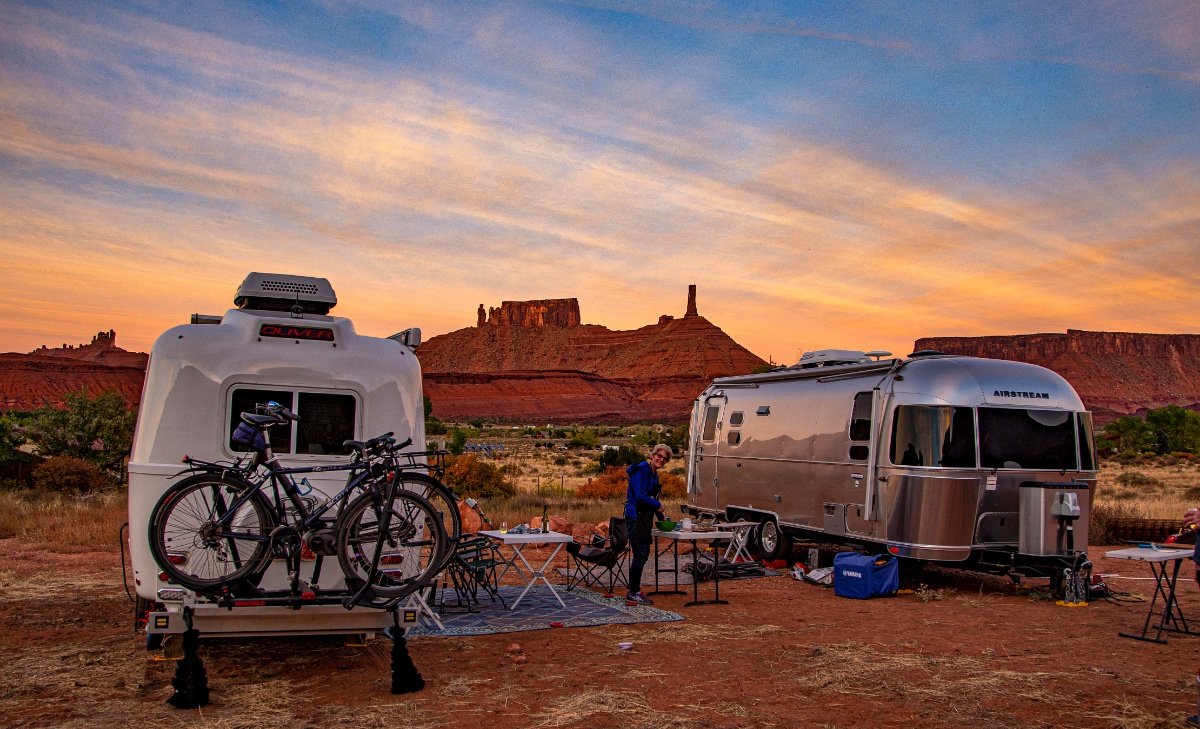
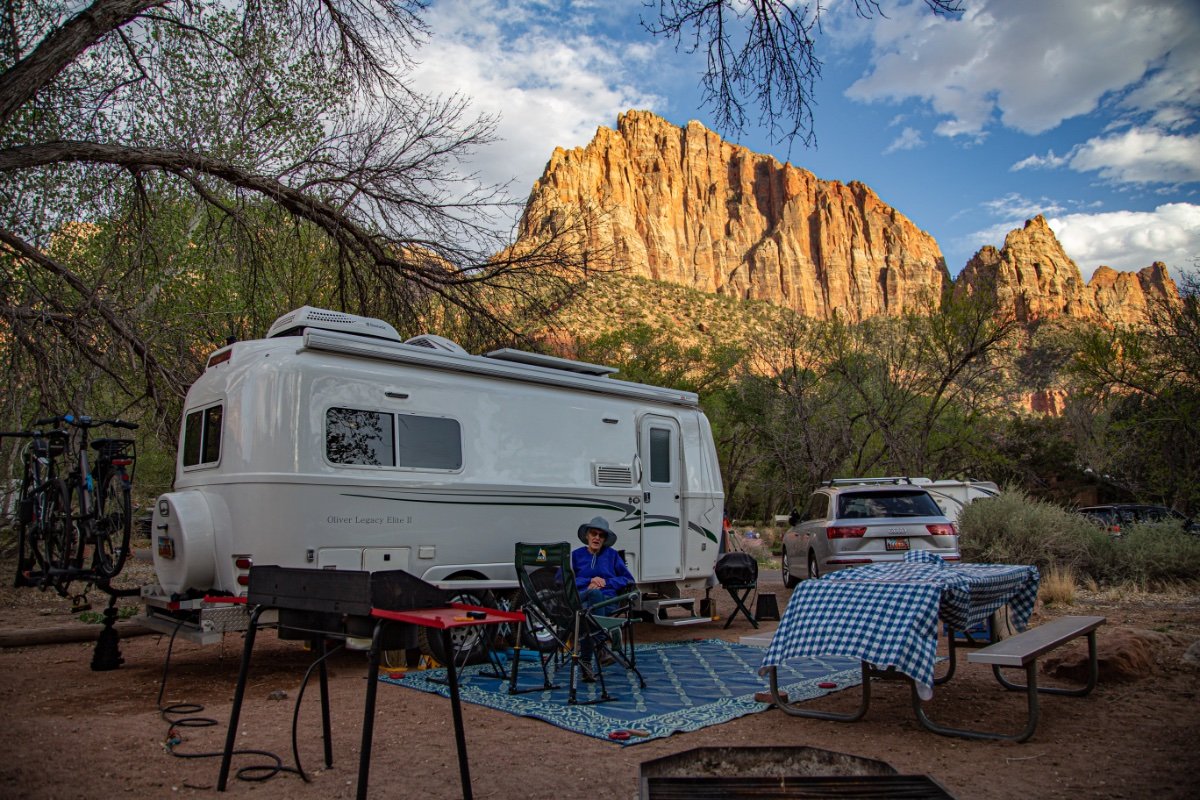
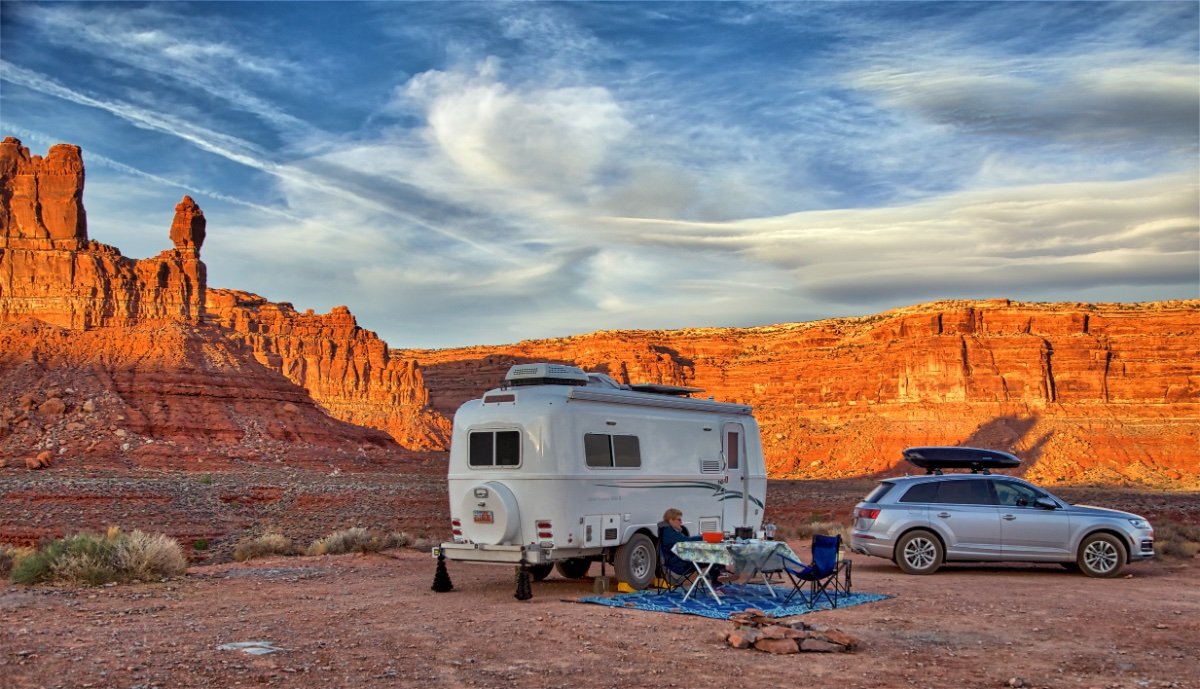
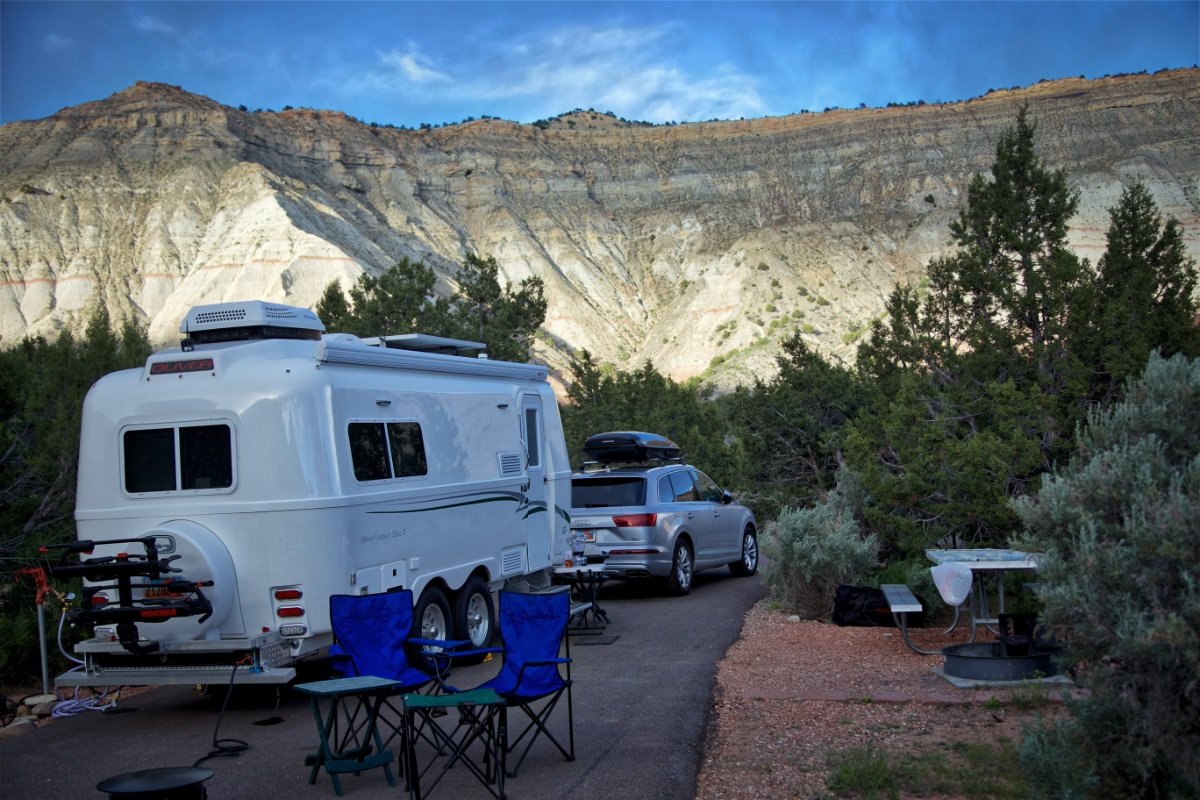
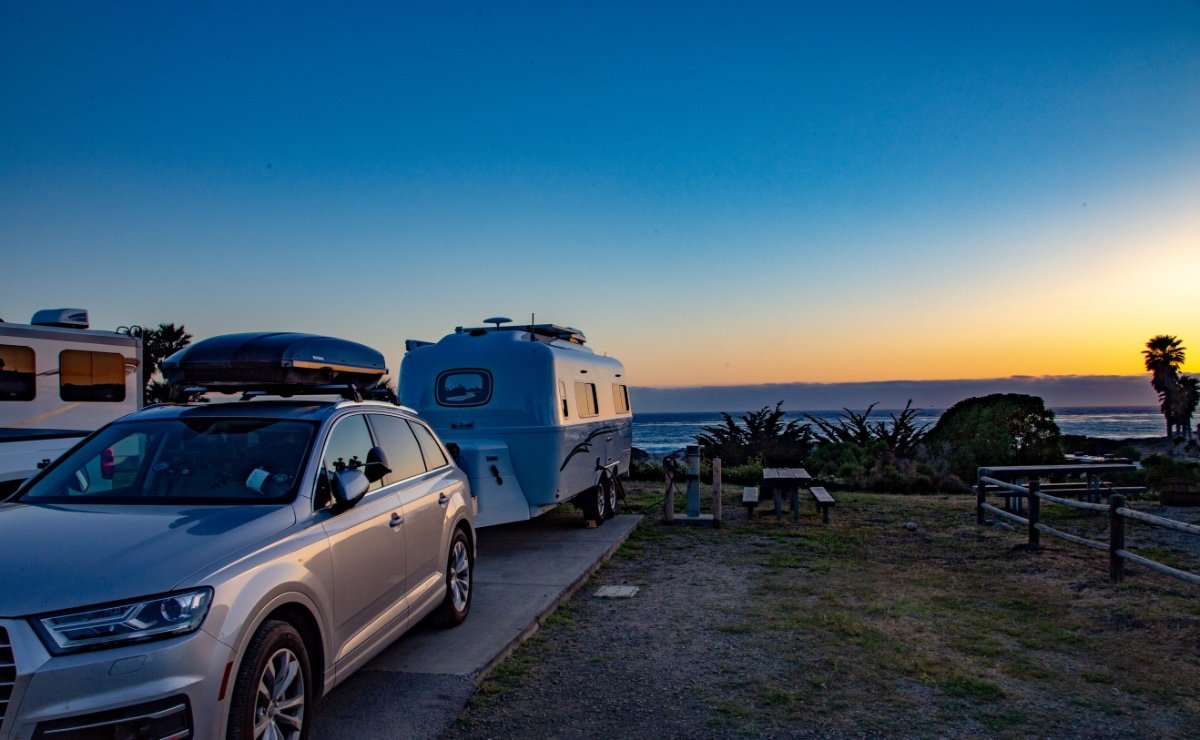
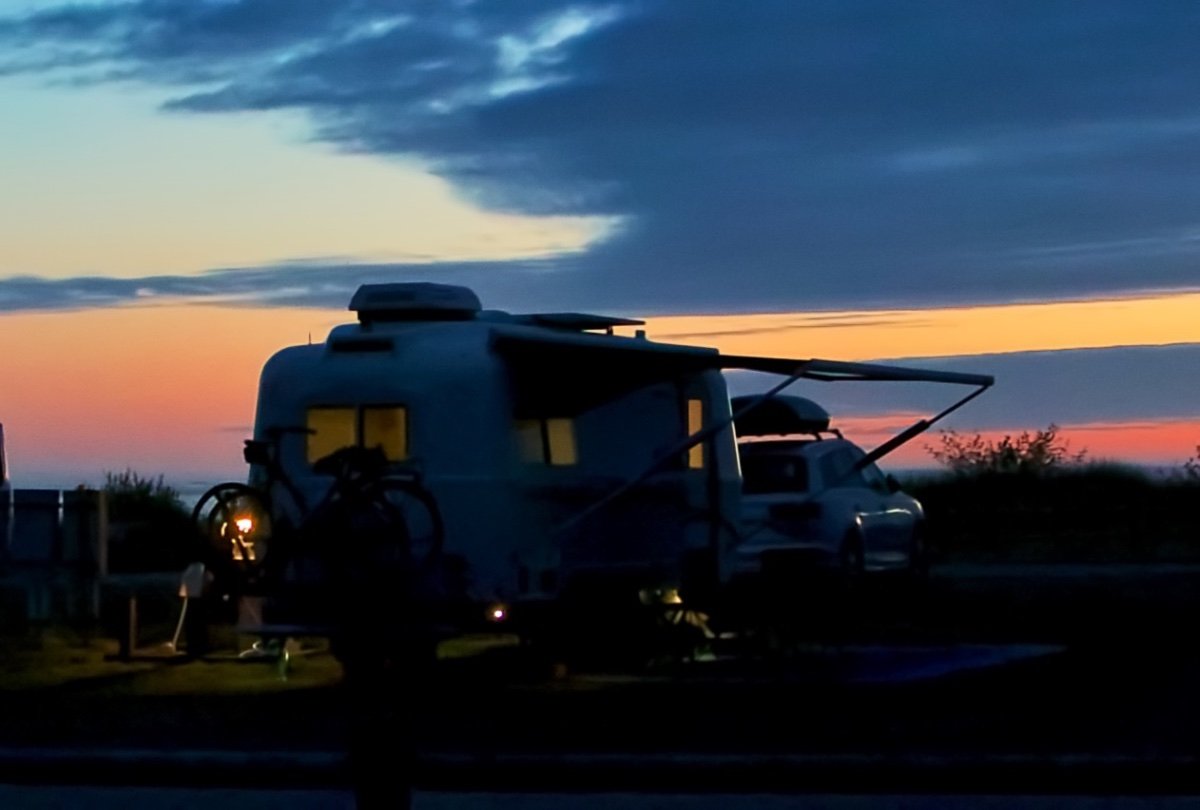
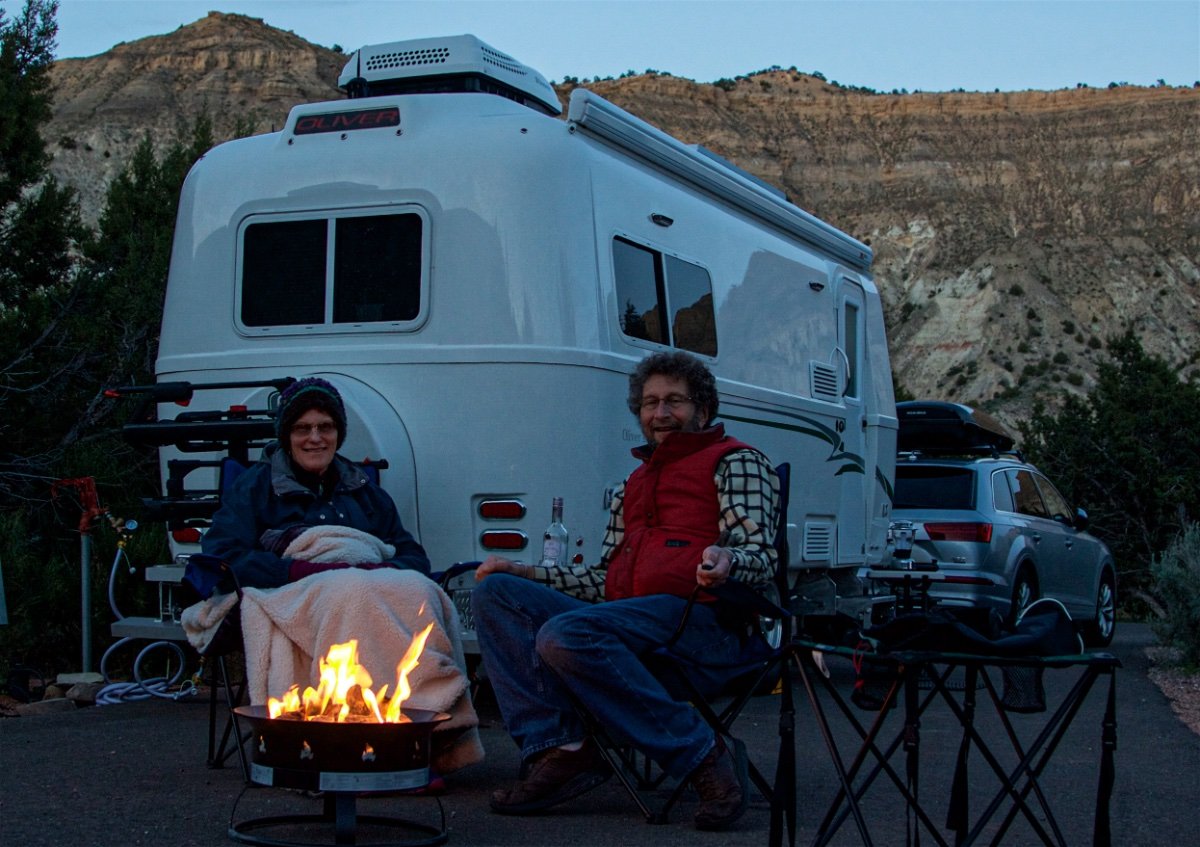
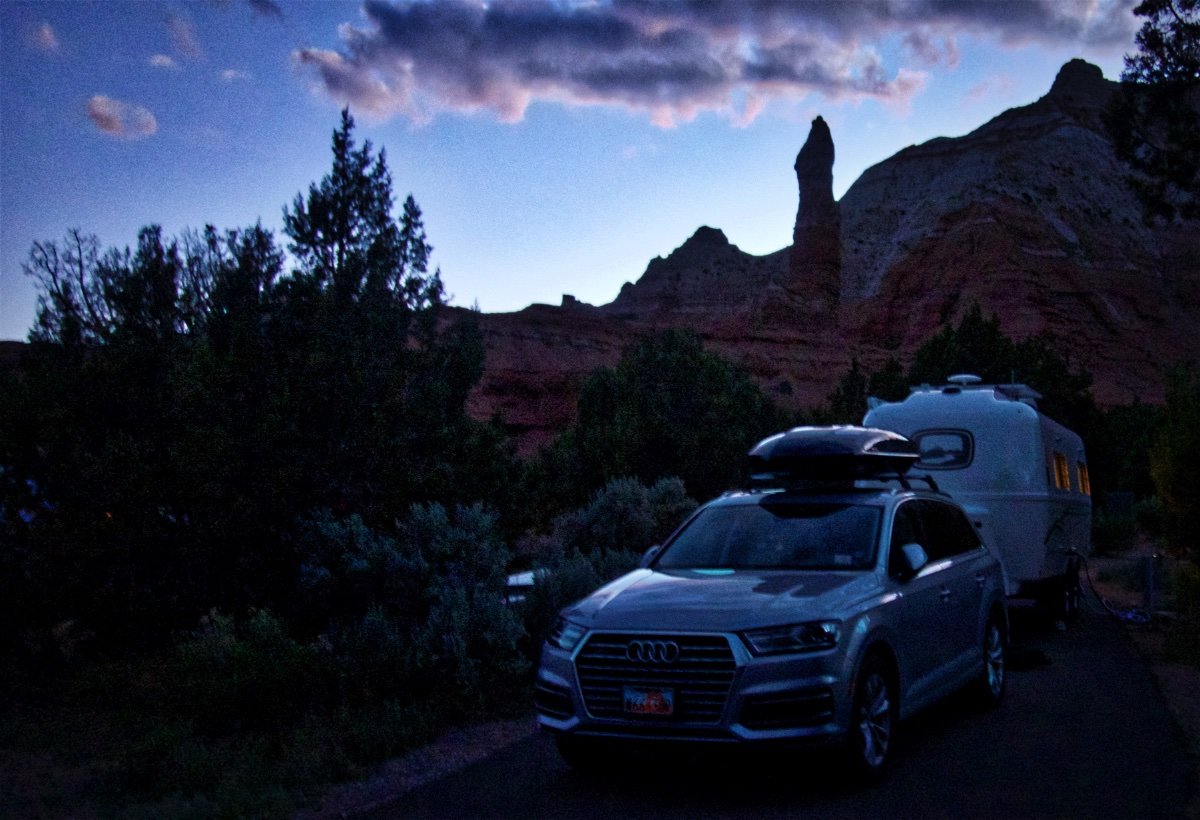
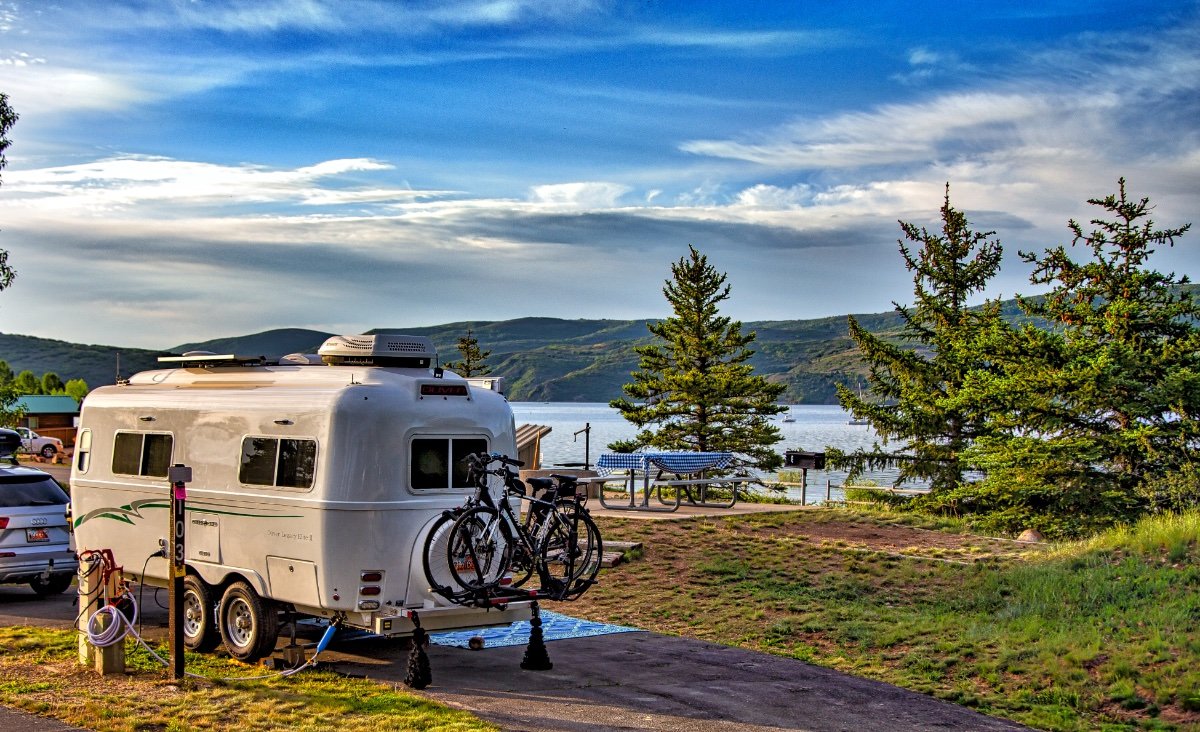
Selling our beloved Oliver recently was a bittersweet experience. We had six wonderful years of great camping experiences with our cherished Ollie. I enjoy photography, and I have taken a lot of pictures of our Ollie in beautiful locations. I went through my photos and selected the best to share here. I then asked myself how to present these photos. By chronological order, or maybe by geographical location? I looked through the EXIF data for the photos and looked at the time when the photos were taken. I noticed that nearly all of the photos were taken in the early morning, late afternoon, or early evening, the Golden Hour of photography. So I decided to present these photos based on the time of day. In the Best Possible Light. Morning photos 6:31 AM July 19, 2019 Deer Creek State Park, near Midway, UT 6:32 AM May 7, 2018 Oliver Rally Lake Guntersville State Park, Guntersville, AL 6:43 AM May 4, 2019 Jalama Beach County Park, near Lompoc, CA 6:53 AM April 5, 2018 Valley of the Gods BLM land, near Bluff, UT This is not a campground, but open BLM land and camping is free. No water, no toilets no picnic tables. Just gorgeous country, and lots of privacy. This is the most spectacular campsite we had in our travels. 6:54 AM June 3, 2020 Lake Jordanelle State Park, near Park City, UT 7:18 AM May 19, 2017 Kodachrome Basin State Park, near Cannonville, UT I distinctly remember taking this photo. It was very cold the night before, and hard to get out of my bed to take this picture. I had sized up the location the previous night and knew that this would look good in the morning light. 7:49 AM March 20, 2019 Goose Island BLM Campground, near Moab, UT We had a great campsite right on the Colorado River. BLM campgrounds are primitive, with a fire pit, a picnic table, and pit toilets. 8:21 AM Sept 17, 2017 Rain Forest Campground, Lake Quinault, WA Afternoon 3:04 PM April 5, 2018 Valley of the Gods BLM land, near Bluff, UT 3:21 AM April 6, 2018 Gouldings Campground, near Monument Valley, UT 5:34 PM August 30, 2019 Rush No More Campground, near Sturgis, SD This was part of the Inyan Fiberglass Rally. 5:44 PM August 25, 2019 Horsehead Campground Angostura Recreation Area, near Hot Springs, SD This was part of the Inyan Fiberglass Rally. Evening 6:09 PM April 15, 2017 Upper Big Bend BLM Campground, near Moab, UT This was a small campground, with a really small spot to put the trailer. I was still new to maneuvering the trailer, but I was able to back Ollie into place. A bigger trailer would not have worked. 6:29 PM April 4, 2018 Valley of the Gods BLM land, near Bluff, UT 6:31 PM April 28, 2018 Piney Campground, Land Between the Lakes National Recreation Area, near Dover, TN 6:37 PM September 7, 2017 Whitby Island, WA We were on our way to Olympic National Park with my sister and her husband and their Casita, when we “driveway camped” at a family friend’s place. 6:38 PM September 21, 2016 Rivers Trail of Tears State Park, near Cape Girardeau, MO We picked up our trailer on September 20, 2016, and spent that night near Hohenwald, TN. This was our first night on our own, at a campsite overlooking the Mississippi River. 6:42 PM October 15, 2020 Castle Valley, UT We were camped with our friends and their Airstream on their land near Castle Valley, UT. 7:04 PM April 9, 2022 Watchman Campground, Zion National Park, UT This is special to us, as this was our last trip with Ollie. 7:17 PM April 4, 2018 Valley of the Gods BLM land, near Bluff, UT My favorite Ollie picture. 7:34 PM May 18, 2017 Kodachrome Basin State Park, near Cannonville, UT 7:40 PM April 13, 2017 Upper Big Bend BLM Campground, near Moab, UT 7:42 PM May 3, 2019 Jalama Beach County Park, near Lompoc, CA 7:58 PM March 28, 2019 Goose Island BLM Campground, near Moab, UT Our propane firepit right on the Colorado River. 8:07 PM September 10, 2017 Hobuck Beach Park Campground, Neah Bay, WA 8:40 PM May 18, 2017 Kodachrome Basin State Park, near Cannonville, UT This was our first time using our propane firepit. 9:09 PM May 20, 2017 Kodachrome Basin State Park, near Cannonville, UT I hope you enjoy these photos, and that you enjoy camping in your Oliver. -- David
 5 points
 -
It has been raining around here for days and weeks. Yankee Jim Canyon is now completely flooded or nearly so some parts of the road are gone. The road up to Mammoth is washed away in large parts, Tom Miner bridge completely gone and washed away. Rock Creek is flooding Red Lodge as we speak. The Gallatin River is close to breaching its banks in parts, its very full and running fast. Its my understanding Gardiner is completely cut off from the outside world at this point unless you have a helicopter. Paradise Valley from the north is partly flooded and I suspect it will only be time before Livingston will be partly under water too. It might get worse because it supposed to hit 87º on Thursday which means a huge amount of water will be coming out of these mountains at those temps. SW Montana today has been in the 40's to 50's but when a flip flop in weather like this occurs, its Katy bar the door with possible flood conditions. Snow Pack in the mountains this year has been either way above normal or above normal depending on the mountains range. I would not advise anyone to travel to this area for the next few days maybe weeks. Those roads in and around the park will take a very long time to repair given their damage and getting worse by the hour.5 points
-
Photo gallery of all the hard work that CGI Detailing puts into the application of a ceramic coating to an Oliver Elite II. Two days of 104F+ degree Texas weather during their June roadtrip. I was tired just watching them... Lots more photos, but these tell a pretty good story... https://www.ralphmawyerphotography.com/Industry/CGI-Detailing/CGI-Detailing-June-2022-San-Antonio-TX/4 points
-
If you had not had the Anderson hitch, you may have experienced less than perfect control in that high speed maneuver. The weight distribution functionality of the Anderson is important for towing stability at all times with many tow vehicles, but the anti-sway functionality built into the Anderson is really only important in emergency maneuvers because of the ability to instantly dampen any sway induced by sharp turns at high speed. This extra safety is even more important with short wheelbase tow vehicles like mine. The anti-sway feature of the Anderson works well as you experienced. I think the reason Anderson recommends never greasing the ball is to prevent any possibility of grease working its way into the anti-sway friction cylinder which would compromise performance. Sort of like greasing the surfaces of your brake shoes on drum brakes. If/when I get a tow vehicle that doesn't require the weight distributing feature of the Anderson, I will probably remove the whale tail and chains on mine but may continue to use the Anderson ball because of the extra margin of safety provided by the anti-sway functionality.3 points
-
Just what I wanted to hear, John! Thanks! I have a Renogy 20A Voyager, which as your know, is a PWM charge controller. I bought it because it was a cheap way to dip my feet in the 'solar waters', and I knew it would fit in the waterproof box I bought (same as Galway Girls), and it wasn't too expensive....but I know it would be better to have a MPPT one. So I totally agree with your advice....I will keep the Renogy for emergencies, but buy a nice MPPT one to put under the bed (that has bluetooth so I can monitor it with my phone).3 points
-
Had a call from Brian in California, an employee of Vinnie. He assures me the paperwork will be in the mail in the next couple of days. He says it was a miscommunication.3 points
-
I agree. I can’t believe someone would sell with major unresolved electrical issues.2 points
-
You are so right. I stand corrected. Thanks for your response.2 points
-
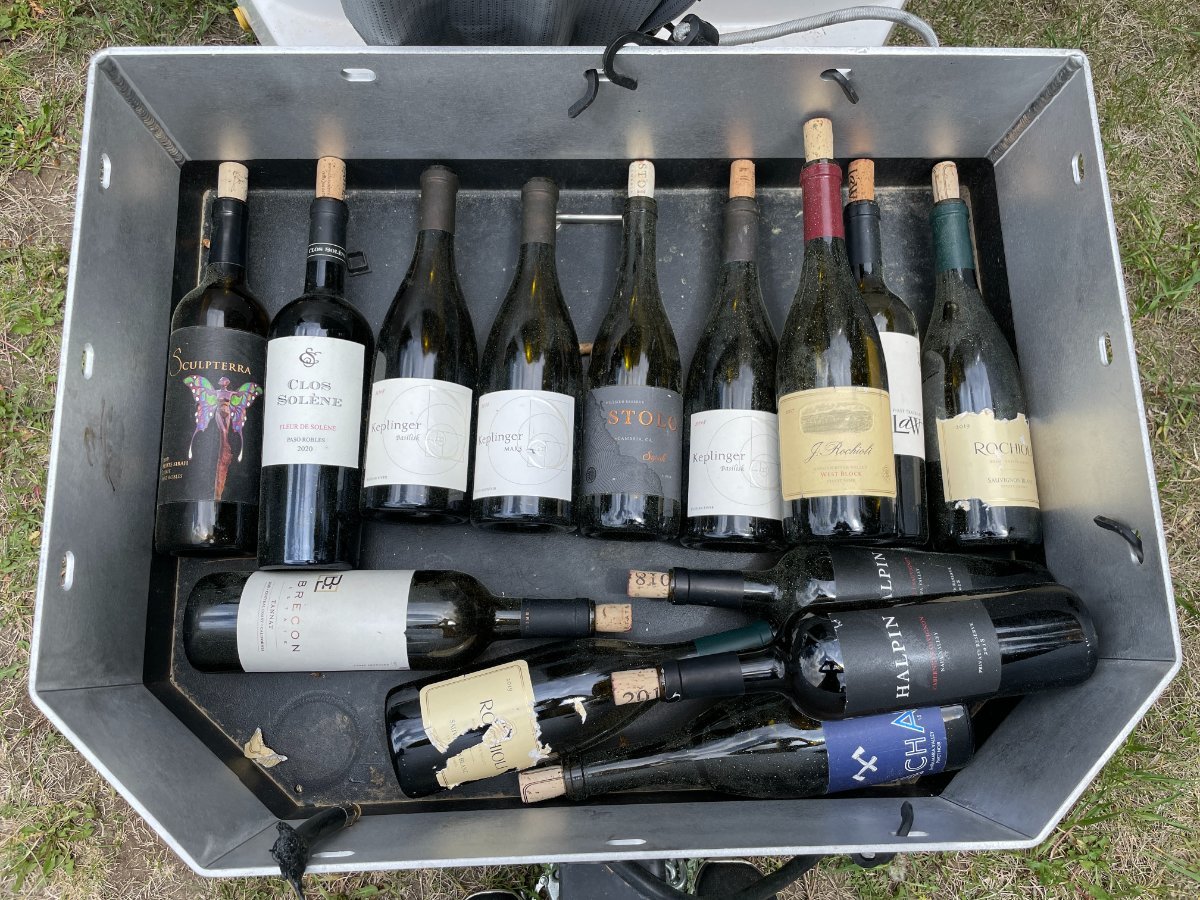
Great post and pictures. Your post kind of changed my mind on lithionics, I also see a new way to use the front storage basket. Never thought of that as a wine cellar. Thanks2 points
-
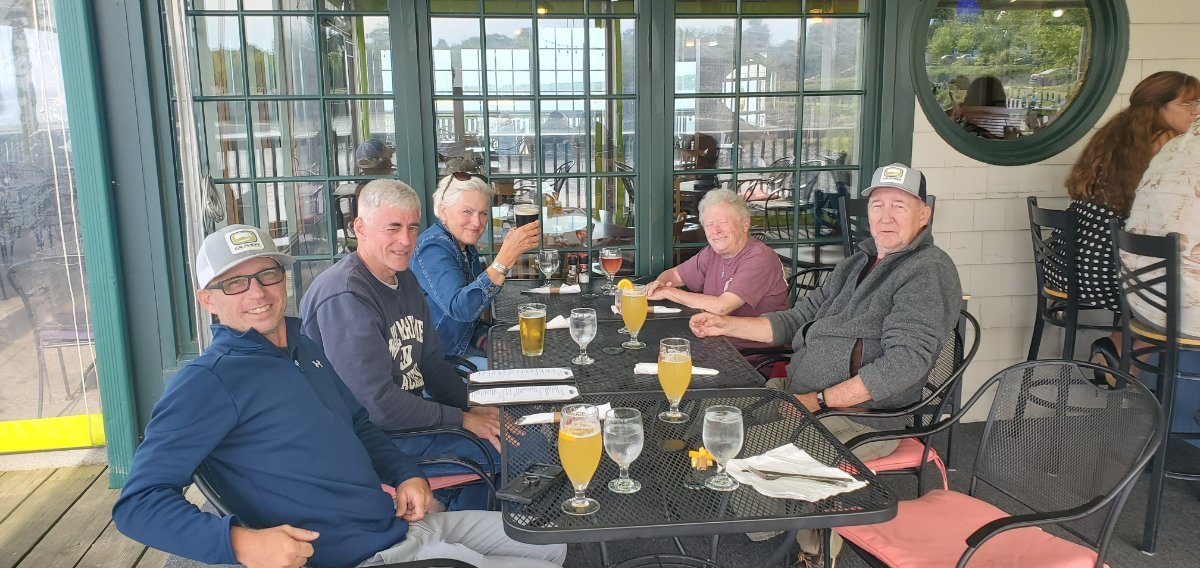
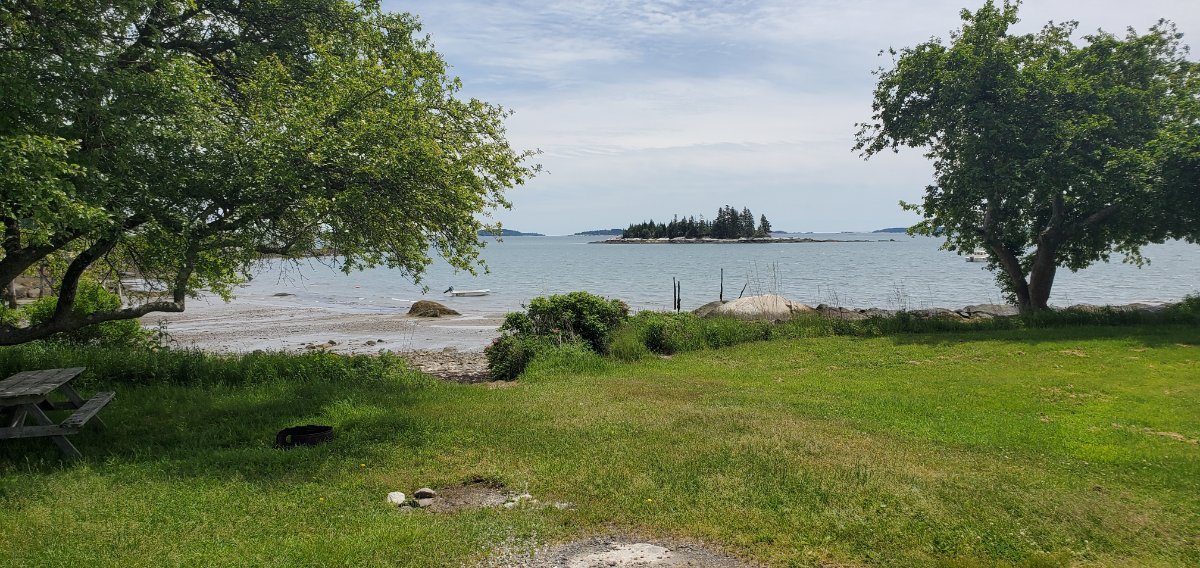
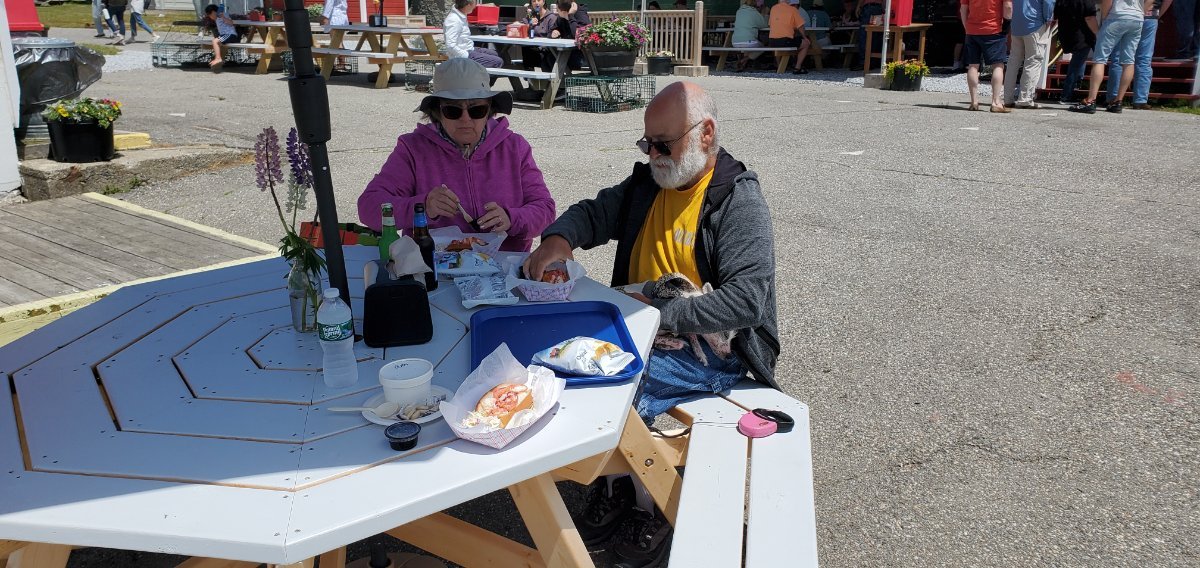
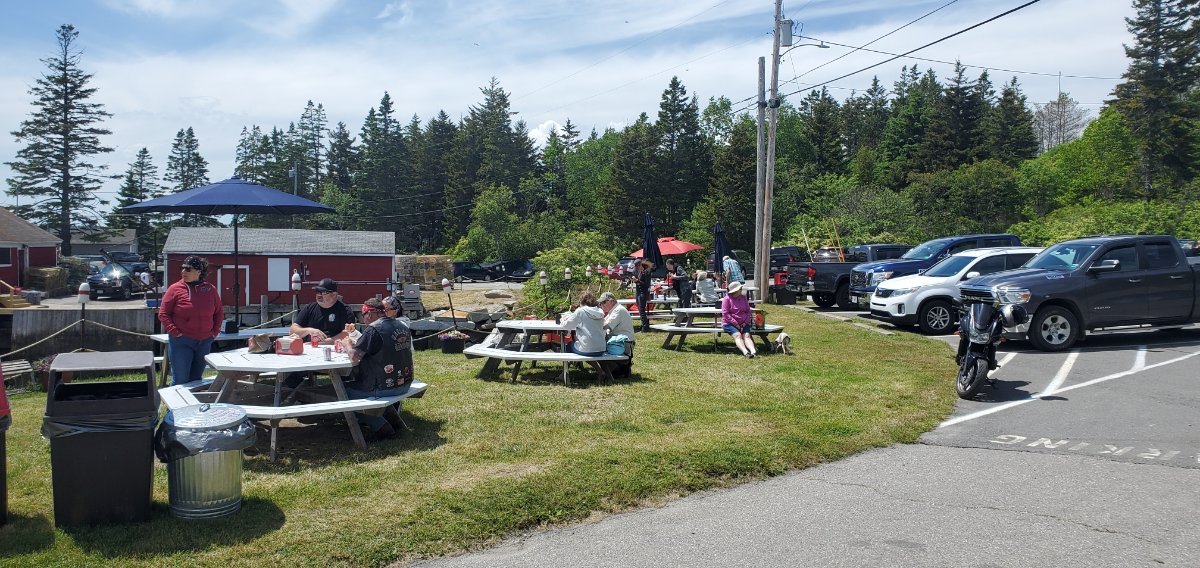
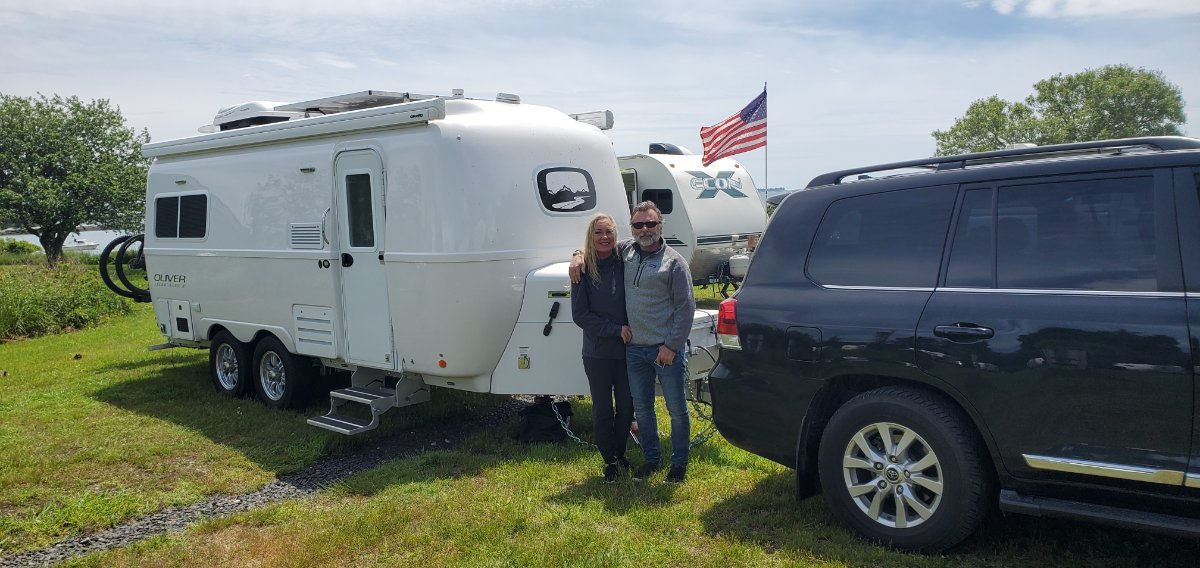
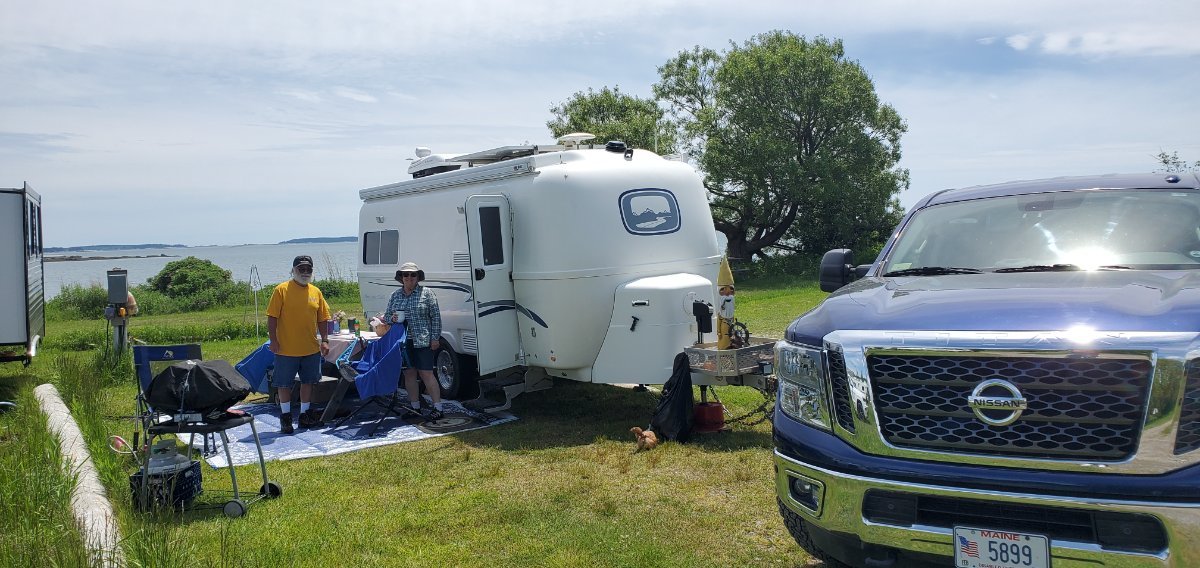
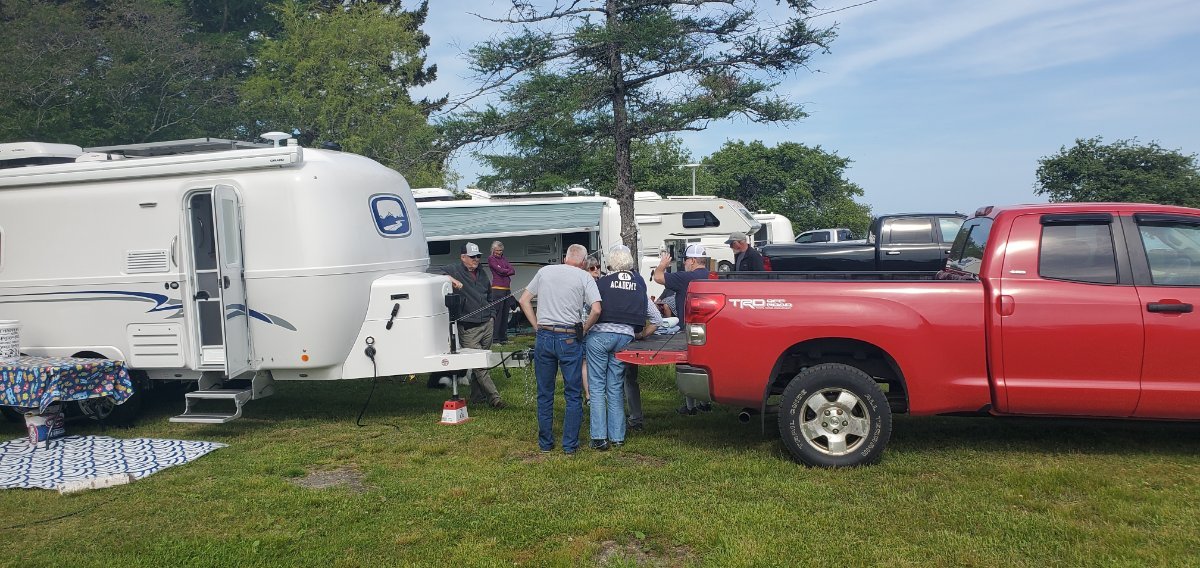
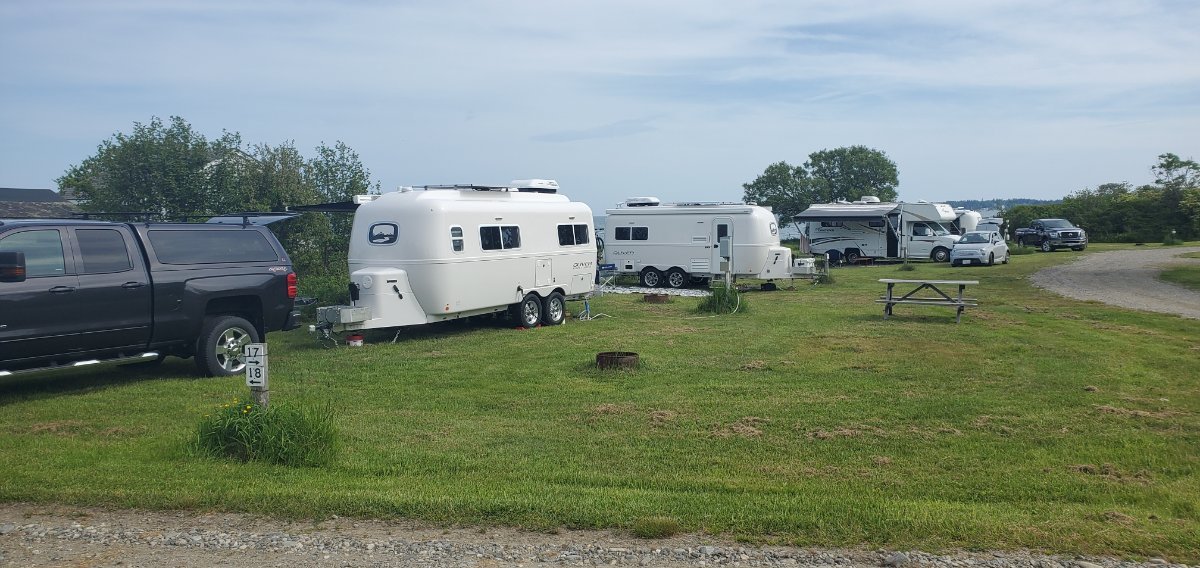
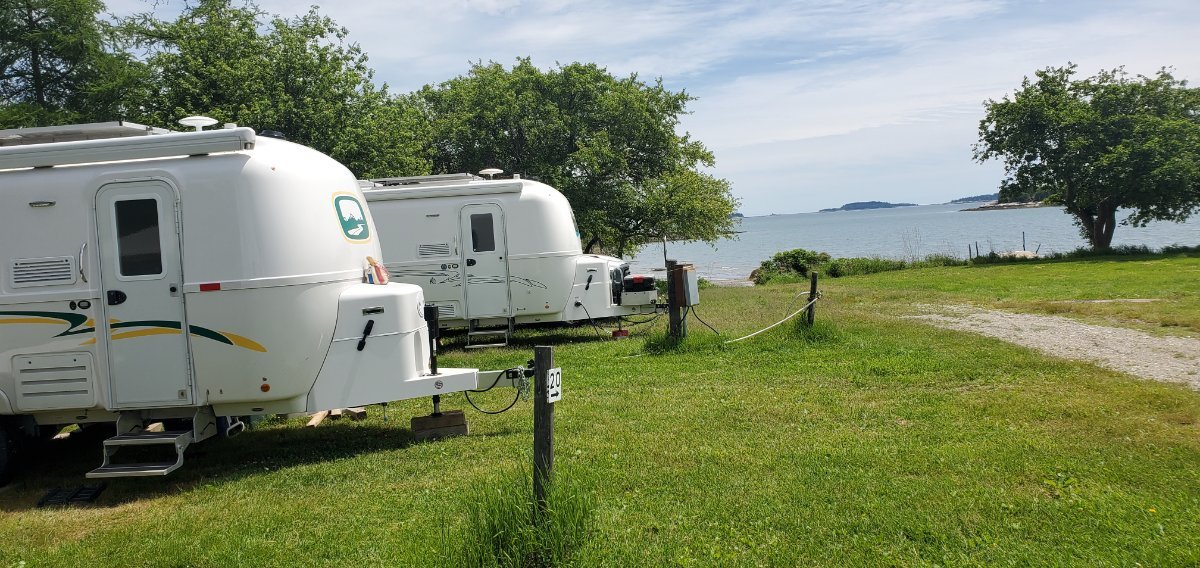
The second annual Tri-State Oliver Owner’s Meet and Greet (formerly the Maine Oliver Owner’s Meet and Greet) was held from June 5 to June 12, 2022 at a campground bordering the Maine coast with owner’s from Maine, New Hampshire and Vermont in attendance. Matt Duncan, Oliver Travel Trailer Company Marketing Manager, was in attendance and brought his father as his tour guide as his father had been to Maine before and had friends living in Maine. The weather was generally nice with temperatures in the 70’s during the days and the high 50’s and low 60’s at night. Below are some pictures of the event. Meeting with Matt Dinner at Archer's on the Pier in Rockland, Maine Ocean View from the Campground Lobster Rolls at McLoom's Lobster Pound Ocean View at McLoom's Lobster Pound Picnic Area at McLoom's Lobster Pound Proud Owner's of a New Elite II - still had the temporary paper license plate on the trailer Notice the Gnome in the front trailer basket
1 point
-
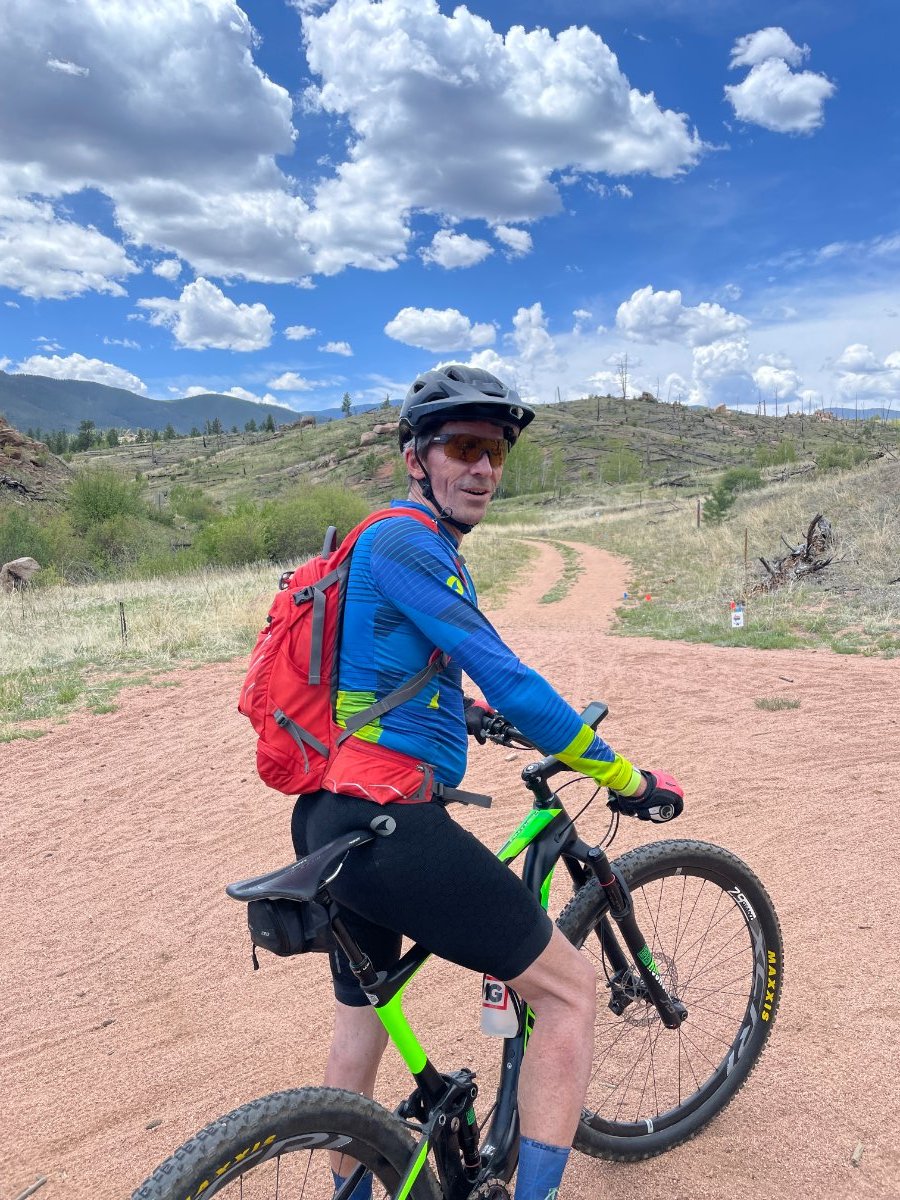
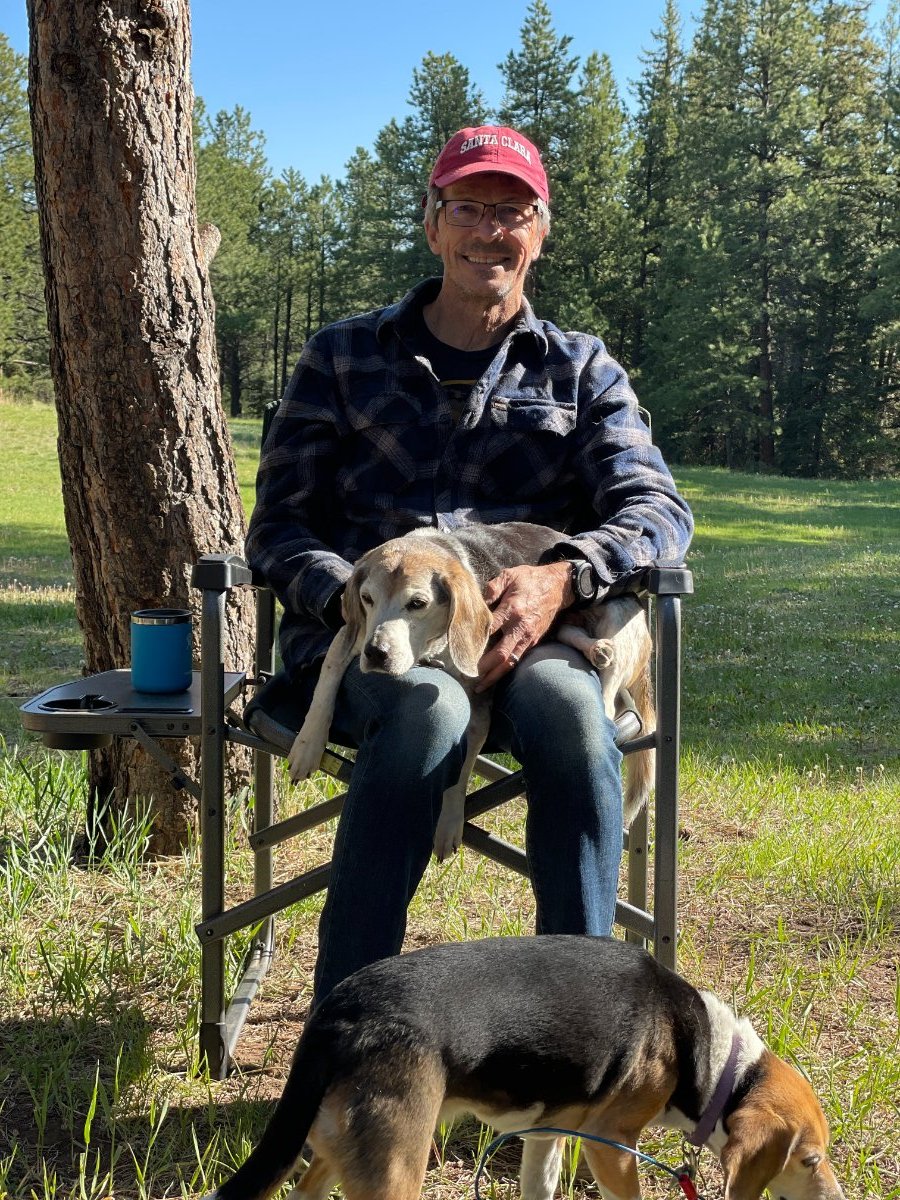
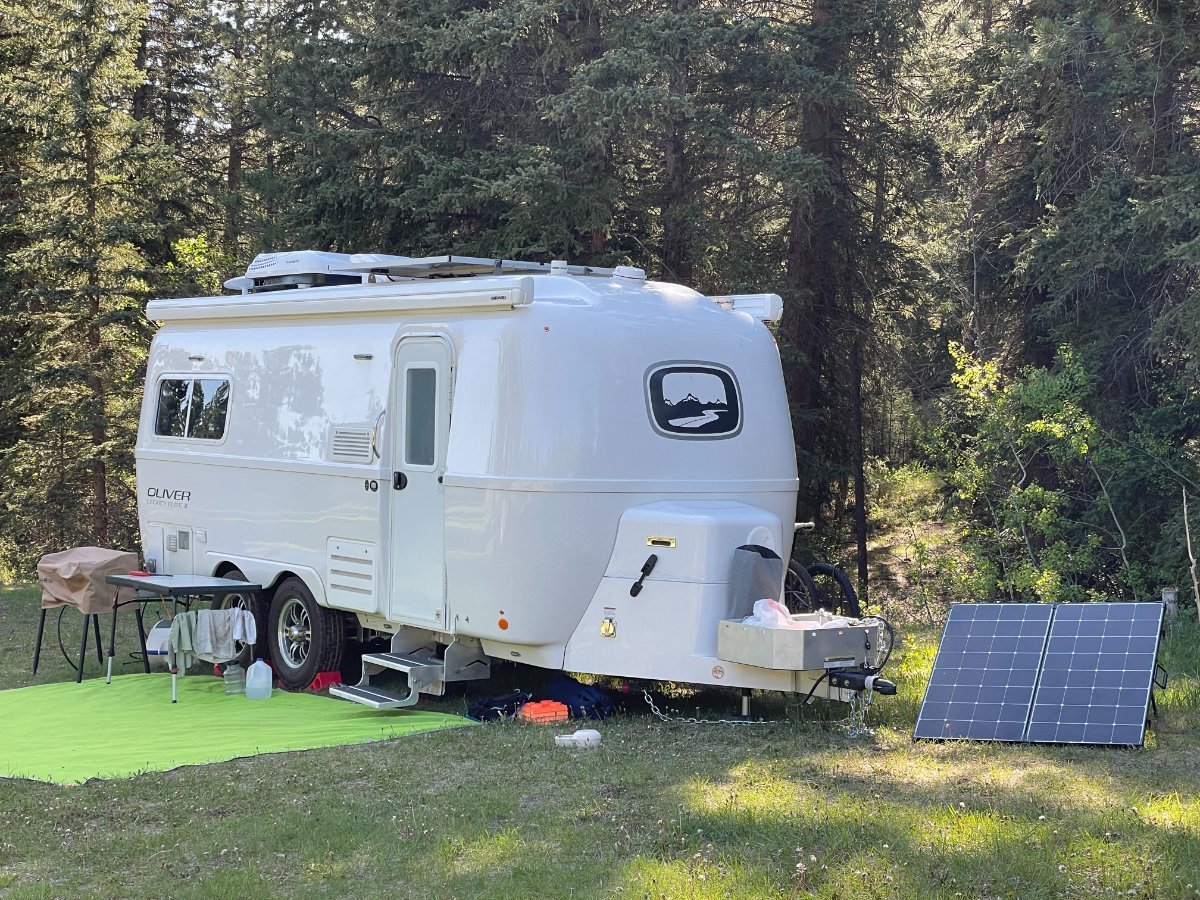
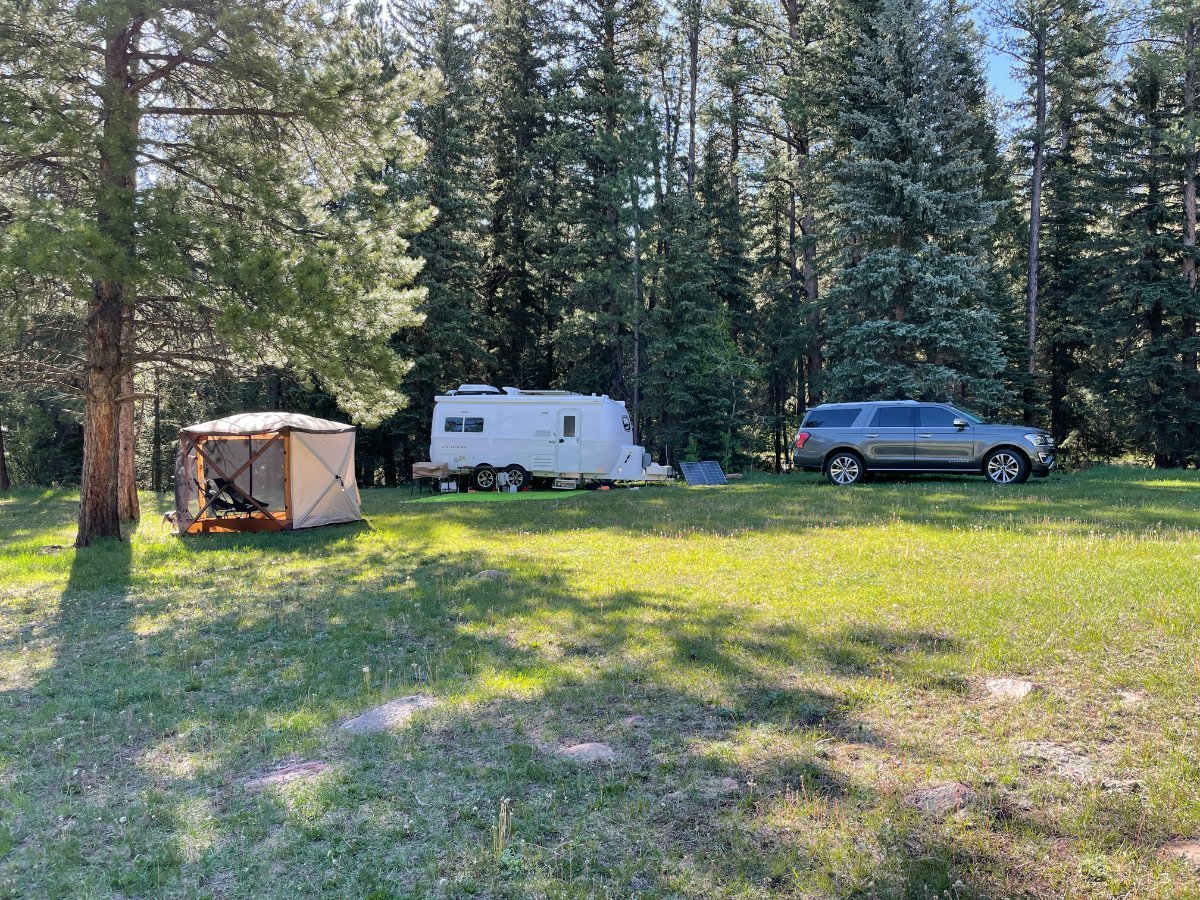
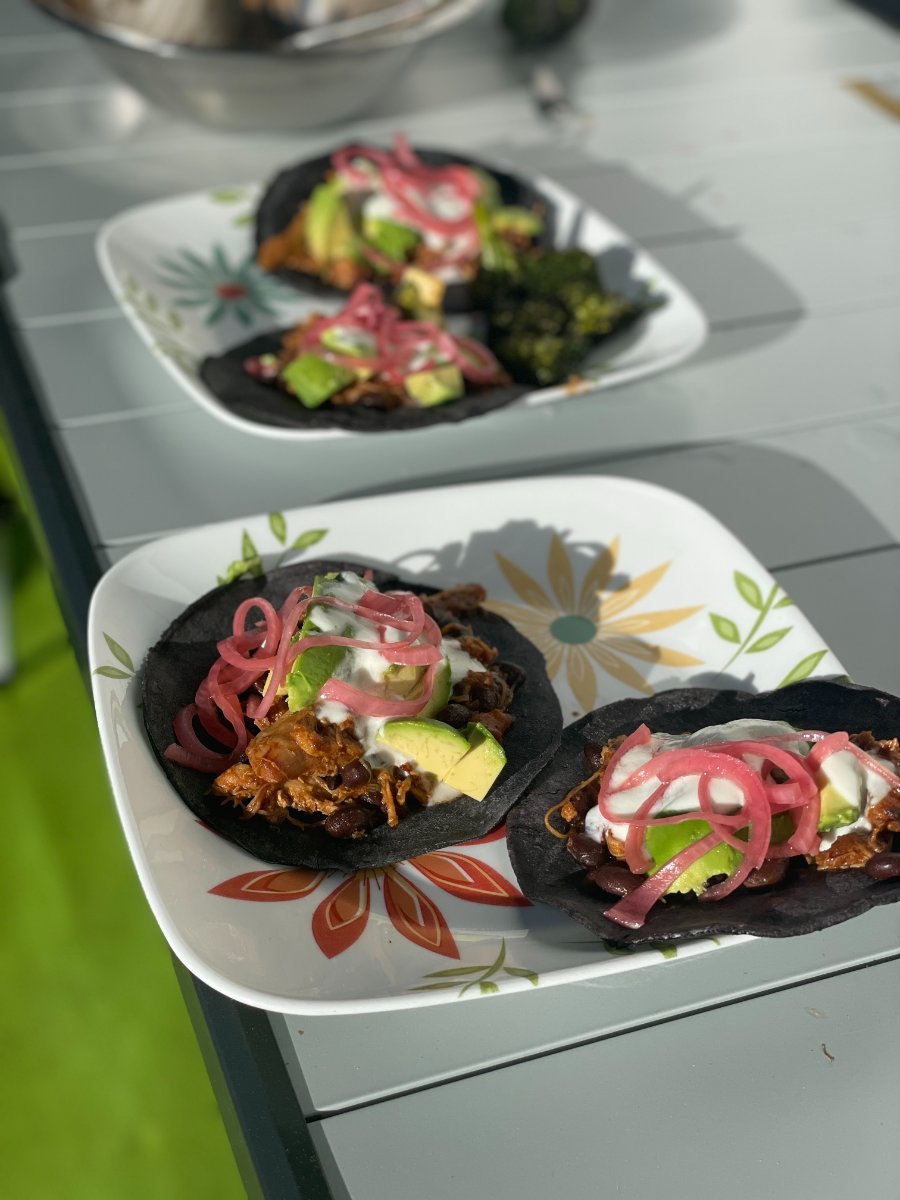
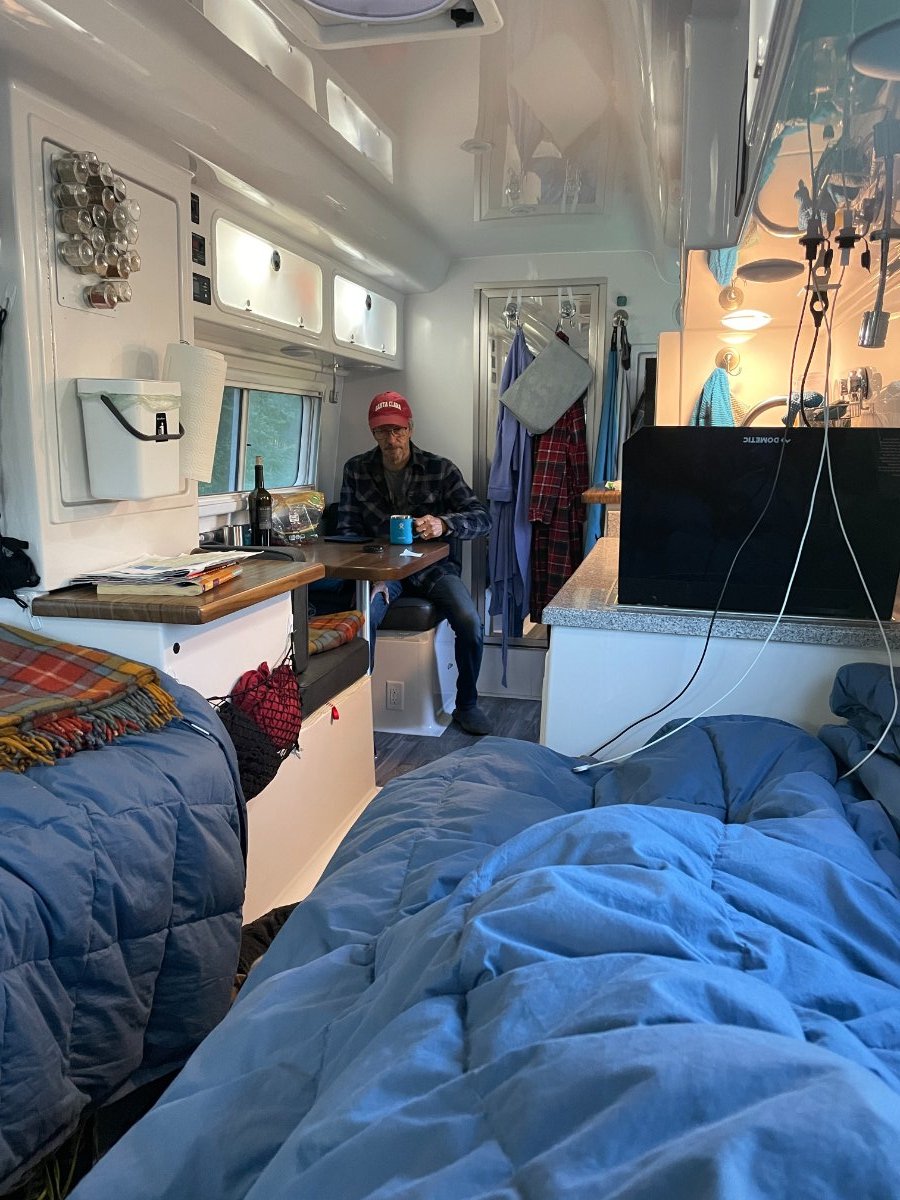
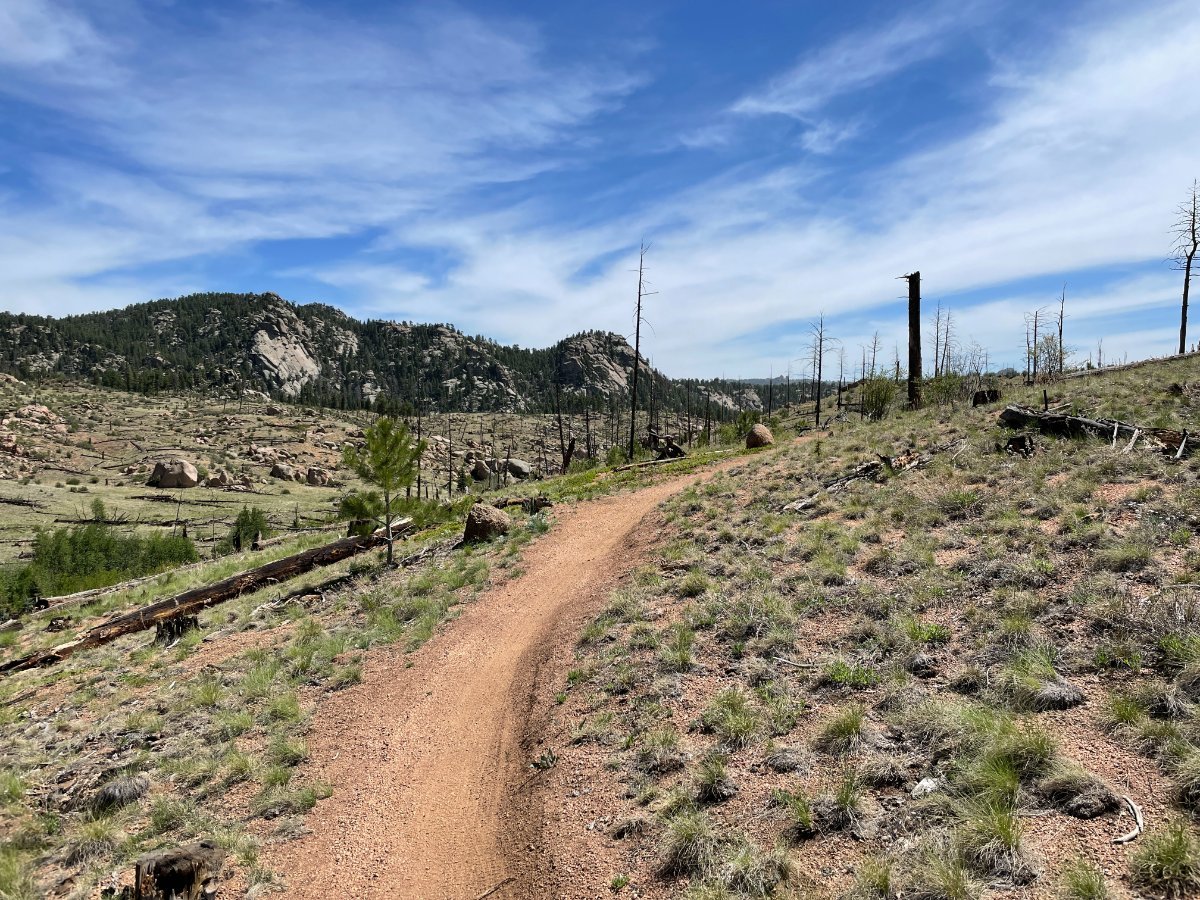
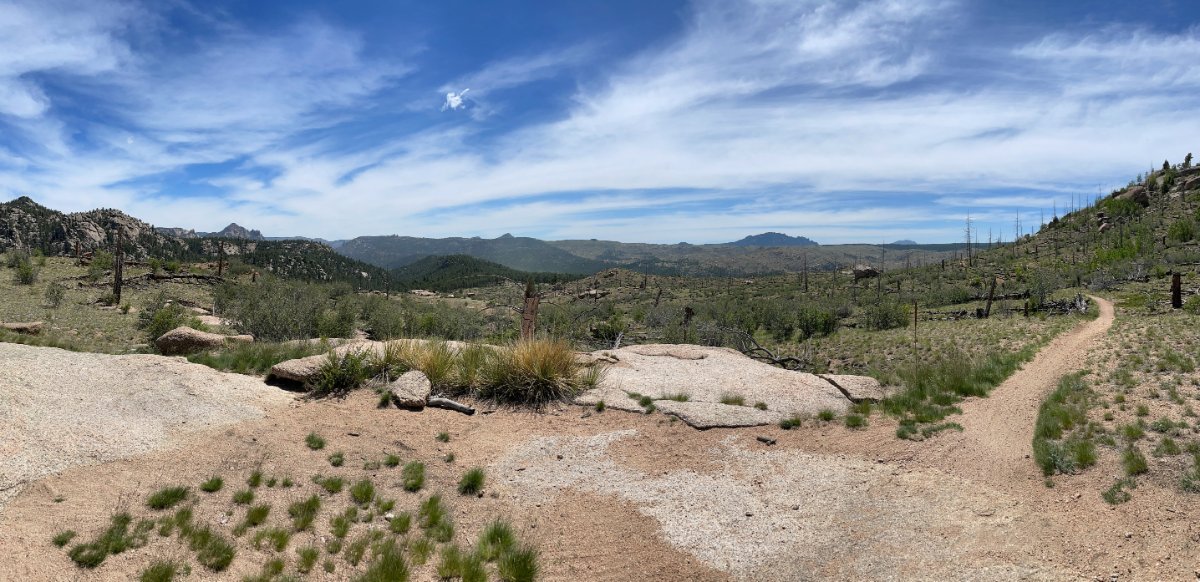
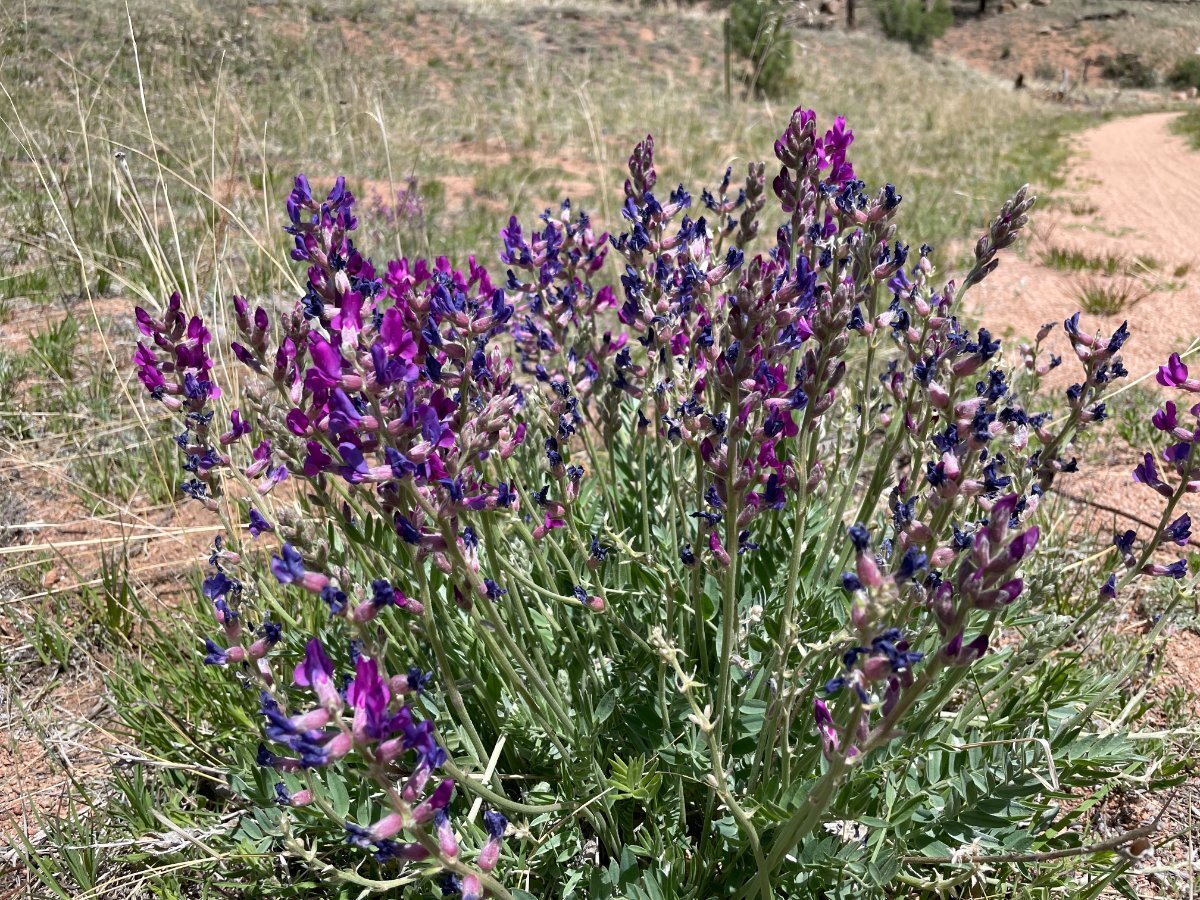
@MarkV and I just returned home from one of our first trips in Olivia (hull #953), this one 10 nights of boondocking/dry camping in the Pike National Forest at around 7500 feet. TLDR: we had an absolutely spectacular time camping and mountain biking with a pile of our friends. Olivia's systems performed nearly flawlessly, and we could have stayed off-grid for at least 10 more days. Some notables from this trip: 1. SOLAR/BATTERY: We have the platinum package - 630 Ah lithionics, 340 W solar, 3000W inverter- coupled with an external 200W Renogy Solar Suitcase. This system performed flawlessly, although we did have an issue with the portable suitcase -- its output is 20A, but the inline fuse at the Ollie's solar port is 10A. Based on the wire guage sizes along the entire portable system (10) we made the decision that a 20A fuse would be just fine, since the wires are rated up to 30A and the total input into the batteries would never exceed the maximum recommended by Lithionics. Even in the brightest direct sun, the Renogy never put out more than 17-18A. Success, but I do intend to call Oliver and discuss with service. We did not skimp on our electrical useage -- baked cookies and a couple of meals in the convection microwave, toast in the toaster every morning, made at least 3 meals in the InstantPot, frothed hot milk every morning, held 2 "boondock refill sessions" where we ran the water pump for what seemed like forever, 24/7 fan use, and kept the fridge on DC during travel. We even ran the air conditioner for 2-3 hours on 3 of the the hottest days. Even though our first few days were partly-to-mostly cloudy and our camping spot didn't get direct sun until noon, our batteries never dropped below 75%, and the solar managed to bring them back to 100% FULL twice on sunny days. Based on this first data point, I'd estimate that we could camp indefinitely with occasional full-sun days, and at least two weeks in cloudy conditions. 2. WATER: We are very water-wise while camping, but 10 days is a long time. We started with 30 gallons of fresh (forgot to turn the HW bypass before we left, so didn't have that extra 5) and 15 gallons of drinking water in jerry cans. Our son and friend brought us 10 gallons of fresh mid-trip. We also used our Lifesaver Pressurized Jerrycan to purify another 5-8 gallons of creek water and used 6 gallons of creek water to do 2 loads of laundry in our Scrubba bag. Our miserly ways included doing dishes just once a day at night in a basin in the kitchen sink, then using that water to put out our campfire rather than putting it in the gray tank; showering just twice during the week, and sponge bathing the other days. While we did have to use the boondock port twice to add about 15-20 gallons of water, we ended the trip with around 4-5 gallons in the fresh tank and the grey tank at about 60% full. We could have gone another 5-7 days easily, but we might have run out of food first! 🙂 The only thing I want to change for our next big boondock trip is the addition of a "touch" faucet at the kitchen sink. The stock faucet is nice, but very tricky to get the very low flow I prefer for rinsing dishes. The touch would allow you to set the flow once and forget it. We love the one we have at home, and my BIL is visiting for a month and loves projects, so.... If anyone has attempted a touch faucet in their Oliver and has advice/warnings, we'd love to hear them! 3. ALTITUDE: While we expected to have issues with our refrigerator on propane at 7500 feet (it's "rated" to 4500, with a recommendation to run on DC above that altitude), the fridge performed remarkably well on 100% propane. It did seem to need a bit of babying with regards to temp setting, though, having to turn it down at night and up during the heat of the day. (Anyone know why Norcold doesn't just install a thermostat instead of a 1-9 setting? Hate that "feature"!) While we might have been able to get away with running on DC full time if the sun was full every day, 10 days is probably just a bit too long to run it 24/7. Where we DID have issues with altitude was with the Suburban water heater. Apparently, this must be "derated" 4% for every 1000 feet above 4500. We'll be taking advantage of Google and Oliver this week to figure out what needs to be done, but the water heater was not happy at 7500 feet. It would sputter, stop, sputter, run, sputter, stop, run. And eventually we would get hot water. Clearly, we need to figure this out since 99% of our camping is above 4500 feet. 4. ENVIRONMENT: I remember long ago, before ordering an Oliver, that someone on the forums pointed out that the Oliver is very well-insulated and it likely wouldn't be necessary to run the A/C while we left the dogs inside to go riding. It's true! When we left for our rides in the morning, temps in the Oliver were around 65 degrees. We closed all windows tight, and when we returned 2-3 hours later, inside temps were at most 73 even when the outside temp was in the 80s. It helped that we parked in a spot where Olivia didn't get sun until around noon. Given how well the battery/solar package worked for us, if we're camped in a sunnier spot, I won't hesitate to close everything up and set the A/C to come on at 75 degrees, just in case. 5. COMPOSTING TOILET: In short, love it. We wouldn't have been able to dry camp 10 days with a conventional toilet. Given the altitude we were camping at, as well as the level of activity (2-4 hours of mountain biking every day), we consumed a LOT of water so we, well Mark, emptied the pee bucket every day and a half, but the solids container still has plenty of room. Solids did get a bit cloggy, probably due to too much moisture (I over-did it) and too much TP. Next time, I'll adjust the coir/water ratio and we'll put ALL TP into a waste bin. 6. CONNECTIVITY: I am pleased to report that our CradlePoint system with both AT&T and Verizon sim cards failed to produce any signal at all at our campsite. 🙂 Seriously. That made me very happy. Had we known that Starlink was going to go mobile this summer, we might have gone that route instead of CradlePoint, but....then we would have had internet in a place that we have always said is better enjoyed "unplugged". 7. FOOD: We don't believe in "roughing it" when we camp, and why should you when you own an Oliver? We ate like kings while out for 10 days. Our setup includes the InstantPot as well as a two-burner camp chef stove with the optional griddle and grill. While we did run out of fresh veggies after 7 days, we still did all right. A sampling of our favorites: Organic Chicken Flautas (Costco) with avocado and poached eggs (made in the microwave) Garlic Parmesan White Beans (themediterraneandish.com) Steak and Grain Bowl - NY strip, pearled barley, grilled onions and mushrooms, roasted brocolli, avocado InstantPot Oatmeal - steel cut oats, dried apples, mashed bananan, spices, maple syrup, toasted nuts InstantPot Honey Chipotle Tacos (cooking.NYTimes.com) Turkey melts: flour tortillas, cheddar cheese, apple, bacon, greens Seared Salmon with brown rice and sauteed spinach Beef Short Ribs with wine and tomatoes (pre-made at home, leftovers frozen for camping) And wine....plenty of wine. IMG_2135.MOV
1 point
-
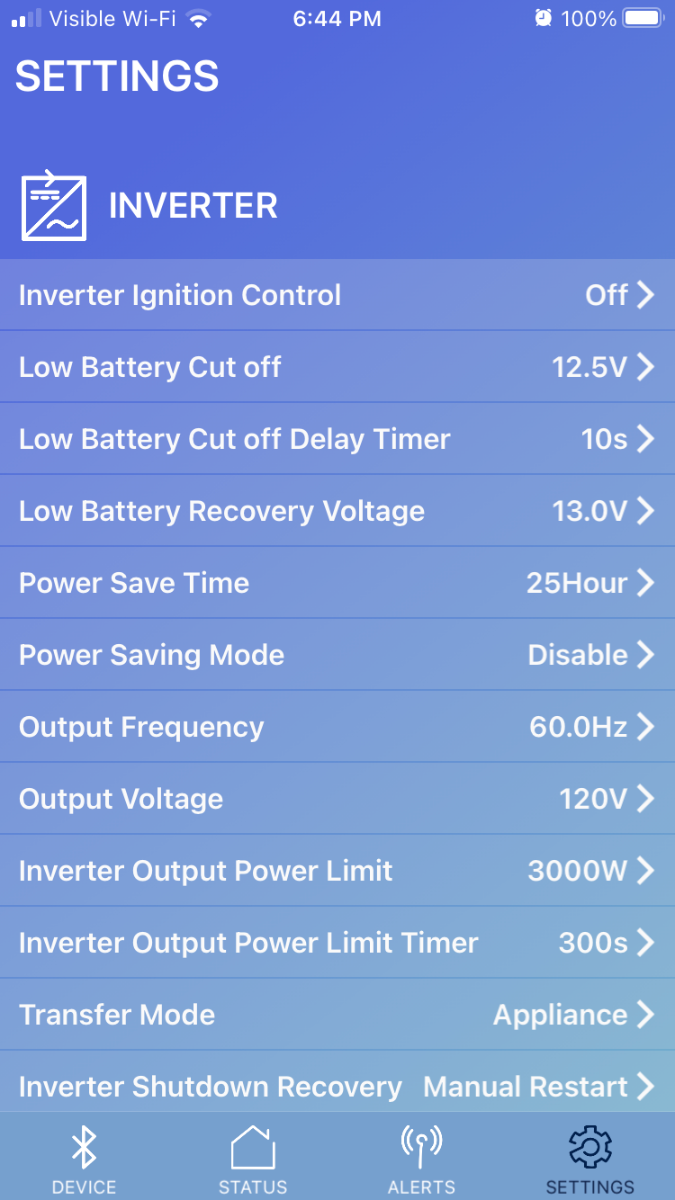
2021 LE2 Solar, 3 Lithonics, front and rear AC input plug ins I had an issue with the Xantrex settings. The "Low Battery Cut Off" setting was too high and would not allow my Lithonics to discharge below 75% SOC. So the 12 volt system was erratic. I lowered this setting (probably too low....12.5 or so) and the issue was gone at a snap of the finger. The attached file has all my Xantrex settings. This display is from the xantrex app for iphones. Below is the inverter settings (also contained in the file). You can compare all your settings and also observe the xantrex actuals when under load. 1025833337_InverterSettings.pdf
1 point
-
Has a factory reset been done on the inverter? I think there was fairly recent post about how to do that. Memories can get scrambled... Charlie1 point
-
We have 120 volt output with correct polarity and correct phase on every one of our AC wall outlets inside and out including out GFI breaker wall plug. My husband doesn’t see where there is a GFI breaker on our inverter. If our GFI was tripped on the inverter wouldn’t that stop all inside and outside receptacles from working properly? As for the lights, it’s usually just one dim however at times all will dim and/or won’t turn on including reading lights. My husband is going to try moving the shore power plug right now. Also not familiar as to where that round hatch is? We are so very grateful for your help.1 point
-
That is helpful, but that Technical Service Bulletin was for a missing inverter chassis ground cable, the "third wire", which did not in any way affect the inverter's normal operation, or any of the other circuits,, it was a serious shock hazard in case the inverter shorted out internally to its housing. But that big ground post on the trailer frame is ultimately where the main ground wires should attach. BTW this is a prime example of why we should have wiring diagrams for our trailers! It is CRAZY to expect an RV tech or an owner to blunder around with no accurate references. If Katjo does bring in a residential electrician, the very first thing he is going to say is, where are the diagrams? When he sees there are none, he is going to melt down. John Davies Spokane WA1 point
-
This makes sense but it sounds like you may have a problems with 120 volt system and unrelated problems with the 12 volt system. When you are connected to shore power, you say the inverter/charger is charging your batteries at 14.2 volts. This is consistent with flooded or AGM batteries in absorbtion mode which means they are almost full. If you have lithiums, then it means they are basically full and will probably drop the voltage to float setting (around 13.6 volts) soon. If the solar charge controller is also saying the batteries are full, then it would seem that the charger section of the inverter/charger is working correctly. That means that the charger section of the inverter is getting 120 volt power, but the inverter is not passing 120 volt power to the 120 volt outlets and appliances. Have you checked the GFCI on the inverter itself to see if it has tripped? It is accessible through the round hatch below and to the left of the Galley. I believe power to all 120 volt outlets and appliances is always passed through the GFCI in the inverter at all times, whether connected to shore power or running a generator. If the GFCI on the inverter is tripped and won't reset, then you have a bad GFCI on the inverter itself. Do you have the accessory 30 amp convenience connection at the front of the trailer? It would be on the curb side below the propane tanks. If a tripped GFCI on the inverter is not the problem, you might try moving the shore power cord to the auxiliary 30 amp connection to see if that restores power to your 120 volt outlets and appliances. As I understand it, there is a transfer switch that prevents power from flowing into the trailer from both outside receptacles at the same time (i.e., shore power and a generator). If you do have the auxilliary 30 amp connection and moving the shore power cord to the auxiliary connection (or vice-versa) solves the 120 volt issues, then you may have problem related to the transfer switch. You have received good advice on troubleshooting the 12 volt system but I find one thing you said interesting and a possible clue. You said that the lights sometimes dim and other times don't work at all. Do all the lights dim together or just occasionally one or two. All the lights in 2021 Oliver are led lights. Unlike incandescent lights that will dim when voltage drops, led lights either work or they don't. If voltage drops, they stay at close to full light until voltage drops so low that they just go out. If it is just one or two lights that occasionally dim, then the electronics in those individual bulbs are failing and you can just replace the bulb which contains the electronics. If all the lights are dimming together, then you may have a bigger problem then just low voltage on the 12 volt side.1 point
-
The intermittent, bright-to-dim lighting issue sounds like grounding issues I have had with the 12V DC light system on my raft trailer. You advised that I presume this means that the yellow ground wires are securely connected to the grounding bus. But, did you verify that the main ground wire from the grounding bus bar to the trailer chassis is securely connected? That was the solution once to an intermittent light issue on my raft trailer.1 point
-
How about contacting the previous owner to find out what happened. They may or may not know the answer. It would be disappointing if an owner knowingly sold you a trailer with that big of a problem. Good luck. Also ask Oliver service if any repair tickets were ever noted.1 point
-
If you are not comfortable troubleshooting electrical issues yourself, then I concur with Mike and Carol: engage a local electrician to track down the source of your issues. Any good electrician should be conversant with both AC and DC electrical systems. Hopefully electricians in your neck of the woods are not booked out until mid-July!1 point
-
Absolutely!! Here the wait time for an inspector is 6-8 weeks. Can’t expect a seller to wait that long.1 point
-
All sellers should consider having a full inspection performed before listing the trailer, and have that report available for a buyer to study. The crazy long wait times are very bad, there is nothing you can do about that as a buyer, I guess, but a seller has no excuse! John Davies Spokane WA1 point
-
Sorry to hear about these issues and that the former owner was not up front about the problems. Very disappointing. You might try a local electrician, it might take a little time to get acquainted with the electronics in the trailer, but after that it is pretty straightforward. Good luck! Mike1 point
-
I am sorry for your trauma, and finding a reason for a flaky electrical system can be very hard. With so many 12 volt circuits being involved in the problem it seems to me that the cause is between the batteries and the distribution panel. Maybe inside the panel itself. Can you duplicate the failures by moving wires? A detailed inspection of every wire may be in order, perhaps there is a failed crimp or a loose terminal. I know for SURE that the 12 volt fuse holders are very prone to getting loose, the little brass “ears” that grab the blades of the fuses can be bent back by careless fuse installation, then the connection goes away entirely or becomes sporadic. This has happened to my fridge and the Natures Head toilet, both quit unexpectedly. Both are on separate circuits, both had loose fuse contacts. Get a small pair of precision needle nose pliers, insulate the tips with tape or heat shrink tubing, and check every single fuse holder, Remove the fuse, tighten the two pairs of ears slightly by squeezing them together, and reinstall the fuse straight in using the pliers, do NOT just jam it in with your fingers. That bends the ears! I borrowed this pic from dhaig, I hope he doesn’t mind. It clearly shows those ears.. Do some detailed poking around, eventually you should figure this out. Good luck. And for all buyers, always insist on a pre-purchase inspection if you are not able to do it yourself. If a trailer’s systems don’t work as advertised, or the trailer has signs of neglect, run away. John Davies Spokane WA
1 point
-
Keep in mind ventilation requirements, look at the installation manual for those specs, for example vertical or horizontal, and distance between objects. The Victron units prefer to be vertical with a few inches of top and bottom clearance, the Redarc ones are more forgiving, some can even be mounted under the trailer frame. John Davies Spokane WA1 point
-
We’ll, I just scare ‘em a little.1 point
-
When these guys came by our site at this years Oliver Rally they told us if there were enough Oliver requests for detailing and ceramic coating in a particular state to make the trip worthwhile they would certainly try and make it happen. I bet if you reached out they would be willing to work with you and other Maine owners if the interest is there. Just a thought based on what they said to us. Certainly hard working young men for sure.1 point
-
More on the flooding in YNP and surrounding areas. The park Superintendent announced a reopening of the park on Thursday, but obviously that won't include the north gate through Gardiner. Even a Thursday reopening for the other gates seems like a push in my opinion. Huge Flooding Forces Evacuation Of Yellowstone National Park; Wild Videos Show Destruction | Cowboy State Daily1 point
-
Thank you for posting your pictures of the CGI Detailing process. It does look like it was a little warm but the effort sure makes your Ollie look nice. Mossey1 point
-
No worries, put it inside if you like, but you then lose the ability to use your portable panel with other trailers or to charge your truck battery, for example, if it goes flat when you are exploring elsewhere.. What brand and type controller do you have? You might want to consider installing a high quality MPPT unit under the bed, and keep the older one as your emergency spare or for other applications as I mentioned above. https://www.amazon.com/dp/B07FCSTM43/?coliid=I15VG6R4AT33N3&colid=1X5H11EH41351&psc=0&ref_=lv_ov_lig_dp_it As long as you use good quick disconnects, you can easily switch from one setup to the other. https://olivertraveltrailers.com/forums/topic/5478-how-to-remote-mount-the-controller-of-a-suitcase-solar-panel-not-inside-the-trailer/ John Davies Spokane WA1 point
-
The only place to NOT blow the compressed air is directly into the gas jet that JD showed in the picture above. Other than that simply blow all of the stuff out of there. A real telling area to direct the stream of air will be straight up the flue - if you get a small shower of particles back down, you just might have found the "problem". Bill1 point
-
Thanks, I wonder why it has no placard, maybe Oliver forgot it? Every factory installed switch I have seen has a label near it. That would save silly questions like mine. My floor lights have a switch near the galley water pump switch. I never use them either😬 John Davies Spokane WA1 point
-
@John E Davies, great recommendation on the flat plug 2 foot extension cord for use with the toaster oven. I had forgotten we have several of these around the house for making connections behind furniture, or other cramped areas. Thanks1 point
-
Now wait a minute. I do a lot of road biking. I will have to be more careful when I know you are around my biking adventures. Ha Ha. I am sure ScubaRx was Just kidding.1 point
-
We picked up our Ollie on 6/6 and stayed in the Ollie campground for two nights shaking down our new trailer. Then we headed back to San Antonio. It was great to meet a few old timer's in for service after the rally.
1 point
-
Lori, since you specifically asked about the bathroom, I use windex or a mild dish soap and water solution to clean the trailer most of the time. I don't use household toilet bowl chemicals in the toilet, either, as many dump stations are big septic tanks. My toilet brush is a relatively soft brush from dollar tree. Probably more of a bottle brush than toilet brush. All plastic. No metal to rust. For sanitizing and mildew removal, I prefer hydrogen peroxide to bleach based products. Still best to ventilate well, but much less harsh on your lungs (and your trailer, your wallet, and the environment in general) than chlorine bleach based products. You can put regular drug store 3 per cent hydrogen peroxide in an opaque spray bottle, and just spray it on surfaces and watch the mildew and dirt loosen. Wipe it off. I just used some again this morning, on a bamboo dish drying rack, and it worked great. I scrubbed it off with an old toothbrush, wiped with a rag, and rinsed. This time around, I treated the rack (after sun drying) woth food grade mineral oil. ($2 in the laxative section in walmart. It's what I use on all my wooden and bamboo cutting boards and cutlery handles. No need to buy expensive cutting board oil, which is basically the same product.) Btw, once you get your trailer shiny clean, you might consider putting a coat of wax on the walls and countertops. (Unless you have a nonskid shower mat, like foys wood one, I wouldn't wax the floor.) I do this annually, to keep the interior gelcoat shiny bright and sealed. I forgot to do it last year, and for the first time in 14 years, had a couple small spots on the sink counter that were difficult to remove. Firmly convinced that the interior wax is a step i won't forget, again.1 point
-
Congratulations on your new Ollie! We just picked ours up in May... so understand your excitement! Just a suggestion: go camping for a while to figure out how you use it... what style of camping works for you, etc.. I spent 10 months making lists of things I thought we would want to buy or modify when the time came. Fortunately we were able to travel for 3 or 4 weeks and now in real use...quickly we discovered some things we hadn't thought of as well as some things that fell off the list. This will help you prioritize projects based on time and money. The Oliver is so nice... nothing is "urgent".1 point
-
Share and Enjoy !Shares Your travel trailer is your home away from home. It's important to take care of it so that it lasts for years and continues to provide you with comfortable, safe travels. In this blog post, we will discuss 14 things you need to consider when caring for your travel trailer. UV protection, heat protection, humidity control, holding tanks, rodent prevention, fridge and freezer care, septic needs, battery care, fuel tank stabilizer, security and protection - these are all important factors to keep in mind! But don't worry, we will go through each one in detail so that you know exactly what to do to keep your travel trailer in tip-top shape. So let's get started! The first thing you need to consider when caring for your travel trailer is UV protection. The sun can be very damaging to the exterior of your trailer, so it's important to use a UV protectant spray or wax on a regular basis to continue to protect the fiberglass. This will help to keep the finish looking new for years to come. Heat protection is another important consideration. During the summer months, it's important to make sure that your trailer is parked in a shady spot and that you have good ventilation to prevent the interior from getting too hot. You may also want to invest in awnings or shades for the windows to help keep the heat out. Humidity control is also crucial for preventing damage to your trailer. When it's humid outside, condensation can build up inside your trailer and cause mold and mildew to grow. To avoid this, be sure to open the windows and vents to allow the air to circulate and help keep the humidity level down. Holding tanks are another important part of your trailer that you need to take care of. Be sure to empty them regularly and clean them out with a holding tank cleaner to prevent odors and buildup. Rodent prevention is also key in keeping your trailer in good shape. Mice and rats love to nest in small spaces, so it's important to seal up any cracks or holes that they could potentially get into. You may also want to invest in some mouse traps or rat traps to keep them out for good! Fridge and freezer care is also important for keeping your food fresh and preventing freezer burn. Be sure to clean out your fridge and freezer on a regular basis, and consider investing in a fridge liner to help keep things clean. Septic needs should also be considered when caring for your travel trailer. If you have a septic tank, it's important to have it pumped regularly to prevent overflow. You should also add bacteria-killing enzymes to the tank on a regular basis to help break down waste. Battery care is another crucial part of maintaining your travel trailer. Be sure to check the battery regularly and clean the terminals with a baking soda and water solution to prevent corrosion. You should also invest in a good battery charger so that you can keep your batteries topped off, also essential for maintaining your trailer's food storage areas. Fuel tank stabilizer is also an important consideration when it comes to caring for your travel trailer. This will help to keep the fuel fresh and prevent clogs in the lines. Be sure to add it to your tank before you go on a long trip so that you don't run into any problems! Security and protection are also important when you're away from home. Be sure to invest in a good security system for your travel trailer so that you can rest easy knowing that your belongings are safe. You may also want to consider getting some insurance for your trailer in case of any accidents or theft. Portable equipment is also something you should think about when caring for your travel trailer. If you have any portable generators or other equipment, be sure to properly maintain them and store them when you're not using them. Air circulation is also an important consideration when it comes to your travel trailer. Be sure to open the windows and vents on a regular basis to allow the air to circulate and prevent mold and mildew from growing. Exterior cleaning is also important for keeping your trailer in good condition. Be sure to wash the outside of your trailer on a regular basis with a good quality cleaner so that it stays looking new. You may also want to wax the exterior to help protect it from the elements. Tire care is also crucial for maintaining your travel trailer. Be sure to check the tires on a regular basis for any wear or tear, and be sure to rotate them regularly. You should also invest in a good quality tire cover to help keep them in good condition. By following these simple tips, you can be sure that your travel trailer will last for many years to come! Thanks for reading and happy travels! We hope you enjoyed this blog post! If you have any questions or comments, please feel free to leave them below! Safe travels! 🙂 Share and Enjoy !Shares The post 14 Things You Need To Consider When Caring for Your Travel Trailer appeared first on Oliver Travel Trailers. Read the Full Article1 point
-
I read this thread with interest, as we have an Elite II with the Lithium Pro Package on order for November delivery, and I use a CPAP machine. I believe one way to reduce CPAP power consumption when boondocking in an Oliver would be to use a 12V DC CPAP plugged directly into a 12V outlet, rather than a 120V receptacle powered by the inverter. Because I use a CPAP on extended wilderness river trips, I buy machines that run on 12V DC, and power them with 12V LiFePO4 batteries when on the river. My machine draws about 1 amp per hour of usage, or about 8 amp hours on an average night. Those machines also come with "wall plug" adapters that convert 120V power to the DC voltage compatible with the machine, which I use when at home. When not connected to shore power, I plan to plug my 12V DC machine directly into one of the 12V DC "cigarette lighter" receptacles in our Oliver, rather than using the 120V "wall plug" adapter plugged into one of the 120V receptacles. This will bypass the inverter, avoiding the power consumption required to take 12V DC from the battery bank, invert it to the 120V AC supplied at the "wall plug" in the Oliver, then back to DC for use by the CPAP machine.1 point
-
Songs, In Respect to the Ukrainian people. A mother's and son song, during a time of war. As long as there have been wars, there have been sad songs about war – and losing children or loved ones to the devastation of war. However, with the recent protests in Maiden, Ukraine, this old song has taken on a new life, mourning the loss of those killed while unarmed at the recent protests. “Plyve Kacha” or “Plyve Kacha Po Tysyni” translates literally to “the duckling swims”, but the lyrics are a dialogue between a mother and a son going off to war, according to the BBC’s Irena Taranyuk. She translates two of the most moving lines of the song this way: “My dear mother, what will happen to me if I die in a foreign land?” “Well, my dearest, you will be buried by other people.” Oh, duckling floats on Tisyna* Duckling floats on Tisyna. My mother, don't swear me, My mother, don't swear me. Oh, if you will swear me at dark hour, If you will swear me at dark hour. I don't know where I'll die, I don't know where I'll die. Oh, I'll die on foreign lands I will die on foreign lands. Who will prepare a grave for me? Who will prepare a grave for me? Oh, another people will prepare, Strangers will prepare. Won't you regret, mother? Won't you regret, mother? Oh, my son, how could I not regret? My son, how could I not regret? You were laying on my heart, You were laying on my heart. Oh, duckling floats on Tisyna21 Duckling floats on Tisyna. https://lyricstranslate.com1 point
-
Well, there you go Kelly. You have a camper using DC and a glamper using AC relating real life experiences. Only you can decide the amount of AC/DC usage which pleases your lifestyle. Charlie1 point
-
@Kelly please post photos of your trip to Fish Creek if you can. Looks like a great place. We enjoy NY state parks, too!1 point
-
Simply said... Your son is correct. There are so many variables involved that simple answers are not easy. Maybe this will help - we use about 100 to 120 amp hours in 24 hours of boondocking. Our solar on top of the Ollie can collect up to 340 watts (that equates to less than 6 amps per 100 watts per hour in direct, full sun). As you can quickly see 6x3.4= 20.4 amps an hour just isn't going to replenish the battery usage each day. Starting out with a full lithium battery bank of 300 amp hours in our Ollie, we can go about 5 days in the best of circumstances (direct, full sun.) Charlie.1 point
-
Kelly, at this stage in your RV life you need to educate yourself. There is an awful lot of technical details about solar, but the basics are not hard to understand. The more you read, or watch videos, the more you will learn. The learning curve is quite steep at first, but it makes sense after a while https://www.imnotlostimrving.com/rv-solar-system-overview/ Northern latitude, known tree cover, short days, possible foul weather. You need a small generator without a doubt! Solar does best in high summer out in the open. Even if you never run your air conditioning off the generator, one day, for sure, you will need it to recharge your batteries. John Davies Spokane WA1 point
-
Just saw this note you left. My installer use to install 3m but found it would with some installs begin to orange peel and yellow after a few years. He no longer installs 3m. XPEL has a 10 yr install and warranty on fading or peeling or orange peeling if professionally installed. Just thought I would mention this if your still considering p/p. So far our 10 mil XPEL on the Oliver has held up excellent.1 point
-
In fact - I actually started to seek them out! How an why did THAT happen? 😁1 point
-
For Duke or Chris (or both)? 😇1 point
-
I didn't think I would like a wet bath but it is incredibly practical. 1. Sit on toilet to shave legs 2. Toilet gets cleaned everytime you shower - ahem, whether it needs it or not.1 point
-
An induction cooktop was in fact a brief option at one time though I don’t know if anyone ever ordered it. This was before lithium batteries and of course the larger inverter. We considered it but ultimately decided that the combination of a gas cooktop plus a portable induction burner was the better option. However at the time, we were turned off by the quality of the more affordable portable units and opted to wait for the price of the better ones to come down. Still waiting. But while we were waiting we realized that with the larger propane tanks, we can go for weeks even in mid winter running the furnace. We also learned just how much of a battery suck our toaster oven is, and I assume an induction burner would be the same. So induction isn’t really something on our list anymore, except that they’re just cool and I’d like to have one for the house at some point, just to have. Heres a thread from way back then discussing the benefits of induction -1 point
-
We have a portable single "burner" induction cooktop that I use at home that we plan to use in the Oliver. With our Lithium pro pkg and a generator, this is entirely possible. However, I would not want to give up the propane cooktop as I like having as many options as possible, especially when it comes to cooking. Examples: we generally carry a small portable LP tank, a Jet Boil Genesis Base Camp two burner stove, and a portable gas grill - appliances we have accumulated for various camping situations. It's nice to be able to cook outdoors, especially in warmer weather. We chose the no microwave option for our Elite II; instead we have a Breville Mini Smart toaster oven, which serves as an oven and can be used in an outdoor kitchen setup. We have yet to camp in warm enough climate to cook outside and have not experienced a moisture problem cooking inside with the propane cooktop. Ventilation is key and the Maxair fan is more than sufficient to remove any moisture resulting from cooking indoors. It is an improvement over the Fantastic rain-sensor Fan in our Leisure Travel Van. It was not reversible so only pulled air in, and the rain sensing function was annoying. We are very happy with our Oliver as outfitted. I wouldn't anticipate Oliver adding many new options as they streamline production during high demand so as not to compromise quality and customer service. Perhaps when the pandemic subsides and the RV market returns to "normal" upgrades such as induction cooktops and compressor fridges will be offered. Edit: I'd like to add that even on shore power, you have to be aware of how many high wattage appliances you use concurrently. Sometimes this can be tricky.1 point































-
Recent Achievements
-