Leaderboard


Popular Content
Showing content with the highest reputation on 02/07/2021 in all areas
-
I have said this before and I will say it again, camping under a tarp, in a tent or any sort of a RV is a participation sport. So be prepared to get involved. I bought a 6 month old Oliver, so I didn’t get an orientation at the factory. And the Oliver is my first RV. Although we did rent a 24' class C in Alaska for 3 weeks in 1999. So I really was a newbie and I still am. The little I do know about RV's is what I have learned here on the Oliver forum and other forums that I sometimes visit as well as the things I have learned myself playing in my OTT. I have been called an "Oliver Fan Boy" before on this forum, so continue reading with that knowledge! I do have some experience analyzing problems I have come across in life and I usually begin with the question, what did I do wrong. As an example, I found the front EZ Flex shackle on the street side flipped while setting my jack pads at a new campsite. When I first looked at it, I didn’t know what was wrong, I just knew it was different than the rear shackle and I really wasn’t sure which shackle was in the correct position. So I looked at the curbside shackles and determined that it was the only 1 that was different. So I began thinking about how it happened and how long it had been in that condition and quickly determined that it was a mystery that I probably couldn’t answer. It was more important that I figure out how to get it back in it’s proper position. While traveling the next day, I remembered hitting a very large bump crossing the Mississippi River the day before while heading to the campsite where I first discovered the problem and I now believe that is when the shackle must have flipped. Can I prove that? No, the best I can do is guess. Before retirement, I worked in the wireless telephone business for 30 years. The company provided cell phones as well as more sophisticated equipment for me to test the network. When air time cost 54 cents per minute and you dropped a call in my territory it was my job to figure out why. This involved tracking down the call records and recreating the problem and then verifying it was a repeatable issue while drive testing the area and then making a plan to correct it. And you would be amazed at how many of those dropped calls involved deals that lost million dollar. Fast forward to unlimited calling plans and I now had tools that allowed me to look at a map with all of the problem calls that happened in a given area by the minute, hour or day. The bottom line was that I, as an employee was given the tools to test the network just like my customers did and it was pretty effective. Now my question is: How many Oliver employees actually own an Ollie? My guess is not many! They may own SOB of RV, but I doubt many of the men and women building, servicing and selling the Ollie's we own, could afford to own an Ollie themselves. That doesn’t mean that they lack pride in the jobs they do, they just may not have the user experience that we OTTO's have. Their expertise is in building and servicing OTT's and I don’t think that always translates to experience skills. And most front line employees work from a script and really don’t have any practical experience concerning the the product they are helping you with. They all learn as they work in a particular job and then they move up to a different job and the process begins again. There is an acronym for that, OJT. I know that's how it worked for me in my work experience. I do agree with topgun2 concerning air down your tires at pickup instead of going to Walmart. After all, you just might teach somebody with less experience than yourself, something new. And even if it’s not a teaching moment it may provoke conversation around the break room about the crazy guy that only wanted 50 psi in his tires and that might spark change. I will add that I generally air my tires up to 50 to 52 psi. But I didn’t start there, my tires were closer to 80 psi the first time I checked them. My experiences RVing are just that, mine. They may or may not apply to your circumstances. Mossey7 points
-
Also remember that with the Andersen Weight distributing hitch installed and adjusted, some of the tongue weight is distributed to the Oliver as well. A visit to a CAT scale would be in order to dial in your tire pressure.4 points
-
I don't know how I missed this, but the 2020 26 per cent tax credit has been extended to 2021 and 2022, instead if the reduced rate.(signed into law into December.) It appears that some in Congress may also be looking at allowing a deduction for "stand alone storage." Not yet, but we'll see. https://www.forbes.com/sites/ashleaebeling/2020/12/21/go-solar-enhanced-residential-solar-tax-breaks-in-year-end-spending-package-as-part-of-clean-energy-push/ Sherry4 points
-
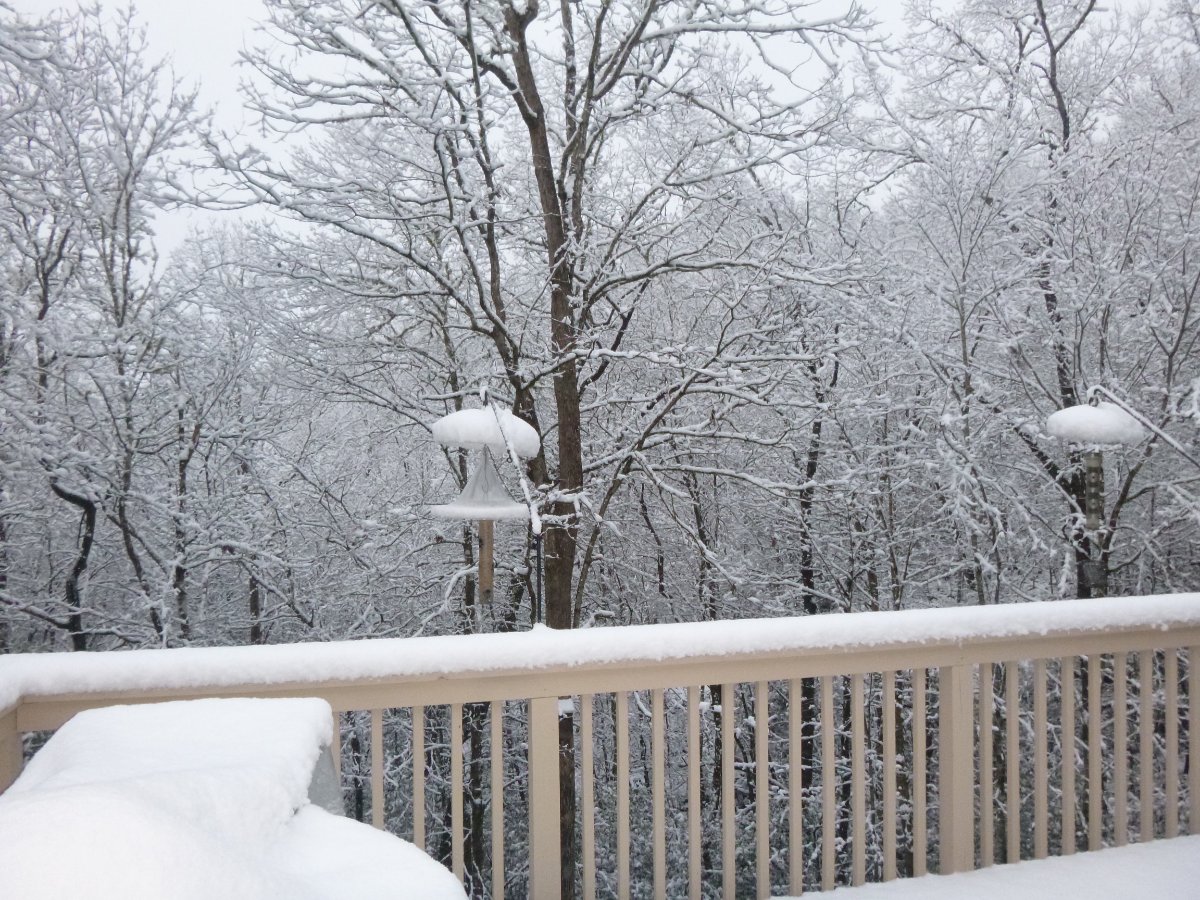
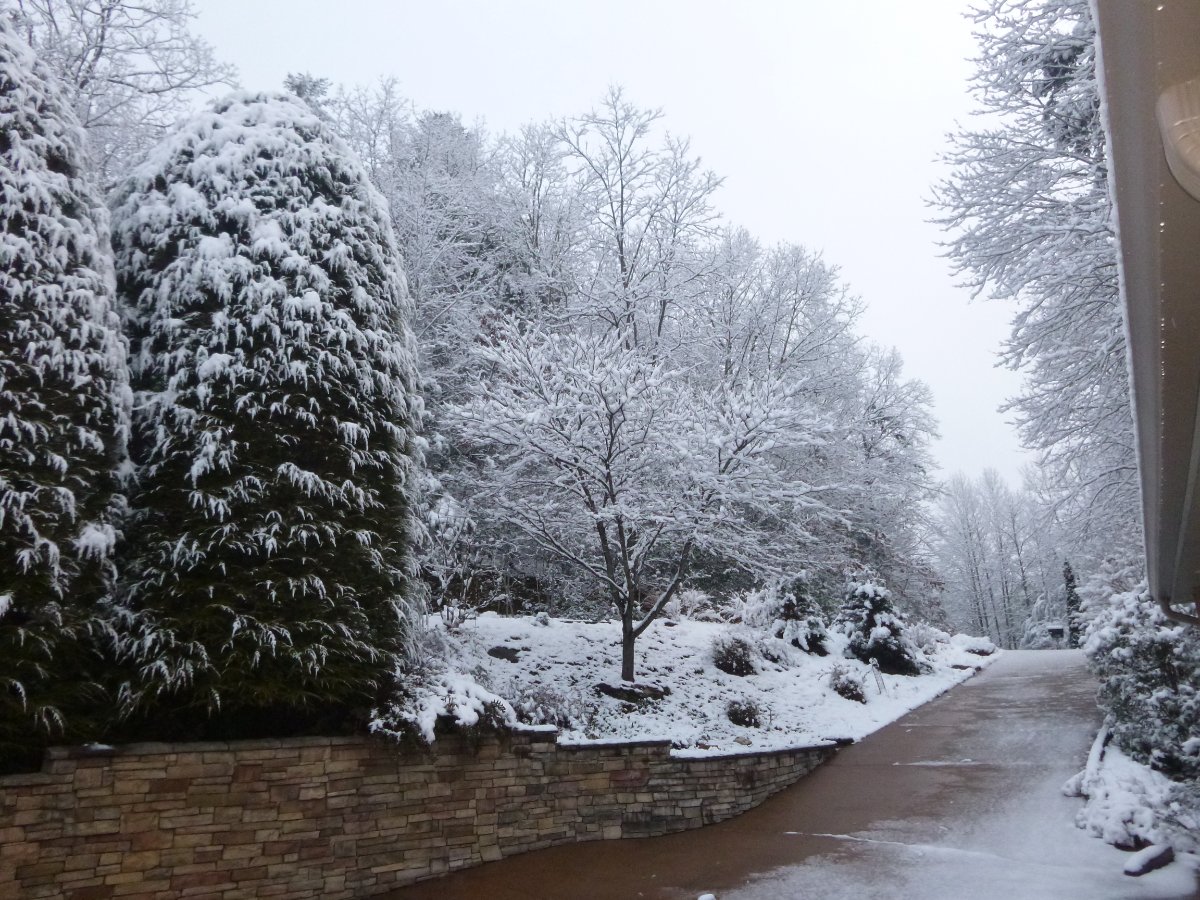
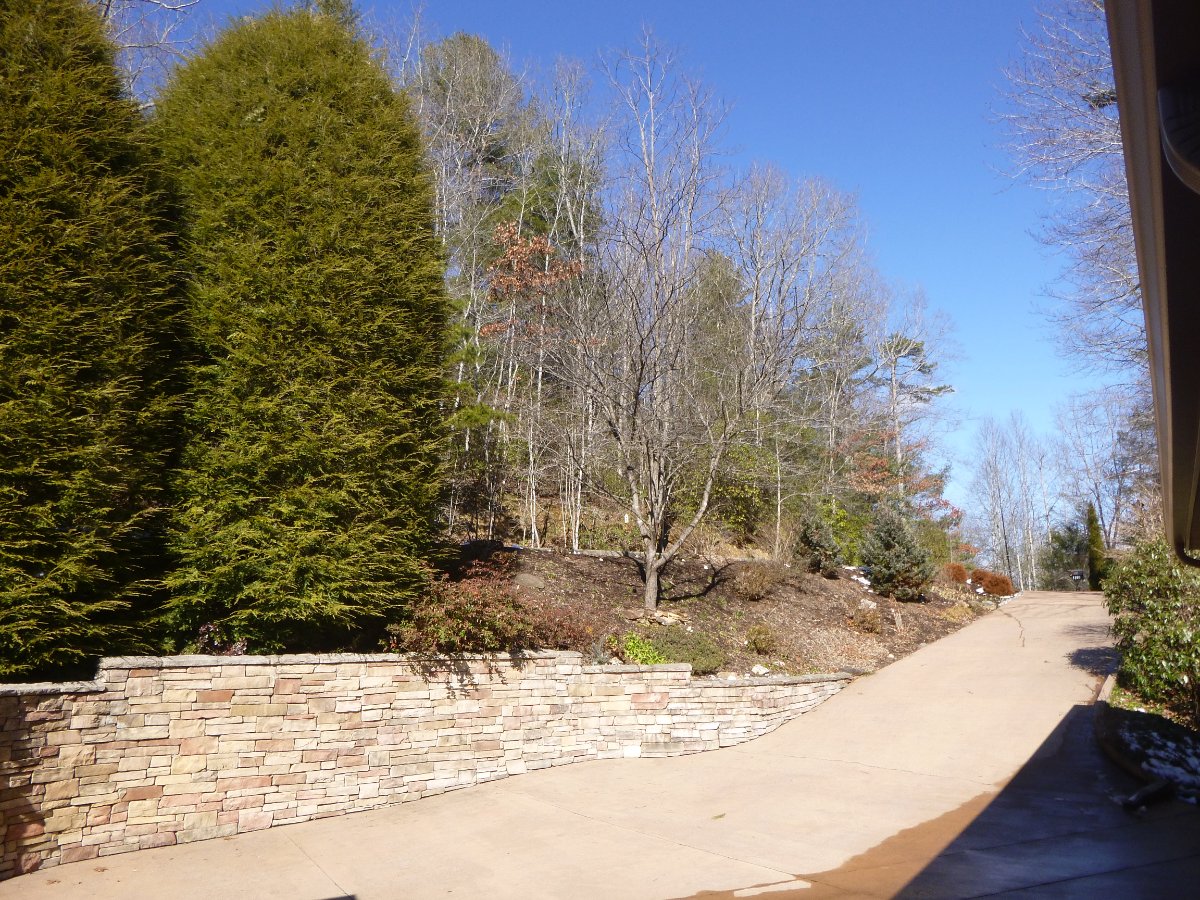
Just thought that a nice little reminder for all those that think the "south" is always sunny and warm. Also, for those of you "basking" in the warmth of the southwest - enjoy it while you can. These shots were taken at 7:45 this morning. Bill p.s. it is now 9:15am and any snow on the street is gone, the sun is out with not a cloud in the Carolina blue sky.
 3 points
 -
Certainly your plan of driving over to WalMart is fine. However, I'm sure that the delivery guys will not kick you out of the delivery area while you adjust your tire pressures. This will be particularly helpful if it is raining. Not withstanding the advice above, if a tire that is not in the sun or on very hot pavement increases its temperature more than 10 degrees, you should consider increasing the pressure in that tire(s) - as JD pointed out previously, under inflated tires will run hotter. Same is true for your tow vehicle Speaking of tow vehicles - as you increase the weight on those TV tires (particularly the rear tires even when using a weight distribution hitch) you should adjust the pressure to account for that increase in weight. I run my rear tires 4 to 5 pounds higher when hitched and I use the Andersen WDH. Bill3 points
-
I run mine at 42 psi with an approximate trailer weight of 6000 pounds. The pressures typically rise several psi when towing. The temperature rises about 4 to 6 degrees F above ambient air temperature (check your TV dash display, if it has one) while moving. Towing for a long time with the sun blazing hot on one side of the trailer will drive up the temp and pressure on both tires on that side a bit higher. That is perfectly normal, it happens to your truck, and you can feel it with your hand (when stopped please😬). Disregard the pressure and temperature readings when you are parked for a while in the sun on hot pavement. Get a base measurement with the TPMS in the cool of the morning before you set out, double check with a decent digital tire gauge if you are really anal. You can “wake up” the sensors first thing, while doing your morning walk-around by tapping them with a hard object like a pocket knife or simply flicking them against the wheel rims using a finger, if they have rubber stems. They have internal motion sensors to bring them “online”. It takes up to 10 or 15 minutes to send data to the monitor. Obviously this is for stem mounted sensors, for the internal kind you have to drive away. Leaving the site without waking them will cause the display to show last night’s pressure, if there was a leak you won’t know it for a while. This is why I always flick mine! Don’t make any tire pressure changes later in the day. An exception would be if you aired down for nasty off pavement driving and then have to air back up to the highway setting. Do that ASAP before driving more than 30 mph. And then do it again the next morning, because adjusting hot tires will always be mostly a guess. If you can’t adjust the pressure when it is cool and no sun, double check them later in the trip when they have been in shade for several hours and are cooled down. John Davies Spokane WA3 points
-
I just replaced my original tires with Cooper Discoverer HT3. I figured Oliver did the research on these, so why not? When Discount Tire installed them they inflated to 80 psi. I asked why and was told on trailers they inflate to max pressure but most folks air down later. I set mine at 60 in warm San Antonio weather. My TPMS is saying 53 psi in this cold weather here in Arkansas. When we picked up in 2016 our tires were set at 80 psi. The TV would flop down, window shades would fall off, MW unplugged, etc. went to 55 psi and all that stopped. That was with the original BF Goodrich tires. BTW, I like these new Coopers. More aggressive looking than the utilitarian looking BF Goodrich. Mike3 points
-
The door "might" unlatch if you failed to close it correctly, but it won't come open while driving down the road, air pressure would keep it from doing so. We have towed ours over 130K miles and none of this has ever happened. If you're worried about it, just lock your door while you drive. I can't see how this is "...a workmanship problem that should have been repaired during the quality check prior to delivery..."3 points
-
The correct answer is that it depends - not everyone’s trailer weighs the same and not every tire requires the same pressure. And with a single axle, there will be more variation in correct pressures than with the Elite II. Looking at the chart for my particular tires, the correct pressure for an Elite I could be anywhere from 45 psi, for a trailer that runs close to the dry weight, to 70 psi, for one that runs close to its gross weight. So the ideal solution is to have your trailer weighed when loaded as you typically travel, then consult the load chart for your specific tire and adjust your pressures accordingly, maybe adding 5 psi or so as a safety margin. You can typically find the load chart for your tires on the manufacturer’s website. Having said that, running higher pressures isn’t going to damage your tires so long as you aren’t over the maximum pressure listed on the sidewall. It will just mean a harsher ride for your trailer and more work for your shocks. As stated earlier, it’s would be no surprise and arguably correct if Oliver were to deliver trailers with the tire pressures set for the trailer’s maximum gross weight. So like I said, as long as that pressure doesn’t exceed the maximum pressure for the tire itself, then it’s perfectly fine, though as an owner you may want to lower it to something more appropriate for how you load your trailer. Of course, if Oliver is delivering them at 80 or 90 psi then that’s probably going to be too high regardless. Personally, I think that the tire pressure is more of an issue in the Elite II, since with two axles you don’t need nearly so much pressure even at the maximum gross weight. 45 or 50 psi is pretty much the max required, even when fully loaded. So it makes very little sense to deliver them with 70+ psi in the tires. This has been a well debated topic since before I took delivery of #256 in 2017, as I was warned by a longtime owner at the time that I would need to lower the pressures down. So I know well that Oliver has been asked/told/complained to about the tire pressures and my only guess is that unless they’re being needlessly stubborn, they have a reason for delivering the trailers with tire pressures that high. More likely, perhaps, that the question never makes it to someone who can do something about it. But if there’s a reason, some communication on what that is would be welcome, so I look forward to whatever they have to say.3 points
-
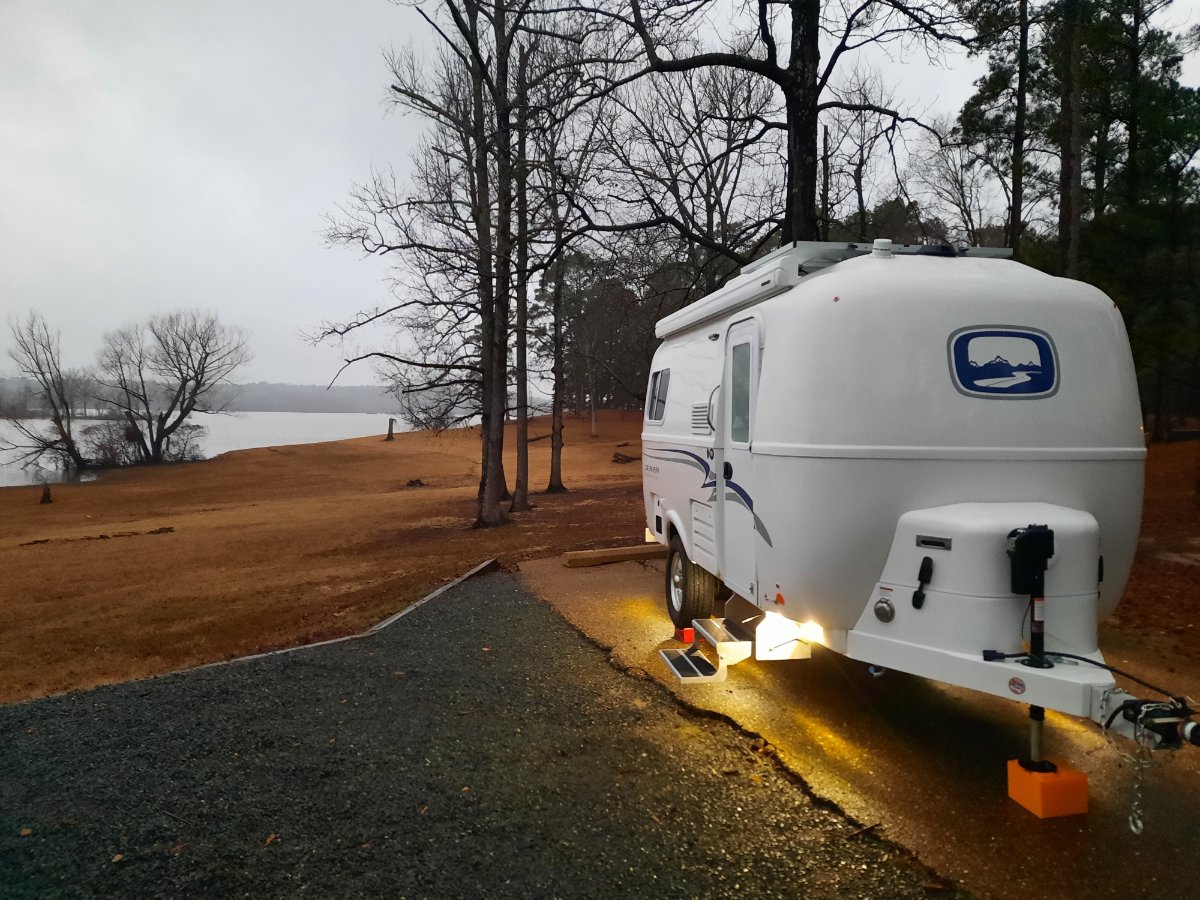
Making my way back to Central TX after 2 nights at David Crockett. I am currently camped at the Clear Springs campground on Wright Patman lake near Texarkana. Thanks @Mike and Carol for the recommendation. All is good in Ollie-land.
3 points
-
When I picked up our new trailer we had to go back to Oliver the next day for refrigerator service. There were hours of idle time just waiting around for service. While chatting with the employee who did the walk through the previous day, I was asked if I’d lowered the tire pressure yet. I told him I had. He nodded, smiled, and said “Good”. Don’t worry about lowering your tire pressure at pickup. I believe it’s expected that the new owner will do this as their very first trailer personalization.2 points
-
Gary, Certainly I appreciate your concern about appearances, but, I wouldn't worry about it. During your orientation you will get to know at least a couple of these guys and they are all just regular folks like the rest of us. Heck, I'd be a bit surprised if they didn't offer to help. Bill2 points
-
We have had a very mild winter up to a few weeks ago. little to no snow, and temps in the 25-45 range. then winter arrived and you have all read about what it is doing east & south of ND. A lot of people do not think much about the cold in ND, because that is a given... If we do not get a lot more snow or spring rains, then the (dryland farmers) up here will be hurting. right now a number of them are down in AZ in their 2nd homes working on their golf games and evening out their "Farmer Tan's". So i only feel for those that winter over because they had to stay here and take care of the "Beef". To keep this comment "On Topic", when they start to head back up here to "Go to Work", we will be heading south, to "Start our Camping Season". 🤣2 points
-
I would have included a picture from western ND, however the camera "OPERATOR" does not work well when temps are -20° real and -32° with the wind chill. Yes, right now the sun is out, sky's are a slight overcast, and a balmy +2°. We too look forward to the spring and the start of OTT camping season and all the wonderment it will bring.2 points
-
One of the things we like about our home in western North Carolina is that we can experience the snow above and by 2:45 that same afternoon it is 50 degrees and all of that snow is gone.
2 points
-
The IRS will count your RV as a second home, with all of the applicable tax benefits, as long as it has a sleeping area, a kitchen area, and a toilet area. When initially considering traveling like this, I ran into a fellow with a beautiful, high end, Class A motorhome and he told me the payments on the bank loan were not so onerous after taking his allowable tax deductions into account. https://blog.campingworld.com/rv-basics/rv-tax-benefits-you-should-know/2 points
-
Thanks for the information about the Lithionics batteries. I poked around on the Lithionics website and they make an impressive product. Once again, OTT has done their homework and have picked industry leading technology for their trailers. Carl2 points
-
Alternate viewpoint - If the delivered pressure is set to the max spec as a design requirement- fine - perhaps Oliver should cover this during delivery. Full disclosure would help alleviate the concerns of new Oliver owners - many often new to the RV trailer world. Tire pressures are clearly posted on the GVWR/Tire load ratings label pasted to the Outside of the Oliver shell. Perhaps - we as Owners- new or otherwise - have a responsibility to be better self -informed on our purchase The central point of my comment - was directed towards the roles of service as it pertains to Manufacturing roles and responsibilities. I have and will continue to point out where the two cross - in error - in the Oliver world. This forum - to its credit- is very open to the feedback of customers, past, current, and future. A reoccurring theme - and real-time in many instances- are customers with real concerns - some minor, some not, and some abhorrent. A brake system not complete and disconnected is a major miss where as tire pressure - within the design range- not so. An emergency brake disconnect cable - to short to accomplish the original design intent- knowingly delivered to the customer, is somewhere in the middle - it will work, but it was not correct. I fully realize - it is possible- an issue of concern, may not have been accurately portrayed here to the forum readers. Part and parcel of participation. As good as Oliver may be in "quality" clearly there is room for improvement. One could make a case that Oliver has "historically" experienced lapses in the production process, and relied upon Jason and crew to make the repair. Still, Oliver ranks well in the RV universe. We all hope they continue to earn the status. For my part - tire pressure is an objective design spec - that is subjectively applied to the situation at hand. I made no recommendation as to appropriate settings - only to the issue of responsibility. I would guess- an experienced guess - the supplier has their specs for delivery, Oliver may or may not verify, and the tires/wheels are installed, and the unit goes on its merry way. Does Oliver have a second level verification, not my concern. In any case - add the subject to the delivery process - and the new informed owner can tell the well meaning crusty 60 year young observer - perhaps 80 psi seems high, but its in the design range - I'll need to adjust as I get more acquainted with my new unit. A confident and informed Oliver owner is a satisfied Oliver owner. Off my soapbox - moderate away. 😉 Respectfully, A certified, well meaning, almost Old guy. Edit - I target 55psi in my EII- run tire pressure/temp monitors. And visually inspect tires/wheels/ chassis most every stop.2 points
-
Hi Jairon, I settled on 60 psi on our new Elite II (Hull 688). I read every post I could find on the topic and it seemed 60 psi offered the best combination of gas mileage and being a softer ride for the Elite II contents. 60 psi also has more than enough of a safety margin should a slow leak develop. You can see from the tire inflation chart JD posted above that with 2500 lbs / axle, you could get by with less than 30 psi (and no safety margin).2 points
-
TESTING SO FAR (the past two days) - 1. I have connected water and tested pressure from kitchen faucet and bath. I have installed a basic Camco blue water filter and a Valterra brass pressure regulator (with the adjustable dial). I have found no leaks, but not sure I would since the leaks would likely be between the inner and outer shells. I also installed the Oliver-supplied quick connects on the white supply hose and the city water and fresh tank inlets. QUESTION - for those of you that use the quick connects, do you have a cap that covers the inlets while you are travelling? Road debris could enter the quick connects, I assume? 2. I have filled and discharged my fresh tanks multiple times. I have tested the Seelevel tank monitor with the trailer at different angles. FACT - An unlevel trailer will yield inaccurate tank level readings. I still have not experienced the loss of pressure caused by the plastic shavings caught in the pump filter, but I'll clean out the filter when I get home. 3. I have run lights and used outlets on shore power and battery. I am still ignorant about how the batteries work and how much I can discharge them with damaging them. I also have no good understanding about how long I could go without recharging the batteries and what types of power loads I could support and for how long. Lots of reading and testing still to come. 4. I have run the Norcold fridge on AC only and only when hooked up. I have tested on propane and appears to work fine, but I turned the fridge off when travelling today. I have not run the fridge off of batteries yet. No issues with fridge, but it is an RV (non-compressor) fridge, so it is small and doesn't get cold quickly. 5. Furnace heats up fast! The first night at Davey Crockett, it got cold (mid-20s). The furnace kept the coach warm enough. I set the temp to 64F. The thermostat seems imprecise, but when the furnace did flip on, it got the coach warm quickly. The second night, I used a small electric space heater (750W) and it kept the coach warm all night long. The furnace never came on. Outside temps were low 30s. One negative in the Elite 1 - the rear duct gets very little airflow and heat through it. 6. The propane stove works well. I made coffee and, yes, it definitely tastes better at camp. The front propane quick connect works well. I have not used the rear propane quick connect yet. I have torked the lug nuts once after about 50 miles. Only one lug was was a tiny bit loose, but all others were still fine. I'll tork the lugs again before I leave in the morning. 7. I have tried the shower and it works, though it is small. Really only good for a quick rinse, but it does the job. I got the Truma instant hot water heater and it works well. I had to reset it after travelling with the propane off. 8. I still need to test the microwave and the compost toilet. Not sure I am ready to grow a garden the bathroom yet😀. I hope this helps. I really believe these trailers are high quality - exactly AS ADVERTISED. Bill2 points
-
@Chukarhunter I have the exact same RV lock that Oliver installs which I ordered direct from RVlock.com and I installed it after we purchased our Oliver. It was much cheaper as RVlocks occasionally run sales of up to 20% off on this locks. It took about 15-20 minutes to install just taking my time. So far the lock and key pad have performed flawlessly both using the keypad, the fob and key. When I installed the lock, I installed a brand new fresh set of double A batteries in the lock as a precaution not knowing how old the factory batteries were. In the several trips we have made with Hull# 634 we have never had a our entry door open while under way or really any concerns about it opening. We lock both the handle lock and ALWAYS dead bolt the entry door and always double check that all exterior doors are locked before take off. We also have a lengthy checklist as to not overlook or forget anything. We keep in mind that when towing our Ollie down the highway there is a mini earth quake going on inside which affirms even more of a reason to double check all doors and do our best to secure everything inside snd outside reflected on our checklist. I hope you get your lock/dead bolt issue corrected. -Patriot2 points
-
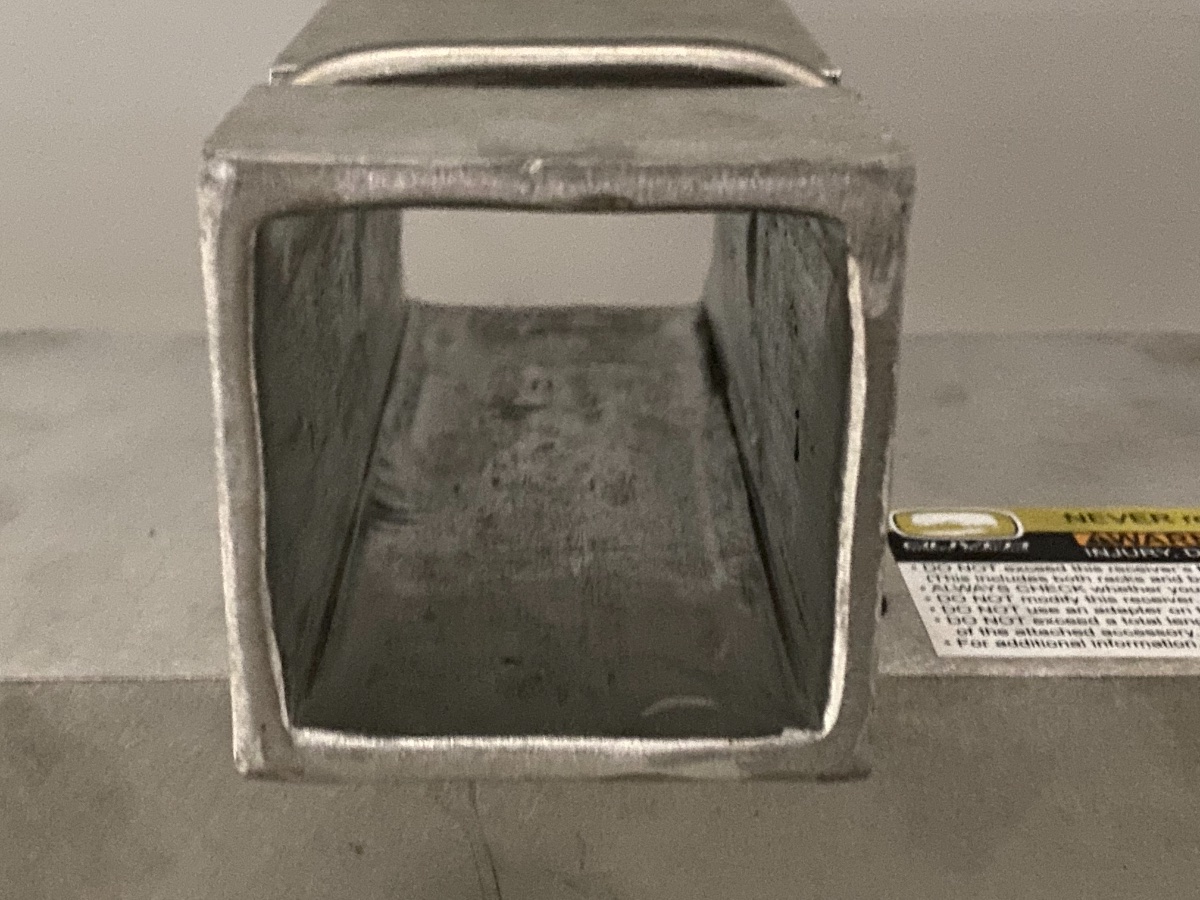
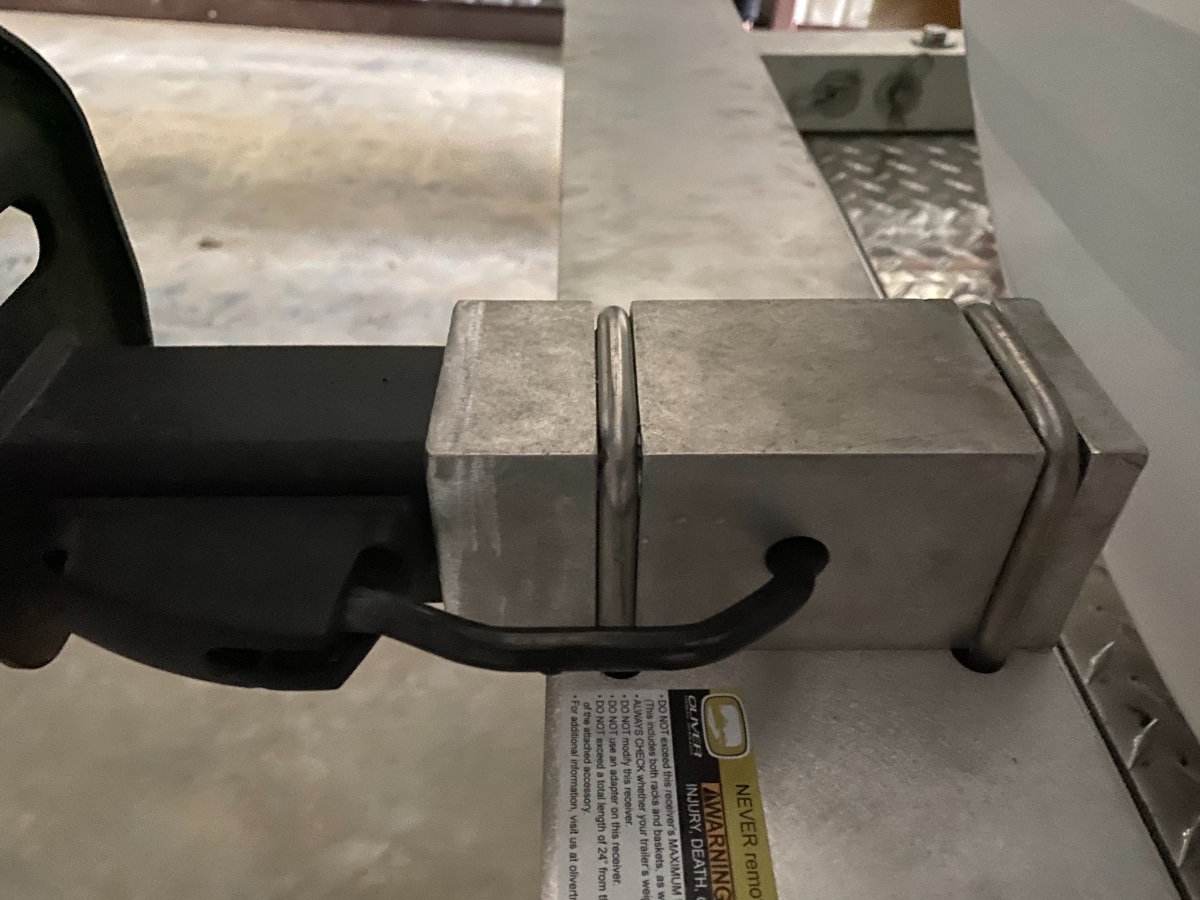
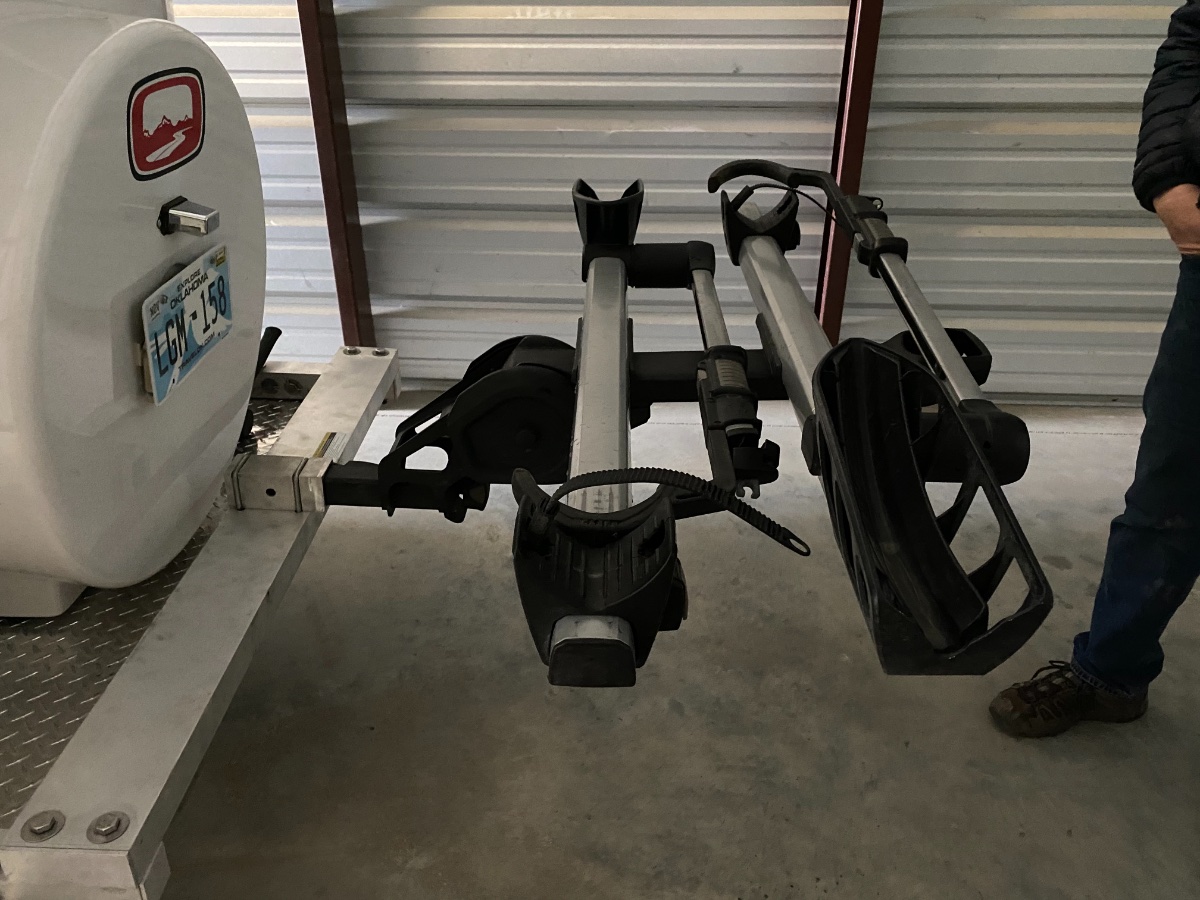
We are avid bike riders. The 1 1/4 inch hitch receiver does not work for us. Our solution was to knock out the 1 1/4 inch insert. We then used a Dynafile to sand down the 2 inch tube so that it would accept a 2 inch hitch. So far, it works great. We will see how it holds up. The total cost was 2 bottles of Eagleton Whisky I gave my welder to do the work.
1 point
-
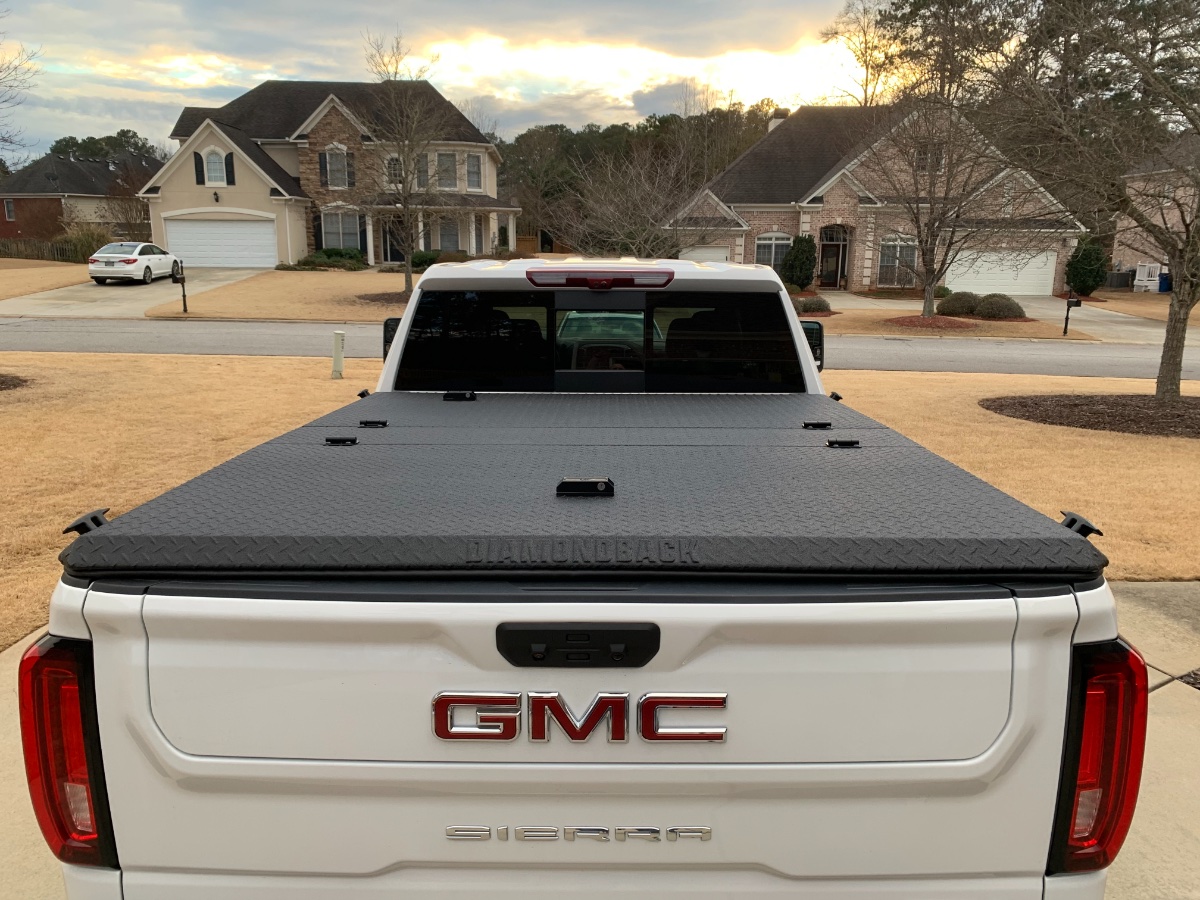
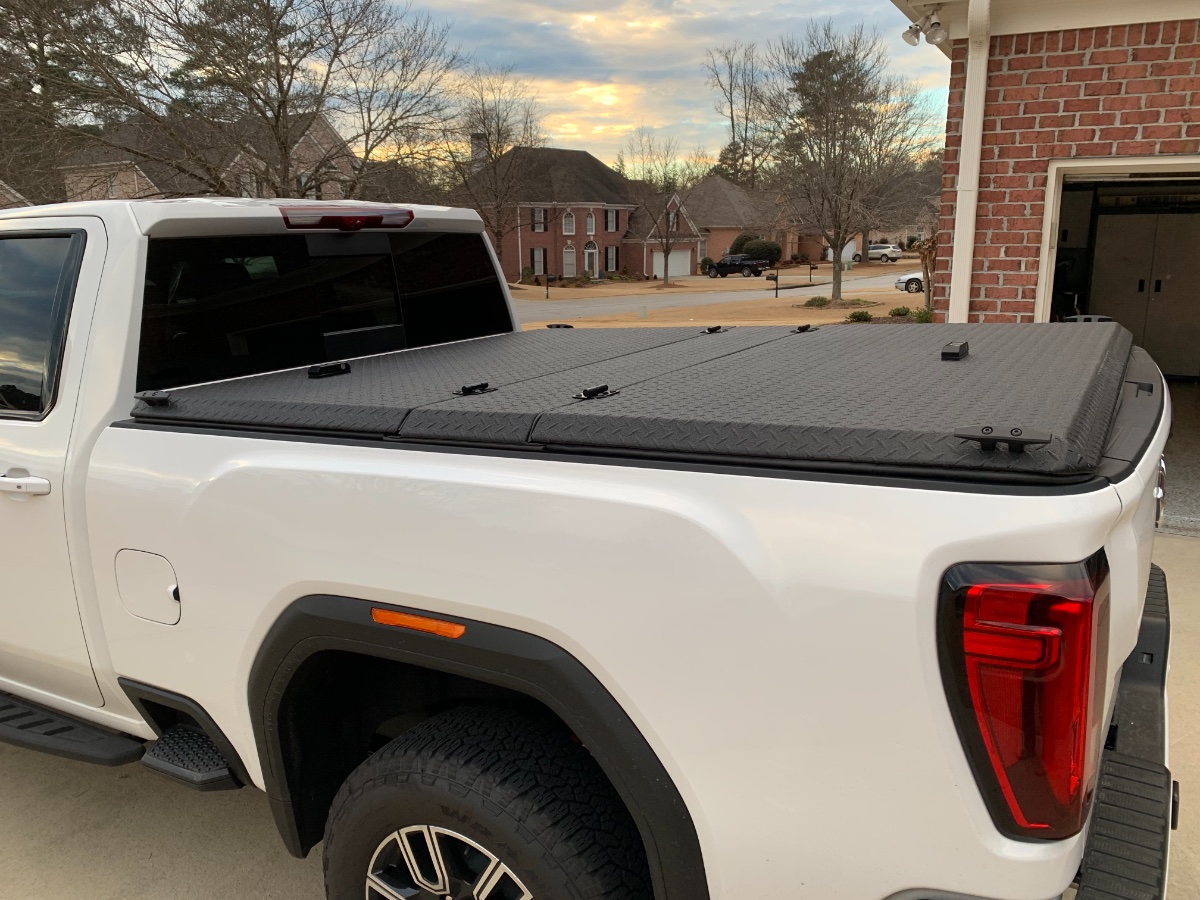
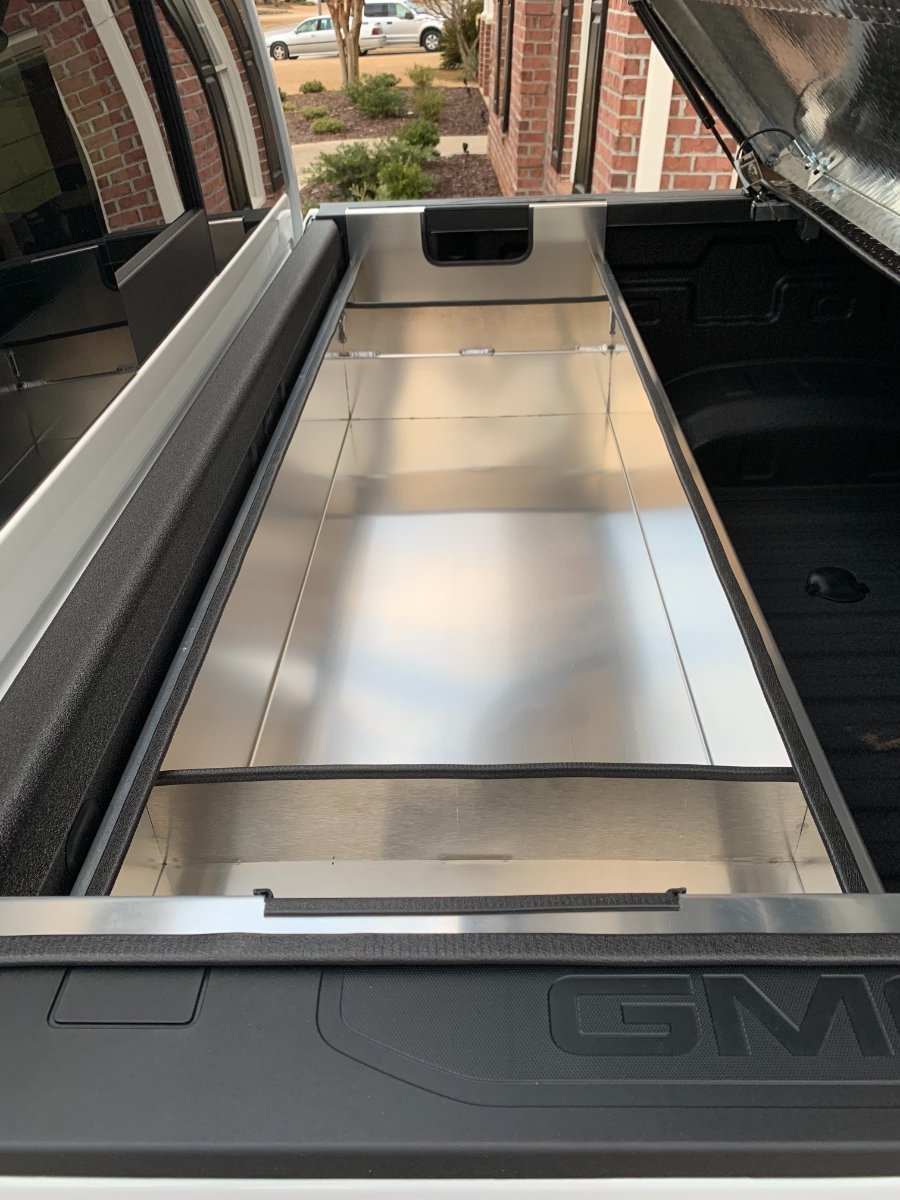
For anyone interested here are some pictures of my new diamondback SE cover and crossbin 13 installed on a GMC Sierra 2500.
1 point
-
The one statistic of this super bowl that amazes me is that this is the 55th super bowl and Tom Brady has now been in 10 of them! As a Steelers fan, I might finally have to admit that Brady actually has some skills. 🙂1 point
-
Why on earth would you root for the team with the young guy versus the team with the "old" quarterback?😇1 point
-
I assembled my own trailer and have been using it the past two Winters to 1)see how I like the lifestyle and 2)figure out what I wanted in a trailer. Nothing like experience(s) to cement-in a decision. My Legacy Elite II will be ready later this year. This Winter is being spent finalizing decisions on options through experience(s) and finding new places across the SW to park my new Ollie in Jan and Feb022. Best wishes to you on your journey.1 point
-
Yes, when I looked up the equivalent chart for the Cooper Discoverers I got on my new Oliver (hull #709, delivered late December) the numbers were identical to these for the Michelin (which is a very similar tire as far as I can tell as anything but a tire expert).1 point
-
We have the dual fuel Champion that is rated for sustained 28xx/29xx watts using Propane. I leave it in the back of the truck and pull it forward insuring the exhaust doesn't hit anything that might get too hot or even melt. I have an additional regulator and hoses to connect to the Oliver Propane QC. I plug in the neutral grounding plug, the 30amp TT power cable provided by Oliver and get the generator started. If it is raining I do have a tent to use on the generator to keep the electronics dry. This generator does have a battery powered starter. If you don't run this unit regularly, the battery charge will need to be maintained to extend its life. I will never run this using gasoline, but can use a standard propane cylinder setup with accessories Champion ships with the unit. I have used this unit at home to power my furnace or during an outage in the summer, my refrigerator. I have used my Honda EU2000i too that runs on gasoline. It works fine too and also requires the neutral bonding plug so I do have two of those, one I made and one purchased on Amazon. When you add the weight of the gasoline you would carry, the weight is almost equivalent. David1 point
-
Bill your probably correct and I will ask the orientation crew if the mind me using their bay, my reasoning for going to Walmarts was so I won't appear rude or disrespectful of their process and knowledge. Thanks Gary1 point
-
Thanks to everyone for your comments, I drive a 2019 F250 so there will be no Anderson WD hitch and I am thinking with a payload in the truck bed of about 1000 lbs at most, the psi on the door sticker should be fine Front 60 Rear 65, but a trip to a cat scale is in the plans to establish a base line weight distribution. John E Davies , do you have any TP recommendations for going off road ( dirt and gravel or rocky roads ) I ve never pulled a TT before but southern AZ is my next winters destination for the boon docking experience this coming winter?1 point
-
In that weather, I don't blame you for not going out, if you don'thave to. My sister-in-law in Minnesota went to town a few days ago, to avoid having to go in with the arctic front you all are experiencing. Stay warm. Spring is just some weeks away. Hopefully.1 point
-
That is, indeed, my kind of snow. Though, if I don't have to go anywhere, I personally don't mind if it hangs on a few days. I shoveled plenty if snow in Minnesota and Iowa. I never have to shovel the heat out if my Florida driveway. 😉1 point
-
Our accountant told us we could only file for one second home installation in a tax year. (You should ask yours, too. I'm definitely not a qualified tax expert.) So, we did the house one year, the boat another. New rv system another. There's nothing on the solar credit tax form that indicates having a mortgage. But, you must own, not lease, the pv (solar) system. (This is applicable for sticks and bricks home, where many people lease their pv system. The lessor gets the tax credit.)1 point
-
Do you know, if the "RV as a second home, with all of the applicable tax benefits", contingent on the RV owner "Still" having a mortgage on the principle residence? This will be the first accounting year we are Ollie owners, and we just want to make sure we are aware of this niche of Ollie ownership. We meet with our accountant in a few weeks.1 point
-
I think that Oliver is now using two Lithionics 130 amp-hour lithium ion batteries in the LE1, for a total of 260 AH (in the LE2, three 130 AH batteries for 390 AH total) as part of the lithium package. The lithionics batteries have a charging range of 32°F to 113°F, and a discharge temperature range of -4°F to 113°F. Acceptable temperature ranges for long-term storage are a bit more constrained (https://lithionicsbattery.com/wp-content/uploads/2019/02/Lithionics-Battery-Storage-Procedure.pdf). The batteries can handle a wider range of temperature when in use (e.g., when traveling) than in long-term storage. My understanding (from what I've read; we do not have our trailer yet) is that you can draw from the batteries below freezing, but charging them requires heating below 32°F. If charging with solar, then all solar gain goes first to the 12V heating system and any excess goes to charging the battery.1 point
-
Interestingly, when I had a new set of tires put on my truck this past fall, they aired them up to the max and told me that they do that on all LT tires. The dealership also delivered my truck that way even though the door sticker lists much lower pressures.1 point
-
Not sure about other years or the Elite 2, but on my 2021 Elite 1, the Oliver owners manual says 80 PSI, the sticker on the side of the trailer says 80 PSI. The tires themselves read max cold pressure of 85 PSI. My trailer was delivered with Cooper Dicoverer HT3 tires.1 point
-
Bill, Thanks for the detailed report! I can see there is a number of systems to check. You seem very thorough. What battery package did you get with your trailer? That’s a great idea to check the lug nuts. I will add that to my checklist as well. Thanks again for sharing! Carl1 point
-
https://olivertraveltrailers.com/forums/topic/2363-how-to-tire-pressure-placard/ That chart is for the Michelin LTX Load E (10 ply sidewall) tires originally used on older trailers but it should be fine for current ones, since I was told that the size and load rating did not change. Always check your sidewall to be certain! The numbers were taken directly from manufacturer data. If your LE1 tows fully loaded (5000 lbs trailer weight), there is “about” 4600 lbs on the one axle. So 65 psi would be a good target. Keep an eye on the sidewalk temperature, it is the best indicator of a distressed (under inflated) tire. If you know your actual loaded trailer weight, use that as a reference. You can safely run a higher pressure, but use caution when decreasing it from that target number, adjust in small increments (about 2 psi), run it at the lower pressure for a few hundred miles, and see how it works out. A TPMS is a great help, so you can keep an eye on the pressure and temperature. It provides great peace of mind for the driver. FYI: hard tires are great for fuel economy. You may notice a drop in your mpgs while towing because the softer tire has a bigger contact patch with the road and thus the rolling resistance will be higher. If mileage is a priority, you might want to keep them at a slightly higher value. John Davies Spokane WA
1 point
-
Both of the trucks (2011 and 2017 F-150) and the 2020 Subaru only show tire pressure - no temp and no alarm setting except for the "alarm" of the idiot light telling you that they are low. I'm not sure what happens with either if there is a "blow out" other than that same idiot light coming on. As far as "airing them down" they do automatically adjust for this event once the vehicle is driven either a certain speed and/or distance. Bill1 point
-
The sticky keyless door handle is frustrating and can certainly cause feelings of panic when you can't open the door. We encountered the same problem on the way home from Hohenwald and the issue persists. I am reasonably sure that the issue is the weatherstripping on the inside of the door is very thick (works very well) but sometimes prevents the door from shutting tightly enough for the latch to extend fully into the door frame. I expect in a year or less when the weatherstripping naturally compresses a bit, the door handle will work like a charm. The problem occurs when you close the door but the latch doesn't fully extend into the door frame. There is no way to tell by looking that the latch only partially extended into the door frame because the door looks closed and the deadbolt locks just fine. When you unlock the door however, the handle can jam and the only way to get the unlocked door to open is to first push lightly on the edge of the door to the left of the handle until you hear a "click" which is the sound of the latch extending into the door frame all the way. Then it opens just fine. If you are inside and the door handle won't open the door, pull in on the door (you may hear a click) and then the handle will open the door just fine from the inside. The unfortunate thing I have found is that if the door is otherwise closed but not locked with the deadbolt, it can open on its own when driving down the highway. This has already happened several times to me. I am now in the habit when I close the door from the outside to always push on the edge of the door after I close it to hear the "click". Then I always lock the deadbolt if I am towing so there is no chance of the door popping open on its own while traveling. I view this as a mild annoyance that will probably fix itself as the door's weatherstripping becomes a little bit compressed over time.1 point
-
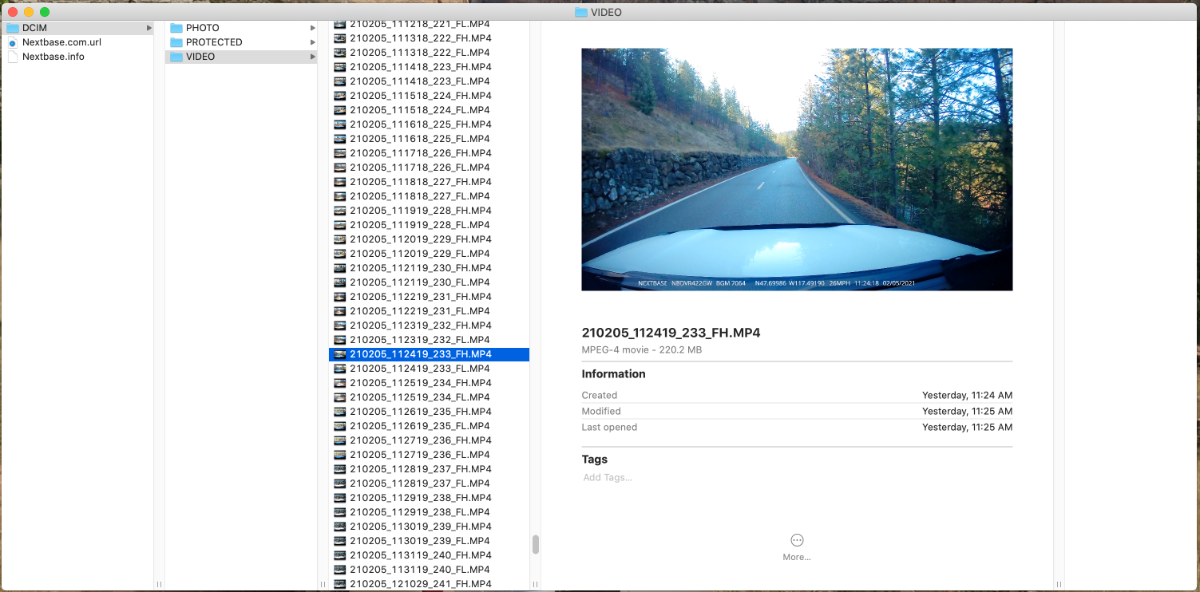
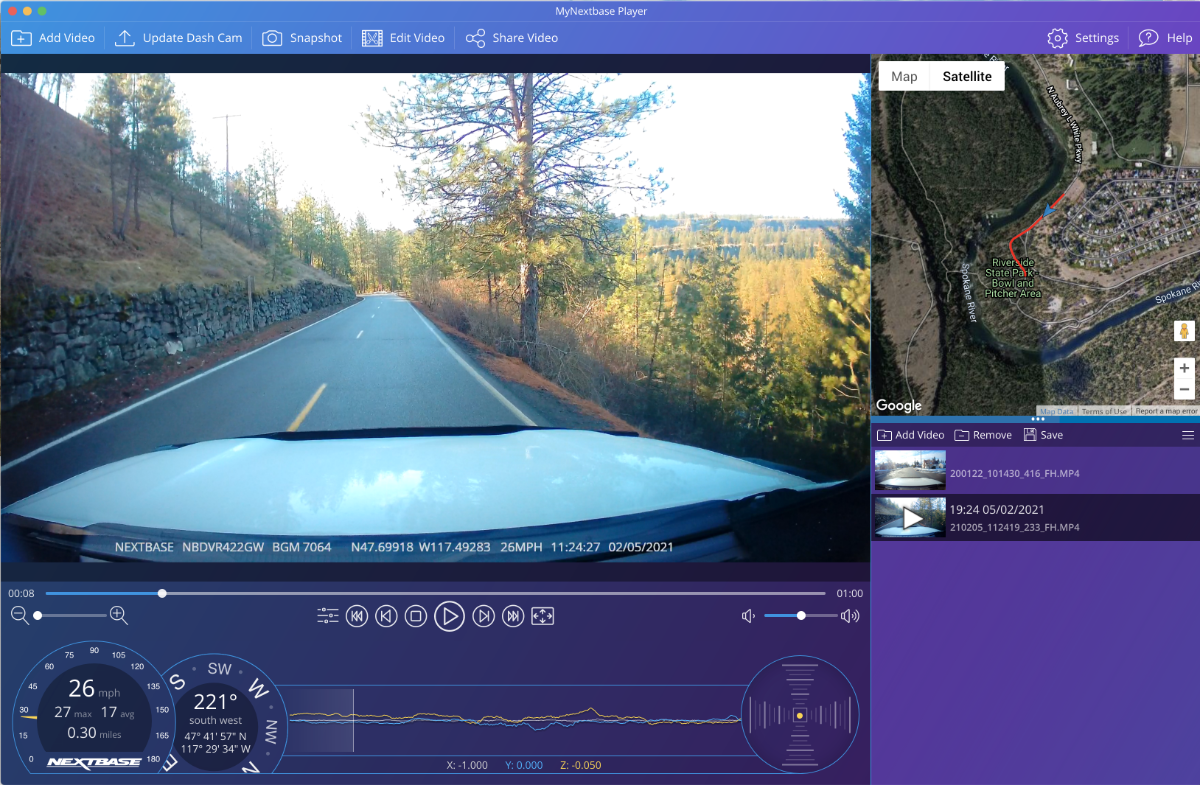
FrankC, the NextBase camera takes up to three external inputs, one of them is a rear "over the shoulder" lower res one that simply plugs into the HDMI port on right the side of it. They have hard wired hi res ones, for installing in a rear window for example. I don't know how far away one can be, but recording stuff off the back of the Ollie 35 feet from the dashboard will be a challenge. You canNOT record hi def video using a wireless camera. Here are some screen shots from my computer. The first shows the video file structure, accessed by plugging in the camera with a USB cable. It is a little hard to decipher, but the first digits are the date "year/month/day" So 210205 is Feb 5, 2021. The next digits are the time, Hrs/Mins/Secs and the last is just their sequential file system. So if you are looking for a specific recording, like a collision, and you know when it happened, you can find it pretty fast. Otherwise, you need to have the Gallery or preview or whatever mode picked, and look at the thumbnail images for a clue about where it was recorded. Hi res movies make for BIG files, each 1 minute clip is 220 mb, you can pick a smaller size or lower resolution and frame rate. Mine is 120GB. Here is the "NextBase Player" Mac computer application, showing the dash view on a bright day in shade: And driving directly into the low sun, with a polarizing filter. (Without one, it would be much worse): All kinds of cool info for that particular recording is located along the bottom... A speedometer showing current and max speed, average speed and distance travelled. A compass rose showing current direction, latitude and longitude. A long bar graph showing G forces in three dimensions, and a round version to the right showing the same thing as circles. If you have Internet, the map will show, and you can choose Google Street, Terrain or Satellite, and zoom in or out. And the track and position curser is overlaid on top of that. Basically it's everything a civil defense lawyer would love to have to show a judge if somebody plows into you, like your son's WRX incident.... EDIT: I just updated my camera firmware for the first time, and now there is Time Lapse, a 3 minute or 30 minute setting... A 3 minute video plays back in 30 seconds, a 30 minute plays back in 5 minutes. A little too fast a frame rate for me, but it will be fun to experiment with it. Here is a sample I found; ... https://www.youtube.com/watch?v=9UziEtLlp6E John Davies Spokane WA
1 point
-
When Our Oliver Elite II was delivered to us no brake wires were attached. The wires were just hanging down under the trailer not attached to anything; also the wire coming from the tow vehicle was just hanging under the trailer. It just proves when picking up a new trailer, you need to check everything (craw under the trailer and have Oliver provide a ladder so you can get up on the roof to check out things.1 point
-
Another item that needs to be checked before delivery. Brake adjustment I had no brakes when I first stared out. I was told not to worry they will self adjust within 200 miles. (Really) A lot of bad things can happen with no brakes for 200 miles I did mention they may want to rethink that thought for safety concerns and make sure the brakes are properly adjusted before delivery. Not sure if they listened.1 point
-
Guys - Please be a bit careful on this topic of tire pressure - at least for the time being. Certainly advice about "real world" "normal" tire pressures are well within the parameters of discussion. There is reason to believe that Oliver has historically set these tire pressures at the maximum recommended pressure due to a number of factors (legal, advertising maximum payloads, possible RVIA requirements, etc.). It is a very simple matter for the owner to reduce that pressure to whatever they want at delivery or after and then the owner is responsible for the care and maintenance of those tires. One of the Moderators has recently requested information about this subject from Oliver and I'm sure that the results of that inquiry will be posted as soon as they are available. Bill1 point
-
We also had an error message on our Norcold fridge I can not remember the code. I think it was "E" We normally drive with the fridge on dc as we don't drive with the propane on. We were in southern Florida. When we arrived at our campground in the Keys we realized the fridge was out. We have medication that must be refrigerated so this is important for us. We read the manuals tried all of the reset bottoms. Tried unplugging and plugging the fridge. Nothing seemed to help. It would not work or allow us to switch to propane. Oliver was moving their service dept that day so getting help was difficult. One of the workers at the campground was a retired mechanic. He helped us a bit at his suggestion he disconnected the battery bank. Then we reconnected. This allowed us to work the fridge on propane. We lost a bunch of food but the campground allowed us to place the medication in their fridge. We were able to coordinate a technician to come look at the fridge. The campground was very strict and strict on who the would let in for repairs and wouldn't let the first technician on site. Poor reputation and taking folks money and never returning or fixing the problem. The strickness probably saved us time money and frustration. The 2nd technician came the next day. He was terrific. He got the fridge working he really could not give us a great answer about what went wrong. He did say sometimes the mother boards could be better. We didn't have another problem for the rest of our trip. RV techs are hard to find in the Keys. However these norcold fridges are also heavily used in the marine industry!! Our tech was terrific but admitted 99% of his work was on boats.. We had to do some work and place a lot of phone calls etc. This did work out. The invoice for service was handled by Oliver. I was also having issue with one of my rear stabilizer jacks but this was just a fuse. As a newbie it is easy (at least for me) to get frustrated and harried especially when I can't reach folks. I am learning to relax a bit more when this happens. Oliver has been very good with support. Folks are generally nice and will help out!!1 point
-
As someone who will be taking delivery of a Legacy Elite 2 in September 2021, I was concerned about the breakaway cable being too short in some situations. I have essentially the same TV as SherMica, so I emailed Phil Andrews to ask what Oliver could do to remedy the problem. He replied that "The length of the breakaway is regulated by RVIA. On most tow vehicles this is not an issue. For the rare occasion that it is, the breakaway is connected to the truck with a D-link or carabiner type fastener." I'm planning on bringing an aftermarket coiled breakaway cable on delivery day, just in case I encounter the same issue. I am so impressed with all the support you all have given SherMica, and have found the Forum such a source of knowledge while I am (trying to be) patiently waiting for my Ollie to hatch.1 point
-
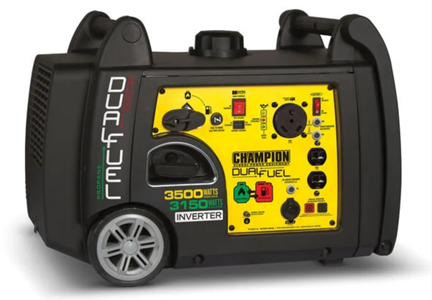
We bought a dual fuel Champion 3500. Pros: Price is much less than comparable Honda or Yamaha. Running on propane keeps the units clean and they don't have fumes after running when stored. Noise level = noise level under load is the same a the Honda 3000 and unloaded just a couple dB louder. It has 3150 Starting for AC's and is plenty beefy to run both the battery chargers and other appliances while running AC. Built in 30 amp connector that matches our shore power cables. Con: Weight - it is heavier than the 2200 line but it has a handle and wheels which makes moving it pretty easy. Uses: We have found even with Solar, we sometimes need the generator when boondocking to charge batteries in cloudy weather. We can run the AC on this unit, and it also runs the on board battery charger at the same time. A standard size 20gal BBQ propane tank can run this thing for a total of 15 hours. We normally run it about 3 hrs/day so for a 20 gal BBQ tank, that means 5 days, or using one of our Oliver 30 gallon tanks for about 8-9 days. Link to an online review:
1 point
-
We have owned our Elite II a little over a month now, so I can't report on reliability. I will say this: Each day we step inside our Oliver, we marvel at the workmanship and care that went into her construction. Each new day of exploration amazes us with a new discovery of "wow" details; things you won't find in mass produced RVs. The Oliver is obviously built to last and the attention to detail is like none I've ever imagined - and I'm a self-professed perfectionist. The fact that there are so many long-time Oliver owners and the OTT holds it's value well was enough to convince me. Since venturing into RV camping in 2009, we have owned three RV's - an inherited Nash travel trailer (not bad for the price; but we hated the layout), an entry level Keystone Cougar 5th-wheel (spacious, but Just plain too big), and a Leisure Travel Vans (formerly Triple E - Canadian built) Unity luxury B+ class motorhome (gorgeous design, but we found motorhome camping wasn't right for us). As noted, our RV experience is not lacking in variety. I will admit, none of these three were below our expectation of "you get what you pay for"; the Mercedes Sprinter chassis of the LTV was the only unreliable (bad) memory. However, none of these would compete with Oliver for quality, value, and superb customer service. The folks at Oliver care about each and every trailer they build and will go out of their way to insure customer satisfaction. Simply said: Oliver cares about their product and their customer. And to think we were seriously considering "looking" at Airstreams. So glad that didn't happen!1 point
-
I could read this a few ways. One way would be that any piece of solar equipment can only have a credit taken once - i.e if you sell it used the next owner can't claim a credit. Adding new panels or replacing old panels with new might be allowable depending on how this is actually interpreted by the IRS.1 point












.thumb.JPG.dd838cdb3df463dab6a16861fa23a319.JPG)



.thumb.jpg.780a61c48108d06558e15f745dfe9b5e.jpg)





-
Recent Achievements
-